Grotta Monello Integral Natural Reserve
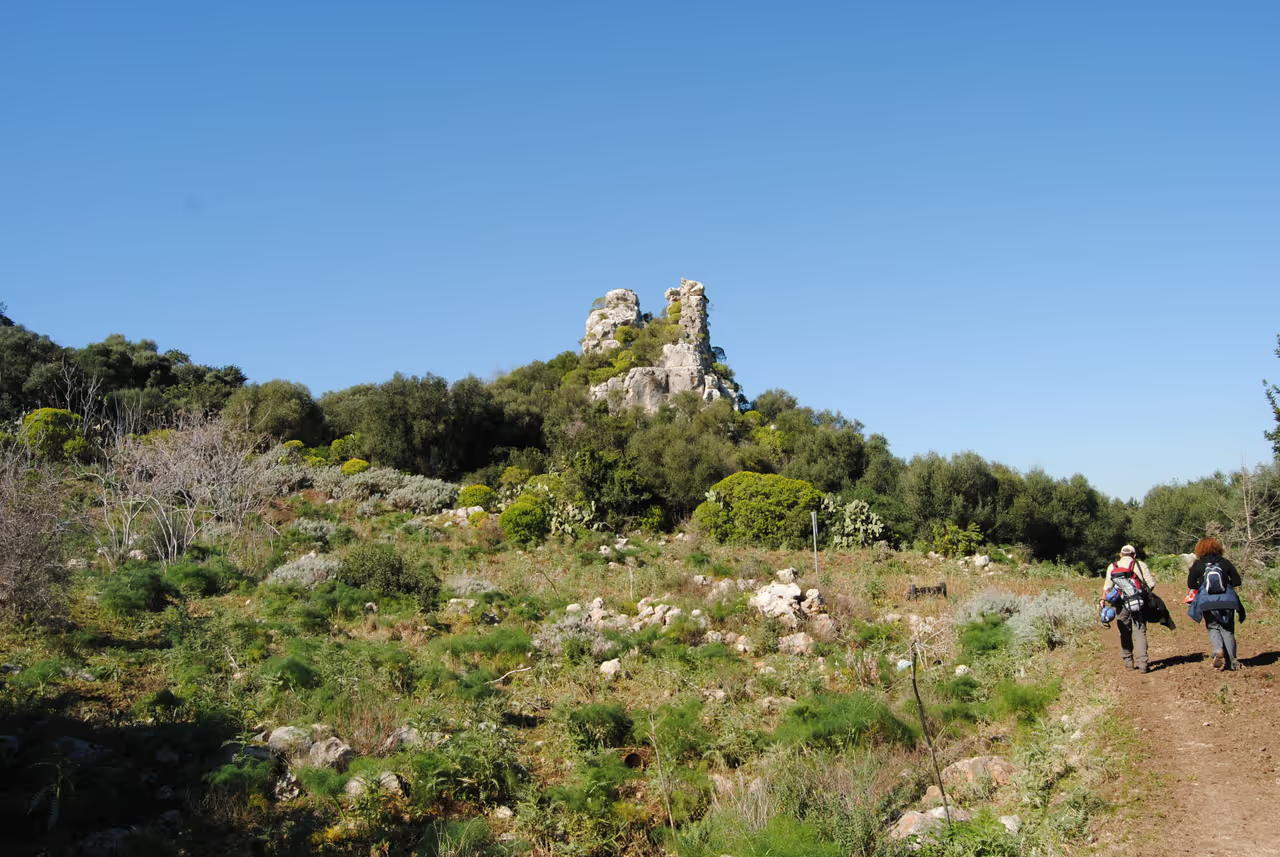
Nestled in the sun-drenched landscape near Syracuse, this integral natural reserve offers a rare glimpse into the hidden subterranean world of the Iblean plateau. It is a haven for geology enthusiasts, renowned for its spectacular array of stalactites and stalagmites that have formed over millennia within its deep limestone cavities. Visitors can connect with the raw, untouched beauty of the Sicilian countryside, home to unique endemic species that survive nowhere else on Earth. Beyond the caves, the area invites exploration of the rugged Mediterranean scrub and fascinating archaeological sites that reveal hints of ancient copper age civilizations. This protected space serves as a testament to the delicate balance between scientific preservation and the wonders of the natural world.
Videos
History of Grotta Monello Integral Natural Reserve
The story of Grotta Monello begins with a simple, intriguing observation in the autumn of 1948. Lucio Vizzini and Santo Tiné were visiting an olive mill in the countryside when they spoke to the local landowner, Sebastiano Monello. He mentioned a strange, cool breeze emanating from a small gap in the rocks of his olive grove. Driven by a spirit of exploration, the pair lowered themselves into the fissure, unaware that they were about to uncover a subterranean treasure chest of immense geological and archaeological value. What they found beneath the surface was a labyrinth of limestone formations so pristine and geologically significant that it eventually earned official protection status. The cave revealed delicate, intricate stalactites and stalagmites alongside a miniature, isolated world of life. It became home to rare, specialized creatures, such as endemic isopods and diplopods, that evolved in total darkness. Because of this fragile ecosystem, the site became an integral reserve, meaning that human access is carefully regulated to ensure these subterranean wonders remain undisturbed for future generations. The reserve offers more than geological wonder. Nearby caverns, like Grotta del Conzo, have provided archaeologists with clues to the ancient past, including pottery styles from the Copper Age that suggest surprising cultural links to faraway Anatolia. Today, the site has bridged the gap between strict conservation and public appreciation. With the opening of the Museo del carsismo ibleo, visitors can engage with the science of this karst landscape, turning an elusive, hidden cave system into a fascinating chapter of Sicily's natural and historical narrative.
Events spanning 69 years
Fun Facts
- • Access to the cave is strictly limited and monitored, ensuring that the rare troglobitic fauna remains undisturbed in their natural habitat.
- • Archaeologists discovered the 'Stile del Conzo' pottery here, which displays distinct artistic similarities to ancient Anatolian ceramics from the Copper Age.
- • It is home to the Armadillidium lagrecai, an endemic isopod that has adapted perfectly to the absolute darkness of the subterranean world.
- • Local legends suggest that the Grotta del Conzo was once used by criminals in the early 20th century to re-mark stolen horses, earning it a colourful local history.
- • The University of Catania manages the site, providing high-level scientific oversight to maintain the stability of the fragile cave environment.
- • The cave acts as a natural laboratory, allowing geologists to study the complex karst processes that have shaped the Iblean plateau over millions of years.
- • The cave system was initially located by a local farmer who noticed cool air blowing through a crack in his land, sparking the curiosity of passing explorers.
- • The name Grotta Perciata, referring to a site within the reserve, comes from the Sicilian dialect meaning holed or pierced, highlighting the porous limestone nature of the ground.
- • The reserve protects more than just the underground cave, encompassing a surface area that supports a rich variety of Mediterranean plants, including carob, olive, and almond trees.
RESOURCES
Official WebsiteGrotta Monello Integral Natural Reserve FAQ
While we strive to keep this information accurate and up to date, we recommend verifying any details independently before making decisions based on them.
Grotta Monello Integral Natural Reserve Map & Neighborhood Explorer
This interactive map is centered on Grotta Monello Integral Natural Reserve. Zoom in and move the map around to automatically discover Wikipedia photos and summaries of other nearby sights, monuments, and historical points of interest and stories in real-time!
Places near Grotta Monello Integral Natural Reserve
Make the most of your trip. Check out these top-rated spots located nearby.
 8694m
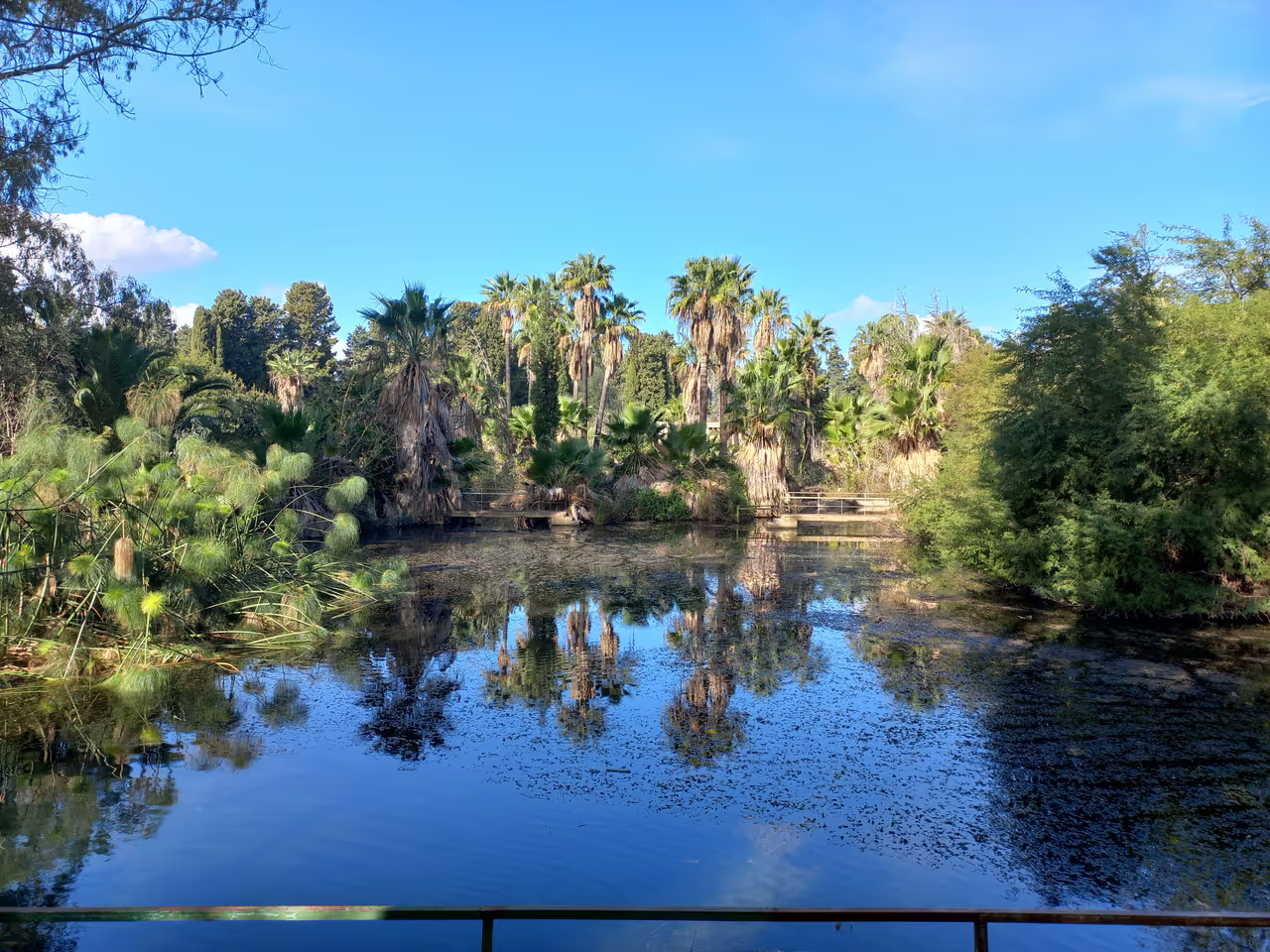
8694mCiane River and Syracuse Salt Pans Nature Reserve
Tucked away near the historic city of Syracuse, this nature reserve offers a serene escape into a landscape that feels unchanged by time. Famous for being one of the only places in Europe where wild Egyptian papyrus thrives, the area showcases lush riverbanks where the Ciane River winds gently towards the sea. Visitors can explore the ancient salt pans, which reflect the sky and provide a critical haven for migratory birds throughout the year. Whether you are cycling along the quiet paths or simply observing the rich riverside flora, the reserve invites you to experience a softer, greener side of Sicily. It is a rare living connection to the ancient world, nestled right on the city doorstep.
park & nature view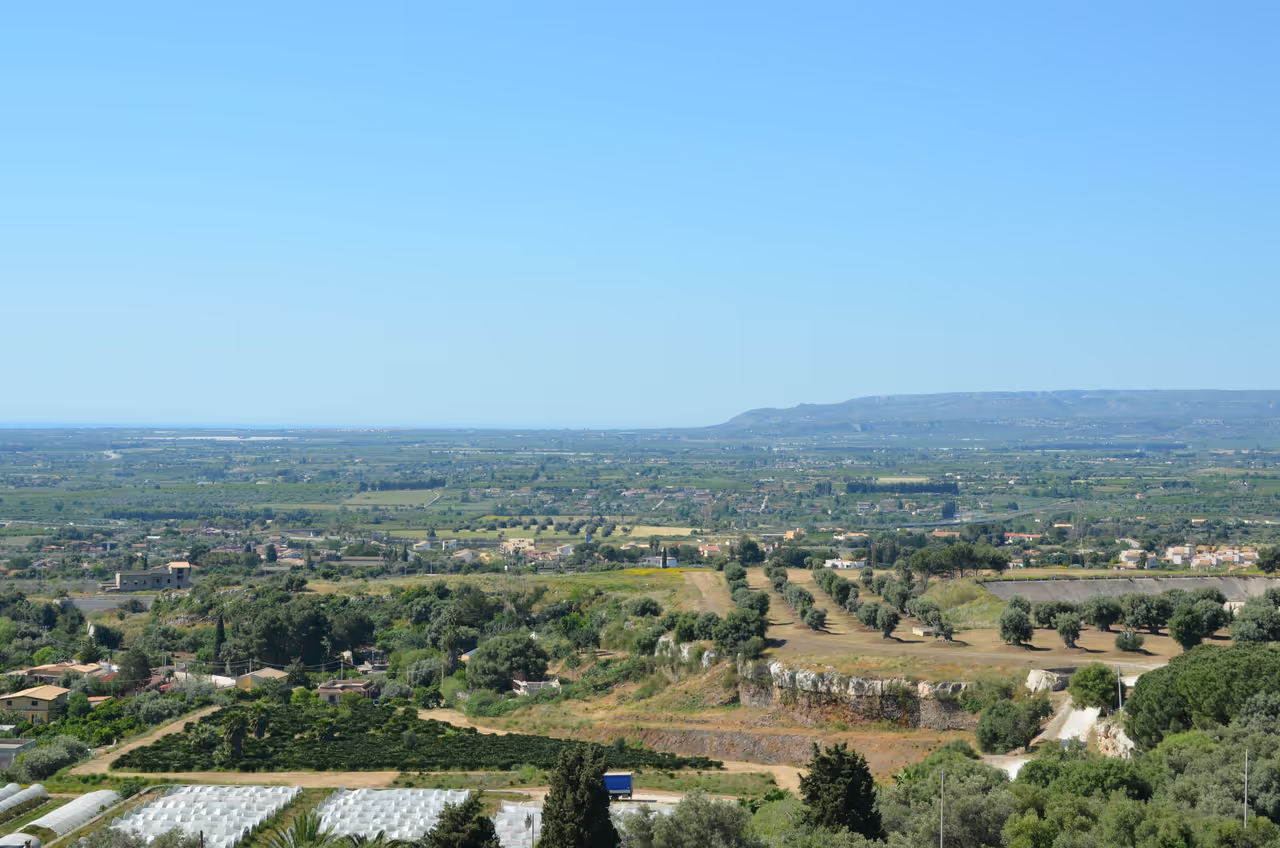 9106m
9106mSan Giacomo Belvedere
A beautiful, elevated terrace located along the eastern waterfront of the historical island. From here, you have an entirely unobstructed, sweeping view over the vast blue expanse of the Ionian Sea. The spot is particularly magical at dawn, as you can watch the sun rise directly out of the ocean, bathing the white limestone walls in soft light. It is a peaceful, breezy location perfect for contemplation or taking stunning coastal photographs. The contrast between the ancient defensive walls and the infinite sea is simply breathtaking.
viewpoint view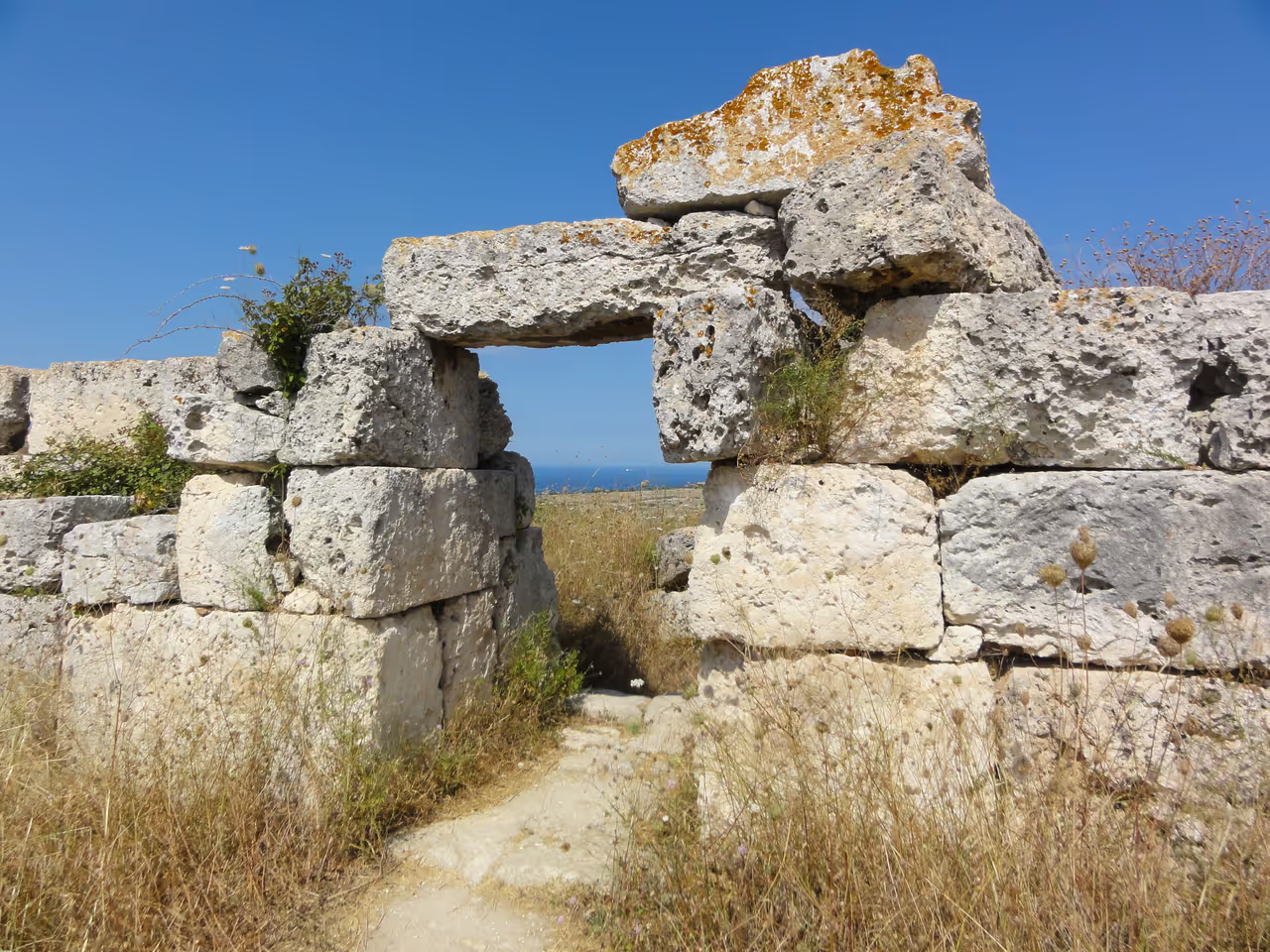 9570m
9570mEurialus Castle
Perched highly on the Epipolae plateau outside the city, these are the sprawling ruins of the most extensive ancient Greek fortress ever built. Ordered by the tyrant Dionysius, it was a masterpiece of military engineering designed to thwart massive siege engines. Visitors can explore deep, rock cut defensive ditches and a complex network of underground tunnels once used to ambush attackers. The site offers incredible, sweeping panoramic views over the entire city and coastline below. It appeals immensely to anyone fascinated by ancient warfare and tactical history.
highlight view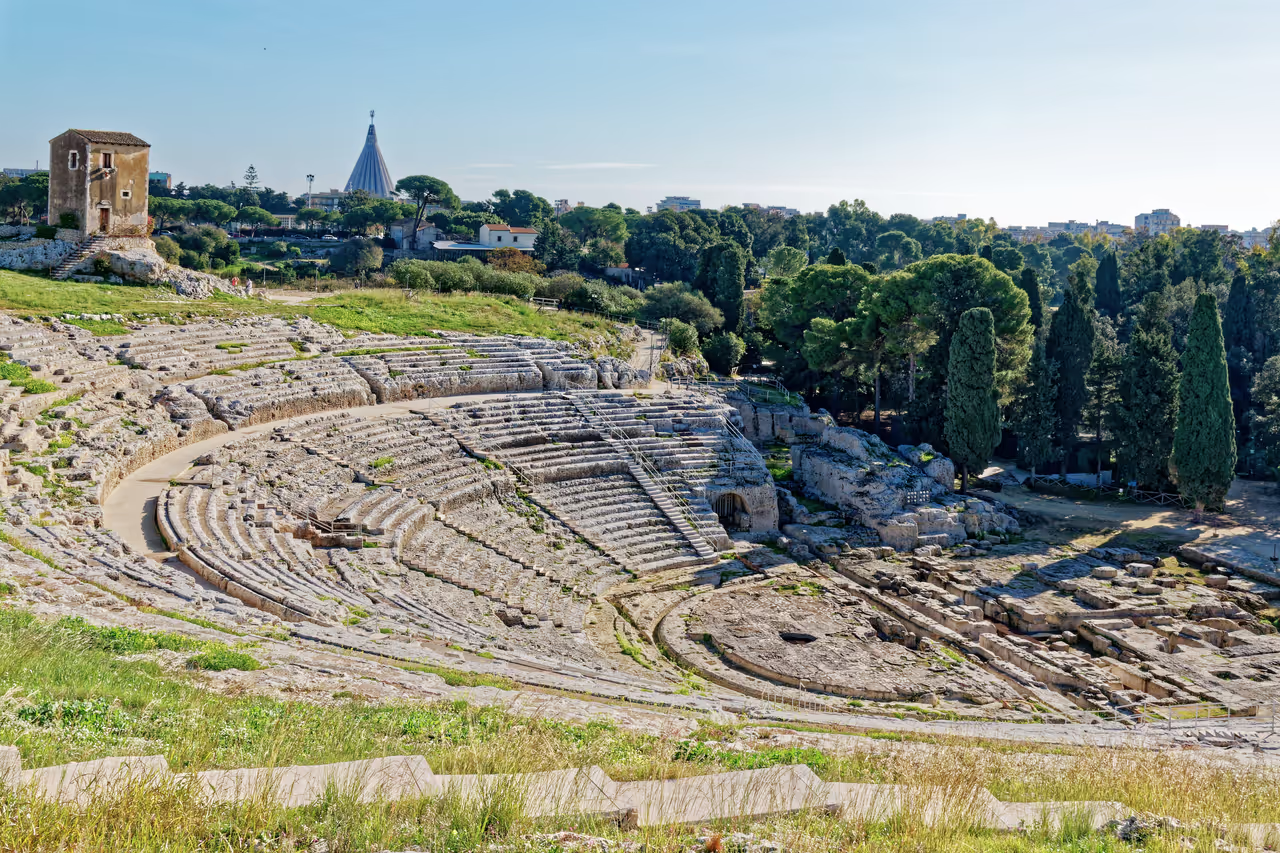 11701m
Greek Theatre of Syracuse
Carved directly into the limestone slopes of Temenite Hill, the Greek Theatre of Syracuse stands as a monumental testament to classical ingenuity and artistic ambition. This ancient masterpiece remains the largest of its kind in Sicily, offering breathtaking views that stretch across the harbour to the island of Ortygia. Visitors can walk the very stone steps where citizens once gathered for democratic assemblies and where great tragedies were first unveiled centuries ago. Beyond its architectural grandeur, the site continues to breathe with life by hosting annual classical dramas that maintain a connection to its storied past. Exploring this landmark offers a chance to stand within a living historical record, feeling the weight and scale of a world that helped shape modern performance. It is an unforgettable highlight of any journey to Syracuse.
attraction view
See all nature & parks in Syracuse
Ciane River and Syracuse Salt Pans Nature Reserve, Syracuse Forum...