Ciane River and Syracuse Salt Pans Nature Reserve
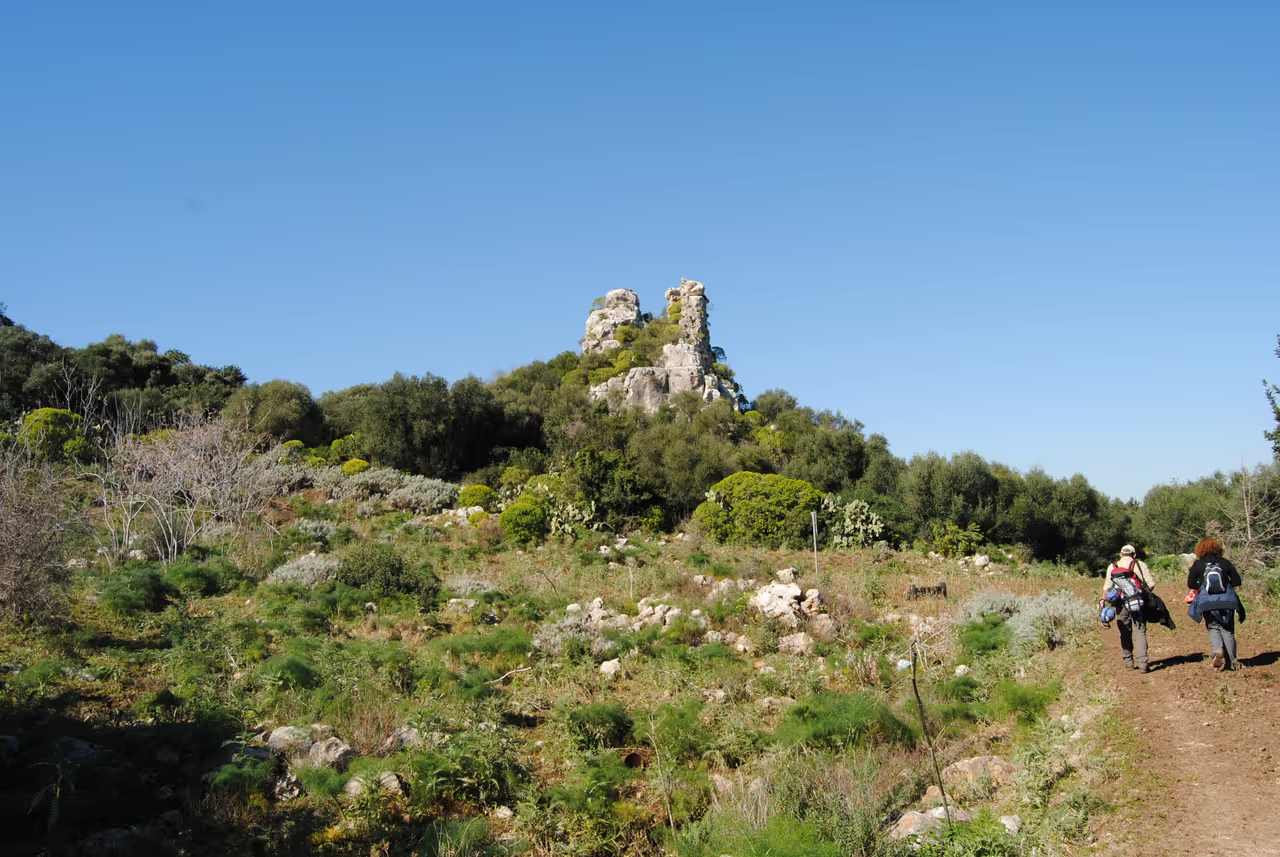
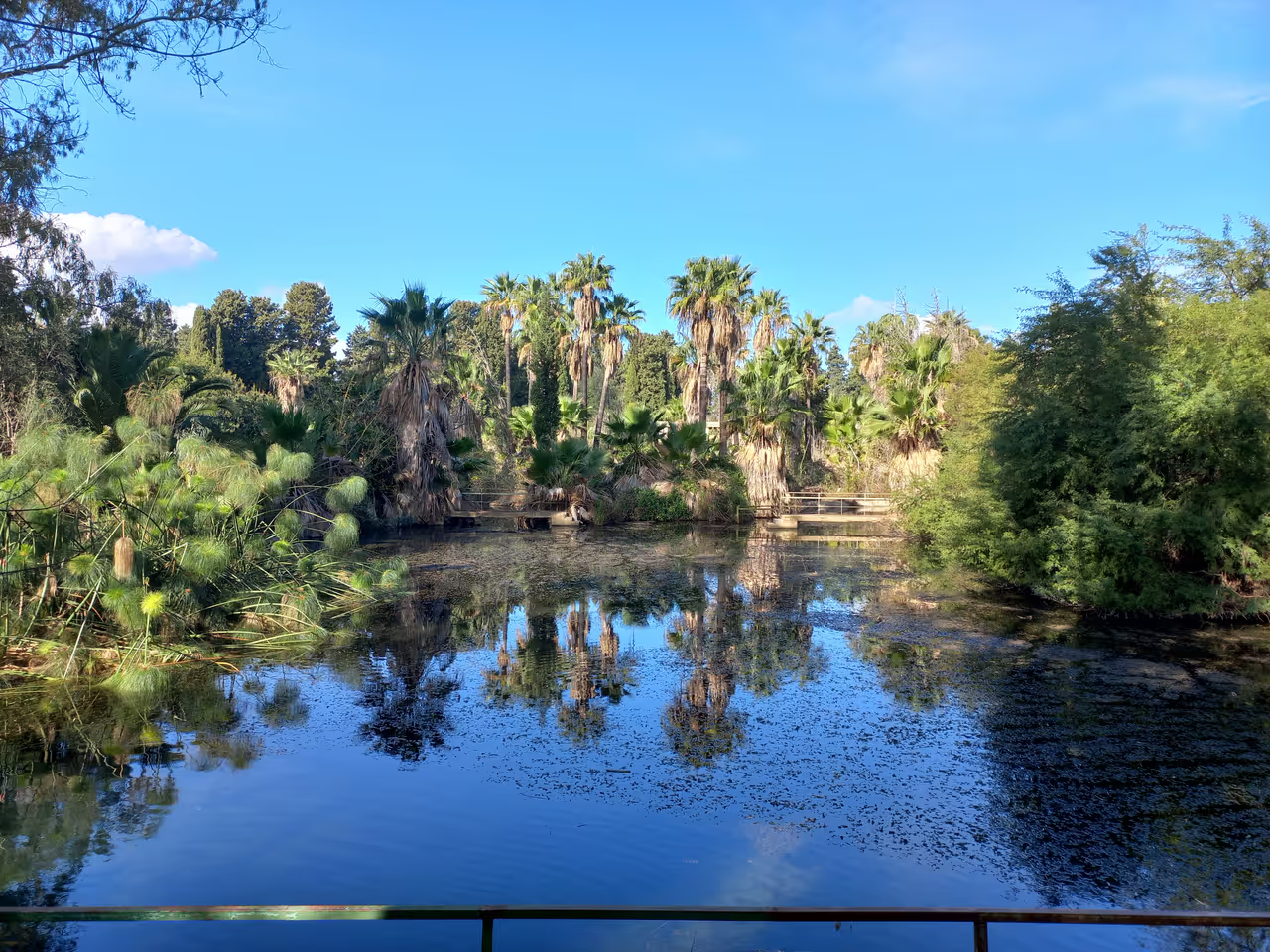
Tucked away near the historic city of Syracuse, this nature reserve offers a serene escape into a landscape that feels unchanged by time. Famous for being one of the only places in Europe where wild Egyptian papyrus thrives, the area showcases lush riverbanks where the Ciane River winds gently towards the sea. Visitors can explore the ancient salt pans, which reflect the sky and provide a critical haven for migratory birds throughout the year. Whether you are cycling along the quiet paths or simply observing the rich riverside flora, the reserve invites you to experience a softer, greener side of Sicily. It is a rare living connection to the ancient world, nestled right on the city doorstep.
Videos
History of Ciane River and Syracuse Salt Pans Nature Reserve
The story of the Ciane River is deeply intertwined with mythology and the ancient quest for knowledge. Legend tells of Ciane, a water nymph who dared to oppose Pluto as he abducted Proserpina. In her grief and struggle, she melted into a spring, forever merging her essence with the turquoise waters that now bear her name. The name itself reflects the Greek word kyanos, meaning blue, a nod to the shimmering hues of the river. For centuries, the riverbanks have hosted a mysterious resident, the wild Egyptian papyrus. Its presence here has sparked intense academic debate. Some scholars argue it is indigenous to the region, citing ancient records, while others believe it arrived via trade routes during the reign of Agathocles of Syracuse, possibly as a gift from the Ptolemaic kings of Egypt. Regardless of its origin, the papyrus became a forgotten utility until the late eighteenth century. It was then that the scholar Saverio Landolina revived the ancient techniques of Pliny the Elder, successfully crafting paper from the reeds once again, effectively breathing life into a craft that had been dormant for ages. Beyond the river, the salt pans tell a tale of human industry that defined the local economy for centuries. Operating from the seventeenth century until the late eighties, these marshes were once a hub of salt production, capturing the Mediterranean sun to crystallise mineral wealth. Today, the salt pans have found a second life as a serene sanctuary for migratory birds. The area remains a quiet testament to the enduring relationship between Syracuse and the natural world, serving as a reminder that the environment often shapes history as much as people do.
Events spanning 204 years
Fun Facts
- • Ancient mythology recounts the tale of the nymph Ciane, who was transformed into a spring after trying to stop Pluto from abducting Proserpina.
- • Historical records indicate that sugar cane was also farmed in this valley, highlighting the area's long history as a productive agricultural hub.
- • Linguistic similarities exist between the local Sicilian dialect term for the plant, pappèra, and the ancient Egyptian word, paenperaa.
- • Some theories suggest the papyrus was introduced to Sicily during the reign of Agathocles of Syracuse, possibly as a diplomatic gift from Ptolemaic Egypt.
- • The area provides a crucial stopover for migratory birds, including species such as the black winged stilt.
- • The name Ciane comes from the Greek word kyanos, meaning blue, which describes the distinct colour of the river waters and the papyrus.
- • The papyrus plant in Syracuse is scientifically proven to be of the same natural strain as the ancient Egyptian papyrus.
- • The reserve features a twelve kilometre cycling loop, allowing visitors to traverse the wetland landscape on two wheels.
- • The reserve is one of the only places in Europe where the Egyptian papyrus plant, or Cyperus papyrus, grows wild.
- • The salt pans were a significant economic driver for the region from the seventeenth century until the late twentieth century.
Ciane River and Syracuse Salt Pans Nature Reserve FAQ
While we strive to keep this information accurate and up to date, we recommend verifying any details independently before making decisions based on them.
Ciane River and Syracuse Salt Pans Nature Reserve Map & Neighborhood Explorer
This interactive map is centered on Ciane River and Syracuse Salt Pans Nature Reserve. Zoom in and move the map around to automatically discover Wikipedia photos and summaries of other nearby sights, monuments, and historical points of interest and stories in real-time!
Places near Ciane River and Syracuse Salt Pans Nature Reserve
Make the most of your trip. Check out these top-rated spots located nearby.
 3356m
3356mSyracuse Forum
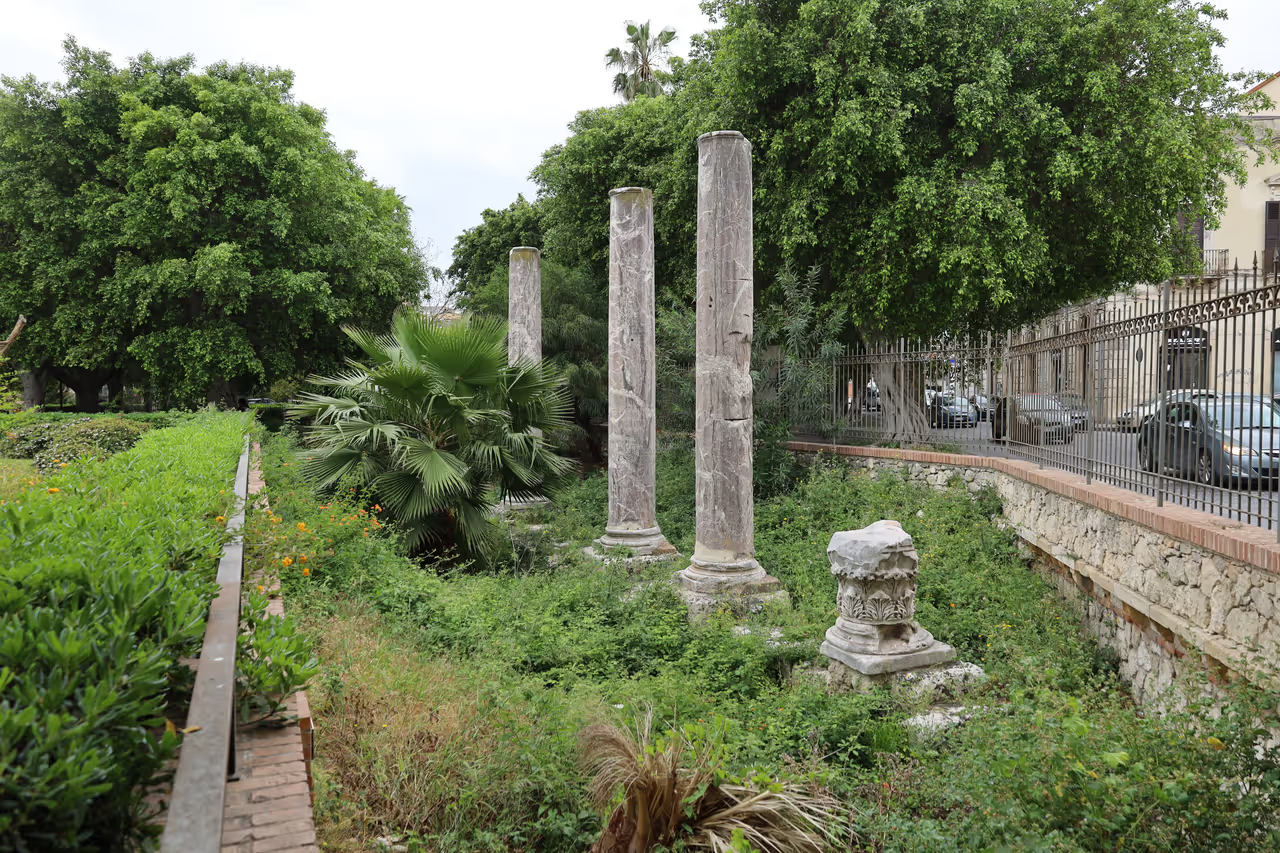
The Syracuse Forum, known locally as the Villini, is a serene green oasis that seamlessly blends the ancient pulse of Syracuse with a modern, relaxed atmosphere. Once the heart of the Greek and Roman city, it served as the agora where civic life flourished for centuries. Today, visitors can wander through this charming public garden, where the few remaining marble columns and ancient street stones offer a quiet window into the past. It is a wonderful spot to sit and reflect on the millennia of history that have passed through this ground. Whether you are a history enthusiast or simply looking for a peaceful break in the city centre, the Forum offers a unique perspective on the layers of time that define this landscape.
park & nature view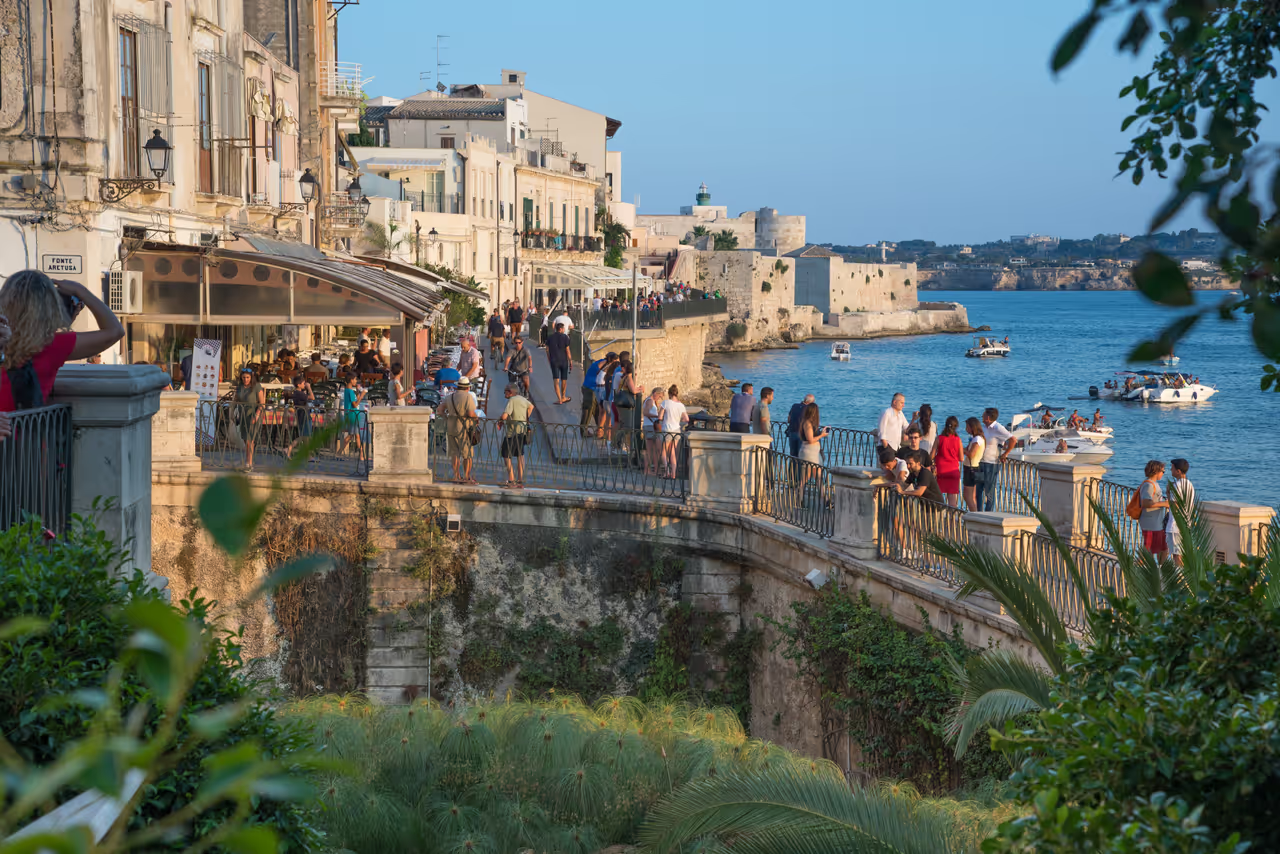 3488m
3488mFountain of Arethusa
A beautiful, natural freshwater spring that bubbles up inexplicably right at the edge of the salty sea. According to legend, it is the spot where a desperate nymph was transformed into water to escape a pursuing river god. Today, it forms a picturesque, semi circular basin filled with friendly ducks and rare, towering papyrus plants. It serves as a classic meeting point and one of the most romantic, photographable spots on the entire island. Standing here connects you instantly to the poetic myths of the ancient world.
highlight view 3497m
3497mPantheon of Syracuse
A prominent and deeply imposing circular church located on the mainland, built in the twentieth century. It serves as a monumental war memorial, housing the remains of local soldiers who fell during the First World War. The striking, monumental architecture is vastly different from the historic center, featuring massive pillars and a wide, sweeping dome. The interior is solemn, austere, and commands a deep sense of respect. It acts as an important civic and architectural landmark for the more modern districts of the city.
architecture view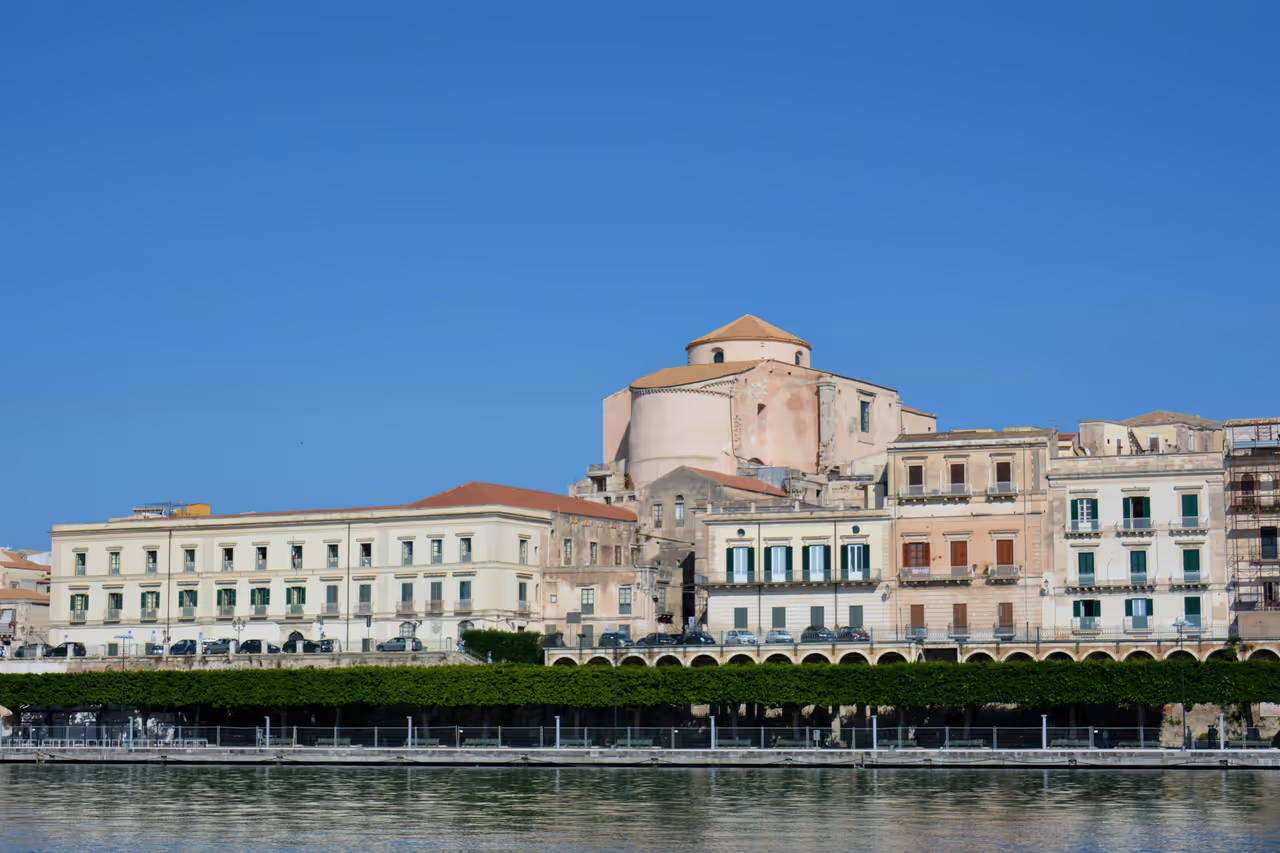 3500m
3500mSyracuse Marina
A beautiful tree lined avenue right by the main harbour that offers a delightful mix of evening strolls and lively entertainment. During the warmer months, pop up bars and small kiosks serve cold drinks and snacks beneath the branches. It is highly popular for a casual digestive walk after dinner, occasionally hosting street musicians or small outdoor events. The gentle bobbing of yachts nearby adds a touch of maritime charm to the evening.
nightlife view
See all nature & parks in Syracuse
Grotta Monello Integral Natural Reserve, Syracuse Forum...