Syracuse Forum
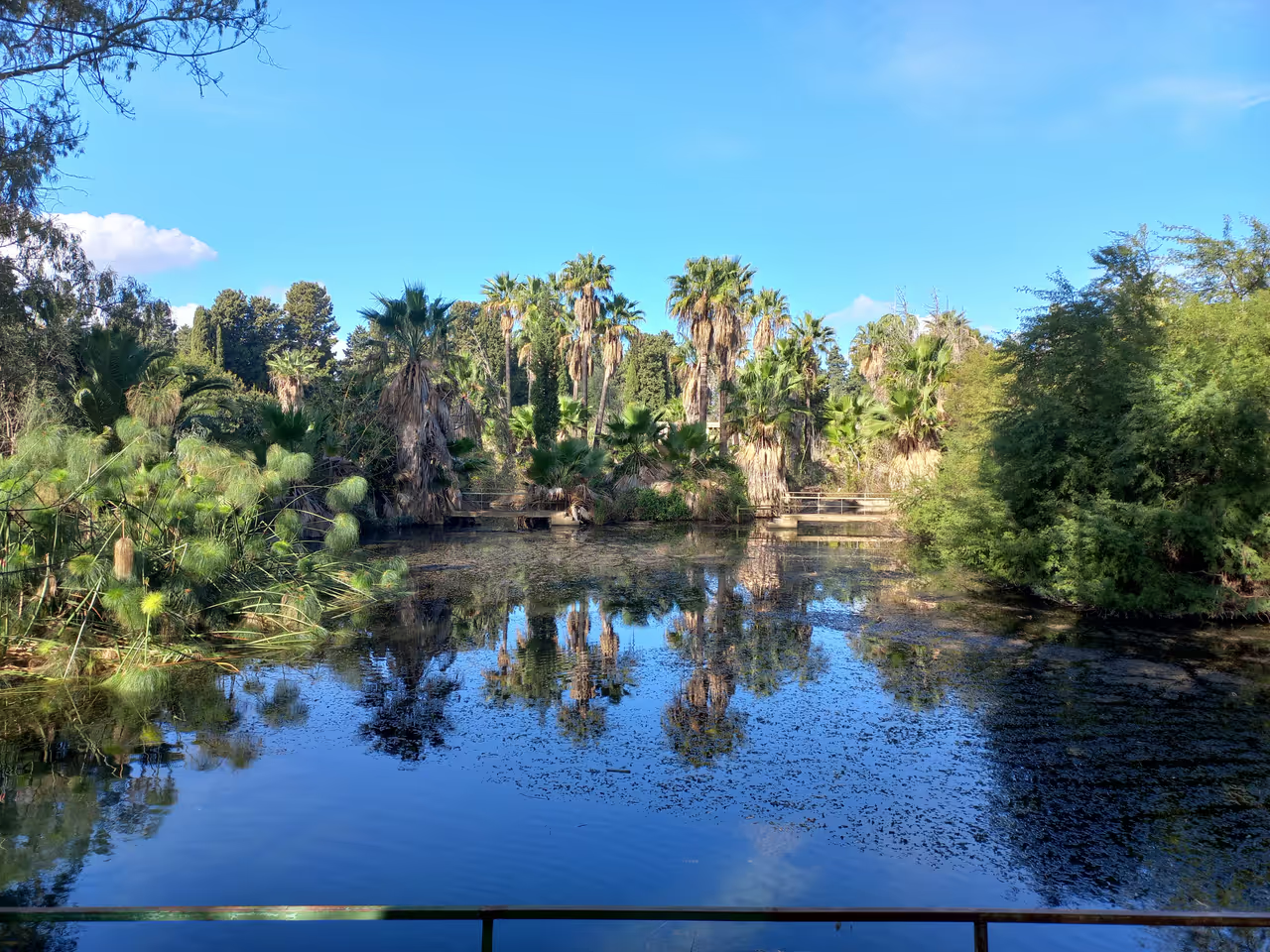
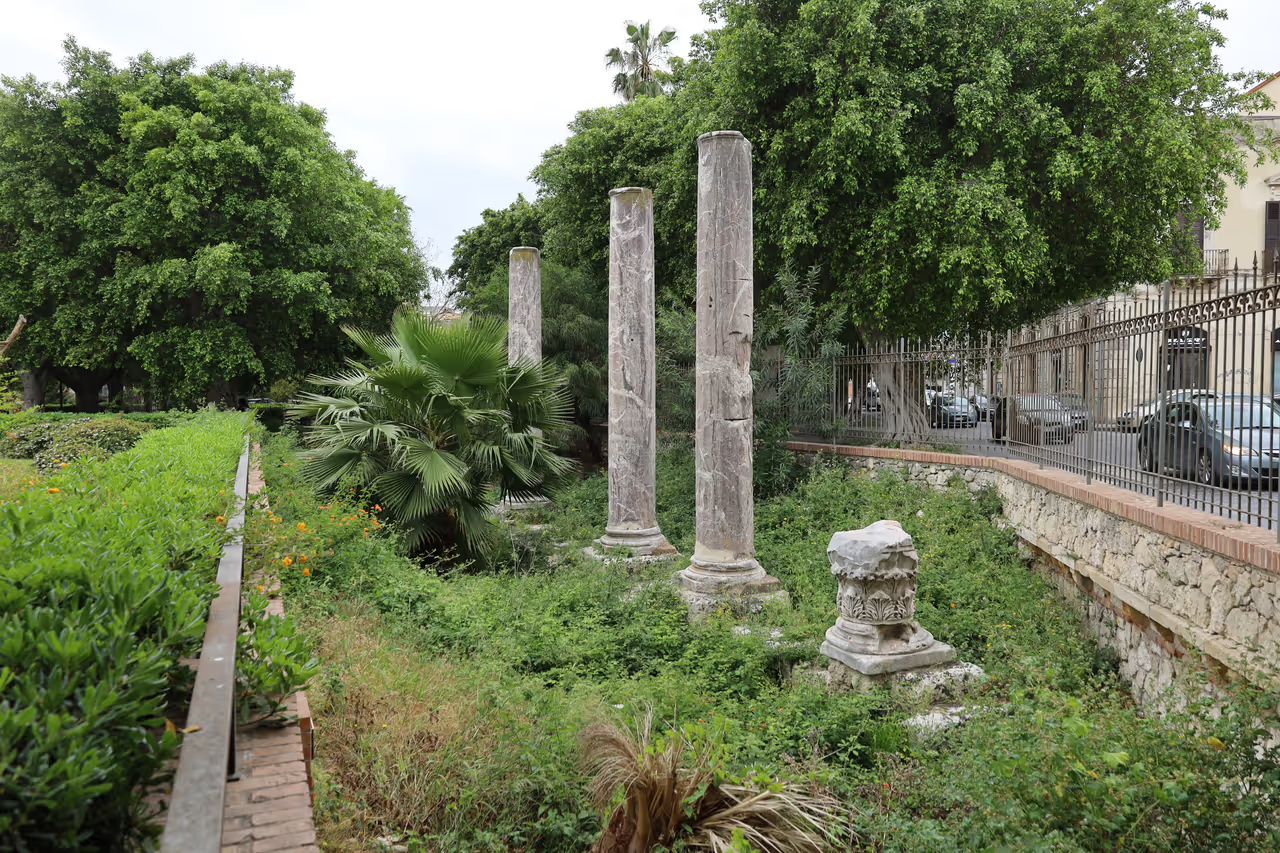
The Syracuse Forum, known locally as the Villini, is a serene green oasis that seamlessly blends the ancient pulse of Syracuse with a modern, relaxed atmosphere. Once the heart of the Greek and Roman city, it served as the agora where civic life flourished for centuries. Today, visitors can wander through this charming public garden, where the few remaining marble columns and ancient street stones offer a quiet window into the past. It is a wonderful spot to sit and reflect on the millennia of history that have passed through this ground. Whether you are a history enthusiast or simply looking for a peaceful break in the city centre, the Forum offers a unique perspective on the layers of time that define this landscape.
History of Syracuse Forum
Centuries ago, this patch of land served as the primary interface of ancient Syracuse. It was the crucial bridge linking the fortified island of Ortigia to the expanding mainland district of Acradina. Architects and civic leaders envisioned this space as the beating heart of the city, an agora where politics, commerce, and religion converged. The orator Cicero famously painted a picture of this site at its peak, detailing structures such as the bouleuterion and the majestic temple of Zeus that once towered over the square, leaving an indelible mark on those who frequented it. The transformation from a seat of ancient power to a modern public park is a story of adaptation. For centuries, the weight of history sat upon these stones, which eventually witnessed military parades during its time as a piazza d'armi. Yet, history has a way of reinventing itself. In the early twentieth century, the space shed its military skin to become the Villini, a garden designed for the people of Syracuse. This transition allowed the ancient ruins to become part of the daily life of citizens, creating a space where history is not tucked away in a vault, but lived and walked upon. Perhaps the most surprising chapter in its history lies in the early twentieth century, when the forum became the unlikely cradle of football in the region. English sailors stationed in the Great Harbour brought the game to these very grounds, turning the ancient forum into a pitch for the city first matches. This fusion of Roman antiquity and the birth of a modern sporting passion encapsulates the spirit of the site. Today, those remnants of marble columns stand as quiet witnesses to this enduring legacy, representing the capacity of Syracuse to evolve while honouring its roots.
Events spanning 2390 years
Fun Facts
- • Ancient Roman roads paved with basalt blocks are still visible on the southern side of the park.
- • Archaeological findings discovered at this site are currently housed and displayed in the nearby Paolo Orsi Archaeological Museum.
- • Before its conversion to a park, the space was used as a military parade ground known as a piazza d'armi.
- • It is considered the birthplace of football in Syracuse, as local teams adopted the sport after watching English sailors play.
- • The area was historically described as the location of a bouleuterion and a temple dedicated to Zeus.
- • The gardens were formally incorporated into the city planning by architect Luigi Mauceri in the early twentieth century.
- • The site features preserved marble columns from the imperial Roman era that stand as the only remnants of an ancient portico.
- • The site served as the primary interface between the Greek island of Ortigia and the mainland district of Acradina.
Syracuse Forum FAQ
While we strive to keep this information accurate and up to date, we recommend verifying any details independently before making decisions based on them.
Syracuse Forum Map & Neighborhood Explorer
This interactive map is centered on Syracuse Forum. Zoom in and move the map around to automatically discover Wikipedia photos and summaries of other nearby sights, monuments, and historical points of interest and stories in real-time!
Places near Syracuse Forum
Make the most of your trip. Check out these top-rated spots located nearby.
 146m
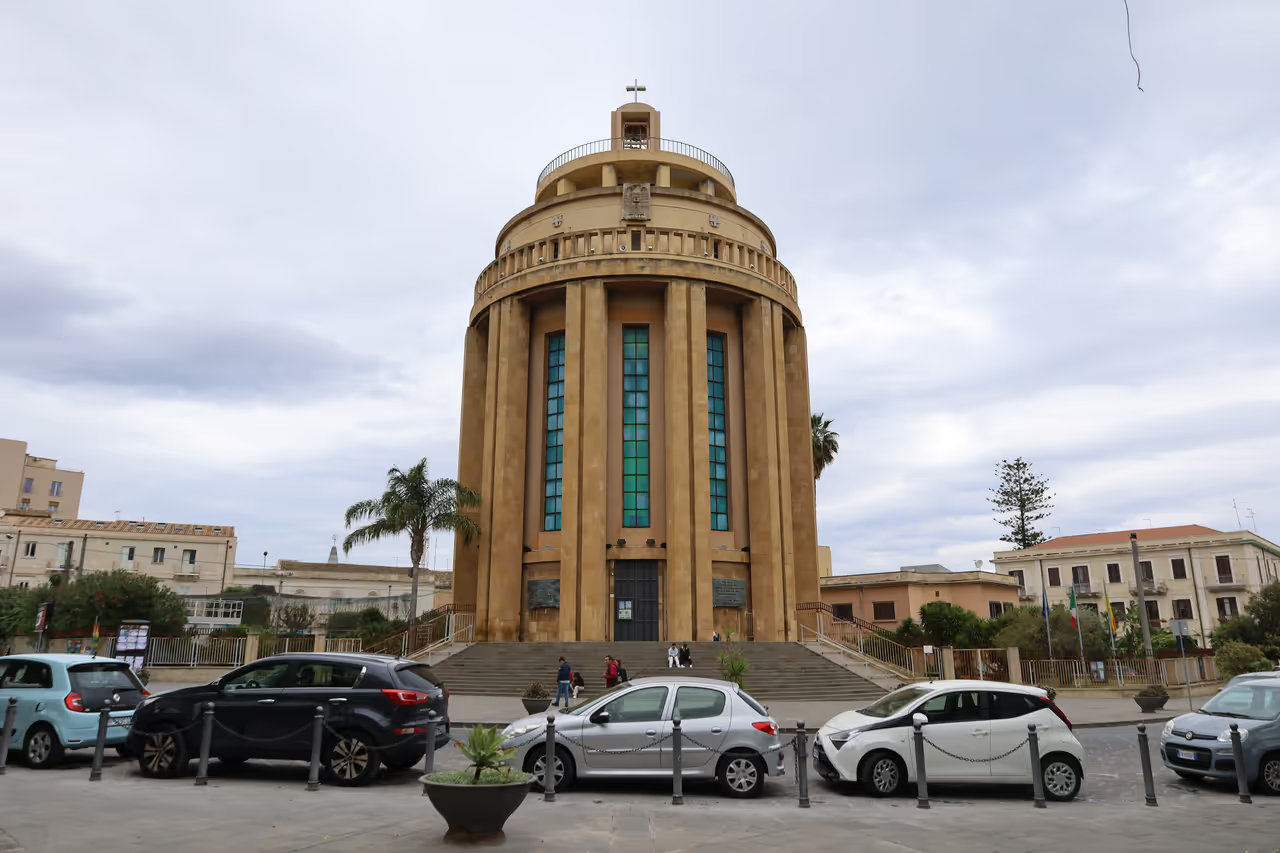
146mPantheon of Syracuse
A prominent and deeply imposing circular church located on the mainland, built in the twentieth century. It serves as a monumental war memorial, housing the remains of local soldiers who fell during the First World War. The striking, monumental architecture is vastly different from the historic center, featuring massive pillars and a wide, sweeping dome. The interior is solemn, austere, and commands a deep sense of respect. It acts as an important civic and architectural landmark for the more modern districts of the city.
architecture view- 543m
Ares International Film and Media Festival
A prominent cultural event that celebrates the intersection of cinema, media, and the arts. The festival attracts creative minds from around the globe to present innovative works and engage in thought provoking discussions. It features a diverse lineup of screenings, workshops, and award ceremonies highlighting emerging talent. The event adds a fantastic contemporary cultural layer to the city's ancient streets.
festival view - 543m
Syracuse Farmers Market
A wonderful weekly gathering where local farmers bring their absolute best seasonal produce directly to the public. You will find incredible organic vegetables, fresh honey from the nearby mountains, locally pressed olive oil, and rustic baked goods. The atmosphere is much calmer than the daily fish market, focusing heavily on zero kilometre sustainability and high quality regional ingredients. It is an excellent spot to interact directly with the passionate agricultural producers of the region.
market view 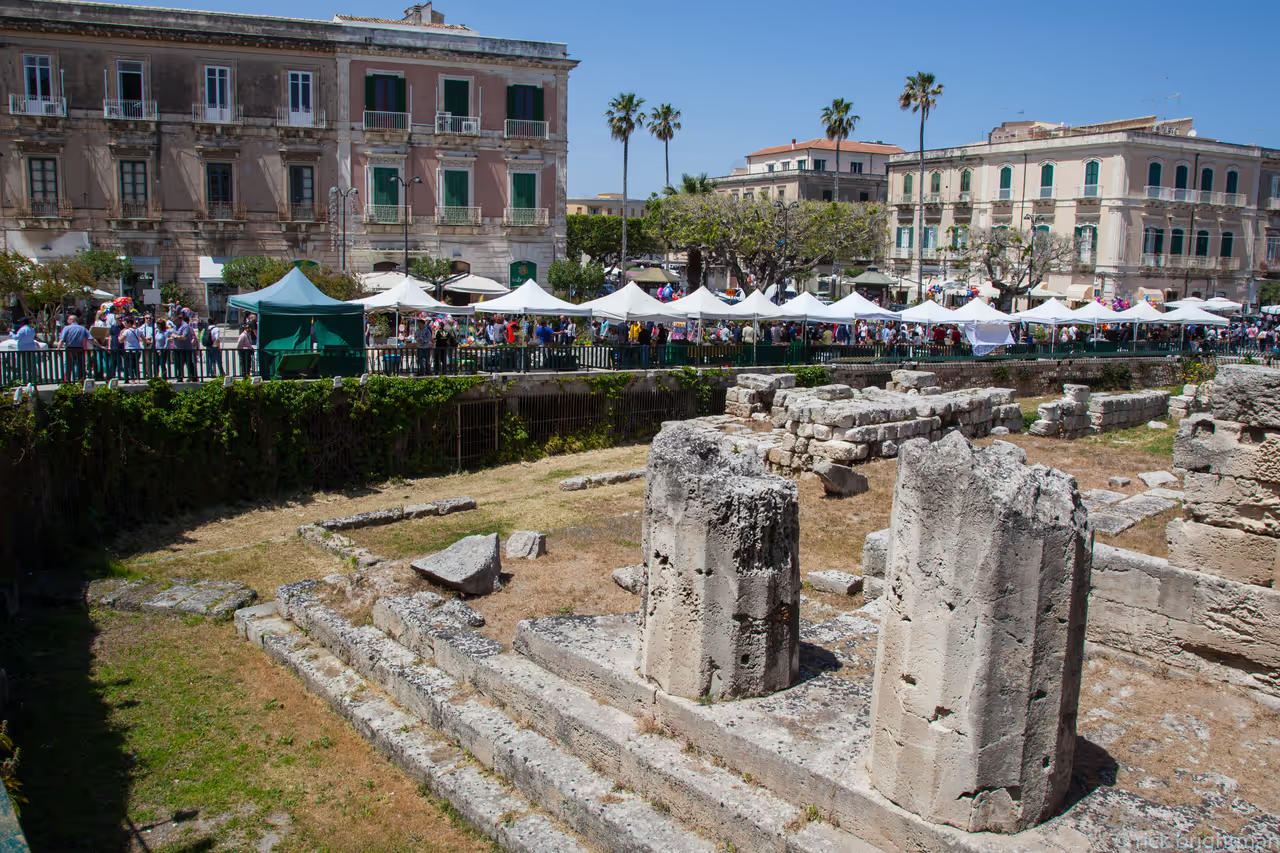 763m
763mOrtigia Street Market
This vibrant outdoor market is an absolute feast for the senses, overflowing with colourful stalls selling the freshest Sicilian produce. The air is thick with the calls of vendors promoting their catch of the day, vibrant spices, sun dried tomatoes, and massive wheels of local cheese. It is the perfect place to grab spectacular street food or assemble a picnic of cured meats and olives. Navigating the chaotic, joyful energy here offers a brilliant glimpse into authentic daily life in the city.
market view
See all nature & parks in Syracuse
Ciane River and Syracuse Salt Pans Nature Reserve, Grotta Monello Integral Natural Reserve...