Prato della Valle
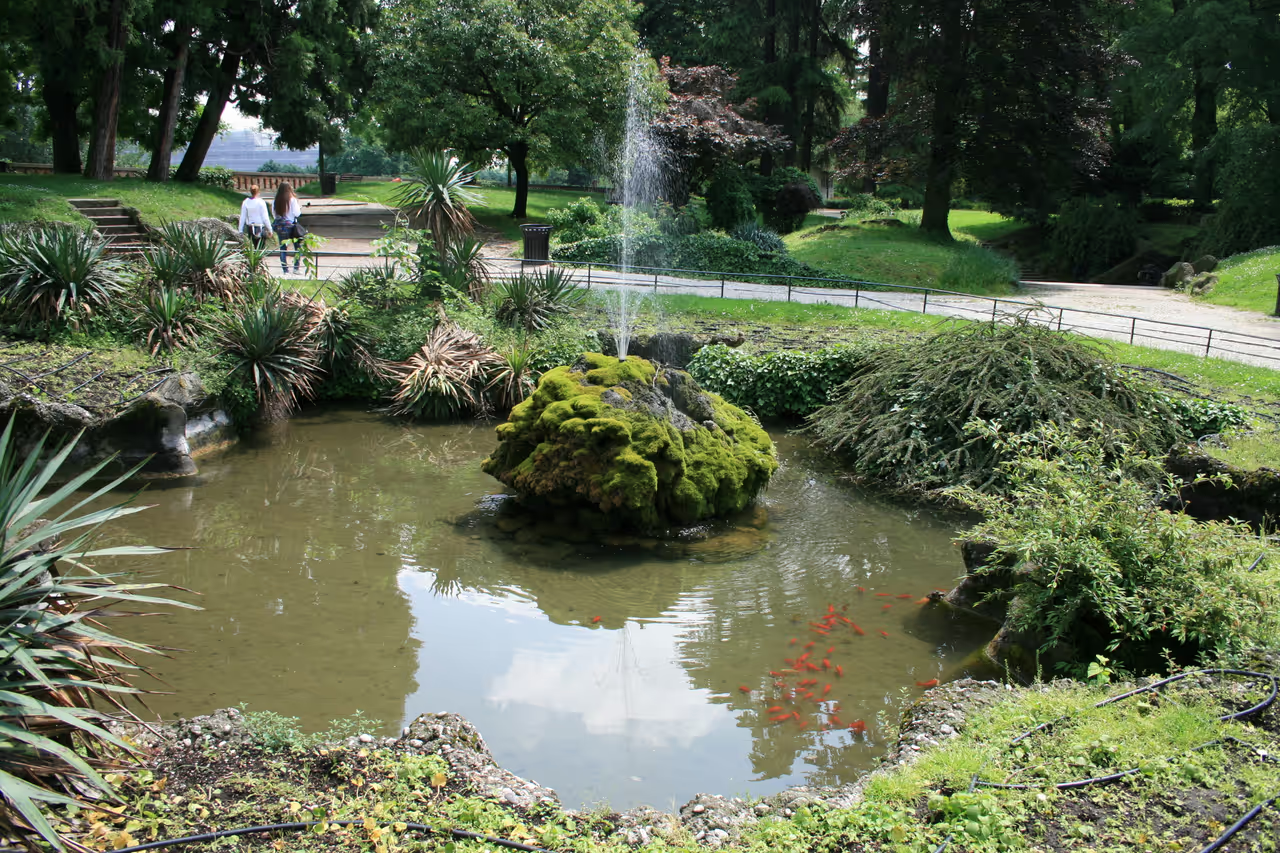
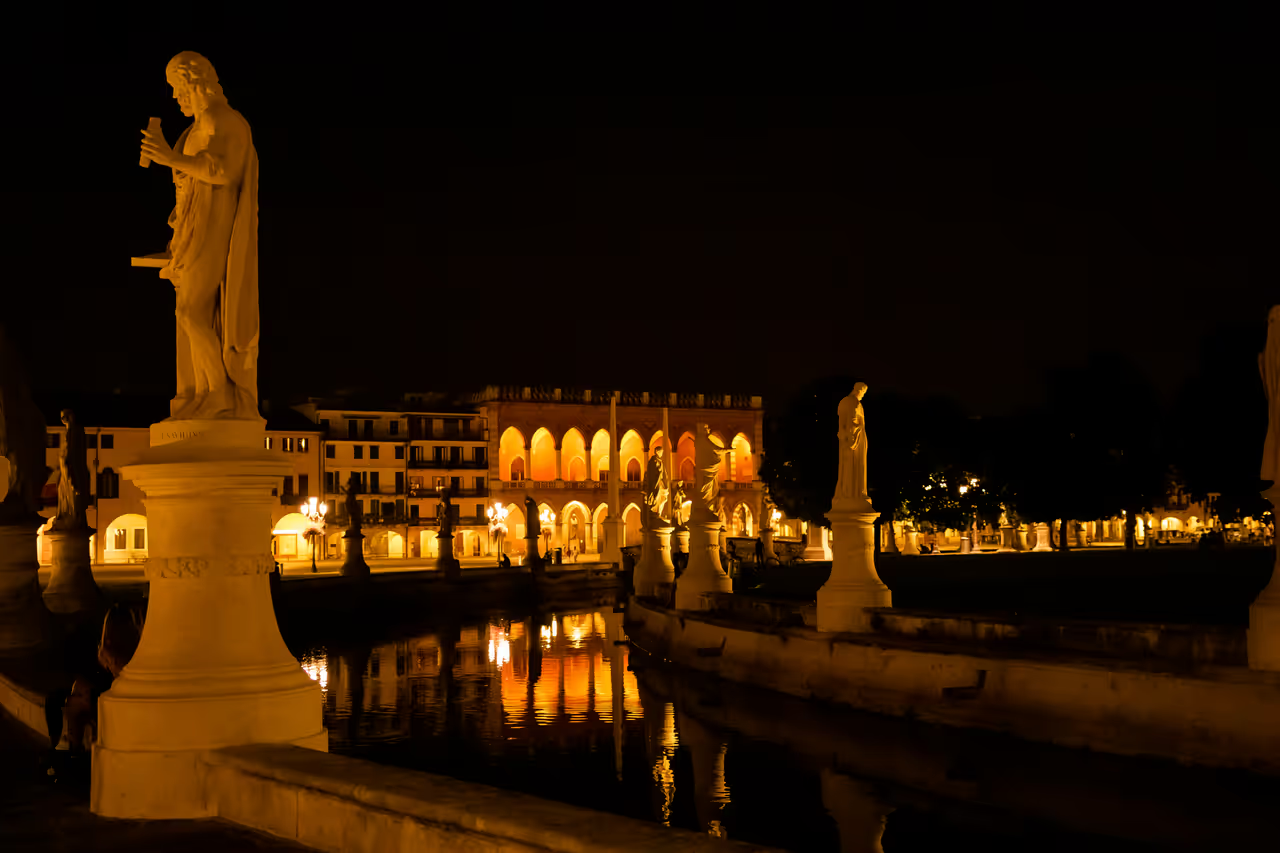
Step into the heart of Padua to discover Prato della Valle, an immense and elegant elliptical square that feels like the city's communal living room. As one of the largest squares in Europe, it offers a grand space featuring a lush green island at its centre, which is encircled by a gentle canal and seventy eight stoic statues representing historical figures. This is a place where locals naturally gravitate to skate, study under the sun, or simply wander amidst the neoclassical architecture and vibrant atmosphere. Whether you are marvelling at the serene beauty of the Isola Memmia or joining in the festive spirit during summer evenings, the square provides a perfect harmony of tranquillity and local life. It stands as a brilliant testament to the city's history of urban reclamation, inviting every visitor to pause and appreciate the scale of this magnificent public landmark.
Videos
History of Prato della Valle
The evolution of Prato della Valle is a remarkable story of transformation. Before the seventeenth century, this vast area was little more than a marshy, forgotten expanse situated just outside the city walls. It gained notoriety in 1636 when Venetian notables constructed a lavish temporary theatre here, hosting mock battles on horseback that effectively set the stage for the dawn of public opera in Venice. For a long time, it was a landscape of mud and potential, waiting for a visionary to reshape its destiny. That vision arrived with Andrea Memmo in the late eighteenth century. A prominent Venetian patrician, Memmo sought to reclaim this land for the public, turning the swampy basin into a magnificent island, the Isola Memmia, which remains the square's defining feature today. His ambitious project, approved by architect Domenico Cerato, aimed to establish a centre for commerce and the arts. During the necessary drainage and groundwork, excavations uncovered the remnants of an ancient Roman theatre, grounding the modern square in a deep and respected history that continues to define its character. The square's identity was further forged by the statues that line its concentric rings. These seventy eight figures, representing local heroes, popes, and scientists, stand as silent guardians over the space. Despite periods of neglect in the twentieth century, the community of Padua rallied to restore their beloved Prato, ensuring that the legacy of Memmo's grand design lives on. Today, it stands as a triumphant example of how urban planning can create a harmonious place where history meets modern, everyday life.
Events spanning 354 years
Fun Facts
- • Archaeological excavations to reclaim the area for public use in the late eighteenth century revealed the remains of an ancient Roman theatre, providing the square with an unexpected link to the city's classical past.
- • During the 1990s, the square suffered from neglect, leading to a grassroots campaign by residents to clean and restore the area, a testament to how deeply the people of Padua cherish their Prato.
- • Palazzo Angeli, which overlooks the square, was once the residence of Andrea Memmo and now houses the Museum of Precinema, home to the Minici Zotti collection which showcases fascinating optical devices.
- • Prato della Valle has become a key venue for significant city events, such as the Feast of the Assumption and various New Year's celebrations, where fireworks illuminate the night sky above the green island.
- • The central island, known as the Isola Memmia, was designed by Andrea Memmo as a place for public markets and exhibitions, reflecting his vision of a space that served both commerce and leisure.
- • The square features two concentric rings of statues separated by a small canal, an architectural layout that remains one of the most distinctive features of any public square in Europe.
- • The square serves as a unique open air pantheon for the city, featuring statues of notable figures who shaped the region, including scientists like Galileo Galilei and poets such as Petrarch.
- • The square was historically known as the valley without grass because the shade of surrounding trees prevented vegetation from growing, which contrasts with the lush green island that thrives there today.
- • The stone used to carve the numerous statues lining the canals was sourced from the quarries of Vicenza, a region celebrated for its high quality building materials.
- • There are seventy eight statues currently standing on the pedestals, although the original design called for eighty eight, with several figures removed or destroyed over the centuries.
Prato della Valle FAQ
While we strive to keep this information accurate and up to date, we recommend verifying any details independently before making decisions based on them.
Prato della Valle Map & Neighborhood Explorer
This interactive map is centered on Prato della Valle. Zoom in and move the map around to automatically discover Wikipedia photos and summaries of other nearby sights, monuments, and historical points of interest and stories in real-time!
Places near Prato della Valle
Make the most of your trip. Check out these top-rated spots located nearby.
 113m
113mAmulea Loggia
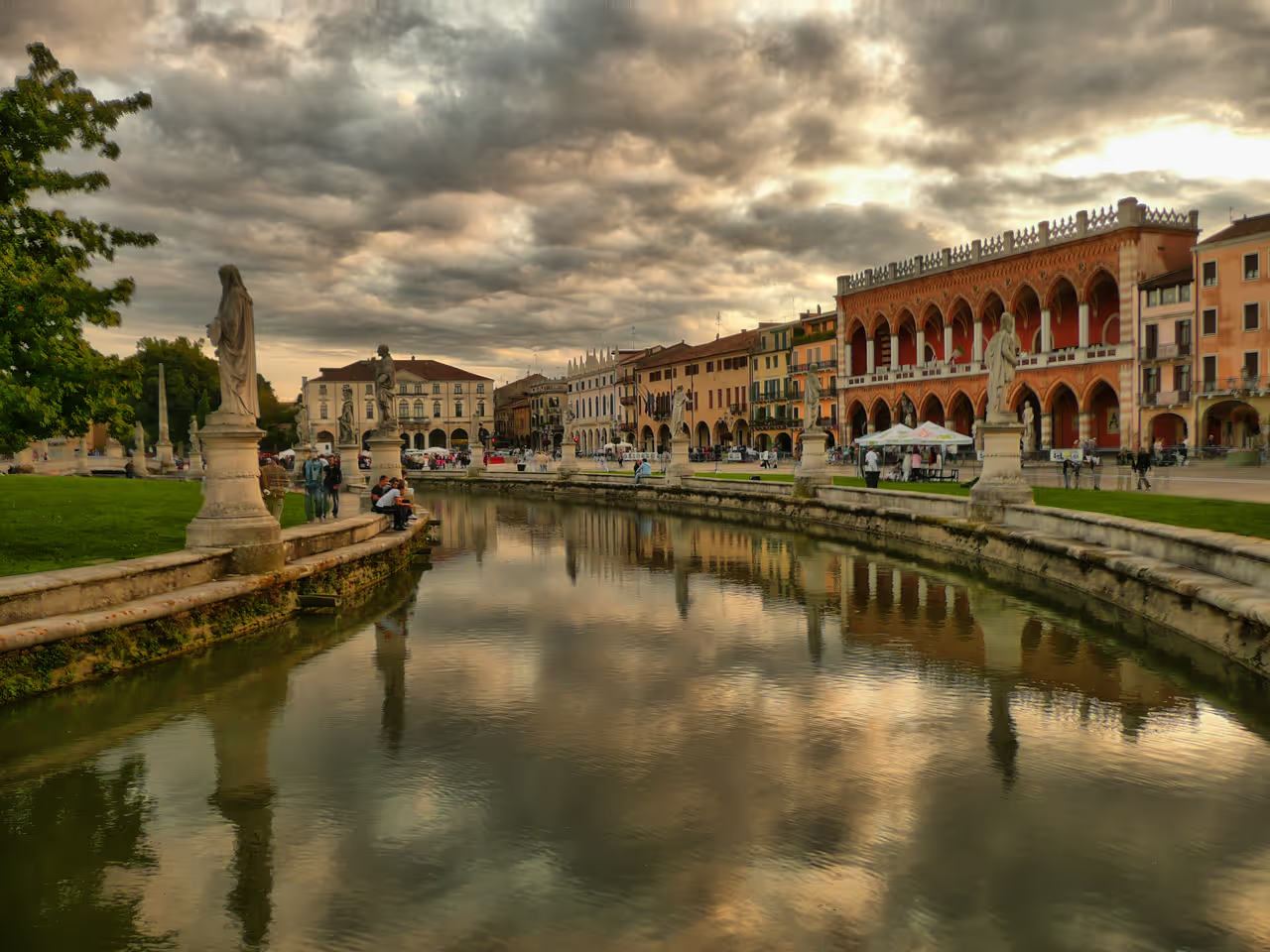
This highly elegant neo Gothic structure provides a stunning theatrical backdrop to the immense Prato della Valle. Featuring graceful pointed arches and refined terracotta detailing, it was originally designed as a grand viewing gallery for the nobility to watch equestrian spectacles. Today, the upper levels offer prestigious municipal offices, while the ground floor arcade invites pedestrians to stroll in the shade. The building glows beautifully when illuminated at night, perfectly framing the massive open space of the square. It is a brilliant example of nineteenth century romantic architectural revival.
architecture view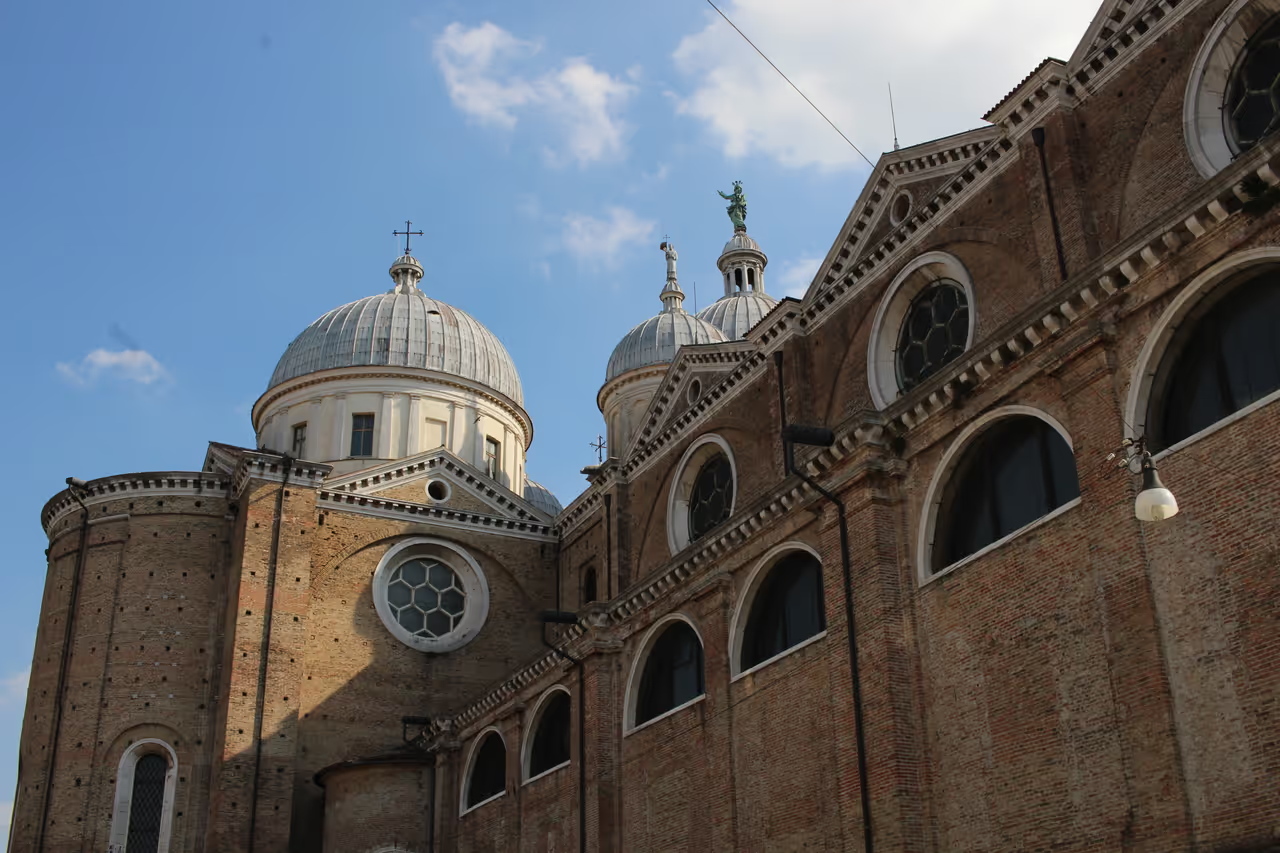 365m
365mBasilica of Santa Giustina
Dominating the edge of the vast Prato della Valle, the Basilica of Santa Giustina is an architectural titan and one of the largest churches in the world. Its eight lead-covered domes and unfinished brick facade create a striking silhouette that has defined the skyline of Padua for centuries. Stepping inside, you are greeted by a light-filled Renaissance interior that feels both immense and profoundly peaceful. This is a place of incredible spiritual weight, housing the relics of Saint Luke the Evangelist and Saint Matthias the Apostle. You can explore a labyrinth of history, from a 6th-century chapel that survived ancient earthquakes to the tomb of the first woman in the world to receive a PhD. It is a brilliant blend of artistic mastery and deep historical layers that rewards every minute of exploration.
attraction view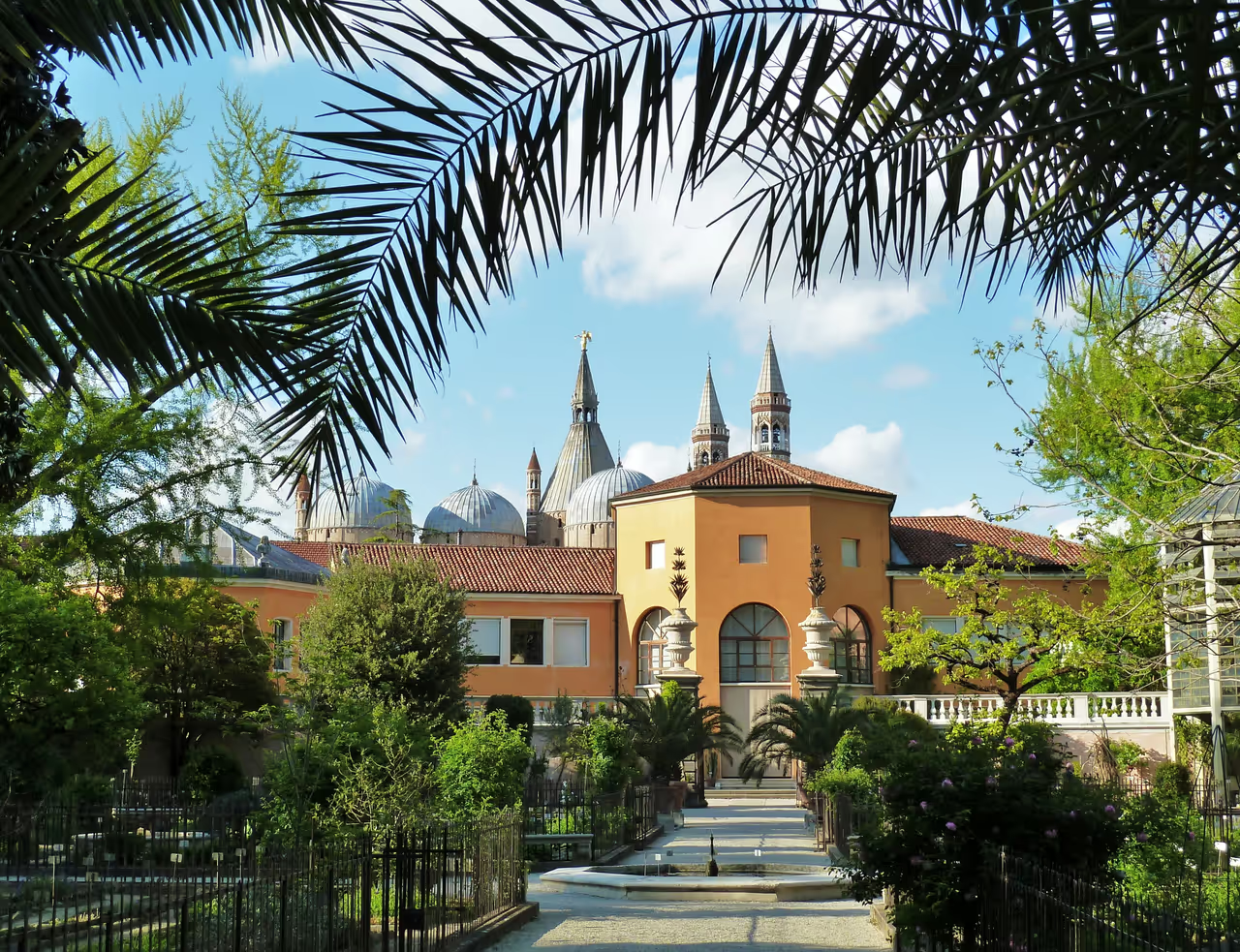 395m
395mBotanical Garden of Padua
Step into the oldest botanical garden in the world that still remains in its original 16th-century location. This UNESCO World Heritage site is a living museum where history and science intertwine amongst rare blooms and ancient trees. You will discover a peaceful sanctuary in the heart of Padua that has shaped modern medicine and botany for nearly five centuries. From its iconic circular wall built to thwart herbal thieves to the futuristic glass skyscrapers of the Biodiversity Garden, it offers a journey through time. Visitors can marvel at plants that inspired great poets or explore high-tech greenhouses that mimic the world's diverse climates. It is an essential experience for anyone seeking a blend of Renaissance beauty and cutting-edge environmental conservation.
unesco heritage site view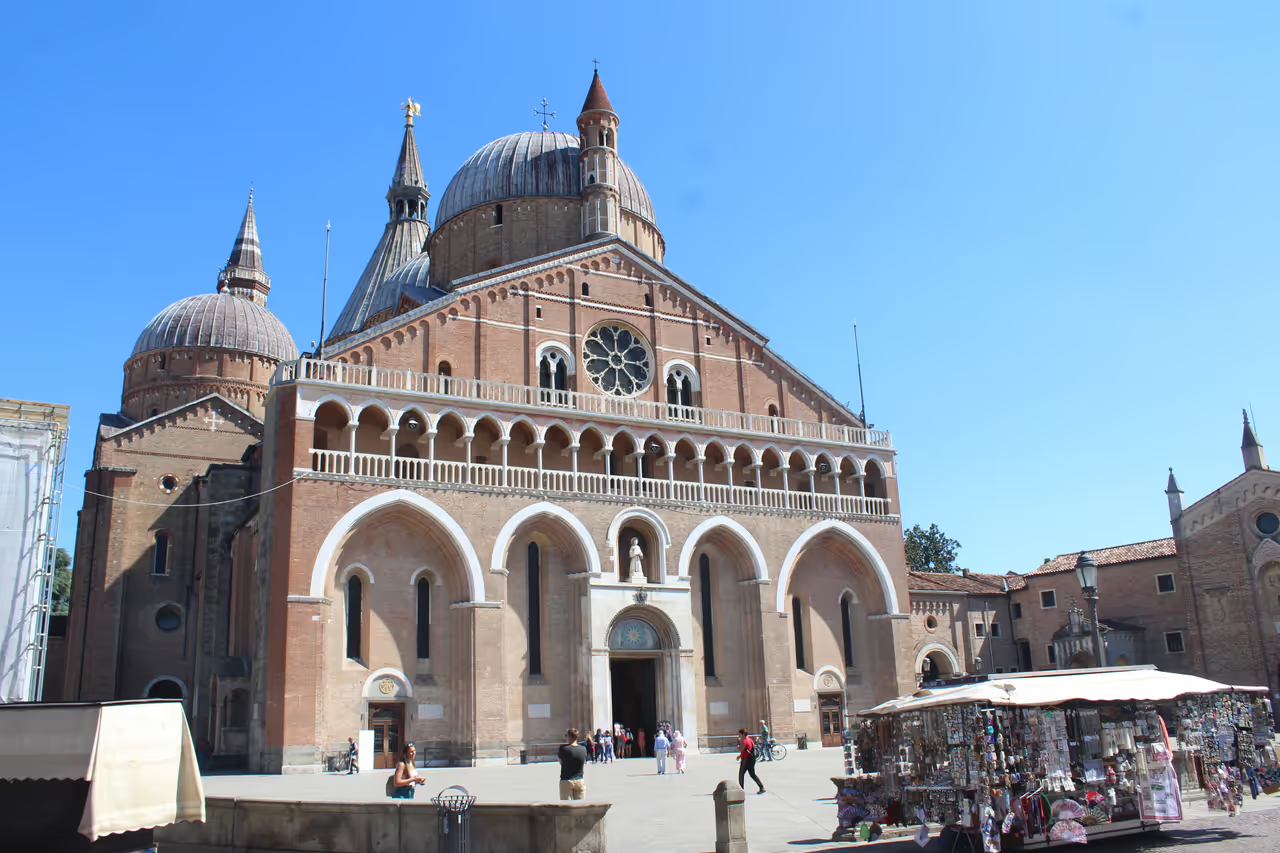 523m
523mBasilica of Saint Anthony of Padua
This awe inspiring sanctuary serves as the spiritual heart of Padua, drawing millions of pilgrims and art lovers every year to stand in the presence of history. Its unique skyline, defined by eight majestic domes and slender towers resembling minarets, tells a story of diverse architectural influences ranging from Byzantine grace to Gothic ambition. Inside, you will encounter a treasure trove of Renaissance masterpieces, including iconic bronze works by Donatello that have captivated visitors for centuries. The atmosphere is deeply moving, blending solemn quiet with the profound devotion that has resonated here since the thirteenth century. Whether you are exploring the intricate chapels or simply marveling at the sheer scale of its interior, every corner of this site radiates an undeniable sense of wonder.
attraction view
Featured on These Itineraries and Routes
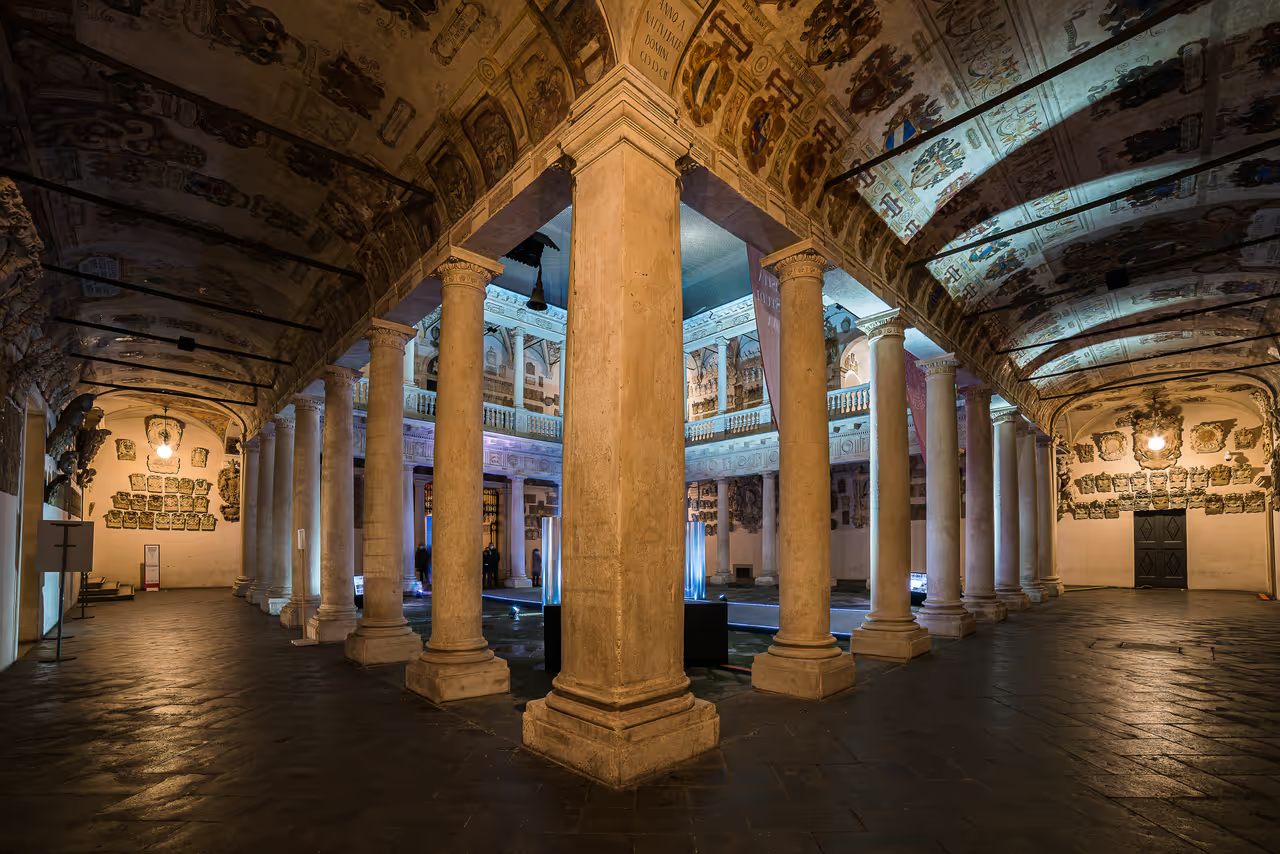
1 Day in Padua Itinerary
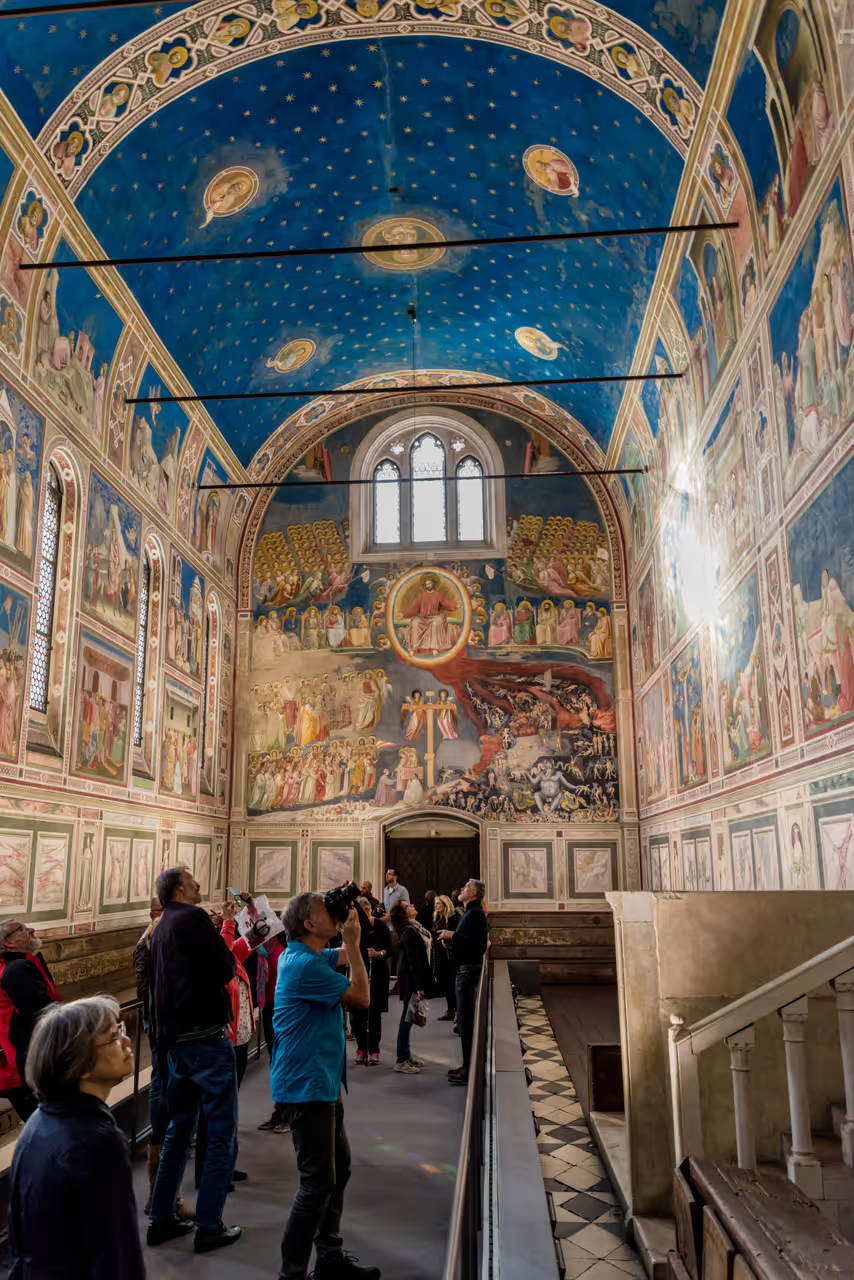
This highly intensive itinerary is designed specifically for travellers who have a very limited amount of time but wish to experience the absolute core masterpieces of the city. It prioritises the breathtaking visual impact of the famous UNESCO frescoes and the profound spiritual gravity of the grand basilica. You will also experience the monumental scale of the historic plazas and the prestigious legacy of the ancient university. It provides a tightly curated, highly rewarding whirlwind tour of the essential artistic and historical highlights.
view itinerary
3 Days in Padua Itinerary
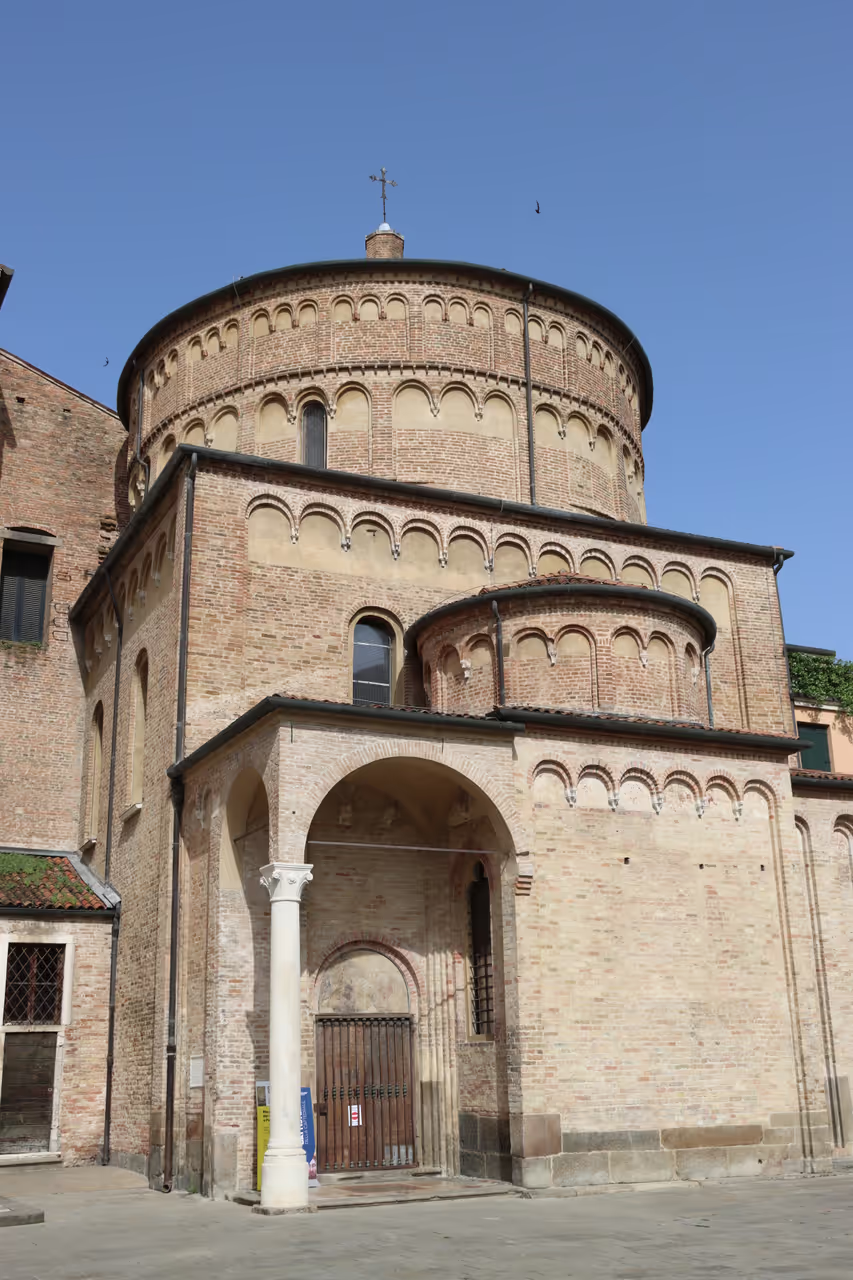
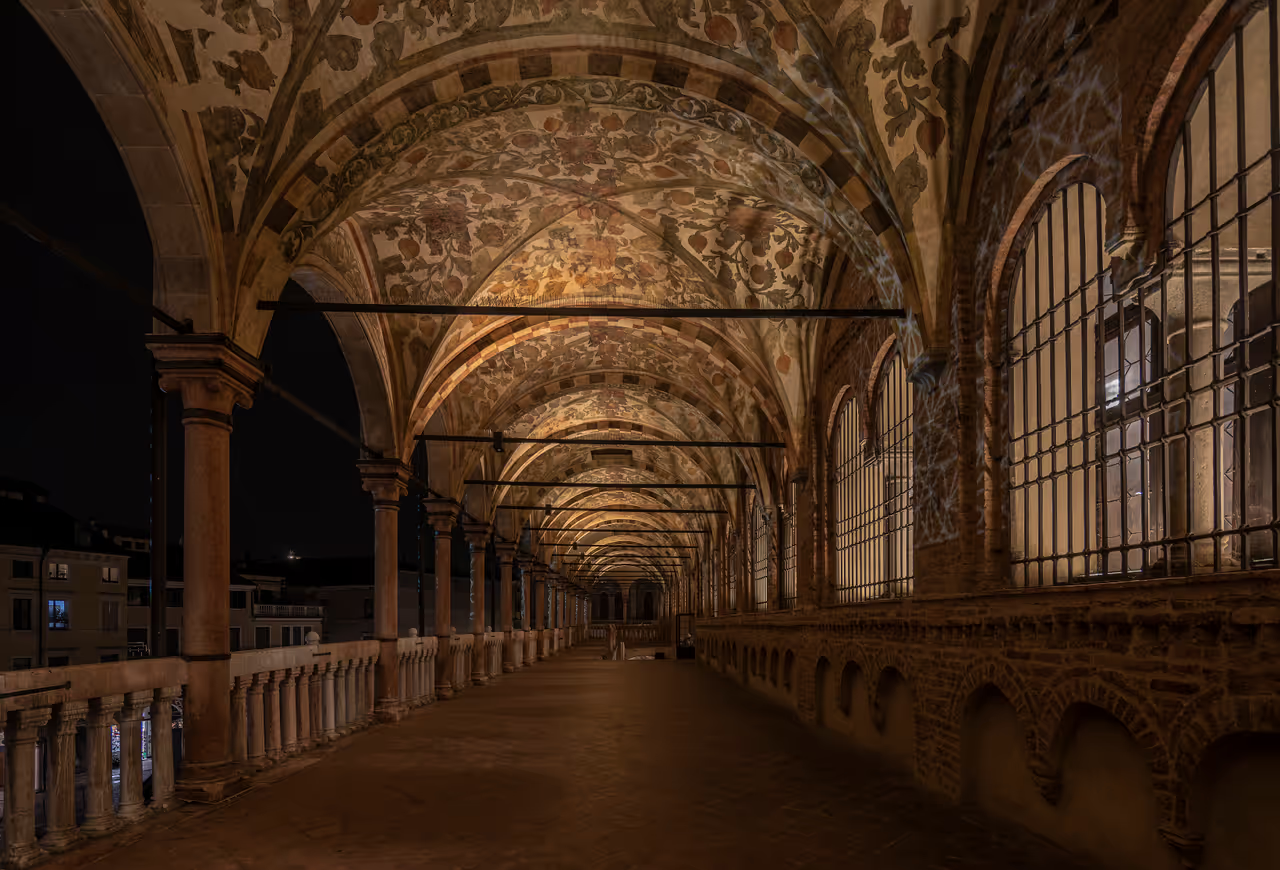
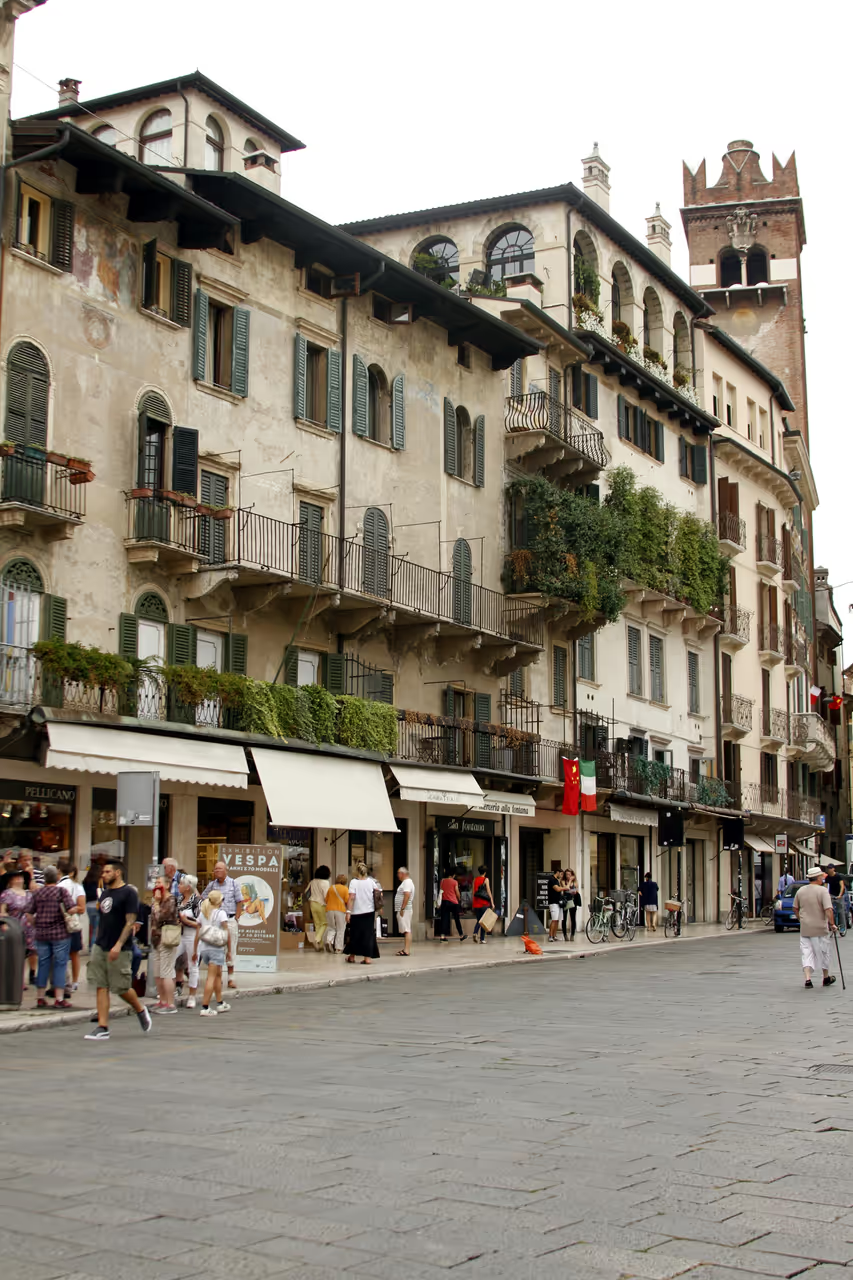
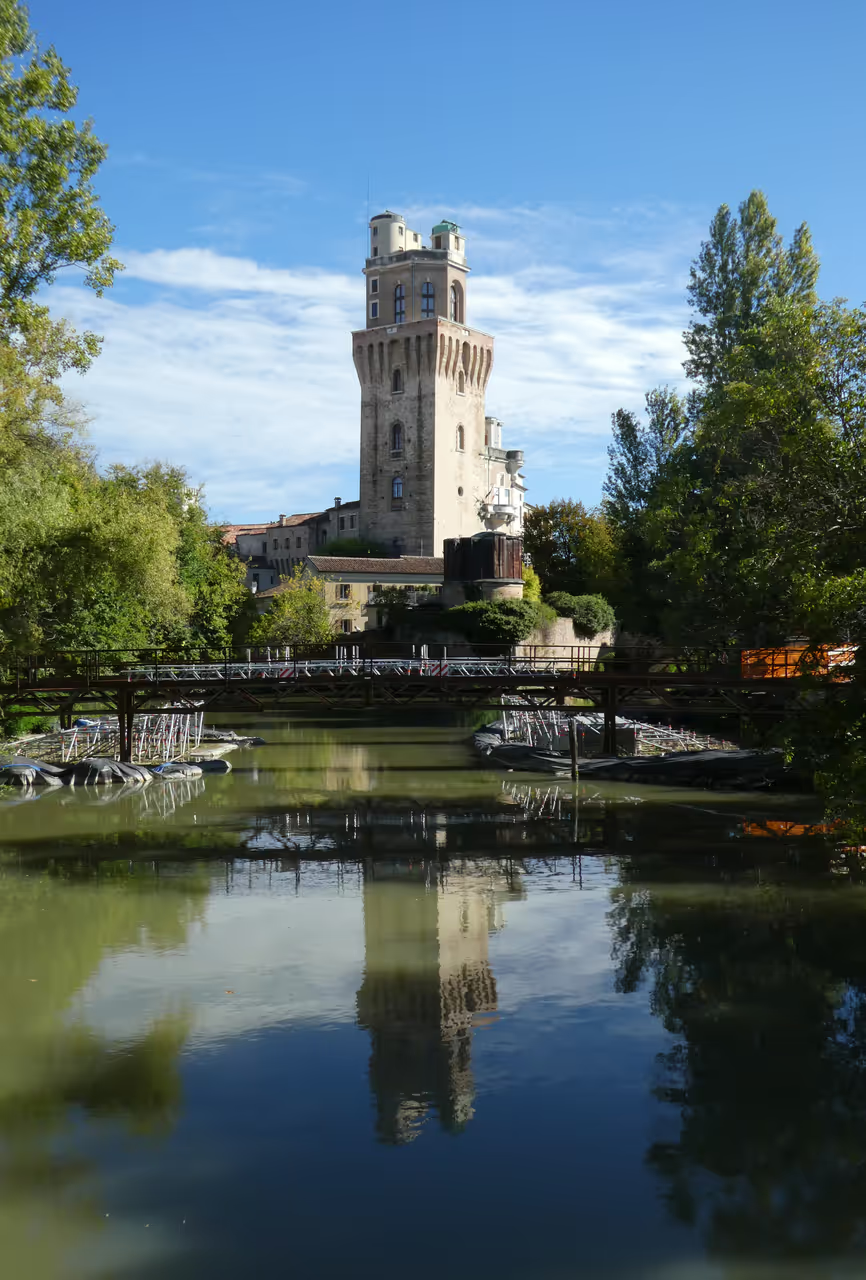
This perfectly balanced three day journey allows visitors to deeply immerse themselves in the complex, layered history of the city without feeling rushed. It expands beyond the primary monuments to include the vibrant, authentic daily life found in the bustling historic markets and narrow medieval streets. You will have ample time to explore the revolutionary scientific heritage of the botanical gardens and the ancient observatory. This itinerary perfectly captures the unique blend of high Renaissance art, profound academic history, and relaxed local lifestyle.
view itinerary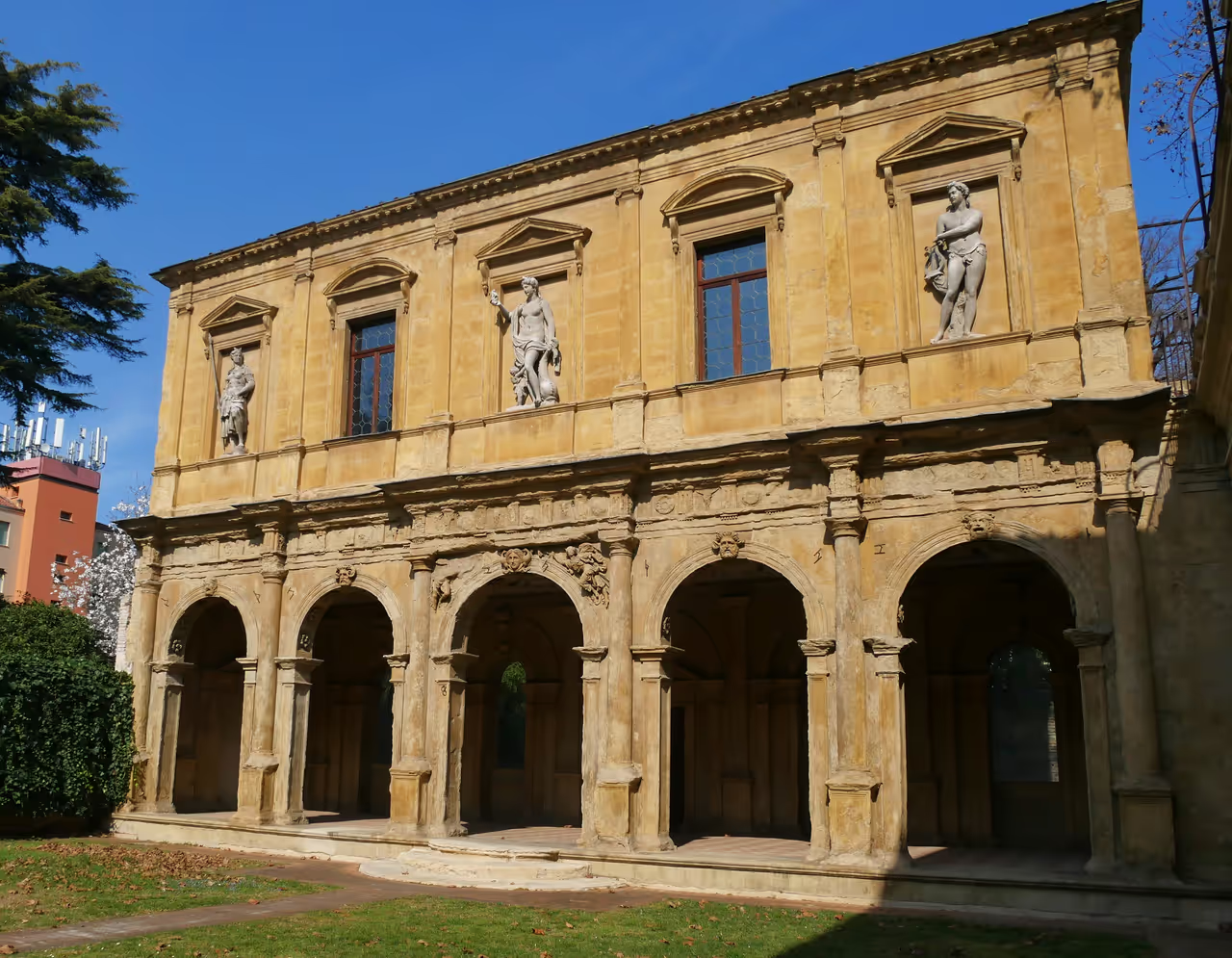
5 Days in Padua Itinerary
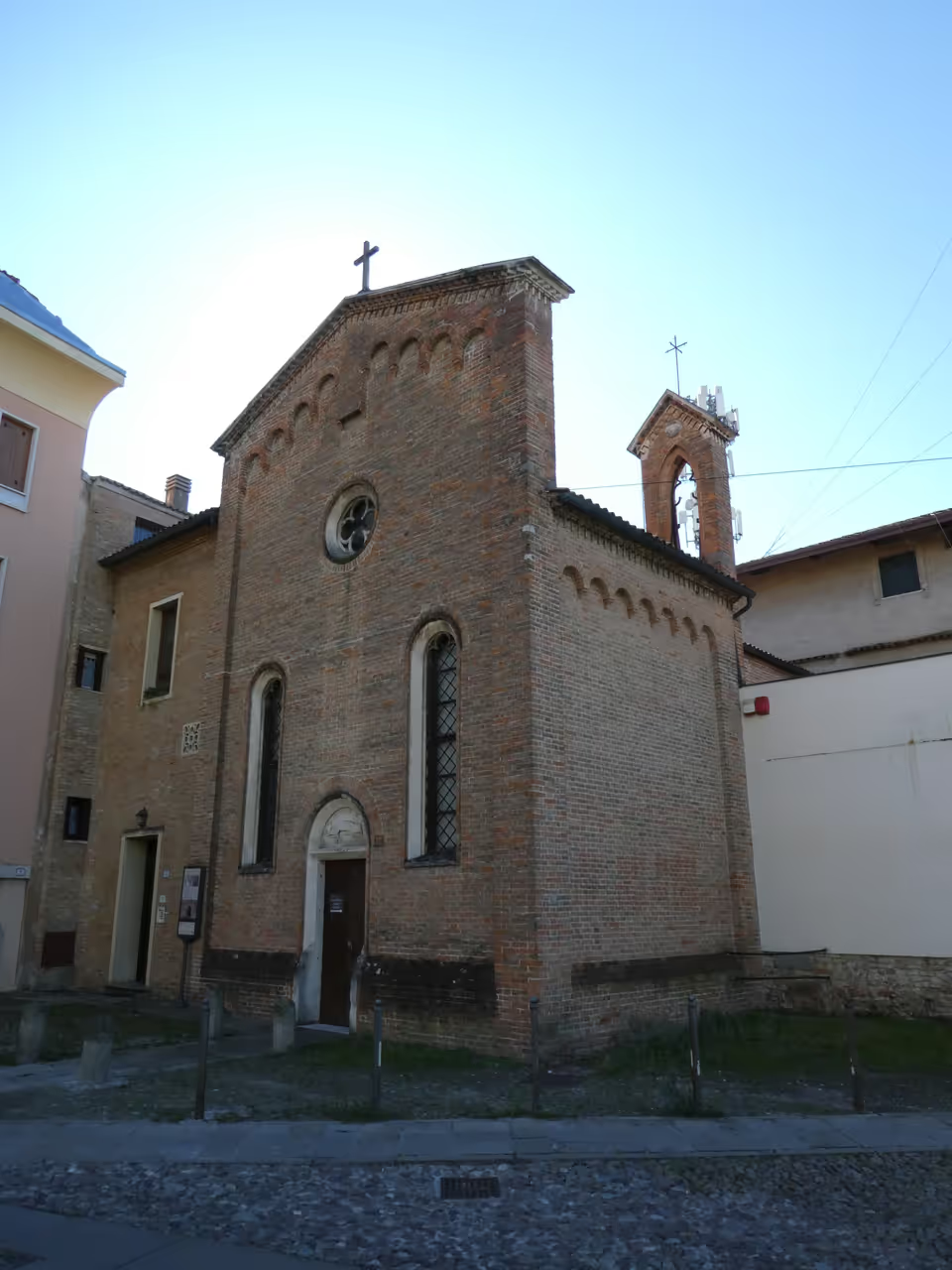
Designed for the truly curious traveller, this extensive five day exploration leaves no cobblestone unturned. It covers all the world famous artistic and religious sites while dedicating significant time to highly rewarding, obscure hidden gems and unusual scientific museums. You will experience the city exactly as the locals do, wandering through diverse neighbourhoods, sampling regional cuisine in the historic markets, and enjoying the relaxed evening atmosphere in the elegant plazas. It provides a profoundly complete, deeply satisfying immersion into the cultural and historical soul of the city.
view itinerary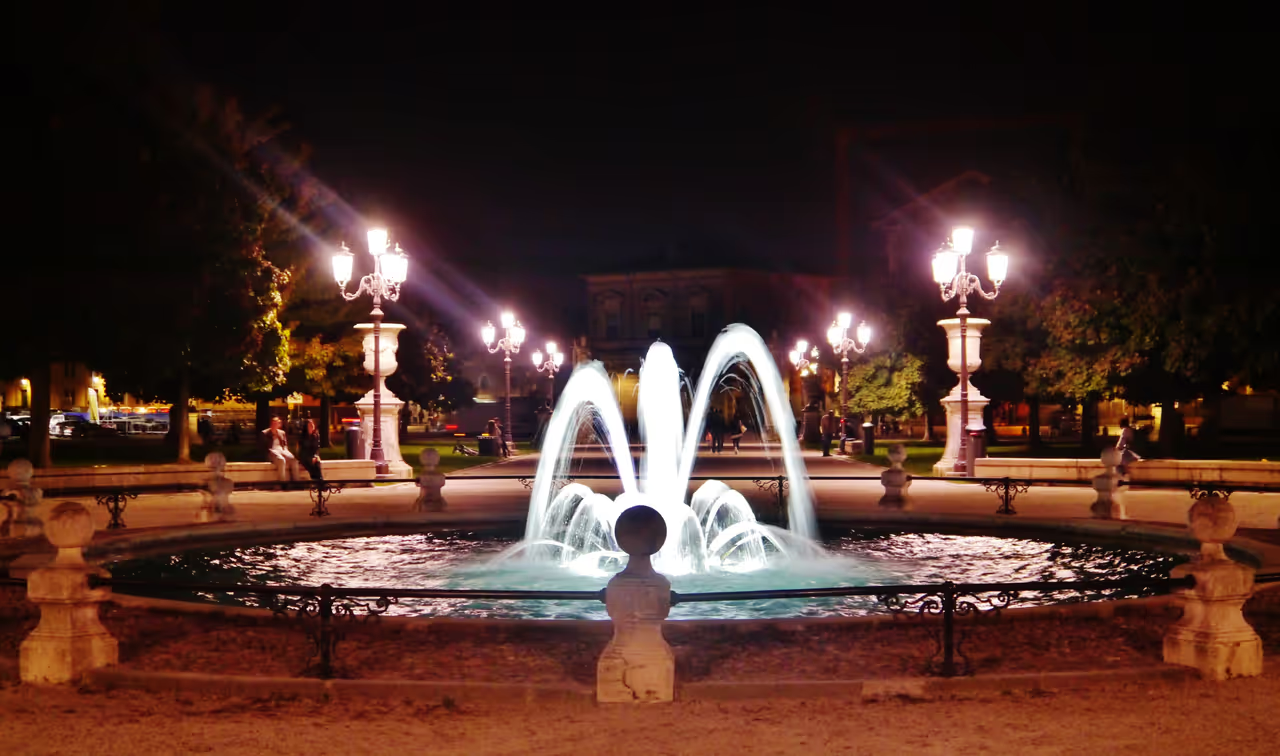
Prato to Basilica Stroll
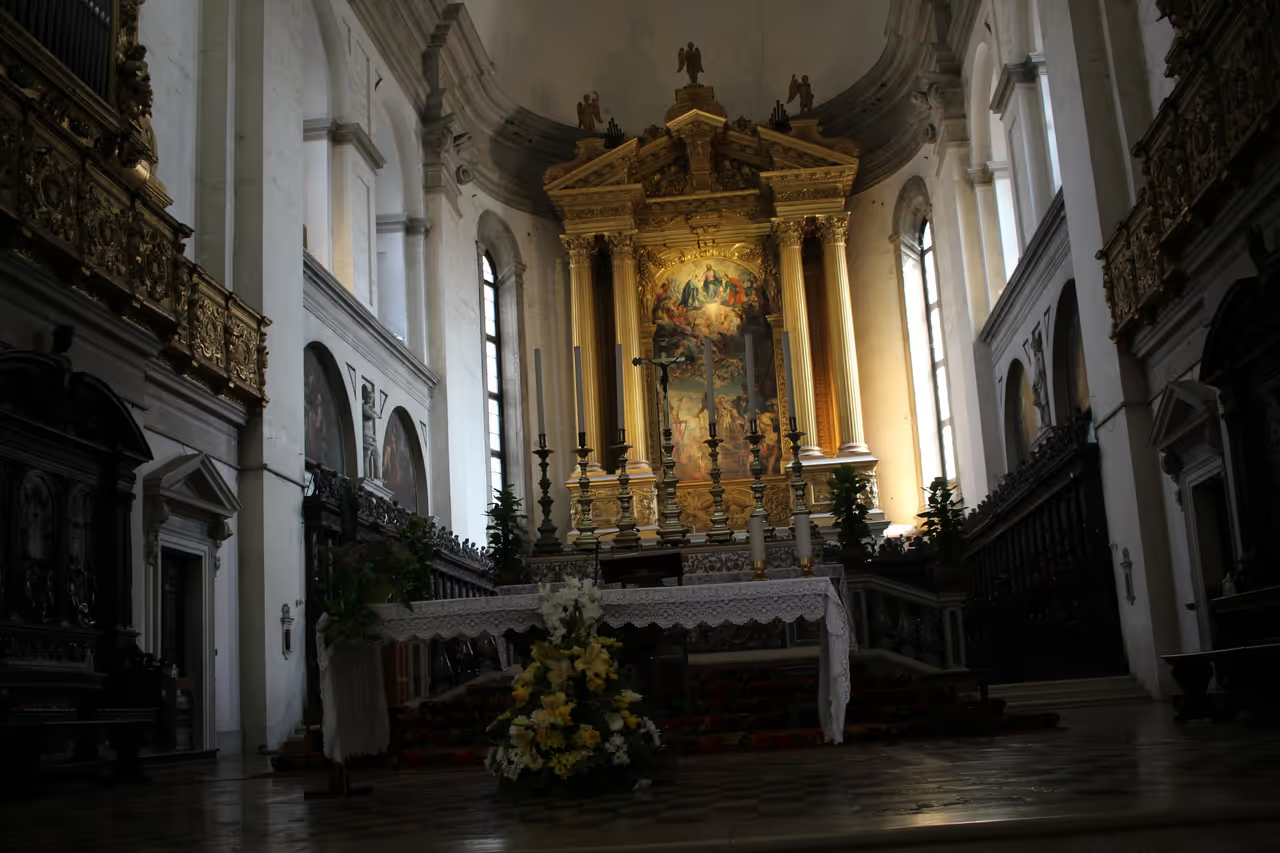
This awe inspiring walk connects the city's most monumental open space with its most deeply revered spiritual site. The route offers a sequence of breathtaking architectural views, moving from vast, open landscapes to intricately detailed religious complexes. The wide, pedestrian friendly paths make for a highly relaxing and visually rewarding experience. It captures the profound sense of scale and devotion that defines the southern historic district.
view walking route
See all nature & parks in Padua
Arena Gardens, Rotonda Gardens...