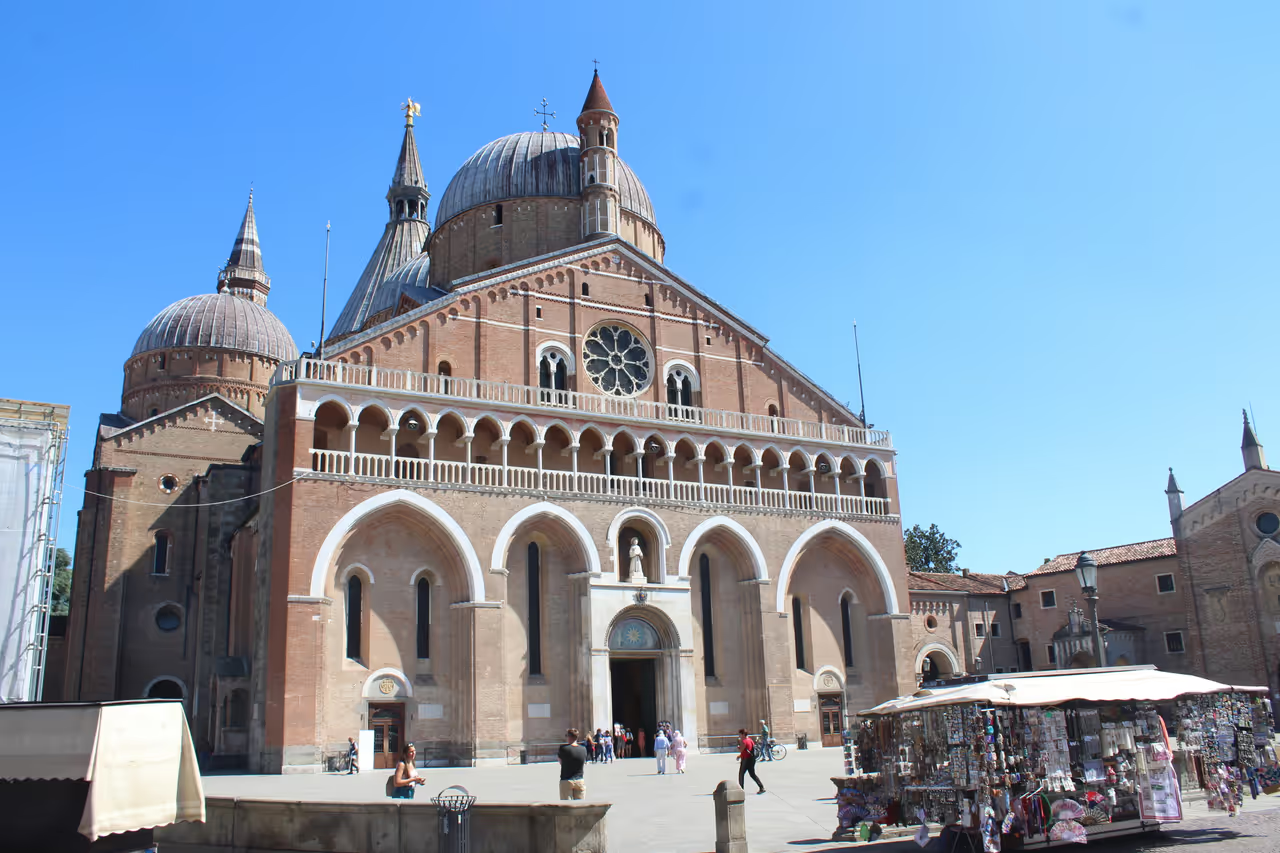
Basilica of Saint Anthony of Padua
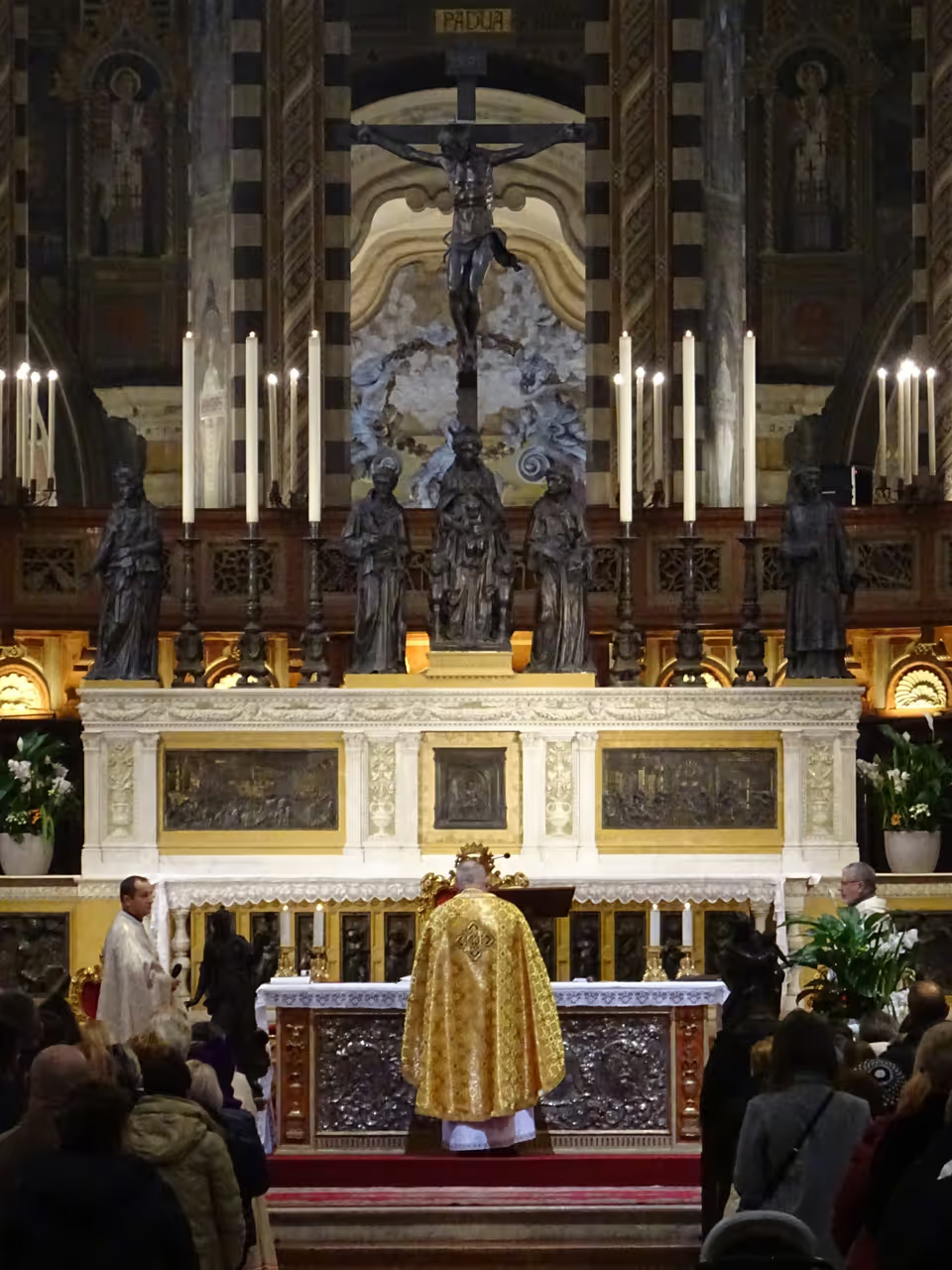
This awe inspiring sanctuary serves as the spiritual heart of Padua, drawing millions of pilgrims and art lovers every year to stand in the presence of history. Its unique skyline, defined by eight majestic domes and slender towers resembling minarets, tells a story of diverse architectural influences ranging from Byzantine grace to Gothic ambition. Inside, you will encounter a treasure trove of Renaissance masterpieces, including iconic bronze works by Donatello that have captivated visitors for centuries. The atmosphere is deeply moving, blending solemn quiet with the profound devotion that has resonated here since the thirteenth century. Whether you are exploring the intricate chapels or simply marveling at the sheer scale of its interior, every corner of this site radiates an undeniable sense of wonder.
Videos
History of Basilica of Saint Anthony of Padua
The story begins with a humble friar. After Anthony of Padua died in 1231, his fame was so profound that the people of Padua immediately sought to honor his memory. Within a year, Pope Gregory IX canonized him, setting in motion the construction of this sanctuary. Originally, the site contained only a small church dedicated to Santa Maria Mater Domini, but as waves of pilgrims arrived from across Europe, that modest structure was enveloped by the grand, sprawling basilica that stands today. As the centuries passed, the church became a canvas for the greatest artists of the era, transforming it into an unparalleled gallery of religious art. During the Renaissance, masters like Donatello arrived to contribute bronze statues that redefined sculpture, while architects merged styles from the East and West. The basilica became a symbol of Paduan prestige, constantly embellished with new chapels, tombs for local nobility, and intricate frescoes that turned the interior into a sacred monument to both faith and creative human achievement. Today, the Basilica del Santo remains a bridge between the medieval past and the modern world. Despite wars, seismic tremors, and the passage of nearly eight centuries, it continues to function as a living spiritual home. Its inclusion as a UNESCO World Heritage site solidified its status as an essential pillar of global cultural heritage, inviting everyone to step through its doors and connect with a legacy that shaped the very identity of this city.
Events spanning 790 years
Fun Facts
- • In 1991, thieves stole the relic of the chin of the saint, only for it to be found undamaged near Rome shortly after, allowing it to be returned to the chapel.
- • Inside, the Chapel of the Relics contains a fragment of a drinking glass that, according to legend, was thrown by an arch heretic to prove it would break, but it remained entirely intact.
- • Look closely at the bell towers, which bear a striking resemblance to Islamic minarets, a unique architectural choice that reflects the cross cultural influences of medieval trade routes.
- • The Basilica was long known as the Saint by locals, emphasizing its singular importance to the city identity.
- • The Madonna Mora chapel incorporates the original small church where Saint Anthony himself prayed, serving as a direct physical link to his life in the early 13th century.
- • The basilica was historically managed by the Veneranda Arca di Sant'Antonio, a lay organization that has overseen its administration since the late 14th century, a rare example of civic management for a church of this status.
- • The choir area once featured a wooden inlay masterpiece by Lorenzo Canozi, though only small fragments of this intricate work survive today.
- • The church is famous for holding the incorrupt relic of Saint Anthony’s tongue, a phenomenon that has fascinated believers and scientists alike for centuries.
- • The equestrian statue in the square, depicting the mercenary leader Gattamelata, was created by Donatello and remains one of the most significant bronze statues of the early Renaissance.
- • The organ of the basilica is a massive instrument with over 6,000 pipes, featuring a console that allows the organist to control sounds originating from different parts of the church.
RESOURCES
Official WebsiteBasilica of Saint Anthony of Padua FAQ
While we strive to keep this information accurate and up to date, we recommend verifying any details independently before making decisions based on them.
Basilica of Saint Anthony of Padua Map & Neighborhood Explorer
This interactive map is centered on Basilica of Saint Anthony of Padua. Zoom in and move the map around to automatically discover Wikipedia photos and summaries of other nearby sights, monuments, and historical points of interest and stories in real-time!
Places near Basilica of Saint Anthony of Padua
Make the most of your trip. Check out these top-rated spots located nearby.
- 0m
Feast of Saint Anthony
The city honours its beloved patron saint with profound devotion and spectacular public processions. Following solemn morning masses in the grand basilica, a massive parade carries holy relics through the historic streets. Thousands of pilgrims from around the world join locals in this deeply spiritual and visually arresting celebration. The route passes through the most iconic squares, accompanied by the ringing of all the church bells in the city. It is an extraordinary display of civic pride and religious tradition.
festival view 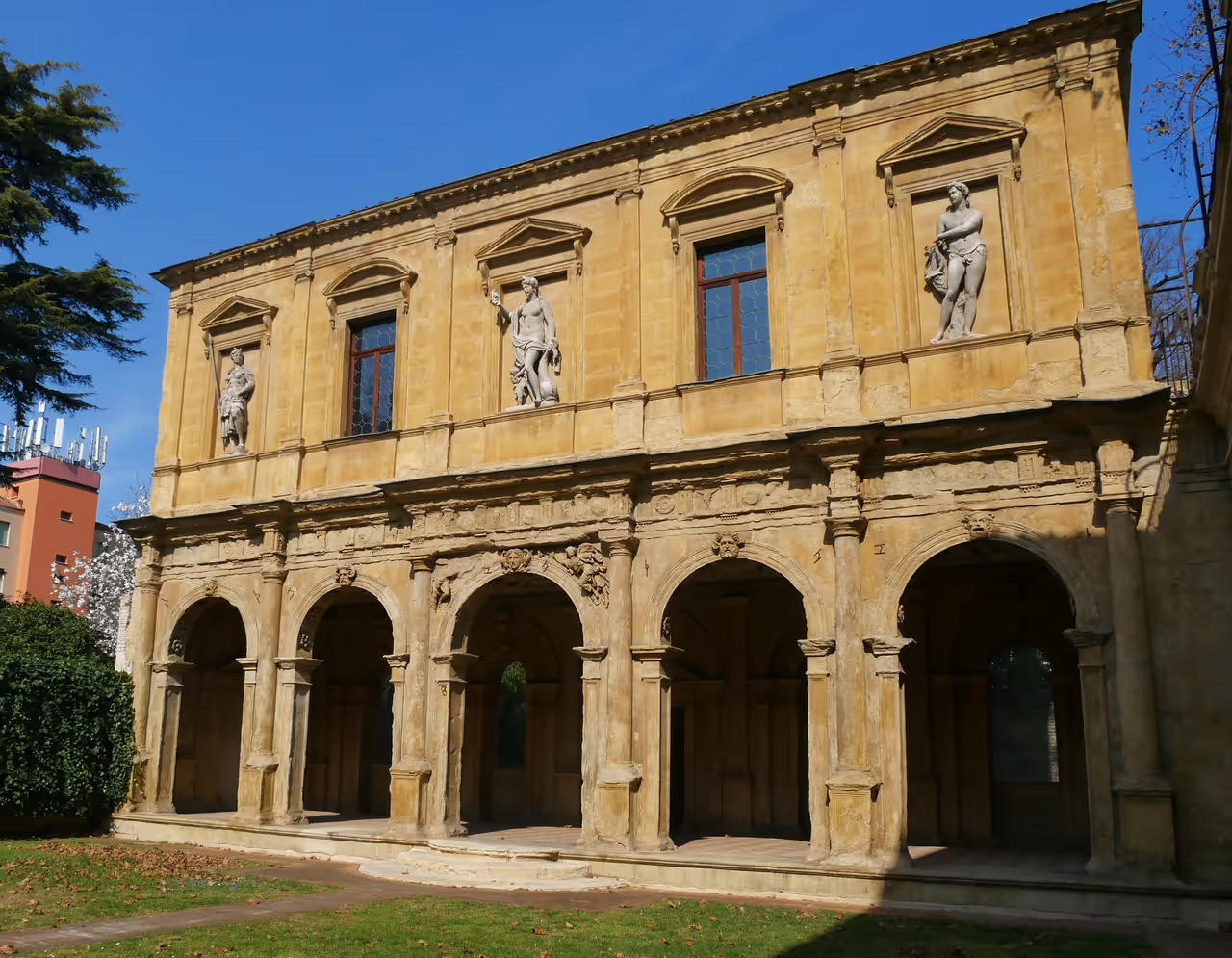 151m
151mCornaro Loggia and Odeo
Hidden behind a highly unassuming street wall, this incredibly elegant Renaissance complex was built specifically as a private, open air theatre space. The beautifully proportioned arches and detailed stucco work reflect a period of immense wealth and profound humanist philosophy. Standing in the courtyard, it is incredibly easy to imagine the lavish classical plays and intellectual debates that once entertained the local nobility. The site is a brilliant, highly pristine example of sixteenth century architectural harmony. It provides a deeply peaceful, culturally rich escape from the busy modern streets.
hidden gem view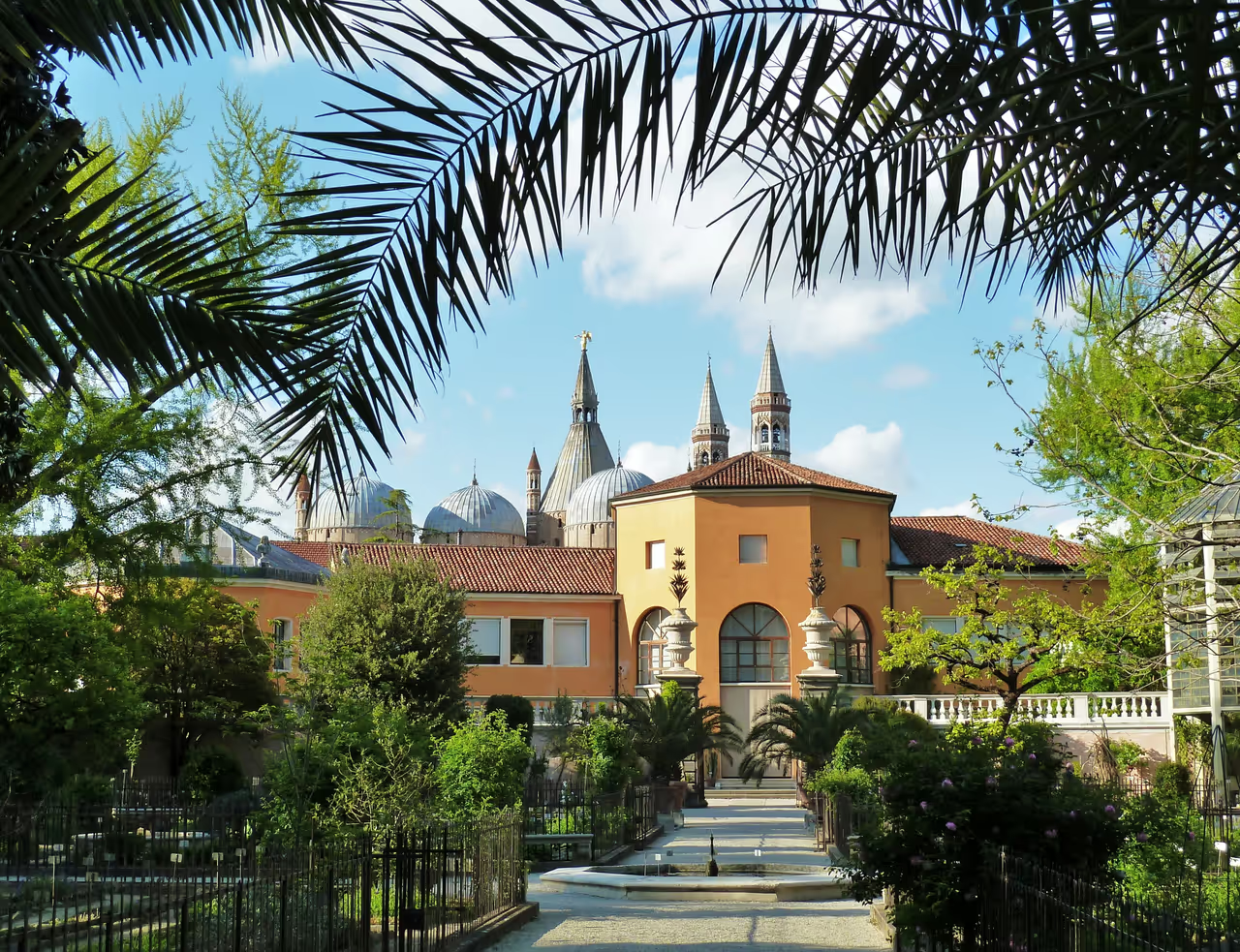 205m
205mBotanical Garden of Padua
Step into the oldest botanical garden in the world that still remains in its original 16th-century location. This UNESCO World Heritage site is a living museum where history and science intertwine amongst rare blooms and ancient trees. You will discover a peaceful sanctuary in the heart of Padua that has shaped modern medicine and botany for nearly five centuries. From its iconic circular wall built to thwart herbal thieves to the futuristic glass skyscrapers of the Biodiversity Garden, it offers a journey through time. Visitors can marvel at plants that inspired great poets or explore high-tech greenhouses that mimic the world's diverse climates. It is an essential experience for anyone seeking a blend of Renaissance beauty and cutting-edge environmental conservation.
unesco heritage site view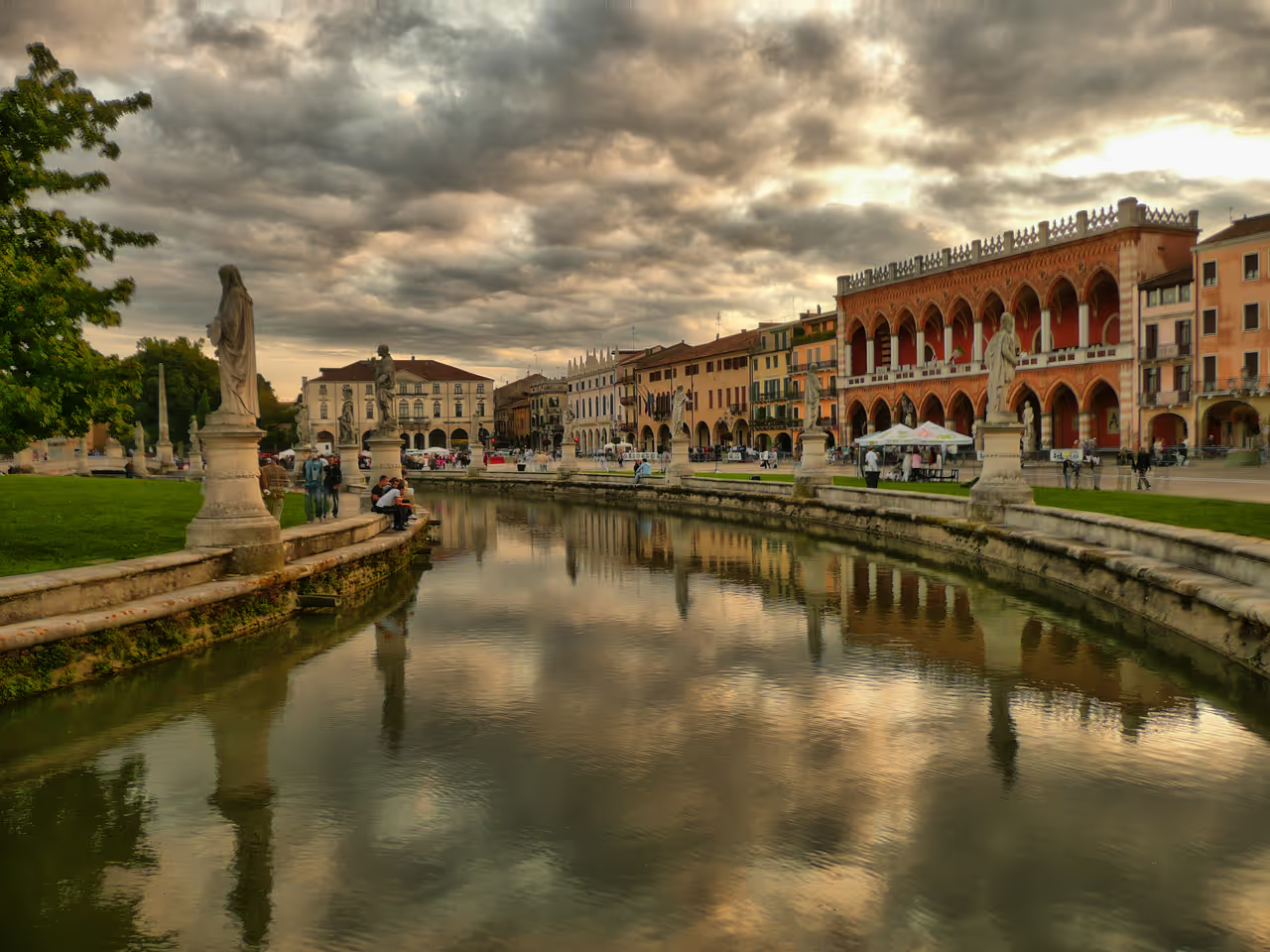 518m
518mAmulea Loggia
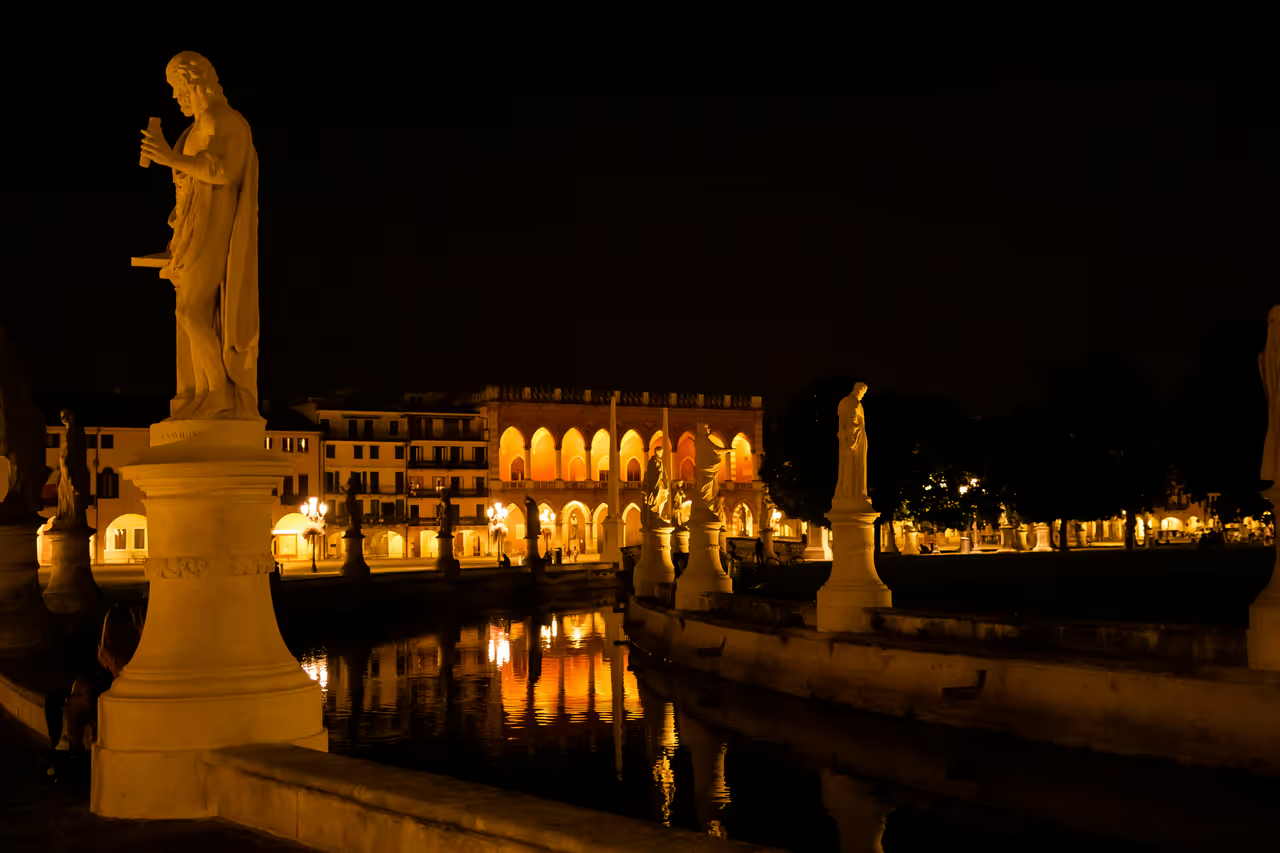
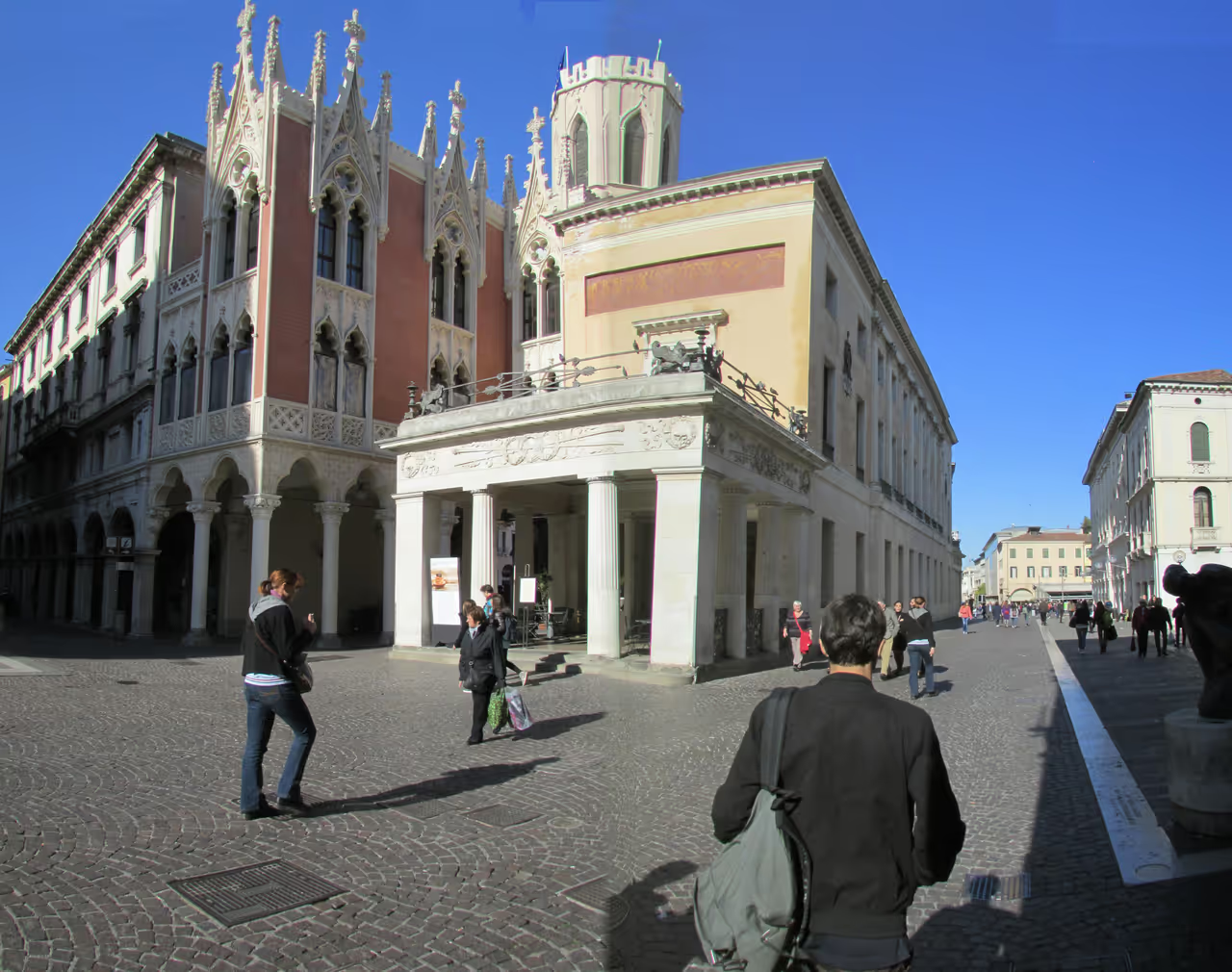
This highly elegant neo Gothic structure provides a stunning theatrical backdrop to the immense Prato della Valle. Featuring graceful pointed arches and refined terracotta detailing, it was originally designed as a grand viewing gallery for the nobility to watch equestrian spectacles. Today, the upper levels offer prestigious municipal offices, while the ground floor arcade invites pedestrians to stroll in the shade. The building glows beautifully when illuminated at night, perfectly framing the massive open space of the square. It is a brilliant example of nineteenth century romantic architectural revival.
architecture view
Explore Similar Places in This Collection
Featured on These Itineraries and Routes
1 Day in Padua Itinerary
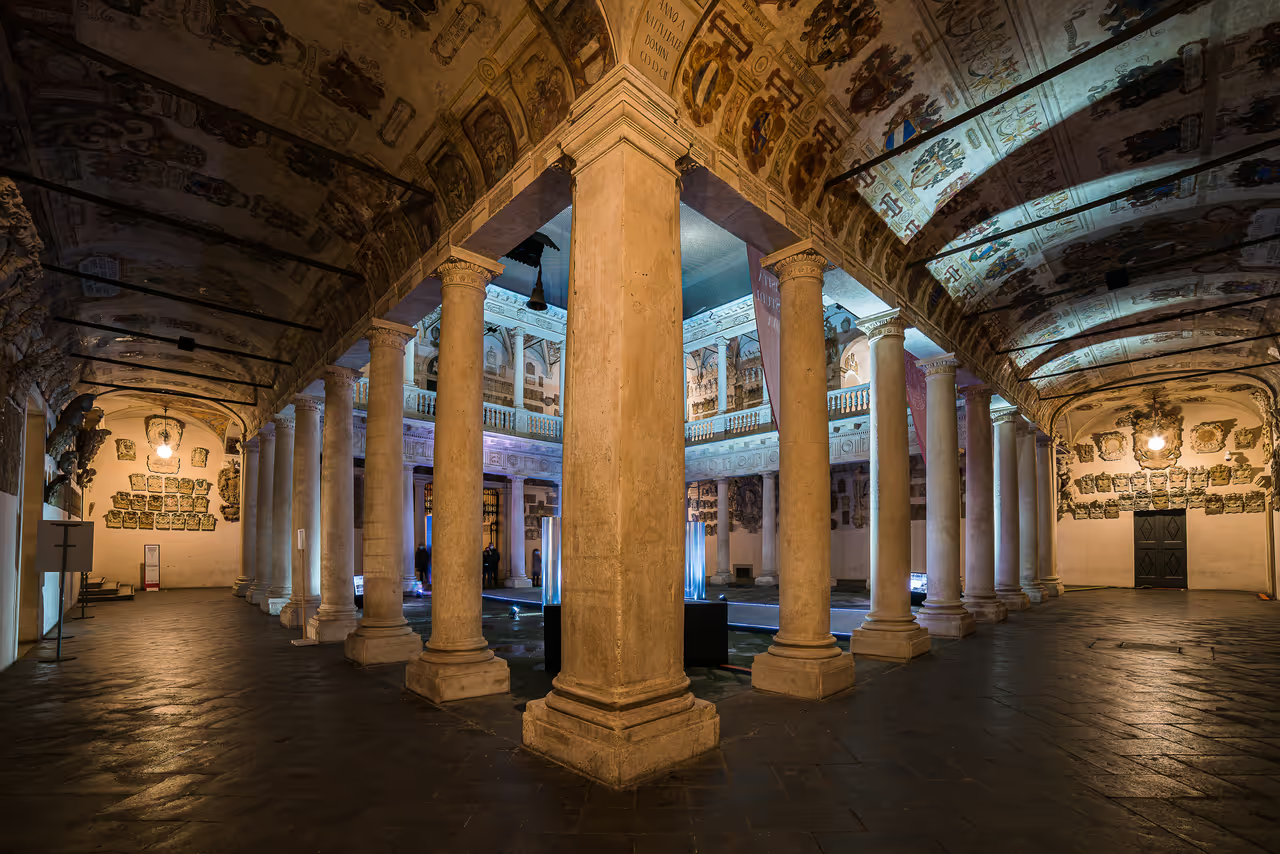
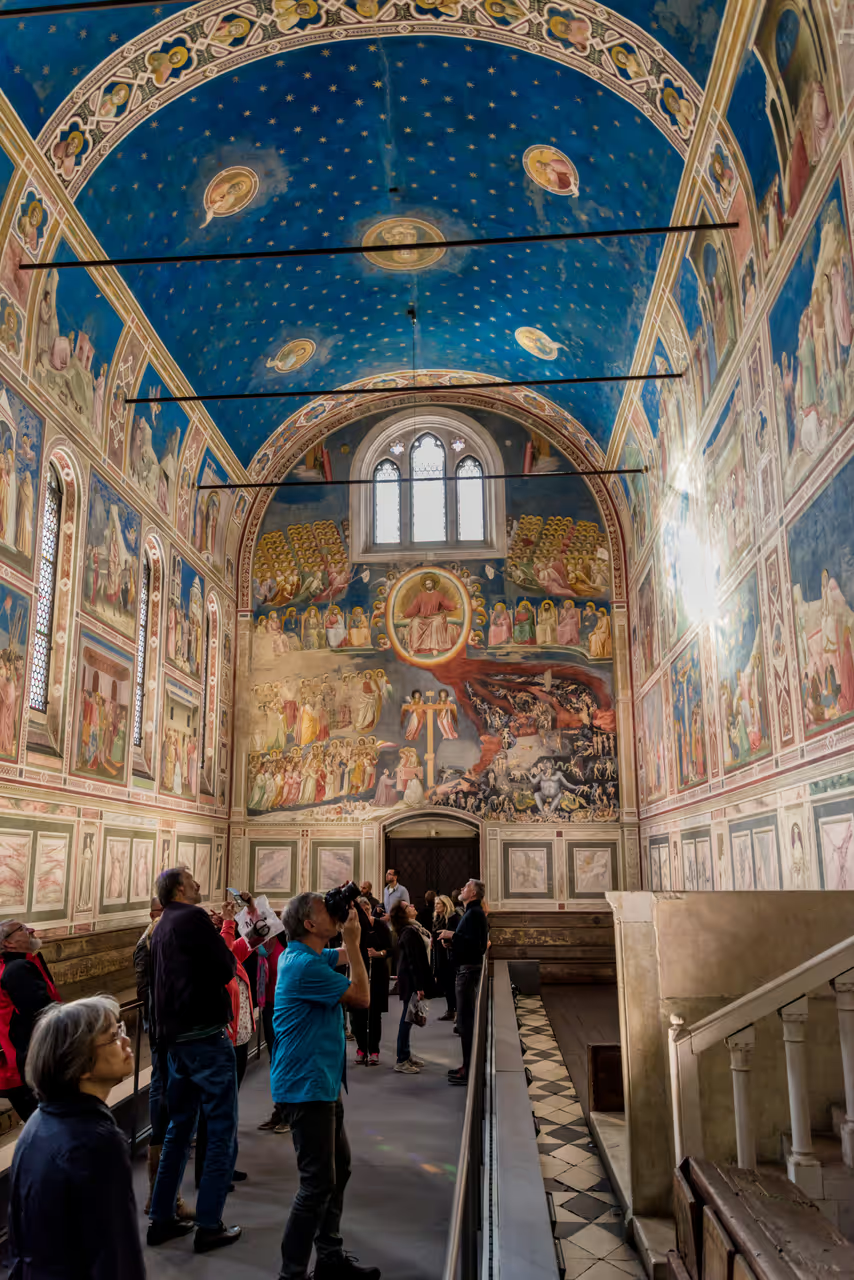
This highly intensive itinerary is designed specifically for travellers who have a very limited amount of time but wish to experience the absolute core masterpieces of the city. It prioritises the breathtaking visual impact of the famous UNESCO frescoes and the profound spiritual gravity of the grand basilica. You will also experience the monumental scale of the historic plazas and the prestigious legacy of the ancient university. It provides a tightly curated, highly rewarding whirlwind tour of the essential artistic and historical highlights.
view itinerary
3 Days in Padua Itinerary
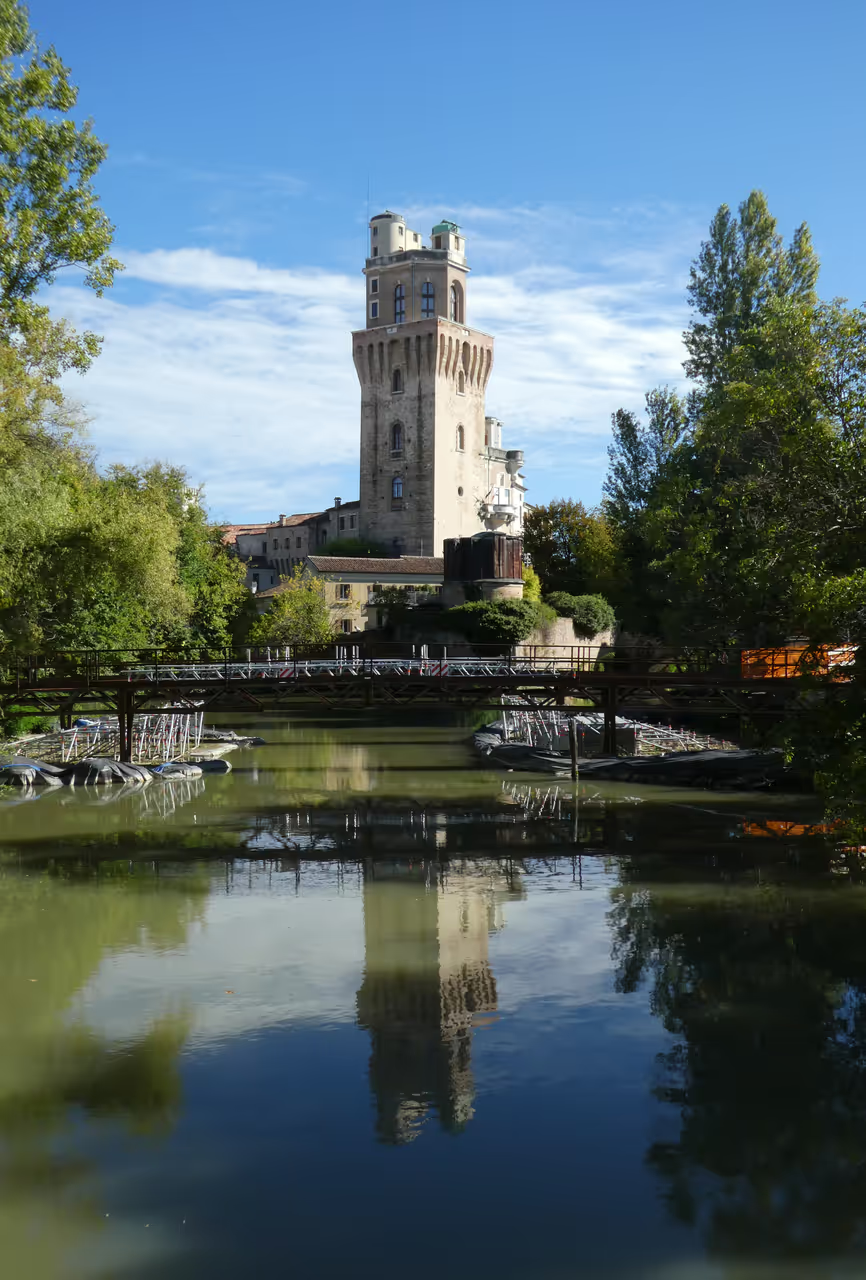
This perfectly balanced three day journey allows visitors to deeply immerse themselves in the complex, layered history of the city without feeling rushed. It expands beyond the primary monuments to include the vibrant, authentic daily life found in the bustling historic markets and narrow medieval streets. You will have ample time to explore the revolutionary scientific heritage of the botanical gardens and the ancient observatory. This itinerary perfectly captures the unique blend of high Renaissance art, profound academic history, and relaxed local lifestyle.
view itinerary
5 Days in Padua Itinerary
Designed for the truly curious traveller, this extensive five day exploration leaves no cobblestone unturned. It covers all the world famous artistic and religious sites while dedicating significant time to highly rewarding, obscure hidden gems and unusual scientific museums. You will experience the city exactly as the locals do, wandering through diverse neighbourhoods, sampling regional cuisine in the historic markets, and enjoying the relaxed evening atmosphere in the elegant plazas. It provides a profoundly complete, deeply satisfying immersion into the cultural and historical soul of the city.
view itinerary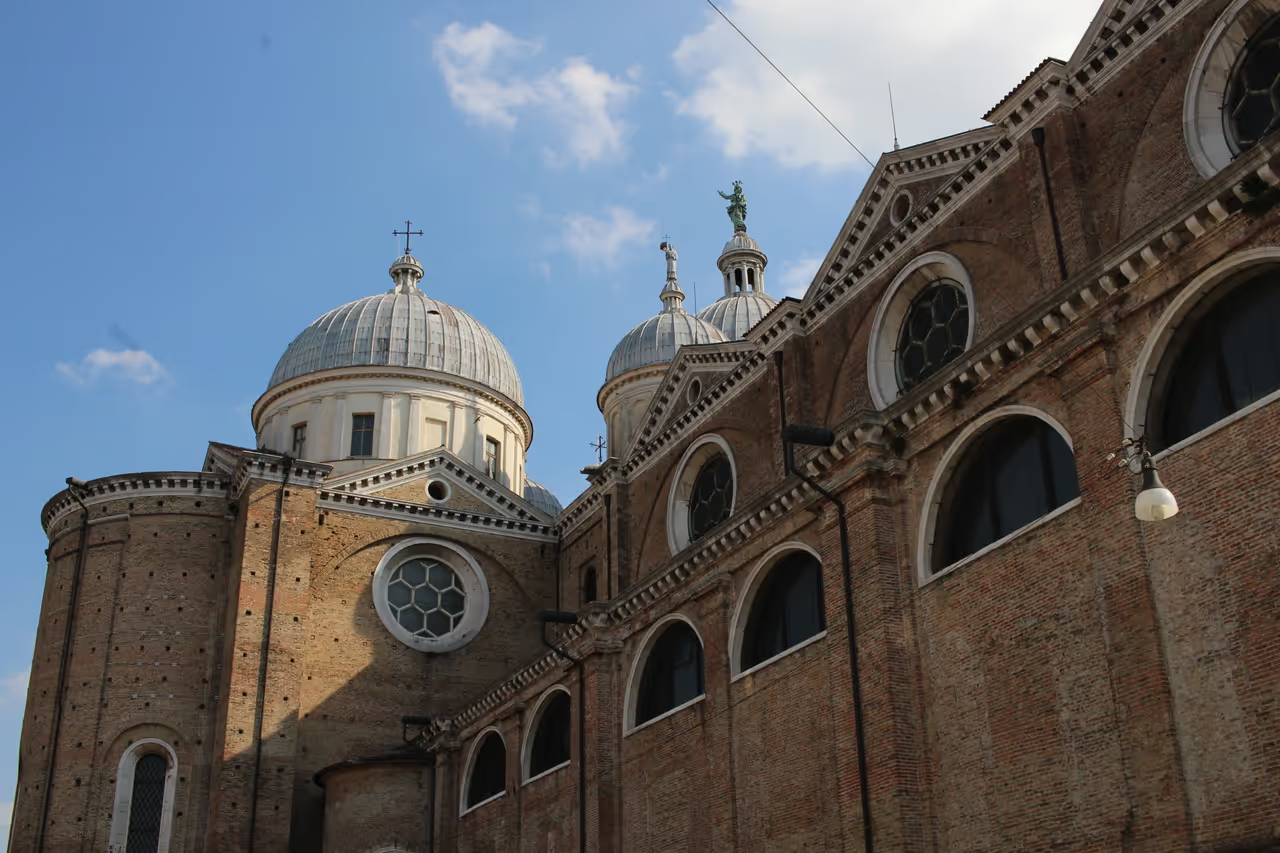
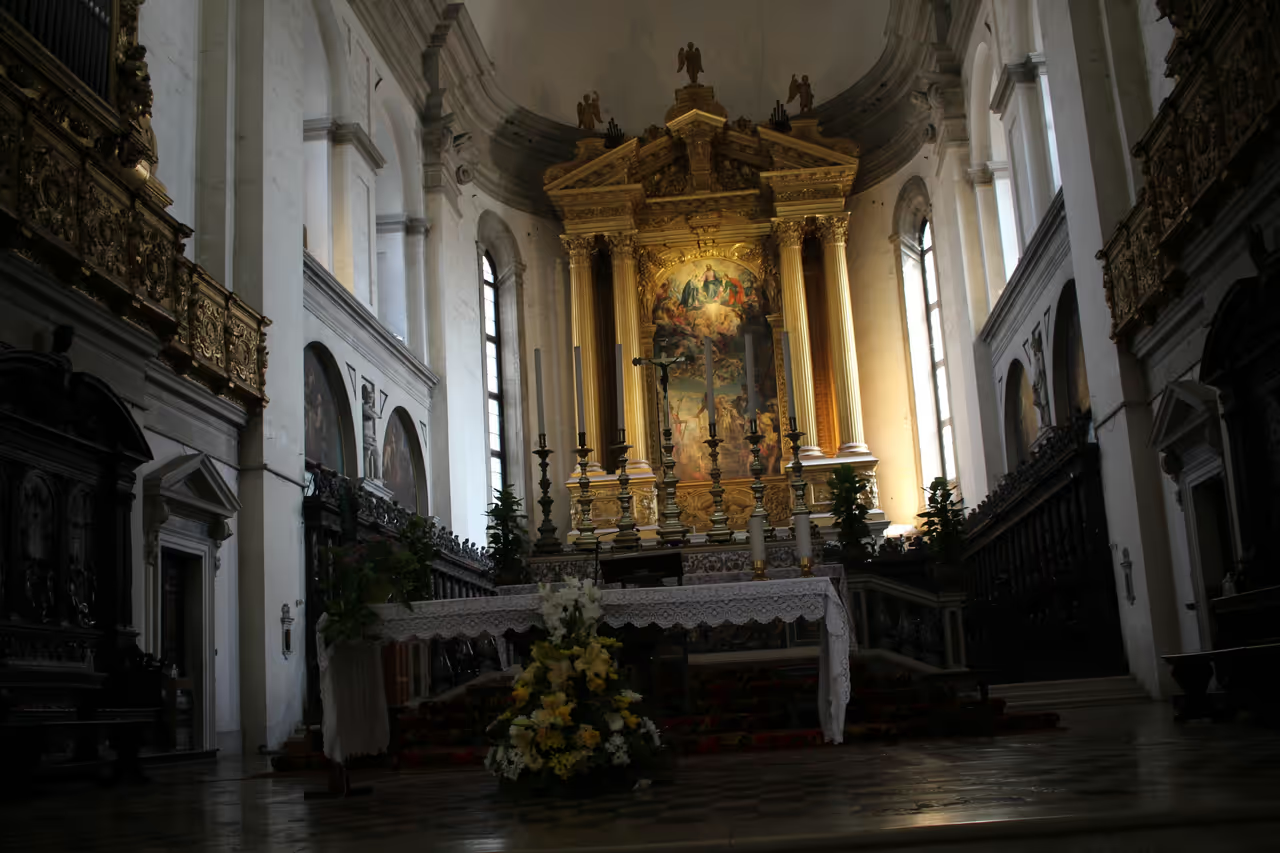
Prato to Basilica Stroll
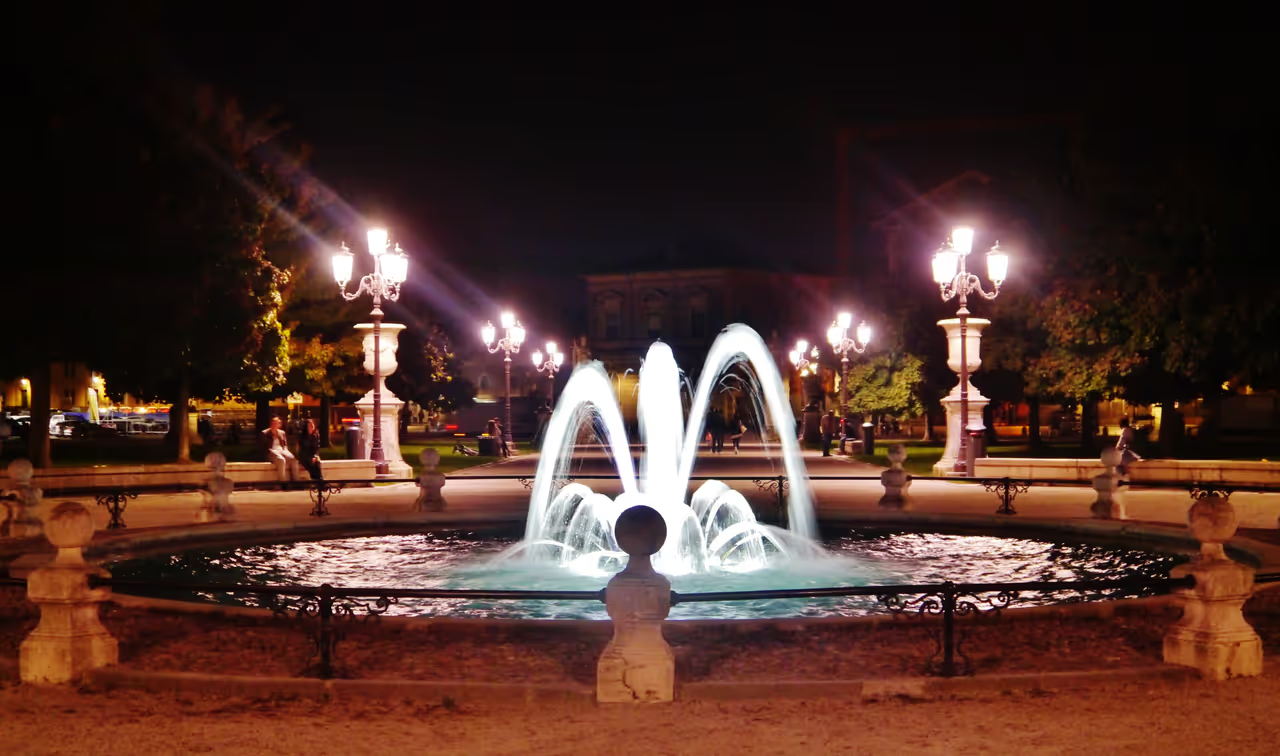
This awe inspiring walk connects the city's most monumental open space with its most deeply revered spiritual site. The route offers a sequence of breathtaking architectural views, moving from vast, open landscapes to intricately detailed religious complexes. The wide, pedestrian friendly paths make for a highly relaxing and visually rewarding experience. It captures the profound sense of scale and devotion that defines the southern historic district.
view walking route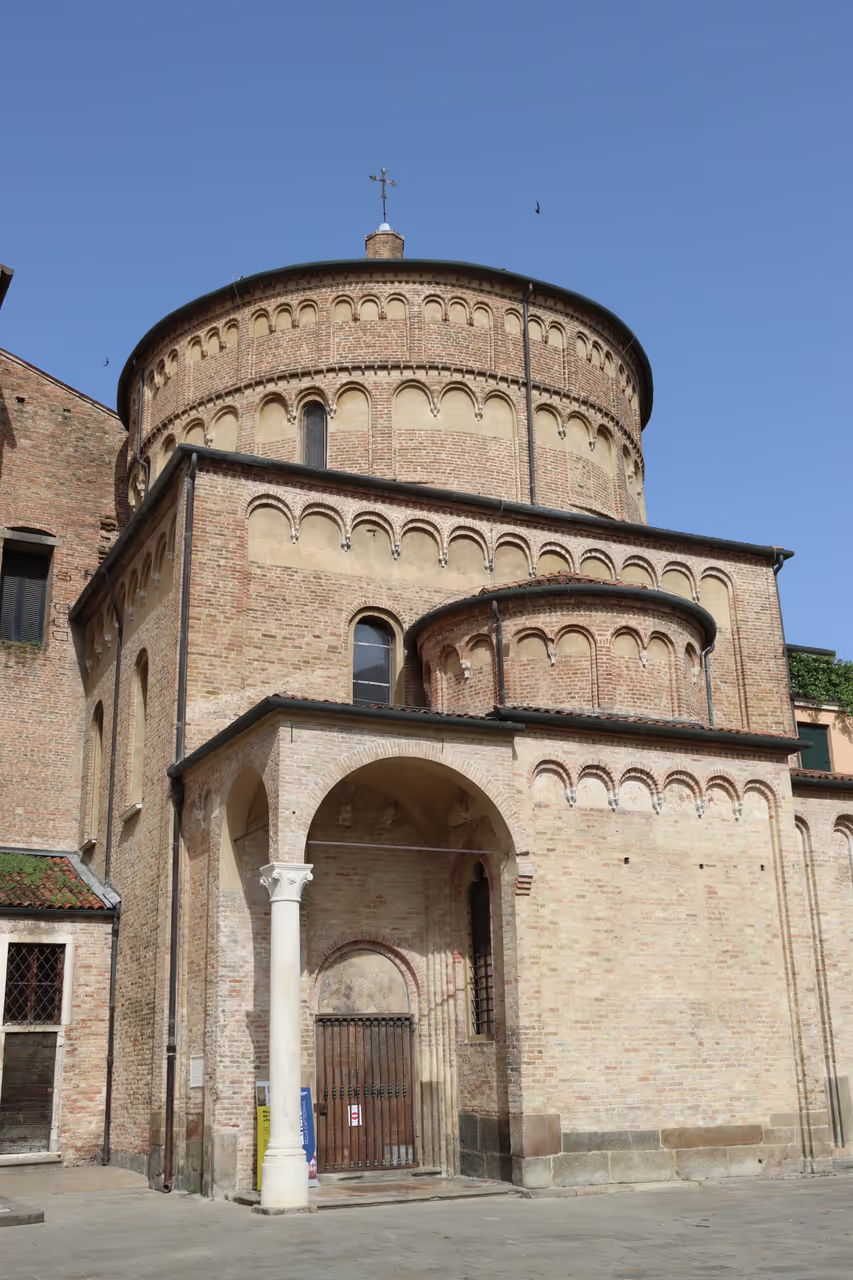
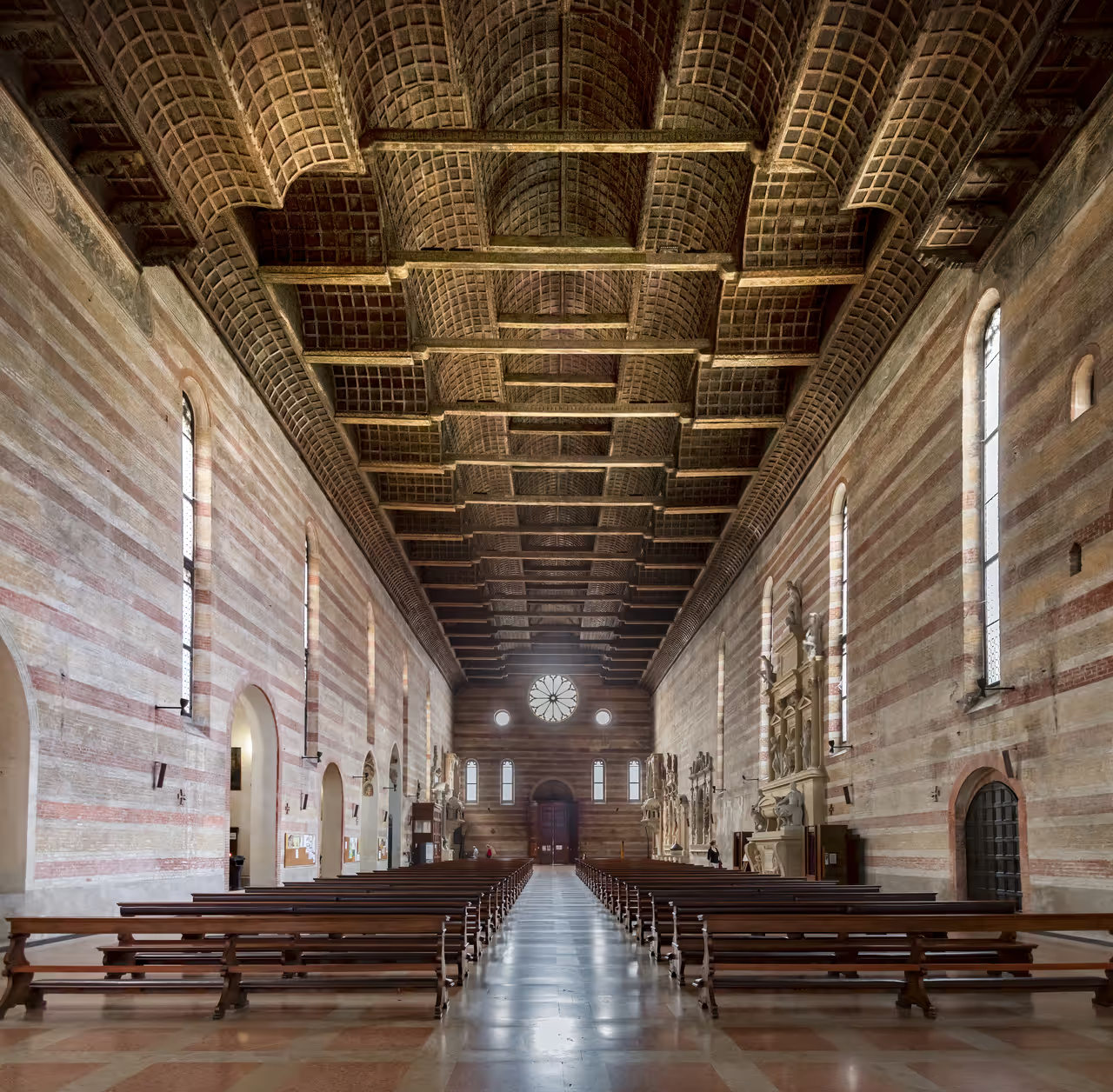
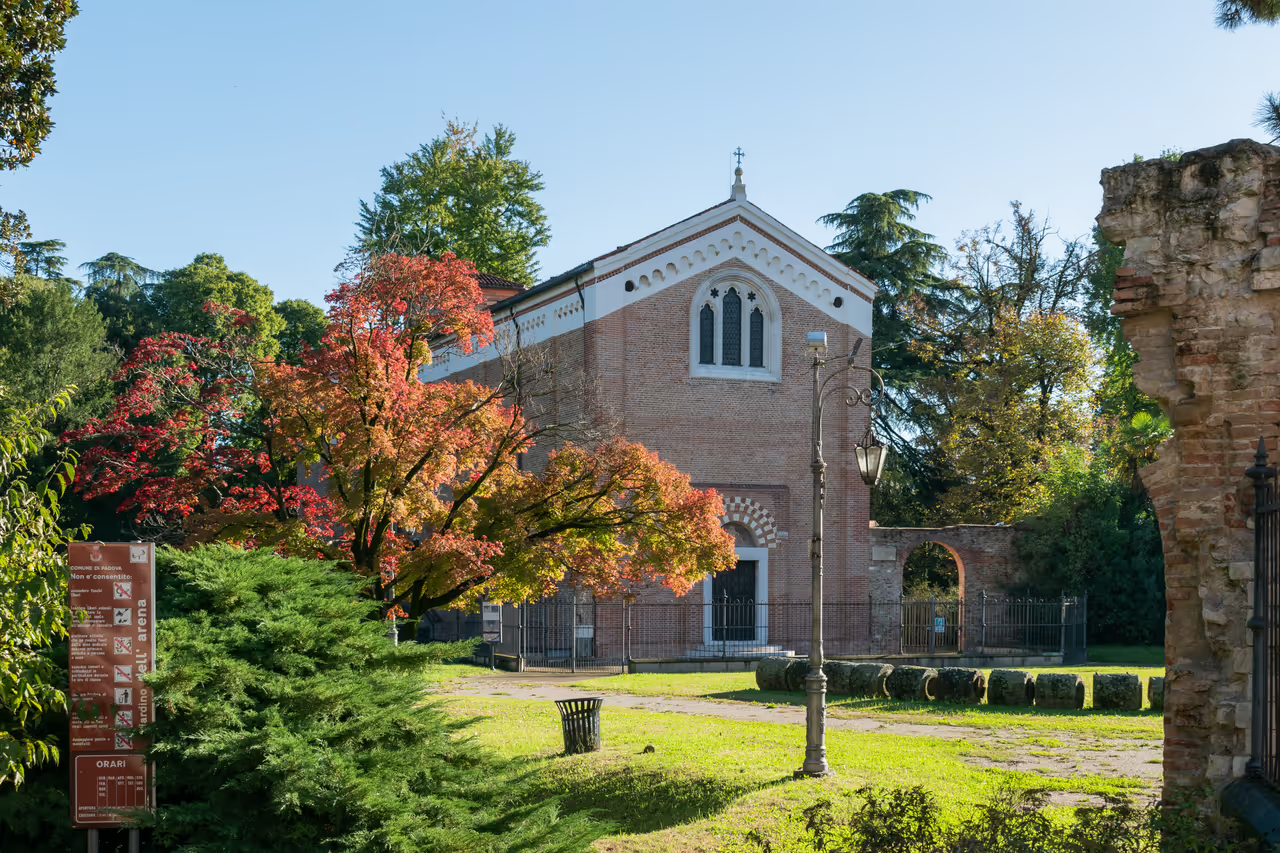
Fresco Masterpieces Route
This visually spectacular route guides you through the incredible fourteenth century artworks that earned the city its UNESCO World Heritage status. The journey moves between unassuming brick buildings that completely conceal mind bending explosions of colour and medieval storytelling. You will witness the profound evolution of Western art, moving away from stiff Byzantine traditions toward emotional depth and realistic perspective. It is an absolute feast for the eyes and a crucial experience for any art lover.
view self-guided tour
See all attractions in Padua
Basilica of Santa Giustina, Padua Baptistery, Palazzo del Bo, Palazzo della Ragione, Scrovegni Chapel...