Botanical Garden of Padua
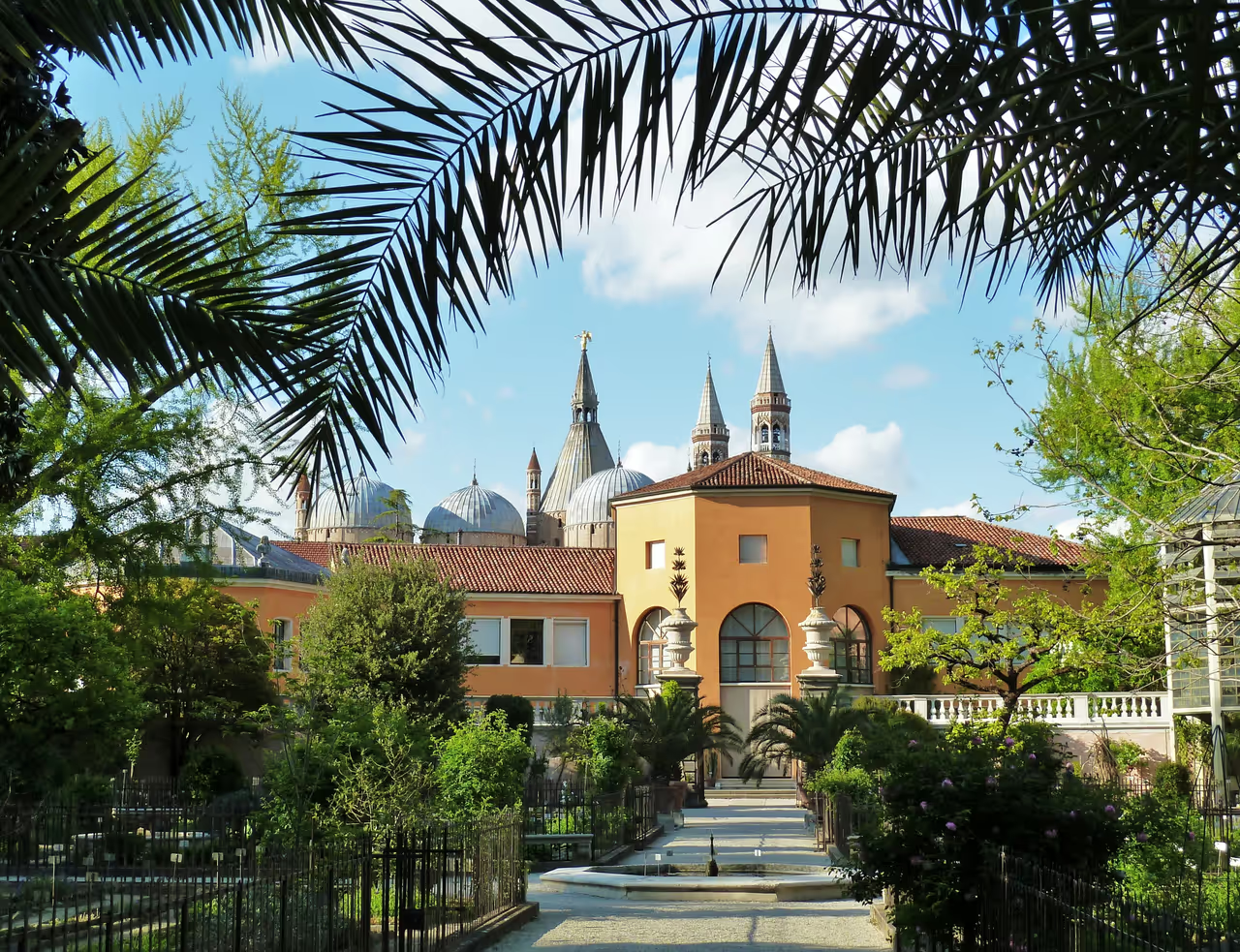
Step into the oldest botanical garden in the world that still remains in its original 16th-century location. This UNESCO World Heritage site is a living museum where history and science intertwine amongst rare blooms and ancient trees. You will discover a peaceful sanctuary in the heart of Padua that has shaped modern medicine and botany for nearly five centuries. From its iconic circular wall built to thwart herbal thieves to the futuristic glass skyscrapers of the Biodiversity Garden, it offers a journey through time. Visitors can marvel at plants that inspired great poets or explore high-tech greenhouses that mimic the world's diverse climates. It is an essential experience for anyone seeking a blend of Renaissance beauty and cutting-edge environmental conservation.
Videos
History of Botanical Garden of Padua
The story of the Botanical Garden of Padua begins in the heart of the Renaissance, when the University of Padua was already a titan of medical learning. In 1545, the faculty realised that students were struggling to distinguish healing herbs from toxic lookalikes, leading to many accidental tragedies. To solve this, the Venetian Republic authorised a dedicated garden where 'simples', or medicinal plants, could be grown and studied with scientific rigour. This was not just a collection of greenery but a laboratory of life that would eventually become the blueprint for all such gardens across the globe. Life in the early garden was surprisingly dramatic. Because the plants were so rare and valuable for making medicines, the university had to build a thick circular wall to keep out thieves who would scale the fences at night. This wall, known as the Hortus Cinctus, still stands today, preserving the ancient layout of a square within a circle. This geometry was deeply symbolic, intended to mirror the perfect order of the cosmos. As centuries passed, the garden expanded its mission, becoming a gateway for exotic species arriving from the Americas and Asia, forever changing European agriculture and cuisine. Today, the garden represents a bridge between the ancient and the futuristic. You can walk from the shadow of a palm tree planted in 1585 straight into the Biodiversity Garden, a high tech glass structure that looks like something from a science fiction film. This new wing uses solar energy and sophisticated water recycling to protect endangered species from every climate on Earth. It serves as a powerful reminder that the work started by Renaissance monks and doctors continues today, as scientists now race to preserve the planet's biodiversity for the generations to come.
Events spanning 469 years
Fun Facts
- • A tiny aquatic plant called Wolffia arrhiza lives here; it is the smallest flowering plant in Europe, measuring only about one millimetre in diameter.
- • It holds the record for being the oldest academic botanical garden in the world that has never moved from its founding site.
- • Legendary trees like the Ginkgo biloba and the Magnolia grandiflora were introduced to Italy for the very first time through this specific garden.
- • The 1680 Oriental Plane tree survived a massive lightning strike that left its trunk completely hollow, yet the tree continues to thrive and grow today.
- • The architectural design features a circle inscribed in a square, a Renaissance symbol of perfection representing the relationship between man and the universe.
- • The futuristic Biodiversity Garden uses a special photocatalytic glass coating that actually cleans the surrounding air using ultraviolet rays.
- • The garden has been a hub of international plant exchange for centuries, helping spread the potato, sunflower, and jasmine across Europe.
- • The garden was originally known as the Giardino dei Semplici because it focused on 'simples', which were medicinal plants used in their natural state.
- • The garden's library houses over 500,000 samples in its herbarium, including specimens collected from across the globe since the 18th century.
- • Water for the tropical greenhouses is drawn from an artesian well nearly 300 metres deep, providing naturally warm water at 24 degrees Celsius year round.
Botanical Garden of Padua FAQ
While we strive to keep this information accurate and up to date, we recommend verifying any details independently before making decisions based on them.
Botanical Garden of Padua Map & Neighborhood Explorer
This interactive map is centered on Botanical Garden of Padua. Zoom in and move the map around to automatically discover Wikipedia photos and summaries of other nearby sights, monuments, and historical points of interest and stories in real-time!
Places near Botanical Garden of Padua
Make the most of your trip. Check out these top-rated spots located nearby.
 205m
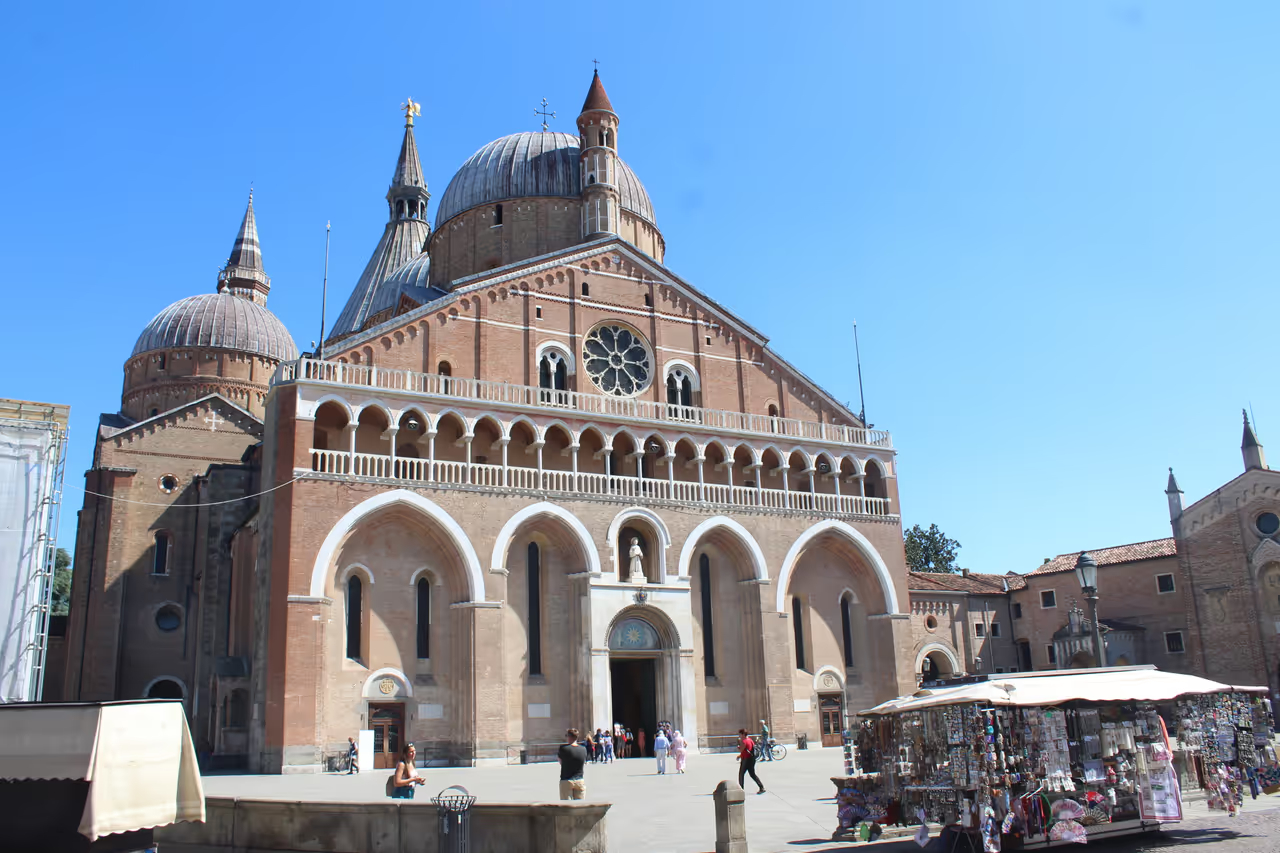
205mBasilica of Saint Anthony of Padua
This awe inspiring sanctuary serves as the spiritual heart of Padua, drawing millions of pilgrims and art lovers every year to stand in the presence of history. Its unique skyline, defined by eight majestic domes and slender towers resembling minarets, tells a story of diverse architectural influences ranging from Byzantine grace to Gothic ambition. Inside, you will encounter a treasure trove of Renaissance masterpieces, including iconic bronze works by Donatello that have captivated visitors for centuries. The atmosphere is deeply moving, blending solemn quiet with the profound devotion that has resonated here since the thirteenth century. Whether you are exploring the intricate chapels or simply marveling at the sheer scale of its interior, every corner of this site radiates an undeniable sense of wonder.
attraction view- 205m
Feast of Saint Anthony
The city honours its beloved patron saint with profound devotion and spectacular public processions. Following solemn morning masses in the grand basilica, a massive parade carries holy relics through the historic streets. Thousands of pilgrims from around the world join locals in this deeply spiritual and visually arresting celebration. The route passes through the most iconic squares, accompanied by the ringing of all the church bells in the city. It is an extraordinary display of civic pride and religious tradition.
festival view 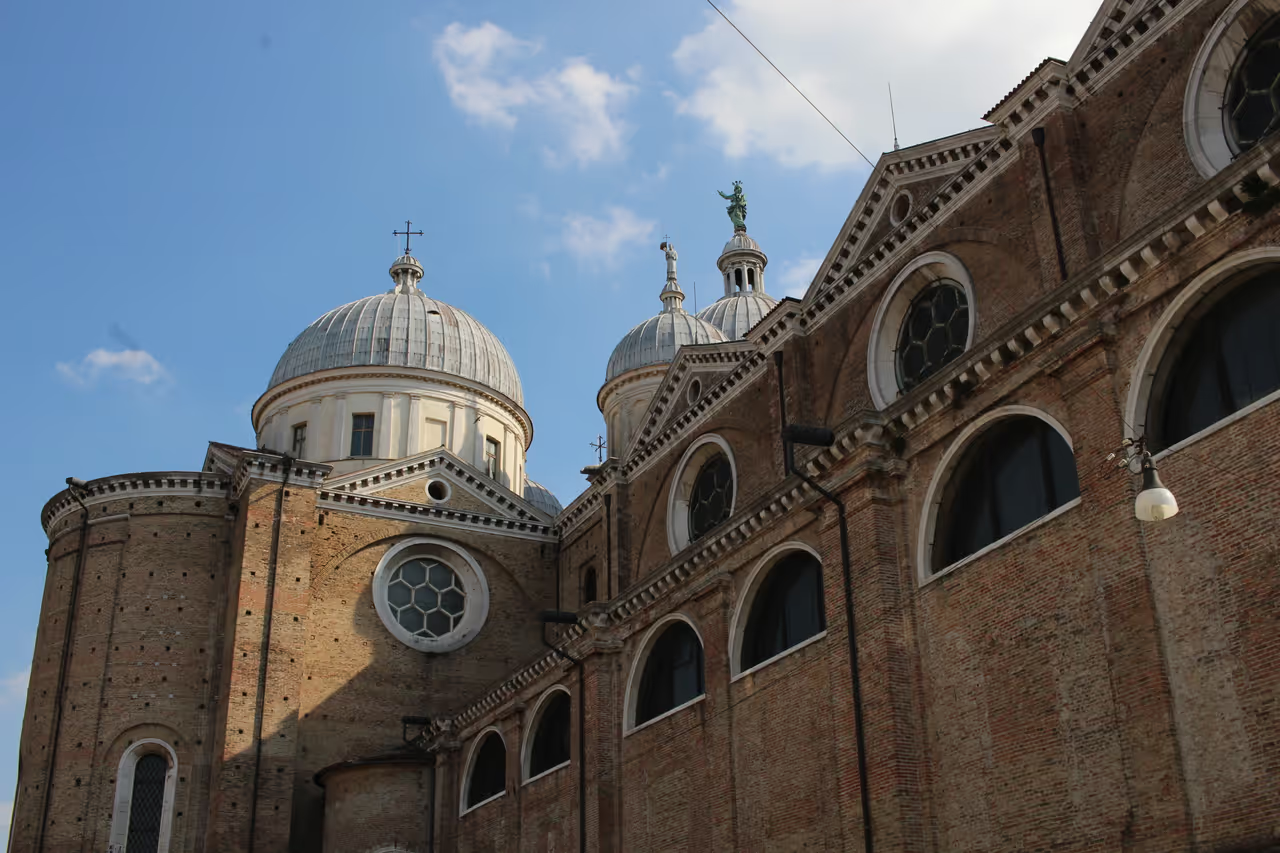 325m
325mBasilica of Santa Giustina
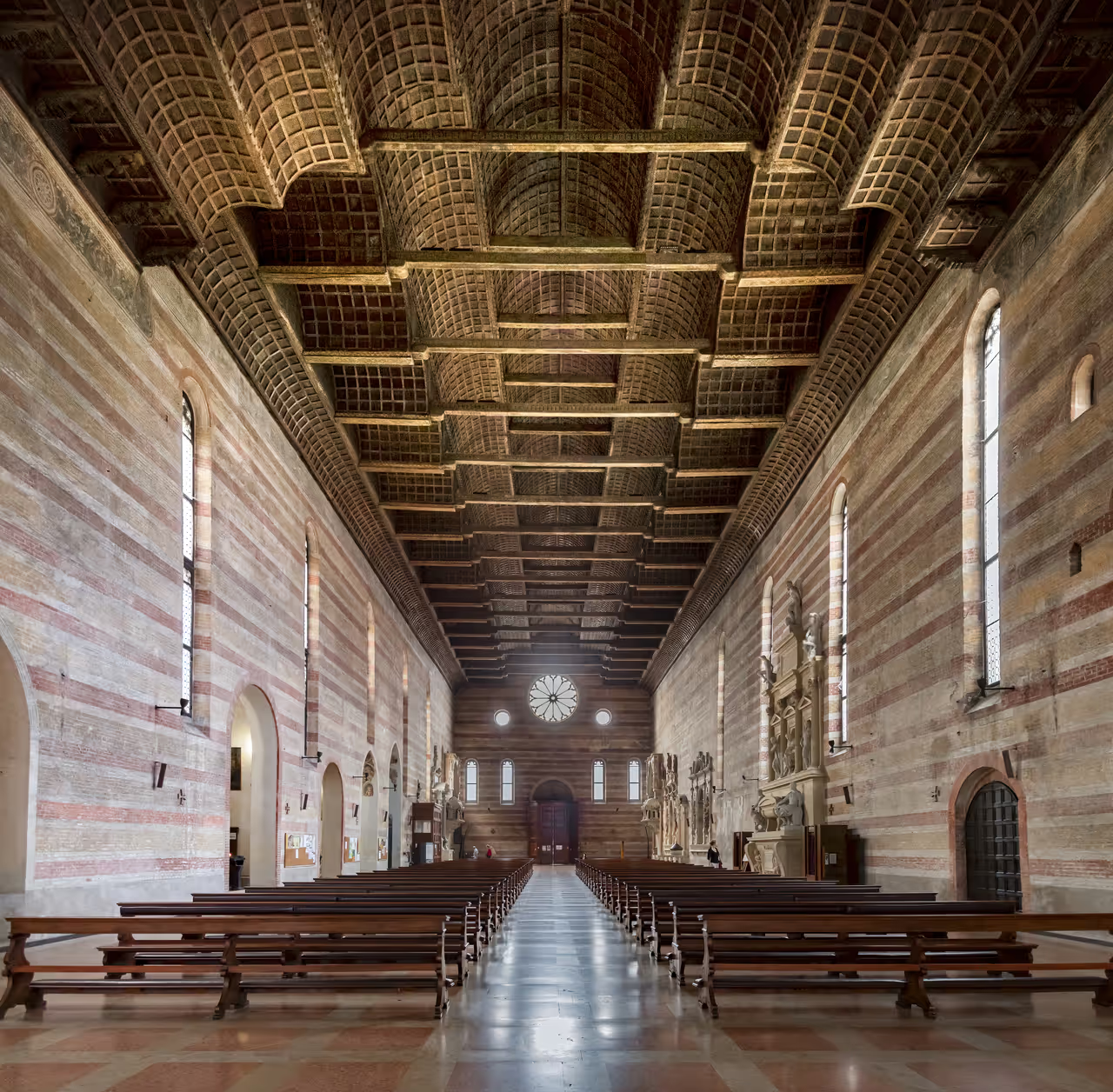
Dominating the edge of the vast Prato della Valle, the Basilica of Santa Giustina is an architectural titan and one of the largest churches in the world. Its eight lead-covered domes and unfinished brick facade create a striking silhouette that has defined the skyline of Padua for centuries. Stepping inside, you are greeted by a light-filled Renaissance interior that feels both immense and profoundly peaceful. This is a place of incredible spiritual weight, housing the relics of Saint Luke the Evangelist and Saint Matthias the Apostle. You can explore a labyrinth of history, from a 6th-century chapel that survived ancient earthquakes to the tomb of the first woman in the world to receive a PhD. It is a brilliant blend of artistic mastery and deep historical layers that rewards every minute of exploration.
attraction view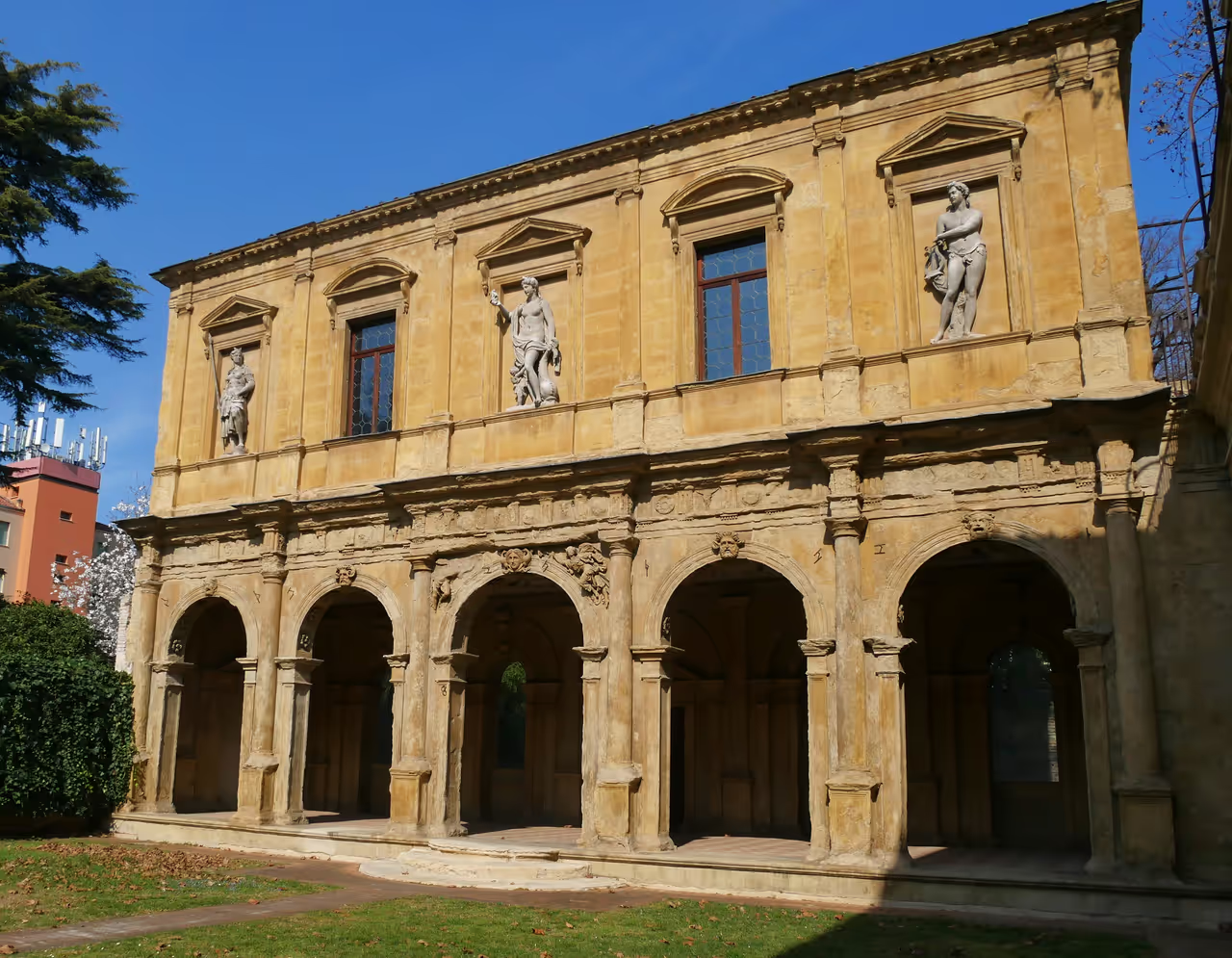 331m
331mCornaro Loggia and Odeo
Hidden behind a highly unassuming street wall, this incredibly elegant Renaissance complex was built specifically as a private, open air theatre space. The beautifully proportioned arches and detailed stucco work reflect a period of immense wealth and profound humanist philosophy. Standing in the courtyard, it is incredibly easy to imagine the lavish classical plays and intellectual debates that once entertained the local nobility. The site is a brilliant, highly pristine example of sixteenth century architectural harmony. It provides a deeply peaceful, culturally rich escape from the busy modern streets.
hidden gem view
Featured on These Itineraries and Routes
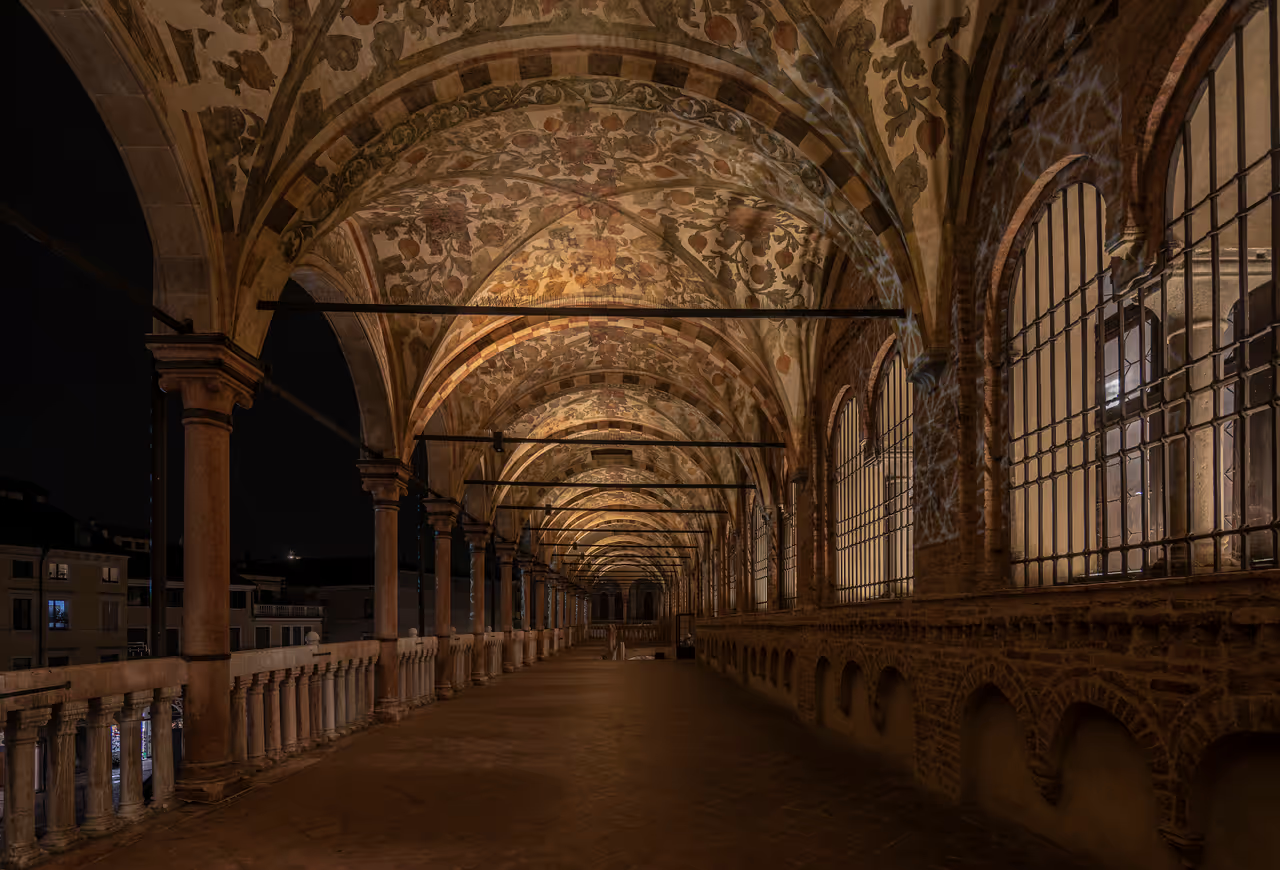
3 Days in Padua Itinerary
This perfectly balanced three day journey allows visitors to deeply immerse themselves in the complex, layered history of the city without feeling rushed. It expands beyond the primary monuments to include the vibrant, authentic daily life found in the bustling historic markets and narrow medieval streets. You will have ample time to explore the revolutionary scientific heritage of the botanical gardens and the ancient observatory. This itinerary perfectly captures the unique blend of high Renaissance art, profound academic history, and relaxed local lifestyle.
view itinerary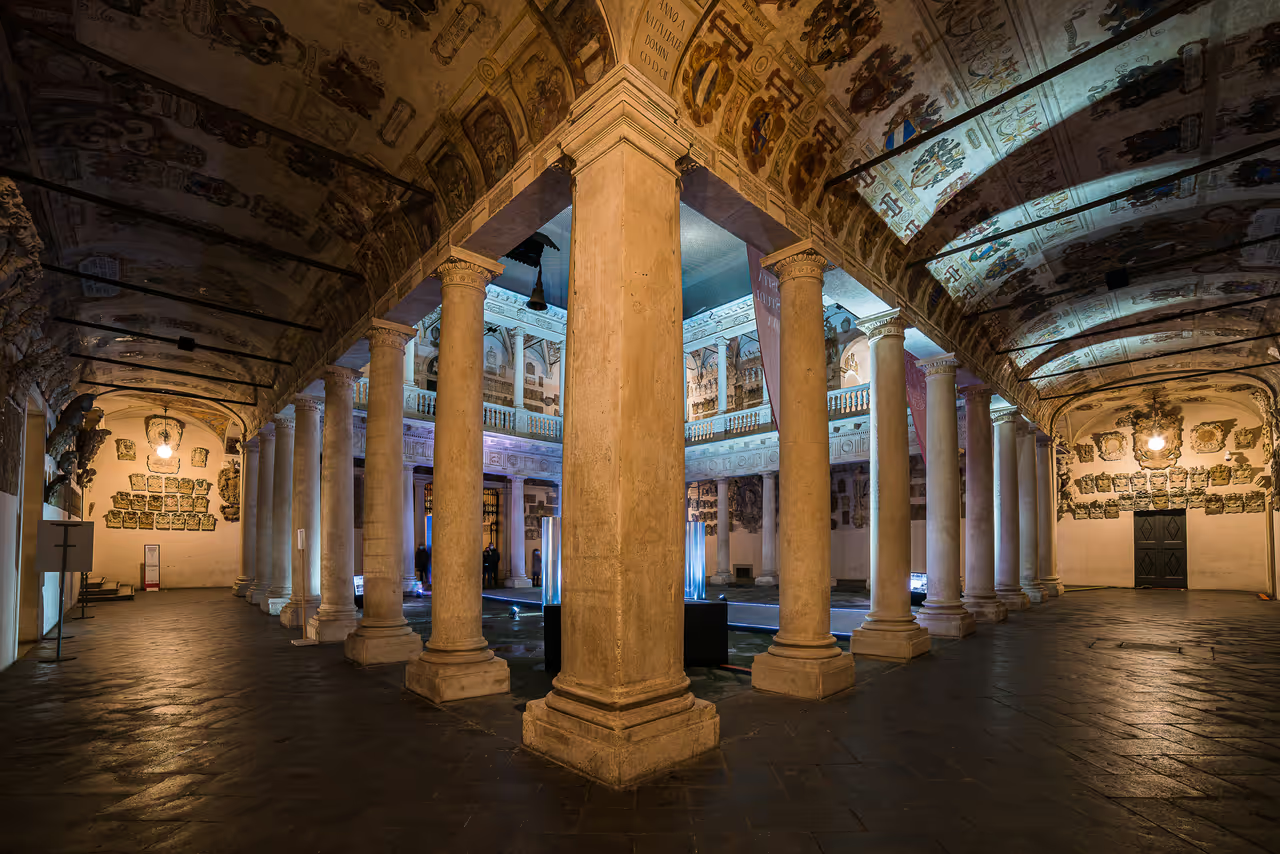
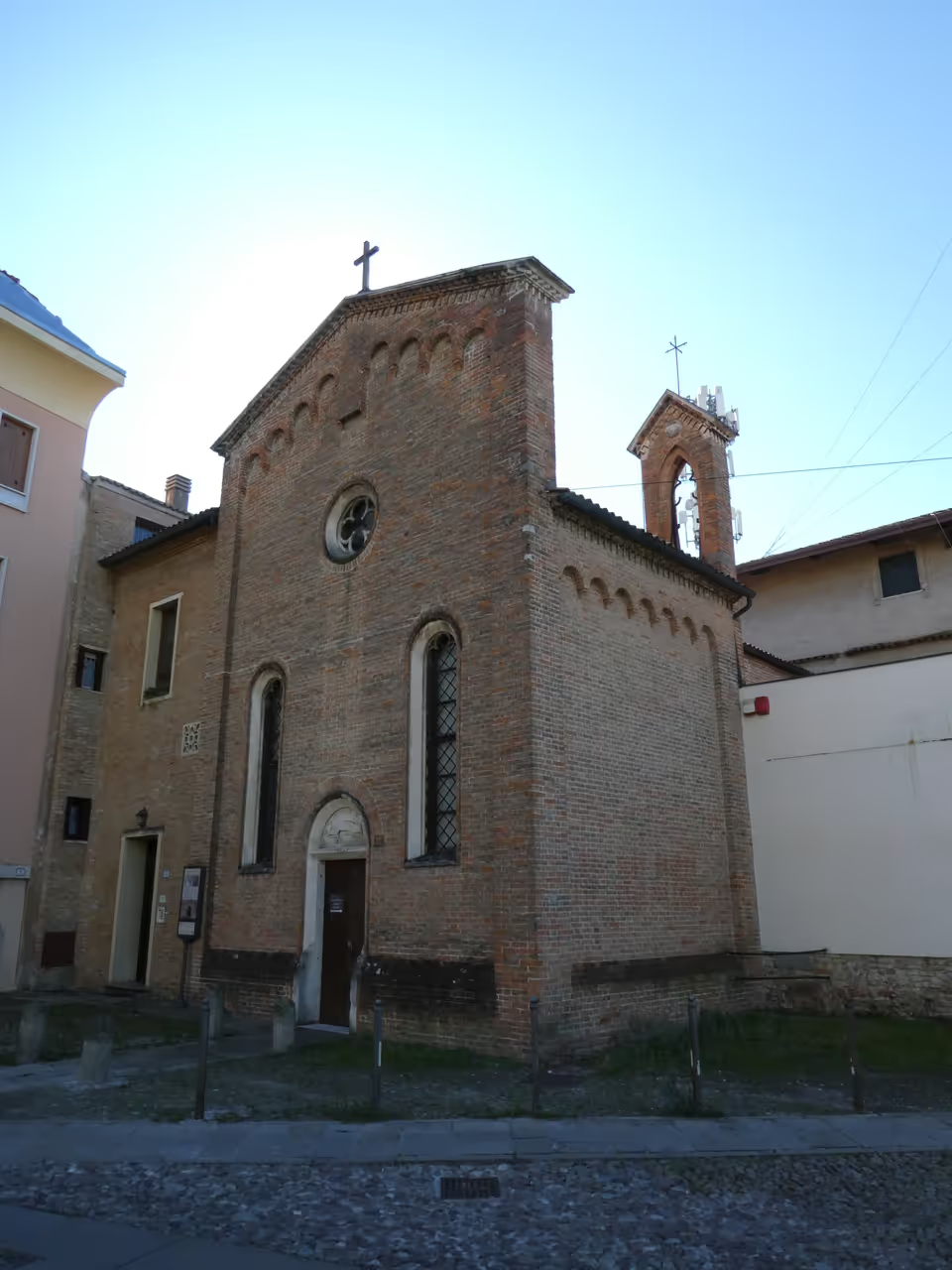

5 Days in Padua Itinerary
Designed for the truly curious traveller, this extensive five day exploration leaves no cobblestone unturned. It covers all the world famous artistic and religious sites while dedicating significant time to highly rewarding, obscure hidden gems and unusual scientific museums. You will experience the city exactly as the locals do, wandering through diverse neighbourhoods, sampling regional cuisine in the historic markets, and enjoying the relaxed evening atmosphere in the elegant plazas. It provides a profoundly complete, deeply satisfying immersion into the cultural and historical soul of the city.
view itinerary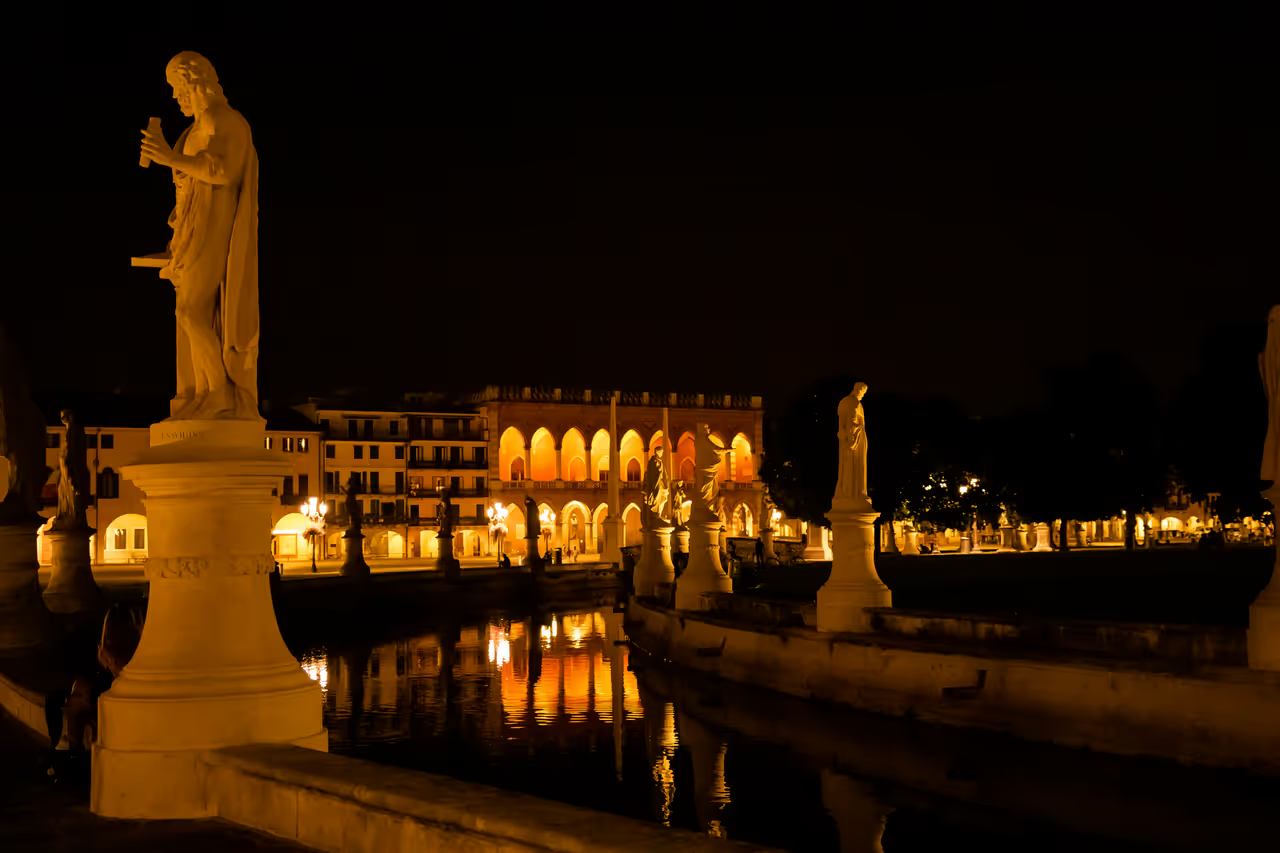
Prato to Basilica Stroll
This awe inspiring walk connects the city's most monumental open space with its most deeply revered spiritual site. The route offers a sequence of breathtaking architectural views, moving from vast, open landscapes to intricately detailed religious complexes. The wide, pedestrian friendly paths make for a highly relaxing and visually rewarding experience. It captures the profound sense of scale and devotion that defines the southern historic district.
view walking route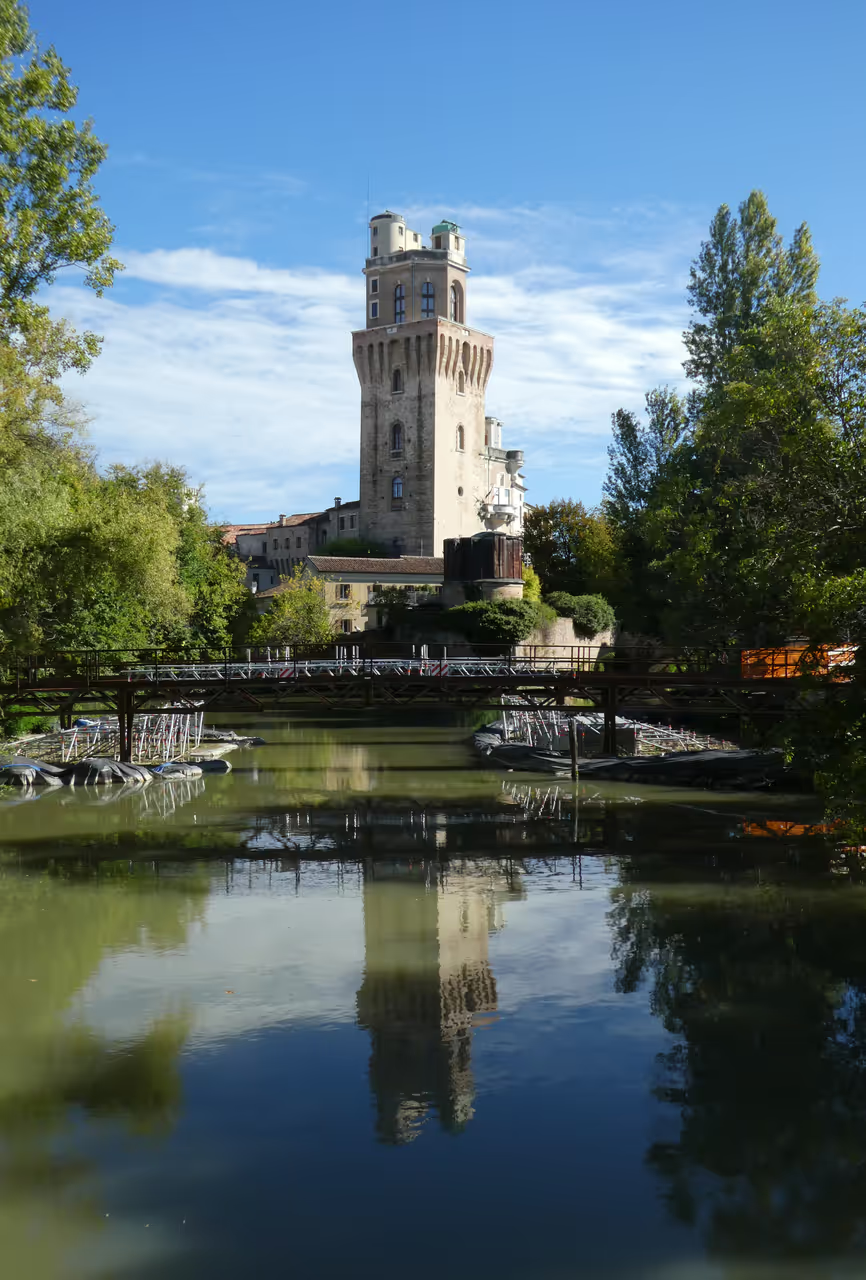
Scientific Discoveries Walk
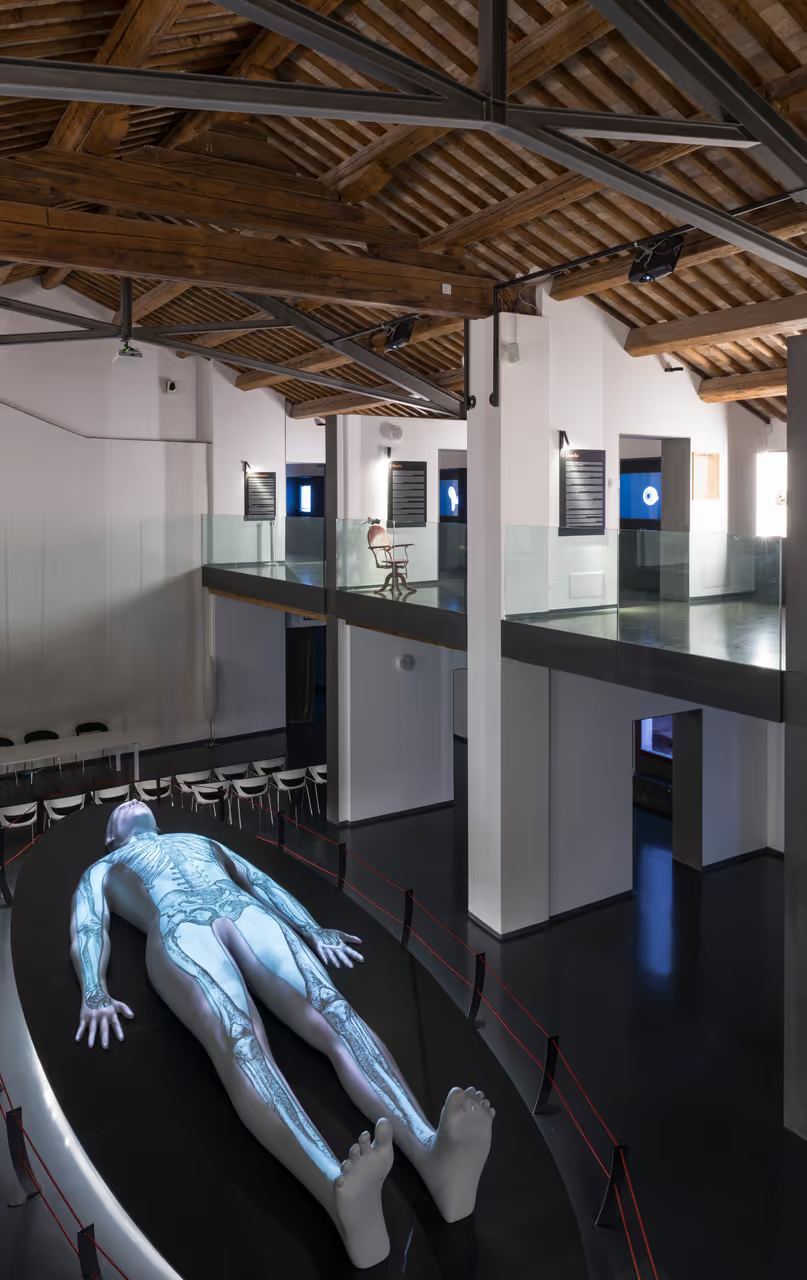
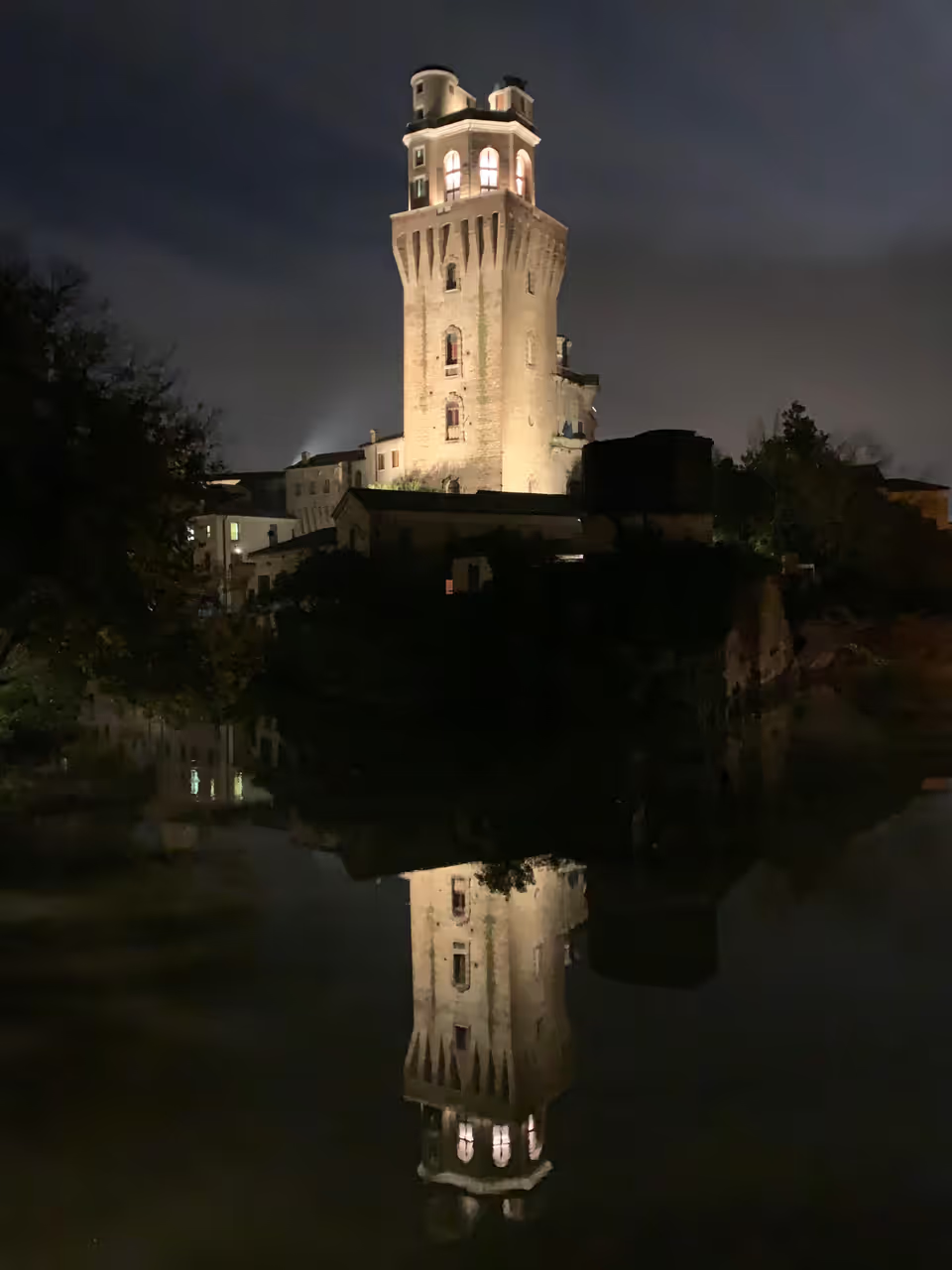
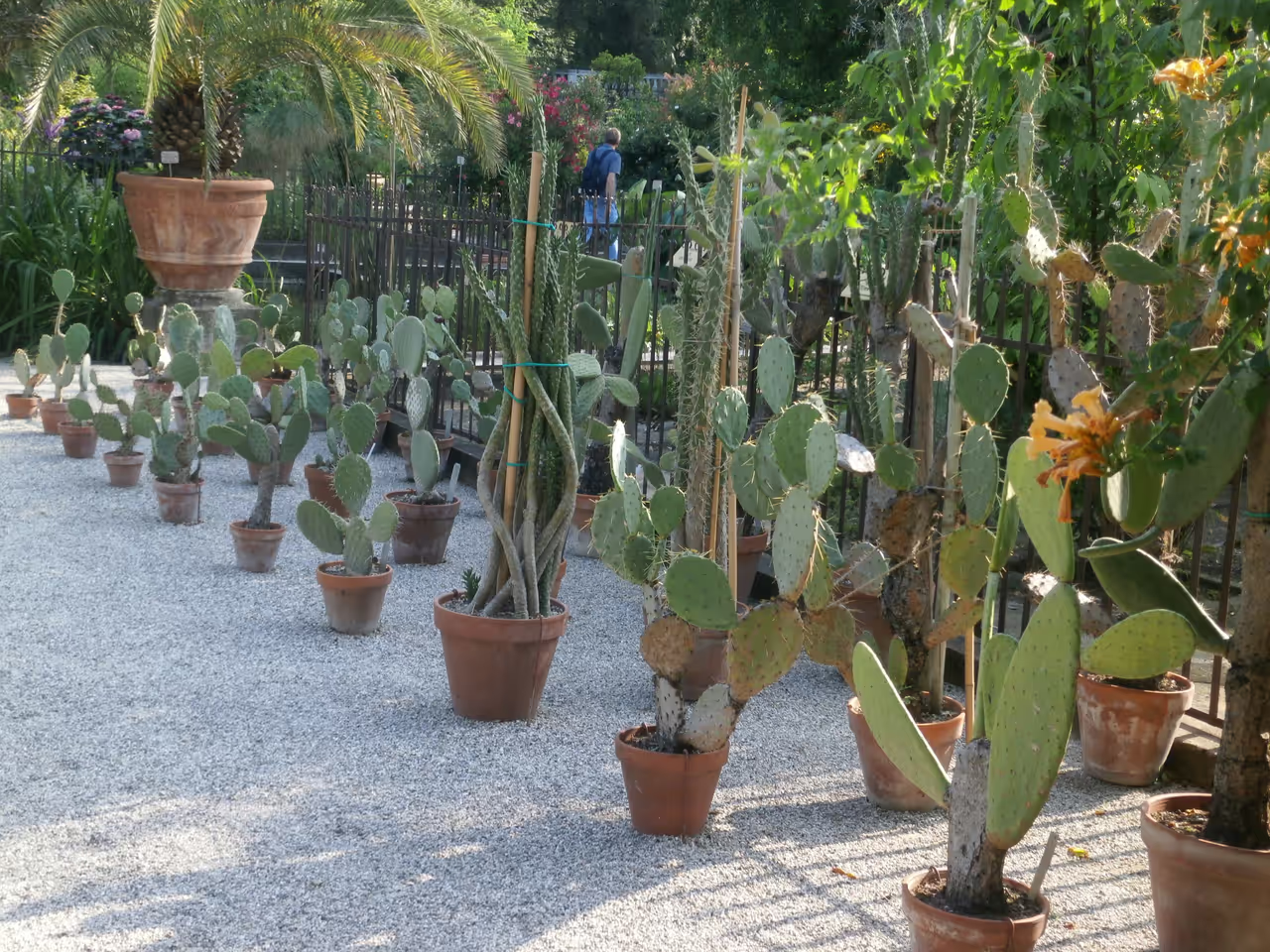
This unique itinerary traces the footsteps of the brilliant astronomers, physicists, and botanists who flocked to the city seeking intellectual freedom. The route highlights the physical spaces where revolutionary observations of the stars, the human body, and the natural world took place. It moves from towering observatories to intricate gardens and hidden laboratories. It is an engaging journey for anyone fascinated by the history of science and the relentless human quest to understand the universe.
view self-guided tour
See all unesco sites in Padua
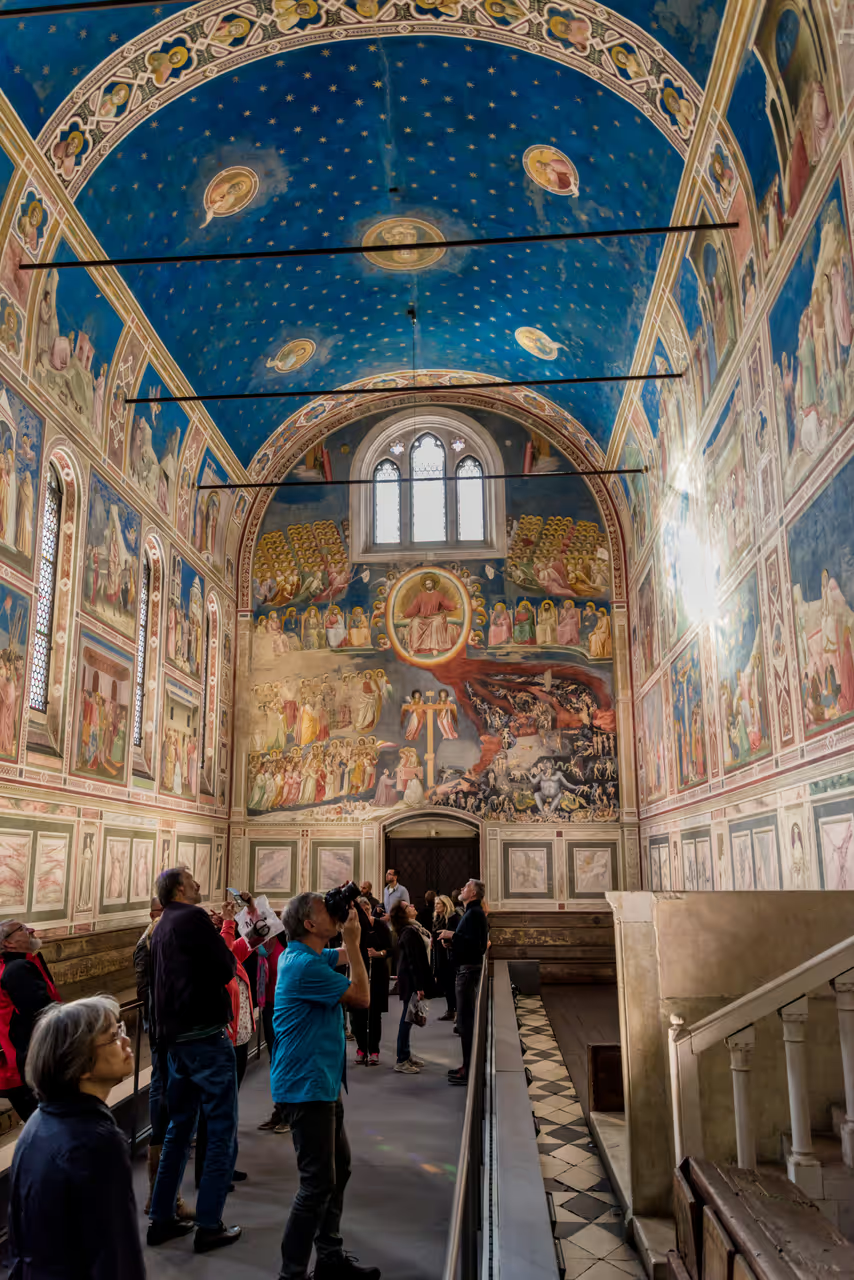
Padua’s Fourteenth-Century Fresco Cycles...