Basilica of Santa Giustina
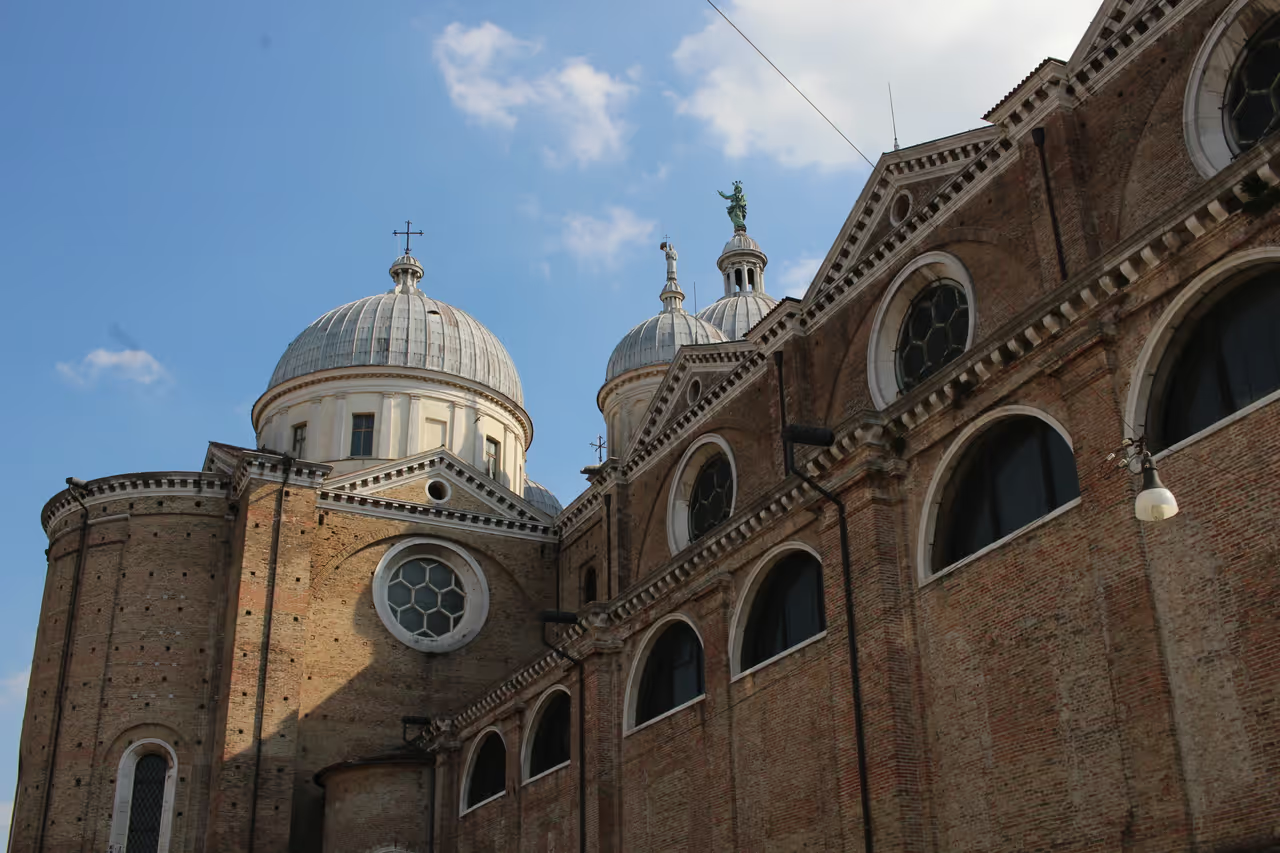
Dominating the edge of the vast Prato della Valle, the Basilica of Santa Giustina is an architectural titan and one of the largest churches in the world. Its eight lead-covered domes and unfinished brick facade create a striking silhouette that has defined the skyline of Padua for centuries. Stepping inside, you are greeted by a light-filled Renaissance interior that feels both immense and profoundly peaceful. This is a place of incredible spiritual weight, housing the relics of Saint Luke the Evangelist and Saint Matthias the Apostle. You can explore a labyrinth of history, from a 6th-century chapel that survived ancient earthquakes to the tomb of the first woman in the world to receive a PhD. It is a brilliant blend of artistic mastery and deep historical layers that rewards every minute of exploration.
Videos
History of Basilica of Santa Giustina
The story of Santa Giustina is inseparable from the very identity of Padua. It began in the early 4th century with a young woman named Giustina, who chose to face martyrdom rather than renounce her faith during the reign of Emperor Diocletian. Her burial site became a magnet for the faithful, eventually prompting the Ostrogoth official Venantius Opilio to construct a grand basilica in the 6th century. Though much of that early glory was levelled by a massive earthquake in 1117, the spirit of the site endured through the devotion of the Benedictine monks who made this abbey their home. By the 15th century, the monastery had become a powerhouse of reform and culture. However, the monks harboured an ambition that matched their influence: they wanted to build a church that would rival the greatest basilicas of Rome. This led to a construction project that spanned over a hundred years, involving a revolving door of masters like Andrea Moroni and Andrea da Valle. The result was a Renaissance giant that successfully combined immense scale with a sense of airy, geometric perfection. Its unfinished facade serves as a humble mask for the opulence within, where gold, marble, and masterpieces by Veronese tell a story of immense wealth and religious fervour. In the modern era, the basilica has witnessed both tragedy and triumph. It survived the indignity of being turned into a military barracks under Napoleon and the subsequent looting of its finest artworks. Today, it stands as a proud monument to Paduan resilience and intellectual history. It is a place where pilgrims come to touch the tomb of an Apostle and where scholars come to pay respects to the first woman to break the academic glass ceiling. As the sun sets over the Prato della Valle, the leaden domes of Santa Giustina remain a steadfast symbol of a city that has always balanced the spiritual with the scholarly.
Events spanning 1506 years
Fun Facts
- • A local Paduan idiom used to describe a person who is incredibly slow is 'te si longo come ła fabrica de Santa Giustina', referring to the century-long construction period of the church.
- • A mysterious spot called the 'Well of Martyrs' contains the remains of early Christians; legend says twelve miraculous candles lit up around it when the bones were discovered in 1269.
- • Beneath the high altar lies a sophisticated work of marble inlay by the Corbarelli family, using mother-of-pearl, lapis lazuli, and coral to create intricate patterns.
- • Despite its grand interior, the facade remains unfinished and rough-hewn because the original plans for a marble covering were never completed due to lack of funds.
- • The 15th-century choir stalls are a triumph of woodwork, featuring 88 meticulously carved scenes from the Old and New Testaments.
- • The Sacello di San Prosdocimo is one of the oldest surviving structures in the Veneto region, dating back to the 6th century and retaining its original cross-shaped plan.
- • The basilica features eight domes, with the central one reaching a height of 70 metres and topped by a five-metre-tall copper statue of Saint Giustina.
- • The basilica houses the tomb of Elena Lucrezia Cornaro Piscopia, who in 1678 became the first woman in history to receive a Doctor of Philosophy degree.
- • The basilica is ranked as the ninth largest Christian church in the world and the seventh largest in Italy, spanning a total length of nearly 119 metres.
- • The church was once part of one of the most powerful Benedictine monasteries in Europe before it was converted into a military hospital and barracks during the 19th century.
- • The high altar features a massive painting by Paolo Veronese titled 'The Martyrdom of Saint Giustina', which is considered one of his most complex and crowded masterpieces.
- • The relics of Saint Luke the Evangelist were brought here from Constantinople by a priest named Urio to save them from the iconoclastic fury of the East.
RESOURCES
Official WebsiteBasilica of Santa Giustina FAQ
While we strive to keep this information accurate and up to date, we recommend verifying any details independently before making decisions based on them.
Basilica of Santa Giustina Map & Neighborhood Explorer
This interactive map is centered on Basilica of Santa Giustina. Zoom in and move the map around to automatically discover Wikipedia photos and summaries of other nearby sights, monuments, and historical points of interest and stories in real-time!
Places near Basilica of Santa Giustina
Make the most of your trip. Check out these top-rated spots located nearby.
 325m
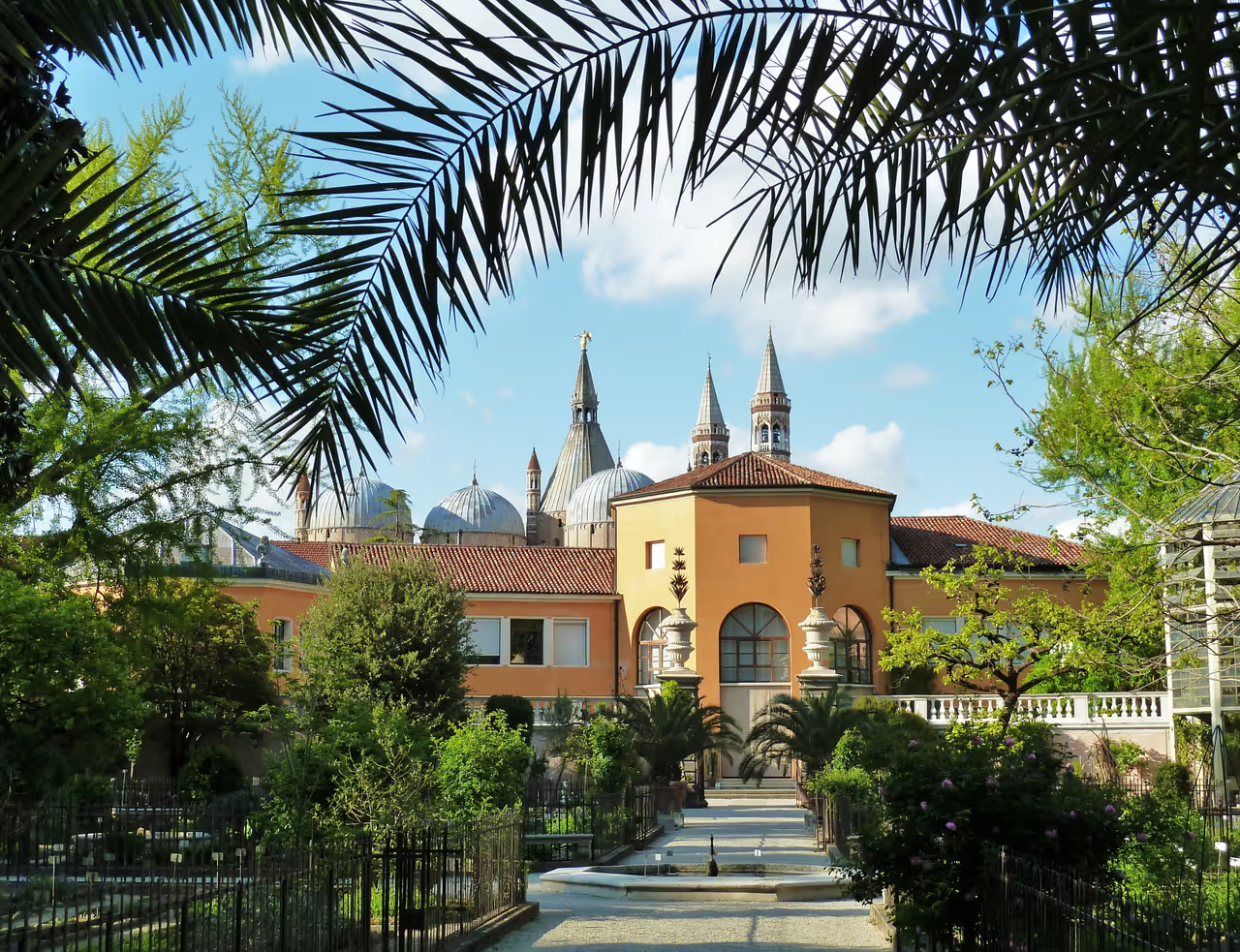
325mBotanical Garden of Padua
Step into the oldest botanical garden in the world that still remains in its original 16th-century location. This UNESCO World Heritage site is a living museum where history and science intertwine amongst rare blooms and ancient trees. You will discover a peaceful sanctuary in the heart of Padua that has shaped modern medicine and botany for nearly five centuries. From its iconic circular wall built to thwart herbal thieves to the futuristic glass skyscrapers of the Biodiversity Garden, it offers a journey through time. Visitors can marvel at plants that inspired great poets or explore high-tech greenhouses that mimic the world's diverse climates. It is an essential experience for anyone seeking a blend of Renaissance beauty and cutting-edge environmental conservation.
unesco heritage site view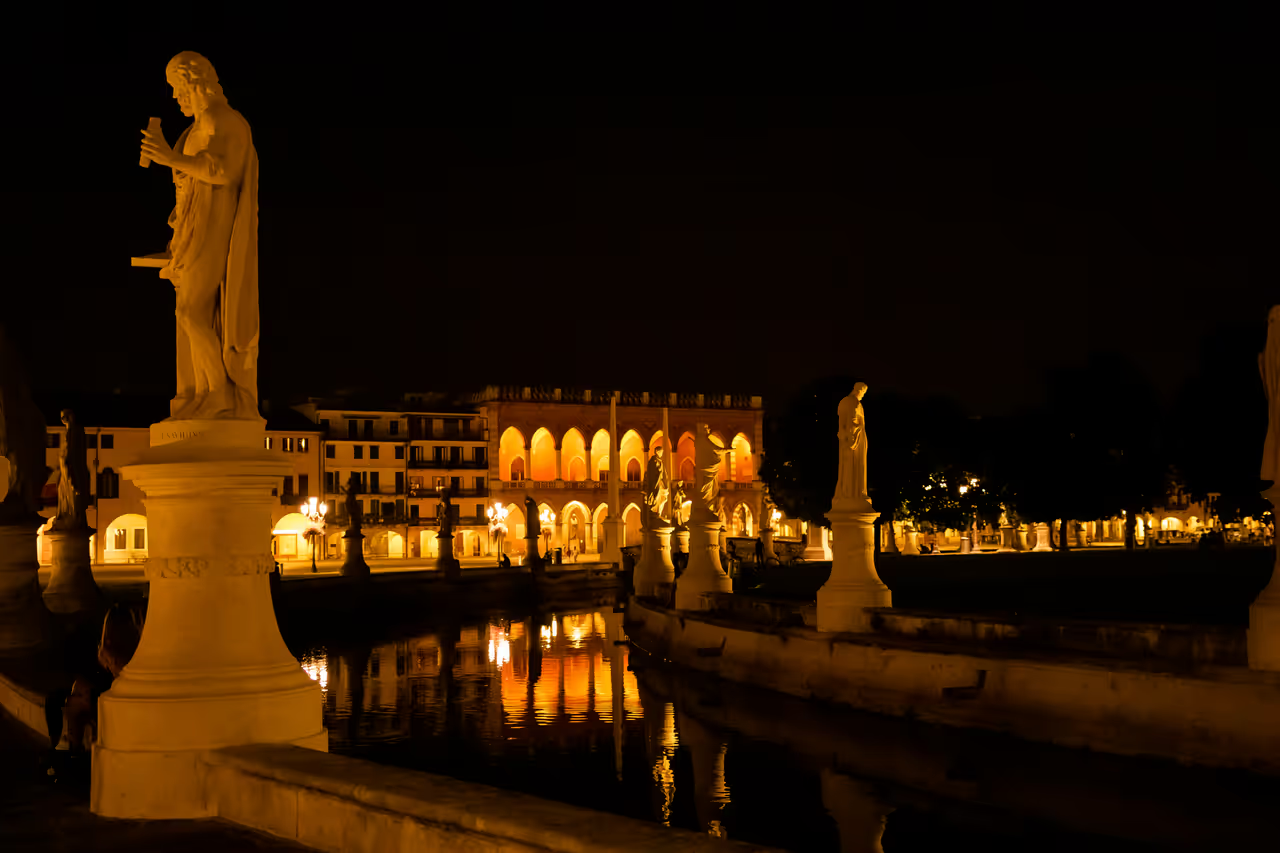 365m
365mPrato della Valle
Step into the heart of Padua to discover Prato della Valle, an immense and elegant elliptical square that feels like the city's communal living room. As one of the largest squares in Europe, it offers a grand space featuring a lush green island at its centre, which is encircled by a gentle canal and seventy eight stoic statues representing historical figures. This is a place where locals naturally gravitate to skate, study under the sun, or simply wander amidst the neoclassical architecture and vibrant atmosphere. Whether you are marvelling at the serene beauty of the Isola Memmia or joining in the festive spirit during summer evenings, the square provides a perfect harmony of tranquillity and local life. It stands as a brilliant testament to the city's history of urban reclamation, inviting every visitor to pause and appreciate the scale of this magnificent public landmark.
park & nature view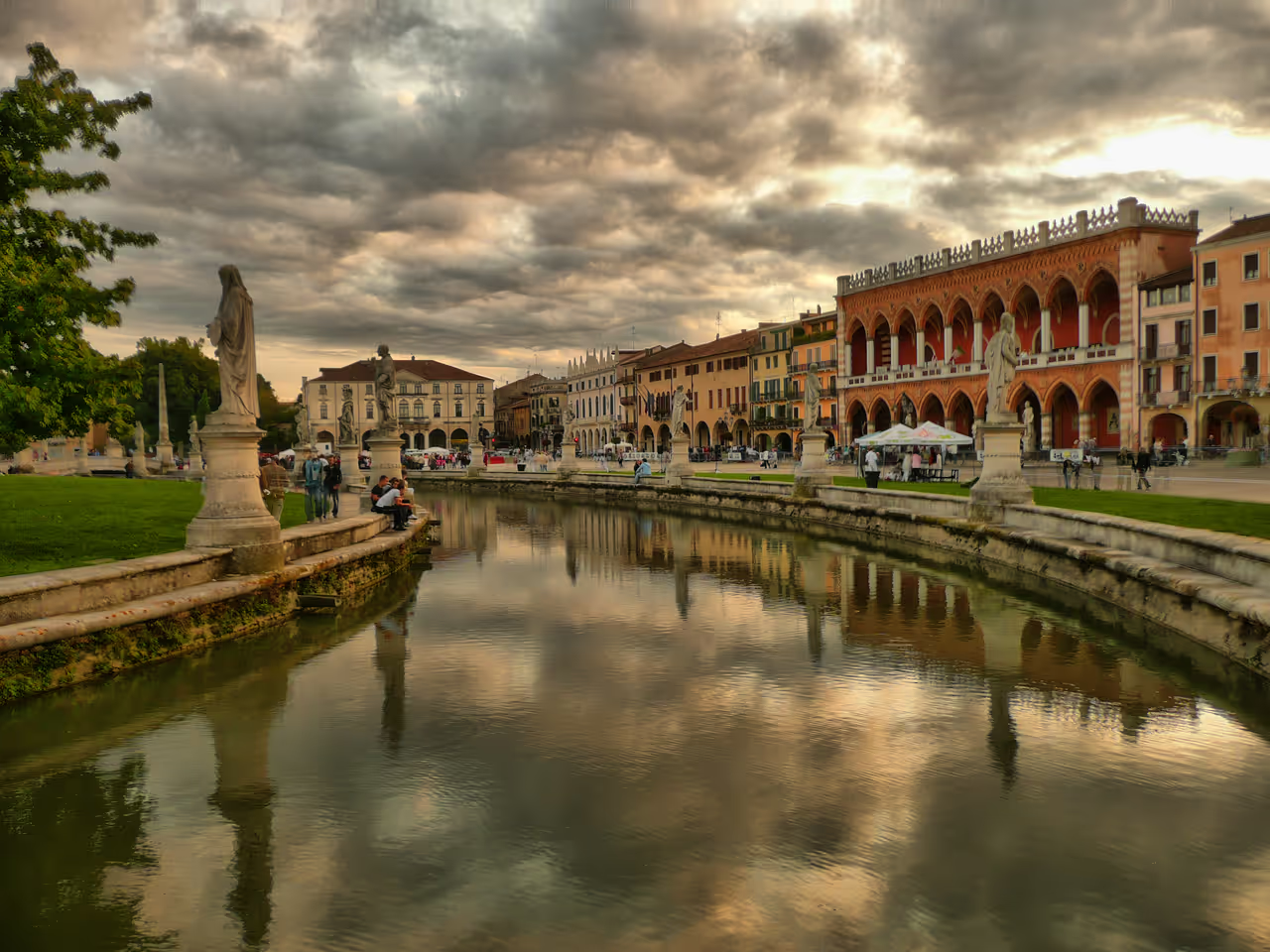 468m
468mAmulea Loggia
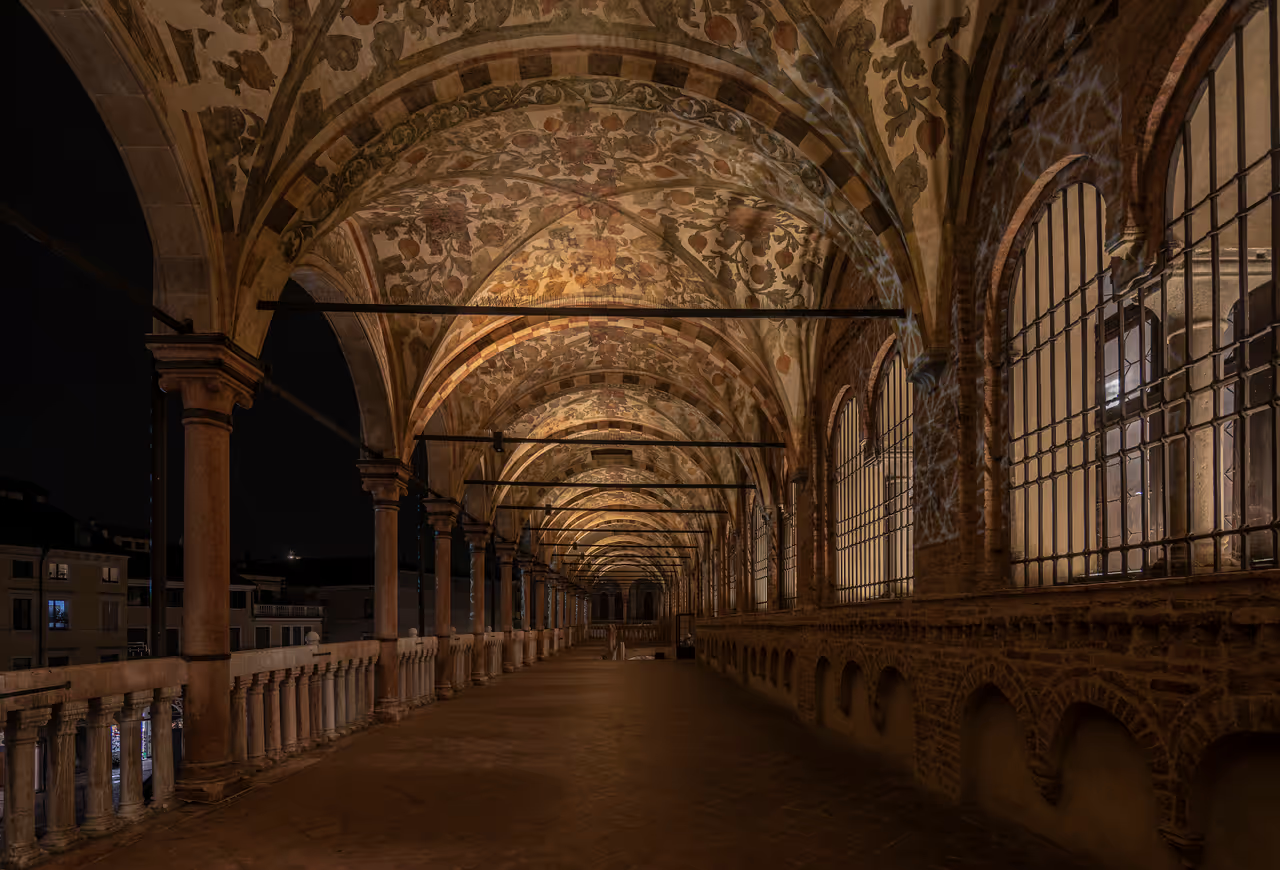
This highly elegant neo Gothic structure provides a stunning theatrical backdrop to the immense Prato della Valle. Featuring graceful pointed arches and refined terracotta detailing, it was originally designed as a grand viewing gallery for the nobility to watch equestrian spectacles. Today, the upper levels offer prestigious municipal offices, while the ground floor arcade invites pedestrians to stroll in the shade. The building glows beautifully when illuminated at night, perfectly framing the massive open space of the square. It is a brilliant example of nineteenth century romantic architectural revival.
architecture view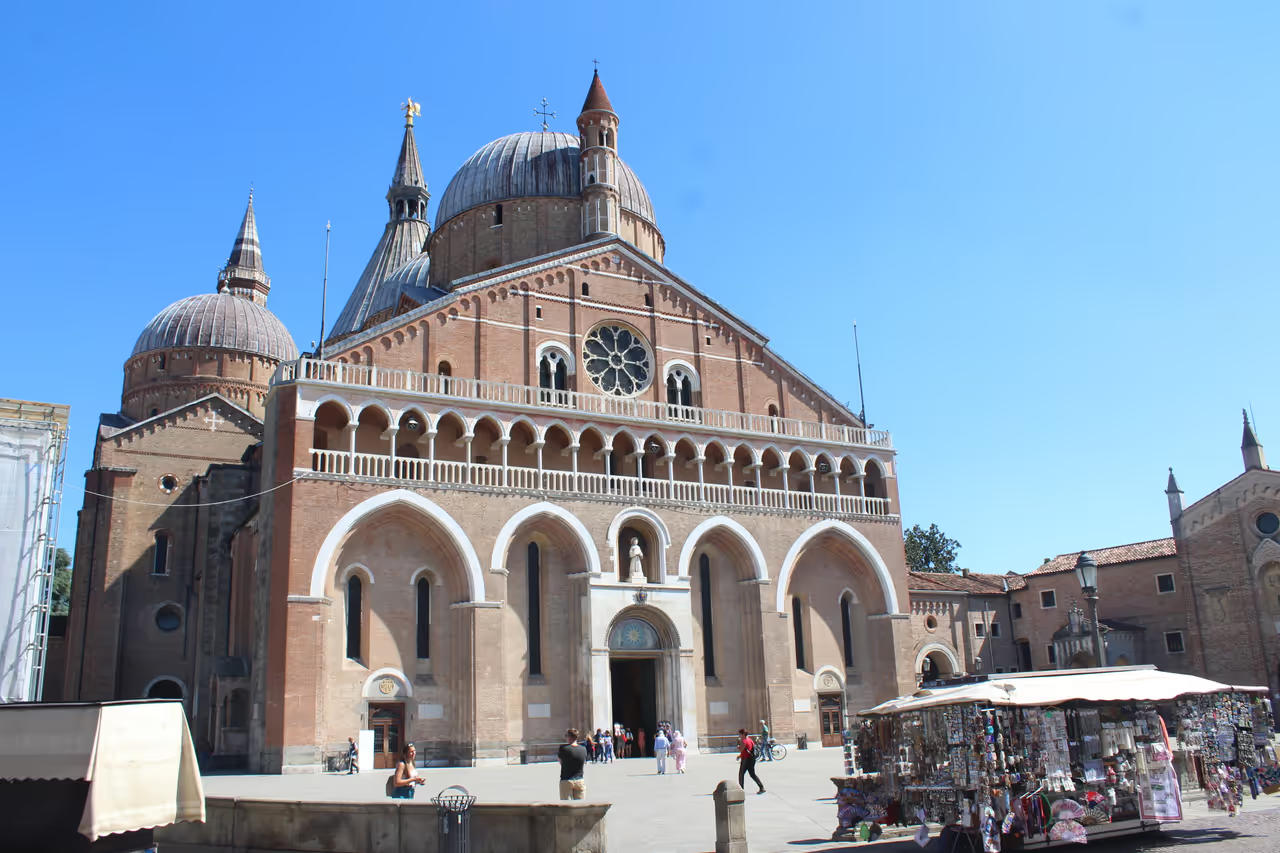 530m
530mBasilica of Saint Anthony of Padua
This awe inspiring sanctuary serves as the spiritual heart of Padua, drawing millions of pilgrims and art lovers every year to stand in the presence of history. Its unique skyline, defined by eight majestic domes and slender towers resembling minarets, tells a story of diverse architectural influences ranging from Byzantine grace to Gothic ambition. Inside, you will encounter a treasure trove of Renaissance masterpieces, including iconic bronze works by Donatello that have captivated visitors for centuries. The atmosphere is deeply moving, blending solemn quiet with the profound devotion that has resonated here since the thirteenth century. Whether you are exploring the intricate chapels or simply marveling at the sheer scale of its interior, every corner of this site radiates an undeniable sense of wonder.
attraction view
Explore Similar Places in This Collection
Featured on These Itineraries and Routes
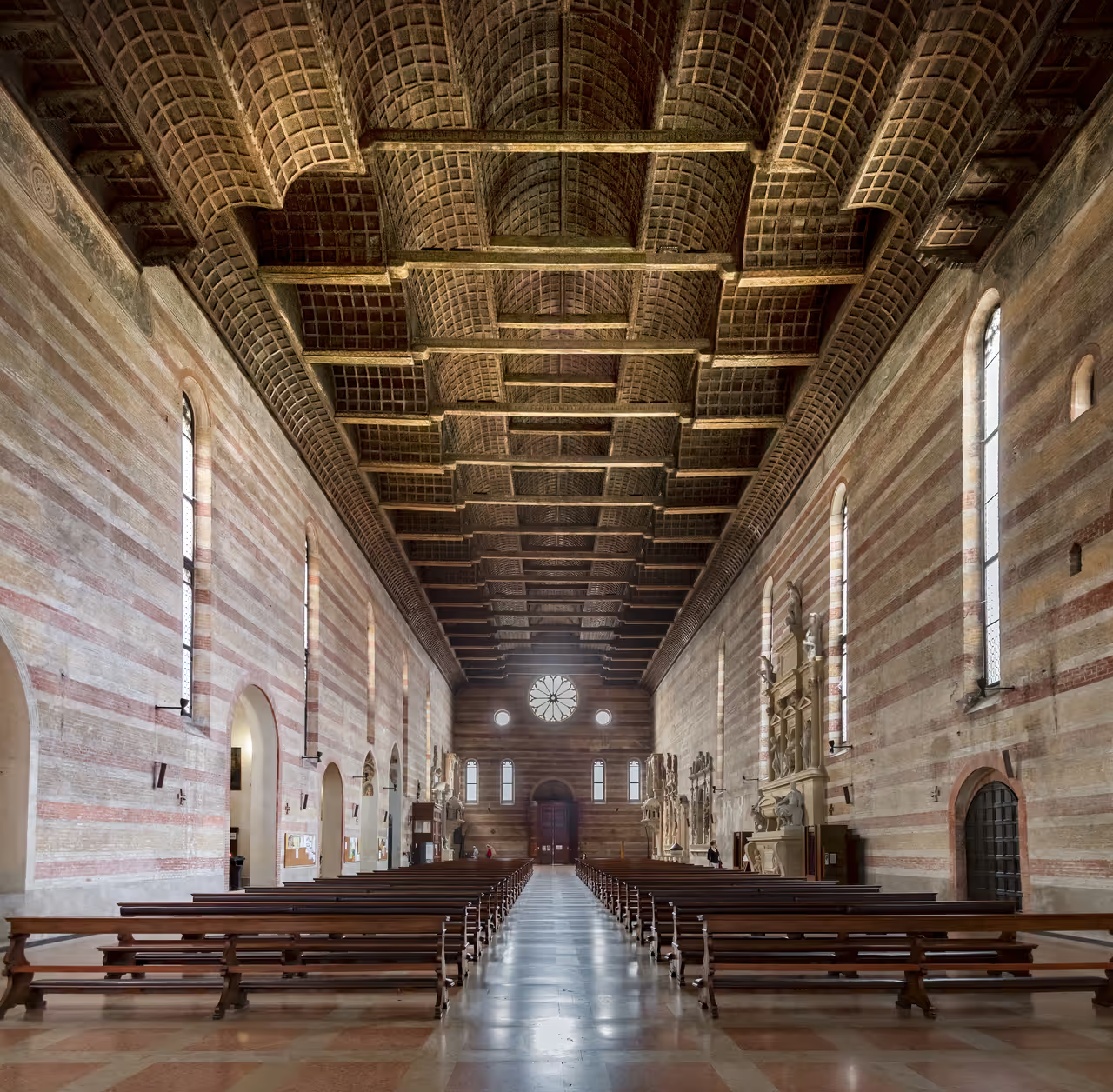
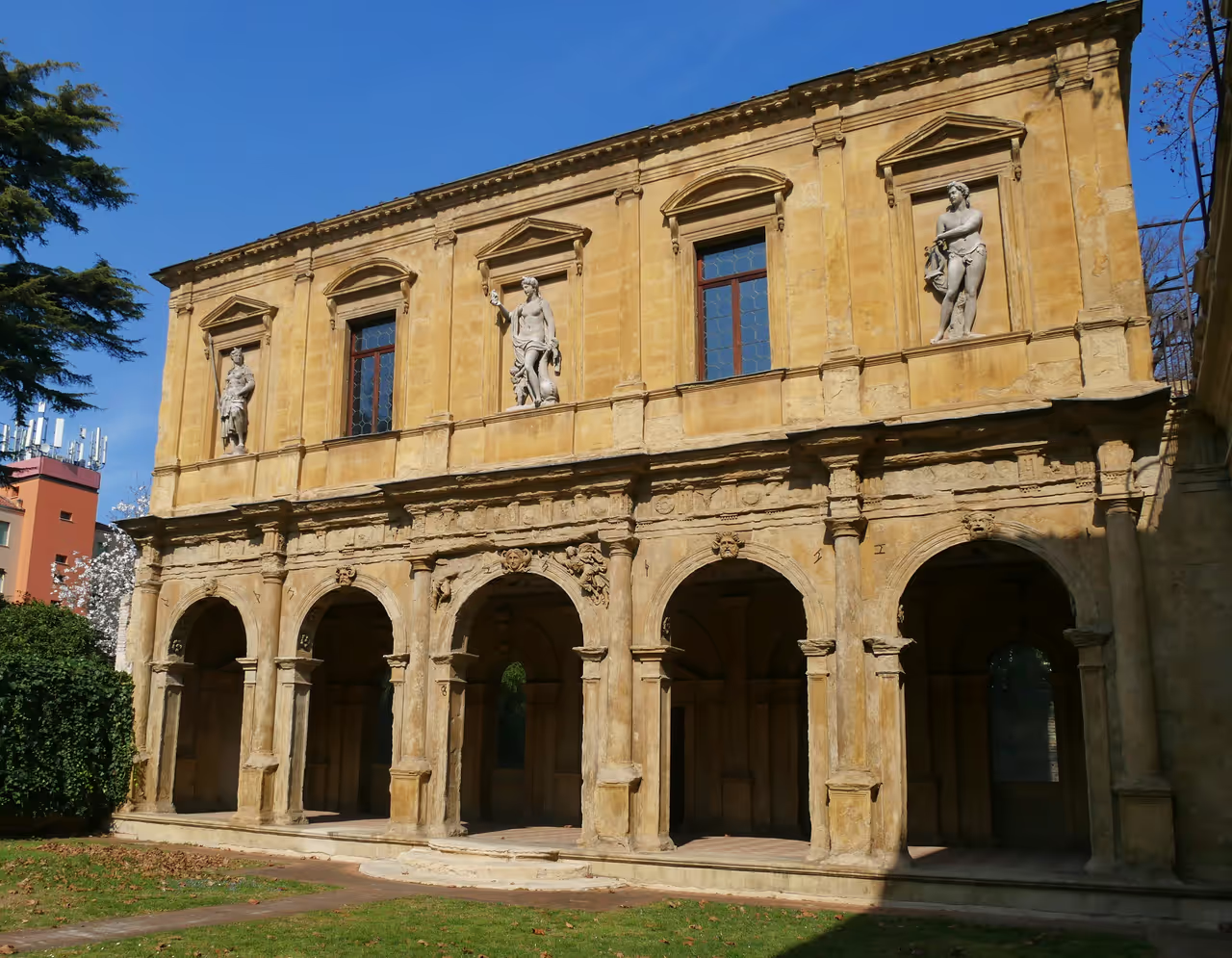
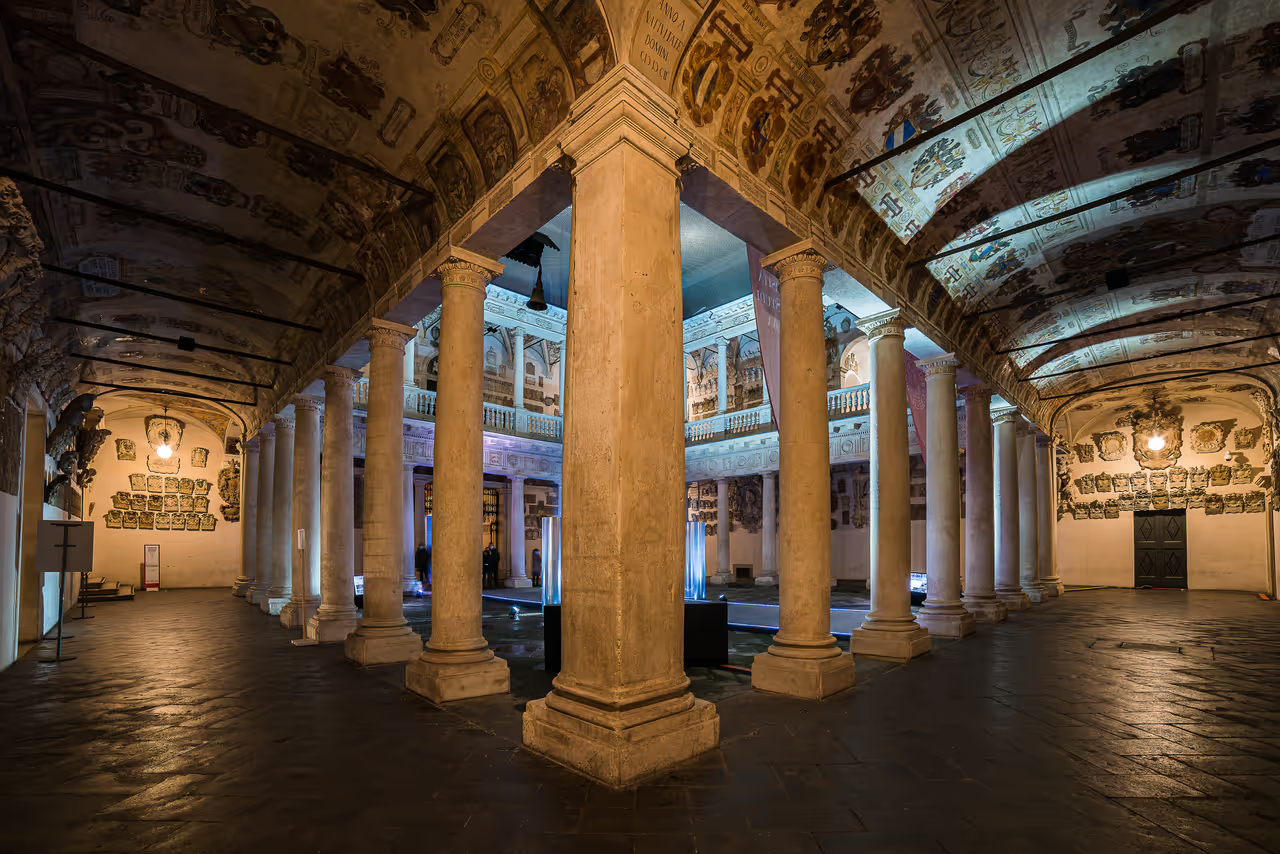
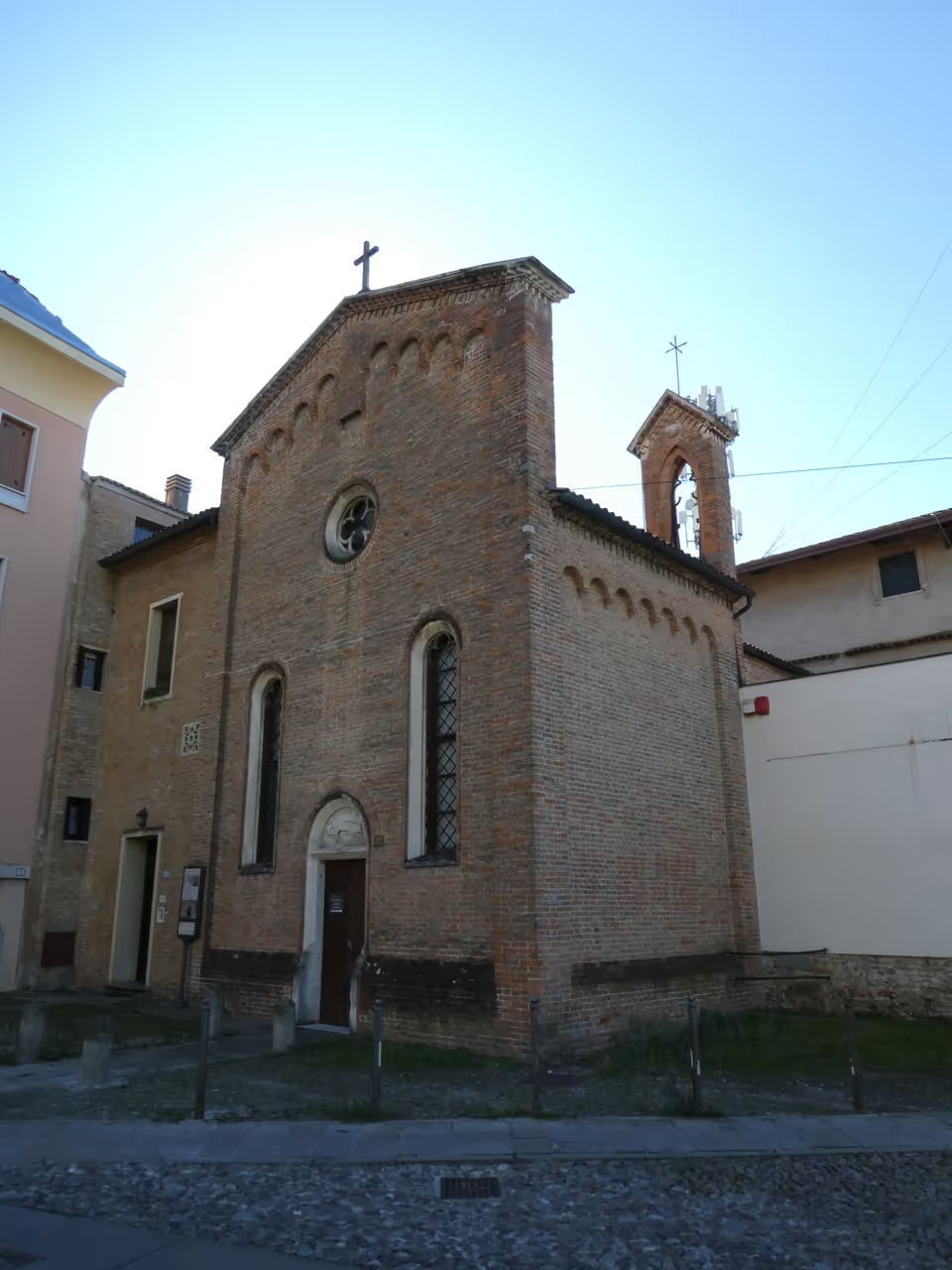
5 Days in Padua Itinerary
Designed for the truly curious traveller, this extensive five day exploration leaves no cobblestone unturned. It covers all the world famous artistic and religious sites while dedicating significant time to highly rewarding, obscure hidden gems and unusual scientific museums. You will experience the city exactly as the locals do, wandering through diverse neighbourhoods, sampling regional cuisine in the historic markets, and enjoying the relaxed evening atmosphere in the elegant plazas. It provides a profoundly complete, deeply satisfying immersion into the cultural and historical soul of the city.
view itineraryPrato to Basilica Stroll
This awe inspiring walk connects the city's most monumental open space with its most deeply revered spiritual site. The route offers a sequence of breathtaking architectural views, moving from vast, open landscapes to intricately detailed religious complexes. The wide, pedestrian friendly paths make for a highly relaxing and visually rewarding experience. It captures the profound sense of scale and devotion that defines the southern historic district.
view walking route
See all attractions in Padua
Basilica of Saint Anthony of Padua, Padua Baptistery, Palazzo del Bo, Palazzo della Ragione, Scrovegni Chapel...