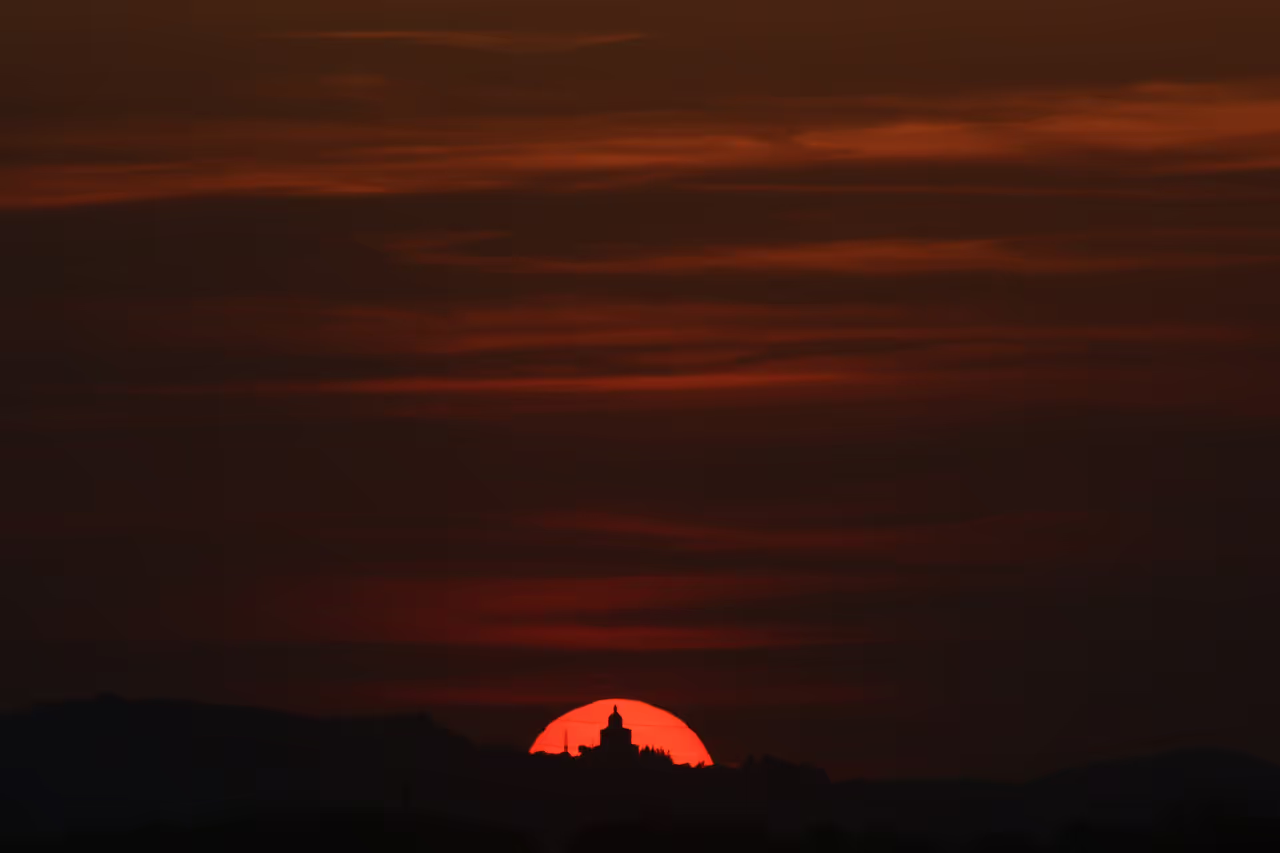
Sanctuary of the Madonna of San Luca
Perched atop the Colle della Guardia, the Sanctuary of the Madonna of San Luca serves as a majestic guardian overlooking Bologna. This site is far more than a religious destination; it is a defining element of the city's identity, linked to the centre by a mesmerising, covered portico that winds for nearly four kilometres up the hillside. Visitors are invited to embark on a journey along these nearly seven hundred arches, a path that has been walked by pilgrims for centuries. Whether you tackle the ascent on foot to earn the spectacular panoramic views or prefer to admire the architecture from the summit, the atmosphere here is profoundly serene. The sanctuary houses a revered icon of the Virgin Mary, a treasure that has been the focus of local devotion and celebration throughout history. It is an essential stop for anyone wanting to experience the blend of faith, history, and physical challenge that makes Bologna so unique.
Videos
History of Sanctuary of the Madonna of San Luca
The history of San Luca is a narrative of determination and faith that began with a woman named Angelica Bonfantini. At the close of the 12th century, she fought to establish a place of solitude and prayer on the steep Colle della Guardia. She was a woman of significant resolve, navigating complex legal disputes with the local clergy to ensure her vision became reality. With the support of Pope Celestine III, who blessed the first stone, the site transformed from a humble hermitage into a magnet for believers across the region. The sanctuary truly captured the heart of Bologna in 1433 during the infamous Miracle of the Rain. A period of unrelenting downpours threatened to ruin the city's harvest, pushing the population to the brink of despair. As a desperate measure, the sacred icon of the Virgin Mary was carried into the city in a grand procession. According to the accounts of the time, the rain ceased the moment the image entered the city gates. This event cemented the bond between the people of Bologna and their sanctuary, turning the annual procession into an unshakeable tradition that continues to this day. By the 18th century, the sanctuary underwent a massive architectural evolution under the direction of Carlo Francesco Dotti. The structure we see today is a Baroque masterpiece, designed to house the sacred icon with the dignity it deserved. To protect the increasing number of pilgrims making the trek from the city centre, the remarkable portico was constructed. This long, rhythmic ribbon of stone has since become a global icon, a testament to the collective effort of the citizens who financed and built it to shelter their devotion from the elements.
Events spanning 827 years
Fun Facts
- • Angelica Bonfantini, a noblewoman who chose a life of solitude, was the driving force behind the initial chapel, and she spent years defending her rights to the site against local clergy.
- • Between 1931 and 1976, a funicular railway offered visitors a steep, panoramic ride to the summit, though it was eventually replaced by modern transport methods.
- • In 1874, the site was officially declared a national monument, recognising its significance to Italian heritage.
- • Radiographic analysis has revealed that the current painting conceals a more ancient, underlying image of Byzantine style, likely dating back to the 10th or 11th century.
- • The climb is considered a rite of passage for cyclists; it has featured in major races like the Giro d'Italia and the Tour de France, with gradients that test even the most experienced riders.
- • The construction of the long portico relied on a massive collaborative effort, including a symbolic human chain of citizens and workers, a gesture now commemorated annually by the Passamano per San Luca event.
- • The portico leading to the sanctuary consists of 666 arches, a number often interpreted as symbolic of the devil being crushed beneath the feet of the Virgin Mary at the end of the climb.
- • The revered icon inside is an Odigitria, a specific type of Byzantine image meant to indicate the way or guide travellers on their journey.
- • The sanctuary houses a precious silver covering for the icon, crafted by the Brussels-born goldsmith Jan Jacobs in the early 17th century.
- • The sanctuary is adorned with beautiful sculptures of the Evangelists Luke and Mark, executed by Bernardino Cametti in 1716.
RESOURCES
Official WebsiteSanctuary of the Madonna of San Luca FAQ
While we strive to keep this information accurate and up to date, we recommend verifying any details independently before making decisions based on them.
Sanctuary of the Madonna of San Luca Map & Neighborhood Explorer
This interactive map is centered on Sanctuary of the Madonna of San Luca. Zoom in and move the map around to automatically discover Wikipedia photos and summaries of other nearby sights, monuments, and historical points of interest and stories in real-time!
Places near Sanctuary of the Madonna of San Luca
Make the most of your trip. Check out these top-rated spots located nearby.
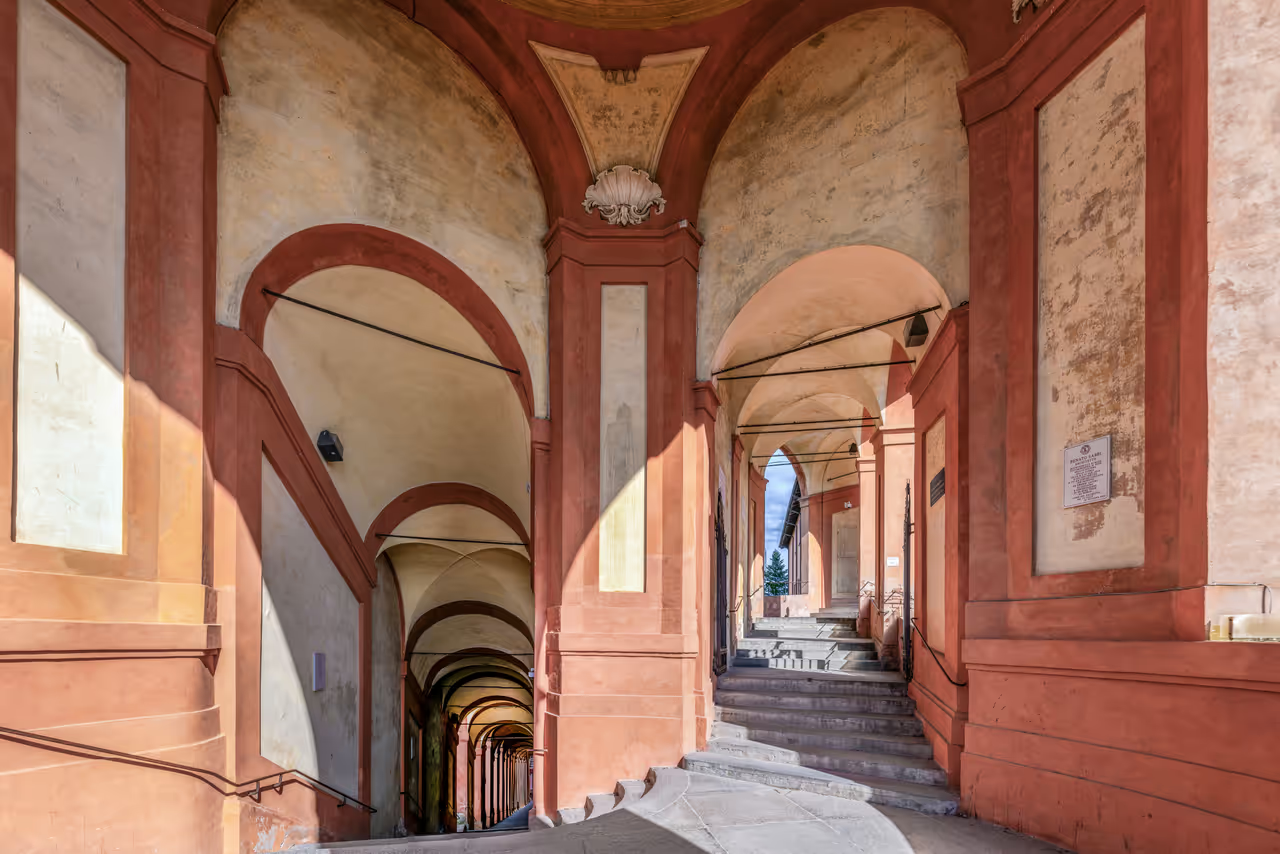 771m
771mWalk the Porticoes to San Luca
Embark on an unforgettable journey under the world's longest continuous covered walkway, stretching nearly four kilometres up into the hills. It is a rewarding physical challenge that provides constantly shifting, beautiful architectural perspectives along the 666 arches. Once you reach the top, you are treated to sweeping views of the surrounding valleys and the magnificent sanctuary itself. It is a beloved local ritual and an absolutely spectacular way to spend a morning without spending a penny. The sense of achievement upon reaching the summit is fantastic.
free thing to do view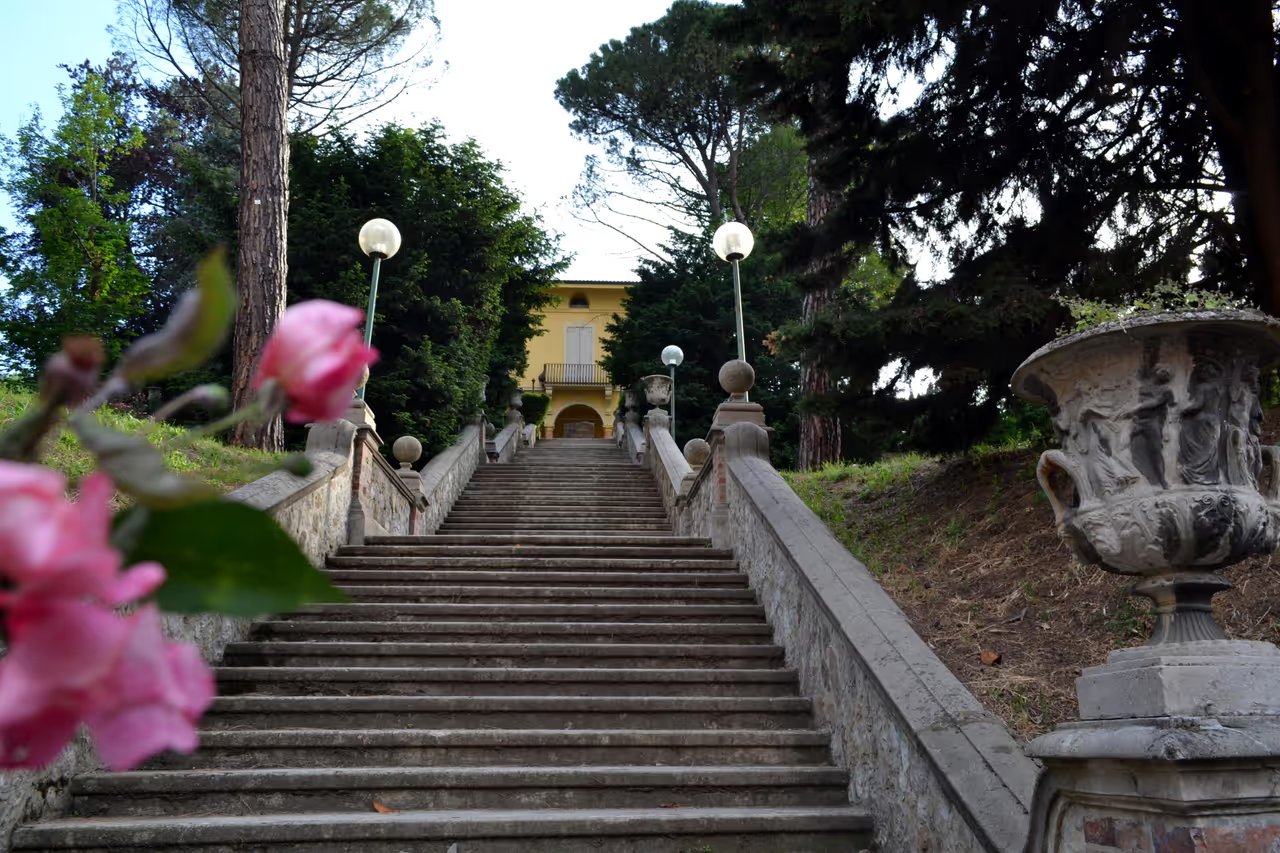 1711m
1711mVilla delle Rose
Perched on the gentle slopes of the Colle della Guardia, Villa delle Rose offers a tranquil retreat from the city. This historic residence, with its roots as a quiet country home for the Spanocchi family, has reinvented itself multiple times over the centuries. Today it stands as a charming exhibition space that frequently hosts high quality contemporary art displays. Visitors are drawn here to enjoy the elegant gardens, which are home to exotic trees and sculptures, providing a serene setting for thoughtful exploration. Whether you appreciate the intersection of local history and modern art or simply seek a peaceful walk, this villa remains a hidden jewel of Bologna.
park & nature view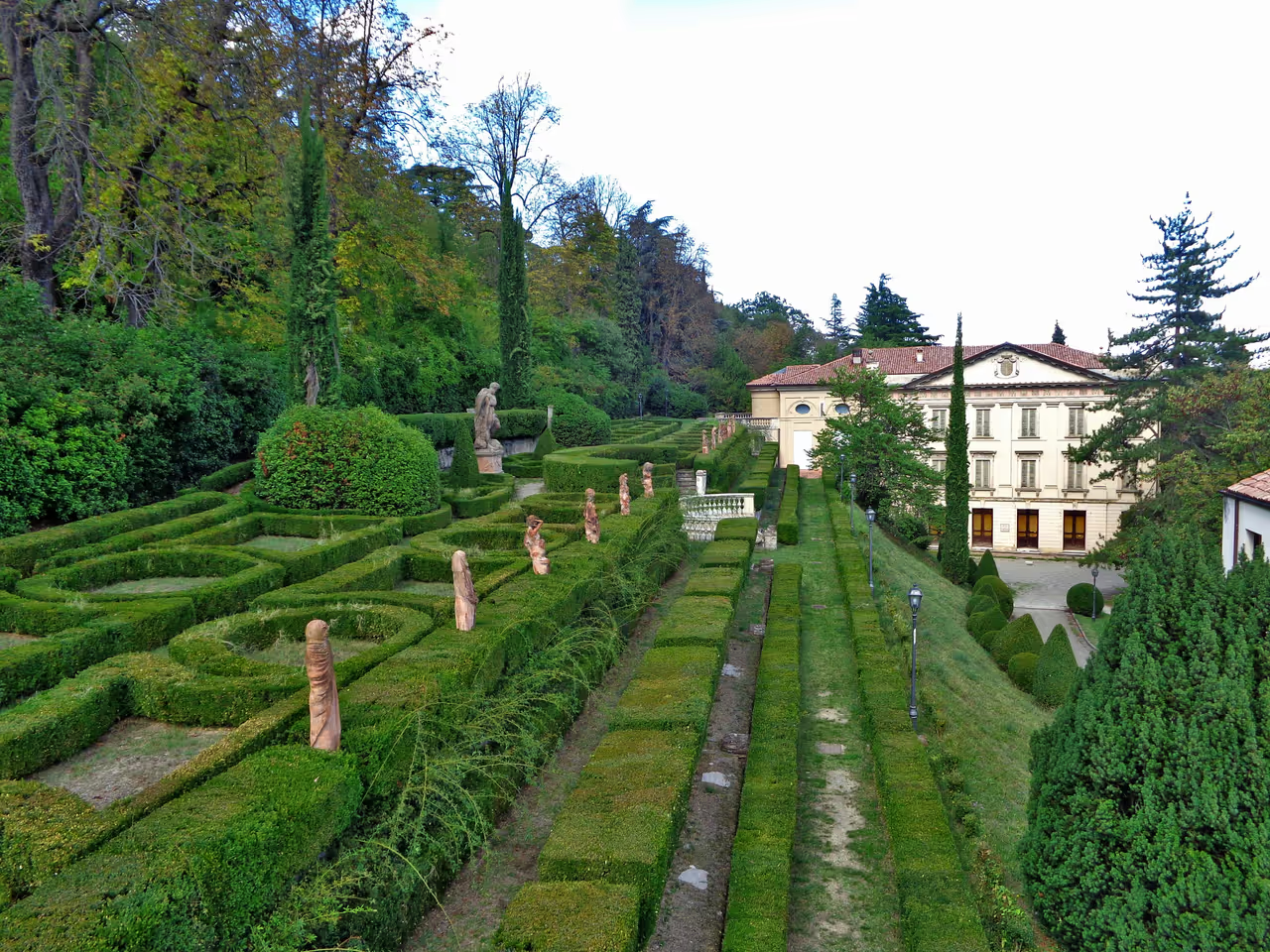 1805m
1805mVilla Spada
Villa Spada is a captivating neoclassical retreat nestled on the hillside of Bologna, offering a serene escape from the busy city centre. With its grand architecture and expansive six hectare park, this site serves as an ideal blend of history, culture, and nature. Visitors can explore the charming Italian style garden, complete with elegant statues, or enjoy panoramic views of Bologna from the lush, elevated grounds. The villa also houses the unique Museo della Tappezzeria, showcasing exquisite fabric and upholstery craftsmanship. Whether you are seeking a peaceful spot for a leisurely stroll or an afternoon of cultural discovery, Villa Spada provides a refreshing and historical perspective of the city.
park & nature view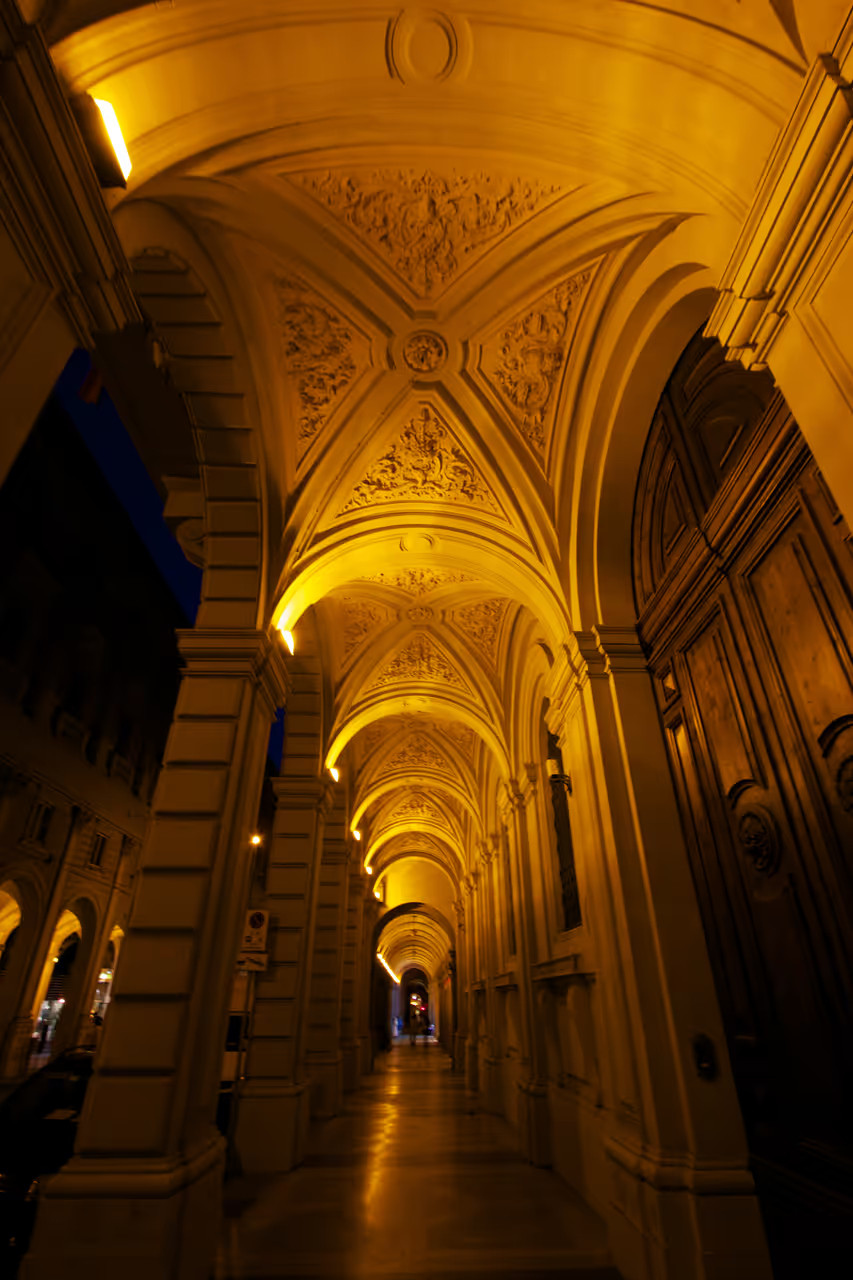 3086m
3086mPorticoes of Bologna
Bologna is famous for its porticoes, an extensive network of covered walkways that define the city's unique architectural identity. Stretching for nearly forty kilometres in the historic centre alone, these sheltered pathways offer a seamless way to explore the city regardless of the weather. They evolved from spontaneous medieval extensions into a sophisticated architectural staple that blends public and private spaces perfectly. Walking beneath these arches provides an intimate glimpse into the life of Bologna, connecting local shops, universities, and residential neighbourhoods. Visiting these historic corridors is an essential experience that reveals the heart and soul of this vibrant Italian city.
unesco heritage site view
Explore Similar Places in This Collection
Featured on These Itineraries and Routes
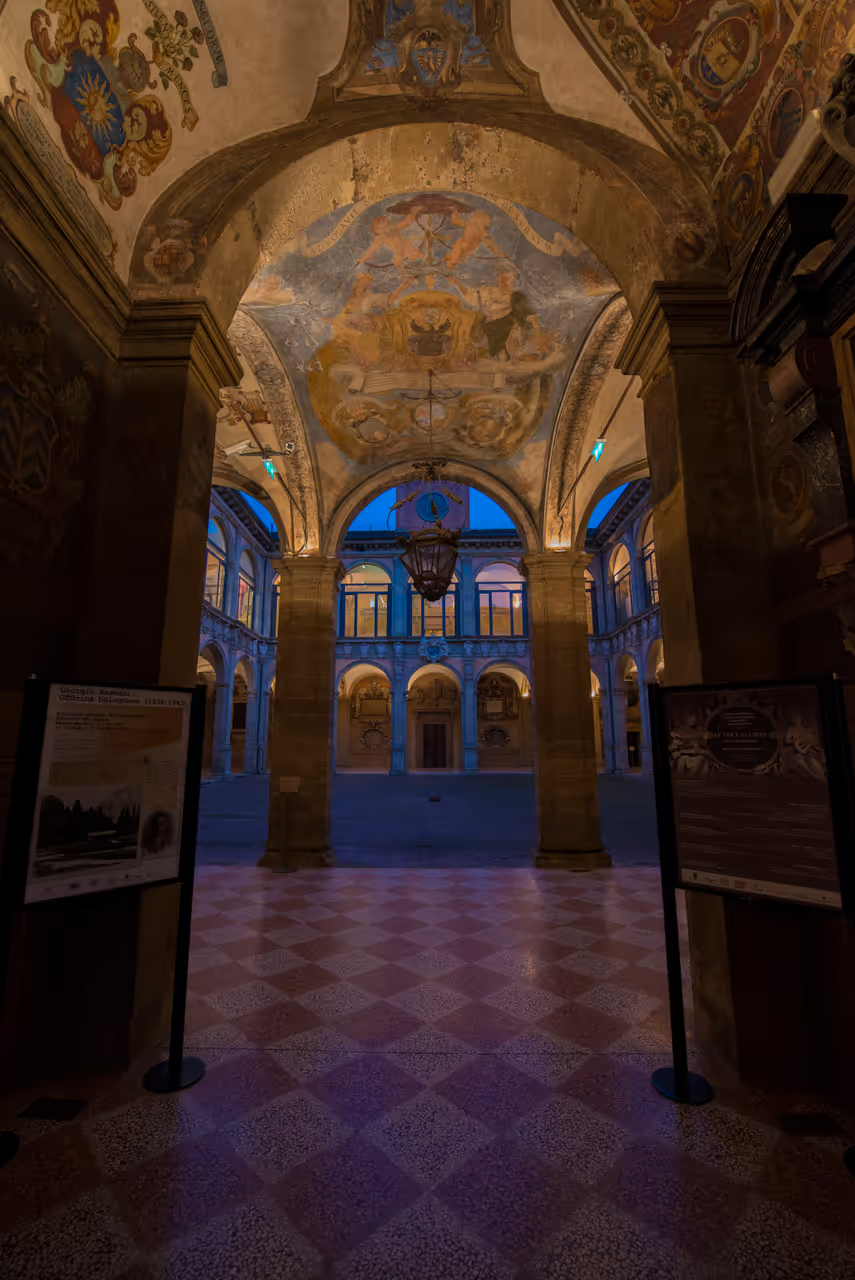
3 Days in Bologna: Porticoes, Piazzas and Panoramas Itinerary
Three days allows for a wonderfully balanced exploration of the city's diverse character. You will have time to thoroughly explore the university's academic legacy, tackle the famous portico walk to the hilltop sanctuary, and indulge in extended food and wine sessions. It mixes the essential historic sights with highly authentic local experiences and lively nightlife. This itinerary perfectly captures the city's blend of intellectual history and joyous culinary indulgence without rushing.
view itinerary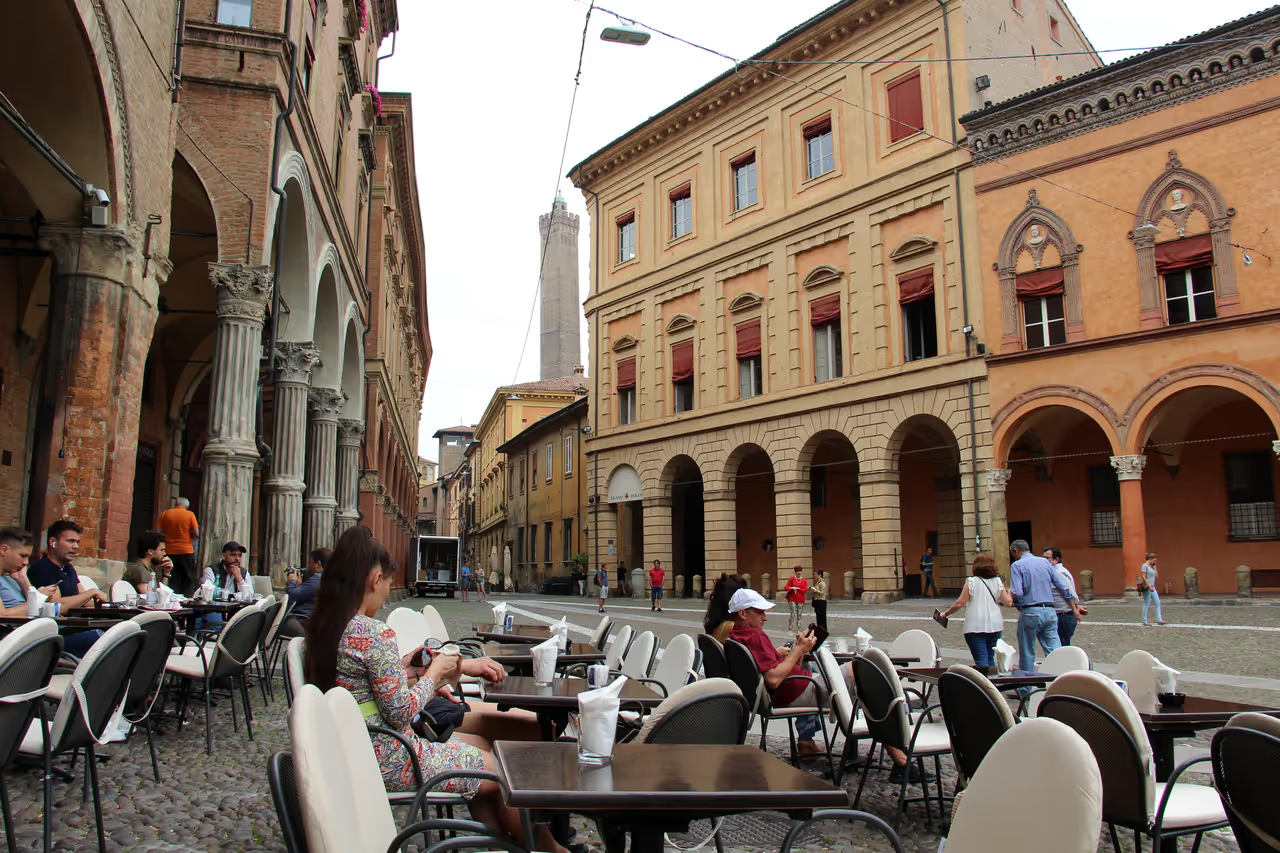
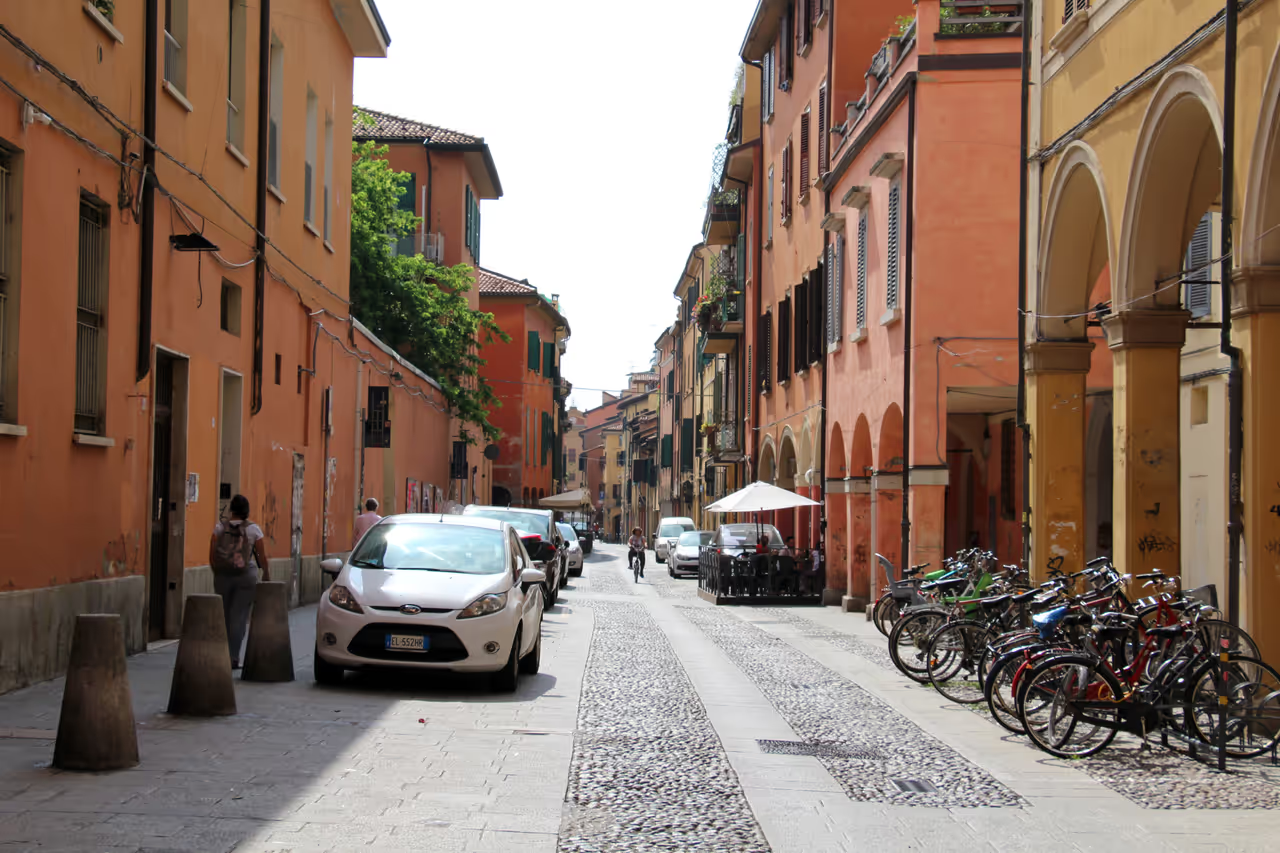
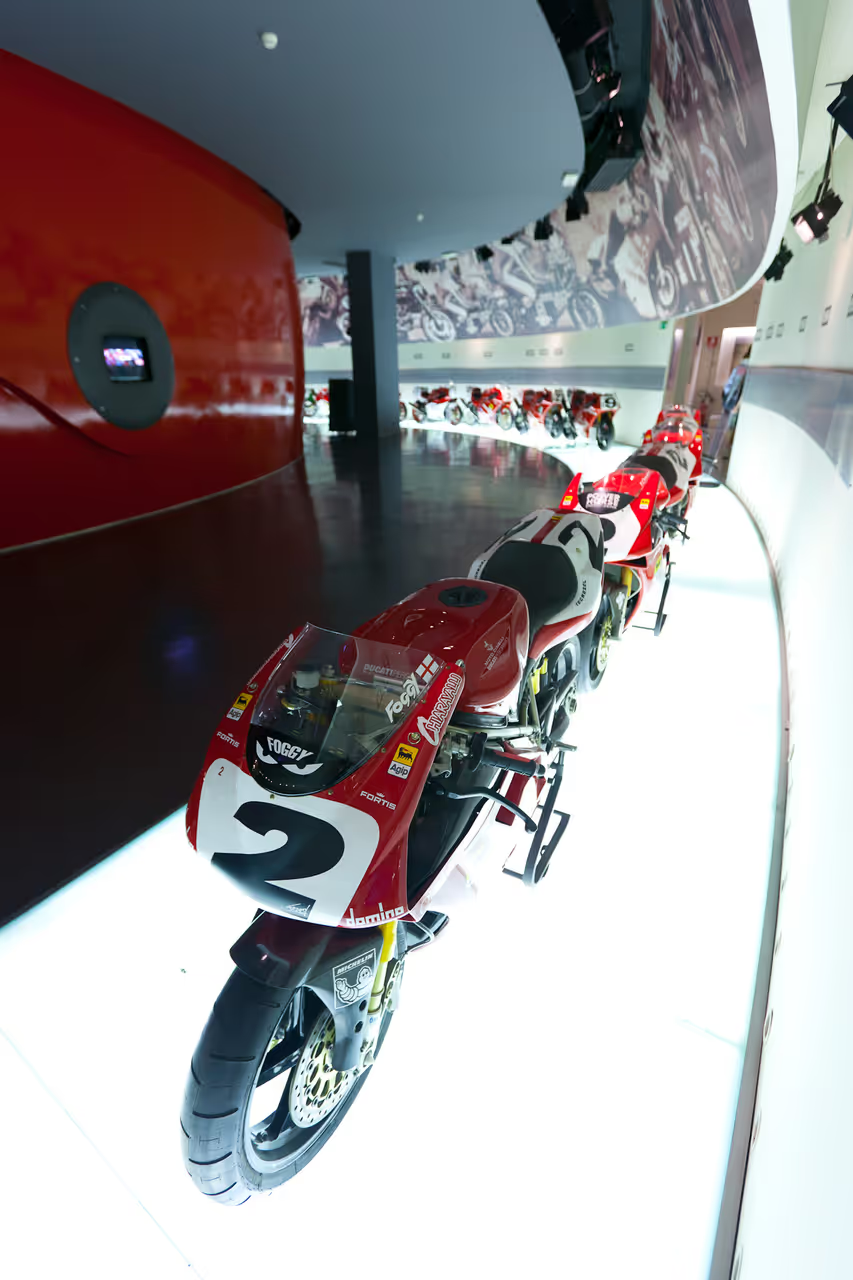
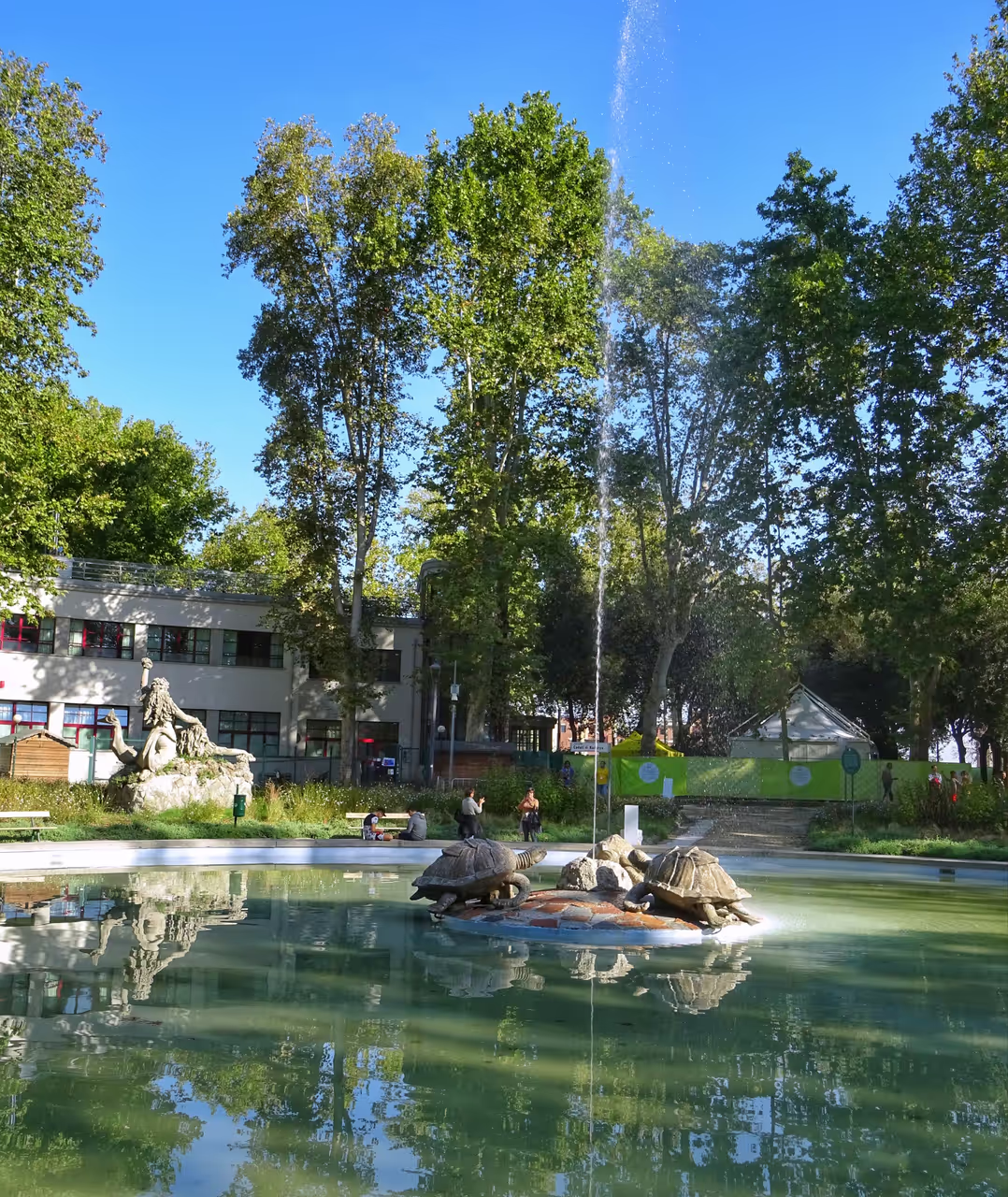
5 Days in Bologna: The Complete Emilian Experience Itinerary
A five day stay transforms a simple visit into a deep immersion into the local lifestyle and regional heritage. You will have ample time to uncover hidden historical gems, explore the surrounding Motor Valley, and enjoy relaxed, extensive gastronomic tours. It allows you to step off the main tourist trails and spend time in tranquil parks and vibrant alternative neighbourhoods. This is the ultimate itinerary for those who want to truly understand and savour everything this remarkable city has to offer.
view itinerary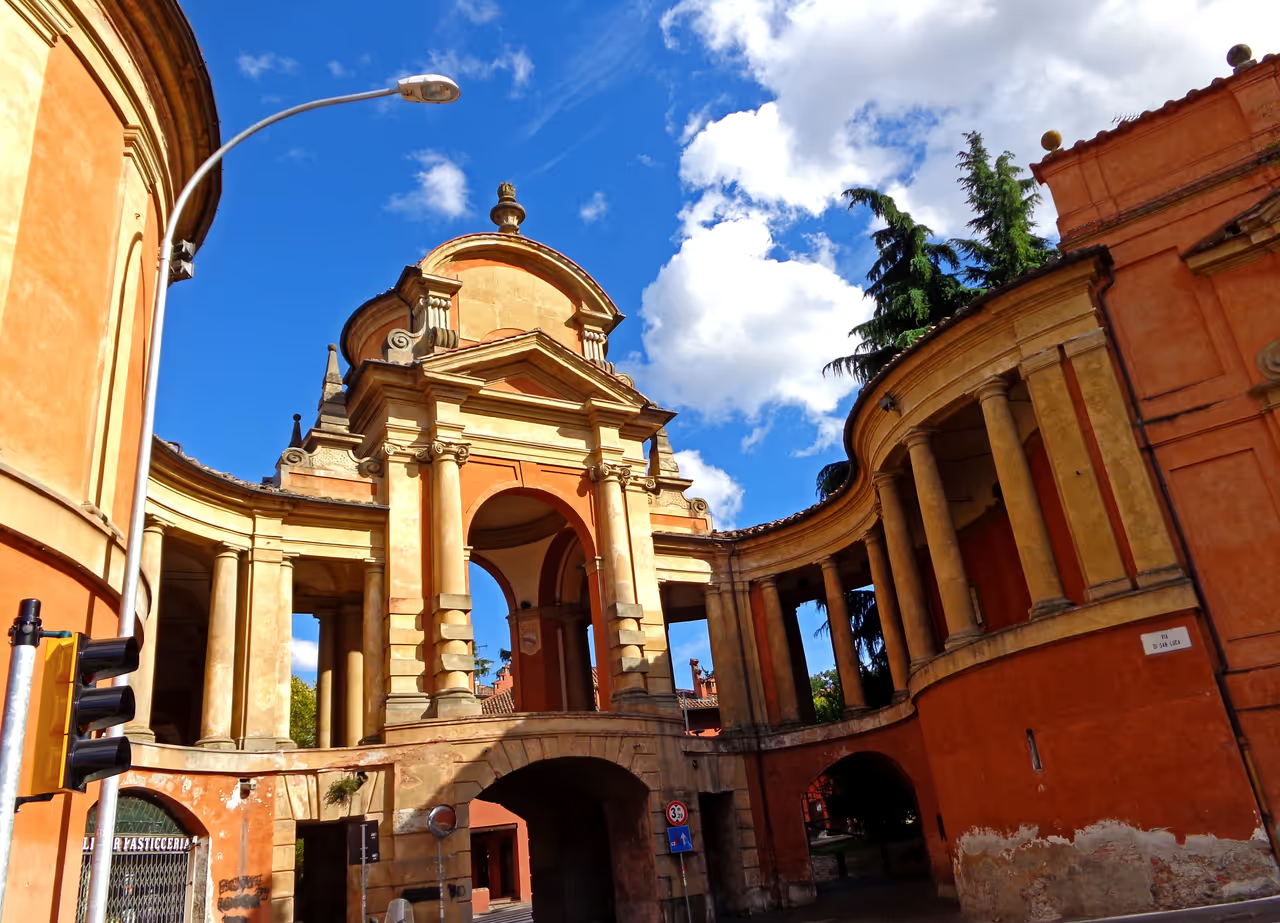
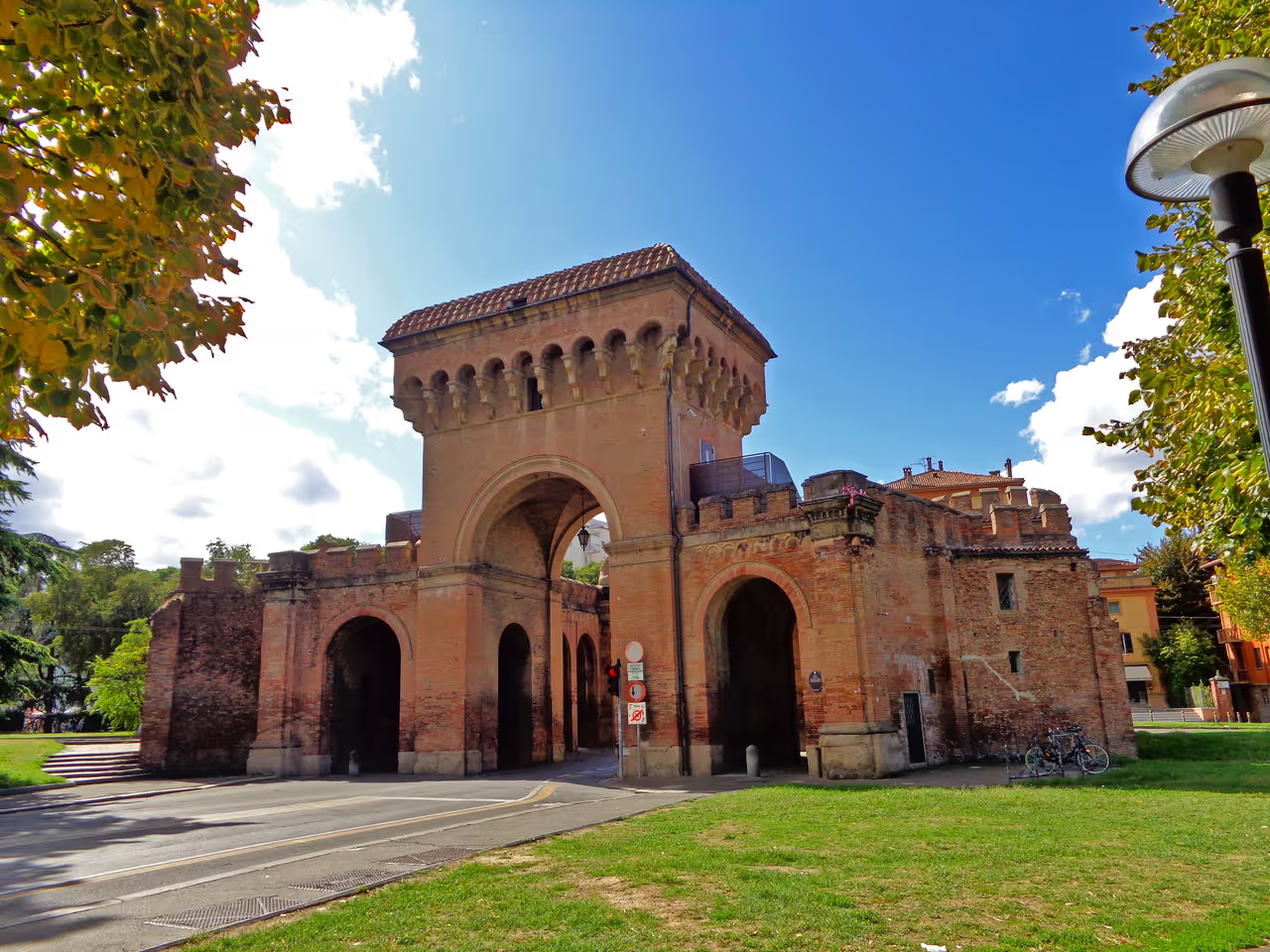
Walk to San Luca
This is arguably the most famous and unique walk the city has to offer. You will follow the longest continuous portico in the world, stretching for almost four kilometres and encompassing exactly 666 arches. The path gradually ascends into the lush surrounding hills, providing a satisfying physical challenge alongside incredible architecture. The rhythmic passing of the terracotta arches creates a meditative, hypnotic atmosphere. Upon reaching the top, you are rewarded with sweeping panoramic views and a stunning baroque sanctuary.
view walking route
See all attractions in Bologna
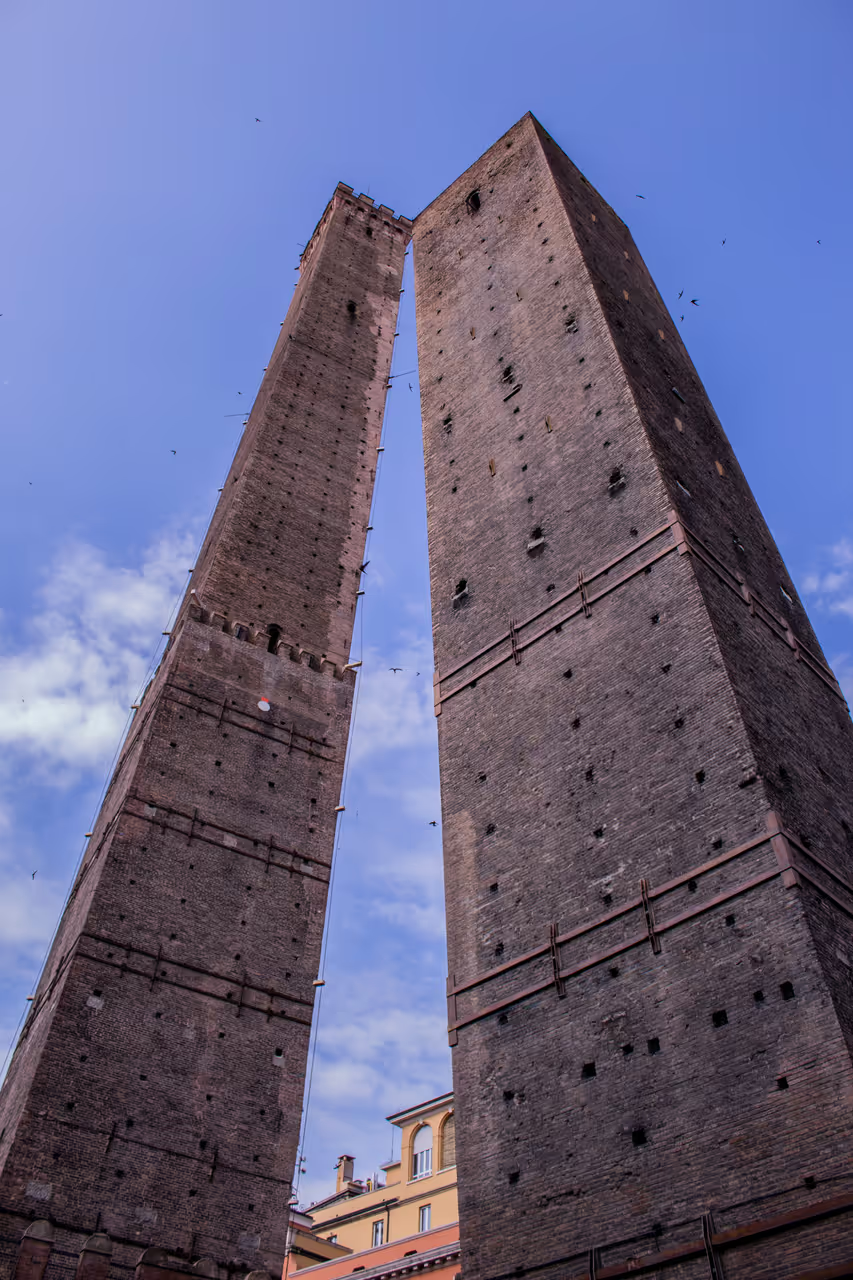
Archiginnasio of Bologna, Basilica of San Petronio, Fountain of Neptune, Palazzo d'Accursio, Piazza Maggiore, Two Towers...