Villa delle Rose
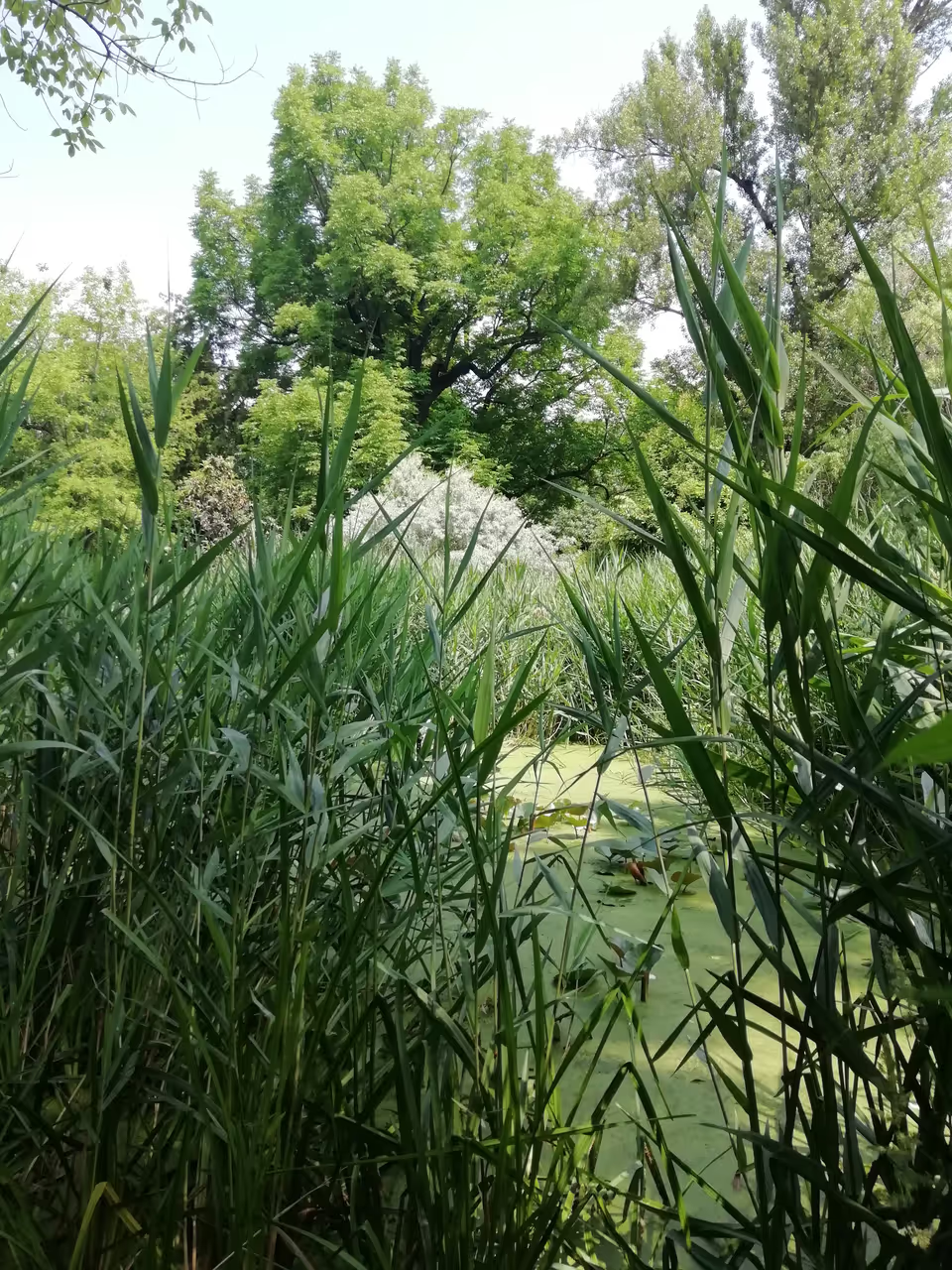
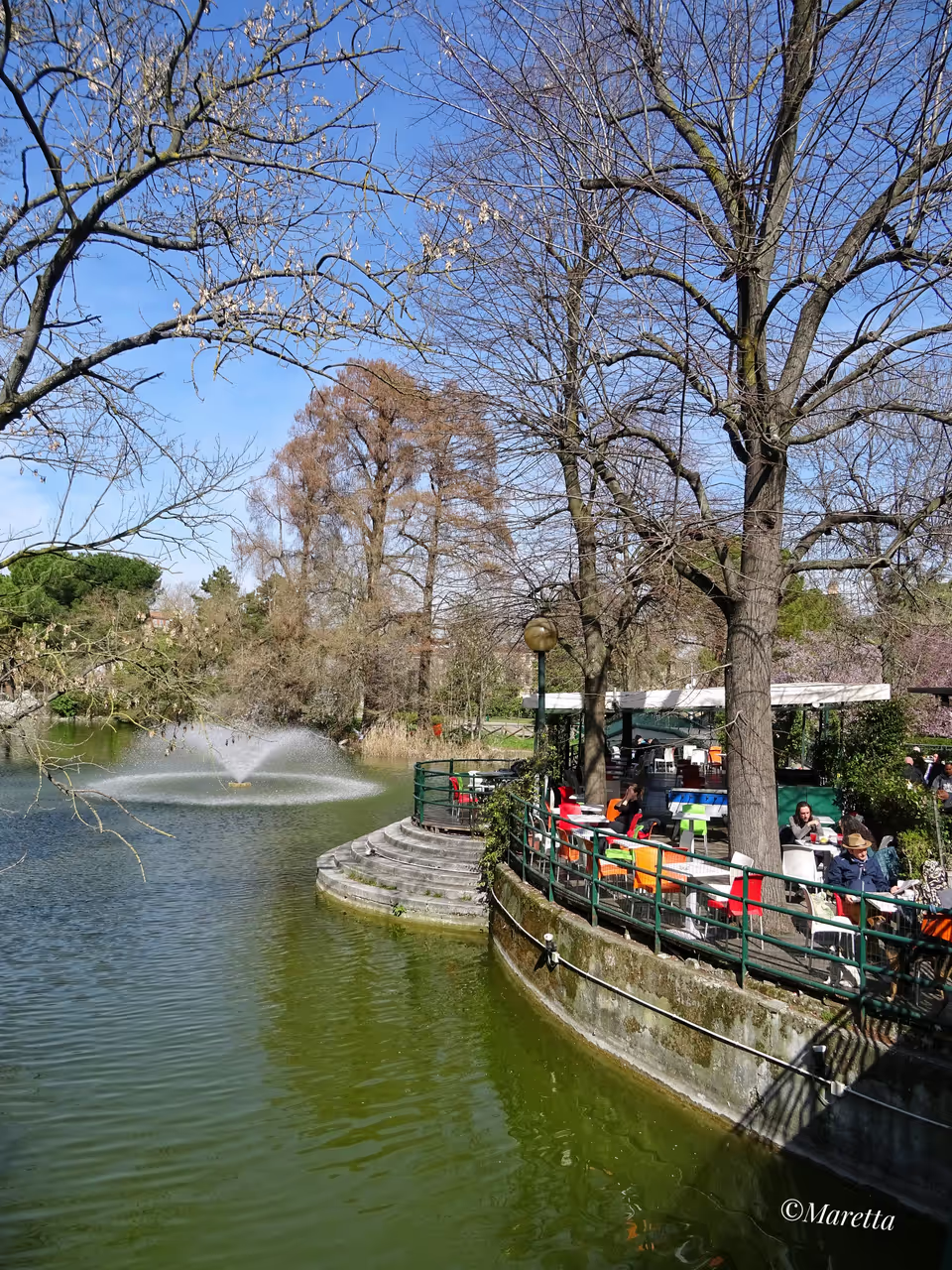
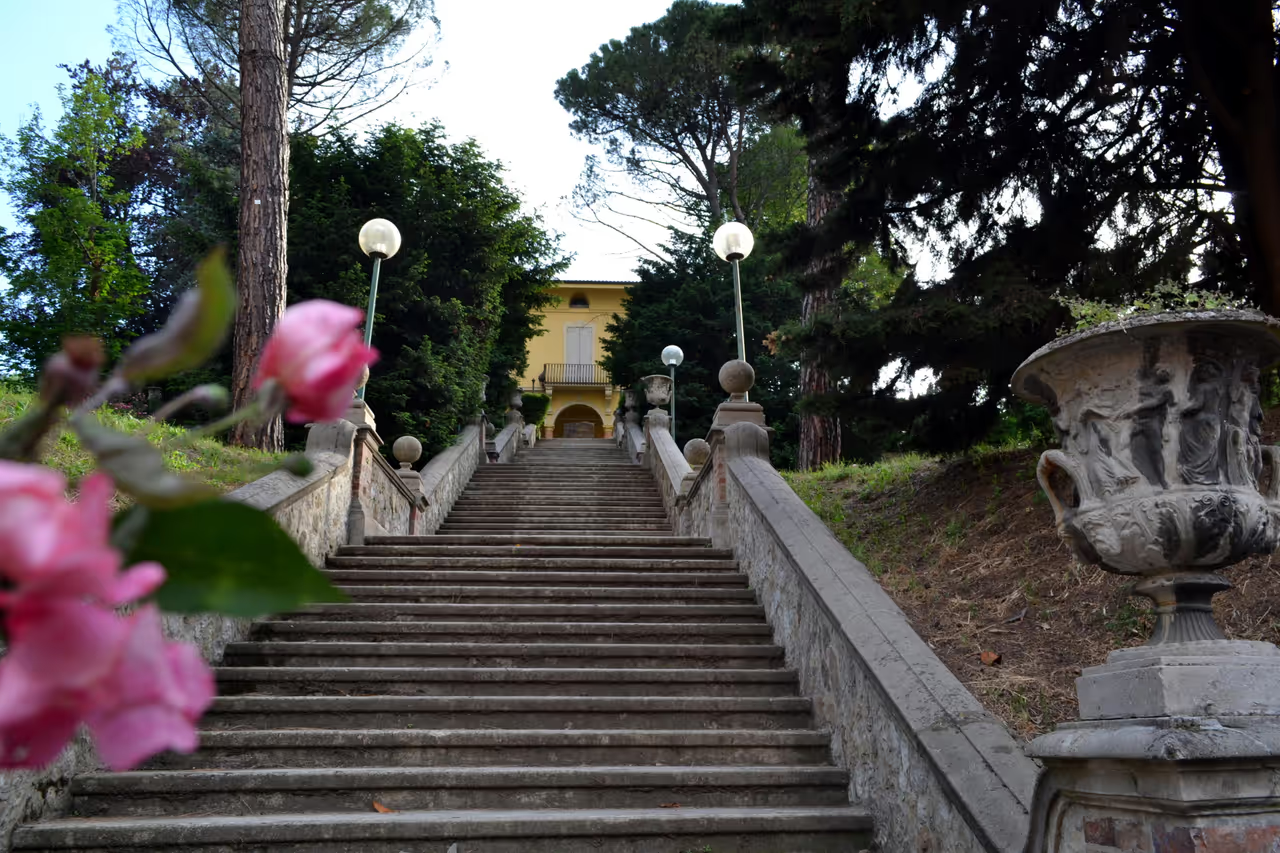
Perched on the gentle slopes of the Colle della Guardia, Villa delle Rose offers a tranquil retreat from the city. This historic residence, with its roots as a quiet country home for the Spanocchi family, has reinvented itself multiple times over the centuries. Today it stands as a charming exhibition space that frequently hosts high quality contemporary art displays. Visitors are drawn here to enjoy the elegant gardens, which are home to exotic trees and sculptures, providing a serene setting for thoughtful exploration. Whether you appreciate the intersection of local history and modern art or simply seek a peaceful walk, this villa remains a hidden jewel of Bologna.
History of Villa delle Rose
The story of Villa delle Rose begins on the slopes of the Colle della Guardia where it served as a serene escape for local families. Throughout the nineteenth century the estate changed hands repeatedly, falling into such disrepair that locals nicknamed it the House of Owls. This decline stemmed largely from the expansion of the tramway along Via Saragozza, which damaged the original hillside structure and destroyed its grand entrance. Salvation arrived at the start of the twentieth century when the Armandi Avogli family purchased the property and poured resources into an extensive restoration that revived both the architecture and the lush surrounding park. In a generous act that cemented the villa's place in public life, Countess Nerina Armandi Avogli donated the estate to the city in 1916 with the specific intention of creating a cultural hub. Shortly after the First World War, the site took on a humanitarian role as the Casa del Sole. Spearheaded by the visionary philanthropist Gida Rossi, this institution provided a sanctuary for children suffering from tuberculosis. It was a space where healing and nature combined, establishing a tradition of public service that would define the villa for decades to come. By 1926 the villa had transitioned into its identity as the first Modern Art Gallery of Bologna, housing a significant collection that would later be reshaped by the esteemed art historian Guido Zucchini. Although the collections eventually migrated to the dedicated MAMbo museum, Villa delle Rose retained its prestige as a venue for high quality temporary exhibitions. Today the site serves as a vital bridge between the past and present, offering visitors a quiet space to engage with contemporary works amidst a landscape that has witnessed the social and cultural transformation of Bologna.
Events spanning 69 years
Fun Facts
- • Art historian Guido Zucchini completely overhauled the gallery collection in 1936 to focus exclusively on the twentieth century, moving older works to the Palazzo D'Accursio.
- • Development of the Bologna tramway system in the nineteenth century caused the collapse of the original hillside gardens and the destruction of the villa's main staircase.
- • During the Second World War the property was seized twice, first serving as a hospital and later as a military command centre for both German and Allied forces.
- • Gida Rossi, who established the children's health centre here, was a powerhouse of Bolognese philanthropy and an active lecturer at the Popular University.
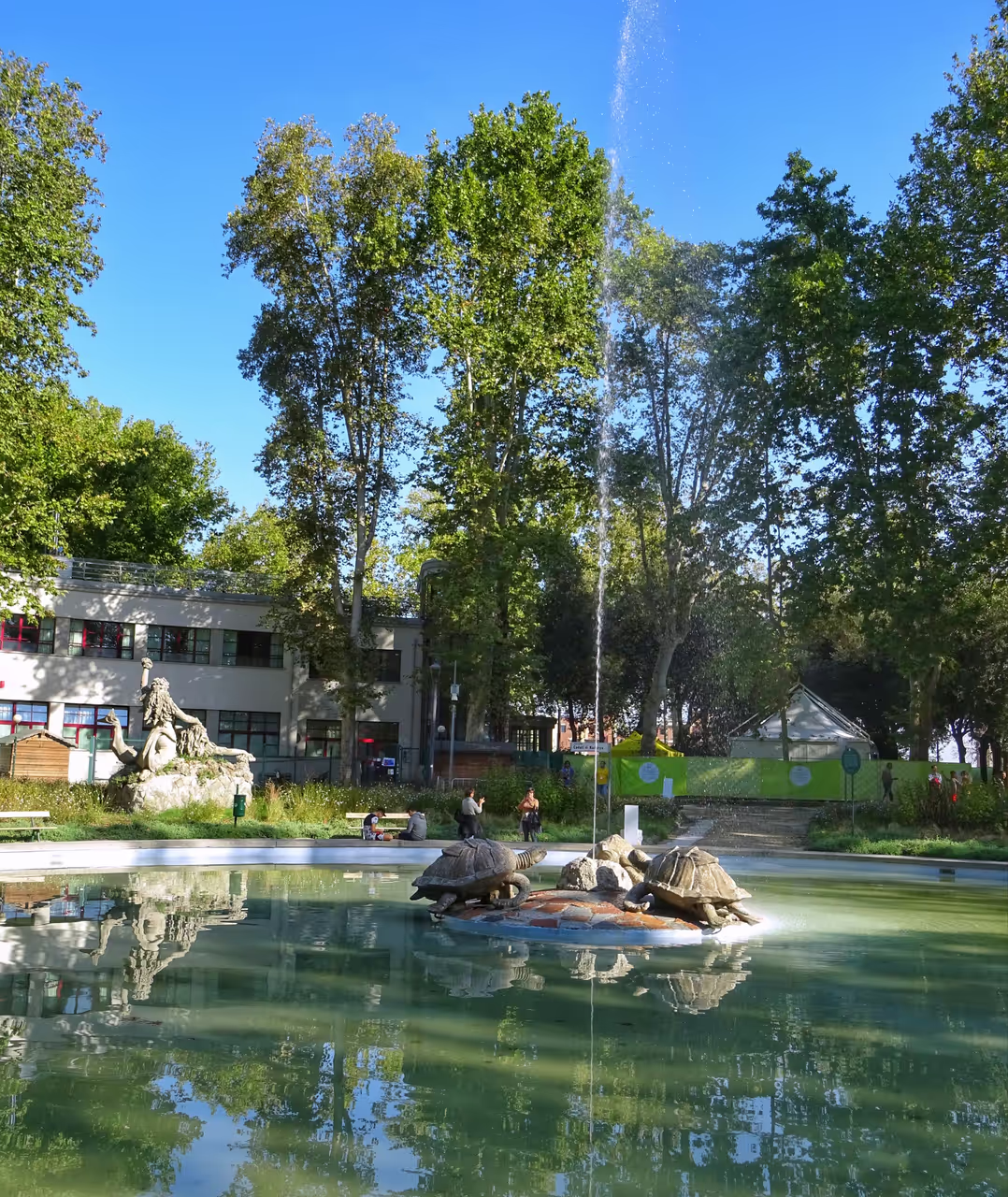
- • Several sculptures by artists such as Cincinnato Baruzzi remain scattered throughout the gardens, offering a blend of art and nature to strolling visitors.
- • The current name of the villa was inspired by the massive amount of roses planted throughout the grounds during the major restoration works in the early 1900s.
- • The garden layout is home to unique non native species including Spanish firs, cedars, and even an araucaria which provides an unusual botanical landscape.
- • The legendary art critic Francesco Arcangeli took the helm in 1959, leading a period of rapid acquisition that brought works by artists like Alberto Burri into the collection.
- • The villa earned the bleak nickname House of Owls because it sat abandoned and derelict for decades before its restoration at the turn of the century.
- • When the main collection moved to the Fiera district in 1975, the villa was repurposed to ensure the historical site remained a relevant cultural venue rather than falling into disuse.
Villa delle Rose FAQ
While we strive to keep this information accurate and up to date, we recommend verifying any details independently before making decisions based on them.
Villa delle Rose Map & Neighborhood Explorer
This interactive map is centered on Villa delle Rose. Zoom in and move the map around to automatically discover Wikipedia photos and summaries of other nearby sights, monuments, and historical points of interest and stories in real-time!
Places near Villa delle Rose
Make the most of your trip. Check out these top-rated spots located nearby.
 151m
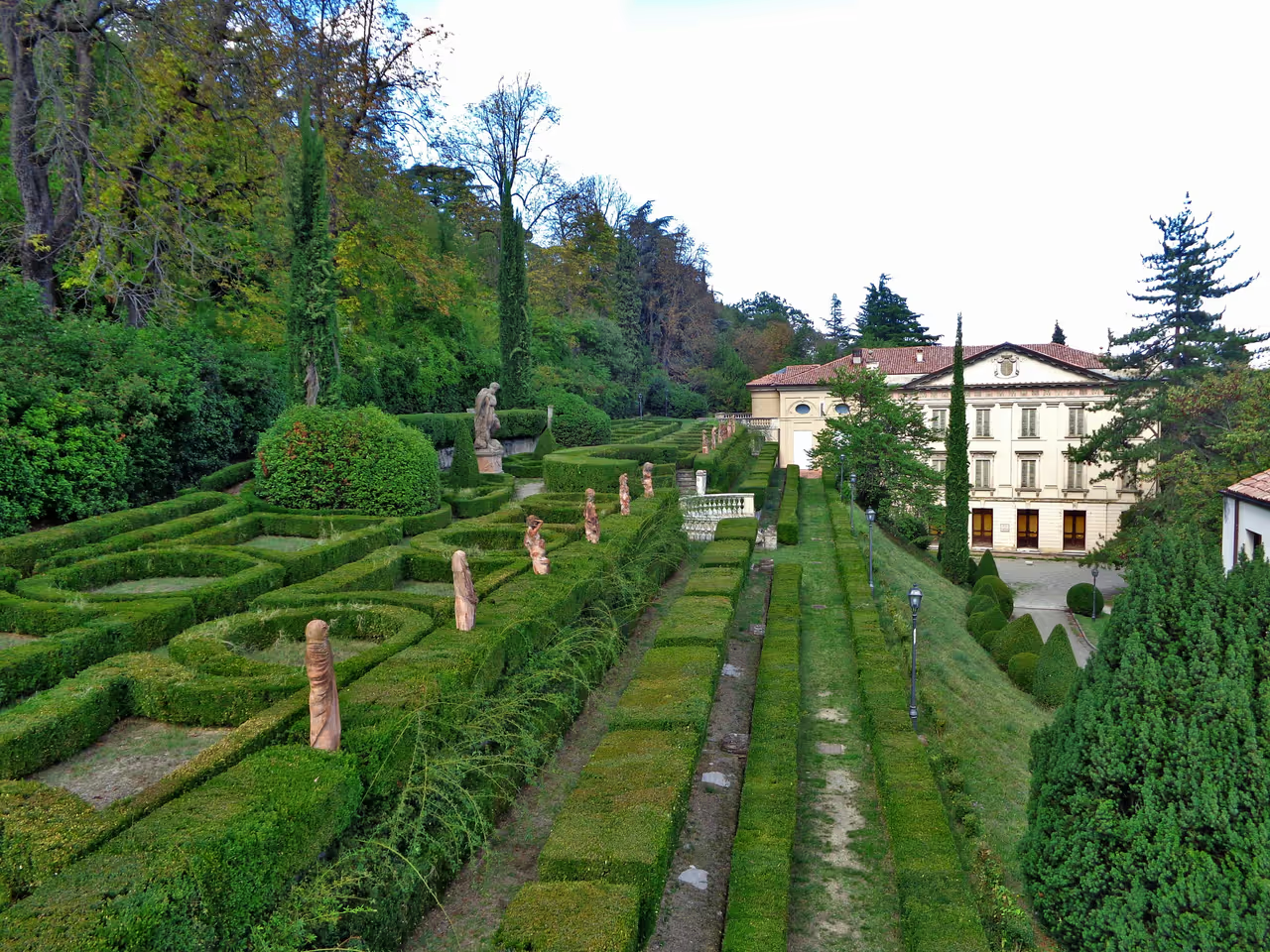
151mVilla Spada
Villa Spada is a captivating neoclassical retreat nestled on the hillside of Bologna, offering a serene escape from the busy city centre. With its grand architecture and expansive six hectare park, this site serves as an ideal blend of history, culture, and nature. Visitors can explore the charming Italian style garden, complete with elegant statues, or enjoy panoramic views of Bologna from the lush, elevated grounds. The villa also houses the unique Museo della Tappezzeria, showcasing exquisite fabric and upholstery craftsmanship. Whether you are seeking a peaceful spot for a leisurely stroll or an afternoon of cultural discovery, Villa Spada provides a refreshing and historical perspective of the city.
park & nature view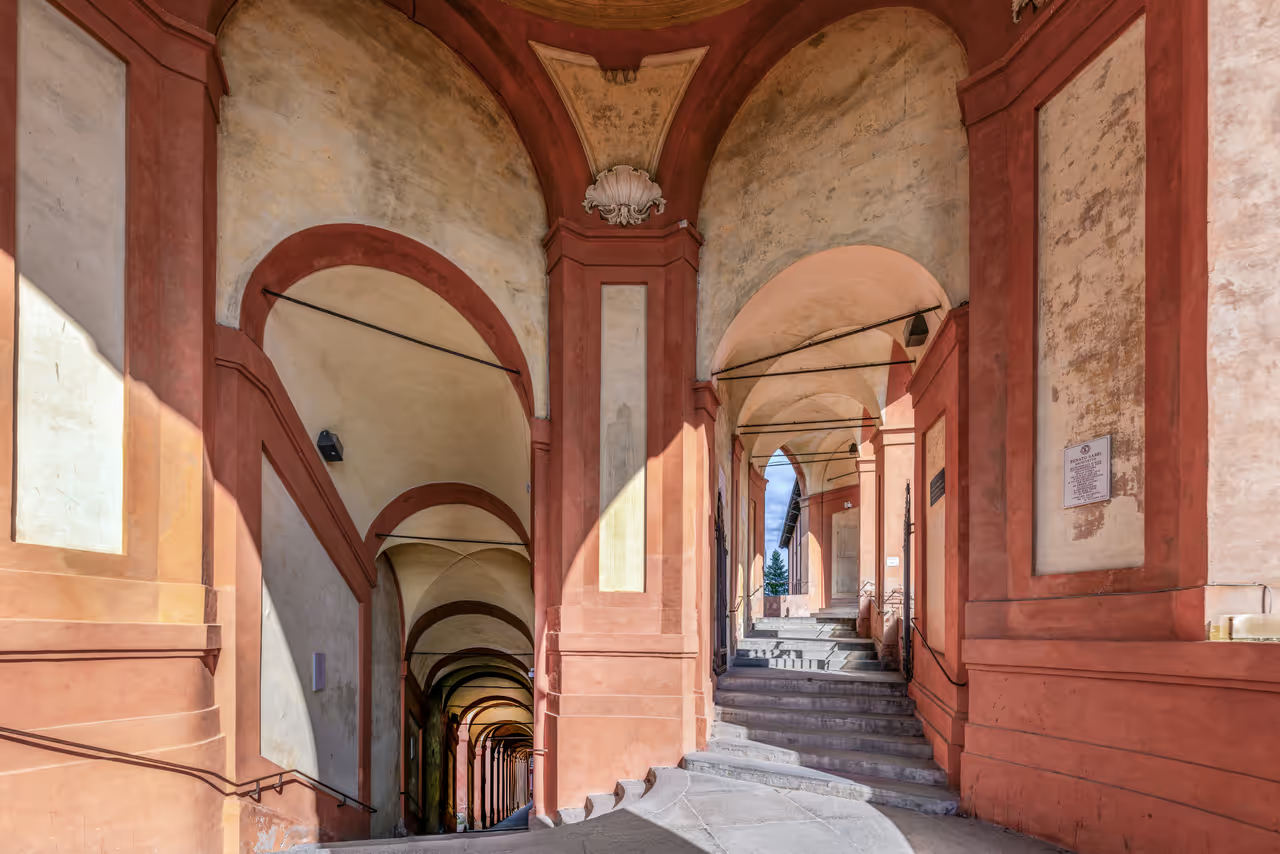 1062m
1062mWalk the Porticoes to San Luca
Embark on an unforgettable journey under the world's longest continuous covered walkway, stretching nearly four kilometres up into the hills. It is a rewarding physical challenge that provides constantly shifting, beautiful architectural perspectives along the 666 arches. Once you reach the top, you are treated to sweeping views of the surrounding valleys and the magnificent sanctuary itself. It is a beloved local ritual and an absolutely spectacular way to spend a morning without spending a penny. The sense of achievement upon reaching the summit is fantastic.
free thing to do view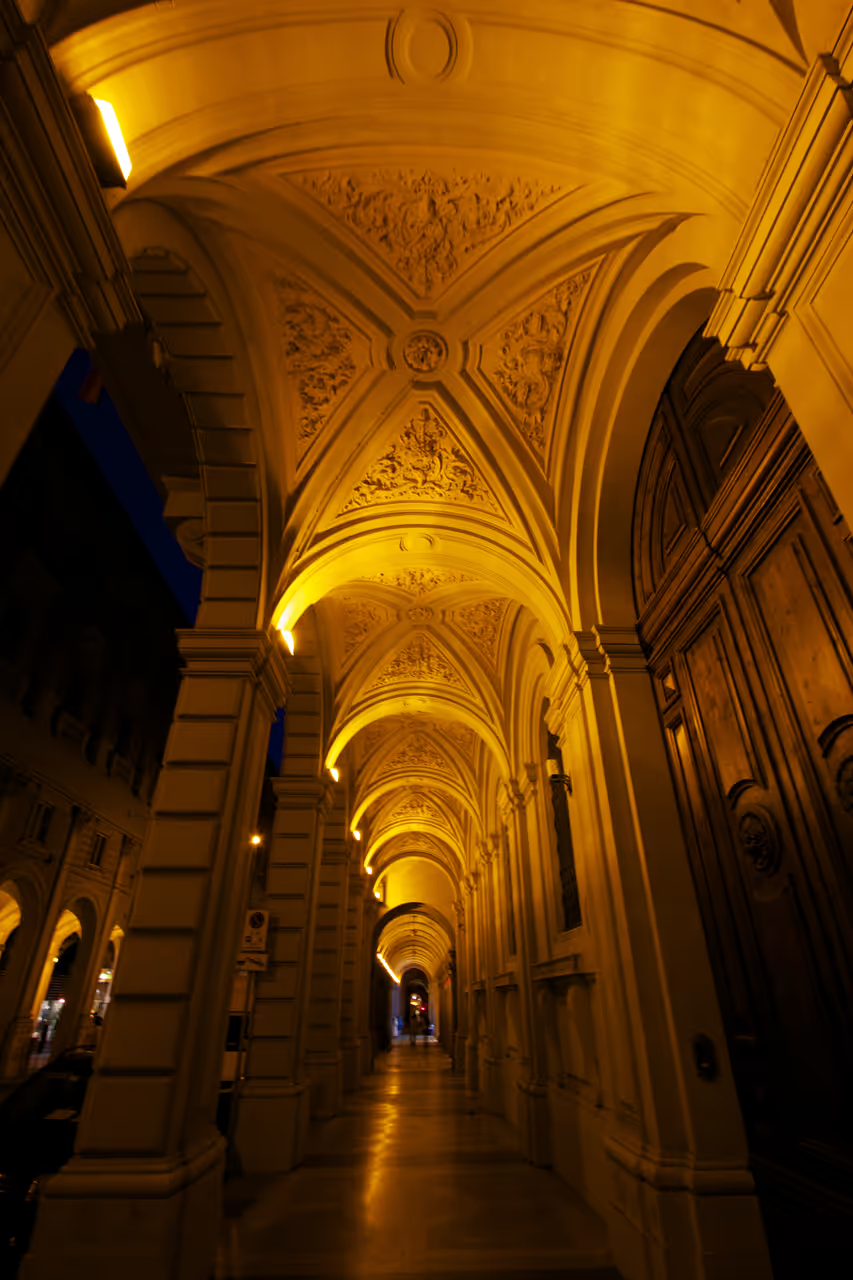 1499m
1499mPorticoes of Bologna
Bologna is famous for its porticoes, an extensive network of covered walkways that define the city's unique architectural identity. Stretching for nearly forty kilometres in the historic centre alone, these sheltered pathways offer a seamless way to explore the city regardless of the weather. They evolved from spontaneous medieval extensions into a sophisticated architectural staple that blends public and private spaces perfectly. Walking beneath these arches provides an intimate glimpse into the life of Bologna, connecting local shops, universities, and residential neighbourhoods. Visiting these historic corridors is an essential experience that reveals the heart and soul of this vibrant Italian city.
unesco heritage site view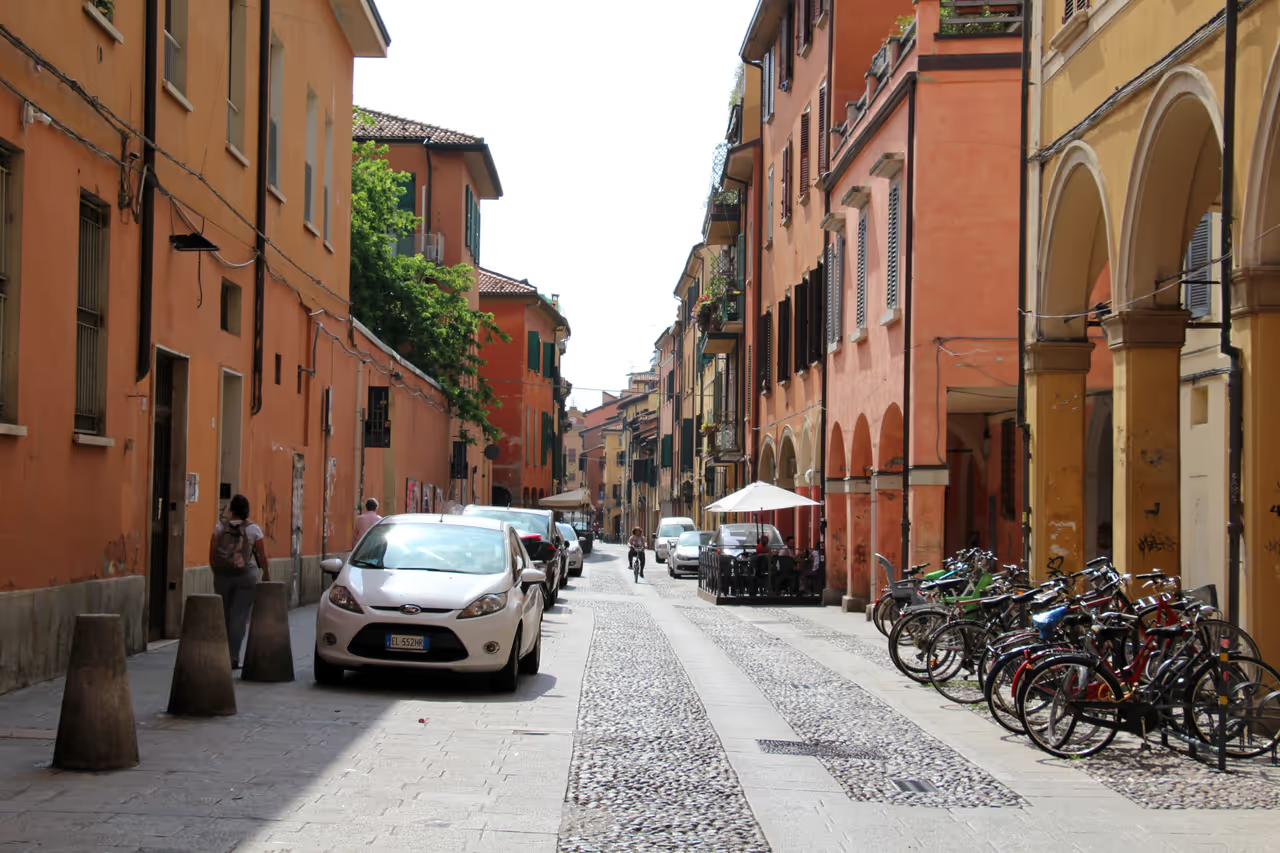 1635m
1635mPratello Street
This long, porticoed street is the epicentre of the city's alternative and bohemian nightlife scene. It is packed wall to wall with dive bars, historic osterias, and tiny pubs pouring craft beer and cheap wine. The atmosphere is famously rebellious, attracting artists, musicians, and students who spill out onto the cobblestones until the early hours. It feels incredibly authentic, stripped of any pretence and full of genuine local character. If you want a fun, noisy, and highly sociable evening out, this is the place to be.
nightlife view
Explore Similar Places in This Collection
See all nature & parks in Bologna
Orto Botanico di Bologna, Giardini Margherita, Park of Montagnola, Villa Spada...