Porticoes of Bologna
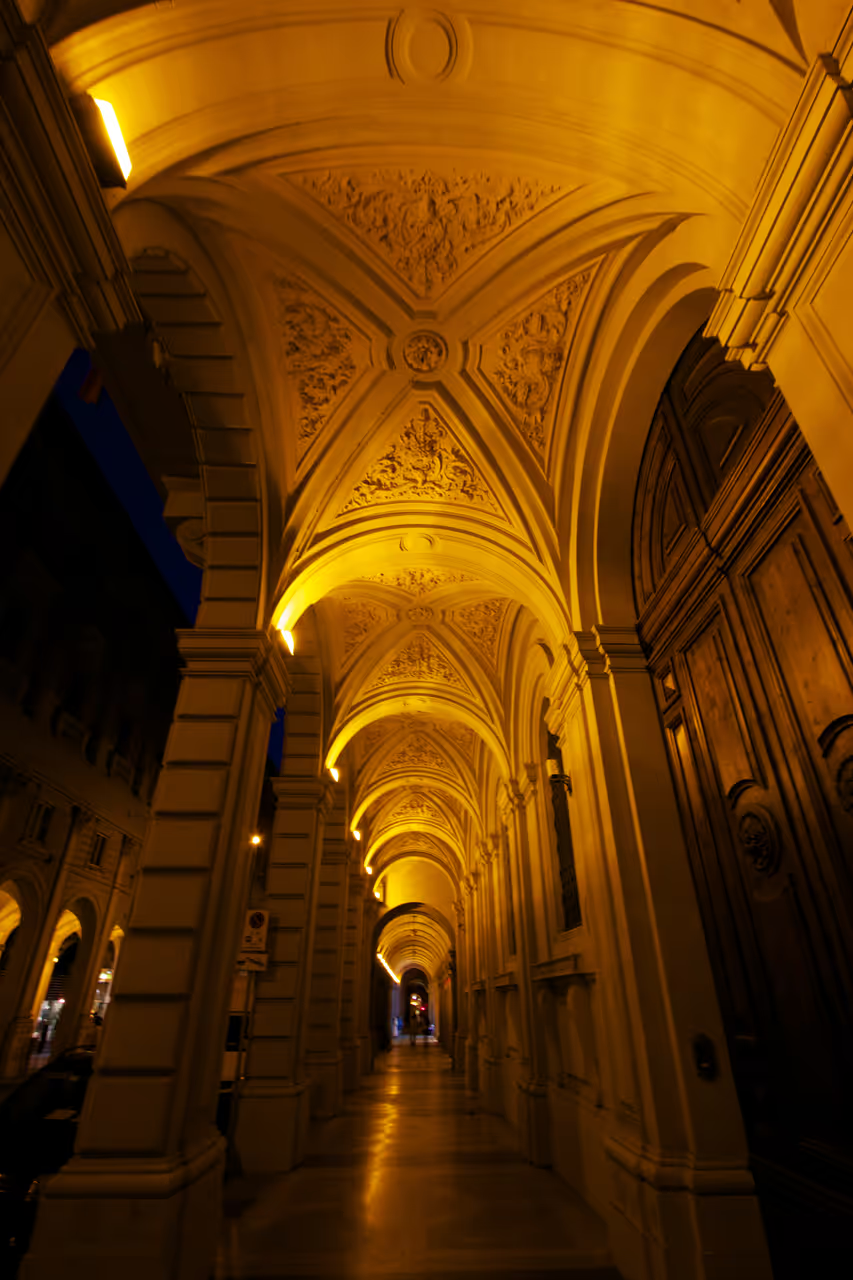
Bologna is famous for its porticoes, an extensive network of covered walkways that define the city's unique architectural identity. Stretching for nearly forty kilometres in the historic centre alone, these sheltered pathways offer a seamless way to explore the city regardless of the weather. They evolved from spontaneous medieval extensions into a sophisticated architectural staple that blends public and private spaces perfectly. Walking beneath these arches provides an intimate glimpse into the life of Bologna, connecting local shops, universities, and residential neighbourhoods. Visiting these historic corridors is an essential experience that reveals the heart and soul of this vibrant Italian city.
Videos
History of Porticoes of Bologna
The story of the porticoes began in the Middle Ages as a pragmatic solution to a growing problem. As the university and trade sectors flourished, the city population swelled. Citizens needed more living space, but they had limited room within the existing city walls. In a clever act of urban ingenuity, homeowners began extending the upper floors of their buildings over the street, propped up by wooden beams. What started as an aggressive form of encroaching on public space eventually became a cherished architectural feature that defined the city's character. By the thirteenth century, the local authorities recognised the value of these covered walkways. Rather than tearing them down, the commune issued decrees requiring new homes to include a portico, while also stipulating that they remain accessible to the public. This created a unique urban environment where social life could thrive regardless of the rain or sun. Students could travel to lectures, and merchants could display their goods under the arches, transforming the street level into a protected, shared living room for the community. Over the centuries, these structures evolved from timber to more durable stone and brick, partly driven by fire safety concerns. This architectural evolution allowed for grander designs, leading to the sophisticated loggias and high arches seen today. The crowning achievement of this development is the immense portico leading to the Sanctuary of San Luca, which snakes for nearly four kilometres up the hill. Today, these walkways are recognised by UNESCO as a global treasure, serving as a living testament to Bologna's history of innovation and community.
Events spanning 980 years
Fun Facts
- • During the mid sixteenth century, city officials banned new wooden pillars to reduce the risk of citywide fires, leading to the elegant brick designs seen today.
- • Regulations dating back to the fourteenth century required porticoes to be tall enough to accommodate a person riding on horseback.
- • Some of the oldest remaining wooden porticoes date back to the thirteenth century, such as the impressive structure visible at Casa Isolani.
- • The Portico of San Luca is officially the longest in the world, spanning nearly four kilometres and climbing all the way to the Sanctuary of the Madonna of San Luca.
- • The city originally mandated that porticoes were to be kept as public passages, ensuring shelter for students, merchants, and citizens throughout the seasons.
- • The portico of the church of Santa Maria dei Servi is the widest in Bologna, having been expanded and perfected over several centuries.
- • The term Pavaglione is derived from the local dialect word for pavilion, marking the location where the city held its historical silk market.
- • The total length of the porticoes reaches an impressive sixty two kilometres when counting the paths that extend outside the ancient city walls.
- • The tradition began during the Middle Ages as an ingenious way for citizens to expand their homes over public land without needing to purchase new foundations.
- • You can find the narrowest portico in the city on via Senzanome, which measures barely ninety five centimetres in width.
RESOURCES
Heritage UNESCO SitePorticoes of Bologna FAQ
While we strive to keep this information accurate and up to date, we recommend verifying any details independently before making decisions based on them.
Porticoes of Bologna Map & Neighborhood Explorer
This interactive map is centered on Porticoes of Bologna. Zoom in and move the map around to automatically discover Wikipedia photos and summaries of other nearby sights, monuments, and historical points of interest and stories in real-time!
Places near Porticoes of Bologna
Make the most of your trip. Check out these top-rated spots located nearby.
 460m
460mPratello Street
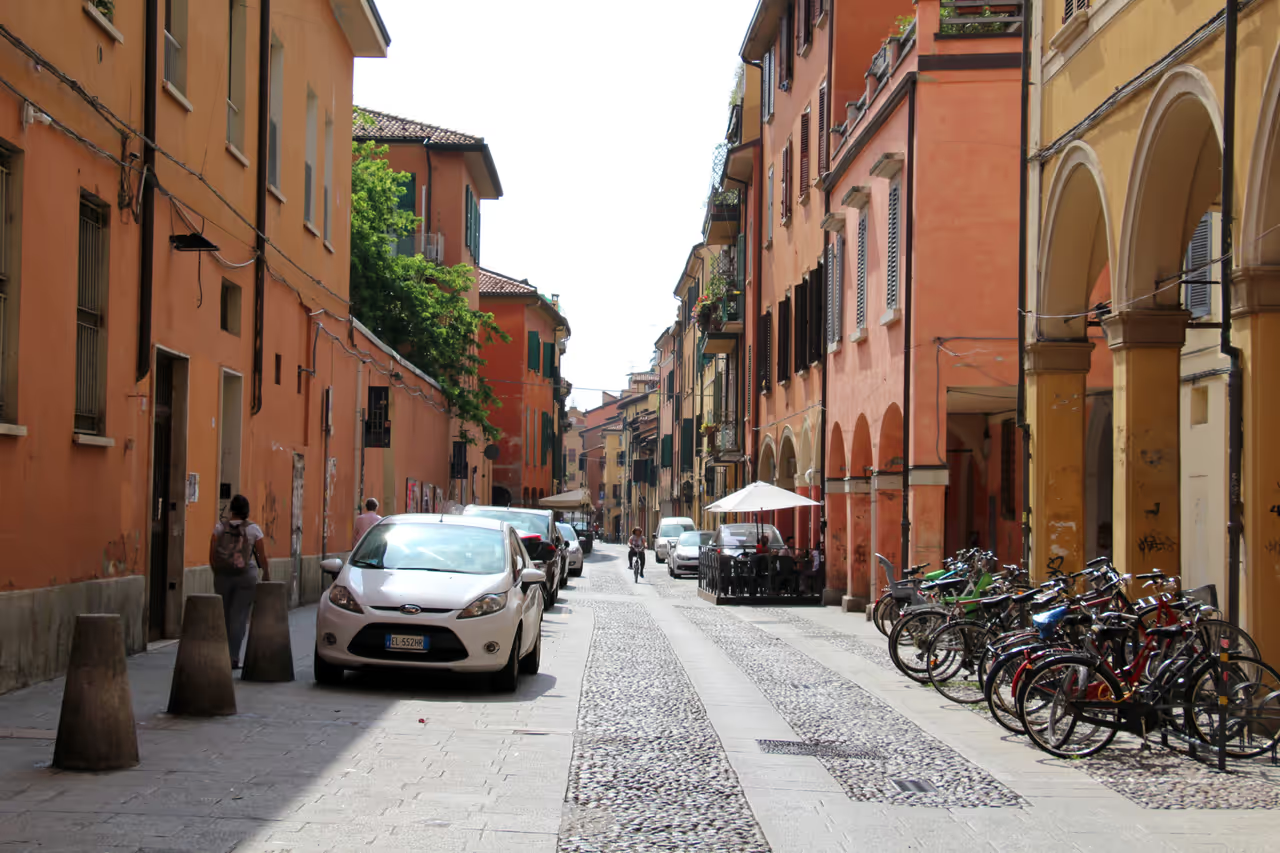
This long, porticoed street is the epicentre of the city's alternative and bohemian nightlife scene. It is packed wall to wall with dive bars, historic osterias, and tiny pubs pouring craft beer and cheap wine. The atmosphere is famously rebellious, attracting artists, musicians, and students who spill out onto the cobblestones until the early hours. It feels incredibly authentic, stripped of any pretence and full of genuine local character. If you want a fun, noisy, and highly sociable evening out, this is the place to be.
nightlife view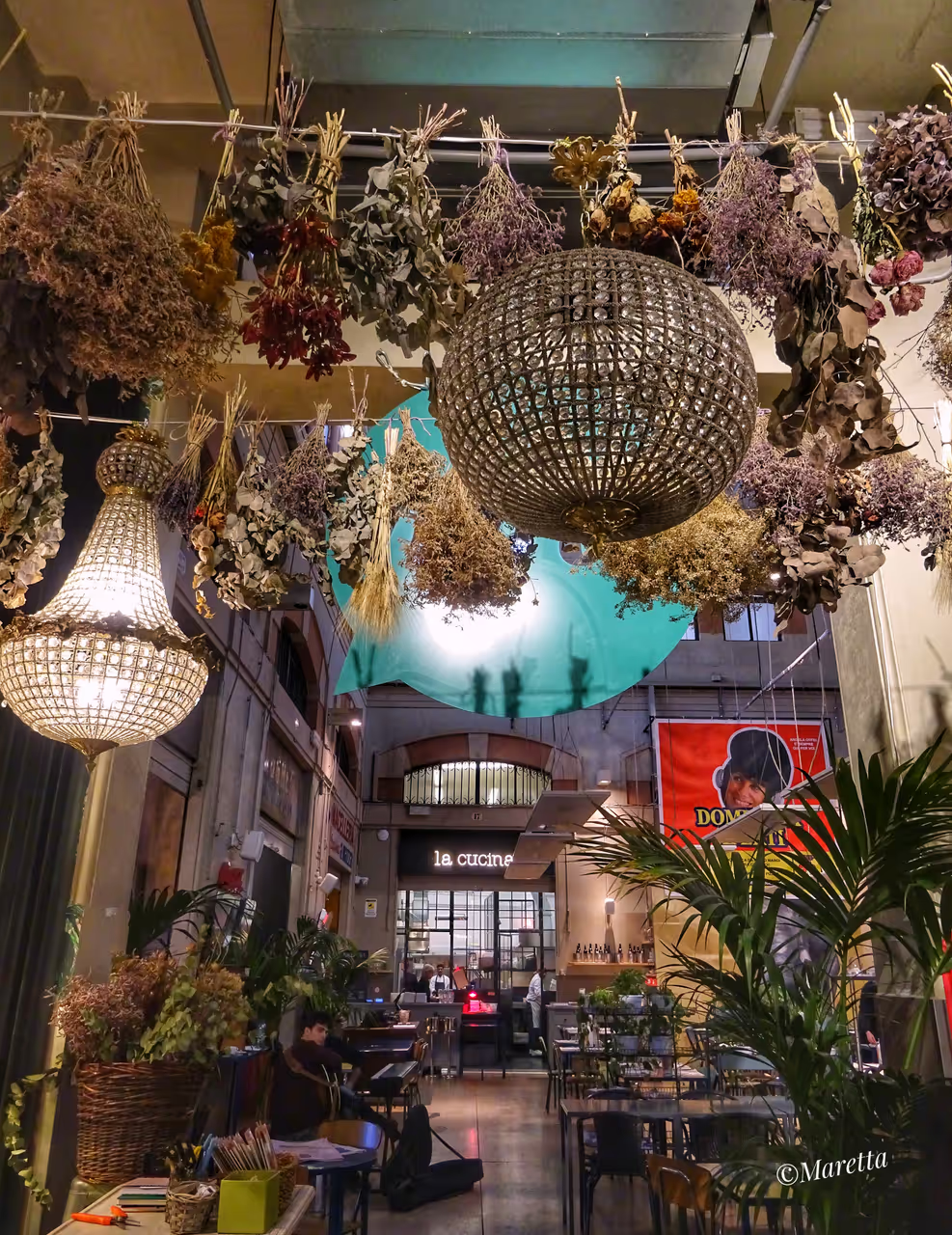 650m
650mHerb Market
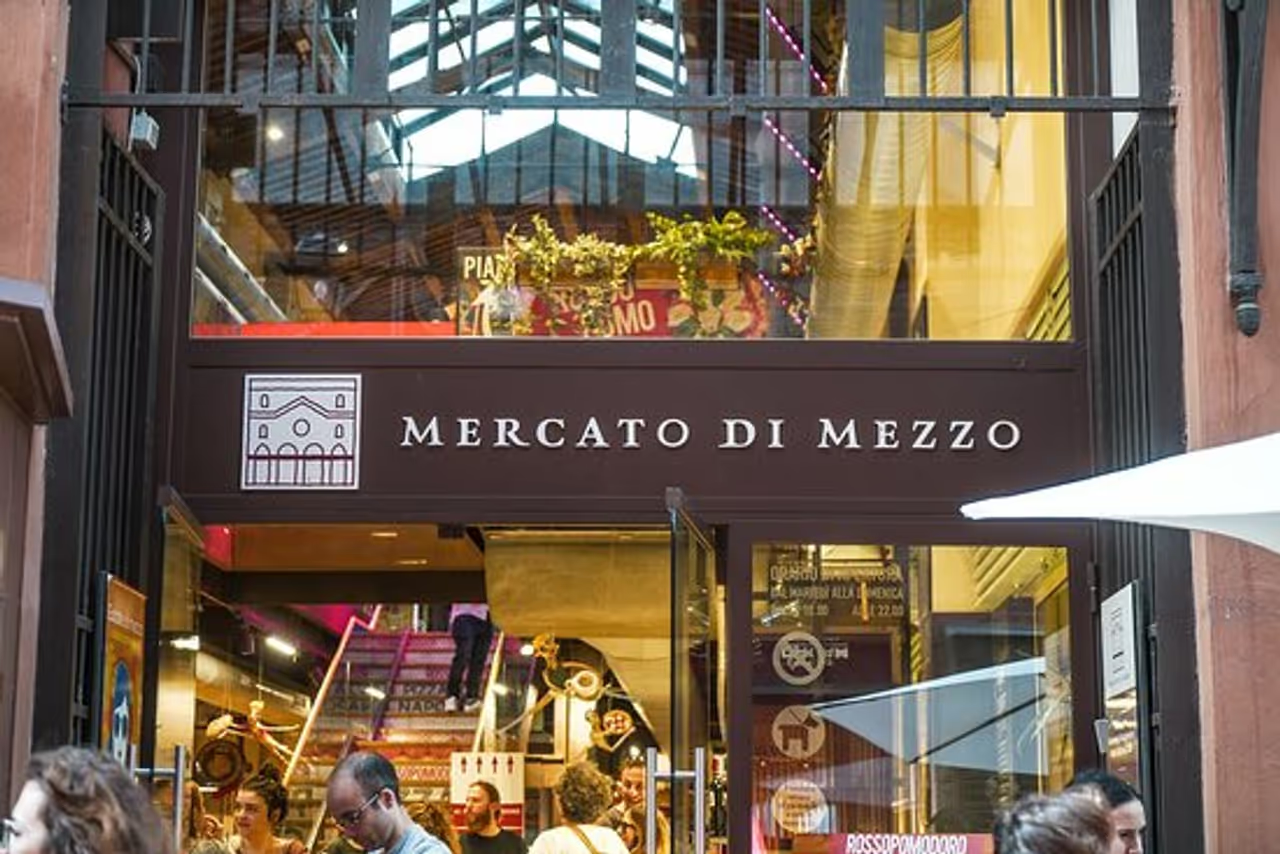
The largest covered market in the historical centre, where locals go to buy their fresh produce, meats, and cheeses. Built in the early twentieth century, it features a beautiful iron and glass structure that fills the space with natural light. Alongside the traditional vendors, it has recently added fantastic food courts where you can grab a quick, high quality meal or a glass of wine. The vibe here is slightly more local and less touristy than other central markets. It is the perfect place to absorb the daily rhythms of local life and see the raw ingredients of famous regional dishes.
market view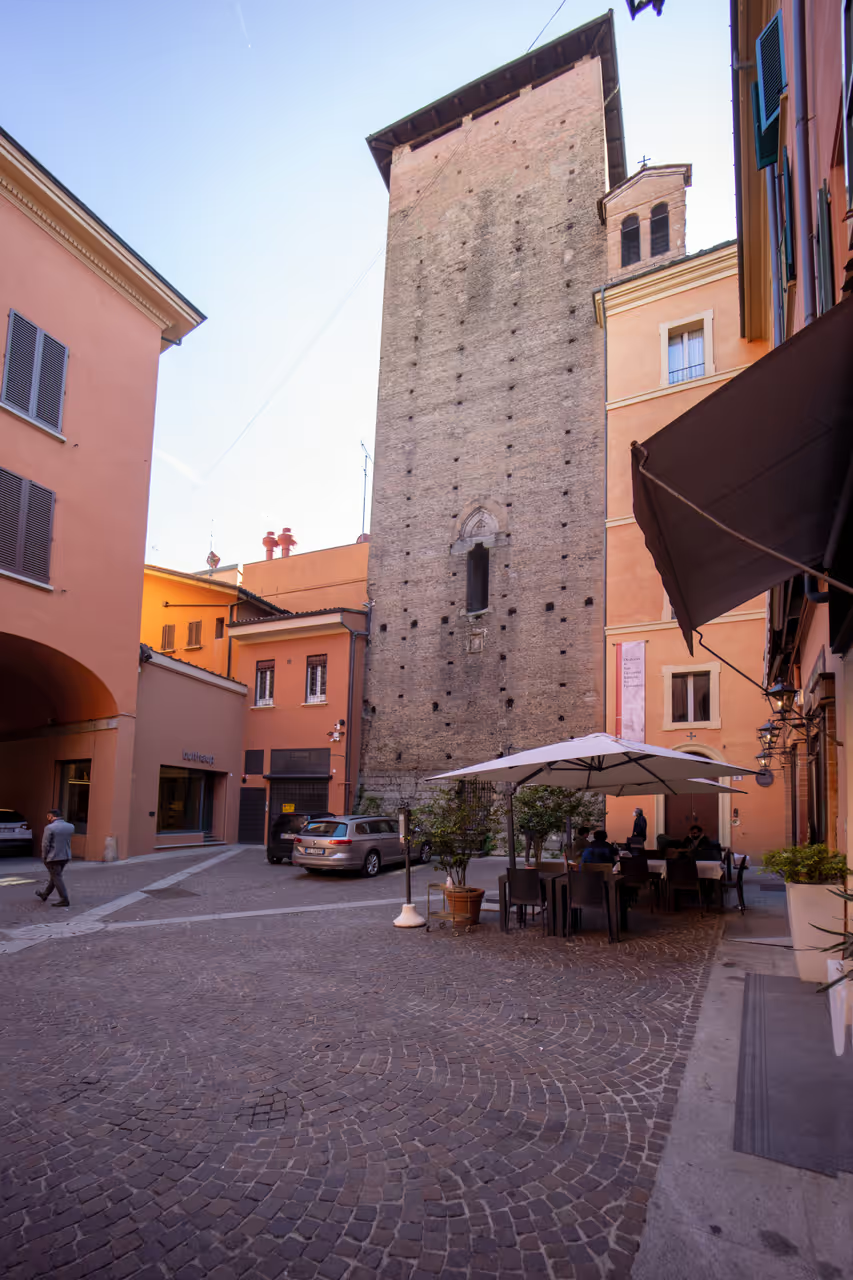 745m
745mGalluzzi Courtyard
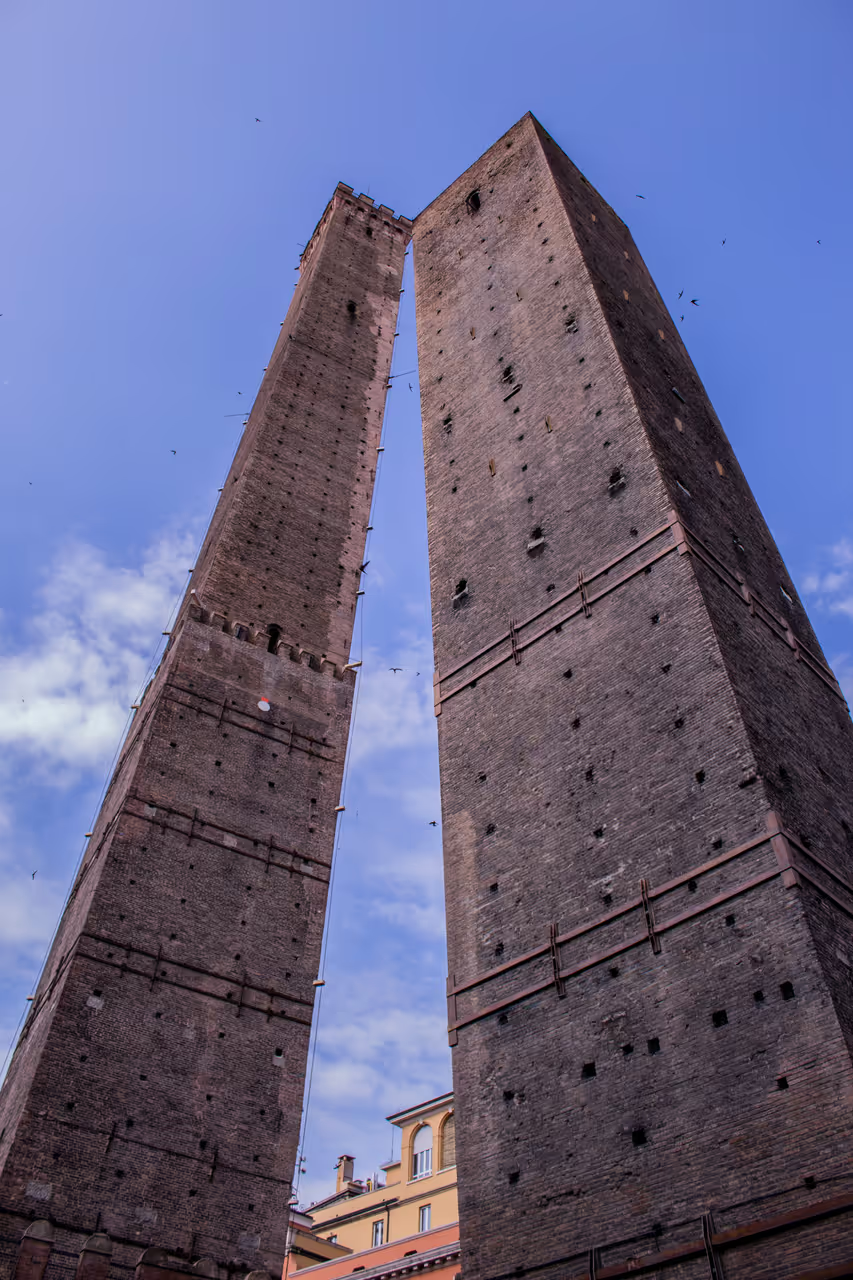
Accessible only through an arched vault near the main square, stepping into this small courtyard feels like travelling back to the Middle Ages. The space is completely dominated by the incredibly thick, imposing Galluzzi Tower, built as a defensive stronghold by a powerful faction. The architecture here is raw, heavy, and martial, reflecting the intense and often violent rivalries between noble families. It is incredibly quiet and secluded, offering a stark contrast to the busy shopping streets just outside. It perfectly preserves the fierce, fortified atmosphere of the city's turbulent past.
hidden gem view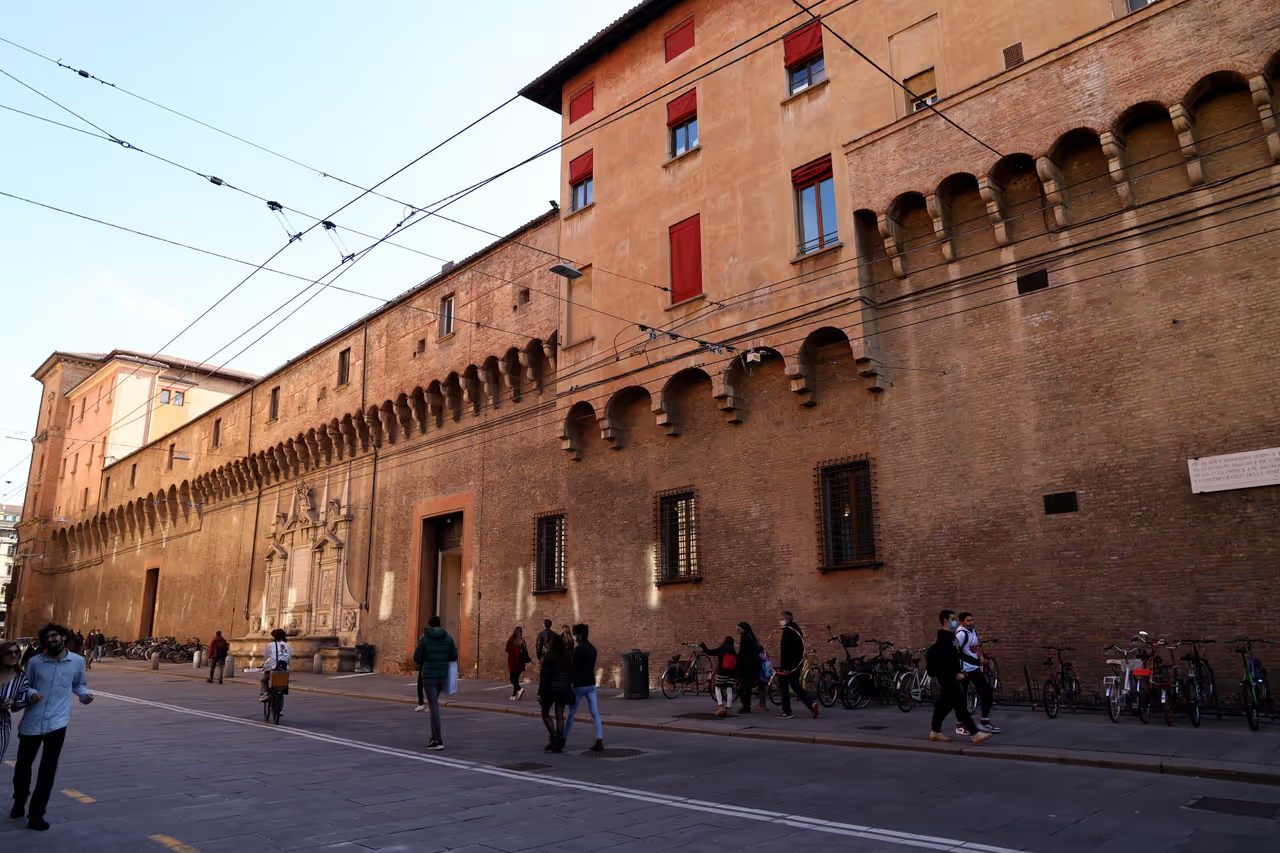 811m
811mPalazzo d'Accursio
Perched on Piazza Maggiore, this ancient seat of government is far more than a simple town hall. It is a layered historical masterpiece that has stood as the witness to Bologna's complex evolution for centuries. Visitors can wander through opulent chambers, admire Renaissance architecture, and explore the art collections which reside within these walls. The building also offers a poignant look at the city's past, from its medieval fortifications to the modern memorial for local partisans. It is the perfect starting point to understand the civic identity of Bologna, offering both breathtaking views and profound historical depth.
attraction view
Featured on These Itineraries and Routes
3 Days in Bologna: Porticoes, Piazzas and Panoramas Itinerary
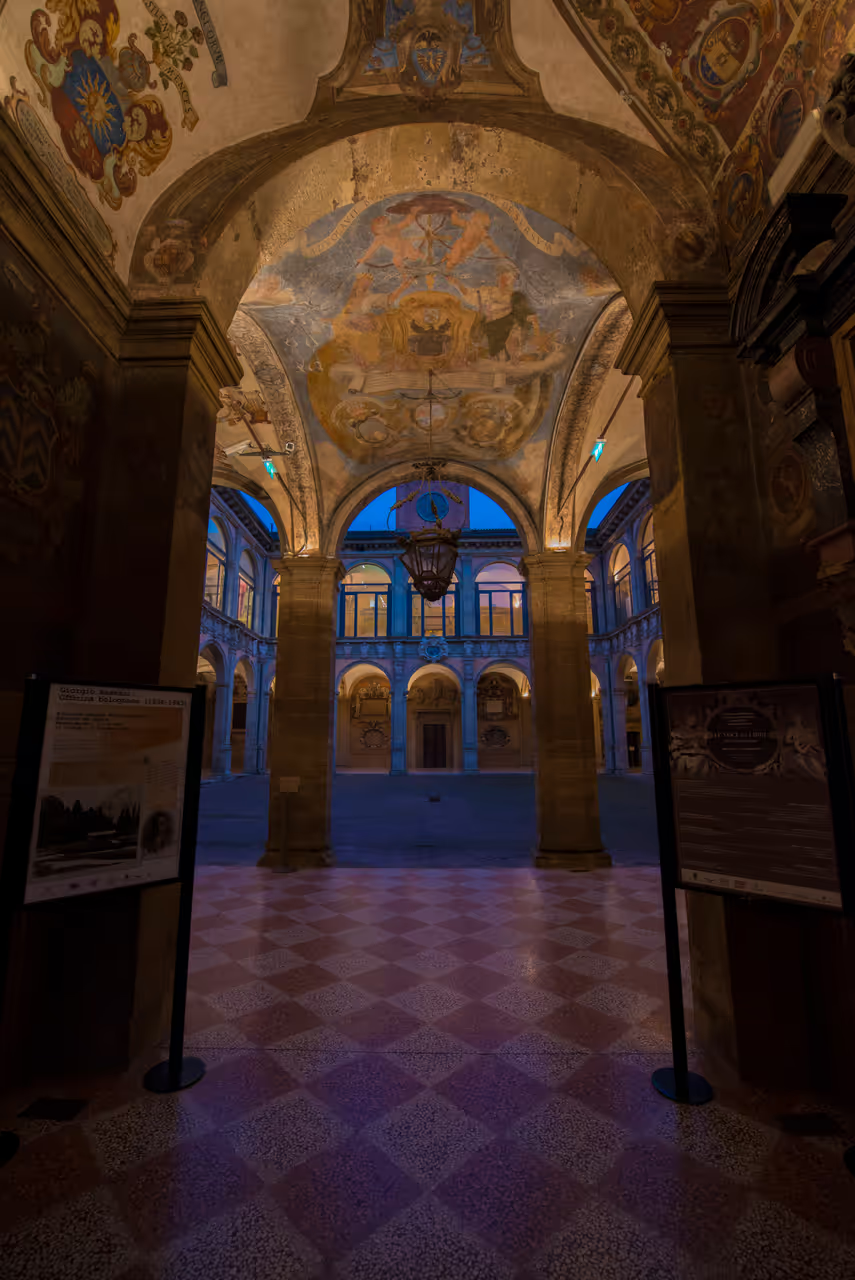
Three days allows for a wonderfully balanced exploration of the city's diverse character. You will have time to thoroughly explore the university's academic legacy, tackle the famous portico walk to the hilltop sanctuary, and indulge in extended food and wine sessions. It mixes the essential historic sights with highly authentic local experiences and lively nightlife. This itinerary perfectly captures the city's blend of intellectual history and joyous culinary indulgence without rushing.
view itinerary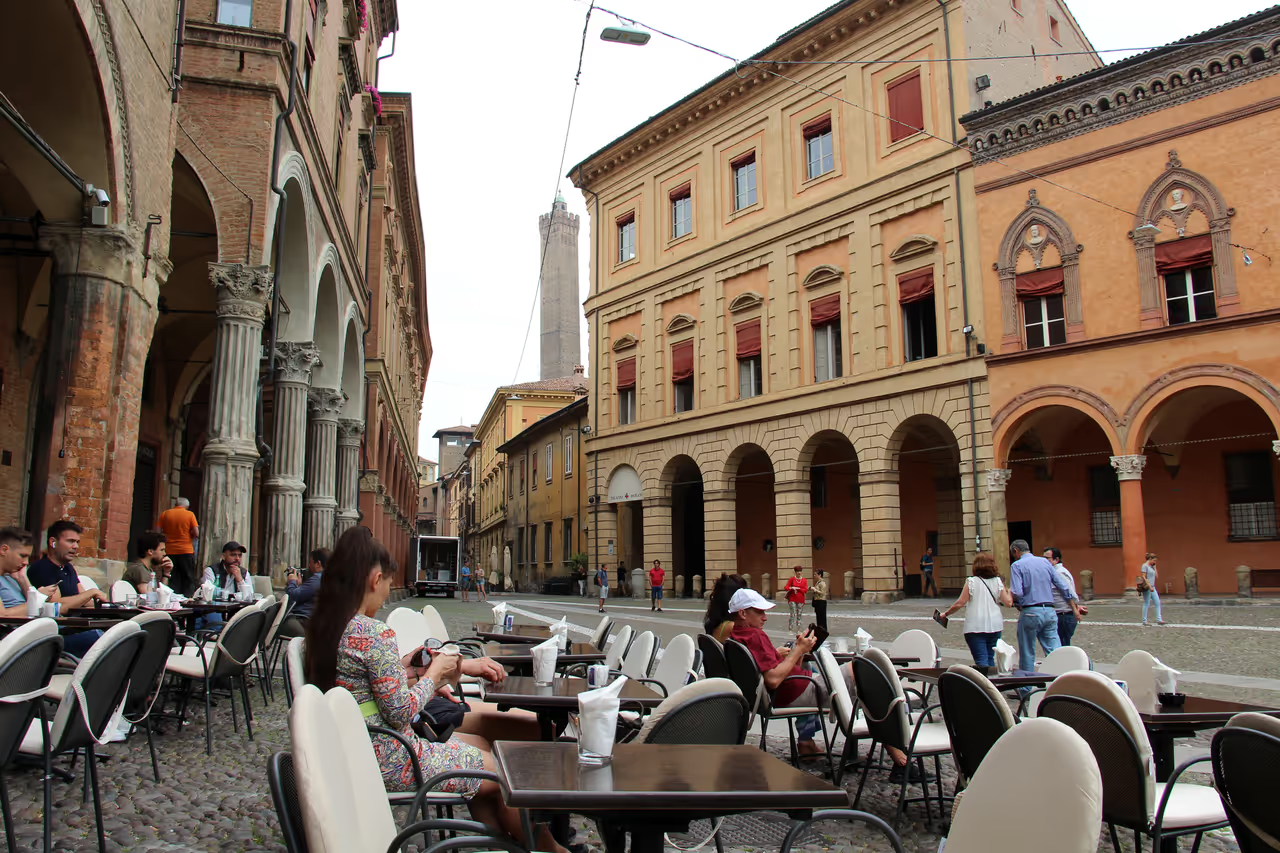
5 Days in Bologna: The Complete Emilian Experience Itinerary
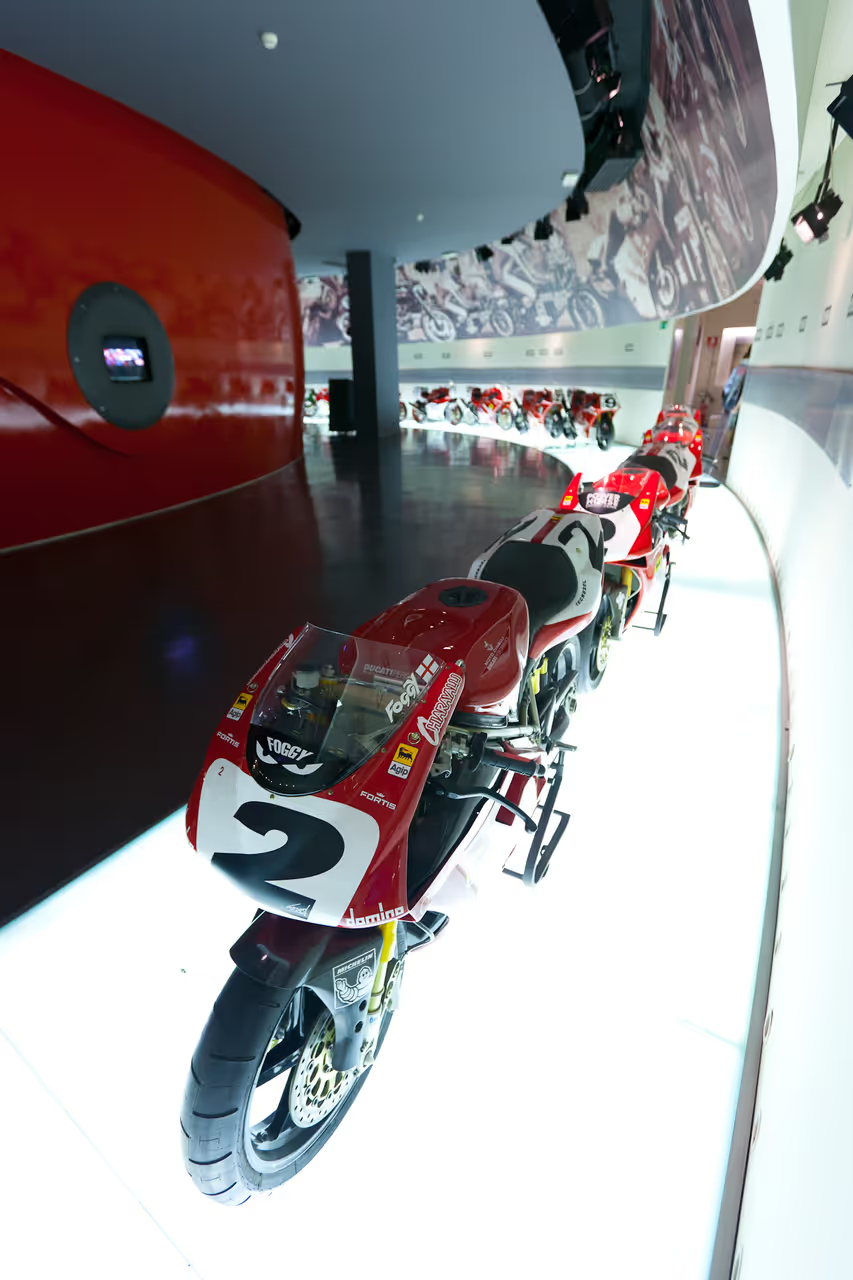
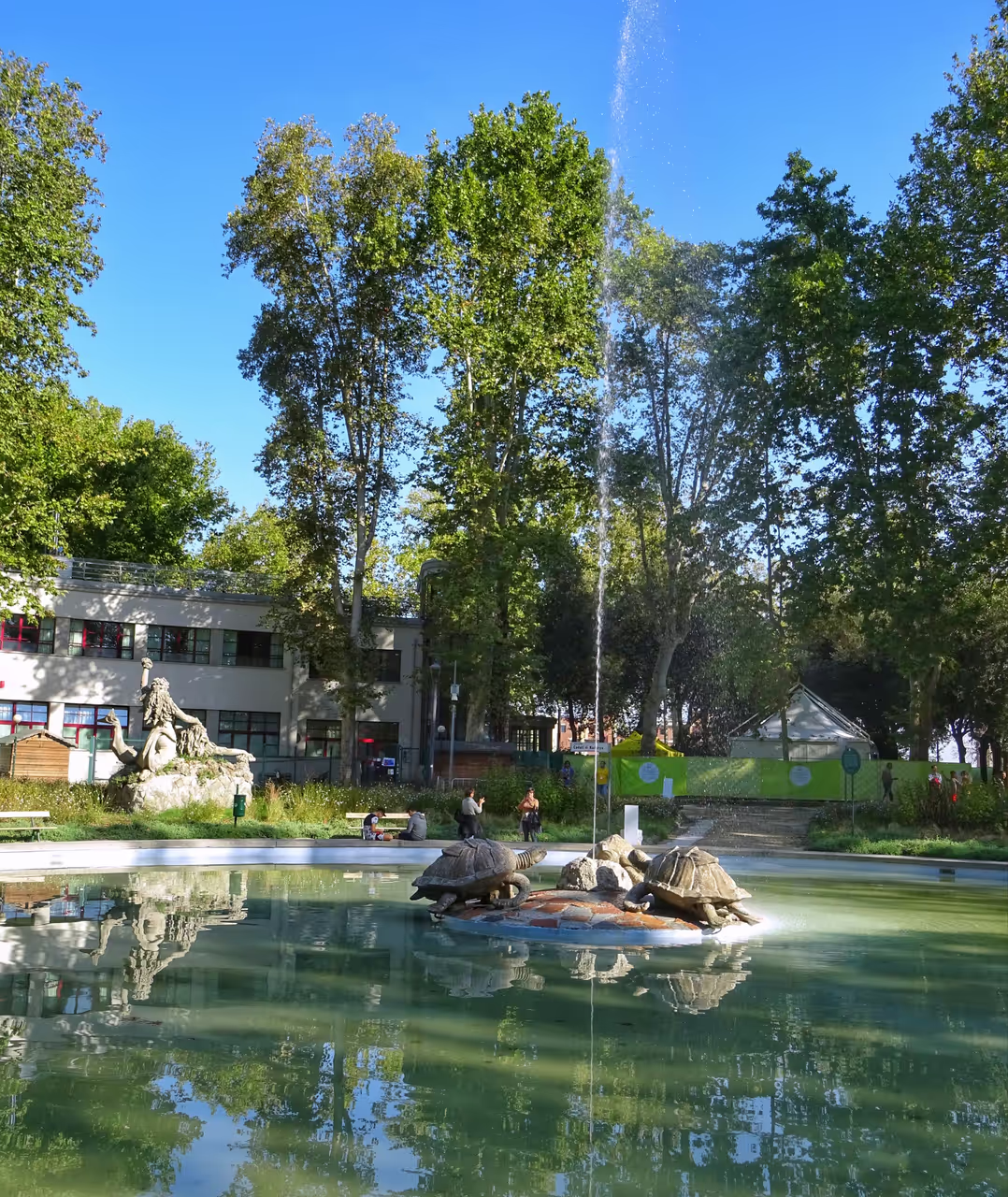
A five day stay transforms a simple visit into a deep immersion into the local lifestyle and regional heritage. You will have ample time to uncover hidden historical gems, explore the surrounding Motor Valley, and enjoy relaxed, extensive gastronomic tours. It allows you to step off the main tourist trails and spend time in tranquil parks and vibrant alternative neighbourhoods. This is the ultimate itinerary for those who want to truly understand and savour everything this remarkable city has to offer.
view itinerary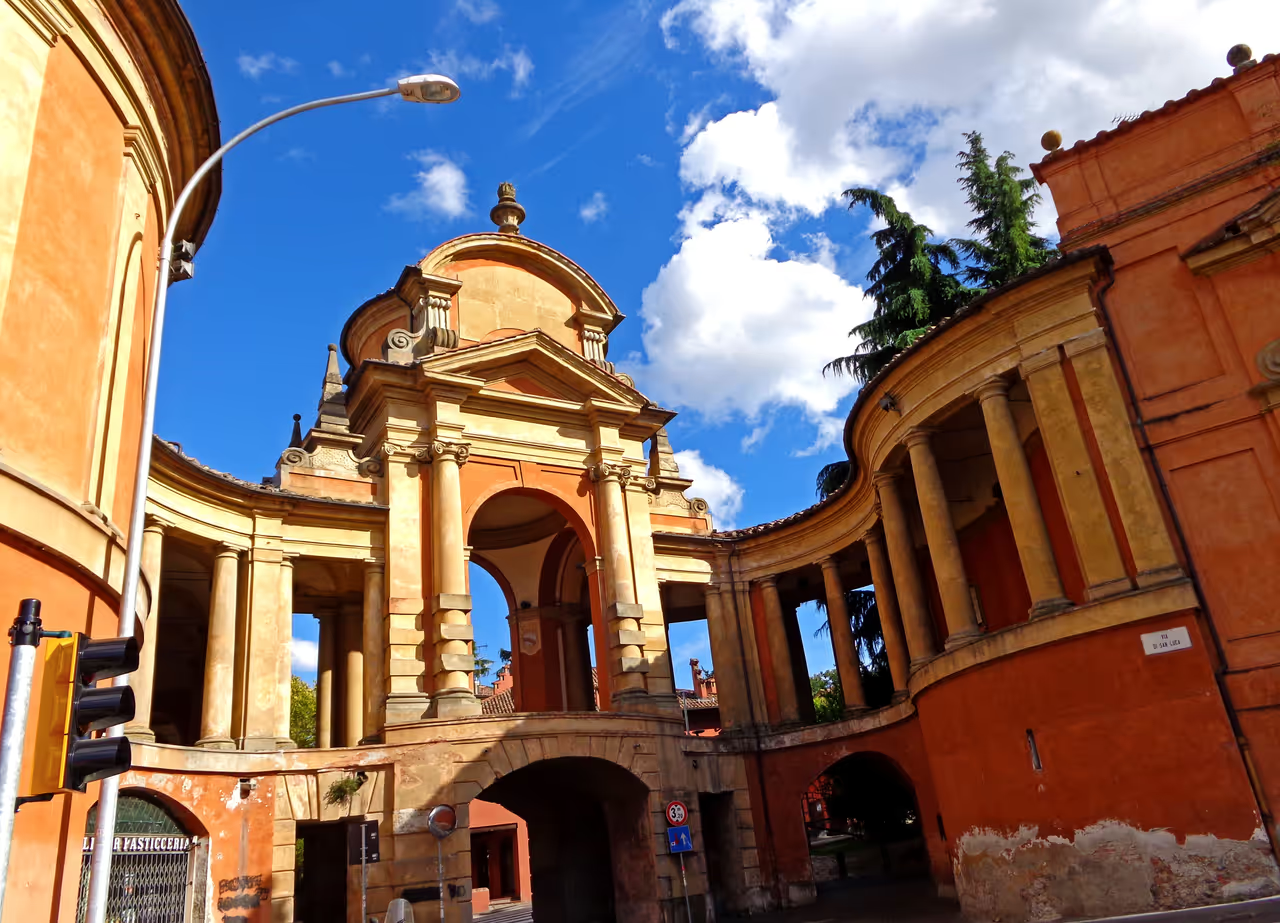

Walk to San Luca
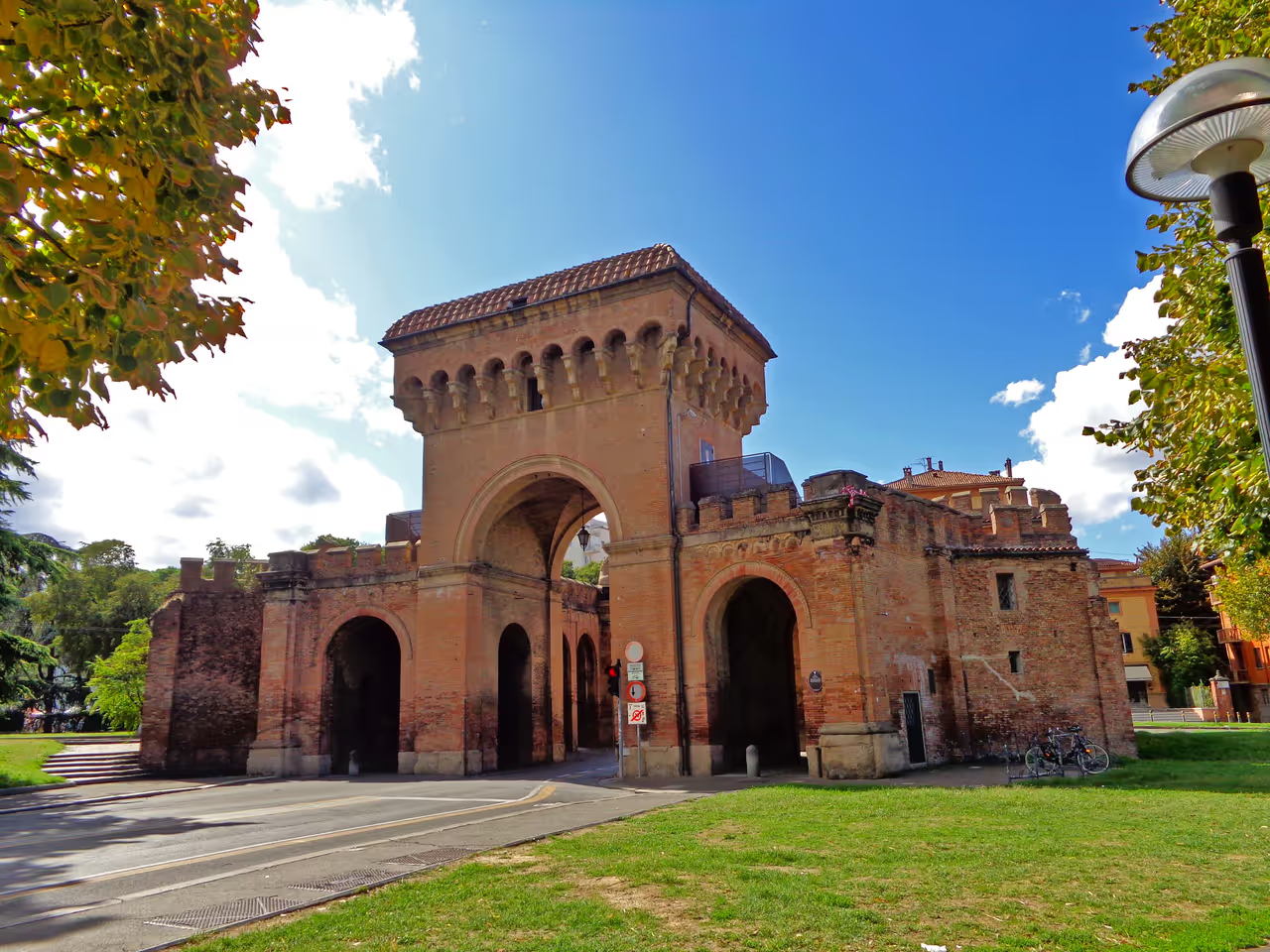
This is arguably the most famous and unique walk the city has to offer. You will follow the longest continuous portico in the world, stretching for almost four kilometres and encompassing exactly 666 arches. The path gradually ascends into the lush surrounding hills, providing a satisfying physical challenge alongside incredible architecture. The rhythmic passing of the terracotta arches creates a meditative, hypnotic atmosphere. Upon reaching the top, you are rewarded with sweeping panoramic views and a stunning baroque sanctuary.
view walking route