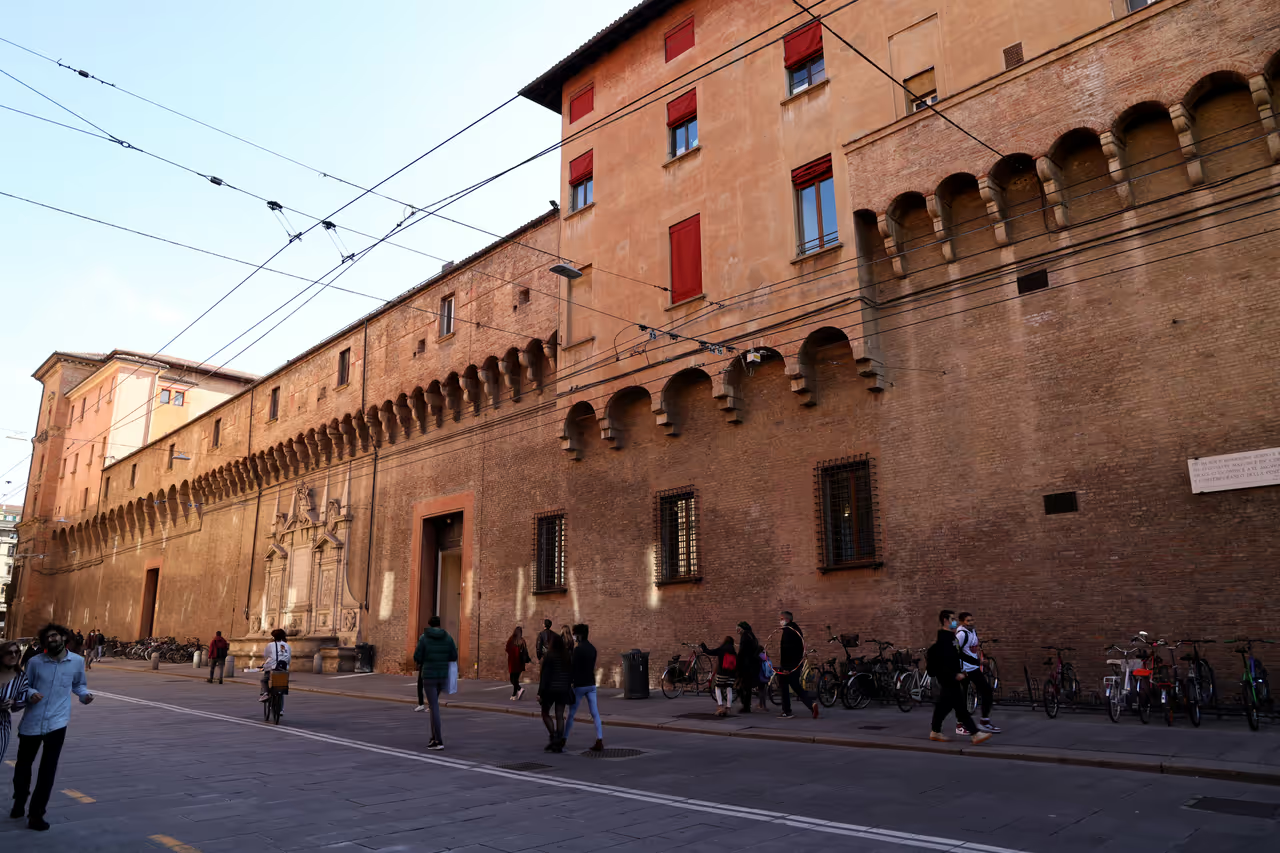
Palazzo d'Accursio
Perched on Piazza Maggiore, this ancient seat of government is far more than a simple town hall. It is a layered historical masterpiece that has stood as the witness to Bologna's complex evolution for centuries. Visitors can wander through opulent chambers, admire Renaissance architecture, and explore the art collections which reside within these walls. The building also offers a poignant look at the city's past, from its medieval fortifications to the modern memorial for local partisans. It is the perfect starting point to understand the civic identity of Bologna, offering both breathtaking views and profound historical depth.
Videos
History of Palazzo d'Accursio
The history of Palazzo d'Accursio is essentially the story of Bologna itself. It began in 1287 when the city authorities purchased the home of the famed jurist Accursio. This was a statement of intent, turning a private residence into a public sanctuary for civic administration. Over the centuries, the building absorbed the surrounding houses and towers, growing from a modest dwelling into a sprawling, fortified complex that physically represented the power of the commune. As centuries passed, the building became a theatre for shifting loyalties. When the Papal States gained control, the palace was remodelled into a fortress, complete with defensive walls and a moat, to protect the visiting papal legates. It became a site of grand diplomacy and royal visits, most notably in 1530 when Holy Roman Emperor Charles V was crowned. The Renaissance brought a change in tone, with architects like Galeazzo Alessi transforming the facade into a masterpiece of civic pride, complete with bronze statues and ornate portals that still define the look of Piazza Maggiore today. The 20th century added a darker chapter to the walls, particularly during the turbulent events of 1920. However, the palace managed to endure the tragedies of war and political upheaval to emerge in the modern era as a cultural landmark. Today, it serves as a bridge between the past and the present, housing the city's art collections and historical archives. It remains a place where the grandeur of Renaissance power meets the daily life of a modern Italian city, offering a tangible connection to the layers of history that made Bologna the vibrant centre it is today.
Events spanning 721 years
Fun Facts
- • Niccolò dell'Arca, one of the most significant sculptors of the Renaissance, contributed the delicate terracotta Madonna of Piazza which graces the facade.
- • One of the red marble eagles adorning the facade is popularly attributed to a young Michelangelo, adding an air of mystery to the exterior walls.
- • The Sala Boschereccia, or forest room, showcases an 18th century desire for nature by featuring frescoes that depict lush, green landscapes.
- • The Sala Farnese, where kings once walked, features intricate frescoes that detail the dramatic and often turbulent history of the city.
- • The Sala Urbana houses hundreds of coats of arms representing the papal legates who governed Bologna under the authority of the Vatican.
- • The clock tower once featured intricate mechanical automata that performed a public spectacle every hour, a rare feat of engineering for the 15th century.
- • The courtyard now known as the Sala Borsa was once the location of Ulisse Aldrovandi's innovative botanical garden in the 16th century.
- • The palace is named after the renowned law professor Accursio, whose private residence was the original building block of the entire complex.
- • The palace suffered extensive damage during the Second World War, necessitating significant restoration work that revealed even older architectural layers.
- • Visitors can still see the ancient units of measurement for local grain and cloth carved directly into the palace walls, used by merchants in centuries past.
Palazzo d'Accursio FAQ
While we strive to keep this information accurate and up to date, we recommend verifying any details independently before making decisions based on them.
Palazzo d'Accursio Map & Neighborhood Explorer
This interactive map is centered on Palazzo d'Accursio. Zoom in and move the map around to automatically discover Wikipedia photos and summaries of other nearby sights, monuments, and historical points of interest and stories in real-time!
Places near Palazzo d'Accursio
Make the most of your trip. Check out these top-rated spots located nearby.
 39m
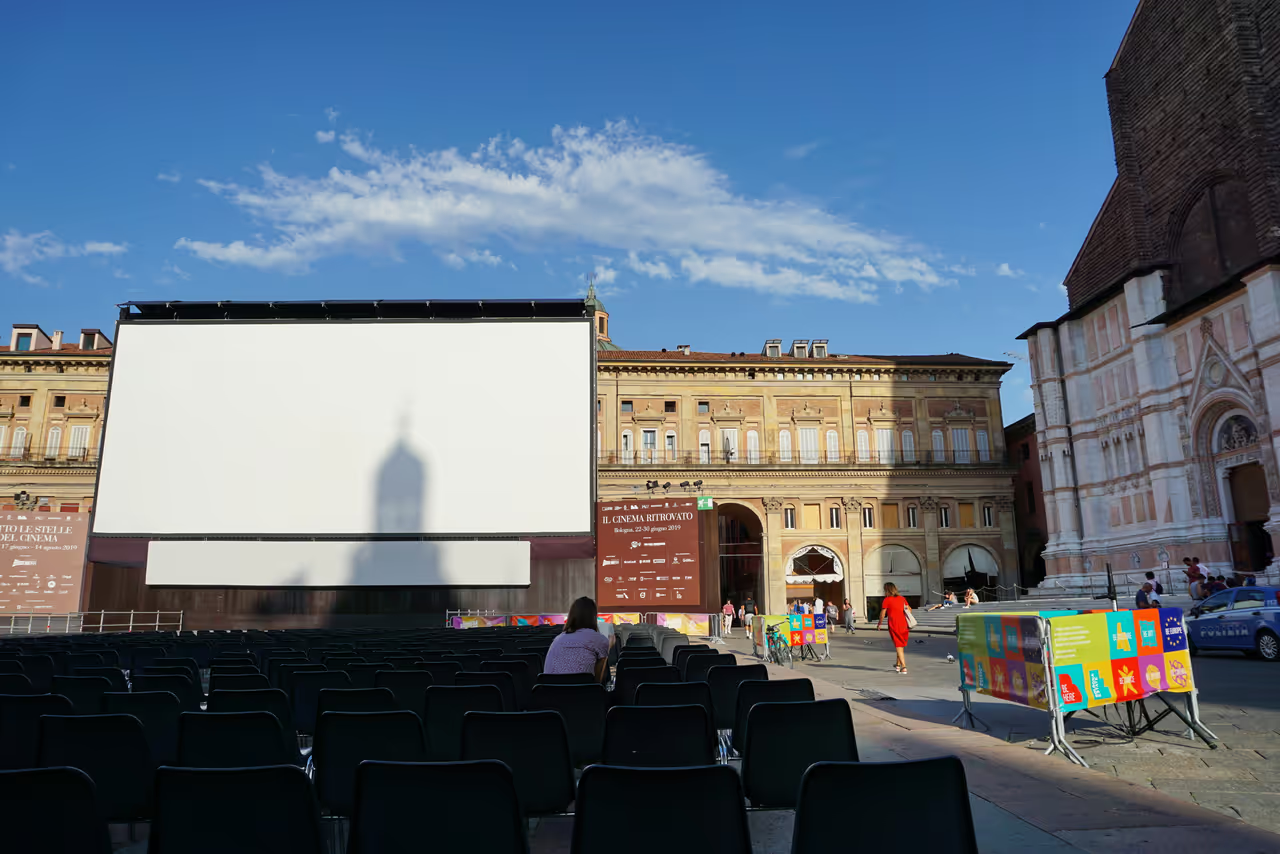
39mIl Cinema Ritrovato
A magical summer festival dedicated to rare, forgotten, and beautifully restored classic films. The absolute highlight is the open air evening screenings held in the magnificent Piazza Maggiore, where thousands gather under the stars. Hosted by the local film archive, it draws film historians and cinephiles globally for a week of cinematic nostalgia. Watching a silent film accompanied by a live orchestra in a mediaeval square is a truly unforgettable experience. It highlights the city's profound dedication to preserving cultural heritage.
festival view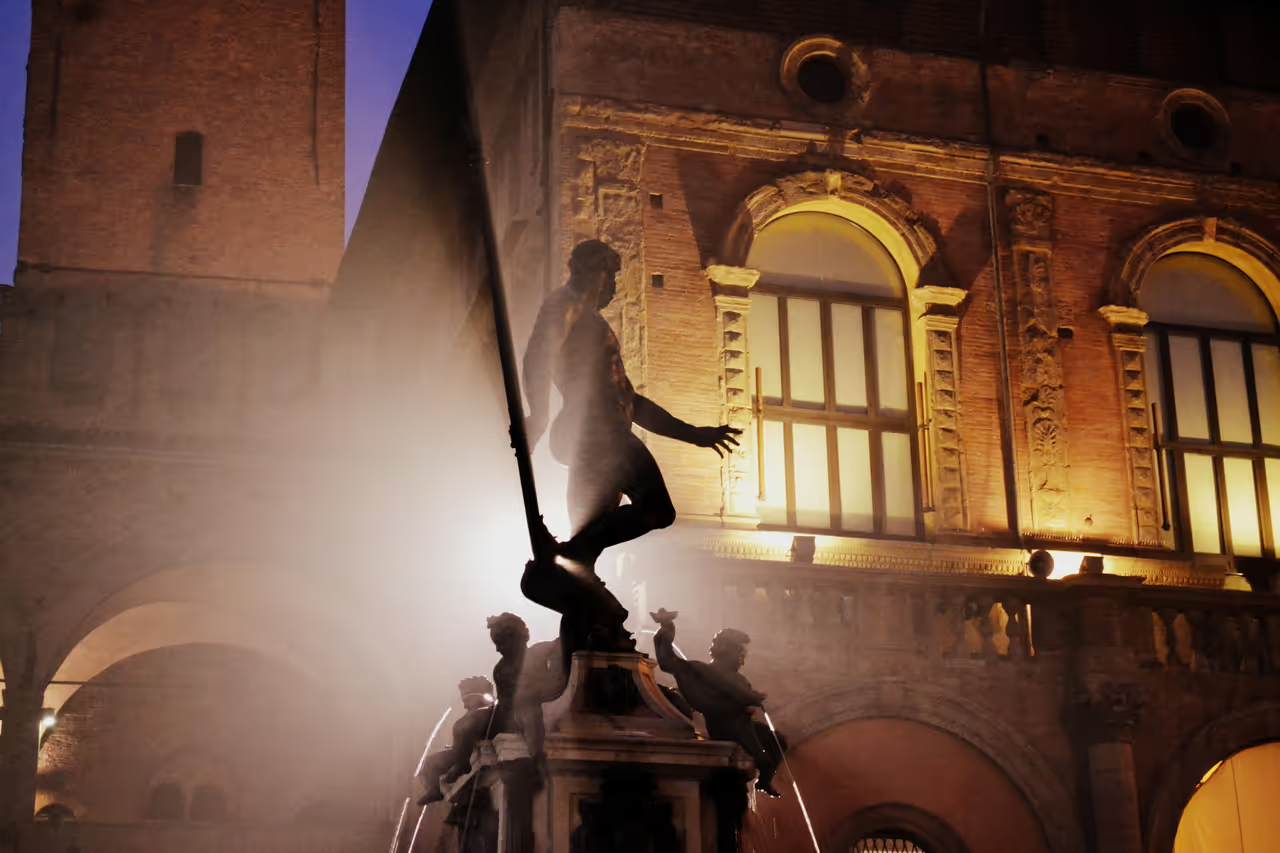 42m
42mFountain of Neptune
Standing proudly in the heart of the city, the Fountain of Neptune is the powerful heartbeat of Bologna. Known affectionately by locals as The Giant, this Renaissance masterpiece by the Flemish sculptor Giambologna showcases incredible bronze craftsmanship and dramatic flair. You will find it at the intersection of the city social life, where history meets the casual stride of modern day explorers. Its intricate details, from the muscular physique of the sea god to the playful sirens at the base, offer endless fascination for art lovers. Beyond its visual majesty, the fountain holds quirky secrets and local legends that make every visit feel like a discovery. It is an essential stop to capture the true essence and spirited character of Bologna.
attraction view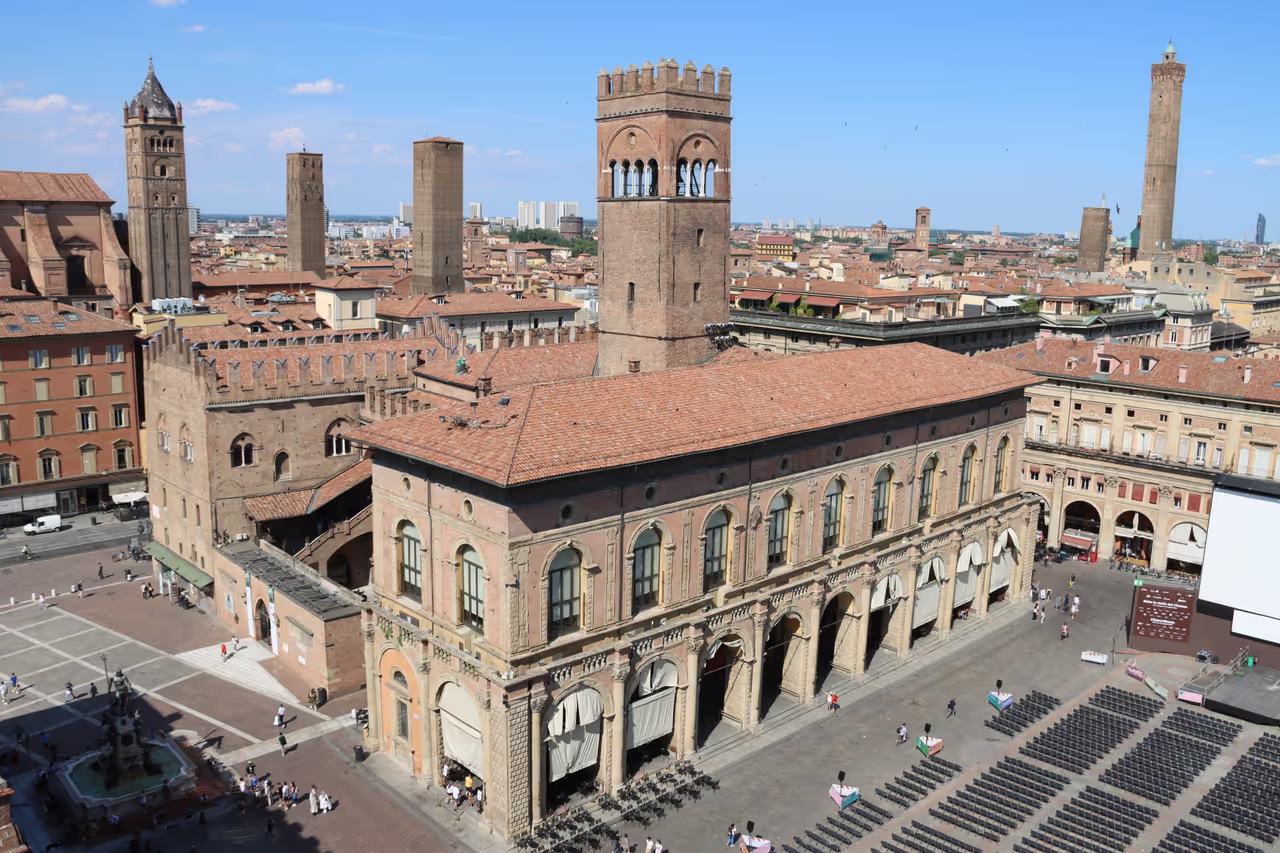 54m
54mPalace of the Podesta
Dominating the main square, this imposing civic building dates back to the thirteenth century, serving as the first seat of the local government. Its striking facade features a long, elegant arcade that invites pedestrians to wander underneath. Beneath the central vault, there is a fascinating acoustic quirk where a whisper in one corner can be clearly heard in the opposite diagonal corner. Historically, it was the administrative heart where justice was dispensed and laws were debated. It stands as a brilliant example of early mediaeval civic architecture adapted over centuries.
architecture view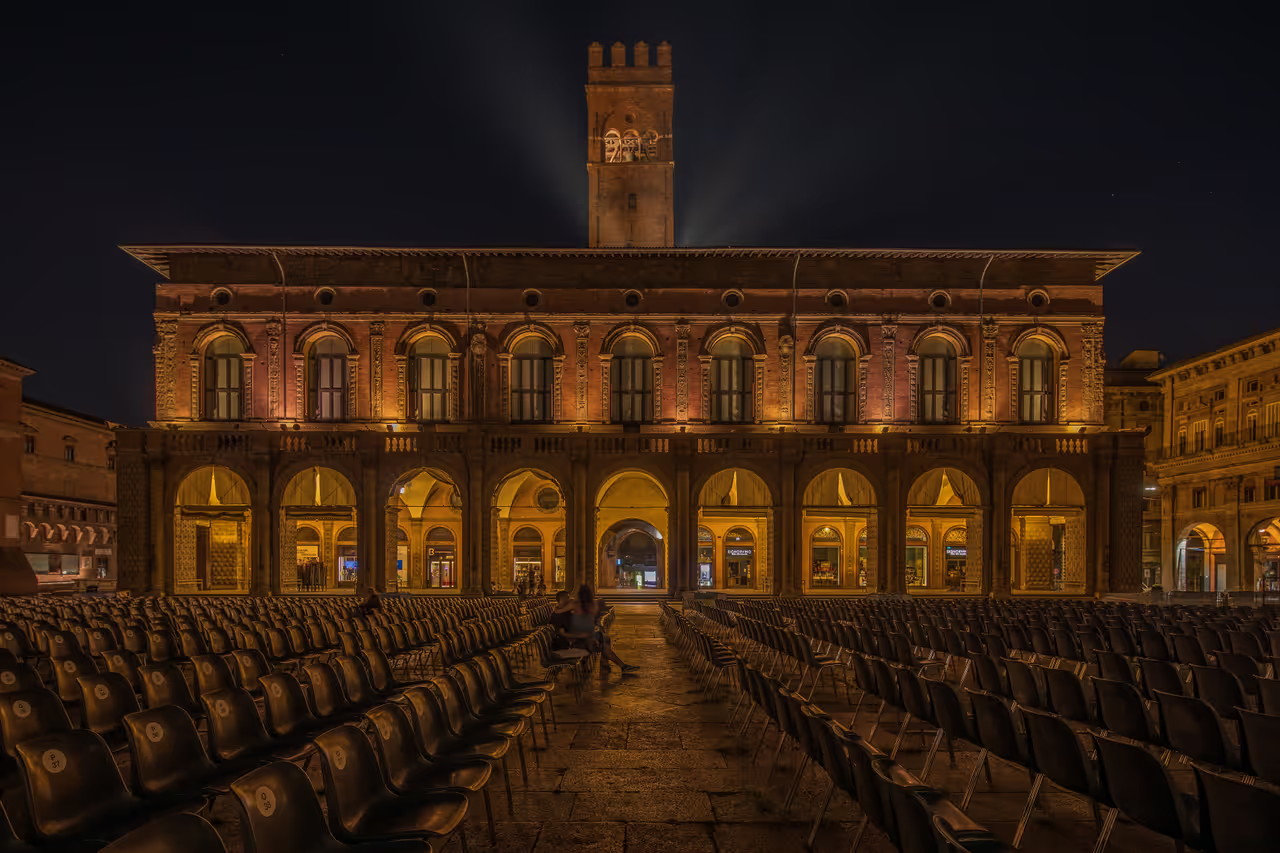 61m
61mPiazza Maggiore
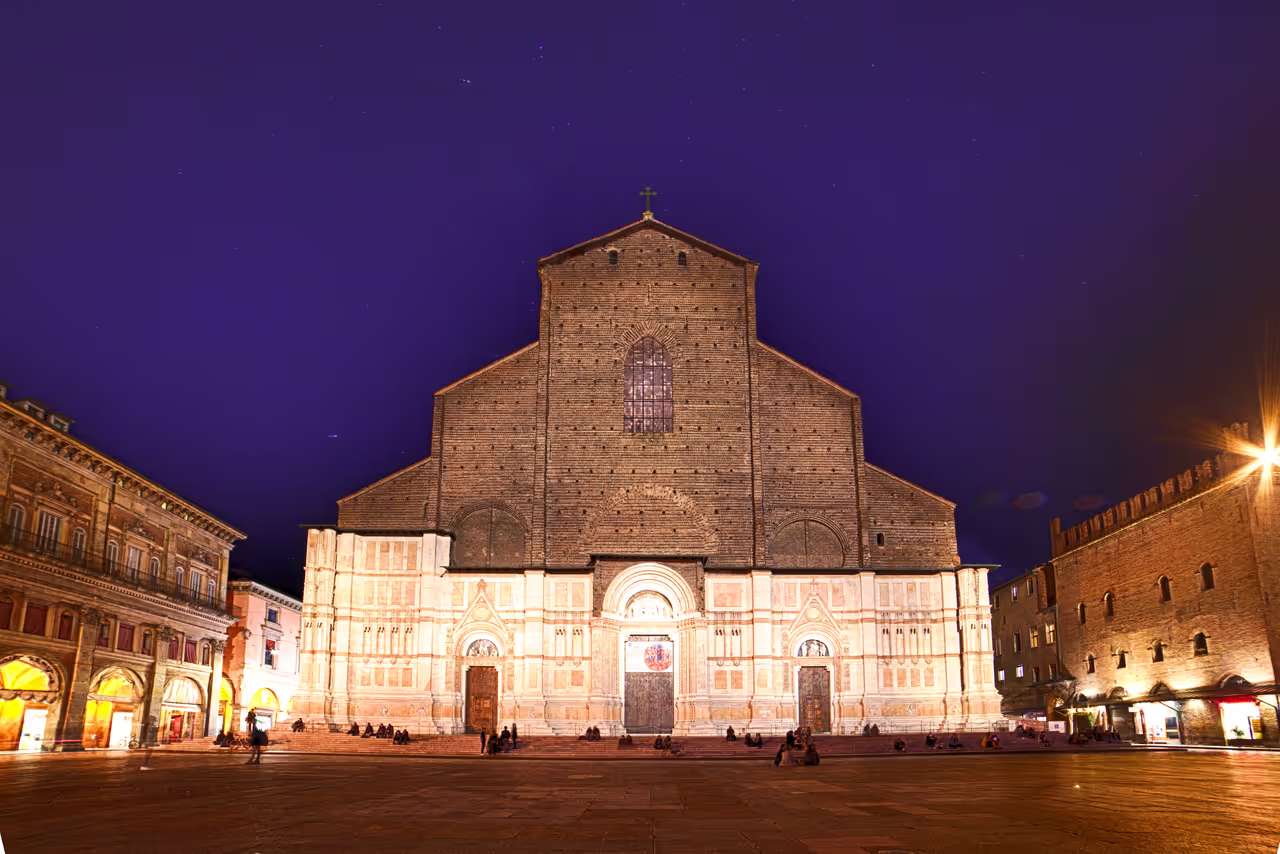
Piazza Maggiore is the beating heart of Bologna, a sprawling expanse that serves as the city’s historic and social living room. Surrounded by towering medieval palaces and the imposing Basilica of San Petronio, the square offers a window into centuries of civic life where politics, religion, and commerce have long intersected. Visitors can soak up the atmosphere by lingering at an outdoor café or simply watching the world go by beneath the shade of the ancient colonnades. It serves as a perfect starting point for any exploration of the city, inviting you to wander through the adjacent streets and hidden corners of this fascinating urban landscape. The area transforms beautifully from day to night, becoming a serene, illuminated stage once the sun sets. Whether you are marvelling at the intricate stonework or catching a seasonal open-air cinema screening, the piazza captures the timeless spirit of Bologna perfectly.
attraction view
Explore Similar Places in This Collection
Featured on This Itinerary
See all attractions in Bologna
Archiginnasio of Bologna, Basilica of San Petronio, Fountain of Neptune, Piazza Maggiore, Sanctuary of the Madonna of San Luca, Two Towers...