Piazza Maggiore
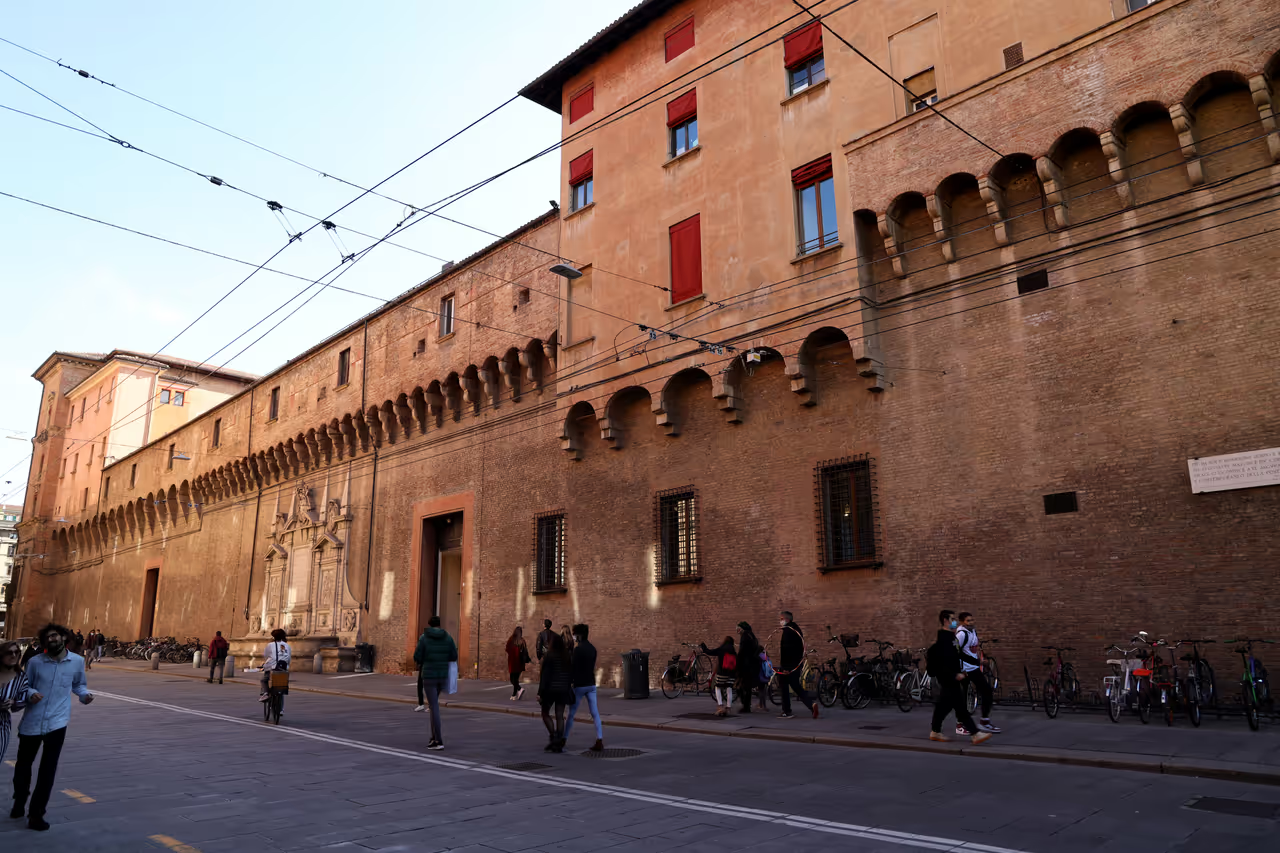
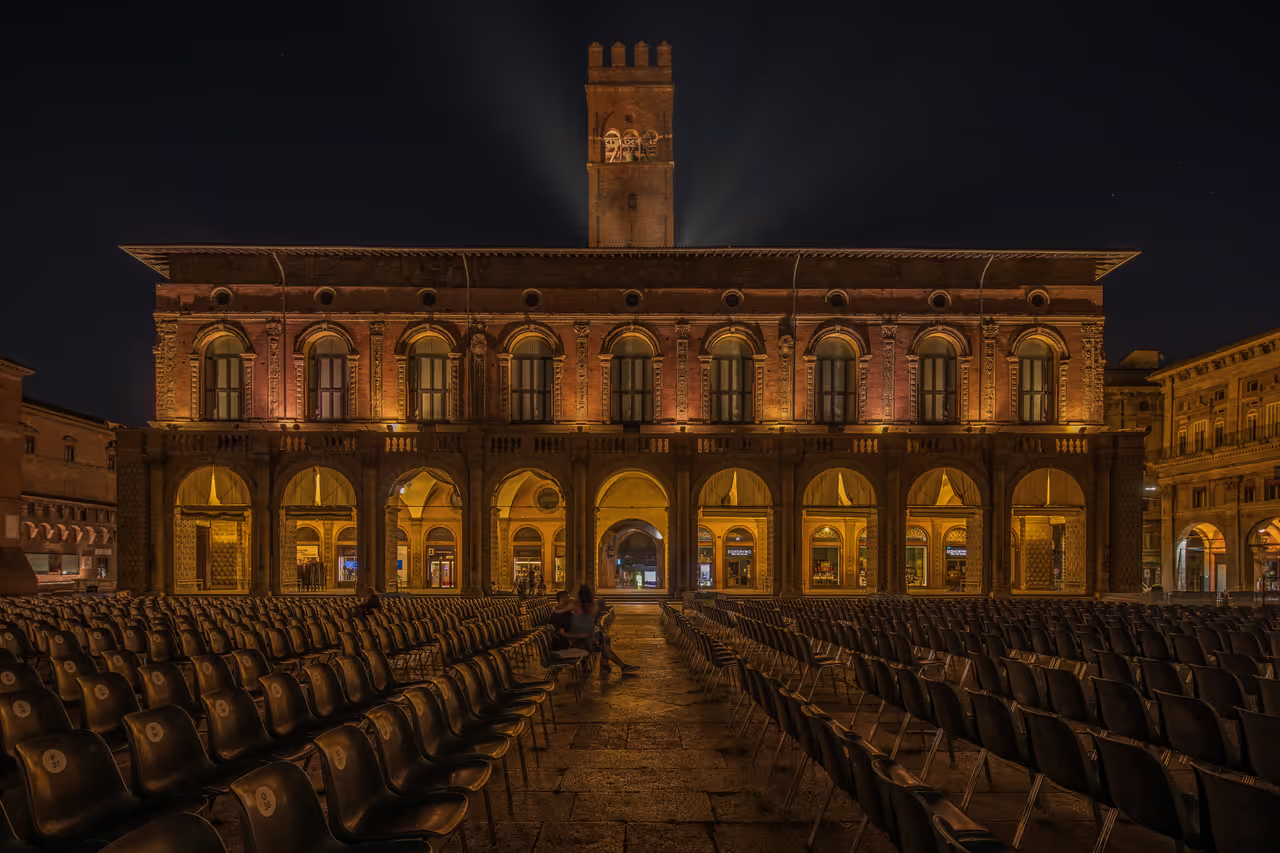
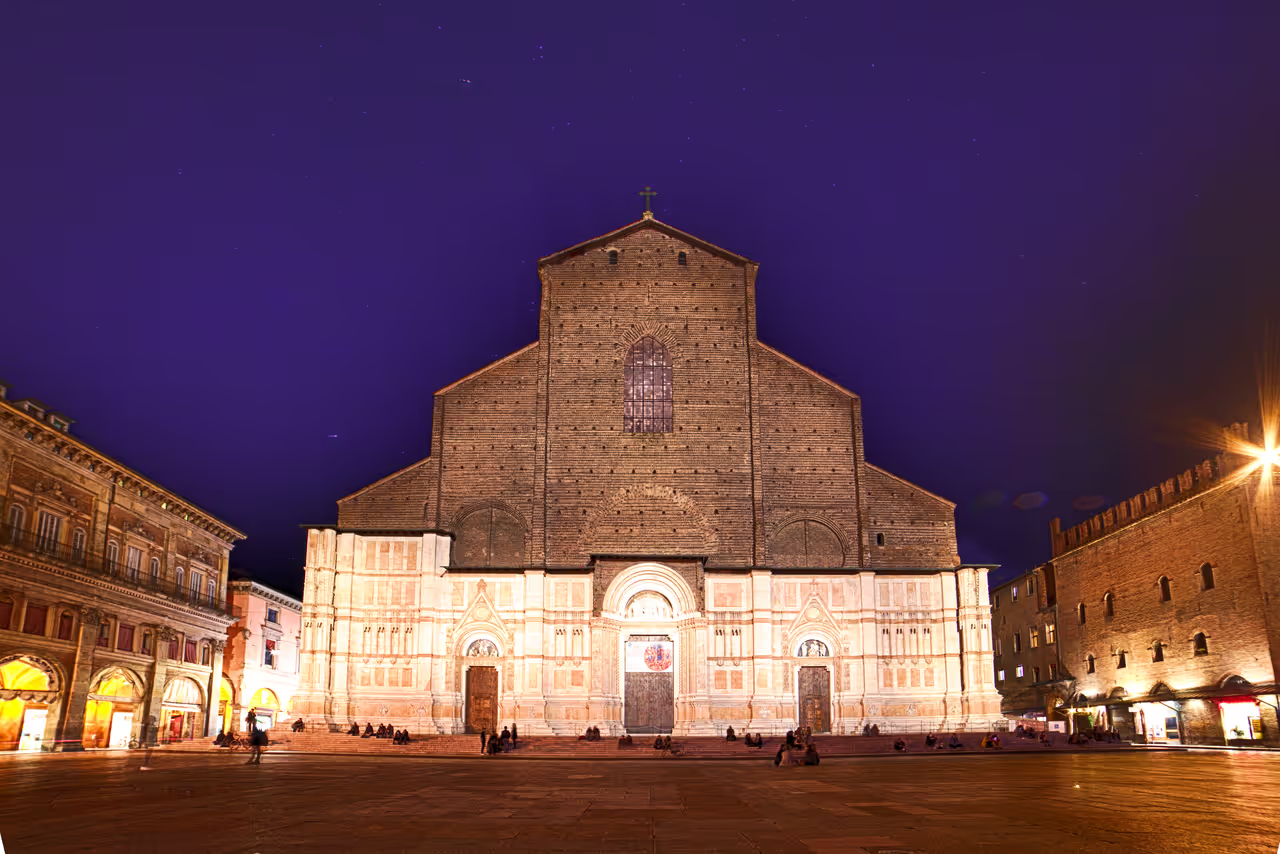
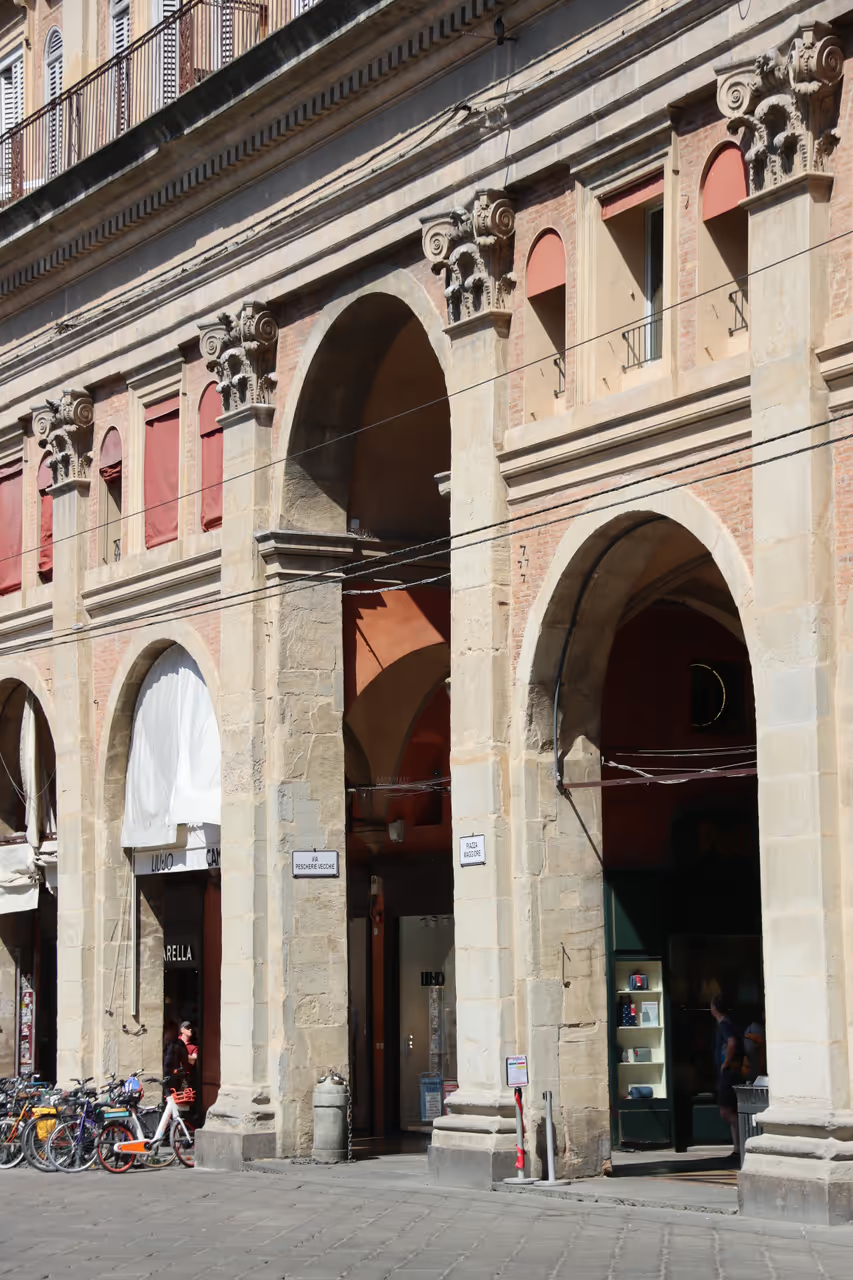
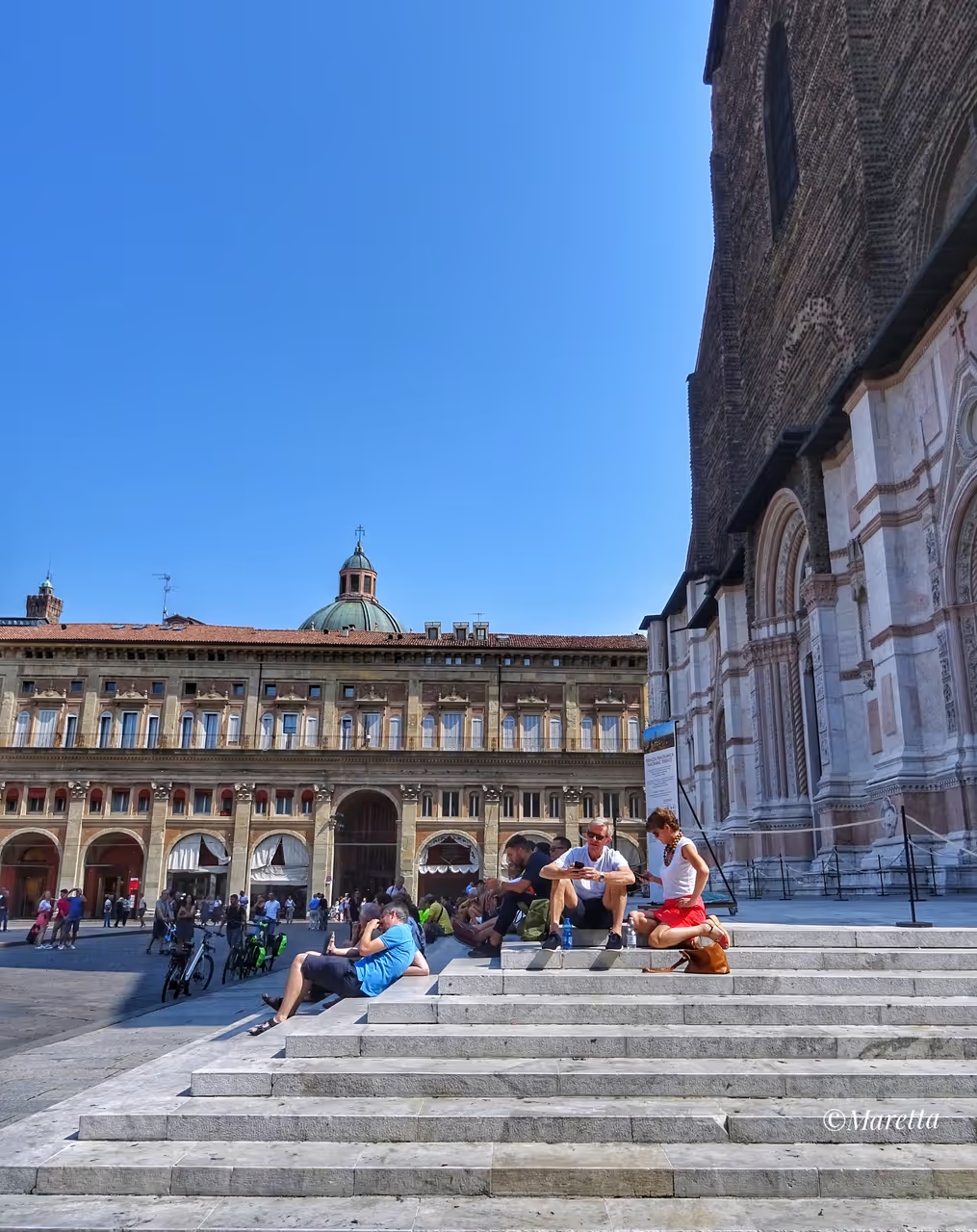
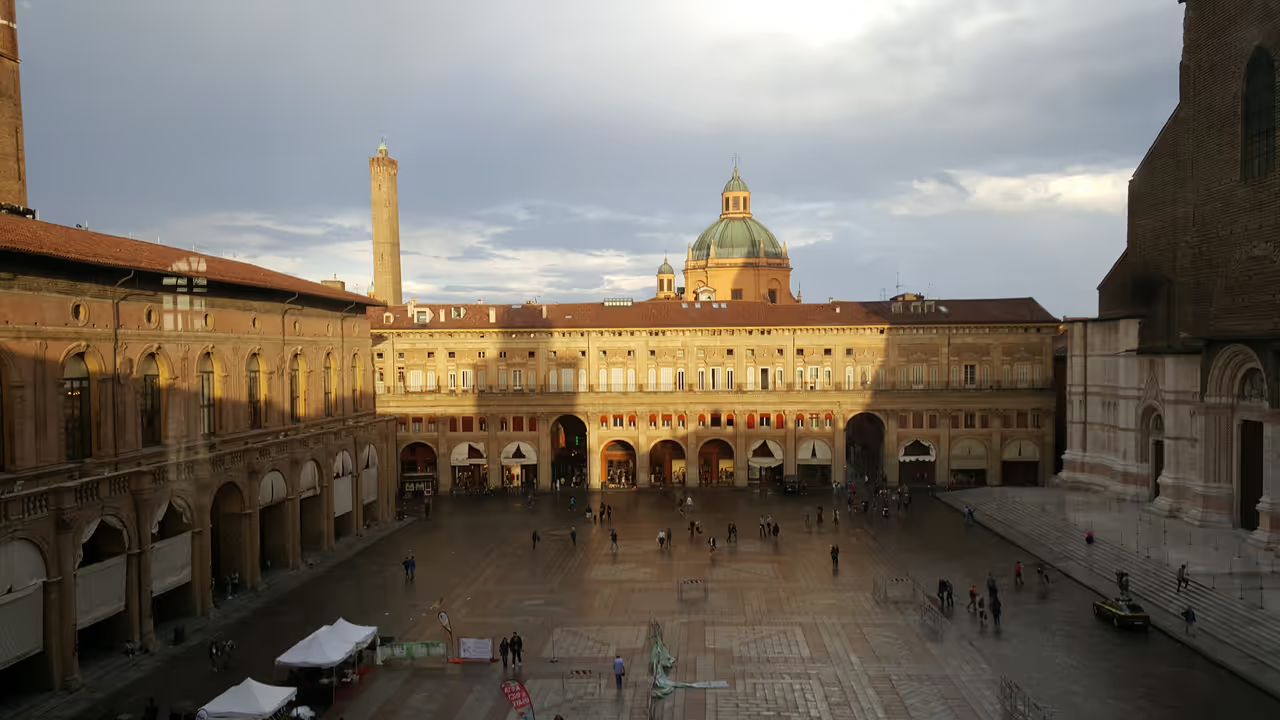
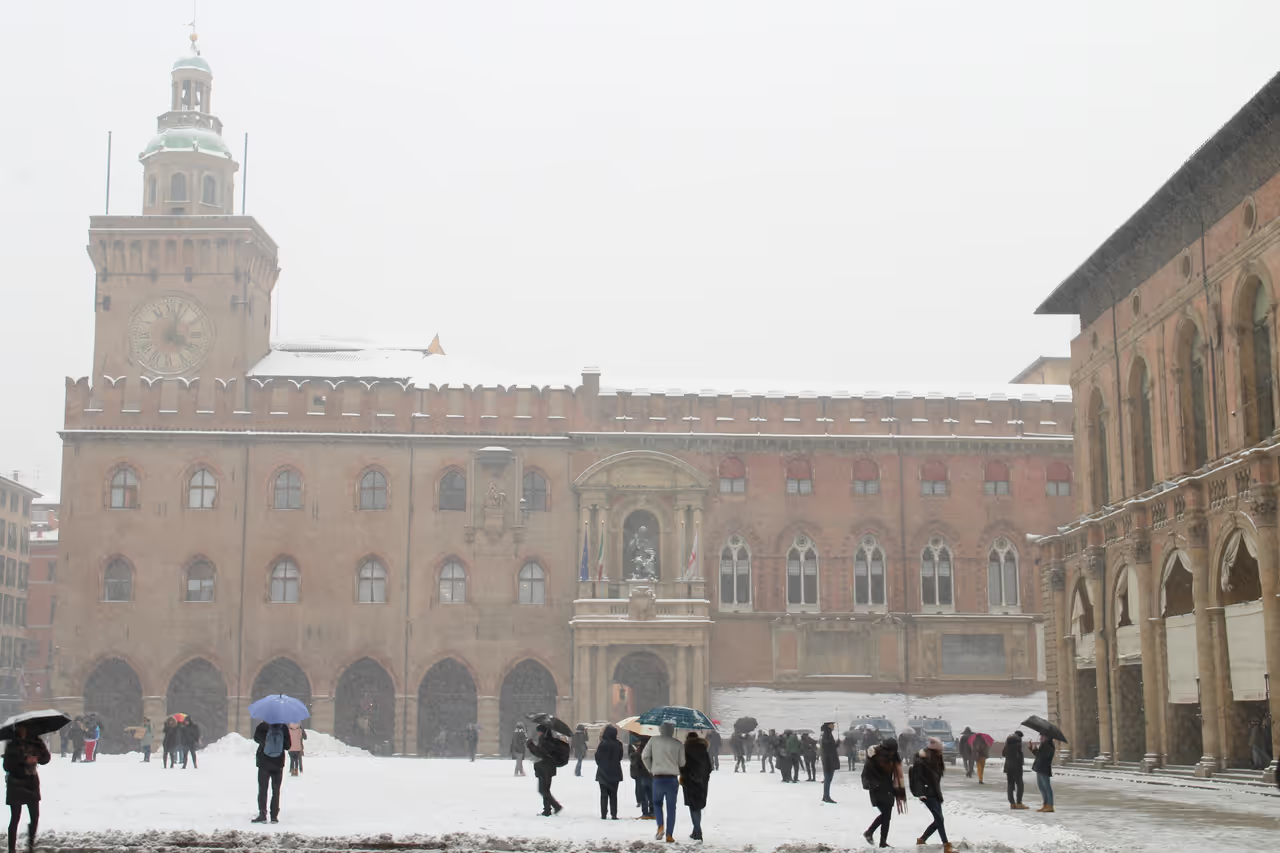
Piazza Maggiore is the beating heart of Bologna, a sprawling expanse that serves as the city’s historic and social living room. Surrounded by towering medieval palaces and the imposing Basilica of San Petronio, the square offers a window into centuries of civic life where politics, religion, and commerce have long intersected. Visitors can soak up the atmosphere by lingering at an outdoor café or simply watching the world go by beneath the shade of the ancient colonnades. It serves as a perfect starting point for any exploration of the city, inviting you to wander through the adjacent streets and hidden corners of this fascinating urban landscape. The area transforms beautifully from day to night, becoming a serene, illuminated stage once the sun sets. Whether you are marvelling at the intricate stonework or catching a seasonal open-air cinema screening, the piazza captures the timeless spirit of Bologna perfectly.
Videos
History of Piazza Maggiore
The story of Piazza Maggiore is one of defiance and civic pride, written into the very stones of the city. In the thirteenth century, the people of Bologna sought to create a space that belonged not to a king or a bishop, but to the commune itself. By clearing away cramped medieval houses to make room for this grand square, they established a physical manifestation of their democratic ideals, a place where the pulse of the city would beat regardless of who held the keys to the wider region. The most striking chapter in the square's history is the saga of the Basilica of San Petronio. Bolognese leaders planned a structure so vast it would eclipse Saint Peter's in Rome, a bold statement of autonomy against Papal authority. The Vatican, sensing the challenge, quietly sabotaged the project by funding the construction of the Archiginnasio university building nearby, effectively stealing the land that the basilica needed to expand. This is why, if you look closely, the facade of the church remains half-finished to this day, a historical scar that tells the tale of Bologna's tug-of-war with Rome. Today, the square functions as a living theatre of Bolognese life. It has survived wars, political upheavals, and the passage of eight centuries, yet it remains the ultimate gathering spot. When you stand in the centre, surrounded by the Palazzo dei Banchi and the shadow of the great church, you are standing in the middle of a continuous conversation that has lasted since the Middle Ages. It is this resilience and the constant human presence that defines the square, making it not just a tourist landmark, but the enduring heart of a city that has always fiercely protected its own identity.
Events spanning 744 years
Fun Facts
- • Beneath the Palazzo del Podestà lies the Voltone del Podestà, where the corner arches create an acoustic quirk allowing people to whisper at the wall and be heard clearly by someone in the diagonally opposite corner.
- • During the Middle Ages, the square was significantly smaller; it was expanded progressively over several centuries as the city’s wealth and political influence grew.
- • It is a tradition for many locals to meet in the centre of the piazza, often referring to it as the 'living room' of the city where they socialise and catch up.
- • Piazza Maggiore remains one of the few places in Italy where the medieval and Renaissance administrative centres have remained almost entirely intact and unaltered by modern urban planning.
- • The Basilica of San Petronio features a massive meridian line built into the floor, which remains the largest indoor sundial in the world, allowing the sun to shine through a pinhole in the ceiling.
- • The Palazzo d'Accursio, located on the square, was originally the home of Accursius, a famous jurist, before it evolved into the official town hall of Bologna.
- • The Palazzo dei Banchi was purposefully designed by the famous architect Giacomo Barozzi da Vignola to hide the poorer, medieval houses situated behind it, creating a unified and grand appearance for the square.
- • The square has functioned as the primary centre of civic administration for over eight hundred years, housing offices for notaries, police, and government officials throughout the centuries.
- • The statues and architecture surrounding the piazza were specifically curated to symbolise the power of the communal government against various feudal threats during the Middle Ages.
- • The unfinished facade of the Basilica of San Petronio is a permanent reminder of the long-standing political tension between the city of Bologna and the Vatican.
Piazza Maggiore FAQ
While we strive to keep this information accurate and up to date, we recommend verifying any details independently before making decisions based on them.
Piazza Maggiore Map & Neighborhood Explorer
This interactive map is centered on Piazza Maggiore. Zoom in and move the map around to automatically discover Wikipedia photos and summaries of other nearby sights, monuments, and historical points of interest and stories in real-time!
Places near Piazza Maggiore
Make the most of your trip. Check out these top-rated spots located nearby.
 13m
13mPalace of the Podesta
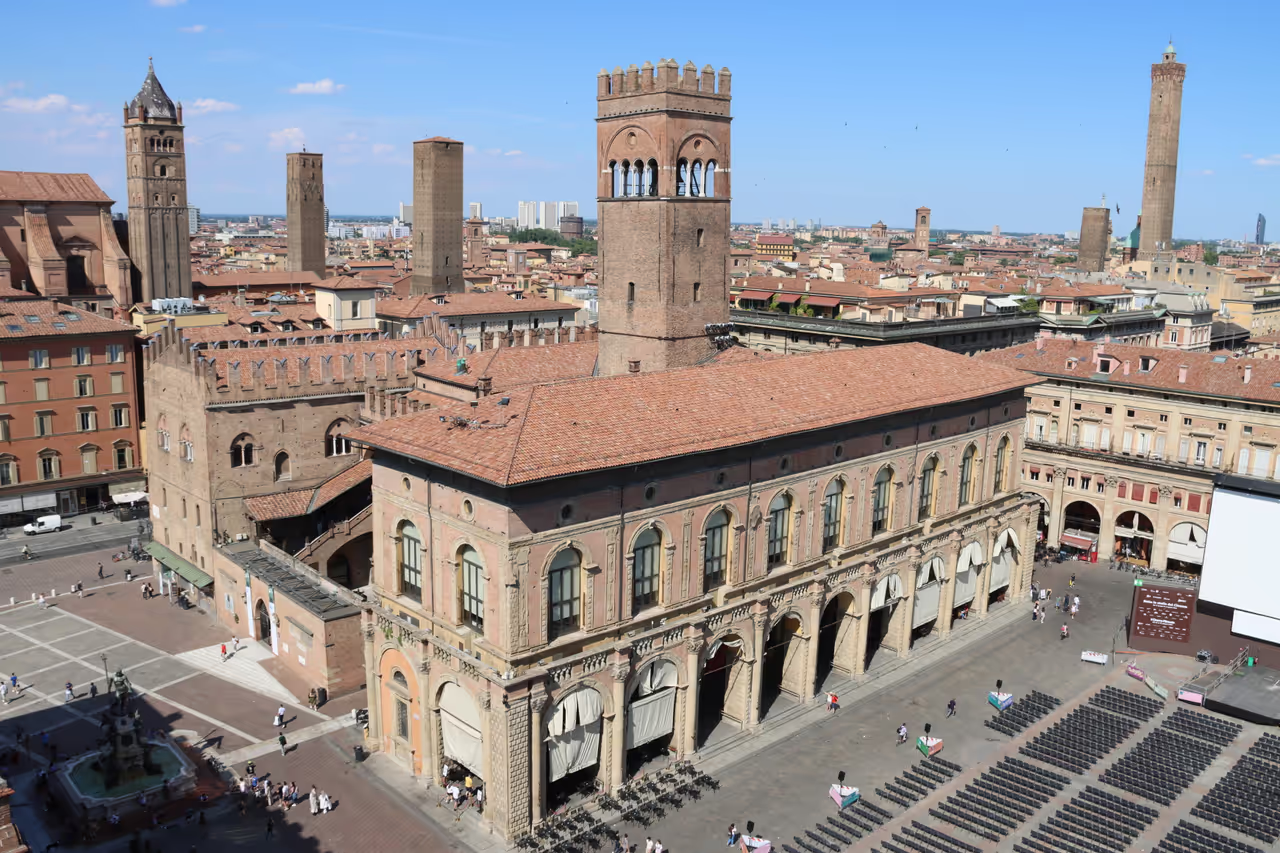
Dominating the main square, this imposing civic building dates back to the thirteenth century, serving as the first seat of the local government. Its striking facade features a long, elegant arcade that invites pedestrians to wander underneath. Beneath the central vault, there is a fascinating acoustic quirk where a whisper in one corner can be clearly heard in the opposite diagonal corner. Historically, it was the administrative heart where justice was dispensed and laws were debated. It stands as a brilliant example of early mediaeval civic architecture adapted over centuries.
architecture view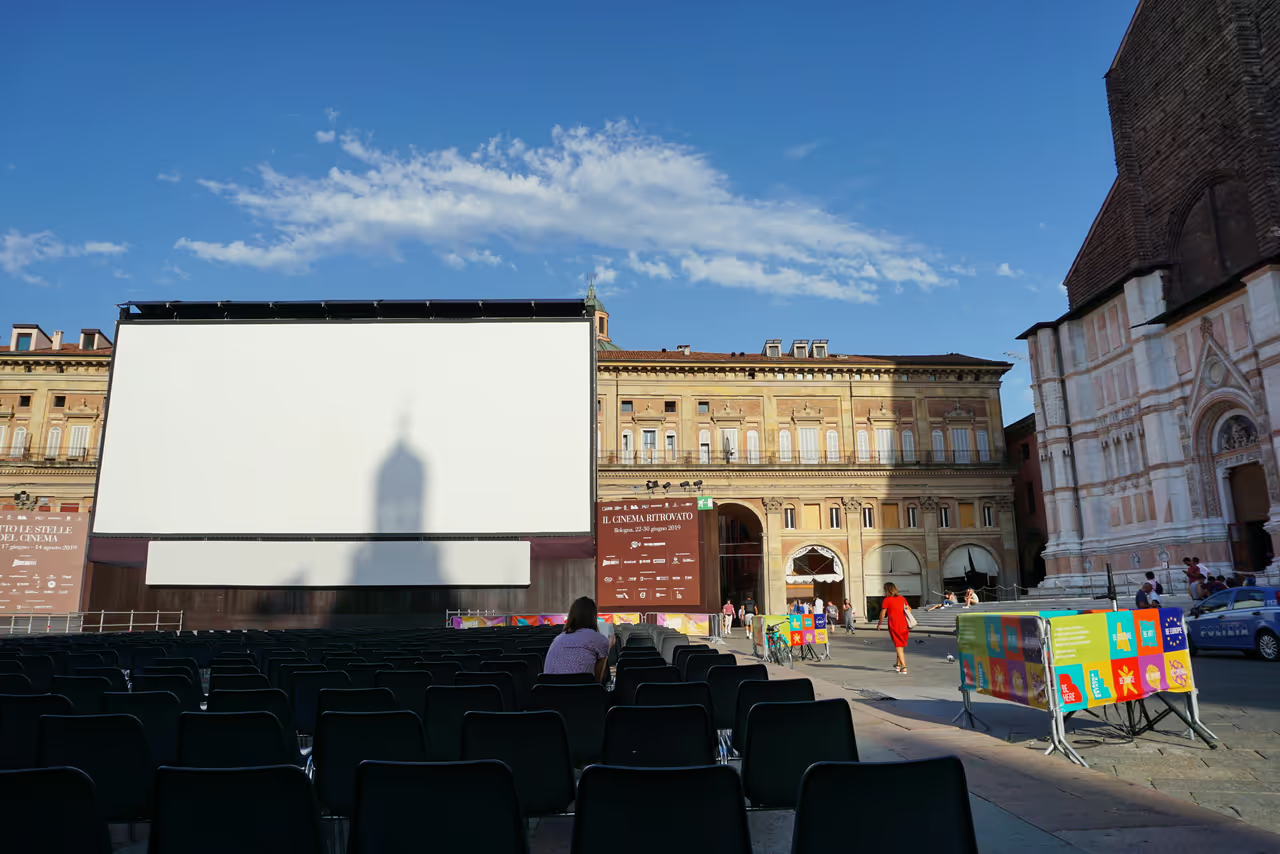 24m
24mIl Cinema Ritrovato
A magical summer festival dedicated to rare, forgotten, and beautifully restored classic films. The absolute highlight is the open air evening screenings held in the magnificent Piazza Maggiore, where thousands gather under the stars. Hosted by the local film archive, it draws film historians and cinephiles globally for a week of cinematic nostalgia. Watching a silent film accompanied by a live orchestra in a mediaeval square is a truly unforgettable experience. It highlights the city's profound dedication to preserving cultural heritage.
festival view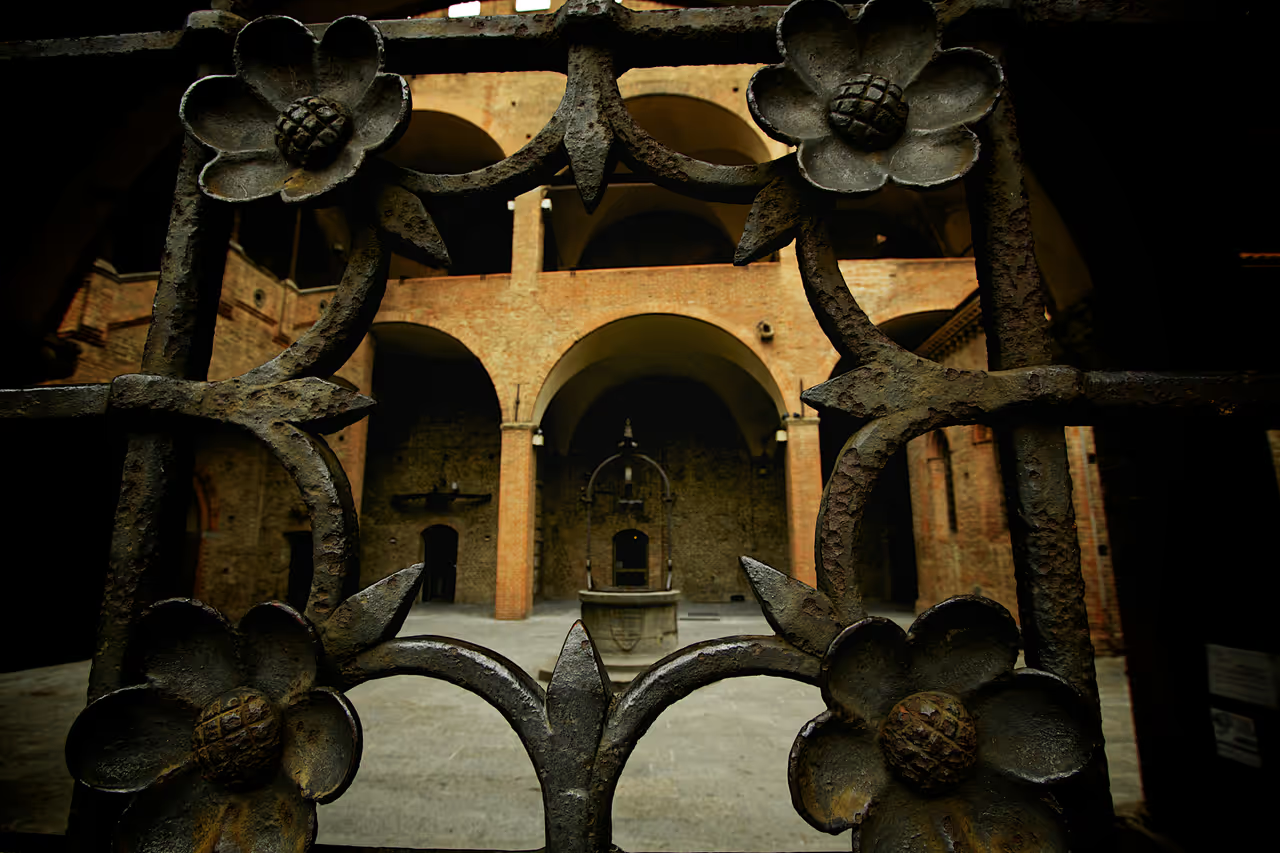 45m
45mKing Enzo Palace
Built as an extension to the civic buildings in the thirteenth century, this Gothic palace is most famous for its legendary occupant. It served as the luxurious but inescapable prison for King Enzo of Sardinia for twenty two years after his capture in battle. The exterior is characterised by its robust brickwork, crenellated roofline, and elegant arched windows. Today, it frequently hosts prestigious cultural events and exhibitions within its grand halls. Its formidable yet beautiful appearance adds a distinct martial elegance to the civic centre.
architecture view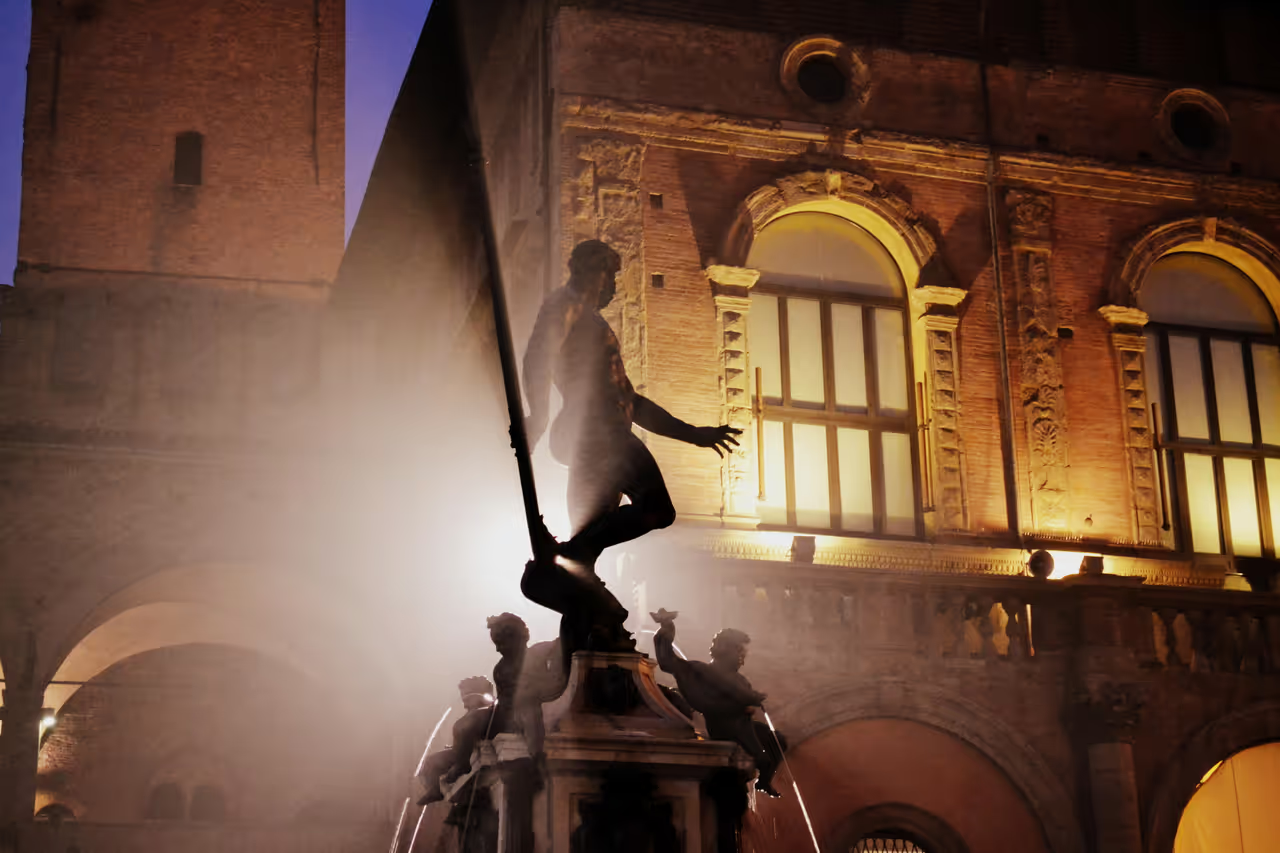 48m
48mFountain of Neptune
Standing proudly in the heart of the city, the Fountain of Neptune is the powerful heartbeat of Bologna. Known affectionately by locals as The Giant, this Renaissance masterpiece by the Flemish sculptor Giambologna showcases incredible bronze craftsmanship and dramatic flair. You will find it at the intersection of the city social life, where history meets the casual stride of modern day explorers. Its intricate details, from the muscular physique of the sea god to the playful sirens at the base, offer endless fascination for art lovers. Beyond its visual majesty, the fountain holds quirky secrets and local legends that make every visit feel like a discovery. It is an essential stop to capture the true essence and spirited character of Bologna.
attraction view
Featured on These Itineraries and Routes
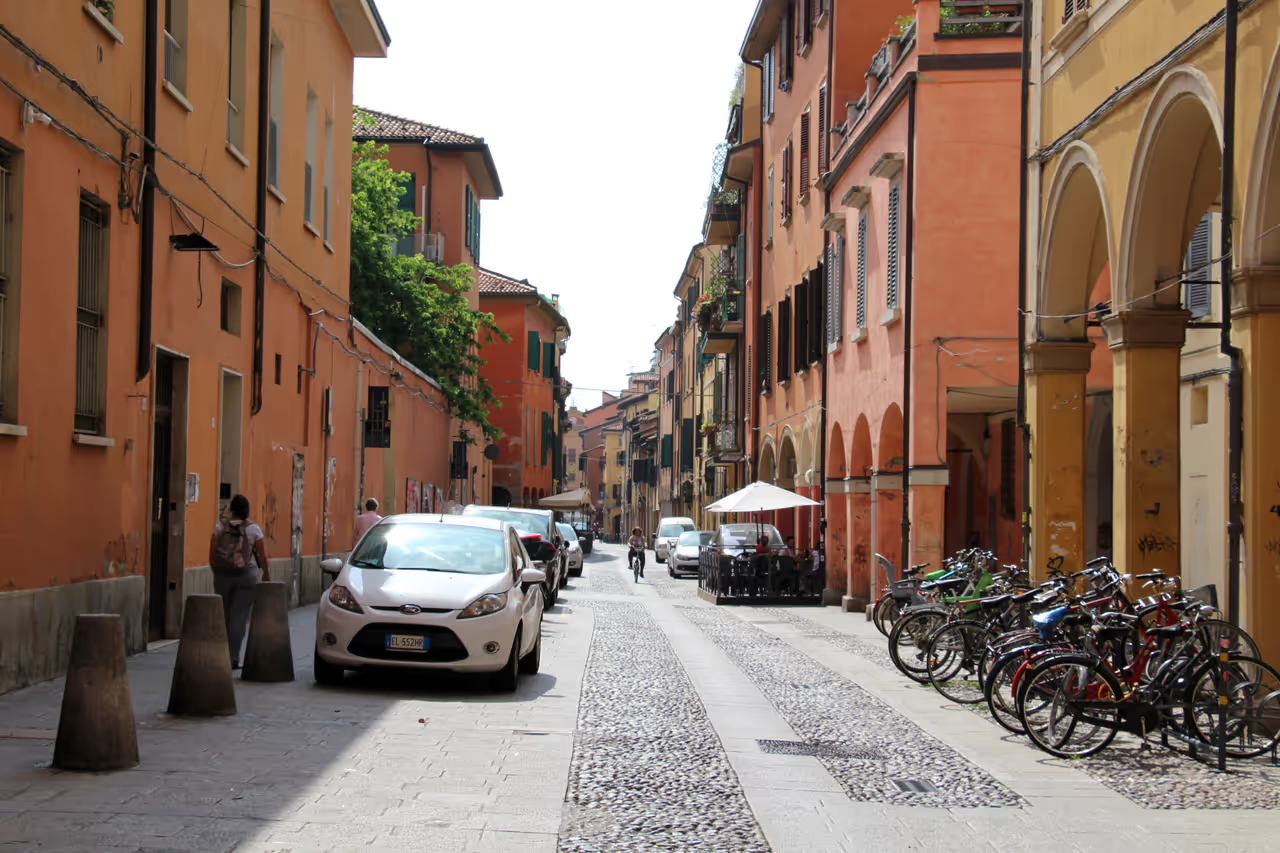
1 Day in Bologna: The Culinary and Historic Core Itinerary
If you only have a single day, this fast paced itinerary hits the absolute essential highlights of the historic centre. You will experience the monumental civic squares, gaze up at the iconic leaning towers, and dive headfirst into the city's famous culinary scene. It is designed to maximize your time, keeping walking distances short while delivering a huge dose of atmosphere. By the time evening falls, you will have a perfect taste of what makes this city so special.
view itinerary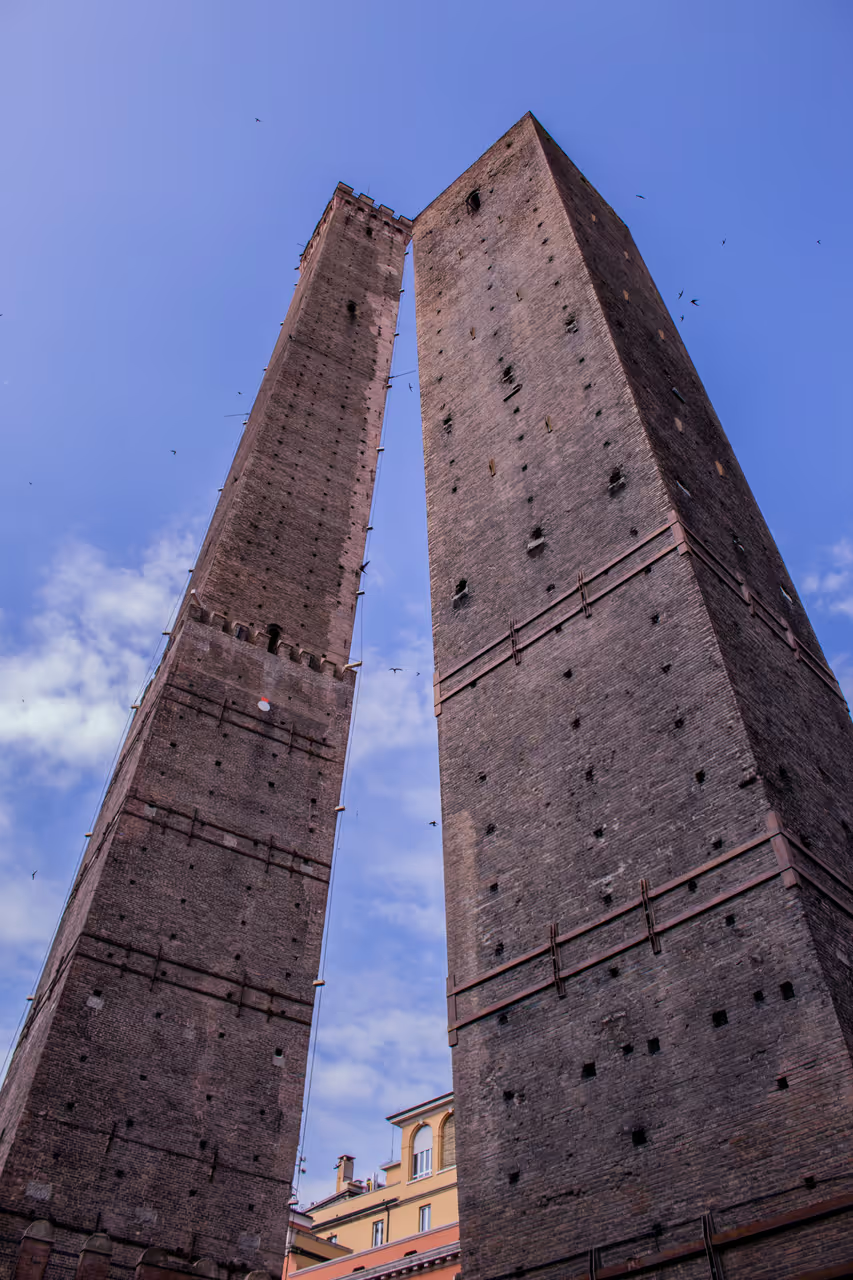
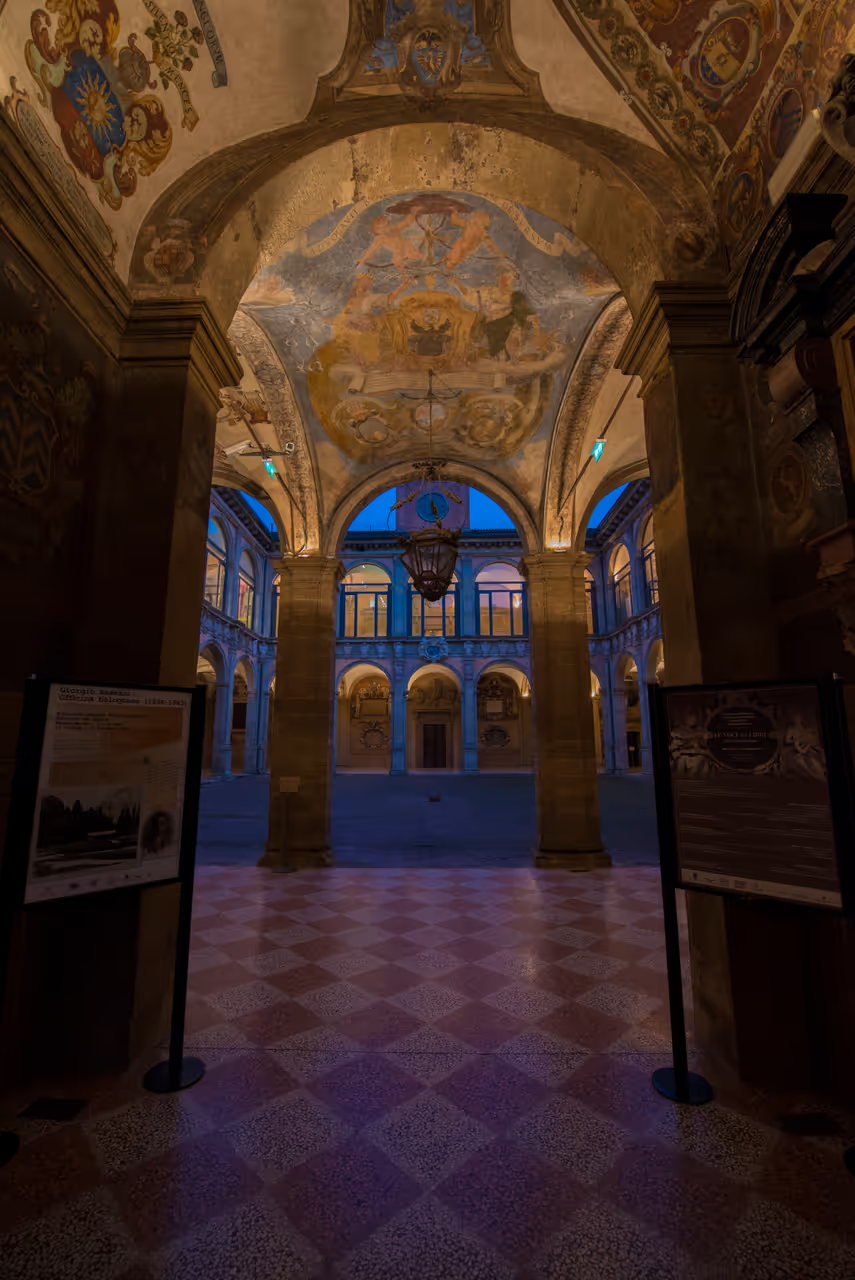
3 Days in Bologna: Porticoes, Piazzas and Panoramas Itinerary
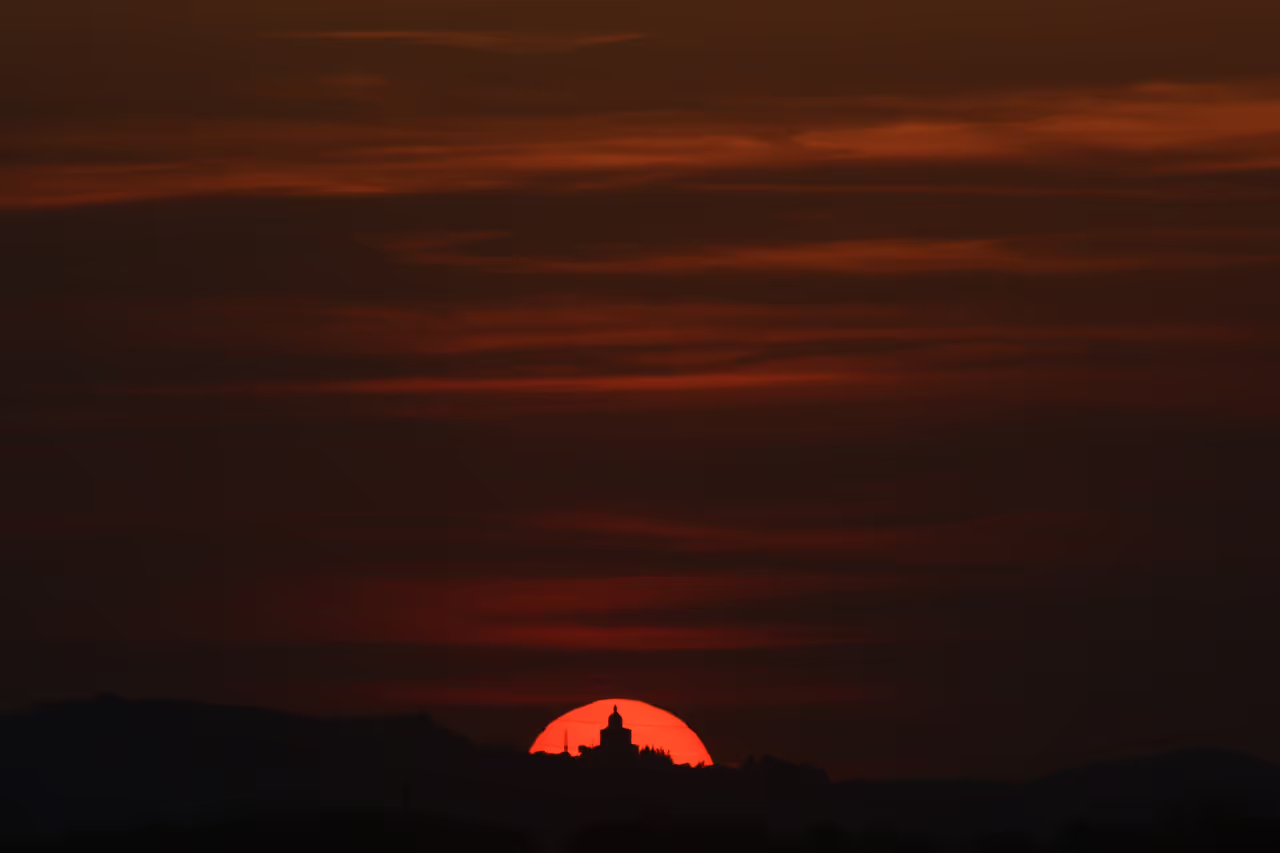
Three days allows for a wonderfully balanced exploration of the city's diverse character. You will have time to thoroughly explore the university's academic legacy, tackle the famous portico walk to the hilltop sanctuary, and indulge in extended food and wine sessions. It mixes the essential historic sights with highly authentic local experiences and lively nightlife. This itinerary perfectly captures the city's blend of intellectual history and joyous culinary indulgence without rushing.
view itinerary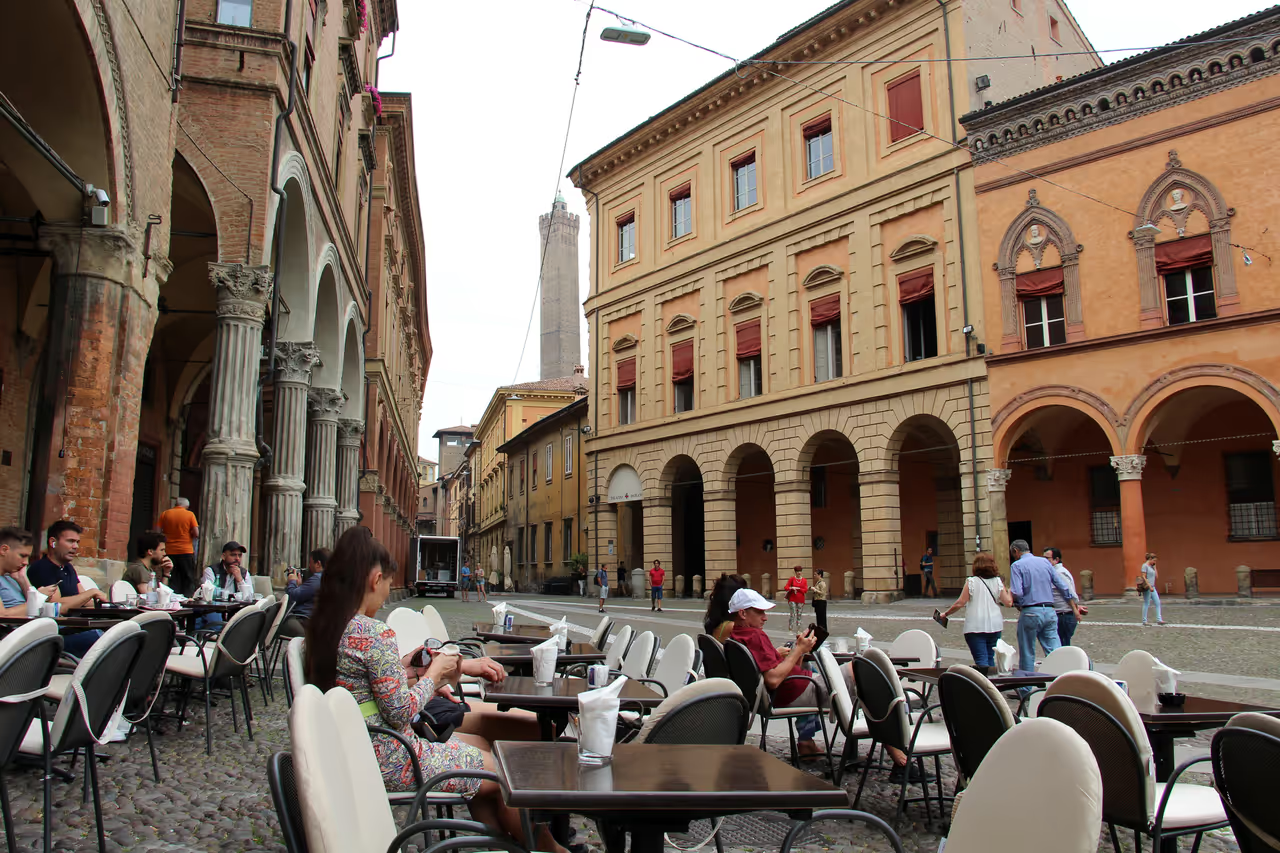
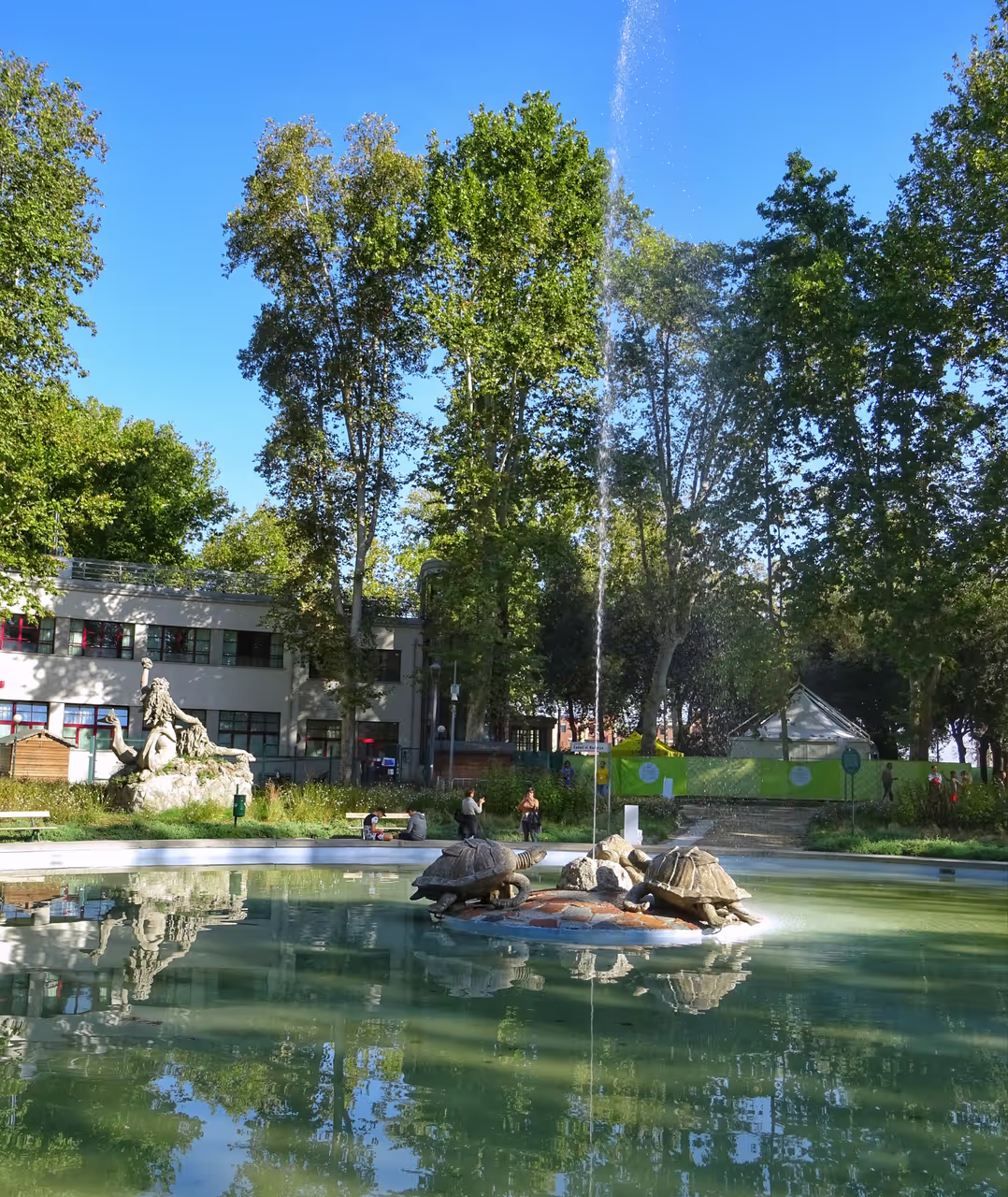
5 Days in Bologna: The Complete Emilian Experience Itinerary
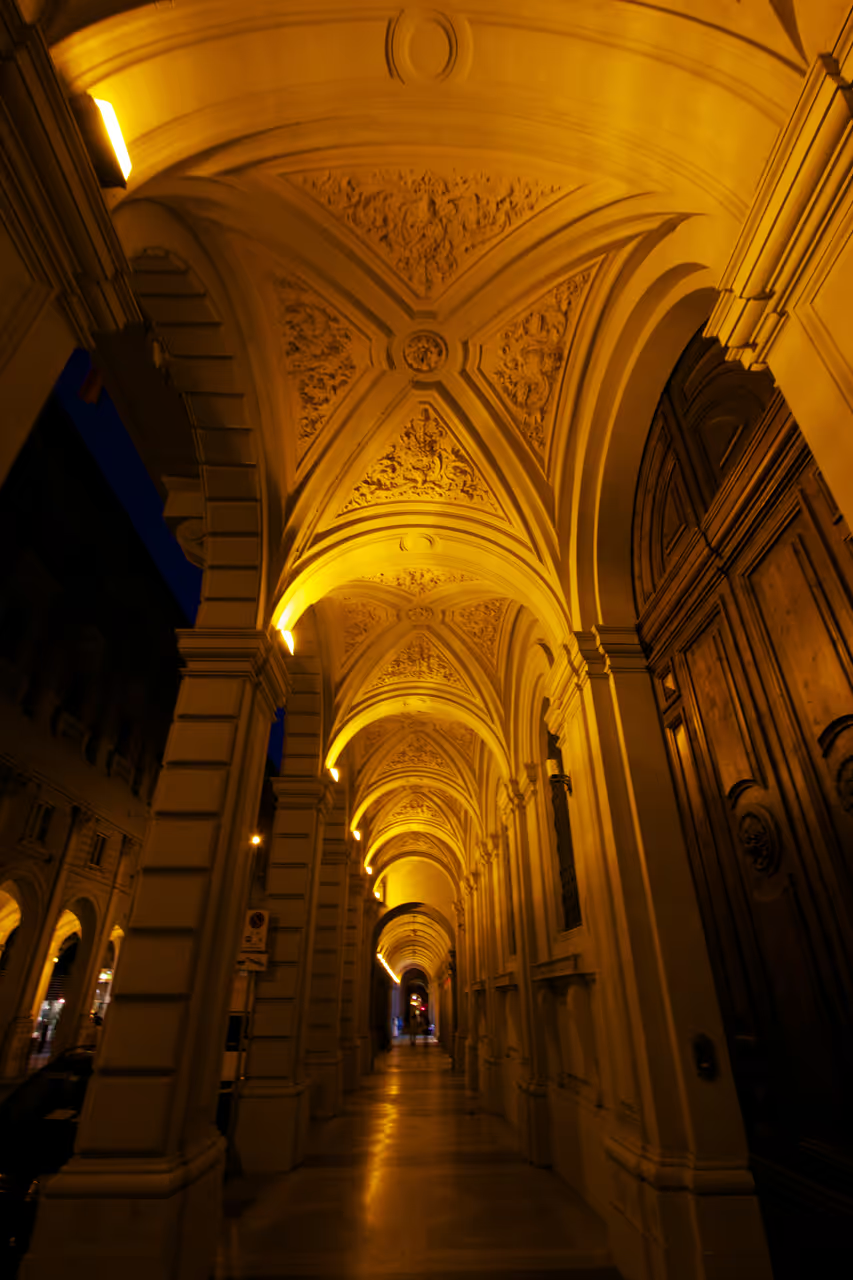
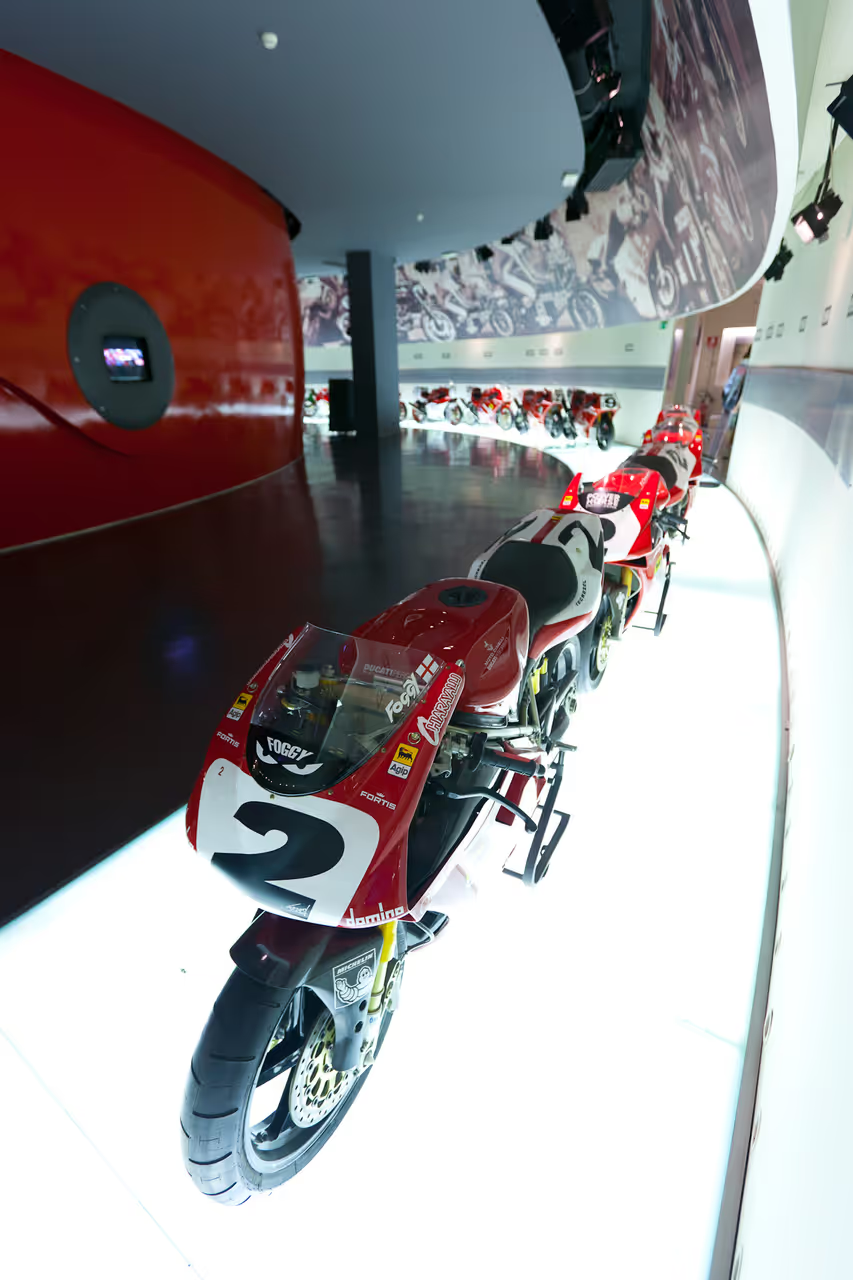
A five day stay transforms a simple visit into a deep immersion into the local lifestyle and regional heritage. You will have ample time to uncover hidden historical gems, explore the surrounding Motor Valley, and enjoy relaxed, extensive gastronomic tours. It allows you to step off the main tourist trails and spend time in tranquil parks and vibrant alternative neighbourhoods. This is the ultimate itinerary for those who want to truly understand and savour everything this remarkable city has to offer.
view itinerary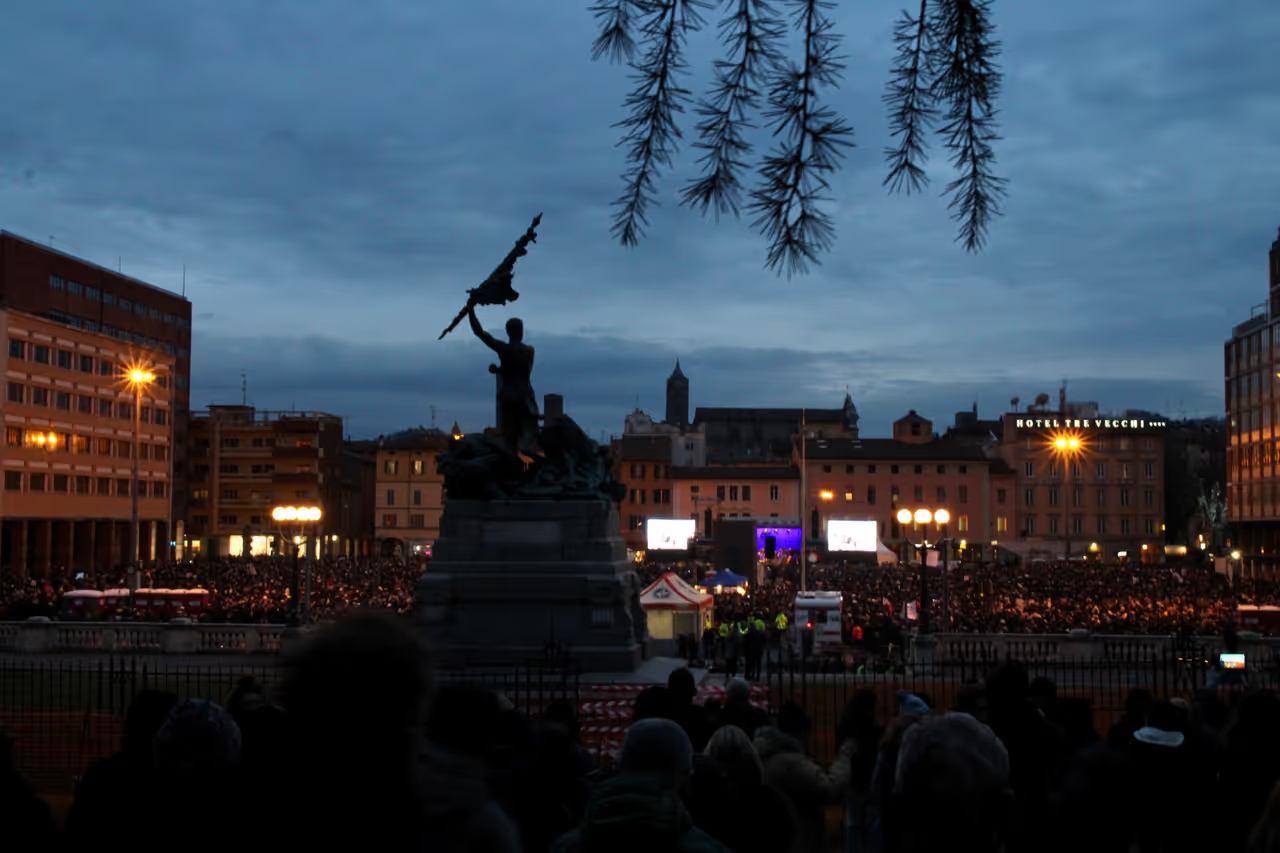
Historic Portico Glide
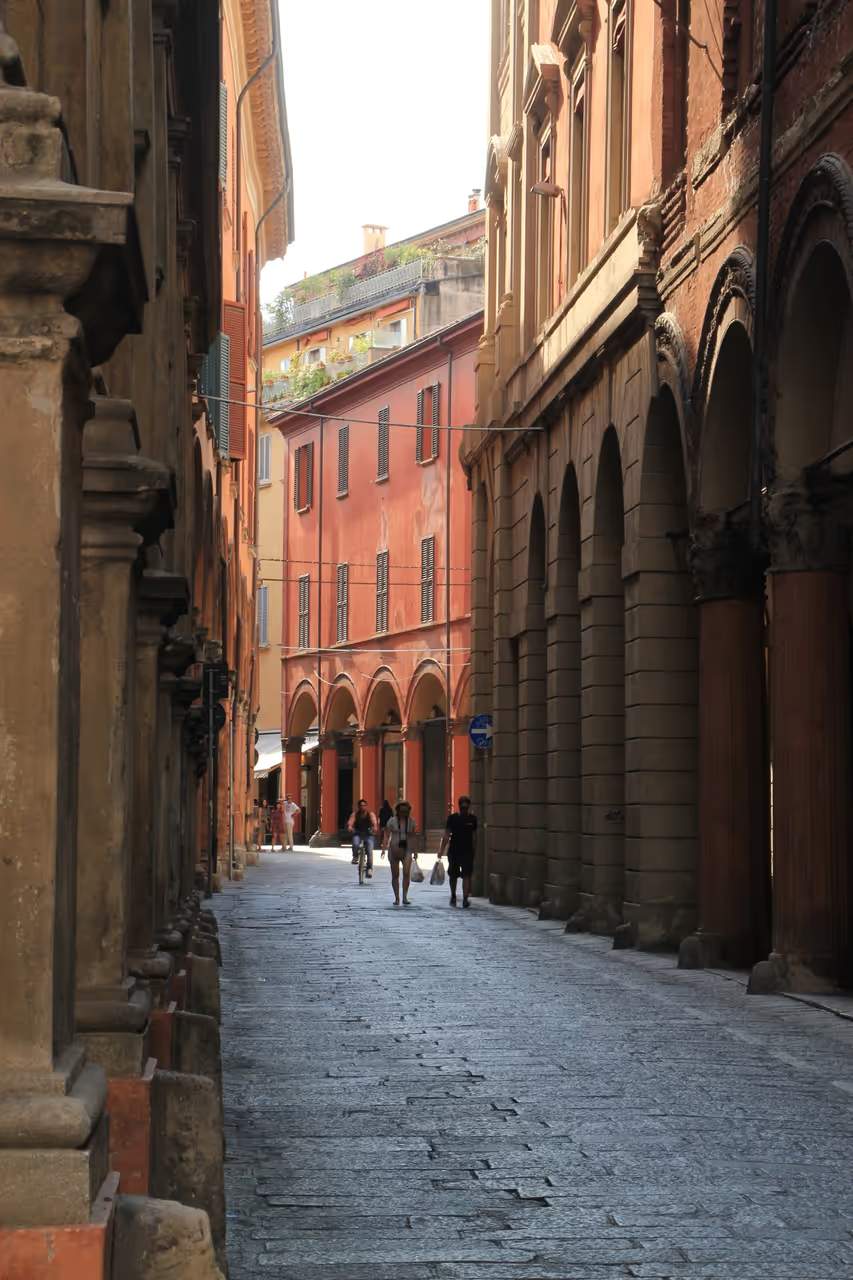
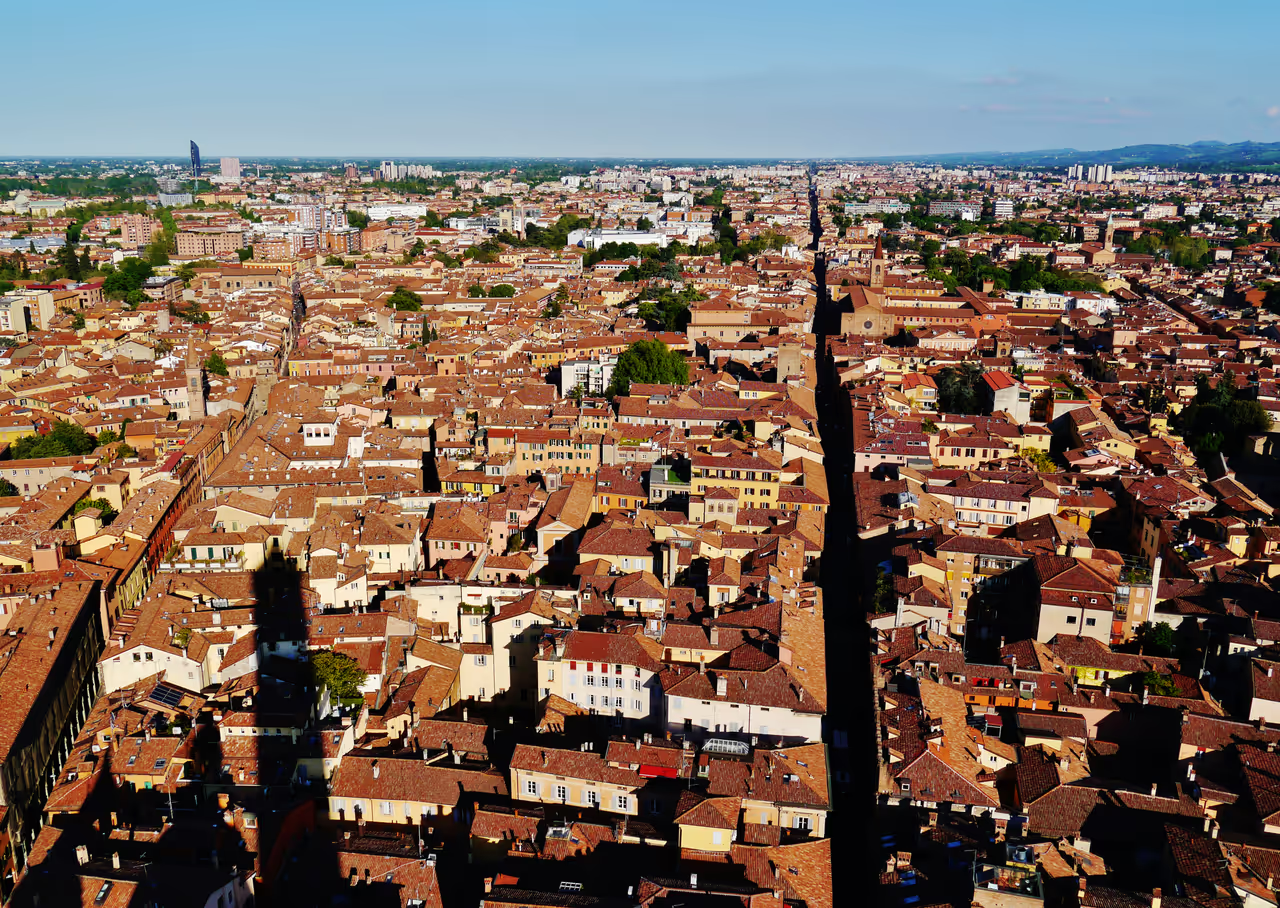
This urban ride takes advantage of the city's smooth, pedestrianised streets and wide avenues to explore the architectural wonders of the centre. You will glide past magnificent basilicas, towering medieval structures, and elegant palazzos. While you cannot cycle directly under most porticoes, riding alongside them offers an incredible perspective of their unending arches. The route captures the vibrant, bustling heart of the city while remaining relatively safe from heavy traffic. It is an exhilarating way to see the major monuments quickly.
view cycling route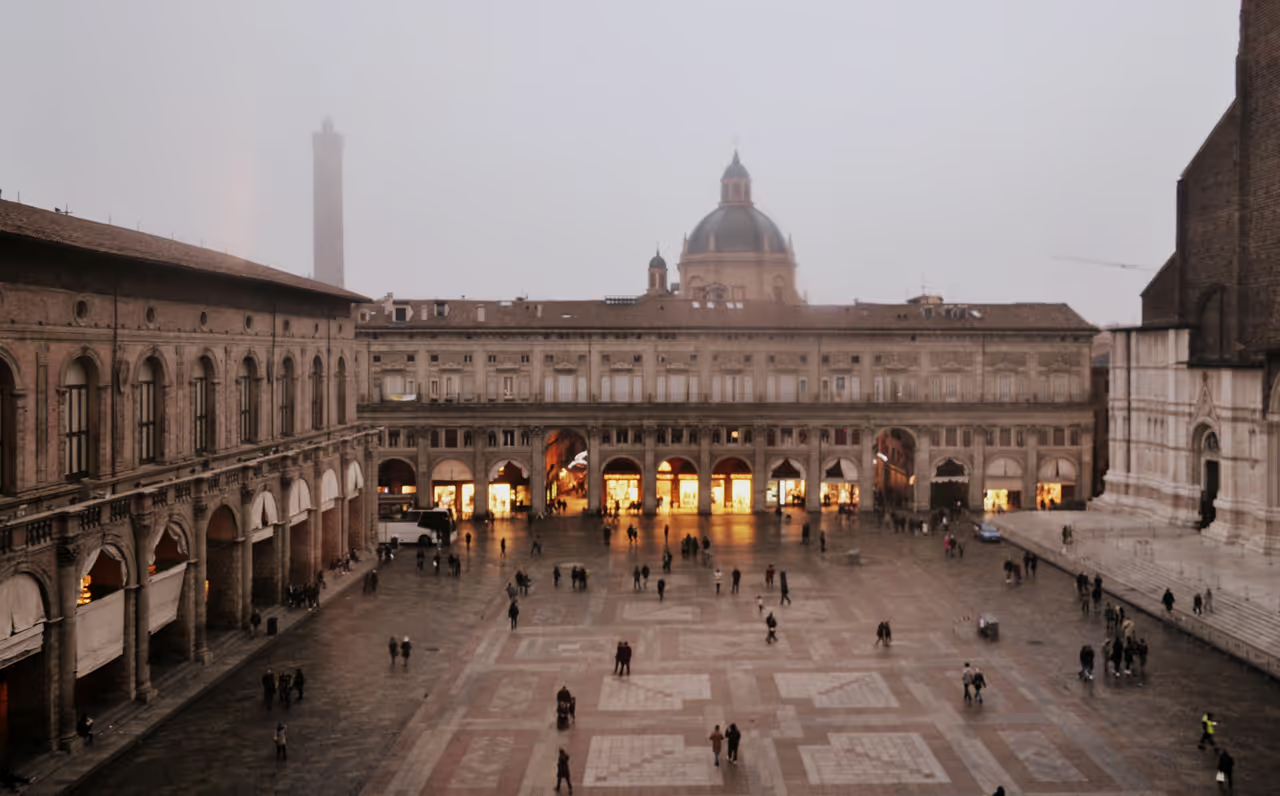
Quadrilatero Wander
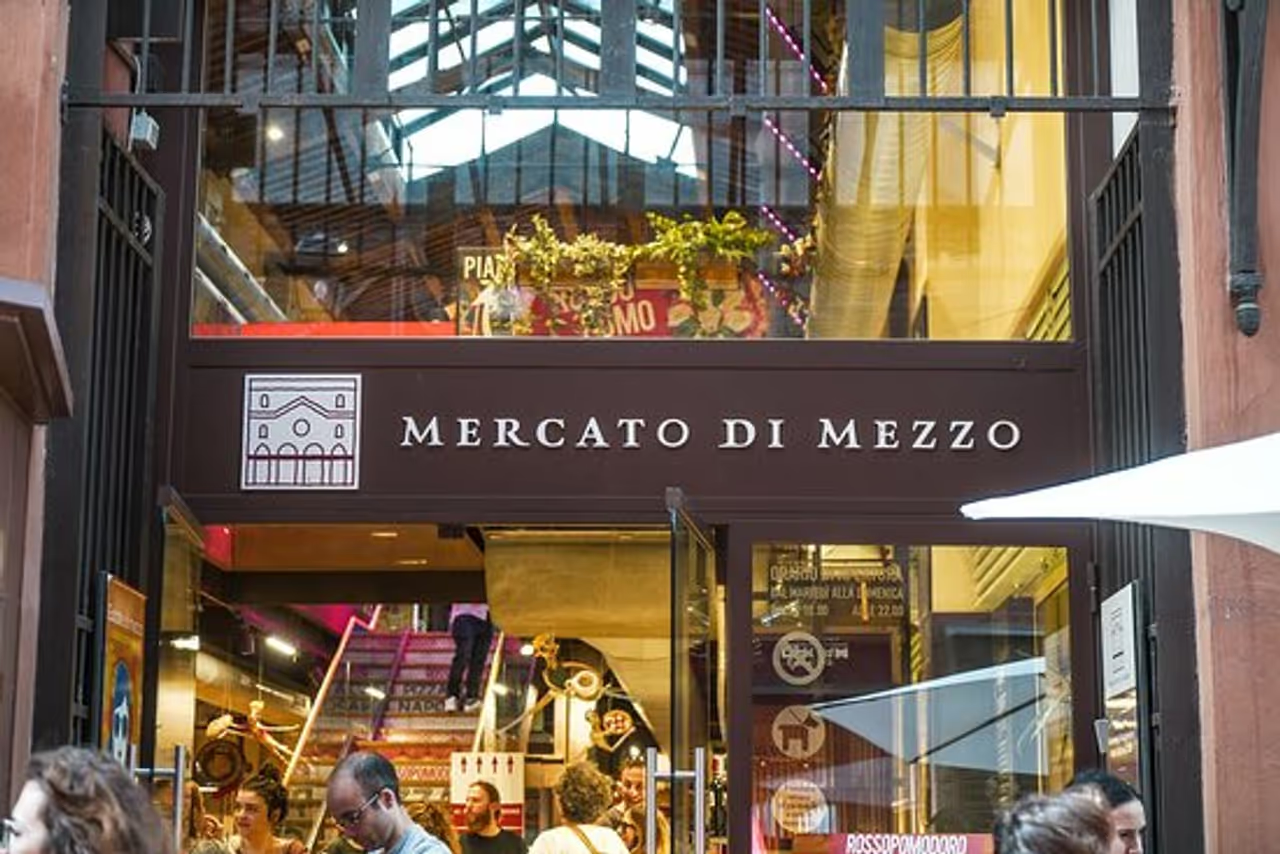
A sensory overload in the best possible way, this stroll takes you through the narrow, ancient streets of the old market district. The air is thick with the scent of aged parmesan, fresh tortellini, and cured meats hanging in shop windows. Historic delicatessens, lively wine bars, and colourful fruit stalls are packed tightly together, creating a vibrant, chaotic charm. It is an incredibly visual and aromatic journey that perfectly captures the city's title as Italy's culinary capital. You will want to stop every few metres to admire the incredible displays of food.
view walking route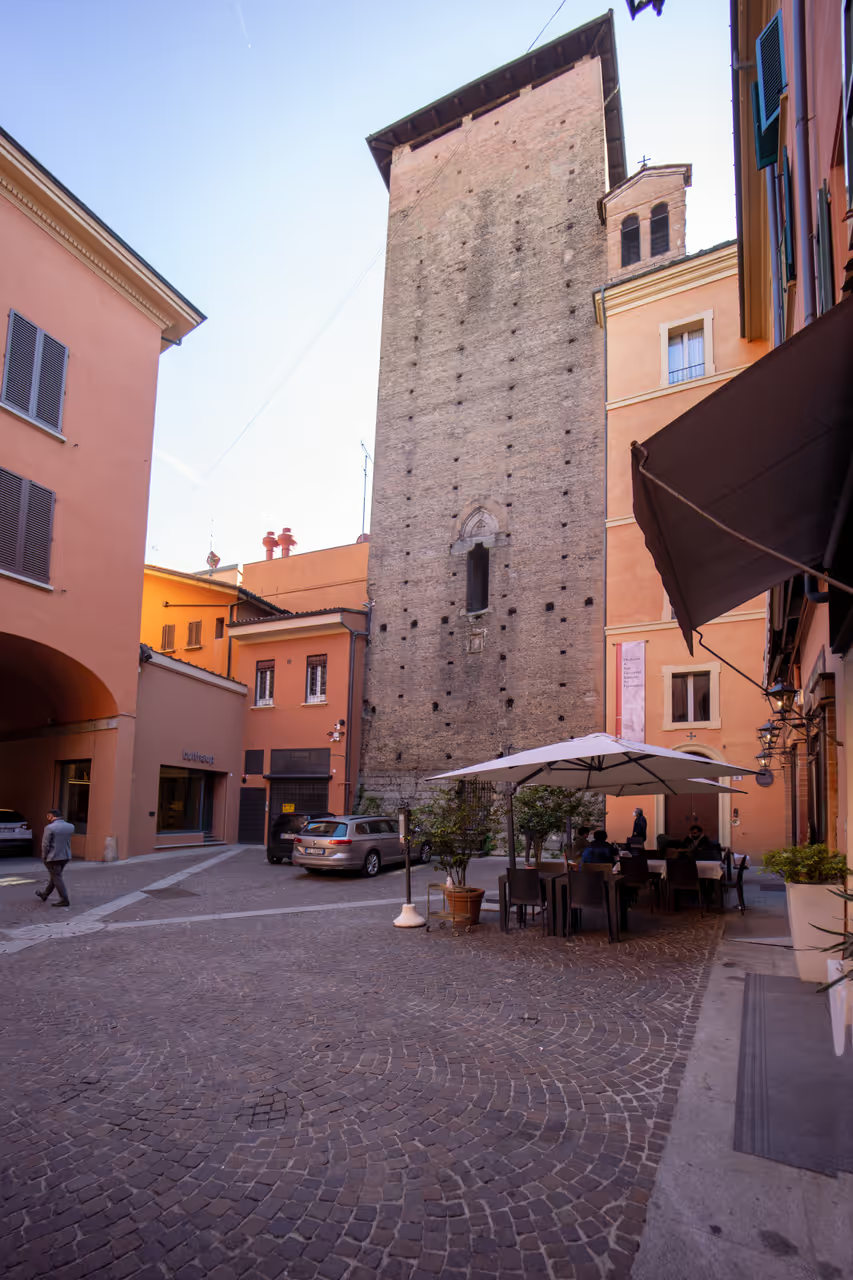
Mediaeval Towers Trail
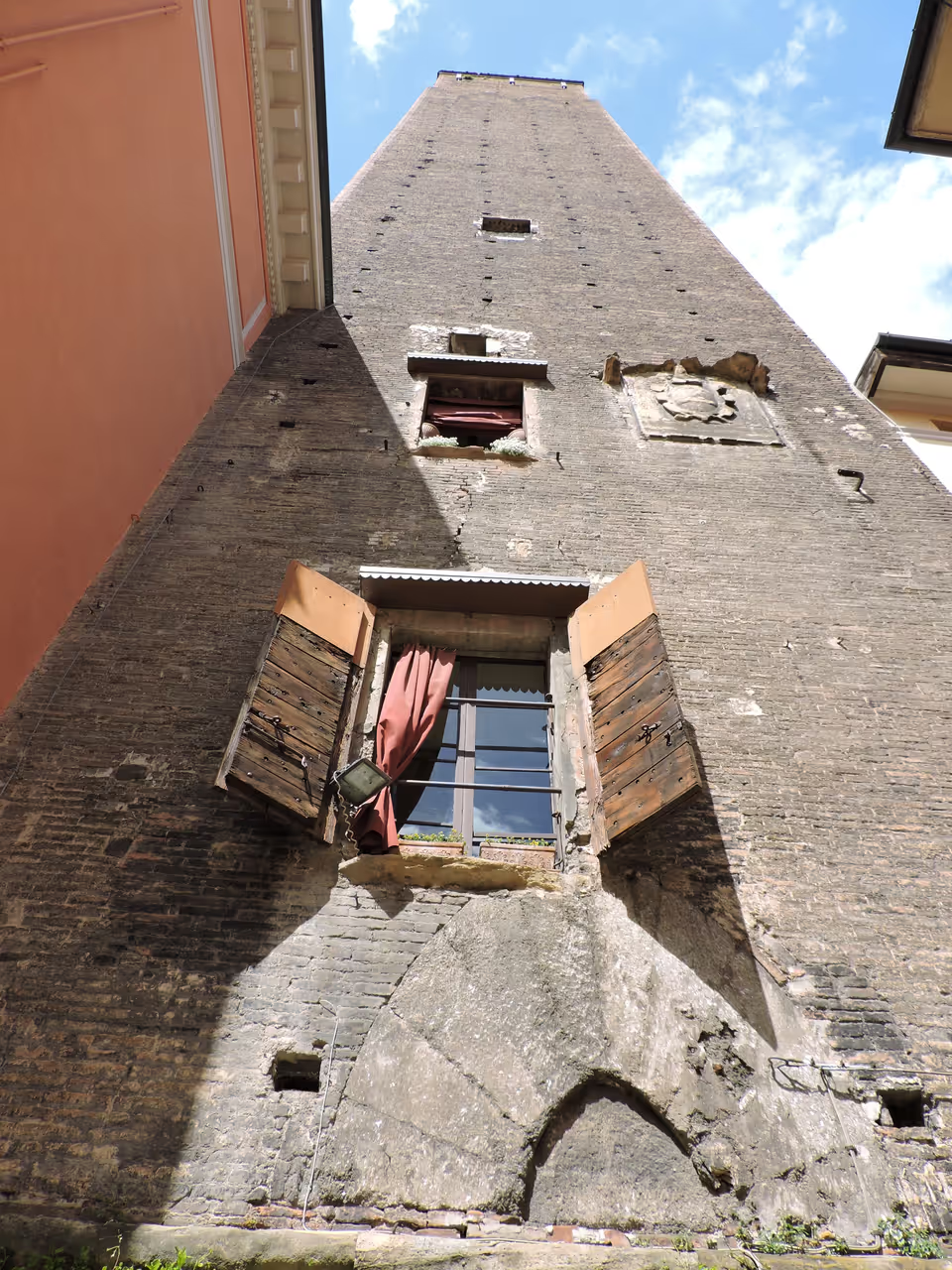
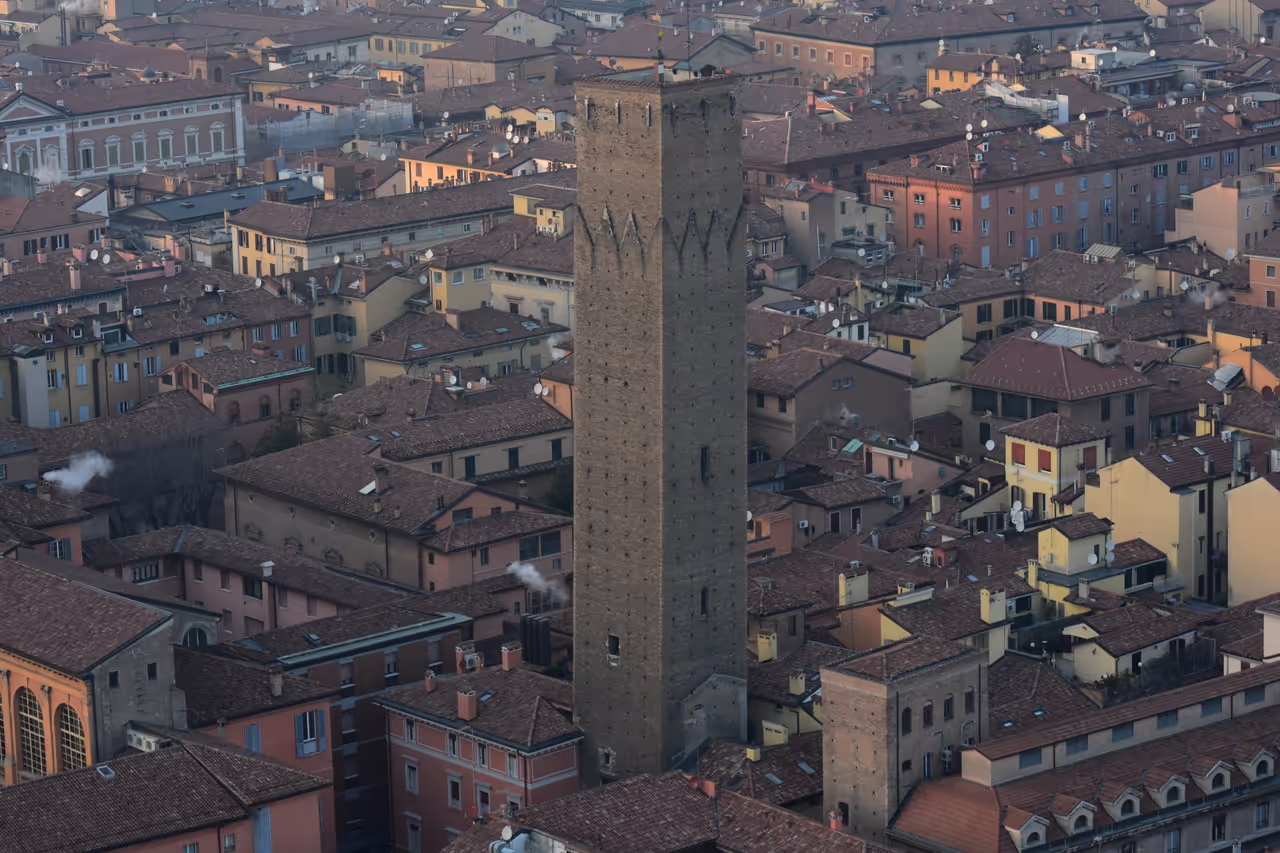
Centuries ago, the city skyline looked like a medieval Manhattan, bristling with up to one hundred and eighty towering skyscrapers. This tour traces the remnants of that incredible era, taking you past the surviving towers that still loom over the modern streets. You will discover how these structures were built by rival noble families as ultimate displays of wealth and military might. The path weaves through narrow alleys and grand piazzas, highlighting both famous leaning giants and hidden, integrated towers. It is a fascinating deep dive into the fierce, competitive history of the city's nobility.
view self-guided tour
See all attractions in Bologna
Archiginnasio of Bologna, Basilica of San Petronio, Fountain of Neptune, Palazzo d'Accursio, Sanctuary of the Madonna of San Luca, Two Towers...