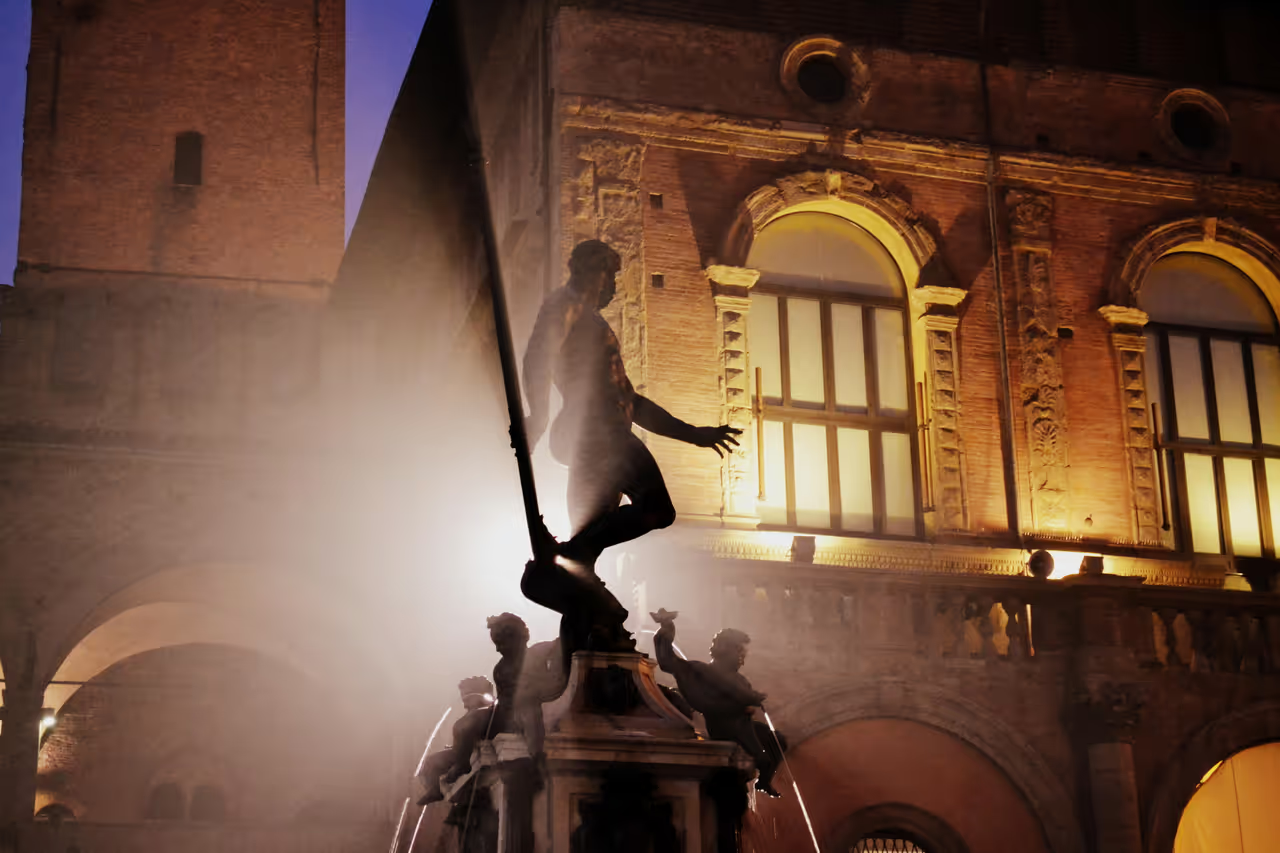
Fountain of Neptune
Standing proudly in the heart of the city, the Fountain of Neptune is the powerful heartbeat of Bologna. Known affectionately by locals as The Giant, this Renaissance masterpiece by the Flemish sculptor Giambologna showcases incredible bronze craftsmanship and dramatic flair. You will find it at the intersection of the city social life, where history meets the casual stride of modern day explorers. Its intricate details, from the muscular physique of the sea god to the playful sirens at the base, offer endless fascination for art lovers. Beyond its visual majesty, the fountain holds quirky secrets and local legends that make every visit feel like a discovery. It is an essential stop to capture the true essence and spirited character of Bologna.
Videos
History of Fountain of Neptune
In the mid 1500s, the city of Bologna sought to celebrate the reign of Pope Pius IV through a monument that would command respect. The commission brought together the visionary architect Tommaso Laureti and a young Flemish sculptor named Jean de Boulogne, better known as Giambologna. Fresh from a perceived snub in Florence where he lost the competition for their Neptune fountain, Giambologna poured his frustration and immense talent into this Bolognese project. He created a figure so powerful and anatomically perfect that it instantly became a symbol of the city’s strength and the Church’s far reaching influence. While intended as a grand display of papal authority, the fountain quickly found a very different place in the lives of everyday citizens. Despite the Latin inscriptions claiming it was for the public good, the locals took the invitation quite literally. Market sellers from the nearby square used the basin to scrub their vegetables, and washerwomen gathered there to beat their laundry. The situation grew so chaotic that authorities eventually threatened offenders with fifty lashes, and a massive iron fence had to be installed in the early 1600s to protect the bronze masterpiece from being used as an informal outdoor toilet. Today, the Fountain of Neptune stands as a testament to Renaissance ingenuity and the cheeky spirit of Bologna. It survived the threats of world wars, when the statue was dismantled and hidden in the depths of a nearby palace to avoid aerial bombardment. Its cultural impact even reached the world of luxury engineering, providing the inspiration for the iconic Maserati trident logo. Visitors now flock to the square to admire its restored bronze patina and to search for the specific stone on the ground that reveals the sculptor’s legendary optical prank on the religious censors of the time.
9 Events spanning 454 years
Fun Facts
- • During World War II, the massive bronze statue was removed from its pedestal and stored safely in the basement of Palazzo d'Accursio.
- • For over two centuries, the fountain was surrounded by a tall iron fence because residents kept using it for laundry and as a public urinal.
- • Giambologna, the lead sculptor, was actually a Flemish man named Jean de Boulogne who became a legend of the Italian Renaissance.
- • In 1926, Mario Maserati used the trident of this very statue as the inspiration for the world famous luxury car logo.
- • Local legend says the Church ordered Giambologna to reduce the size of the statue's anatomy, leading the artist to create a clever optical illusion as a protest.
- • One of the Latin inscriptions on the fountain claims it was completed in 1564, even though work actually finished two years later in 1566.
- • Replicas of this iconic fountain can be found in various locations around the world, including Brussels in Belgium and California in the United States.
- • The bronze figure of Neptune stands approximately 320 centimetres tall, making it a dominating presence in the square.
- • The fountain is affectionately known in the local dialect as al Zigant, which translates to The Giant.
- • The four putti at the base of the statue represent the four major rivers of the known world at the time: the Ganges, the Nile, the Amazon, and the Danube.
- • The water originally came from a subterranean collection system called the Conserva di Valverde, which is a hidden engineering marvel under the city.
- • There is a specific black stone near the entrance of the Salaborsa library where Neptune's hand appears to be part of his lower anatomy due to the angle.
Fountain of Neptune FAQ
While we strive to keep this information accurate and up to date, we recommend verifying any details independently before making decisions based on them.
Fountain of Neptune Map & Neighborhood Explorer
This interactive map is centered on Fountain of Neptune. Zoom in and move the map around to automatically discover Wikipedia photos and summaries of other nearby sights, monuments, and historical points of interest and stories in real-time!
Places near Fountain of Neptune
Make the most of your trip. Check out these top-rated spots located nearby.
 28m
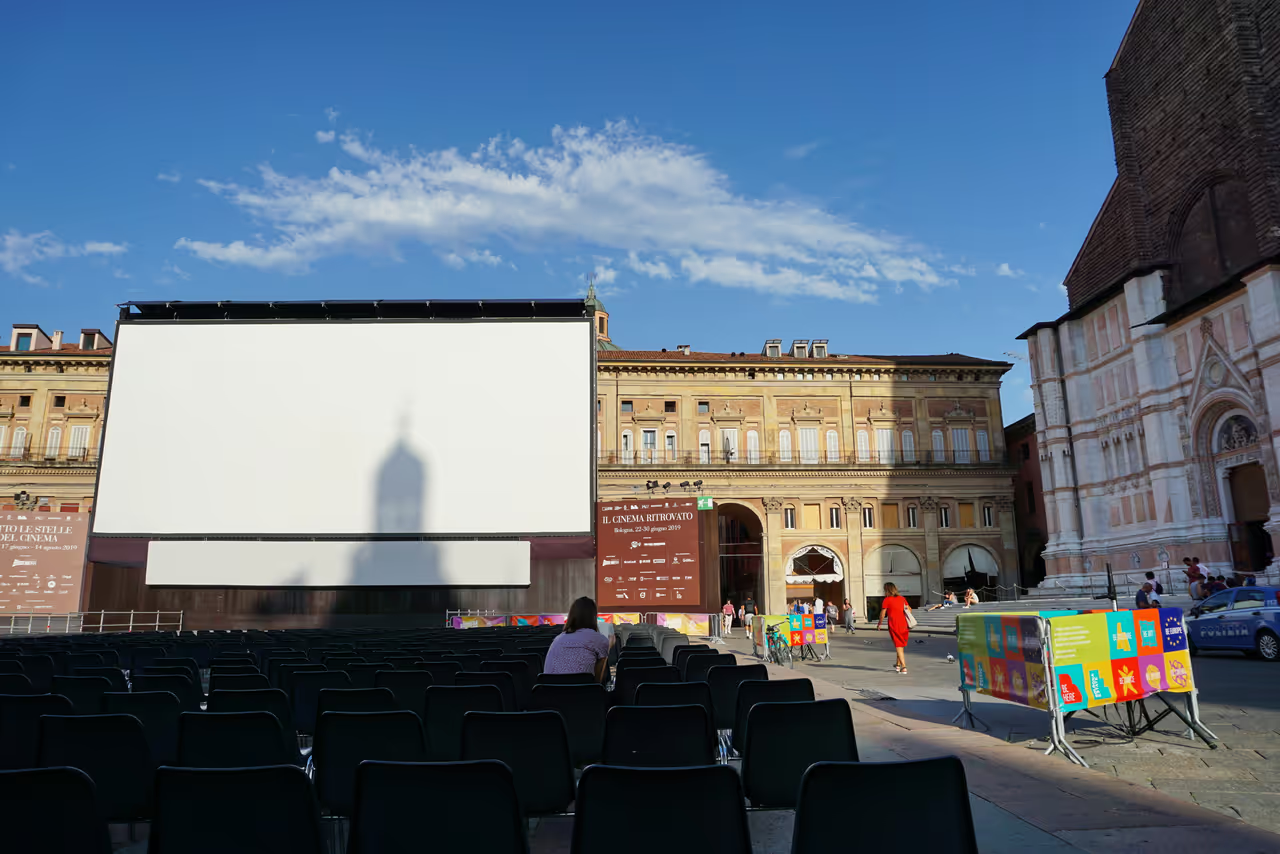
28mIl Cinema Ritrovato
A magical summer festival dedicated to rare, forgotten, and beautifully restored classic films. The absolute highlight is the open air evening screenings held in the magnificent Piazza Maggiore, where thousands gather under the stars. Hosted by the local film archive, it draws film historians and cinephiles globally for a week of cinematic nostalgia. Watching a silent film accompanied by a live orchestra in a mediaeval square is a truly unforgettable experience. It highlights the city's profound dedication to preserving cultural heritage.
festival view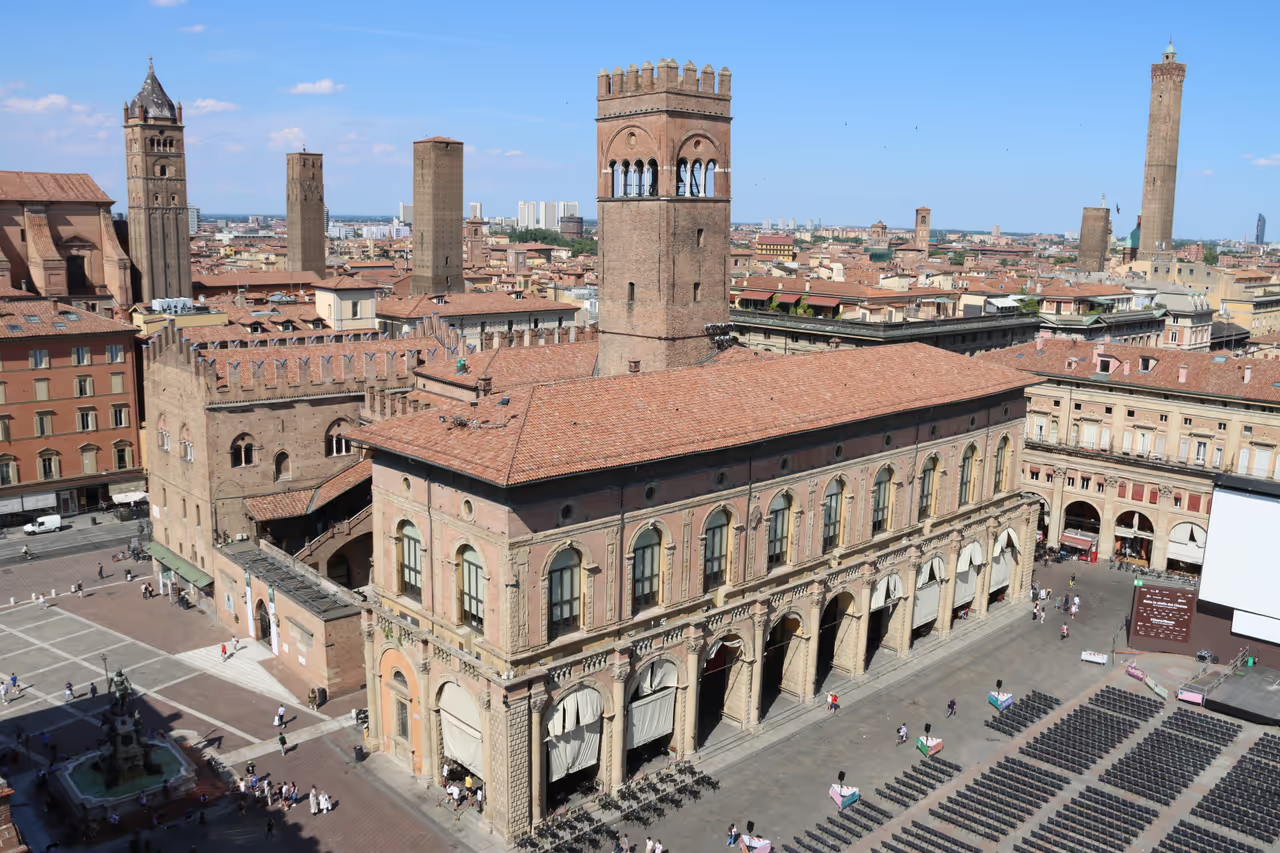 36m
36mPalace of the Podesta
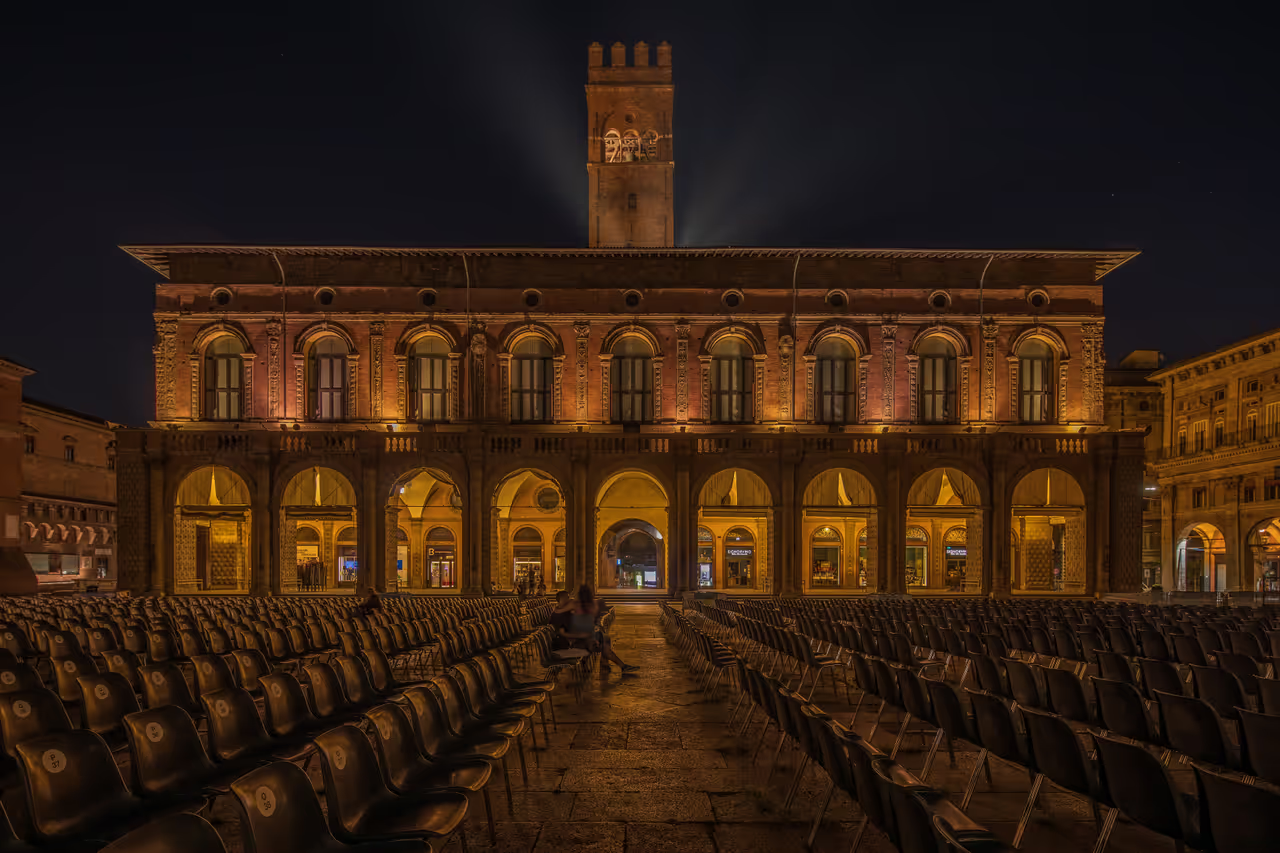
Dominating the main square, this imposing civic building dates back to the thirteenth century, serving as the first seat of the local government. Its striking facade features a long, elegant arcade that invites pedestrians to wander underneath. Beneath the central vault, there is a fascinating acoustic quirk where a whisper in one corner can be clearly heard in the opposite diagonal corner. Historically, it was the administrative heart where justice was dispensed and laws were debated. It stands as a brilliant example of early mediaeval civic architecture adapted over centuries.
architecture view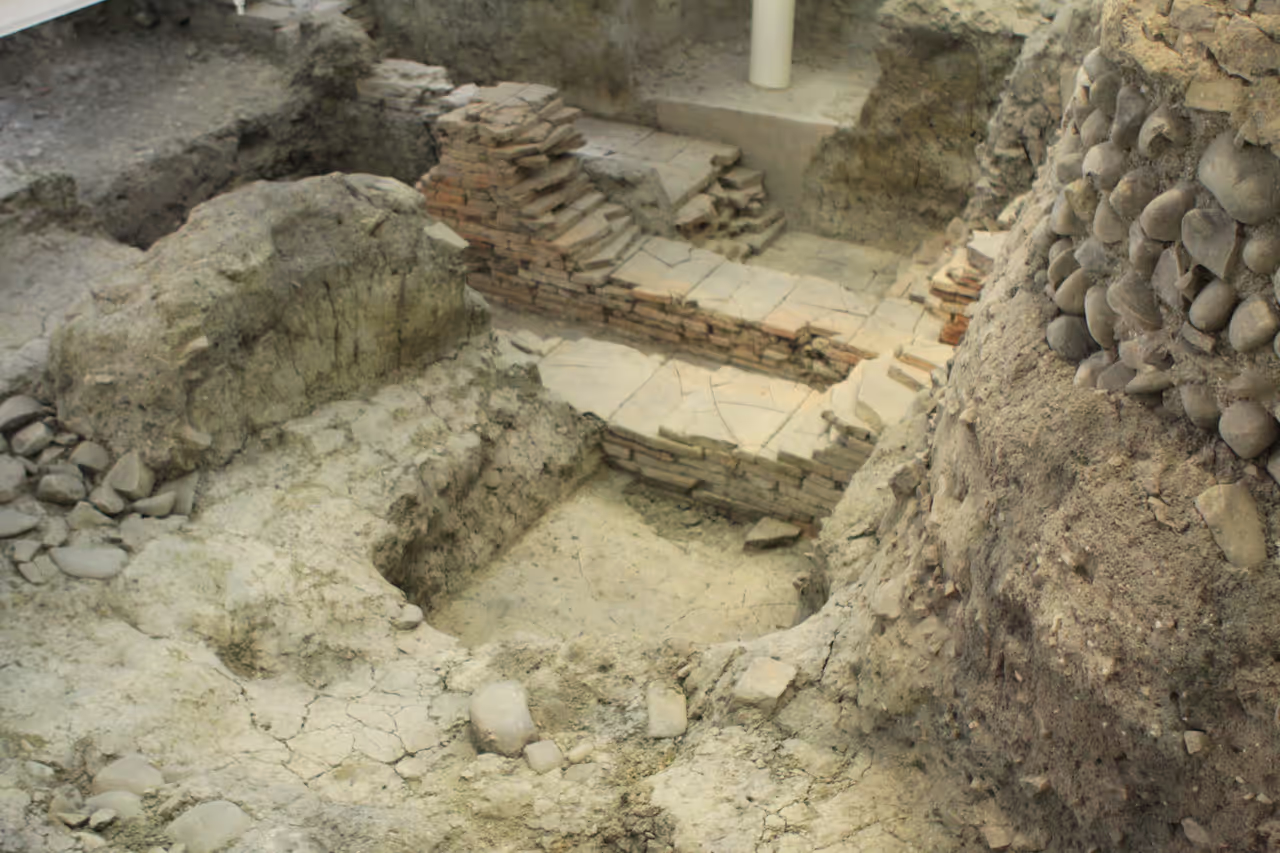 42m
42mExplore the Salaborsa Ruins
Located directly beneath the bustling floor of the main public library, this is a fascinating archaeological surprise. Through a glass floor, or by heading down into the basement, you can freely walk over and around the excavated ruins of the ancient Roman city. You will see remnants of ancient roads, civil buildings, and a sixteenth century cistern layer upon layer of history. It is a brilliant, completely free way to grasp just how ancient the foundations of the city truly are. It provides a quiet, educational escape right off the main square.
free thing to do view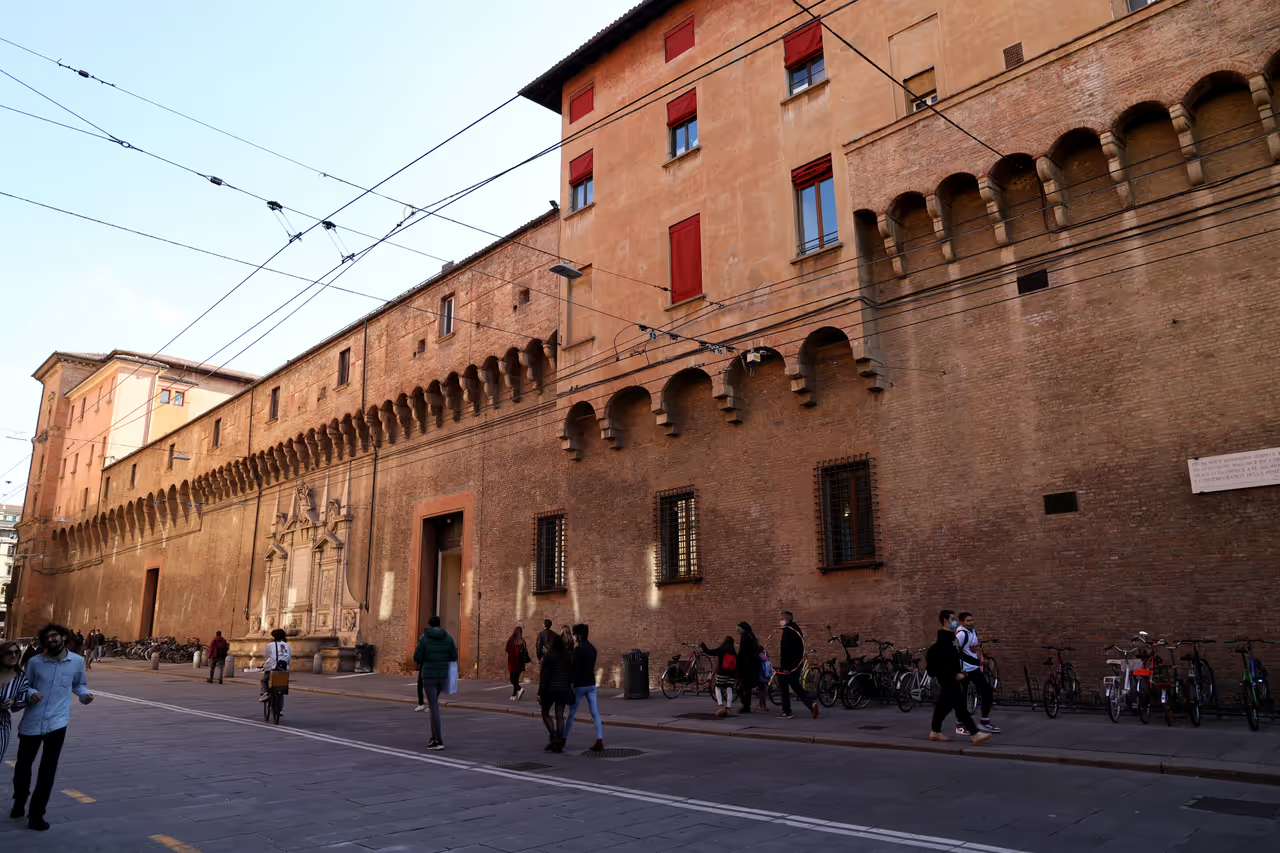 42m
42mPalazzo d'Accursio
Perched on Piazza Maggiore, this ancient seat of government is far more than a simple town hall. It is a layered historical masterpiece that has stood as the witness to Bologna's complex evolution for centuries. Visitors can wander through opulent chambers, admire Renaissance architecture, and explore the art collections which reside within these walls. The building also offers a poignant look at the city's past, from its medieval fortifications to the modern memorial for local partisans. It is the perfect starting point to understand the civic identity of Bologna, offering both breathtaking views and profound historical depth.
attraction view
Explore Similar Places in This Collection
Featured on This Itinerary
See all attractions in Bologna
Archiginnasio of Bologna, Basilica of San Petronio, Palazzo d'Accursio, Piazza Maggiore, Sanctuary of the Madonna of San Luca, Two Towers...