St. Lorenz Church
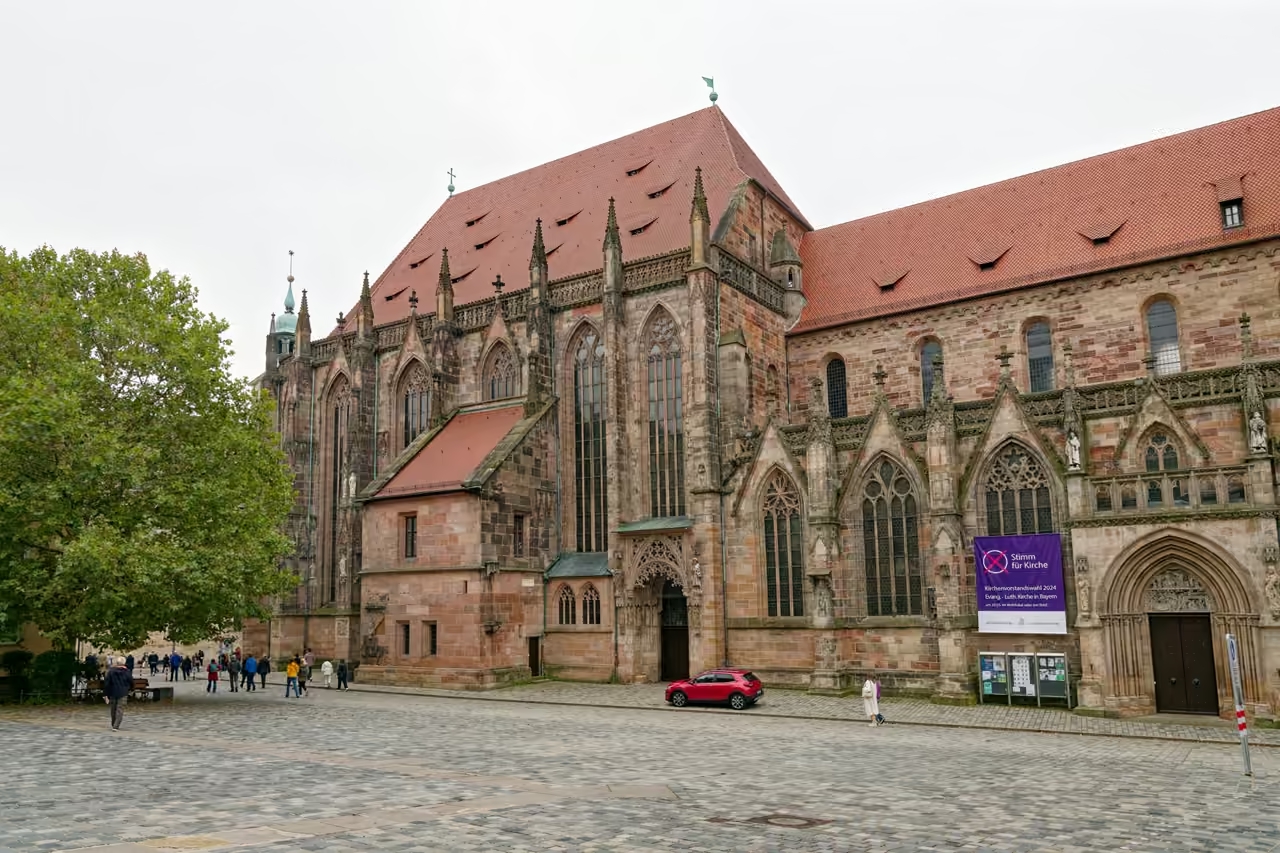
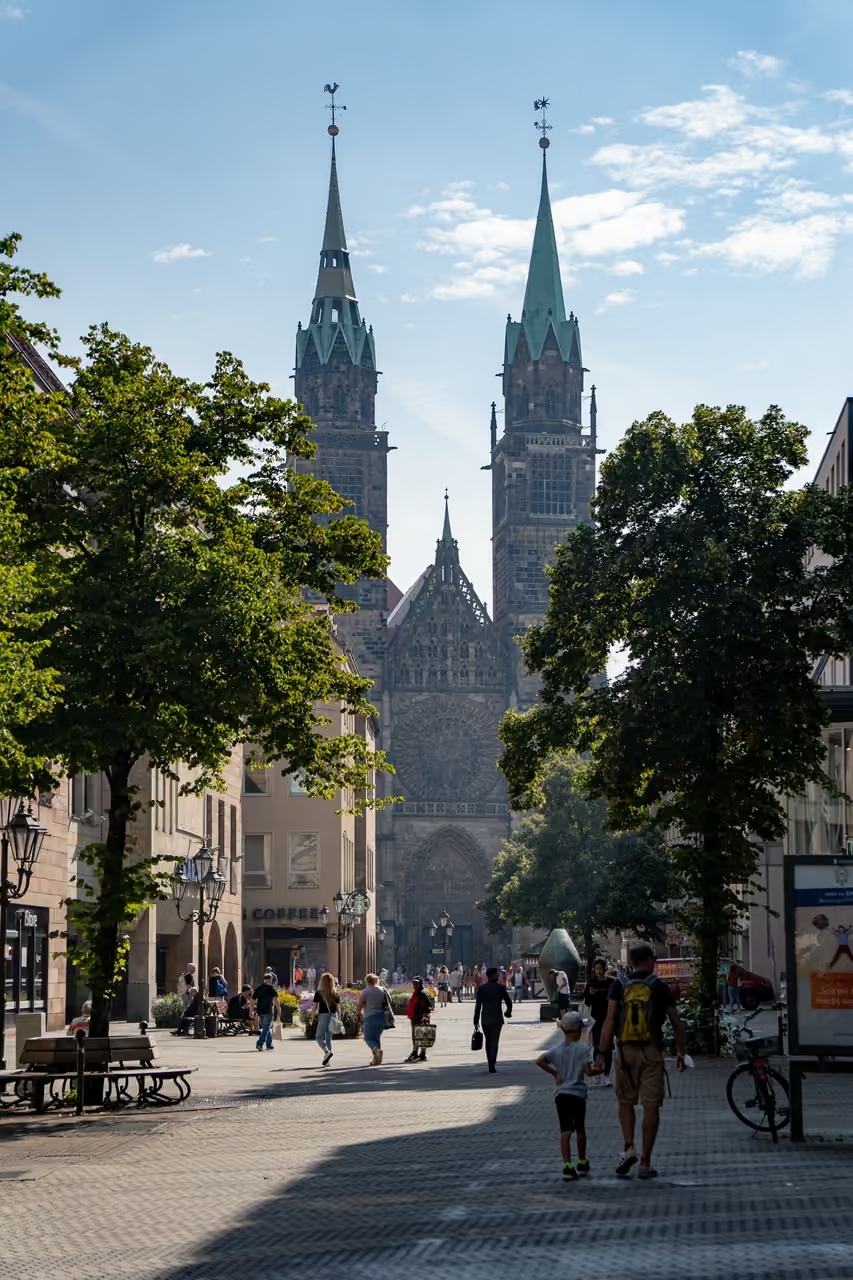
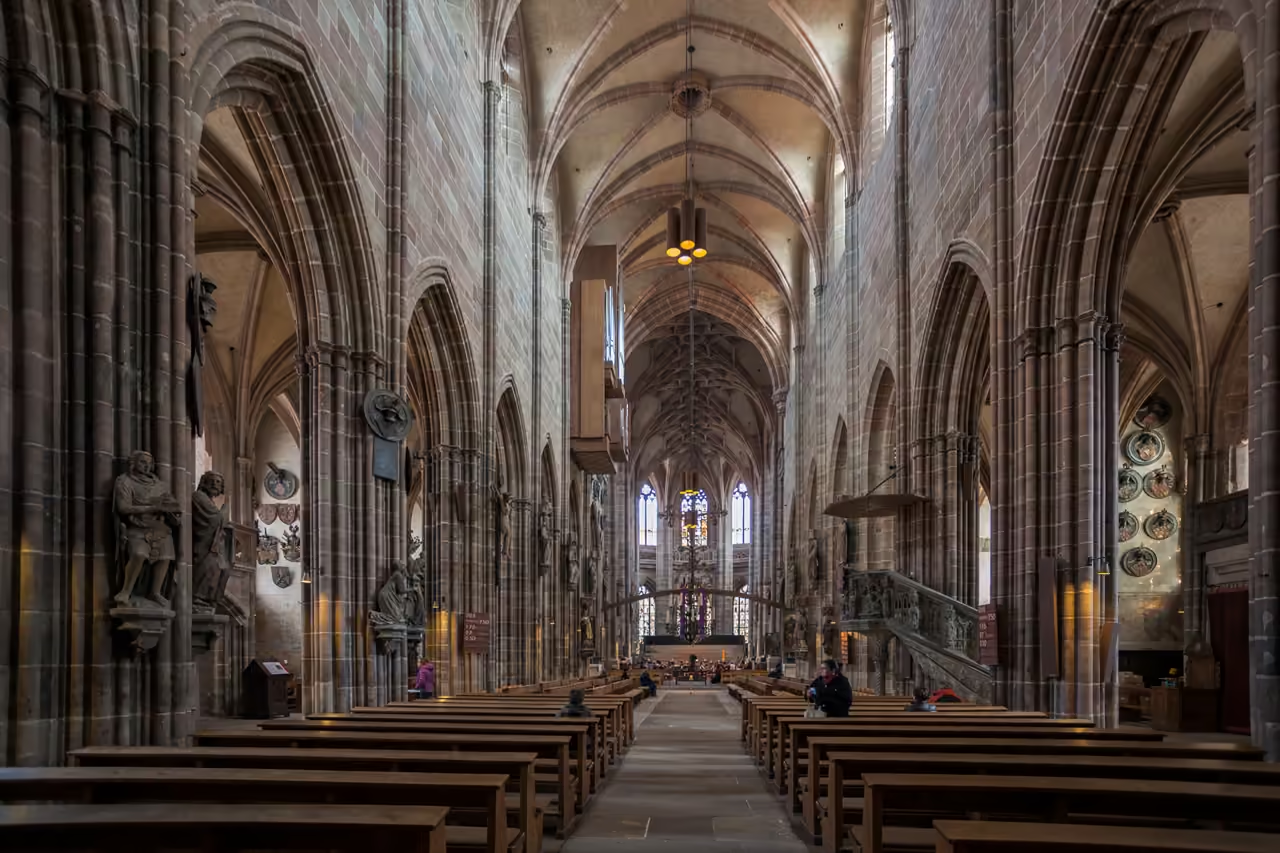
The twin towers of St. Lawrence Church scrape the Franconian sky, acting as a massive sandstone compass needle for anyone navigating the southern half of Nuremberg's Old Town. Walk through the giant west portal and you are immediately dwarfed by the sheer vertical drop of the Gothic nave. Your eyes will inevitably track upward to Veit Stoss’s Angelic Salutation, an enormous wooden carving of the Annunciation suspended midair above the choir by a thick iron chain. Below it, Adam Kraft’s stone tabernacle twists like a vine toward the ceiling, appearing impossibly delicate for a structure carved from solid rock. You might catch the low rumble of the U-Bahn trains vibrating faintly beneath the stone floor, a strange modern rhythm intruding on medieval silence. Getting a close look at the intricate stained glass of the Emperor's Window makes the neck ache, but seeing the sharp afternoon light slice through the 15th-century glass completely justifies the discomfort.
Videos
History of St. Lorenz Church
A small Romanesque chapel, dedicated to St Lawrence and the Holy Sepulchre, once stood on the ground where the church now rises. Around 1250 Nuremberg's citizens began replacing it with a Gothic basilica, and they did so with one eye on a neighbour. Barely 300 metres to the east, St Sebald was already going up, and the two parishes were soon competing in stone. Sebald's parish held a trump card: the grave of the city's patron saint, which drew pilgrims through its doors. St Lorenz answered by promoting the relics of Deocarus, a holy man said to have been confessor to Charlemagne, and the strategy worked, because more pilgrims began to arrive. Money was not the obstacle. Nuremberg was a Free Imperial City, and after the Golden Bull of 1356 every newly elected German king was due to hold his first imperial diet here, so the council and the wealthy families poured funds into making their parish church the grander of the two. The nave was complete around 1390, yet within roughly a decade work began again, with the side aisles pulled down and rebuilt wider. Then came the choir. Between 1439 and 1477 the builders added a tall hall choir, where the aisles rise to the same height as the centre so that daylight washes across the whole east end. It remains the brightest part of the church. The decades around 1500 filled that space with art. Adam Kraft carved the sandstone tabernacle between 1493 and 1496 for the patrician Hans Imhoff. In 1517 and 1518 Veit Stoss carved the Annunciation, commissioned by Anton Tucher, and it was hung above the choir. The Reformation reached Nuremberg in 1524. Andreas Osiander had preached at St Lorenz before the change, and from 1525 the church was Lutheran, with its medieval artworks staying where they were. Through the early years of the Second World War the church was only lightly damaged. That changed on 10 August 1943, St Lawrence's Day, when a mine came through the roof of the hall choir and exploded inside. The heaviest raid on the city, on 2 January 1945, hit the church again, by which time the choir had a makeshift roof. The most precious pieces had been moved out of harm's way: the Annunciation went to the city's art bunker, while the tabernacle was walled in. Nobody seems to have debated for long whether to rebuild. In 1946 a builder fetched a huge timber scaffold from the Kongresshalle site, the colossal Nazi project halted in 1943, and it became the working platform from which the vault's ribs were repaired. Less than six years after work began, the congregation held its first service in the nearly restored church on St Lawrence's Day 1952. Work has hardly stopped since. The parish marked the 70th anniversary of the reopening alongside the completion of fresh roof repairs, pointing out that building at St Lorenz has been going on for 700 years. Restoration crews working through the roof timbers in recent years have even come across medieval stonemasons' marks, small signatures left by the people who built it.
12 events spanning 702 years
Fun Facts
- • A contract between the patrician Hans Imhoff and Adam Kraft for the tabernacle survives in the archives of the Germanisches Nationalmuseum in Nuremberg.
- • Andreas Osiander, who preached at St Lorenz before the Reformation, later oversaw the printing of Copernicus's De revolutionibus in Nuremberg in 1543. He added an unsigned preface that presented the sun centred model as a mathematical tool.
- • At the foot of Adam Kraft's tabernacle, a kneeling figure with a mallet and chisel takes the strain of the whole tower on his shoulders. It is a self portrait of the sculptor, and the other supporting figures may depict two of his assistants.
- • Because St Sebald held the grave of the city's patron saint, St Lorenz promoted the relics of Deocarus, said to have been confessor to Charlemagne, to draw pilgrims of its own. It worked.
- • Before the bombs of 1943 fell, the Annunciation was taken to the city's art bunker for safekeeping, while the tabernacle was walled in. Both came through the war.
- • One recent restoration of the church was planned to take around three years and cost about 3 million euros, with a huge scaffold wrapped around the choir, the Annunciation and the tabernacle.
- • St Lorenz was deliberately built bigger than its sister church of St Sebald, which stands only about 300 metres to the east. The two parishes were rivals, and the council and wealthy families lavished money on both.
- • The church has 16 bells, and the oldest was cast in the 14th century.
- • The organ is split into three parts and, by the church's own reckoning, ranks as the eleventh largest in the world.
- • The stone rose window on the west front measures nearly nine metres across.
- • The tabernacle is so tall that its tip bends over like a shepherd's crook to fit beneath the vault of the choir.
- • Veit Stoss came back to Nuremberg in the 1490s after years in Krakow, Poland, where he carved the great altarpiece of St Mary's Basilica. In 1503 he was convicted of fraud and branded on both cheeks, yet he was still carving masterpieces for the city's churches fifteen years later.
FULL PLACE DETAILS
OVERVIEW & STATS
- Established
- In 1250, making it 776 years old
ARCHITECTURE & HERITAGE
- Heritage Status
- Architectural Heritage Monument In Bavaria
- Architectural Styles
- Gothic
- Architects
- Conrad RoritzerMathes Roriczer
WEB & AMENITIES
St. Lorenz Church Map & Neighborhood Explorer
This interactive map is centered on St. Lorenz Church. Zoom in and move the map around to automatically discover Wikipedia photos and summaries of other nearby sights, monuments, and historical points of interest and stories in real-time!
St. Lorenz Church FAQ
While we strive to keep this information accurate and up to date, we recommend verifying any details independently before making decisions based on them.
Places near St. Lorenz Church
Make the most of your trip. Check out these top-rated spots located nearby.
 103m
Nassau House
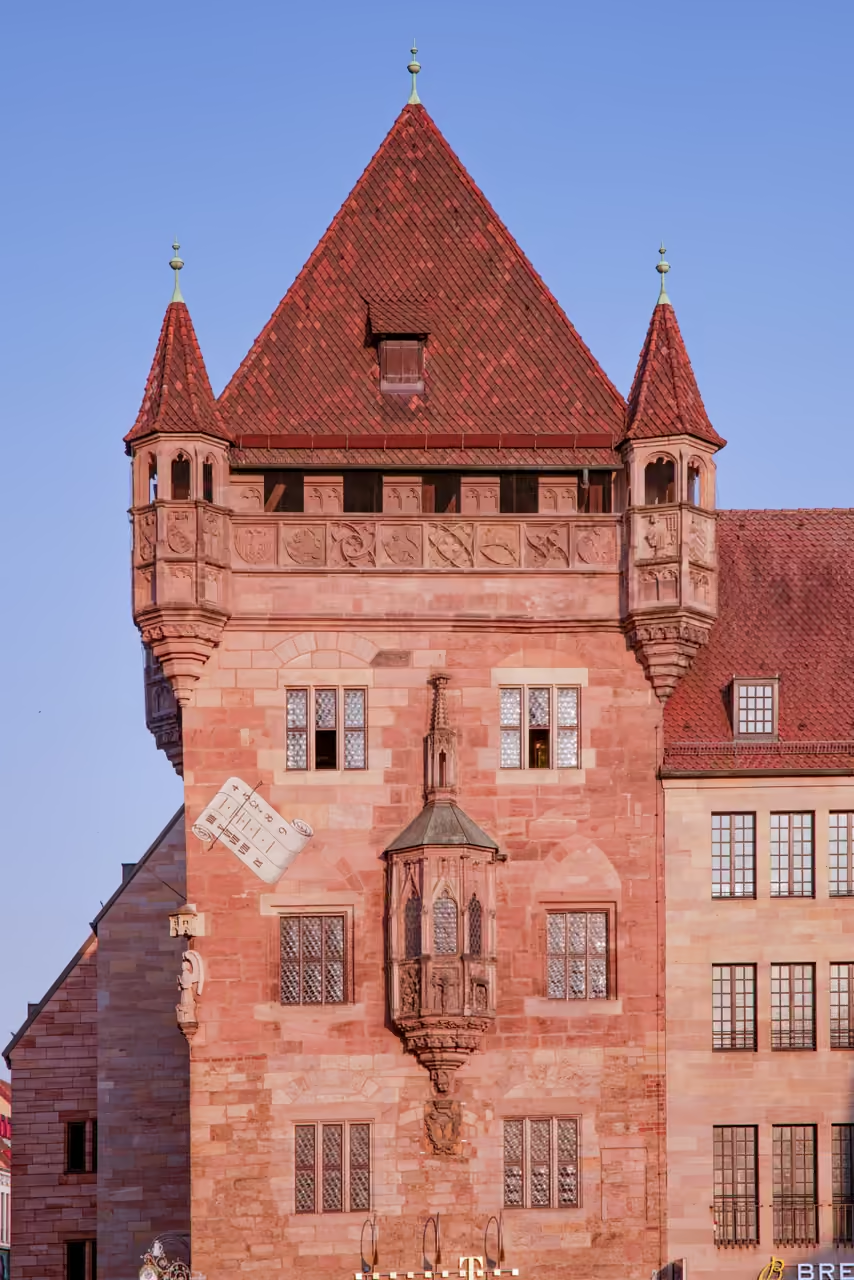
A striking, slender medieval tower-house faces the Lorenzkirche, boasting a heavy stone facade capped with whimsical corner turrets. The lower cellars date back to the 12th century, making it one of the oldest surviving residential structures in the city. The upper Gothic floors feature a highly ornate oriel window decorated with detailed coats of arms belonging to emperors and popes. It stands as a rare, surviving example of how powerful patrician families built defensively even within the city walls. The building remains privately owned, looming impressively over the modern shopping crowds below.
architecture view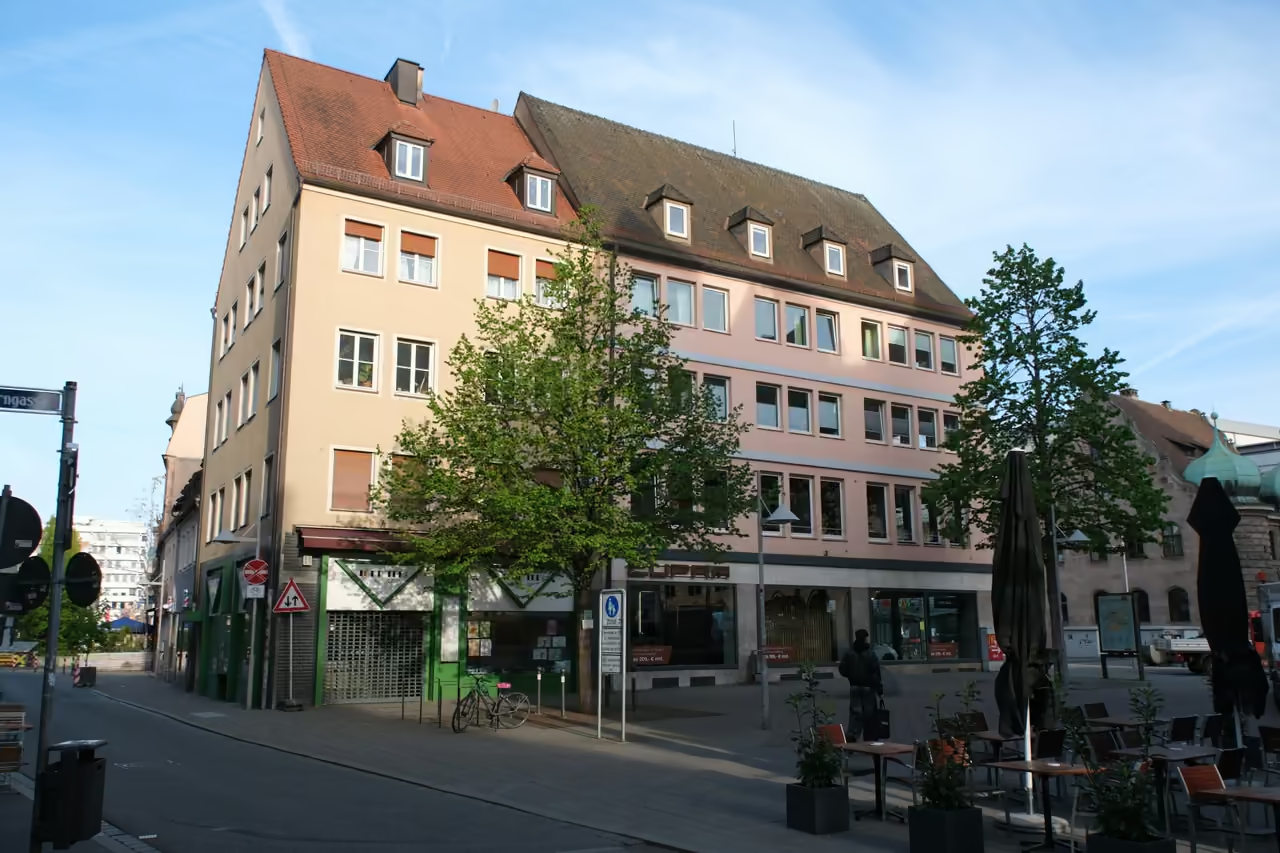 219m
Klaragasse & Lorenz Area
Tucked away behind the main shopping thoroughfares, this small street acts as a magnet for indie music fans and late-night revellers. Subterranean clubs host live gigs ranging from local indie-rock acts to travelling electronic DJs. Above ground, casual pubs cater to a younger, student-heavy demographic looking for reasonably priced drinks. The energy peaks well past midnight when the concert crowds transition into clubbing.
nightlife view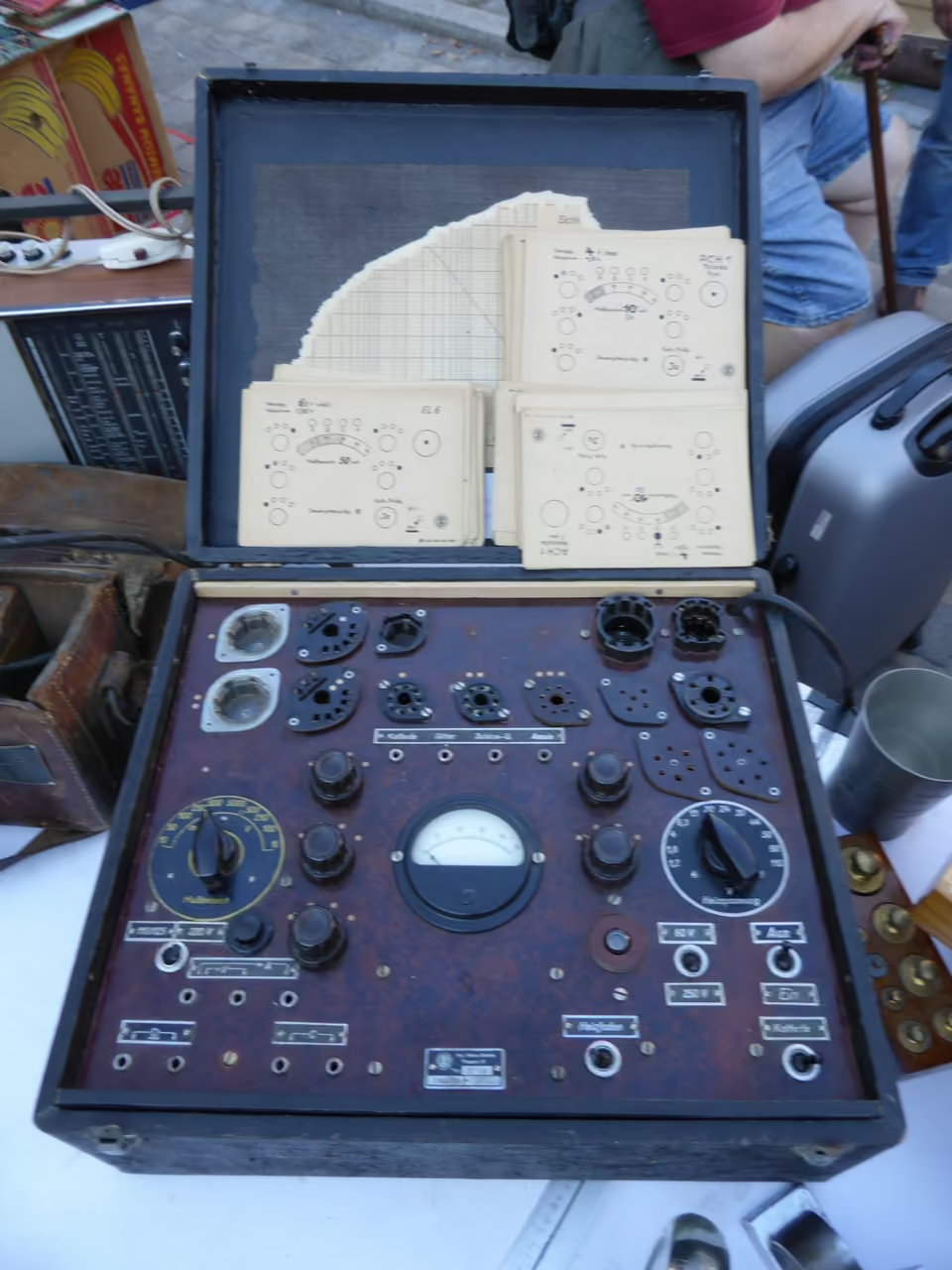 229m
Trempel Flea Market
Twice a year, the entire medieval centre transforms into Germany's largest inner-city flea market. Around four thousand stalls sprawl across the cobblestone streets, selling everything from antique porcelain to obscure vinyl records and vintage clothing. A dedicated zone allows children to sell their old toys free of charge, adding a chaotic charm to the event. The hunt for hidden treasures continues well into the night on Friday, illuminated by streetlamps and makeshift lanterns. Serious collectors arrive at dawn to scrutinise the wares before the massive crowds descend.
market view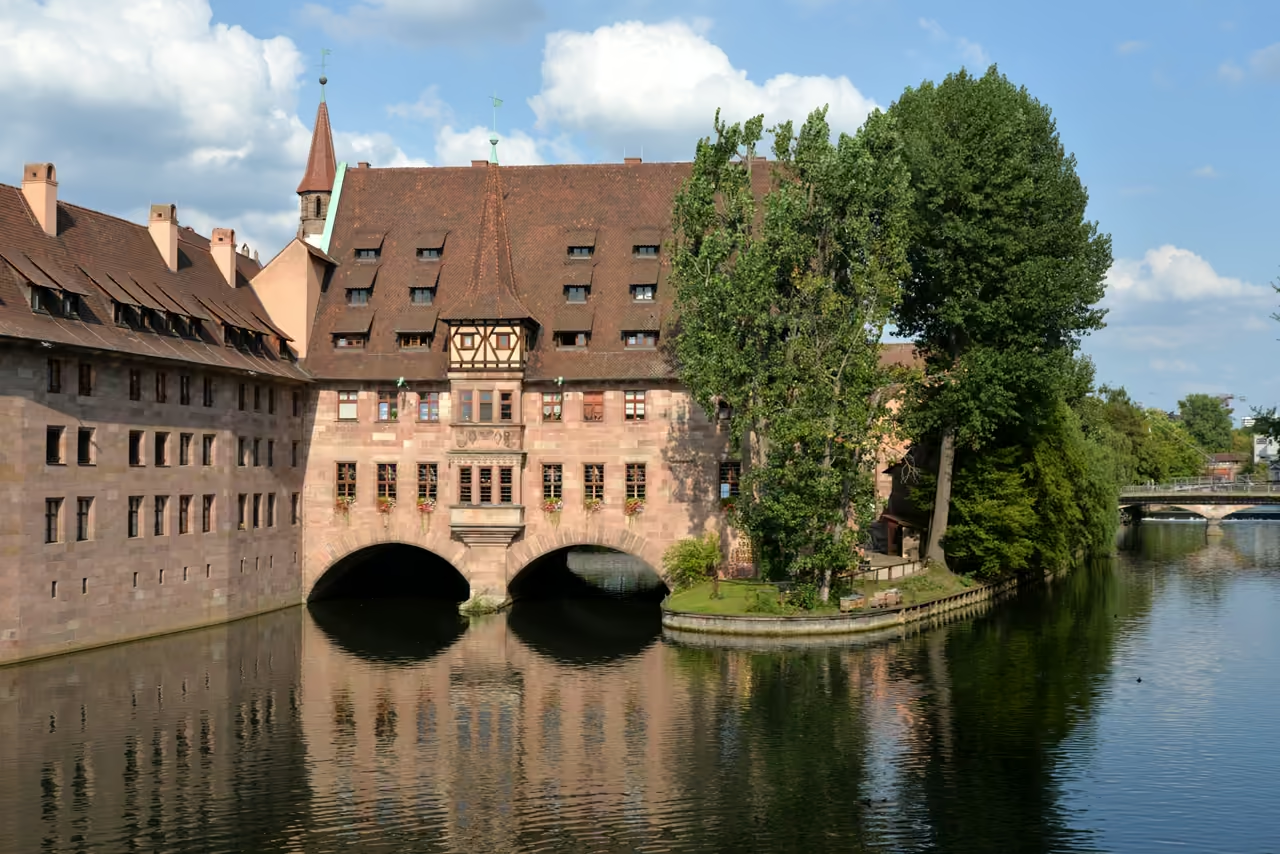 252m
Holy Ghost Hospital over the River
Shooting from the Museum Bridge directly toward the east captures the heavy stone arches of the medieval hospital jutting out over the Pegnitz river. The water rushes swiftly underneath the building, creating dynamic movement in the foreground. The small, wooden gallery courtyard hangs precariously over the central arch. It provides a striking example of architecture completely dominating a waterway.
photo spot view
Explore Similar Places in This Collection
Featured on These Itineraries and Routes
3 Days in Nuremberg
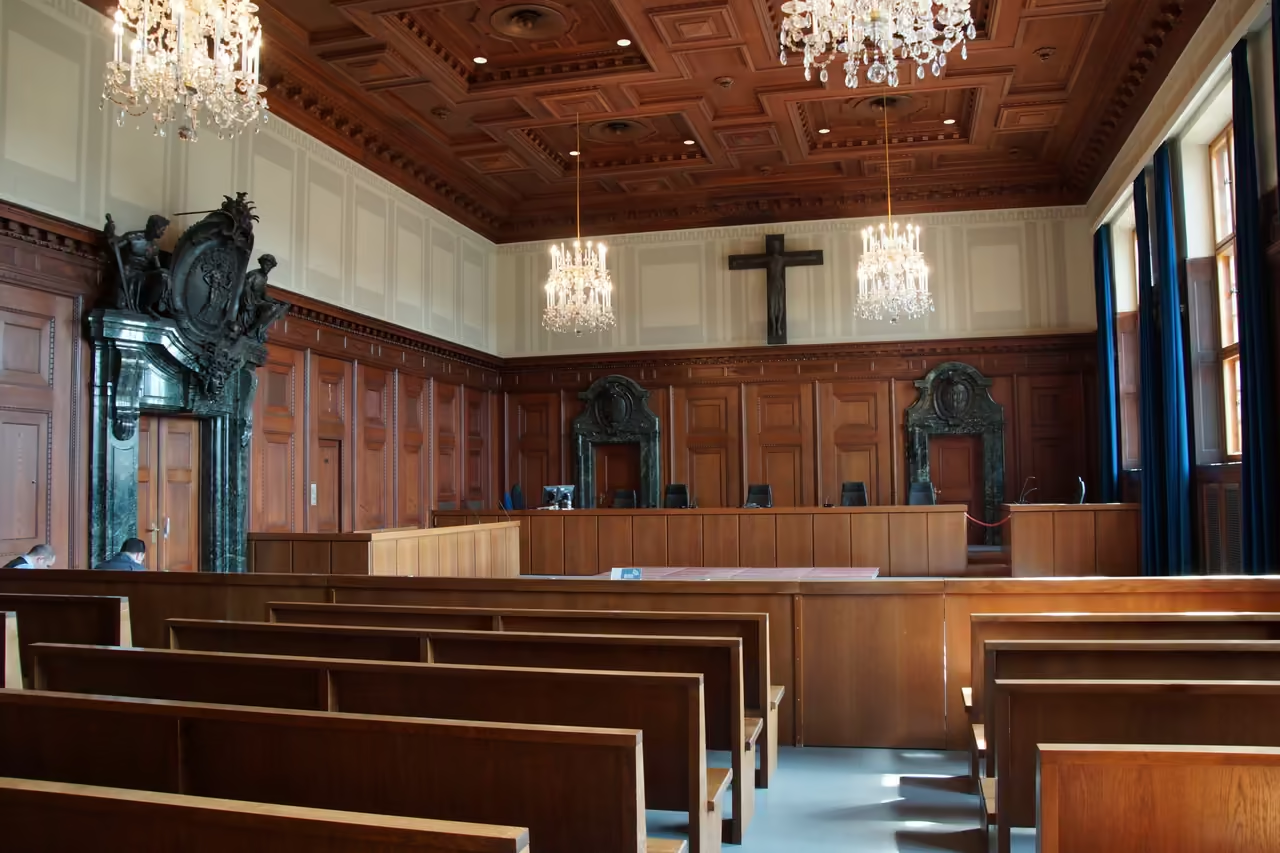
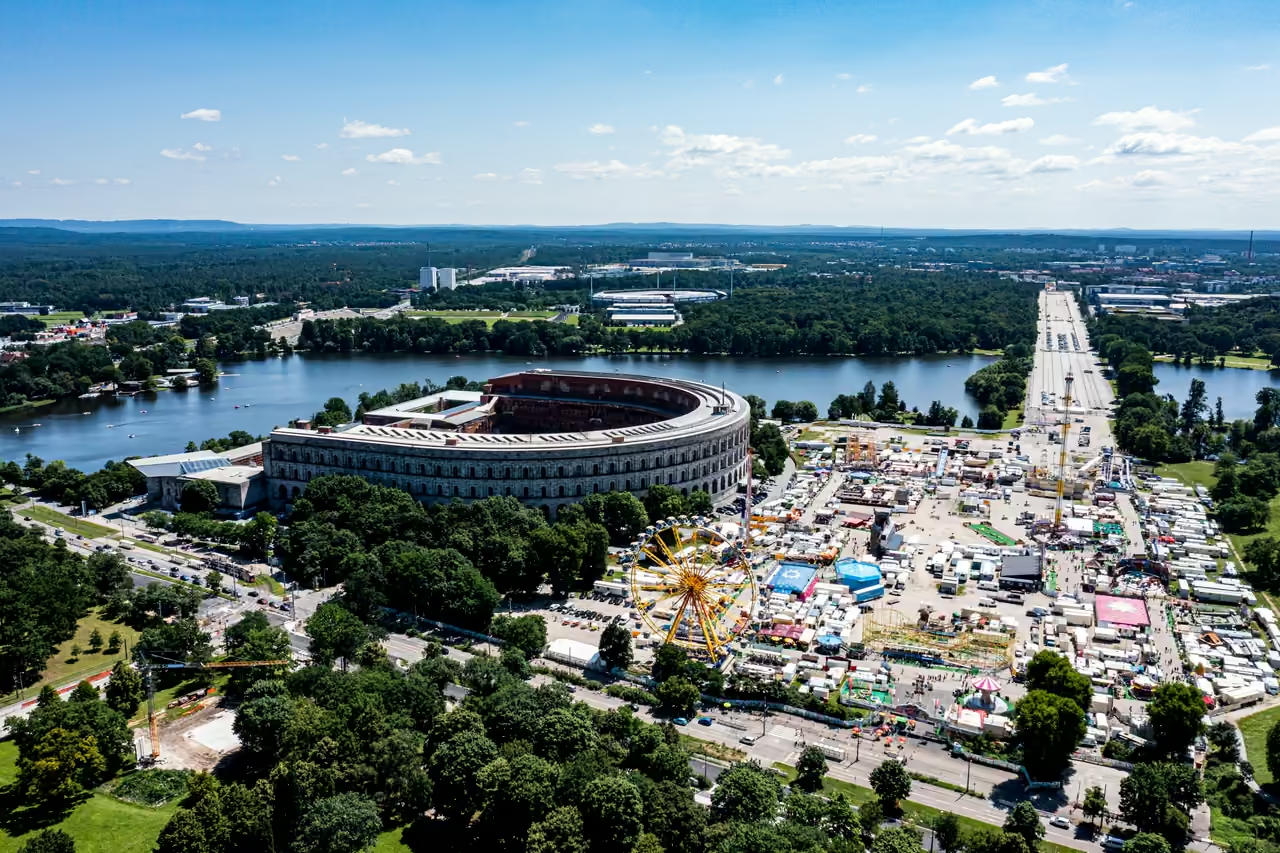
Adding two days allows the pace to relax, mixing heavy historical museums with leisurely strolls through the artisan districts and green spaces. The itinerary breaks the city down geographically, dedicating distinct days to the northern castle quarter, the southern medieval core, and the 20th-century history stretching beyond the walls. Time opens up to explore the massive art collections and sit for extended periods in traditional brewpubs. It strikes a perfect balance between education and casual exploration. Visitors leave with a comprehensive understanding of how the city layered its modern identity over its medieval bones.
view itinerary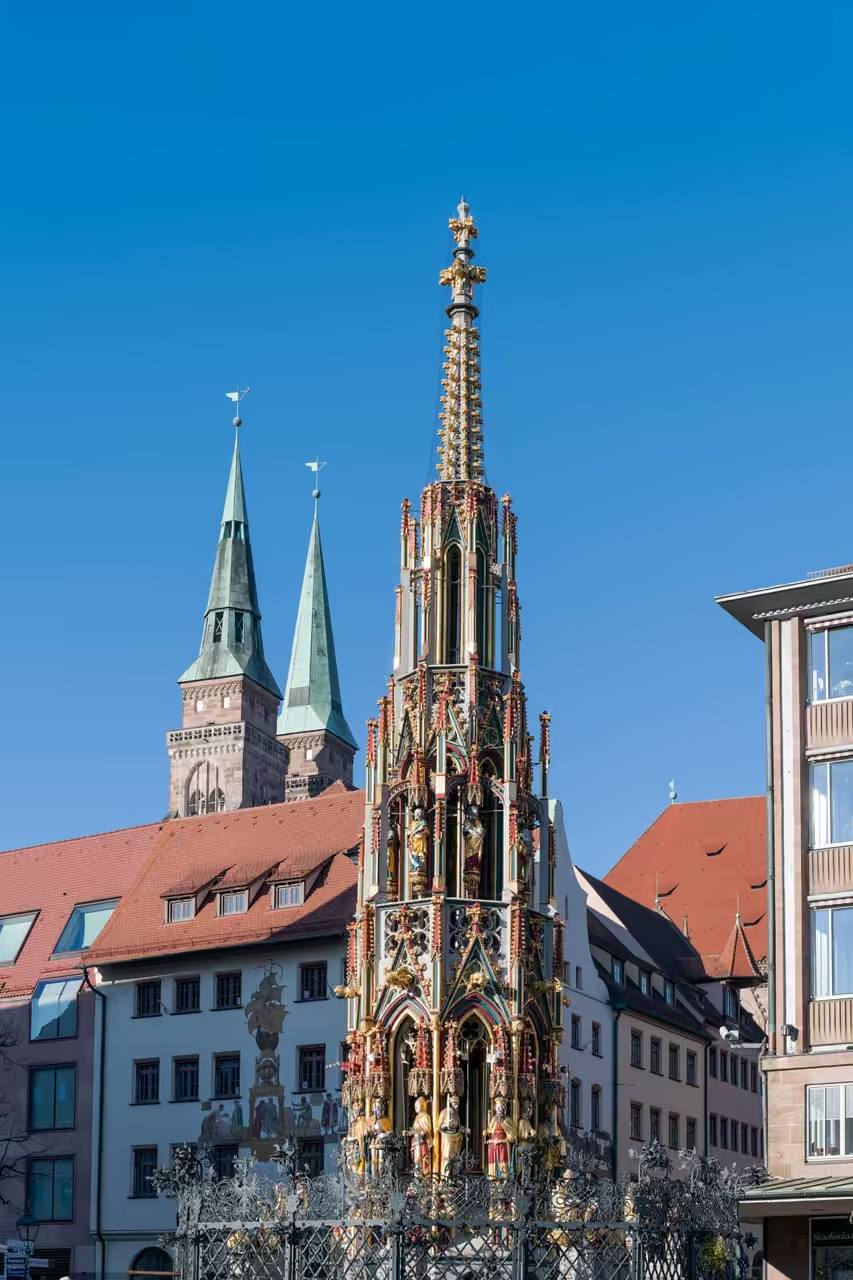
Medieval Merchants & Civic Power
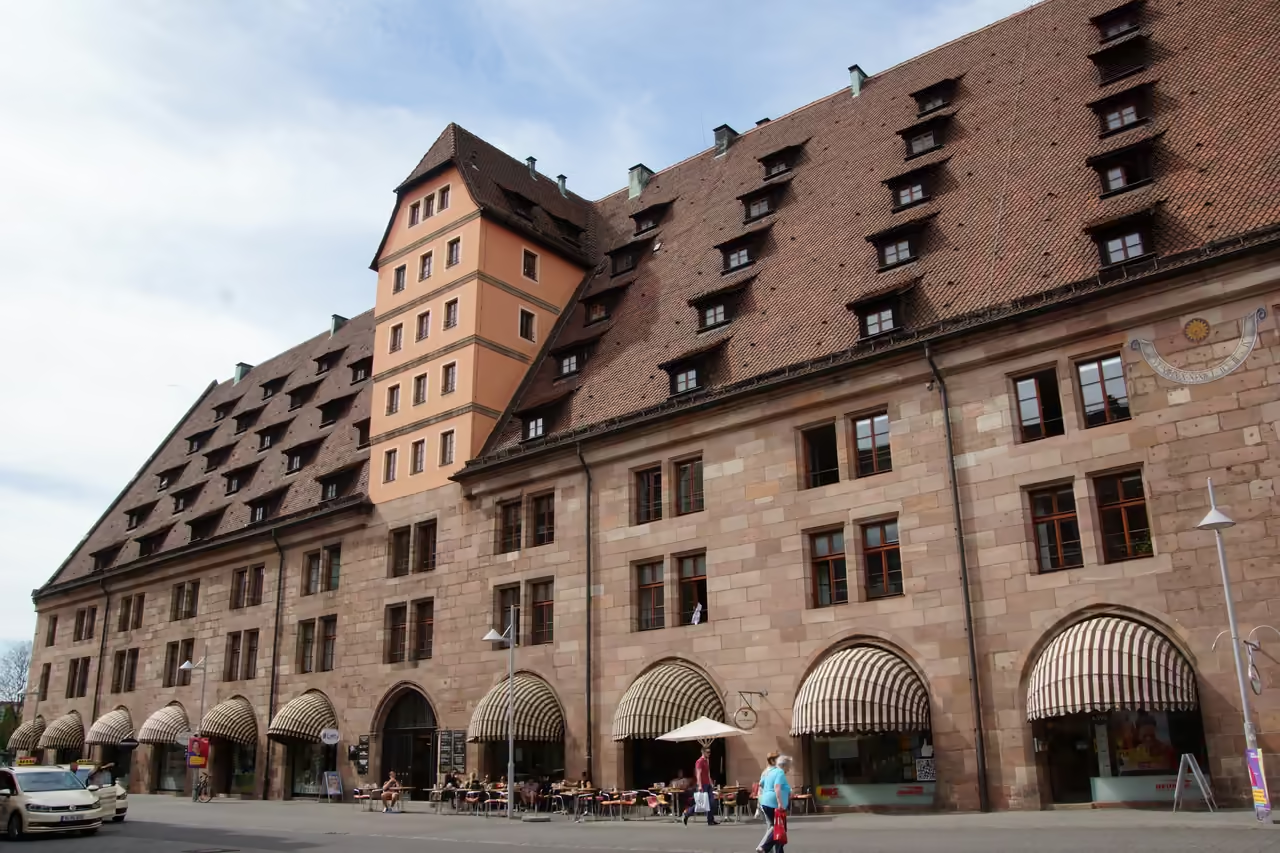
Focusing on the civic and economic power of the Free Imperial City, this route highlights the wealth that built the old town. It skirts the river, exploring the massive storehouses and defensive towers that protected the lucrative trade routes. The walk reveals how patrician families spent their fortunes on monumental churches, civic fountains, and fortified bridges. The sandstone architecture tells a story of civic pride and independence from the nobility residing in the castle above. It captures the essence of a booming Renaissance metropolis.
view self-guided tour
See all attractions in Nuremberg
Including Albrecht Dürer House, Germanic National Museum, Nazi Party Rally Grounds, and more