Old Port of Marseille
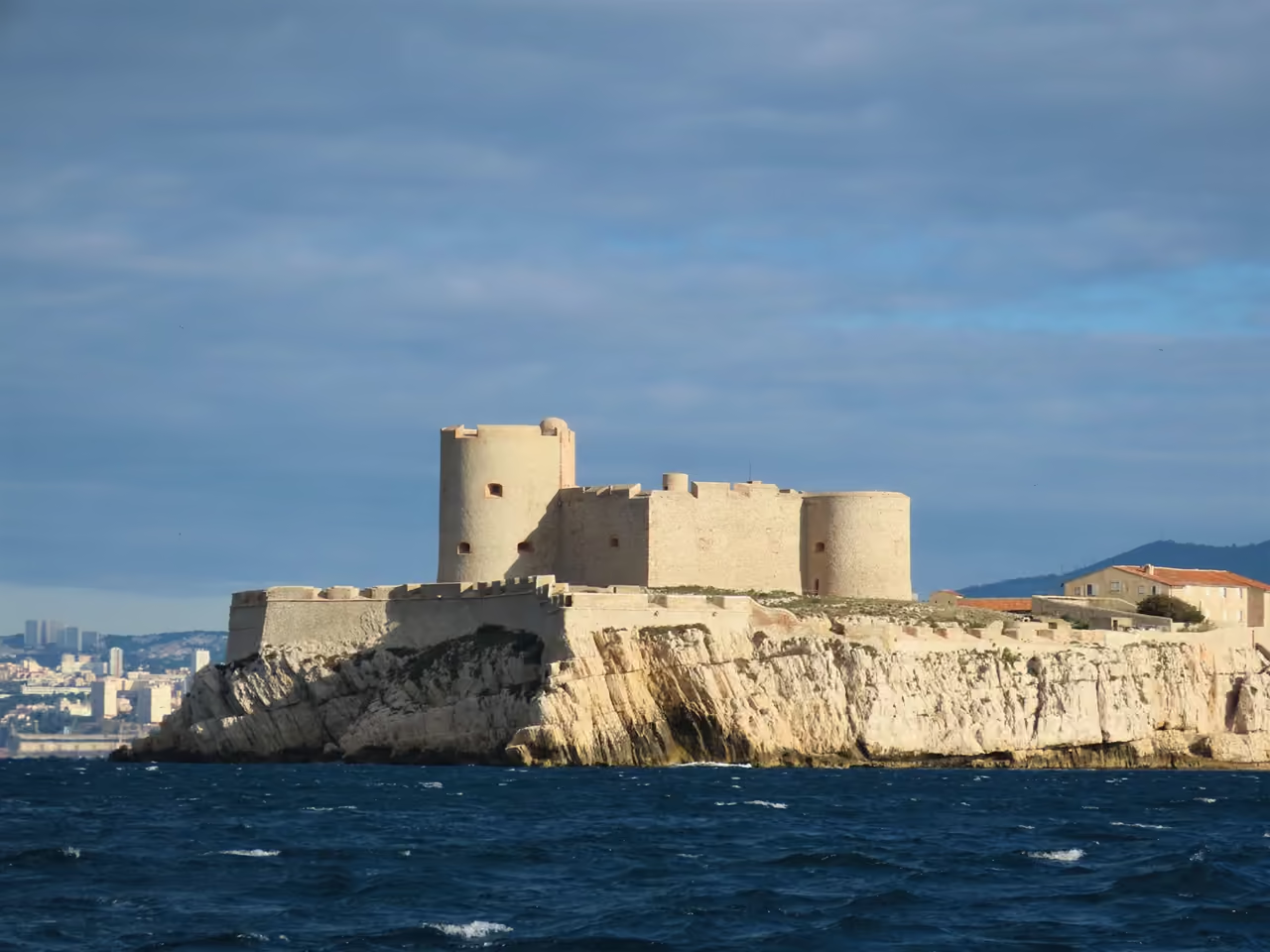
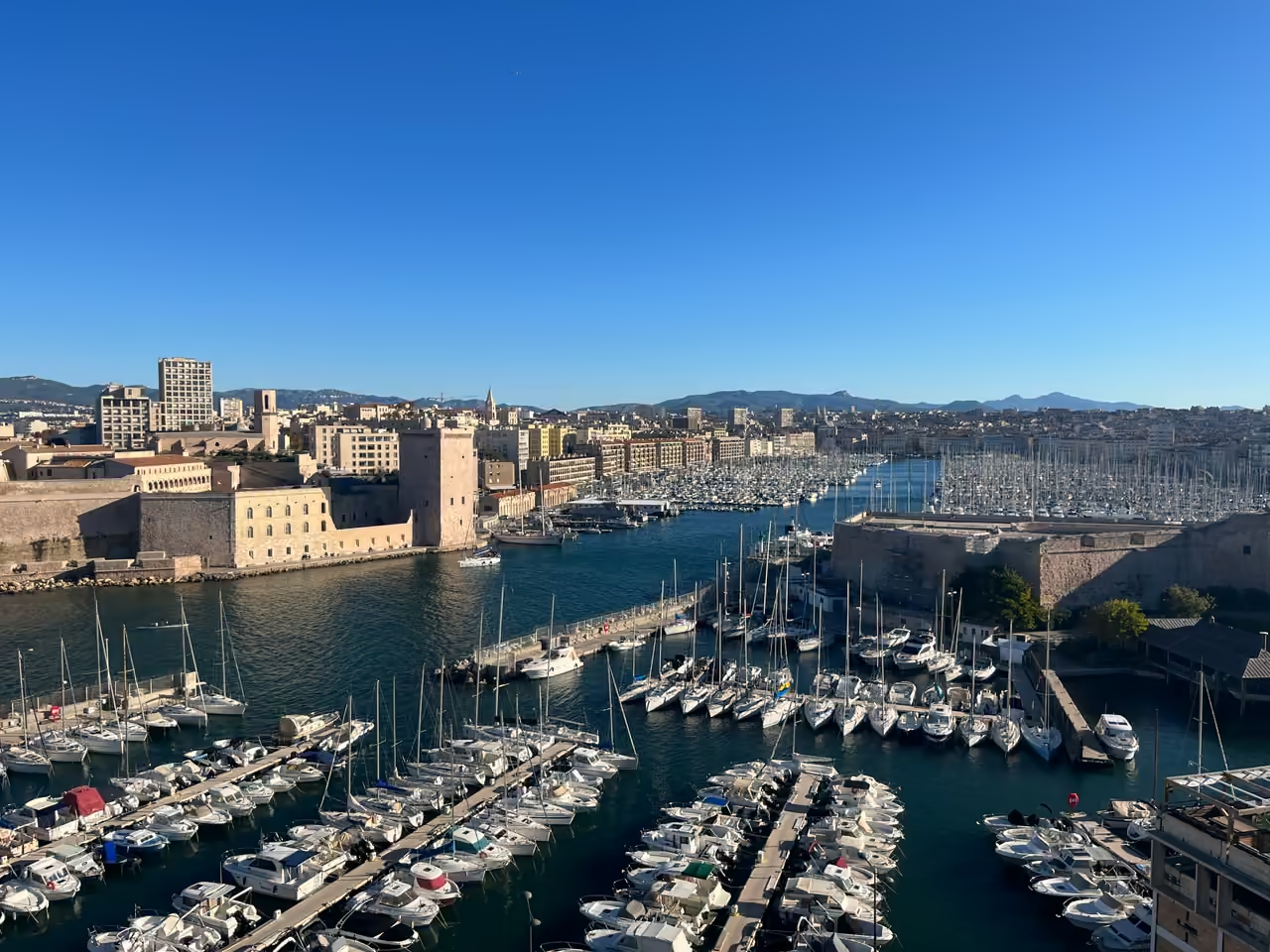
Follow the cry of gulls down La Canebière and Marseille opens straight onto salt water. It hits you all at once. On Quai des Belges each clear morning, fishermen haul crates of glistening scorpionfish and sea bream right beside Norman Foster's mirrored stainless canopy, L'Ombrière, where crowds watch themselves walking upside down across the steel ceiling. Around a basin covering 24 hectares, traditional wooden pointus bob beside sleek racing yachts, framed at the harbour entrance by twin stone forts while Notre Dame de la Garde watches from the southern ridge. Dodging distracted tour groups by the Metro escalators takes a moment of patience at midday, yet the broad granite promenade clears quickly along Quai de Rive Neuve, where a former 1909 fish hall now hosts La Criée theatre. Board a boat shuttle out toward the Château d'If, or grab an espresso on Quai du Port and wait for pink dusk light to catch the limestone facades as island ferries slip quietly back past the jetty.
Videos
History of Old Port of Marseille
Around 600 BC, Greek mariners from Phocaea steered their galleys into a sheltered Mediterranean inlet and decided to stay. Earlier Celtic tribes known as the Segobriges already held the rocky hills nearby, yet the newcomers claimed the northern shore of this cove, which they named Lacydon. Soon temples, an agora, and stone defensive walls rose above the water, parts of which survive inside the Jardin des Vestiges. Meanwhile, workers drained freshwater marshes at the eastern end of the bay and turned the southern shore into limestone quarries and burial grounds. Through the Middle Ages, maritime commerce largely bypassed Marseille for rival Port de Bouc, leaving the harbour to coastal traders and small fishing crews. That quiet routine broke in the late thirteenth century when the Counts of Provence transformed the marshy southern flats, called the Plan Fourmiguier, into naval shipyards. Following Provence's union with France in 1481, permanent stone quays took shape in 1515 and royal galley fleets anchored along the south bank. Marseille broke out of its medieval walls in 1666 when King Louis XIV ordered the ancient ramparts demolished so the city could wrap around every side of the harbour. By the 1840s, surging Mediterranean and colonial trade had pushed maritime tonnage past breaking point inside the cramped inlet. Rather than watch ships queue outside, the French state passed a law in 1844 financing massive breakwaters and docks built for larger vessels northward at La Joliette, engineered with giant concrete blocks. Cutting a wide avenue, later named Rue de la République, straight through old quarters linked the modern port to the historic cove, stripping the original basin of its heavy cargo trade. Upheaval struck sharply during the twentieth century. In January 1943, occupying German forces backed by French police forcibly evacuated the historic northern waterfront and dynamited its tightly packed streets block by block, leaving raw rubble above the ancient shore. Architect Fernand Pouillon led the reconstruction of those pale stone blocks in 1948, returning residents to a brighter waterfront. Industrial fishing eventually shifted north to Saumaty in 1976, leaving the inlet free for pleasure craft, until a sweeping urban overhaul between 2013 and 2016 halved vehicle lanes, cleared cluttered marina piers, and stretched broad granite esplanades around the water toward Place aux Huiles.
17 events spanning 2613 years
Fun Facts
13- 01
As late as 1805, cartographer Henri Michelot recorded how Marseille physically bolted its waterfront shut every single evening. At dusk, harbour guards spanned the narrow channel beside Fort Saint Jean with an iron chain buoyed upon a heavy timber beam wedged between three stone pillars.
- 02
Before cars ever drove beneath the water, travellers swung high across the harbour mouth inside an open gondola dangling from steel cables. French engineer Ferdinand Arnodin built the towering transporter bridge in 1905 under a concession lasting 75 years, ferrying passengers between the north and south fortresses until wartime demolition brought the structure down in 1944.
- 03
Cinema fans recognise the interwar harbour instantly from Marcel Pagnol's 1930s Marseille Trilogy, comprising Marius, Fanny, and César. Pagnol anchored his heartbreak and comedy inside a fictional Bar de la Marine along the quays, transforming everyday fishmongers and real ferry captain Escartefigue into enduring heroes of French film.
- 04
Clearance crews rebuilding the shattered northern shore in 1948 stumbled upon giant Roman clay storage jars buried metres below street level. Still resting in the exact warehouse trench where merchants packed them with wine and olive oil nearly two millennia ago, these colossal dolia anchor the Museum of the Roman Docks.
- 05
Constructed right beside the harbour mouth in 1719, the Consigne Sanitaire worked alongside the island of Frioul to inspect incoming crews and keep contagion away from city streets. Barely a year after its doors opened, infected goods slipped past the checkpoint and ignited the Great Plague of Marseille in 1720.
- 06
French writers repeatedly treated the port as a character larger than any sailor on its docks. Investigative reporter Albert Londres hailed the harbour as a French lighthouse sweeping its beam across five continents, while Alphonse Daudet marched his comic hero Tartarin of Tarascon along the quay with rifles slung over his shoulders, completely dazzled by his first glimpse of the ships.
- 07
In November 1423, an invading fleet sent by King Alfonso V of Aragon stormed Marseille, seized the tower watching over the harbour mouth, and tore away the heavy iron chain protecting the entrance. Carried back to Spain as a trophy of conquest, Marseille's stolen harbour chain hangs to this day on a wall inside Valencia Cathedral.
- 08
Locals proudly champion the Ferry Boat route spanning 283 metres across the harbour mouth as the shortest scheduled sea voyage on earth. Running since 1880, the service gained cult affection through its veteran vessel César, which carried commuters from 1953 until 2008 before giving way to an electric vessel assisted by solar panels in 2010.
- 09
Marseille's grandest boulevard takes its name from medieval craftsmen who twisted rough plant fibres beside the harbour edge. Rope makers spun hemp, known in Provençal as canebe, into anchor cables and ship slings across those damp workshops, eventually handing the word Canebière to the famous avenue running inland from the water.
- 10
One of France's favourite idioms for tall tales, 'the sardine that blocked the port of Marseille', stems from a real maritime mishap in May 1780. When the French ship Sartine ran aground right across the narrow harbour entrance and blocked all shipping, witty locals warped the ship's name into sardine and launched a legend.
- 11
Scholars traditionally linked the ancient Greek harbour name Lacydon to a word for salt marsh, yet coins struck by early Massaliote settlers tell a far stranger tale. Several surviving silver coins stamp the letters Lacydon beside a young deity sporting a bull's horn on his forehead, pointing toward a sacred freshwater spring god worshipped near the Accoules district.
- 12
Six hundred metres of twin road tunnels have carried cars straight under the seabed near the harbour entrance since 1967. Linking Marseille's northern coastal motorway directly with routes heading east, the underground crossing quietly clears thousands of light vehicles away from the waterfront promenades above.
- 13
Standing on the northern quay, Marseille's Town Hall, built in the seventeenth century, hides a bizarre design oversight by architects Gaspard Puget and Mathieu Portal. When the civic palace of two storeys went up for the city's merchant guild, nobody built an interior staircase, forcing officials for centuries to climb stairs inside the neighbouring building just to reach the upper floor.
Old Port of Marseille Map & Neighborhood Explorer
This interactive map is centered on Old Port of Marseille. Zoom in and move the map around to automatically discover Wikipedia photos and summaries of other nearby sights, monuments, and historical points of interest and stories in real-time!
Old Port of Marseille FAQ
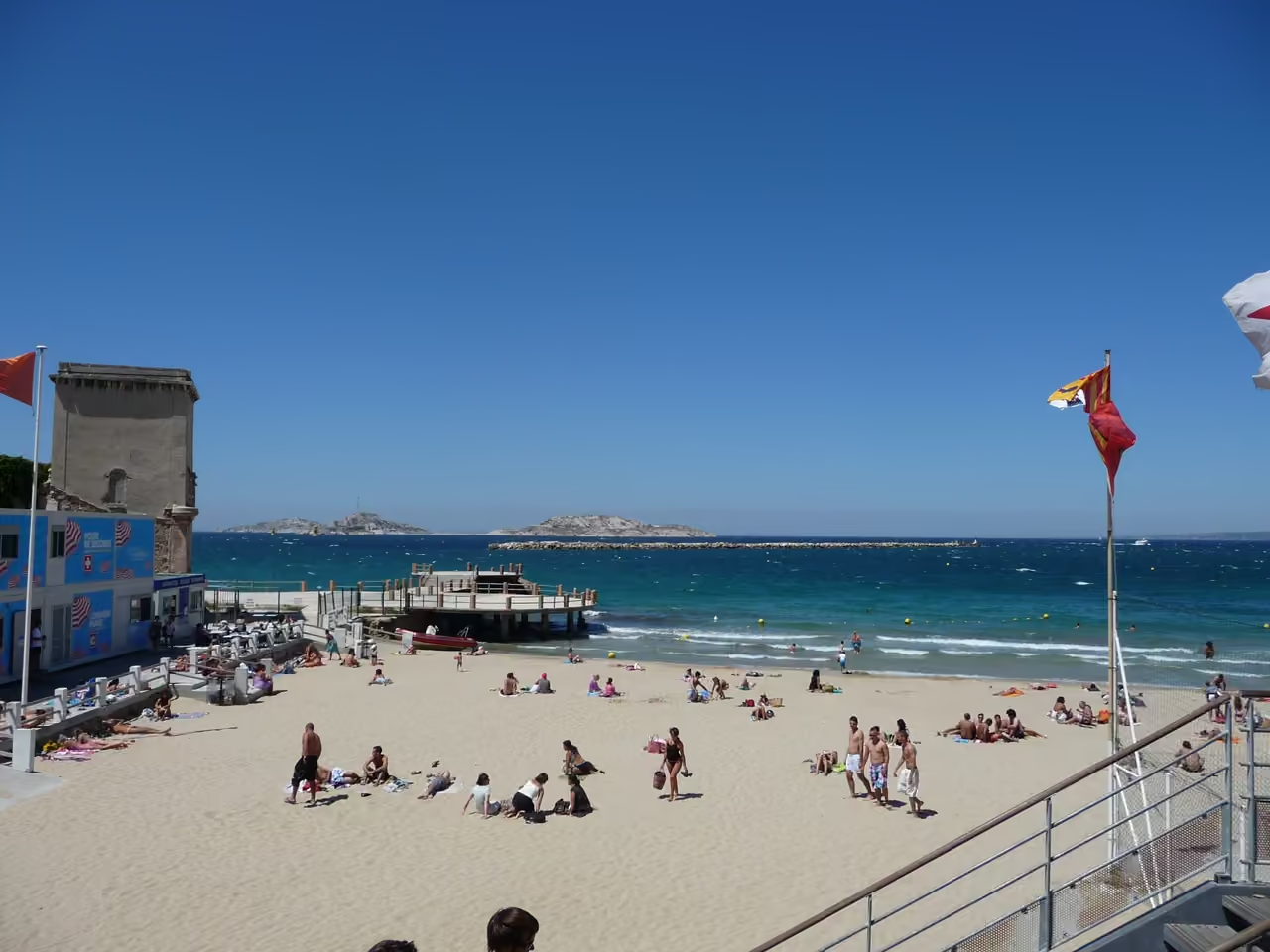
No, swimming is not permitted inside the basin because it serves as a working marina for 3,500 boats alongside frequent island ferries and harbour shuttles. For a quick dip nearby, walk or ride a bus roughly 20 minutes west past the Pharo headland to the sandy Plage des Catalans.
Independent fishermen gather along Quai des Belges, officially called Quai de la Fraternité along its central stretch, several mornings a week, typically setting up stalls from around 8 am until the morning catch sells out. Because boat departures depend on sea conditions and Mistral winds, arriving before 10 am gives you the widest look at Mediterranean species such as scorpionfish, mullet, and sea bream.
Operating since 1880, the electric Ferry Boat powered partly by solar panels links the Town Hall on Quai du Port directly to Place aux Huiles on Quai de Rive Neuve. Crossing the channel measuring 283 metres takes only about three minutes, making it a scenic shortcut if you do not want to spend 15 to 20 minutes walking all the way around the eastern quay.
Excursion boats and shuttle vessels depart regularly from Quai des Belges for the rocky Château d'If fortress, the Frioul archipelago, and sightseeing cruises along the Calanques cliffs. Between March and October, Marseille's RTM network also operates public batobus water shuttles connecting the harbour north to L'Estaque and south to Pointe Rouge.
No, ocean liners, commercial freighters, and major passenger ferries to Corsica and North Africa dock farther north at the Grand Port Maritime de Marseille basins around La Joliette and the dedicated cruise terminals. The Old Port sits right in the historic city centre and handles only pleasure boats, small fishing vessels, and coastal excursion traffic.
Getting there is effortless because the Vieux-Port Metro station on Line 1 opens straight onto the pedestrianised waterfront at the bottom of La Canebière, alongside numerous city bus stops. Since the 2013 urban redesign cut vehicle lanes in half, roughly 70 per cent of the central eastern quay is reserved for walkers, creating wide level walkways around all three sides of the water.
A typical visit takes about 2 hours. We recommend planning your schedule accordingly to make the most of your time there.
The closest place to visit near Old Port of Marseille is Traditional Savon de Marseille Soap Workshops, around 201 m away. Other things to do near Old Port of Marseille include Marseille City Hall (203 m), Old Port Morning Fish Market (288 m) and Quai de Rive Neuve & Cours d'Estienne d'Orves (288 m). All of these are within roughly 288 m of Old Port of Marseille, close enough to walk.
While we strive to keep this information accurate and up to date, we recommend verifying any details independently before making decisions based on them.
Places near Old Port of Marseille
Make the most of your trip. Check out these top-rated spots located nearby.
 201m
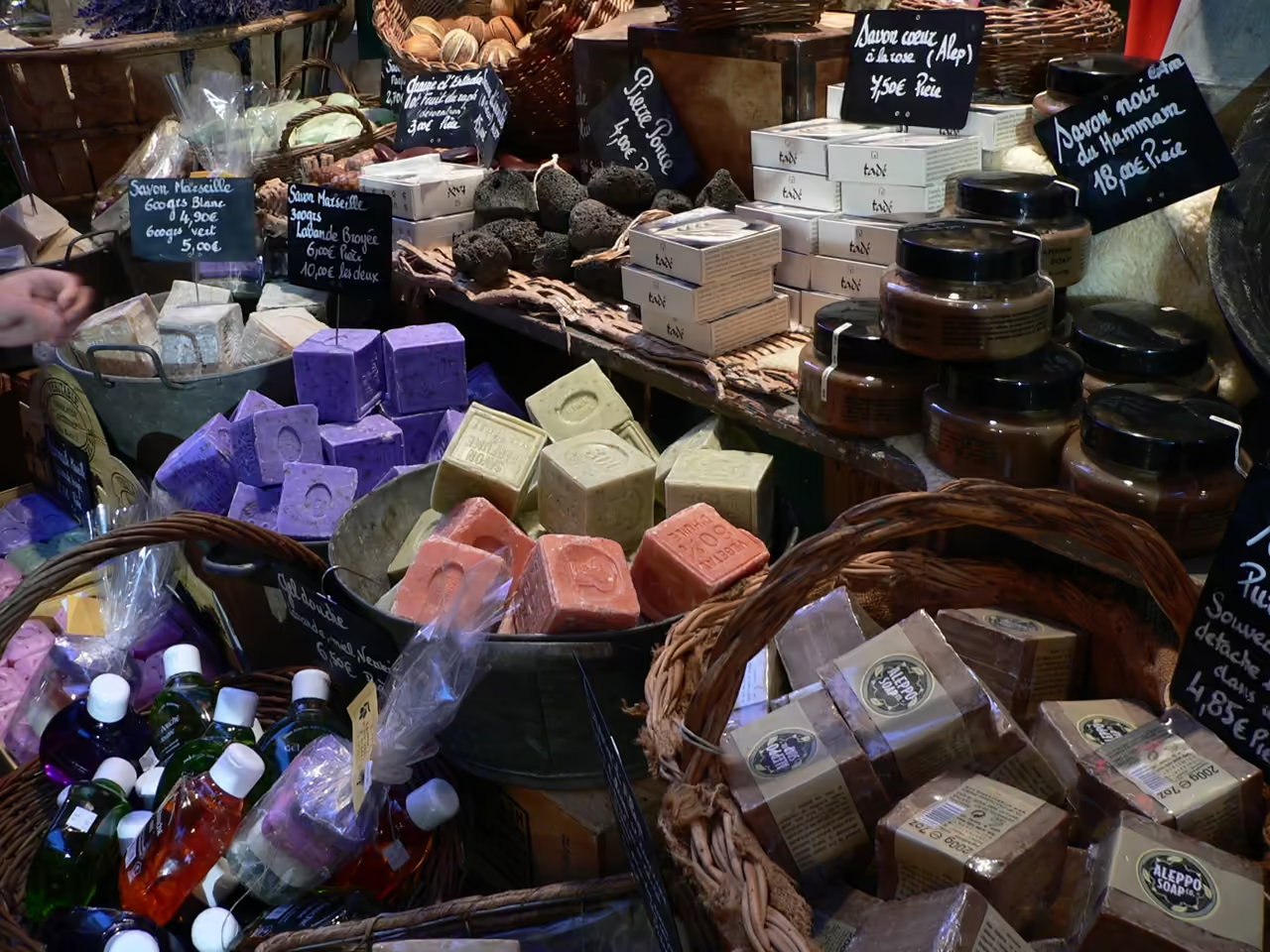
Traditional Savon de Marseille Soap Workshops
Marseille's centuries-old olive-oil soapmaking heritage endures inside a handful of working northern factories and waterfront ateliers along Quai du Port. Authentic unbleached green or beige cubes carry a '72% d'huile' stamp certifying pure vegetable-oil cooking in giant cauldrons without synthetic perfumes. Step into La Licorne soap museum or harbourfront workshops to watch hot paste stamped by hand.
highlight view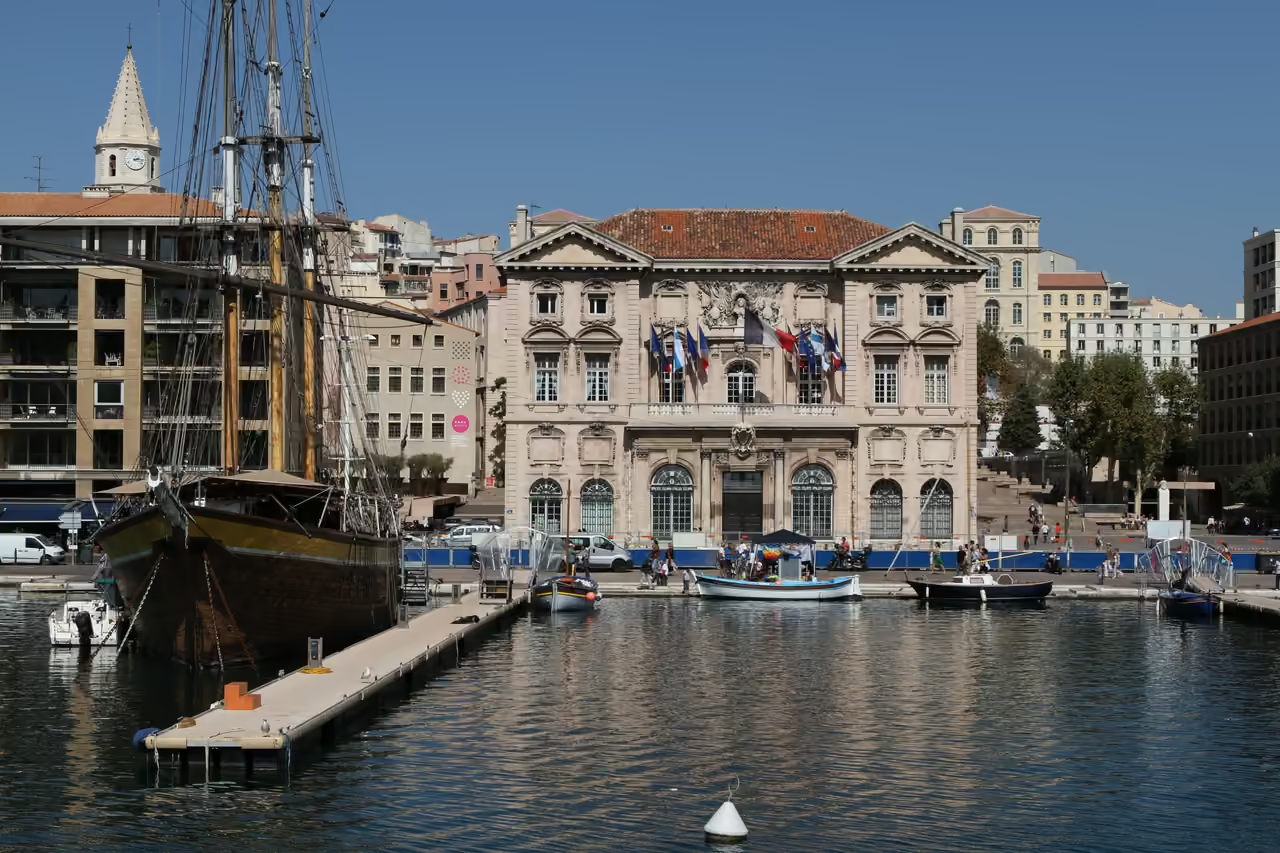 203m
Marseille City Hall
Built between 1653 and 1673 along the northern quay of the Vieux-Port, Marseille's Baroque City Hall combines golden Provençal stone pavilions with a grand sculpted shield carved by local master Pierre Puget. Remarkably spared during 1943 wartime clearances, its arched ground arcade still faces pleasure boats and the harbour ferry dock.
architecture view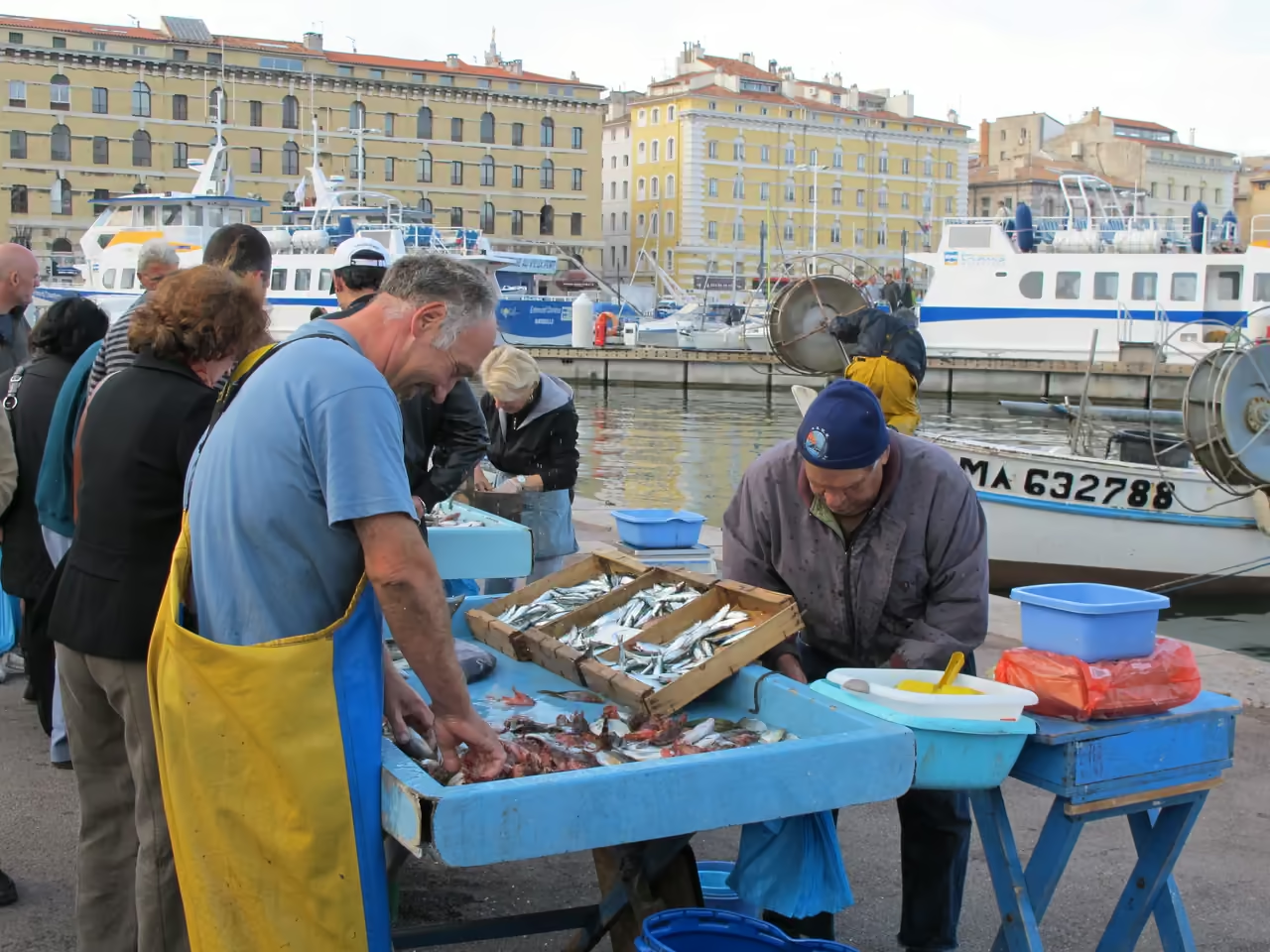 288m
Old Port Morning Fish Market
Every morning beneath Norman Foster's mirrored Ombrière canopy on Quai de la Fraternité, small fishing boats nose straight against the stones to sell their dawn catch. Fishmongers shout prices beside tubs of sea urchins, silvery sardines, octopus, and spiny rascasse destined for bouillabaisse pots. Arrive by 09:00 before the finest crates empty out and pair the harbour show with an espresso nearby.
market view 288m
Quai de Rive Neuve & Cours d'Estienne d'Orves
Once dusk hits the masts of the Vieux-Port, its southern bank comes alive around pedestrianised Cours Honoré d'Estienne d'Orves and Quai de Rive Neuve. Historic dockside vaults house late-night cellar clubs beside British and Irish pubs, rum bars, and candlelit brasseries. Drop by for a sunset pastis overlooking the boats before following music into the night.
nightlife view
Explore Similar Places in This Collection
Featured on These Itineraries and Routes
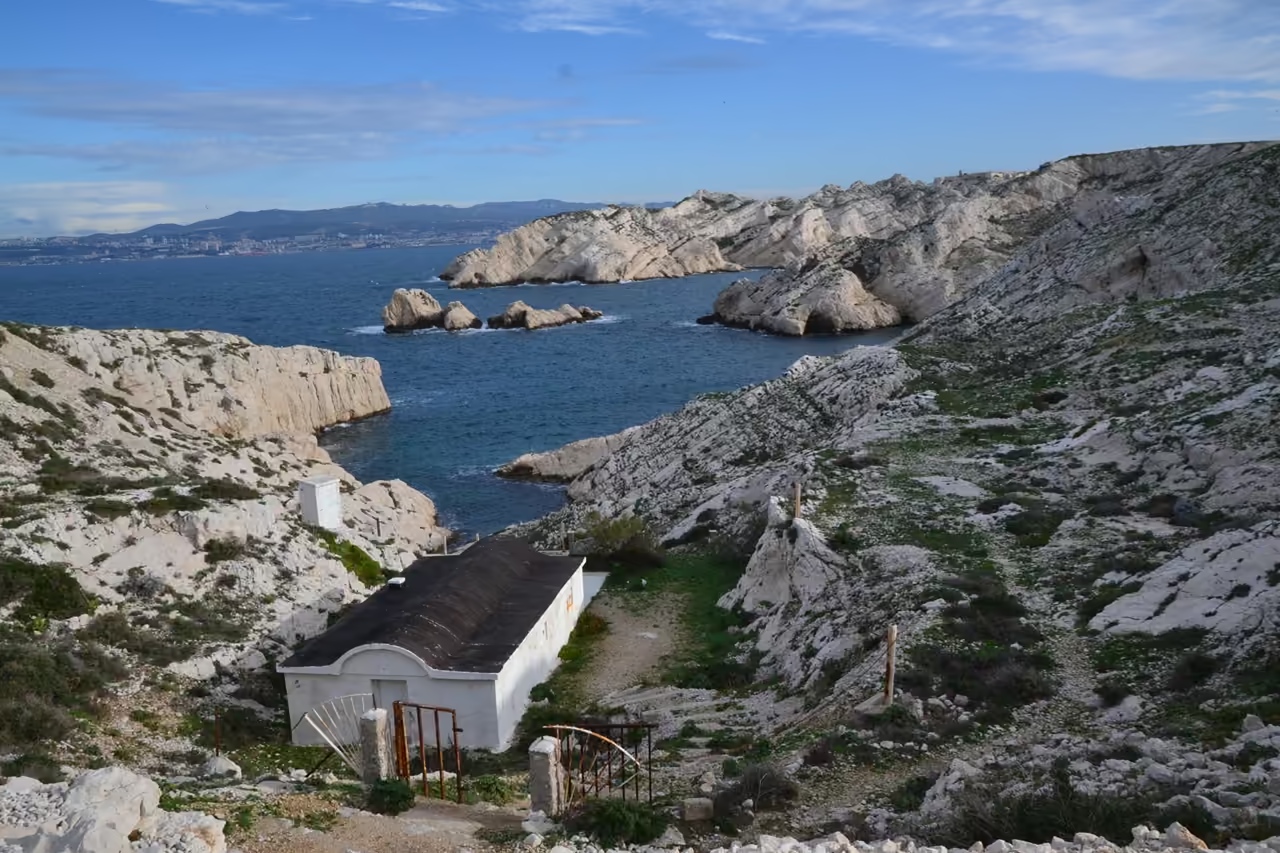
3 Days in Marseille: Sea, Culture & Calanques Break
Pair Marseille's harbour museums and island fortresses with a full coastal exploration of the Calanques National Park, Parc Borély, and bohemian street-art squares.
view itinerary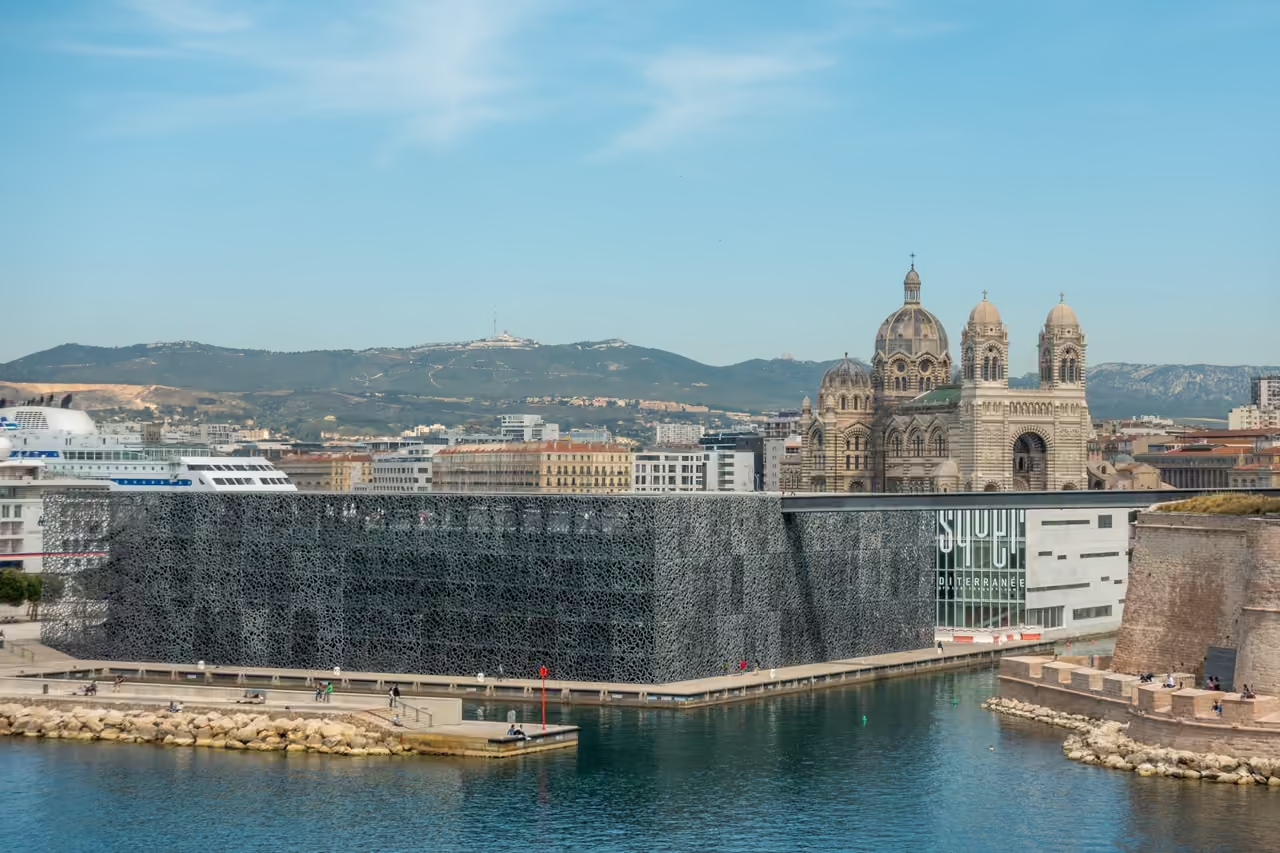
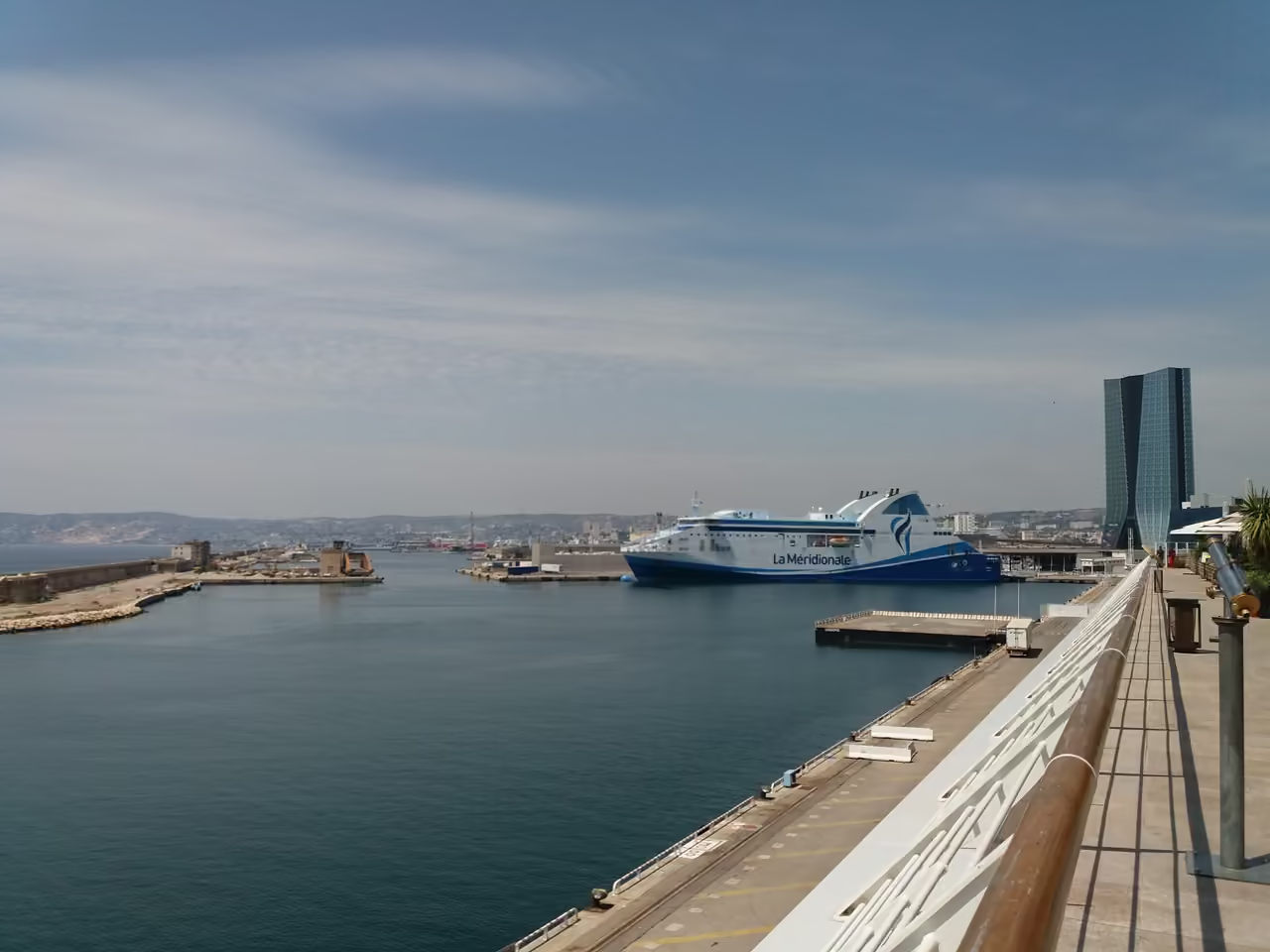
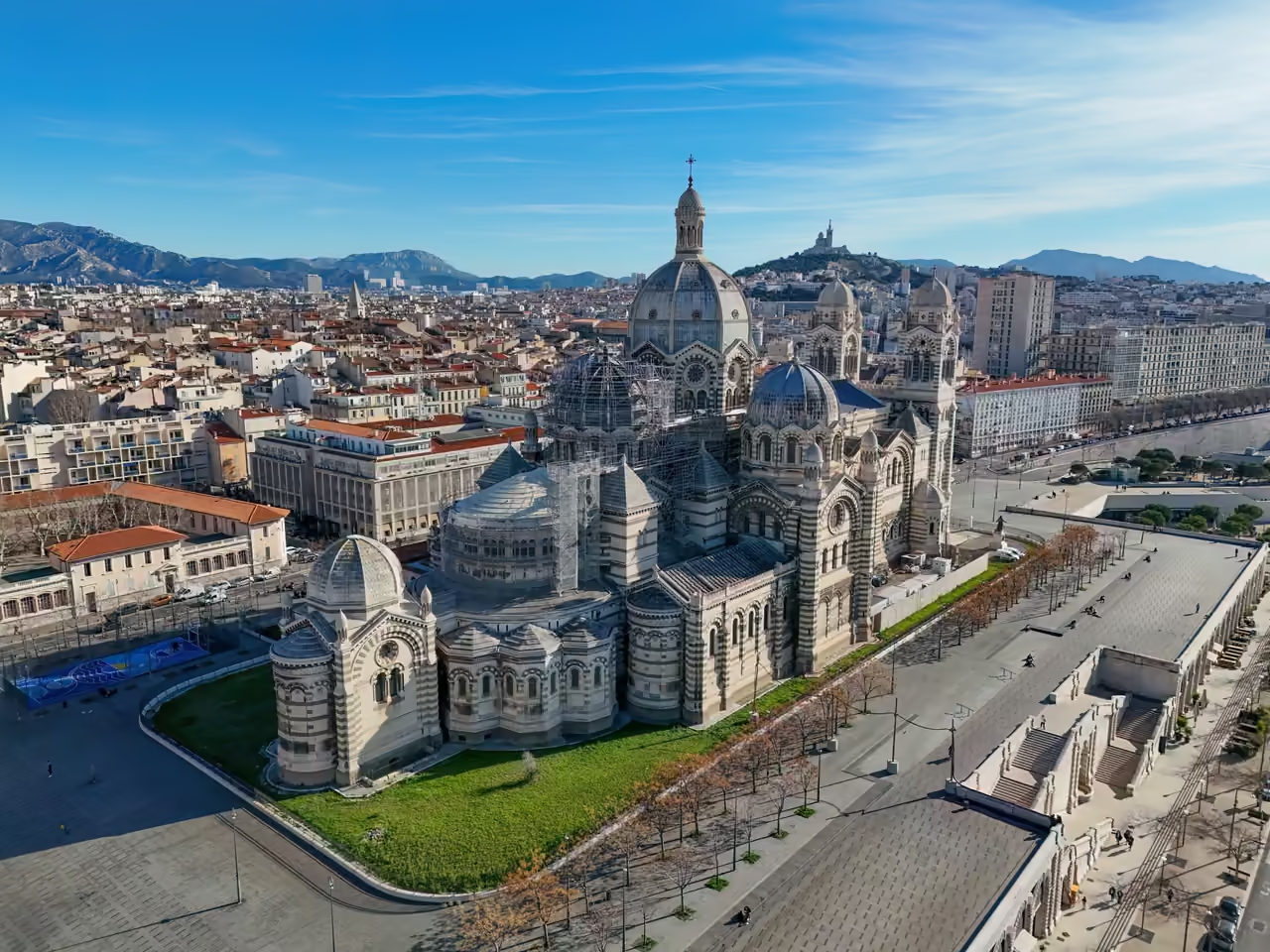
Vieux-Port, MuCEM & La Joliette Docklands Ride
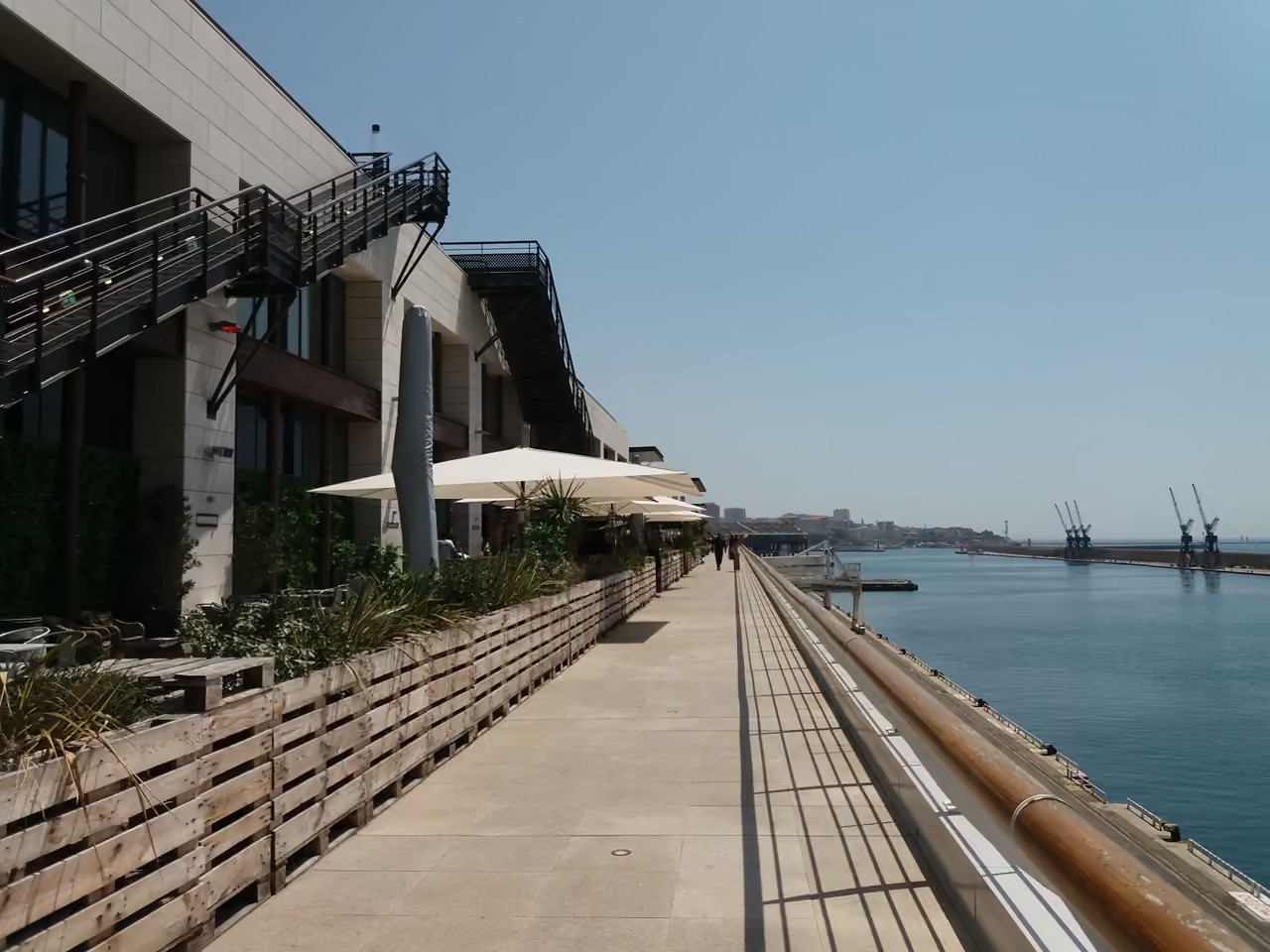
Roll gently along flat pedestrianised harbour quays and broad modern esplanades connecting medieval fortifications, contemporary architecture, and breezy sunset decks.
view cycling route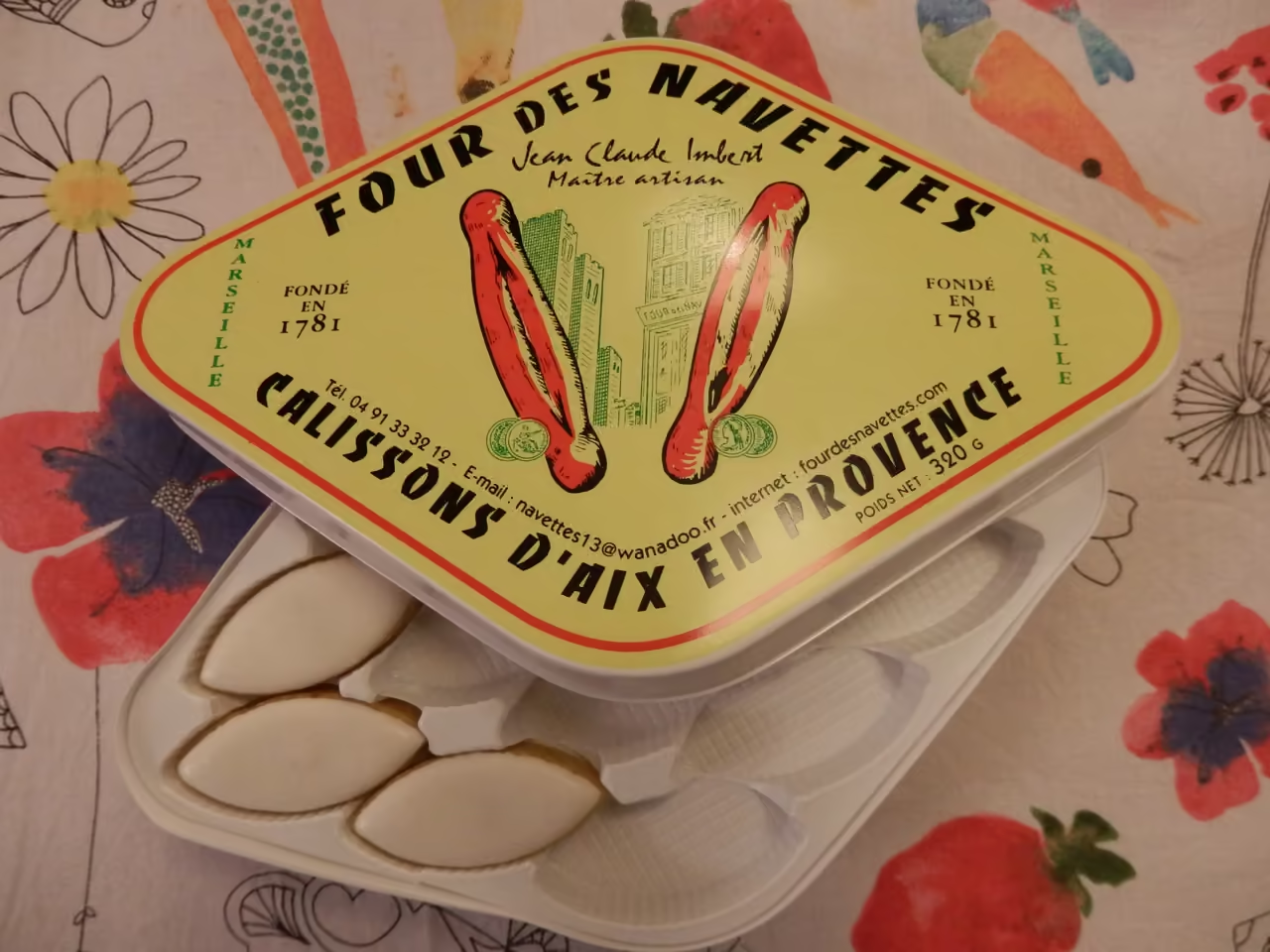
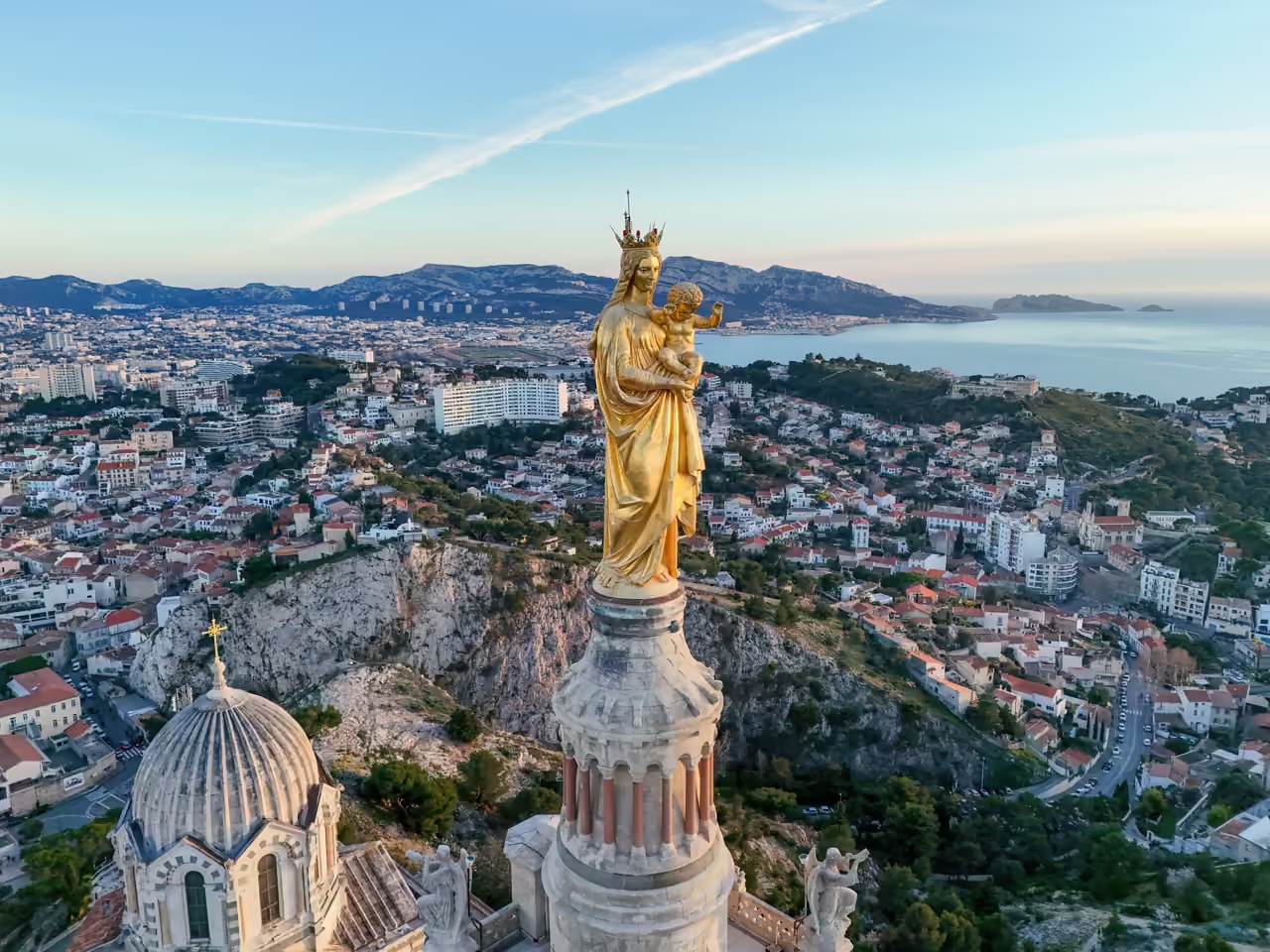
Old Port to Notre-Dame-de-la-Garde Hilltop Walk
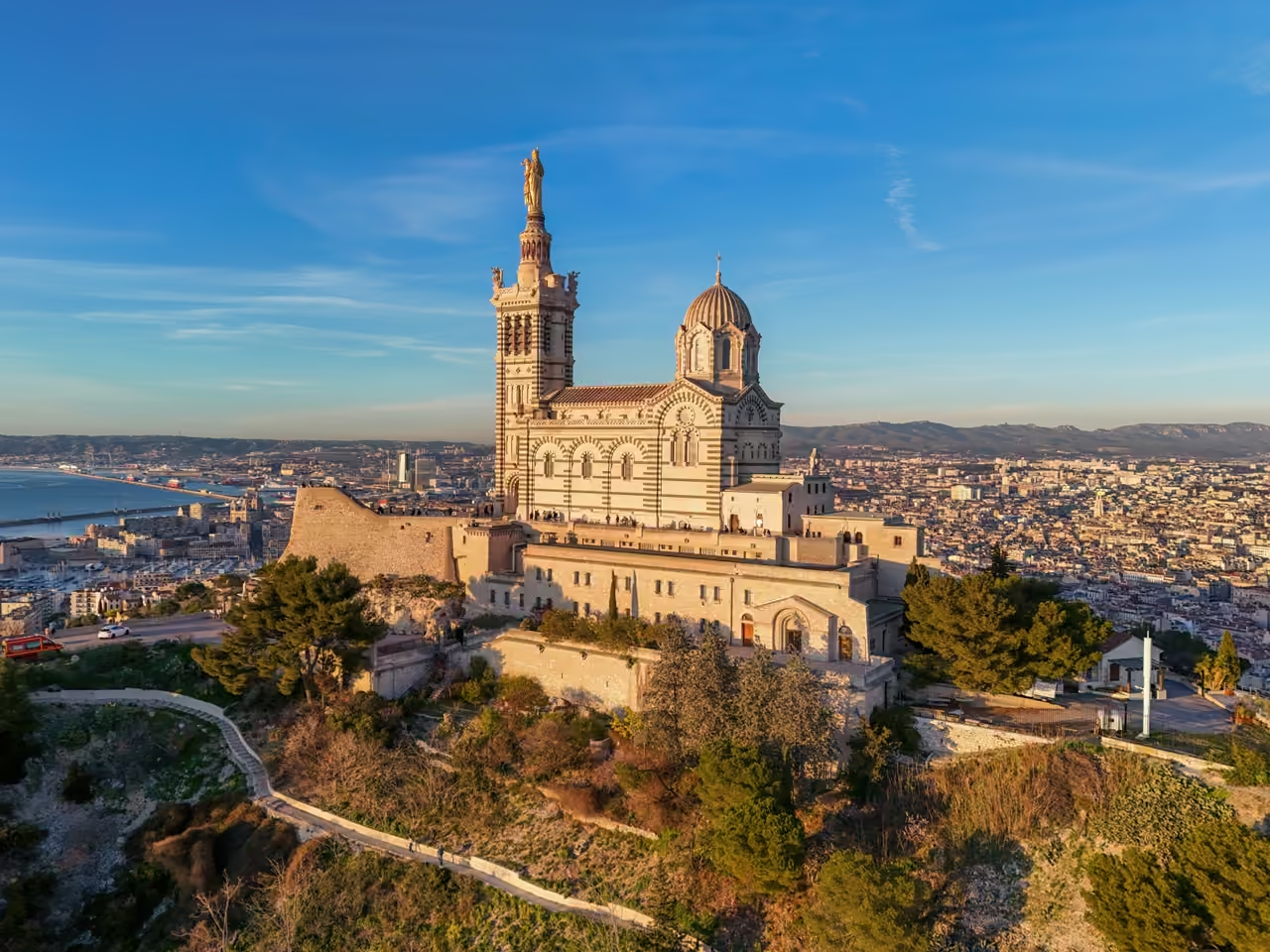
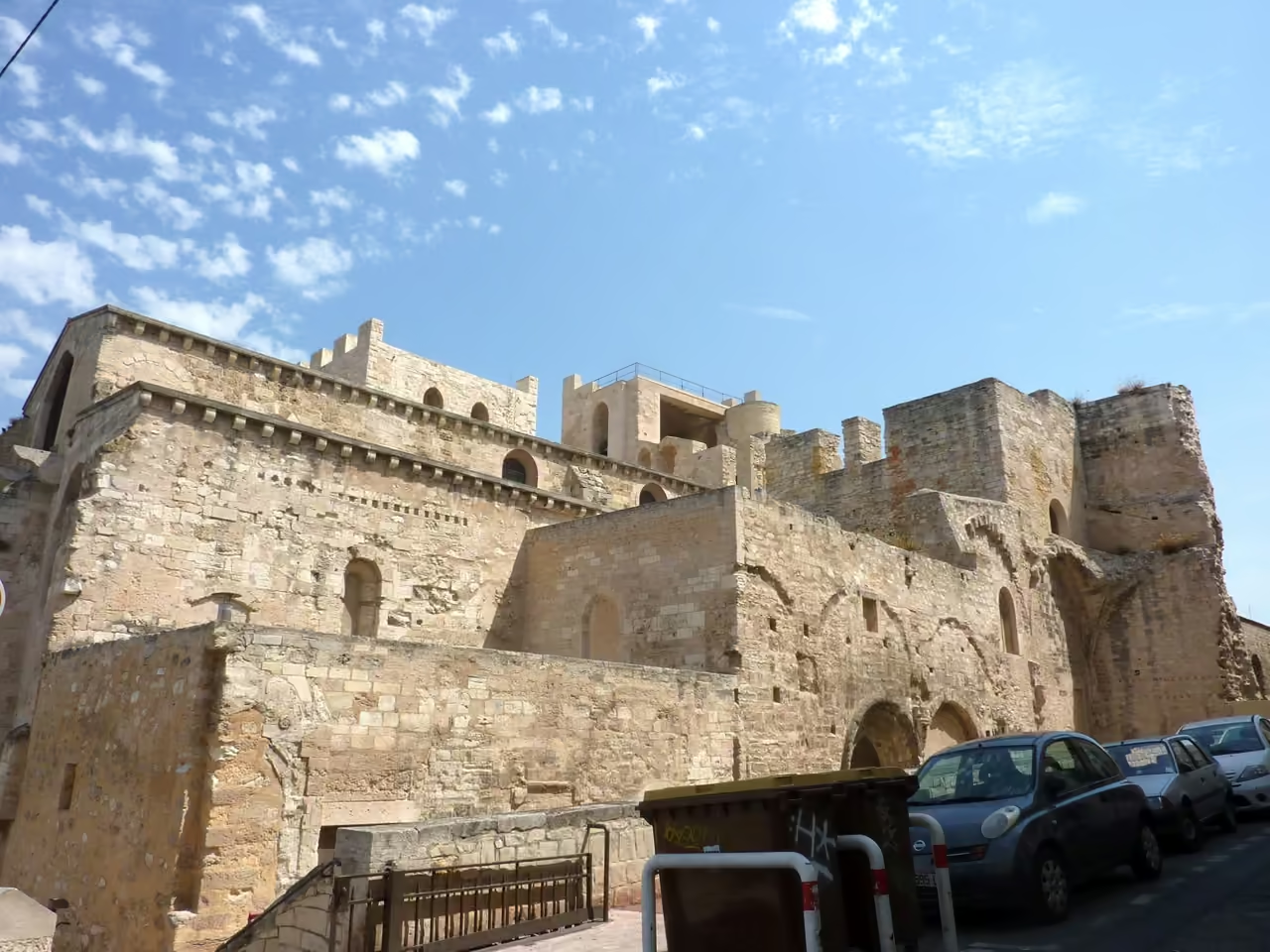
Ascend gently from Marseille's southern harbour quays past ancient catacombs, warm biscuit ovens, and quiet hillside gardens straight to the city's golden basilica summit.
view walking route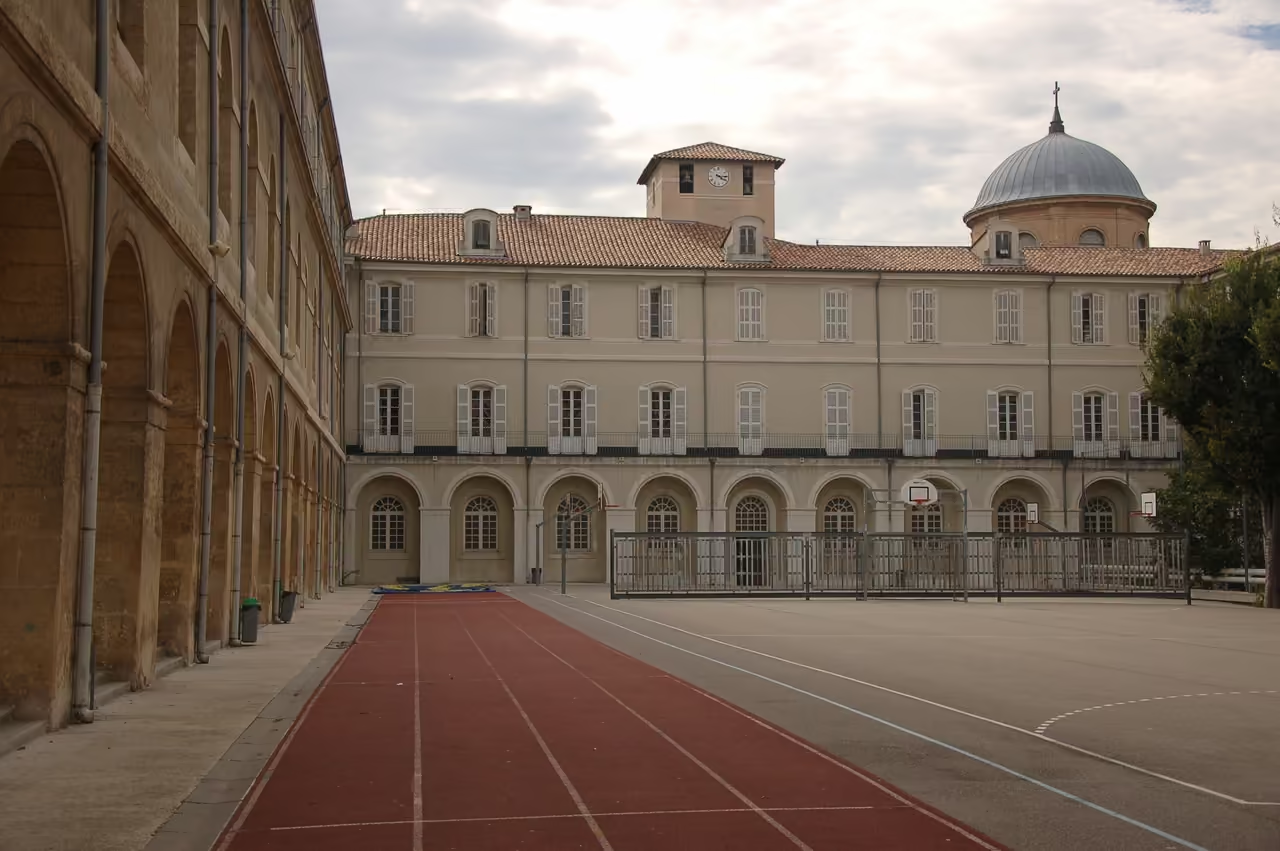
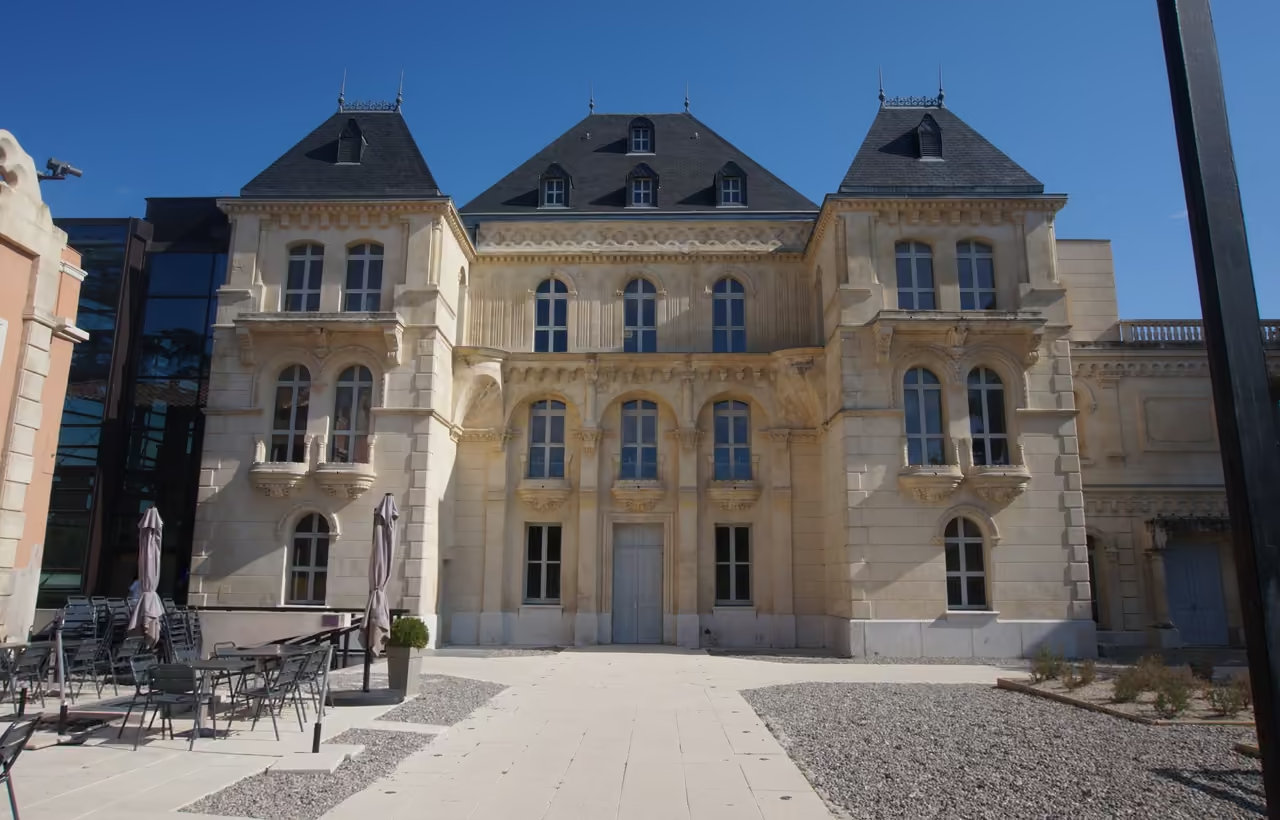
Marcel Pagnol's Marseille: Literary & Cinema Trail
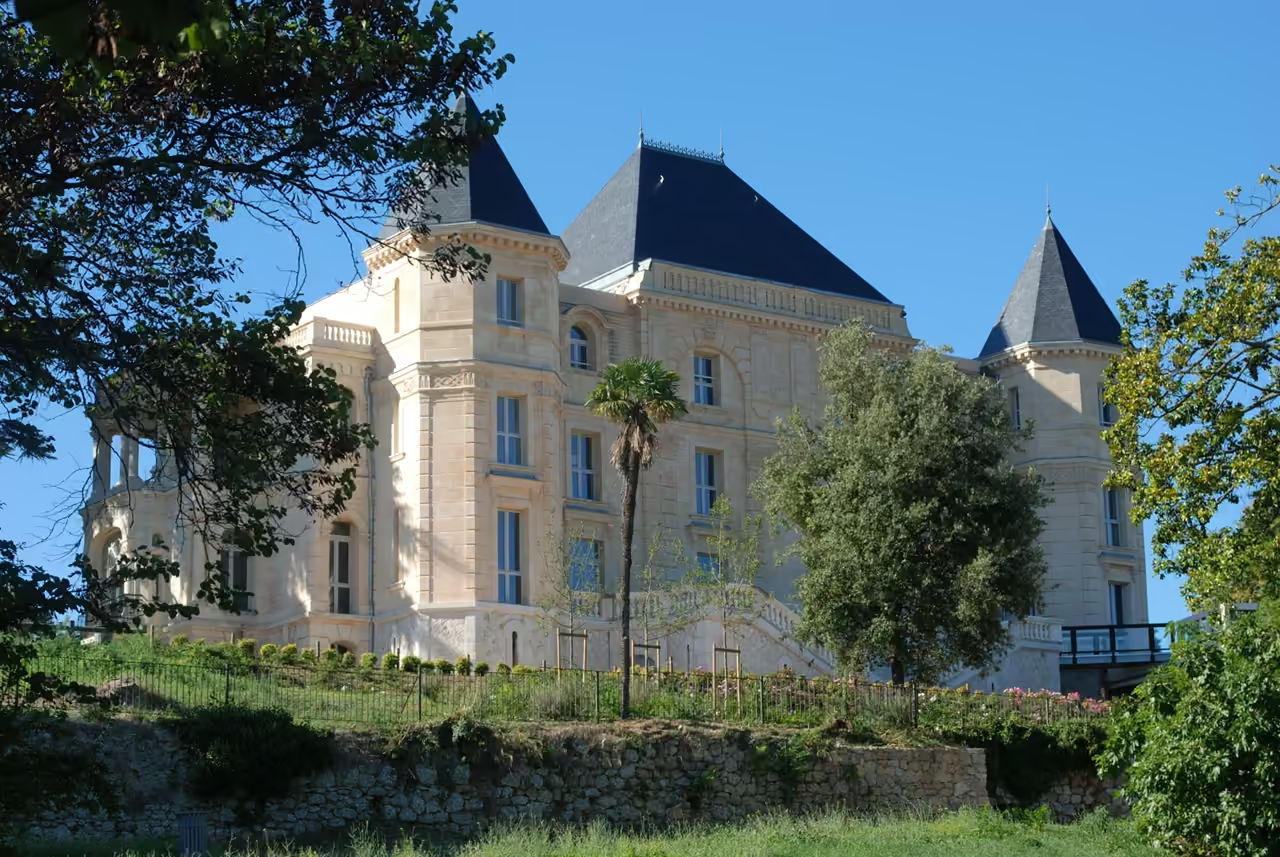
Trace the Marseille of novelist and filmmaker Marcel Pagnol from his historic inner-city schoolhouse and the Vieux-Port bars of 'Marius' out into the peaceful Garlaban foothills.
view self-guided tour
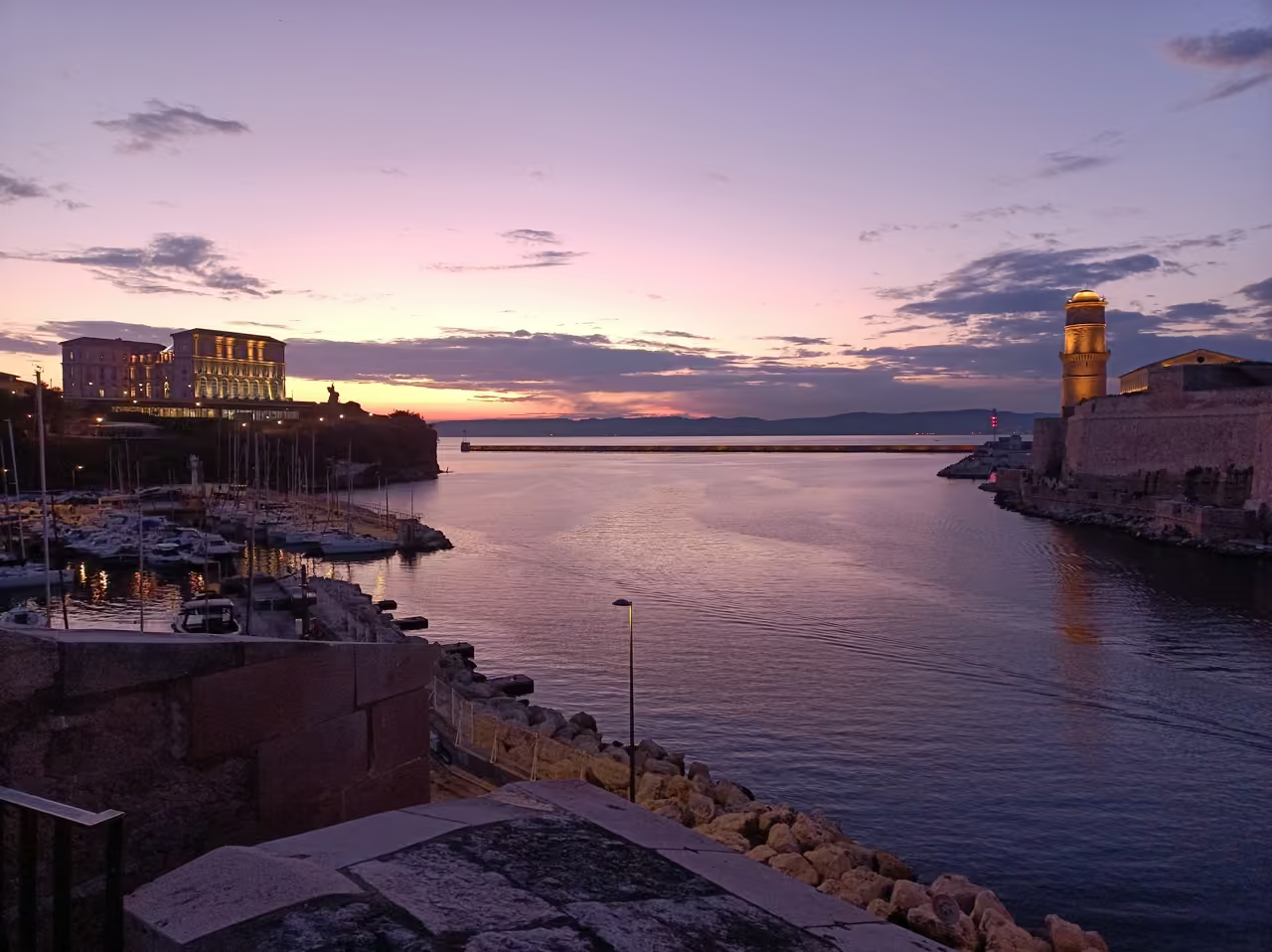
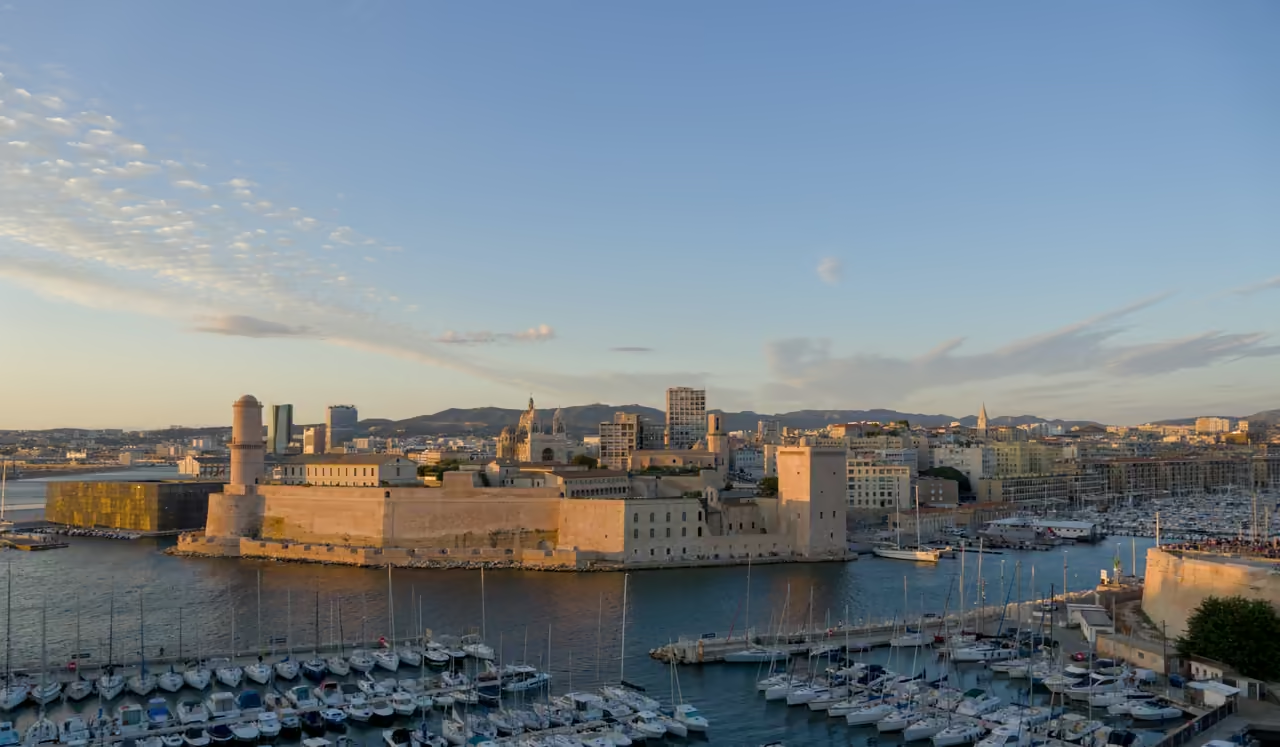
Royal Cannons & Island Prisons: Marseille's Sea Fortresses
Uncover centuries of maritime defence, rebellious town politics, and literary imprisonment across stone ramparts guarding the Vieux-Port and offshore reefs.
view self-guided tour
See all attractions in Marseille
Including Basilica of Notre-Dame de la Garde, Château d'If, Fort Saint-Jean, and more