Marcel Pagnol's Marseille: Literary & Cinema Trail
Self-Guided TourTrace the Marseille of novelist and filmmaker Marcel Pagnol from his historic inner-city schoolhouse and the Vieux-Port bars of 'Marius' out into the peaceful Garlaban foothills.
SURFACE BREAKDOWN
ELEVATION PROFILE
WHY WE LOVE THIS ROUTE
Pagnol gave Marseille's working-class voice and sunlit limestone hills an enduring place in world literature and cinema.
KNOW BEFORE YOU GO
- • Pause beneath the village plane trees in La Treille where Pagnol is buried overlooking the Garlaban ridge.
- • Split the city stops from the eastern valley stops, using the TER train or Bus #12S toward La Treille.
- 1ATTRACTION
Old Port Quays
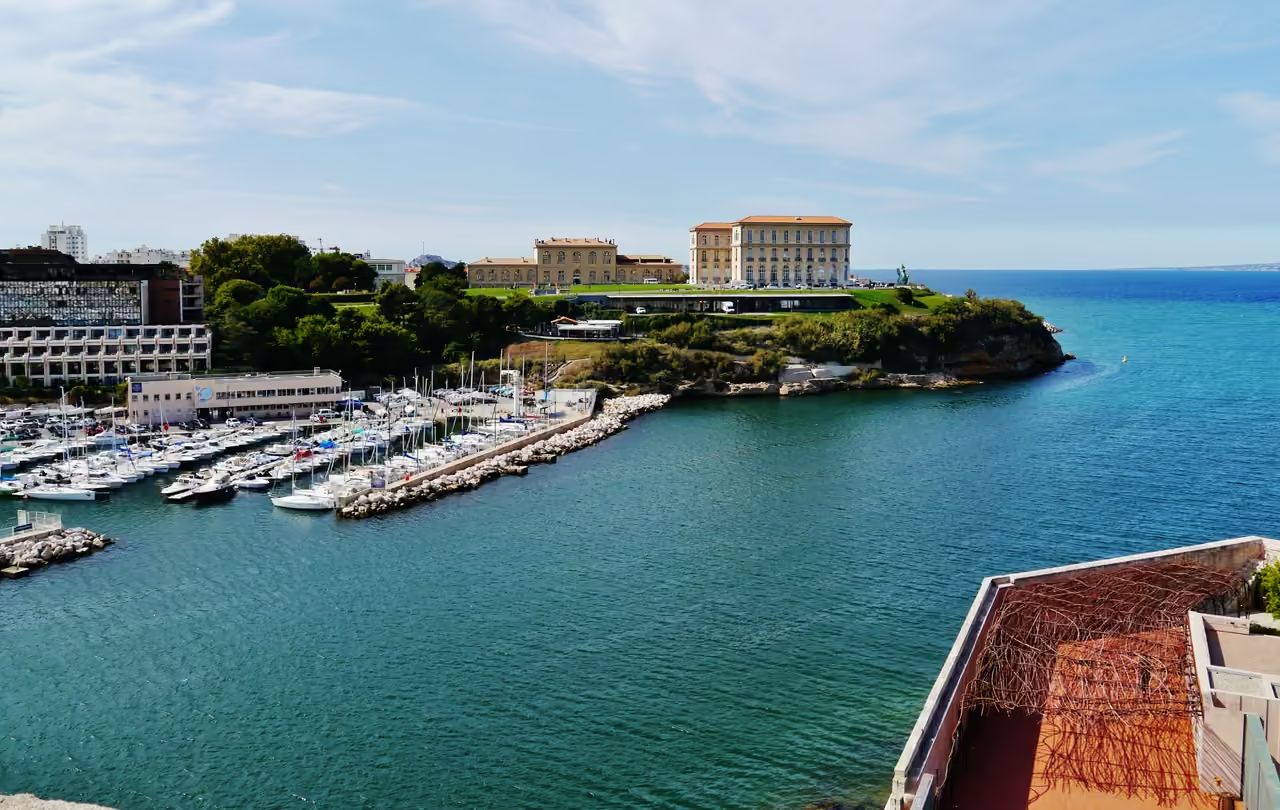
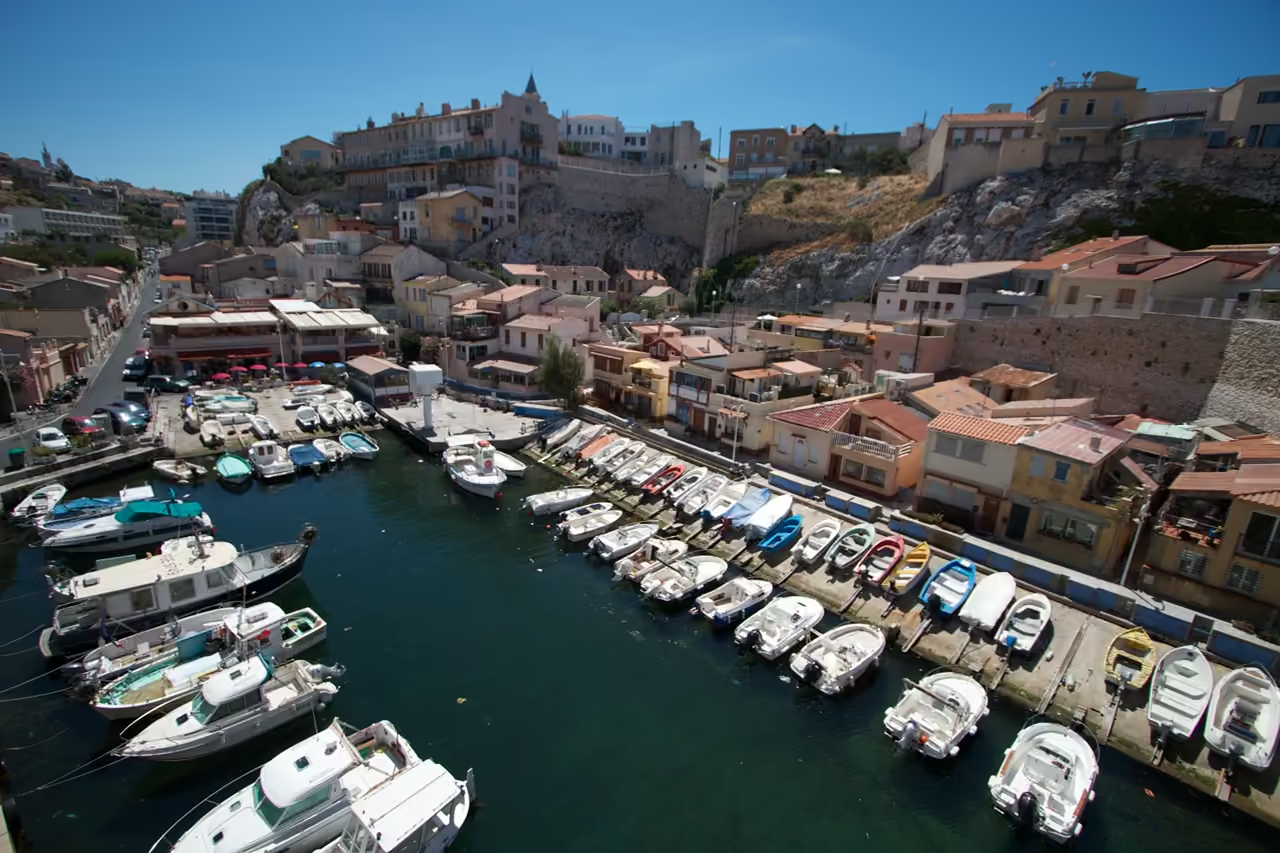
VIEUX-PORTHarbourside cafés and ferry docks frame the colourful maritime world immortalised across Pagnol's 'Marseille Trilogy'.
to next stop - 2WAYPOINT
Lycée Thiers
Marseille's oldest high school preserves neoclassical courtyards where young Marcel Pagnol studied and forged a lifelong friendship with novelist Albert Cohen.
FULL PLACE DETAILS
UpdatedOVERVIEW & STATS
- Established
- In 1965, making it 61 years old
to next stop - 3HIDDEN GEM
Château de la Buzine
A restored nineteenth-century bastide set in wooded gardens houses film exhibitions and celebrates Pagnol's beloved memoir 'Le Château de ma mère'.
FULL PLACE DETAILS
UpdatedARCHITECTURE & HERITAGE
- Heritage Status
- Monument Historique Inscrit
WEB & AMENITIES
to next stop - 4WAYPOINT
La Treille Hilltop Village
VILLAGE DE LA TREILLESun-dappled village squares, a stone fountain, and cypress lanes edge the Garlaban hills that served as sets for Pagnol's classic Provençal films.
FULL PLACE DETAILS
UpdatedWEB & AMENITIES
Other Self-Guided Tours
Check out other routes in Marseille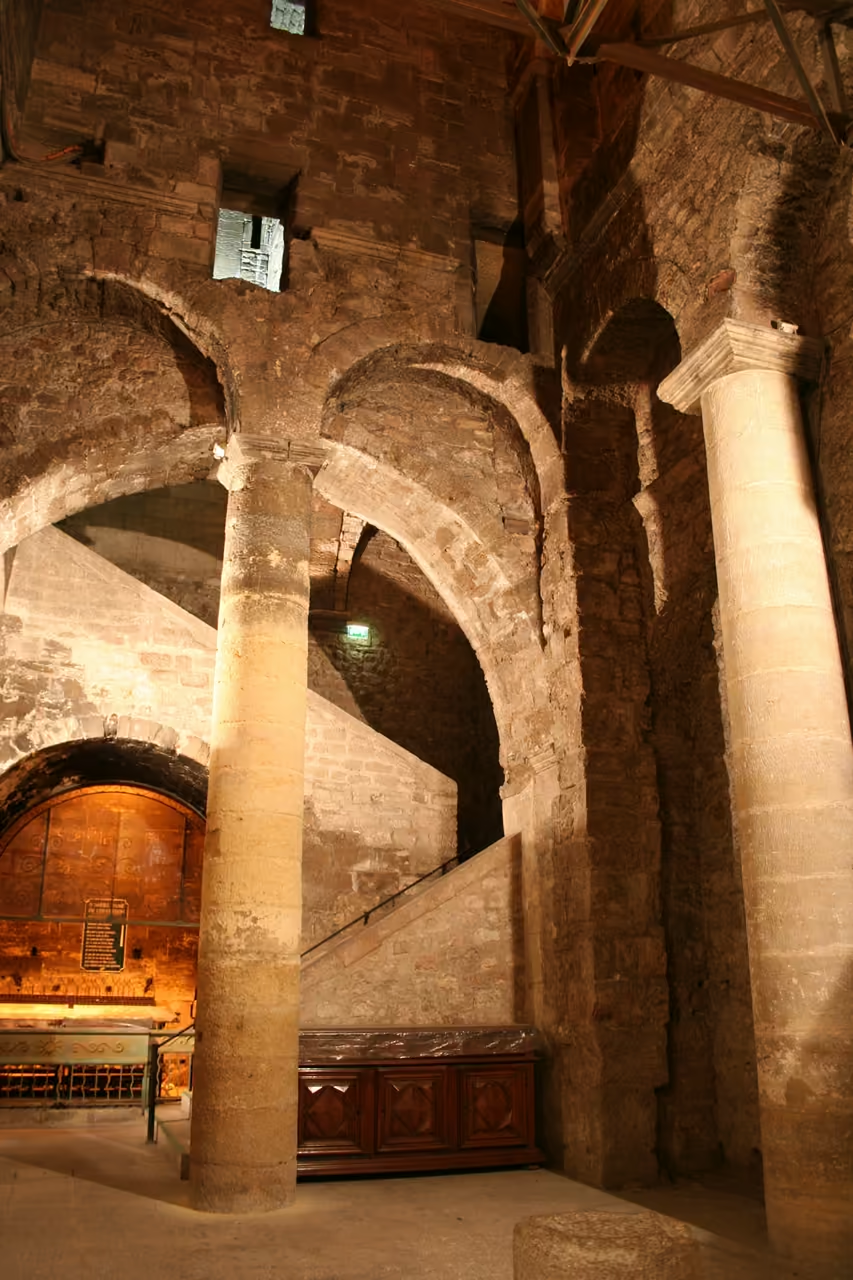
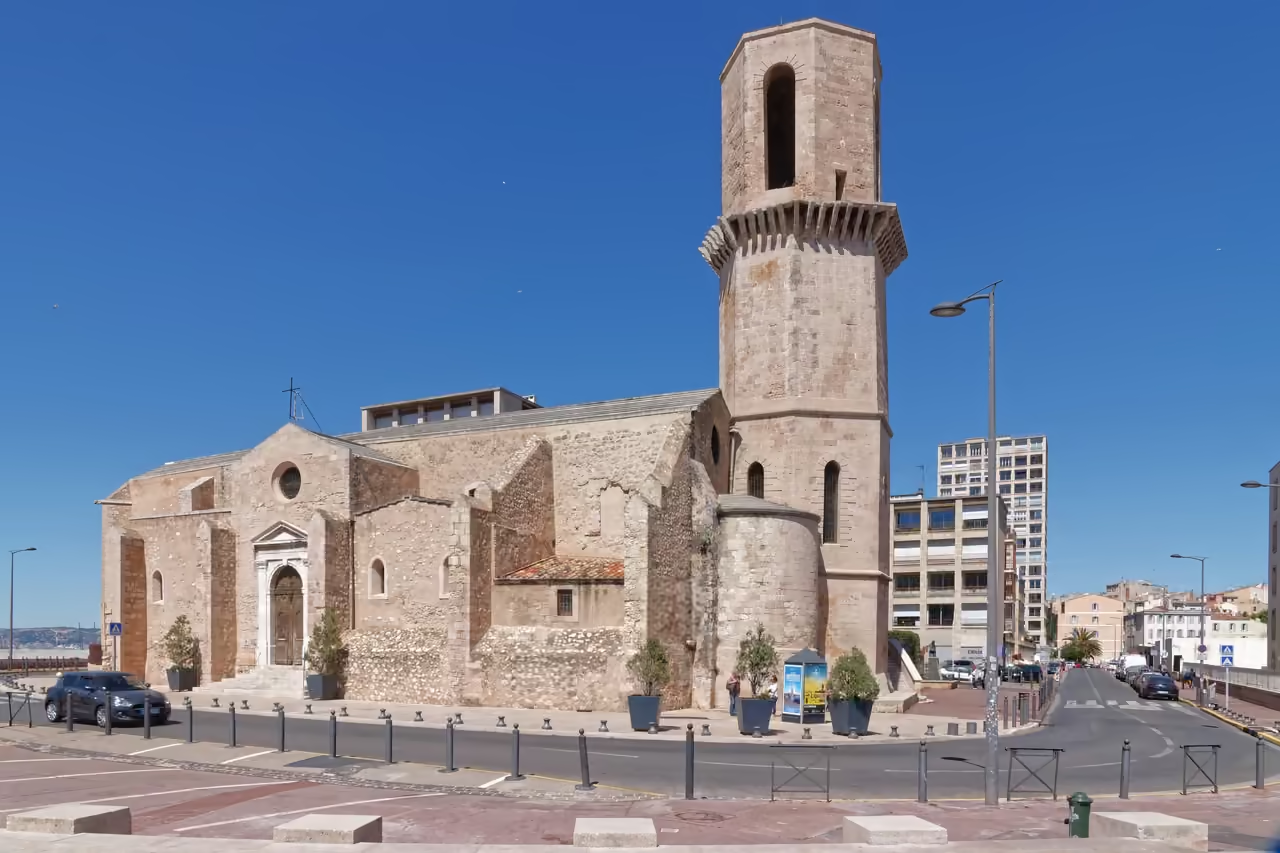
2,600 Years of Massalia: Ancient & Medieval Marseille
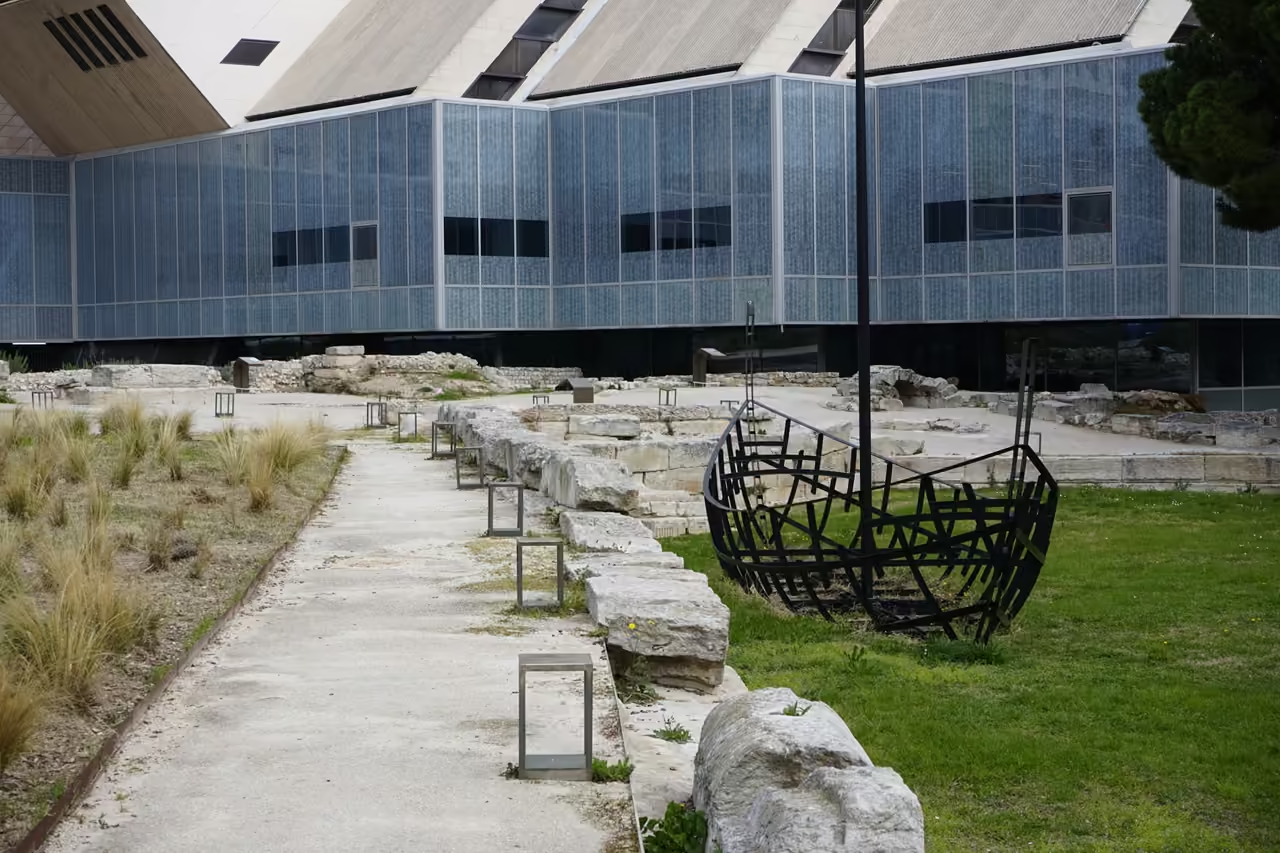
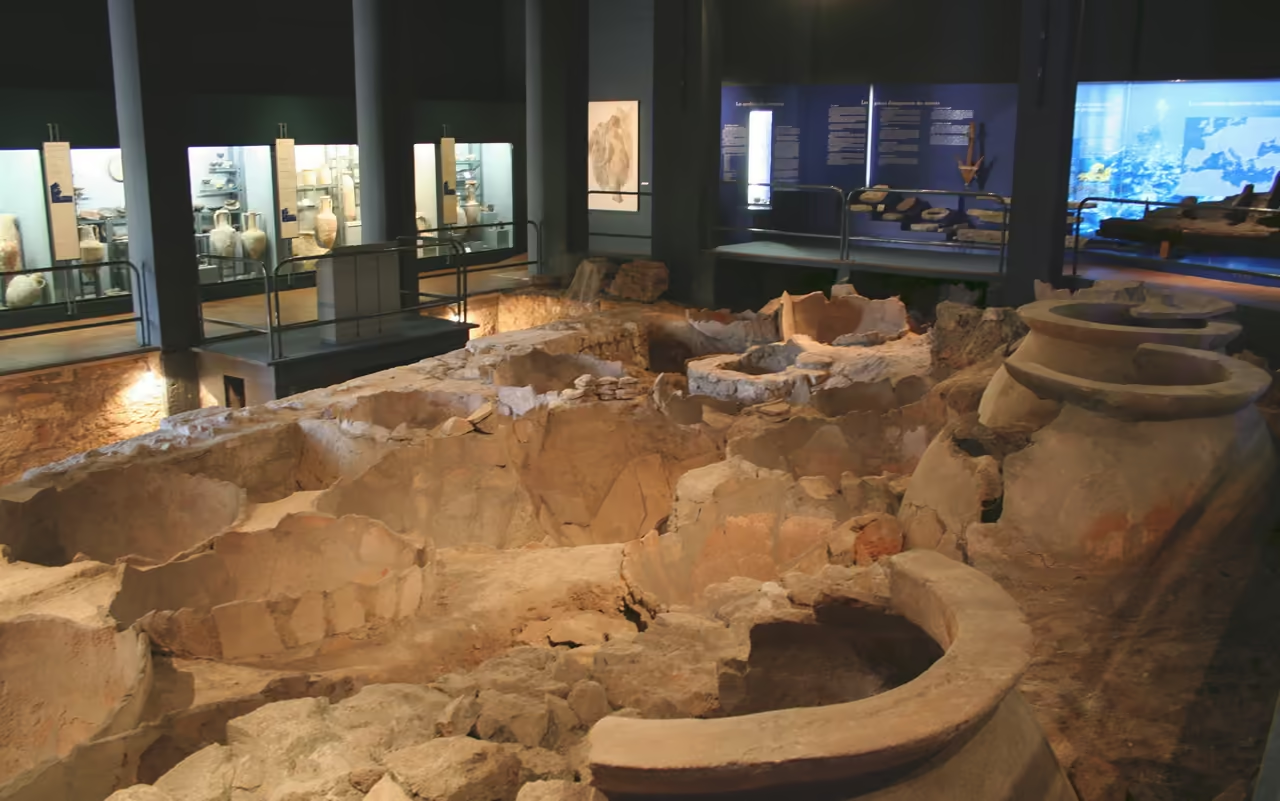
Trace Marseille's origins from sixth-century-BC Greek port walls and Roman storage jars to early Christian crypts and striped medieval stone cathedrals.
view route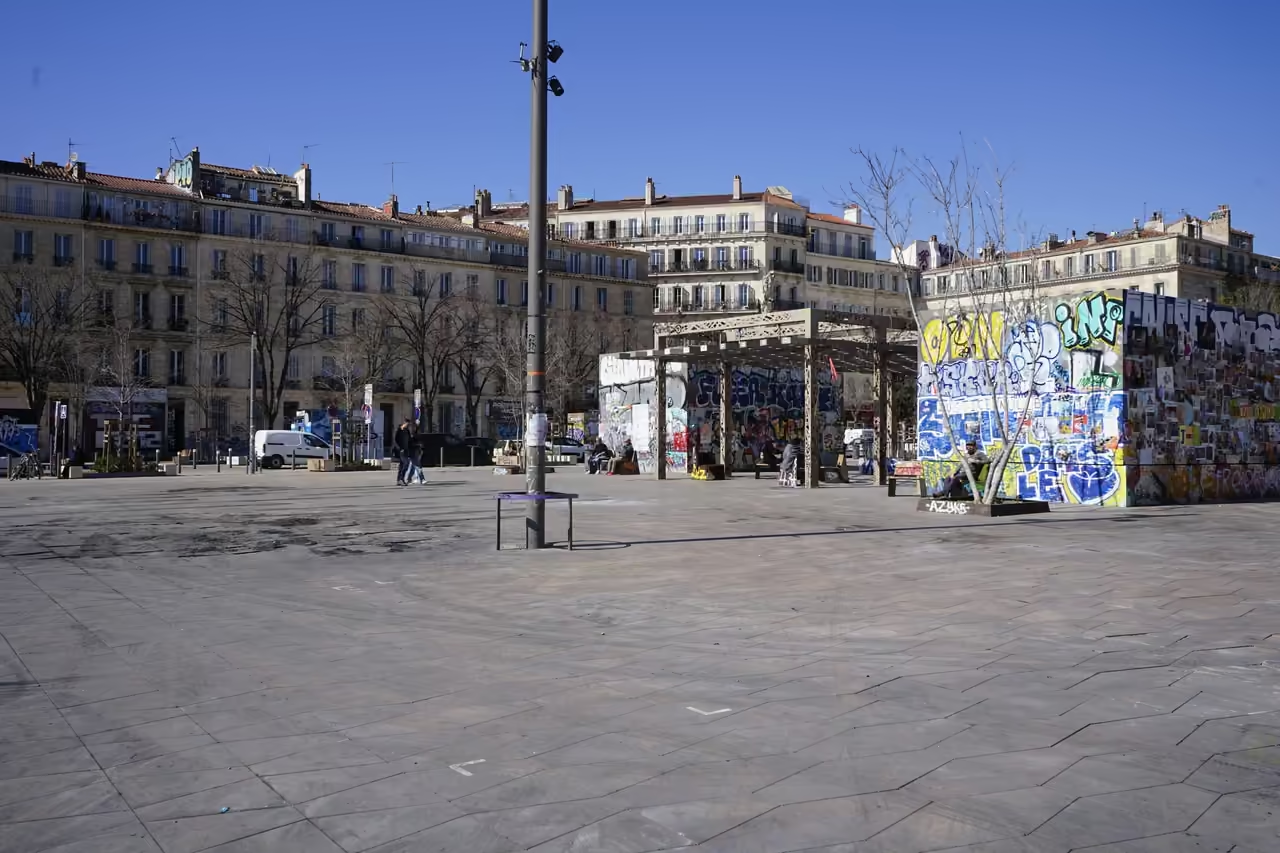
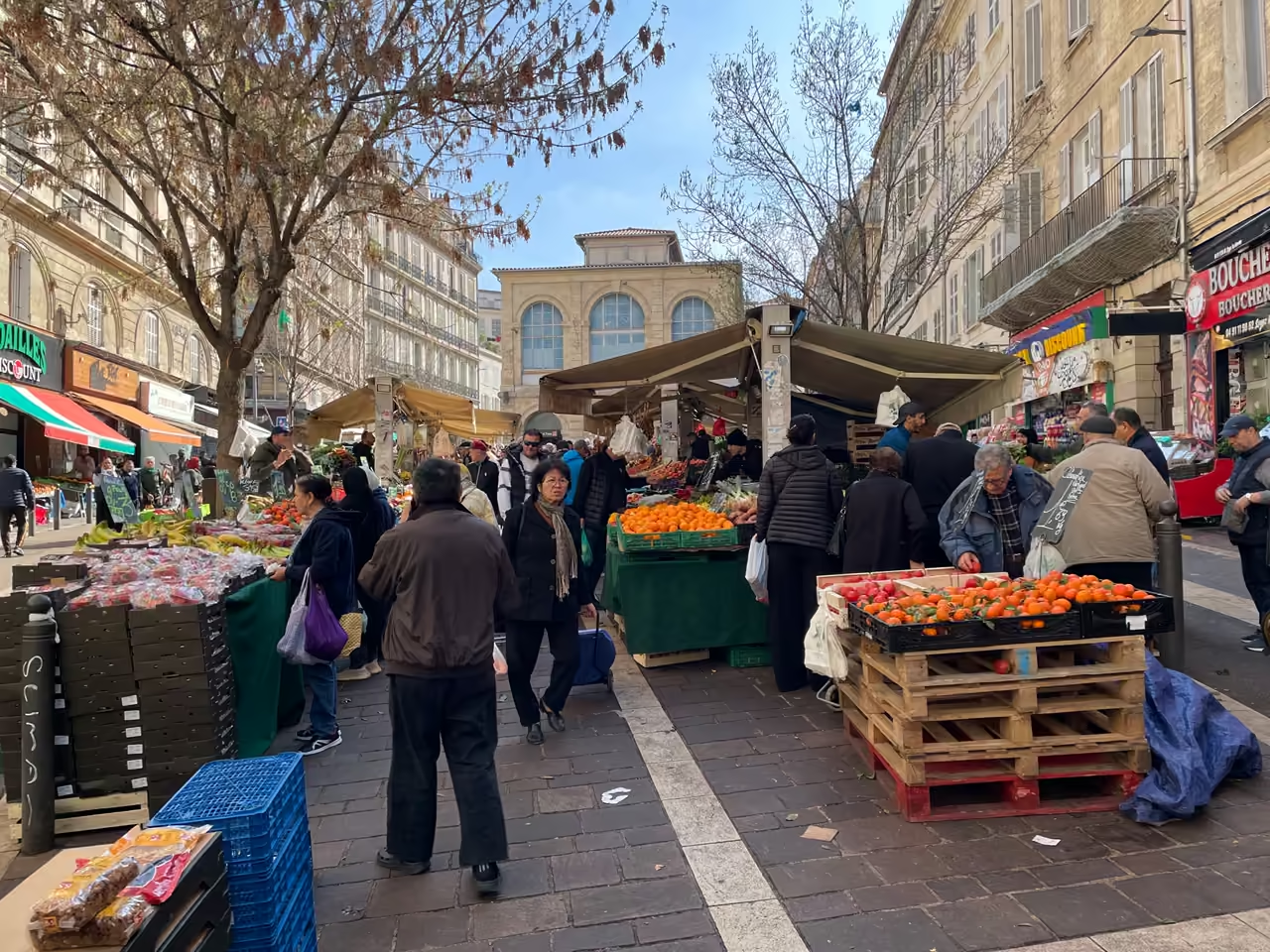
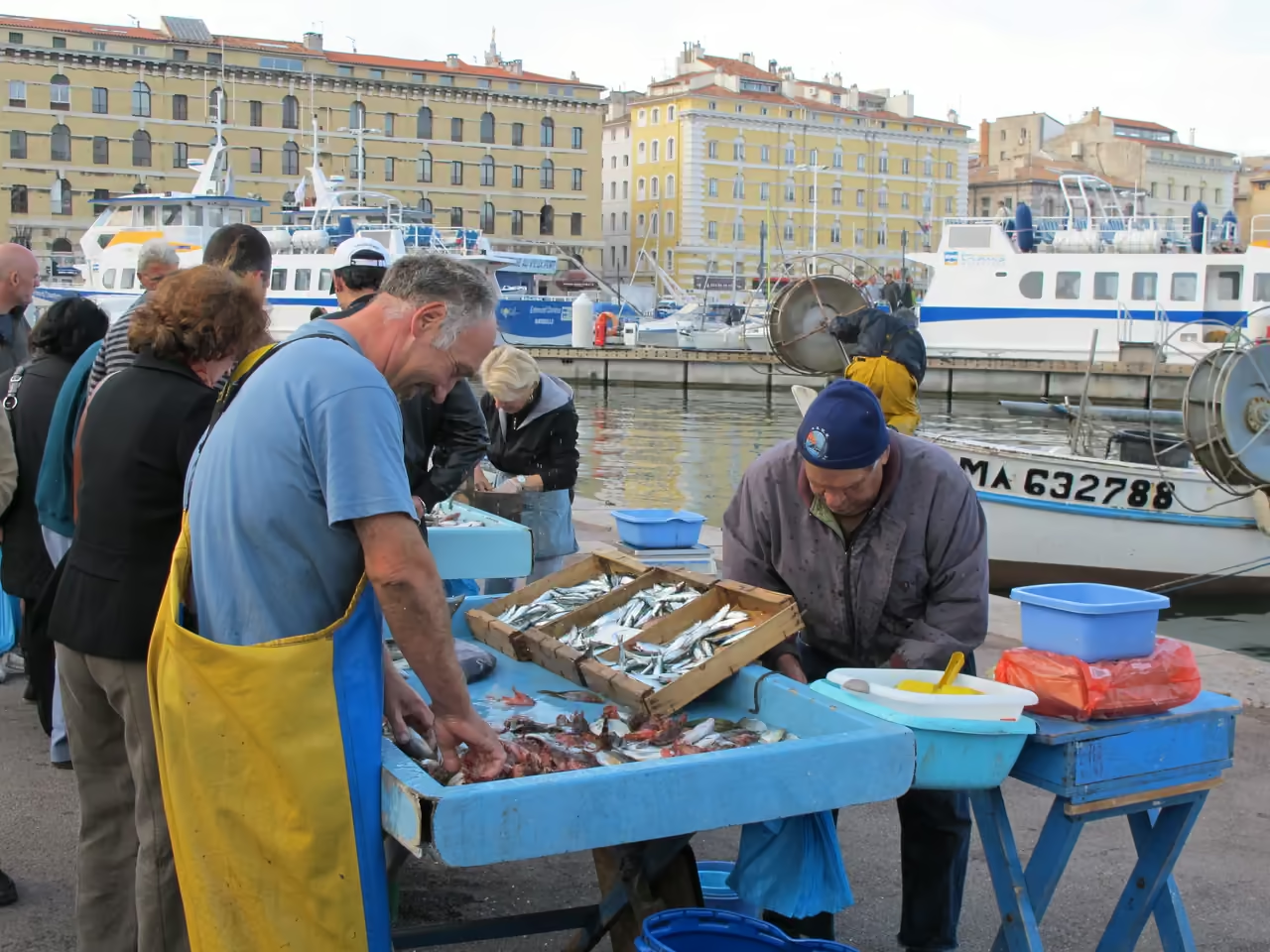
Mediterranean Crossroads: Market & Street-Food Walk
Taste Marseille's culinary melting pot on foot, moving from glistening morning fish tubs and North African spice stalls to Provençal farmers' squares and an eighteenth-century wood-fired biscuit oven.
view route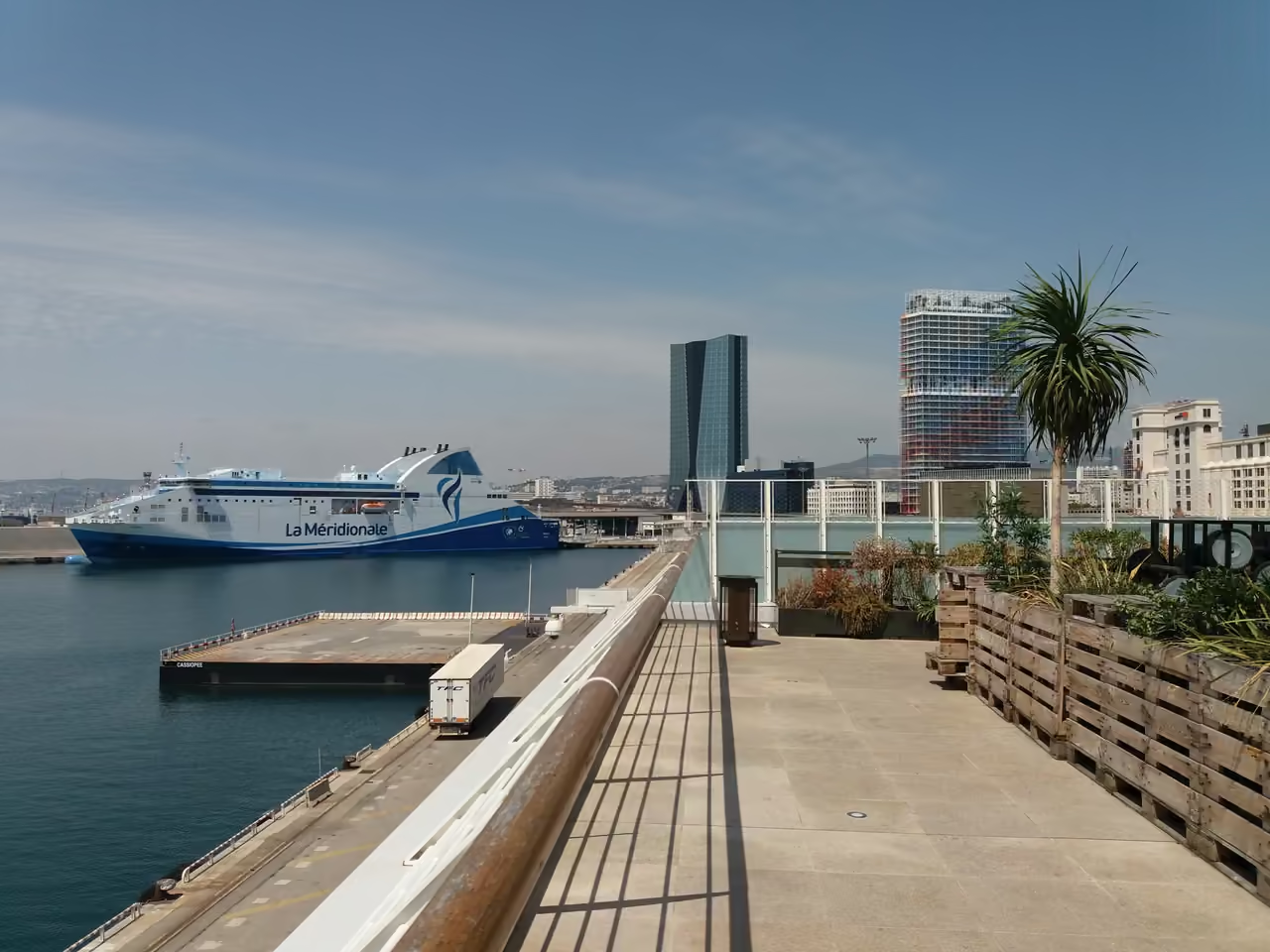
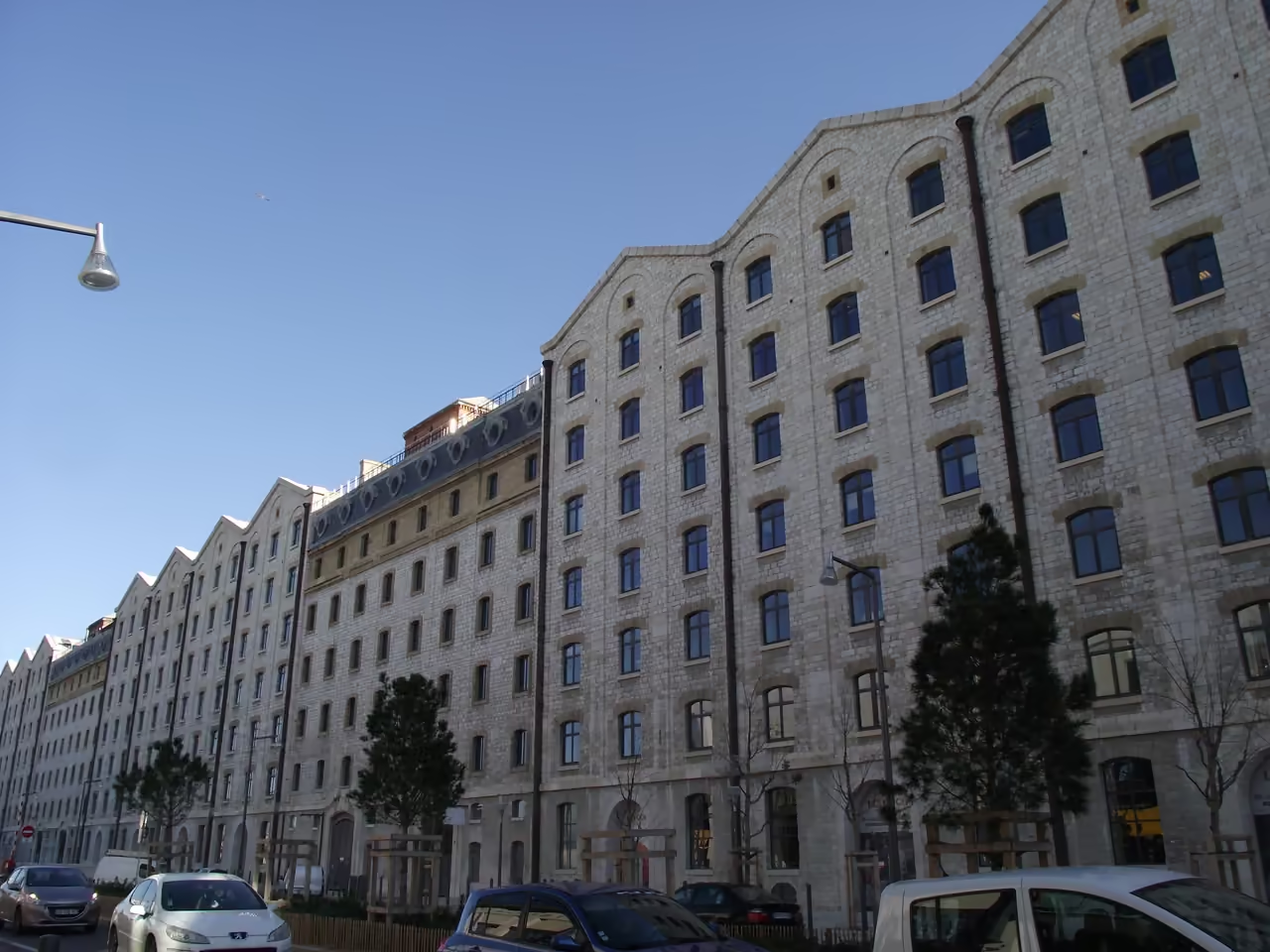
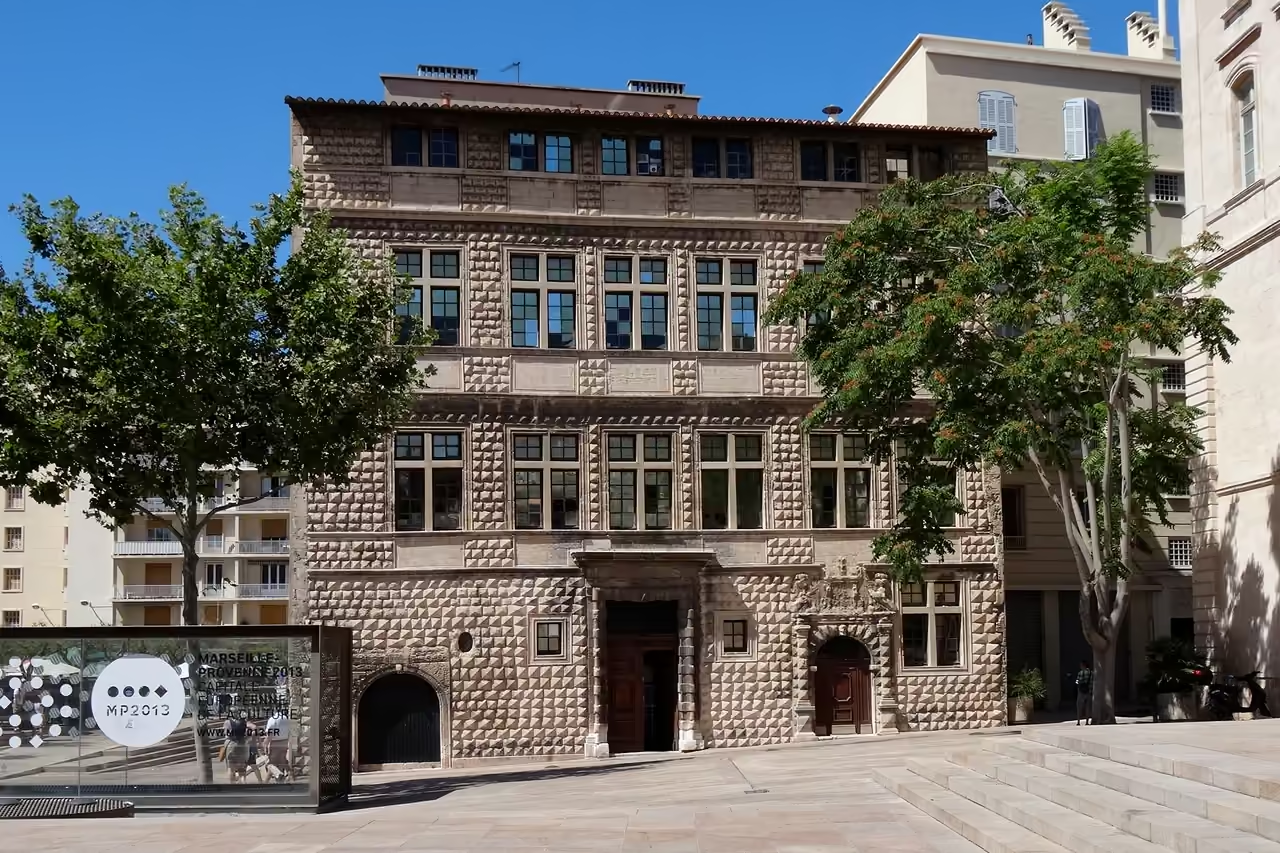
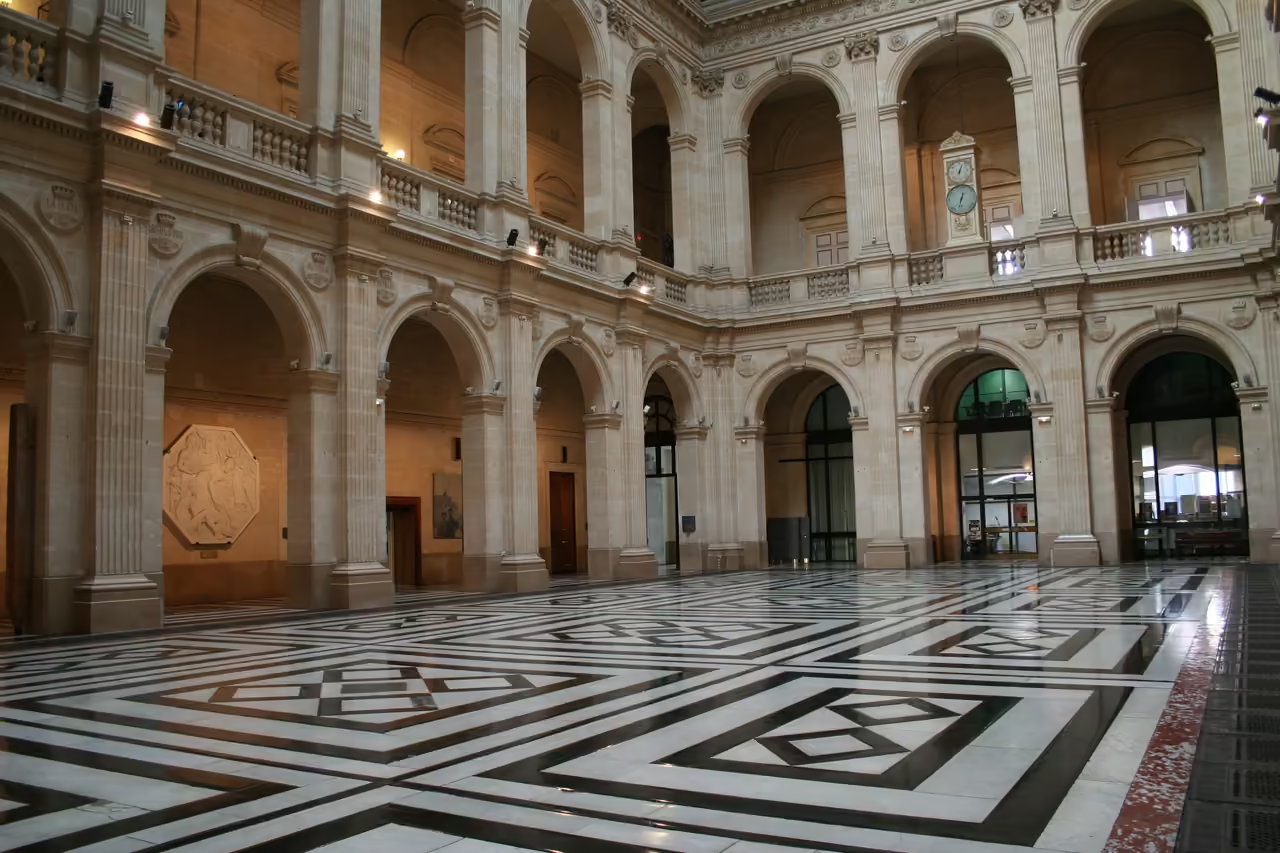
Architectural Spine: Renaissance Stone to Zaha Hadid
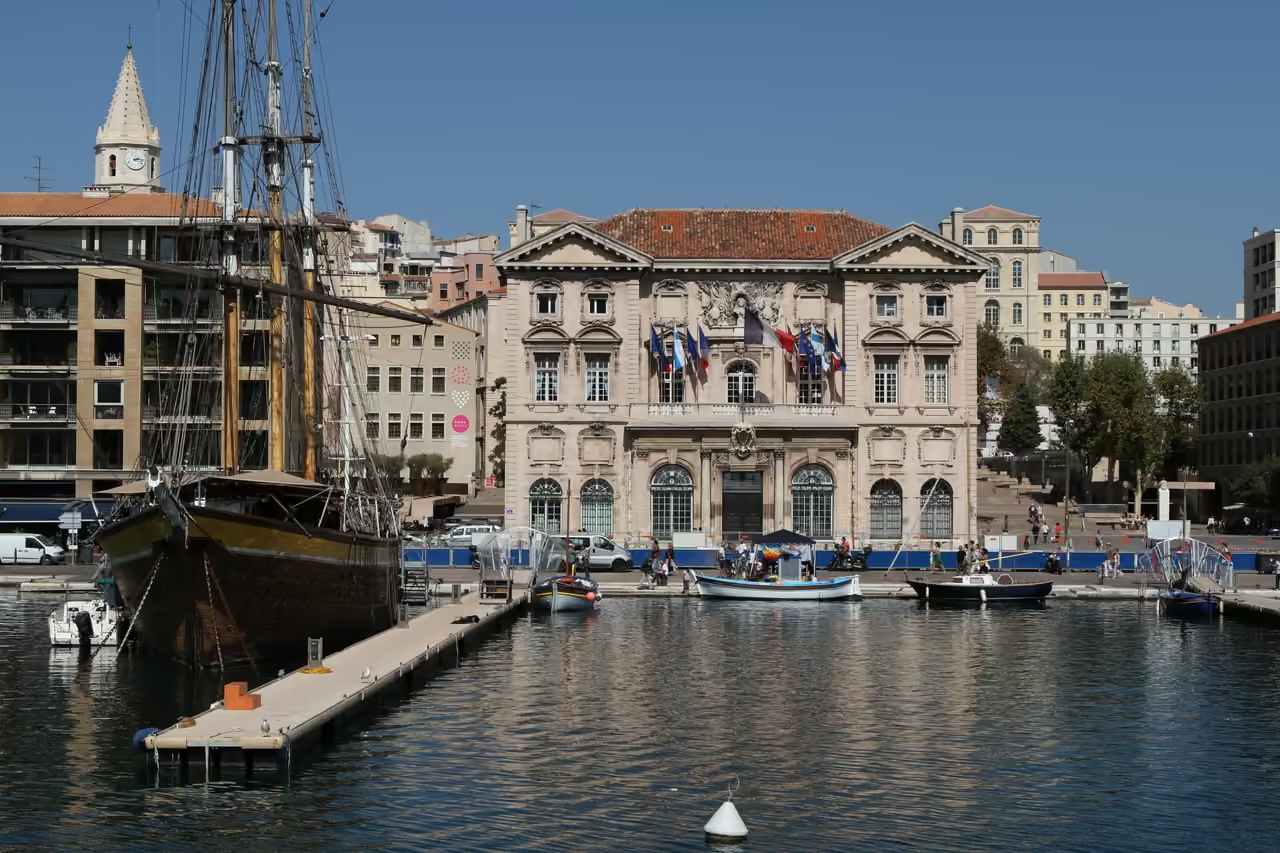
Follow Marseille's skyline evolution along a single walkable waterfront stretch, moving from faceted sixteenth-century masonry and Baroque civic halls to wartime reconstruction and sleek glass towers.
view route