Saint Eugénie Church
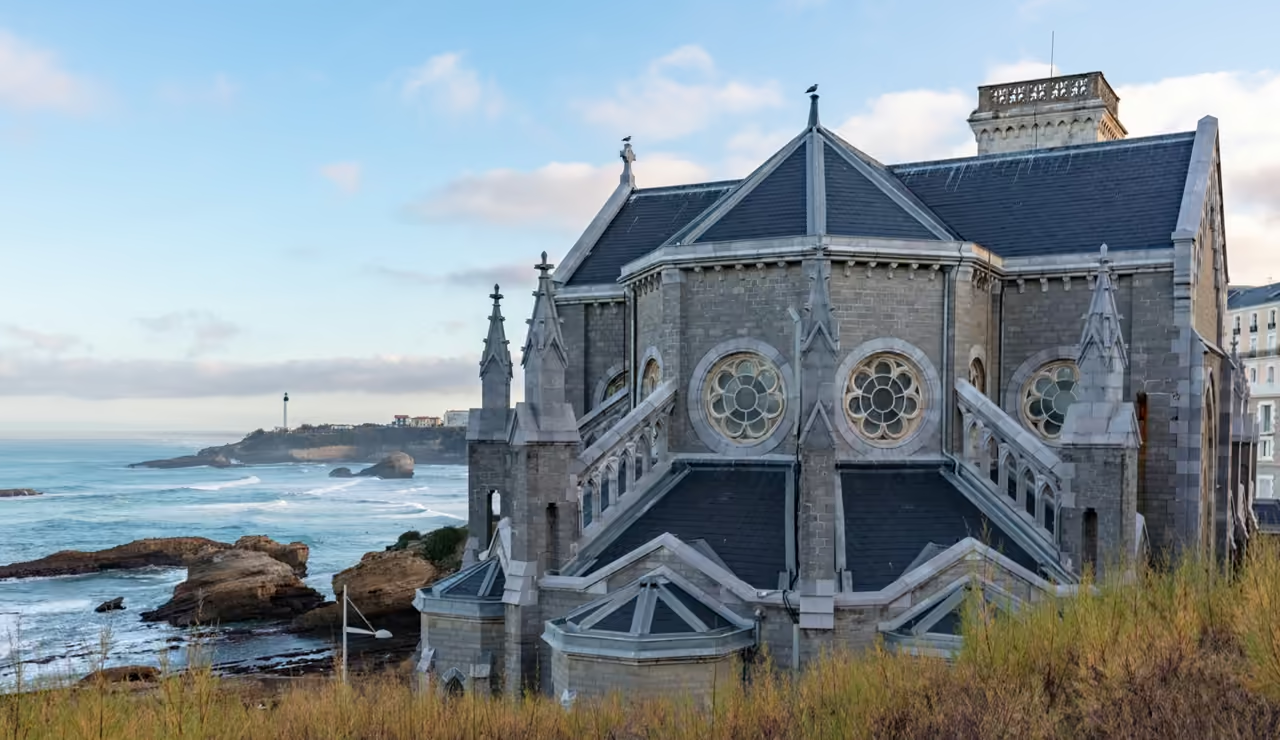
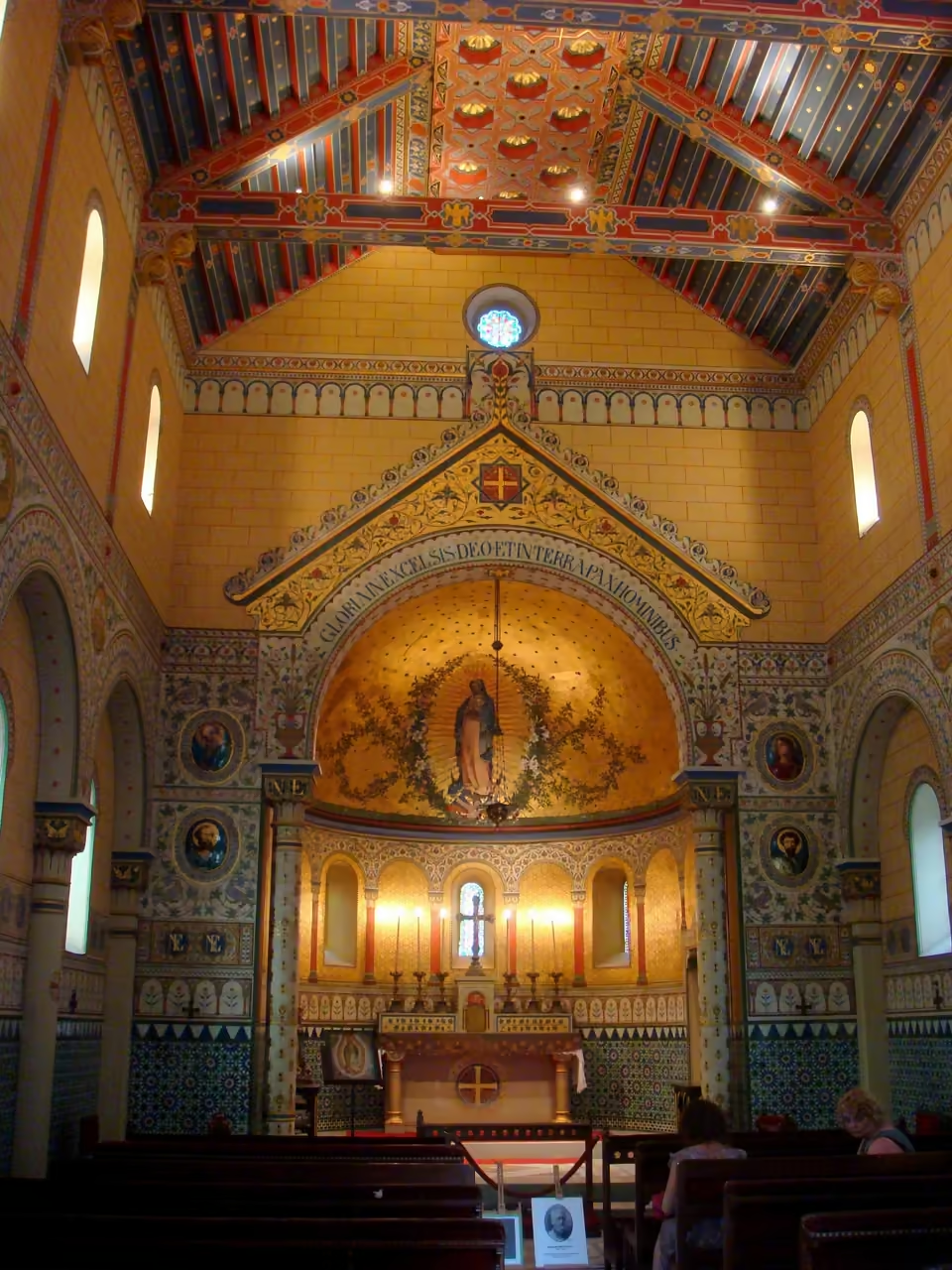
Built from austere grey stone that seems to mirror the Atlantic waters just below, Saint Eugénie Church anchors the cliffside above Port Vieux. This neogothic sanctuary owes its existence to the glamorous imperial era of Biarritz, specifically dedicated to the patron saint of Empress Eugénie. Step inside the rather dimly lit nave, and your eyes will eventually adjust to catch the intricate details of Luc-Olivier Merson's stained glass windows filtering the coastal sunlight. Suspended from the ceiling, a miniature three masted warship named La Mathilde hangs as a silent prayer for local sailors navigating the treacherous Bay of Biscay. Downstairs, the cavernous crypt has traded its strictly religious function to host rotating contemporary art exhibitions. It is a brilliant space to escape the midday heat of the beach while examining local canvases among the sturdy stone pillars, though you might occasionally hear the low hum of dehumidifiers working to protect the artwork from the damp ocean air.
History of Saint Eugénie Church
The headland overlooking the Port Vieux originally belonged to rough-handed sailors seeking divine protection. A modest chapel named Notre-Dame-de-Pitié stood on this exact cliff, providing a quiet place for Basque whalers to pray before braving the violent swells of the Atlantic Ocean. By the mid nineteenth century, the arrival of Emperor Napoleon III and his Spanish wife, Empress Eugénie, permanently altered the trajectory of this rugged fishing village. The imperial couple transformed Biarritz into a summer playground for European royalty, and the local religious infrastructure needed a drastic upgrade to match their elevated tastes. In 1856, a new chapel emerged on the site, directly honouring Saint Eugénie of Rome in a highly deliberate nod to the Empress herself. Napoleon III personally handed over a massive sum of 30,000 francs to fund a proper bell tower, ensuring the building could be seen and heard across the shoreline. The entire imperial family squeezed into the pews for the inaugural mass, cementing the church as the spiritual centre of their summer court. As the town expanded rapidly around it, the initial structure quickly proved too small for the swelling summer congregations. A local priest named Gaston Larre spearheaded a complete reconstruction effort at the turn of the century. Workers laid the first grey stones of the current neogothic building in 1898, slowly erecting the grand arches and replacing the older imperial chapel piece by piece. The ambitious project dragged on for decades, long outlasting the priest who conceived it. While the main nave finally opened in 1903, the soaring steeple remained an empty promise until 1927, and the heavy bronze bells were only hoisted into place four years after that. Today, Larre rests in the massive underground crypt, a quiet basement that now regularly fills with chatter during modern municipal art exhibitions.
events spanning 130 years
Fun Facts
7- 01
Before the imperial couple arrived, the site was occupied by the humble Notre-Dame-de-Pitié chapel, where Basque whalers would routinely pray for survival before hunting massive cetaceans in the turbulent Atlantic.
- 02
Emperor Napoleon III effectively bought his wife's namesake bell tower, personally donating 30,000 francs in 1856 to ensure the original structure met the exacting standards of the French imperial court.
- 03
In January 1986, the church became the focal point of national mourning when it hosted the funeral of Daniel Balavoine, a wildly popular French pop star who died tragically in a helicopter crash during the Paris-Dakar Rally.
- 04
Suspended high above the main nave is La Mathilde, a meticulously crafted wooden model of a three masted warship armed with miniature cannons, hung as a traditional ex-voto offering by local sailors praying for safe voyages.
- 05
The enormous crypt was entirely repurposed by the Biarritz municipality and now functions as a cavernous, subterranean gallery space for contemporary art exhibitions throughout the summer months.
- 06
The first parish priest, Gaston Larre, successfully lobbied to build the massive new church but died before seeing the steeple finished. He is permanently entombed in the building's vast underground crypt.
- 07
The spectacular stained glass windows are the work of Luc-Olivier Merson, a highly celebrated Parisian artist who also designed French banknotes and postage stamps during the early twentieth century.
FULL PLACE DETAILS
Updated
FULL PLACE DETAILS
UpdatedOVERVIEW & STATS
- Established
- In 1903, making it 123 years old
ARCHITECTURE & HERITAGE
- Architectural Styles
- Gothic Revival
- Architects
- Jean-baptiste Ernest Lacombe
Saint Eugénie Church Map & Neighborhood Explorer
This interactive map is centered on Saint Eugénie Church. Zoom in and move the map around to automatically discover Wikipedia photos and summaries of other nearby sights, monuments, and historical points of interest and stories in real-time!
Saint Eugénie Church FAQ
The crypt is primarily open when hosting municipal art exhibitions, which occur frequently during the summer and early autumn. When an exhibition is running, you can walk right in to see the art alongside the tomb of the first parish priest.
The ship is La Mathilde, a traditional maritime ex-voto. It is a miniature three masted warship with a blue, black, and white hull, suspended there by local sailors as a prayer for safe passage at sea.
Yes, the church is an active Catholic parish serviced by the Community of Saint Martin. Mass is held regularly, with schedules posted on the wooden notice boards near the main entrance.
Unlike the typical whitewashed Basque architecture prevalent in the region, Saint Eugénie was built in a strict neogothic style using grey stone, reflecting the Parisian and imperial tastes of the late nineteenth century.
A typical visit takes about 1 hour. We recommend planning your schedule accordingly to make the most of your time there.
The closest place to visit near Saint Eugénie Church is Fishermen's Cabins, around 63 m away. Other things to do near Saint Eugénie Church include Gamaritz Sea Wall (161 m), Atalaye Plateau (164 m) and Biarritz Aquarium (215 m). All of these are within roughly 215 m of Saint Eugénie Church, close enough to walk.
It dates back to 1903, making it 123 years old.
Saint Eugénie Church was designed by Jean-Baptiste Ernest Lacombe in the Gothic Revival style.
While we strive to keep this information accurate and up to date, we recommend verifying any details independently before making decisions based on them.
Places near Saint Eugénie Church
Make the most of your trip. Check out these top-rated spots located nearby.
 63m
Fishermen's Cabins
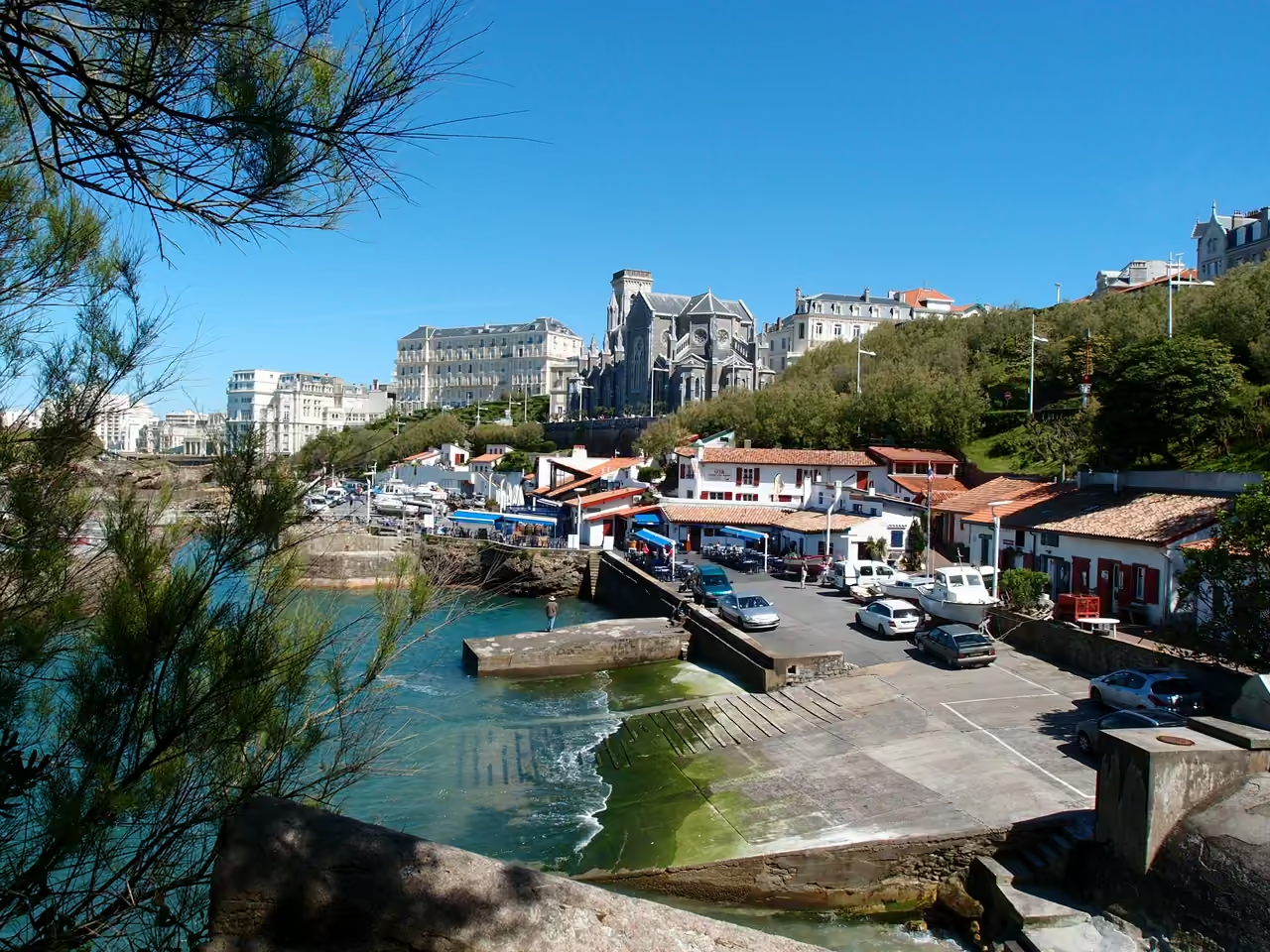
Tiny, rustic huts built directly into the cliff face at the Port des Pêcheurs, featuring brightly painted doors in red, green, and blue. The town strictly regulates ownership, ensuring they remain in the hands of actual boat owners rather than being sold off as luxury holiday rentals. Piles of netting, rusted anchors, and buoys litter the concrete walkways outside. The contrast between these rough, practical workspaces and the opulent mansions hovering a hundred feet above is jarring. Listen to the older fishermen arguing loudly in a mix of French and Basque while they mend their gear. It feels like a completely independent village.
hidden gem view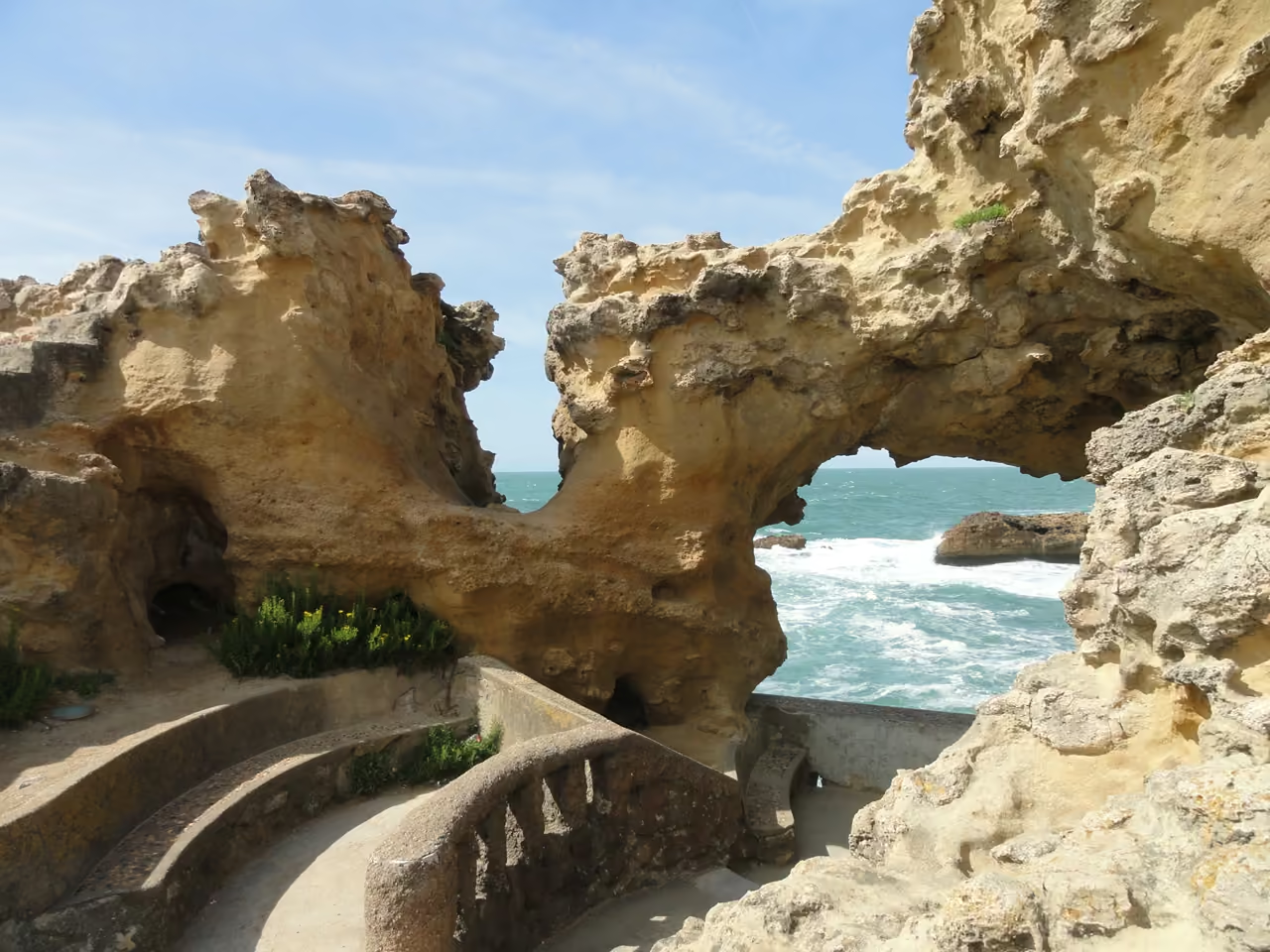 161m
Gamaritz Sea Wall
An S-shaped breakwater of about 102 metres, built in 1858 under Napoleon III and extended in 1881. In storms the waves explode over it, and on calm days it makes a graceful line against the water. It protects the fishermen's port from the waves.
photo spot view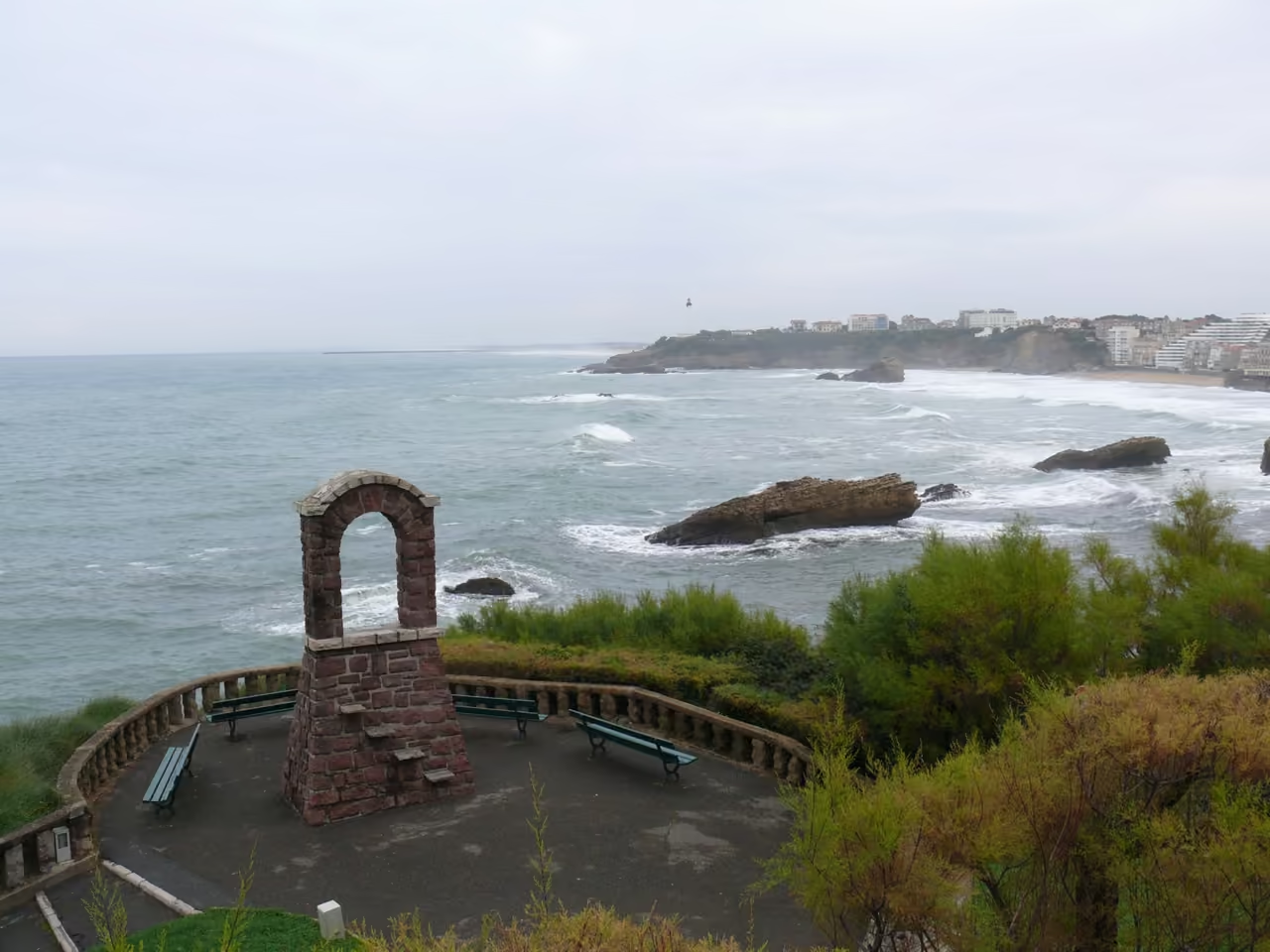 164m
Atalaye Plateau
This plateau overlooks the Rocher de la Vierge and the fishermen's port, with a view of the northern coast. Whale lookouts once scanned the sea from here, and the English castle of Ferragus once stood on the headland. A tunnel of 1864 links it to the rock of the Virgin.
viewpoint view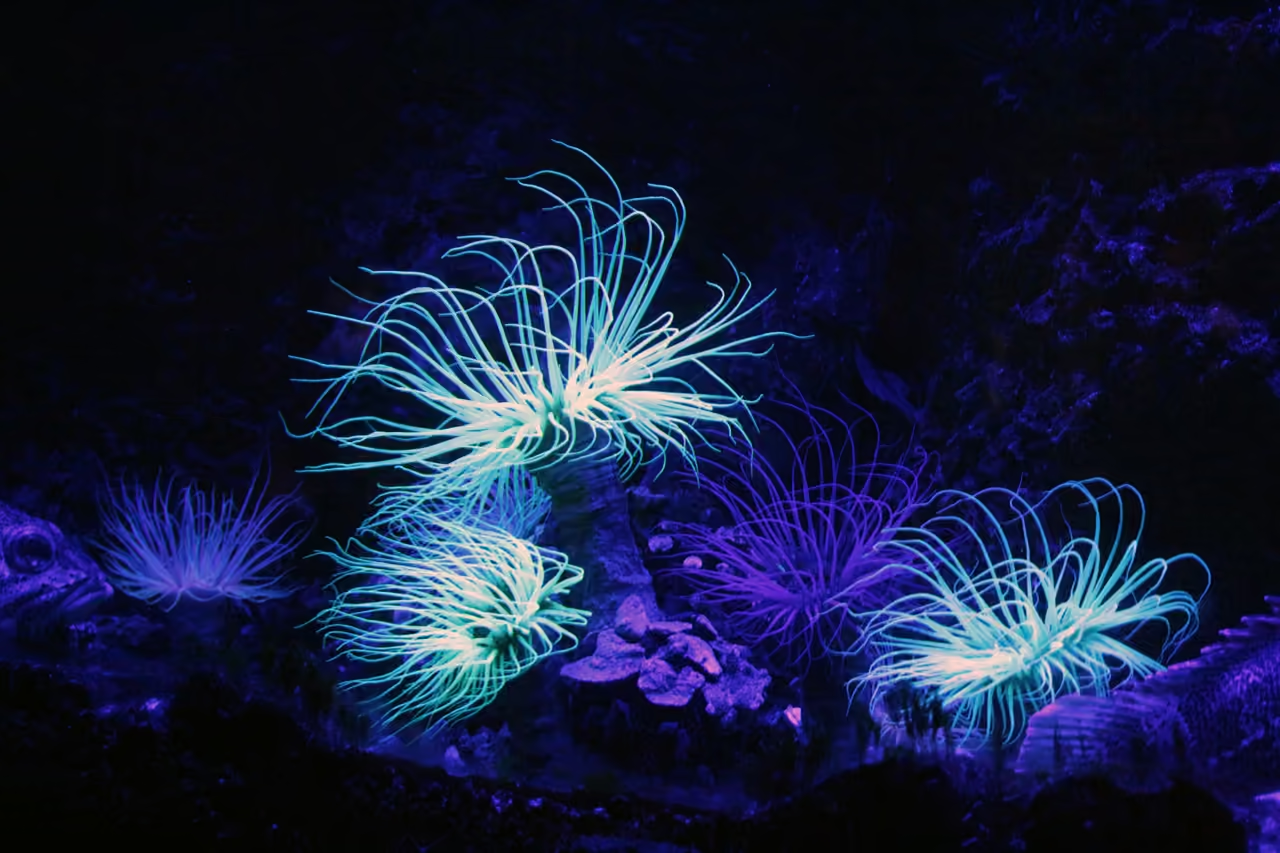 215m
Biarritz Aquarium
Standing bold against the cliff face of the Atalaye plateau, the Biarritz Aquarium wraps marine biology in striking 1930s Art Deco architecture. You can trace the journey of the Gulf Stream through carefully designed tanks, moving from the familiar species of the Bay of Biscay all the way to the coral reefs of the Caribbean and the Indo Pacific. A white octopus emblem greets you at the historic entrance, hinting at a century of local obsession with the ocean. Catch the daily seal feeding on the panoramic terrace, where the loud barks of resident grey seals compete with the crashing waves of the Atlantic just below. The layout literally burrows into the rock, creating an atmospheric descent into maritime worlds. Leaving the building, the salty breeze off the Rocher de la Vierge brings you right back to the wild reality of the coast.
attraction view
Explore Similar Places in This Collection
Featured on These Itineraries and Routes
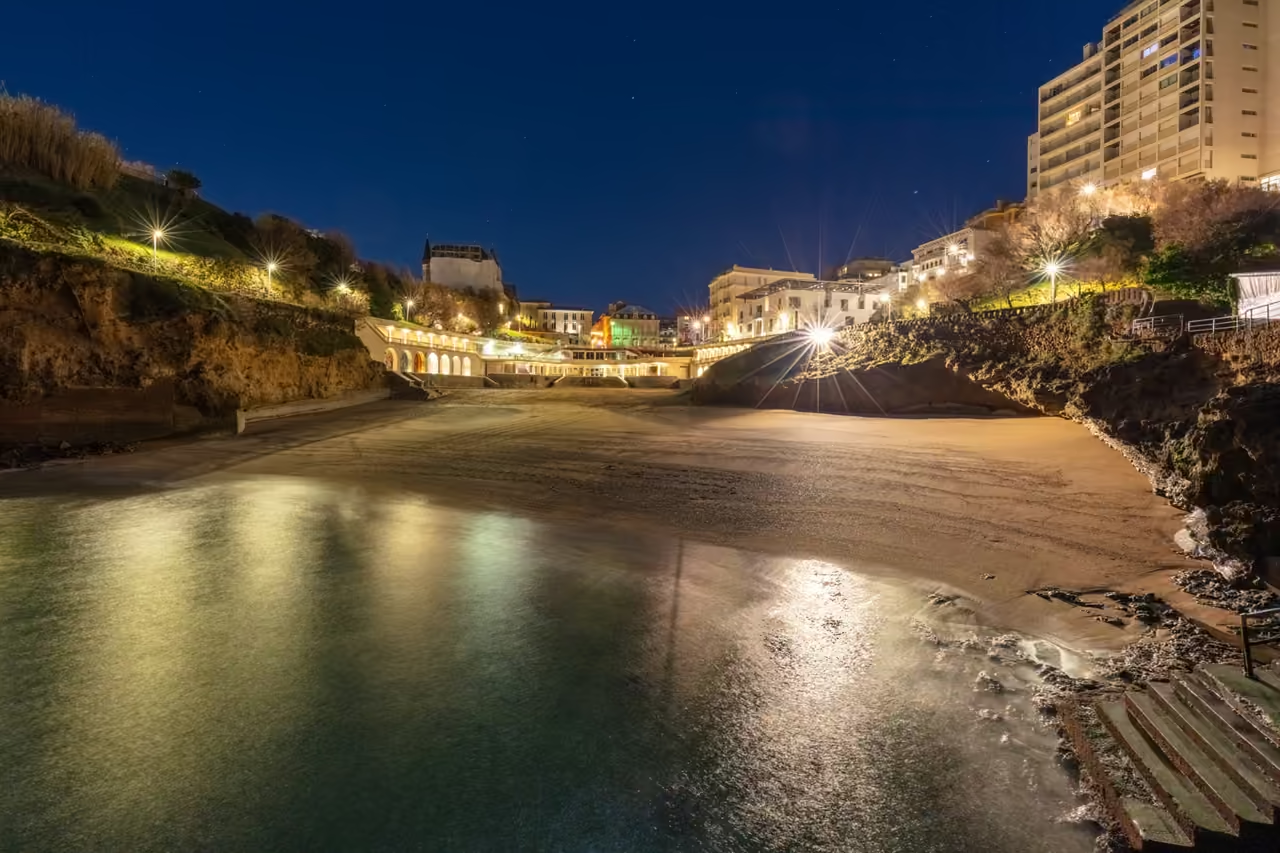
5 Days in Biarritz: The Full Basque Coast Experience
Five days allow the palace and promenade, a full surf day, a day of faiths and facades, a day of lakes, sport and music, and a final day among the headland's hidden corners. It is a leisurely plan that leaves space for the sea.
view itinerary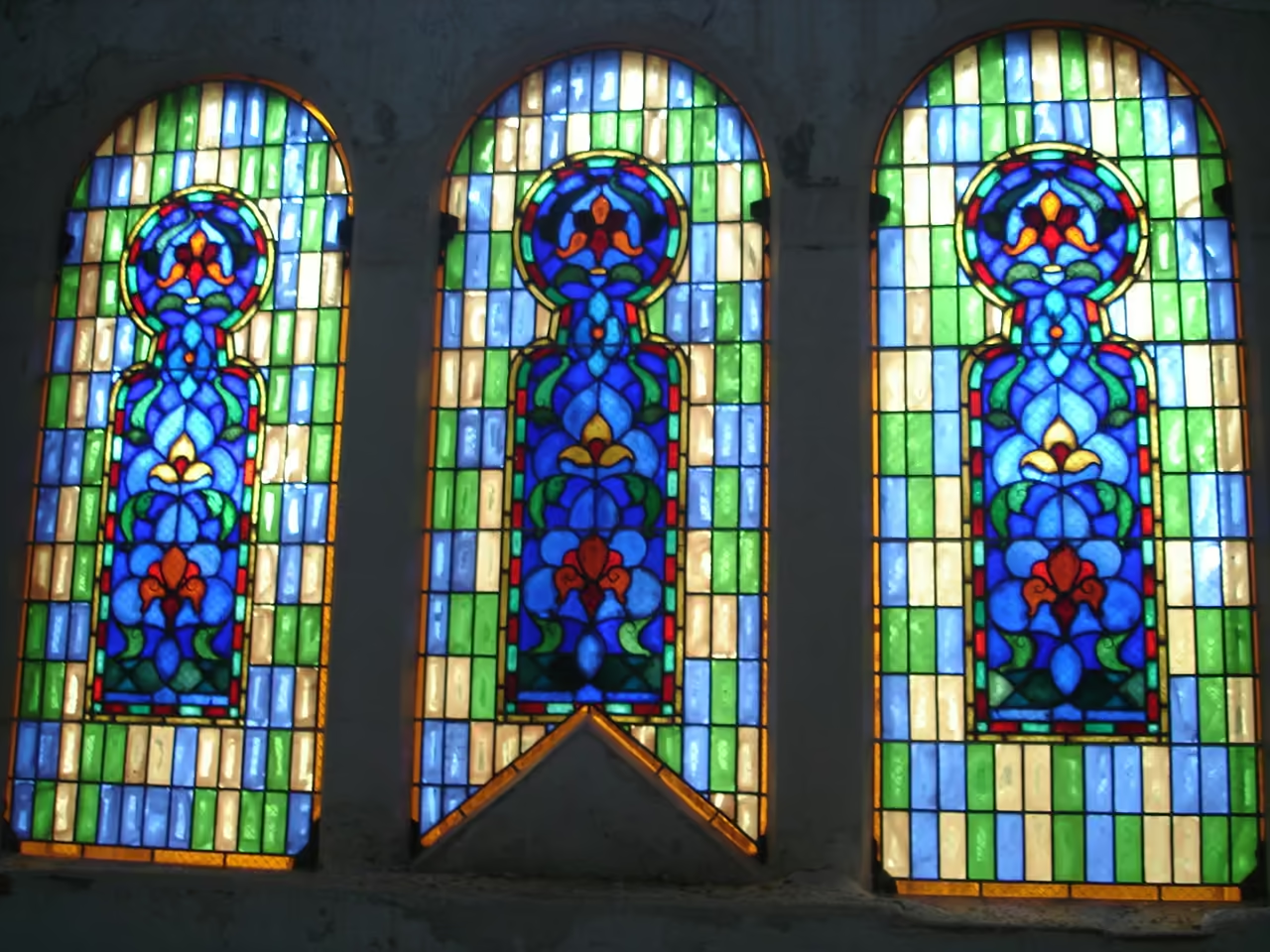
Faiths of Biarritz Trail: Churches, Chapels and a Synagogue
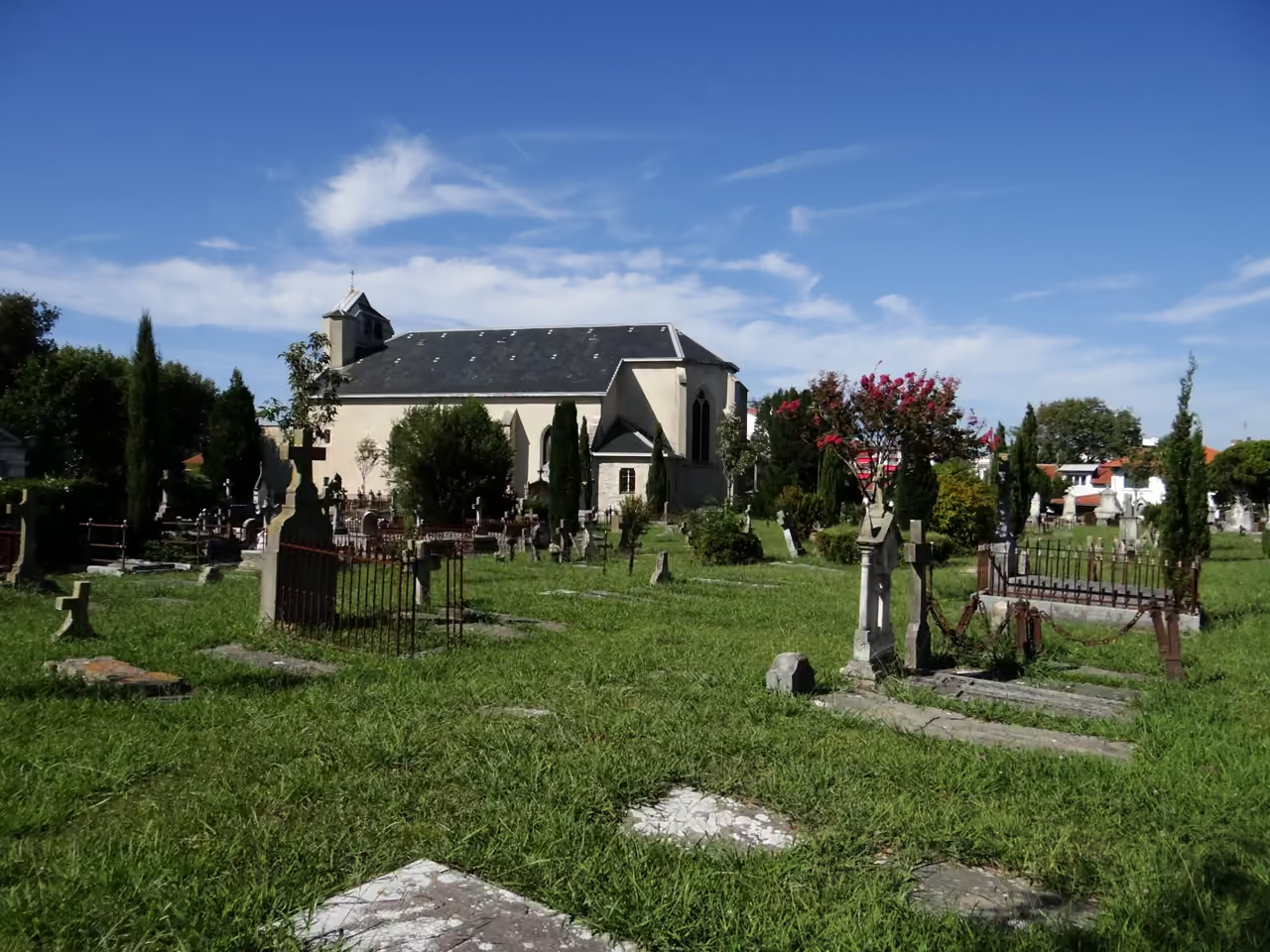
The Belle Époque resort drew visitors of many faiths, and each left a place of worship that still stands. This trail links a Russian Orthodox church, an imperial chapel, a synagogue and two Catholic churches of very different ages. It is a compact lesson in how a seaside resort became cosmopolitan.
view self-guided tour
See all attractions in Biarritz
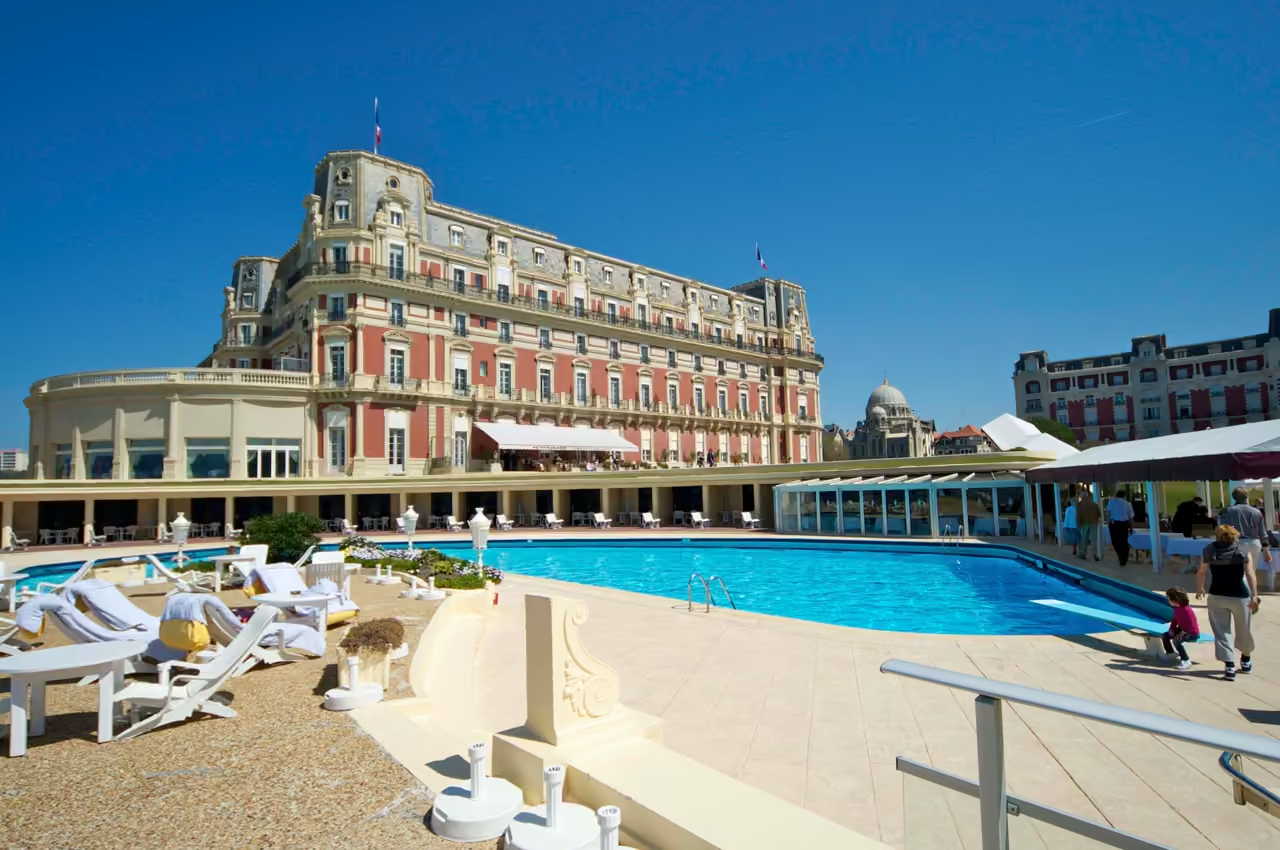
Including Hôtel du Palais, Rock of the Virgin, Biarritz Aquarium, and more