Biarritz Aquarium
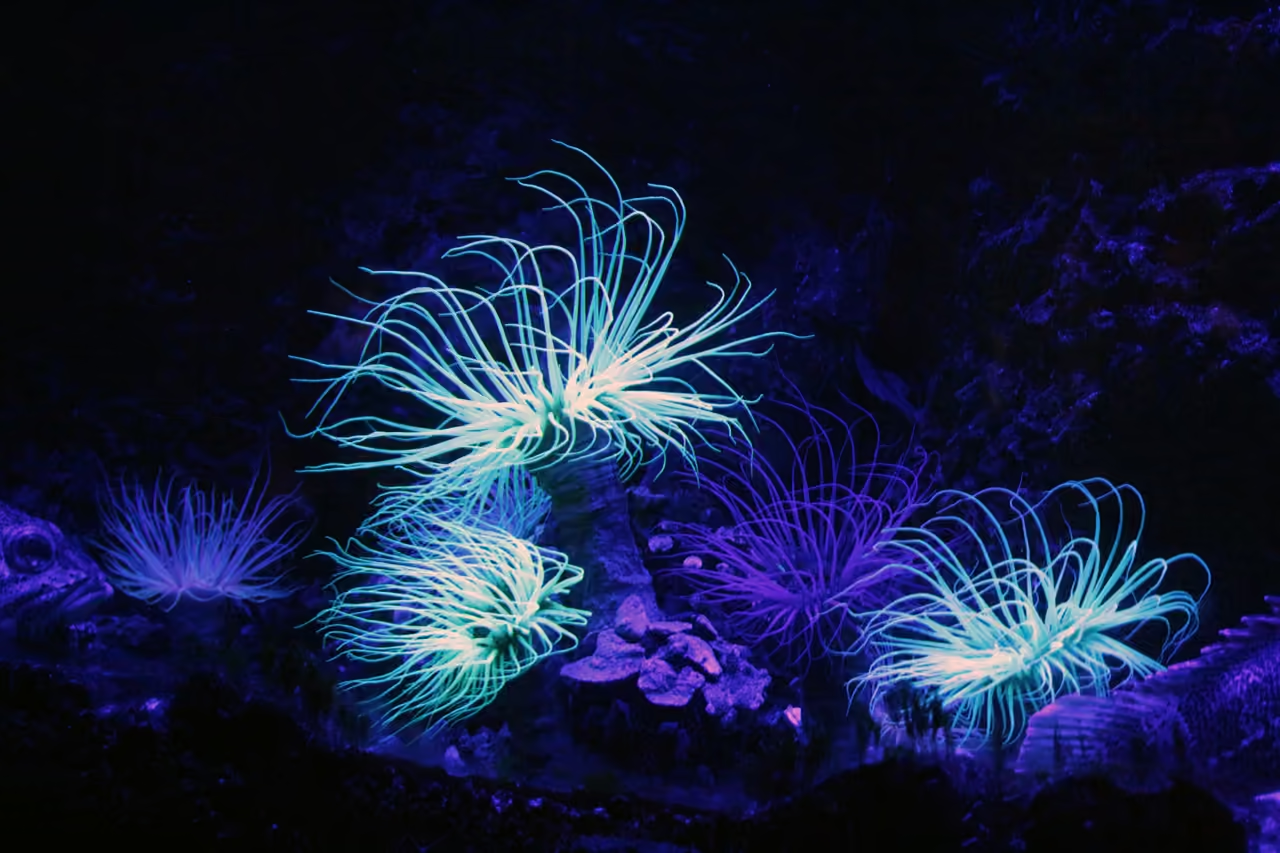
Standing bold against the cliff face of the Atalaye plateau, the Biarritz Aquarium wraps marine biology in striking 1930s Art Deco architecture. You can trace the journey of the Gulf Stream through carefully designed tanks, moving from the familiar species of the Bay of Biscay all the way to the coral reefs of the Caribbean and the Indo Pacific. A white octopus emblem greets you at the historic entrance, hinting at a century of local obsession with the ocean. Catch the daily seal feeding on the panoramic terrace, where the loud barks of resident grey seals compete with the crashing waves of the Atlantic just below. The layout literally burrows into the rock, creating an atmospheric descent into maritime worlds. Leaving the building, the salty breeze off the Rocher de la Vierge brings you right back to the wild reality of the coast.
Videos
History of Biarritz Aquarium
The concept for a dedicated marine space in Biarritz first sparked in the mind of Marquis Léopold de Folin in 1871. However, decades passed before his vision materialised in stone and glass along the dramatic Basque coastline. By August 1933, the newly christened Musée de la Mer finally opened its doors, housed in an elegant Art Deco structure pressed right up against the Atalaye plateau. Its original purpose was deeply rooted in local maritime culture, serving to educate people about the specific marine life of the Bay of Biscay and the intense whaling traditions of the region. As the decades rolled on, the site evolved from a modest local attraction into a major conservation and research hub. The original stuffed bird collections that once dominated the upper floors eventually made way for living, breathing marine habitats. When the city decided to double the size of the facility between 2009 and 2011, the architects hit a fascinating geological and historical roadblock. Digging directly into the coastal cliff, they had to carefully navigate around a busy road tunnel and three solid concrete bunkers left behind by German forces during the Second World War. Modern visitors follow the path of the Gulf Stream, starting with local Atlantic species before descending into massive shark tanks and Caribbean lagoons carved directly out of the rock. The institution even houses specialised breeding laboratories, such as a recent installation featuring cylindrical kreisel tanks designed exclusively for jellyfish. These constant physical and scientific adaptations have allowed the site to survive changing eras, transforming a nineteenth century aristocratic daydream into an active European centre for coastal risk research.
events spanning 154 years
Fun Facts
8- 01
A specific room features specialised cylindrical aquariums known as kreisels, which generate a continuous circular water flow to prevent delicate jellyfish from getting stuck in corners and dying.
- 02
Bringing scalloped hammerhead sharks to the facility involved a tense intercontinental journey from Taiwan, during which three of the four highly sensitive sharks tragically perished while transiting through the Netherlands.
- 03
During the massive 2009 expansion, construction crews burrowing into the Atalaye plateau had to meticulously work around three hidden German bunkers built during the Second World War.
- 04
Marquis Léopold de Folin initially pitched the idea for this marine facility in 1871, meaning the project marinated for over sixty years before the Art Deco doors finally opened.
- 05
The aquarium has achieved an unusually high success rate for breeding grey seals in captivity, starting with the heavily publicised birth of a pup named Naïa in December 2005.
- 06
The facility shares its coastal home with the European Centre for Coastal Risks, meaning active oceanographic researchers operate directly alongside the public viewing galleries.
- 07
The original layout dedicated substantial space to taxidermy birds, but these static displays were completely phased out in 2011 to make room for massive live reef systems.
- 08
To celebrate its ninetieth anniversary, the building was transformed with fluorescent poetry and art installations by illustrator Good Bye Hippocrate that highlighted the original 1930s architectural lines.
FULL PLACE DETAILS
Updated
FULL PLACE DETAILS
UpdatedARCHITECTURE & HERITAGE
- Architects
- Paul Robert-houdin
WEB & AMENITIES
Biarritz Aquarium Map & Neighborhood Explorer
This interactive map is centered on Biarritz Aquarium. Zoom in and move the map around to automatically discover Wikipedia photos and summaries of other nearby sights, monuments, and historical points of interest and stories in real-time!
Biarritz Aquarium FAQ
Yes, the grey seal feedings take place on the panoramic outdoor terrace and are accompanied by commentary from the keepers.
Despite being built directly into a cliff face across multiple levels, lifts connect every floor and viewing area.
Most people spend around two hours exploring the different zones, though you might want to stay longer to align with the scheduled feeding times.
The journey starts with species from the Bay of Biscay but then follows the Gulf Stream, taking you through Caribbean habitats and into the Indo Pacific shark tanks.
There is a cafe on the top floor terrace offering light snacks and drinks alongside sweeping views of the Atlantic Ocean and the Rocher de la Vierge.
A typical visit takes about 2 hours. We recommend planning your schedule accordingly to make the most of your time there.
The closest place to visit near Biarritz Aquarium is Atalaye Plateau, around 51 m away. Other things to do near Biarritz Aquarium include Old Port Beach (151 m), Fishermen's Cabins (166 m) and Gamaritz Sea Wall (208 m). All of these are within roughly 208 m of Biarritz Aquarium, close enough to walk.
Biarritz Aquarium was designed by Paul Robert-Houdin.
While we strive to keep this information accurate and up to date, we recommend verifying any details independently before making decisions based on them.
Places near Biarritz Aquarium
Make the most of your trip. Check out these top-rated spots located nearby.
 51m
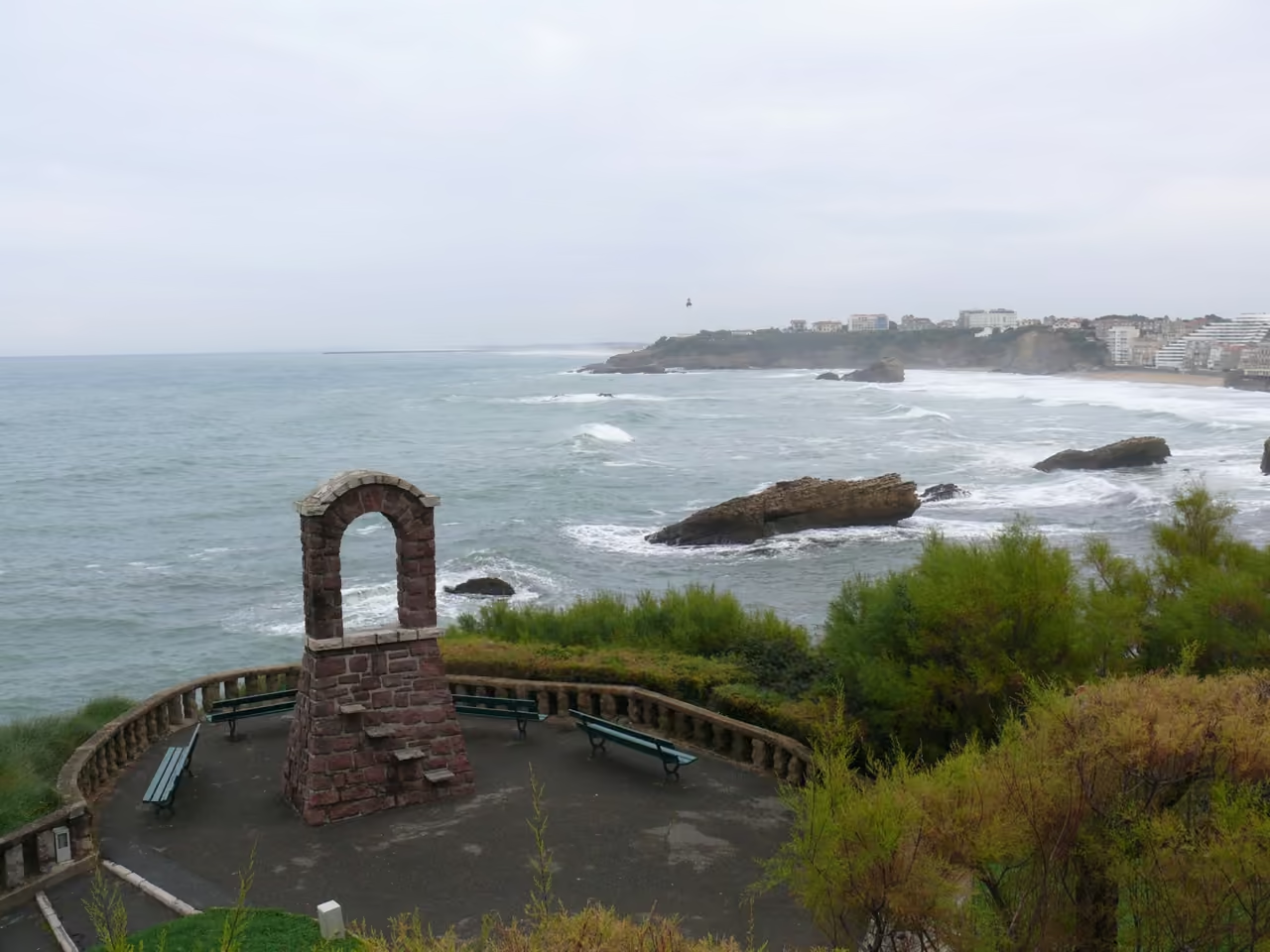
Atalaye Plateau
This plateau overlooks the Rocher de la Vierge and the fishermen's port, with a view of the northern coast. Whale lookouts once scanned the sea from here, and the English castle of Ferragus once stood on the headland. A tunnel of 1864 links it to the rock of the Virgin.
viewpoint view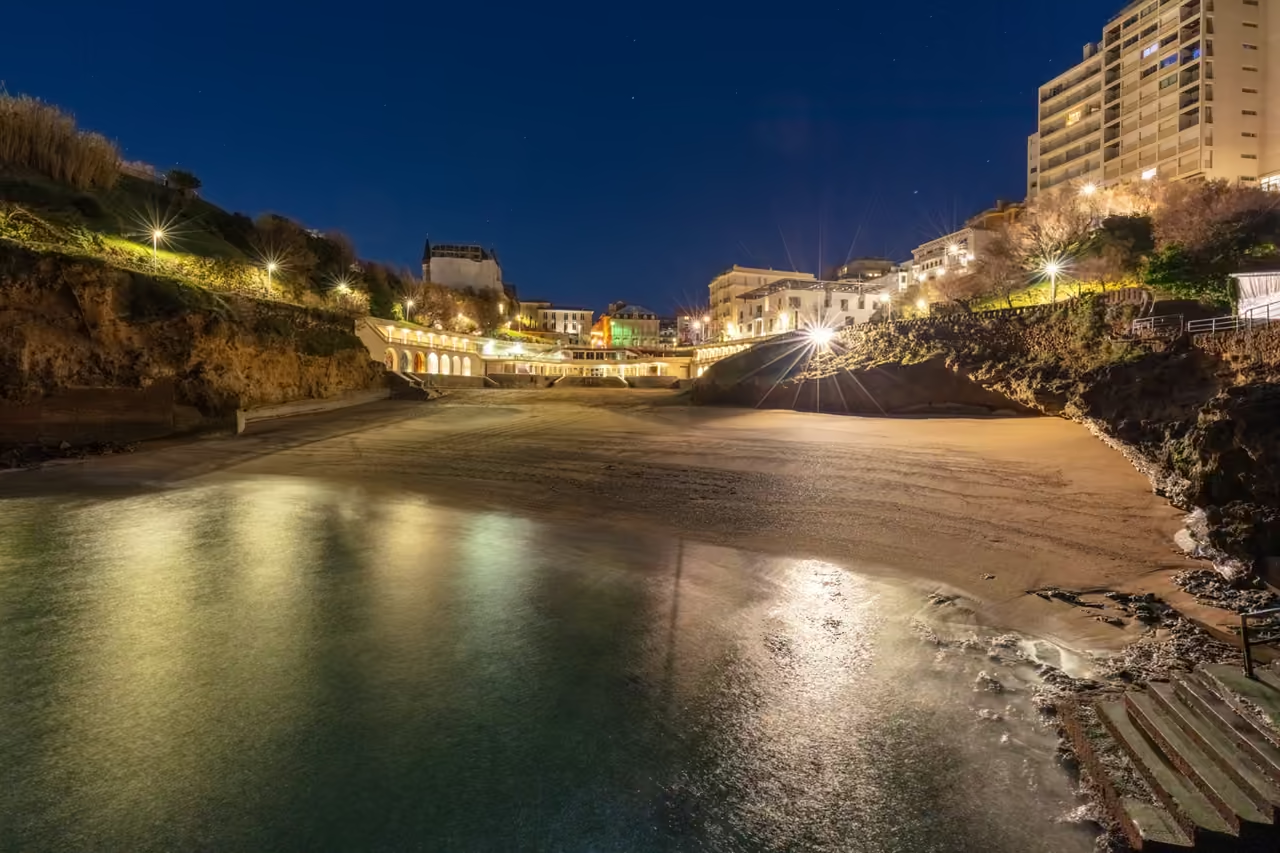 151m
Old Port Beach
A tiny, horseshoe-shaped cove completely shielded from the aggressive Atlantic waves by high, rocky promontories. Historically, this was where the whalers dragged massive carcasses ashore to butcher them, turning the water red. Today, it is the only beach in town where the water is calm enough for relaxed, fear-free swimming. The local 'Ours Blancs' (White Bears) swimming club swims laps across the cove every single day, regardless of the freezing winter temperatures. The sand area is incredibly small, meaning towels overlap on busy summer weekends. The cliffs shelter the bay from the wind, turning it into a sun trap.
highlight view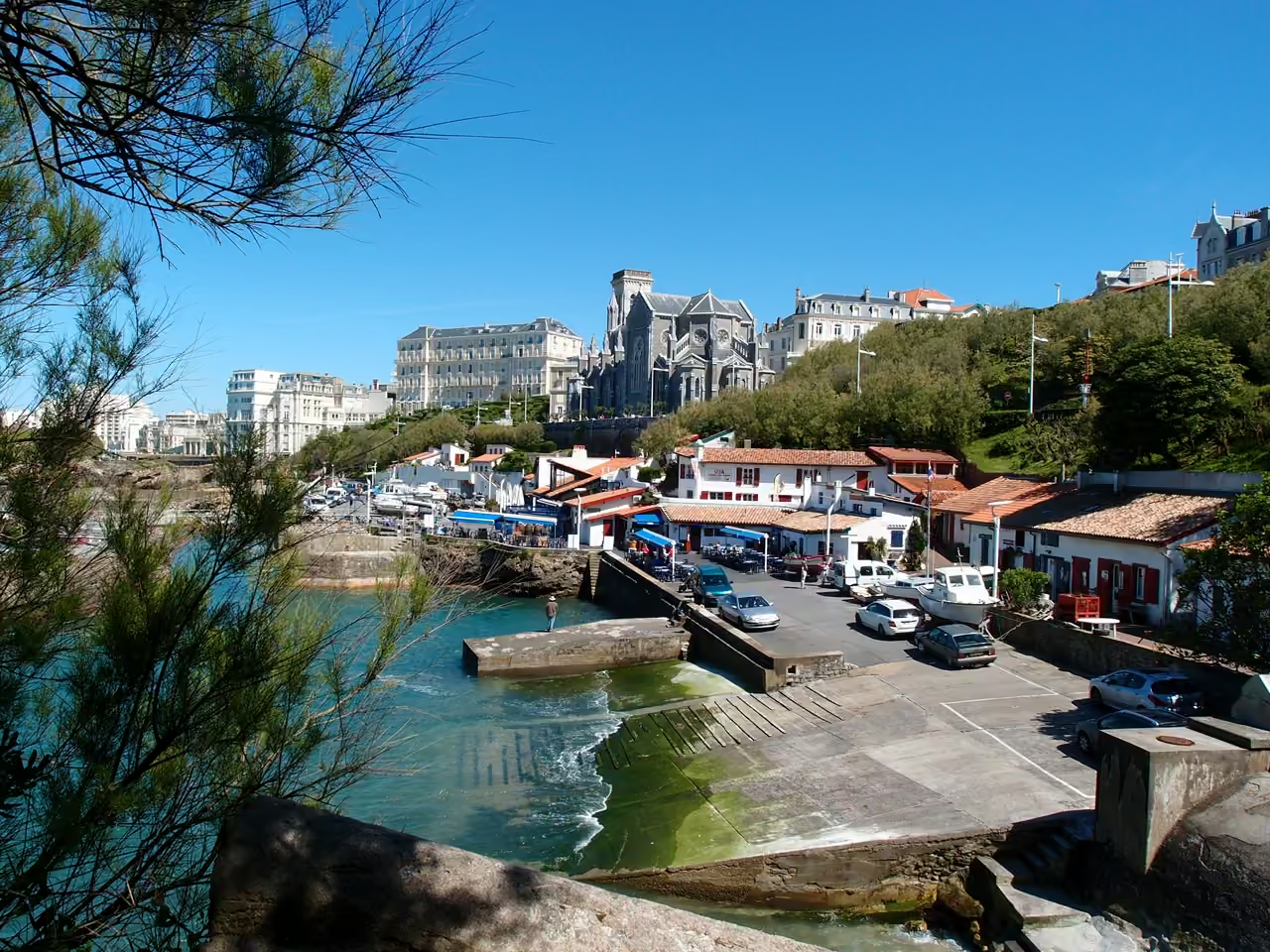 166m
Fishermen's Cabins
Tiny, rustic huts built directly into the cliff face at the Port des Pêcheurs, featuring brightly painted doors in red, green, and blue. The town strictly regulates ownership, ensuring they remain in the hands of actual boat owners rather than being sold off as luxury holiday rentals. Piles of netting, rusted anchors, and buoys litter the concrete walkways outside. The contrast between these rough, practical workspaces and the opulent mansions hovering a hundred feet above is jarring. Listen to the older fishermen arguing loudly in a mix of French and Basque while they mend their gear. It feels like a completely independent village.
hidden gem view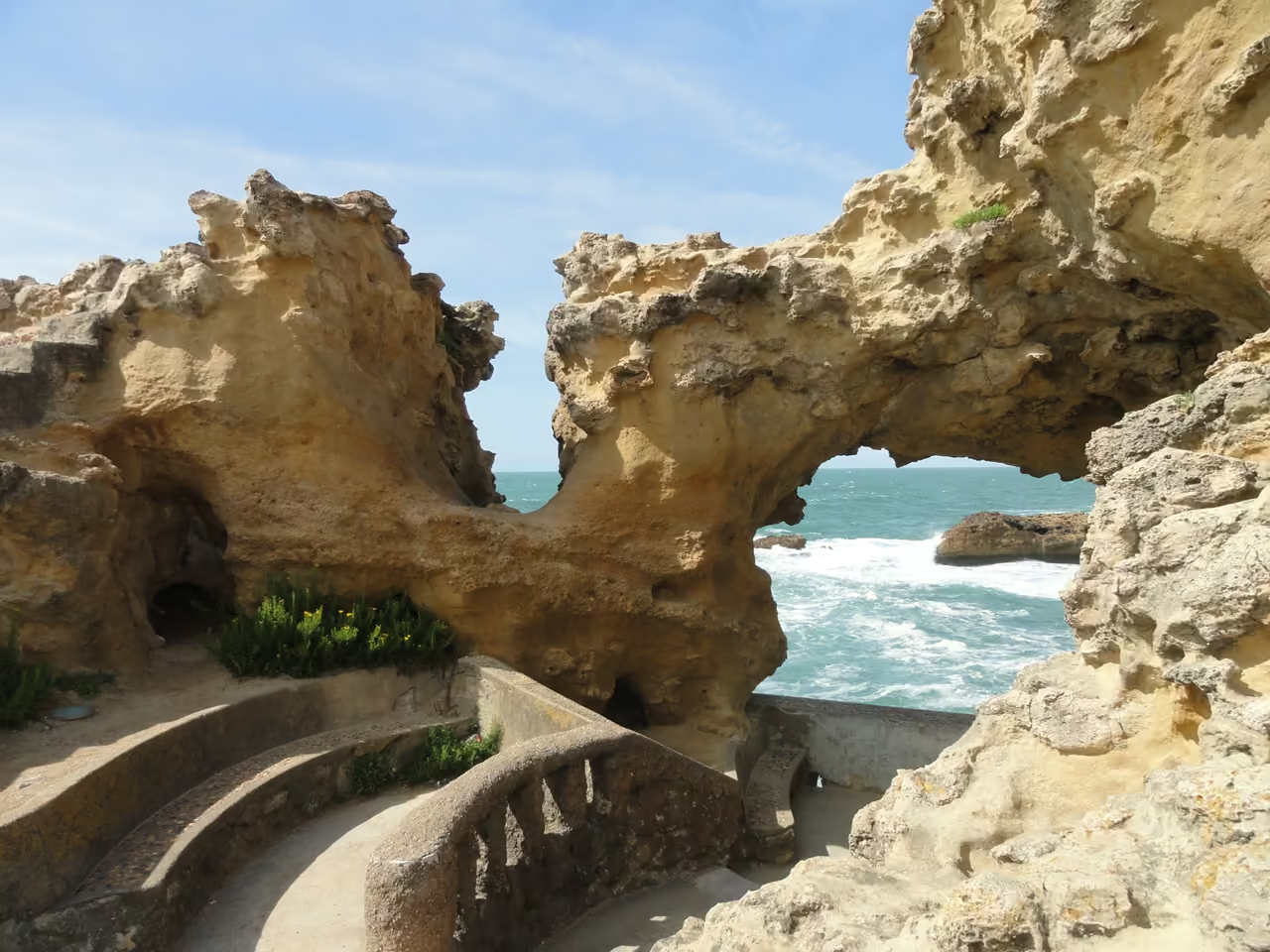 208m
Gamaritz Sea Wall
An S-shaped breakwater of about 102 metres, built in 1858 under Napoleon III and extended in 1881. In storms the waves explode over it, and on calm days it makes a graceful line against the water. It protects the fishermen's port from the waves.
photo spot view
Explore Similar Places in This Collection
Featured on These Itineraries and Routes
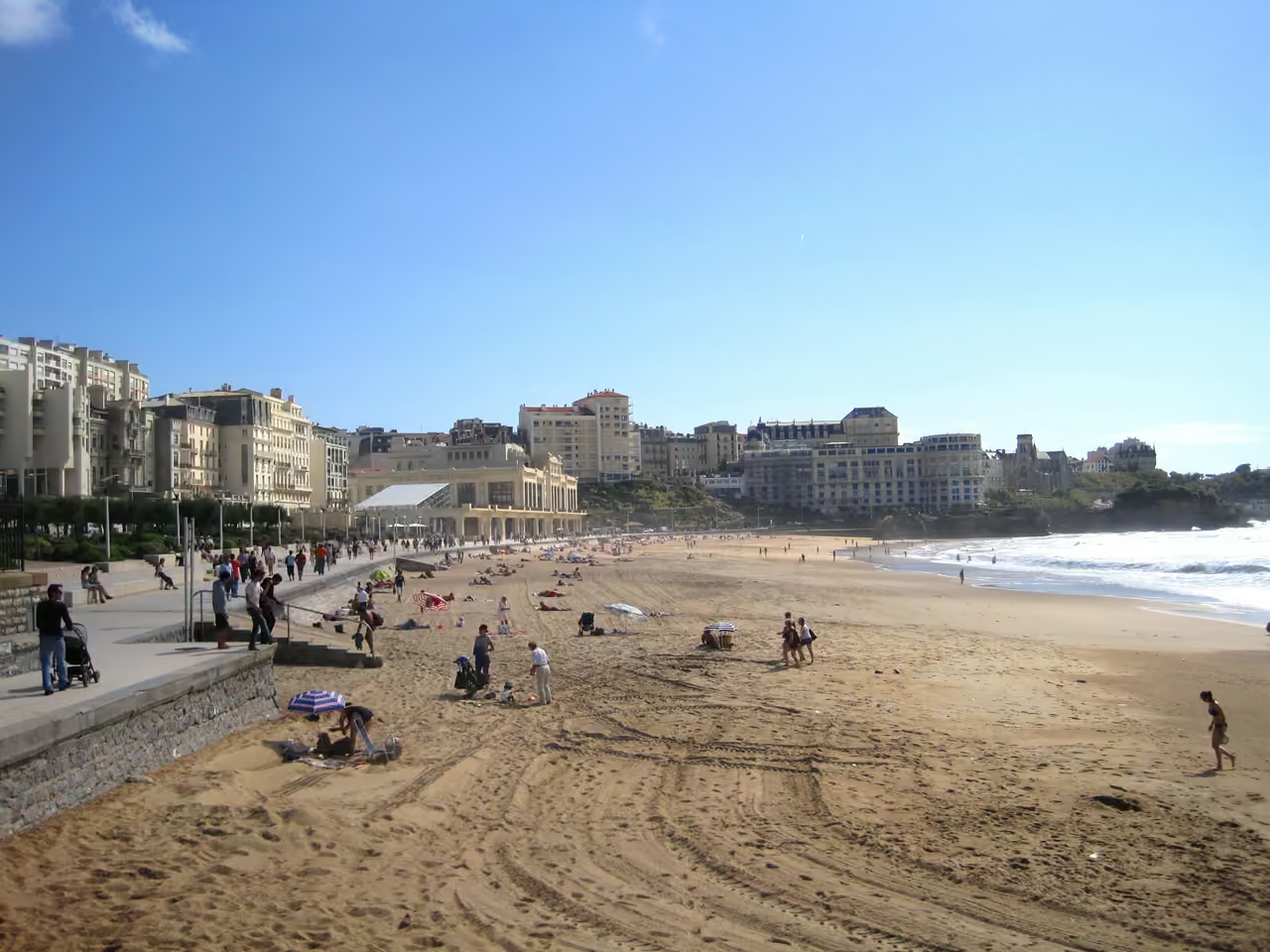
3 Days in Biarritz: Empire, Surf and Lakes
Three days give time for the imperial landmarks, a surf and swim day, and a slower day among the lakes and old village. The pace is relaxed, with room for long lunches and a spa session.
view itinerary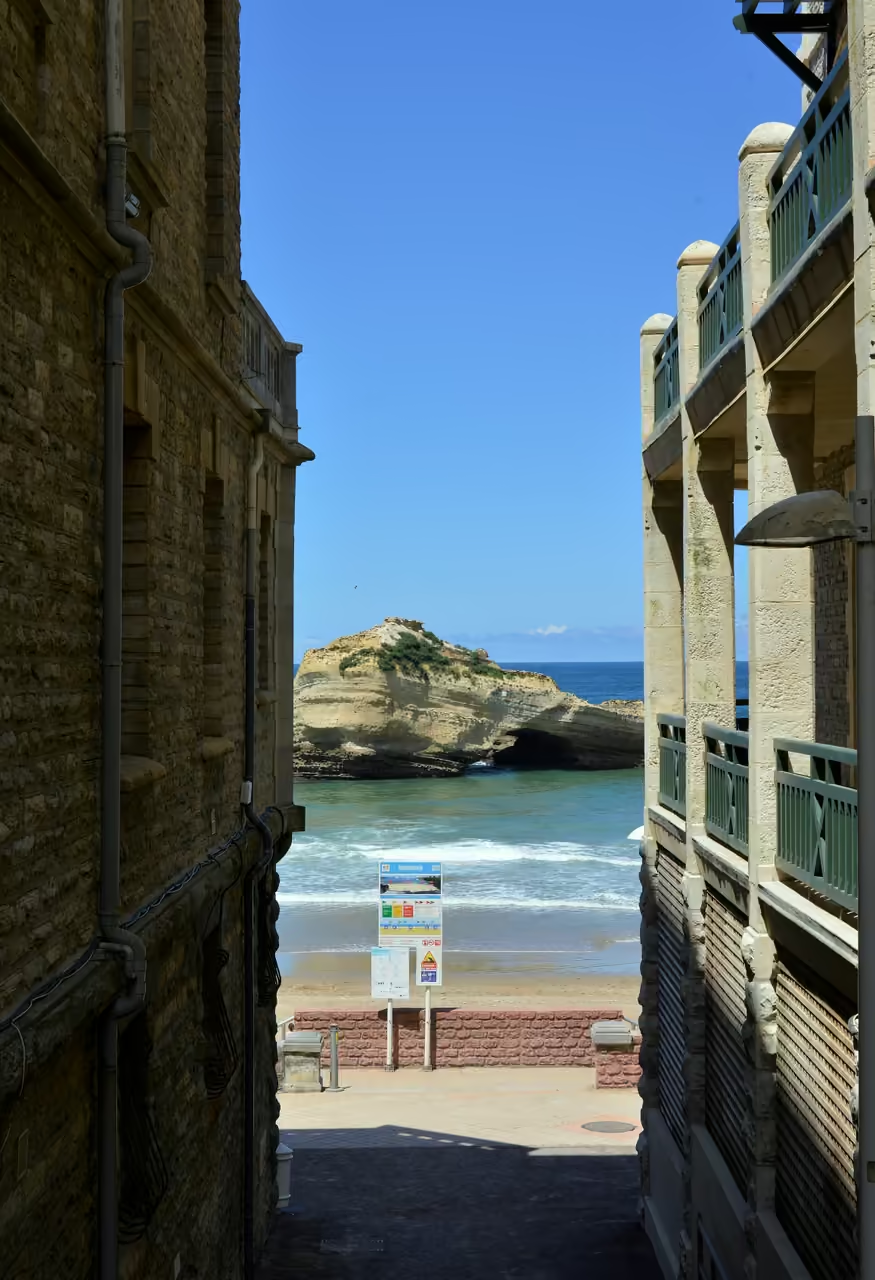
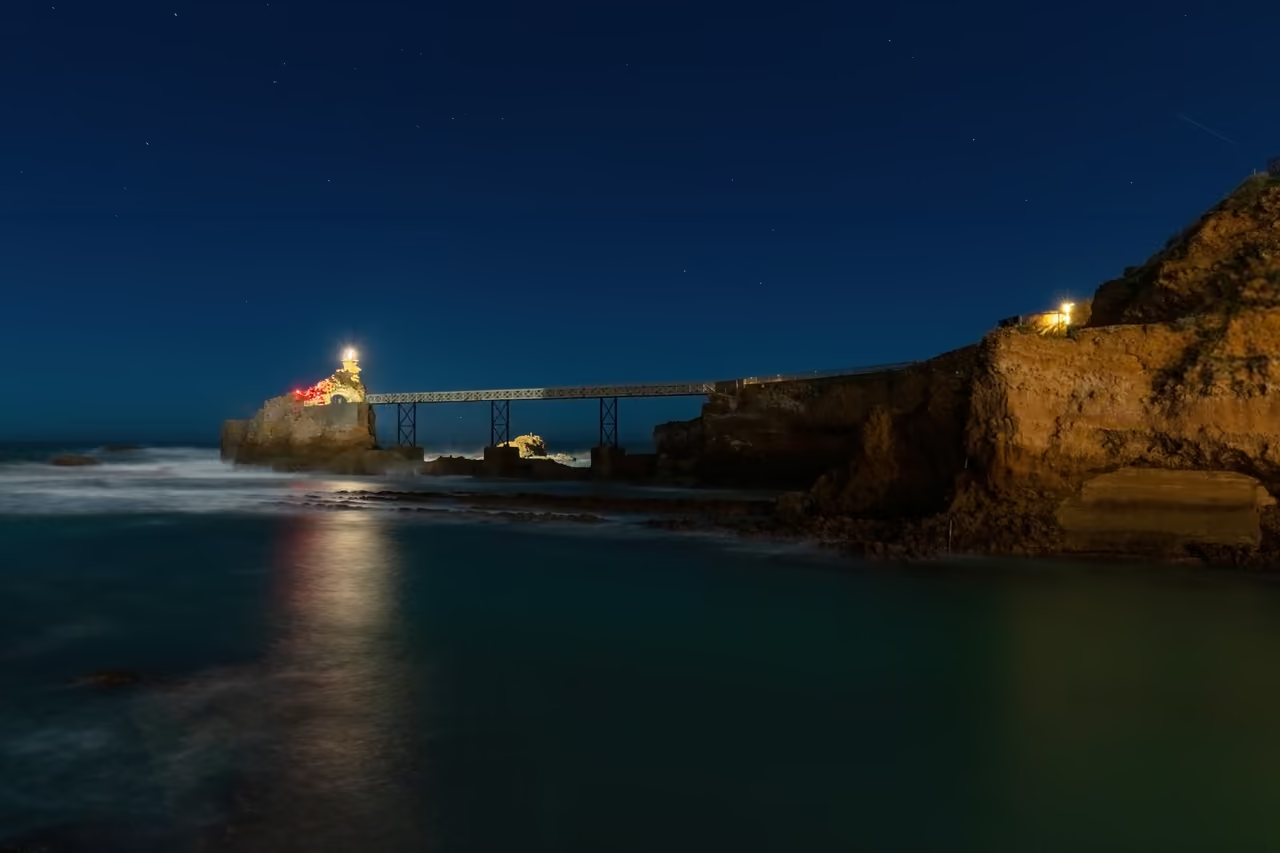
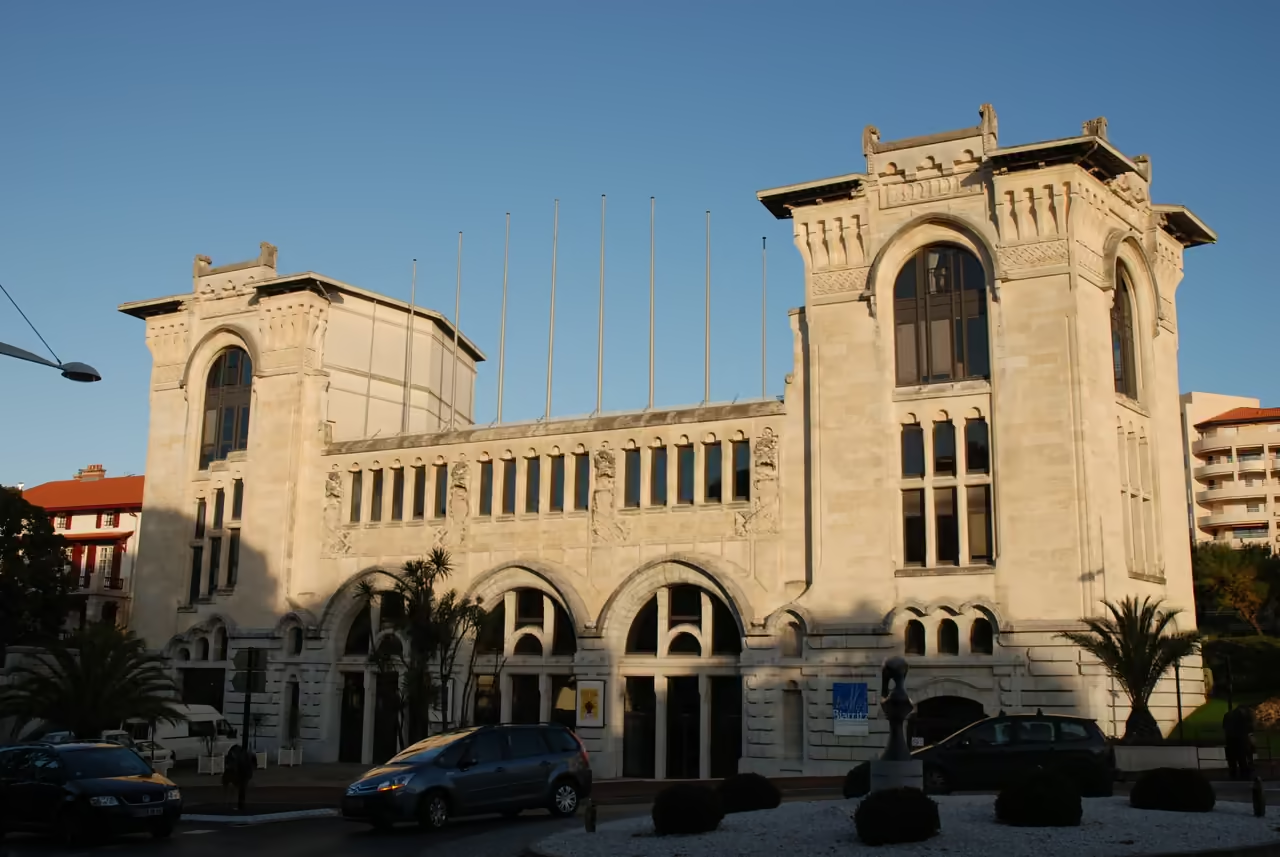
5 Days in Biarritz: The Full Basque Coast Experience
Five days allow the palace and promenade, a full surf day, a day of faiths and facades, a day of lakes, sport and music, and a final day among the headland's hidden corners. It is a leisurely plan that leaves space for the sea.
view itinerary
Whalers and Fishermen Trail: Biarritz's Maritime Heritage
Long before the resort, Biarritz lived off the sea. This trail traces whale lookouts, harbours, museums and the church whose tower once guided fishermen home. It is a route for anyone who wants the town's older story.
view self-guided tour
See all attractions in Biarritz
Including Hôtel du Palais, Rock of the Virgin, Biarritz Lighthouse, and more