Palacio Baburizza
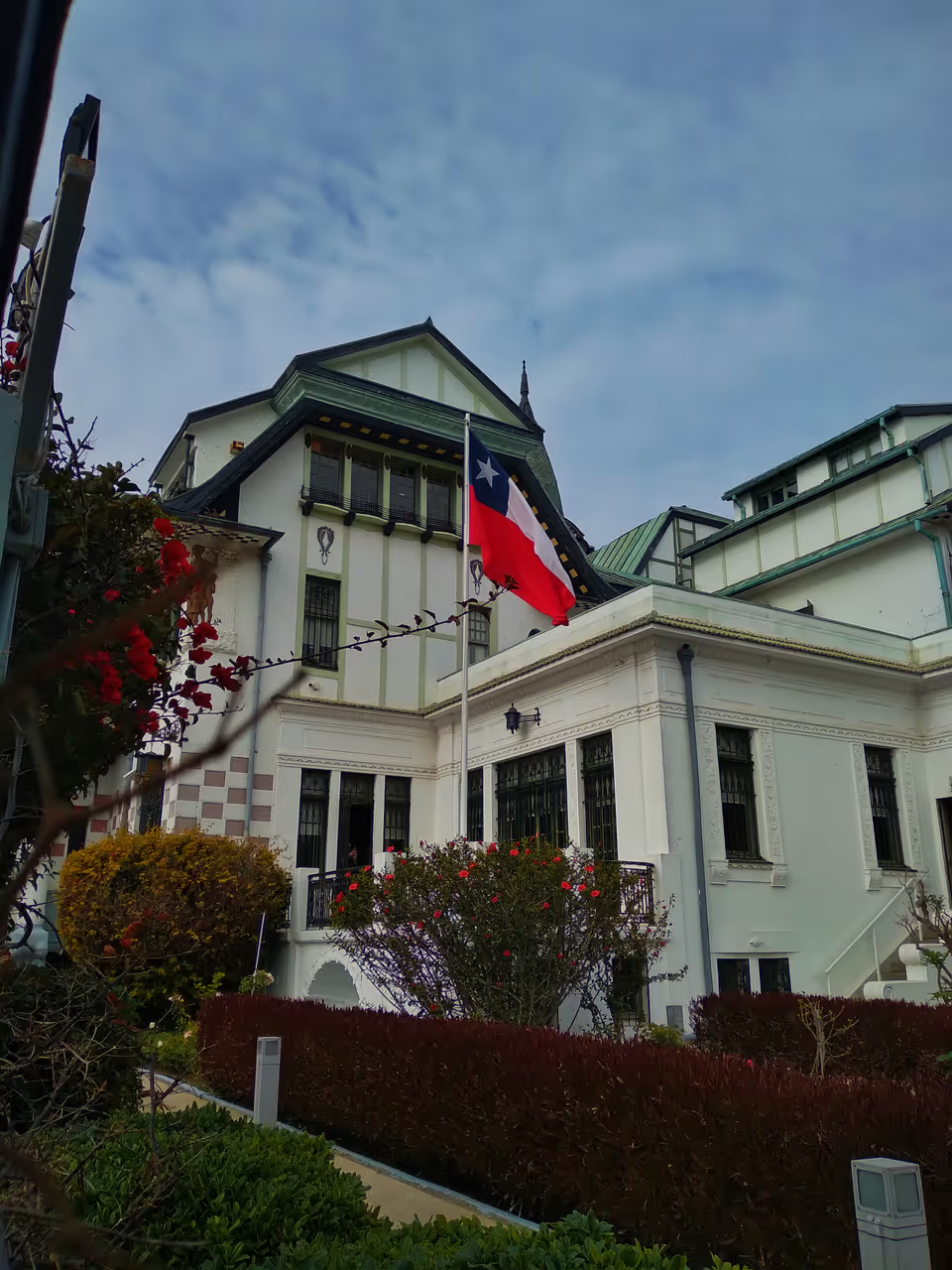
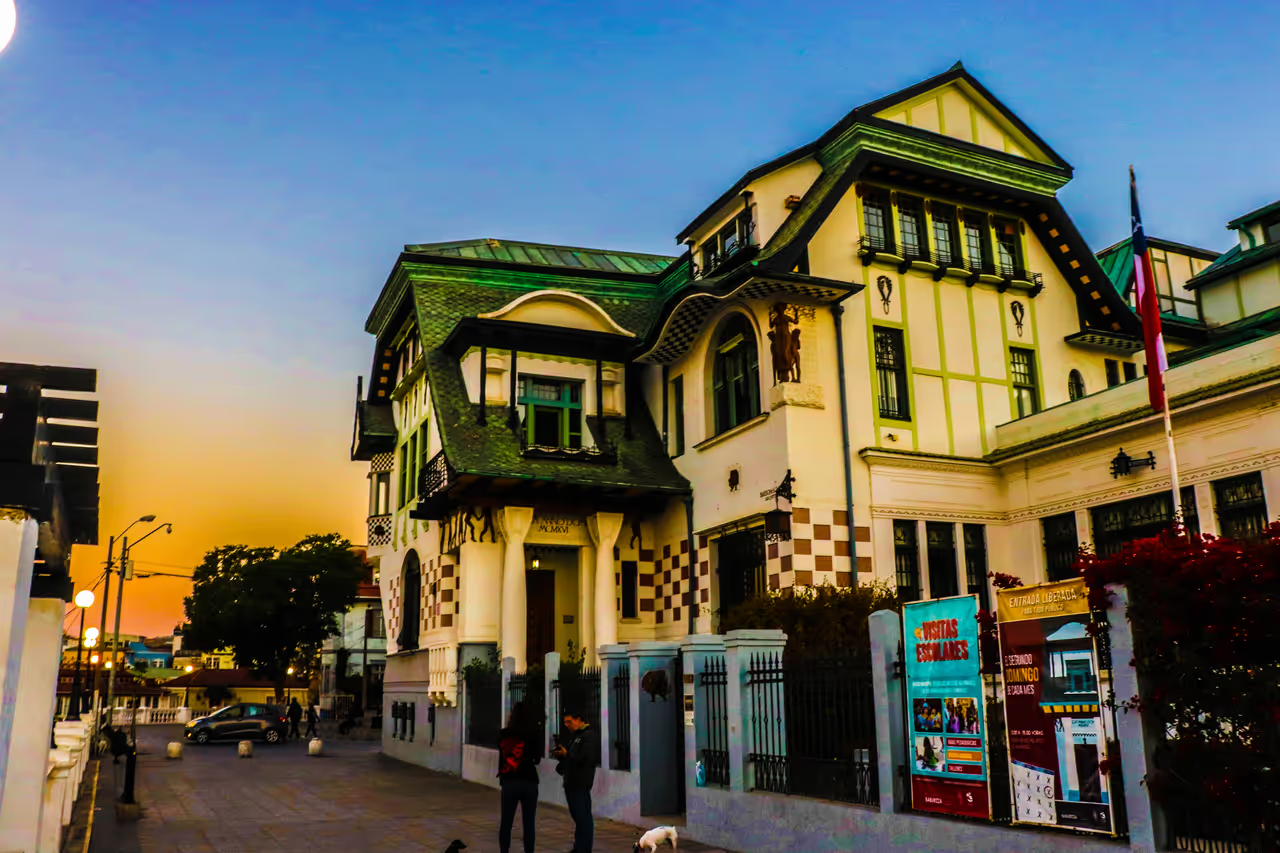
Perched atop the picturesque Cerro Alegre, Palacio Baburizza stands as a magnificent testament to the era when Valparaíso was the primary port of the South Pacific. This stunning Art Nouveau mansion invites visitors to wander through rooms that once housed the private life of a nitrate tycoon before they were transformed into a prestigious fine arts museum. You can admire the exquisite woodwork and intricate architectural details while soaking in breathtaking views of the bay below. The museum houses an impressive collection of Chilean and international paintings that capture the soul of the region. It is an essential stop for anyone wanting to understand the wealth and artistic aspirations that shaped this colourful port city. Exploring these halls provides a unique window into a bygone golden age.
Videos
History of Palacio Baburizza
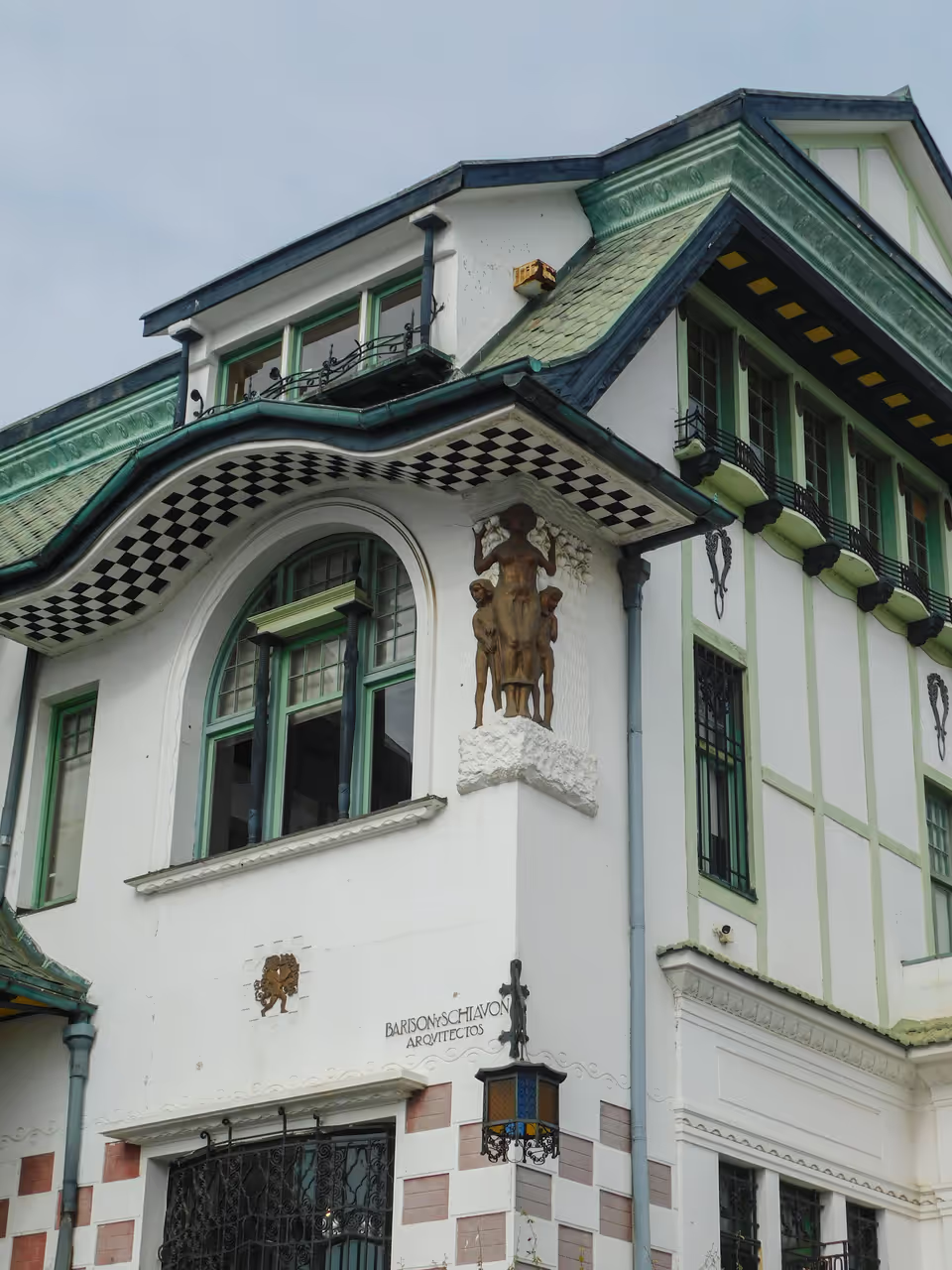
During the late nineteenth and early twentieth centuries, Valparaíso thrived as the most significant port in the South Pacific. This golden age attracted wealth from across the globe, drawing adventurous souls to Chilean shores. Among these dreamers was Pascual Baburizza, a Croatian immigrant who arrived with little more than his ambition. Through the booming saltpeter industry, he amassed a fortune that allowed him to participate in the lavish lifestyle of the Chilean elite. He eventually secured this spectacular mansion on Cerro Alegre, ensuring his legacy would be etched into the very hills of the city. The palace itself serves as a perfect example of the architectural ambition of the time. Designed by Italian architects, it combines Art Nouveau elements with an eclectic flair that feels entirely unique to the port. With its ornate towers, carved woodwork, and copper coated doors, the building was crafted to impress. Even today, the fireplace in the dining room, made of marble and adorned with intricate braids, speaks to the immense wealth and aesthetic sensibilities that defined the lives of the port's aristocracy. Following the death of its original owner, the house transitioned from a private residence to a public sanctuary of culture. In 1971, the local government transformed the estate into a museum, effectively handing the treasures of a private collector over to the citizens of Valparaíso. This act ensured that the history of the building would remain tied to the identity of the city. Visiting today allows one to walk the same halls as the nitrate barons while engaging with a curated collection of art that spans centuries, bridging the gap between the city's prosperous past and its vibrant present.
Events spanning 95 years
Fun Facts
- • Before the city purchased the building it served as both a private home and a temporary school for fine arts.
- • It features a unique style combining Art Nouveau elements with eclectic decorations that were fashionable among the elite in the early twentieth century.
- • One of the most striking interior features is a massive renaissance style fireplace crafted from marble and adorned with detailed medallions.
- • Pascual Baburizza was an immigrant from Croatia who arrived in Chile with very little and rose to become a powerful nitrate tycoon.
- • The art collection inside the palace holds pieces spanning from the sixteenth century to the modern day including works by Mauricio Rugendas.
- • The building was designed by Italian architects Arnaldo Barison and Renato Schiavon who were prominent figures in the local architecture scene.
- • The intricate wrought iron work on the exterior balconies was handcrafted by master artisans of the period.
- • The mansion is located in Cerro Alegre which was historically the centre for European immigrants in Valparaíso.
- • The palace survived numerous earthquakes that devastated other parts of the city because of the solid construction techniques employed by its designers.
- • The property has gained international fame by appearing as a filming location in various seasons of the reality television show The Amazing Race.
Palacio Baburizza FAQ
While we strive to keep this information accurate and up to date, we recommend verifying any details independently before making decisions based on them.
Palacio Baburizza Map & Neighborhood Explorer
This interactive map is centered on Palacio Baburizza. Zoom in and move the map around to automatically discover Wikipedia photos and summaries of other nearby sights, monuments, and historical points of interest and stories in real-time!
Places near Palacio Baburizza
Make the most of your trip. Check out these top-rated spots located nearby.
 53m
53mEl Peral Funicular Viewpoint
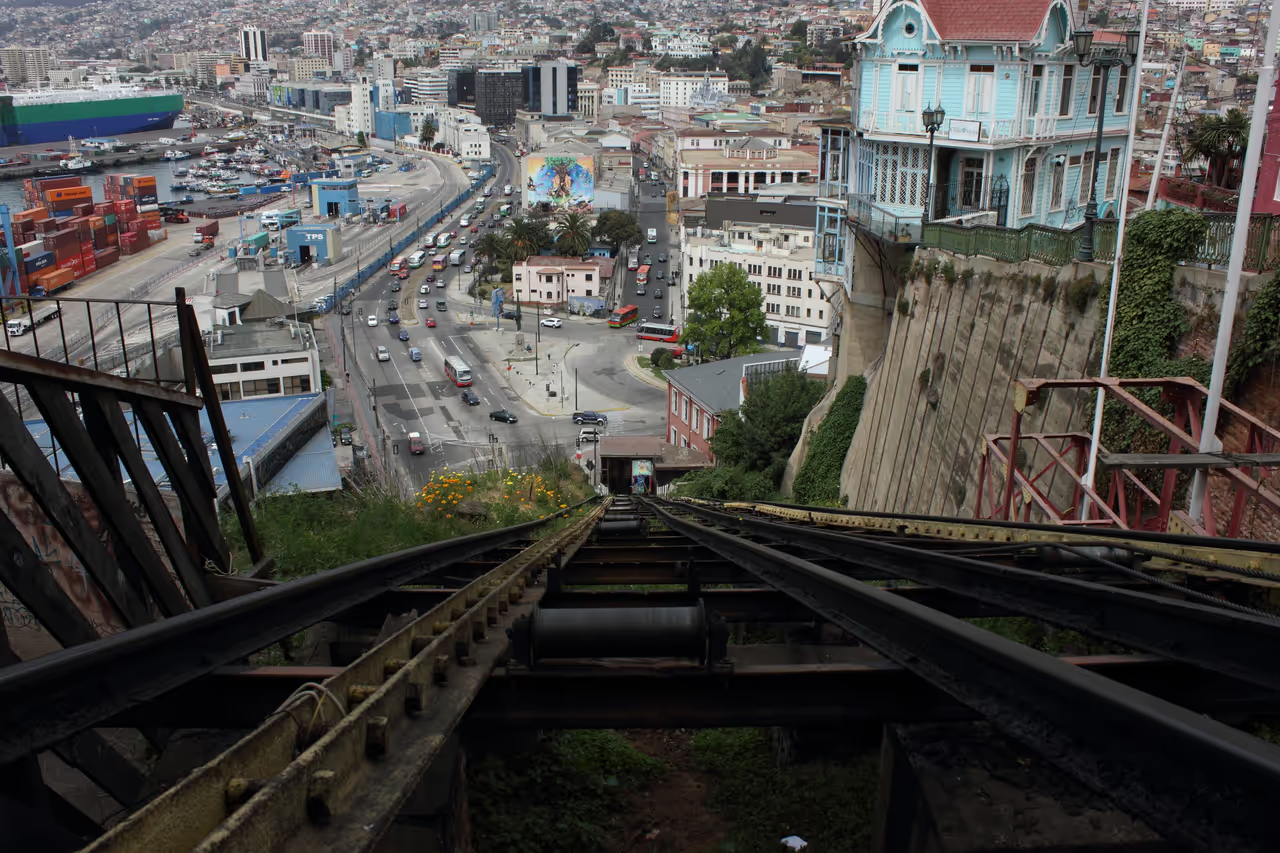
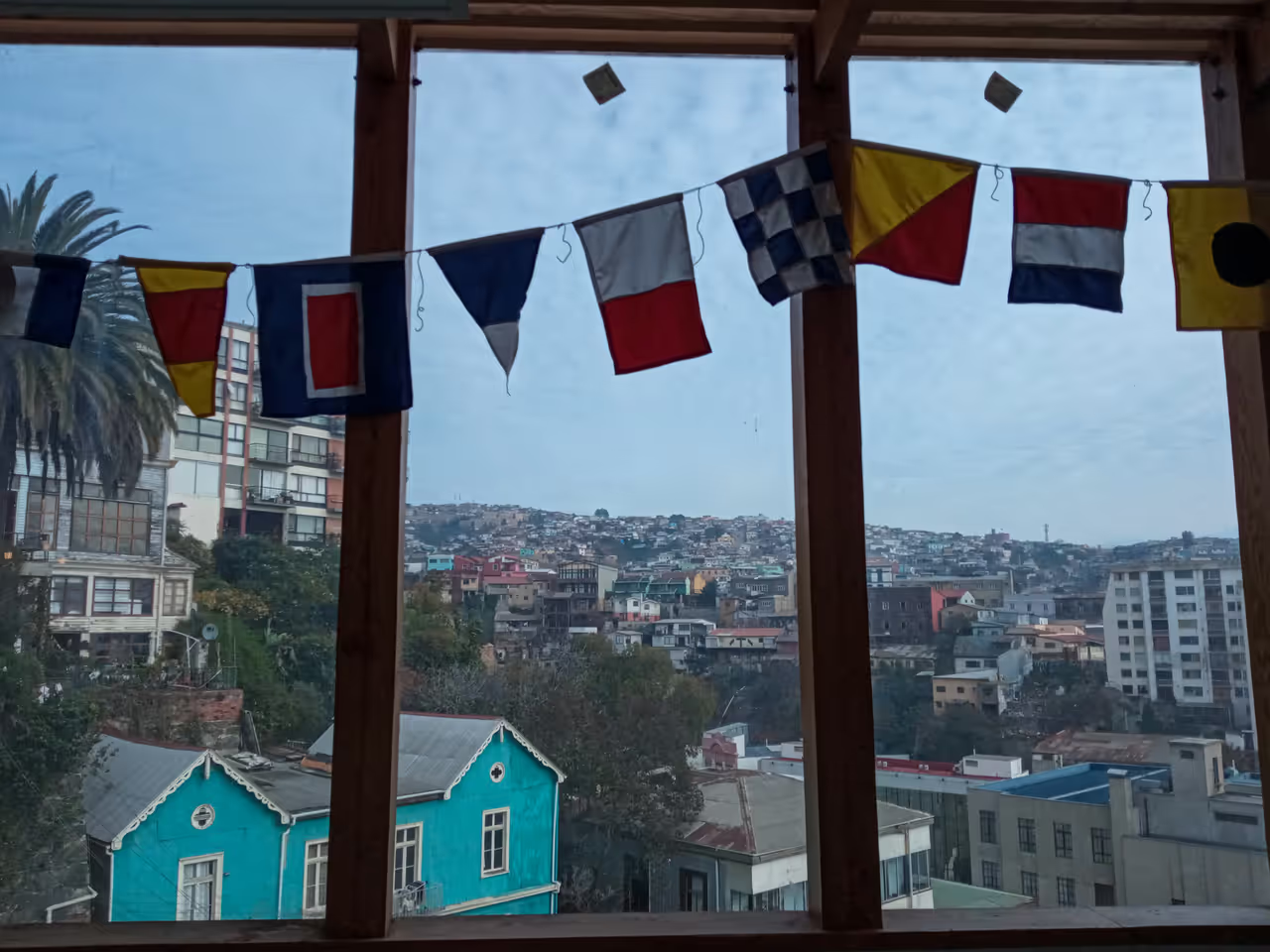
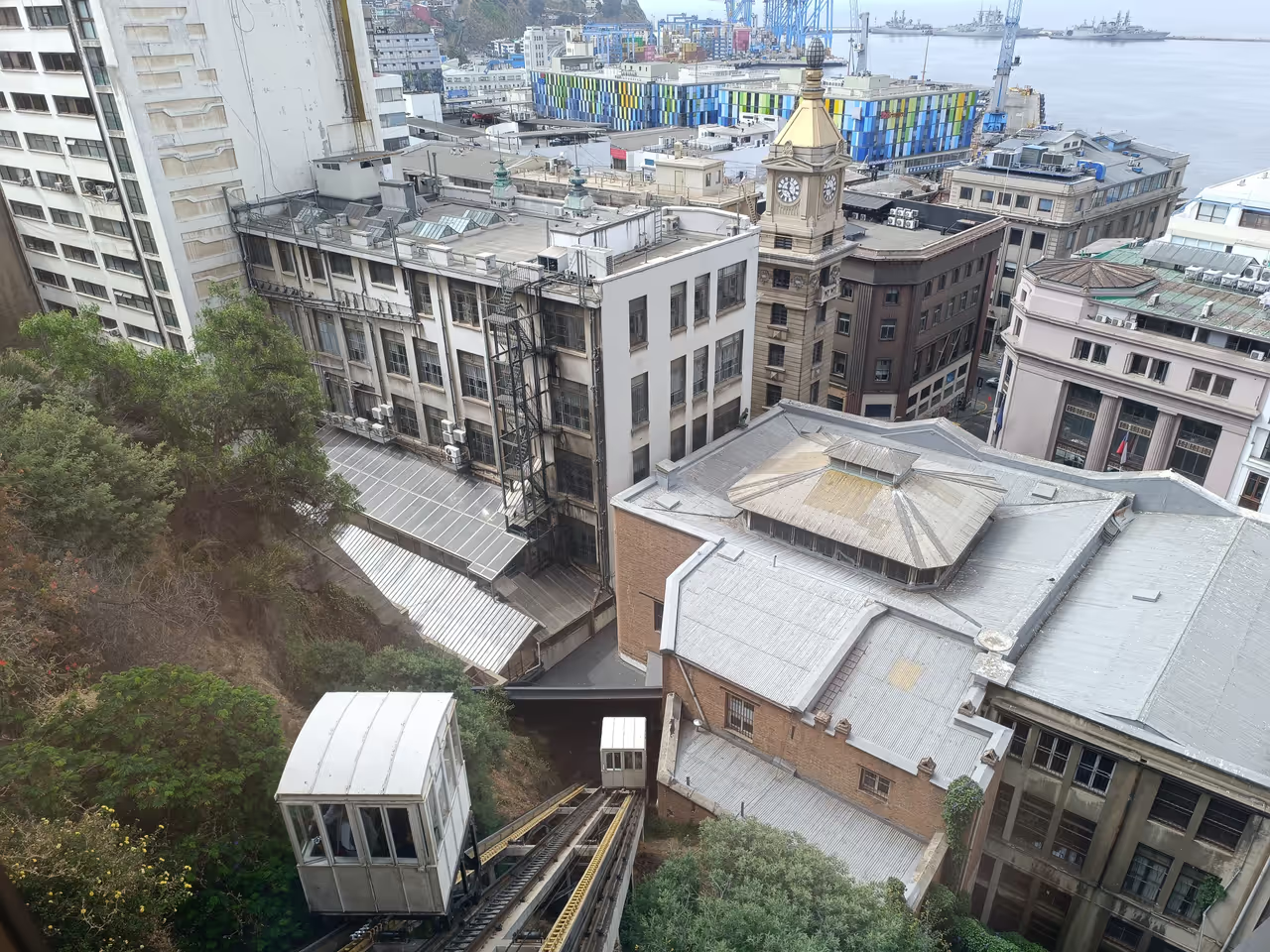
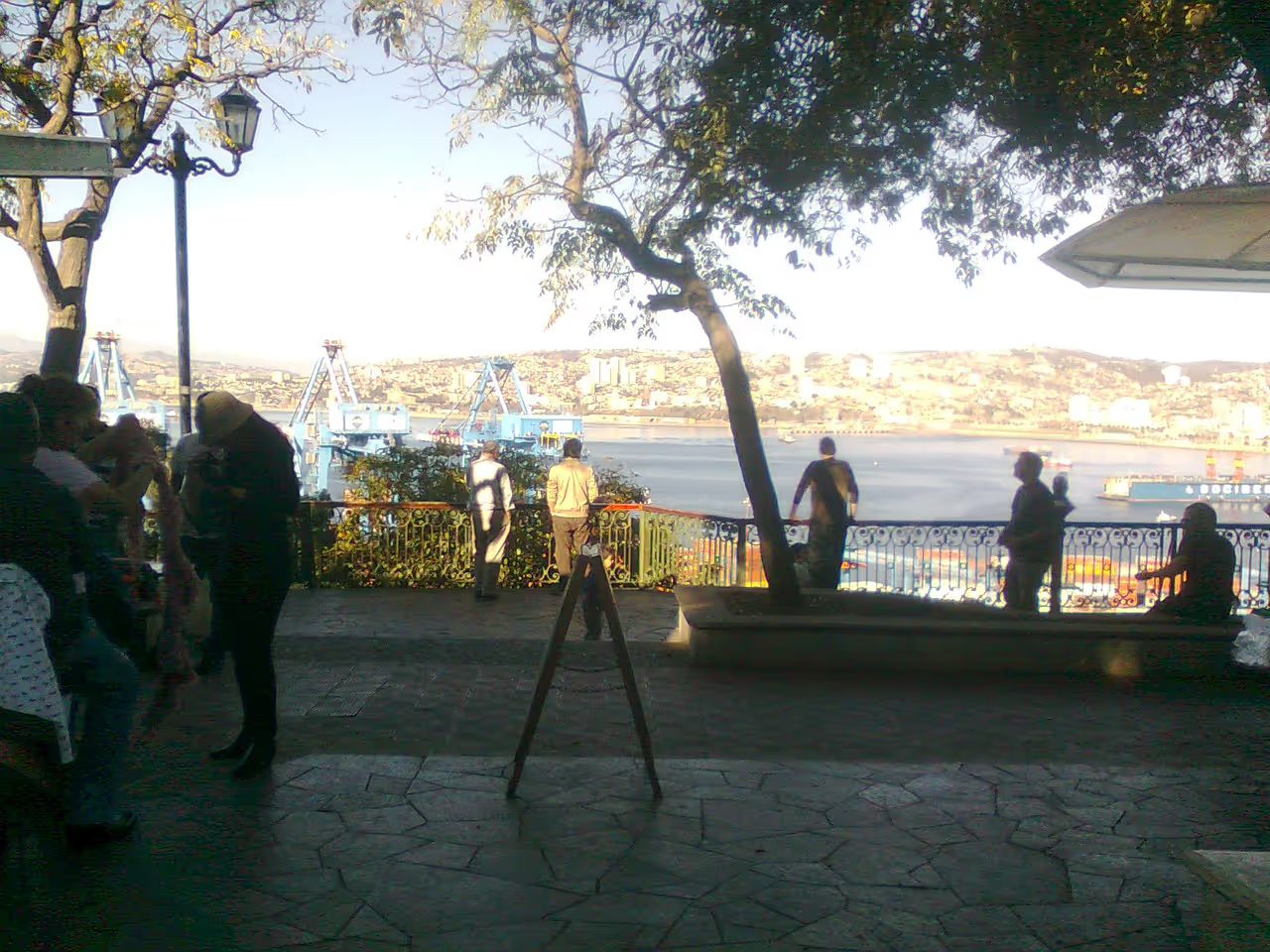
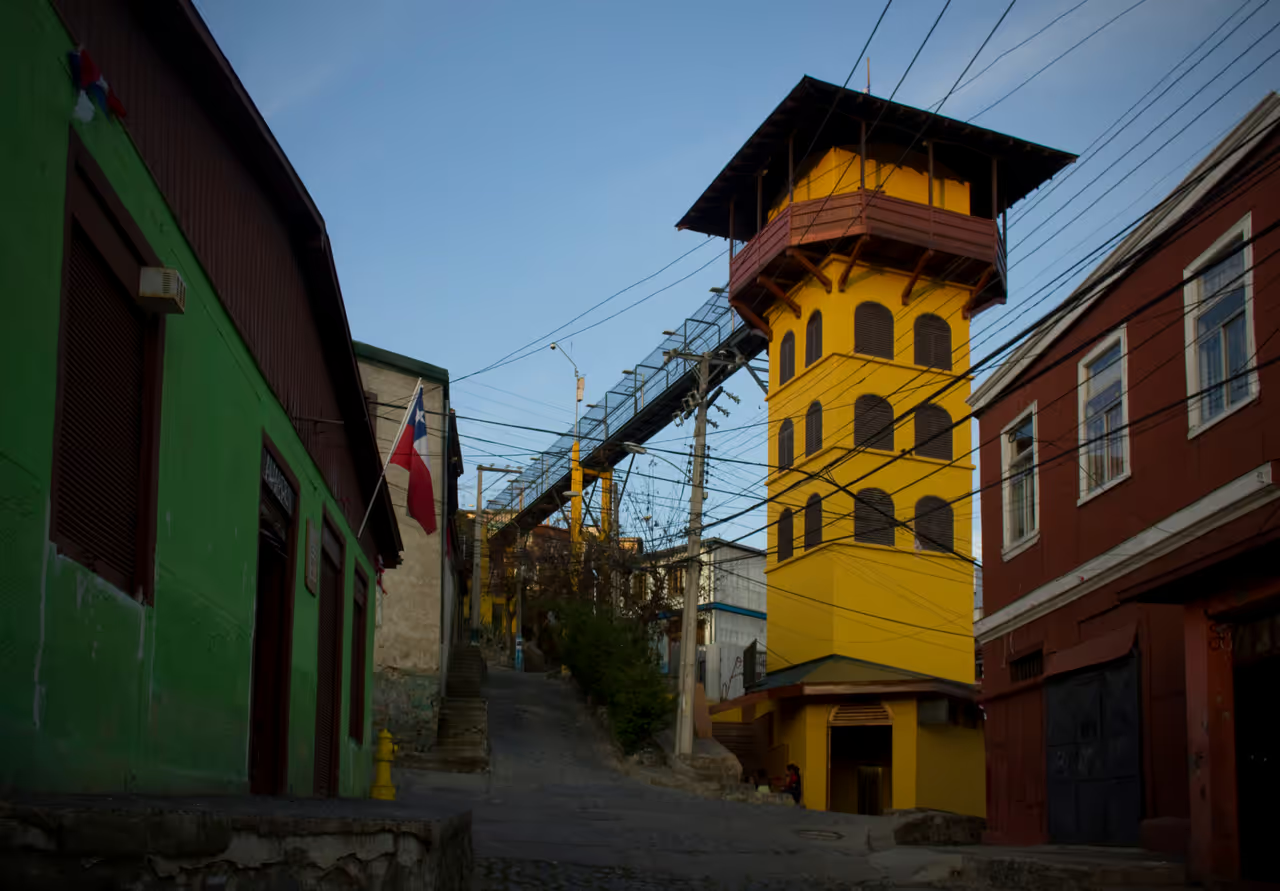
Directly outside the upper station of the El Peral funicular, this viewing platform drops you right in front of the spectacular Baburizza Palace. It offers a stunning, framed view looking back down over Plaza Sotomayor and the grand naval buildings. It is an excellent place to appreciate the contrast between the flat, orderly civic centre and the steep, chaotic hills. The platform itself is intricately detailed and beautifully maintained.
viewpoint view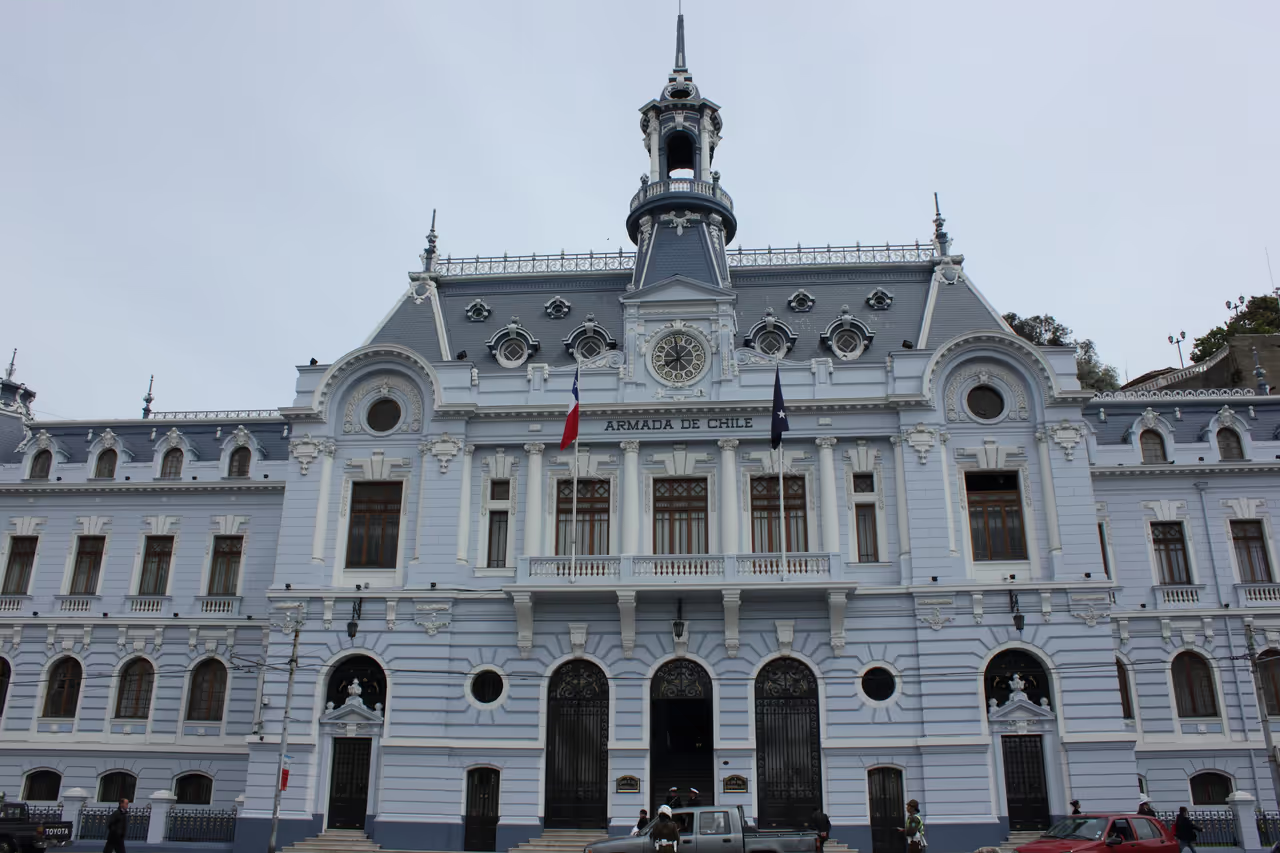 177m
177mChilean Navy Building
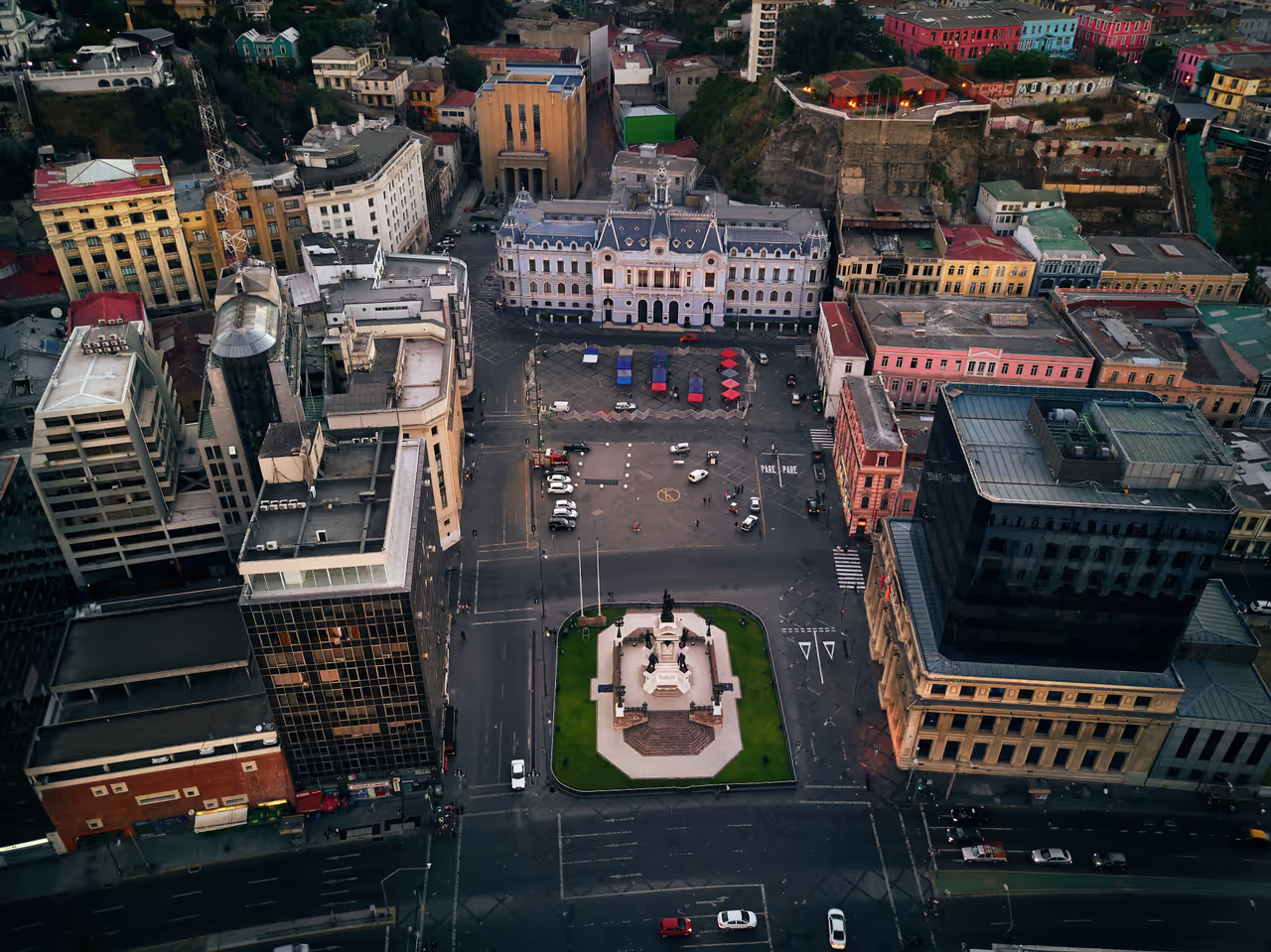
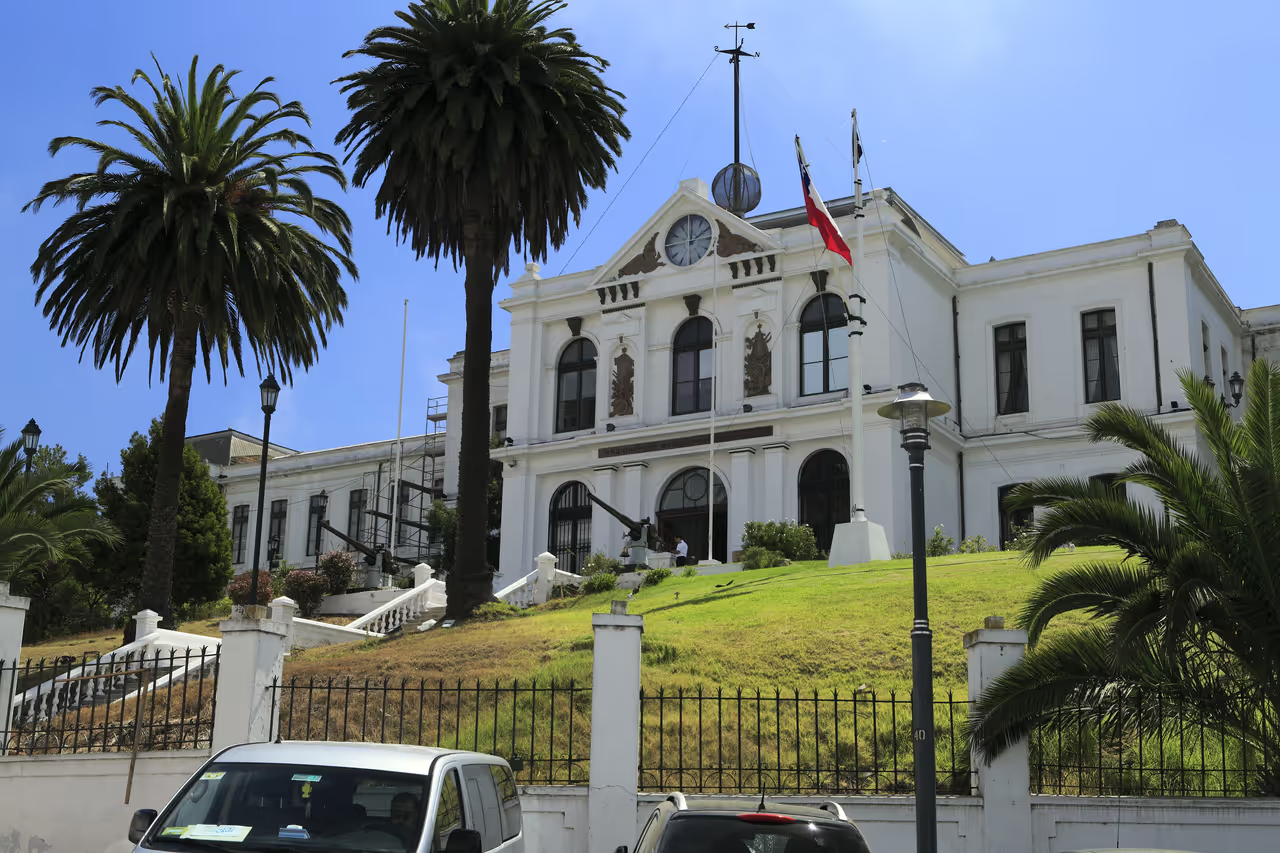
Dominating Plaza Sotomayor, this majestic blue and white palace is a striking symbol of the city's naval importance. Originally built in the early 20th century, its imposing facade features grand columns, classical proportions, and a beautifully detailed central dome. It serves as the active headquarters for the Chilean Navy. The building commands respect and provides a pristine, orderly contrast to the chaotic, colourful hills rising directly behind it.
architecture view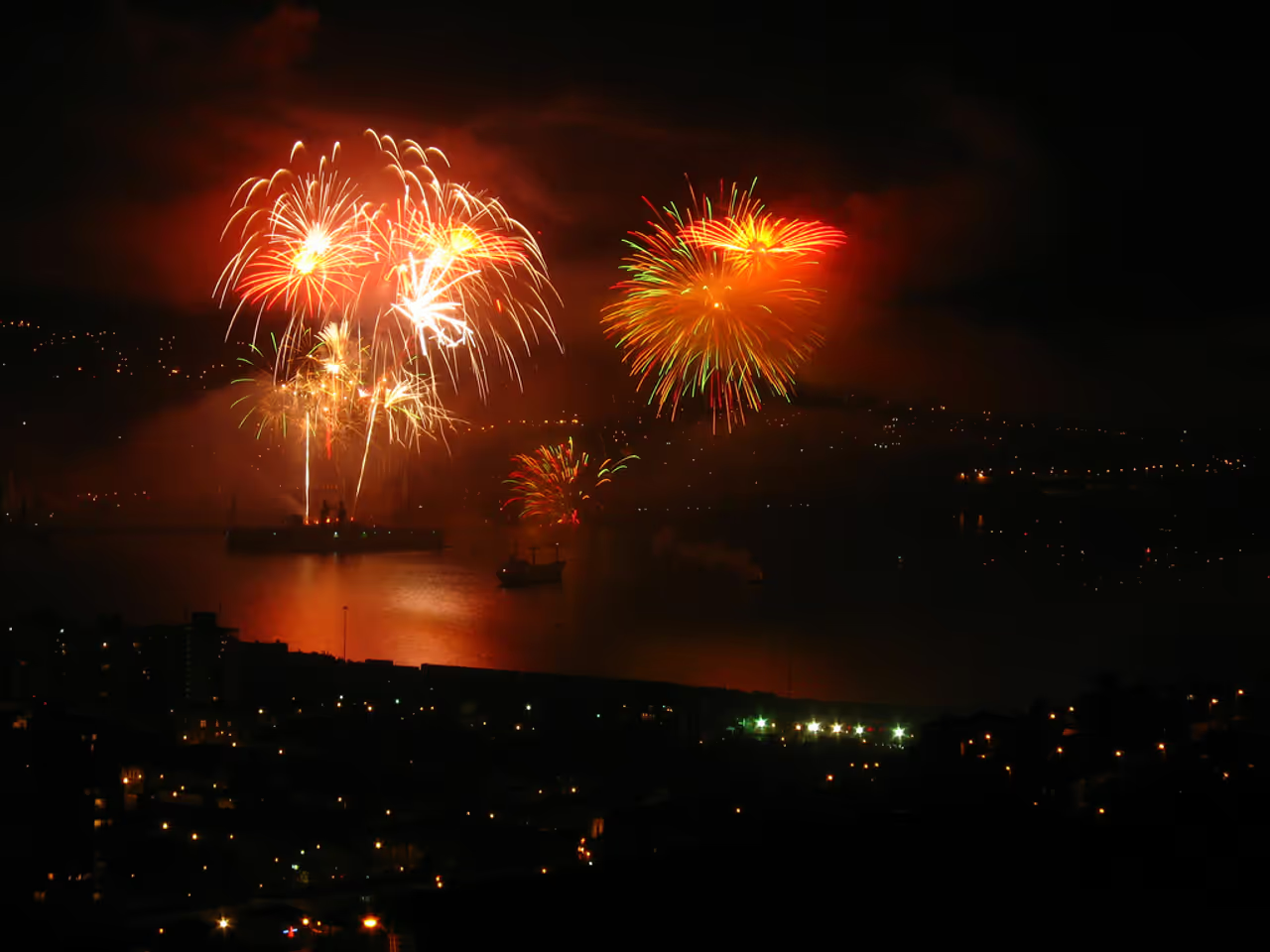 183m
183mNew Year's Eve by the Sea
The city hosts one of the most spectacular New Year's Eve celebrations on the planet, drawing millions of visitors to the coastline. The festival culminates in a massive fireworks display that illuminates the entire bay and extends towards neighbouring coastal towns. The population triples during this time, creating an electric atmosphere full of street parties and outdoor performances. It is an unforgettable way to ring in the new year.
festival view- 221m
Pierre Lotti Alley
This incredibly narrow, traffic-free alley on Cerro Concepción is a perfect example of the city's hidden charms. Lined with small gardens and colourful, creaky 19th-century homes, it feels entirely removed from the noise of the modern world. It is named after the French naval officer and writer who was captivated by the city's romance. Walking through it is like stepping directly into a tranquil, living postcard.
hidden gem view
Explore Similar Places in This Collection
Featured on These Itineraries and Routes
1 Day in Valparaiso: The Jewel of the Pacific Itinerary
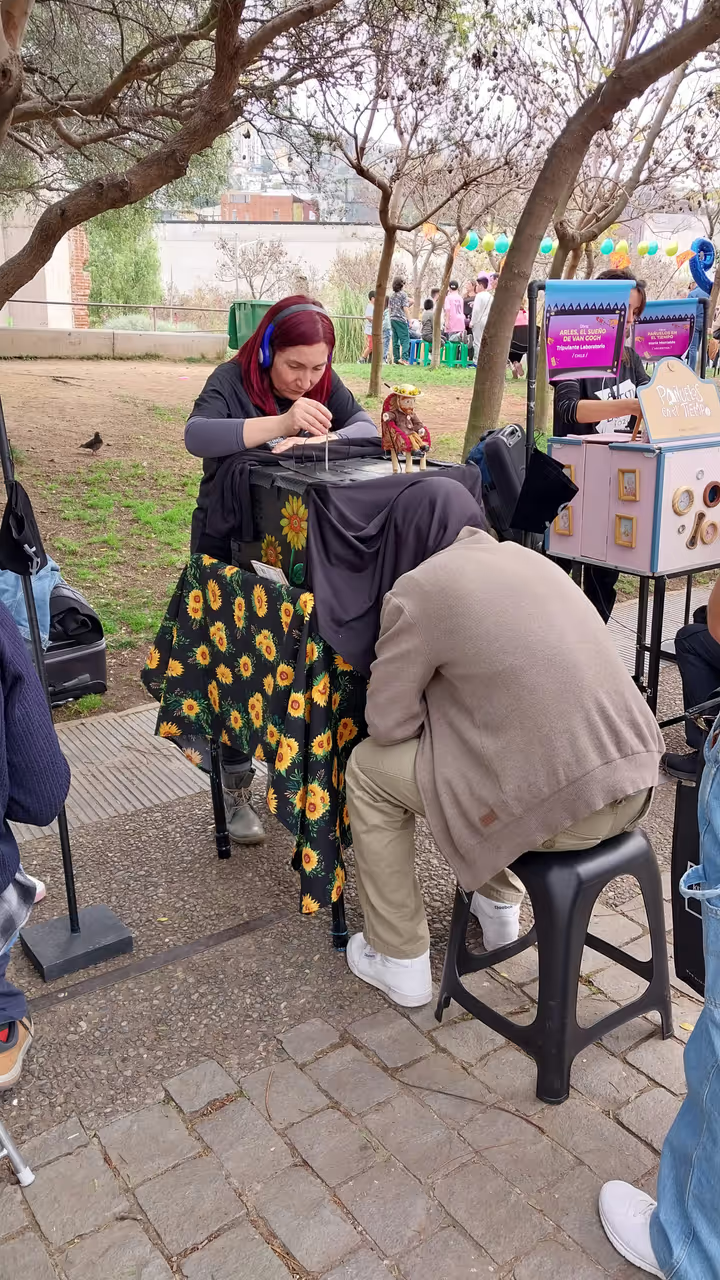
If you only have one day, this itinerary ensures you experience the absolute essentials of the city's unique charm. You will ride historic funiculars, explore the most colourful and beautifully preserved neighbourhoods, and taste the city's signature comfort food. It focuses on the UNESCO World Heritage areas to give you a concentrated dose of history and bohemian culture. Expect a lot of walking, stunning viewpoints, and vibrant street art.
view itinerary
3 Days in Valparaiso: Art, History, and Hills Itinerary
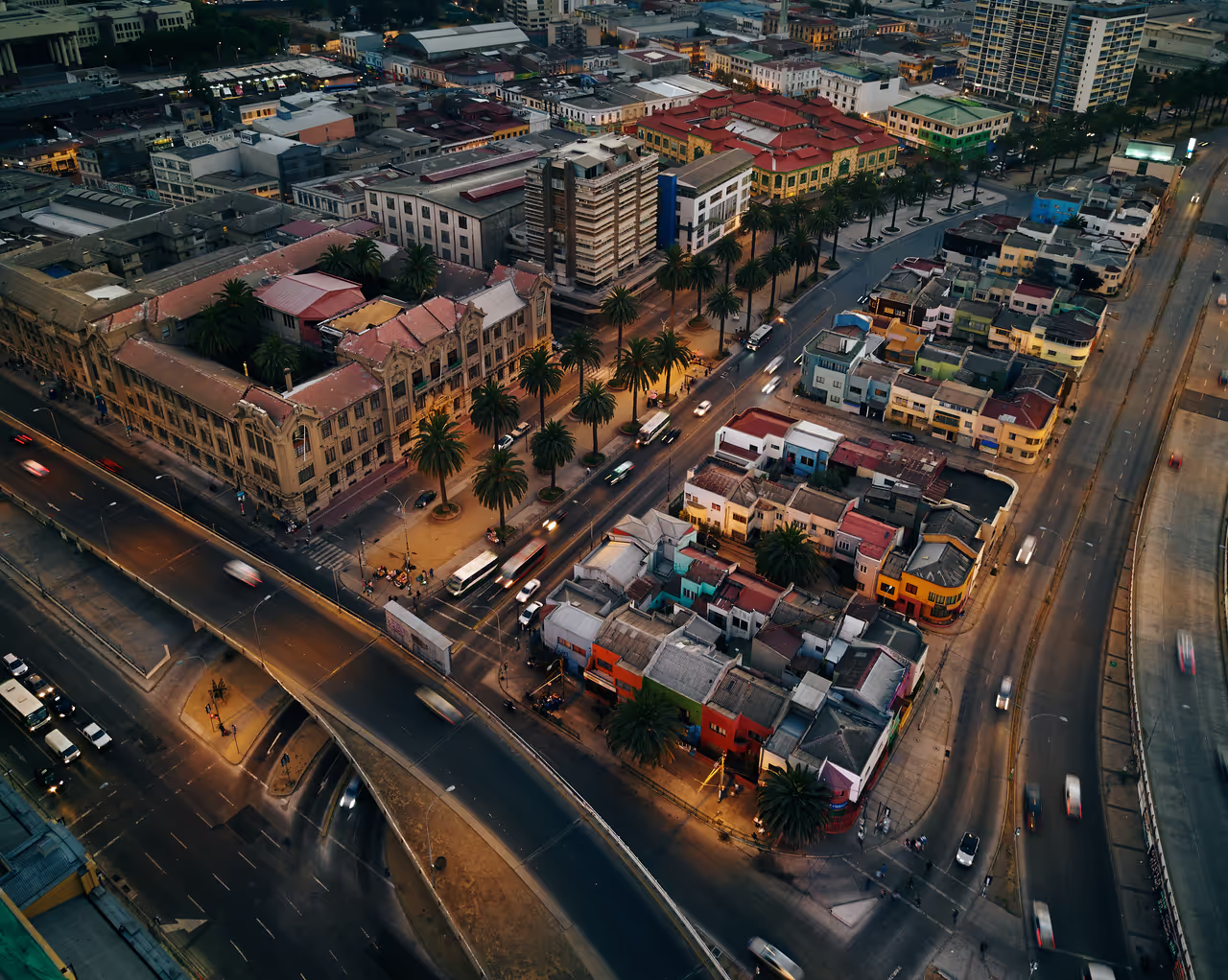
Three days allows for a perfect, well-paced exploration of the city's multiple facets without exhausting your legs. You will dive into the legacy of Pablo Neruda, discover hidden vertical elevators, and experience the raw energy of the local food markets. The itinerary balances the famous UNESCO sights with the gritty, authentic port culture that defines the area. It is the ideal amount of time to truly feel the city's chaotic, romantic rhythm.
view itinerary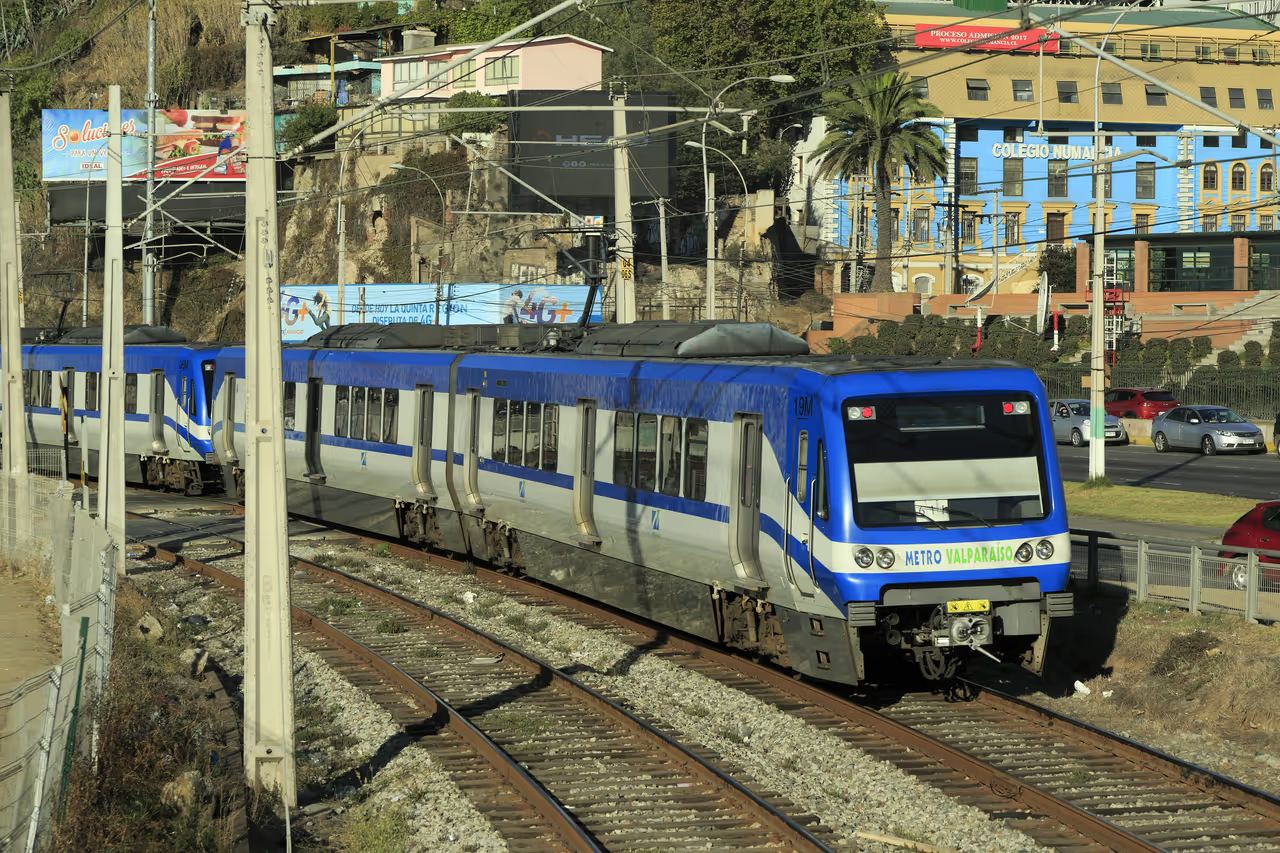
5 Days in Valparaiso: The Complete Immersion Itinerary
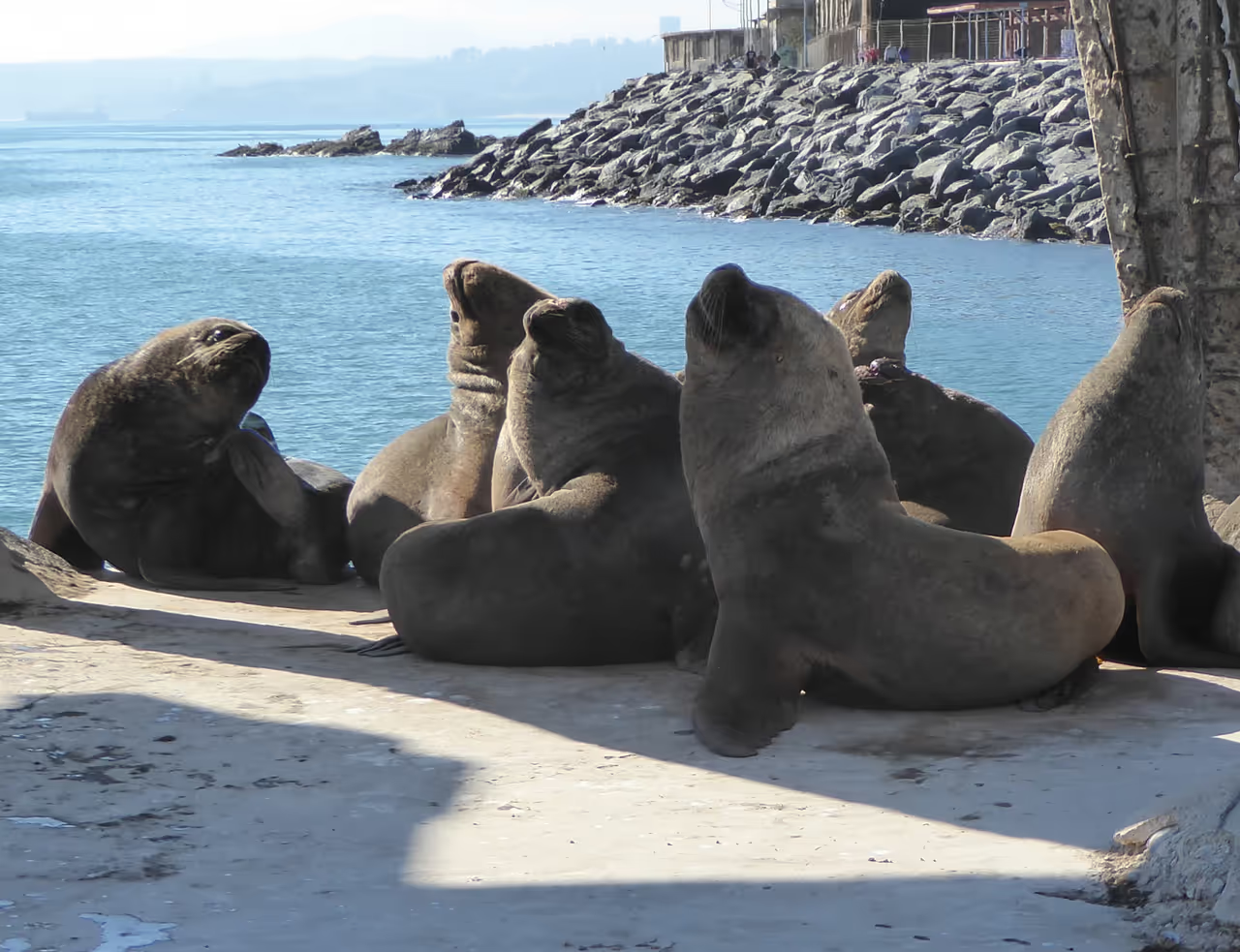
For those who want to uncover every hidden staircase and quirky detail, a five-day stay offers the ultimate deep dive. You will have time to explore beyond the main tourist hills, seeking out abandoned train cafes and watching sea lions at the fishermen's coves. It allows for leisurely strolls, multiple museum visits, and relaxed evenings sipping local wine. You will leave with a profound understanding of this complex, beautiful city.
view itinerary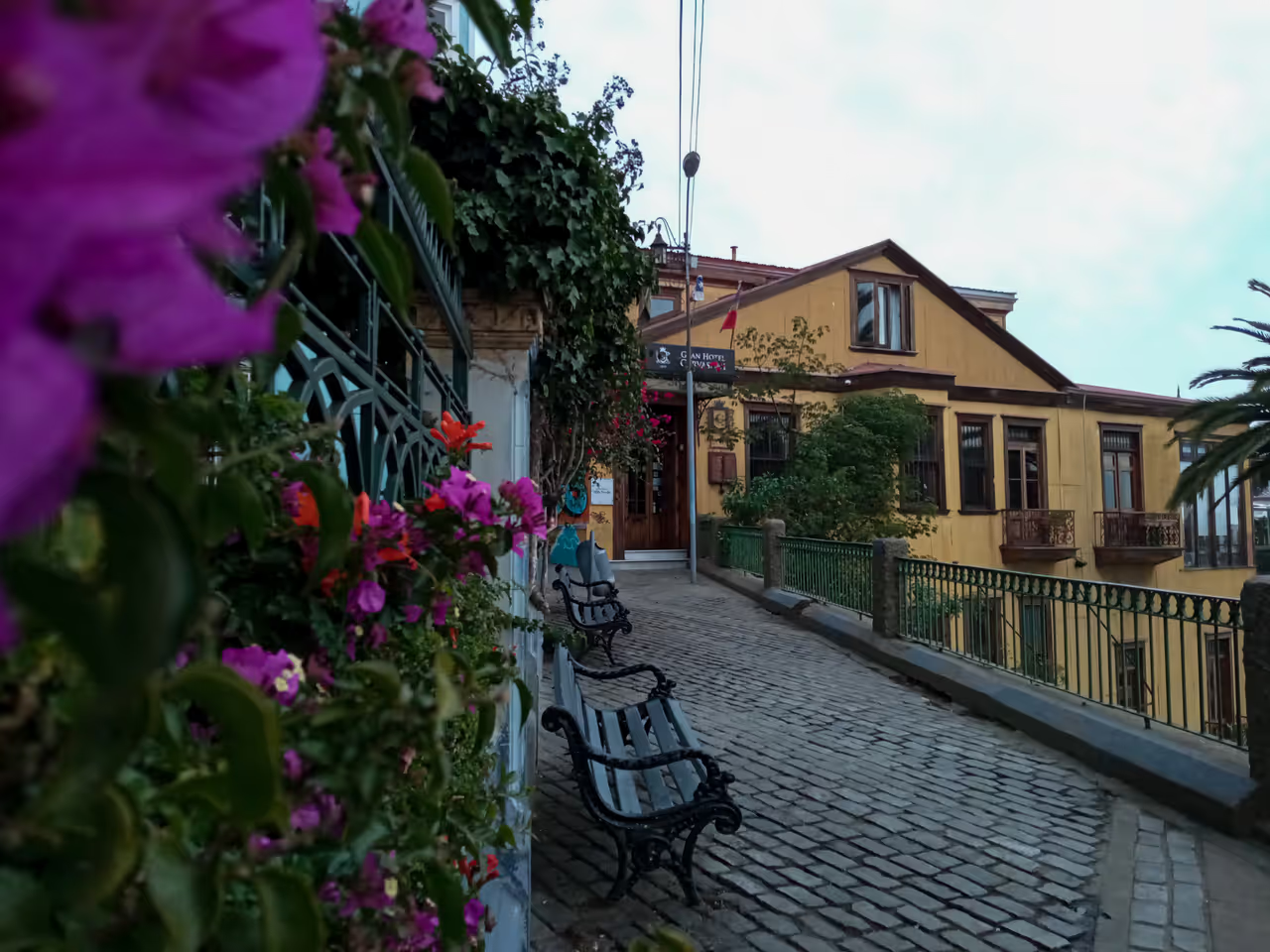
Historic Hills Walk
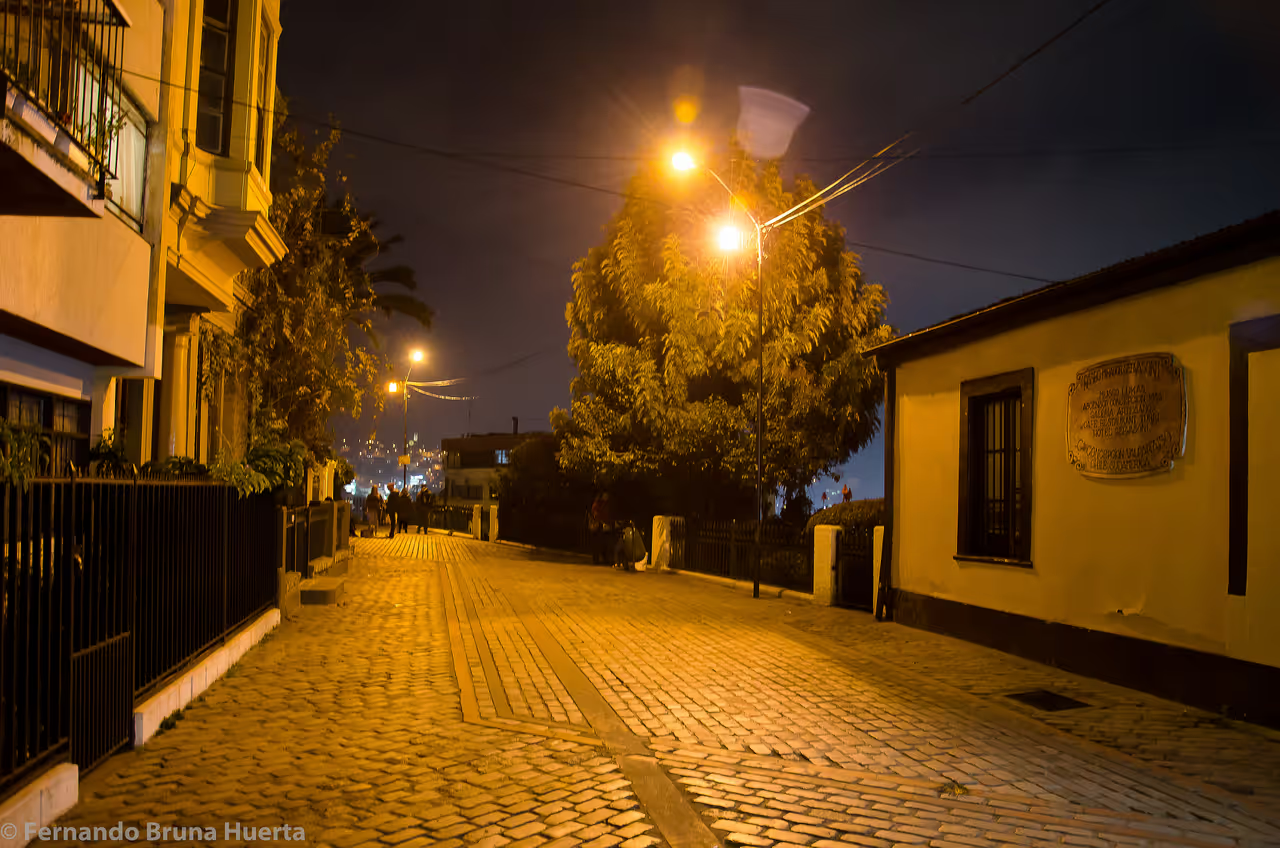
This walk wanders through the most beautifully preserved and colourful neighbourhoods in the city. The cobblestone streets are lined with restored 19th-century mansions built by European immigrants. You will discover incredible viewpoints, hidden staircases painted with vivid murals, and charming cafes. It is a visually stunning experience that encapsulates the romantic, bohemian soul of the city.
view walking route
Historic Elevators and Architecture
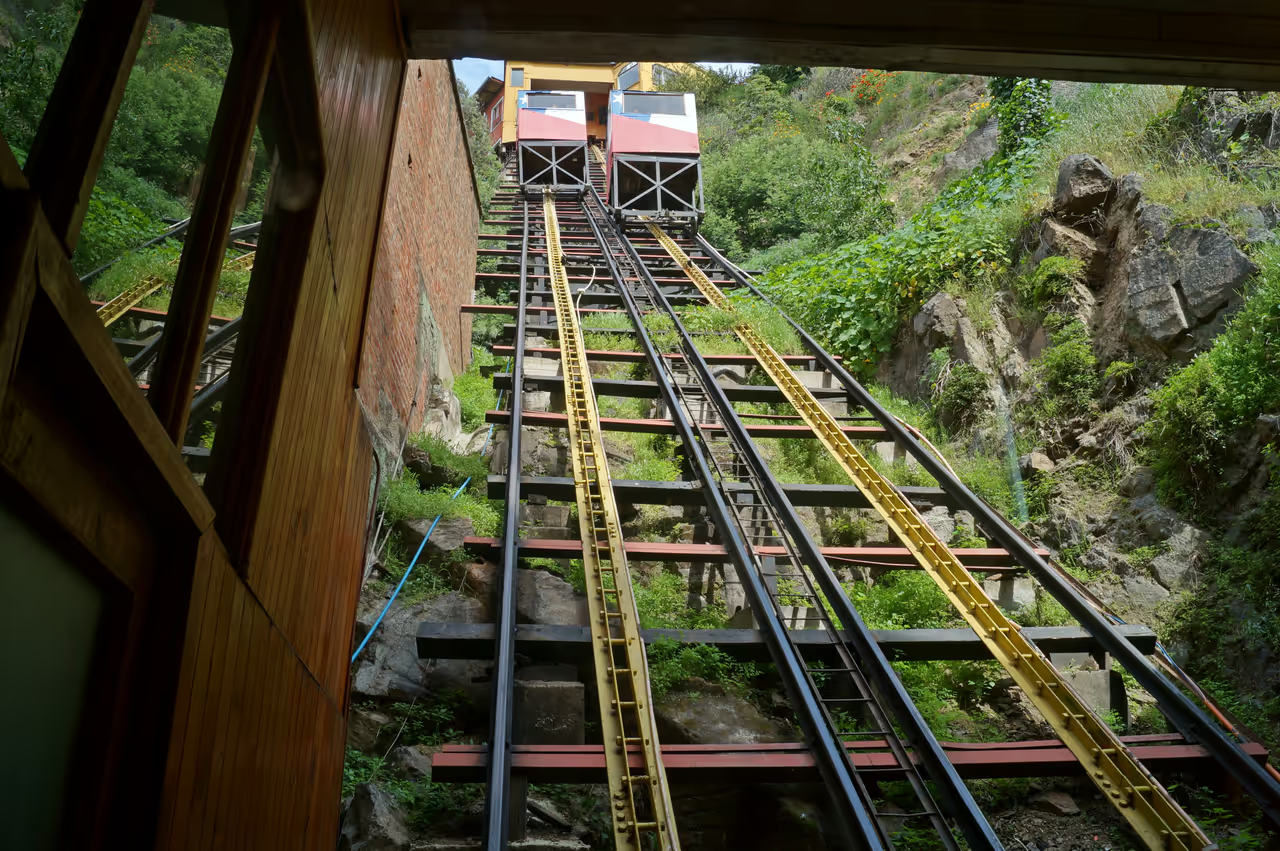
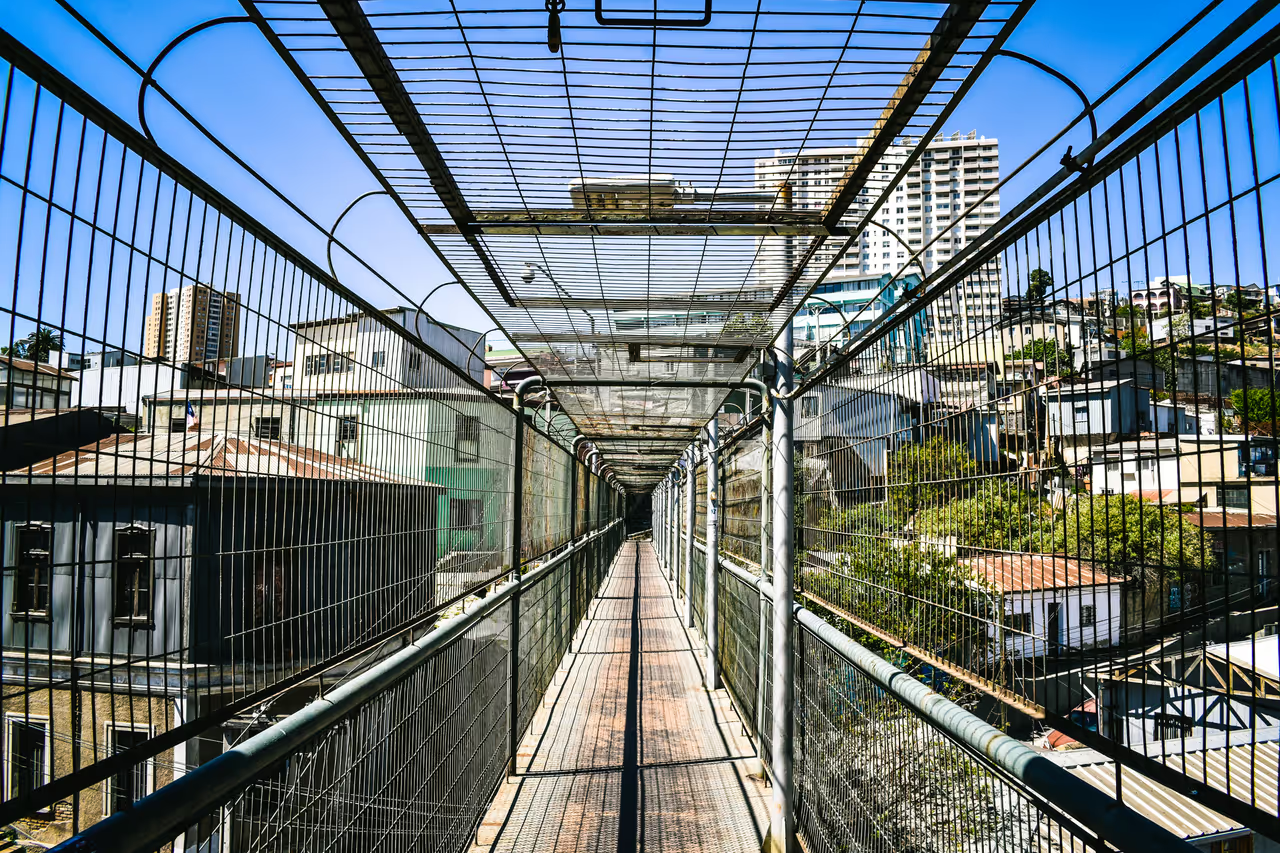
This route is a celebration of the city's most unique transportation system: the funiculars. You will ride several different elevators, experiencing the genius engineering required to conquer the extreme topography. Along the way, the tour highlights the distinct European architectural styles brought by 19th-century immigrants. It is an interactive, moving exploration of the city's vertical landscape.
view self-guided tour
See all attractions in Valparaíso
Plaza Sotomayor, Ride the Historic Ascensor Concepción, Chilean Navy Archive and Historical Library, Iglesia de La Matriz, La Sebastiana House Museum, Natural History Museum of Valparaíso, Ride the Artillería Elevator...