Lainzer Tiergarten
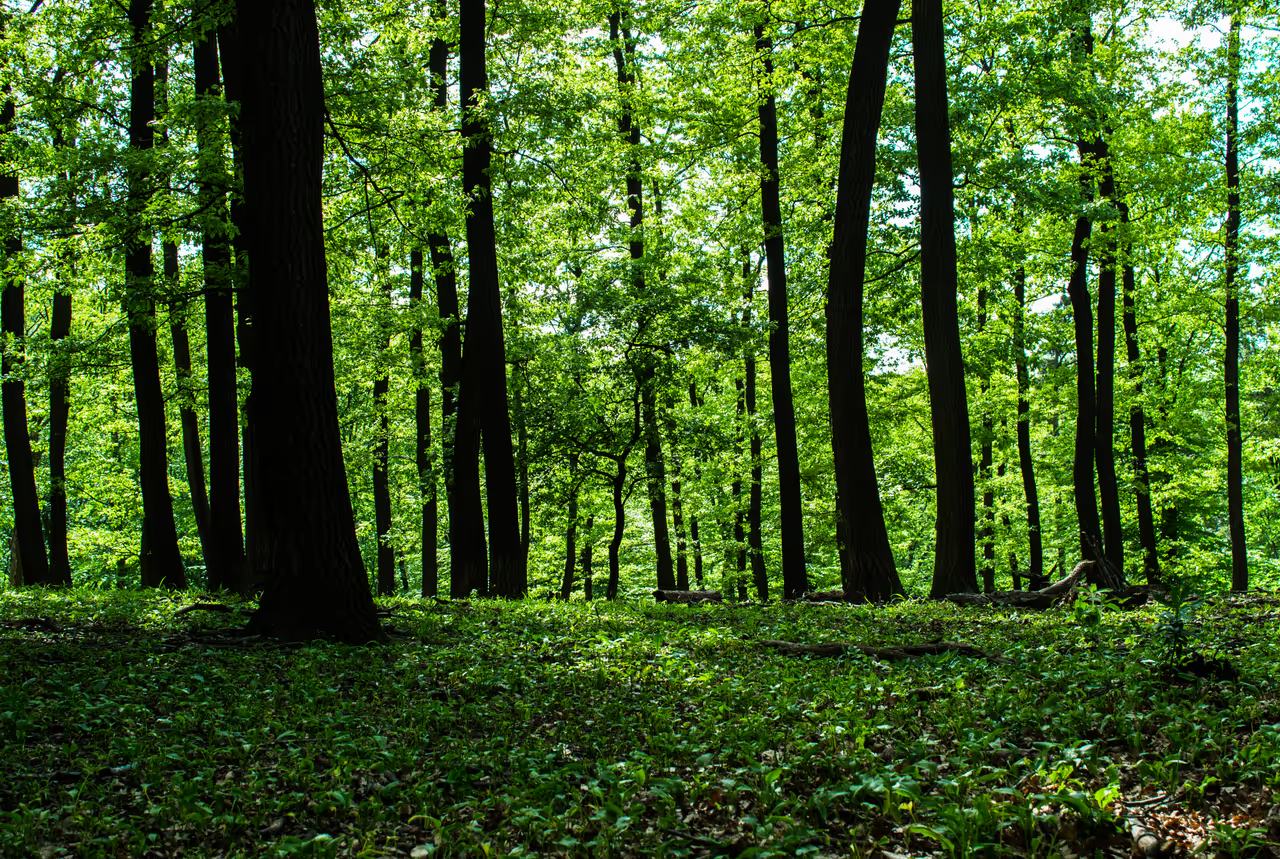
Step into a vast, ancient woodland that feels worlds away from the city centre, yet sits right on the edge of Vienna. This former imperial hunting ground offers a unique escape where wild boar, deer, and mouflon roam freely within its historic walls. Visitors can wander through extensive forests, climb to sweeping viewpoints, or explore the elegant Hermesvilla, a magnificent villa gifted by Emperor Franz Joseph to his wife. It is a place where history and nature entwine, inviting you to spend hours exploring untouched paths or enjoying a quiet meal in a traditional tavern. The preserve provides a rare glimpse into the regal leisure of past centuries while acting as a vital green lung for the capital today.
Videos
History of Lainzer Tiergarten
The origins of the Lainzer Tiergarten date back to 1561, when Emperor Ferdinand I decided to enclose a vast section of land for his private hunting pleasure. What began as a simple fenced area eventually evolved into a sophisticated preserve, with a permanent stone wall replacing the initial wooden boundaries in 1781. This territory became an exclusive sanctuary for the Habsburgs, offering a secluded space for the royal family to hunt, escape the rigid protocols of the court, and retreat into the quiet embrace of the Wienerwald forest. The landscape transformed significantly after the fall of the Austro Hungarian Empire in 1919, when the grounds were opened to the public. This newfound accessibility allowed citizens to reclaim their heritage, though the preserve faced challenges during the middle of the 20th century. Between 1940 and 1955, the gates were closed to visitors, and the preserve was reshaped by urban development, including the loss of some land for residential construction and the later adjustments necessitated by the Westautobahn motorway. Despite these pressures, the core of the sanctuary remained protected. Today, the preserve stands as a testament to Vienna's commitment to nature and history. The inclusion of the Hermesvilla, built in the late 19th century as a romantic getaway for Empress Elisabeth, adds an air of aristocratic charm to the rugged wilderness. Visitors can now experience the duality of the park, combining an afternoon visiting a museum with a hike that brings them face to face with the forest wildlife. It serves as a living museum, preserving the spirit of imperial Vienna while providing a tranquil retreat for modern explorers.
Events spanning 441 years
Fun Facts
- • A portion of the land, known as the Laaber Wald, was annexed to the preserve in the 1960s to compensate for territory lost to highway construction.
- • Emperor Franz Joseph ordered the construction of the Hermesvilla specifically to entice his wife, Empress Elisabeth, to spend more time in Vienna.
- • Entry to the grounds became completely free in 1973, removing the final barrier to this royal treasure.
- • In 2002, the Emperor of Japan, Akihito, and Empress Michiko visited the Wiener Blick viewpoint, a moment memorialised with a plaque.
- • The Hubertuswarte tower, constructed in 1927, offers the highest vantage point in the preserve at 508 metres.
- • The perimeter wall spans approximately 22 kilometres, physically separating the sanctuary from the urban sprawl.
- • The preserve covers 24.5 square kilometres, with roughly 80 per cent consisting of dense woodland.
- • The preserve serves as a crucial habitat for a population of 800 to 1,000 wild boar.
RESOURCES
Official WebsiteLainzer Tiergarten FAQ
While we strive to keep this information accurate and up to date, we recommend verifying any details independently before making decisions based on them.
Lainzer Tiergarten Map & Neighborhood Explorer
This interactive map is centered on Lainzer Tiergarten. Zoom in and move the map around to automatically discover Wikipedia photos and summaries of other nearby sights, monuments, and historical points of interest and stories in real-time!
Places near Lainzer Tiergarten
Make the most of your trip. Check out these top-rated spots located nearby.
 2710m
2710mJubilee Observation Tower
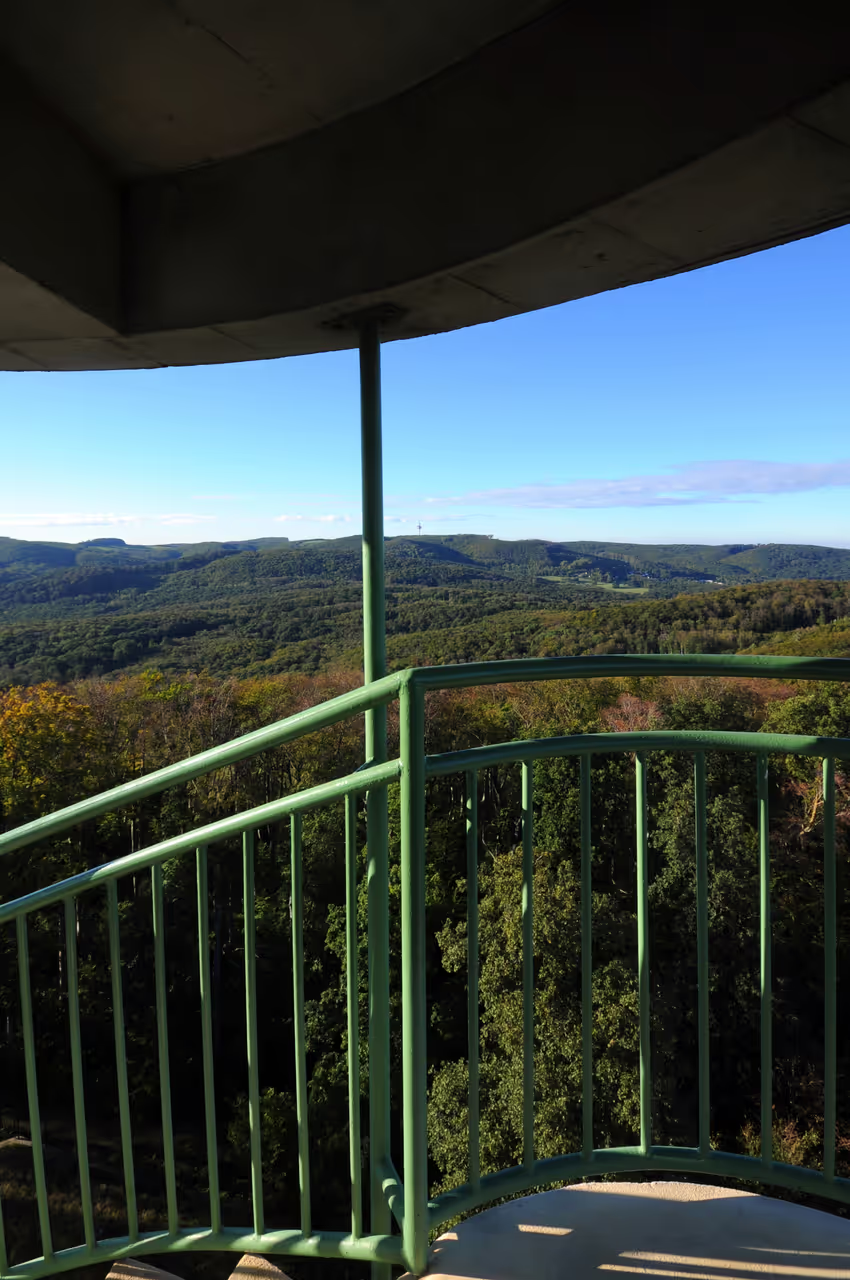
A slender, utilitarian viewing platform situated deep within the western hills of the Vienna Woods. Built to commemorate the reign of Emperor Franz Joseph, the current structure offers a wildly exposed, 360 degree view above the dense forest canopy. Due to its remote location, it is completely free of tourist crowds and provides a sense of rugged isolation. Climbing the open metal stairs on a windy day is a small adventure in itself.
viewpoint view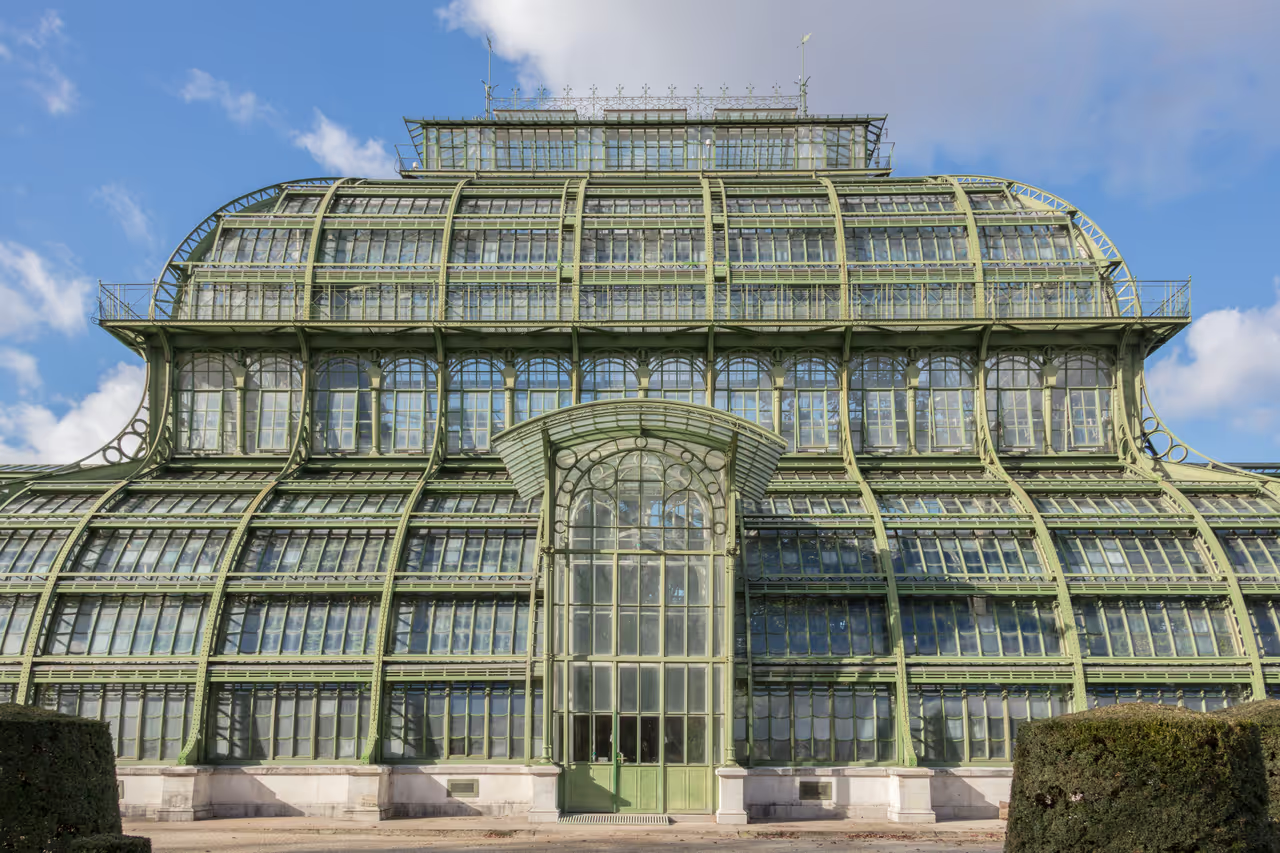 4028m
4028mPalm House at Schönbrunn
This monumental nineteenth century steel and glass greenhouse is an absolute marvel of industrial era elegance. Shooting from the outside allows you to capture the curved glass reflecting the sky and the surrounding formal gardens. Inside, the massive ferns and towering palms create a lush, tropical contrast against the delicate green steelwork, offering phenomenal framing opportunities.
photo spot view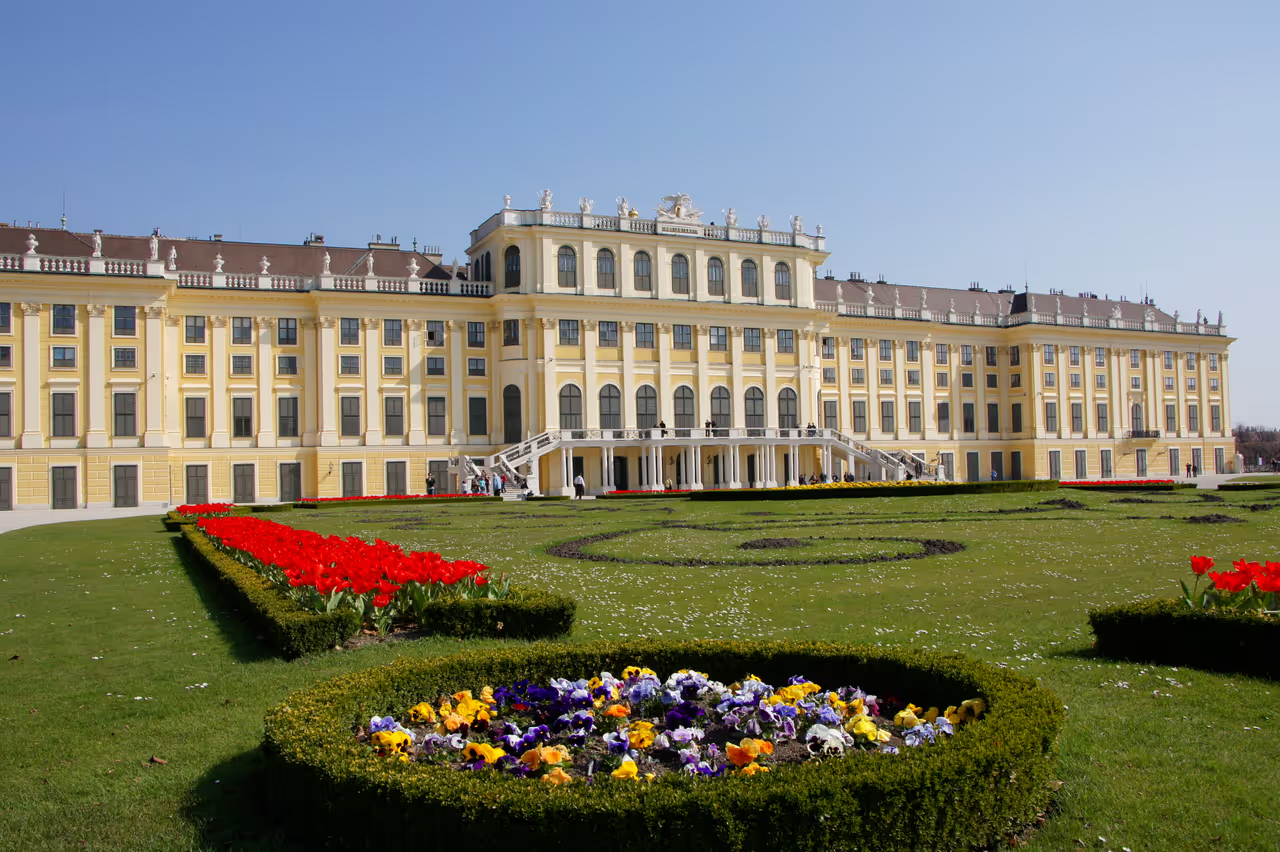 4646m
4646mSchönbrunn Palace
Schönbrunn Palace is the crown jewel of Vienna, offering a breathtaking glimpse into the opulent world of the Habsburg monarchs. This massive Baroque residence boasts 1,441 rooms, each telling a story of imperial power, changing tastes, and legendary history. Beyond the palace walls, the vast, sculpted gardens transport you to another century with their grand avenues, the iconic Gloriette, and the world's oldest operating zoo. It is a place where you can wander through the same corridors once graced by emperors and witness history that shaped modern Europe. From quiet morning strolls in the Privy Garden to catching a summer evening concert, a visit here is an immersive journey through time. It is easily one of the most significant and rewarding sites to explore in Austria.
unesco heritage site view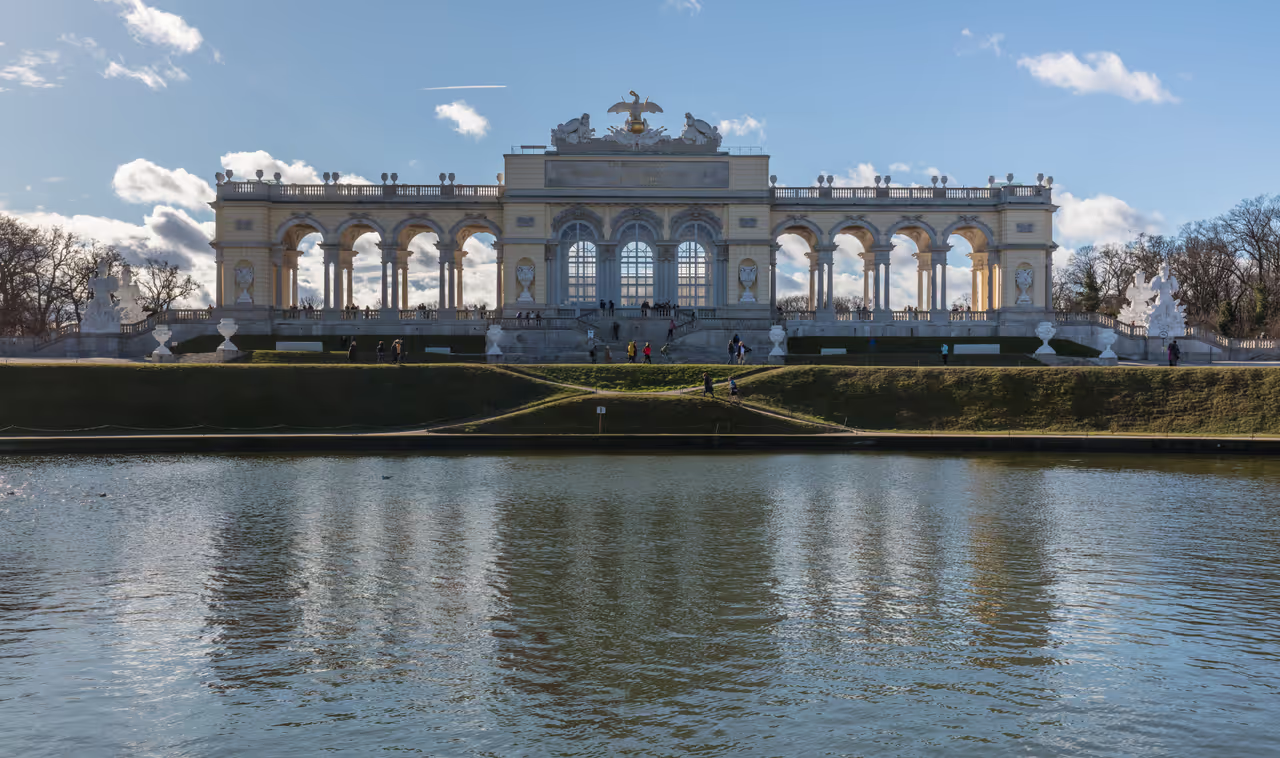 4704m
4704mGloriette at Schönbrunn
Perched on a steep crest overlooking the Schönbrunn Palace, this magnificent baroque colonnade was built to serve as a focal point for the imperial gardens. The terrace on top of the structure offers a flawless, symmetrical view of the vast palace grounds with the city centre skyline rising behind it. It is widely considered the most regal viewpoint in the capital. The interior now houses a grand café, perfect for recovering after the uphill walk.
viewpoint view
See all nature & parks in Vienna
Stadtpark, Volksgarten, Augarten, Burggarten, Donaupark, Türkenschanz Park...