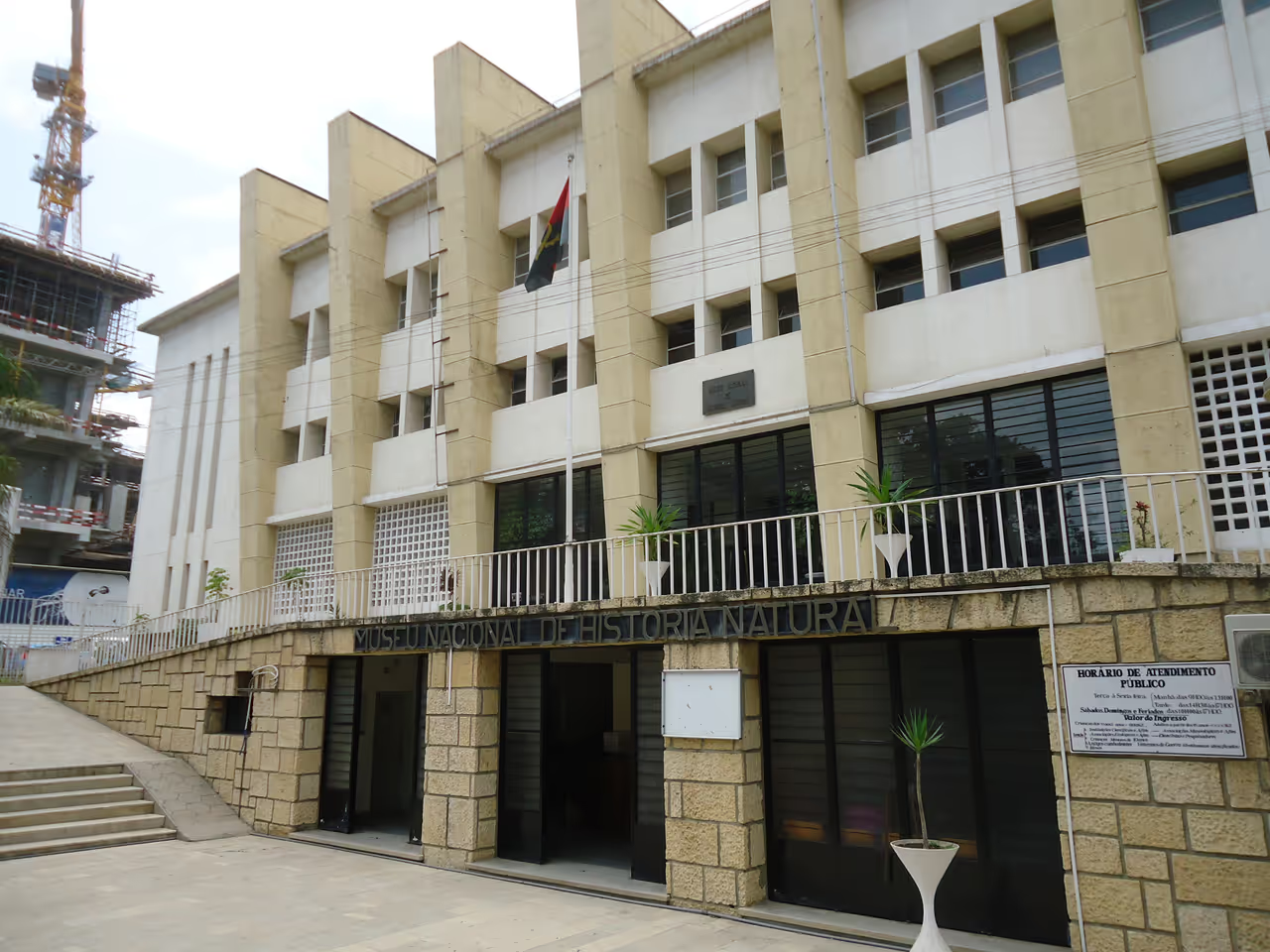
National Museum of Natural History of Angola
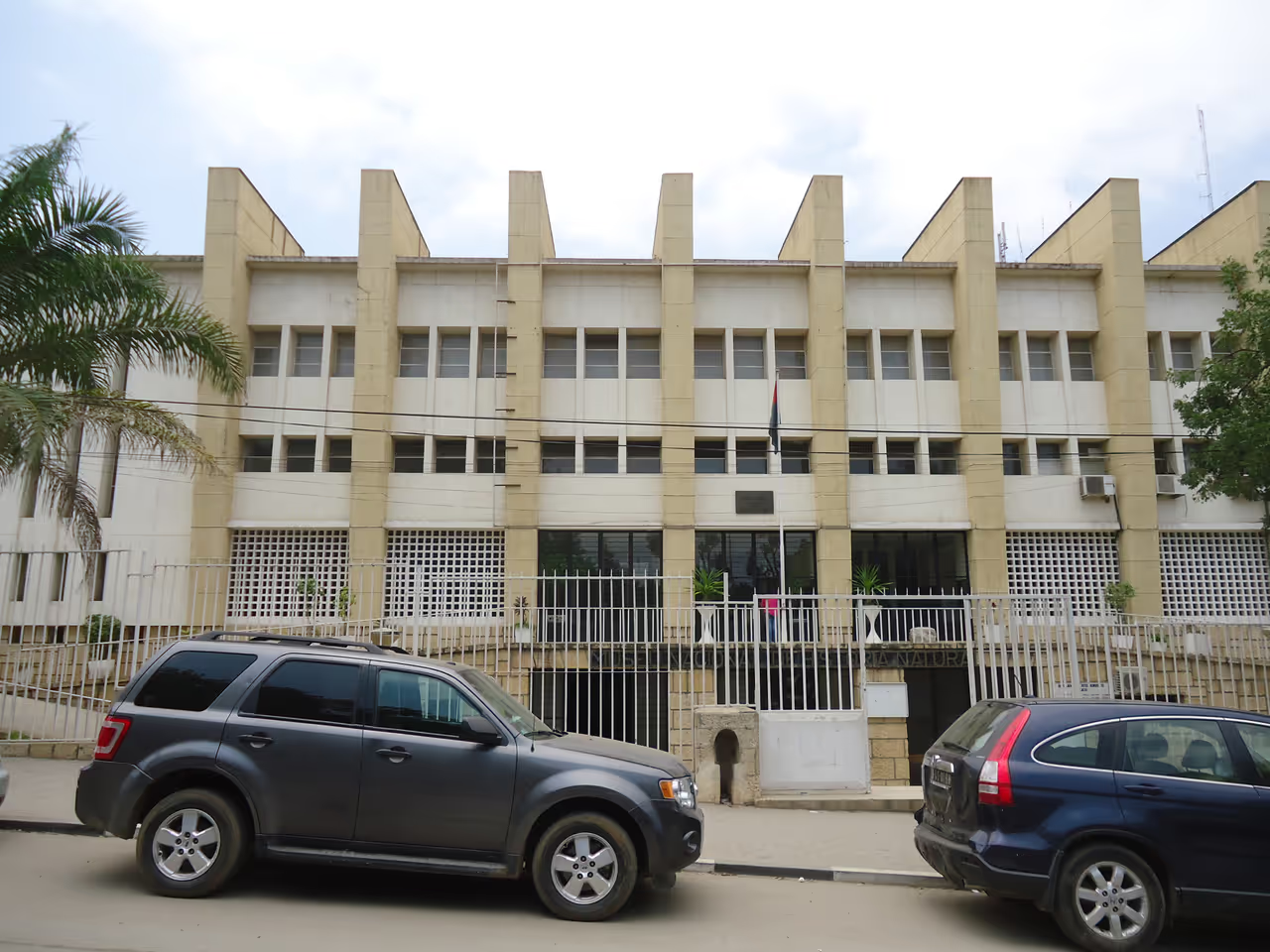
Tucked away in the Ingombota district, this museum offers an intimate look at the incredible biodiversity of Angola. It serves as a fascinating window into local ecosystems, housing everything from preserved insects to massive marine skeletons. You can explore three floors dedicated to the varied fauna of the region, including the iconic giant sable antelope which holds a special place in the hearts of Angolans. The displays are designed to mimic natural habitats, providing an immersive educational experience. It is the perfect spot for curious minds to appreciate the unique wildlife that defines this corner of Africa.
Videos
History of National Museum of Natural History of Angola
The museum began its journey in 1938 within the thick, stone walls of the Fortress of São Miguel. In those early years, it operated under the name Museu de Angola, serving as a repository for an eclectic mix of history, ethnography, and natural science. This initial stage of the institution acted as the cornerstone for scientific study in the region, gathering specimens that would later define the national collection and provide a clear window into the country's diverse natural heritage. By 1956, the collection had grown significantly, requiring a more suitable home to showcase its treasures to the public. It moved to the dedicated, three-storey building in the Ingombota district where it stands today. This transition marked a pivotal shift for the institution, allowing it to move away from general history and focus entirely on the biological wonders of Angola. The architecture of this era reflected a desire to modernise the presentation of the country's wild heritage, ensuring that information was accessible to everyone from students to curious travellers. Today, the museum stands as a beacon of conservation and national pride. It carefully protects records of the country's biodiversity, ranging from the depths of the Atlantic Ocean to the vast inland savannahs. The giant sable antelope, a majestic animal synonymous with Angola's identity, remains the most celebrated resident of the gallery. Through its well-curated halls, the museum continues to foster a deep appreciation for the natural world that shaped this nation, ensuring that future generations can admire the unique species that call Angola home.
Events spanning 18 years
Fun Facts
- • A prominent feature of the marine collection is a massive 15-metre whale skeleton.
- • Exhibits are carefully arranged to replicate the natural habitats of various species, from the coast to the interior savannah.
- • Many of the shells in the collection were historically used as currency along the West African coast.
- • The building itself, located in Largo do Kinaxixe, has been the home of the collection since 1956.
- • The institution functions as a key centre for scientific research and conservation education in Luanda.
- • The institution remains the only museum of natural history in the entire country.
- • The museum holds a significant archive that helps document the biological shifts within the country over the last century.
- • The museum preserves rare specimens of the giant sable antelope, an animal found exclusively in Angola.
- • The museum started its journey at the historic Fortress of São Miguel before expanding.
- • Visitors can find a diverse collection of insects, including many butterfly species native to the region.
National Museum of Natural History of Angola FAQ
While we strive to keep this information accurate and up to date, we recommend verifying any details independently before making decisions based on them.
National Museum of Natural History of Angola Map & Neighborhood Explorer
This interactive map is centered on National Museum of Natural History of Angola. Zoom in and move the map around to automatically discover Wikipedia photos and summaries of other nearby sights, monuments, and historical points of interest and stories in real-time!
Places near National Museum of Natural History of Angola
Make the most of your trip. Check out these top-rated spots located nearby.
- 175m
Explore Kinaxixe Square
This chaotic, iconic downtown intersection is the very epicentre of the city's frantic, everyday street life. Standing safely on the edges of the massive square, you can freely observe the intense, overwhelming energy of thousands of people, street vendors, and screaming blue and white minibus taxis weaving through traffic. The square is surrounded by a fascinating mix of towering modern skyscrapers and heavily weathered, bullet-scarred apartment blocks from the 1970s. It provides a raw, unfiltered, and completely free immersion into the intense, noisy reality of modern African urban living.
free thing to do view - 212m
In Our Shade Garden Café
Hidden completely from the noisy, heavily congested downtown streets, this incredibly peaceful, leafy garden café is a true oasis for those in the know. Tucked behind thick green foliage just a block away from the Natural History Museum, the tables are set entirely in the deep, refreshing shade of massive tropical plants. It is deeply popular with local workers seeking a quiet, cheap, and highly relaxing escape from the punishing equatorial sun. They serve fantastic, incredibly affordable local lunch dishes and huge glasses of freshly squeezed fruit juices. It also doubles as a small plant nursery, adding to the intensely lush, green atmosphere.
hidden gem view - 337m
Escom Tower
Thrusting 25 storeys into the sky, this sleek, glittering glass skyscraper was one of the first major symbols of the massive 21st-century oil boom. The modern, sharp, geometric design completely redefined the city's skyline when it was completed, setting the standard for the wave of luxury developments that followed. It houses high-end corporate offices, luxury residential apartments, and exclusive rooftop venues that cater strictly to the city's ultra-wealthy elite. Standing in stark, glittering contrast to the crumbling colonial buildings at its base, it visually represents the extreme economic inequalities and ambitions of the modern capital.
architecture view 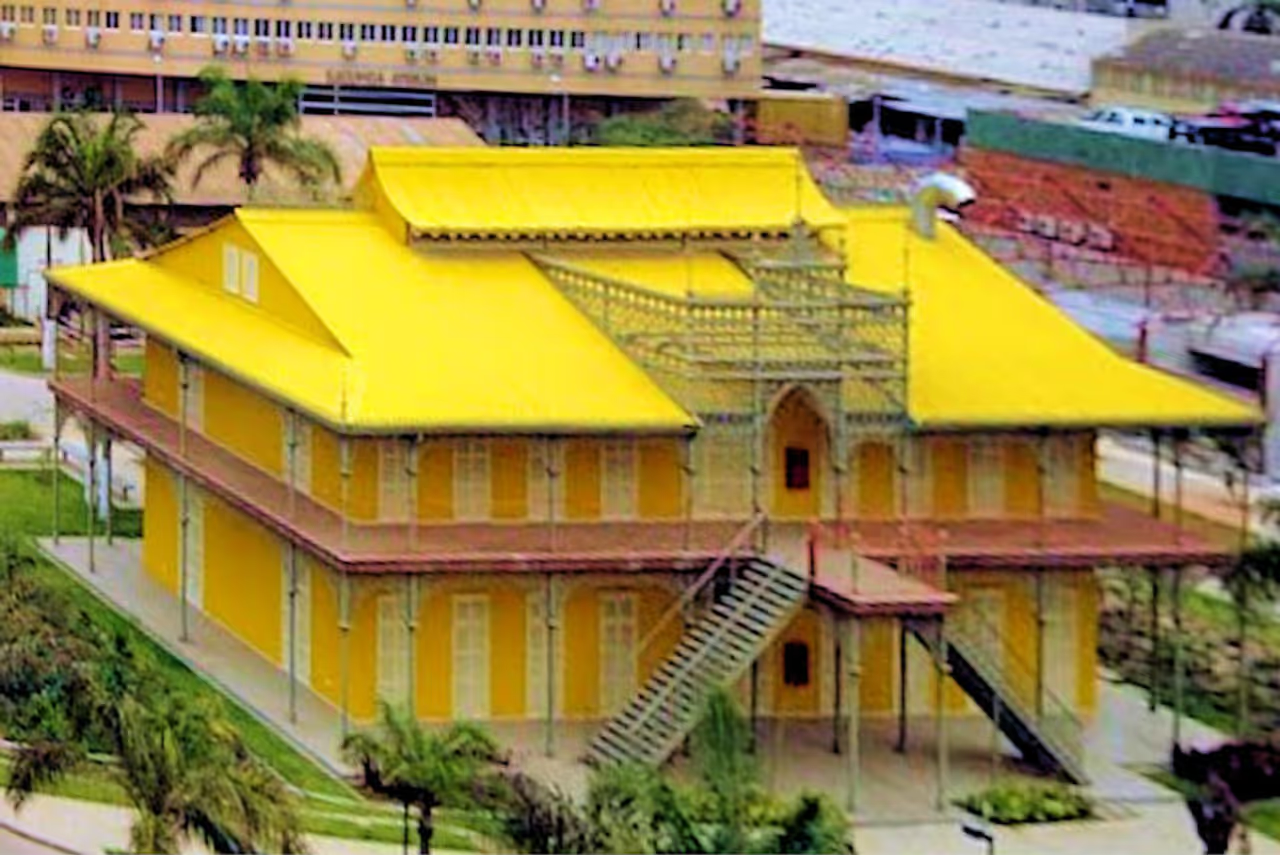 478m
478mIron Palace
Standing as a striking piece of architectural mystery, the Iron Palace is one of Luanda's most fascinating treasures. Its intricate metalwork and unique history draw curious travellers, as local legend whispers that the structure was designed by Gustave Eiffel himself. Once left to rust and fade, this beautiful building has been painstakingly restored, reclaiming its spot as a symbol of the city's vibrant rebirth. Whether you admire it from the outside or step inside to see the craftsmanship up close, the palace offers a rare glimpse into a colonial past wrapped in iron. It remains a recommended stop for anyone wanting to understand the layers of history that shape modern Angola.
attraction view
Explore Similar Places in This Collection
Featured on This Route
See all attractions in Luanda
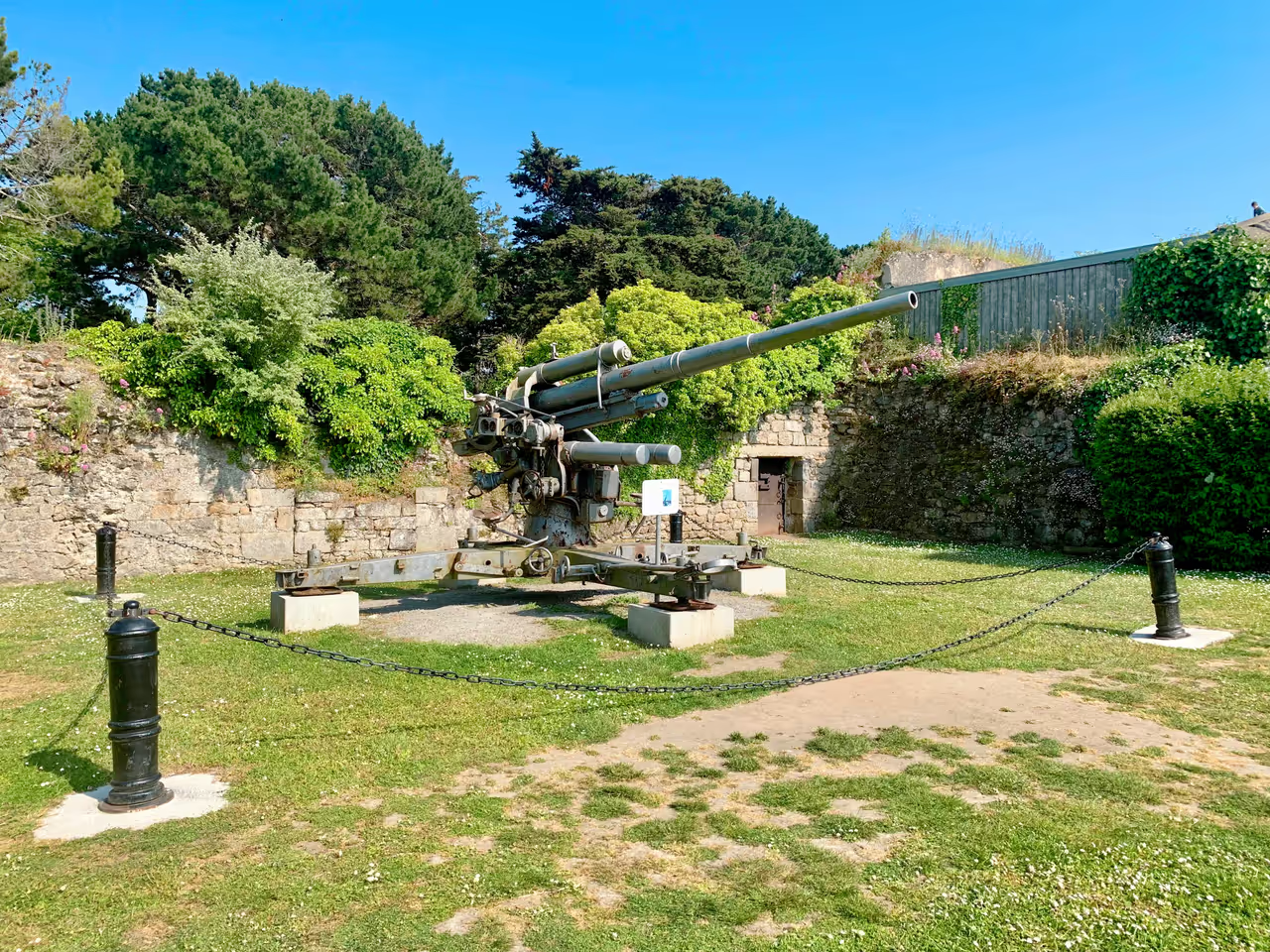
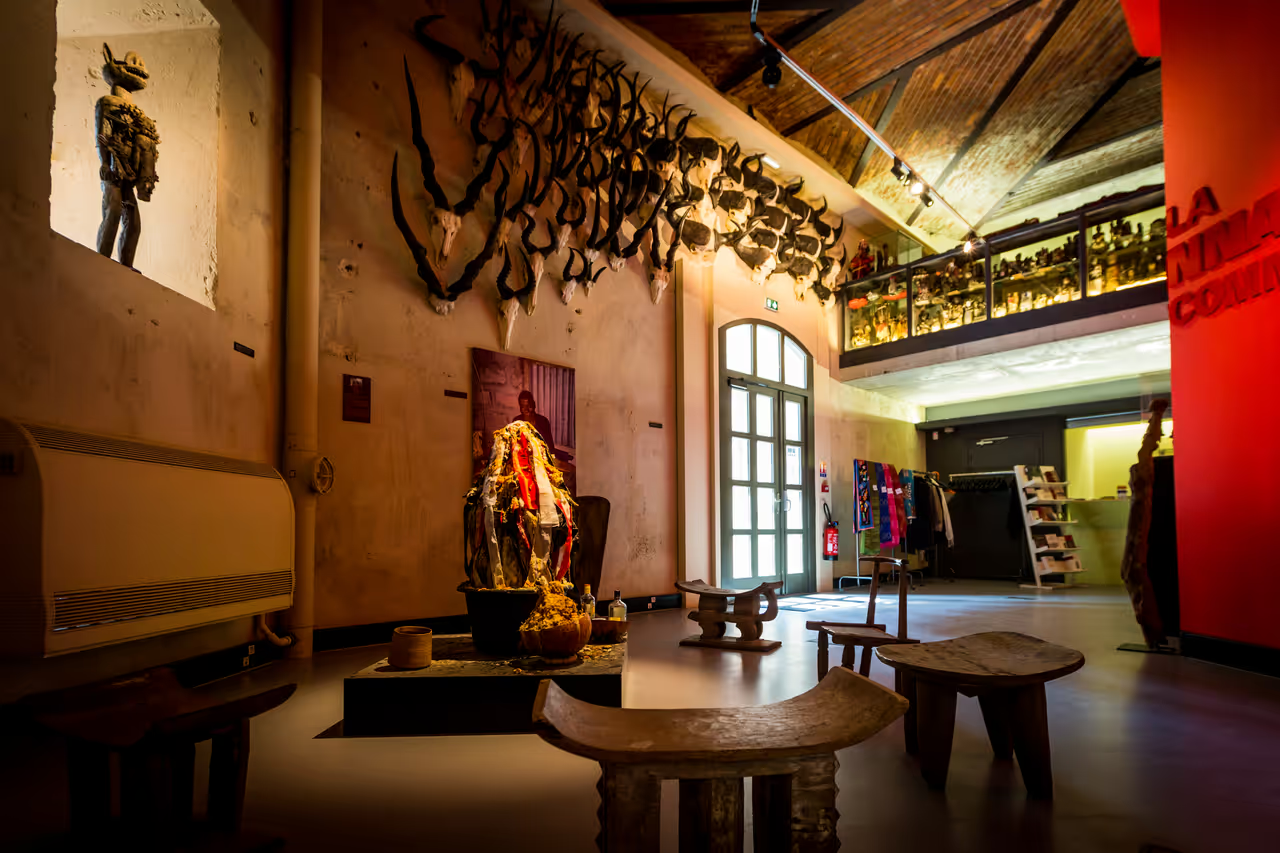
Iron Palace, Luanda Cathedral, Mausoleum of António Agostinho Neto, National Museum of Anthropology, National Museum of Slavery, Saint Michael Fortress...