Saint Michael Fortress
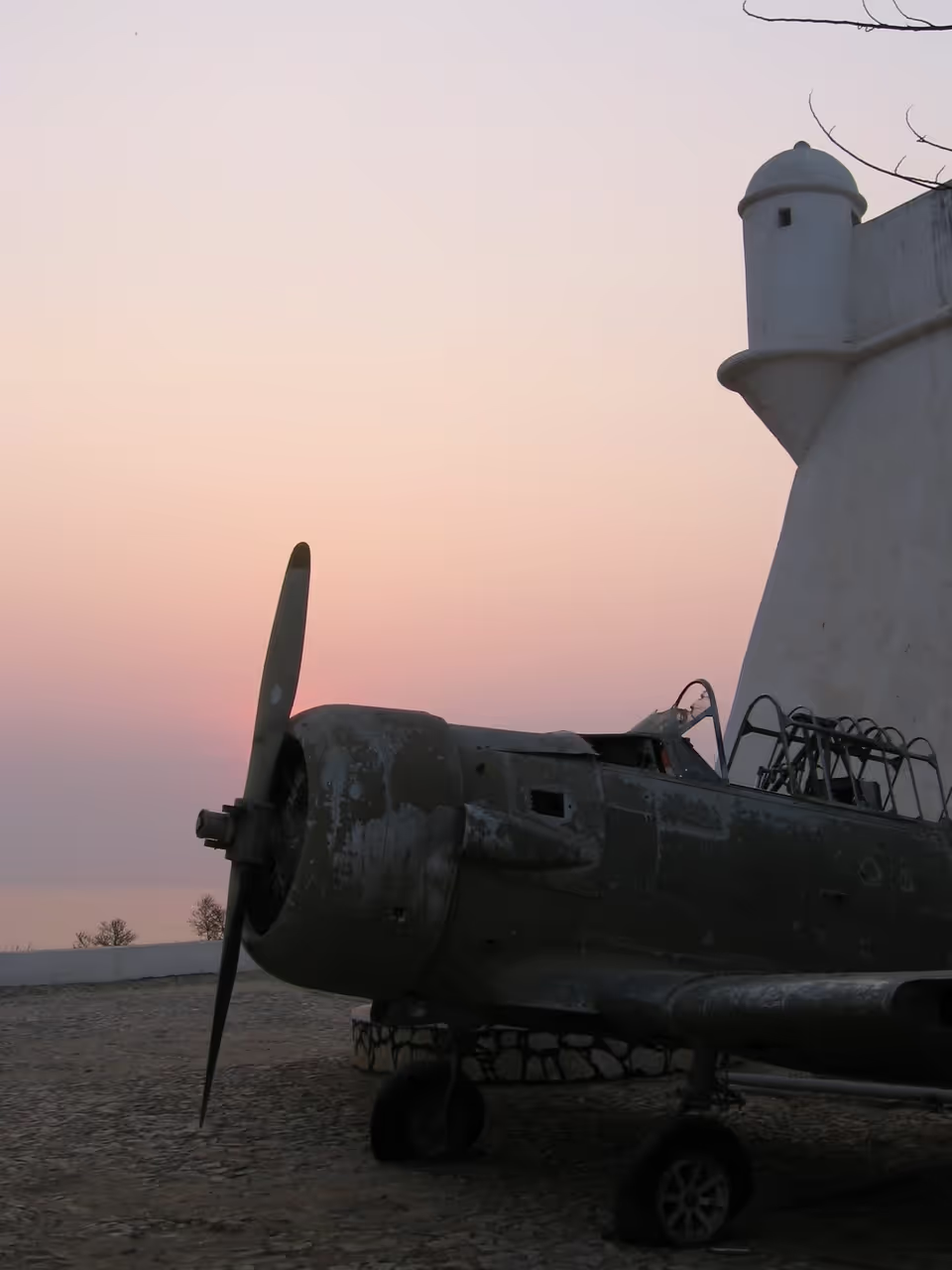
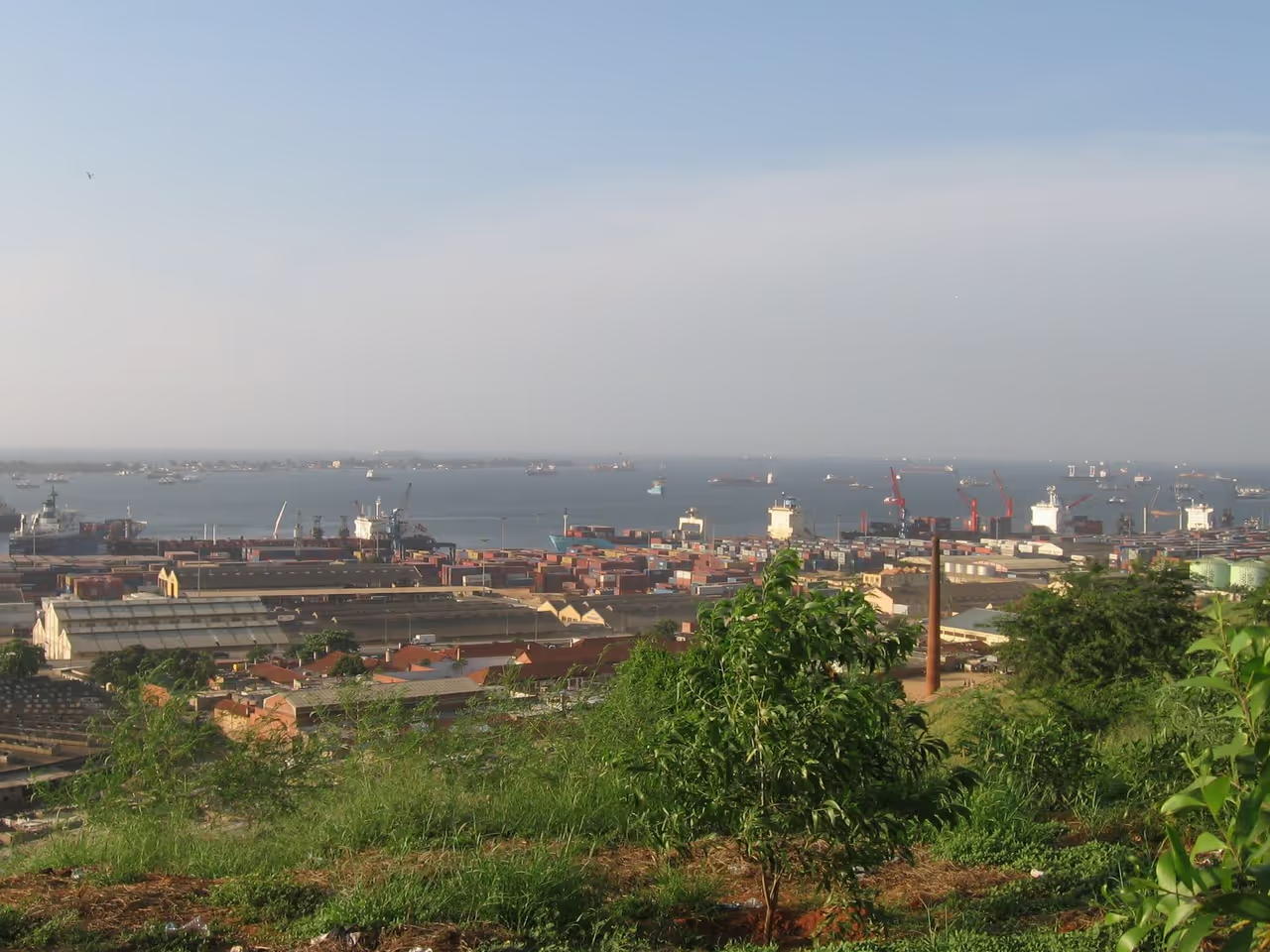
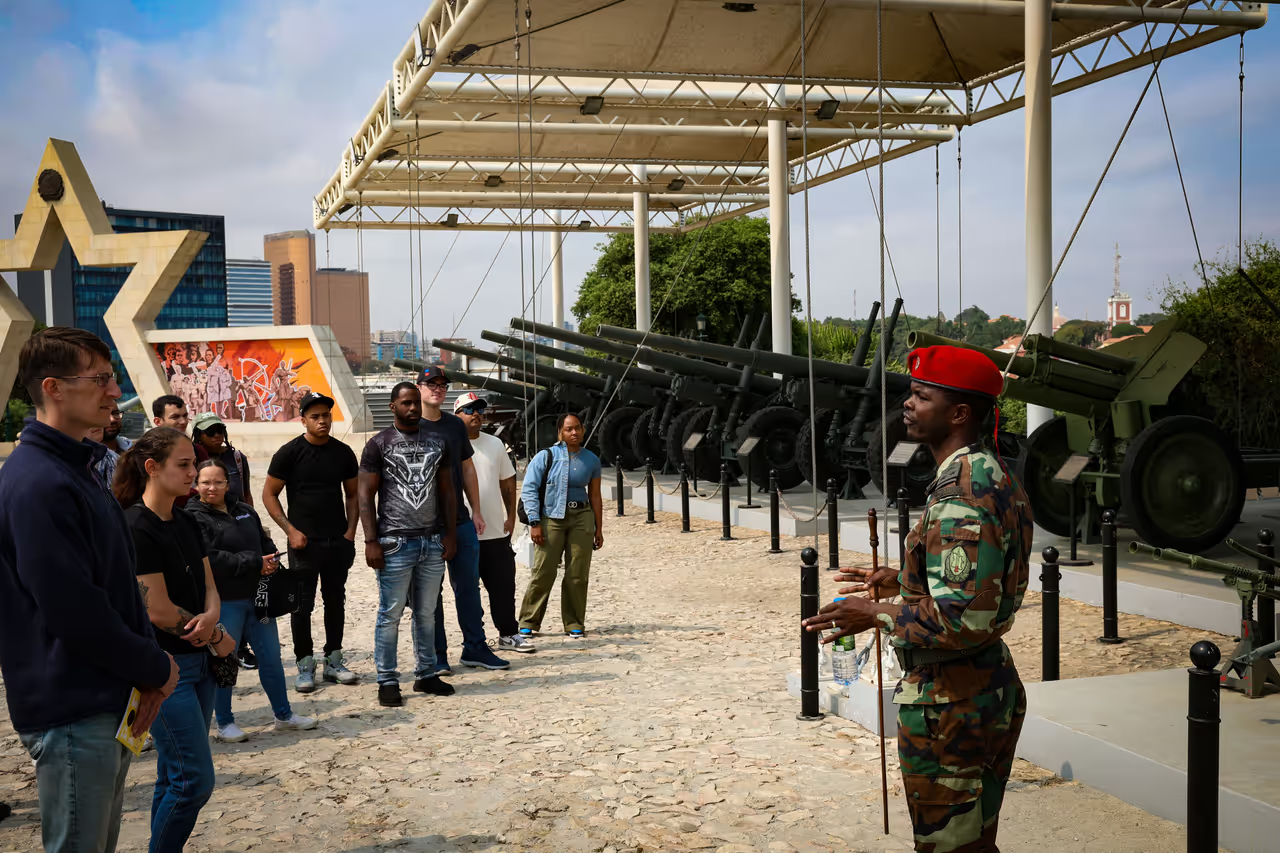
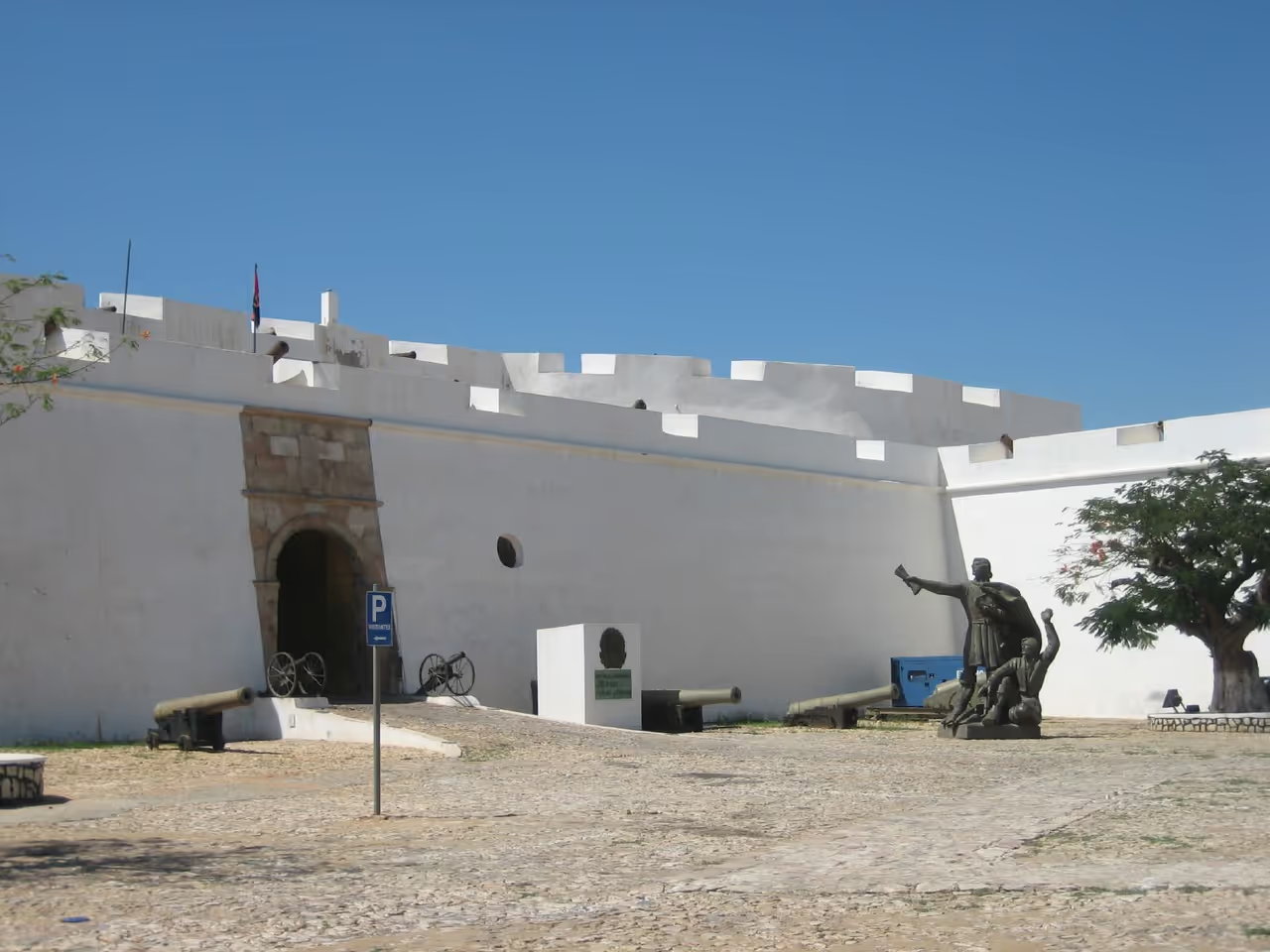
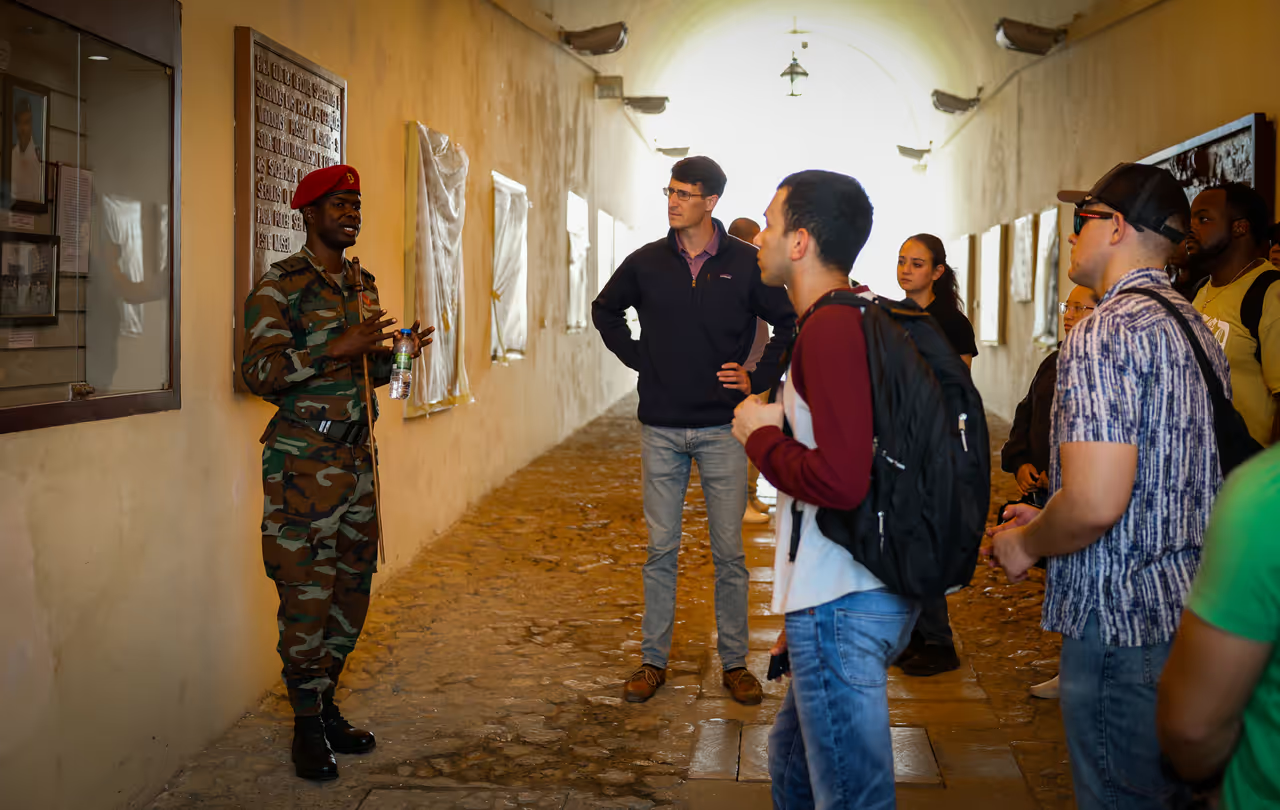
Perched high on a hill overlooking the bay, the Saint Michael Fortress is the perfect place to step back into Luanda's complex past. As the city's oldest building, this 16th century stronghold offers panoramic views of the modern skyline and the Atlantic Ocean. You can wander through its ancient, thick walls that once protected the colonial capital and now house the fascinating Museum of the Armed Forces. The courtyard is filled with striking statues and elaborate ceramic tiles that vividly recount the story of Angola through the centuries. It is an essential stop for anyone wanting to truly understand the layers of heritage that shape the city today.
Videos
History of Saint Michael Fortress
Established in 1576 by Paulo Dias de Novais, the fortress served as the strategic heart of the Portuguese colony. Its positioning was carefully chosen, as the high ground offered a commanding view of the Luanda harbor, making it vital for defense and maritime control. Over the centuries, these walls witnessed the transformation of Angola, serving as the administrative centre where power was consolidated and decisions that rippled across the continent were made. The fort also holds the heavy weight of history, particularly its role during the era of the transatlantic slave trade. It functioned as a major hub of forced migration, marking a period of intense struggle and profound human cost. When the Dutch seized control in 1641 and renamed it Fort Aardenburgh, the site became a key battleground for European colonial ambitions in Africa, shifting hands and purposes as different powers vied for influence over this critical coastal territory. Today, the fortress has undergone a powerful transformation, shedding its military shackles to become the National Museum of Military History. The cold stone walls now echo with the voices of the past rather than the sound of cannons. Visitors can explore exhibits that preserve the nation's journey towards independence and sovereignty. It stands as a resilient landmark, inviting residents and travellers alike to reflect on the complexities of history while enjoying the quiet beauty of a site that has seen it all.
Events spanning 399 years
Fun Facts
- • During the Dutch occupation in the 17th century, the site was renamed Fort Aardenburgh to reflect its new administration.
- • It functioned for many years as a central, fortified point for the tragic export of enslaved people to Brazil, a somber reality of its colonial history.
- • It holds the title of the oldest building in Luanda, having stood watch over the harbor since the late 16th century.
- • Local legends frequently speak of secret, extensive tunnel networks connecting the fortress to various points across the city, though many remain unexplored.
- • The fortress provided the longest standing military headquarters in the history of Portuguese Angola.
- • The fortress served as the administrative heart of the Portuguese colony for centuries, dictating colonial policy across the region.
- • The museum courtyard has become a sanctuary for large, imposing statues of Portuguese explorers and figures, which were relocated here from public squares across the city.
- • The site acts as the final resting place for Paulo Dias de Novais, the founder of the fortress and the first governor of Angola.
- • The thick stone walls are famously adorned with intricate ceramic tiles, or azulejos, which depict scenes from Angolan and Portuguese history.
- • Visitors can enjoy one of the few vantage points in the city that offers a clear view of both the historic harbor and the modern Luanda skyline simultaneously.
Saint Michael Fortress FAQ
While we strive to keep this information accurate and up to date, we recommend verifying any details independently before making decisions based on them.
Saint Michael Fortress Map & Neighborhood Explorer
This interactive map is centered on Saint Michael Fortress. Zoom in and move the map around to automatically discover Wikipedia photos and summaries of other nearby sights, monuments, and historical points of interest and stories in real-time!
Places near Saint Michael Fortress
Make the most of your trip. Check out these top-rated spots located nearby.
- 399m
Old Nautical Club
Tucked away on the bay-facing side of the glamorous peninsula, this deeply historic boating club offers an incredibly relaxed, nostalgic atmosphere far removed from the loud beach clubs nearby. Founded in 1924, the wooden decks and shaded terraces exude a faded, classic maritime charm that has miraculously survived decades of war and rapid modern development. Locals gather here on weekend afternoons to sip cold beers, eat fresh crab, and watch the small sailboats glide quietly across the calm harbour. It feels like stepping into a slow-paced, bygone era of coastal leisure, completely ignoring the frantic, modern metropolis skyline just across the water. It is the perfect, quiet retreat for an afternoon sundowner.
hidden gem view 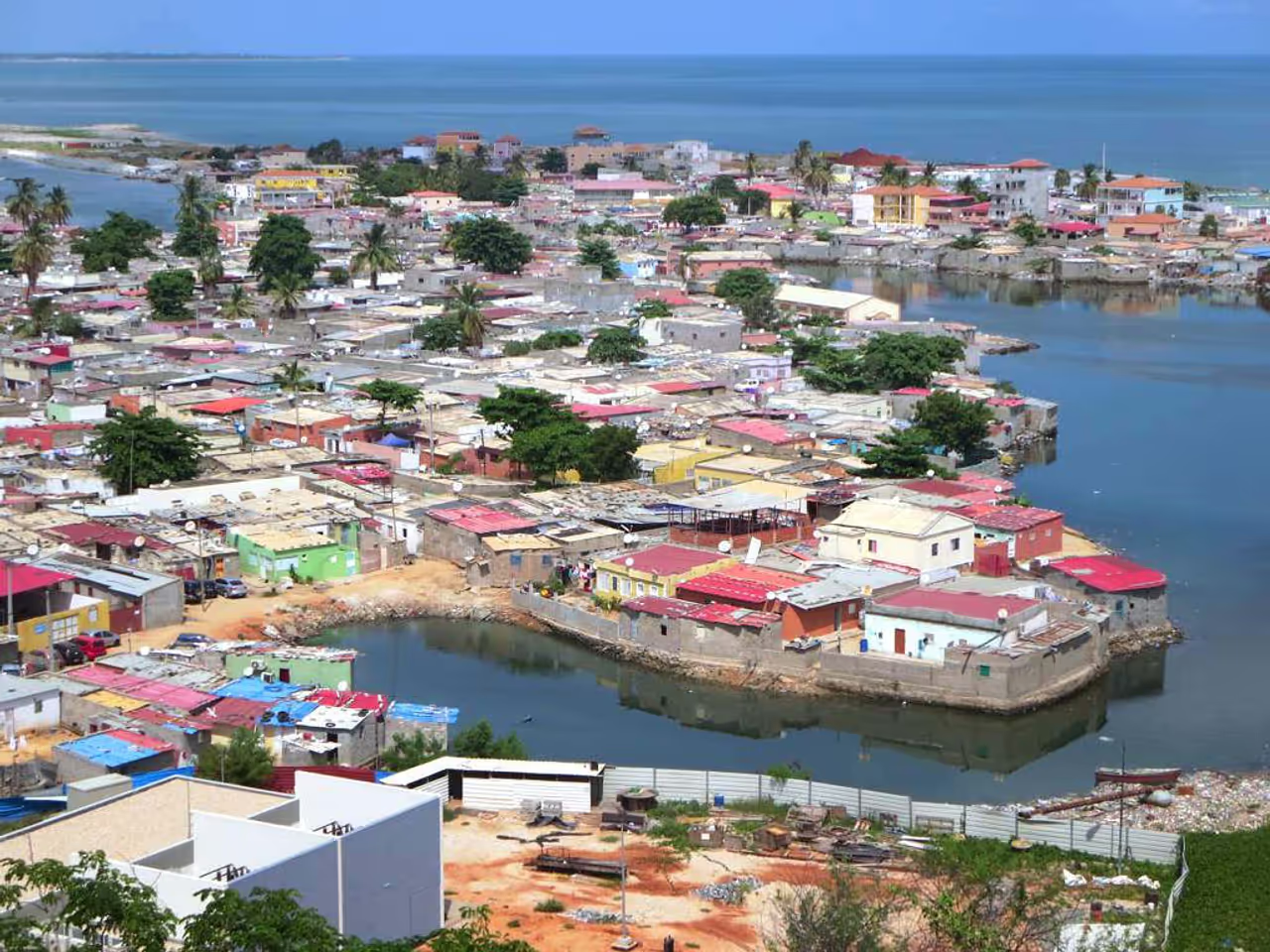 714m
714mChicala Fishing Quarter
Wedged precariously between the towering glass skyscrapers of the mainland and the ultra-luxurious beach clubs of the peninsula, this incredibly dense, informal neighbourhood is a vibrant slice of authentic African street life. The sandy, unpaved alleyways are a chaotic maze of tin-roofed shacks, loud music, and massive open-air charcoal grills. It is entirely unpretentious, incredibly welcoming, and widely acknowledged by locals as having the absolute best, freshest, and cheapest grilled seafood in the entire capital. Venturing into this loud, smoky, and joyful maze provides a deeply real, unfiltered experience of how the vast majority of the city's residents actually live and eat.
hidden gem view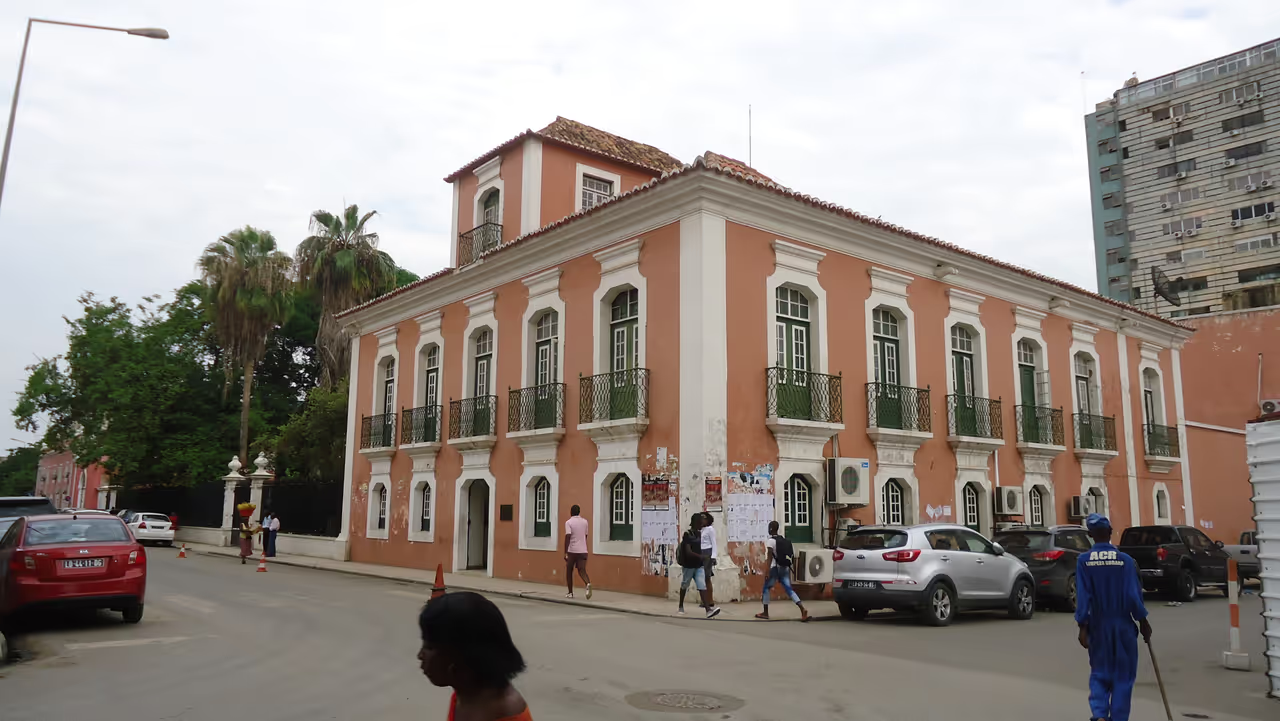 821m
821mNational Museum of Anthropology
Nestled in the heart of Luanda's Ingombota district, the National Museum of Anthropology serves as a vital gateway into the rich tapestry of Angolan history. With over six thousand artefacts spanning two floors and fourteen distinct exhibition rooms, the museum offers an intimate look at the daily lives and traditions of the nation's diverse ethnic groups. From the intricate artistry of traditional masks used in Bantu rituals to the practical craftsmanship of iron tools and hunting equipment, every item tells a unique story of survival and creativity. Visitors can immerse themselves in the rhythmic heritage of the country through musical instruments like the marimba, or explore the legacy of the Khoisan people. It is a profoundly rewarding experience for anyone seeking to understand the soul of Angola beyond its modern facade.
attraction view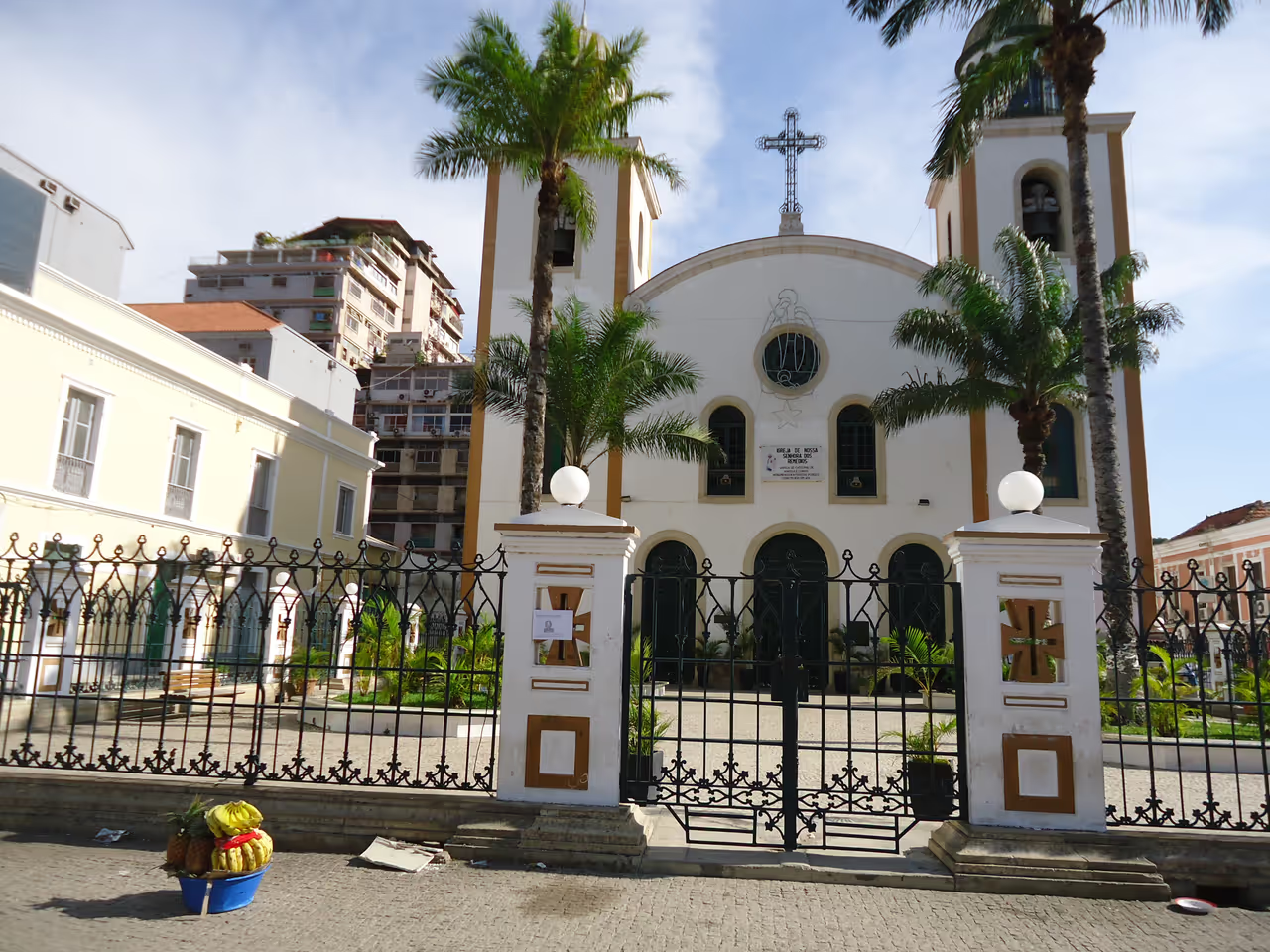 978m
978mLuanda Cathedral
The Luanda Cathedral, known locally as the Church of Our Lady of Remedies, serves as the spiritual heart of the city and remains one of its most poignant historical landmarks. Visitors are often struck by its stoic architecture, which provides a tranquil sanctuary amidst the dynamic energy of the surrounding urban landscape. Stepping inside reveals a serene interior where centuries of faith and community devotion echo through the halls. It is a place where history feels tangible, offering a quiet moment of reflection for those exploring the deep roots of the Angolan capital. Whether you have a passion for religious history or simply seek a peaceful interlude, this cathedral stands as a testament to the city’s endurance.
attraction view
Explore Similar Places in This Collection
Featured on These Itineraries and Routes
1 Day in Luanda Itinerary
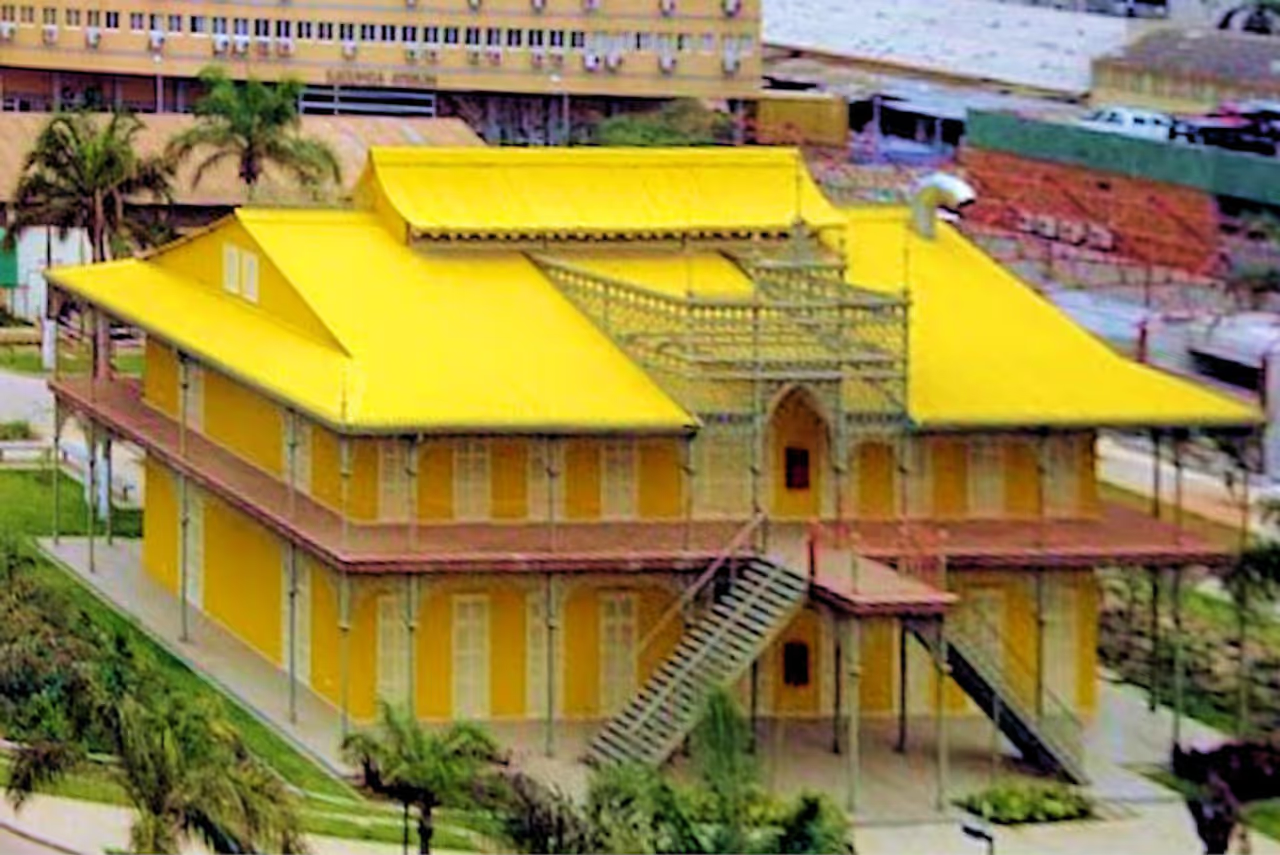
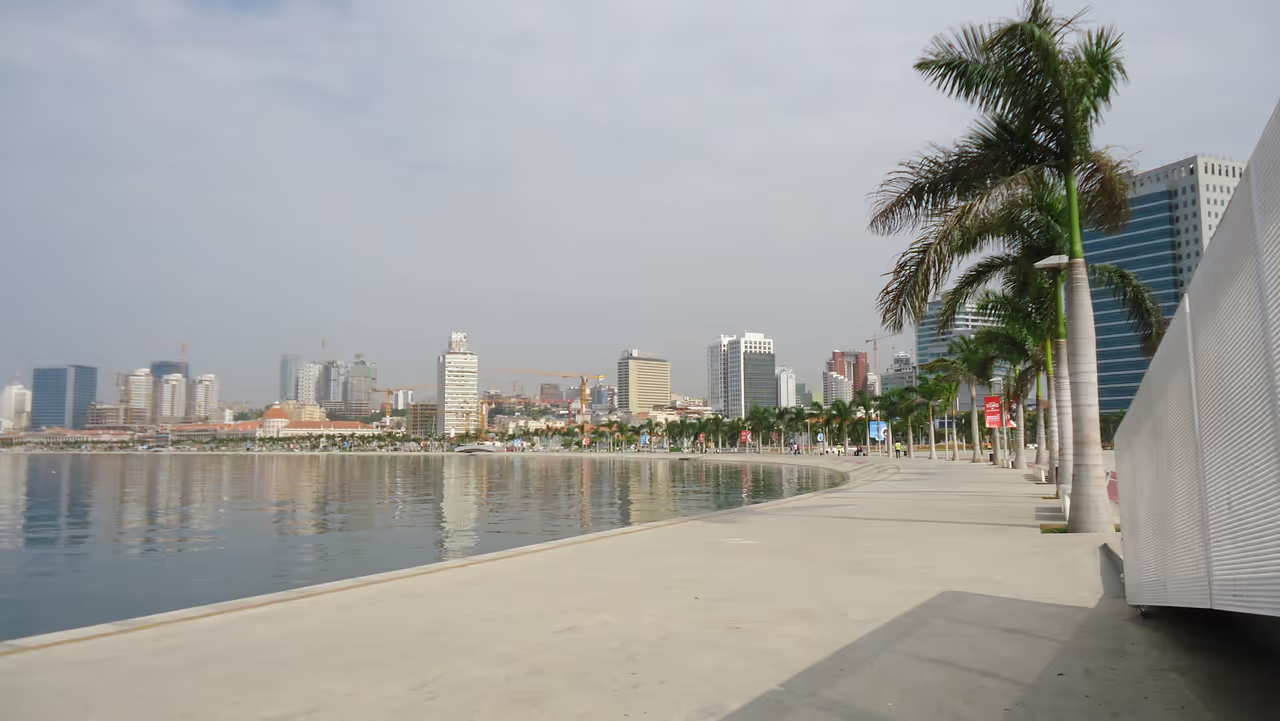
This highly condensed route focuses entirely on the historic waterfront, taking you through the most iconic architectural sights and the vibrant heart of the city's rebirth. You will explore ancient stone fortresses, wander the beautifully landscaped bay, and witness the bizarre, metal structure of the Iron Palace. It captures the essential, extreme contrast between the heavy colonial past and the gleaming, oil-wealthy future. This route is designed to be easily walkable and keeps you within the safest, most visually impressive downtown areas.
view itinerary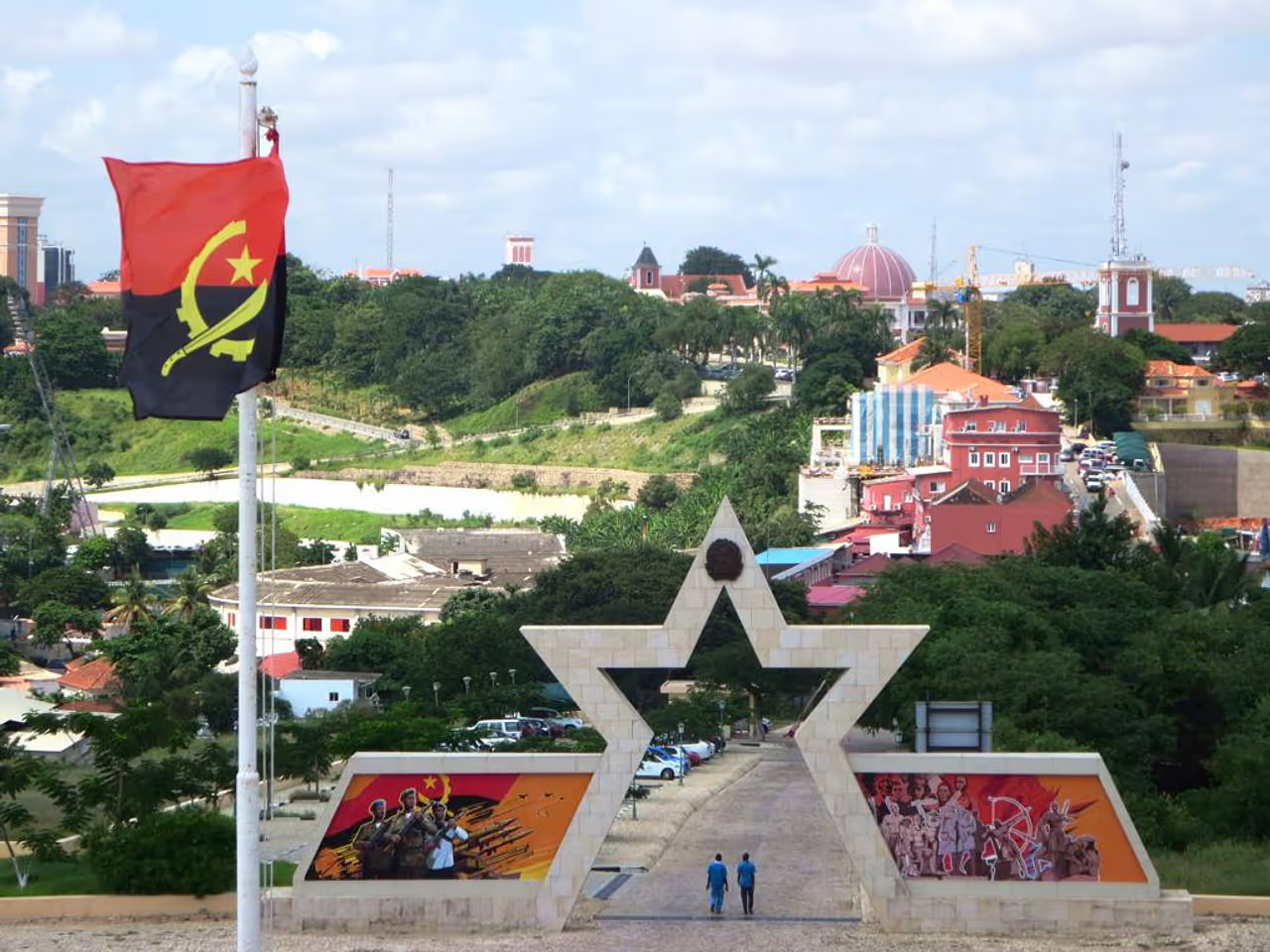
3 Days in Luanda Itinerary
This balanced, three-day journey allows you to dive much deeper into the complex cultural tapestry and legendary coastal leisure lifestyle of the capital. Beyond the central bay, you will explore the rich indigenous history preserved in the downtown museums, paying your respects to the ancient African roots of the nation. The itinerary also dedicates an entire afternoon to the famous peninsula, ensuring you experience the highly authentic, chaotic local seafood scene before enjoying the tropical beaches. It provides a complete, well-rounded picture of the city's historical depth and modern energy.
view itinerary
5 Days in Luanda Itinerary
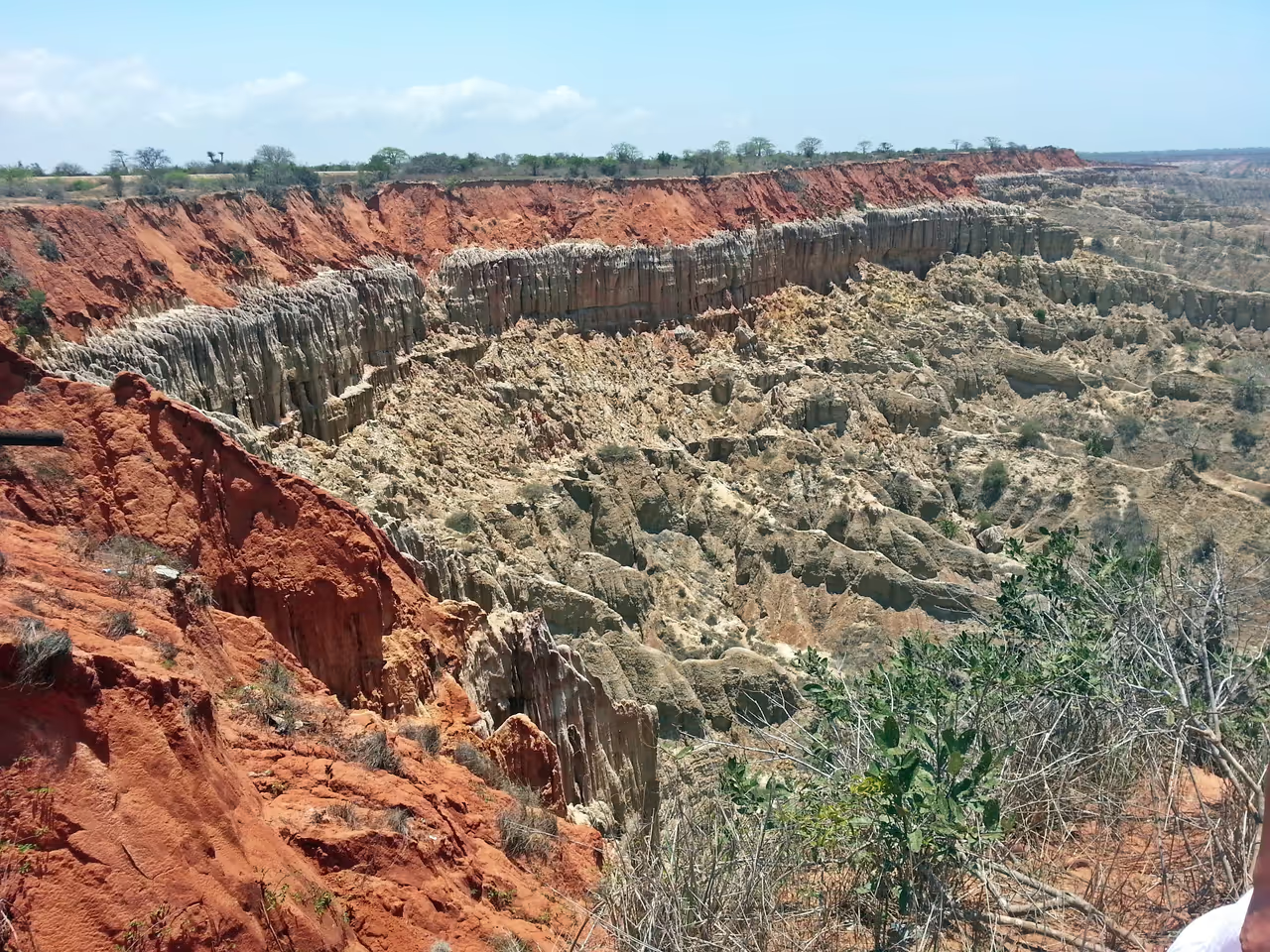
This extensive five-day adventure breaks you out of the congested urban core to reveal the stunning, wild landscapes and deep historical sites located just outside the city limits. You will experience the full spectrum of the capital, from the glittering downtown glass skyscrapers to the massive, chaotic open-air artisan markets in the southern suburbs. The route dedicates a full day to an authentic African wildlife safari, contrasting sharply with the surreal, eroded coastal cliffs of the lunar valley. It is the ultimate, comprehensive journey for travellers wanting to fully understand both the city and its surrounding natural power.
view itinerary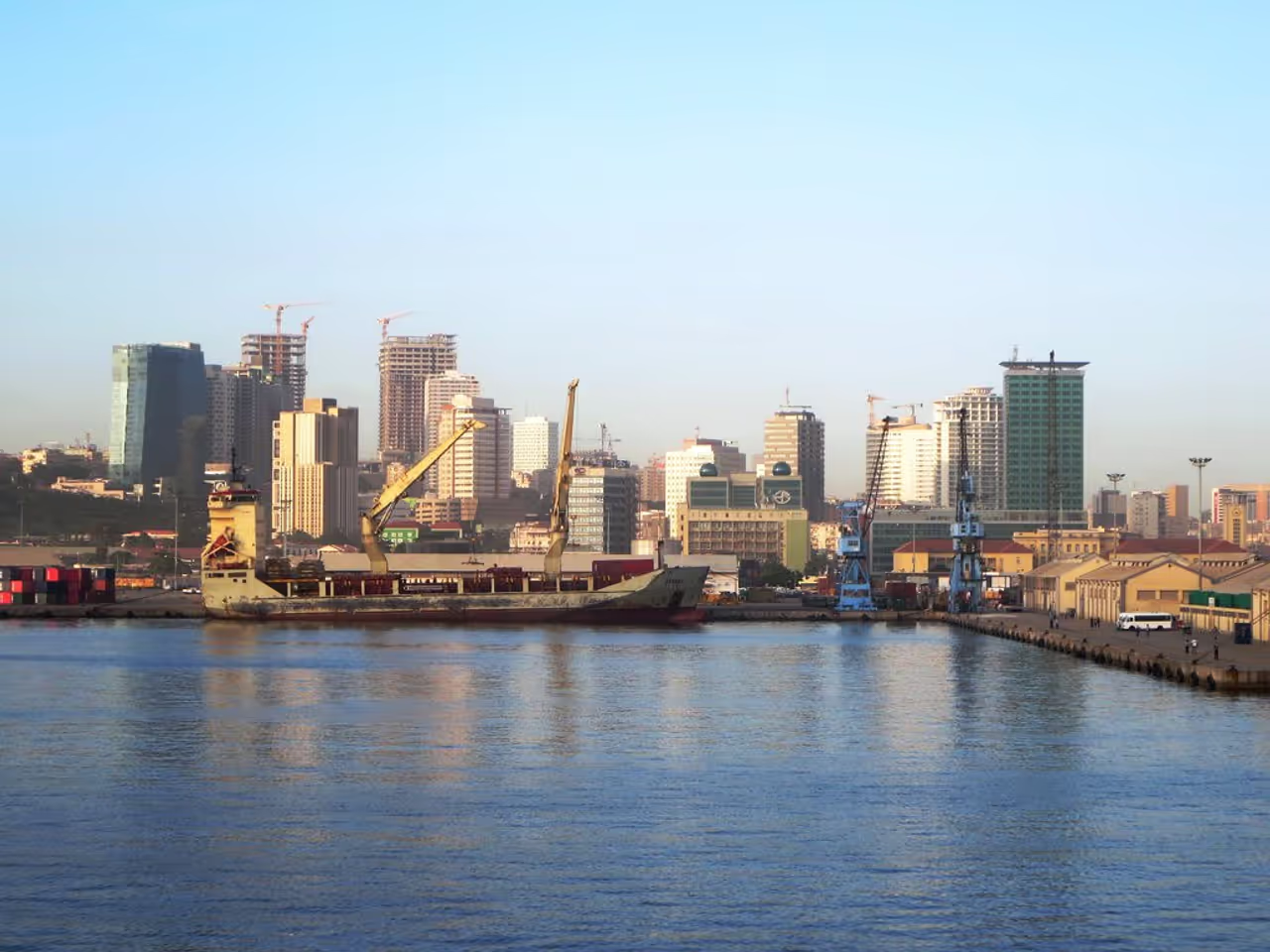
Marginal Promenade Ride
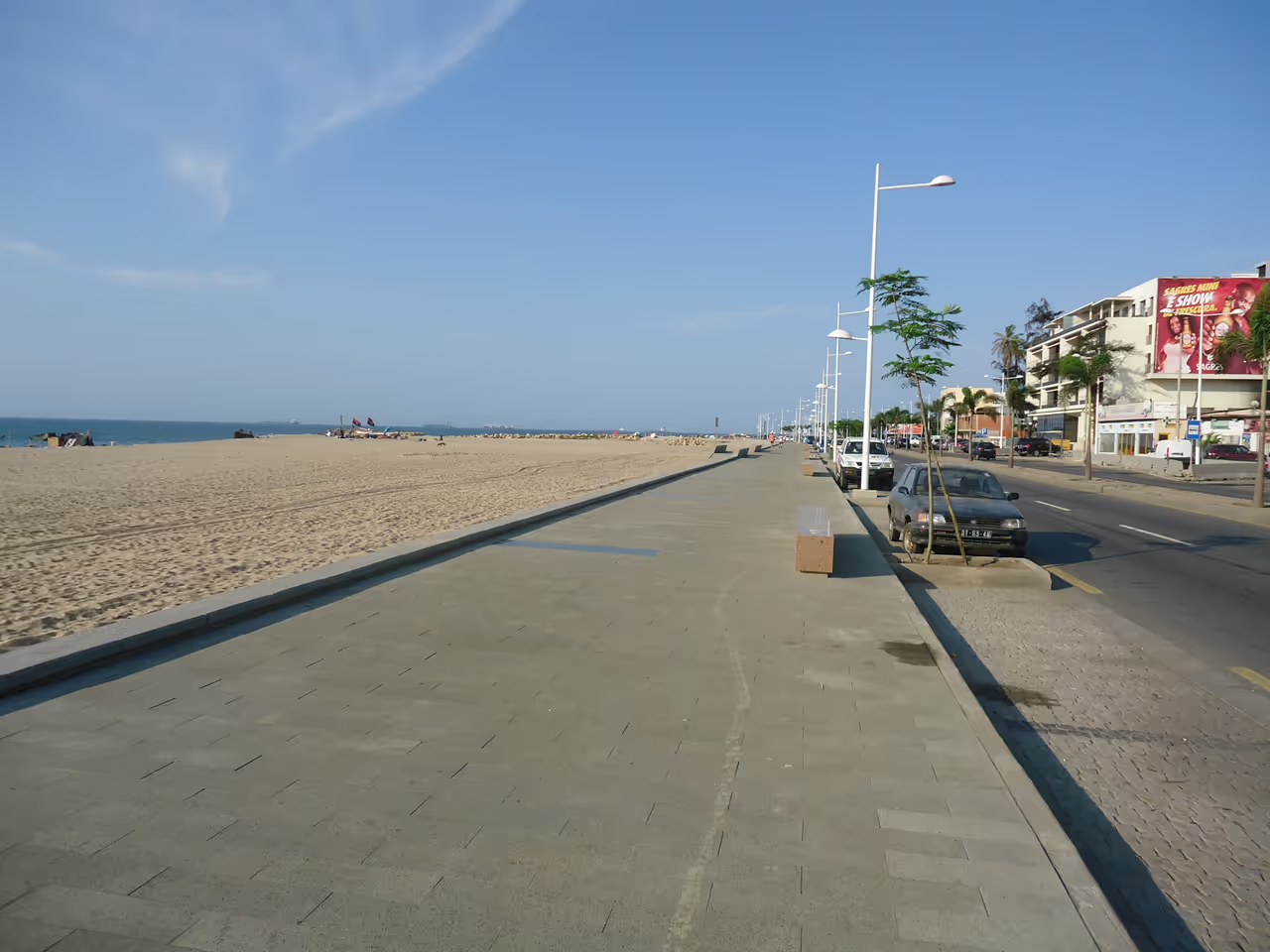
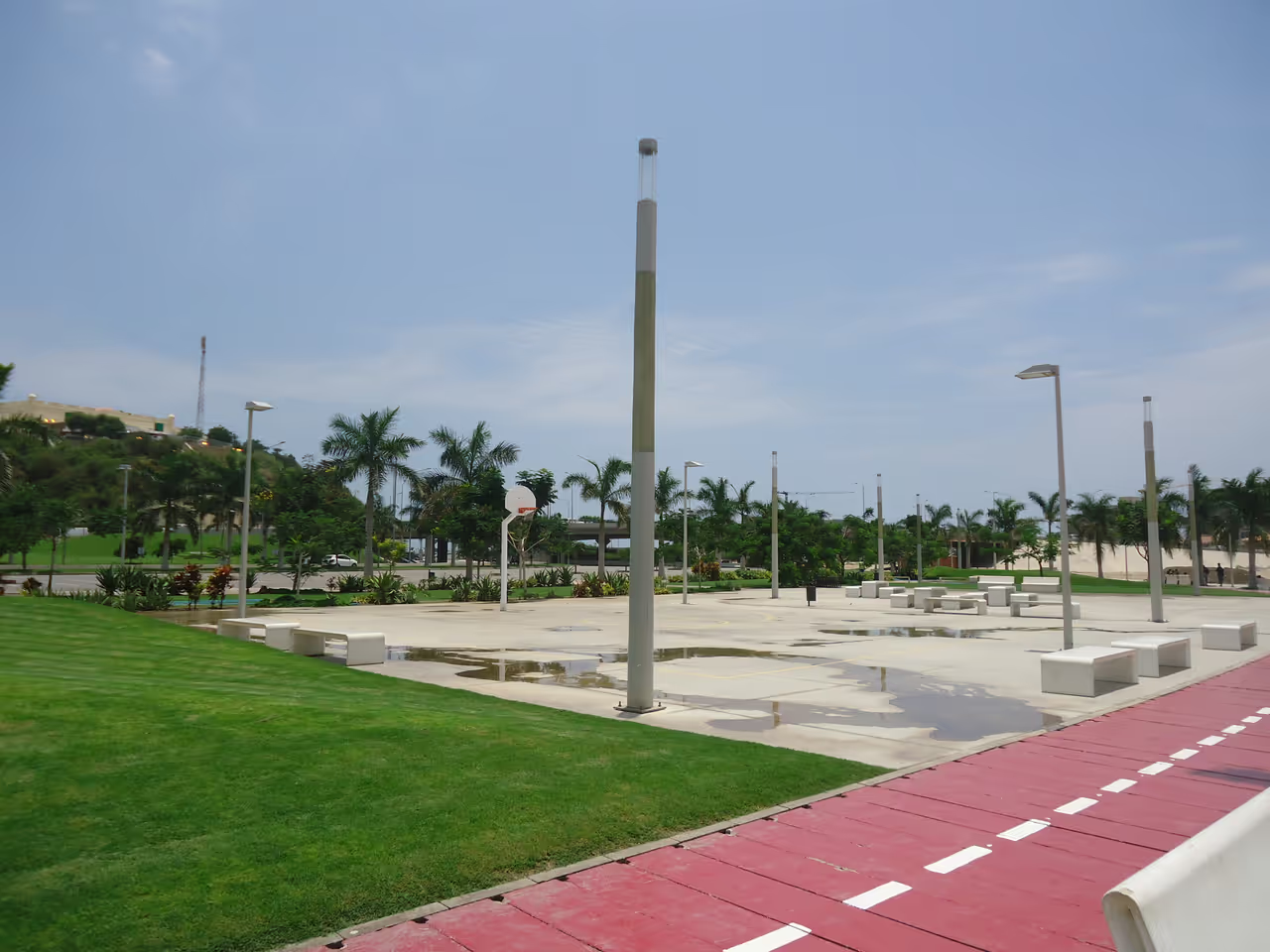
This smooth, newly paved route follows the elegant curve of the city's main bay, providing a completely flat and highly accessible ride. It offers uninterrupted, panoramic views of the water on one side and a striking contrast of historic architecture and modern skyscrapers on the other. Dedicated pedestrian and slow traffic lanes make it one of the safest areas in the city for casual cycling. Riding here as the sun sets over the Atlantic creates an unforgettable visual spectacle.
view cycling route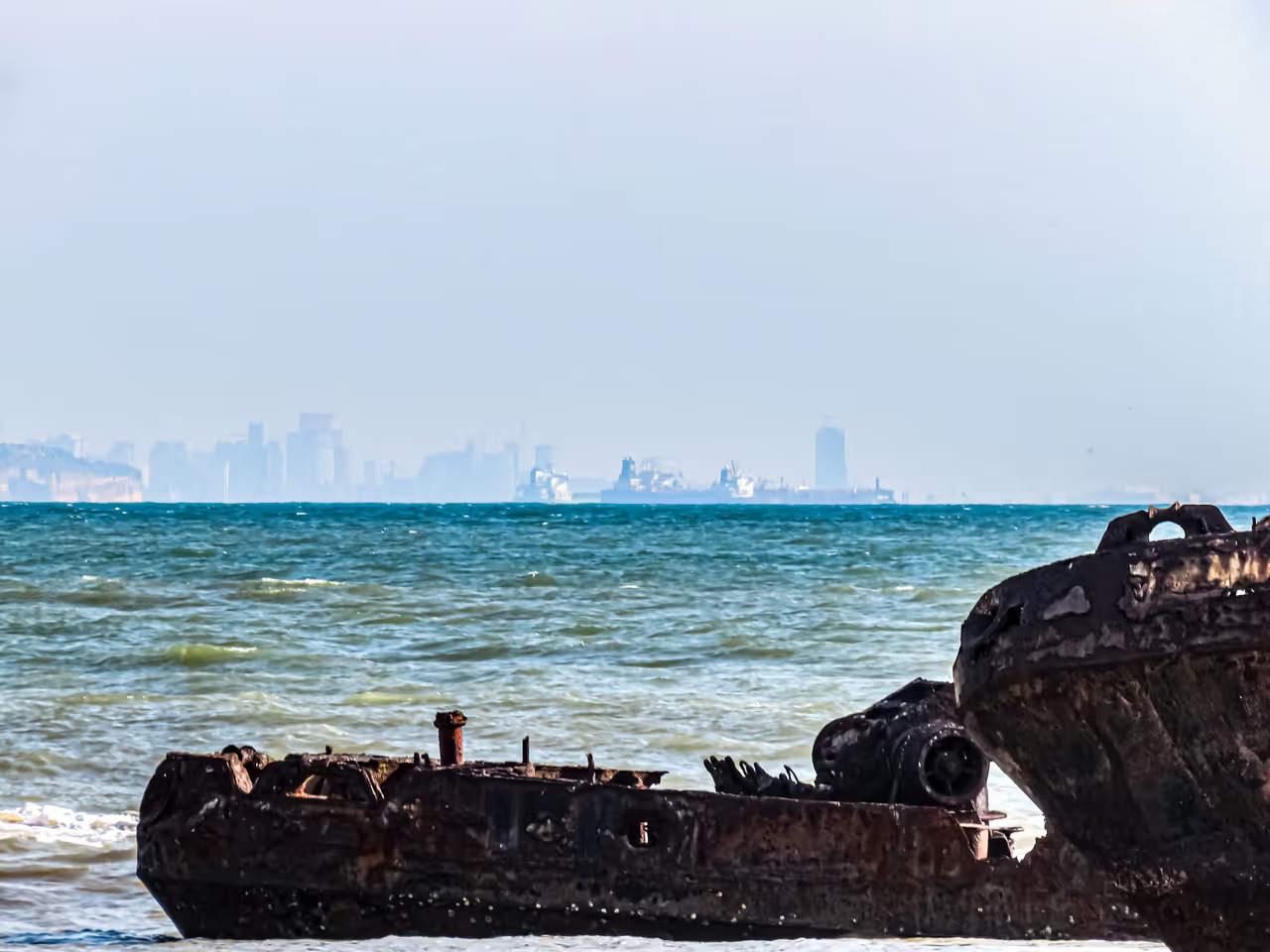
Bay Promenade Walk
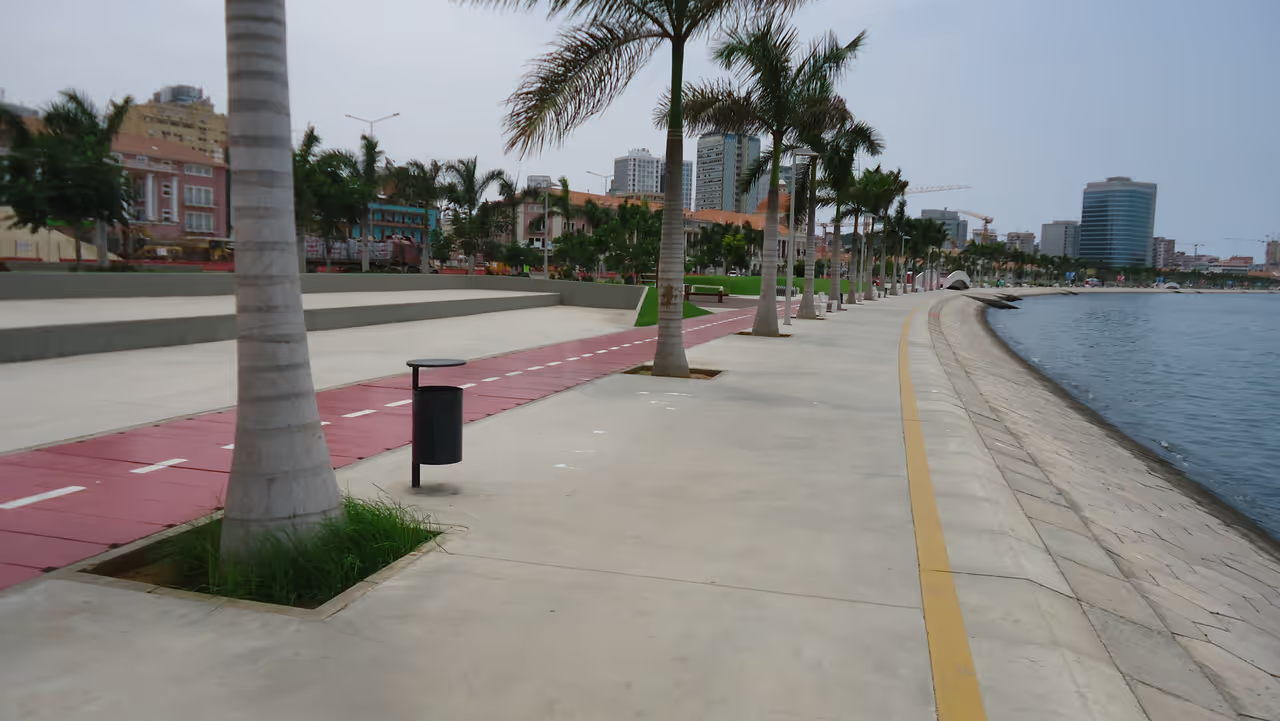
A leisurely walk along the city's completely redeveloped waterfront boulevard is the quintessential local experience. The wide, meticulously clean pavement curves gracefully around the deep blue harbour, shaded by tall, slender palm trees. It is heavily populated by joggers, families, and couples enjoying the ocean breeze and the striking views of the city's skyline. The combination of historical pink facades and towering modern glass creates a visually captivating backdrop for a long walk.
view walking route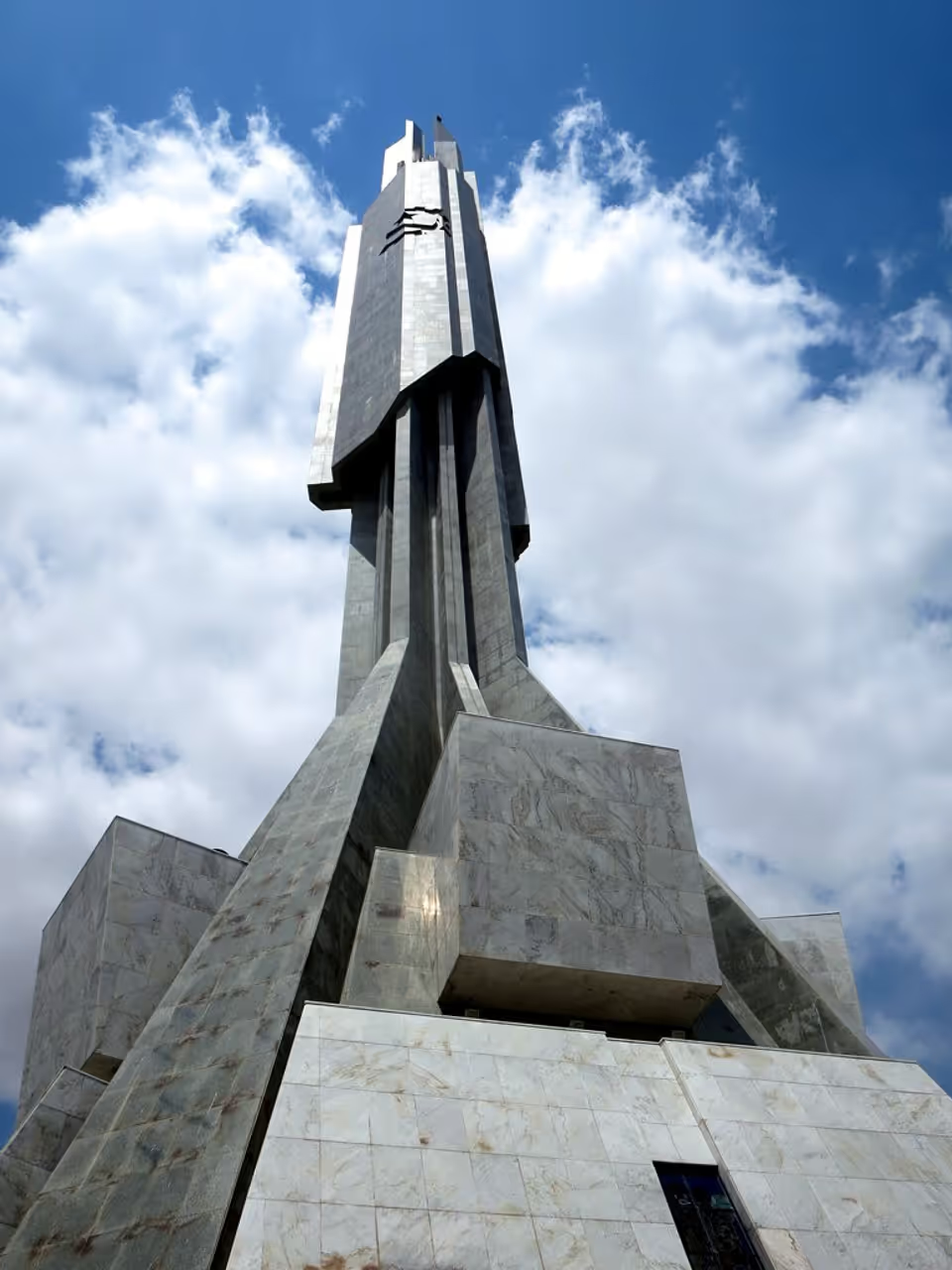
Path to Independence
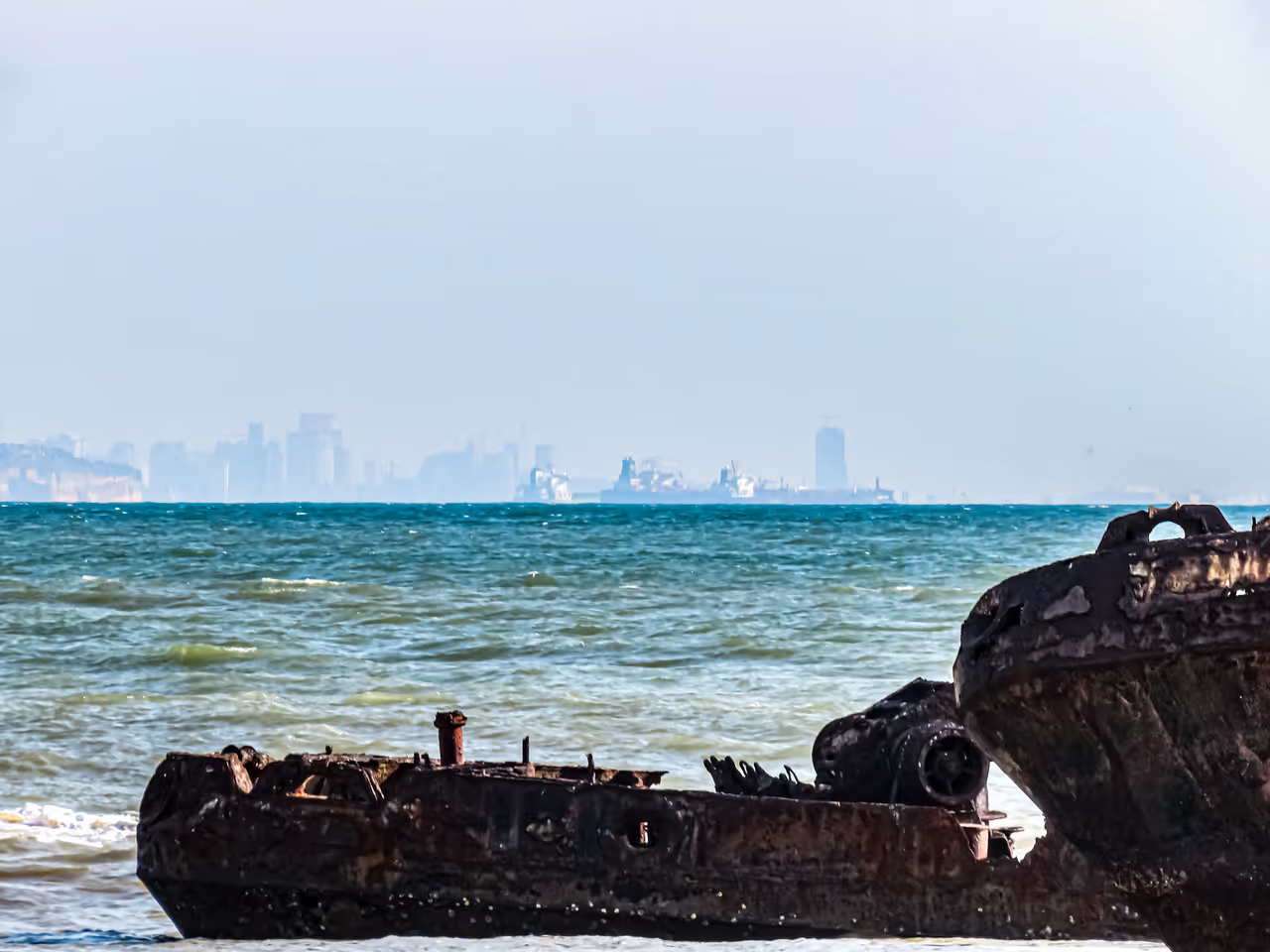
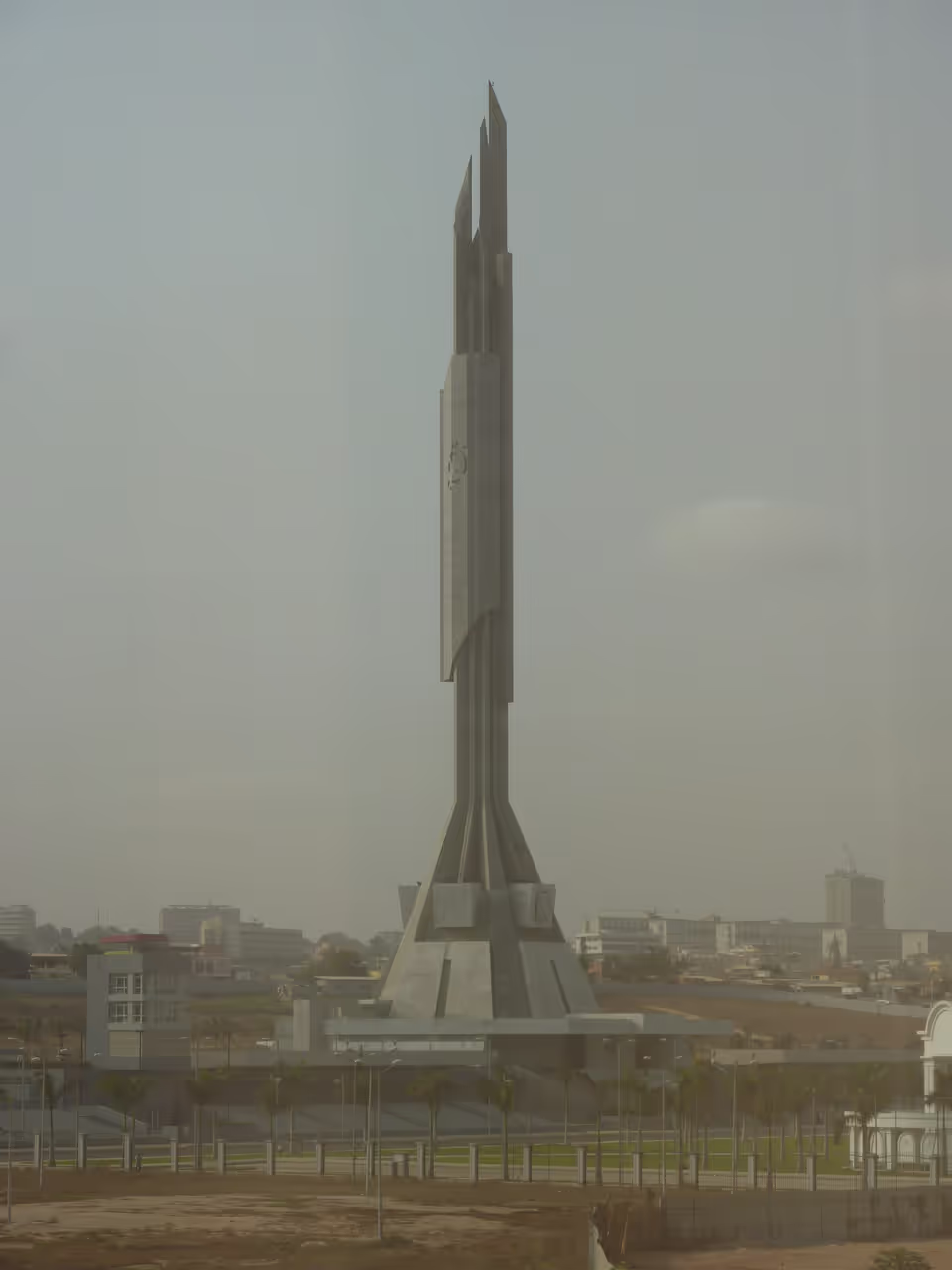
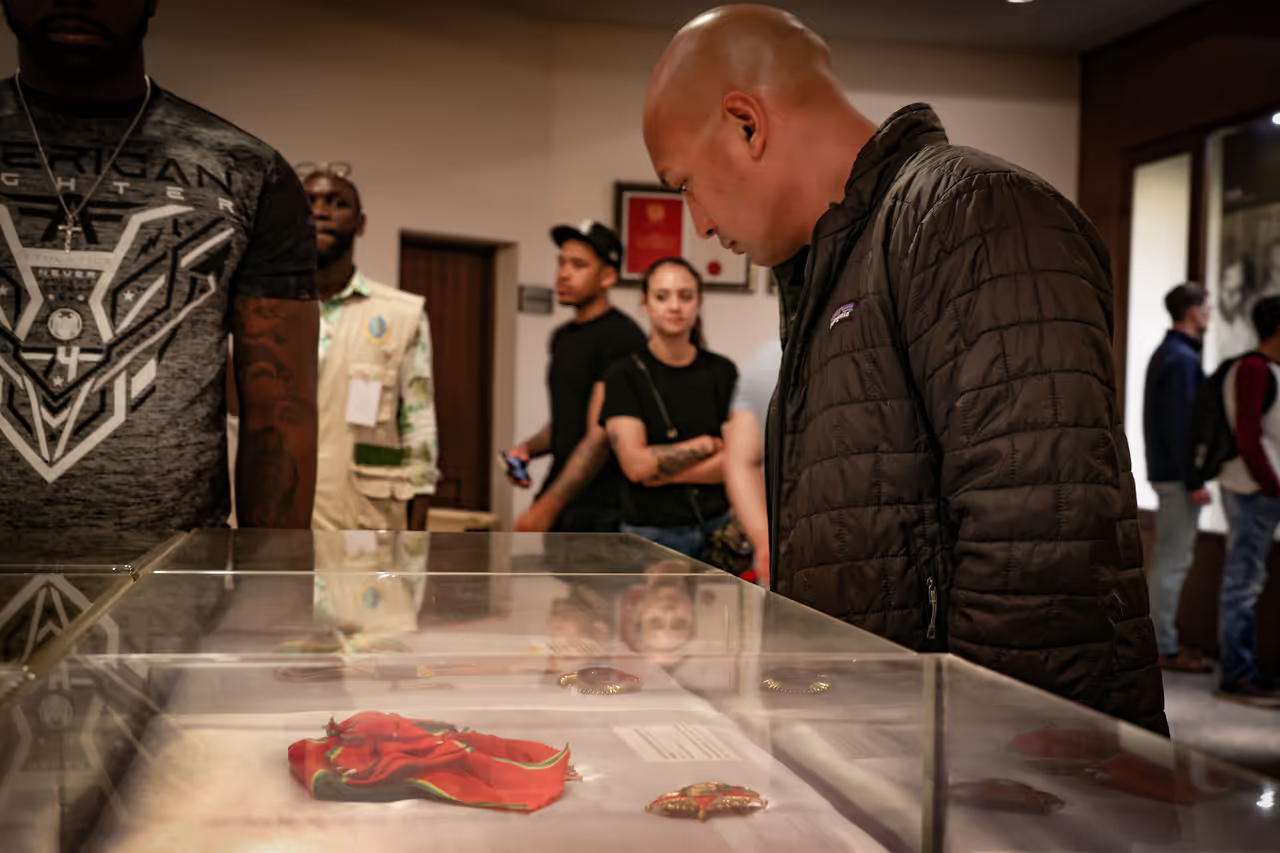
This powerful tour focuses on the monuments, museums, and locations deeply tied to the nation's long and bloody struggle for freedom. It explores the dark legacy of the transatlantic slave trade, the oppressive colonial era, and the ultimate triumph of the liberation movements. The route moves from ancient fortresses that imprisoned freedom fighters to towering modern monuments celebrating the nation's founding fathers. It provides essential context for understanding the fierce pride and resilience of the local people.
view self-guided tour
See all attractions in Luanda
Iron Palace, Luanda Cathedral, Mausoleum of António Agostinho Neto, National Museum of Anthropology, National Museum of Natural History of Angola, National Museum of Slavery...