Algiers Central Post Office
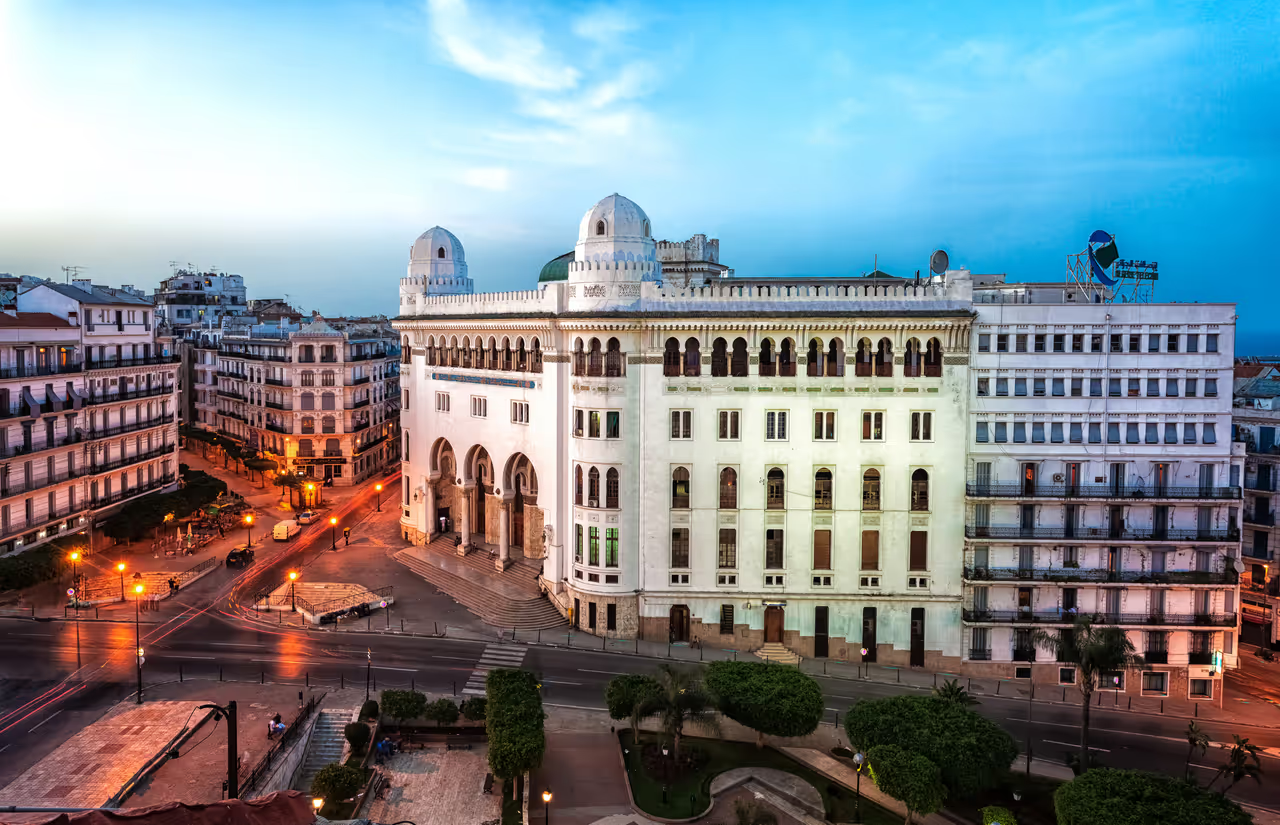
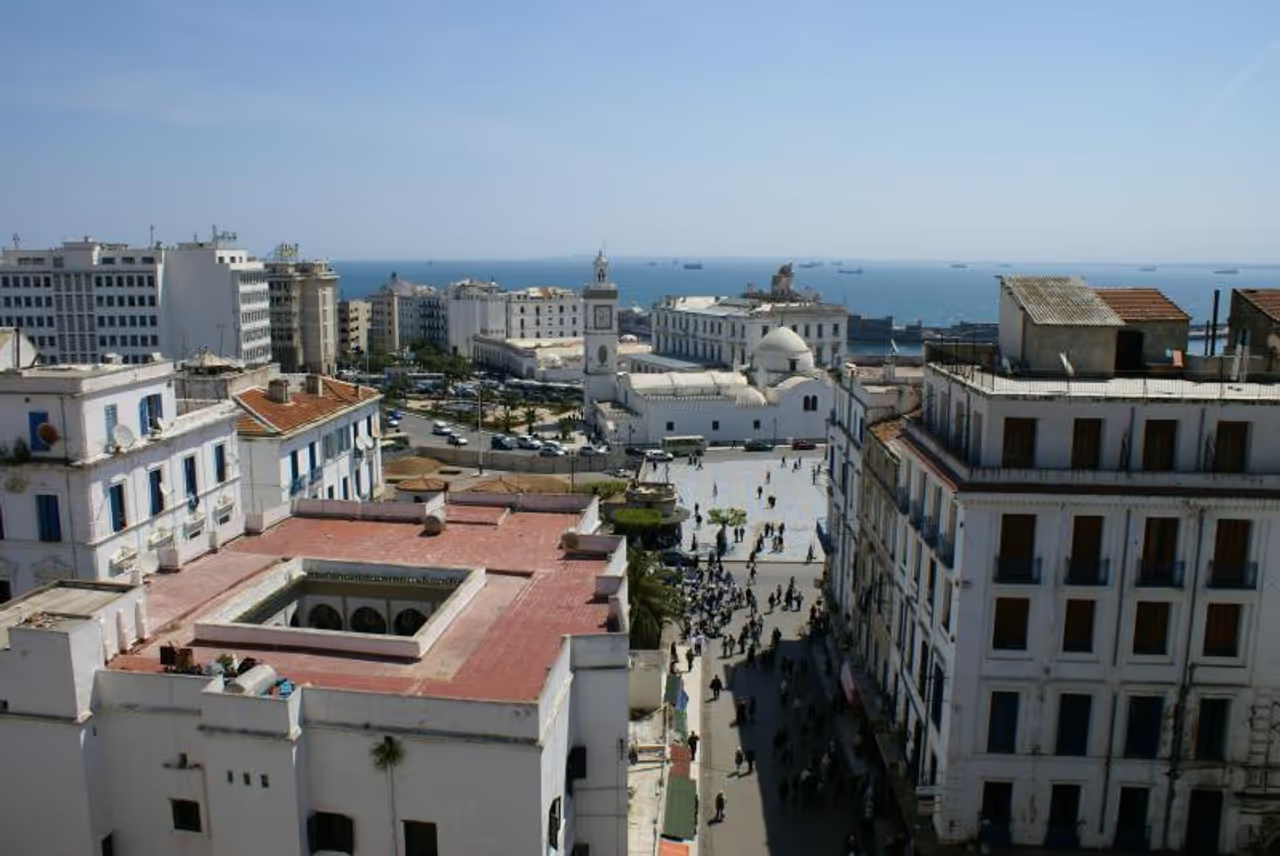
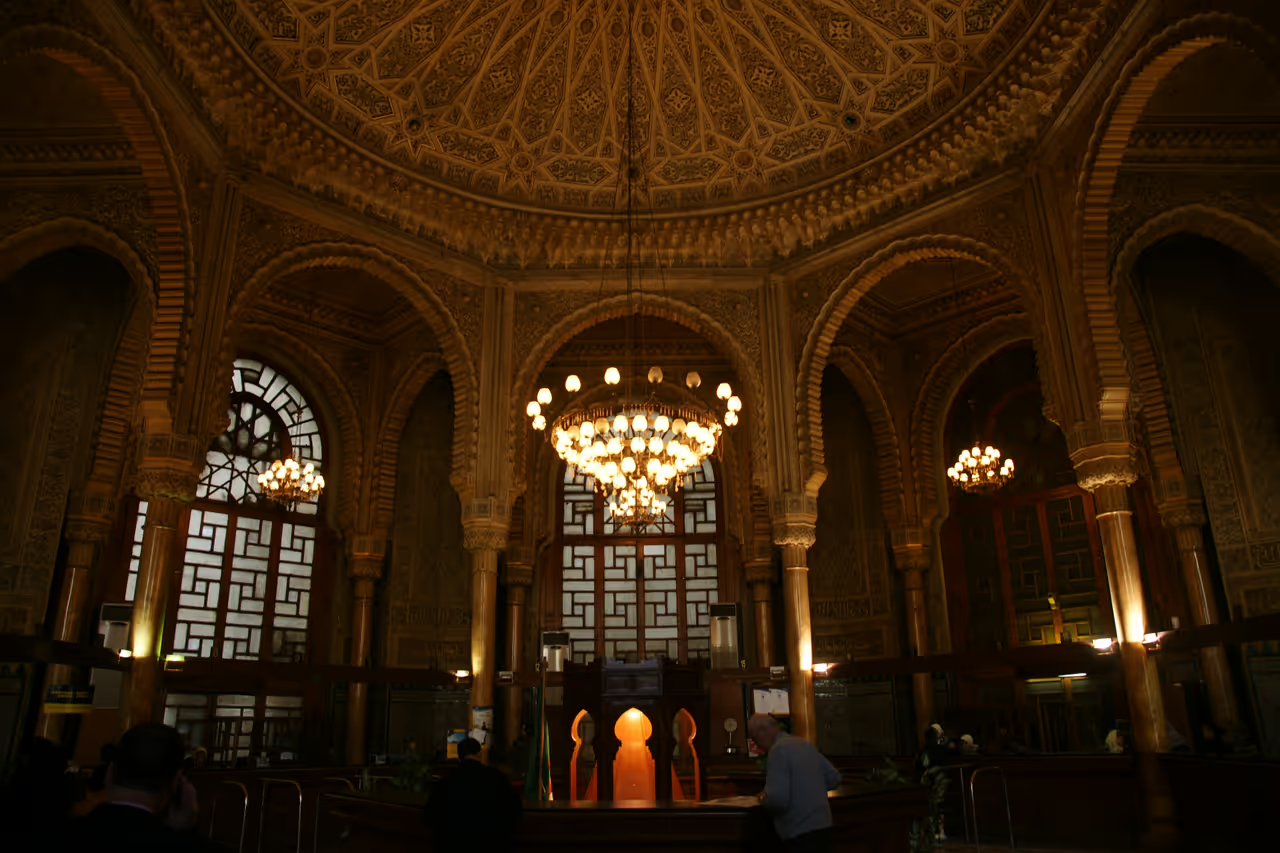
Standing at the heart of Algiers, the Central Post Office is a true architectural gem that defines the city's aesthetic. Its striking Neo Moorish facade commands attention with elegant arches and intricate detailing that reflects a unique blend of local and colonial influences. Walking inside, you are greeted by an interior that feels like a peaceful sanctuary, where warm light filters through beautifully crafted ceilings. It served as a hub of communication for decades and today invites visitors to admire its splendour as a museum. This landmark captures the very essence of the city's character. Visiting here offers a perfect moment to pause and appreciate the beauty woven into the city's urban fabric.
History of Algiers Central Post Office
The story of the Algiers Central Post Office begins at the turn of the twentieth century when the city sought an architectural marvel to bridge its diverse heritage. Architects Jules Voinot and Marius Toudoire took on the challenge to create a structure that could harmonise with the existing landscape while announcing a new era of civic pride. Upon its completion in 1910, the building quickly became a defining silhouette against the Algerian sky, showcasing a sophisticated fusion of traditional Maghrebi elements and modern European structural concepts. This masterpiece of Neo Moorish architecture tells the tale of a city finding its identity through stone and light. Every archway and delicate piece of plasterwork serves as a silent witness to the years that followed, reflecting a design philosophy that honoured local craftsmanship. The decision to incorporate such ornate detail within a functional public space was bold, elevating a simple postal service hub into a site of genuine artistic achievement that residents could admire daily. As the decades rolled on, the building stood firm, weathering the shifts in governance and social change that swept through Algeria. In 2015, a significant chapter unfolded when the government repurposed the space, transitioning it from an office into a dedicated museum. This move ensured that the interior, with its breathtaking geometry, would remain accessible to the public, preserving a vital piece of national heritage for future generations to explore and appreciate.
Events spanning 105 years
Fun Facts
- • Construction reached completion in 1910, becoming an immediate landmark of the city.
- • In 2015, the state officially designated the building as a museum to protect its historical and artistic integrity.
- • The architectural style is a textbook example of the Neo Moorish movement, which aimed to revive traditional Islamic architectural elements in colonial buildings.
- • The building is widely considered the most photographed site in the entire capital.
- • The building was designed by the renowned architectural duo Jules Voinot and Marius Toudoire.
- • The edifice is situated on the prominent Boulevard Mohamed Khemisti in the Alger Centre municipality.
- • The intricate interior plasterwork and tiling draw inspiration from historical mosques and palaces found across the Maghreb.
Algiers Central Post Office FAQ
While we strive to keep this information accurate and up to date, we recommend verifying any details independently before making decisions based on them.
Algiers Central Post Office Map & Neighborhood Explorer
This interactive map is centered on Algiers Central Post Office. Zoom in and move the map around to automatically discover Wikipedia photos and summaries of other nearby sights, monuments, and historical points of interest and stories in real-time!
Places near Algiers Central Post Office
Make the most of your trip. Check out these top-rated spots located nearby.
 11m
11mYennayer Berber New Year
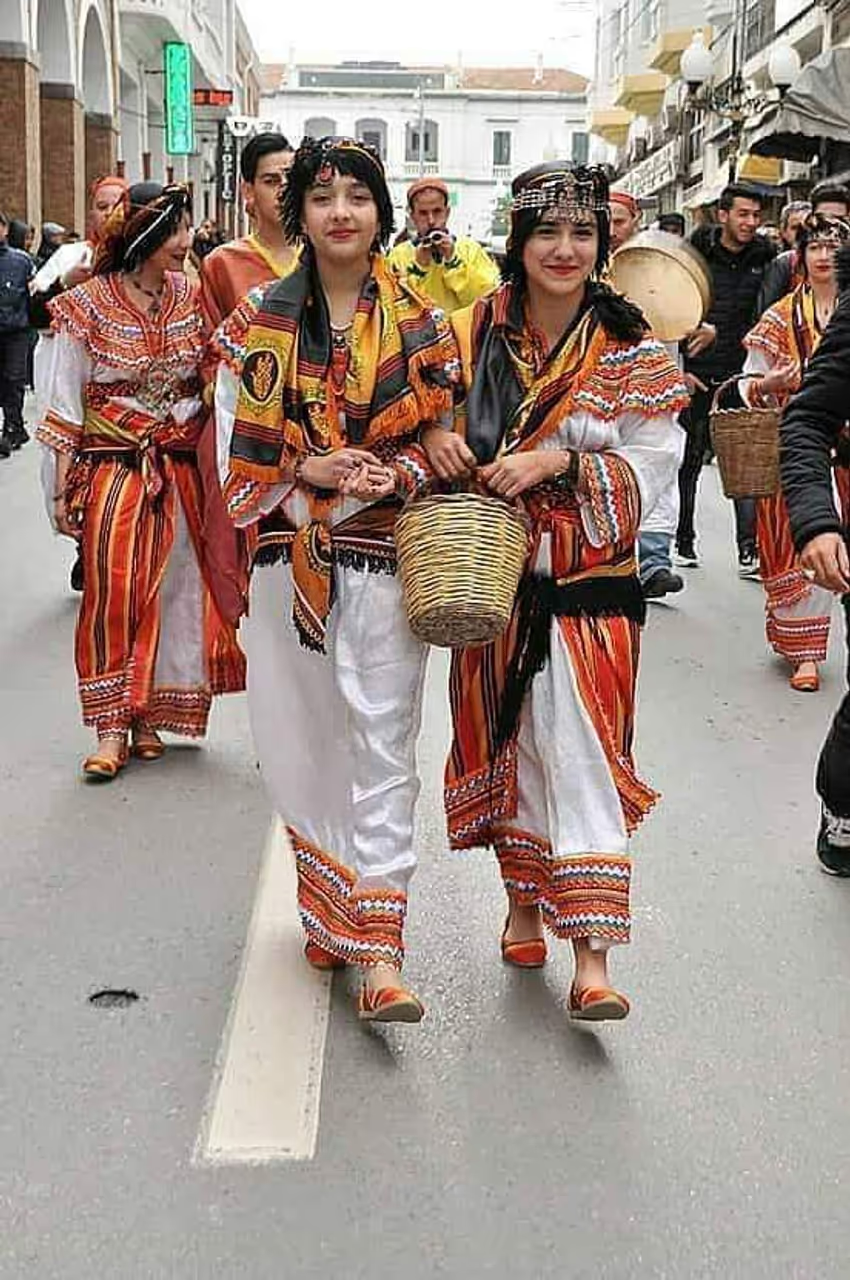
The celebration of the Amazigh New Year is a deeply rooted cultural tradition that highlights the indigenous heritage of North Africa. The streets fill with the vibrant colours of traditional Berber dresses and the rhythmic sounds of tribal music. Special markets pop up selling authentic Amazigh jewellery, pottery and customary agricultural products. Families prepare rich, symbolic meals, typically featuring specific types of couscous and dried fruits to ensure a prosperous agricultural year. It is a joyful, inclusive celebration that honours the ancient origins of the population. The festive atmosphere provides a wonderful contrast to the usual urban routine.
festival view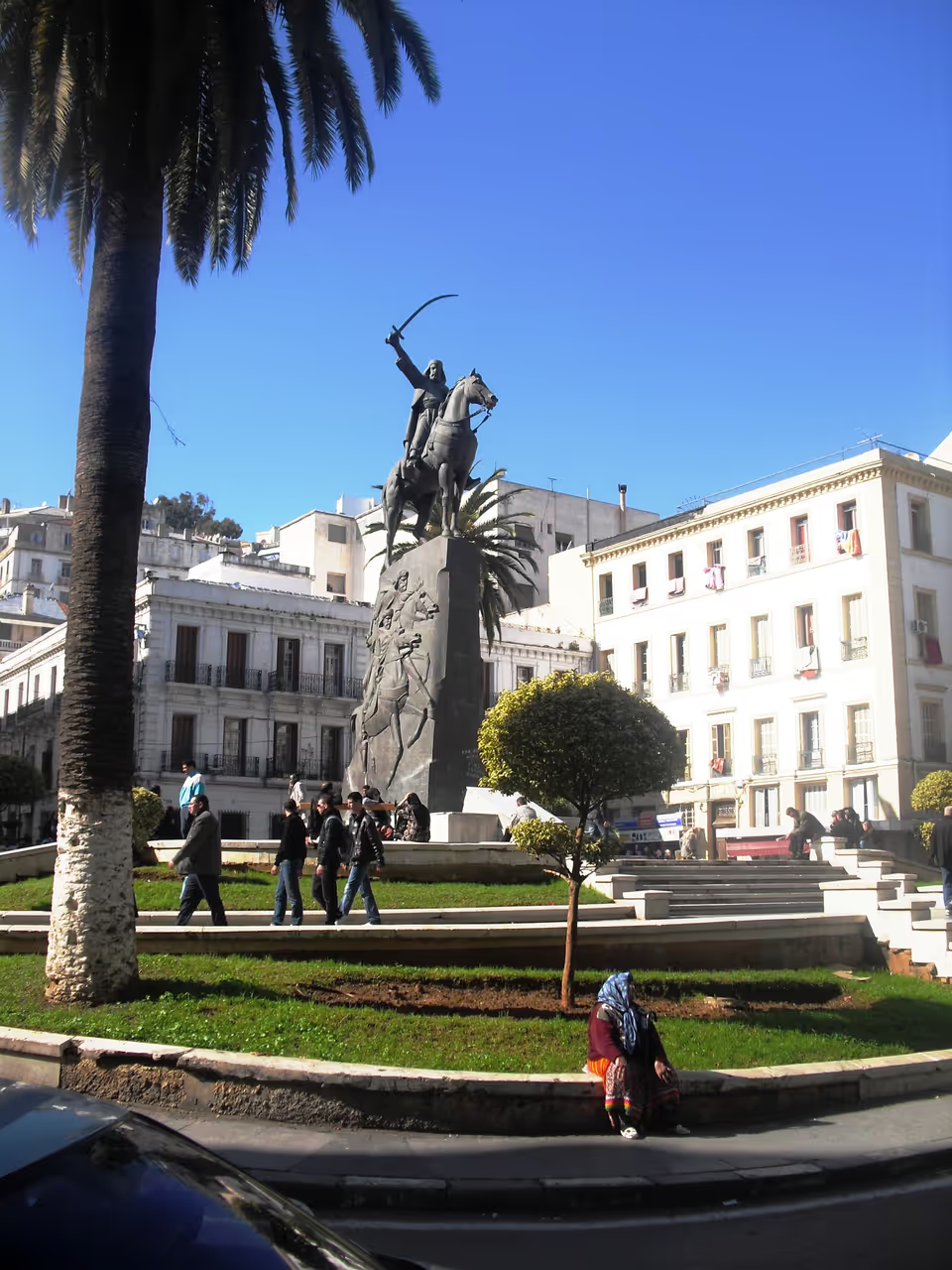 329m
329mEmir Abdelkader Square
This elegant public square acts as a prominent focal point in the downtown area, named in honour of the famous nineteenth century resistance leader. A commanding equestrian statue of the Emir sits at the centre, symbolising the fierce early opposition to French colonisation. The surrounding architecture is beautifully maintained, featuring grand colonial buildings that house cafes and administrative offices. It is an excellent spot to rest your feet and watch the constant flow of pedestrians navigating the busy streets. The historical significance of the statue adds a layer of deep national pride to an otherwise typical urban plaza. It serves as a great starting point for exploring the main shopping avenues.
highlight view- 381m
Ramadan and Eid Festivities
The holy month brings a unique rhythm to the capital, where daytime fasting gives way to incredibly lively nights. After the sunset meal is consumed, the streets suddenly burst into life as families head out for late night strolls, shopping and socialising. Cafes stay open until dawn, serving traditional sweet pastries and endless cups of mint tea. The conclusion of the month brings the joyous Eid celebrations, marked by new clothes, charitable giving and massive communal prayers. Experiencing the city during this time offers a profound look into Islamic traditions and local community bonds. The night time energy during this period is absolutely unmatched.
festival view 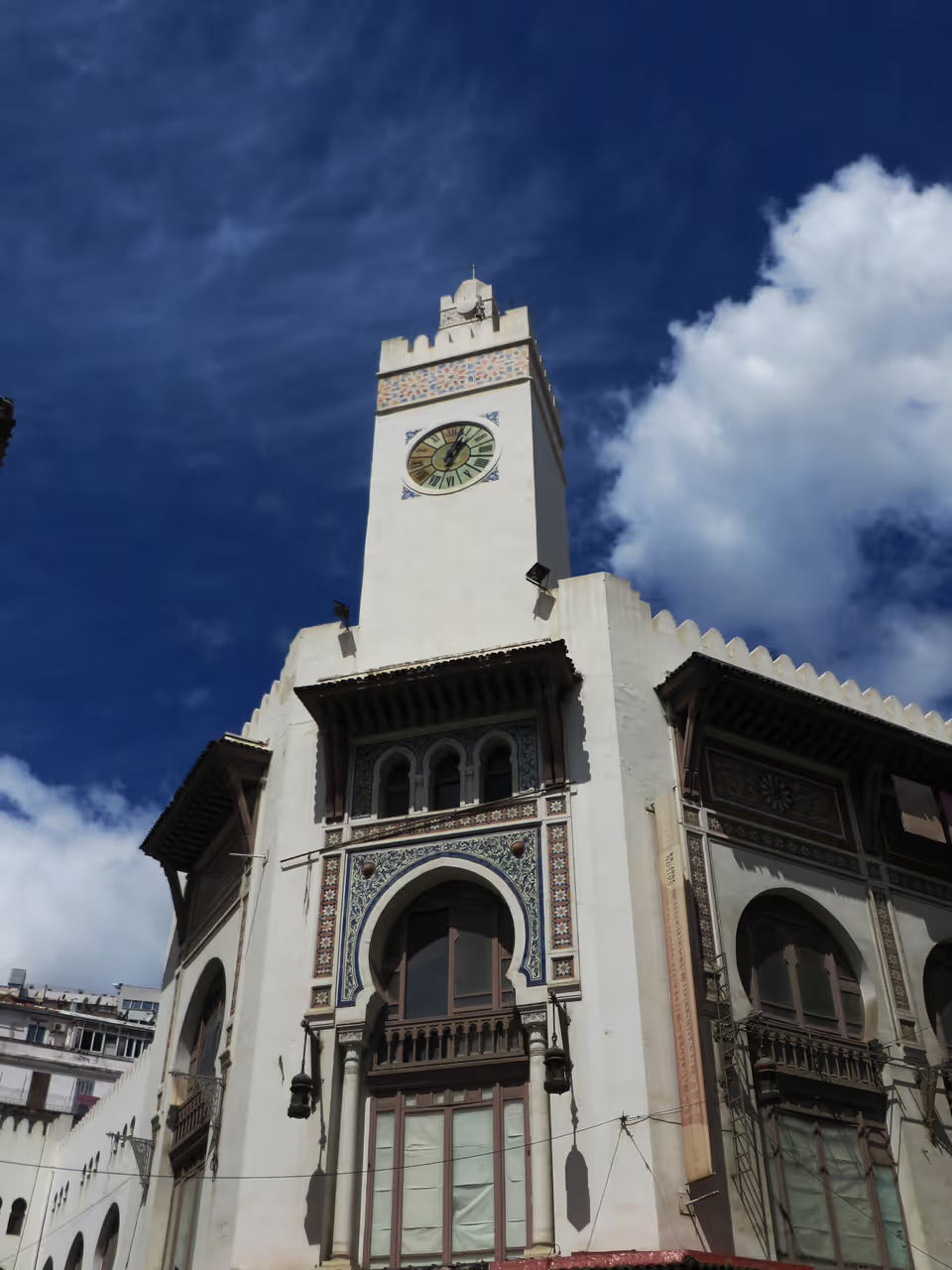 497m
497mMuseum of Modern Art
Often referred to as MAMA, this impressive institution is housed in a beautifully restored neo Moorish building that originally served as a grand department store. The striking multi level atrium provides a dramatic, light filled space for showcasing contemporary Algerian and international artists. The exhibitions frequently rotate, offering fresh perspectives on the modern cultural dialogue happening within the country. It serves as a vital platform for artistic expression and challenges the notion that the city is purely defined by its past. The architecture alone is worth the visit, blending historic retail elegance with sleek modern gallery spaces. It is a refreshing dose of contemporary culture.
highlight view
Featured on These Itineraries and Routes
1 Day in Algiers: White City Highlights Itinerary
If you only have a single day to experience the capital, this highly focused itinerary ensures you see the absolute most iconic sights without wasting time on transport. You will dive straight into the ancient history of the medina, marvel at the grand French colonial architecture, and finish with breathtaking panoramic views over the Mediterranean. It is a fast paced but incredibly rewarding journey that captures the true essence of the city.
view itinerary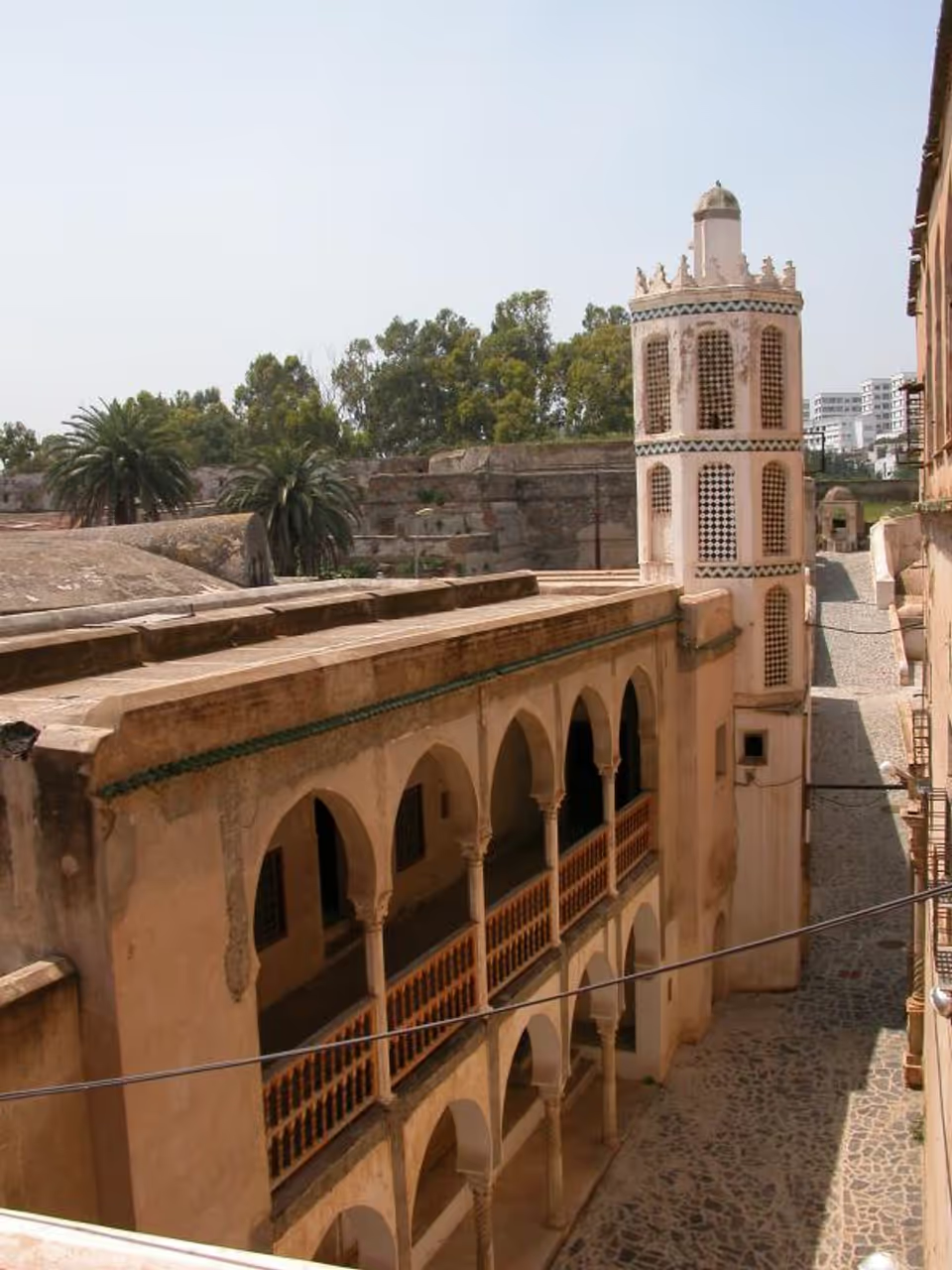
3 Days in Algiers: Culture and Coastline Itinerary
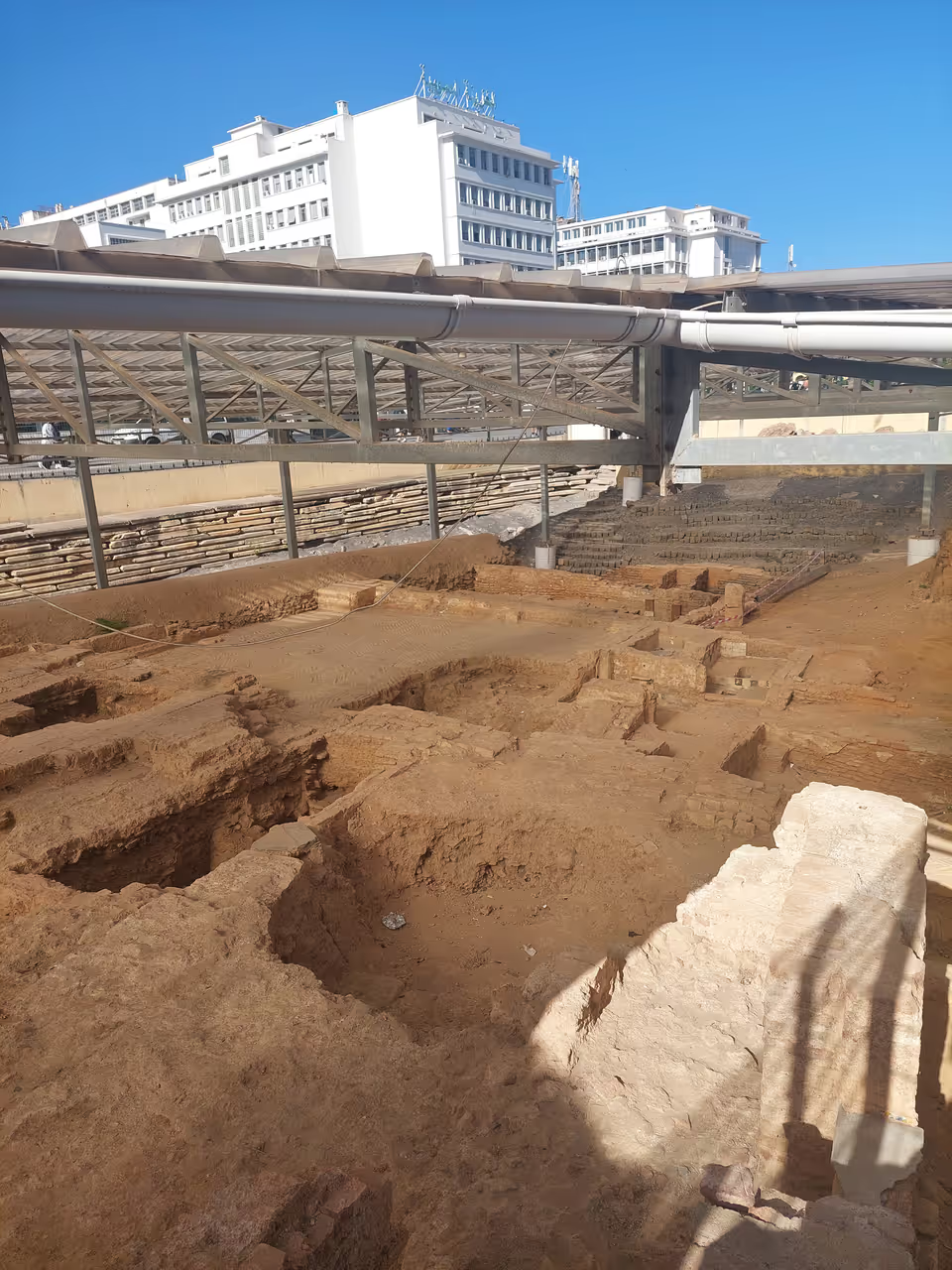
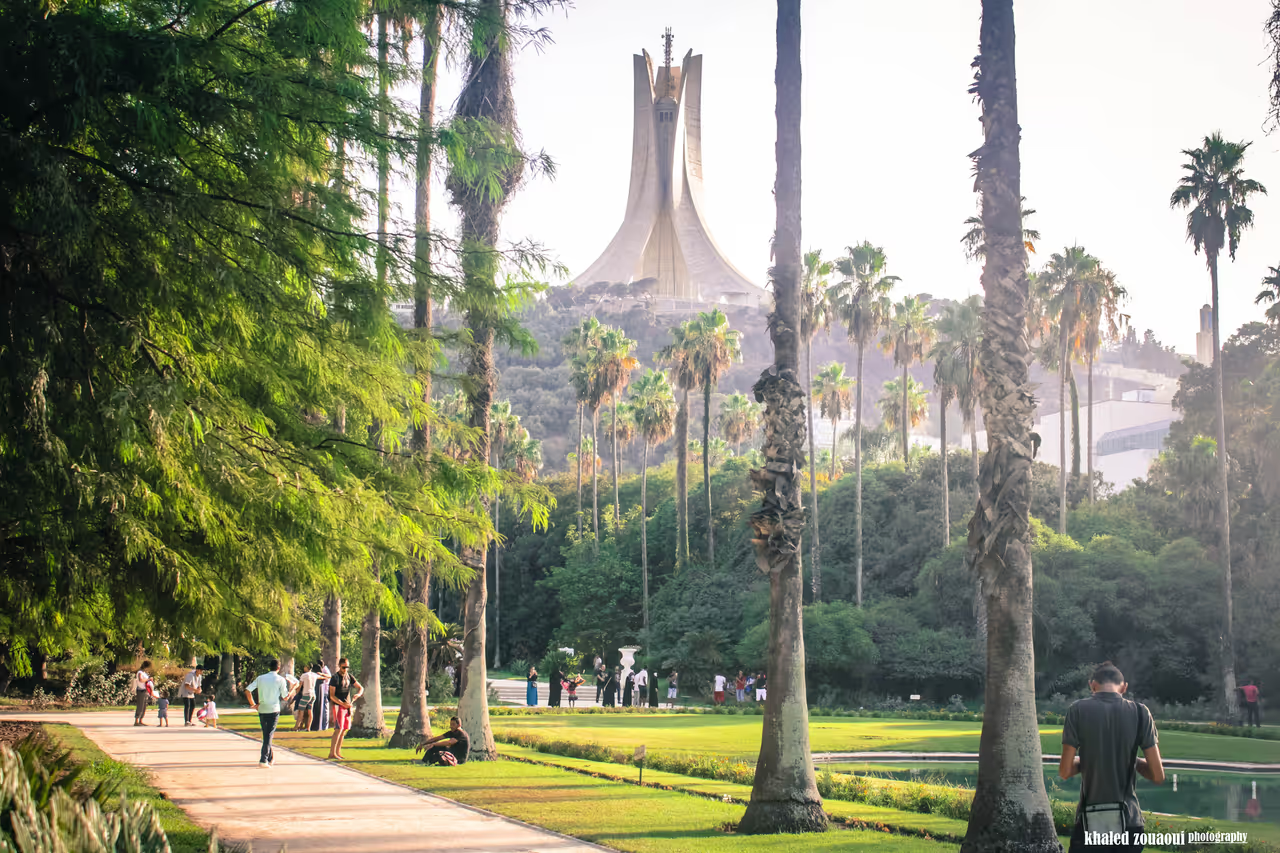
This balanced itinerary allows you to explore the rich, layered history of the city at a much more comfortable pace. Over three days, you will uncover the secrets of the ancient corsair palaces, appreciate the vast botanical diversity, and experience the modern seafront developments. It provides enough time to enjoy long, leisurely lunches and properly soak in the relaxed Mediterranean atmosphere. You will leave with a profound understanding of the local culture.
view itinerary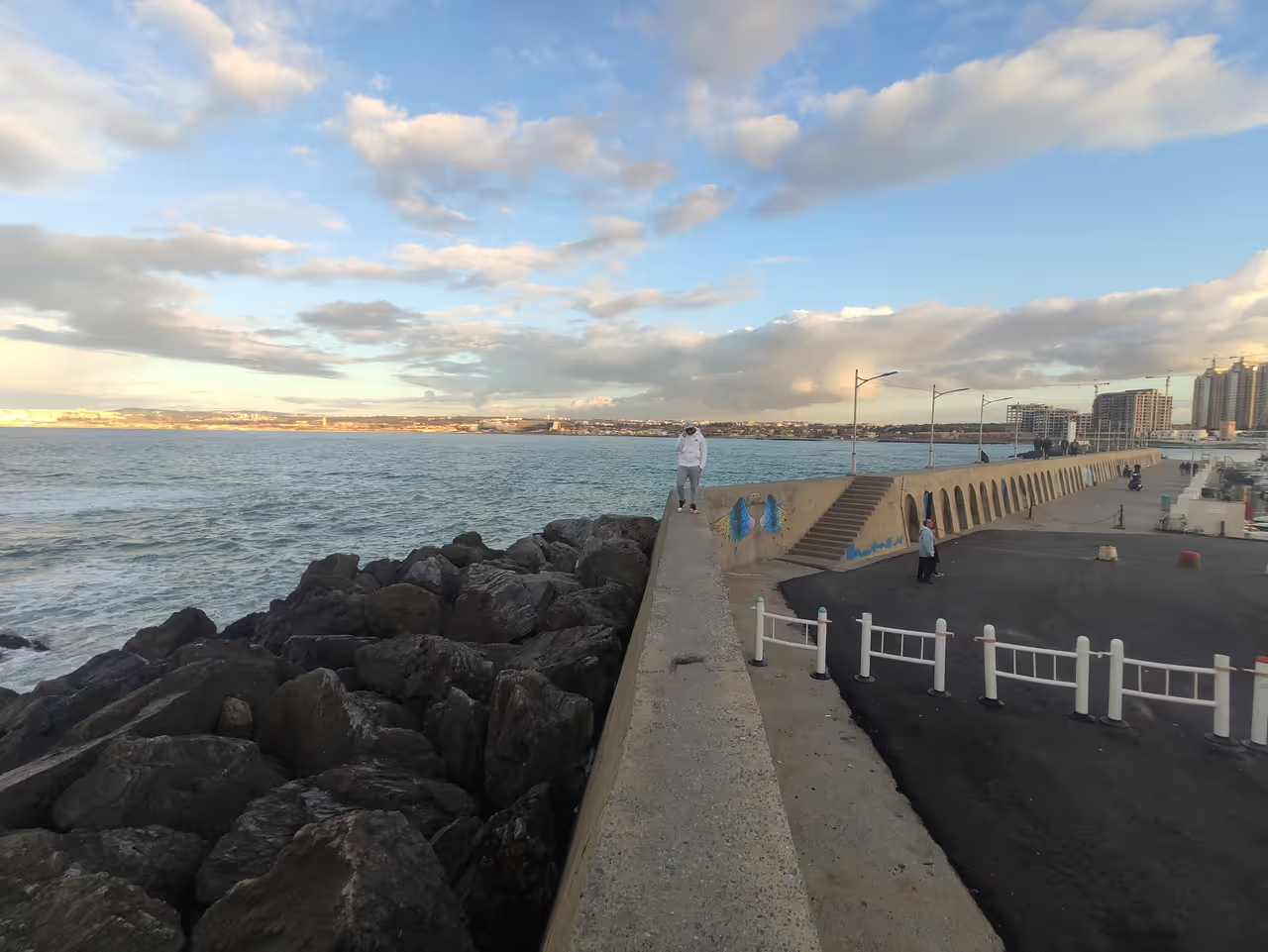
5 Days in Algiers: Ultimate Explorer Itinerary
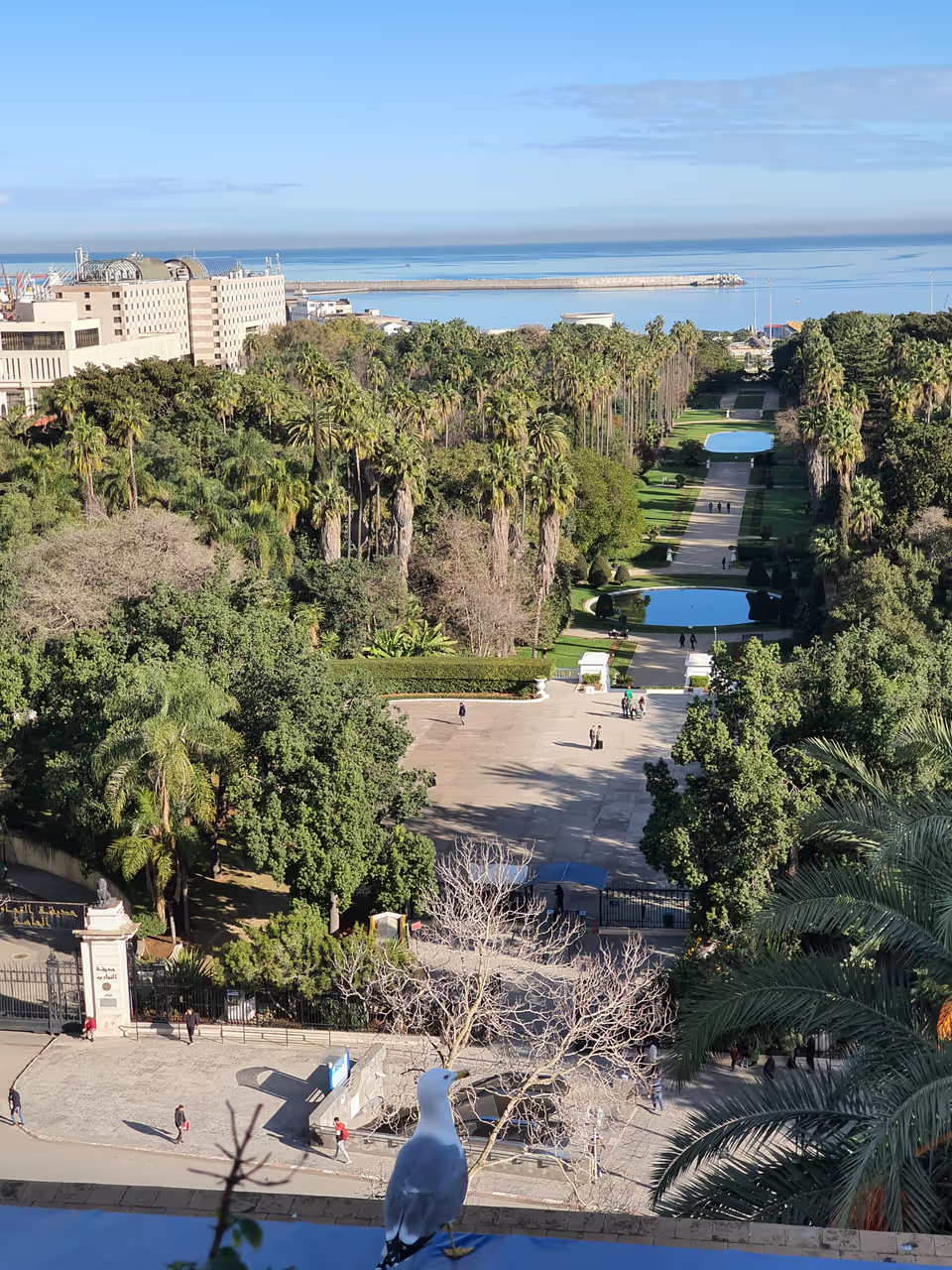
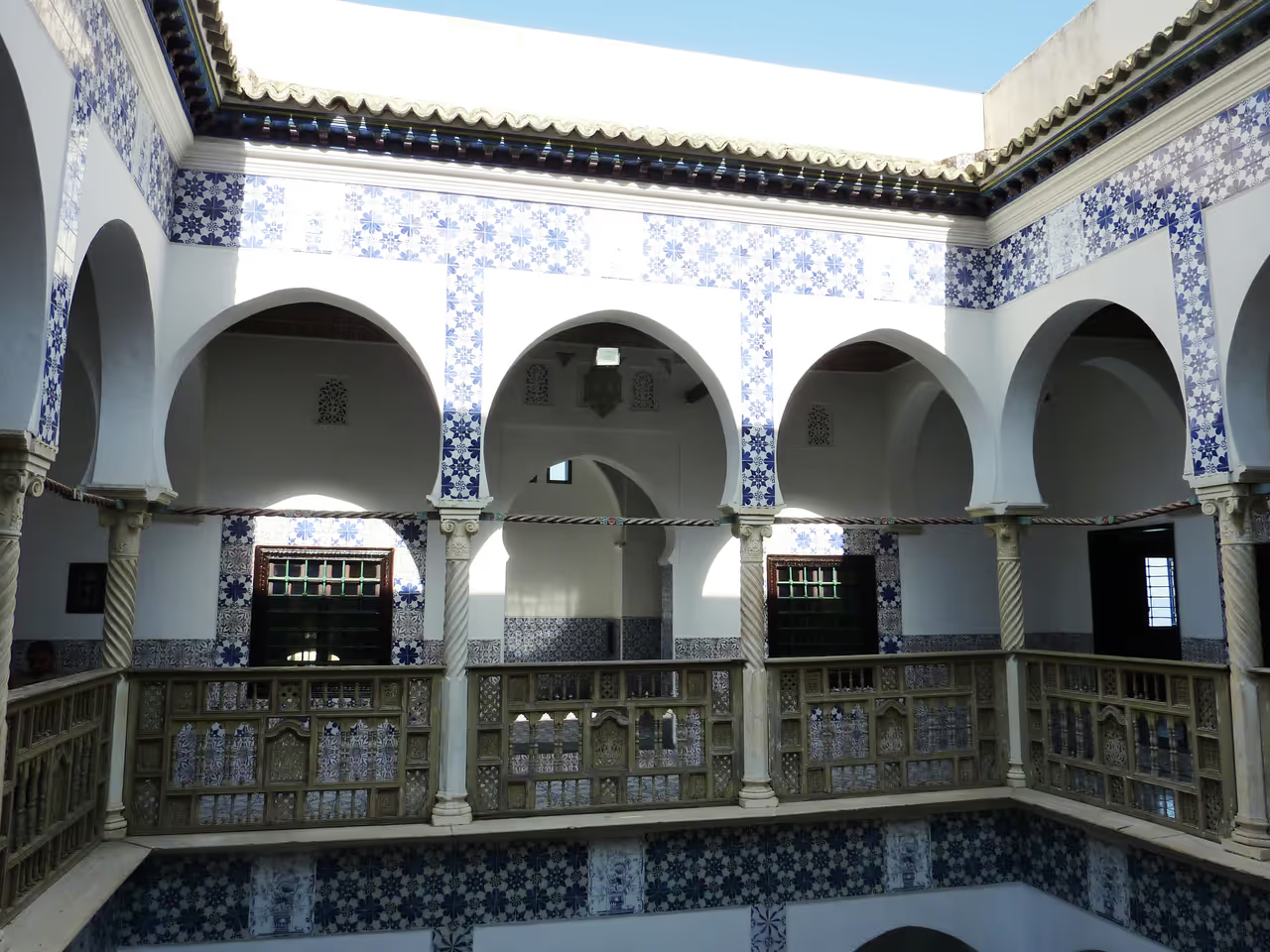
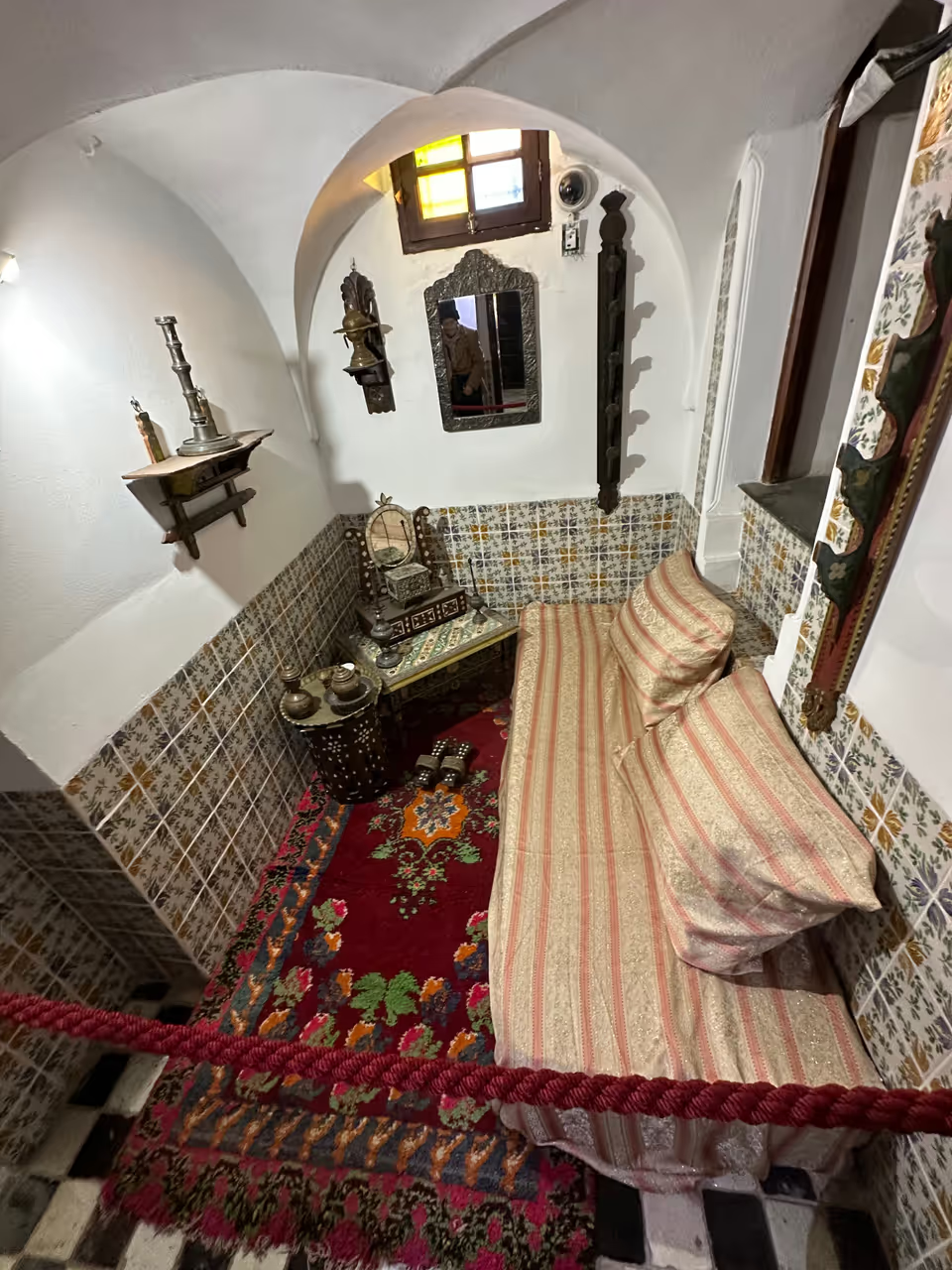
For the traveller who wants to uncover every hidden facet of the capital, this extensive five day plan goes far beyond the typical tourist trail. You will have time to explore the affluent diplomatic districts, the intense working class neighbourhoods, and the relaxing western beach resorts. It includes deep dives into specialised museums and offers plenty of time for spontaneous discoveries. This is the ultimate way to fully integrate into the rhythm of the city.
view itinerary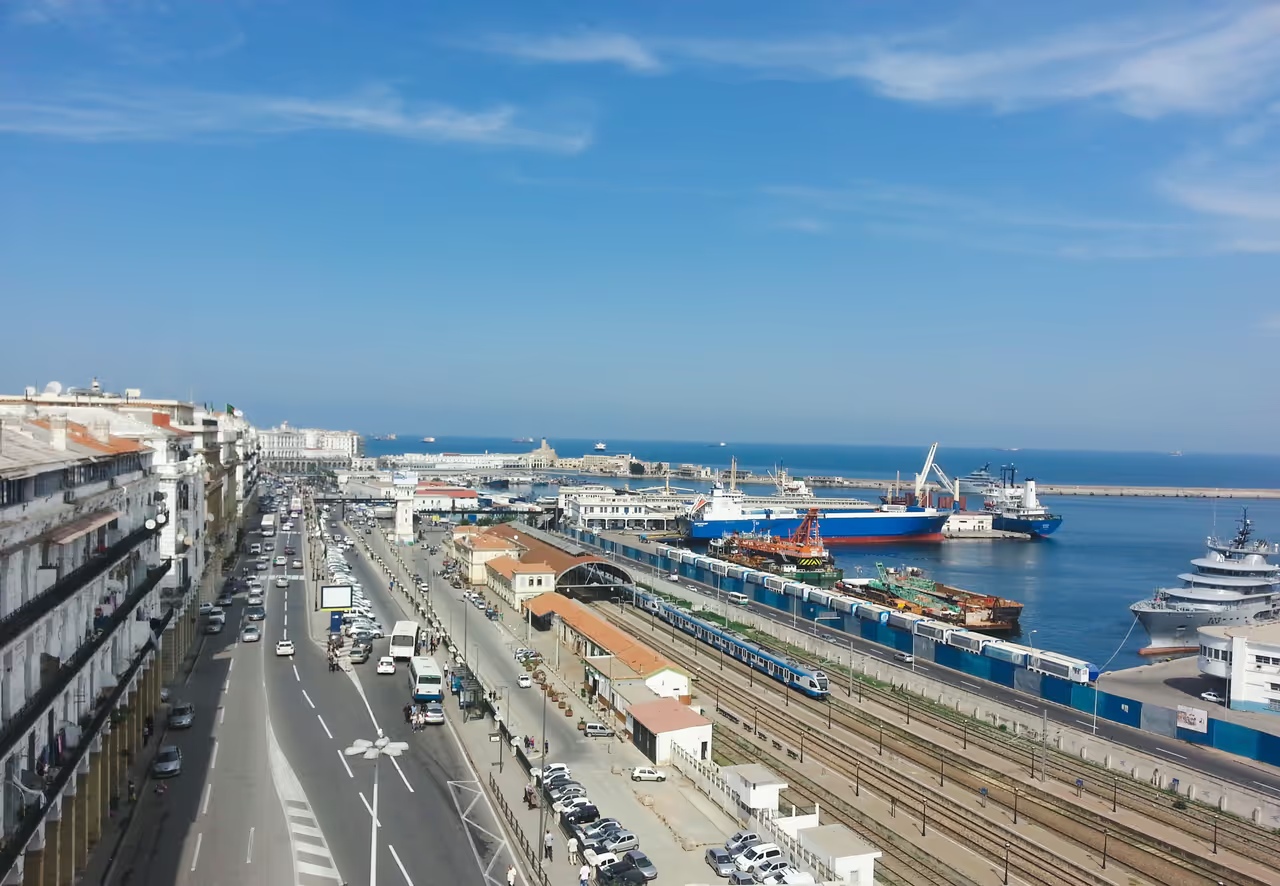
Haussmannian Seafront Walk
This walk highlights the grand, European face of the city, defined by the sweeping French colonial architecture that lines the waterfront. The wide boulevards are fringed with elegant arcades, ornate balconies and mature trees. On one side, you have the monumental facades of the nineteenth century, and on the other, the bustling port and the open sea. It is a fantastic route for admiring architectural details and people watching. The flat terrain makes for a very comfortable and elegant promenade.
view walking route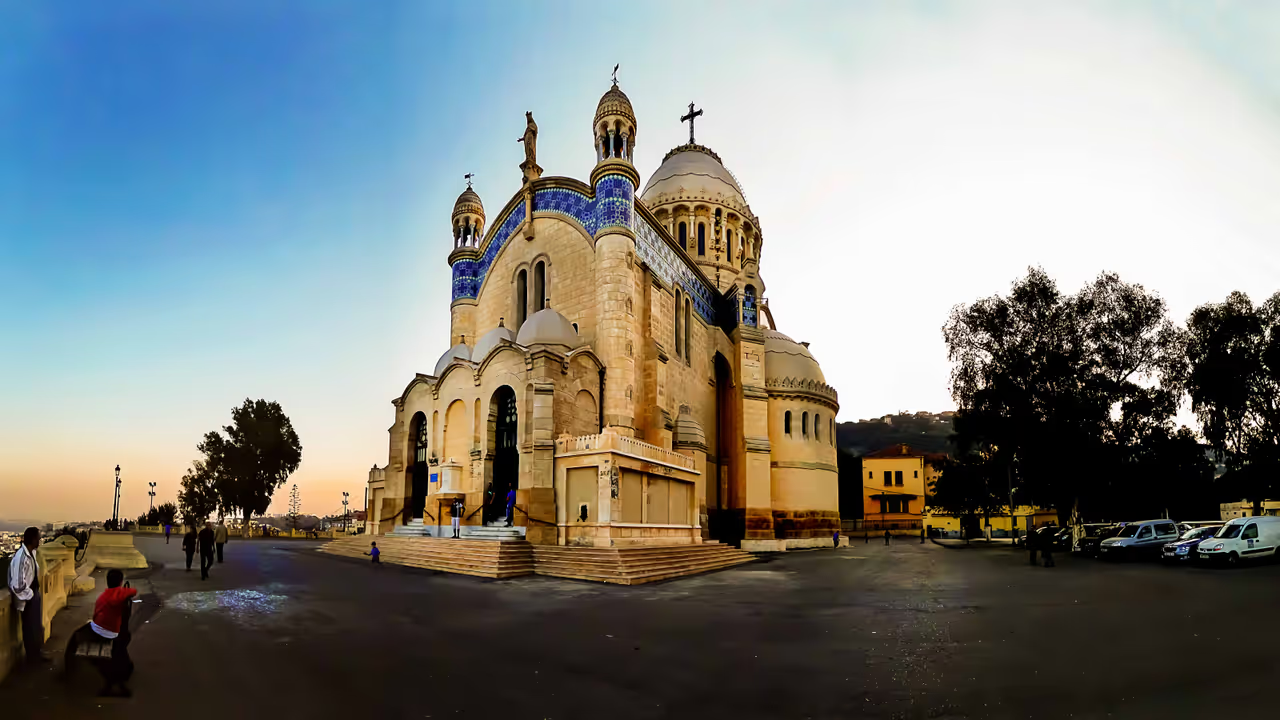
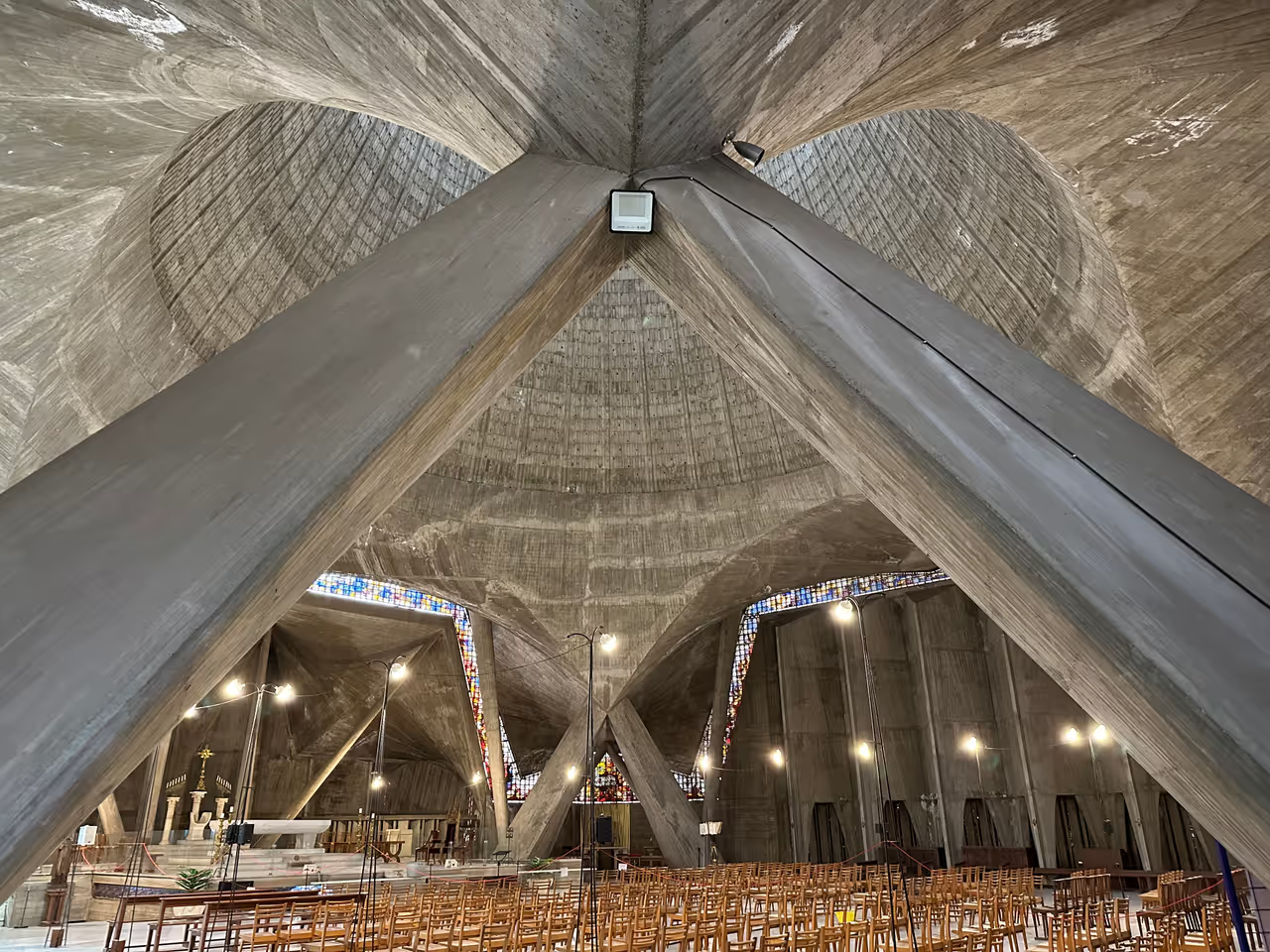
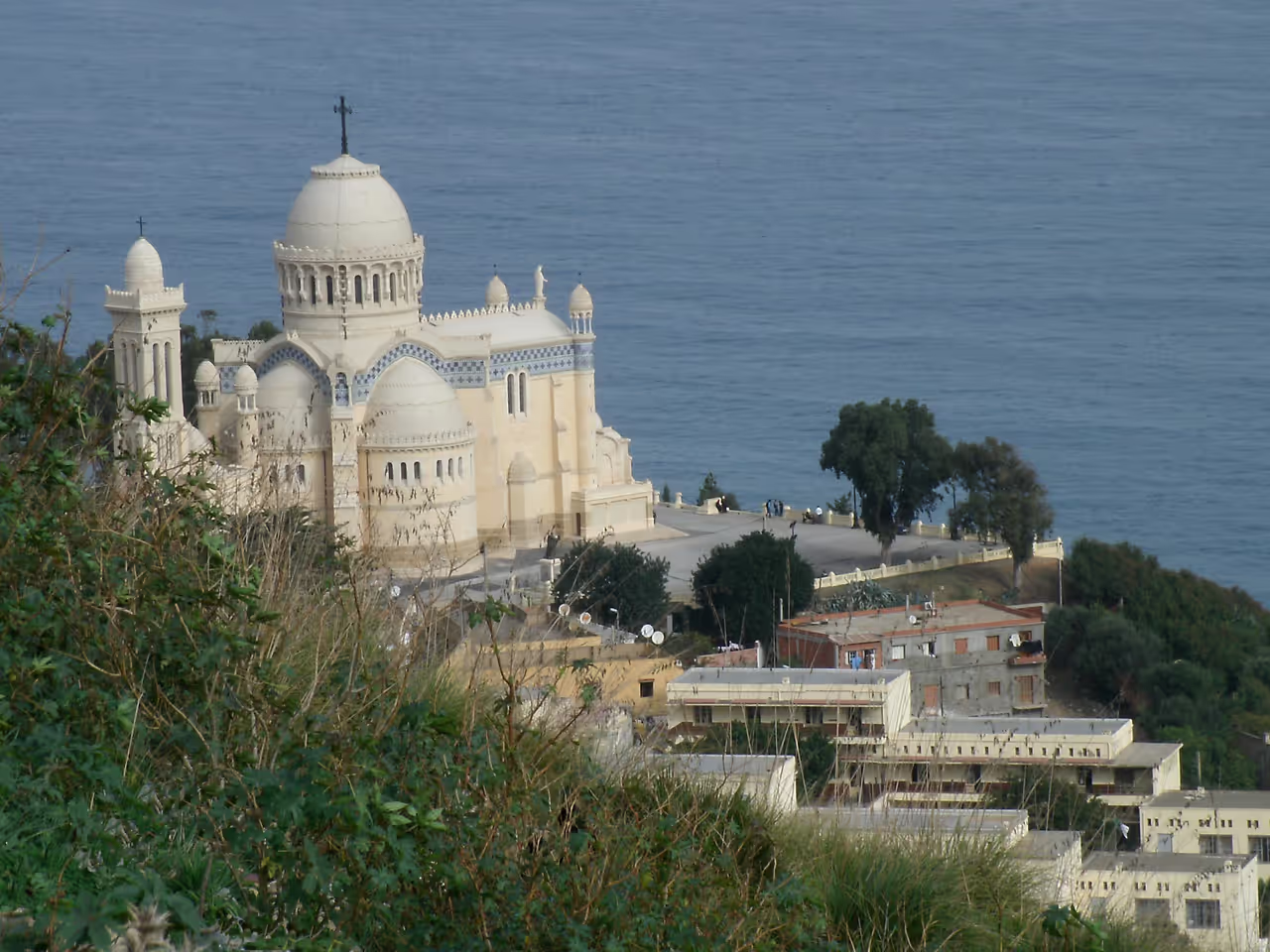
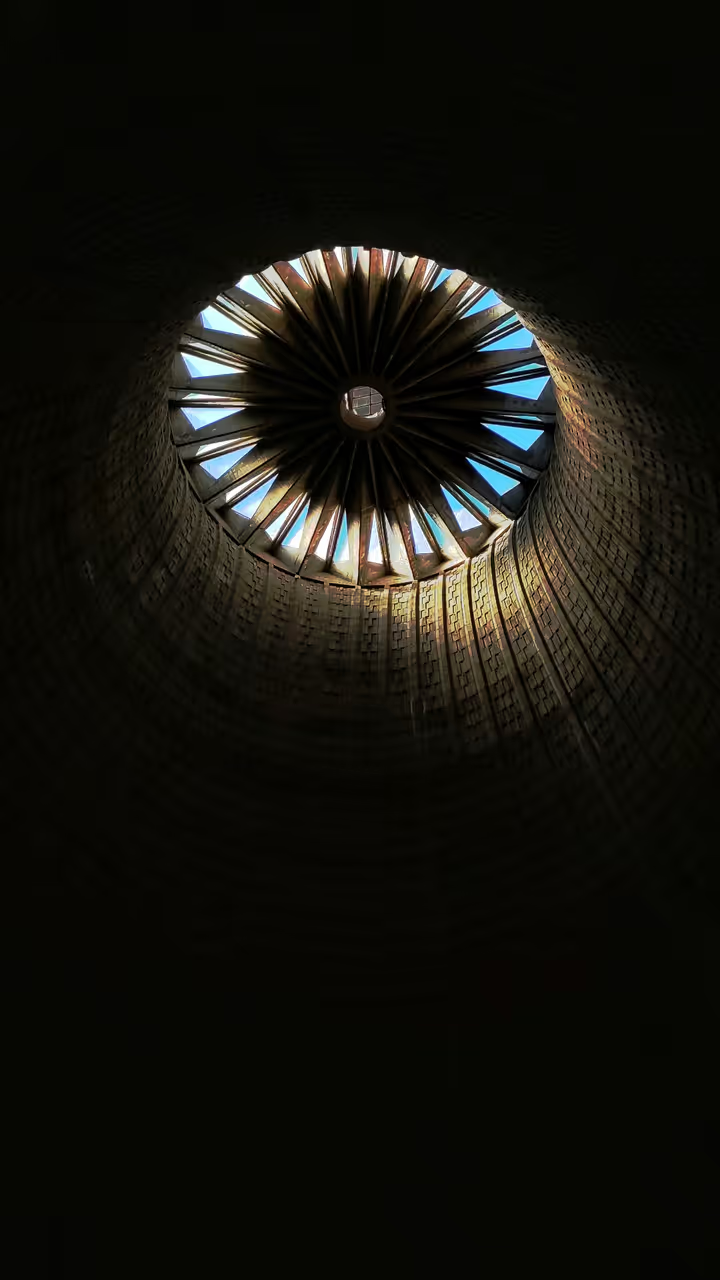
Architectural Wonders of the French Era
This journey examines the ambitious and often experimental architecture left behind by over a century of colonial rule. You will discover how European designers attempted to blend their traditional styles with local Moorish elements, creating a unique hybrid aesthetic. The route covers monumental public buildings, striking religious structures and the grand boulevards designed to project imperial power. It is a fascinating study of how politics and culture are permanently cemented into the physical landscape. Understanding this era is crucial to understanding the modern layout of the capital.
view self-guided tour
See all attractions in Algiers
Basilica of Our Lady of Africa, Great Mosque of Algiers, Ketchaoua Mosque, Martyrs' Memorial, National Museum of Fine Arts, Palais des Rais, Bardo National Museum of Prehistory and Ethnography...