Bardo National Museum of Prehistory and Ethnography
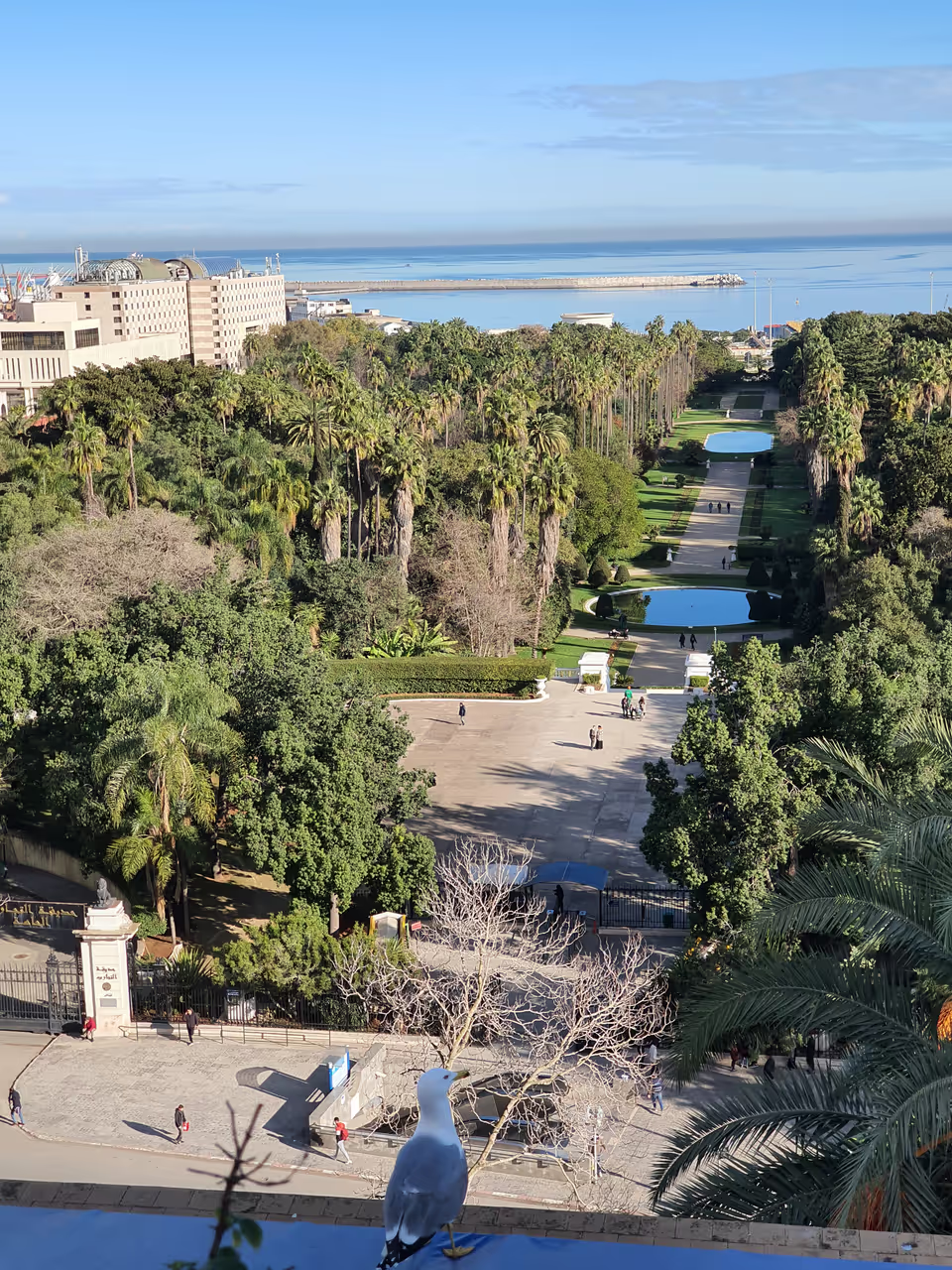
Nestled within a stunning former Moorish villa in Algiers, the Bardo National Museum of Prehistory and Ethnography offers a captivating window into the deep roots of Algerian heritage. This museum is a treasure trove where visitors can wander through rooms filled with fascinating artefacts, each telling a story of the civilisations that have shaped the region over millennia. Its setting, a palace originally built by an Algerian admiral, provides a uniquely atmospheric backdrop that makes every stroll through its corridors a beautiful journey through time. From prehistoric wonders to intricate ethnographic displays, the museum invites guests to slow down and appreciate the details of a culture that spans from ancient times to the modern era. Whether you are a history enthusiast or simply curious about local life, the Bardo provides an intimate and deeply educational experience that helps you connect with the soul of Algeria.
Videos
History of Bardo National Museum of Prehistory and Ethnography
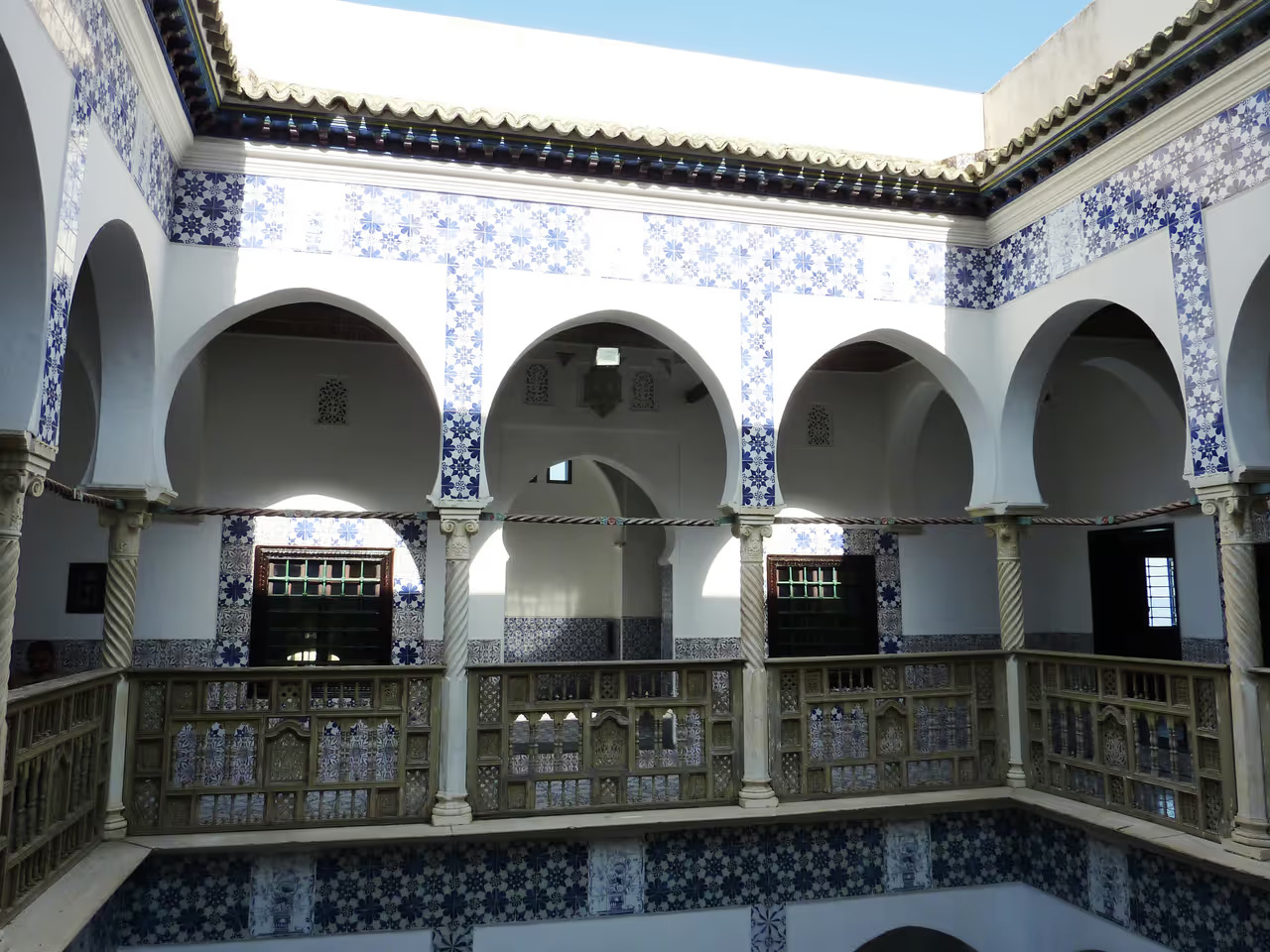
The story of the Bardo National Museum begins in the late eighteenth century, when a luxurious Moorish villa was constructed on the outskirts of Algiers. Originally built by the Algerian admiral Raïs Hamidou, the residence was designed to reflect the architectural elegance of the Ottoman era, featuring the refined arches, patterned tiles, and serene courtyards that define traditional Algerian design. Over the years, this grand estate moved through the hands of various wealthy owners, standing as a private sanctuary of beauty nestled in the Algerian countryside. As the city of Algiers grew and modernised, the villa was absorbed into the urban landscape, eventually transitioning from a private home into a public institution. In 1926, the property was ceded to the state, and by 1927, it opened its doors to the public as a museum. This transformation preserved the physical structure and the historical spirit of the building, allowing it to house a growing collection of significant cultural and prehistoric artefacts that might otherwise have been scattered or lost. Today, the museum stands as a beacon of national heritage. It bridges the gap between the distant past and the present day by showcasing items that trace the human story in North Africa. For locals and travellers alike, it offers a space for reflection on the layers of identity that make Algiers what it is. It remains a testament to the enduring power of architecture and the importance of safeguarding the stories of those who came before us.
Events spanning 177 years
Fun Facts
- • In 1926, the estate was handed over to the government by the heirs of Pierre Joret, which paved the way for its transformation into a public institution.
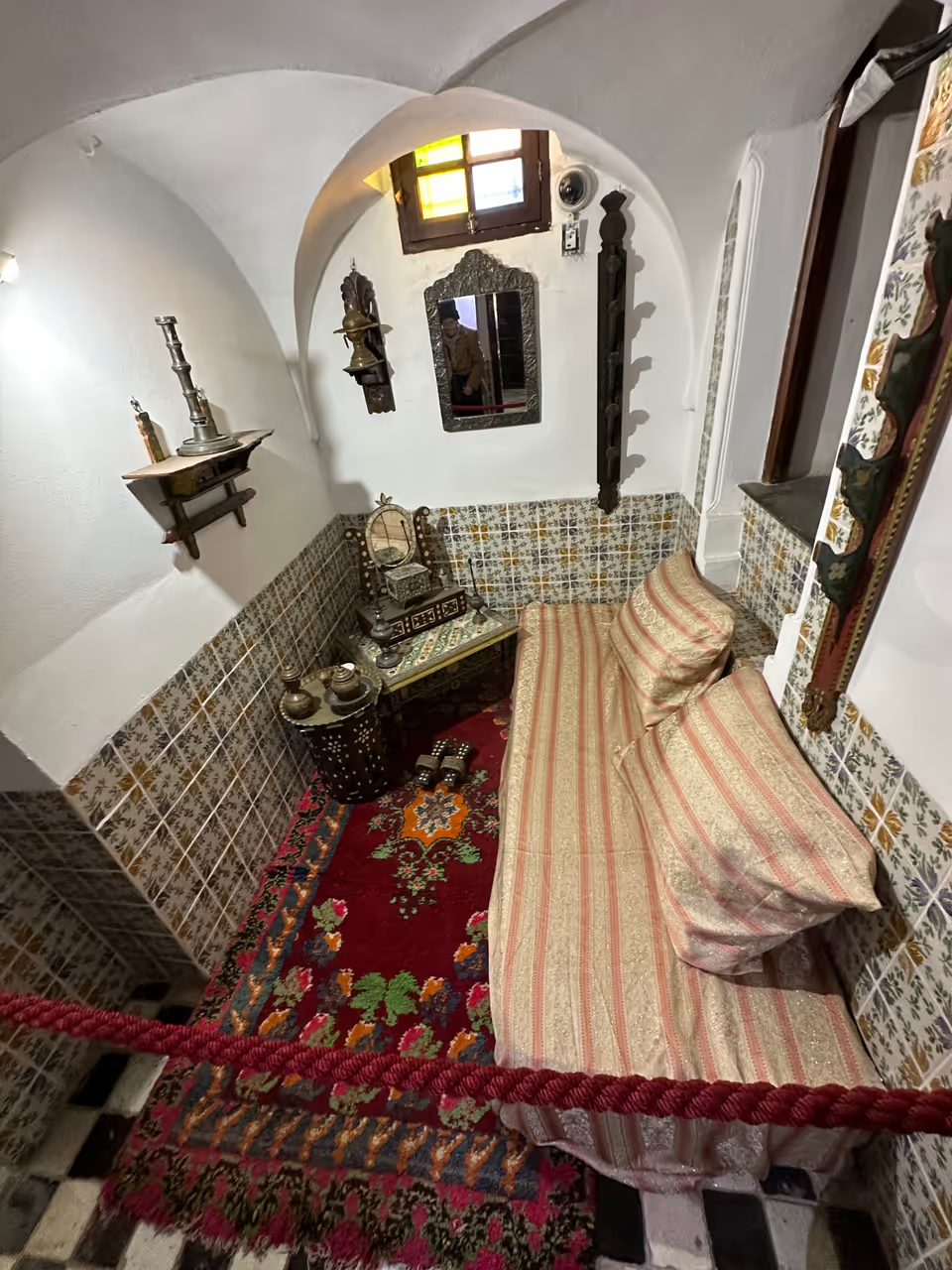
- • It contains a comprehensive collection of artefacts that highlight the diverse cultural influences that have passed through the region over the centuries.
- • The building features classic Ottoman era architectural elements, including ornate archways, traditional patterned tiles, and serene central courtyards.
- • The initial structure was commissioned by Raïs Hamidou, a famous Algerian admiral who remains a legendary figure in regional maritime history.
- • The museum holds a significant collection of items related to the Tin Hinan, the ancestral queen of the Tuareg people.
- • The museum is housed in a former Moorish villa that was originally located in the Algerian countryside before the modern city expanded around it.
- • The museum serves a dual purpose as both an archaeological and ethnographic centre, covering a vast timeline of human existence in North Africa.
- • The site offers a rare opportunity to see how grand residential villas from the Ottoman period have been integrated into the fabric of a modern capital city.
RESOURCES
Official WebsiteBardo National Museum of Prehistory and Ethnography FAQ
While we strive to keep this information accurate and up to date, we recommend verifying any details independently before making decisions based on them.
Bardo National Museum of Prehistory and Ethnography Map & Neighborhood Explorer
This interactive map is centered on Bardo National Museum of Prehistory and Ethnography. Zoom in and move the map around to automatically discover Wikipedia photos and summaries of other nearby sights, monuments, and historical points of interest and stories in real-time!
Places near Bardo National Museum of Prehistory and Ethnography
Make the most of your trip. Check out these top-rated spots located nearby.
 469m
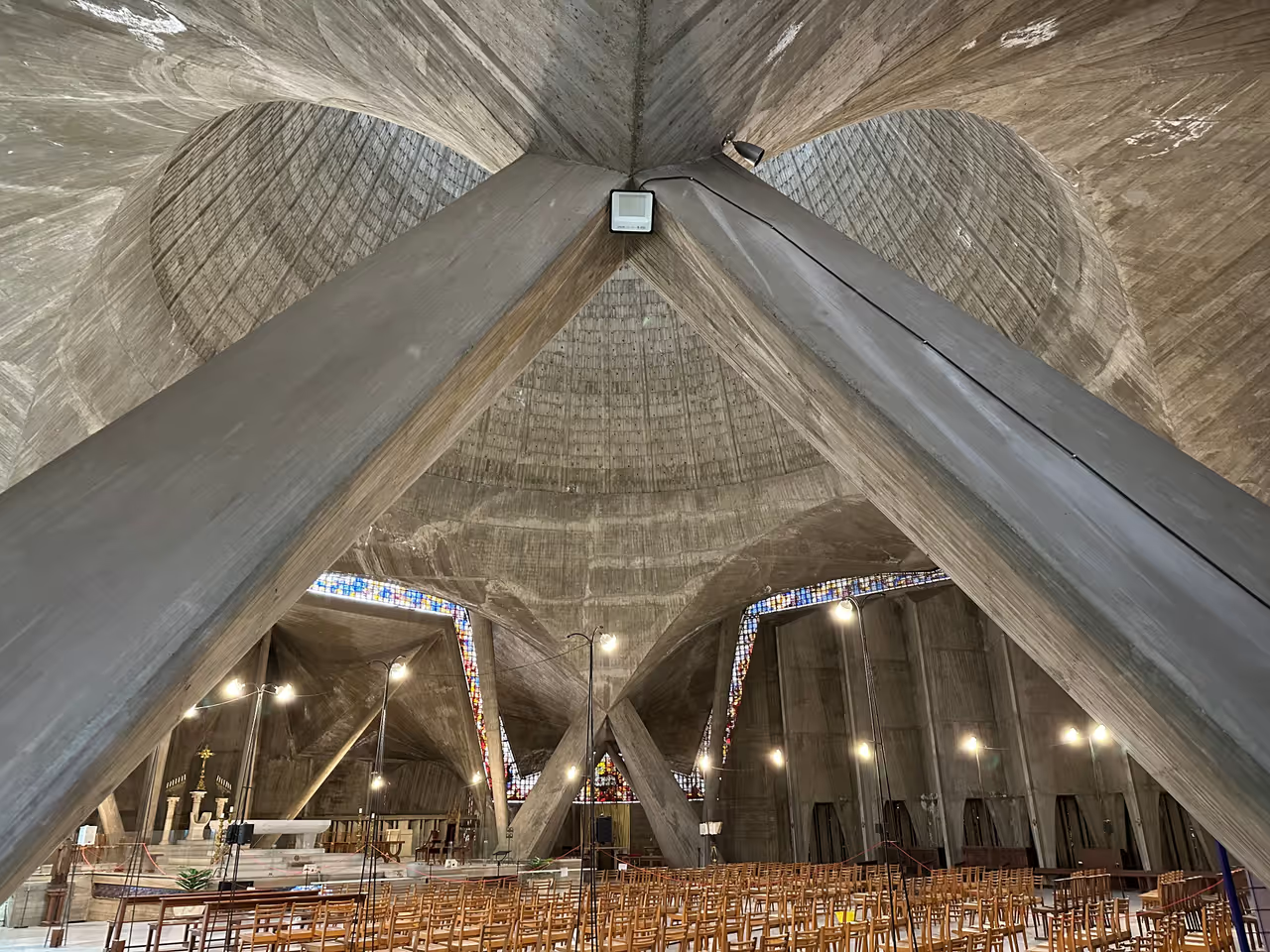
469mSacred Heart Cathedral
Designed in the brutalist style and completed in 1956, this cathedral is a jarring and fascinating departure from traditional religious architecture. The architects Paul Herbe and Jean Le Couteur designed the massive concrete structure to resemble the cooling tower of a nuclear reactor, aiming for a radical modern aesthetic. The soaring, tent like interior is flooded with natural light from cleverly placed slit windows, creating a surprisingly spiritual atmosphere inside the heavy concrete shell. It stands as a bold symbol of mid twentieth century architectural experimentation. It is completely unexpected and visually arresting.
architecture view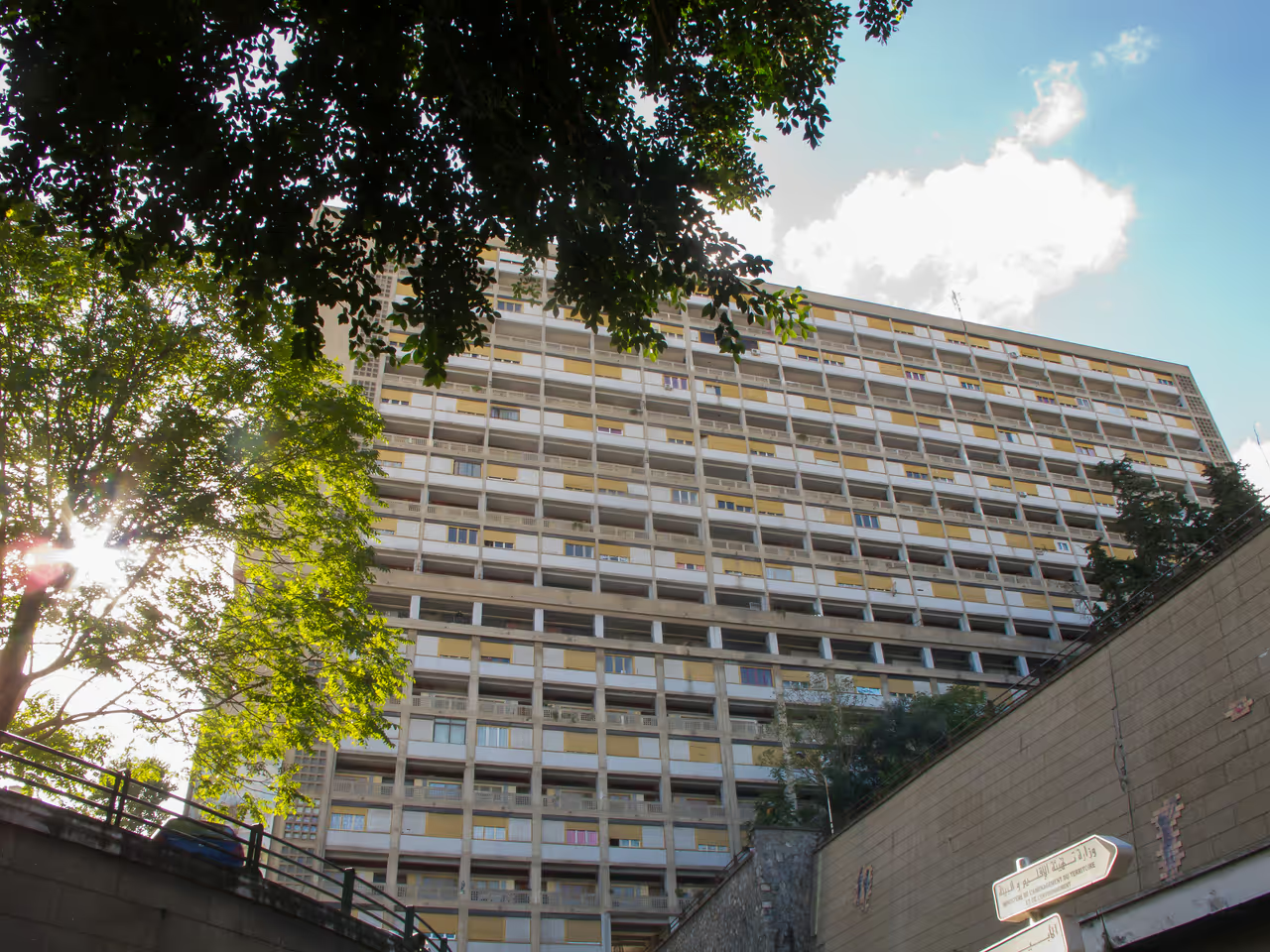 586m
586mAérohabitat
This massive residential complex is a fascinating piece of modernist architecture heavily influenced by the principles of Le Corbusier. Built in the 1950s by his student Louis Miquel, it was designed as a vertical city, lifting residents above the noise of the streets on massive concrete stilts. The structure features an internal street with shops, aiming to foster community living within a brutalist concrete framework. It offers a rare, intact look at utopian mid twentieth century housing experiments. The sweeping curves and raw concrete facades remain visually powerful today.
architecture view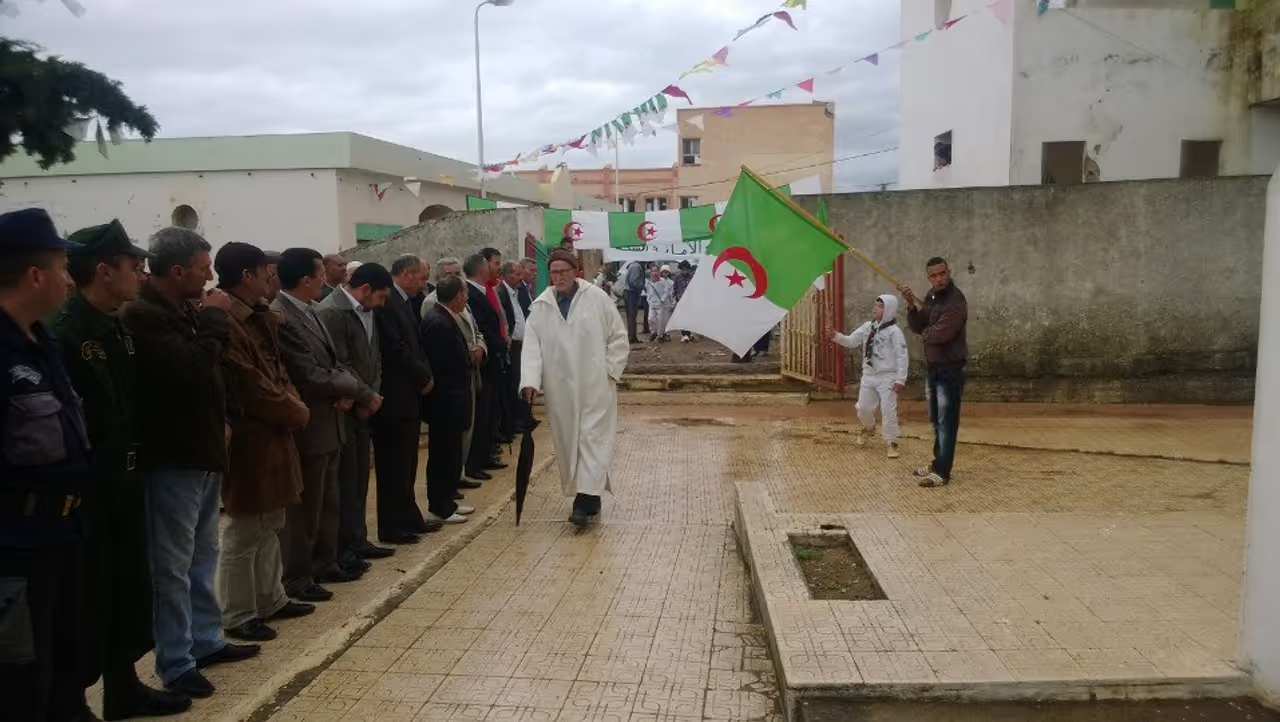 1356m
1356mIndependence Day Celebrations
The fifth of July marks the most significant national holiday, commemorating the hard fought liberation of the country in 1962. The capital comes alive with intense patriotic pride, featuring grand parades, impressive military displays and vibrant street festivals. Families gather along the main boulevards and public squares to wave flags and enjoy the festive atmosphere. The evening usually culminates in spectacular fireworks displays illuminating the Bay of Algiers. It is a profoundly moving time to witness the unity and resilience of the local people. Visiting during this period offers unparalleled insight into the national identity.
festival view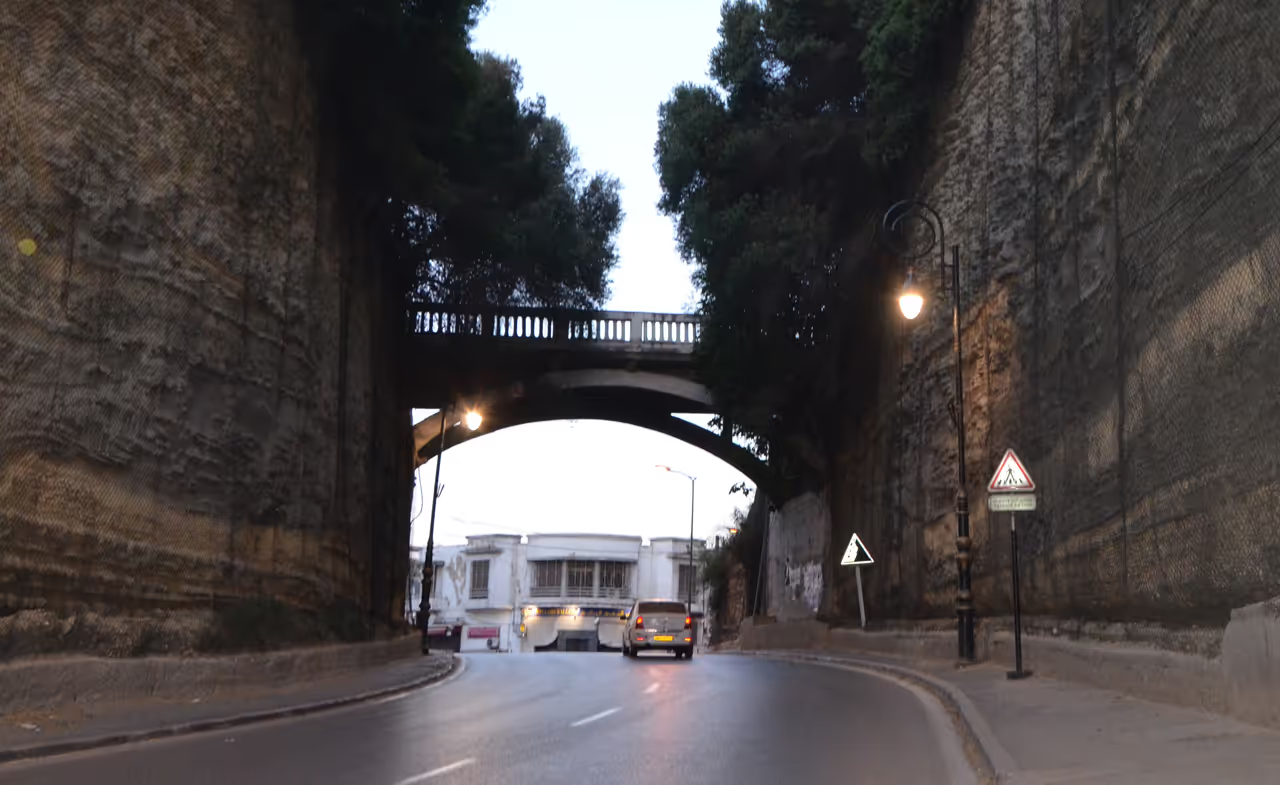 1538m
1538mHydra District
Known as one of the most affluent neighbourhoods, this district is the epicentre of upscale socialising for expats and local elites. The leafy streets are lined with stylish cafes, international restaurants and discreet lounges that stay open late. It offers a safe, cosmopolitan environment where you can easily find high quality food and international crowds. The venues here tend to be modern and polished, contrasting sharply with the historic downtown areas. It is the premier destination for a sophisticated night out.
nightlife view
Explore Similar Places in This Collection
Featured on This Itinerary
See all attractions in Algiers
Basilica of Our Lady of Africa, Great Mosque of Algiers, Ketchaoua Mosque, Martyrs' Memorial, National Museum of Fine Arts, Palais des Rais, Algiers Central Post Office...