Benito Juárez National Park
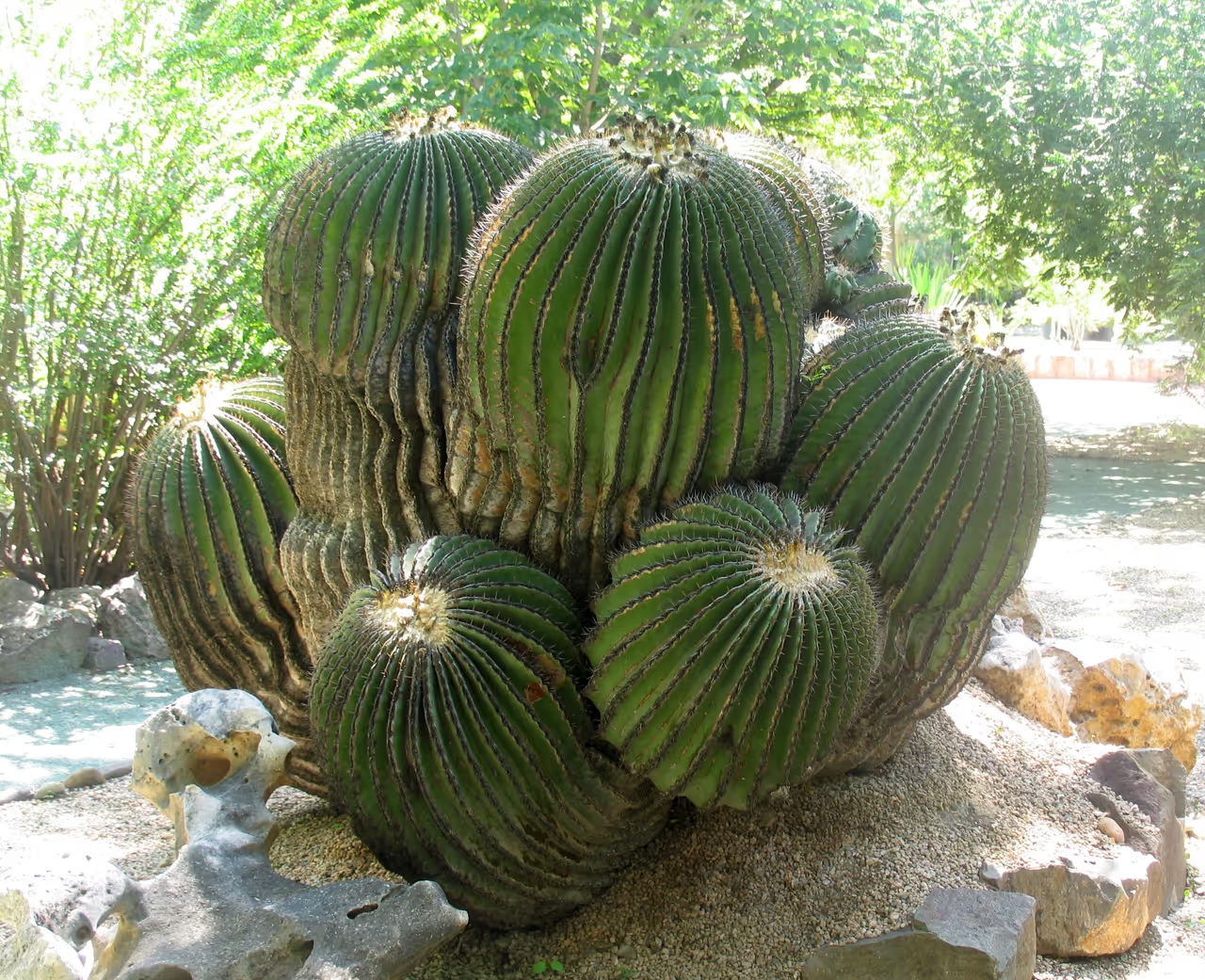
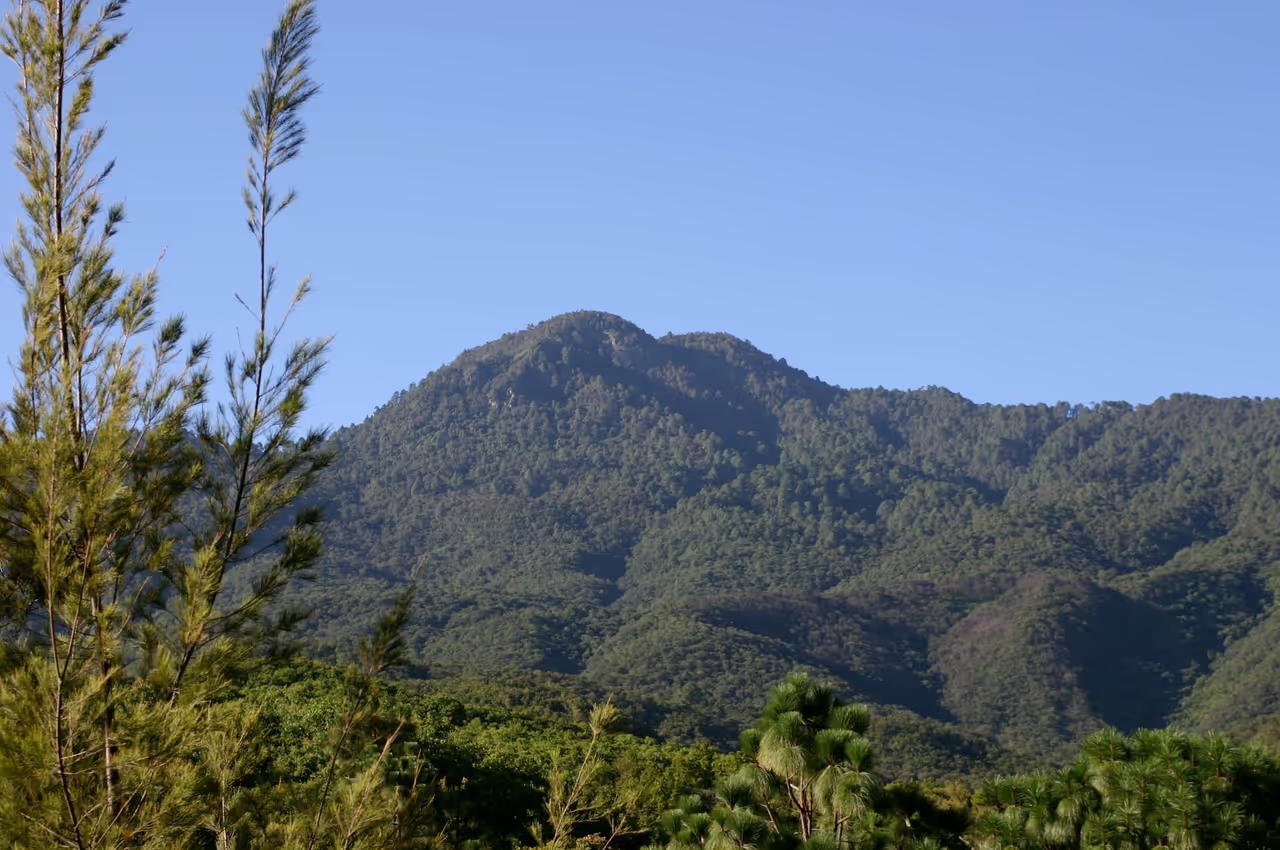
Just a short journey from the vibrant streets of Oaxaca city lies a majestic sanctuary of nature, where the air turns crisp and the scenery shifts from colonial architecture to sprawling mountain peaks. Benito Juárez National Park serves as a haven for those looking to swap city noise for the whispering pines and the rugged trails of the Sierra Madre. Rising to over 3,000 metres at the summit of Cerro San Felipe, this park offers a breathtaking contrast to the valley floor, hosting everything from rare orchids to the elusive dwarf jay. Whether you are an avid hiker, a downhill cycling enthusiast, or someone who simply appreciates the serenity of untouched cloud forests, this park provides a vital green lung for the region. It is a place where history meets wild beauty, named in honour of Mexico's most iconic president who hailed from these very lands.
Videos
History of Benito Juárez National Park
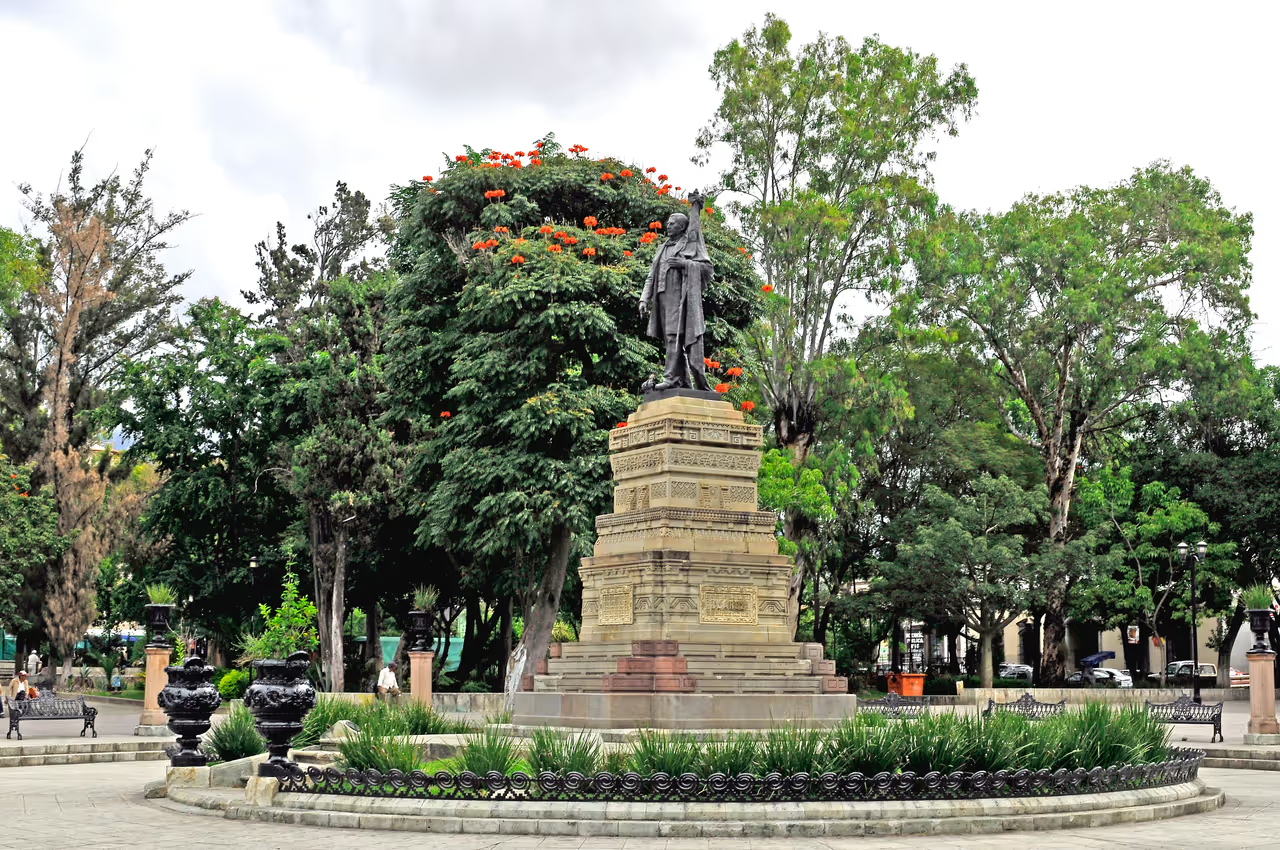
The creation of this park in 1937 served as a defining moment for conservation efforts in Oaxaca, established under the administration of General Lázaro Cárdenas. He sought to protect the high altitude forests that serve as the literal water tower for the valley below, ensuring the city of Oaxaca had a sustainable resource. Naming the site after Benito Juárez was a powerful homage to the former president, whose humble beginnings in the nearby mountains reflect the resilience and strength of the Zapotec people who still maintain strong ties to these lands. Geologically and ecologically, the park acts as a vital bridge within the Sierra Madre de Oaxaca. The dramatic elevation changes create a series of distinct microclimates, where hikers can witness the transition from tropical deciduous forests in the lower canyons to the cool, mist covered pine and oak groves near the summits. It is an evolutionary laboratory of sorts, housing endemic flora like rare orchids and the elusive dwarf jay, a species that relies entirely on the unique conditions found within these specific forested ridges. Today, the park stands as a testament to the ongoing struggle between human expansion and environmental preservation. While it faces modern challenges like forest health and illegal logging, local communities and visitors are increasingly working together to safeguard its future. It remains one of the few places where locals and travellers alike can find immediate solace in nature, proving that the legacy of Juárez is kept alive through the enduring, wild spirit of the Oaxacan mountains.
Events spanning 68 years
Fun Facts
- • Birdwatchers from around the globe flock here to glimpse the dwarf jay, a vulnerable species that resides almost exclusively within this high altitude forest habitat.
- • It has gained a reputation among adventure sports enthusiasts as one of the premier locations for downhill cycling in southern Mexico, thanks to its rugged and steep terrain.
- • It serves as a crucial natural reservoir, with the Huayapan and San Felipe rivers originating here to provide fresh water to the city of Oaxaca.
- • Its establishment in 1937 was part of a larger national initiative by the Mexican government to protect critical watersheds and biodiversity hotspots.
- • Scientists frequently visit the park to study the impact of mistletoe infestations on native oak populations, which remains a significant area of ecological research in the region.
- • Spanning over 2,700 hectares, the park encompasses multiple ecosystems ranging from dry tropical forests to lush, temperate cloud forests.
- • The area is home to the Dahlia, which is Mexico's national flower and grows wild in the diverse forest understory.
- • The park is managed in partnership with local municipalities, including San Felipe Tejalapam and San Andrés Huayapan, who hold deep ancestral ties to the land.
- • The park reaches an impressive altitude of 3,111 metres at the summit of Cerro San Felipe, offering panoramic views that stretch across the Central Valleys.
- • The vegetation is incredibly diverse, showcasing rare endemic orchids such as Rhynchostele cervantesii which thrive in the park's specific, cool microclimates.
Benito Juárez National Park FAQ
While we strive to keep this information accurate and up to date, we recommend verifying any details independently before making decisions based on them.
Benito Juárez National Park Map & Neighborhood Explorer
This interactive map is centered on Benito Juárez National Park. Zoom in and move the map around to automatically discover Wikipedia photos and summaries of other nearby sights, monuments, and historical points of interest and stories in real-time!
Places near Benito Juárez National Park
Make the most of your trip. Check out these top-rated spots located nearby.
 4172m
4172mSan Agustín Arts Centre
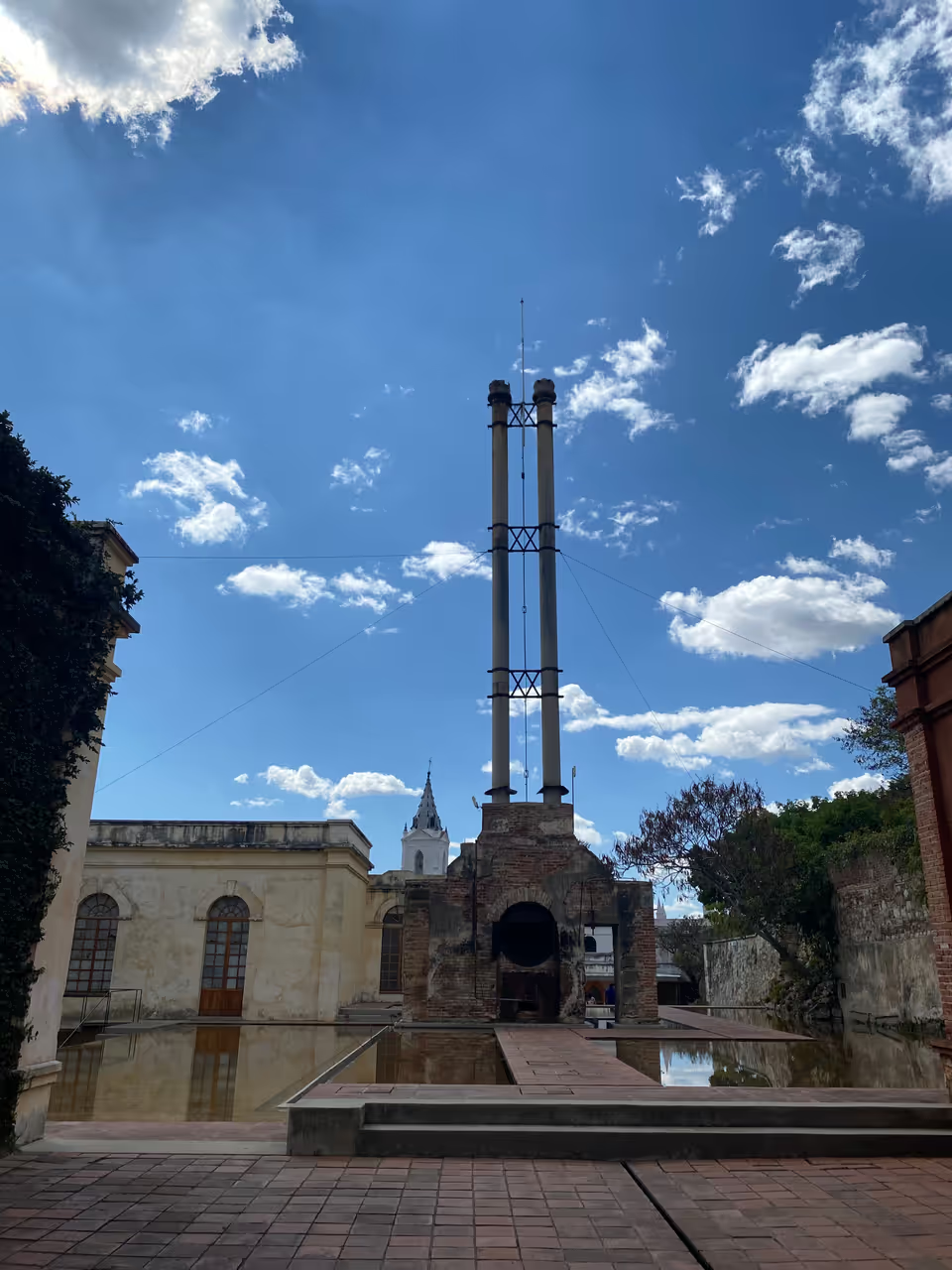
Located in a small village outside the city, this former late-nineteenth-century textile factory has been masterfully transformed into a spectacular, cutting-edge arts centre. The visionary project was spearheaded by the late artist Francisco Toledo, creating the first ecological arts centre in Latin America. Visitors can wander through vast, beautifully restored industrial brick halls that now house contemporary exhibitions, printmaking studios, and photography darkrooms. The cascading water features and lush gardens fed by the surrounding mountains provide a serene environment. It is a stunning fusion of industrial heritage and modern creative energy.
hidden gem view- 4193m
Municipal Observatory
Situated high on the Cerro del Fortín, this small observatory offers incredible views both during the day and late at night. During daylight hours, the platform provides a clear, unobstructed sightline straight down onto the grid of the historic centre and out towards the airport. On specific clear nights, the facility opens its telescopes to the public, allowing visitors to observe the night sky above the valley. It combines excellent civic views with a touch of scientific curiosity. It is a quiet, less frequented alternative to the main viewing platforms nearby.
viewpoint view 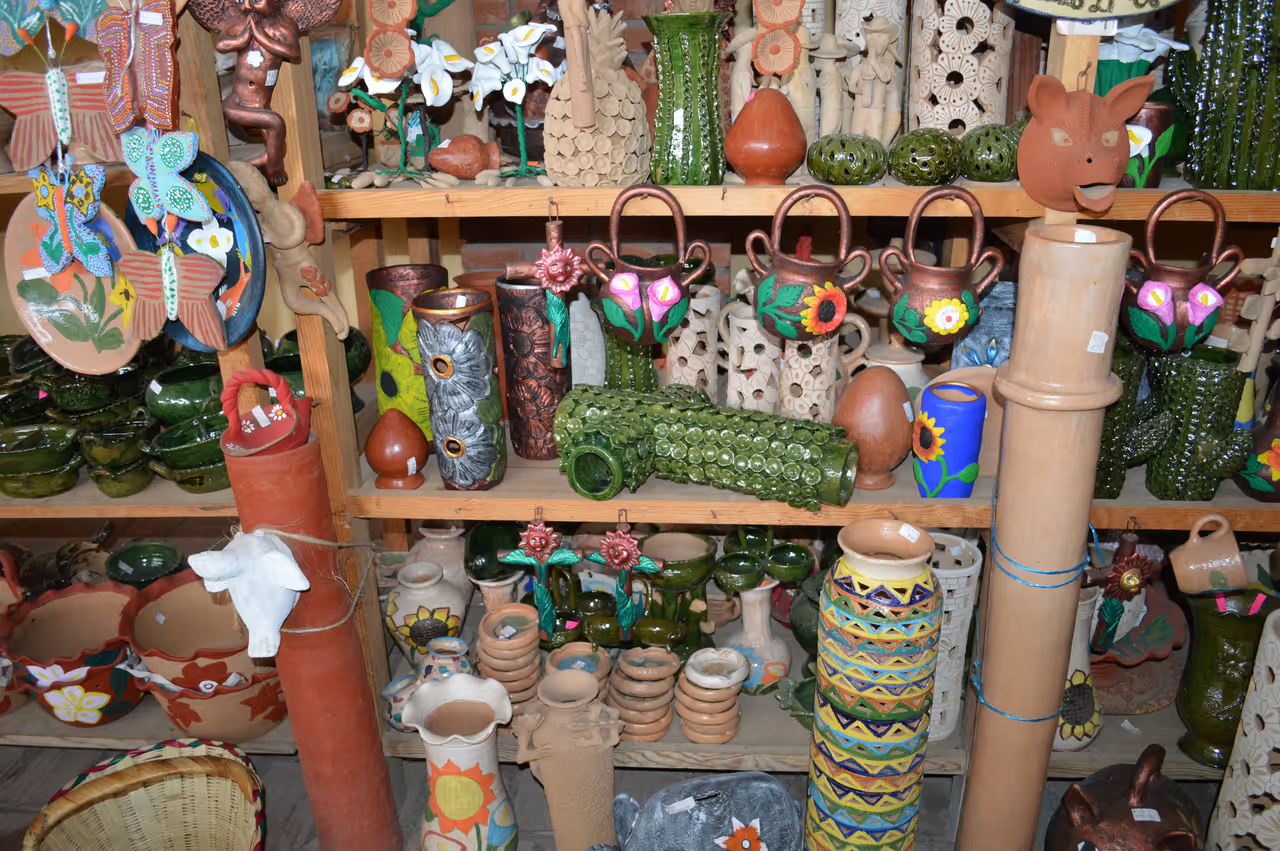 6858m
6858mBrowse the Handicrafts Market
While you may be tempted to spend money, simply walking through the dense aisles of this dedicated artisan market is a spectacular, free visual experience. You can admire incredibly detailed textiles, bright alebrijes, and stunning black pottery gathered from villages across the state. Many artisans work directly at their stalls, allowing you to watch them weave rugs on wooden looms or embroider complex floral patterns. It serves as an impromptu, interactive museum of the region's diverse artistic output.
free thing to do view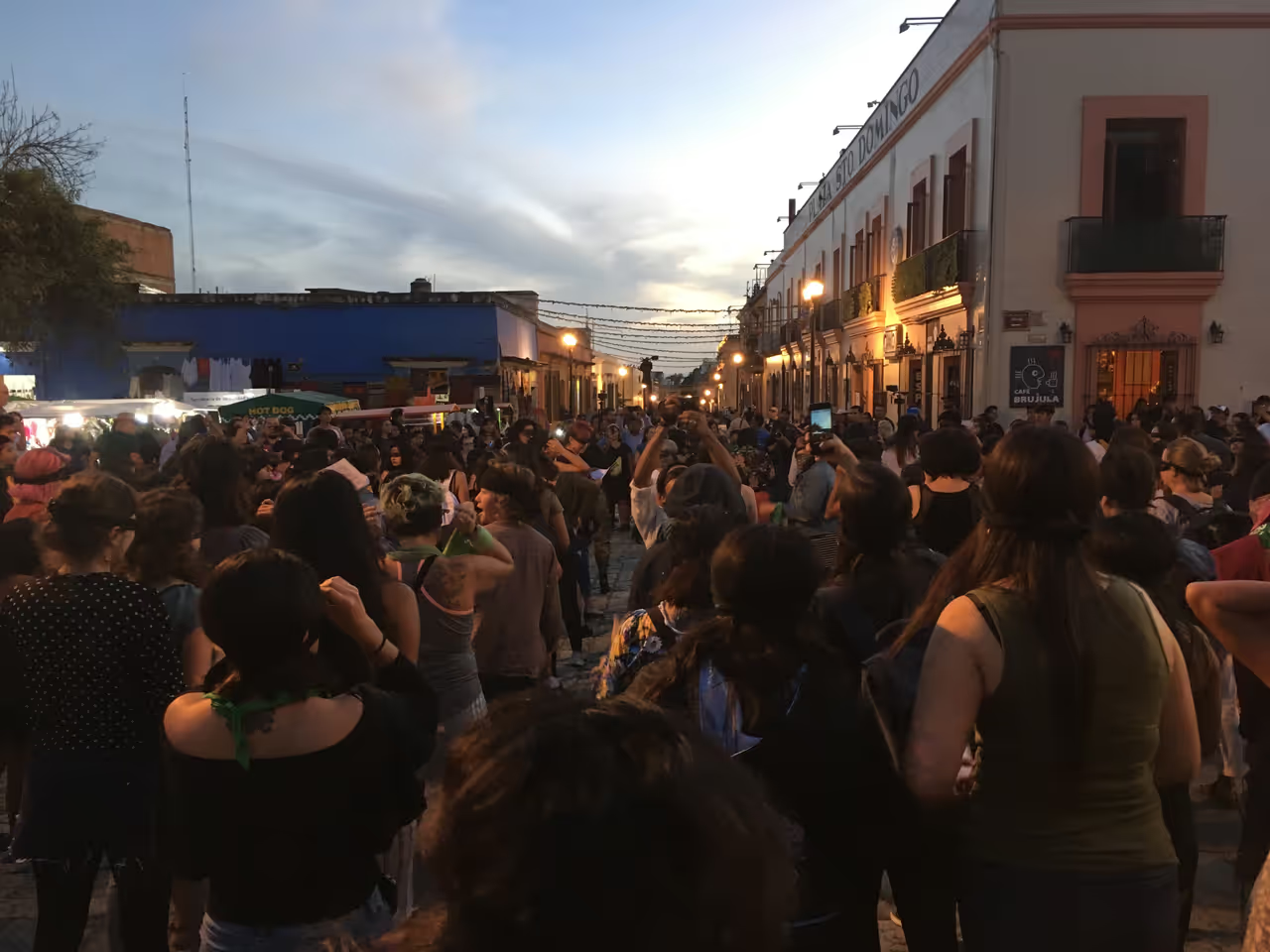 7932m
7932mMacedonio Alcalá Corridor
This pedestrianised artery of the historic centre transforms into a lively, sophisticated hub as the sun sets. The beautifully illuminated colonial facades provide a dramatic backdrop for upscale mezcal bars, rooftop terraces, and elegant cocktail lounges. It is a fantastic place for a leisurely evening stroll, often accompanied by street musicians and impromptu performances. Visitors can duck into stylish courtyards to sample artisanal spirits curated by expert mixologists. The atmosphere here is cultured, relaxed, and distinctly romantic.
nightlife view
See all nature & parks in Oaxaca City
Ethnobotanical Garden of Oaxaca, Paseo Juarez El Llano...