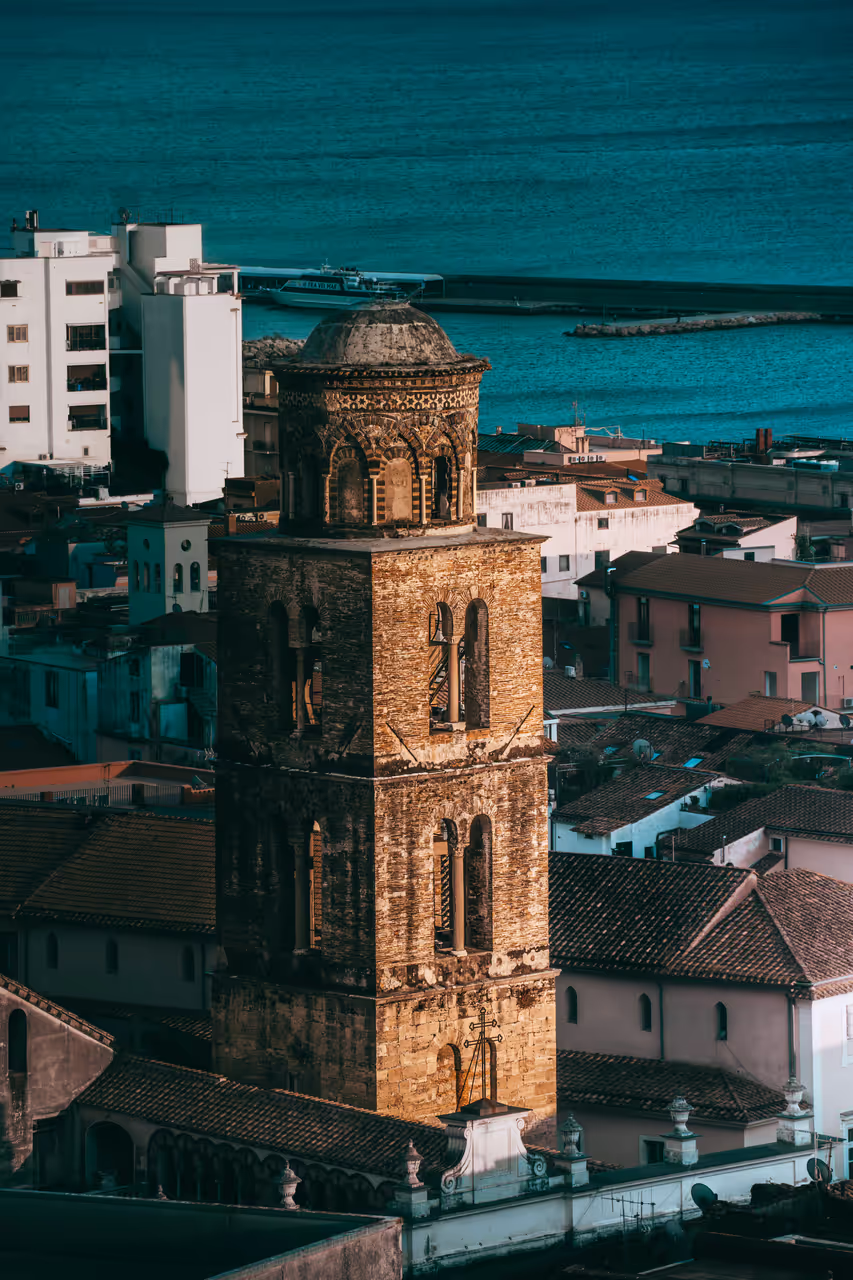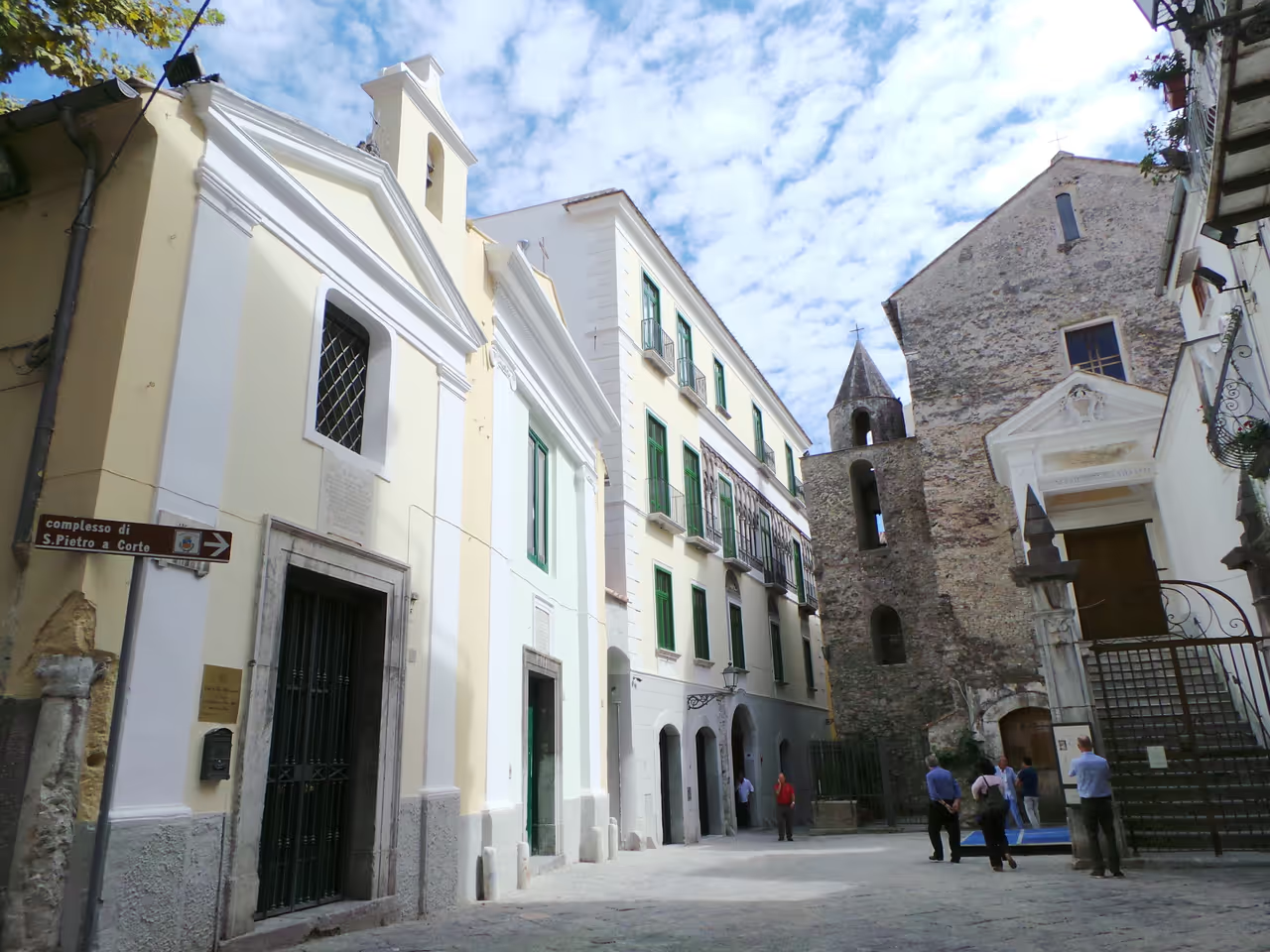
San Pietro a Corte Archaeological Complex
Step into the heart of Salerno to explore San Pietro a Corte, a remarkable archaeological site where centuries of history overlap within one space. You can wander through physical layers of time, descending from ancient Roman baths to the sophisticated palace of the Longobard Prince Arechi II. It remains the only surviving example of Longobard palatial architecture, offering a rare window into a lost medieval world. You will discover atmospheric underground chambers, ancient burial sites, and beautiful medieval frescoes that once decorated what might have been a hall of the world famous Salerno Medical School. It provides an intimate look at how local life, art, and power evolved within the city walls across nearly two millennia.
History of San Pietro a Corte Archaeological Complex
The story of San Pietro a Corte is a fascinating timeline of power and faith written into stone. It began during the Roman Empire, when the site functioned as a thermal bath complex complete with sophisticated vaulting systems. Though floods eventually led to the abandonment of the baths, the site found new life in the fifth century when a local official named Socrates transformed the space into a private funerary chapel. This repurposing of older structures is a recurring theme that defines the unique character of the area. The true transformation arrived in the eighth century under the Longobard Prince Arechi II. Seeking to establish Salerno as a secure and magnificent capital, Arechi converted the existing ruins into a palace. He cleverly integrated the sturdier Roman foundations with new, imposing architecture to serve as his seat of power. This site stands today as the only surviving example of Longobard palatial construction, a testament to a period of history that is often overshadowed by later developments. The discovery of a golden bronze inscription praising the prince solidified the site as his chosen royal residence. As the centuries rolled on, the complex evolved into a space of religion and learning. It served as a church and, according to local tradition and evidence, an important hall for the legendary Salerno Medical School. The walls became canvases for medieval artists, displaying frescoes of saints that still peek through the layers of time. Excavations in the late twentieth century finally stripped away the modern clutter, such as the old bakery and coal shed that occupied the space, allowing the historic layers to tell their story once again to the public.
Events spanning 1870 years
Fun Facts
- • Archaeologists discovered a golden bronze inscription at the site that once decorated the walls, confirming the location served as the palace of Prince Arechi II.
- • During the 1950s, the space was used for mundane purposes, including a bakery and a coal shed, highlighting the dramatic transition from royal residence to local utility.
- • Excavations revealed beautiful polychrome opus sectile flooring, which indicates the high level of craftsmanship available to the Longobard elite.
- • It is believed by historians that part of this complex may have served as a lecture hall for the Salerno Medical School, the first medical institution in Europe.
- • Medieval frescoes depicting saints, including Saint Catherine of Alexandria, were found adorning the walls, suggesting the site had deep religious significance for centuries.
- • The foundations are built directly upon a first century Roman thermal bath complex, demonstrating the site's long history as a focal point for the city.
- • The site contains an ancient burial chamber of Socrates, a high ranking figure in the Byzantine administration, showcasing the multicultural nature of early Salerno.
- • The site includes a rare medieval loggia with bifora windows, representing one of the few standing examples of such architecture in the region.
- • The structure includes elements of a medieval defensive tower that was built directly onto older Roman walls to protect the prince's residence from sea attacks.
- • This site is globally unique as the only surviving example of Longobard palatial architecture, providing unmatched insight into their royal living conditions.
San Pietro a Corte Archaeological Complex FAQ
While we strive to keep this information accurate and up to date, we recommend verifying any details independently before making decisions based on them.
San Pietro a Corte Archaeological Complex Map & Neighborhood Explorer
This interactive map is centered on San Pietro a Corte Archaeological Complex. Zoom in and move the map around to automatically discover Wikipedia photos and summaries of other nearby sights, monuments, and historical points of interest and stories in real-time!
Places near San Pietro a Corte Archaeological Complex
Make the most of your trip. Check out these top-rated spots located nearby.
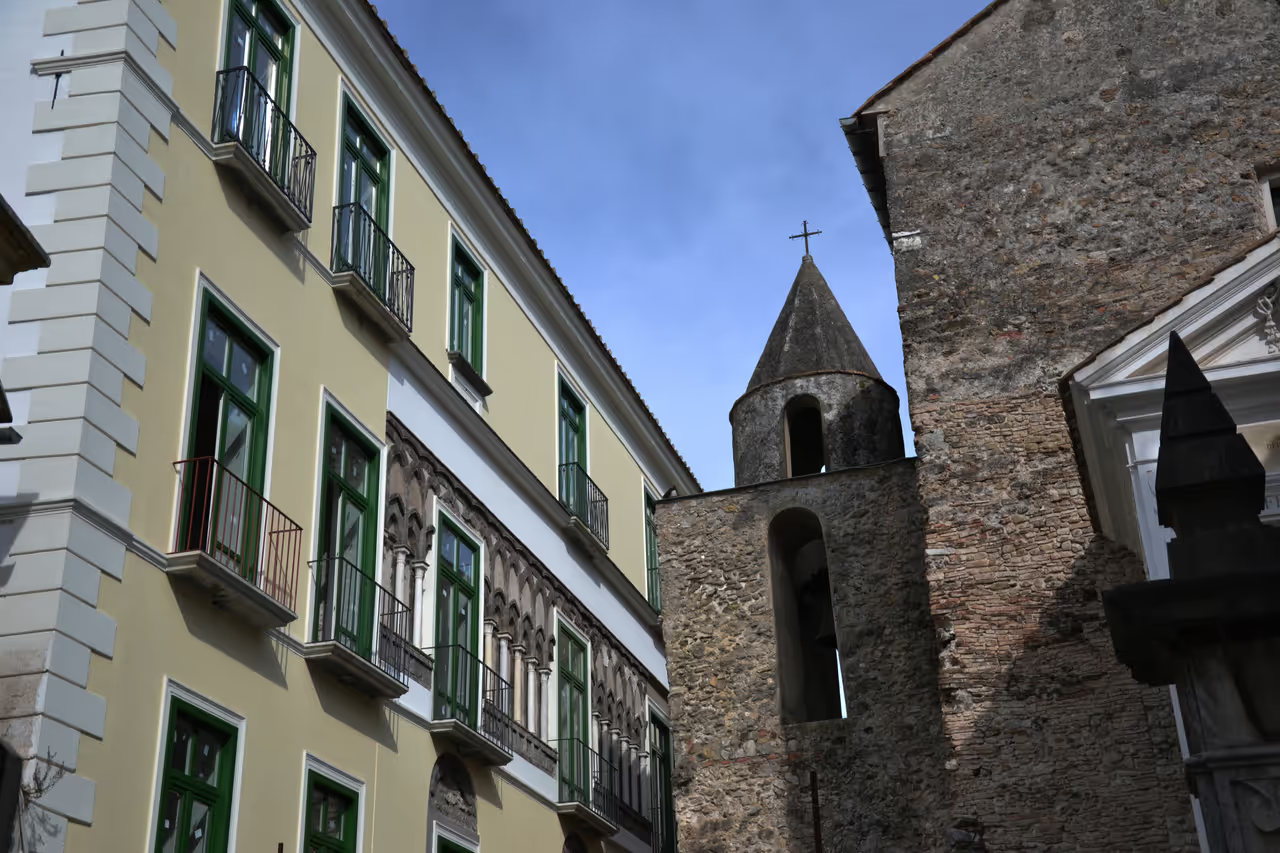 15m
15mFruscione Palace
This is a rare, superb example of Norman civil architecture sitting heavily in the historic centre. The facade is characteristically robust, featuring intertwined arches and intricate multi-coloured stone inlays that hint at Islamic influences. Recently restored, it showcases the immense wealth and power of the noble families during the Norman era. The building rests on even older Roman thermal foundations, making it a true architectural palimpsest.
architecture view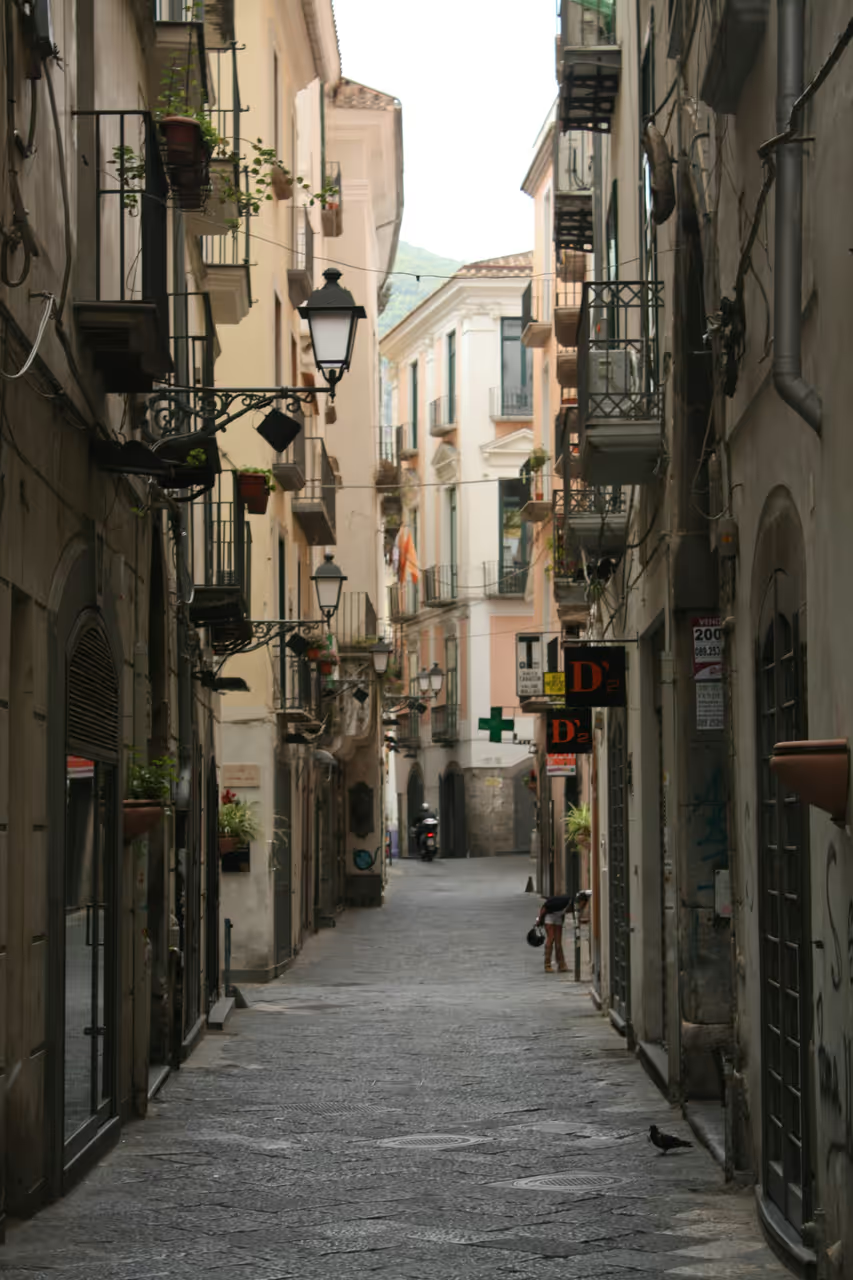 77m
77mGet Lost in the Old Town
Wandering through the dense labyrinth of the medieval core costs nothing but your time. The narrow alleys, such as Via dei Mercanti, are packed with architectural details, from Norman archways to peeling Baroque palazzos. It is an atmospheric journey where every corner reveals a new hidden courtyard, a tiny local bakery, or a street artist at work. It is an immersive, free experience of authentic southern Italy.
free thing to do view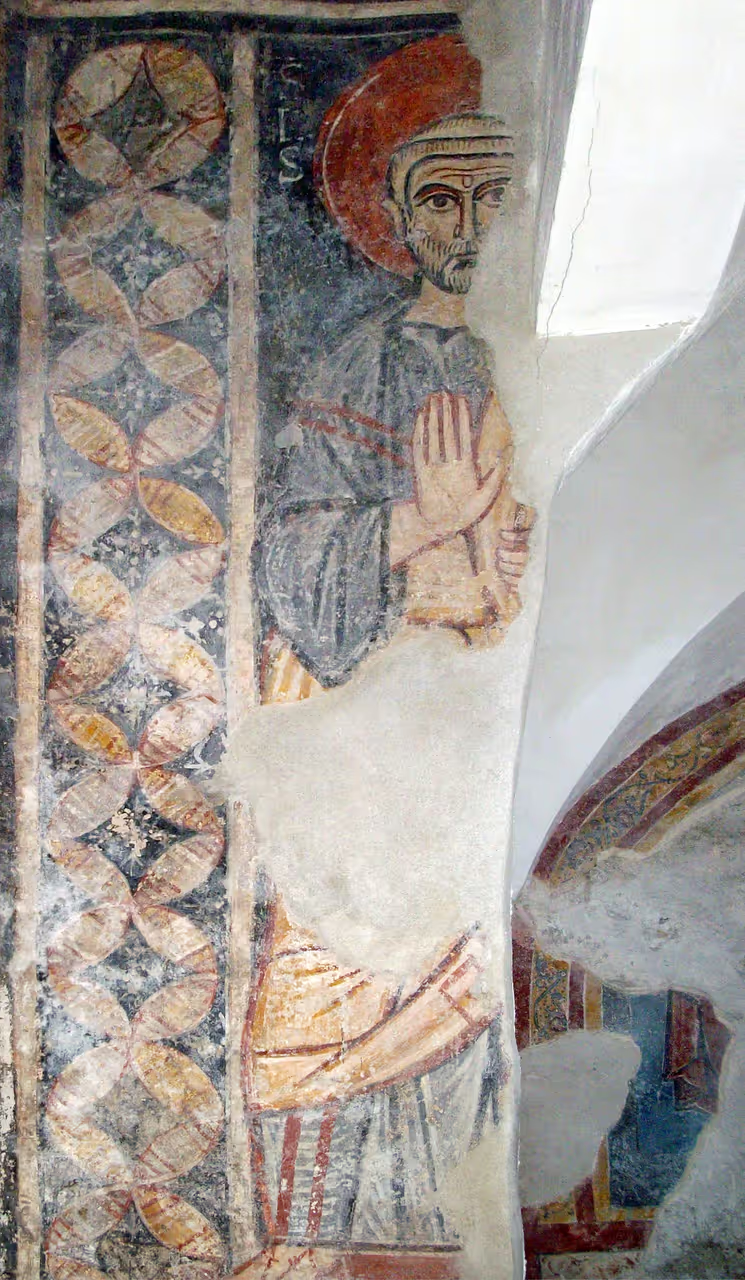 117m
117mSaint Mary of the Blade
Tucked away in the labyrinthine historic centre, this ancient church is incredibly easy to walk right past. However, inside lies one of the city's greatest artistic treasures: the only surviving examples of authentic Lombard-era fresco painting in Salerno. Built over a Roman structure, the church feels delightfully raw and authentic. It is lovingly maintained by volunteers from the Touring Club Italiano, who are always eager to share its secrets.
hidden gem view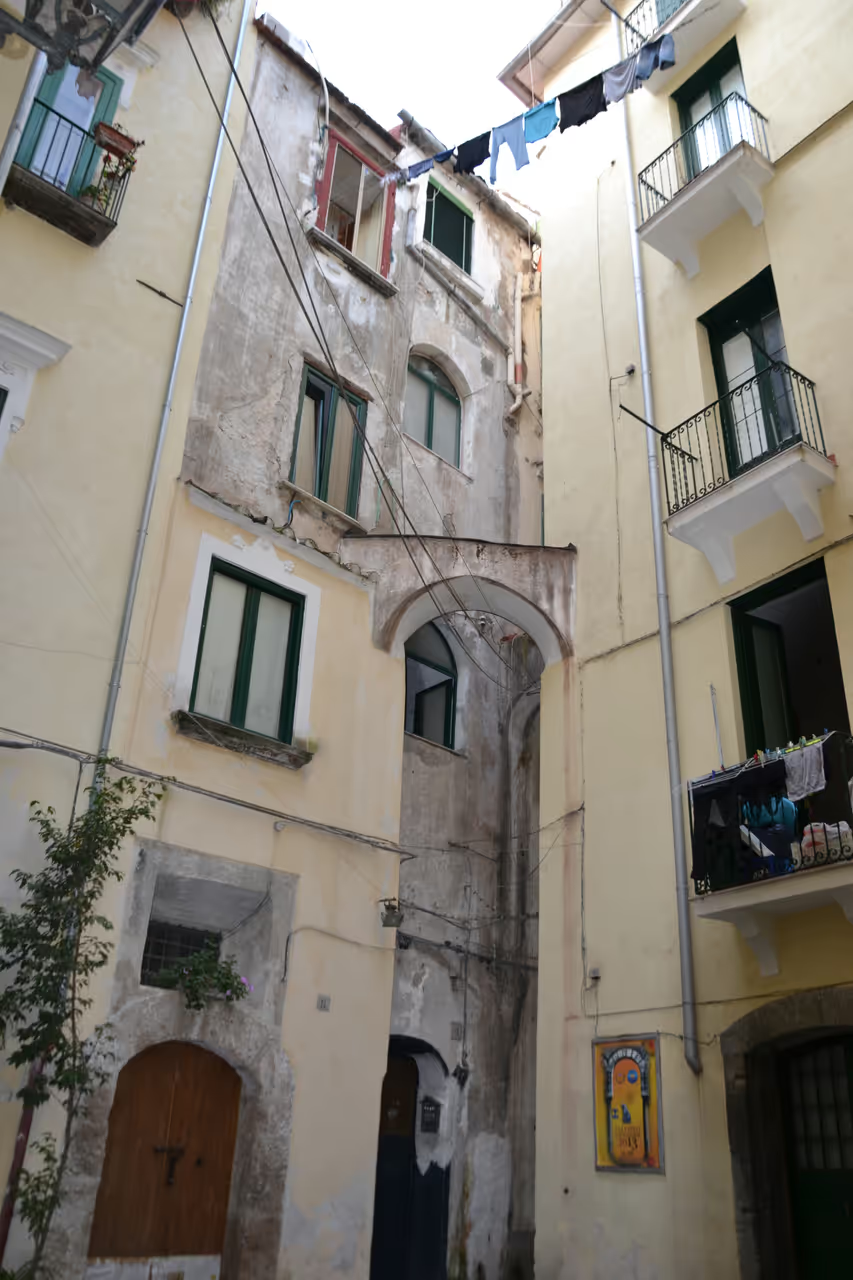 119m
119mAlfonso Tafuri Ceramic Museum
Born from the private initiative of a passionate collector, this small museum is a hidden treasure trove of regional ceramic art. It houses a brilliant collection of colourful 'riggiole' (traditional tiles) from 18th-century Naples and 19th-century Vietri. It also displays ancient working tools dating back to the 13th century. It offers an intimate, quiet look at the craftsmanship that has defined the Amalfi Coast's aesthetics for centuries.
hidden gem view
Explore Similar Places in This Collection
Featured on These Itineraries and Routes
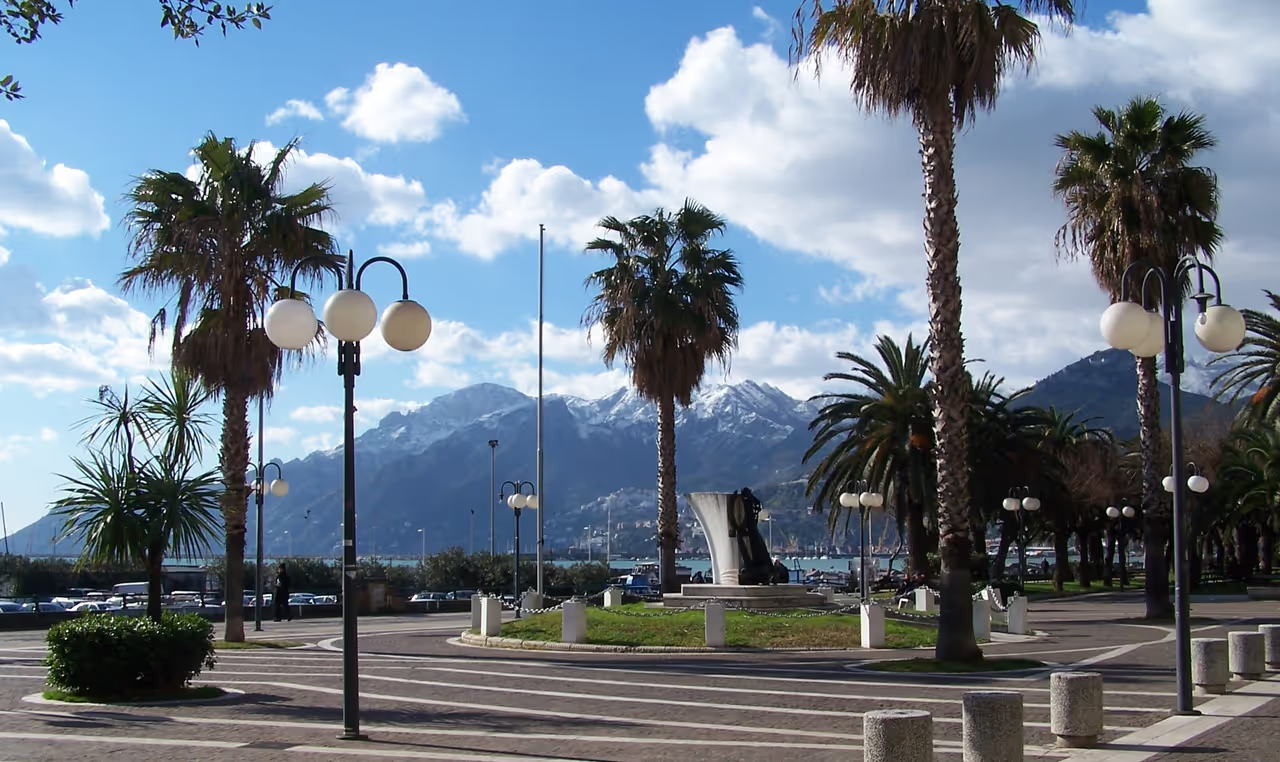
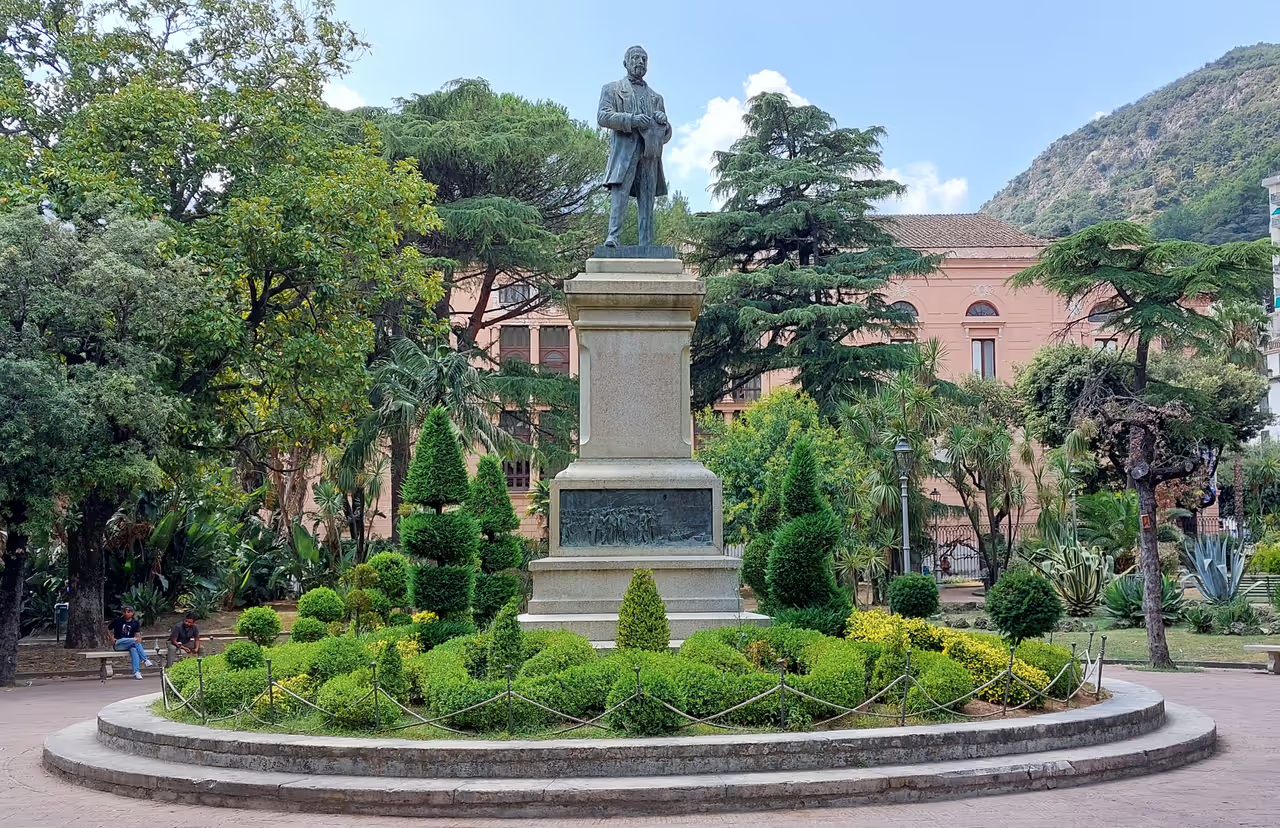
3 Days in Salerno Itinerary
With three days, you can move beyond the surface and truly appreciate the layers of history and culture here. This route introduces the grand Lombard fortresses, delves into the city's architectural evolution, and provides ample time to enjoy the local lifestyle. It balances rigorous historical sightseeing with relaxing coastal strolls, ensuring a comprehensive and enjoyable city break.
view itinerary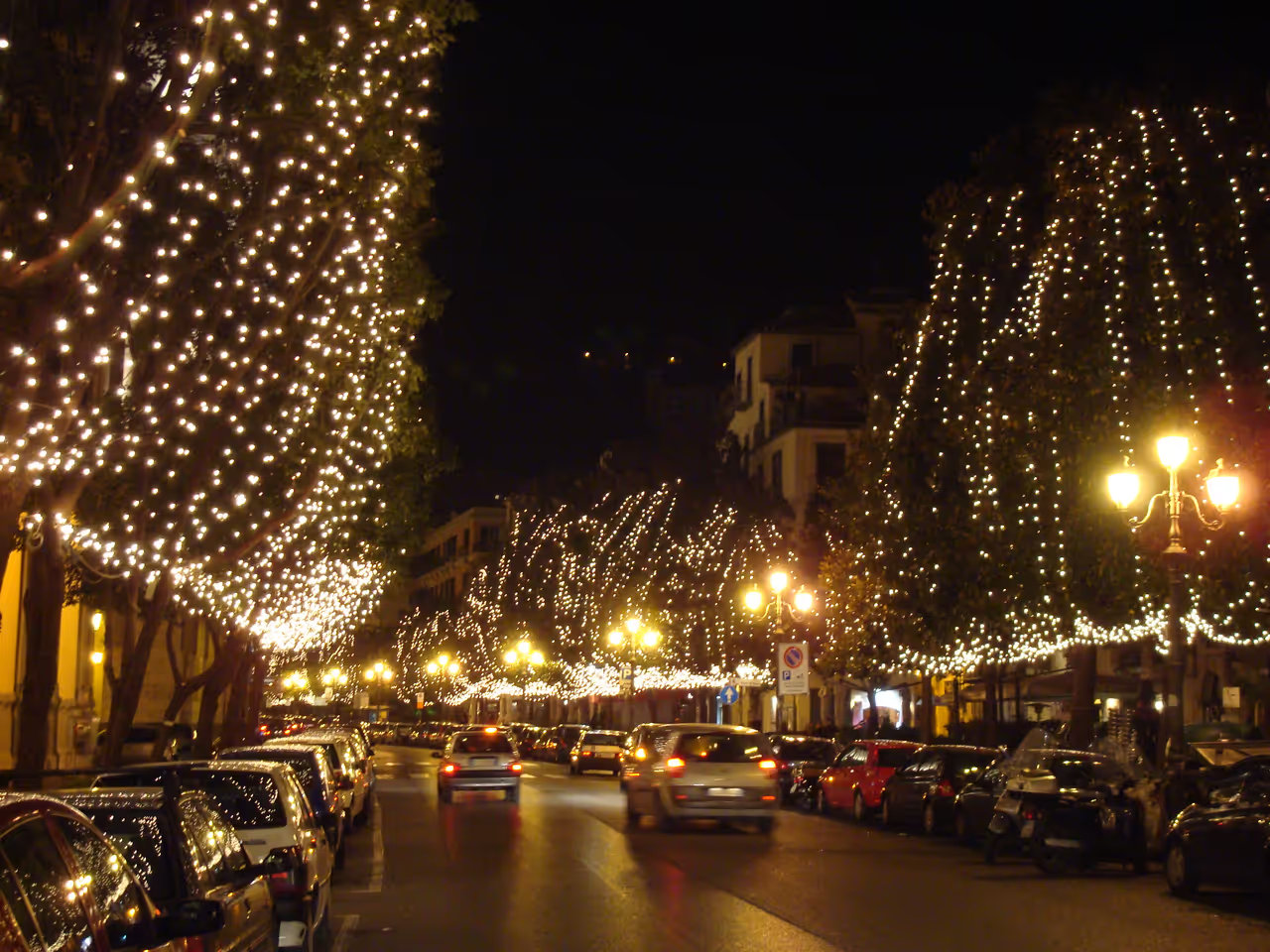
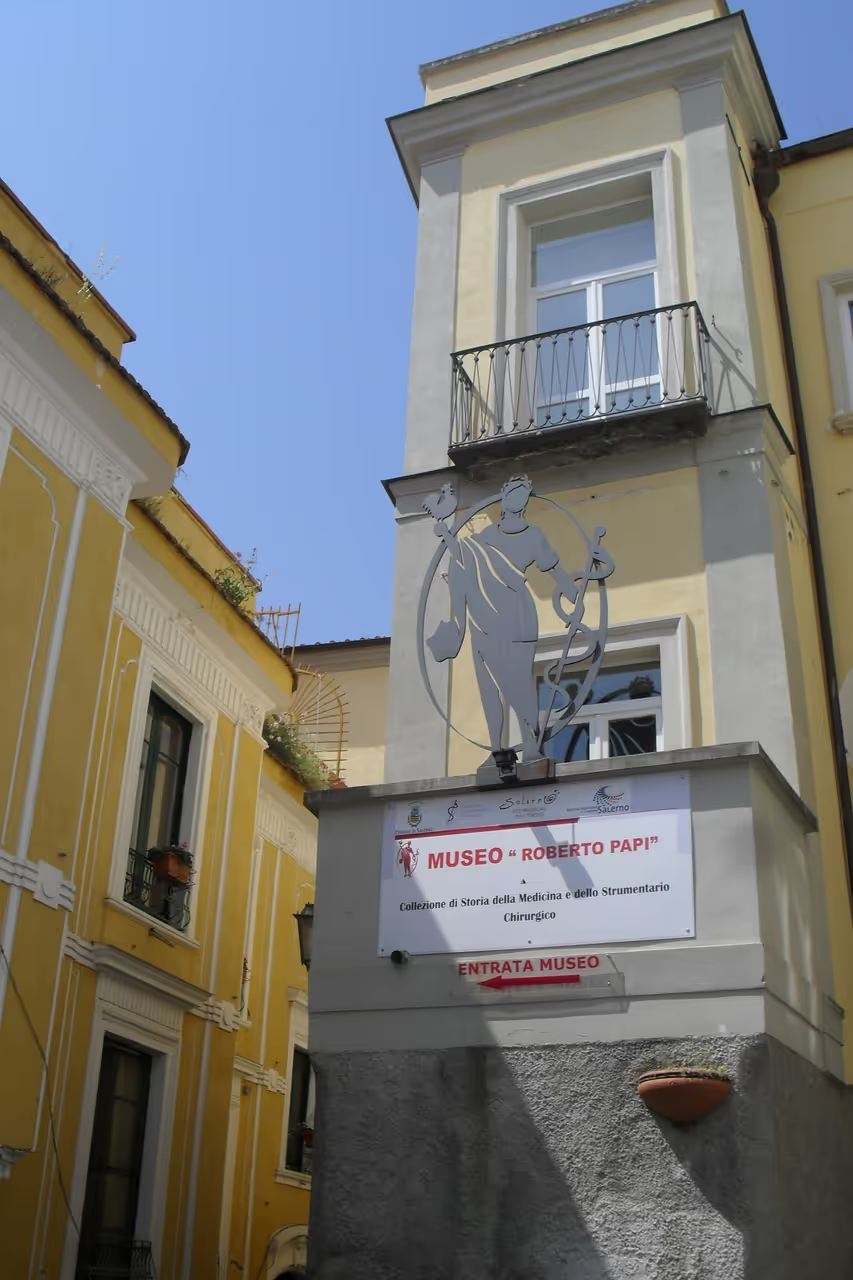
5 Days in Salerno: The Complete Experience Itinerary
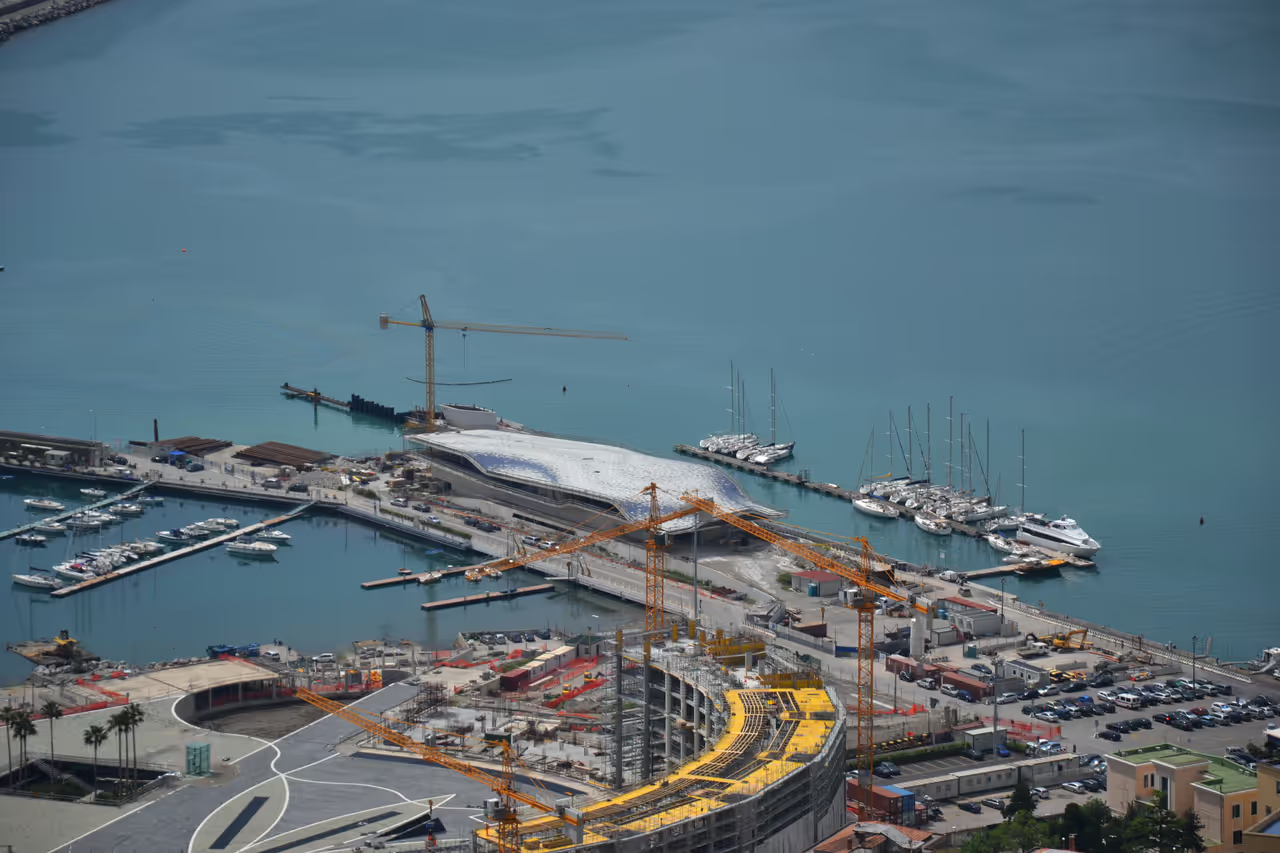
Five days allow you to become temporarily local. You will uncover hidden gems, explore off-the-beaten-path museums, and discover the city's impressive green parks. This itinerary ensures you see every facet of Salerno, from its ancient medical instruments to its futuristic marinas, with plenty of time factored in for leisurely lunches and evening aperitivos.
view itinerary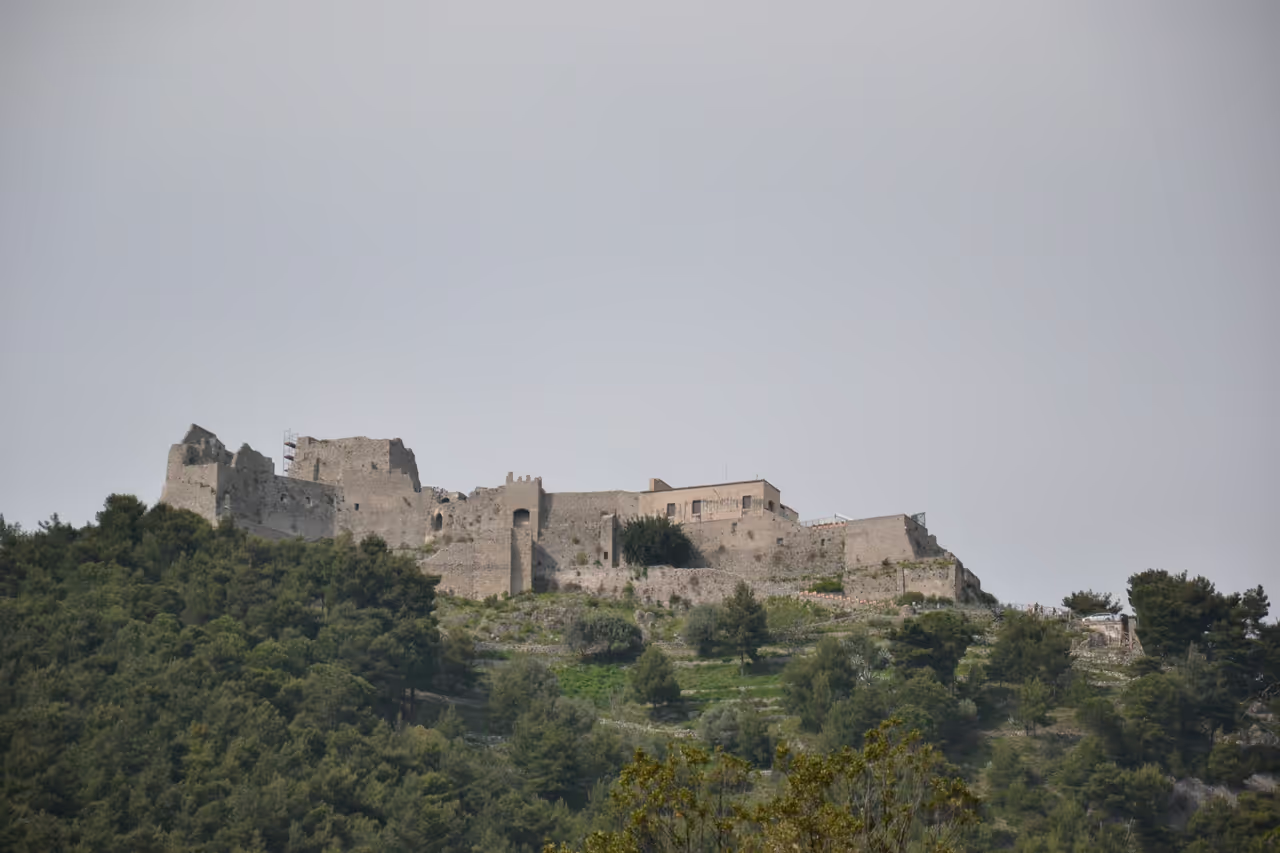
Footsteps of the Lombard Princes
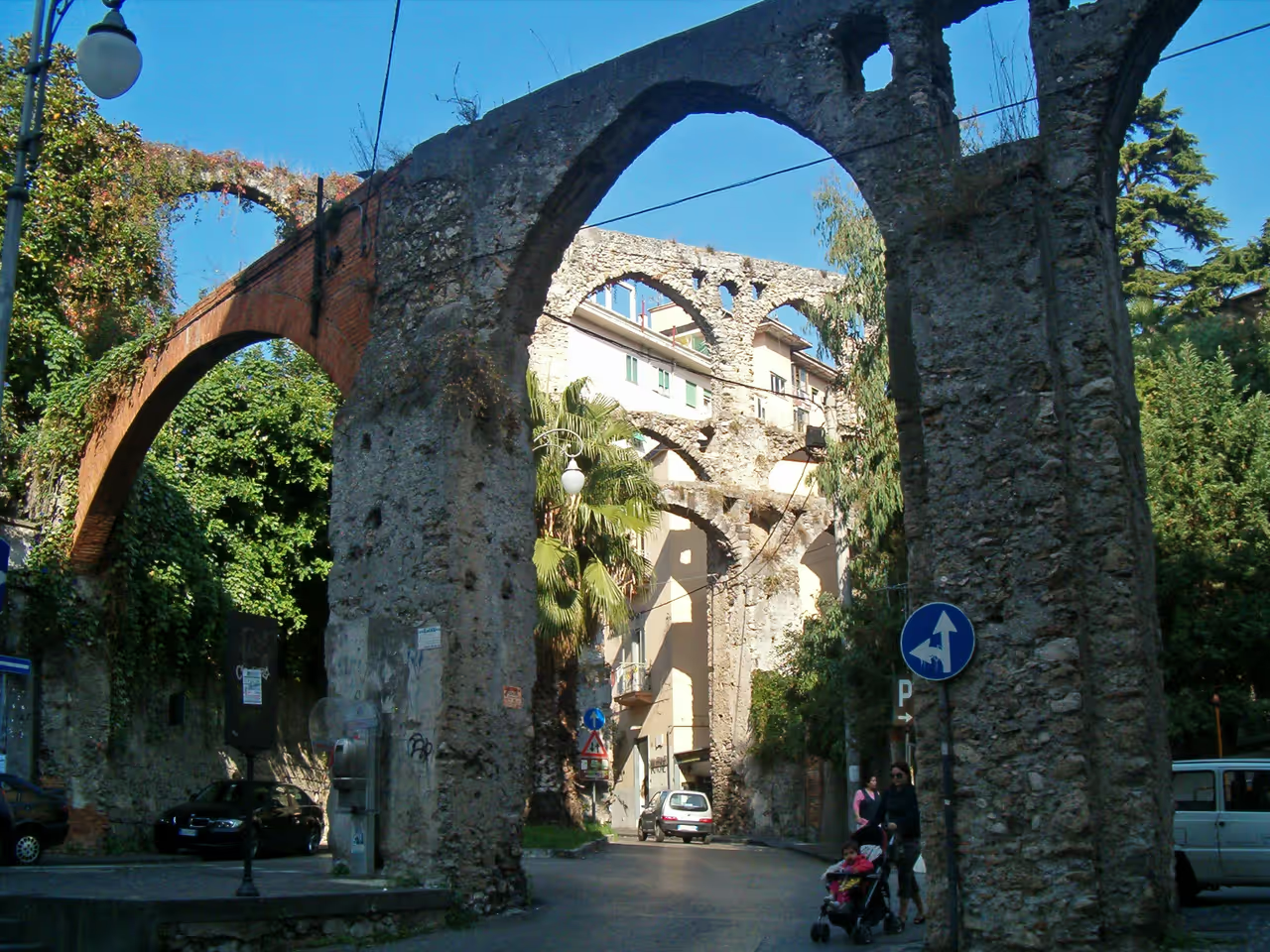
This tour dives deep into Salerno's golden age, a time when it was the capital of a vast, independent Lombard principality. You will explore the monumental structures and hidden chapels built by ambitious rulers like Arechi II. It is a journey through a fascinating, often overlooked period of Italian history, where Germanic warriors transformed into sophisticated Mediterranean monarchs. The architecture you will encounter is incredibly rare and historically vital.
view self-guided tour
See all attractions in Salerno
Salerno Cathedral, Arechi Castle, Diocesan Museum of Saint Matthew, Provincial Archaeological Museum of Salerno...