Villa Doria Pamphili
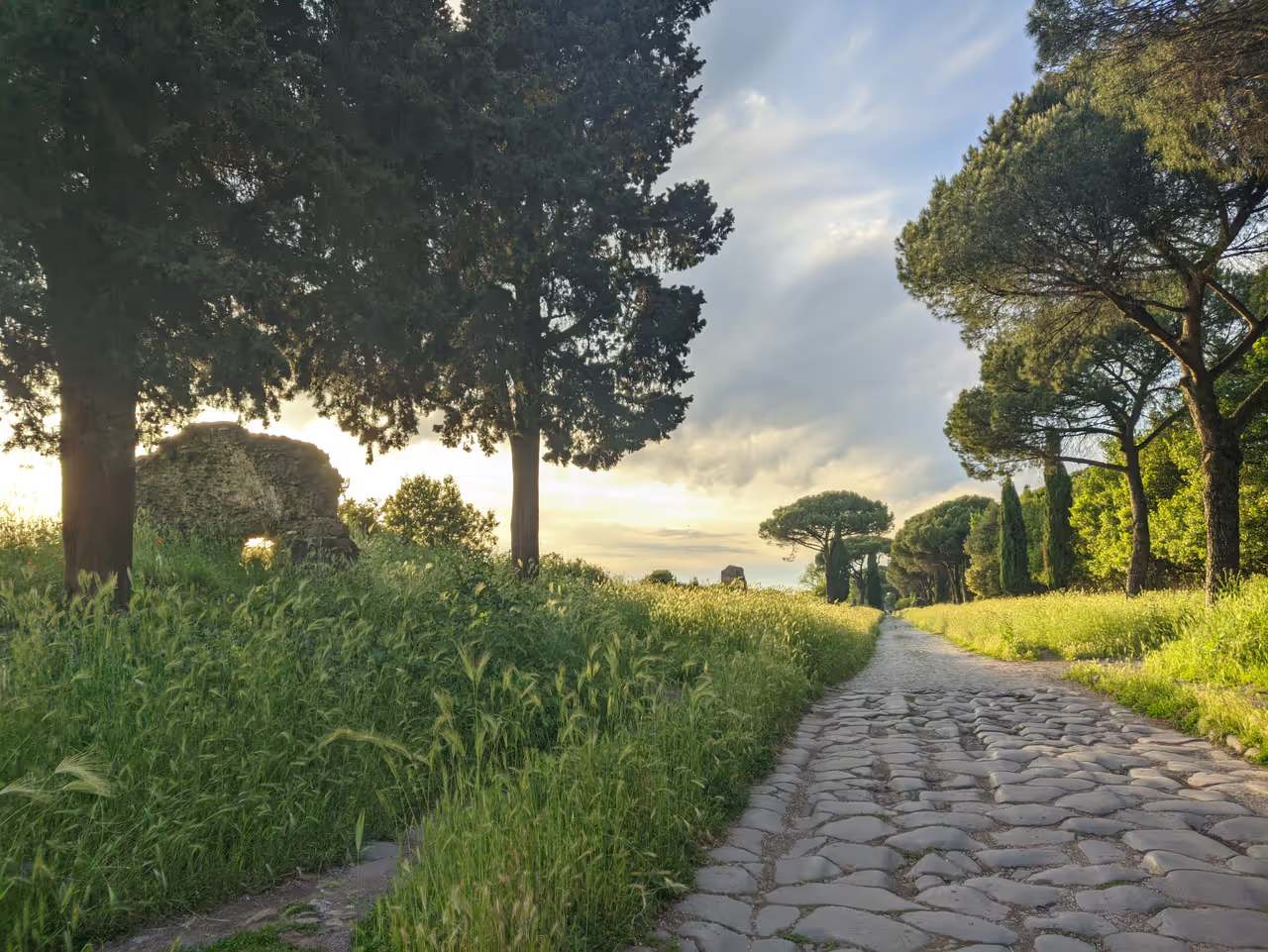
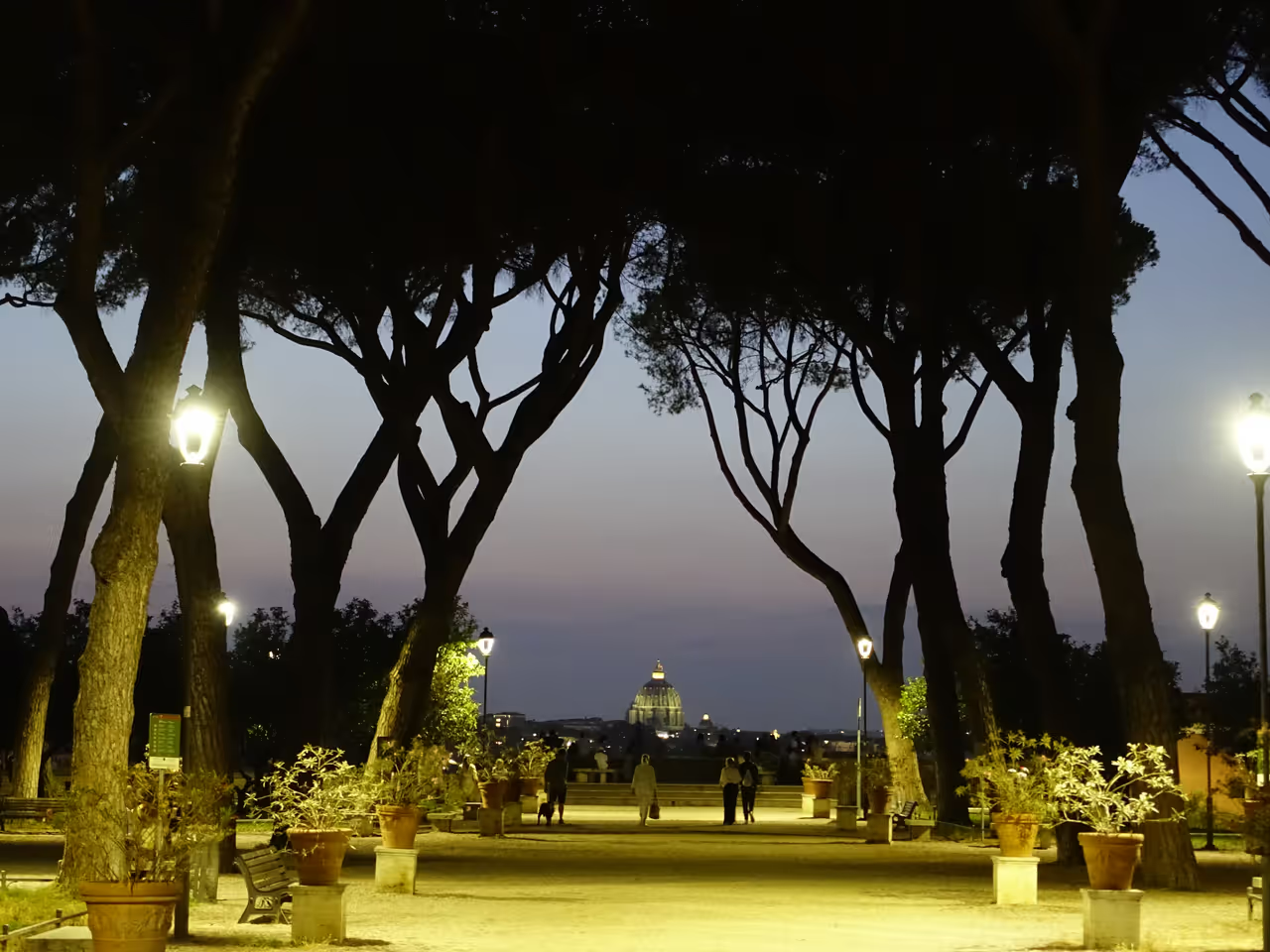
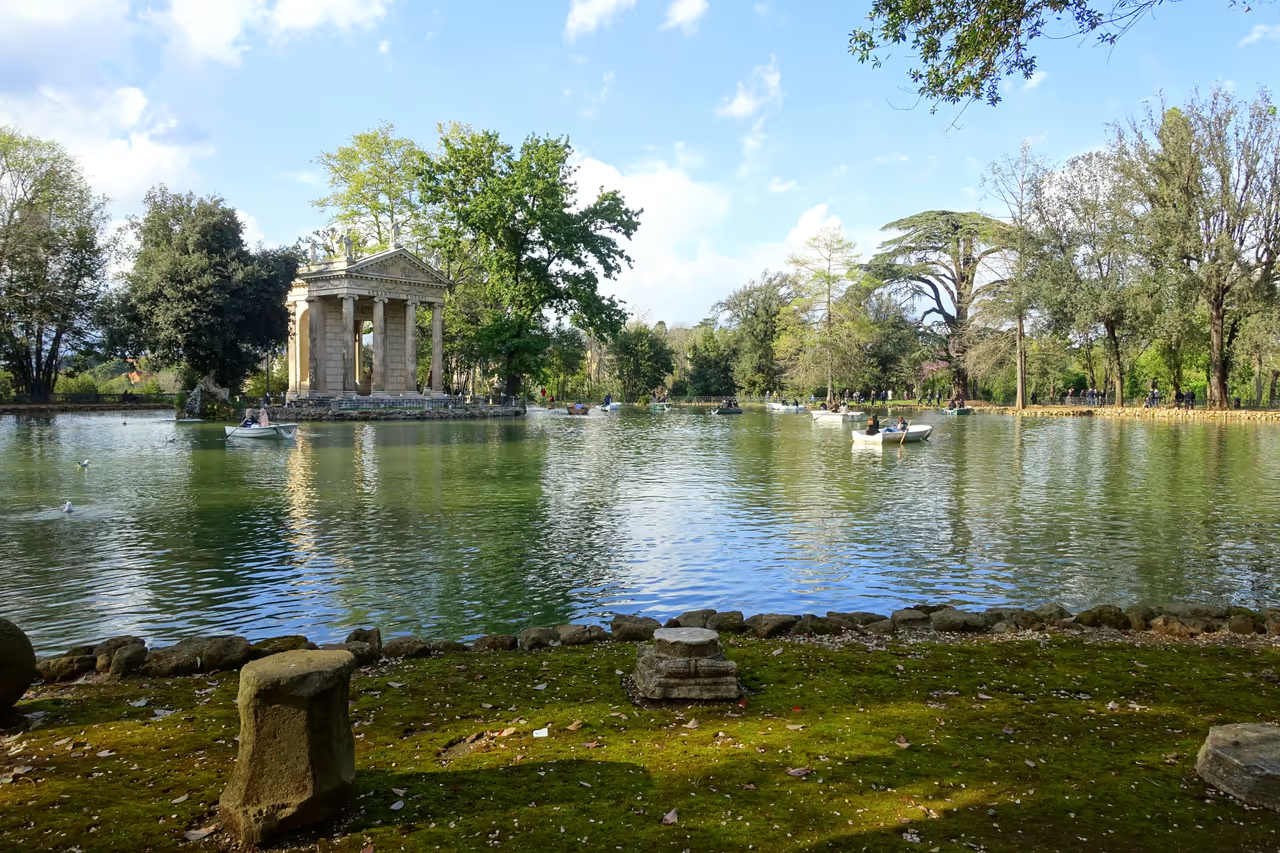
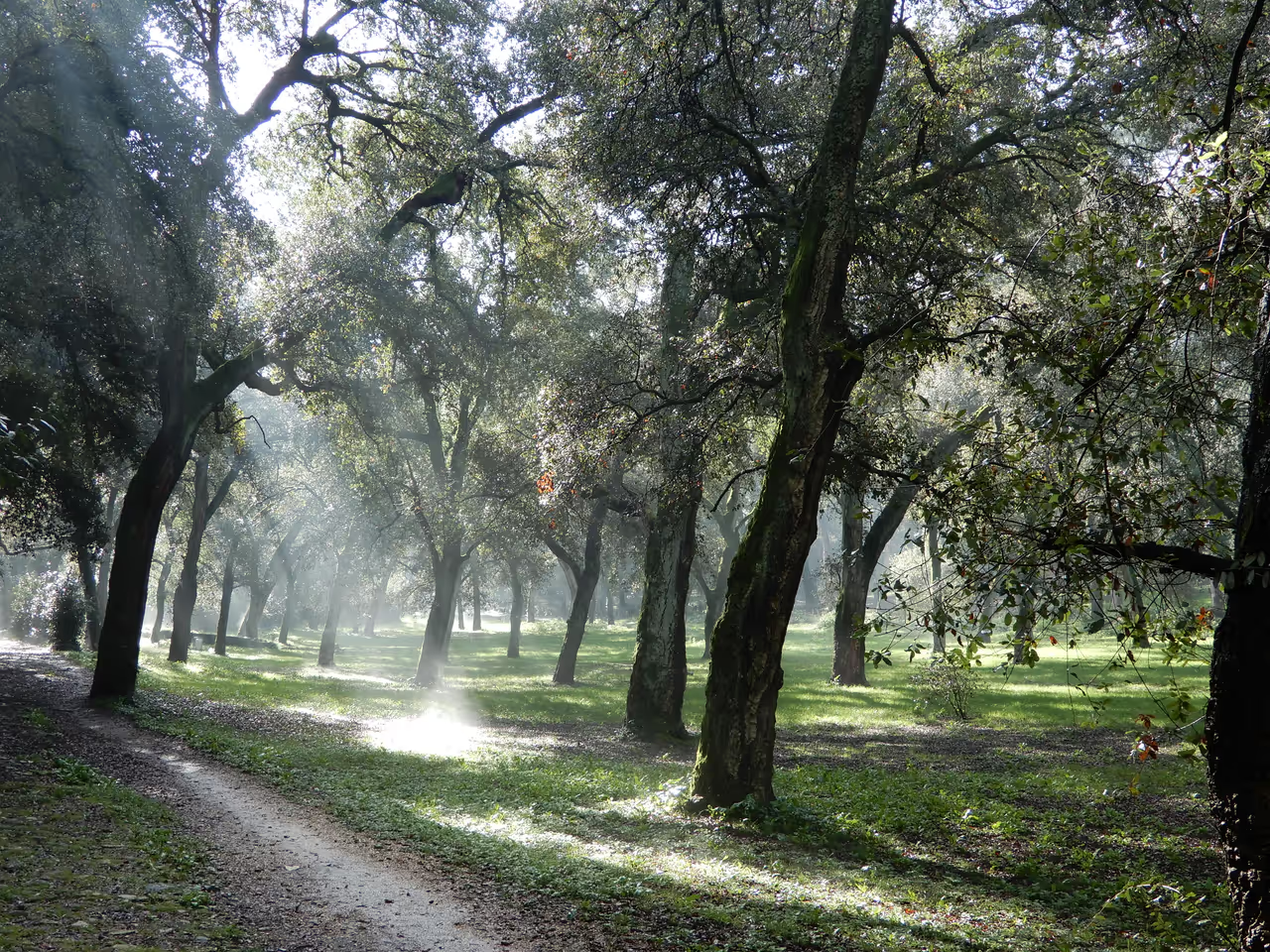
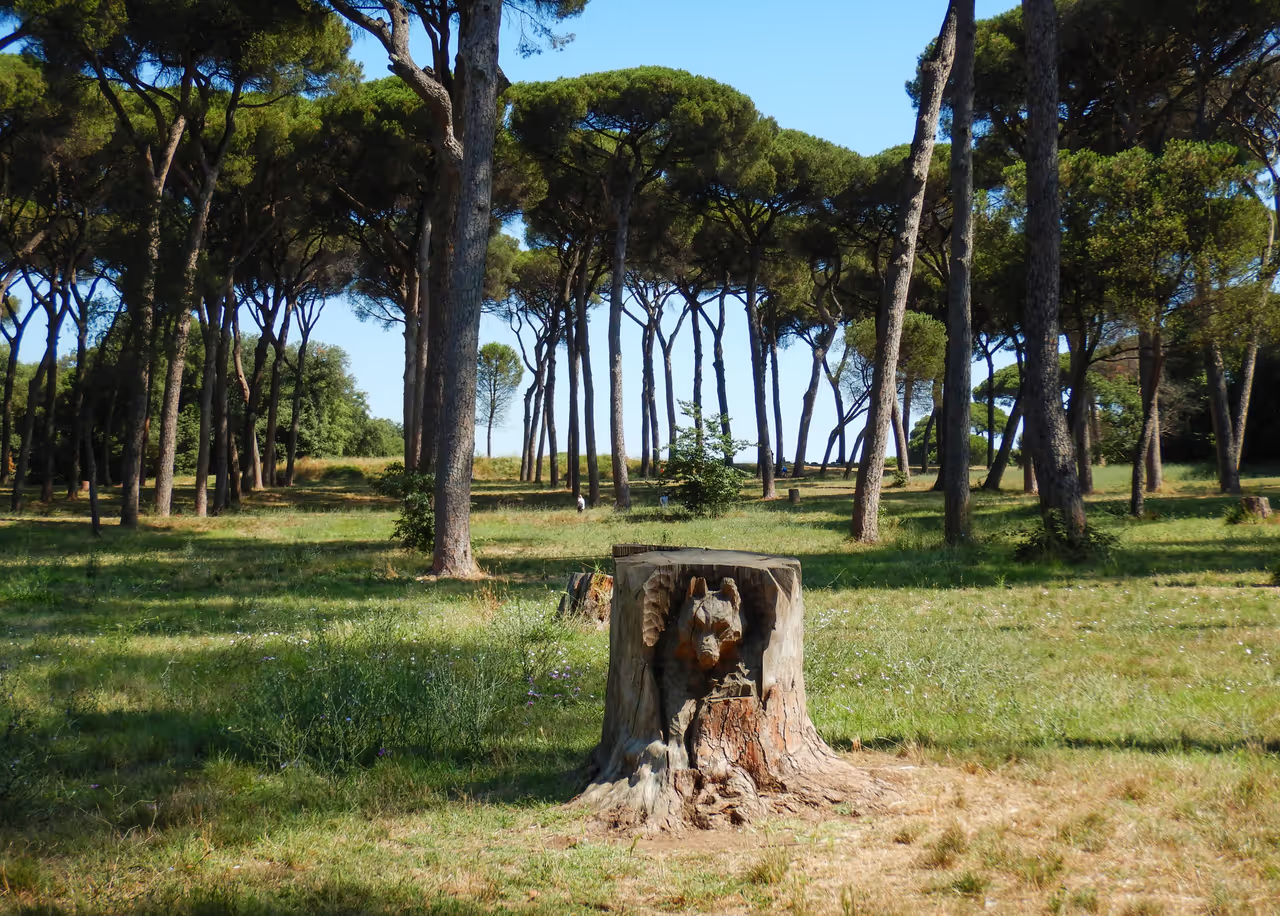
Spanning 1.8 square kilometres, this is Rome's largest landscaped public park and offers a majestic escape from the city streets. Known historically as the 'Bel Respiro' for its fresh, high-altitude air, it was once the private playground of the powerful Pamphili family. Visitors can explore a captivating mix of formal manicured gardens, wild woodlands, and serene lakes that feel worlds away from the city centre. The heart of the estate is the stunning seventeenth-century Casino del Bel Respiro, an architectural masterpiece adorned with intricate sculptures and reliefs. Whether you are looking to jog along winding paths, picnic under towering stone pines, or admire Baroque garden design, this villa provides a perfect blend of nature and history. It is a place where the grandeur of the papal past meets the relaxed pace of modern Roman life.
Videos
History of Villa Doria Pamphili
The story of Villa Doria Pamphili is one of social climbing, artistic rivalry, and national defence. It began in the early seventeenth century when the Pamphili family, then seen as newcomers to the Roman aristocracy, sought to establish their prestige by acquiring land on the Janiculum Hill. When Giambattista Pamphili was elected as Pope Innocent X in 1644, the modest family vineyard was transformed into a grand estate. The family commissioned the Bolognese sculptor Alessandro Algardi to design a casino that would rival the great villas of the Medici and Borghese families, resulting in a building so packed with classical reliefs and statues that it functioned more as a private museum than a home. Over the centuries, the estate evolved from a rigid Baroque masterpiece into a romantic landscape. In the eighteenth century, the property passed to the Doria family, who eventually embraced the trend for English-style gardens. They replaced formal hedges with sweeping meadows, artificial lakes, and clumps of stone pines, creating the picturesque atmosphere that defines the park today. However, this tranquillity was shattered in 1849 during the defence of the Roman Republic. The grounds became a gruesome theatre of war as Giuseppe Garibaldi's troops fought hand to hand against French forces. The scars of this battle are still visible in the commemorative monuments that dot the landscape, including the Arch of the Four Winds which stands where a former villa was levelled by cannon fire. In the modern era, the villa has transitioned from an emblem of aristocratic wealth to the 'green lungs' of the Roman people. After the Italian state and the City of Rome acquired the land in the mid-twentieth century, the high walls that once kept the public out were opened. Today, the legacy of the Pamphili lives on through the meticulously restored secret gardens and the preserved Casino, which now hosts heads of state. For locals and visitors alike, the villa serves as a living museum where the layers of Roman history are accessible to anyone willing to wander its expansive paths.
Events spanning 341 years
Fun Facts
- • A road built for the 1960 Rome Olympics originally split the park in two, requiring a modern bridge to reconnect the halves decades later.
- • During the 1849 French siege, the neighbouring Villa Corsini was completely destroyed, leading the Pamphili family to buy the land and build the Arch of the Four Winds.
- • Genuine Roman tombs were discovered on the site, and several of the ancient vases and sarcophagi found there were integrated into the villa's decor.
- • It is the largest landscaped public park in Rome, covering roughly 184 hectares of land.
- • Prince Doria Pamphili added stylish Art Nouveau interiors to the older parts of the villa at the start of the 20th century.
- • The 'Giardino Segreto' or Secret Garden features incredibly intricate parterres that have been replanted to match their original 16th-century scrolling designs.
- • The Casino del Bel Respiro was never intended for living; it was built almost entirely as a gallery to display the family's collection of classical antiquities.
- • The estate earned the nickname 'Bel Respiro' because its position on the Gianicolo hill kept it above the malarial vapours that once plagued lower parts of Rome.
- • The estate was so prestigious that it was once considered as a potential addition to the territory of the newly formed Vatican City state in 1929.
- • The park's layout shifted from formal Italian gardens to a naturalistic English landscape style during the 19th century.
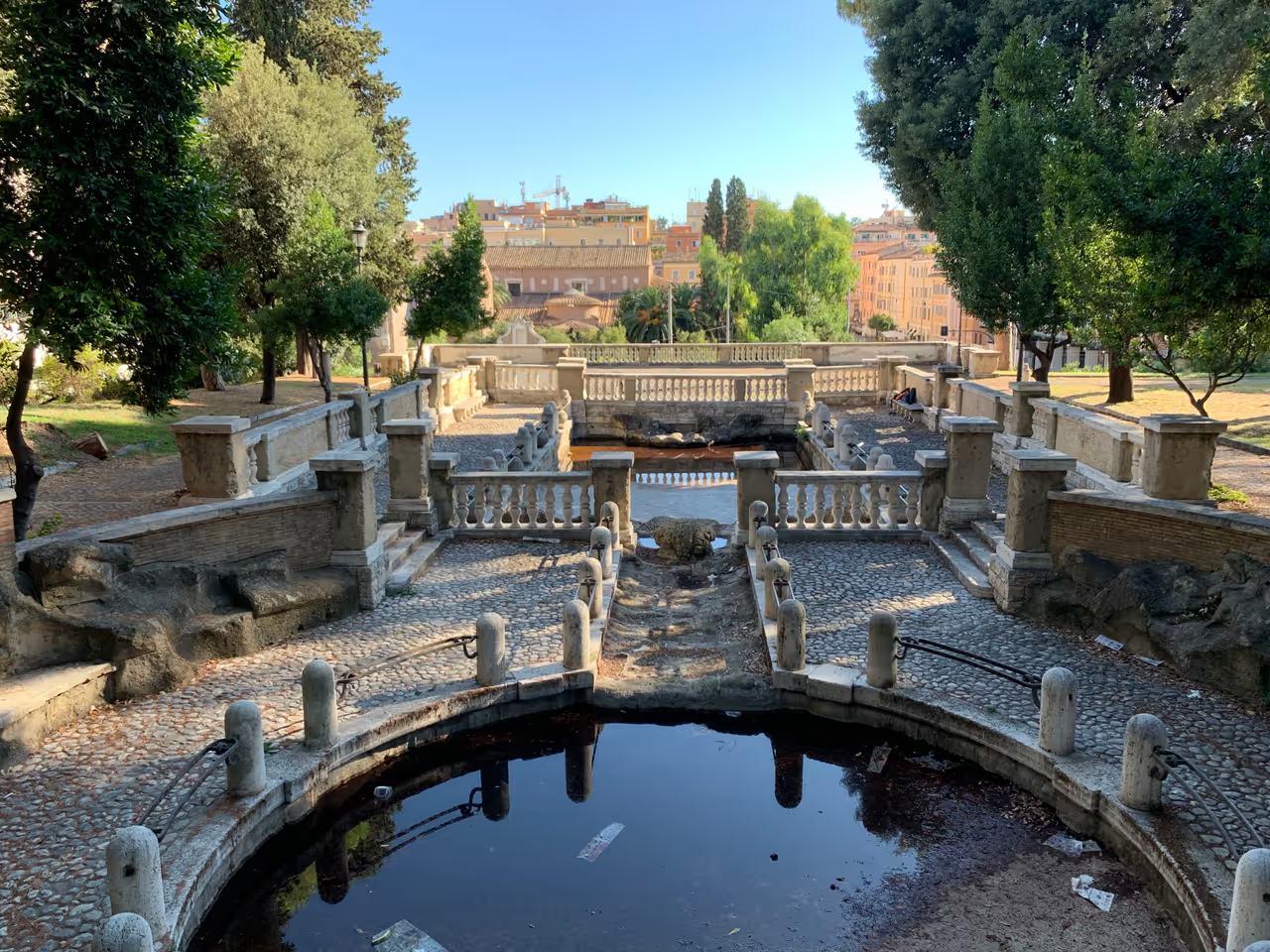
- • The villa features a grotto in the form of an exedra where sculptured figures appear to emerge directly from the rock-work.
RESOURCES
Official WebsiteVilla Doria Pamphili FAQ
While we strive to keep this information accurate and up to date, we recommend verifying any details independently before making decisions based on them.
Villa Doria Pamphili Map & Neighborhood Explorer
This interactive map is centered on Villa Doria Pamphili. Zoom in and move the map around to automatically discover Wikipedia photos and summaries of other nearby sights, monuments, and historical points of interest and stories in real-time!
Places near Villa Doria Pamphili
Make the most of your trip. Check out these top-rated spots located nearby.
 988m
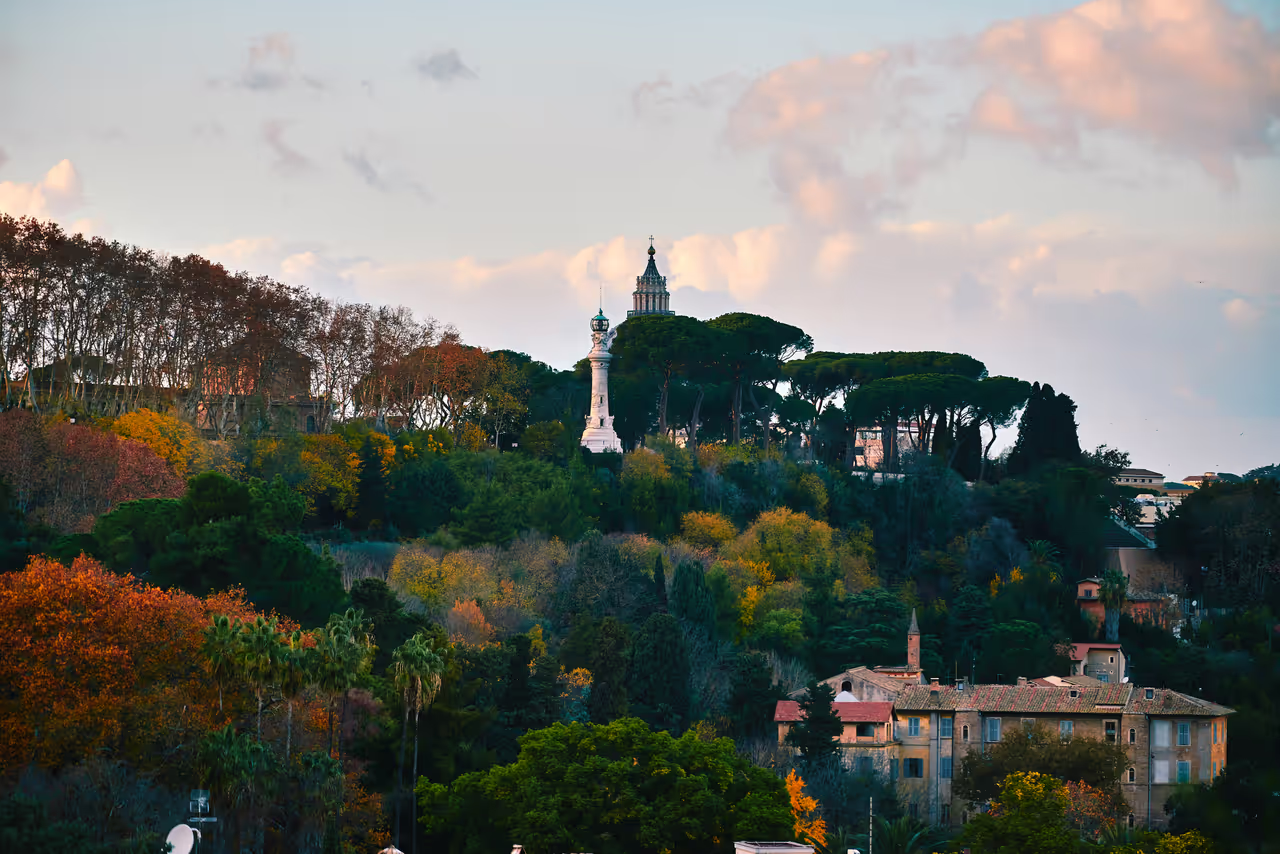
988mJaniculum Hill
Rising above the rooftops of Trastevere, the Janiculum offers arguably the most breathtaking panorama of Rome. It is a place where history breathes through its leafy avenues and grand monuments, serving as both a serene escape and a tribute to the Risorgimento heroes who fought for Italian unification. Whether you are catching the daily cannon fire at noon or strolling past the majestic Fontanone, this hill provides a unique vantage point to absorb the city's vast architectural evolution. It is not one of the seven traditional hills, yet it holds a special place in the Roman heart, blending ancient mystery with modern patriotic pride. Visiting here is an essential experience for anyone wanting to see the Eternal City from a truly spectacular angle.
park & nature view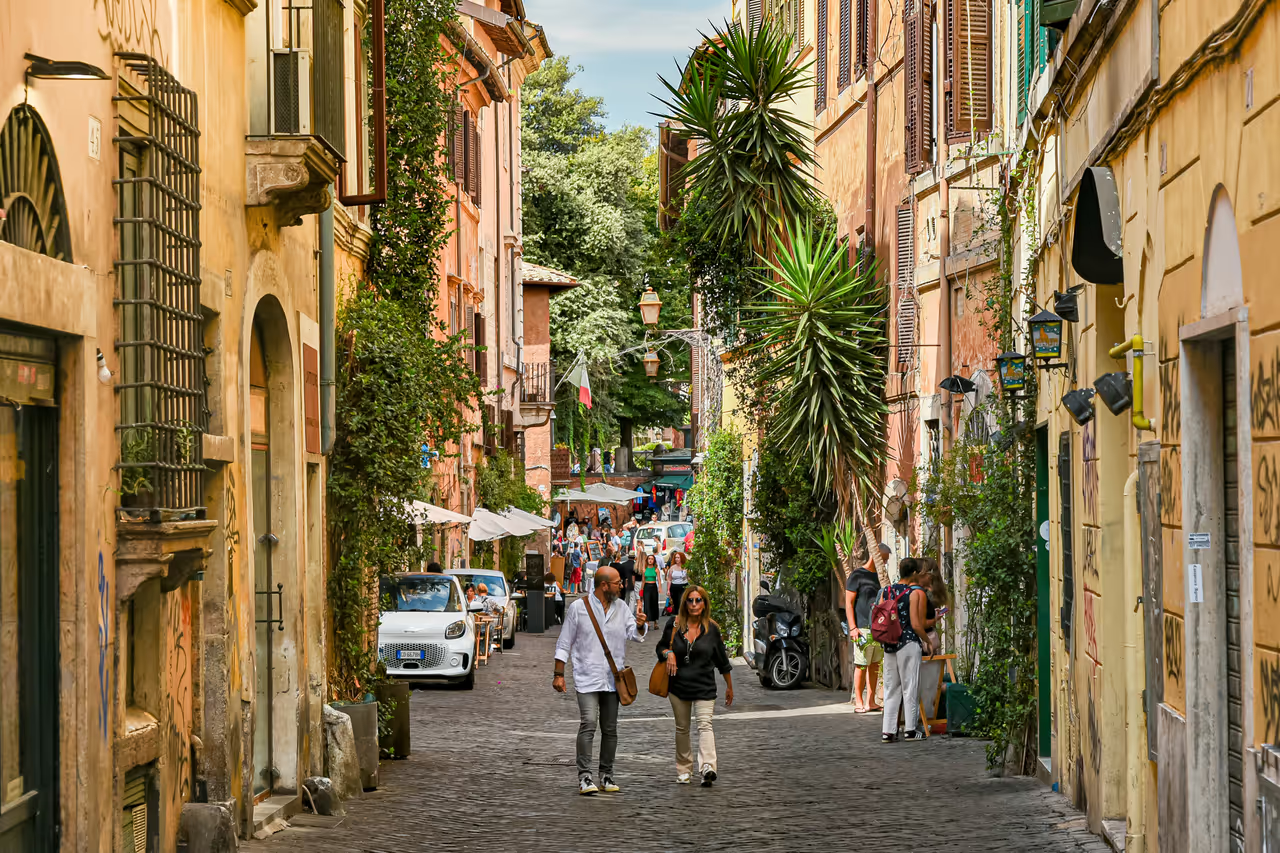 1264m
1264mWandering Trastevere
Getting completely lost in the charming, labyrinthine alleyways of this historic, working class district costs absolutely nothing but offers immense cultural value. The area is a highly photogenic maze of colourful, peeling facades, laundry strung between windows, and incredibly picturesque, vine draped courtyards. It provides a deeply authentic, vibrant glimpse into traditional local life, far removed from the monumental grandeur of the imperial ruins. Every corner reveals a new, charming detail, from tiny, hidden street shrines to lively, bustling local squares. It is the perfect, relaxed environment for endless, atmospheric exploration on foot.
free thing to do view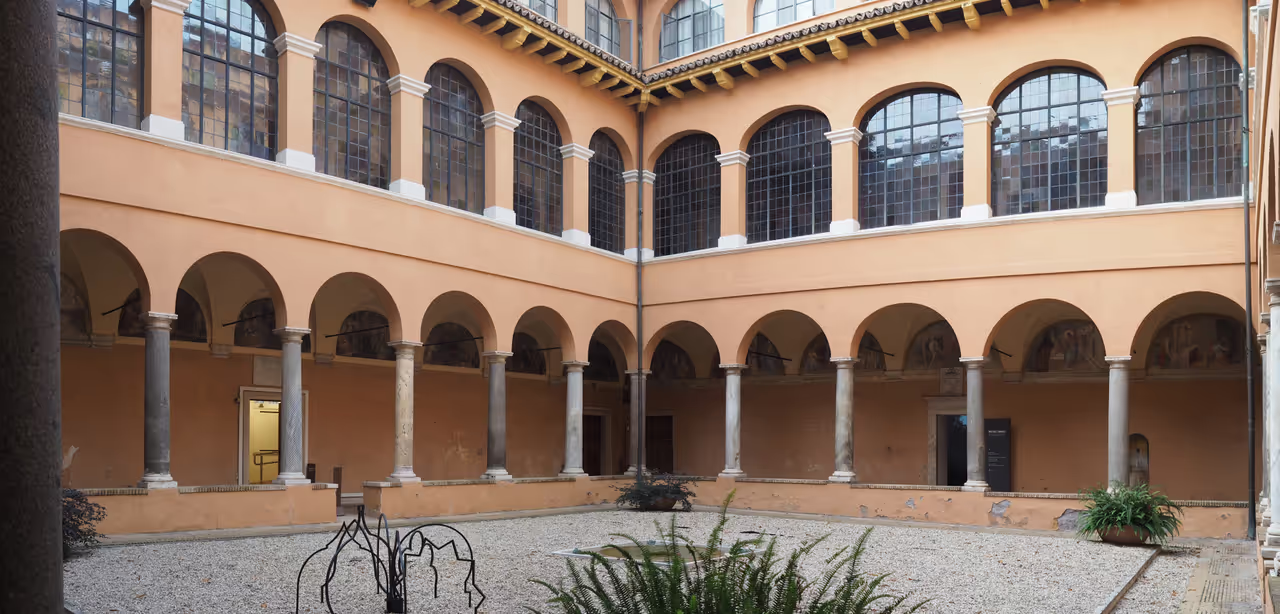 1318m
1318mTempietto of San Pietro
Tucked away in a quiet, unassuming courtyard on the slopes of the Janiculum hill sits this small but absolutely revolutionary architectural jewel. Designed by Bramante, this perfectly proportioned circular temple is considered one of the very first and greatest masterpieces of High Renaissance architecture. Inspired by the classical harmony of ancient Roman temples, it features a graceful, continuous colonnade and a beautifully balanced dome. Despite its modest size, its flawless geometry and elegant simplicity had a profound, lasting influence on Western architectural history. It is a serene, intellectually satisfying space that rewards careful observation.
architecture view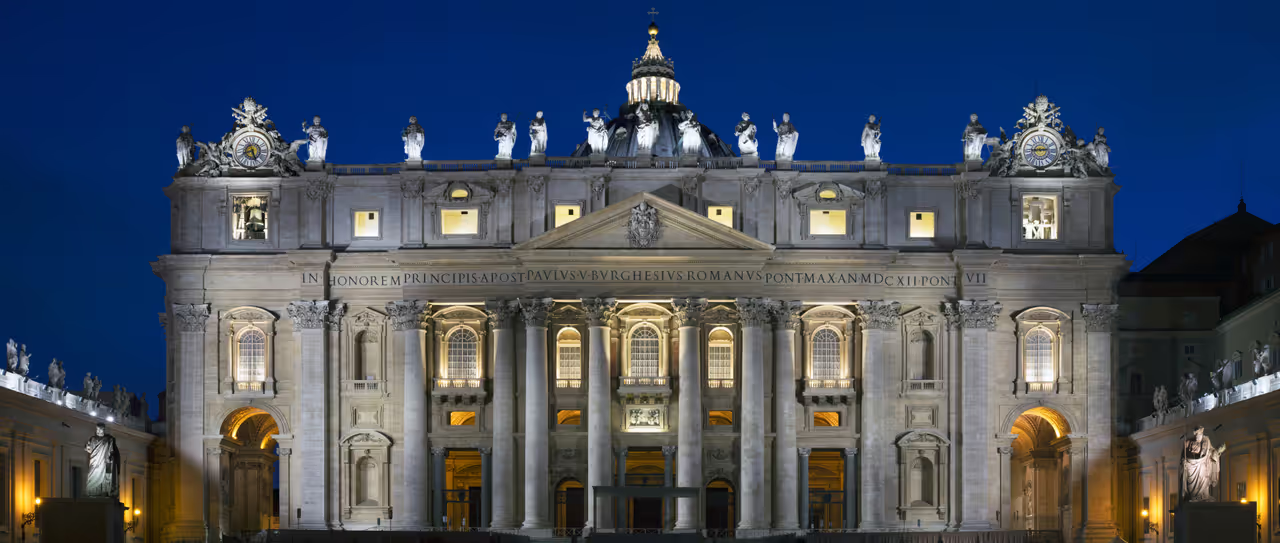 1617m
1617mSt. Peter's Basilica
This universally recognised masterpiece of Renaissance architecture stands as the most massive and magnificent church in the Christian world. Designed by legendary figures including Bramante and Michelangelo, its sheer scale and architectural harmony are completely overwhelming. The spectacularly opulent interior is a breathtaking display of coloured marble, colossal statues, and intricate golden mosaics. The majestic, soaring dome famously dominates the skyline and remains a pinnacle of structural engineering. It is an awe inspiring expression of spiritual grandeur and artistic perfection that leaves every visitor entirely speechless.
architecture view
Explore Similar Places in This Collection
See all nature & parks in Rome
Appian Way Regional Park, Janiculum Hill, Orange Garden, Villa Borghese, Colle Oppio Park and Baths of Trajan, Villa Ada Savoia...