Pantheon
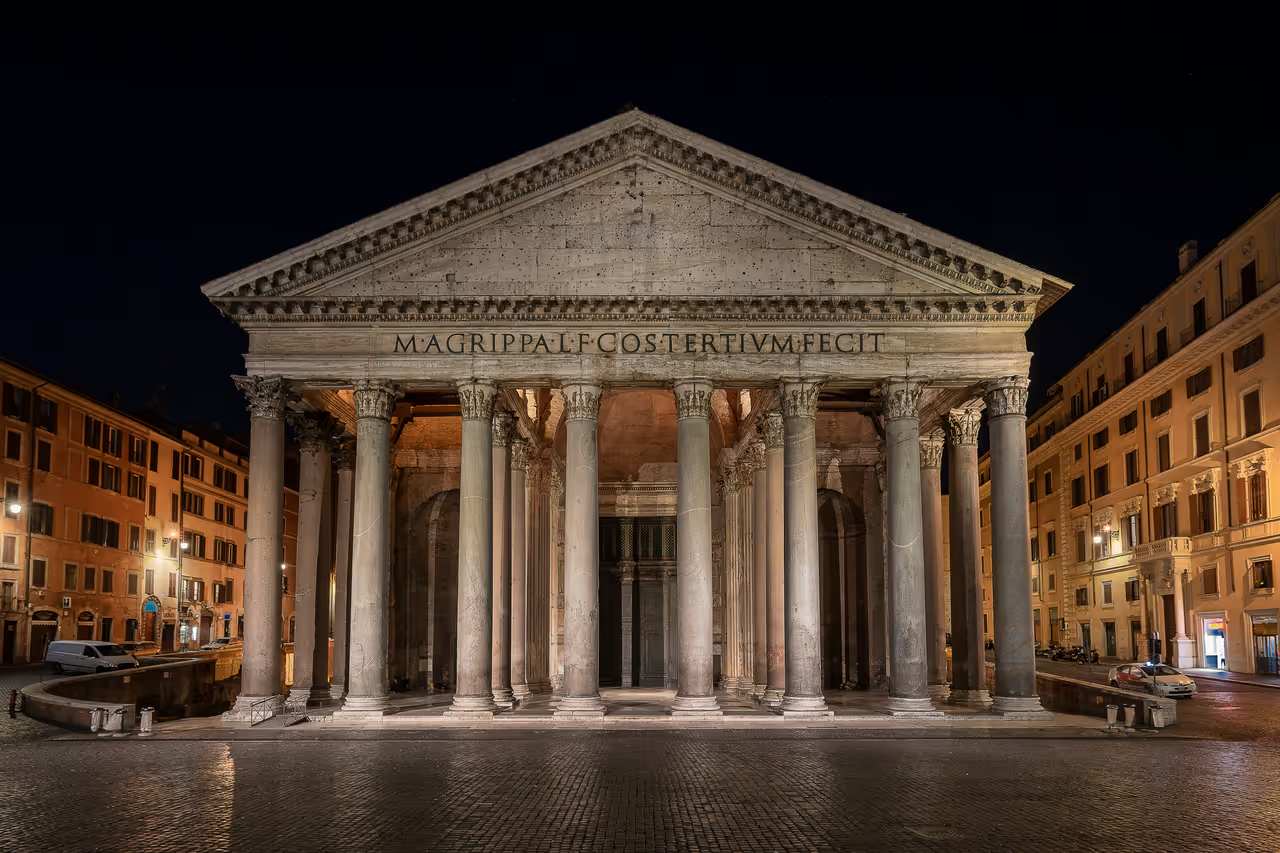
The Pantheon stands as one of the most remarkable feats of ancient engineering, boasting a massive dome that remains the largest of its kind in the world. Stepping inside, visitors are immediately struck by the immense circular space and the ethereal glow provided by the oculus, which is a central opening that lets in both sunlight and rain. This is a place where history feels tangible, having transitioned from a pagan temple dedicated to all gods to a serene Christian basilica. Its architectural perfection, where the interior height exactly matches its diameter, creates a harmonious atmosphere that has inspired artists for centuries. Visitors can marvel at the final resting places of Renaissance masters and Italian royalty while feeling the ancient weight of nearly two thousand years of history. This iconic landmark serves as a breathtaking bridge between the classical world and the modern era.
Videos
History of Pantheon
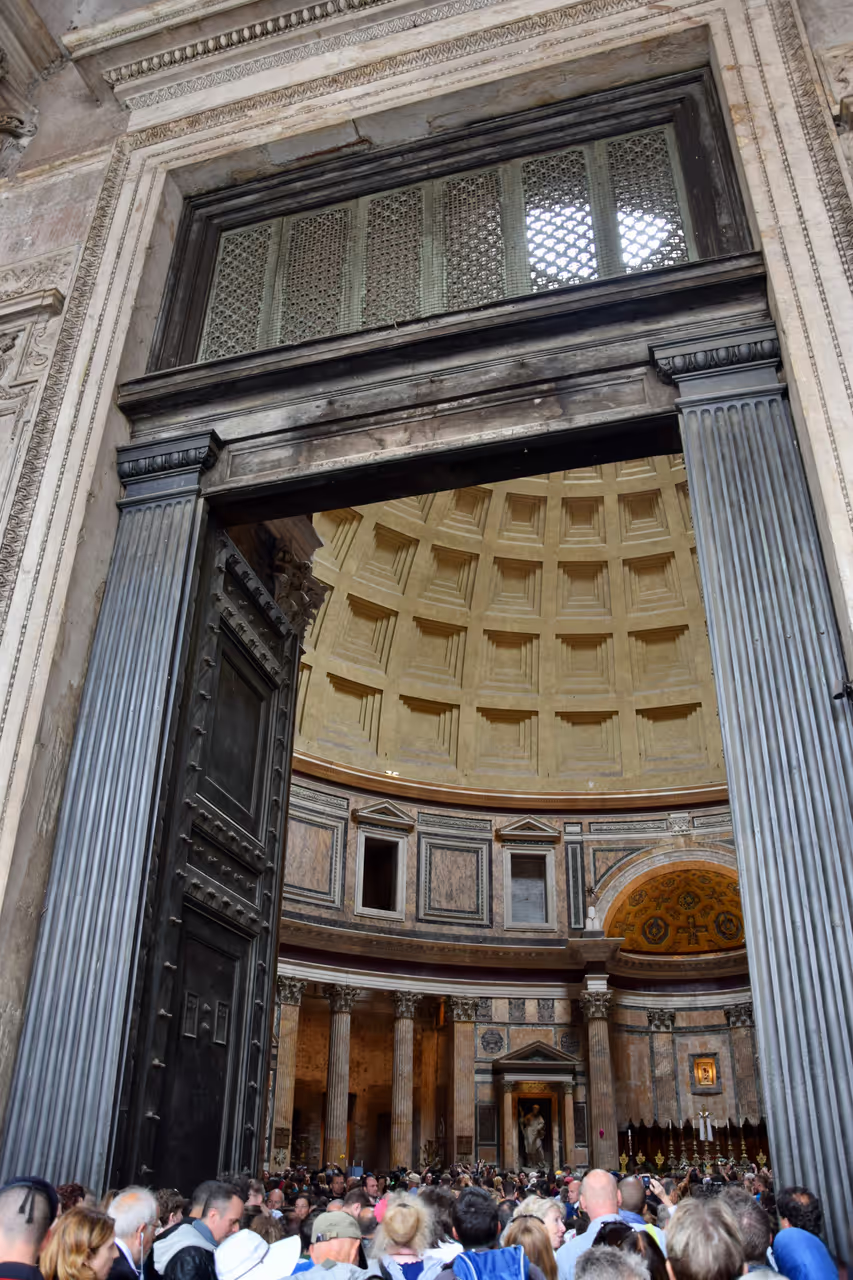
The story of the Pantheon is a remarkable tale of resilience that began with Marcus Agrippa, the trusted advisor to Emperor Augustus. While the inscription on the front still bears his name, the building we admire today was actually the vision of Emperor Hadrian, who rebuilt it around 125 AD after earlier structures were lost to fire. Hadrian was a man of deep intellectual curiosity and he likely intended for the rotunda to represent the universe itself. By merging a traditional Greek porch with a revolutionary circular dome, he created a space that defied the architectural standards of the ancient world and remains a wonder of engineering to this day. Its survival through the turbulent Middle Ages is largely credited to its conversion into a Christian church in the seventh century. When the Byzantine Emperor Phocas presented the building as a gift to Pope Boniface IV, it was dedicated to the Virgin Mary and all the martyrs. This sacred status protected the Pantheon from being dismantled for building materials, a fate that befell many other Roman ruins. Over the centuries, it became a symbol of continuity, serving as a silent witness to the rise and fall of empires while maintaining its original bronze doors and much of its ancient marble interior. By the time of the Renaissance, the Pantheon had achieved the status of an architectural legend, becoming the final resting place for the painter Raphael. In the nineteenth century, it took on new significance as the mausoleum for the kings of unified Italy, cementing its place as a temple of national identity. Today, it remains a living monument where the sun still tracks across the ceiling in the same way it did for the emperors, inviting visitors to experience the enduring spirit of Rome.
9 Events spanning 1956 years
Fun Facts
- • A perfect sphere with a diameter of exactly 43.3 metres would fit inside the interior, touching the floor and the summit of the dome simultaneously.
- • During the Pentecost ceremony, thousands of red rose petals are dropped through the oculus to symbolise the descent of the Holy Spirit.
- • Legend has it that the bronze for the great canopy in St Peter's Basilica was taken from the Pantheon's ceiling by the Barberini family.
- • On April 21st each year, the beam of sunlight from the oculus perfectly illuminates the entrance door to mark the anniversary of Rome's founding.
- • Raphael chose to be buried here because he believed the building was the most perfect example of human architecture ever created.
- • The architects used a specific mix of concrete that becomes lighter as it reaches the top, incorporating heavy travertine at the base and light pumice at the peak.
- • The dome of the Pantheon is the largest unreinforced concrete dome in existence, a record it has held for nearly two thousand years.
- • The marble floor is slightly convex and features twenty two tiny drainage holes to prevent flooding when rain falls through the open oculus.
- • The sixteen massive granite columns that support the porch were quarried in the Egyptian desert and transported across the Mediterranean Sea.
- • The tombs of the first kings of unified Italy, Victor Emmanuel II and Umberto I, are located here and are guarded by honourary sentinels.
RESOURCES
Official WebsitePantheon FAQ
While we strive to keep this information accurate and up to date, we recommend verifying any details independently before making decisions based on them.
Pantheon Map & Neighborhood Explorer
This interactive map is centered on Pantheon. Zoom in and move the map around to automatically discover Wikipedia photos and summaries of other nearby sights, monuments, and historical points of interest and stories in real-time!
Places near Pantheon
Make the most of your trip. Check out these top-rated spots located nearby.
 336m
336mPiazza Navona
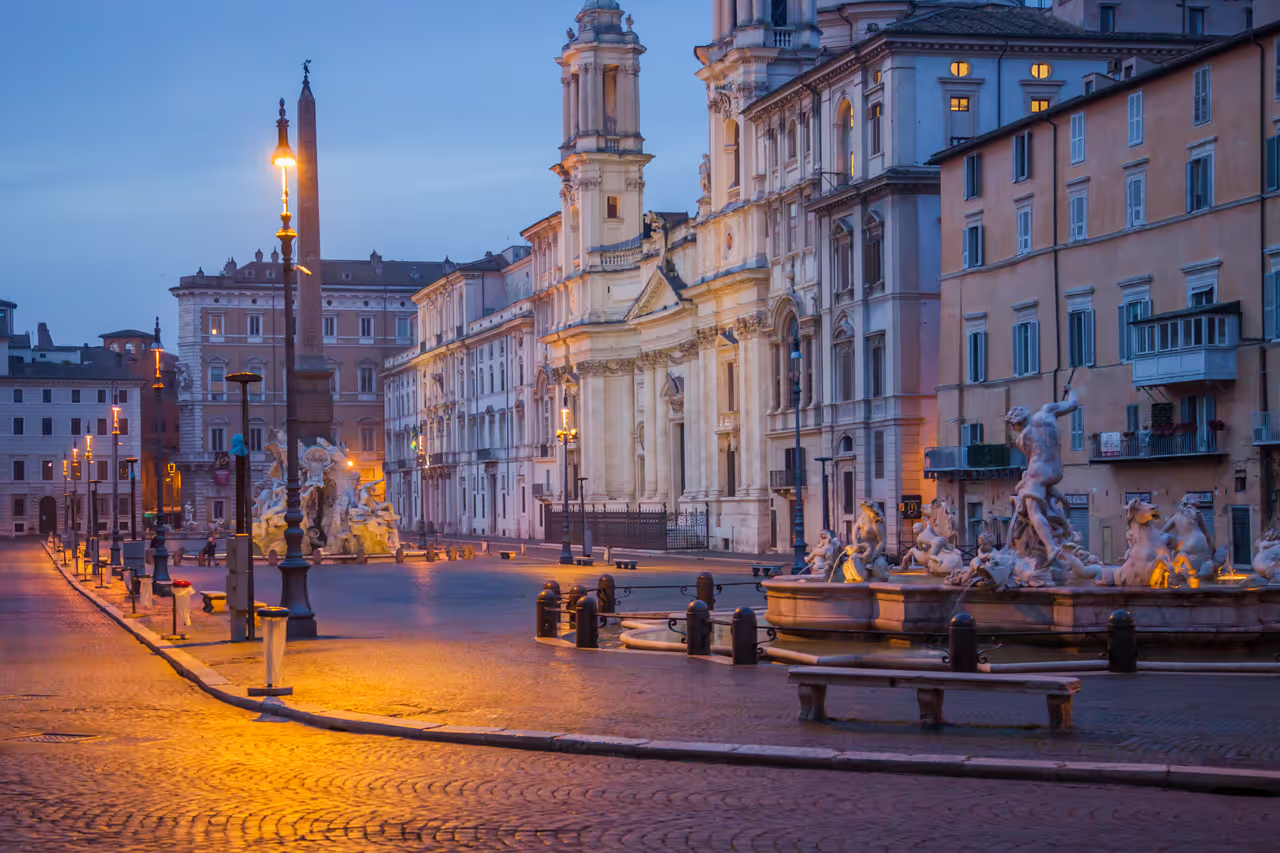
This elongated, stunningly beautiful square is arguably the most elegant and joyous public space in the entire capital. Built directly upon the footprint of an ancient stadium, its unique shape is a direct reflection of its sporting origins. Today, it is a masterpiece of Baroque architecture, dominated by the spectacular Fountain of the Four Rivers designed by Bernini. The perimeter is lined with colourful palazzos and bustling cafes, making it a fantastic place to sit and observe the lively crowds. Street artists, musicians, and portrait painters add a vibrant, bohemian energy to the atmosphere. It is an absolute must visit for anyone wanting to experience the theatrical charm of the historic centre.
highlight view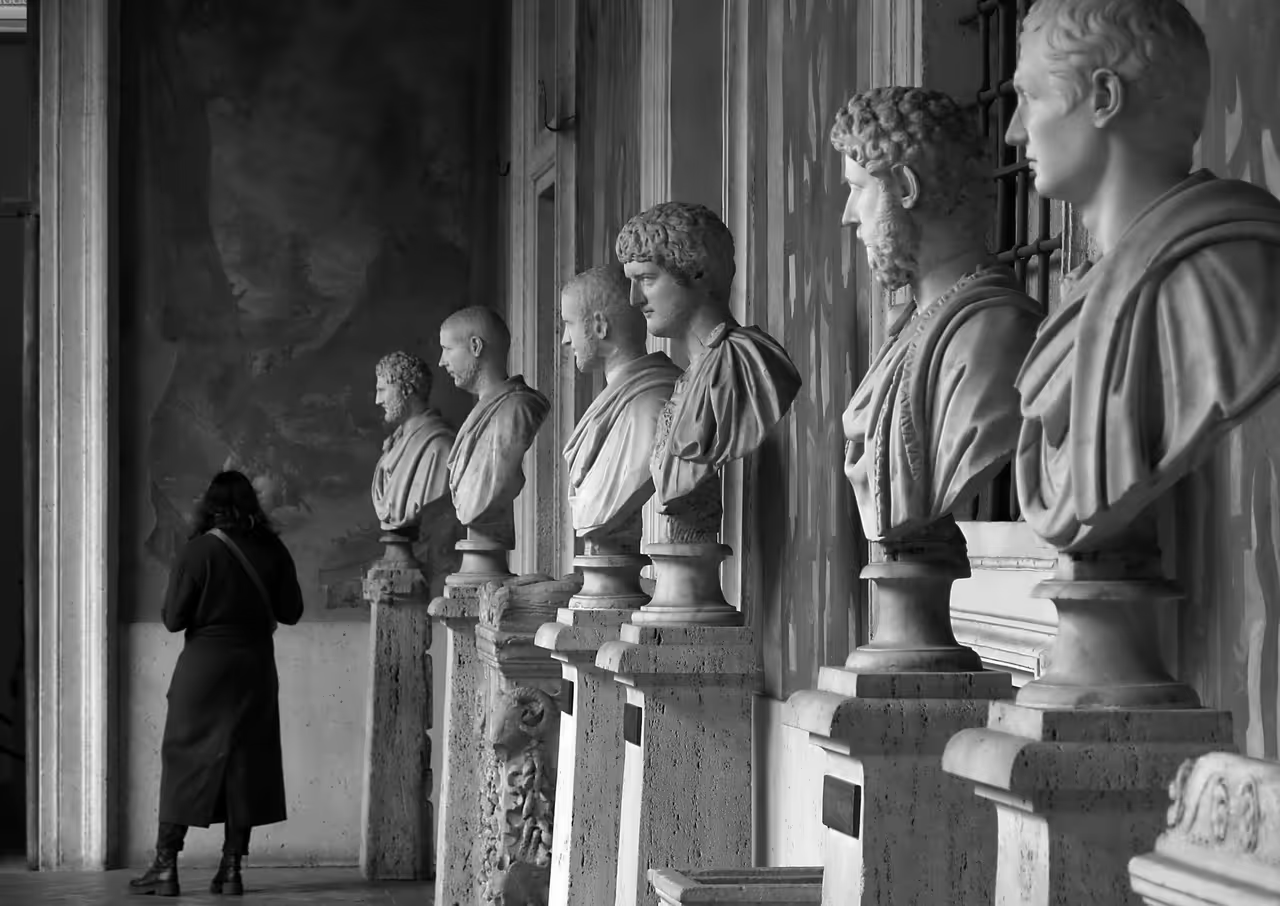 447m
447mAltemps Palace
This breathtaking, beautifully restored aristocratic Renaissance palace houses a spectacular but frequently overlooked collection of ancient classical sculptures. The opulent, frescoed rooms and the stunning, multi tiered courtyard provide a perfectly elegant, highly atmospheric setting for the magnificent artworks. Unlike the crowded major museums, the atmosphere here is incredibly serene, allowing visitors to intimately appreciate the delicate details of the marble statues. It features famous masterpieces from legendary private collections, showcasing the exquisite taste of sixteenth century nobility. It is an absolute must visit for anyone seeking classical beauty away from the exhausting tourist masses.
hidden gem view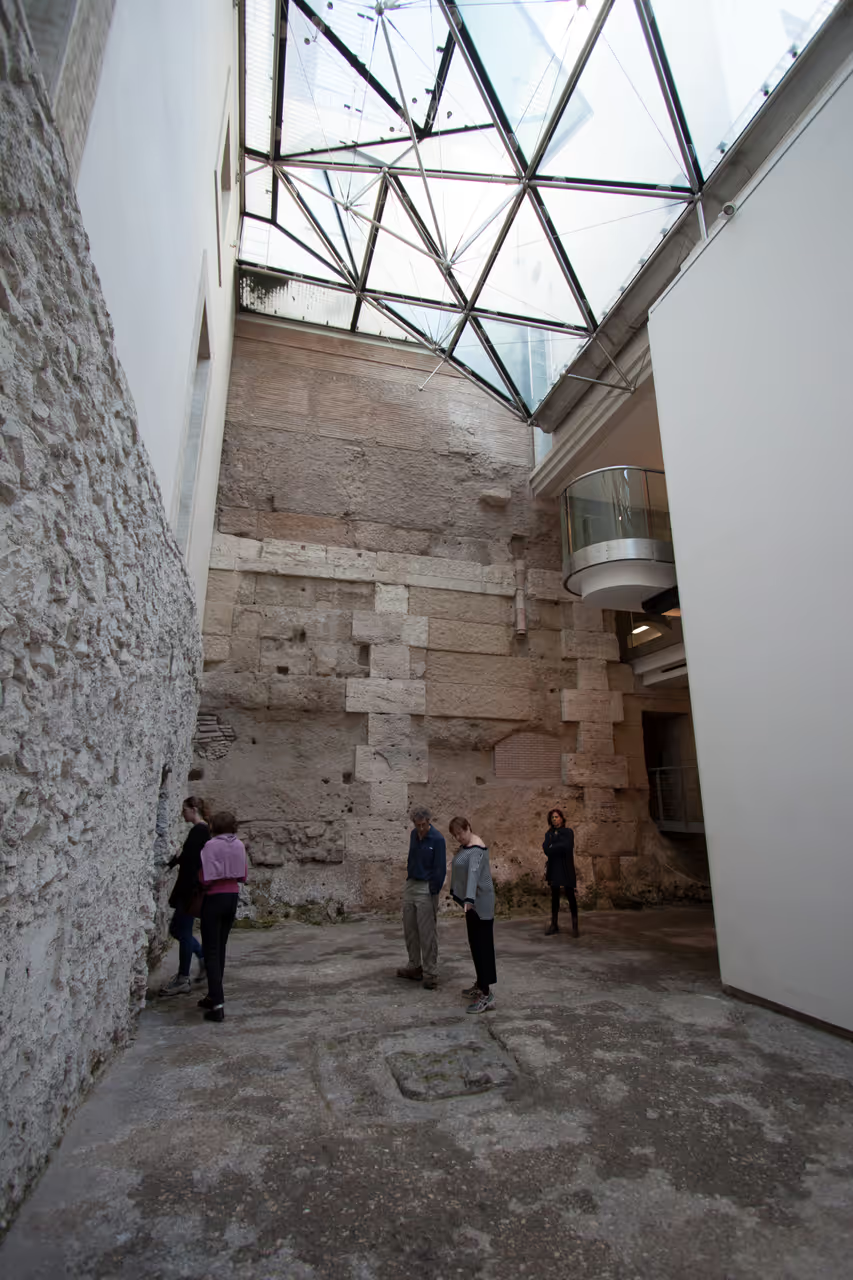 478m
478mCrypta Balbi
Hidden discreetly within a modern city block, this incredible archaeological site offers a unique, uninterrupted slice of urban history spanning two millennia. Visitors descend below street level to explore the fascinating, layered ruins of an ancient theatre courtyard that evolved into a medieval workshop and then a Renaissance palace. The accompanying museum brilliantly illustrates the daily life, economy, and gradual transformation of the city through an extensive collection of everyday artifacts found exactly on this site. It provides an incredibly detailed, tangible understanding of how the ancient capital transitioned into the medieval world. It is an absolute treasure for serious history lovers seeking depth beyond the grand monuments.
hidden gem view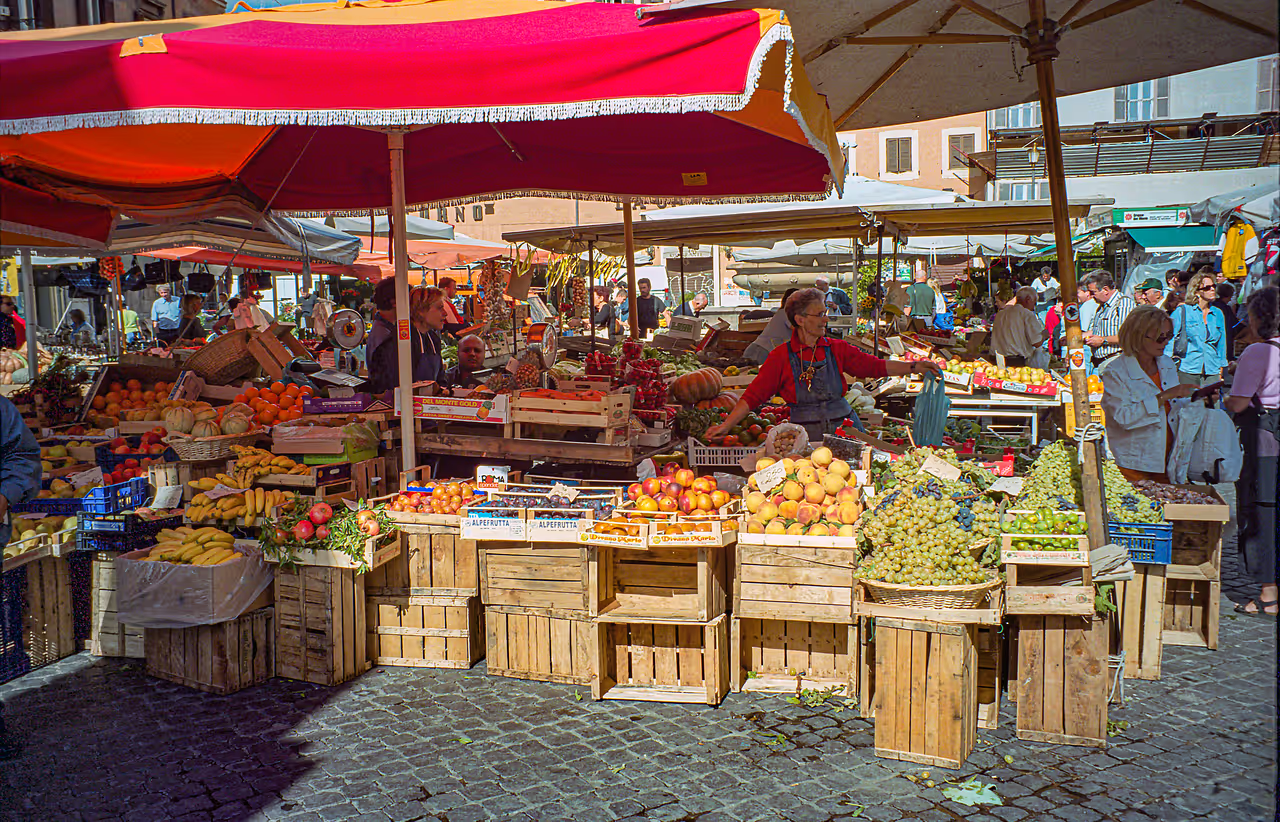 525m
525mCampo de' Fiori Market
Situated in one of the most picturesque historic squares, this vibrant daily market is a feast for the senses. Colourful stalls overflow with fresh seasonal vegetables, exotic fruits, fragrant spices, and beautifully arranged local flowers. The lively banter of the vendors and the enticing smells of fresh produce create an incredibly energetic and traditional atmosphere. While it has become popular with tourists, it retains its historic charm and remains a fantastic place to observe the daily rhythms of local life. Surrounding artisan shops and bakeries make it the perfect starting point for a culinary exploration.
market view
Explore Similar Places in These Collections

Featured on These Itineraries and Routes
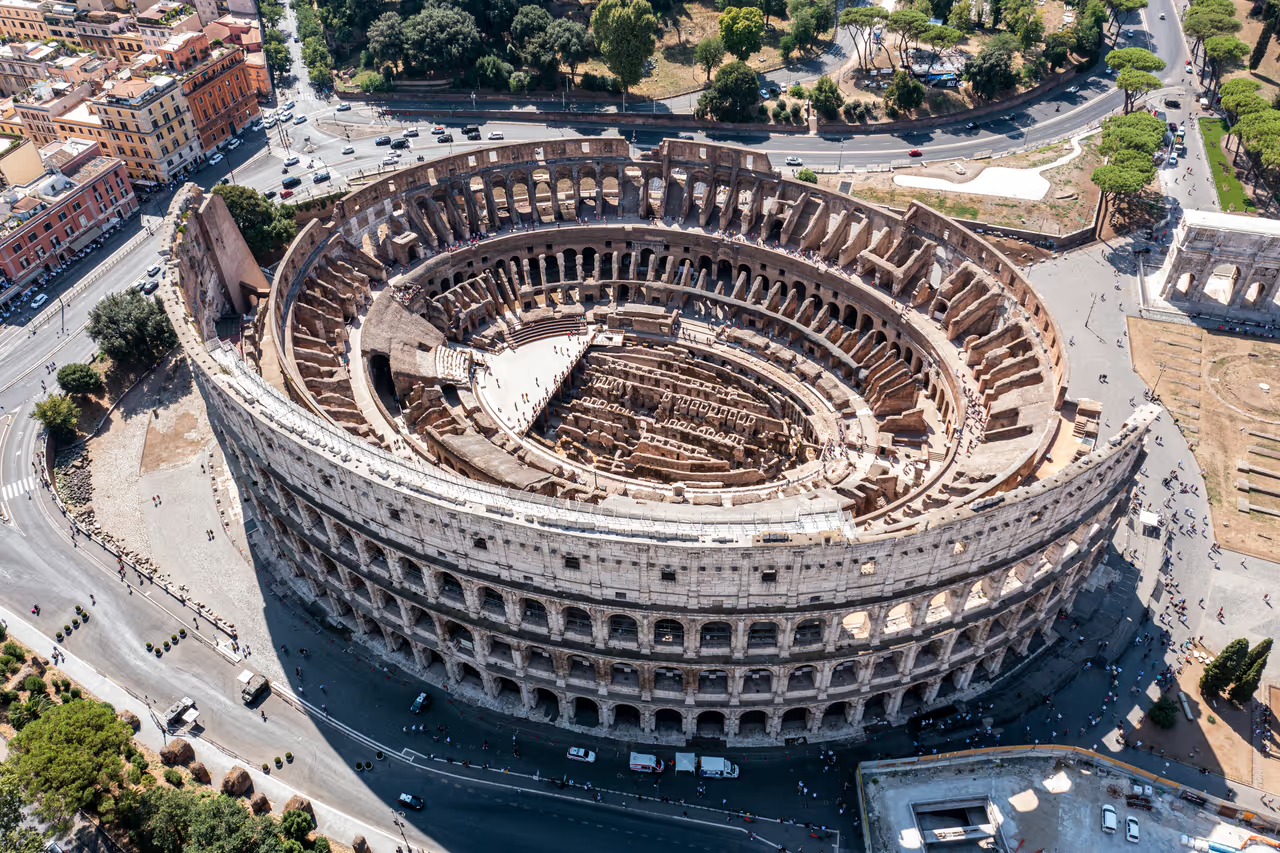
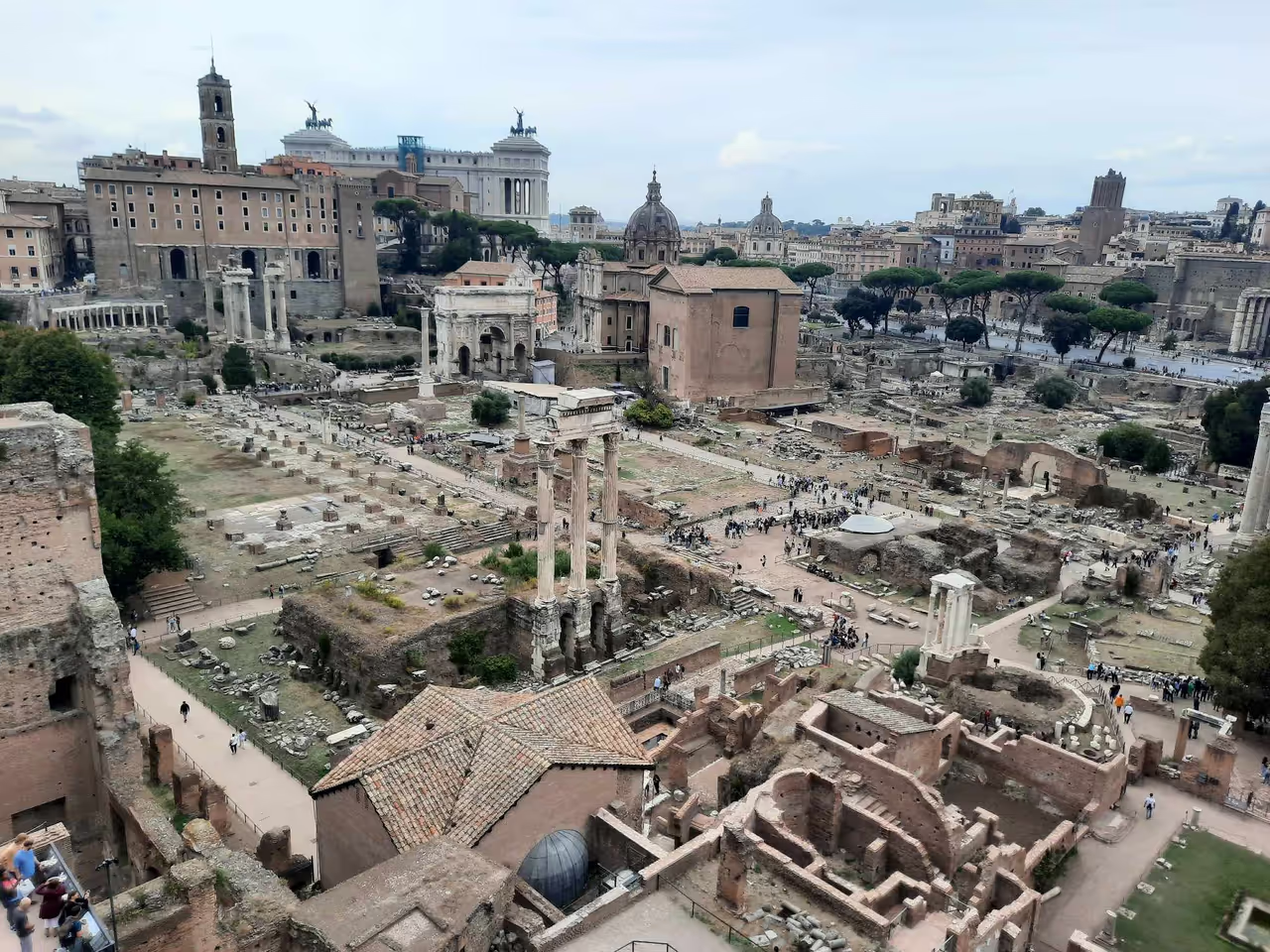
1 Day in Rome: The Eternal City Itinerary
This highly condensed, intensive itinerary is perfectly designed for travellers who only have a single day to capture the absolute essence of the capital. It aggressively prioritises the most legendary, globally recognised monuments, ensuring you see the defining symbols of both antiquity and the Baroque era. The pace is necessarily brisk, requiring an early start to navigate the incredible density of historical masterpieces. It provides a thrilling, unforgettable whirlwind tour that will undoubtedly leave you eager to return for a longer visit. It is the ultimate highlight reel of human history.
view itinerary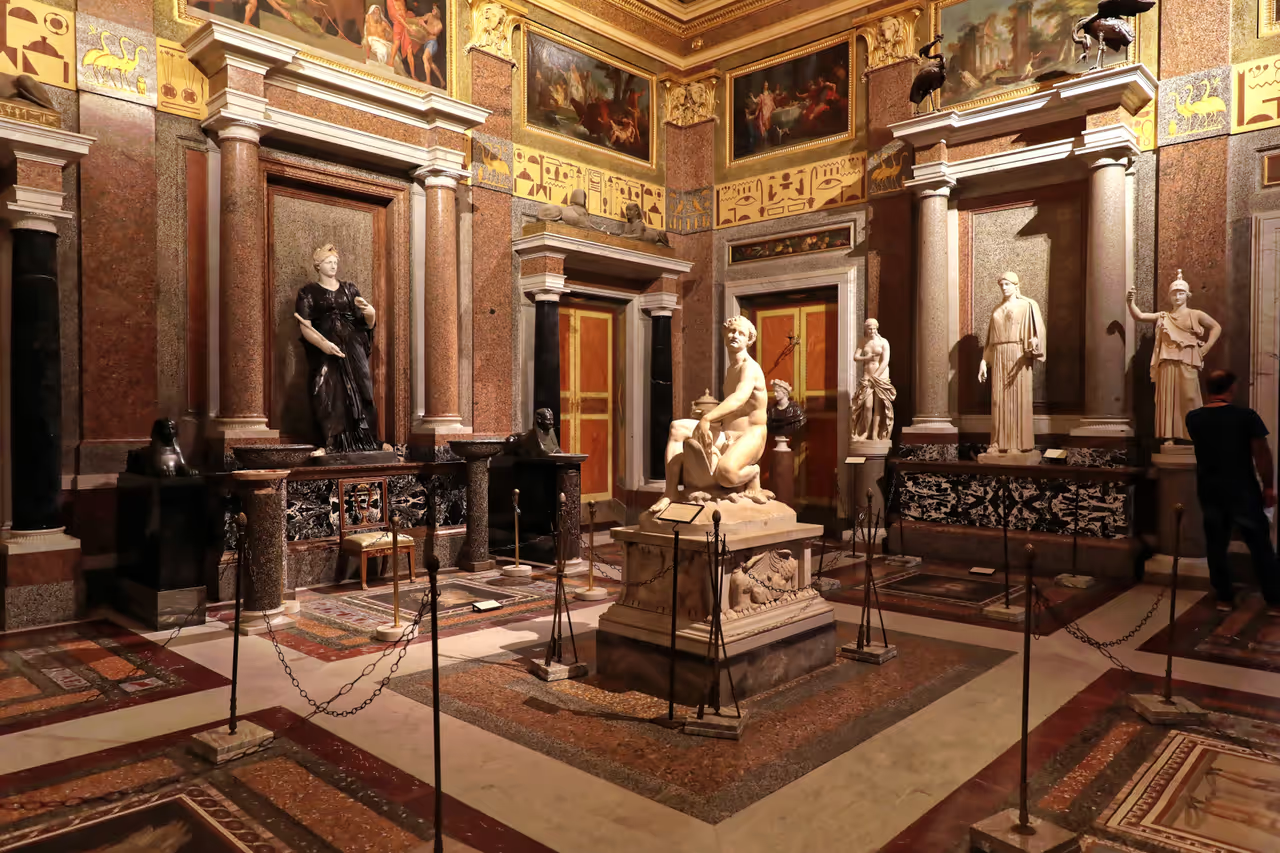
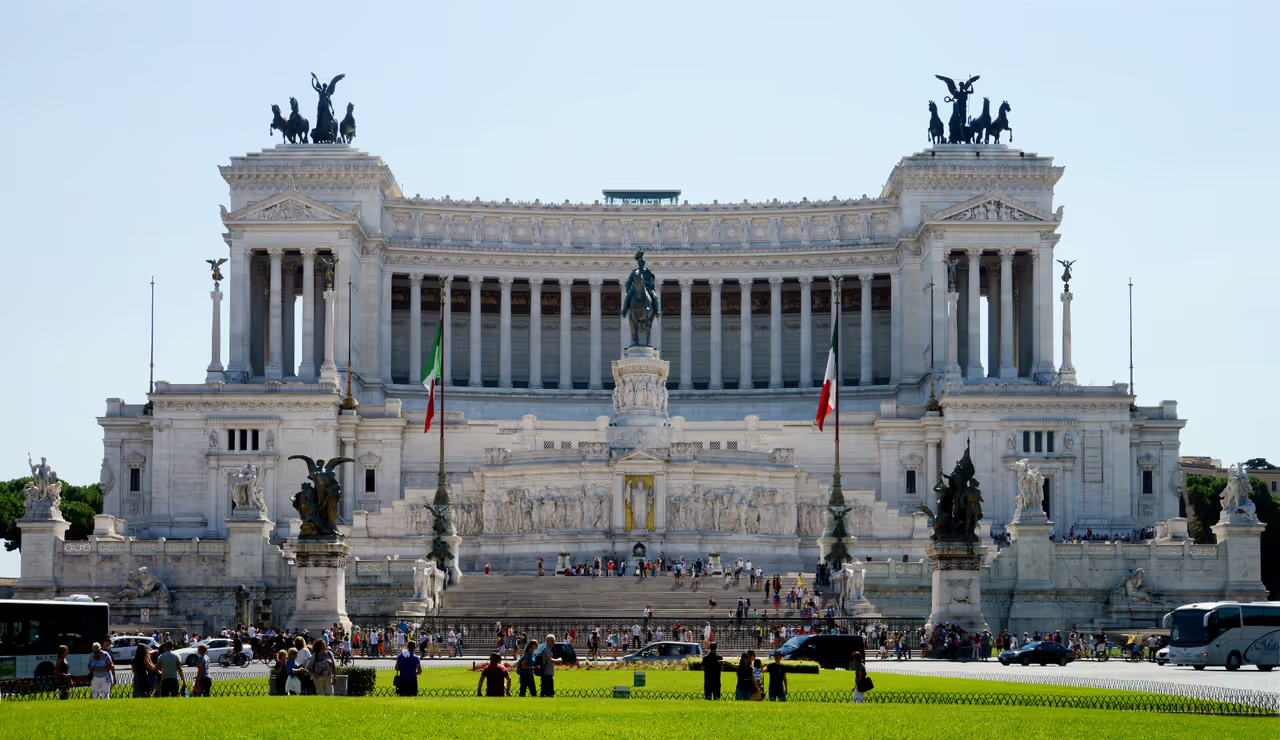
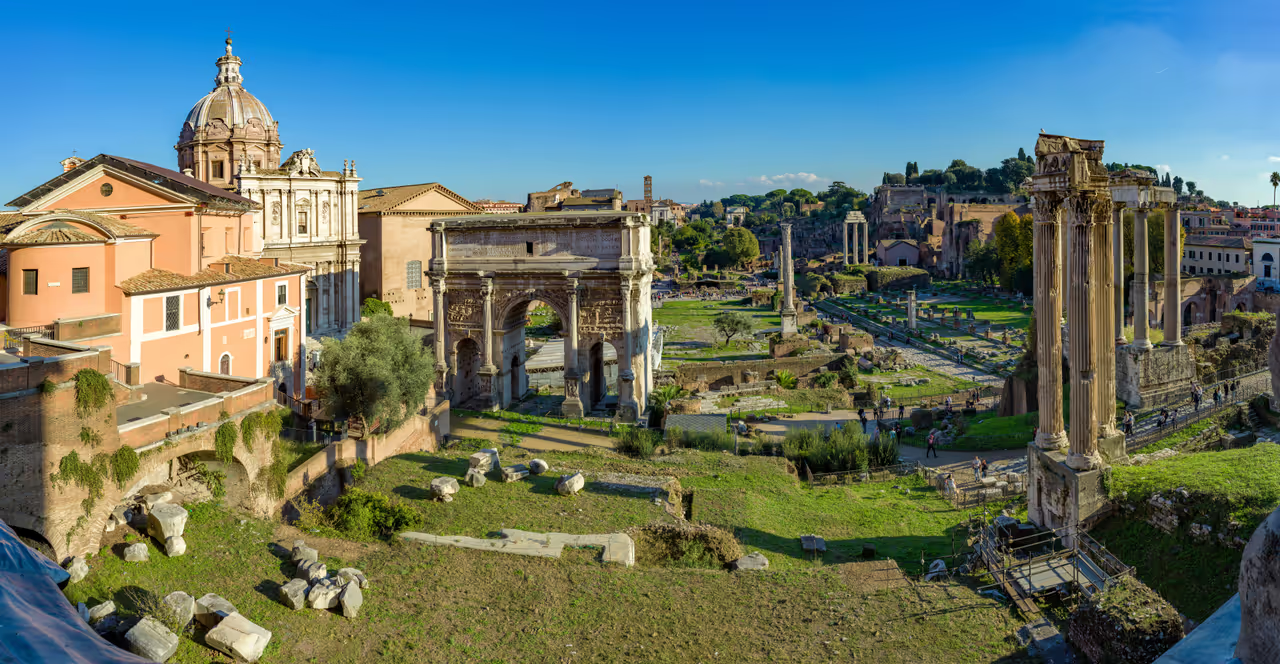
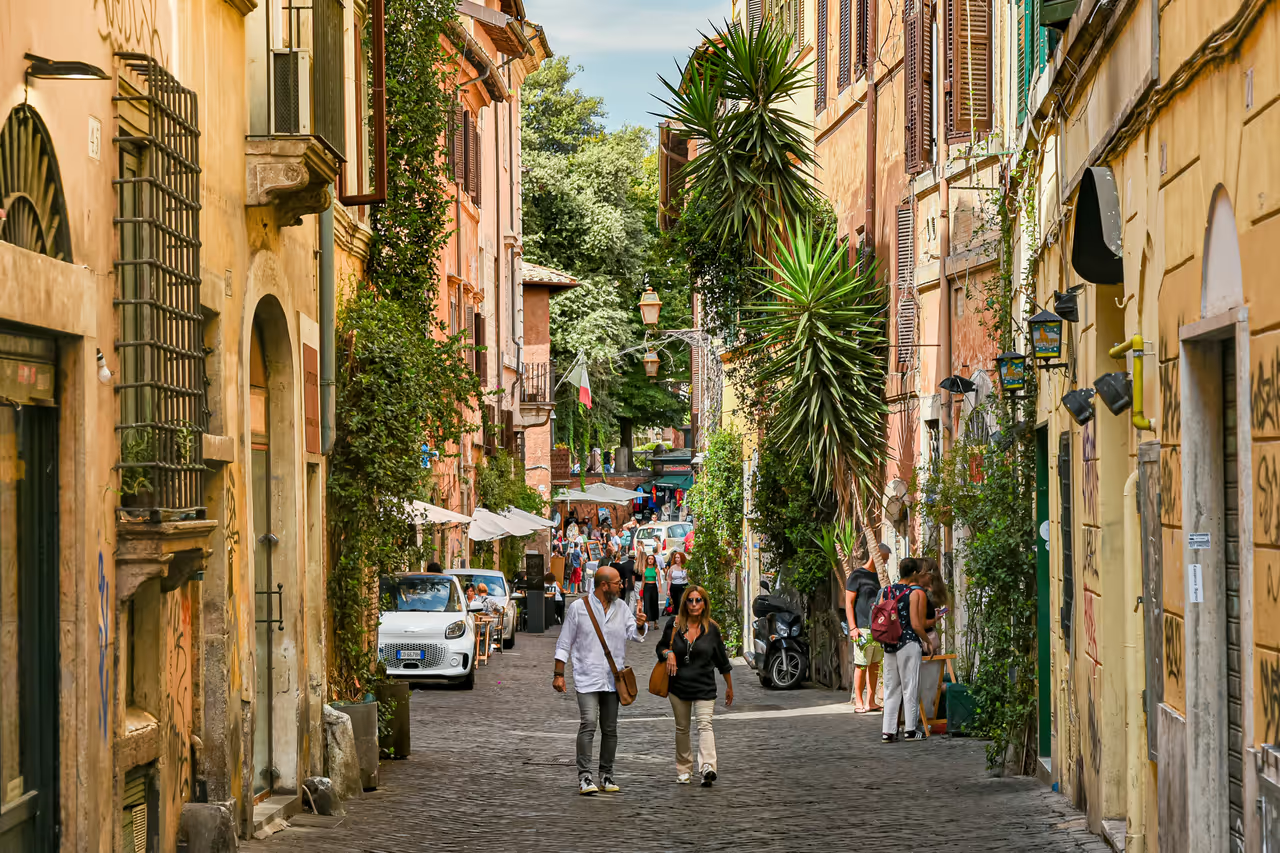
3 Days in Rome: History and Art Itinerary
This balanced, deeply satisfying three day journey allows for a proper, immersive exploration of the city's distinct historical eras. It cleverly dedicates one full day to the sheer power of the ancient empire, another to the breathtaking spiritual grandeur of the Vatican, and the final day to the elegant art and romantic squares of the Renaissance. The pacing is comfortable, leaving ample time to enjoy long, leisurely lunches and appreciate the vibrant local street life. It offers a comprehensive, highly enriching overview of the cultural and architectural evolution of the capital. It is the ideal introductory tour for first time visitors.
view itinerary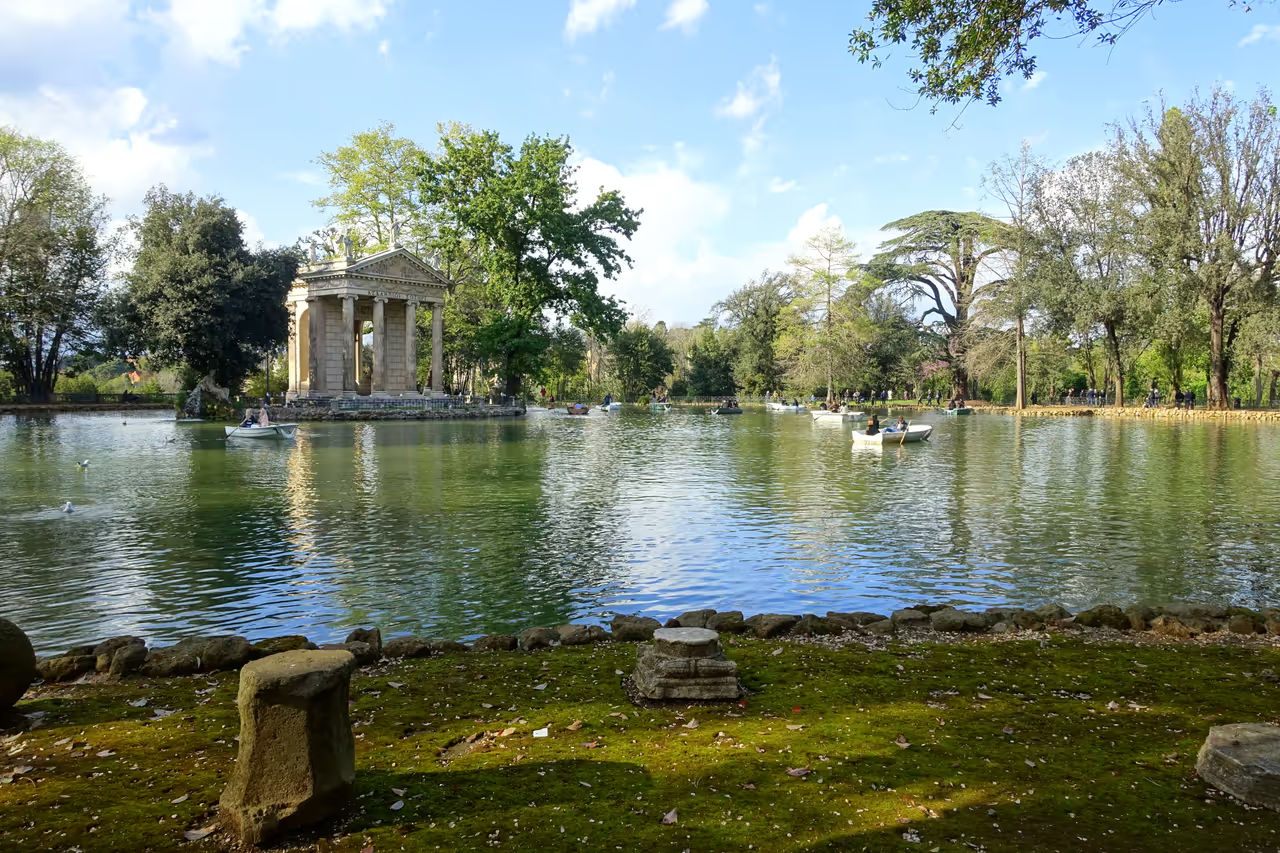
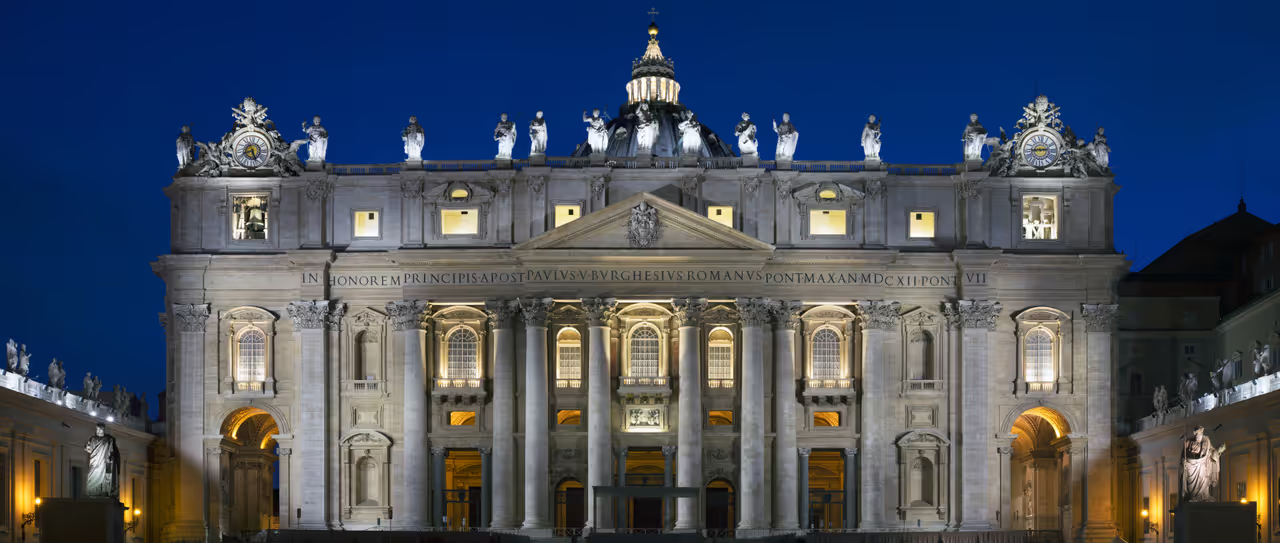
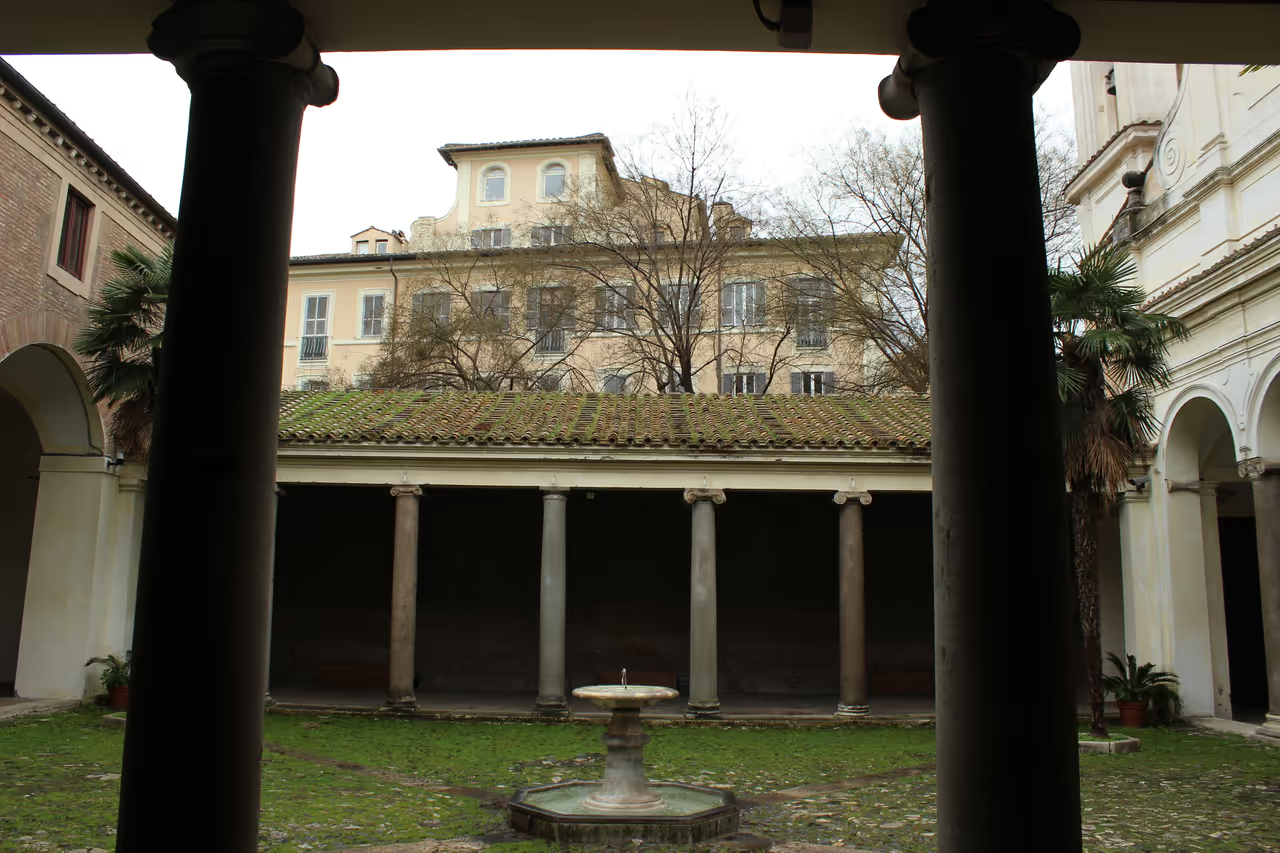
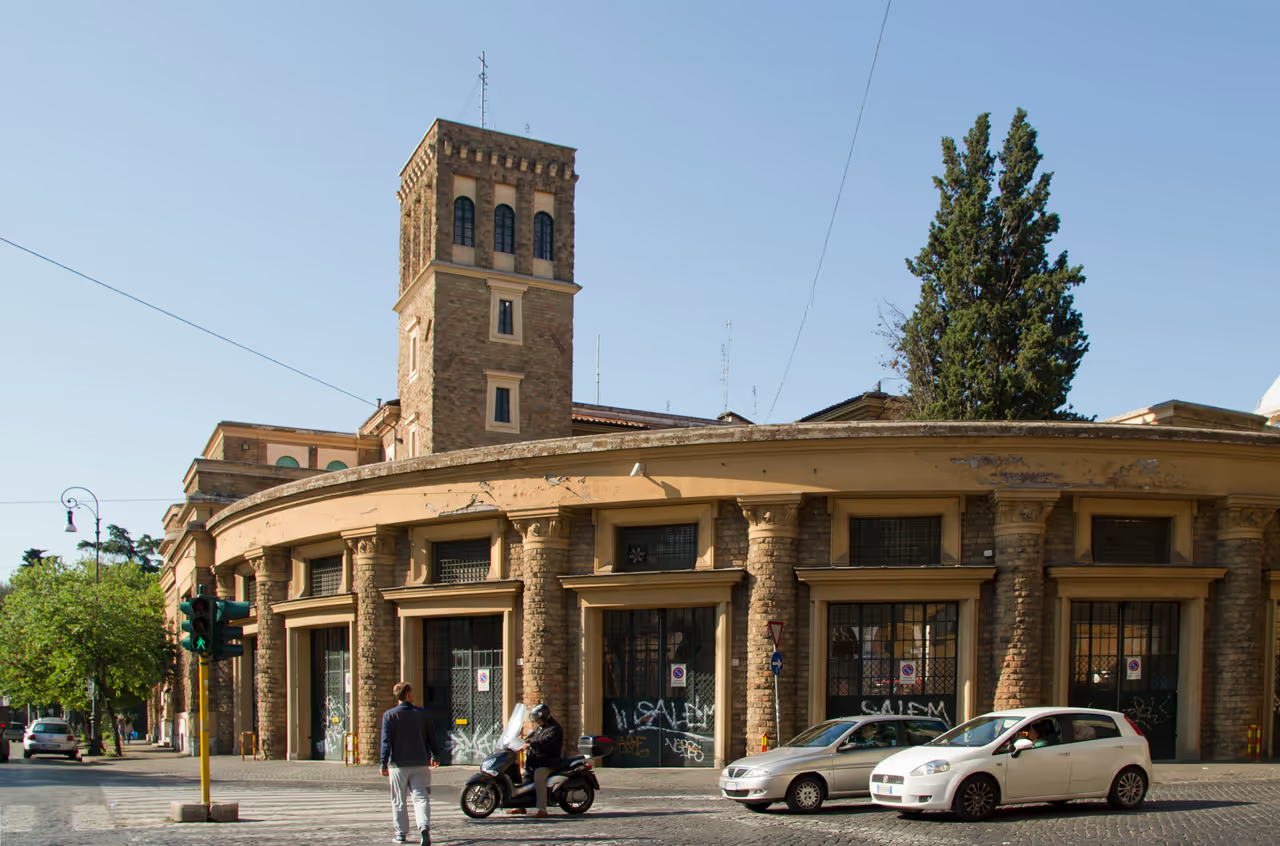
5 Days in Rome: In Depth Discovery Itinerary
This extensive, highly rewarding itinerary is crafted for those who want to move beyond the famous highlights and discover the complex, hidden layers of the city. Building upon the essential classical and Renaissance sights, it introduces fascinating underground archaeological explorations, expansive rural parklands, and gritty, authentic working class districts. It provides a much deeper, nuanced understanding of how the ancient past continuously interacts with modern daily life. The relaxed timeframe allows for genuine cultural immersion, unhurried museum visits, and extensive culinary indulgence. It is a spectacular, complete experience of the multifaceted capital.
view itinerary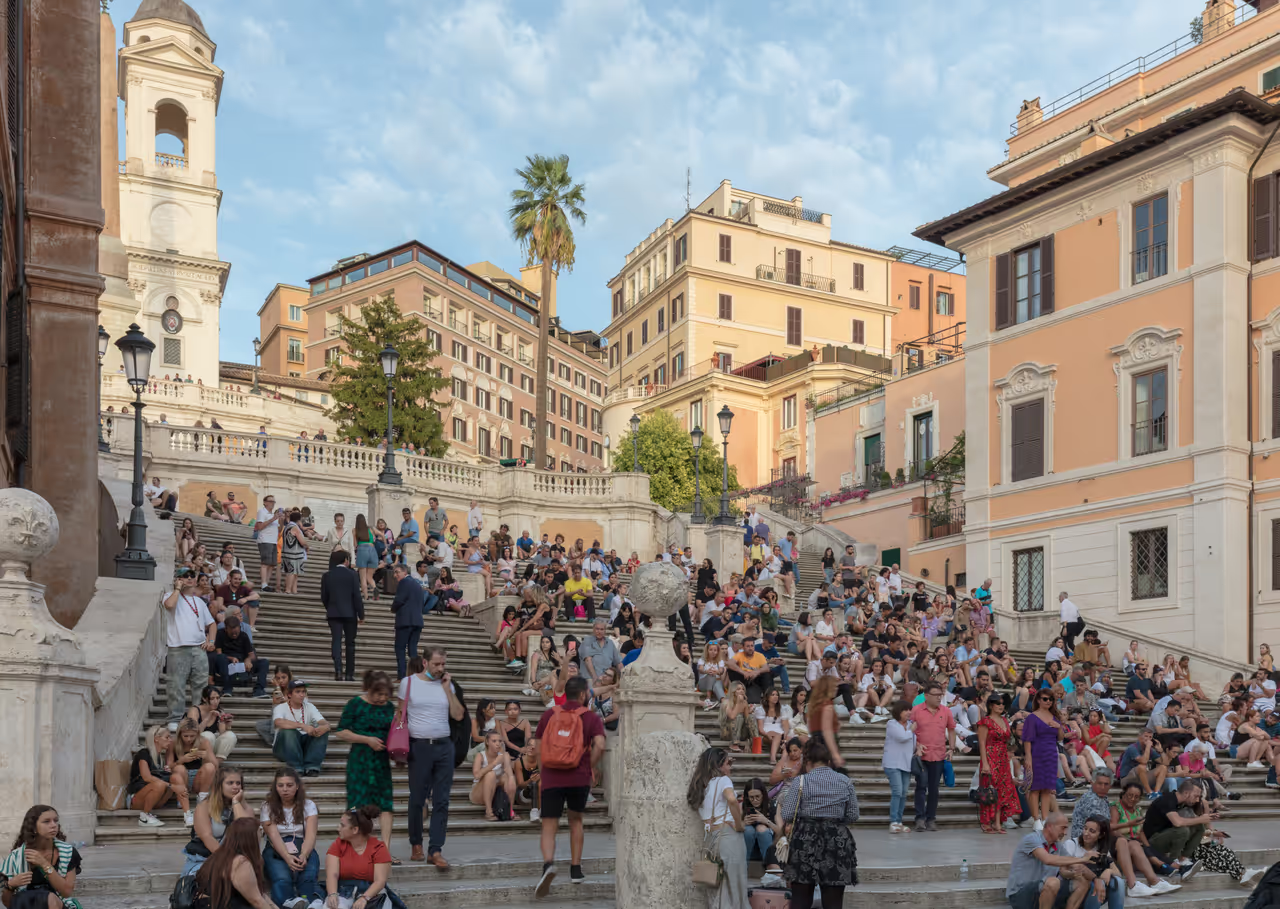
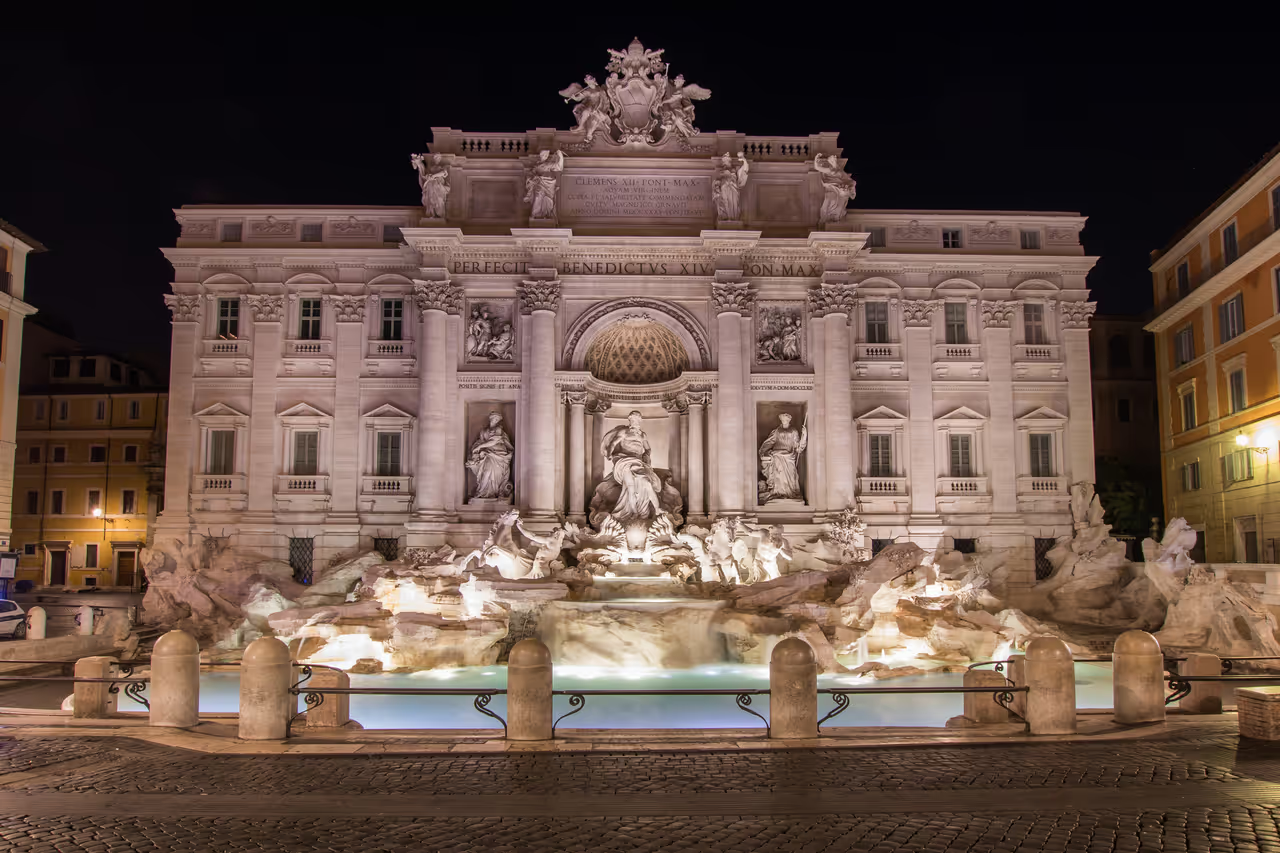
Baroque Squares and Fountains Stroll
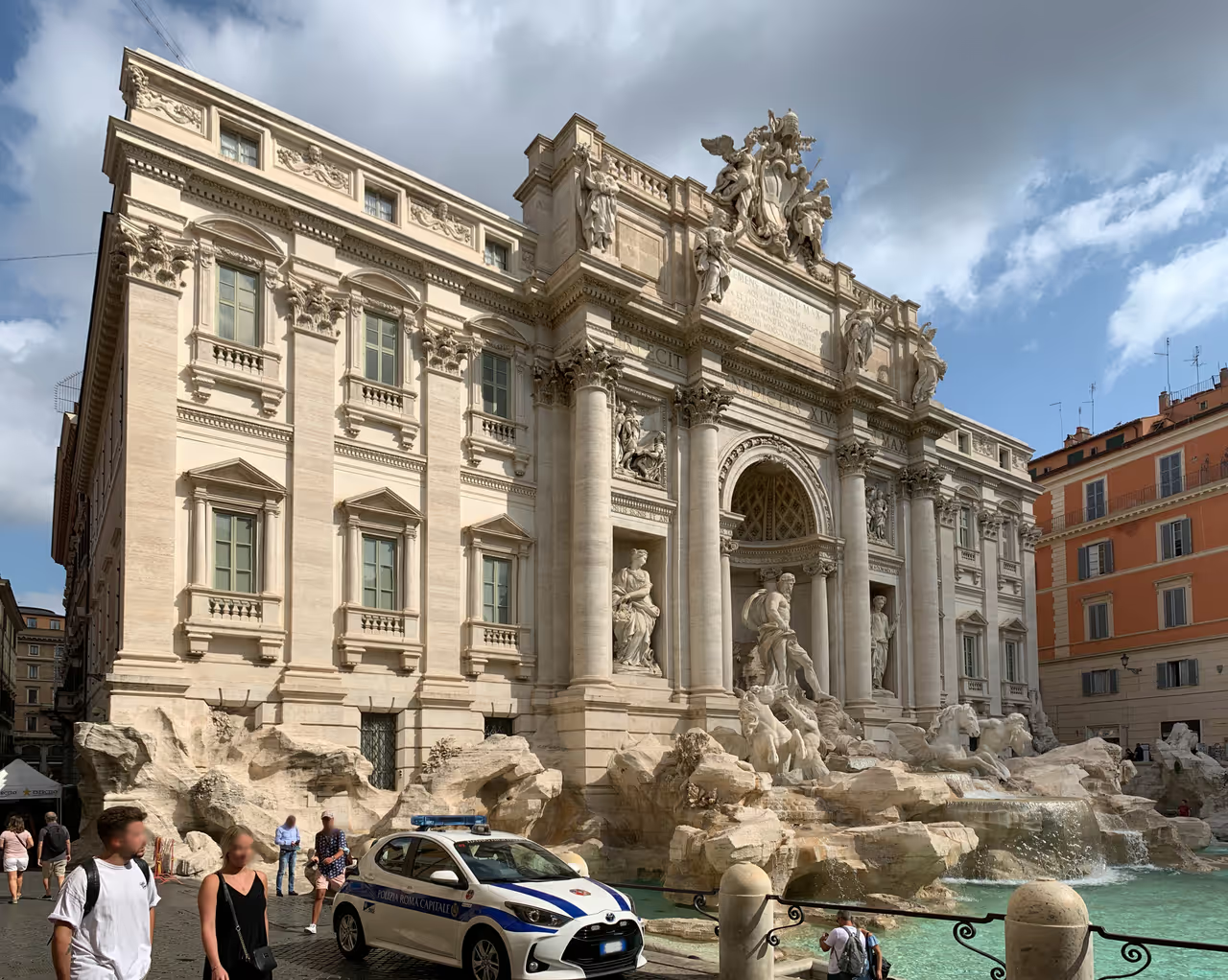
This delightful stroll weaves through the dense, historic heart of the city, connecting its most theatrical and opulent public spaces. The route is a masterclass in Baroque urban design, featuring dramatic marble fountains, towering obelisks, and elegantly curving church facades. The labyrinthine alleyways between the grand squares are filled with artisan boutiques, historic gelaterias, and the constant, lively chatter of street life. It is an incredibly romantic and visually stunning journey that perfectly encapsulates the theatrical essence of the capital. The gentle sound of splashing water from the numerous fountains provides a constant, soothing soundtrack.
view walking route
See all attractions in Rome
Baths of Caracalla, Capitoline Museums, Castel Sant'Angelo, Colosseum, Roman Forum...