Arian Baptistry
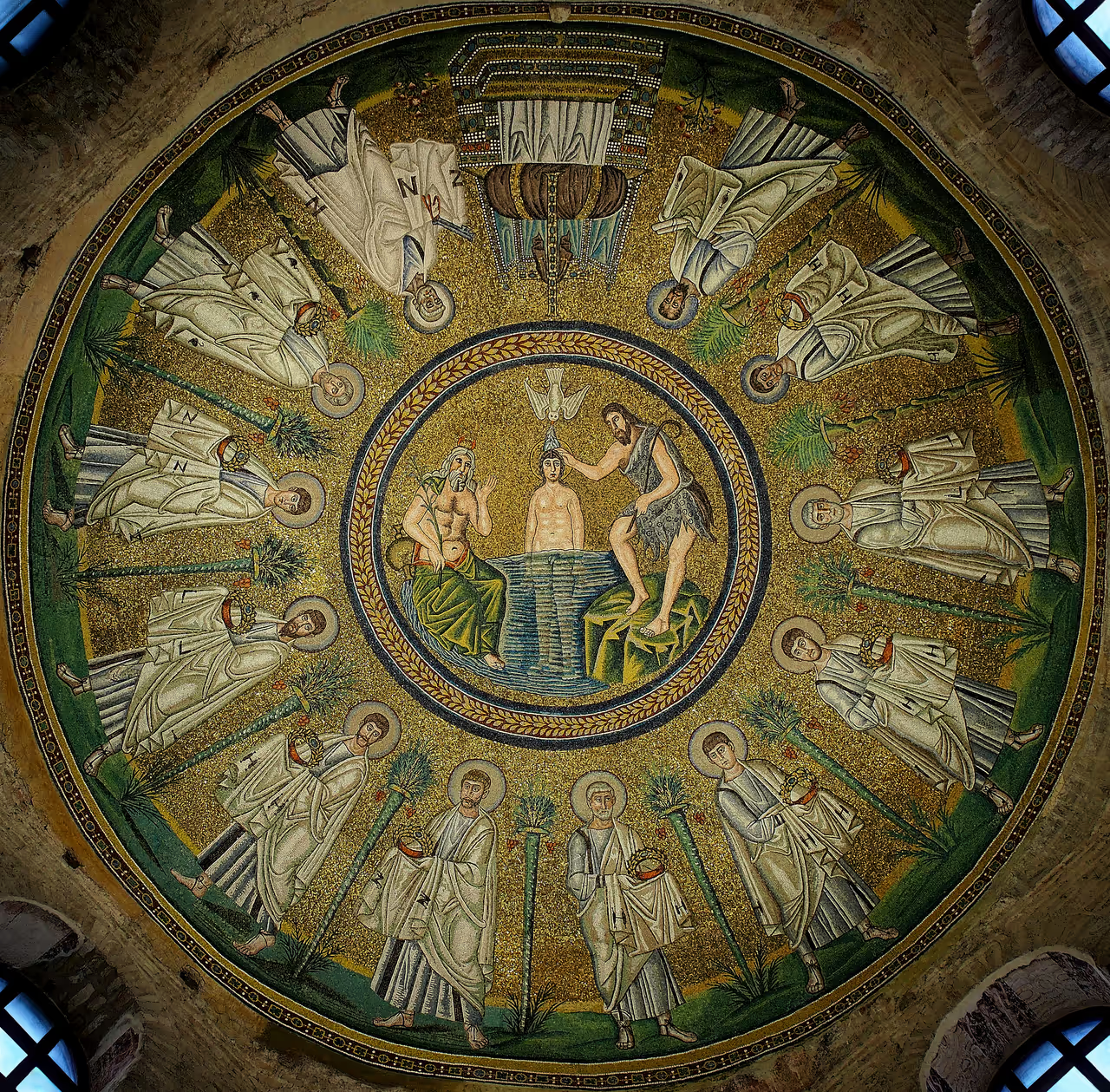
Step back into a period when Ravenna was the capital of a kingdom led by the Ostrogoths and marvel at the beautifully preserved Arian Baptistry. Built by Theodoric the Great to serve his Arian Christian subjects, this small yet architecturally significant structure offers a rare window into a complex theological and political era. Inside you will find a breathtaking dome mosaic depicting the baptism of Christ set against a stunning gold background that has survived for over 1500 years. It is one of the few surviving monuments that highlight the Arian influence in Italy making it a unique destination for anyone interested in early medieval history. The intimate atmosphere of the building allows visitors to appreciate the intricate details and craftsmanship that once defined the religious landscape of this fascinating city.
Videos
History of Arian Baptistry
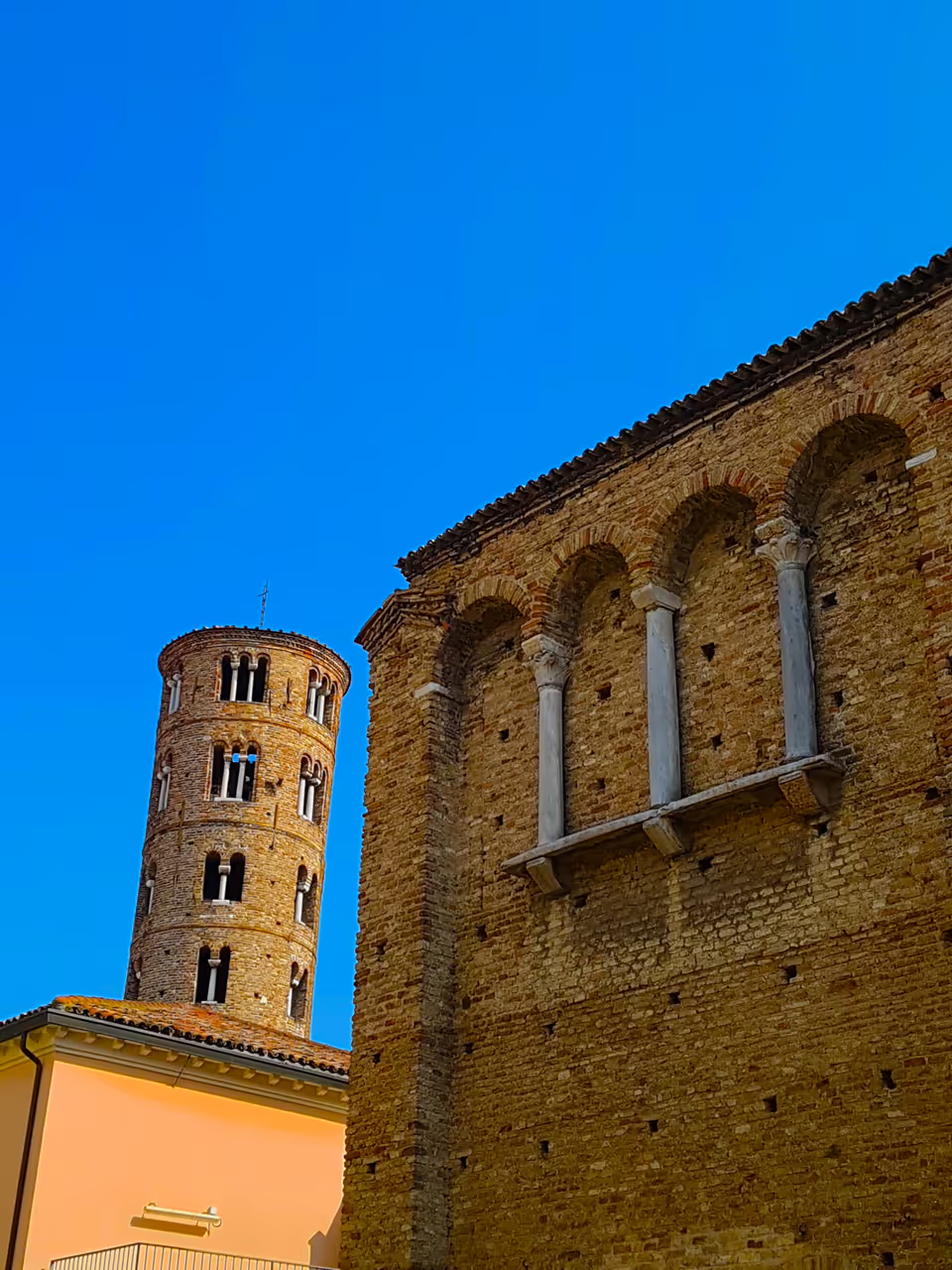
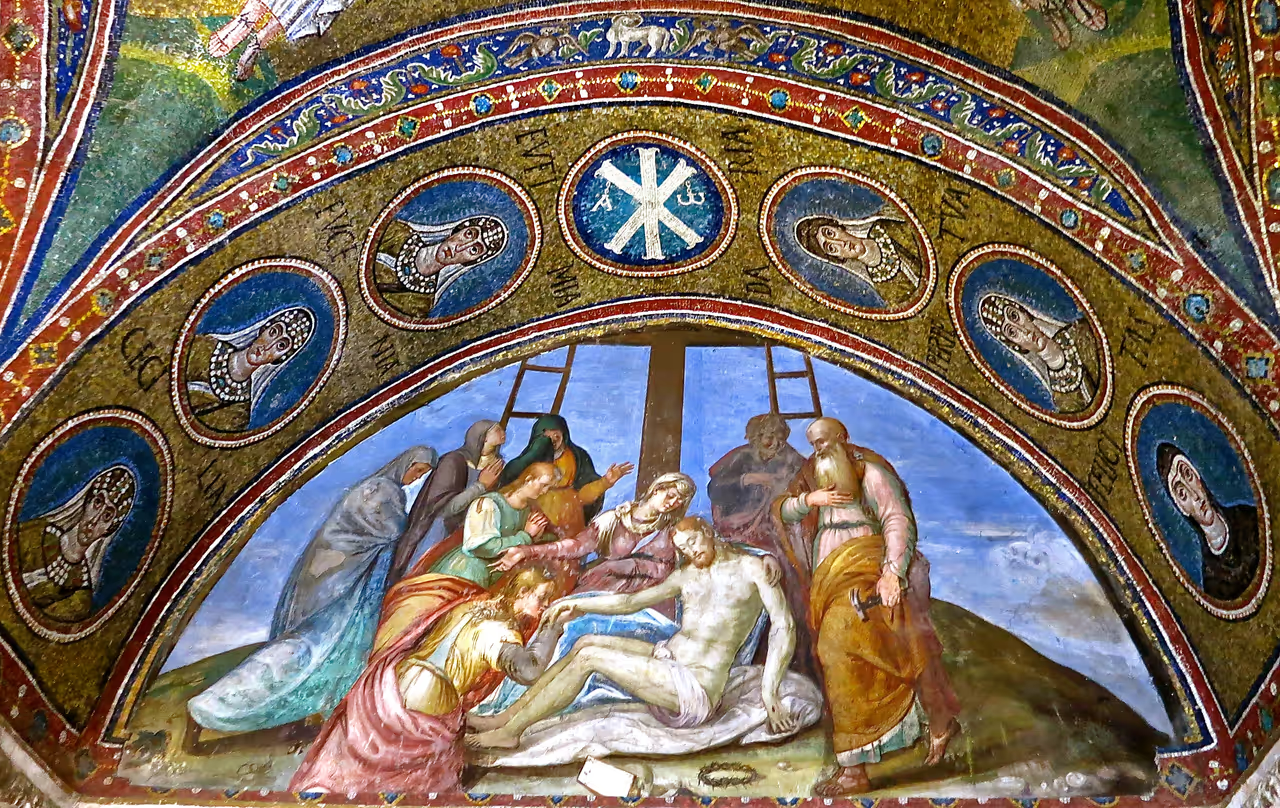
In the twilight of the Roman Empire, Ravenna emerged as a crucial capital under the rule of the Ostrogothic King Theodoric the Great. Arian Christianity, which held that Christ was subordinate to God, became the faith of the ruling Goths. Unlike many historical figures who sought to erase existing traditions, Theodoric was a pragmatic leader who permitted his Chalcedonian Christian subjects to continue their own worship. To serve the needs of his own people, he commissioned this octagonal baptistery, a testament to his unique policy of religious tolerance that defined his reign in the city. The architecture of the baptistery reflects the artistic synthesis of the era. Built with simple brick, the exterior hides the spiritual richness contained within. The dome mosaic serves as the true jewel, displaying the baptism of Jesus in the River Jordan. Notably, it features a personification of the river as a water deity, a nod to classical artistic traditions that persisted well into the early medieval period. The craftsmanship, likely executed by local Catholic artisans, displays the subtle yet profound artistic choices of the time, such as the white robed Apostles circling the dome. Following the eventual condemnation of Arianism, the building underwent a transformation, becoming a Chalcedonian oratory and eventually being dedicated to the Virgin Mary. Over the centuries, it faced neglect, private ownership, and even the destruction of surrounding structures during the intense aerial bombings of the Second World War. These bombings, however, ironically revealed the building to the world in a new light, as the clearing of adjacent debris allowed for a clearer examination of its exterior. Today, as a UNESCO World Heritage Site, it stands as a resilient bridge to a past where different religious traditions existed side by side, offering an evocative experience for all who step through its doors.
Events spanning 1503 years
Fun Facts
- • A throne with a jeweled cross sits between the figures of Saint Peter and Saint Paul in the mosaic, representing the authority derived from Christ.
- • Archaeological excavations revealed about 170 kilograms of glass and stone tesserae on the floor, suggesting parts of the wall once held additional elaborate mosaics.
- • Historians believe the artists who created the mosaics were likely Catholic Christians, as there is little evidence of Ostrogothic mosaic craftsmanship from the era.
- • It is one of the very few surviving buildings in the world that specifically served an Arian Christian community.
- • The baptistery was originally built as a separate facility for Arian Christians, adhering to the religious architecture rules of the time.
- • The building octagonal design was a popular choice for baptisteries throughout the Roman and early medieval world, signifying spiritual rebirth.
- • The dome mosaic depicts Jesus being baptised by John the Baptist, with a personification of the River Jordan shown with crayfish claws on his head.
- • The original floor of the baptistery is now roughly 2.3 metres below the modern ground level due to centuries of accumulated soil and city development.
- • Theodoric the Great was known for his religious tolerance, which is one reason why such unique Arian monuments were permitted to survive in a primarily Catholic city.
- • Unlike the neighbouring Neonian Baptistery, which depicts Christ as a man in his thirties, this mosaic shows him as a youthful figure, reflecting Arian theological views.
Arian Baptistry FAQ
While we strive to keep this information accurate and up to date, we recommend verifying any details independently before making decisions based on them.
Arian Baptistry Map & Neighborhood Explorer
This interactive map is centered on Arian Baptistry. Zoom in and move the map around to automatically discover Wikipedia photos and summaries of other nearby sights, monuments, and historical points of interest and stories in real-time!
Places near Arian Baptistry
Make the most of your trip. Check out these top-rated spots located nearby.
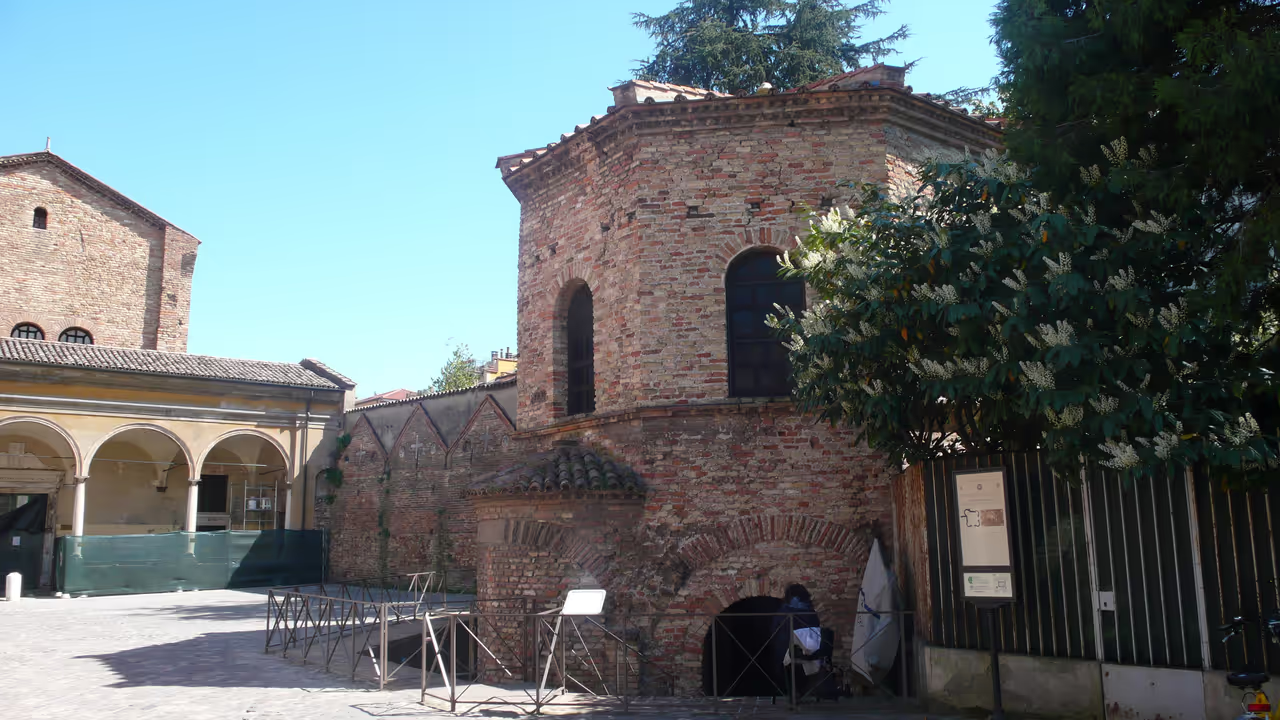 20m
20mChurch of the Holy Spirit
Originally built in the sixth century as the cathedral for the Arian Christian community under King Theodoric. While the exterior was significantly altered with a highly decorative Baroque facade centuries later, its ancient origins are still palpable in its layout. It provides a fascinating visual timeline of architectural evolution, bridging the gap between late antiquity and the ornate aesthetic of the eighteenth century. It currently serves the local Romanian Orthodox community.
architecture view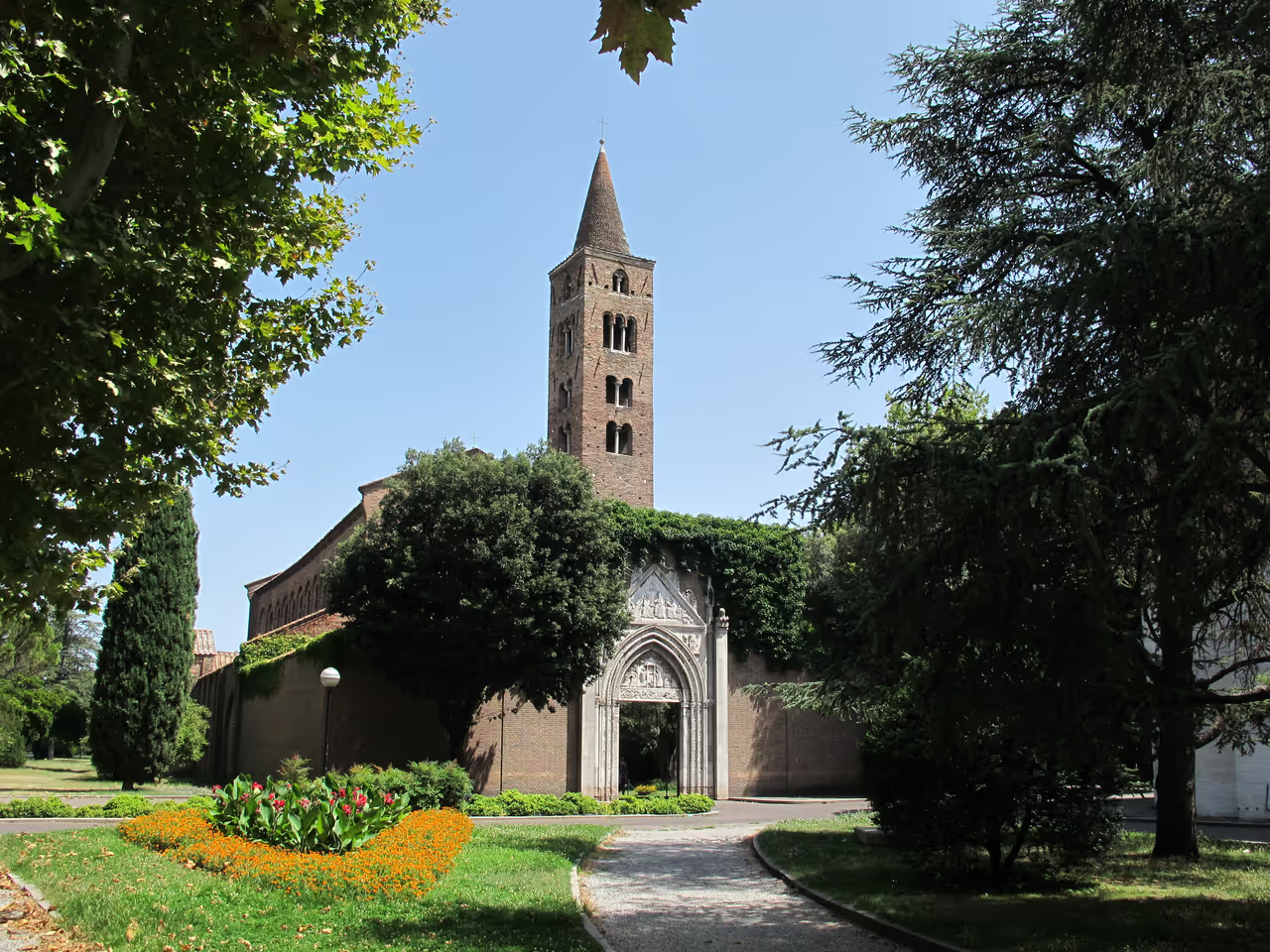 188m
188mChurch of Saint John the Evangelist
This is the oldest place of worship in the city, an imposing and starkly beautiful basilica founded in 424 AD by Empress Galla Placidia. Unlike the glittering monuments nearby, it possesses a raw, unadorned charm, having lost its original mosaics over the centuries. A massive Gothic portal marks the entrance, leading into a vast, silent nave that survived heavy bombing during World War II. Intriguingly, fragments of bizarre medieval floor mosaics depicting mythical beasts and crusades are mounted on the walls.
hidden gem view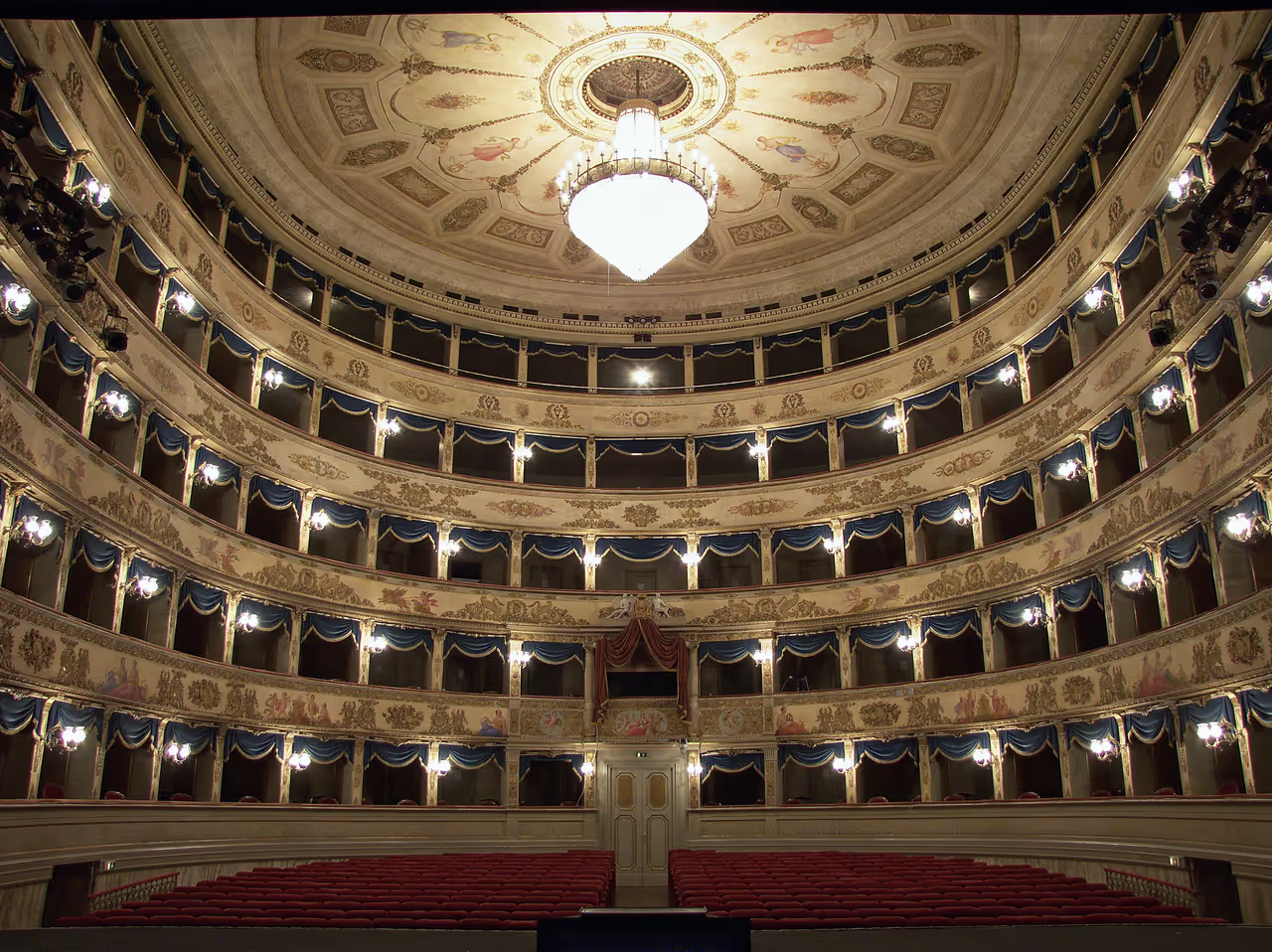 198m
198mRavenna Festival
This prestigious summer event is a cornerstone of the city's cultural calendar, drawing artists and performers from around the globe. It offers an incredibly diverse programme encompassing opera, classical music, dance, and contemporary theatre. Performances are held in spectacular historical venues, including ancient basilicas and the magnificent Pala De André. The festival transforms the entire city into a vibrant stage, creating an unforgettable atmosphere of artistic celebration.
festival view- 198m
Ravenna Jazz
Running since 1973, this is one of the longest established and most respected jazz festivals in Italy. It brings a sophisticated and lively rhythm to the spring air, featuring both internationally renowned legends and emerging talents. Concerts are hosted in traditional theatres as well as intimate local clubs. It provides a perfect evening soundtrack after a day of exploring historical monuments.
festival view
Explore Similar Places in These Collections
Featured on These Itineraries and Routes
3 Days in Ravenna: Exploring Empires Itinerary
With three days, you can significantly expand your exploration beyond the central cluster, taking the time to absorb the profound differences between the Arian, Orthodox, and Byzantine monuments. This pace allows for unhurried museum visits, a trip to the magnificent flooded crypt, and a short excursion outside the city centre to Classe. It strikes the perfect balance between intense cultural sightseeing and the slow, enjoyable lifestyle of the Romagna region. You will leave with a deeply comprehensive understanding of the city's golden age.
view itinerary
5 Days in Ravenna: The Complete Experience Itinerary
A five day stay transforms a cultural trip into a fully immersive holiday. You have the luxury to discover every single UNESCO monument, including the imposing Mausoleum of Theodoric, and explore the city's superb art museums. Crucially, it allows you to step outside the history books and experience the city's stunning natural surroundings, from the ancient pine forests to the lively Adriatic beaches. It is the ultimate way to appreciate both the ancient grandeur and the vibrant modern spirit of the area.
view itinerary
Empires of the Dark Ages
Discover the contrasting legacies of the two great powers that ruled the city after the fall of Rome. This tour highlights the architectural differences between the Arian Ostrogoths and the Orthodox Byzantines. You will explore monumental structures that tell the story of theological conflicts, military conquests, and the clash of civilisations. It is a fascinating dive into a complex, often misunderstood era of European history.
view self-guided tour
See all unesco sites in Ravenna
Archiepiscopal Chapel, Basilica of Sant'Apollinare in Classe, Basilica of Sant'Apollinare Nuovo, Basilica of San Vitale, Mausoleum of Galla Placidia, Mausoleum of Theodoric, Mosaics of the Neonian Baptistery...