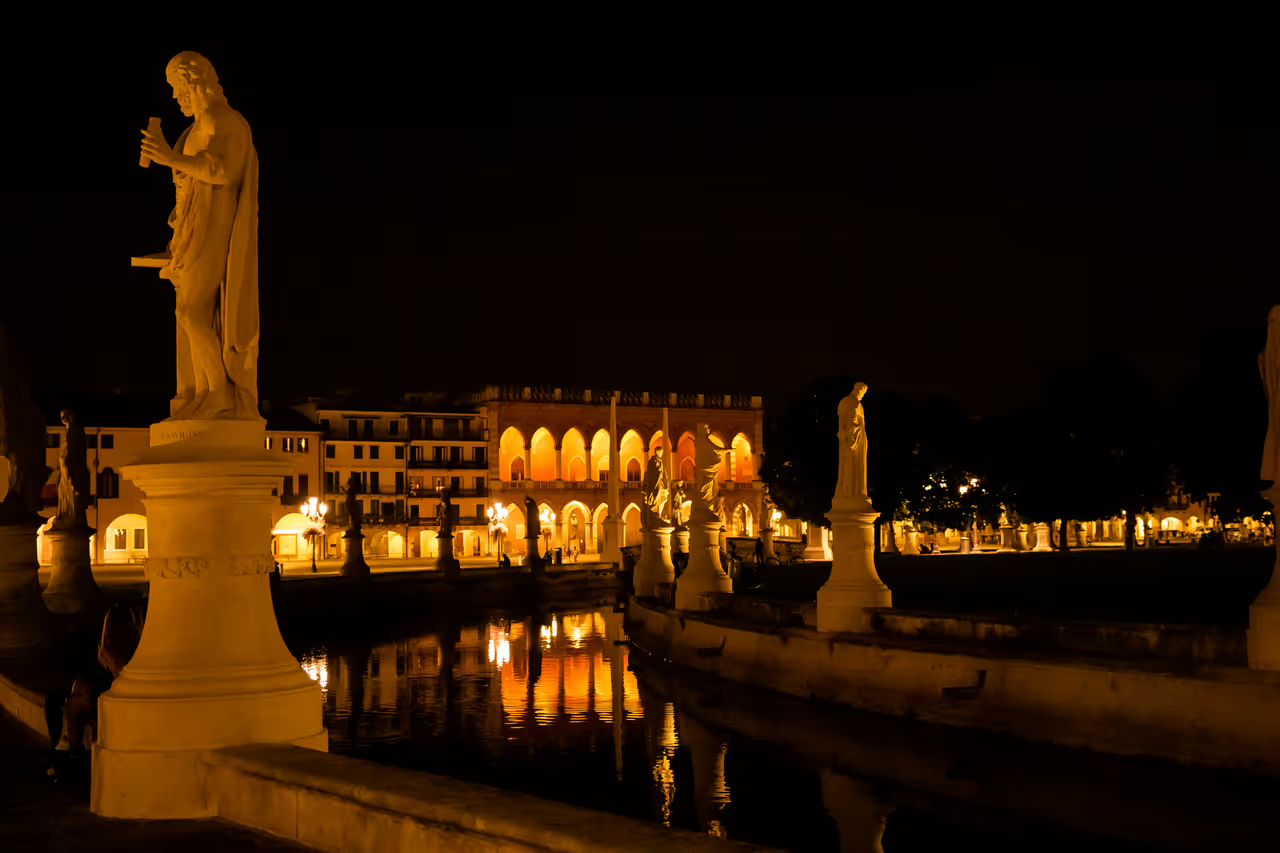
Arena Gardens
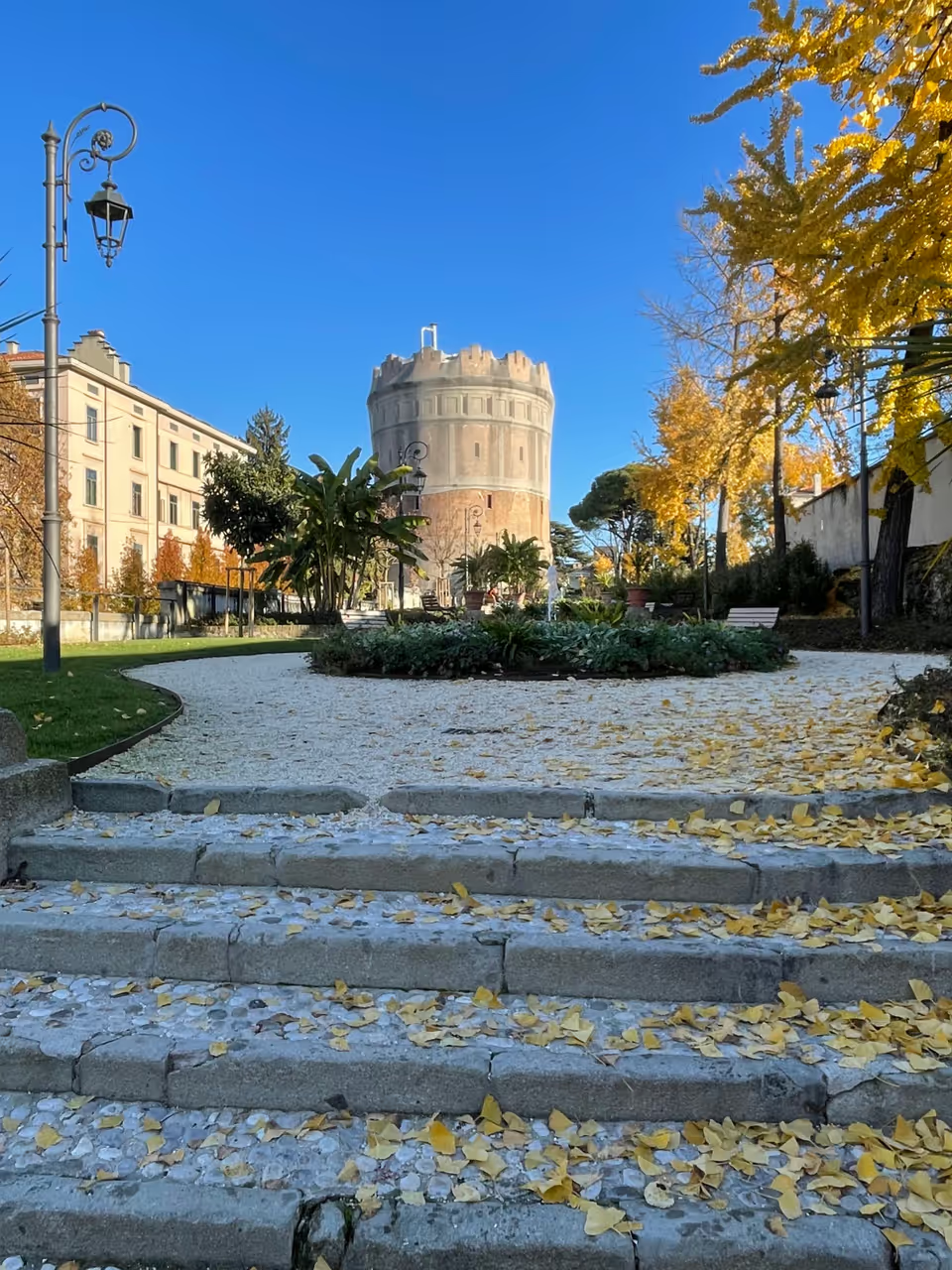
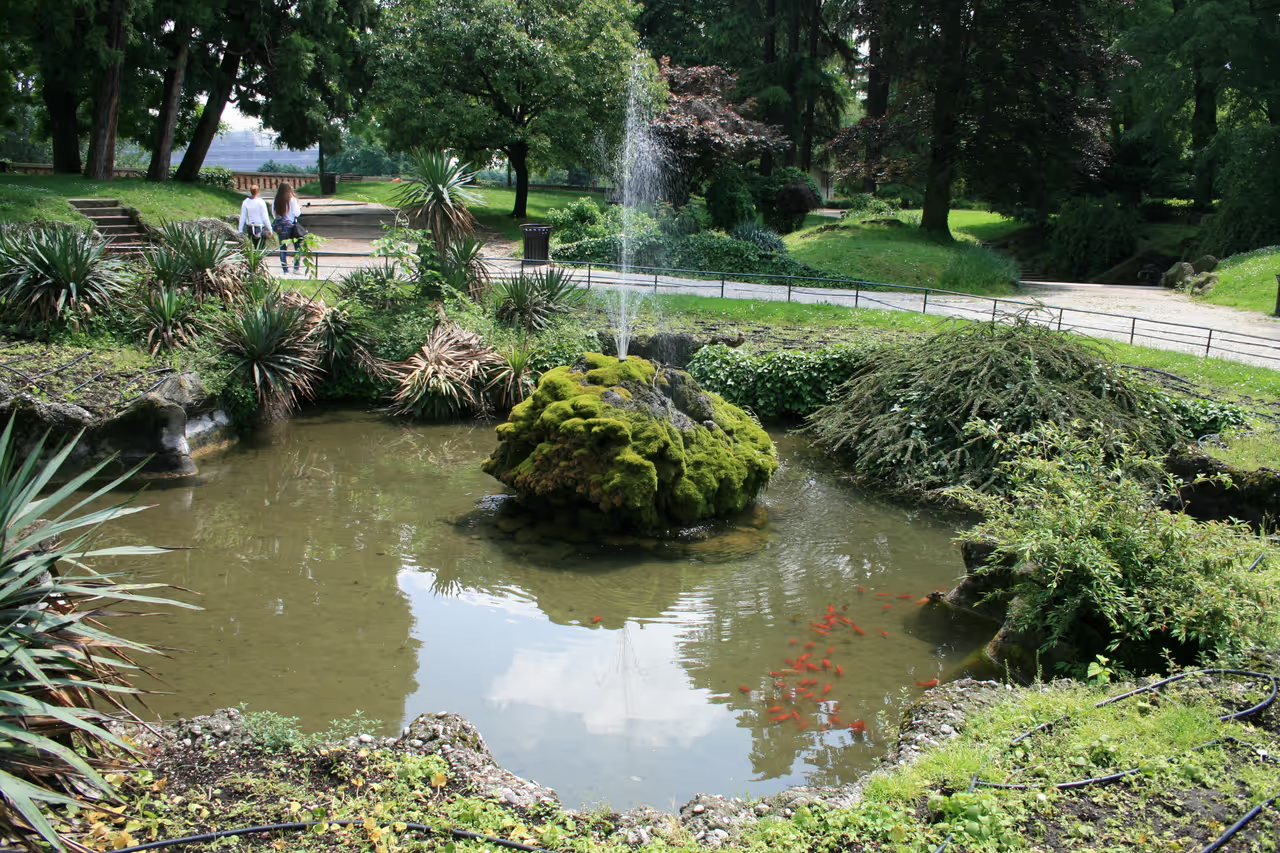
The Arena Gardens are a romantic green sanctuary that blends nearly two thousand years of history with a refreshing park atmosphere. Located in the heart of Padua, this spot is famous for housing the ancient Roman Amphitheatre and the world-renowned Scrovegni Chapel. It was one of Italy's very first public parks, designed with the winding paths and hidden grottos typical of the late Romantic style. Visitors can admire massive Himalayan cedars and rare Ginkgo trees while exploring the 16th-century fortifications that once defended the city. Today, the park is a lively cultural hub hosting everything from jazz festivals to innovative contemporary land art. It is a perfect place to escape the city pavements and soak up a unique mix of archaeology and nature.
Videos
History of Arena Gardens
The Arena Gardens sit on layers of history that span nearly two thousand years. It all began around 70 AD when the Romans built a massive amphitheatre here for gladiatorial games and grand spectacles. After the fall of the Empire, the site slipped into a long sleep, eventually becoming part of a private estate. In the early 14th century, the wealthy banker Enrico Scrovegni bought the land to build a palace and a private chapel, which would later house the breathtaking frescoes of Giotto. This period transformed the ancient ruins into a centre of artistic and religious significance. The 19th century brought a dramatic turning point when the site faced total destruction. The Gradenigo family, who then owned the property, allowed the ancient structures to fall into ruin and even began demolishing the Scrovegni palace for scrap materials. A fierce legal battle led by the local mayor and a dedicated lawyer eventually saved the chapel for the public. This victory paved the way for the creation of Padua's first public garden, designed in 1907 to offer a romantic escape for the city's residents. Today, the gardens serve as a vibrant intersection of ancient masonry and modern creativity. You can walk alongside 16th-century bastions built to withstand cannon fire or admire contemporary land art that pays tribute to historical figures. The space has been reclaimed by the community through jazz festivals and open-air concerts, transforming it from a neglected relic into a living cultural stage. It remains a place where rare Himalayan cedars and ancient Roman stones provide a peaceful backdrop to daily life in Padua.
10 Events spanning 1941 years
Fun Facts
- • Garden designers in 1907 used innovative concrete techniques to create fake rock formations that look like natural caves.
- • In 2011, the Ginkgo Biloba tree located behind the Scrovegni Chapel was officially voted the most beautiful tree in the city.
- • Mayor Giacomo Levi Civita led a decades-long legal battle against private counts to save the Scrovegni Chapel for the public.
- • Modern art pieces like 'Supernova' pay homage to Galileo Galilei and the scientific heritage of Padua's university.
- • The 'Ballerina' sculpture near the entrance is crafted from Corten steel and authentic colourful Murano glass.
- • The 'iosonofina' installation is the first piece of land art ever permitted in a protected historical garden in Padua.
- • The 16th-century bastion hidden within the greenery has round walls that are 30 metres thick to withstand heavy artillery.
- • The Scrovegni Palace was completely demolished in 1834 so its owner could sell off the bricks and building materials.
- • The canal running alongside the park was historically used to transport marble and stone from the mainland to Venice.
- • The park contains a Cedar of Lebanon which is a direct descendant of the first specimen introduced to the region in 1828.
- • The park features a rare Liriodendron tree, known as a tulip tree, which produces striking yellow and orange flowers in late spring.
- • The park sits directly on the remains of a Roman amphitheatre where gladiators once fought for their lives.
Arena Gardens FAQ
While we strive to keep this information accurate and up to date, we recommend verifying any details independently before making decisions based on them.
Arena Gardens Map & Neighborhood Explorer
This interactive map is centered on Arena Gardens. Zoom in and move the map around to automatically discover Wikipedia photos and summaries of other nearby sights, monuments, and historical points of interest and stories in real-time!
Places near Arena Gardens
Make the most of your trip. Check out these top-rated spots located nearby.
 70m
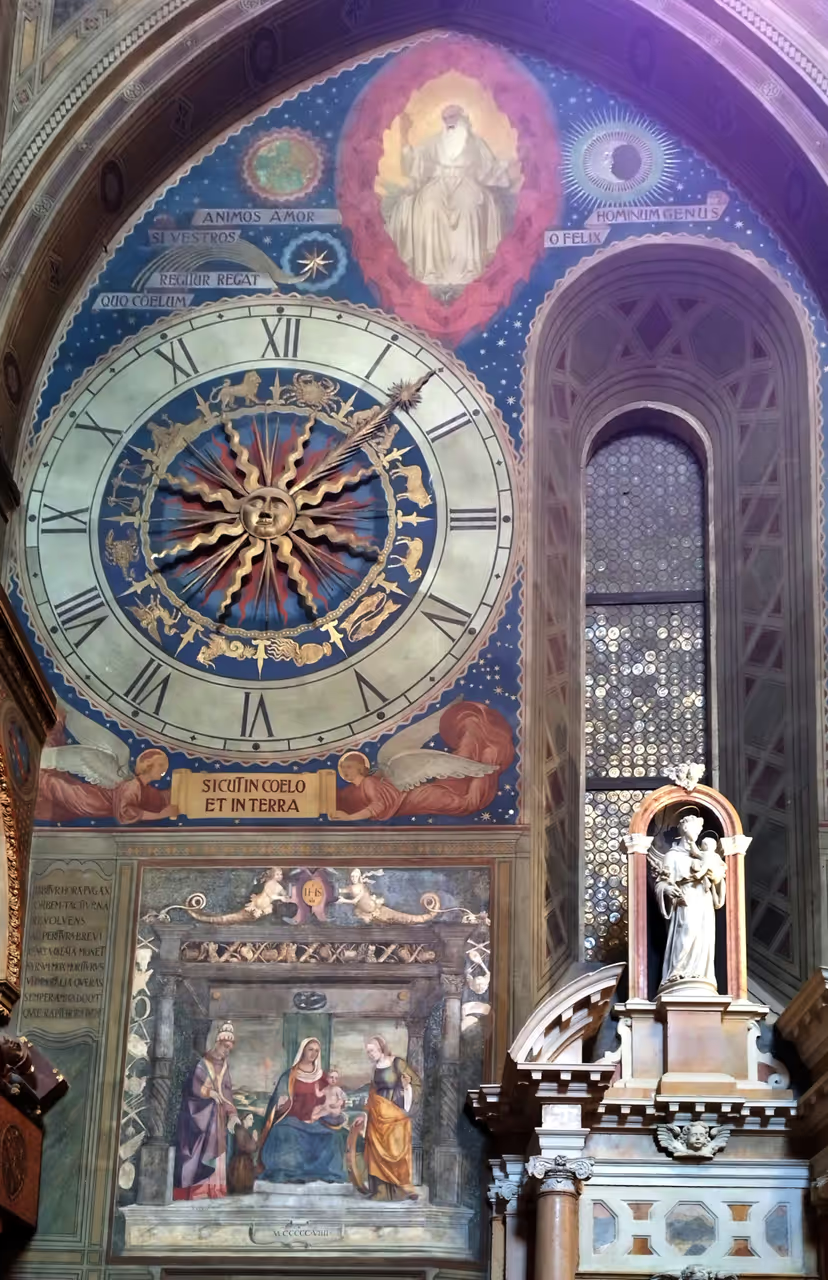
70mPadua’s Fourteenth-Century Fresco Cycles
Immerse yourself in the birthplace of modern painting. This UNESCO World Heritage site is a monumental turning point where artists first mastered human emotion and spatial depth. Wandering through these eight historic locations allows you to trace the evolution of the Trecento, from Giotto’s revolutionary breakthroughs to the refined skills of his followers. You will find heavens painted in brilliant ultramarine and stories told with such intensity that they remain as poignant today as they were seven centuries ago. It is a profound experience that shifts your perspective on how art can capture the human soul. Make sure to visit these sites to witness the dawn of the Renaissance in the heart of Padua.
unesco heritage site view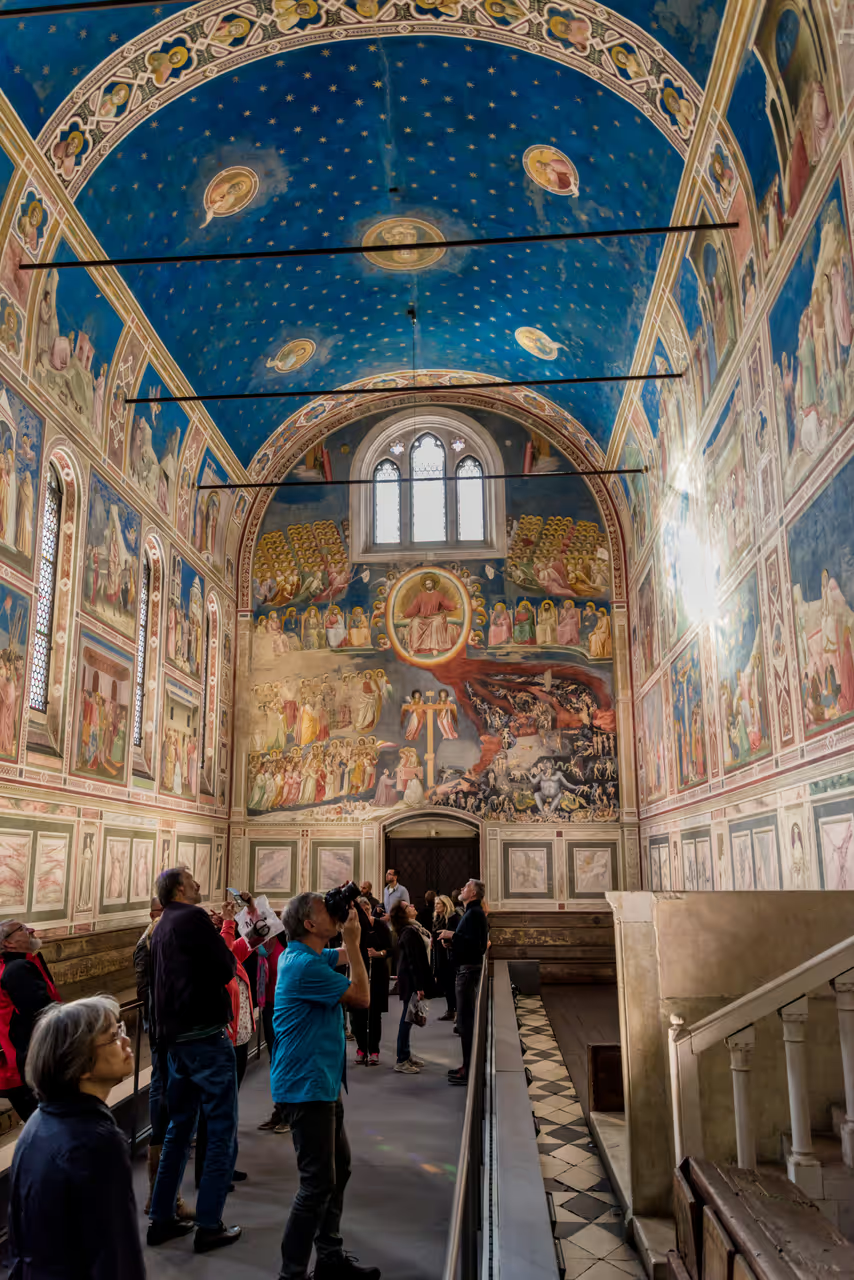 70m
70mScrovegni Chapel
Step inside the Scrovegni Chapel to witness what many art historians consider the most pivotal achievement in Western art. Painted by Giotto in the early 14th century, this masterpiece transformed the trajectory of painting, moving away from rigid Byzantine forms to a vibrant, humanistic style full of emotion and psychological depth. Every square centimetre of the interior is covered in intense blue pigments and masterful narrative cycles telling the stories of Joachim, Anna, Mary, and Christ. Beyond the religious scenes, the chapel features a profound cycle of Vices and Virtues, offering a complex philosophical journey. The experience is intimate and awe-inspiring, made even more special by the strict conservation measures that protect these fragile colours. It is a rare chance to see a complete vision of genius preserved perfectly in time.
attraction view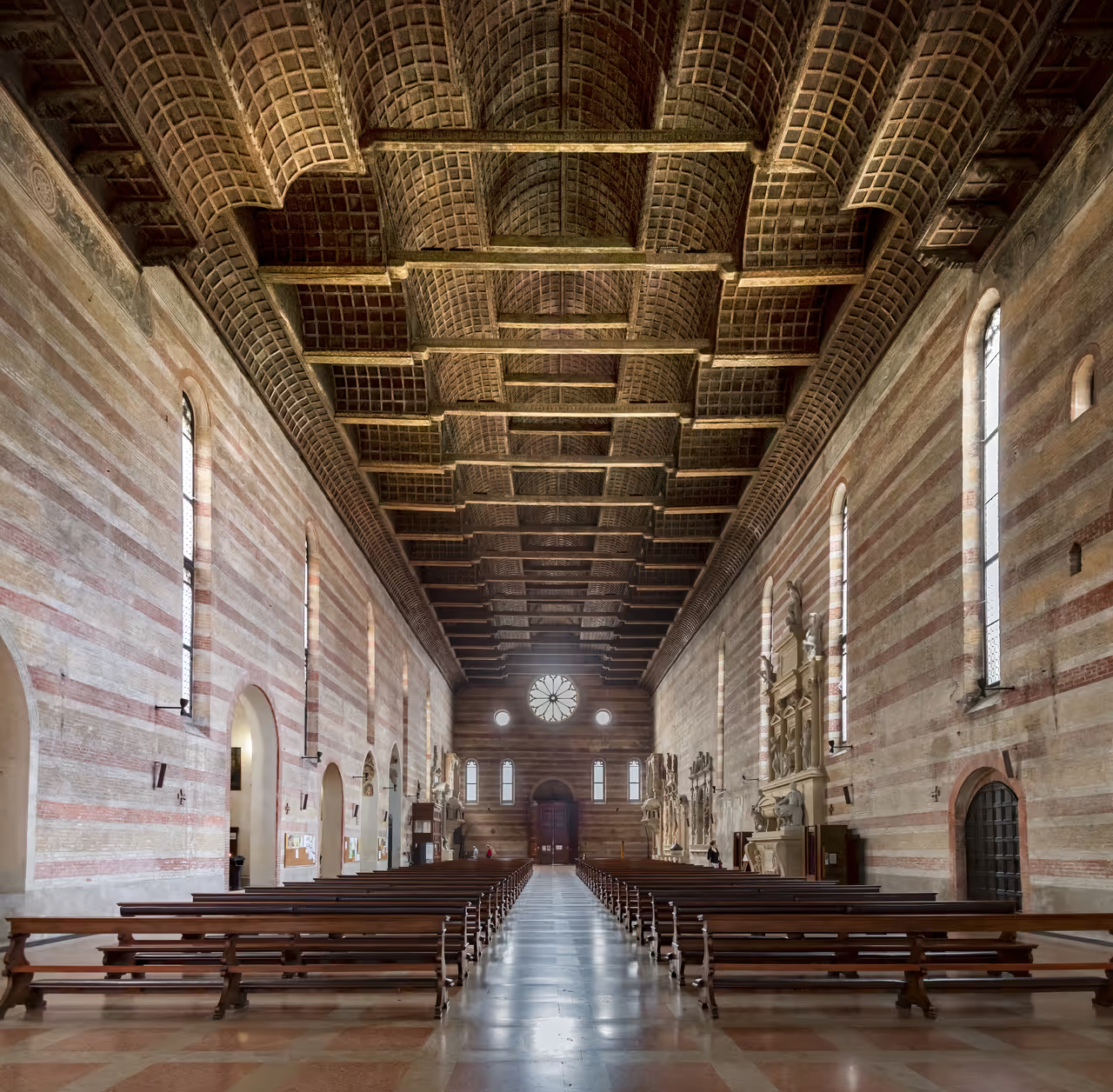 224m
224mChurch of the Eremitani
This vast, austere thirteenth century church stands as a deeply moving testament to both artistic genius and the devastating tragedies of war. Once entirely covered in spectacular Renaissance frescoes by Mantegna, the building was catastrophically bombed during the Second World War. Today, the painstakingly reconstructed fragments of the frescoes provide a poignant viewing experience alongside the remarkably beautiful, ship keel shaped wooden ceiling. The immense, echoing nave commands a profound sense of silence and reflection. It is a highly significant site for understanding the fragile nature of cultural heritage.
highlight view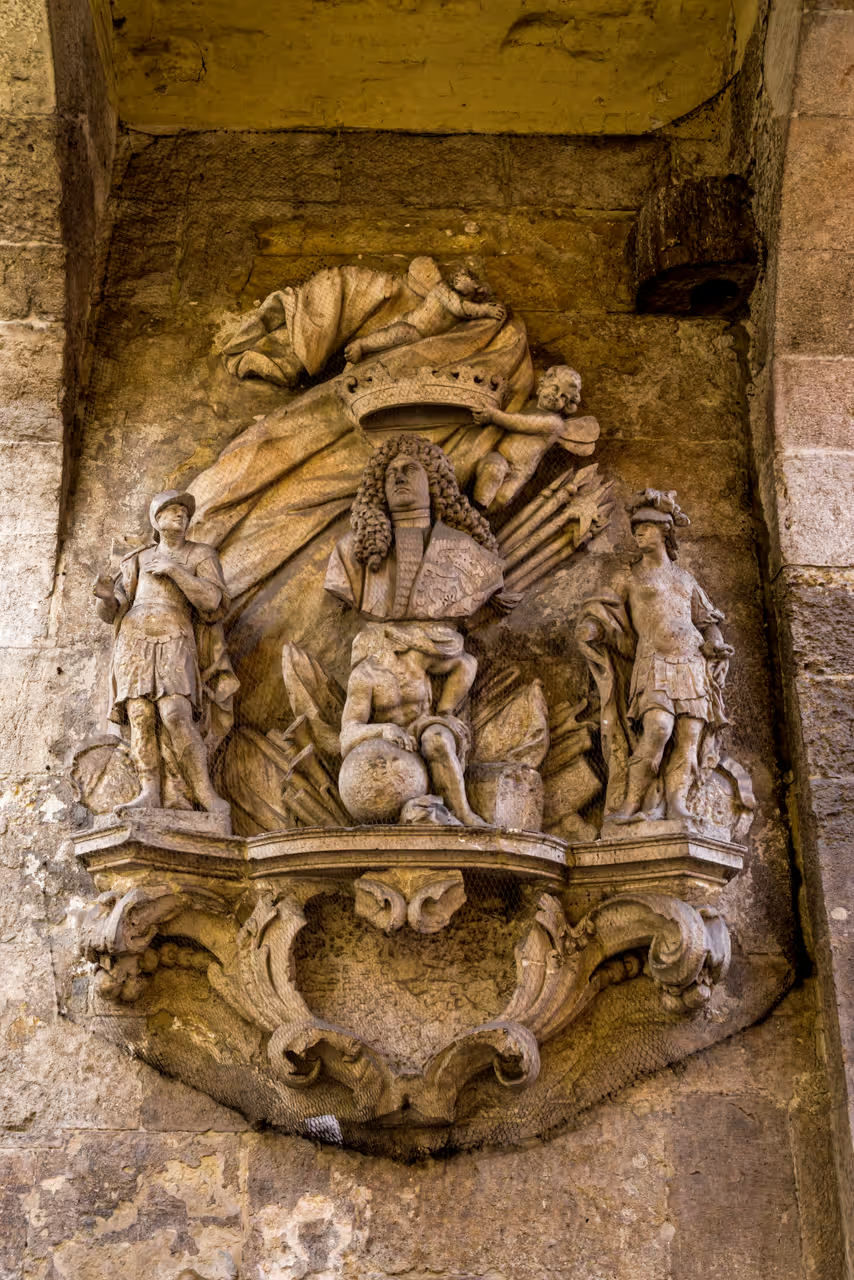 411m
411mAltinate Gate
This massive, single arched brick structure is a magnificent remnant of the ancient communal walls that once encircled the medieval heart of the city. The sheer thickness of the masonry and the heavy, unadorned style speak volumes about its original defensive purpose. Today, it stands as a highly picturesque monument spanning a busy pedestrian and cycling street. Passing beneath its imposing shadow provides a profound sense of crossing an ancient boundary. It is a highly resilient piece of military architecture that has gracefully survived centuries of urban expansion.
architecture view
Featured on This Itinerary
See all nature & parks in Padua
Prato della Valle, Rotonda Gardens...