Scrovegni Chapel
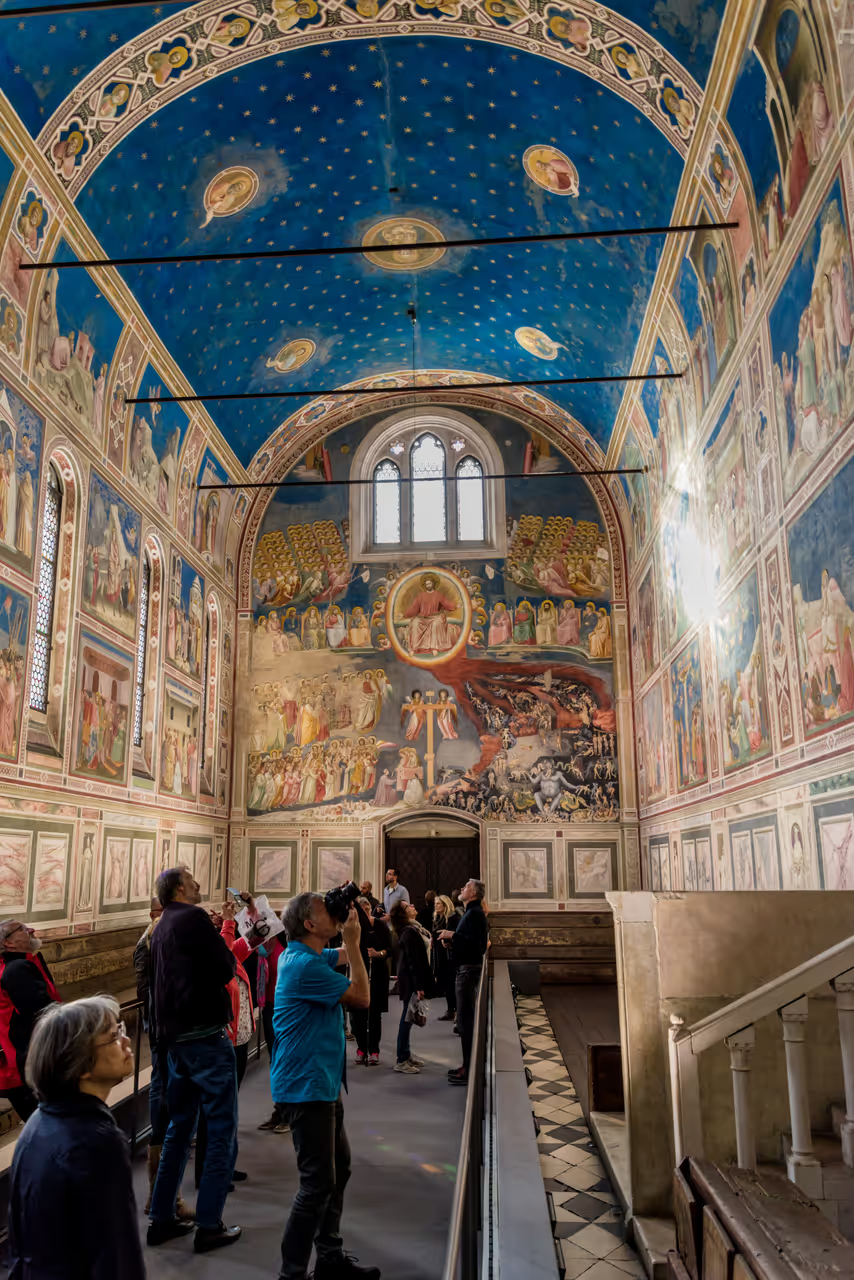
Step inside the Scrovegni Chapel to witness what many art historians consider the most pivotal achievement in Western art. Painted by Giotto in the early 14th century, this masterpiece transformed the trajectory of painting, moving away from rigid Byzantine forms to a vibrant, humanistic style full of emotion and psychological depth. Every square centimetre of the interior is covered in intense blue pigments and masterful narrative cycles telling the stories of Joachim, Anna, Mary, and Christ. Beyond the religious scenes, the chapel features a profound cycle of Vices and Virtues, offering a complex philosophical journey. The experience is intimate and awe-inspiring, made even more special by the strict conservation measures that protect these fragile colours. It is a rare chance to see a complete vision of genius preserved perfectly in time.
History of Scrovegni Chapel
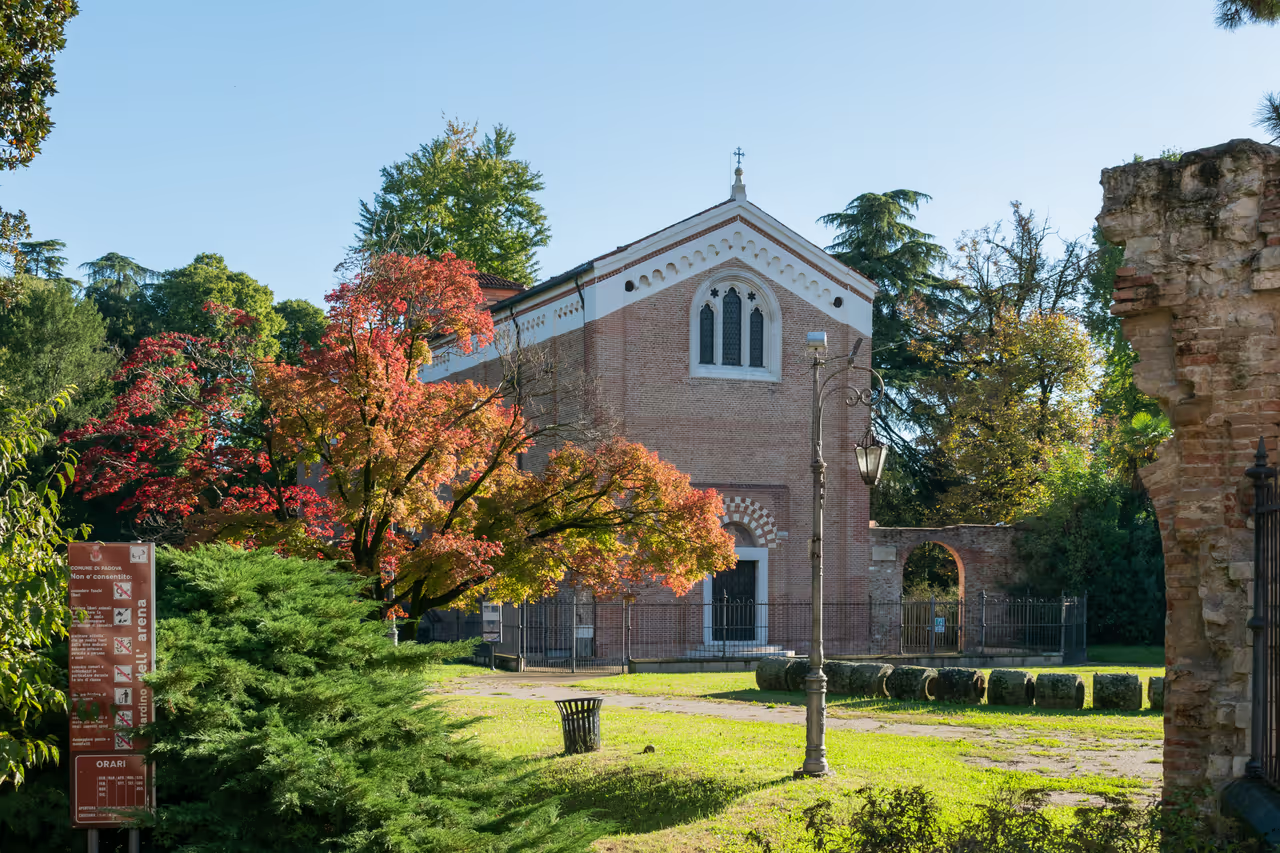
The history of the Scrovegni Chapel is a fascinating mix of family ambition, artistic genius, and civic pride. Founded in the early 14th century, the chapel was the brainchild of Enrico degli Scrovegni. Enrico was a wealthy banker who wanted a grand private oratory and a future mausoleum for his family on the grounds where a Roman arena once stood. He commissioned the Florentine painter Giotto, who was already building a reputation as one of the most innovative artists of his time, to decorate the interior. The result was a radical departure from the flat, symbolic art of the medieval period, introducing volume, emotion, and realism that would eventually pave the way for the Renaissance. While popular legend often claims the chapel was built to atone for the sin of usury committed by Enrico's father, which was famously condemned by Dante in the Divine Comedy, historians view it more as a statement of family power and prestige. The project was so ambitious that it caused friction with the local Eremitani monks, who viewed the chapel's grandeur as an unwelcome competitor to their own religious activities. This tension supposedly led to the destruction of the chapel's original, more elaborate apse design, explaining why the structure appears somewhat unusual in its layout today. Over the centuries, the chapel faced neglect and the threat of demolition during the 19th century when the area was sold to property developers. Thankfully, the City of Padua intervened to save the building, acquiring it to preserve it for the public. The 21st century marked a new chapter in its long life with a major restoration project that cleared away centuries of grime. Today, with its high tech climate control system, the chapel stands as a protected treasure, inviting visitors to stand in the same space as pilgrims and nobility from seven hundred years ago and witness the birth of modern European painting.
Events spanning 721 years
Fun Facts
- • A full scale replica of the Scrovegni Chapel exists at the Otsuka Museum of Art in Japan, allowing people on the other side of the world to experience the masterpiece.
- • In the Adoration of the Magi scene, Giotto painted the Star of Bethlehem as a comet, which is widely believed to be his artistic observation of the passage of Halley's Comet in 1301.
- • On March 25th, the feast of the Annunciation, a beam of natural light hits Enrico Scrovegni's hand in the fresco where he is seen offering the model of the chapel to the Virgin Mary.
- • The Vices and Virtues depicted are not the traditional ones but a unique theological set, reflecting a deep philosophical program likely guided by a learned theologian of the time.
- • The chapel serves as the final resting place for Enrico Scrovegni, whose tomb can be found in the apse area.
- • The chapel's construction was controversial in the 14th century, as local monks argued it was too grand for a private chapel, leading to the eventual demolition of the original grand apse.
- • The intense blue pigment found on the walls was made from azurite, a mineral that was extremely expensive and required careful application, giving the chapel its famous celestial glow.
- • The layout of the chapel is asymmetrical with windows only on the right wall, a constraint that Giotto cleverly used to dictate the size and rhythm of the fresco panels on both sides.
- • The painting of the meeting between Joachim and Anna at the Golden Gate contains what is often cited as one of the first true kisses in Western art history.
- • To protect the frescoes from humidity and human wear, visitors must spend fifteen minutes in a climate control chamber before entering the chapel.
RESOURCES
Official WebsiteScrovegni Chapel FAQ
While we strive to keep this information accurate and up to date, we recommend verifying any details independently before making decisions based on them.
Scrovegni Chapel Map & Neighborhood Explorer
This interactive map is centered on Scrovegni Chapel. Zoom in and move the map around to automatically discover Wikipedia photos and summaries of other nearby sights, monuments, and historical points of interest and stories in real-time!
Places near Scrovegni Chapel
Make the most of your trip. Check out these top-rated spots located nearby.
 0m
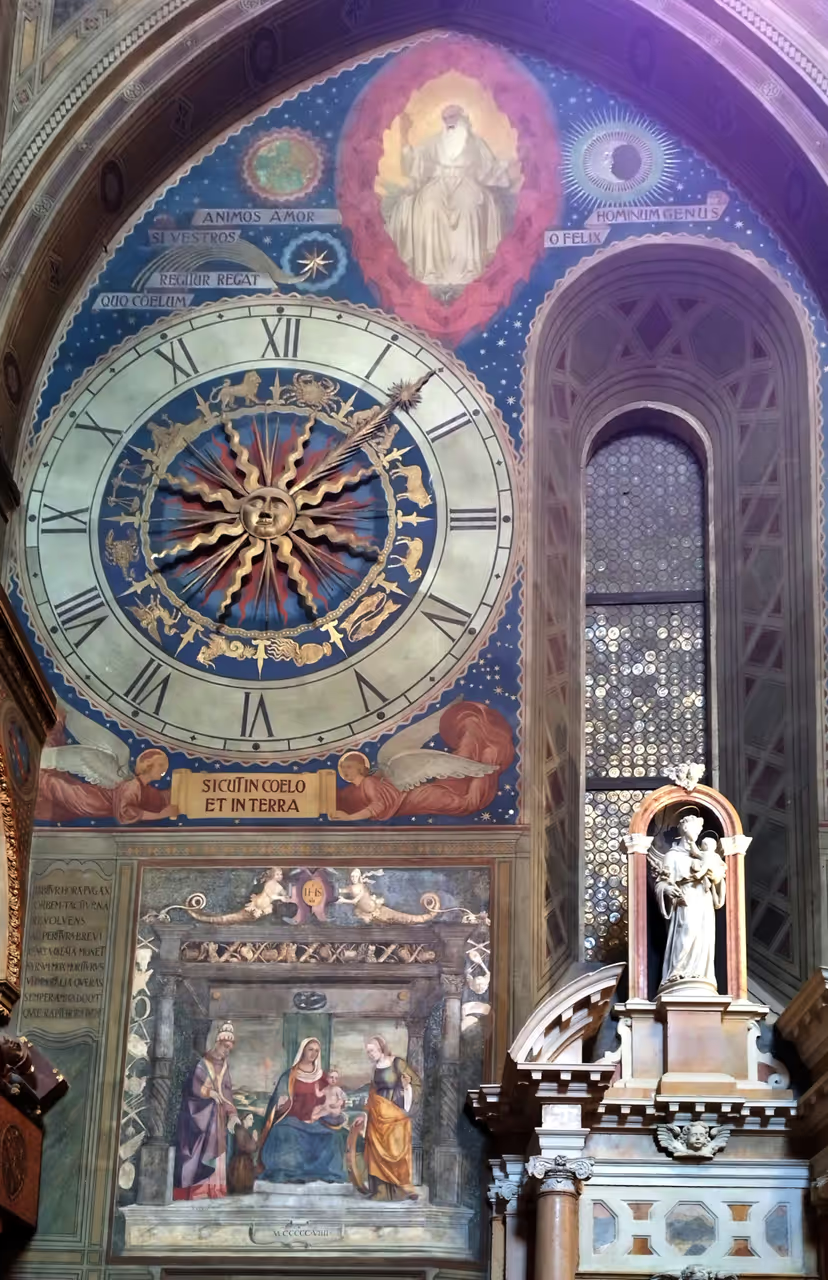
0mPadua’s Fourteenth-Century Fresco Cycles
Immerse yourself in the birthplace of modern painting. This UNESCO World Heritage site is a monumental turning point where artists first mastered human emotion and spatial depth. Wandering through these eight historic locations allows you to trace the evolution of the Trecento, from Giotto’s revolutionary breakthroughs to the refined skills of his followers. You will find heavens painted in brilliant ultramarine and stories told with such intensity that they remain as poignant today as they were seven centuries ago. It is a profound experience that shifts your perspective on how art can capture the human soul. Make sure to visit these sites to witness the dawn of the Renaissance in the heart of Padua.
unesco heritage site view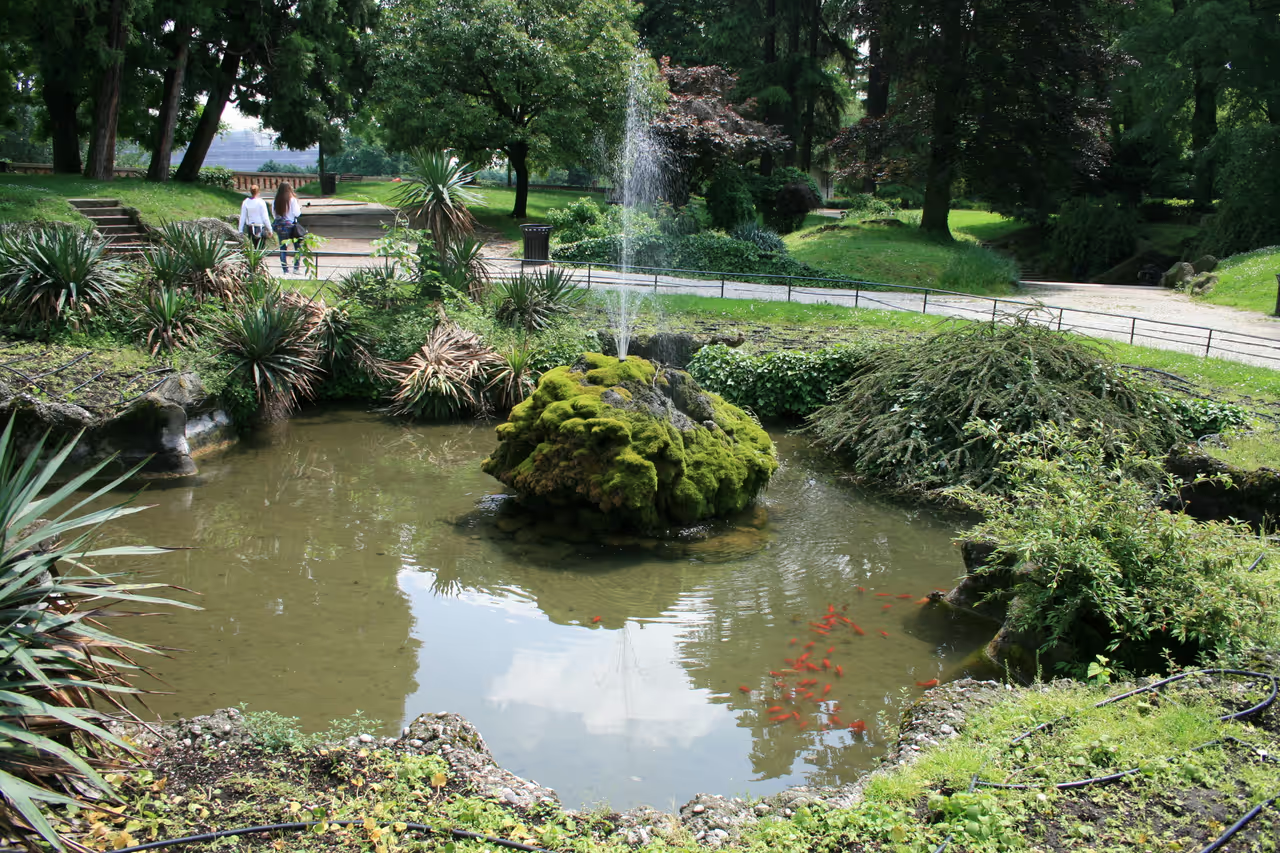 70m
70mArena Gardens
The Arena Gardens are a romantic green sanctuary that blends nearly two thousand years of history with a refreshing park atmosphere. Located in the heart of Padua, this spot is famous for housing the ancient Roman Amphitheatre and the world-renowned Scrovegni Chapel. It was one of Italy's very first public parks, designed with the winding paths and hidden grottos typical of the late Romantic style. Visitors can admire massive Himalayan cedars and rare Ginkgo trees while exploring the 16th-century fortifications that once defended the city. Today, the park is a lively cultural hub hosting everything from jazz festivals to innovative contemporary land art. It is a perfect place to escape the city pavements and soak up a unique mix of archaeology and nature.
park & nature view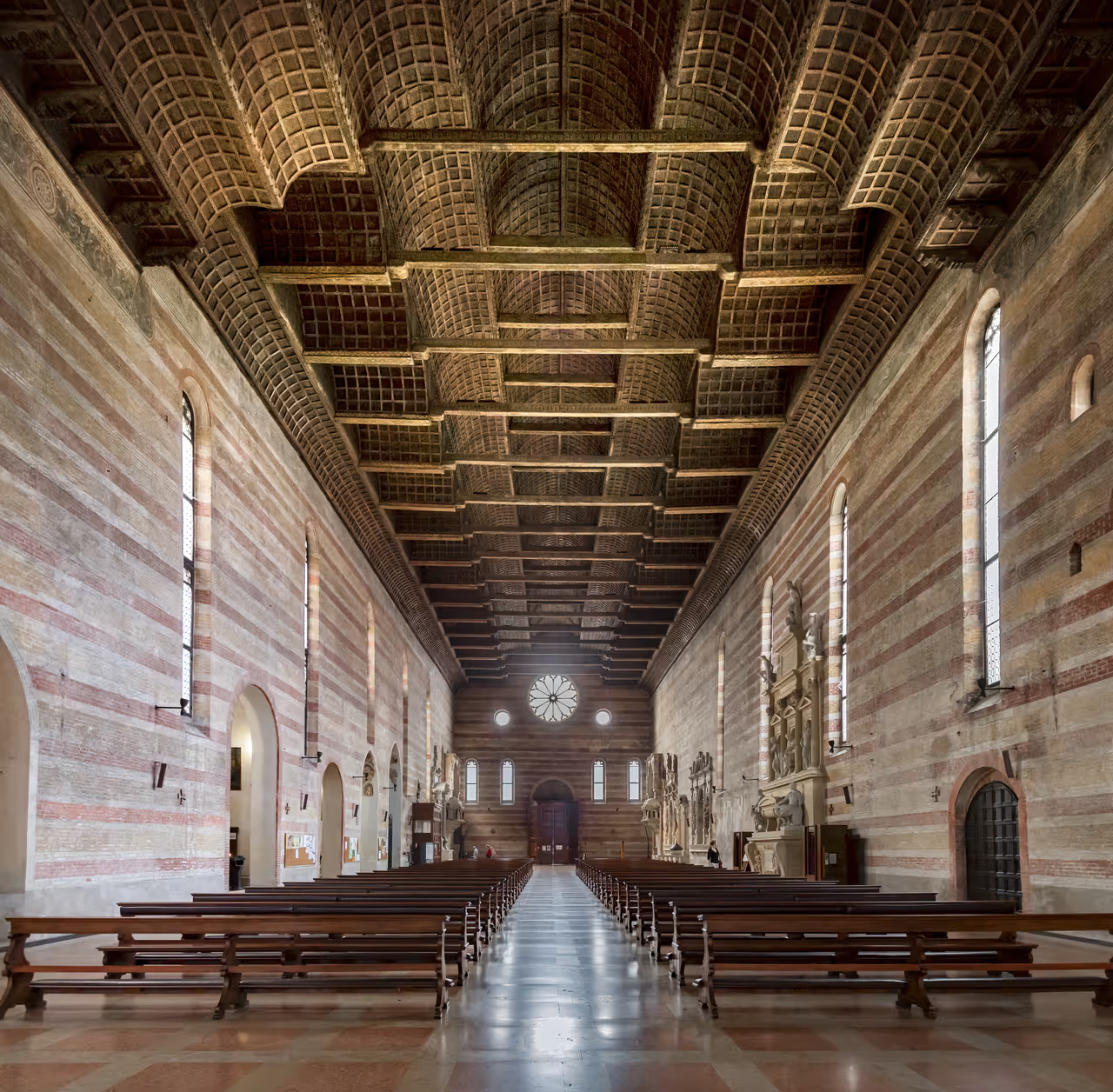 160m
160mChurch of the Eremitani
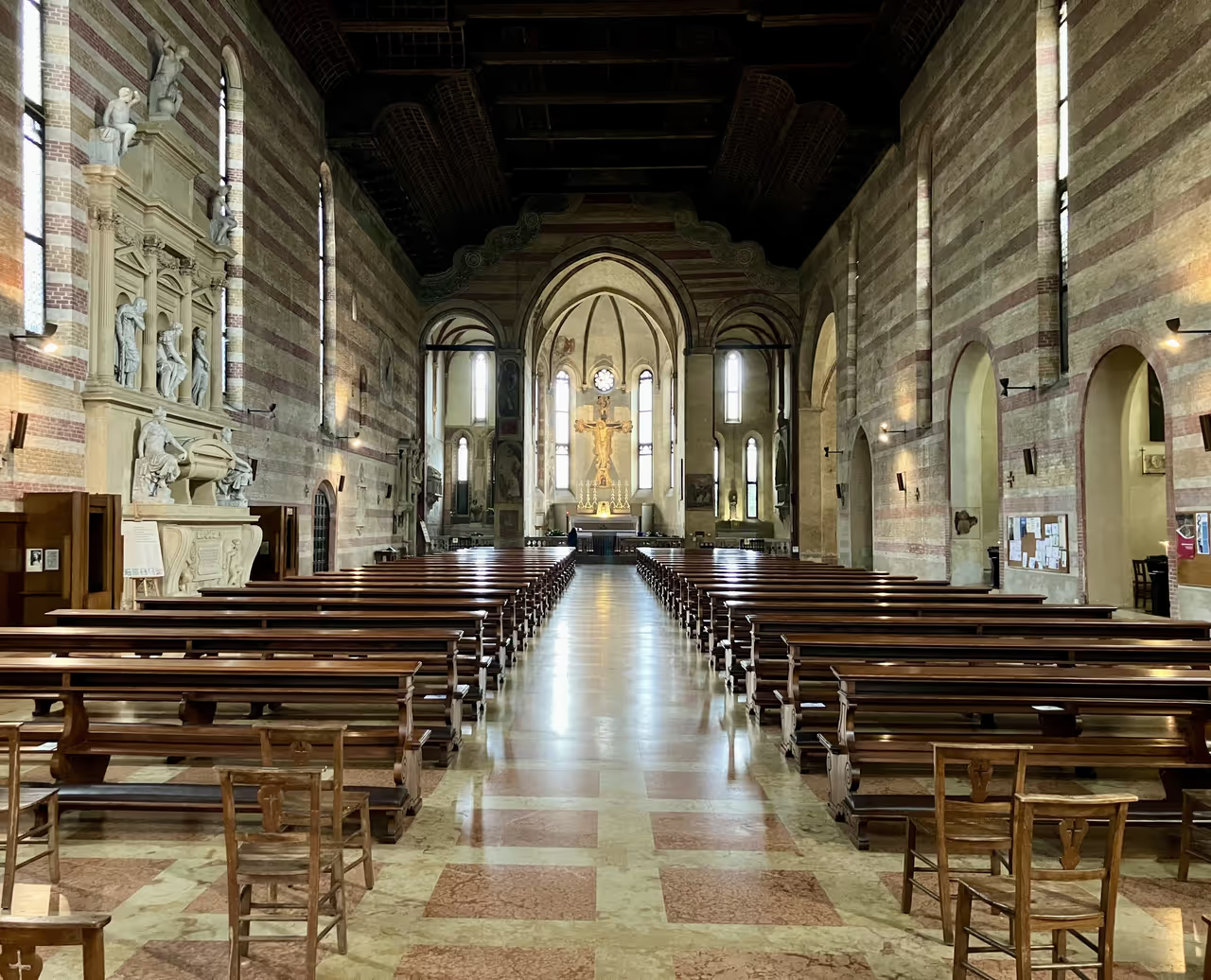
This vast, austere thirteenth century church stands as a deeply moving testament to both artistic genius and the devastating tragedies of war. Once entirely covered in spectacular Renaissance frescoes by Mantegna, the building was catastrophically bombed during the Second World War. Today, the painstakingly reconstructed fragments of the frescoes provide a poignant viewing experience alongside the remarkably beautiful, ship keel shaped wooden ceiling. The immense, echoing nave commands a profound sense of silence and reflection. It is a highly significant site for understanding the fragile nature of cultural heritage.
highlight view 341m
341mAltinate Gate
This massive, single arched brick structure is a magnificent remnant of the ancient communal walls that once encircled the medieval heart of the city. The sheer thickness of the masonry and the heavy, unadorned style speak volumes about its original defensive purpose. Today, it stands as a highly picturesque monument spanning a busy pedestrian and cycling street. Passing beneath its imposing shadow provides a profound sense of crossing an ancient boundary. It is a highly resilient piece of military architecture that has gracefully survived centuries of urban expansion.
architecture view
Explore Similar Places in These Collections

Featured on These Itineraries and Routes
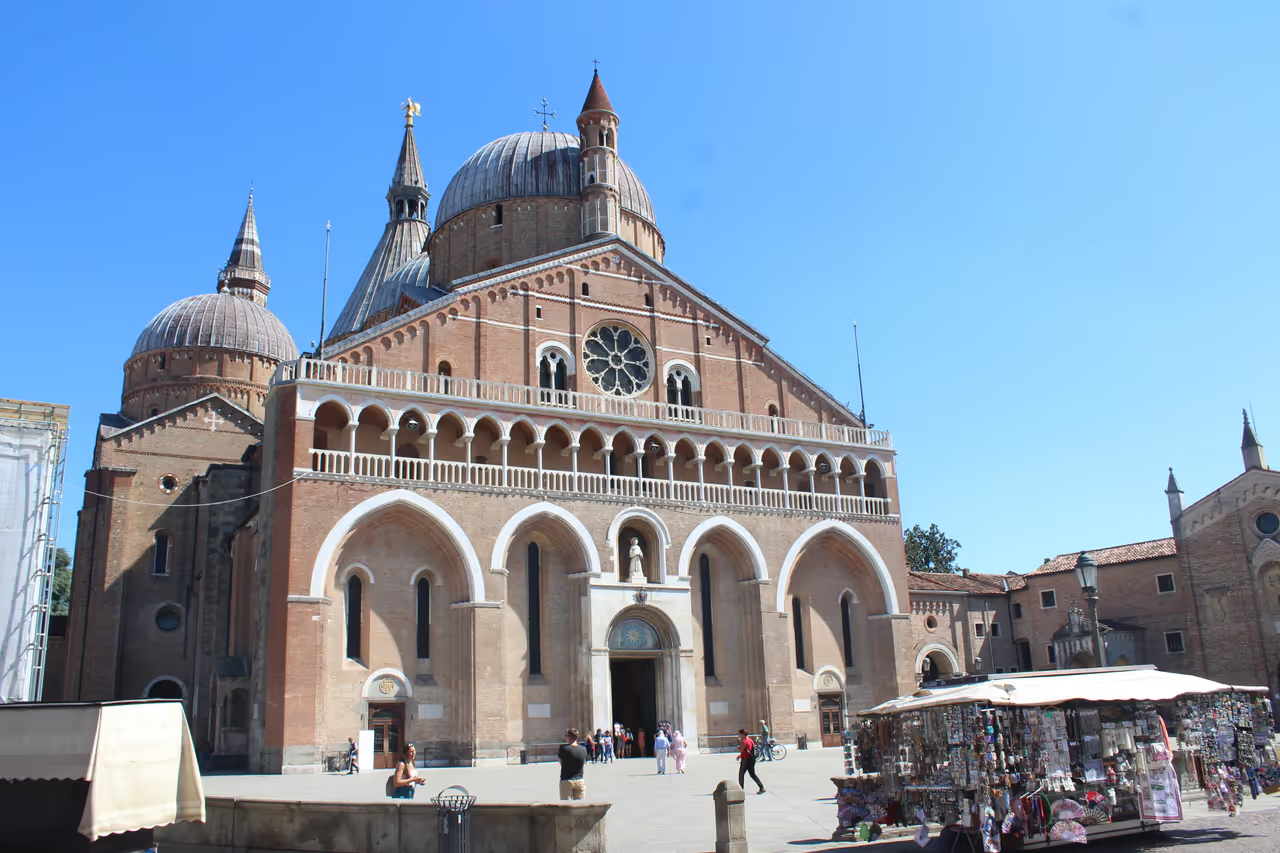
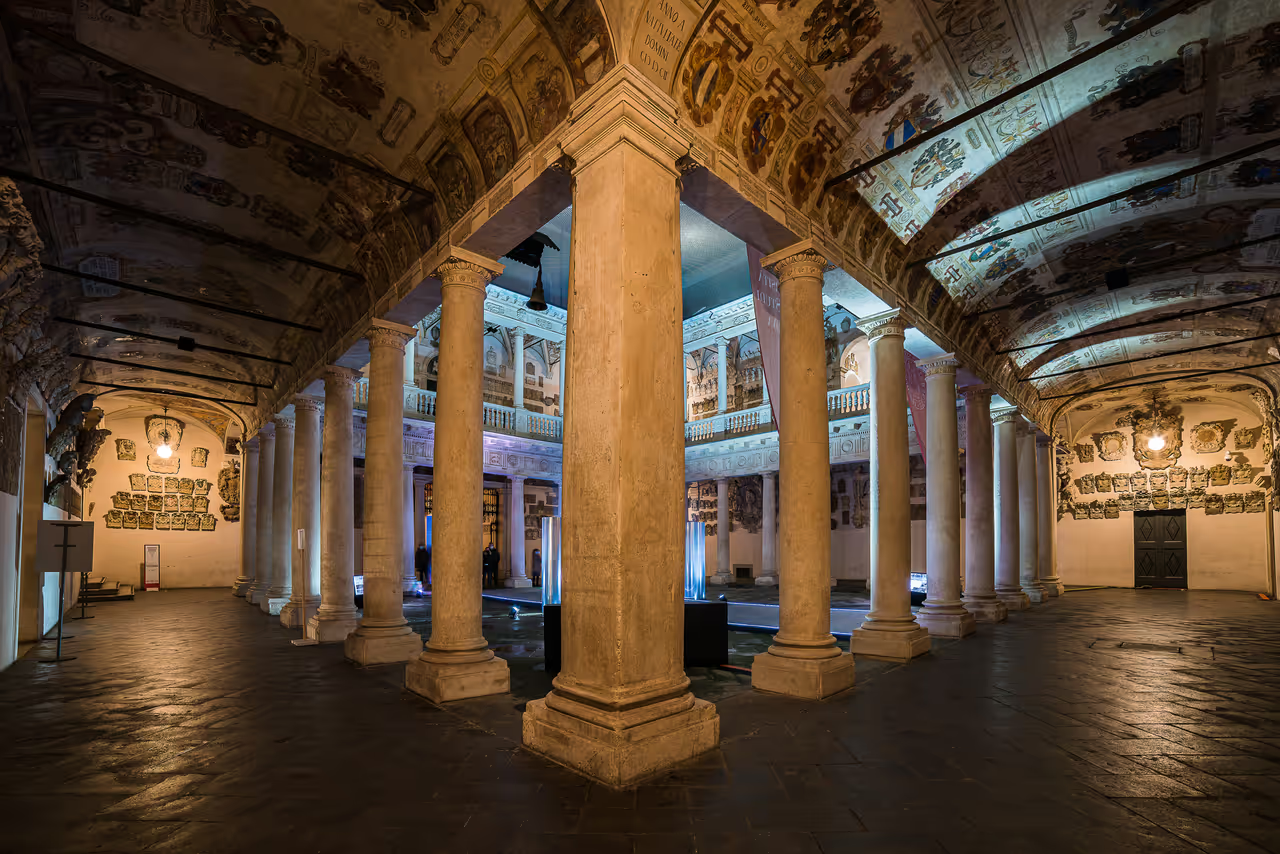
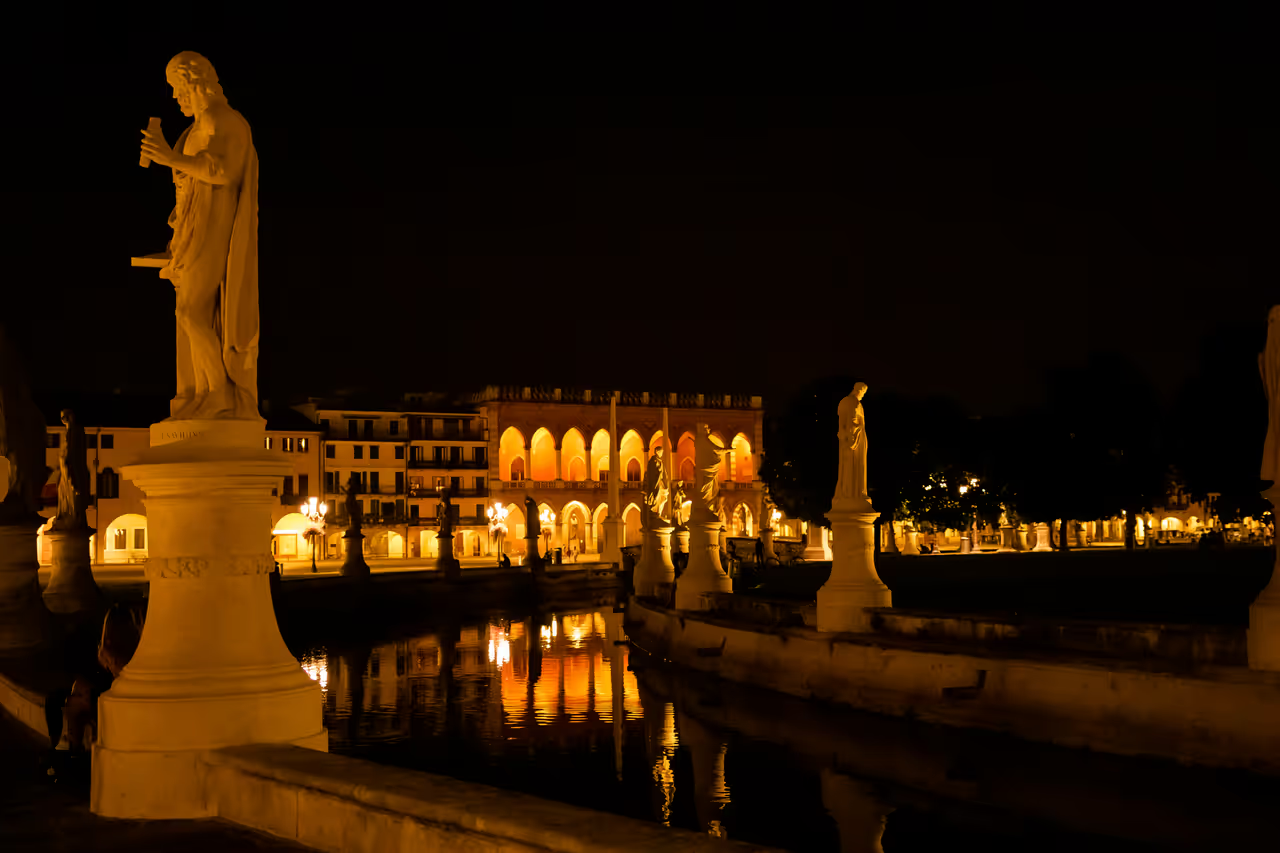
1 Day in Padua Itinerary
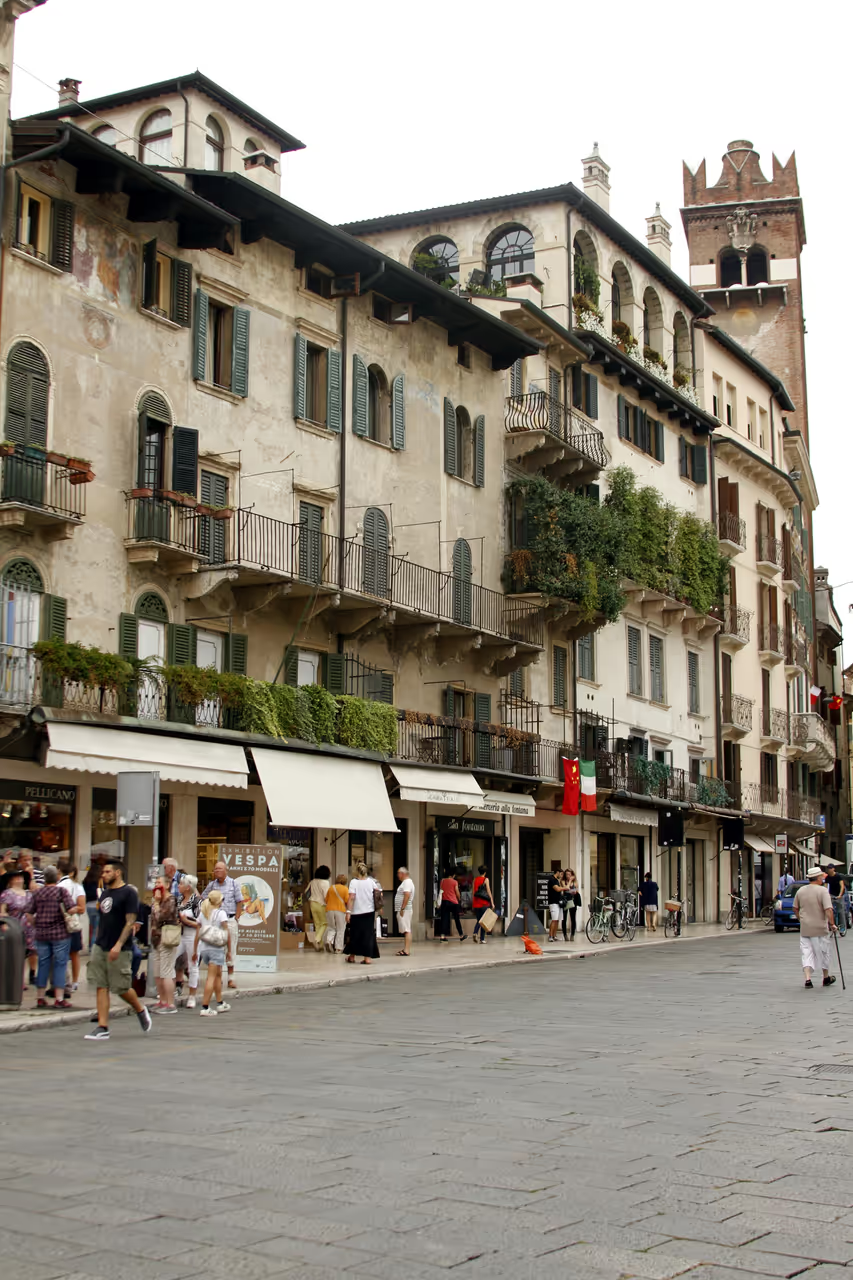
This highly intensive itinerary is designed specifically for travellers who have a very limited amount of time but wish to experience the absolute core masterpieces of the city. It prioritises the breathtaking visual impact of the famous UNESCO frescoes and the profound spiritual gravity of the grand basilica. You will also experience the monumental scale of the historic plazas and the prestigious legacy of the ancient university. It provides a tightly curated, highly rewarding whirlwind tour of the essential artistic and historical highlights.
view itinerary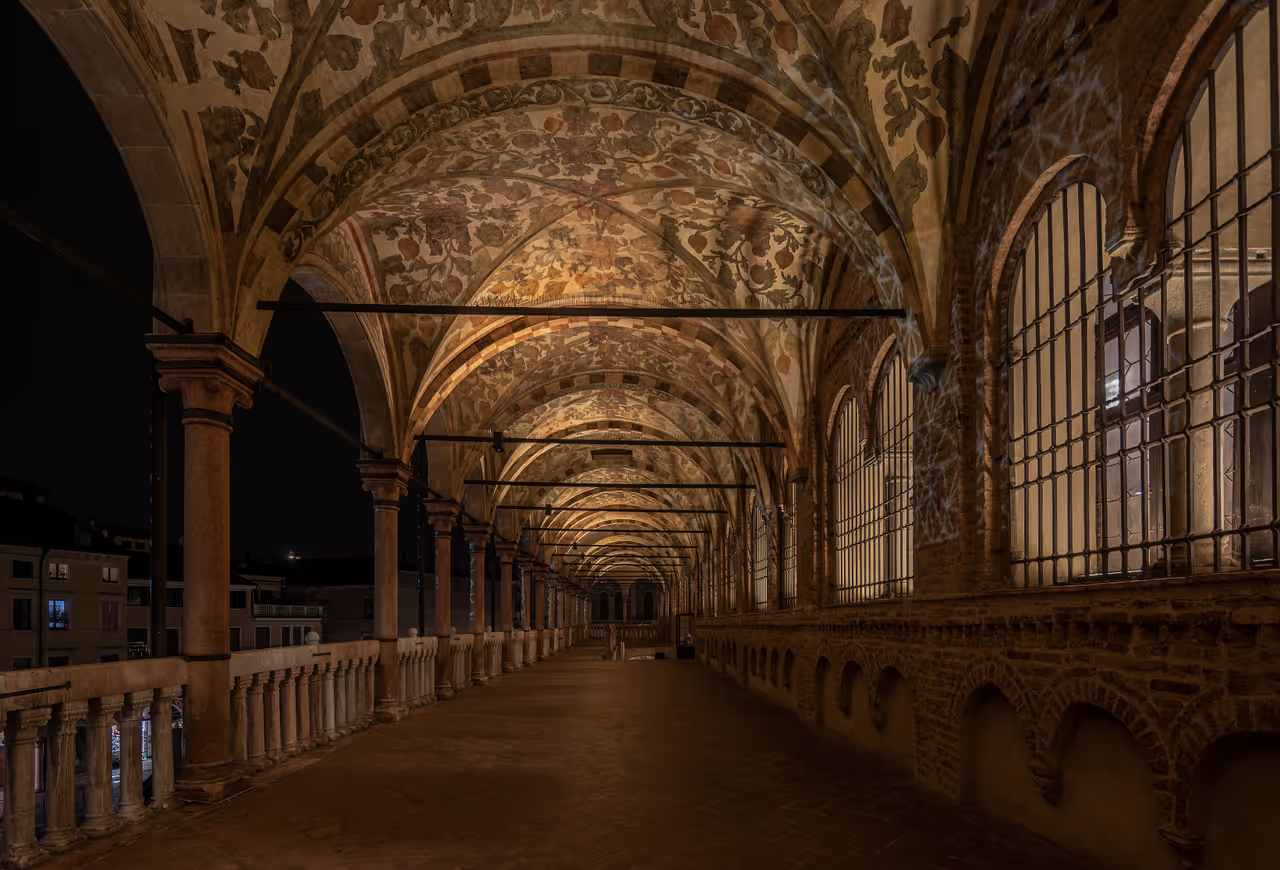
3 Days in Padua Itinerary
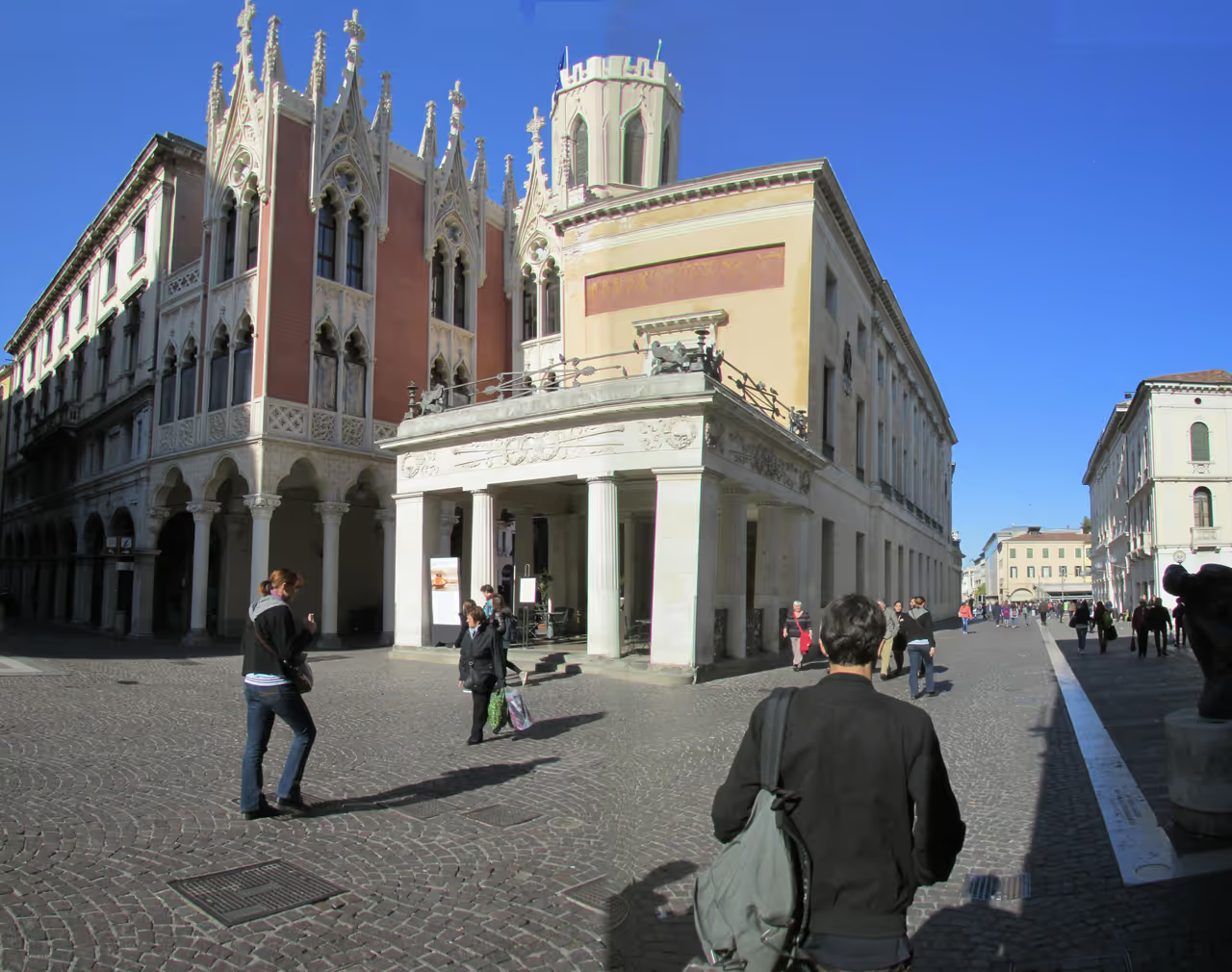
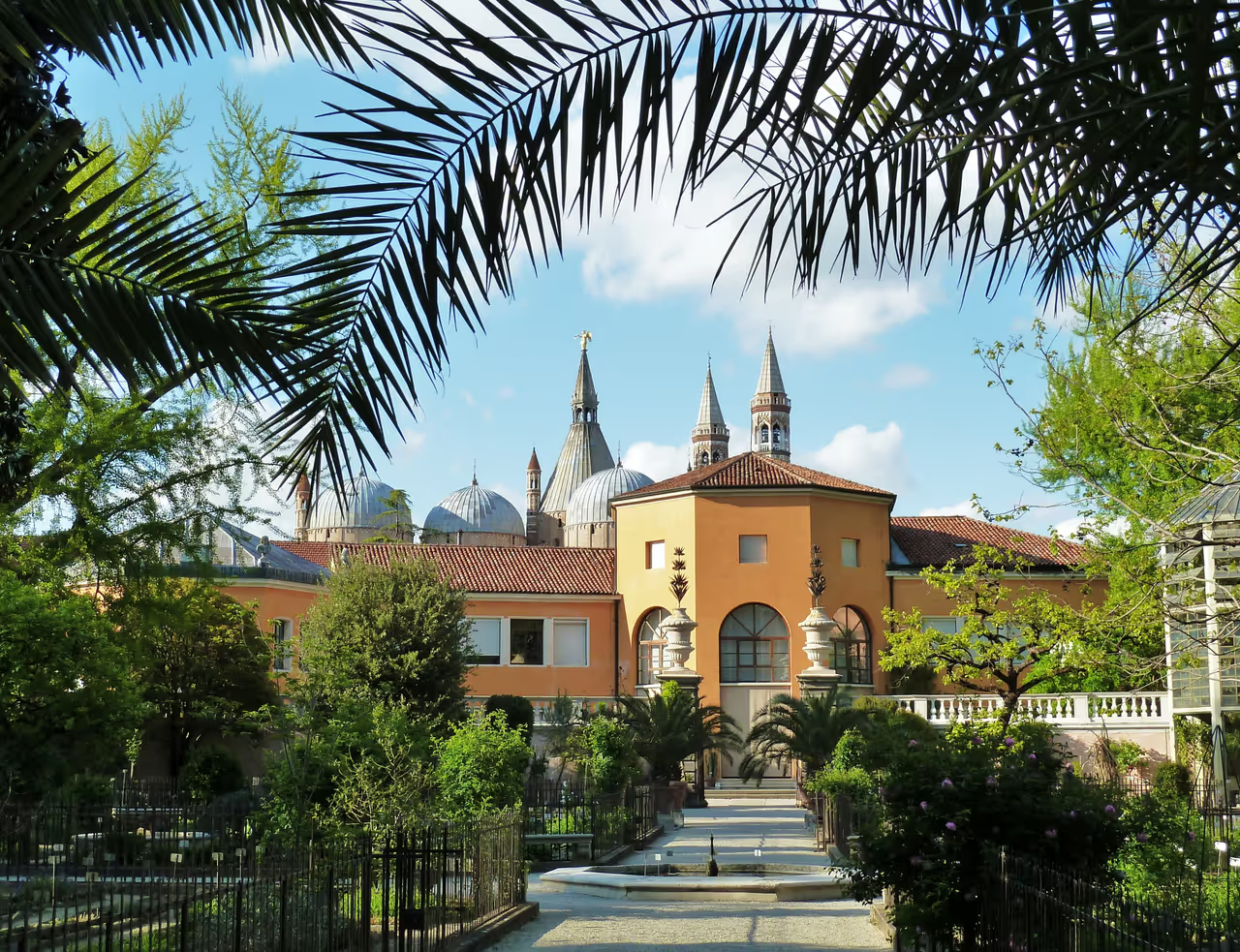
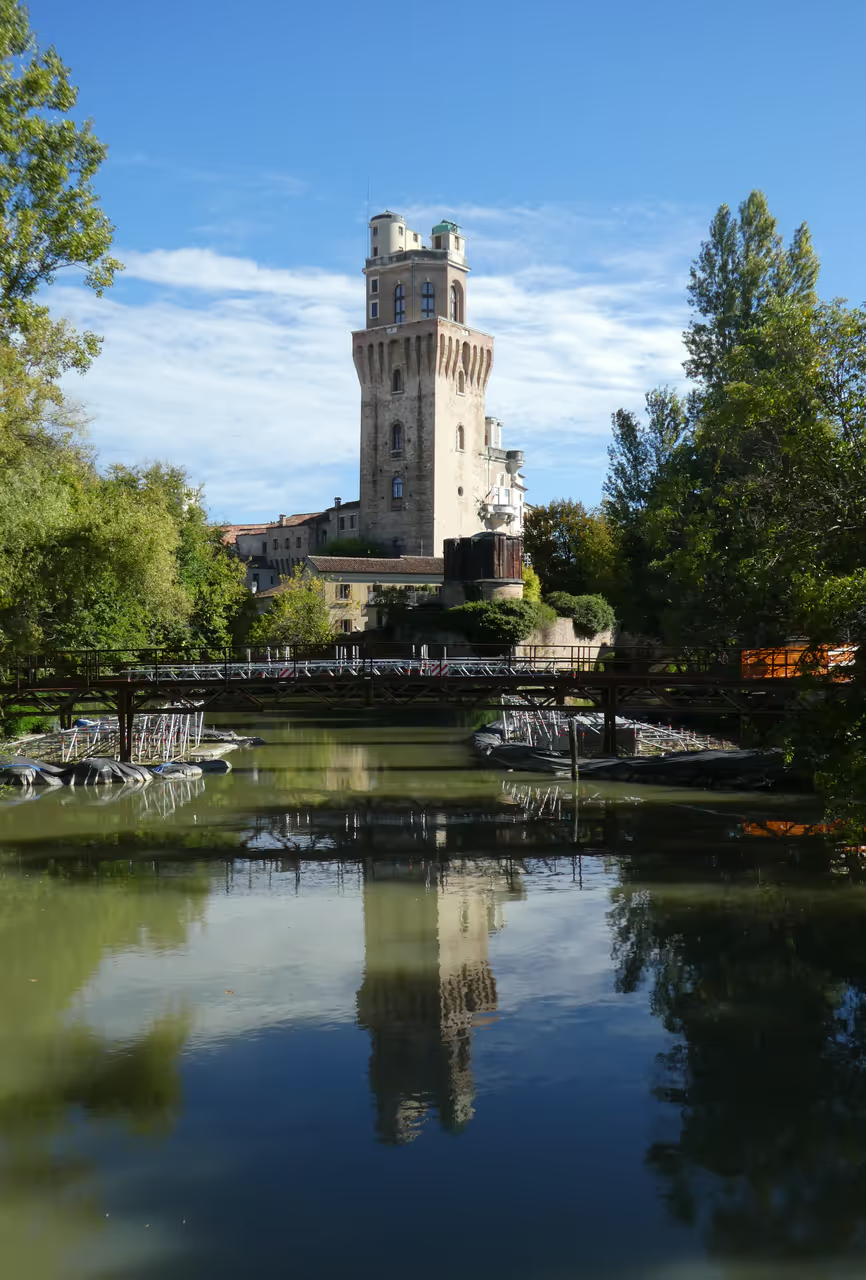
This perfectly balanced three day journey allows visitors to deeply immerse themselves in the complex, layered history of the city without feeling rushed. It expands beyond the primary monuments to include the vibrant, authentic daily life found in the bustling historic markets and narrow medieval streets. You will have ample time to explore the revolutionary scientific heritage of the botanical gardens and the ancient observatory. This itinerary perfectly captures the unique blend of high Renaissance art, profound academic history, and relaxed local lifestyle.
view itinerary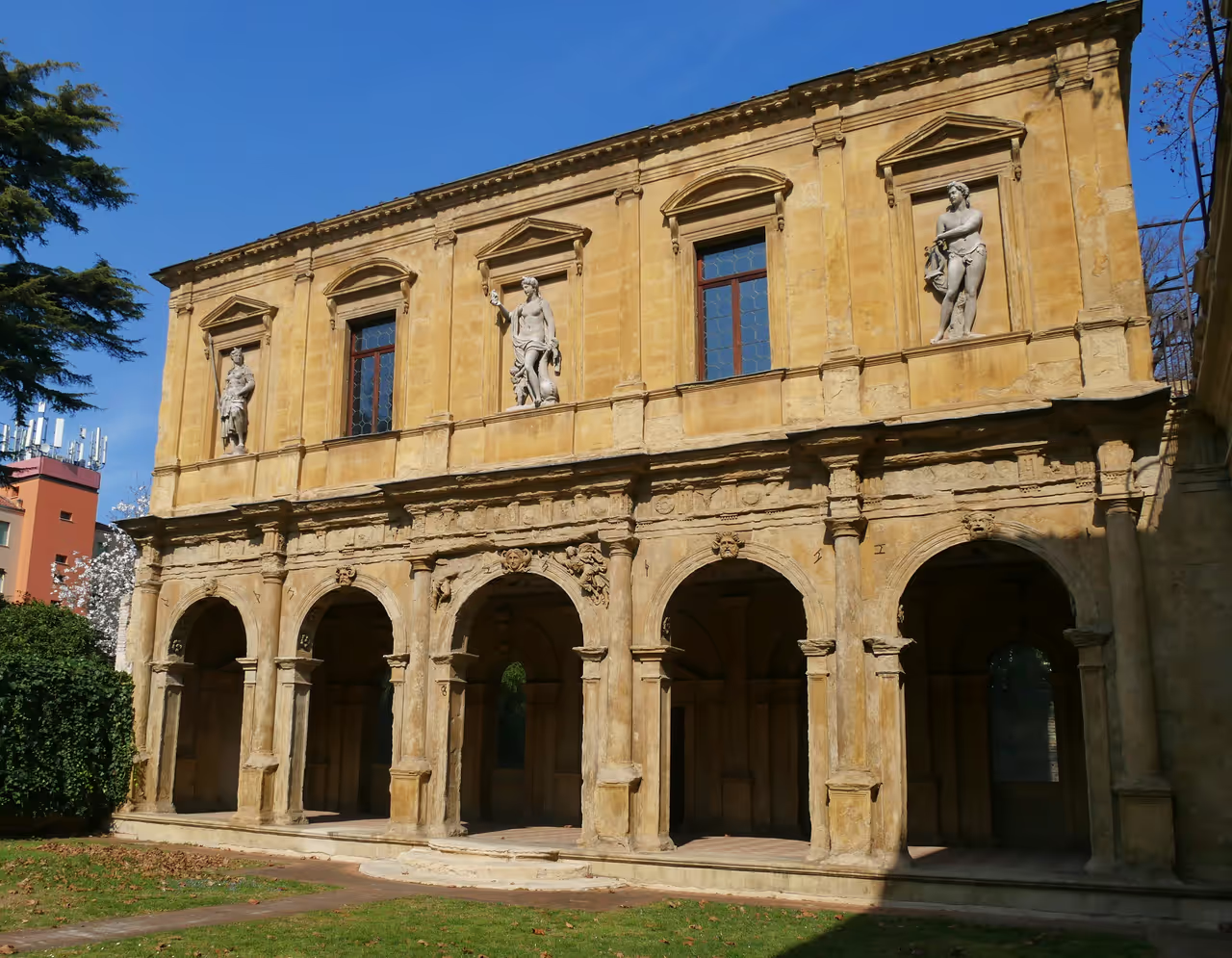
5 Days in Padua Itinerary
Designed for the truly curious traveller, this extensive five day exploration leaves no cobblestone unturned. It covers all the world famous artistic and religious sites while dedicating significant time to highly rewarding, obscure hidden gems and unusual scientific museums. You will experience the city exactly as the locals do, wandering through diverse neighbourhoods, sampling regional cuisine in the historic markets, and enjoying the relaxed evening atmosphere in the elegant plazas. It provides a profoundly complete, deeply satisfying immersion into the cultural and historical soul of the city.
view itinerary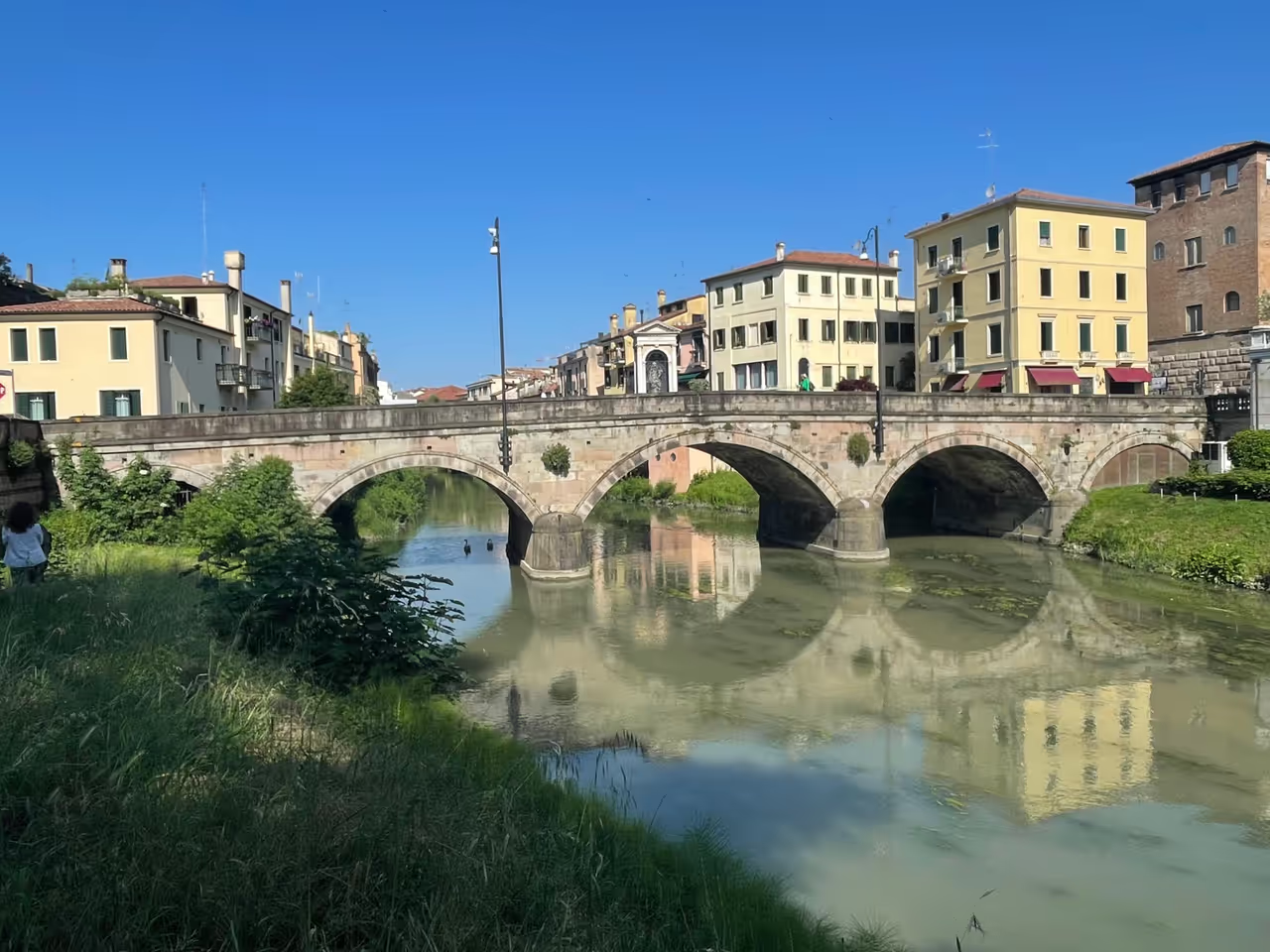
Naviglio Interno Canal Walk
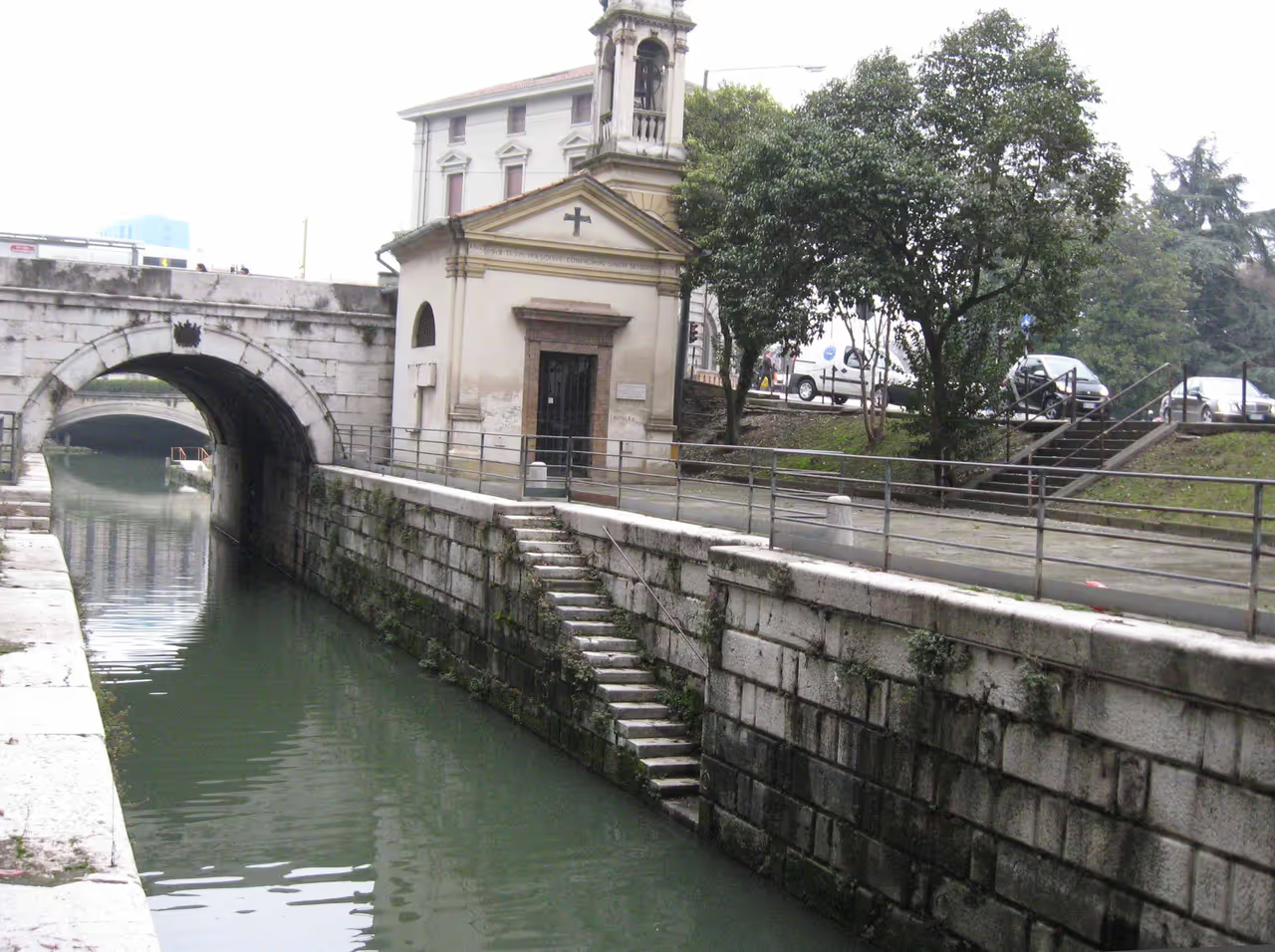
This route traces the path of the ancient internal waterways that once flowed freely through the city before modern road developments. While parts of the water are now hidden, the walk follows the visible bridges, historic locks, and riverside monuments that define the northern district. The journey highlights the complex hydraulic engineering of the past and leads directly to some of the most spectacular art collections in the world. It is a peaceful walk blending water, gardens, and high culture.
view walking route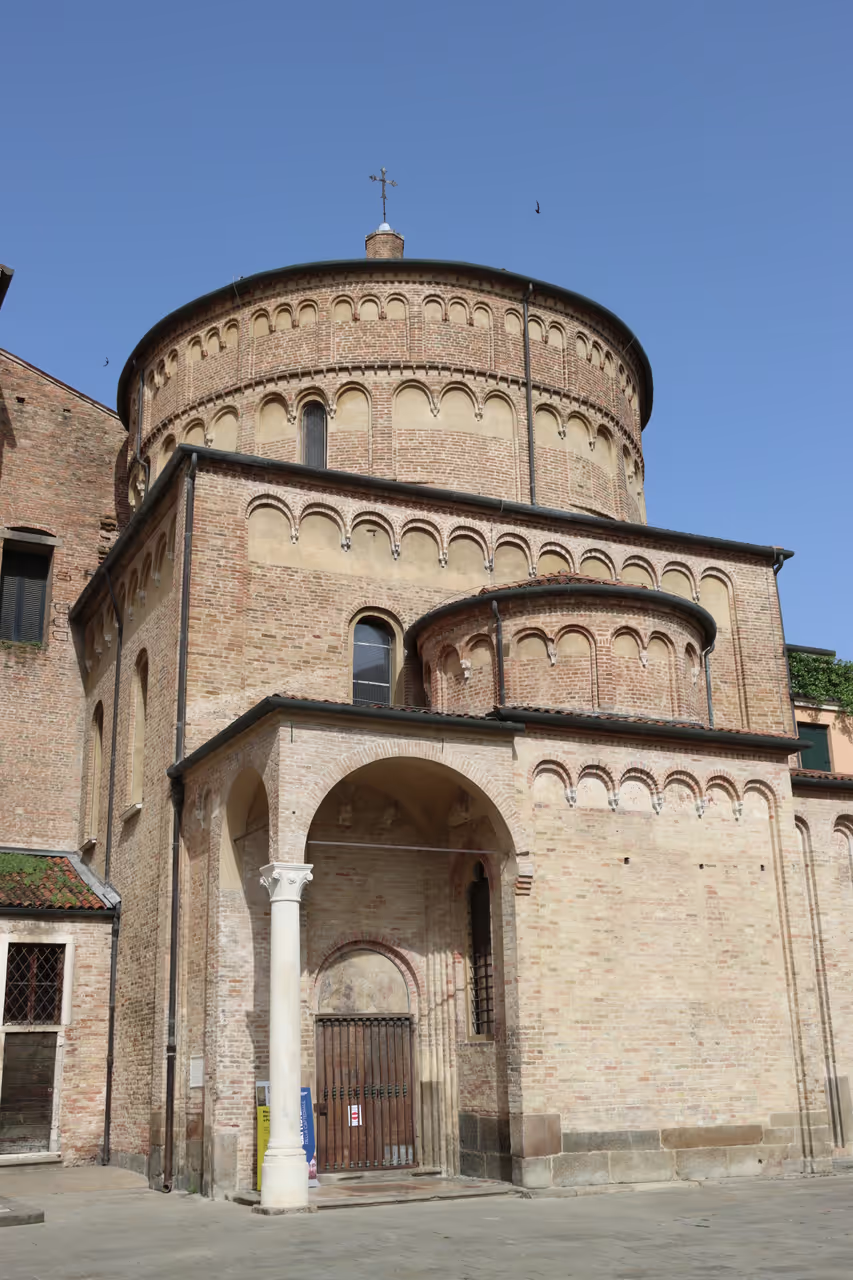
Fresco Masterpieces Route
This visually spectacular route guides you through the incredible fourteenth century artworks that earned the city its UNESCO World Heritage status. The journey moves between unassuming brick buildings that completely conceal mind bending explosions of colour and medieval storytelling. You will witness the profound evolution of Western art, moving away from stiff Byzantine traditions toward emotional depth and realistic perspective. It is an absolute feast for the eyes and a crucial experience for any art lover.
view self-guided tour
See all attractions in Padua
Basilica of Saint Anthony of Padua, Basilica of Santa Giustina, Padua Baptistery, Palazzo del Bo, Palazzo della Ragione...