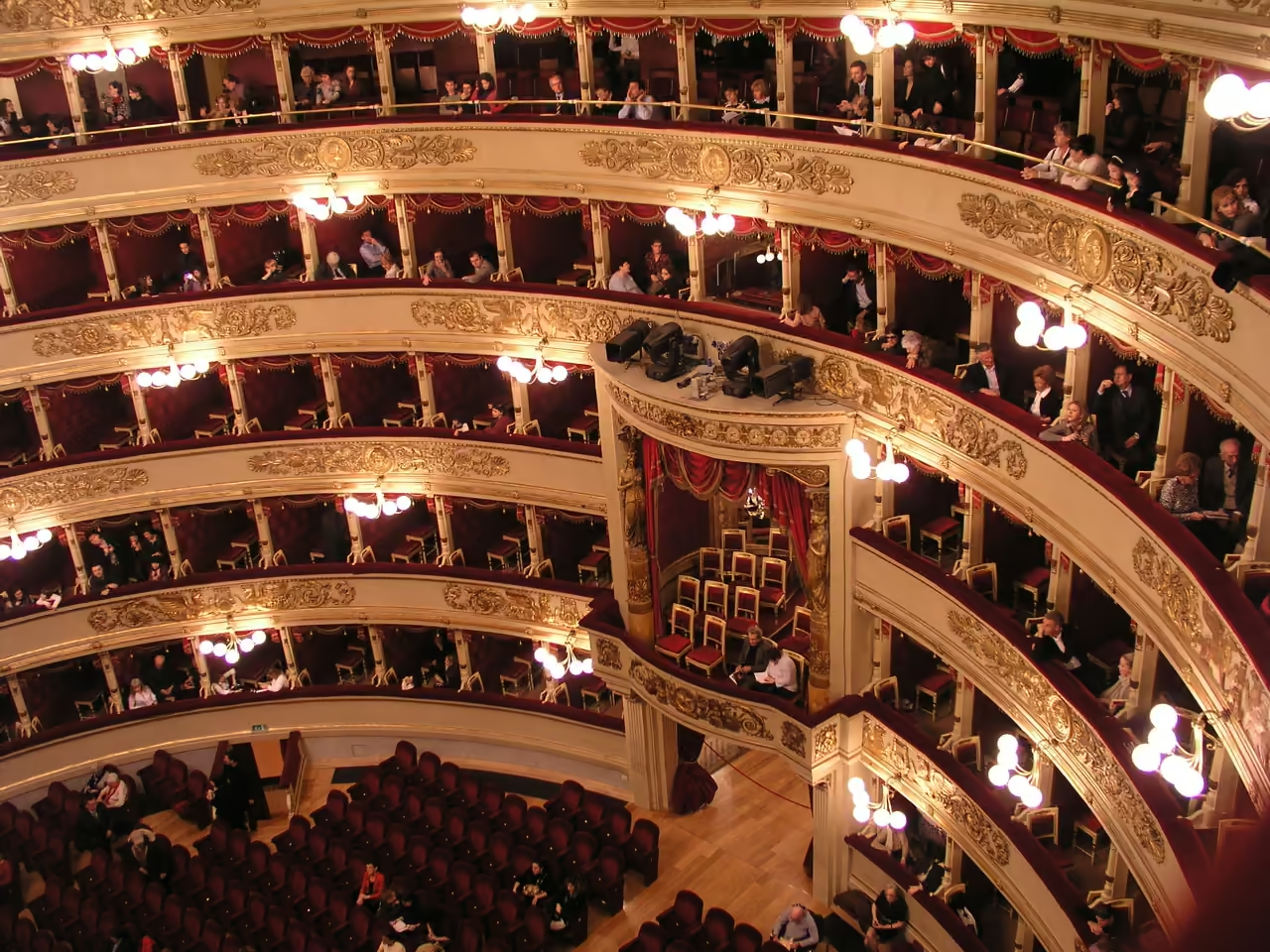
La Scala Opera House
Giuseppe Piermarini’s neoclassical masterpiece demands a certain reverence the moment you step out of the Piazza della Scala. This is the stage where Giuseppe Verdi triumphed with his early choruses and Maria Callas fiercely staked her claim as the definitive soprano of the twentieth century. You can feel the weight of those opening nights while navigating the narrow, curved corridors leading into the auditorium. Getting a drink at the foyer bar during the interval usually involves navigating a tightly packed crowd of sharply dressed Milanese patrons. The auditorium reveals a cavernous horseshoe of red damask and ivory stucco, illuminated by a colossal Murano glass chandelier. Securing a seat in the plush stalls or the notoriously demanding loggione upper gallery places you squarely in the middle of Europe's most scrutinising musical arena.
Videos
History of La Scala Opera House
The ashes of the old Regio Ducal Teatro had barely cooled in February 1776 when a syndicate of wealthy Milanese families demanded a replacement. They petitioned Empress Maria Theresa of Austria, securing permission to demolish the decaying church of Santa Maria della Scala to clear the site. Architect Giuseppe Piermarini designed a grand neoclassical structure with an imposing carriage gallery at the front. When Antonio Salieri's L'Europa riconosciuta premiered here on 3 August 1778, the audience was greeted by an auditorium that functioned more like a chaotic social club than a reverent concert hall. Aristocrats owned their boxes outright, decorating them with personal silks and mirrors while eating, drinking, and ignoring the stage. Down in the pit, the stalls were routinely cleared for raucous masked balls. The management actively encouraged this carnival atmosphere by hosting roulette tables in the foyer to fund the lavish productions. Amidst the clinking glasses and spinning wheels, a young Giuseppe Verdi staged Oberto in 1839. Following a subsequent flop, Verdi reluctantly submitted the score for Nabucco in 1842. The patriotic fervour of its chorus resonated so fiercely with the Milanese public living under Austrian rule that the composer instantly became a national icon. He would eventually premiere Otello and Falstaff on this exact stage, fundamentally altering the trajectory of Italian opera. By the dawn of the twentieth century, conductor Arturo Toscanini decided to impose absolute discipline. He darkened the auditorium during performances, banned the encores that disrupted the dramatic flow, and famously stormed out of the building in 1903 when the audience refused to stop shouting. The most devastating chapter occurred in August 1943, when Allied incendiary bombs tore through the roof and collapsed the ceiling directly into the stalls. Mayor Antonio Greppi and the citizens of Milan immediately vowed to rebuild it exactly as it was. On 11 May 1946, Toscanini returned from exile to conduct a triumphant reopening concert, broadcasting the music out to thousands of people standing in the rubble-strewn square outside. The dawn of the new millennium brought another massive physical transformation. Between 2002 and 2004, Swiss architect Mario Botta oversaw a highly debated overhaul, adding a massive scenic fly tower and an elliptical dressing room complex faced in Botticino marble. Today, the sharp geometric lines of Botta's additions loom directly behind Piermarini’s original facade. Inside, the red damask walls of the boxes remain unchanged, preserving a fiercely protected musical arena where modern tenors still occasionally face the terrifying wrath of the upper gallery.
events spanning 226 years
Fun Facts
9- 01
Architect Giuseppe Piermarini specifically designed the carriage gallery at the front entrance so wealthy patrons could step directly from their horse-drawn coaches into the theatre without getting wet.
- 02
Aristocratic families originally owned their specific boxes and decorated the interiors with wildly different coloured silks, until the management enforced a uniform red damask in 1928.
- 03
Before modern seating was installed, the floor of the stalls could be mechanically raised to sit completely level with the stage, transforming the auditorium into a massive ballroom.
- 04
Conductor Arturo Toscanini was entirely unforgiving regarding audience behaviour, famously banning women from wearing large hats in the stalls to ensure clear sightlines.
- 05
During the late eighteenth century, the theatre generated much of its revenue through illegal gambling, as roulette tables were permitted in the foyer during performance hours.
- 06
The 2002 renovation involved removing over 120,000 cubic metres of rubble from the highly constricted city centre site to create the new backstage facilities.
- 07
The theatre's massive central chandelier features 383 individual lightbulbs and was donated by the master glassmakers of Murano following the destruction of World War II.
- 08
The upper gallery, known as the loggione, is occupied by famously hostile purists who have booed some of the world's most famous singers off the stage for missing a single note.
- 09
When Allied incendiary bombs struck the building in August 1943, the stage area was only saved because stagehands managed to lower the heavy iron safety curtain just in time.
FULL PLACE DETAILS
Updated
FULL PLACE DETAILS
UpdatedOVERVIEW & STATS
- Established
- In 1778, making it 248 years old
ARCHITECTURE & HERITAGE
- Heritage Status
- Italian National Heritage
- Architectural Styles
- Neoclassicism In Milan
- Architects
- Alessandro SanquiricoGiuseppe PiermariniLuigi Lorenzo SecchiMario Botta
WEB & AMENITIES
La Scala Opera House Map & Neighborhood Explorer
This interactive map is centered on La Scala Opera House. Zoom in and move the map around to automatically discover Wikipedia photos and summaries of other nearby sights, monuments, and historical points of interest and stories in real-time!
La Scala Opera House FAQ
Opening nights and gala events strictly require black tie attire. For standard evening performances, a dark suit for men and elegant evening wear for women is expected, though afternoon matinees allow for smart casual dressing.
You can view the main auditorium from one of the third-tier boxes by purchasing a ticket to the adjacent museum, provided there are no closed rehearsals taking place on stage.
Every seat is equipped with a small electronic display on the backrest in front of it, providing real-time subtitles in multiple languages, including English and Italian.
Latecomers are strictly forbidden from entering the main auditorium once the conductor has raised his baton, and must wait in the foyer watching on monitors until the first interval.
A typical visit takes about 3 hours. We recommend planning your schedule accordingly to make the most of your time there.
The closest place to visit near La Scala Opera House is Drink from a Green Dragon Fountain, around 56 m away. Other things to do near La Scala Opera House include Galleria Vittorio Emanuele II (195 m), Poldi Pezzoli Museum (233 m) and Raise a Campari at Camparino in Galleria (270 m). All of these are within roughly 270 m of La Scala Opera House, close enough to walk.
La Scala Opera House holds the following heritage designation: Italian National Heritage.
It dates back to 1778, making it 248 years old.
La Scala Opera House was designed by Alessandro Sanquirico, Giuseppe Piermarini, Luigi Lorenzo Secchi and Mario Botta in the neoclassicism in Milan style.
While we strive to keep this information accurate and up to date, we recommend verifying any details independently before making decisions based on them.
Places near La Scala Opera House
Make the most of your trip. Check out these top-rated spots located nearby.
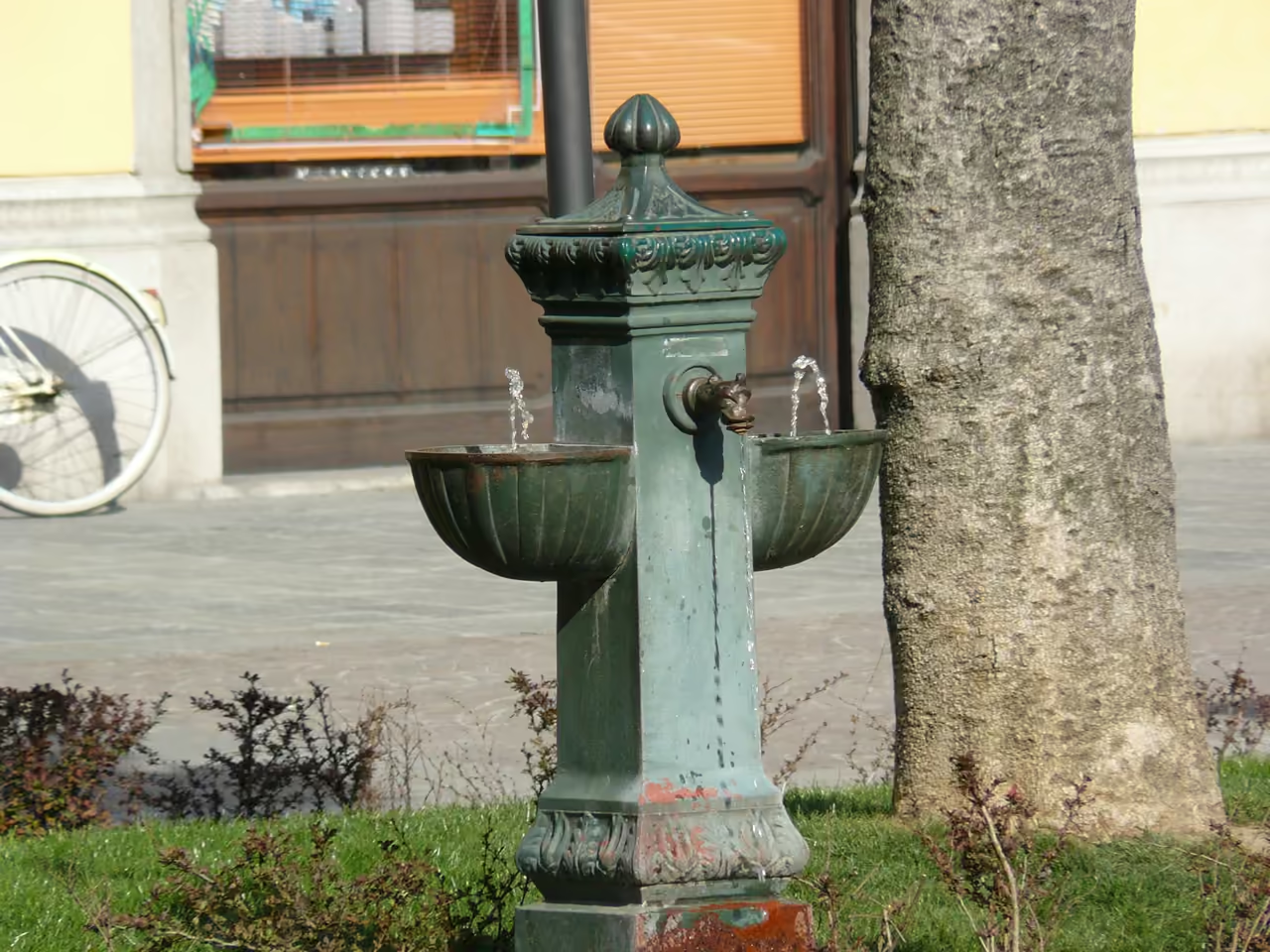 56m
Drink from a Green Dragon Fountain
Milan's green iron drinking fountains, known as vedovelle, run with free fresh water all year. Put a finger over the spout shaped like a dragon's head and a jet leaps from a small hole at the top for drinking. Many stand in the main squares, including Piazza della Scala.
free thing to do view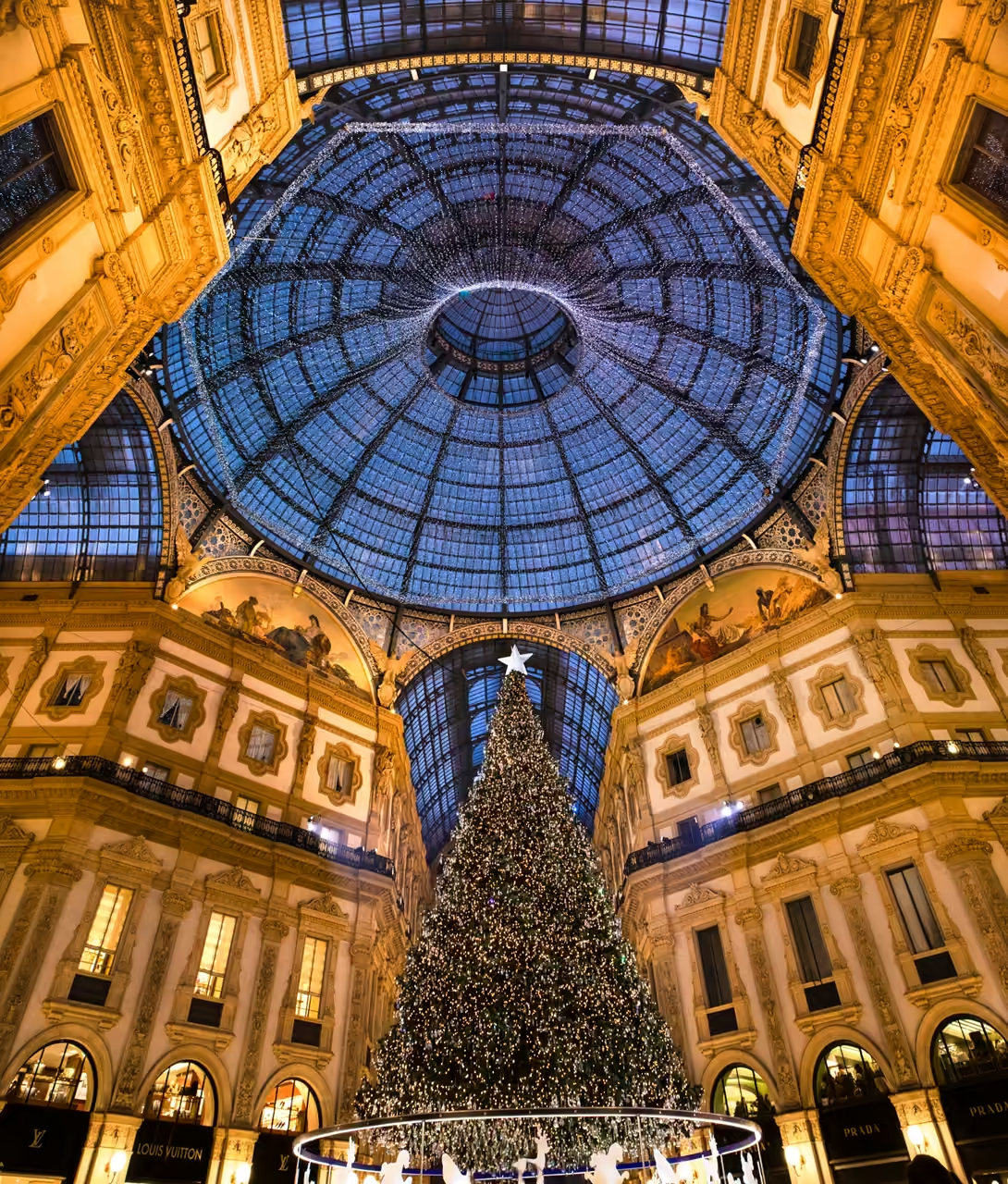 195m
Galleria Vittorio Emanuele II
Locals call it simply la Galleria, and the shorthand suits a covered street that has served as Milan's drawing room since 1867. Two arcades cross at an octagon under a glass dome, and in the floor beneath it sits a mosaic bull that generations of visitors have worn down by spinning on one heel for luck, so a short wait for your turn is normal. Overhead, painted lunettes of four continents ring the crossing, while caryatids and stucco ornament climb the walls up to the glass roof. At street level, Borsalino hats, Rizzoli books and Prada share the arcade with Caffè Camparino and Biffi, both pouring since 1867, all under gold lettering on black signs, a municipal rule that even McDonald's once had to obey. The long arm measures only 196 metres, short enough to cross in about three minutes, which is exactly why it rewards lingering: a standing espresso, a long look up at the lunettes, then a loop back to see what the windows are asking this season.
attraction view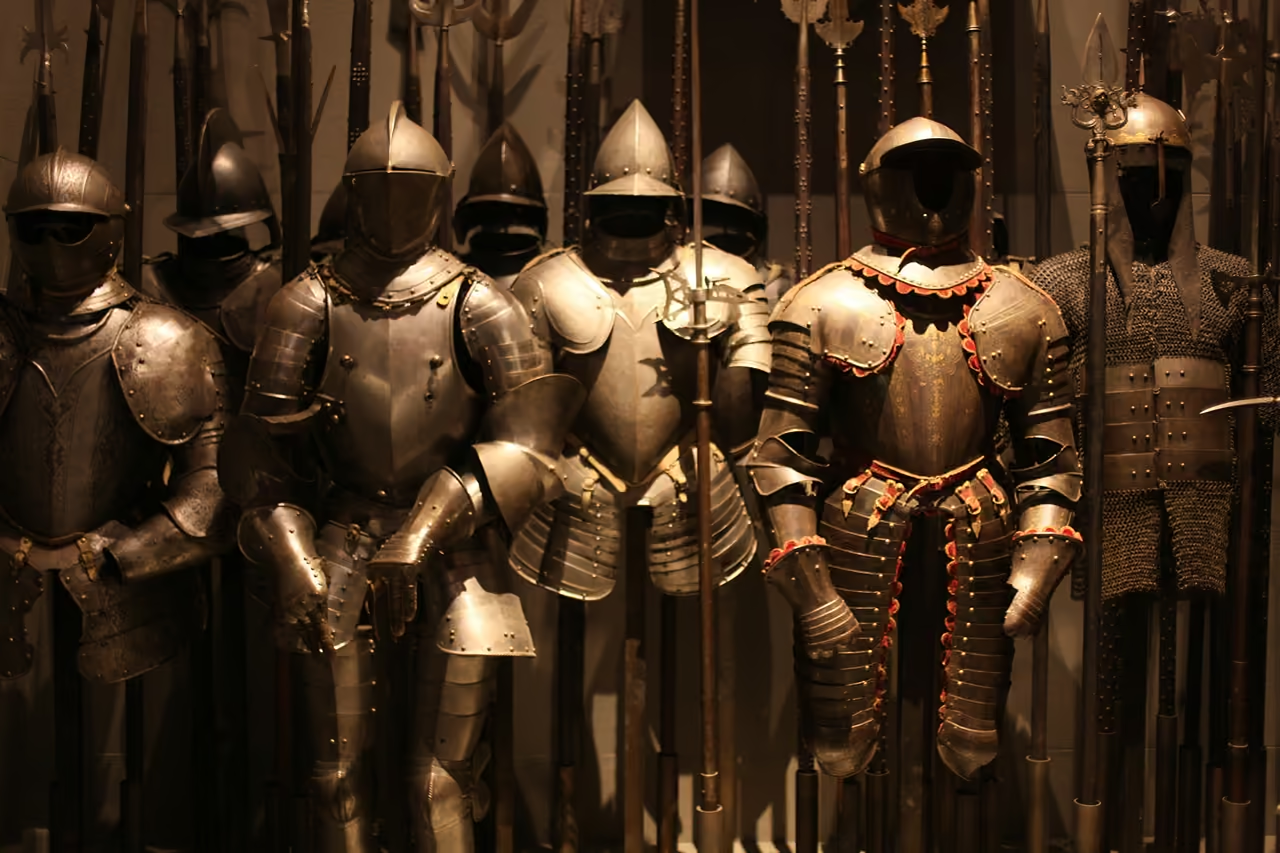 233m
Poldi Pezzoli Museum
A wealthy 19th-century collector transformed his aristocratic apartment into a dense, heavily decorated private museum. Rooms are themed meticulously, featuring carved wooden panelling, Renaissance portraits, and extensive collections of antique weaponry. The intimacy of the domestic setting makes the display of Botticelli and Piero della Francesca paintings feel unusually personal. It acts as a highly curated time capsule of Milanese nobility.
highlight view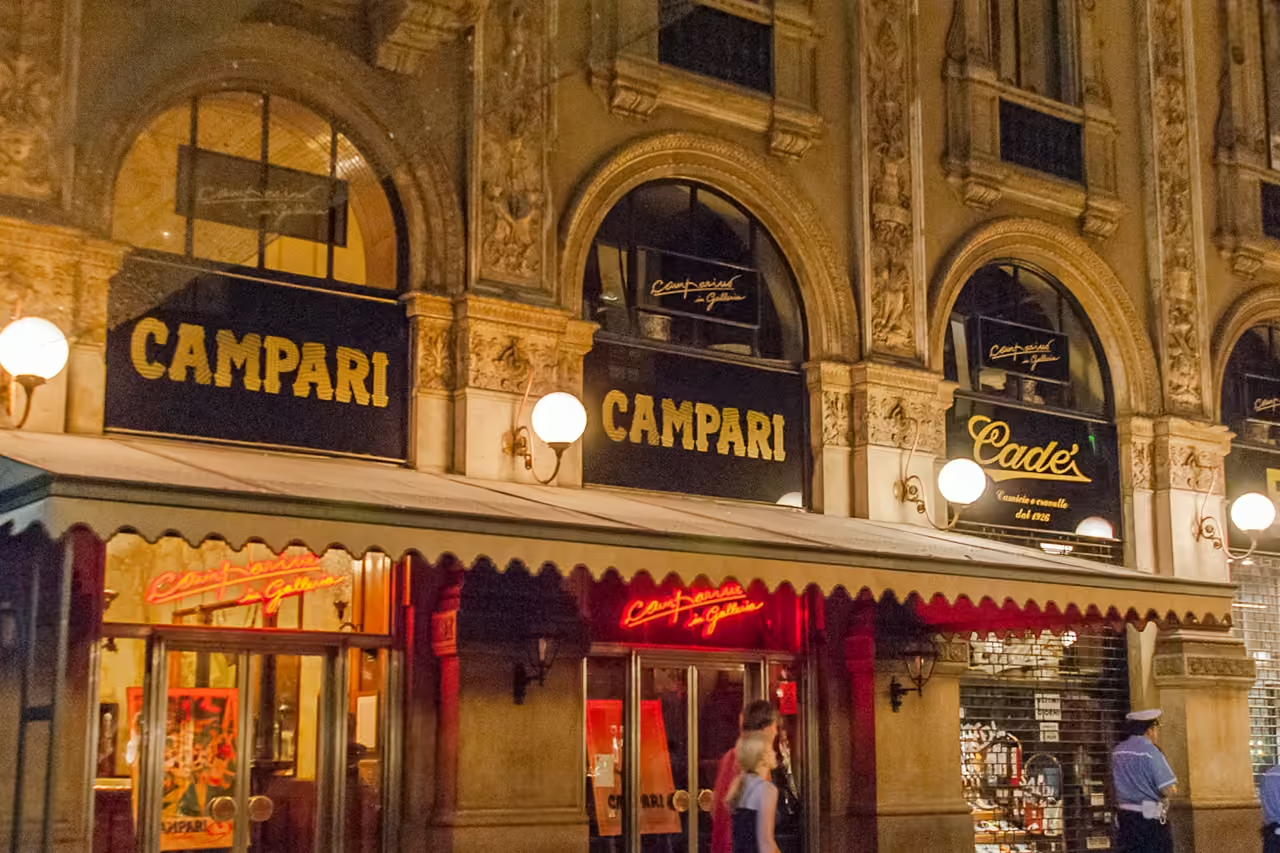 270m
Raise a Campari at Camparino in Galleria
Campari was born in Milan's bar culture, and this historic cocktail bar at the corner of the Galleria is where the ritual still feels theatrical. Bartenders in white jackets pour spritzes and Negronis under a ceiling of Liberty decoration while the cathedral glows through the glass. The drinks cost more than at the Navigli, and the view of the Duomo is part of the price.
highlight view
Explore Similar Places in This Collection
Featured on These Itineraries
3 Days in Milan
Three days that take in the cathedral district, Leonardo and the castle, and the churches and canals of the south. The pace allows for long lunches and an aperitivo each evening.
view itinerary
5 Days in Milan
Five days that cover the classic sights, Leonardo and the Ambrosian churches, fashion and parks, the canals, and a day among the abbeys and towers outside the centre.
view itinerary
See all attractions in Milan
Including Galleria Vittorio Emanuele II, Milan Cathedral, Sforza Castle, and more