Brera Art Gallery
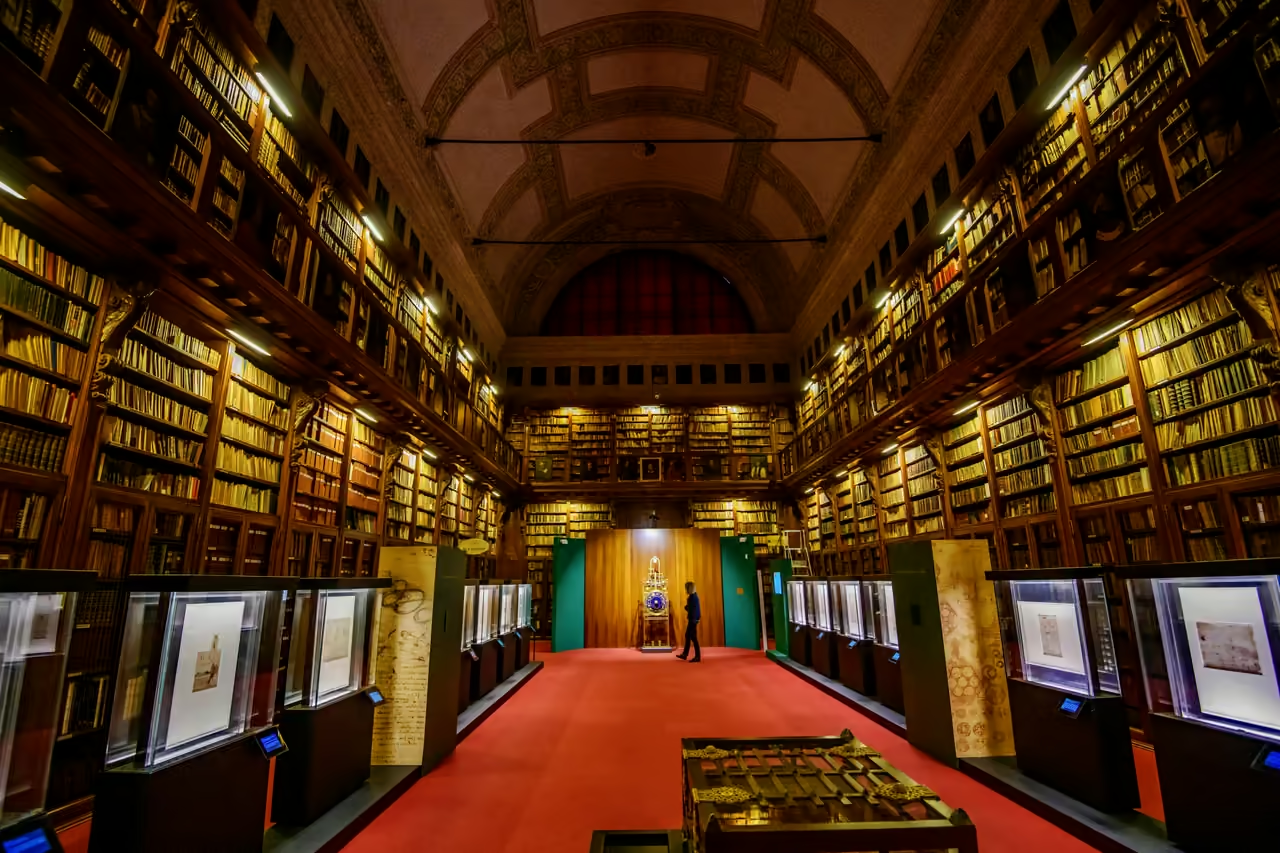
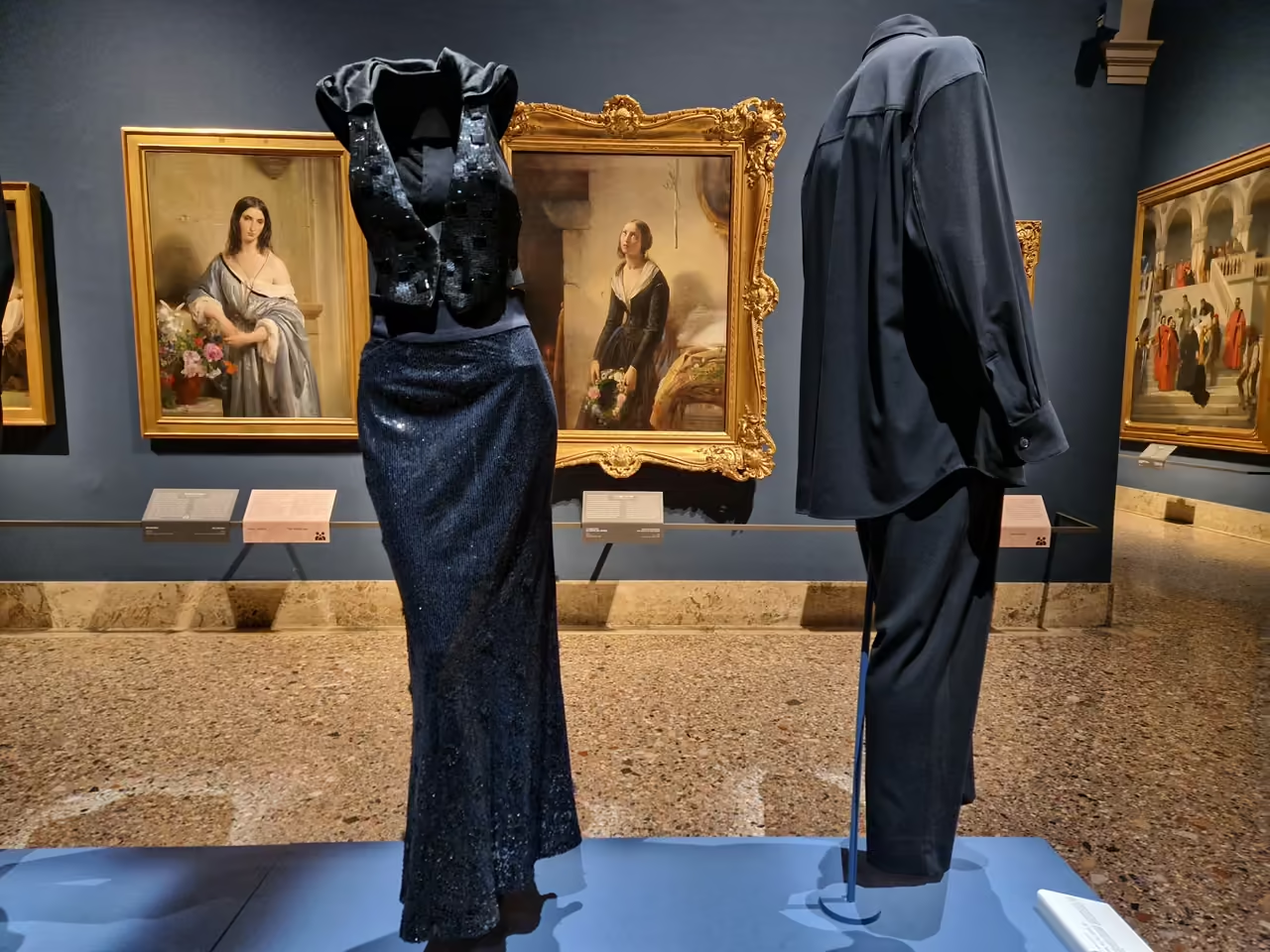
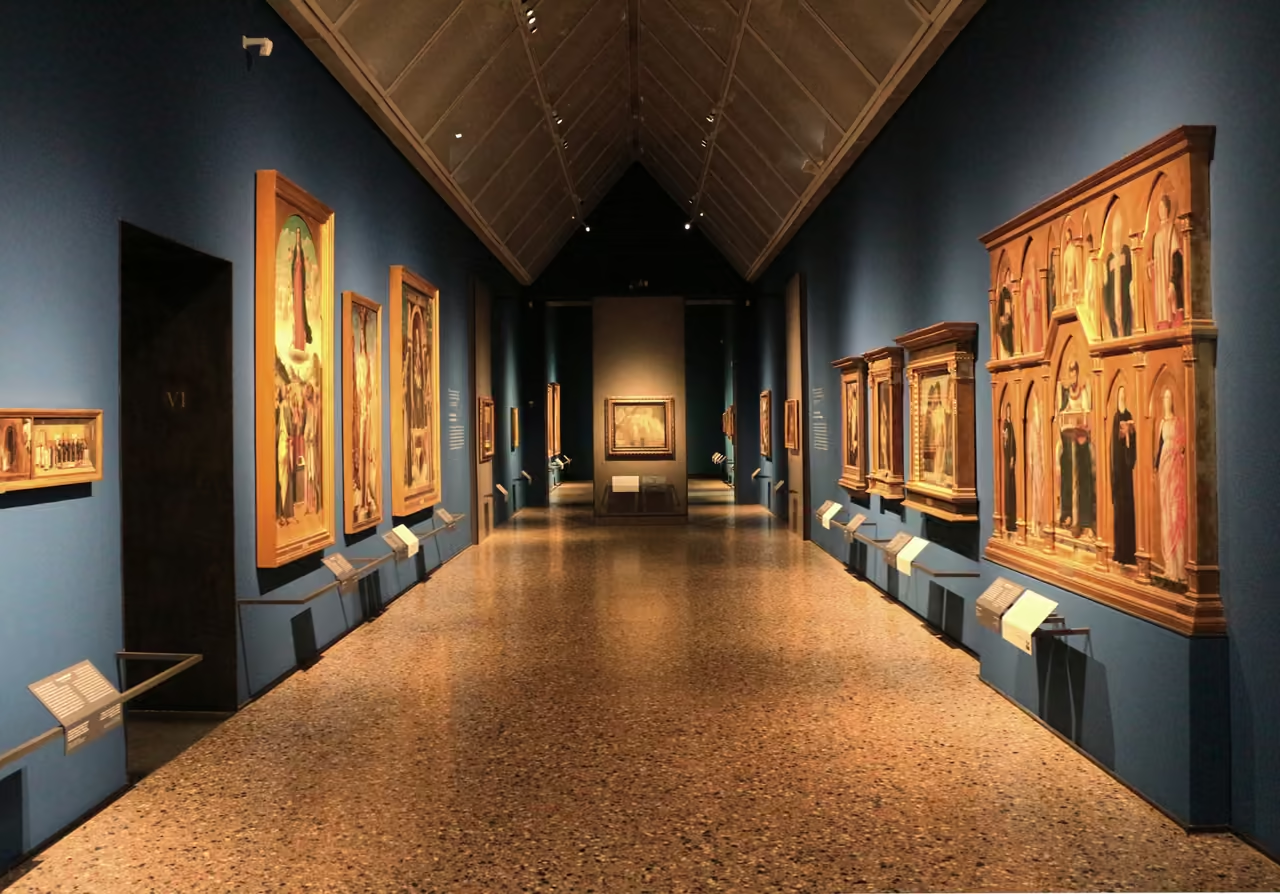
Walk into the courtyard of the Palazzo di Brera and you are immediately confronted by Antonio Canova's massive bronze of Napoleon masquerading as Mars the Peacemaker. This grand Jesuit college now holds Northern Italy's heavyweight art collection. The wooden floorboards in the upper exhibition rooms still squeak underfoot exactly like an old schoolhouse. You come here to stand inches away from Andrea Mantegna's foreshortened Cristo morto and Francesco Hayez's intensely romantic Il bacio. The sheer volume of Venetian and Lombard masterpieces on the walls is a direct result of early nineteenth century religious suppressions, when troops stripped convent walls bare across the region. Step out briefly onto the gallery loggia to look down at the botany students crossing the courtyard below, before ducking back inside to face Caravaggio's Cena in Emmaus.
Videos
History of Brera Art Gallery
The story of this massive complex begins with a medieval religious order known as the Humiliati. They built a convent on a plot of uncultivated land on the edge of Milan. In 1571 Pope Pius V abolished the order entirely and handed the keys over to the Jesuits. The new owners turned the grounds into an ambitious educational centre and hired the architect Francesco Maria Richini in 1591 to design a sprawling new facility. Construction hit a massive wall in 1630 when a devastating plague swept through Milan. The building site ground to a complete standstill for decades. When the Jesuits were themselves suppressed in 1773, the Austrian government stepped in to fill the void. Empress Maria Theresa of Austria transformed the unfinished college into a grand cultural hub. She founded the Academy of Fine Arts in 1776 alongside a botanical garden and a library. Her goal was to train a new generation of architects and decorators for the rapidly growing city. The gallery's true turning point arrived with Napoleon Bonaparte's conquest of Italy. His administration systematically closed down churches and monasteries across the region, generating cartloads of confiscated altarpieces that suddenly needed a home. While troops shipped the choicest pieces directly to the Louvre in Paris, they funnelled the remaining artworks into the Brera to create a national gallery for the newly formed Kingdom of Italy. To make room for this avalanche of paintings, workers simply sliced the ancient Church of Santa Maria in Brera in half horizontally. This drastic architectural surgery created the Napoleon Rooms on the new upper floor. They opened to the public in 1809 on the emperor's birthday. During the Second World War the visionary museum director Fernanda Wittgens quietly organised the evacuation of the masterpieces to secret locations outside the city. Her foresight saved the entire collection. When Allied bombs struck Milan in 1943, twenty-six of the museum's thirty-four vaulted ceilings collapsed into rubble. Wittgens later spearheaded the painstaking reconstruction of the galleries. They reopened in 1946 thanks to funding from wealthy local families, allowing the public to once again walk the long corridors leading to Raphael's Sposalizio della Vergine.
events spanning 375 years
Fun Facts
9- 01
Because the art gallery shares the Palazzo di Brera with a working Academy of Fine Arts, visitors often share the grand stone staircases with art students carrying large portfolios and canvases.
- 02
Donato Bramante's Men at Arms frescoes were not originally painted for the museum, but were carefully detached from the walls of the Casa Panigarola, a private Milanese townhouse, and relocated to the gallery for preservation.
- 03
During a severe financial crisis in 1974, superintendent Franco Russoli provocatively closed the entire museum to the public to protest the lack of government funding and demand a massive expansion project.
- 04
Giuseppe Pellizza da Volpedo painted his immense artwork Fiumana as a massive preliminary practice run for his iconic Il quarto stato, and it now dominates an entire wall in the later exhibition rooms.
- 05
Napoleon's troops looted several major works from the Brera in 1812 to send to the Louvre in Paris, including Vittore Carpaccio's Predicazione a Gerusalemme, and none of these five specific pieces ever returned to Milan.
- 06
The gallery holds Caravaggio's Cena in Emmaus, a late masterpiece bought in 1939 through a fundraising campaign by the Friends of Brera association, showcasing a radically darker approach compared to his earlier version in London.
- 07
The gallery's visionary director Fernanda Wittgens successfully smuggled the museum's greatest masterpieces to safety just before Allied bombing raids in 1943 caused the roof to cave in on twenty-six of the exhibition halls.
- 08
To create the Napoleon Rooms in 1808, architects physically divided the medieval Church of Santa Maria in Brera into two floors, using the newly formed upper level to hang the Kingdom of Italy's confiscated art.
- 09
Visitors walking into the main courtyard immediately encounter a towering bronze statue depicting Napoleon Bonaparte completely naked as Mars the Peacemaker, a bold artistic choice by the neoclassical sculptor Antonio Canova.
FULL PLACE DETAILS
Updated
FULL PLACE DETAILS
UpdatedOVERVIEW & STATS
- Established
- In 1776, making it 250 years old
- Annual Visitors
- 397,082 (2022)
- Exhibition Items
- 500
- Wi-Fi
- No
ARCHITECTURE & HERITAGE
- Heritage Status
- Italian National Heritage
- Architects
- Gualtiero GalmaniniPiero Portaluppi
- Founders
- Maria Theresa Of Austria
WEB & AMENITIES
Brera Art Gallery Map & Neighborhood Explorer
This interactive map is centered on Brera Art Gallery. Zoom in and move the map around to automatically discover Wikipedia photos and summaries of other nearby sights, monuments, and historical points of interest and stories in real-time!
Brera Art Gallery FAQ
Parts of the historic Palazzo di Brera have climate control to protect the sensitive artworks, but some of the older galleries can still feel quite warm during the peak of the Milanese summer.
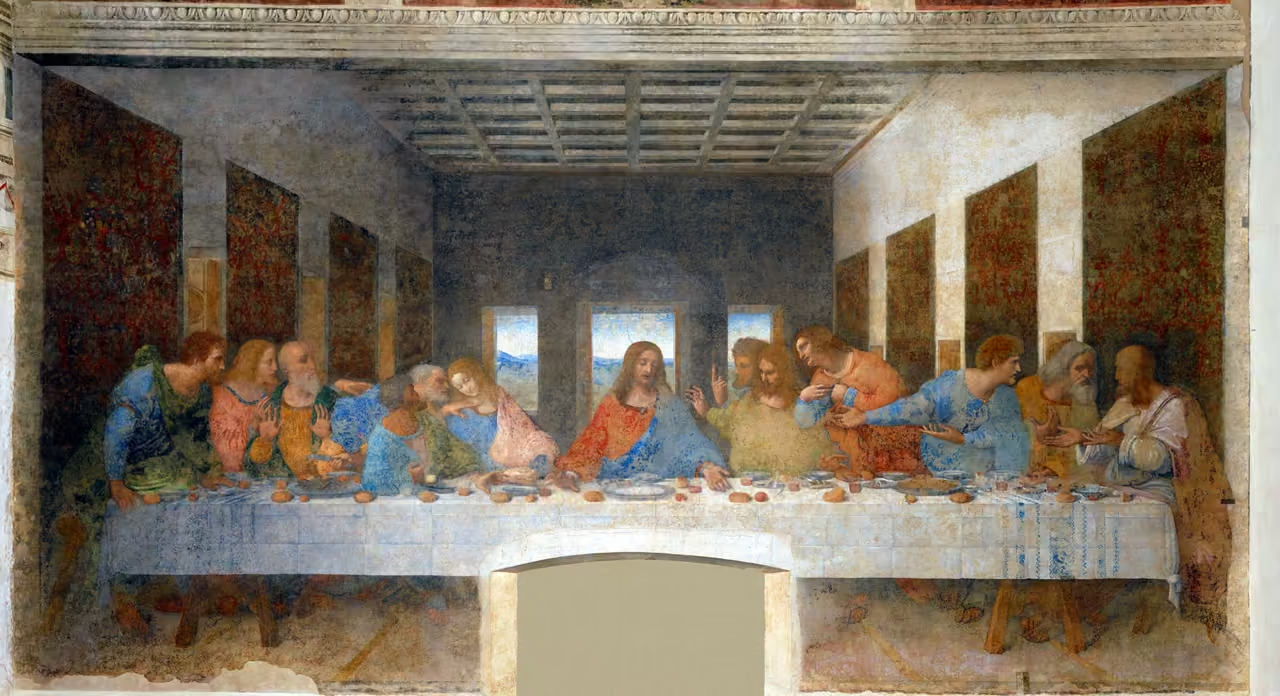
While the gallery owns a preparatory sketch of the head of Christ for the Last Supper, it is kept in the inaccessible drawing archives for preservation. You will instead find exceptional pieces by his closest followers on public display, including Bernardino Luini and Marco d'Oggiono.
Yes, reserving your entry time online is highly recommended. The gallery enforces strict capacity limits and time slots regularly sell out days ahead, especially on weekends.
Francesco Hayez's 1859 painting Il bacio and Andrea Mantegna's Cristo morto are widely considered the two most iconic masterpieces on display.
A typical visit takes about 3 hours. We recommend planning your schedule accordingly to make the most of your time there.
The closest place to visit near Brera Art Gallery is Brera Evenings, around 116 m away. Other things to do near Brera Art Gallery include Corso Como and Porta Garibaldi (430 m), Poldi Pezzoli Museum (461 m) and La Scala Opera House (529 m). All of these are within roughly 529 m of Brera Art Gallery, close enough to walk.
It has approximately 500 exhibits, some of which may or may not be open to the public.
Brera Art Gallery features the following: archive building, book vendor, café, cloakroom, library, photo archive and restoration laboratory. No Wi-Fi is available on site.
Brera Art Gallery holds the following heritage designation: Italian National Heritage.
It dates back to 1776, making it 250 years old.
Brera Art Gallery was founded by Maria Theresa of Austria. It was designed by Gualtiero Galmanini and Piero Portaluppi.
According to the latest available data (2022), it received approximately 397,082 visitors that year.
Brera Art Gallery is wheelchair accessible.
While we strive to keep this information accurate and up to date, we recommend verifying any details independently before making decisions based on them.
Places near Brera Art Gallery
Make the most of your trip. Check out these top-rated spots located nearby.
 116m
Brera Evenings
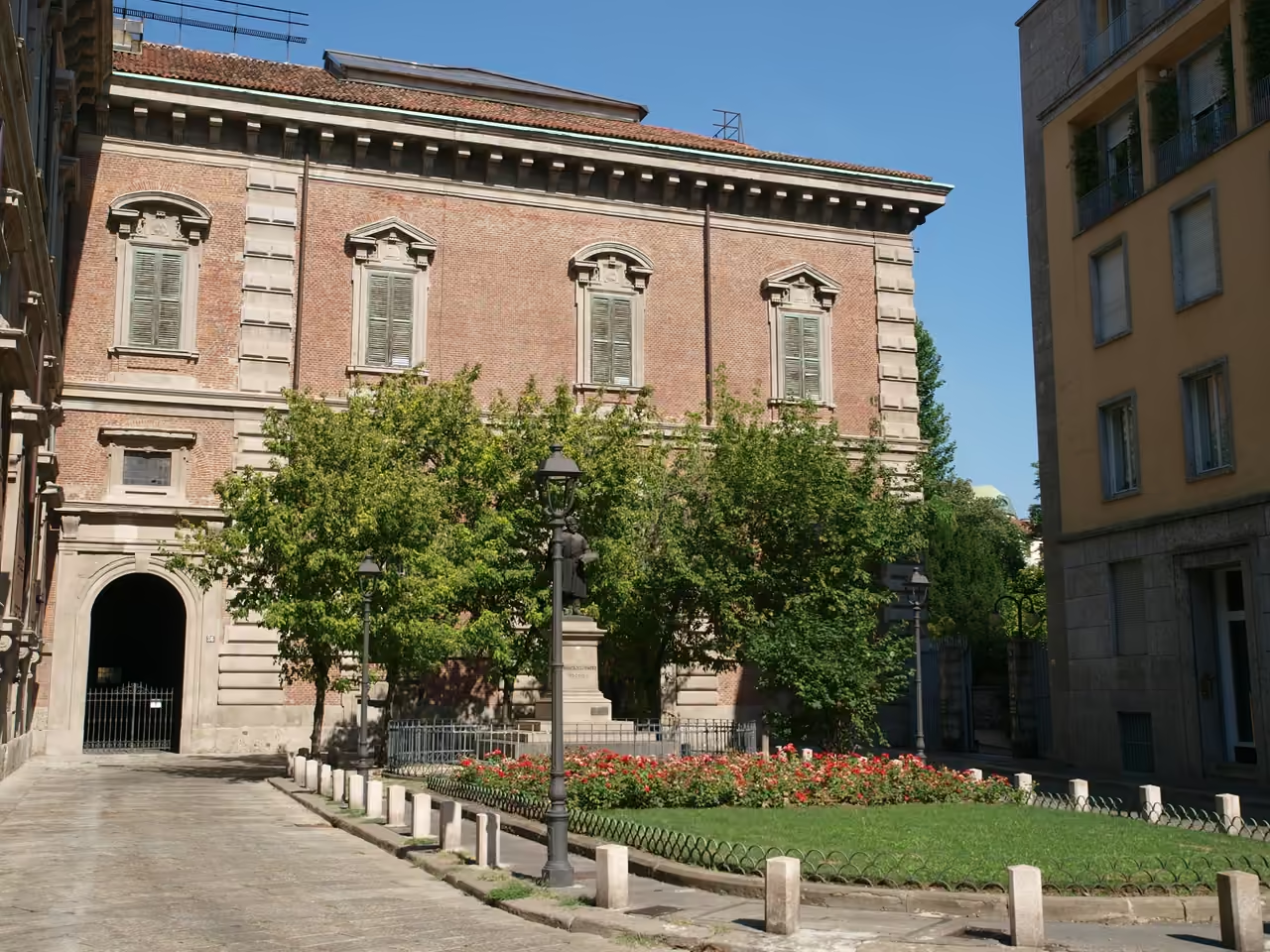
The old artists' quarter around Via Brera and Via Madonnina has a Latin Quarter feel after dark, with wine bars, small cocktail rooms and a few historic cafes.
nightlife view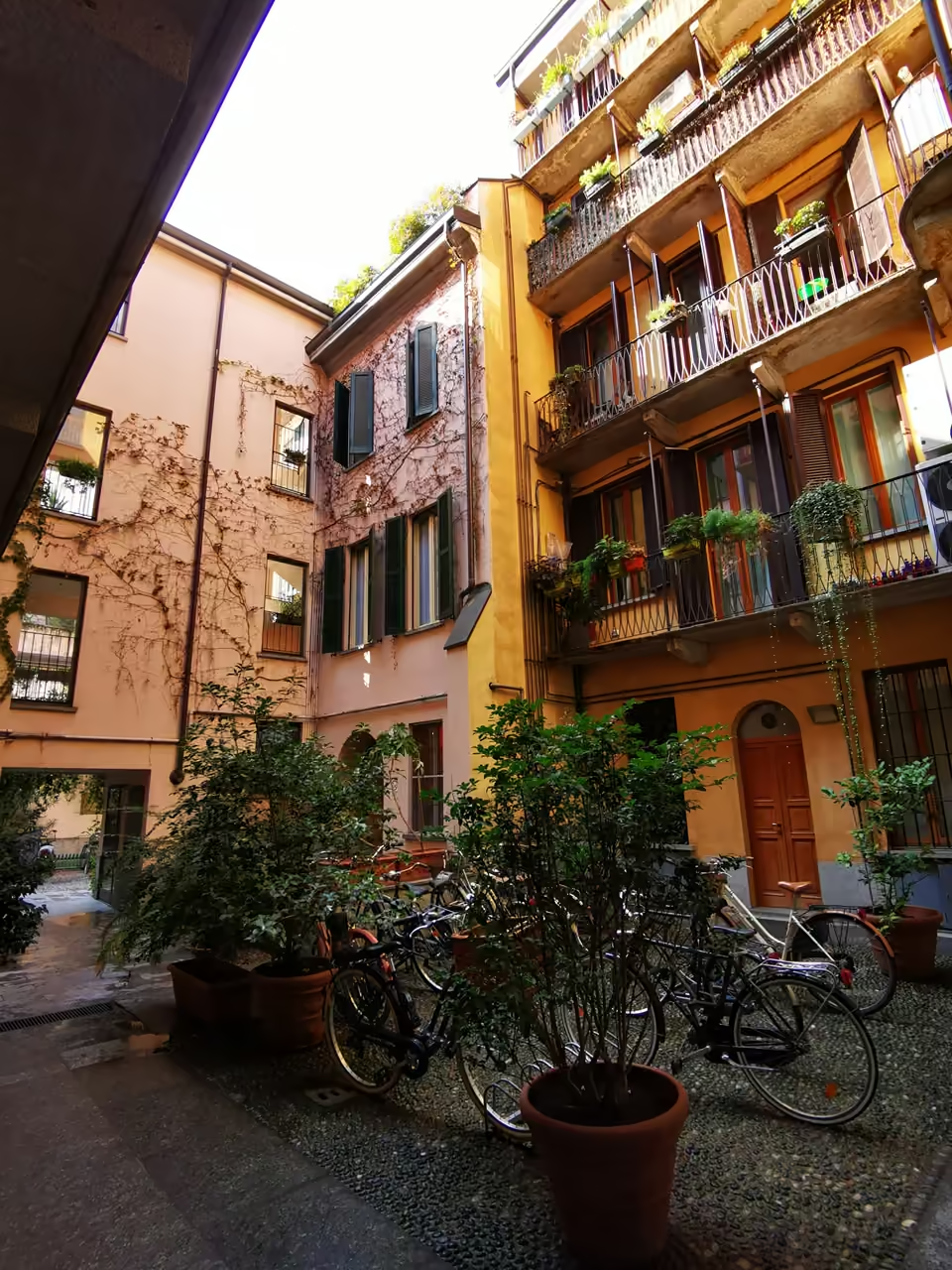 430m
Corso Como and Porta Garibaldi
A short pedestrian street near Porta Garibaldi station that fills with glamorous clubs, cocktail lounges and design-led bars. In summer the pavement is packed with groups dressed to be seen.
nightlife view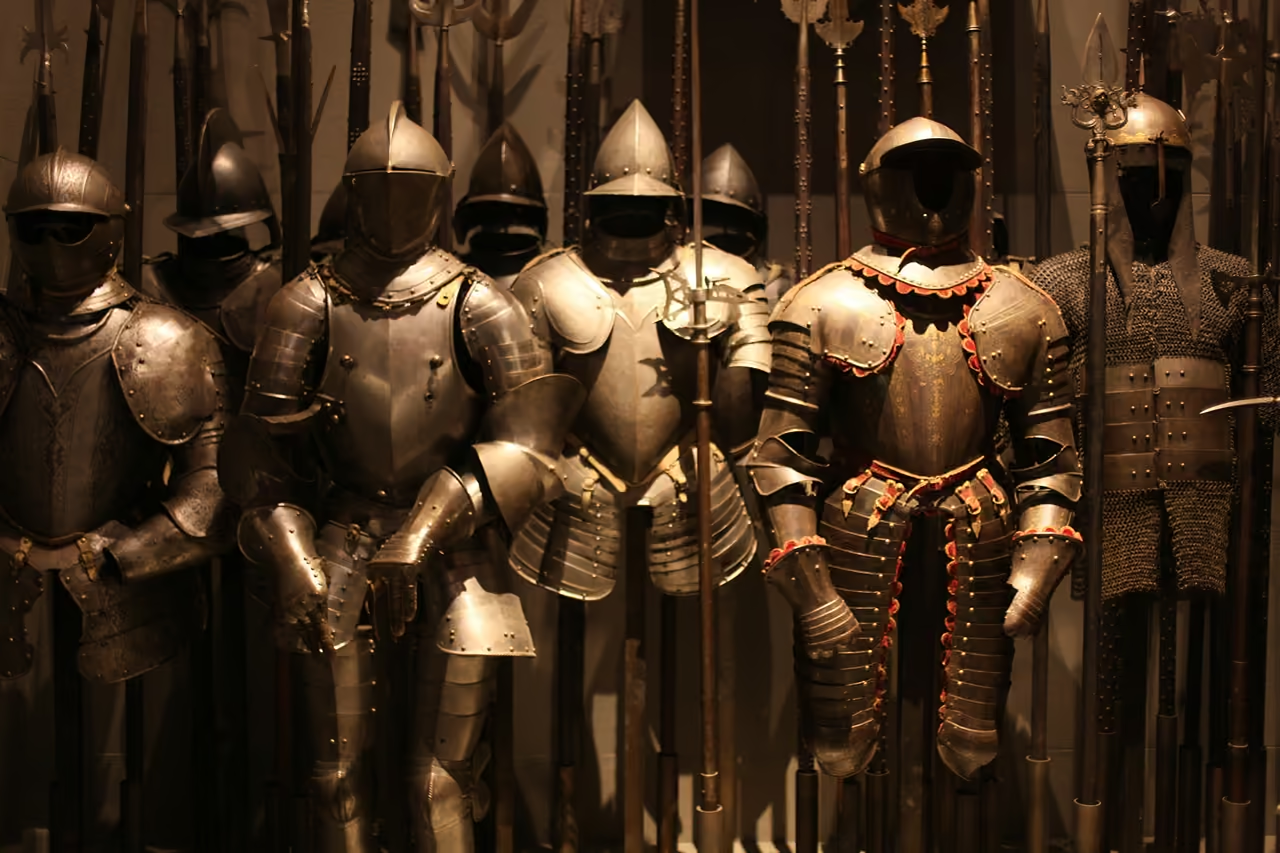 461m
Poldi Pezzoli Museum
A wealthy 19th-century collector transformed his aristocratic apartment into a dense, heavily decorated private museum. Rooms are themed meticulously, featuring carved wooden panelling, Renaissance portraits, and extensive collections of antique weaponry. The intimacy of the domestic setting makes the display of Botticelli and Piero della Francesca paintings feel unusually personal. It acts as a highly curated time capsule of Milanese nobility.
highlight view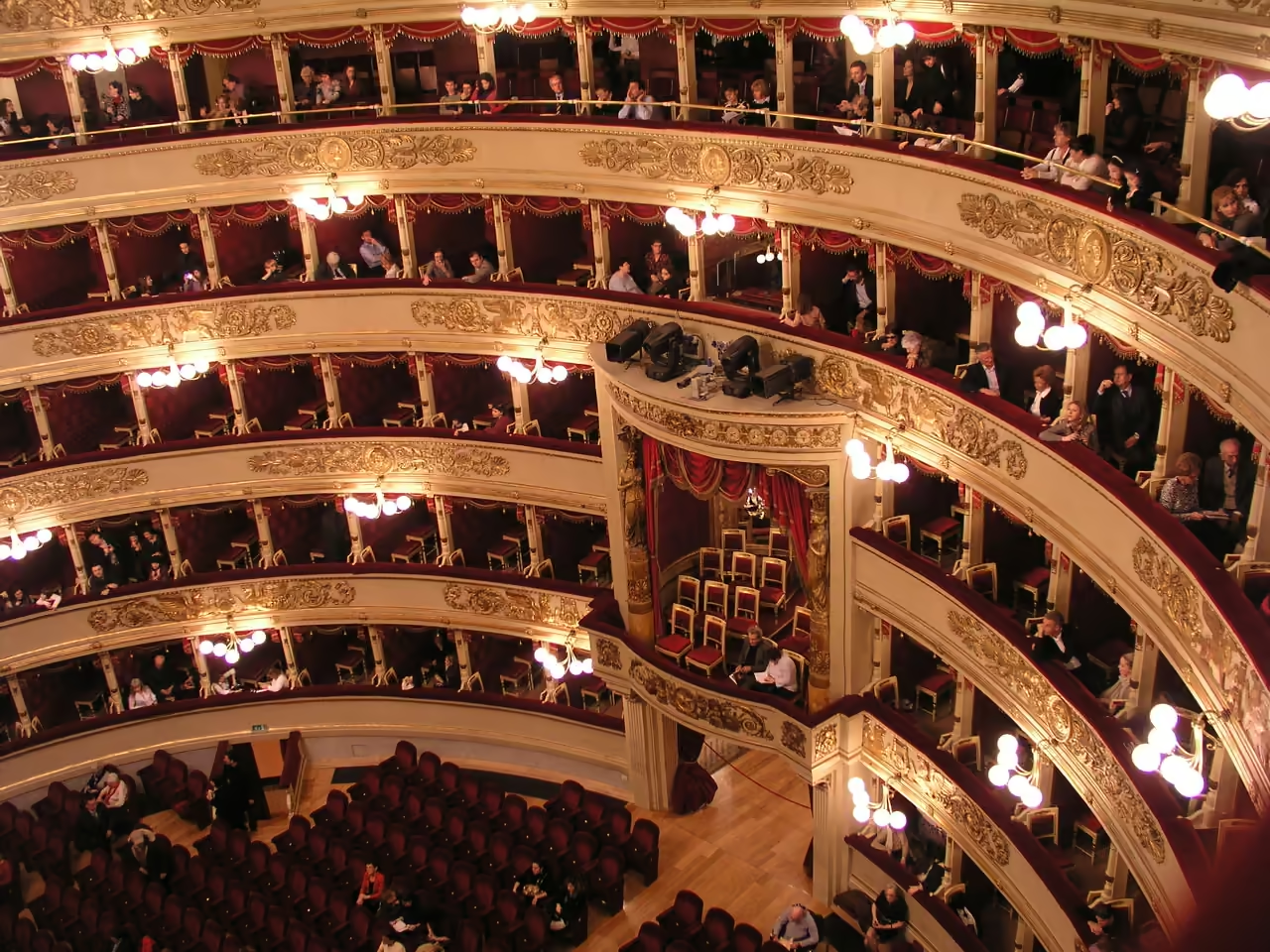 529m
La Scala Opera House
Giuseppe Piermarini’s neoclassical masterpiece demands a certain reverence the moment you step out of the Piazza della Scala. This is the stage where Giuseppe Verdi triumphed with his early choruses and Maria Callas fiercely staked her claim as the definitive soprano of the twentieth century. You can feel the weight of those opening nights while navigating the narrow, curved corridors leading into the auditorium. Getting a drink at the foyer bar during the interval usually involves navigating a tightly packed crowd of sharply dressed Milanese patrons. The auditorium reveals a cavernous horseshoe of red damask and ivory stucco, illuminated by a colossal Murano glass chandelier. Securing a seat in the plush stalls or the notoriously demanding loggione upper gallery places you squarely in the middle of Europe's most scrutinising musical arena.
attraction view
Explore Similar Places in This Collection
Featured on These Itineraries and Routes
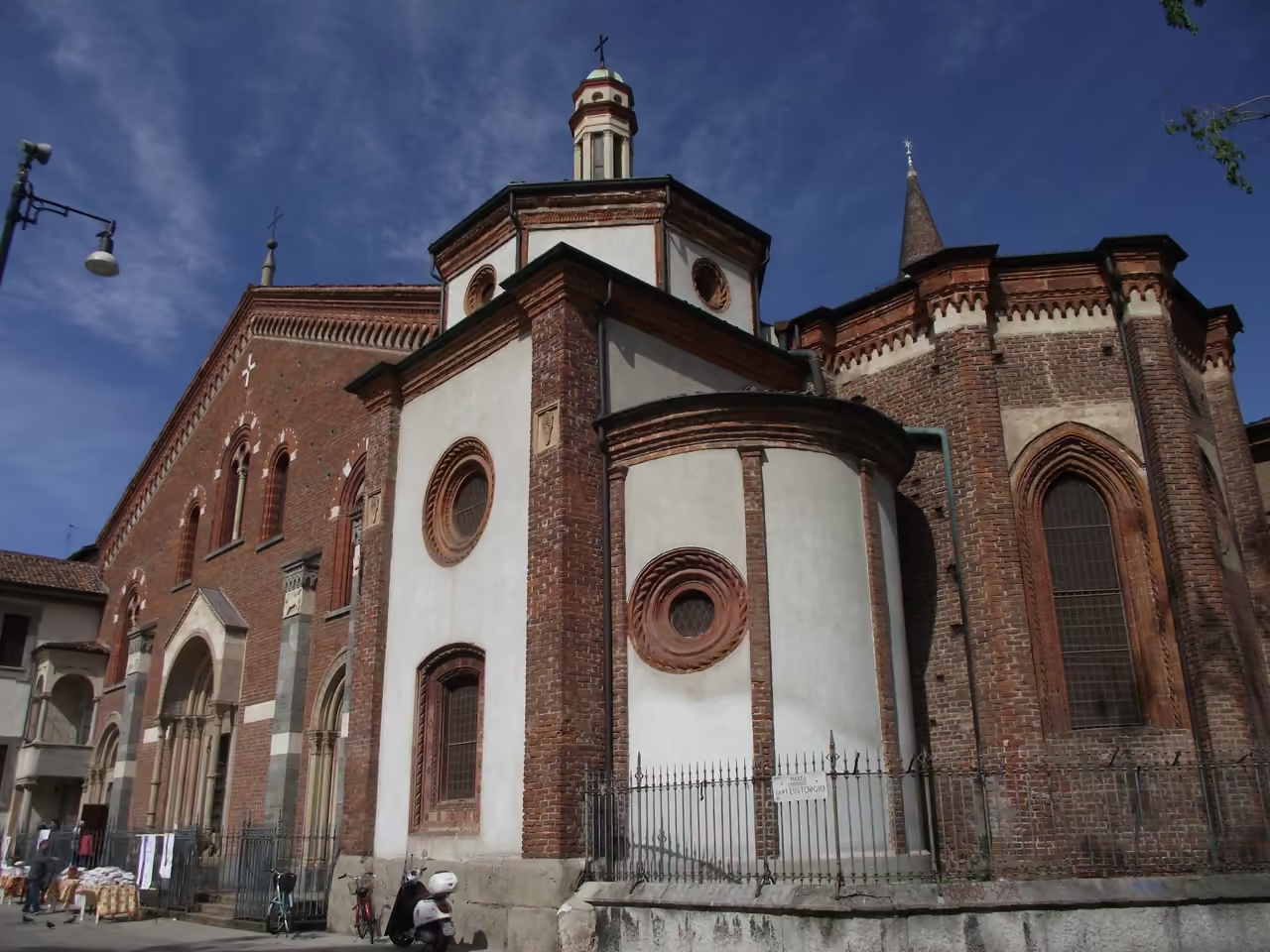
3 Days in Milan
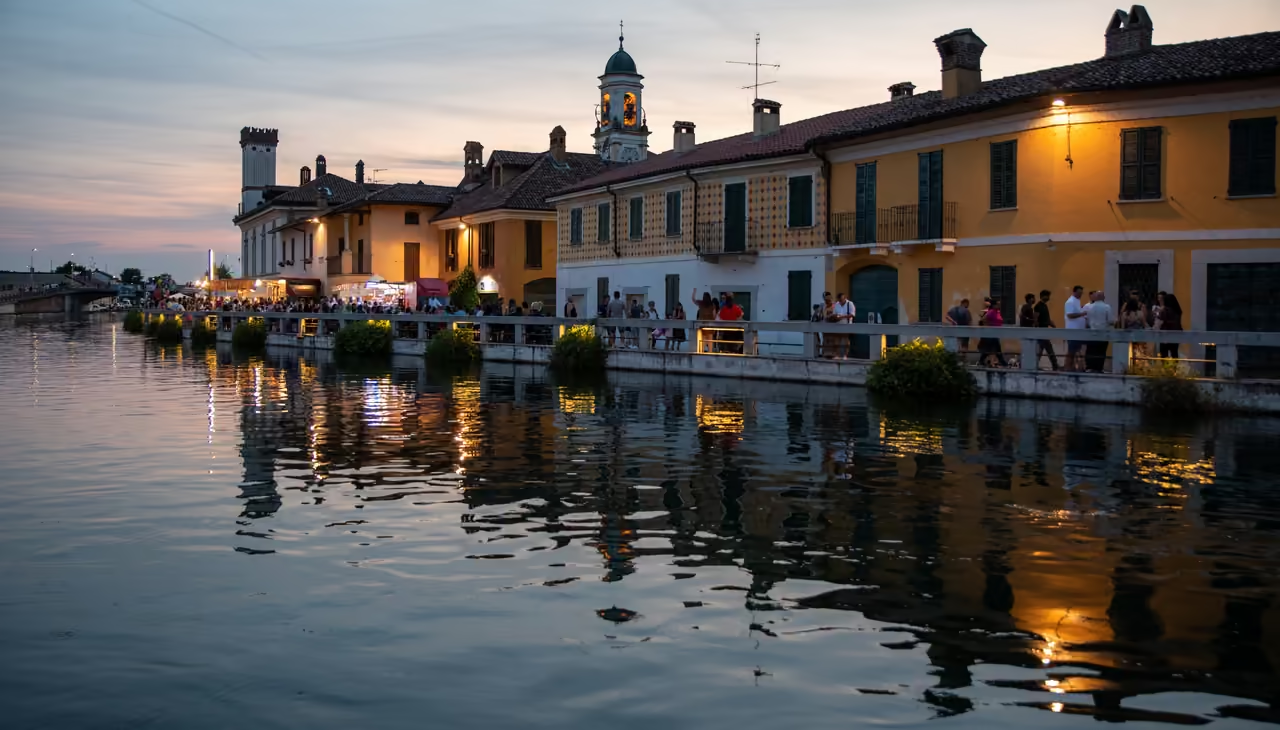
Three days that take in the cathedral district, Leonardo and the castle, and the churches and canals of the south. The pace allows for long lunches and an aperitivo each evening.
view itinerary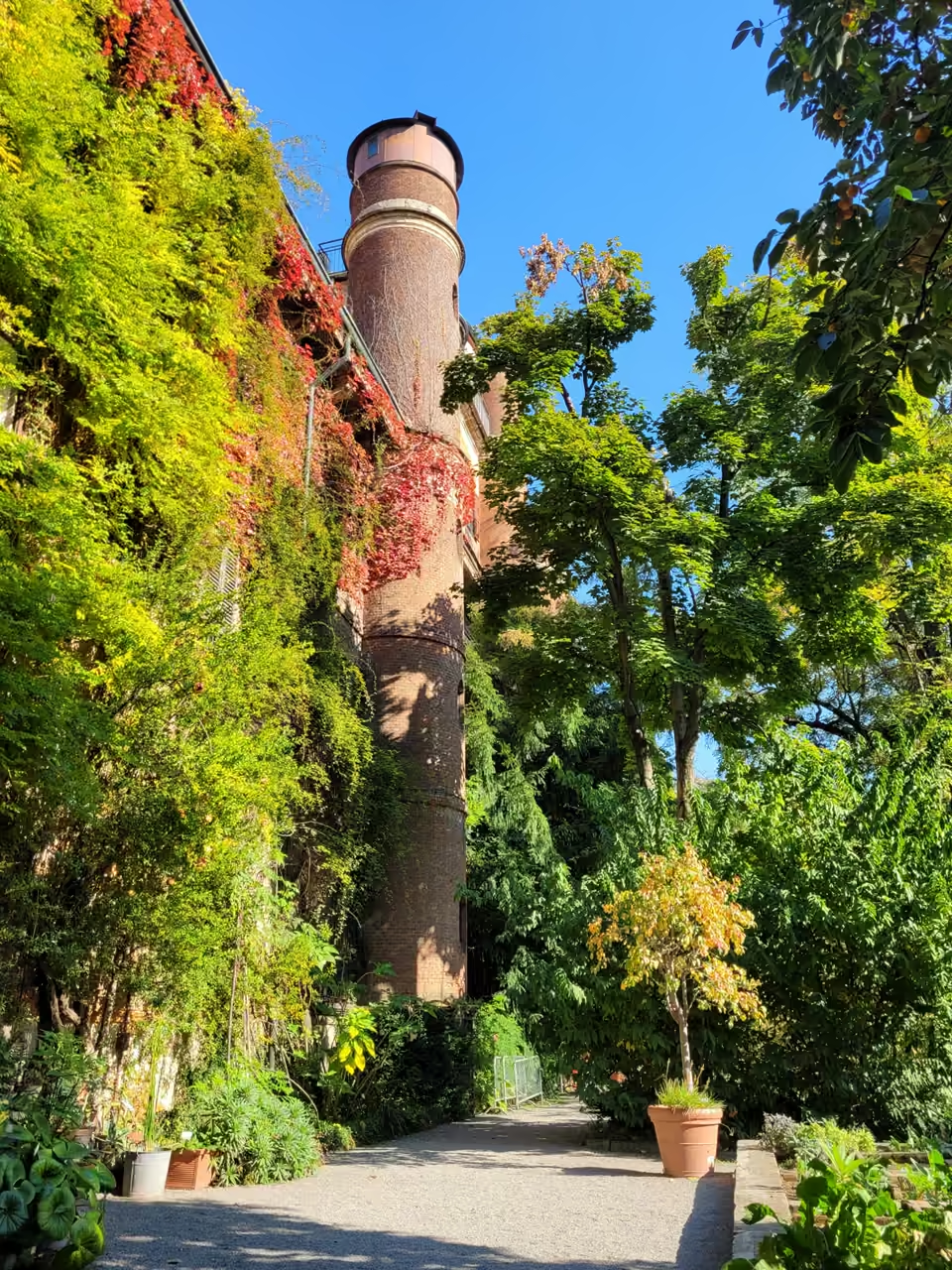
Brera Backstreets Stroll
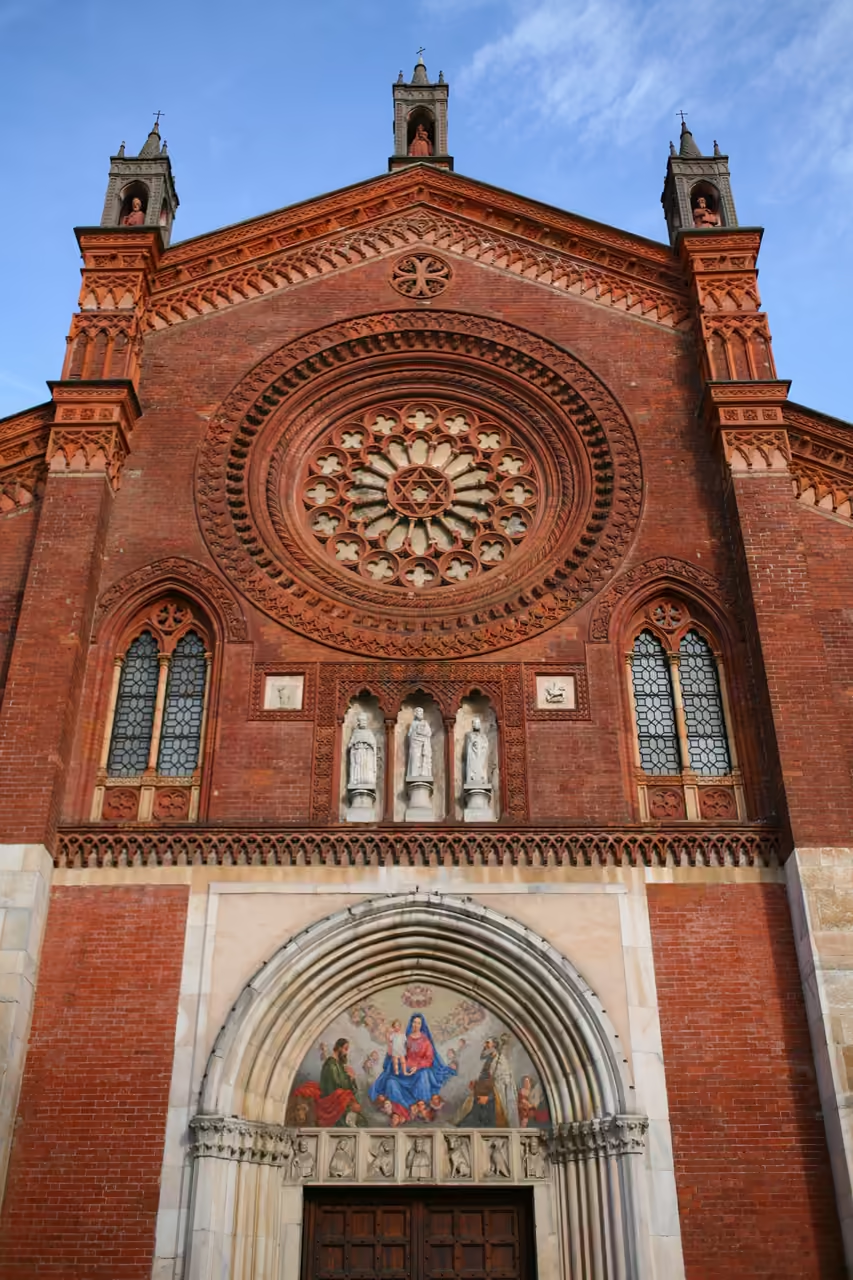
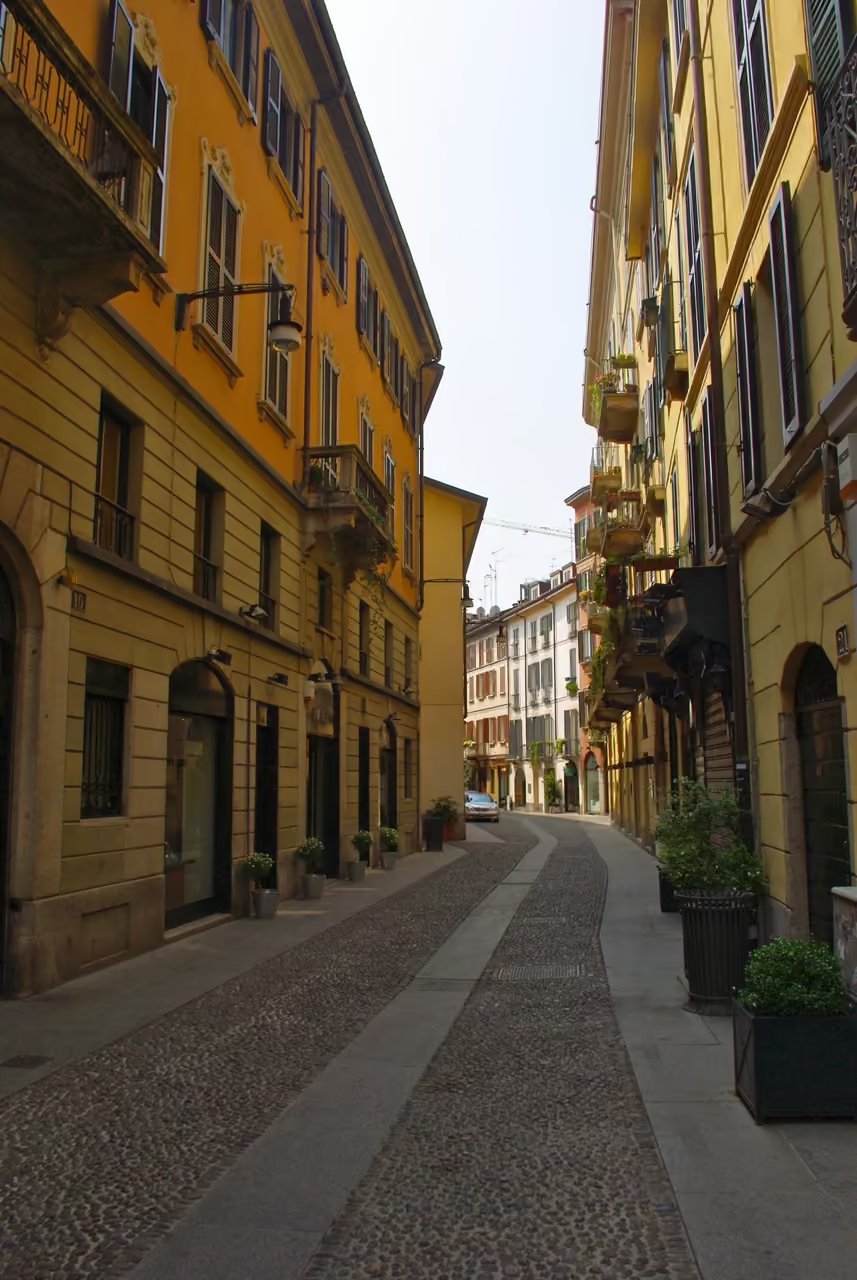
A wander through the artists' quarter of cobbled lanes, antique shops and galleries, with a hidden botanical garden and a frescoed church tucked in among the cafes.
view walking route
See all attractions in Milan
Including Galleria Vittorio Emanuele II, Milan Cathedral, Sforza Castle, and more