Ancient Cave Dwellings of Matera
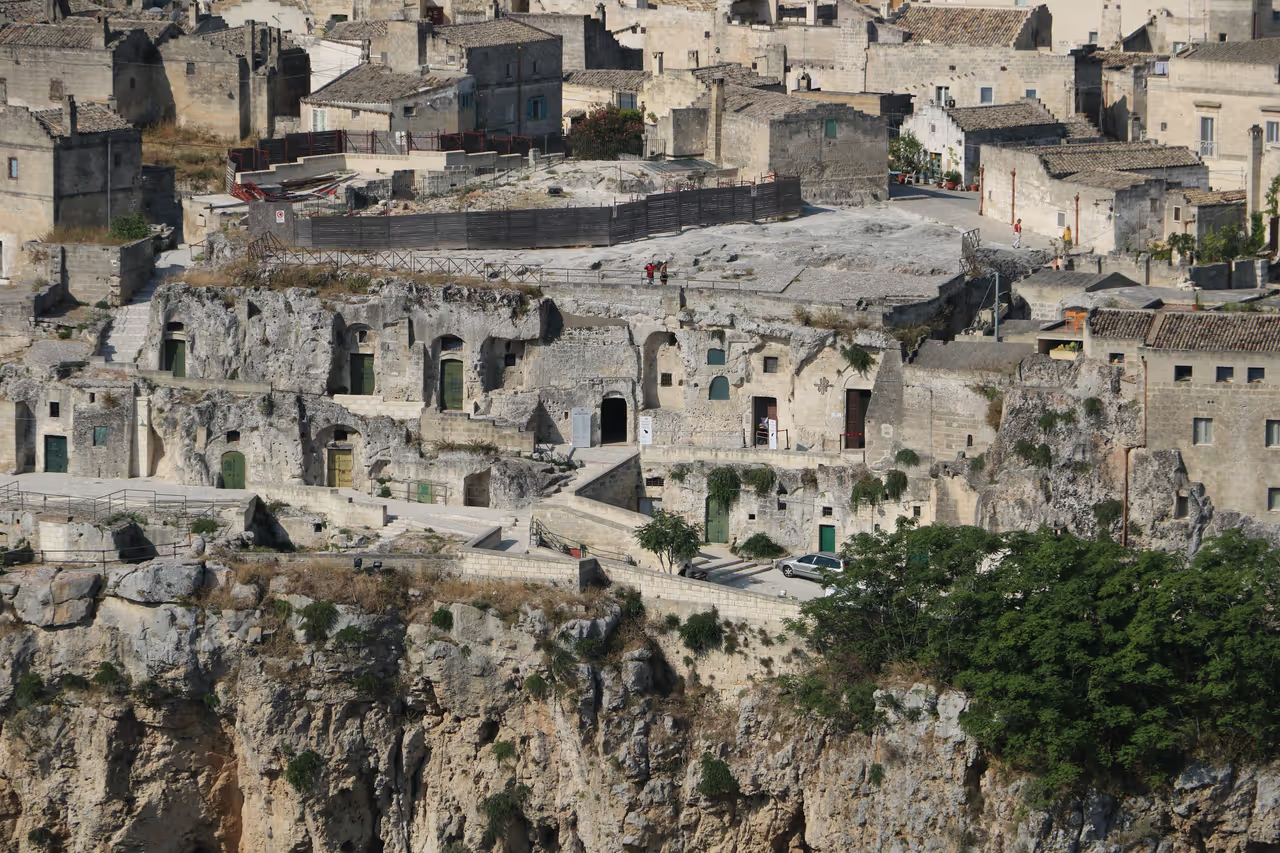
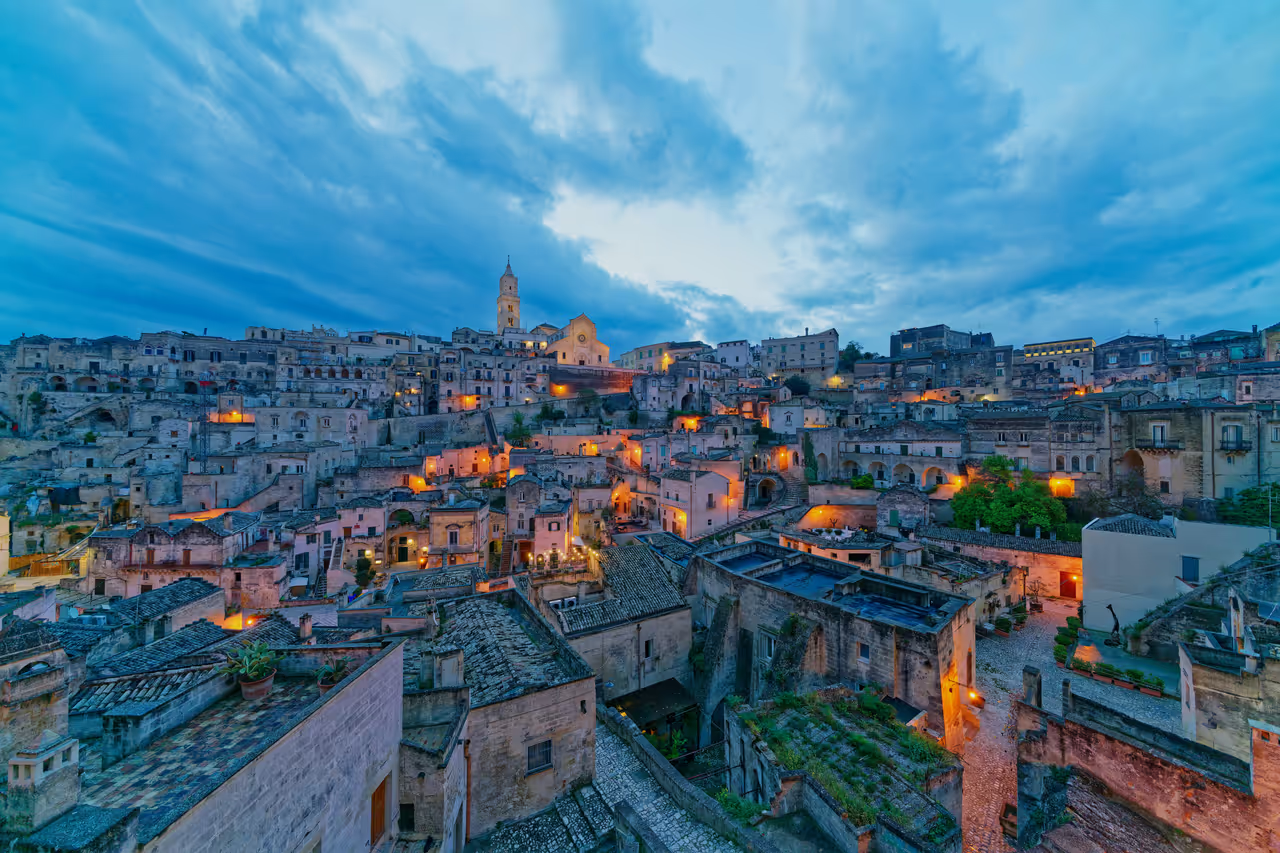
Step into a landscape that feels like a forgotten chapter of history where entire neighbourhoods are carved directly into the sun baked limestone of a steep ravine. These ancient cave dwellings offer an immersive journey back through millennia of human ingenuity creating a dramatic labyrinth of stone that has stood the test of time. As you wander through the narrow winding alleys you discover a world where homes churches and cisterns have been hewn from the living rock since the Paleolithic era. The atmosphere here is truly distinct balancing between the rustic charm of its humble origins and its current status as a vibrant artistic hub. Whether you are marvelling at the frescoed rupestrian churches or enjoying the view from a quiet terrace at sunset Matera invites you to contemplate a deep enduring connection between humanity and the earth.
Videos
History of Ancient Cave Dwellings of Matera
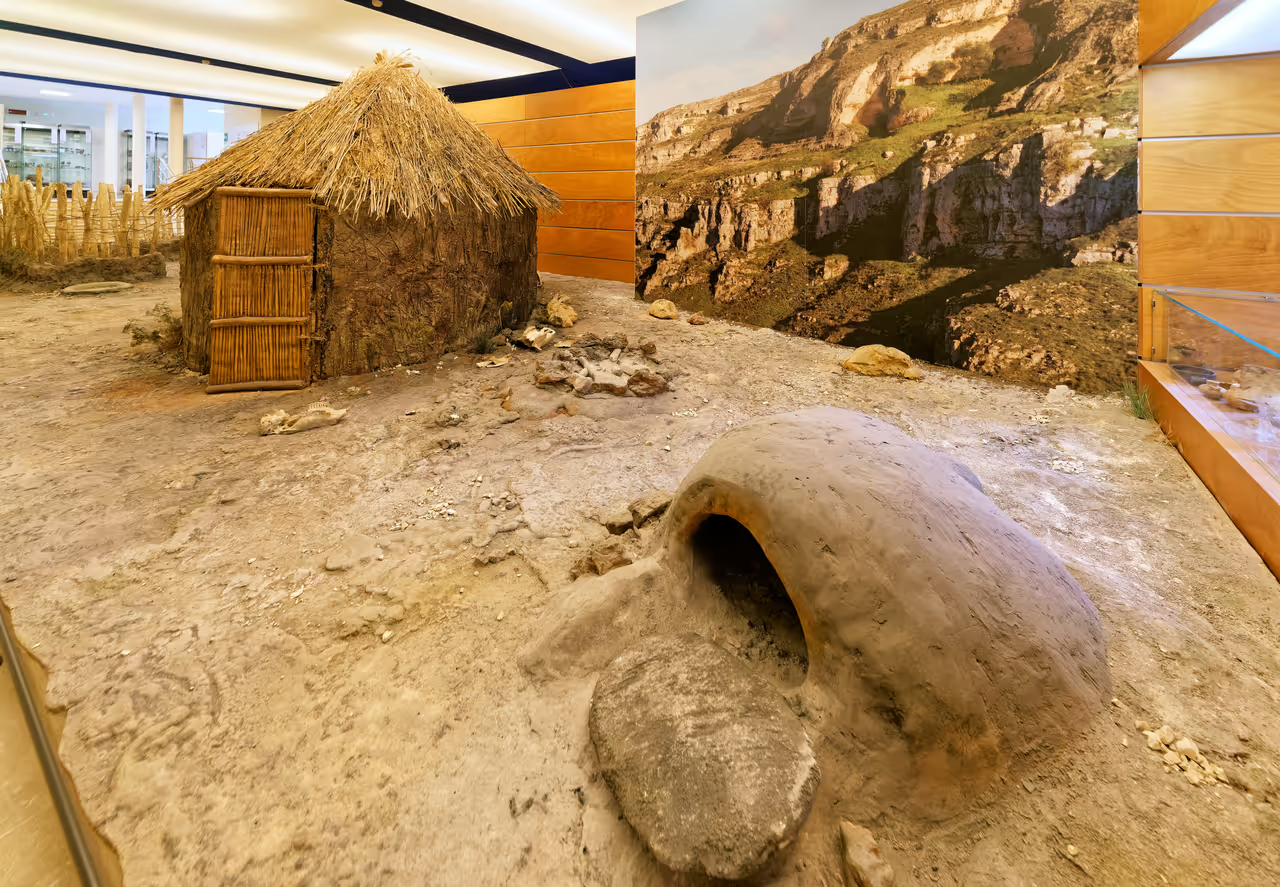
Long before the rise of modern cities, humans sought refuge in the deep calcarenite rock formations of Matera. These caves provided a natural shelter that families occupied continuously from the Paleolithic period right through to the middle of the twentieth century. This longevity makes Matera one of the oldest continuously inhabited settlements on the planet, serving as a testament to the resilience of those who shaped their lives within the stone walls of the Murgia plateau. The twentieth century brought a difficult chapter for these ancient quarters. Recognised as a place of extreme poverty and challenging sanitary conditions, the Sassi faced a forced evacuation in the nineteen fifties. The state relocated thousands of residents to modern housing, leaving the historic centre to fall into silence and disrepair. It was a moment of profound transformation that threatened to erase the physical footprint of this remarkable community. Today, the story of Matera is one of extraordinary renewal. After decades of being forgotten, the Sassi were rediscovered and championed by architects and historians who saw the beauty in this layered history. Recognition as a UNESCO World Heritage site served as the catalyst for a vibrant rebirth, turning the once quieted stone dwellings into a flourishing cultural sanctuary. Now, the city stands as a beacon of heritage, inviting travellers to explore its deep history while celebrating a culture that refused to fade away.
Events spanning 815 years
Fun Facts
- • After the mass evacuation in the nineteen fifties, the Sassi were effectively a ghost town for years before a grassroots movement of artists and historians began the long process of restoration.
- • During the sixteenth century, the population was so dense and the layout so vertical that a local chronicler noted the dead were buried above the living.
- • Many of the cave dwellings are vertically stacked, with the roof of one home often serving as the street or terrace for the house above.
- • Matera is widely considered to be one of the oldest continuously inhabited cities on the planet, with roots dating back to the Paleolithic era.
- • Monks and anchorites from the East carved elaborate rupestrian churches into the limestone, adorning them with Byzantine style frescoes that are still partially visible.
- • The Palombaro Lungo is a massive, cathedral sized underground water cistern located beneath the main square, constructed in the nineteenth century to manage local water resources.
- • The Sassi were famously used as a filming location for Mel Gibson's The Passion of the Christ because of their striking resemblance to ancient Jerusalem.
- • The city was famously brought to international attention by author Carlo Levi in his memoir Christ Stopped at Eboli, which highlighted the extreme poverty of the region in the mid twentieth century.
- • The internal temperature of the cave dwellings remains naturally consistent throughout the year, effectively acting as an ancient form of climate control.
- • The term Sassi does not refer to a specific type of house but to the two distinct districts: Sasso Caveoso and Sasso Barisano.
RESOURCES
Heritage UNESCO SiteAncient Cave Dwellings of Matera FAQ
While we strive to keep this information accurate and up to date, we recommend verifying any details independently before making decisions based on them.
Ancient Cave Dwellings of Matera Map & Neighborhood Explorer
This interactive map is centered on Ancient Cave Dwellings of Matera. Zoom in and move the map around to automatically discover Wikipedia photos and summaries of other nearby sights, monuments, and historical points of interest and stories in real-time!
Places near Ancient Cave Dwellings of Matera
Make the most of your trip. Check out these top-rated spots located nearby.
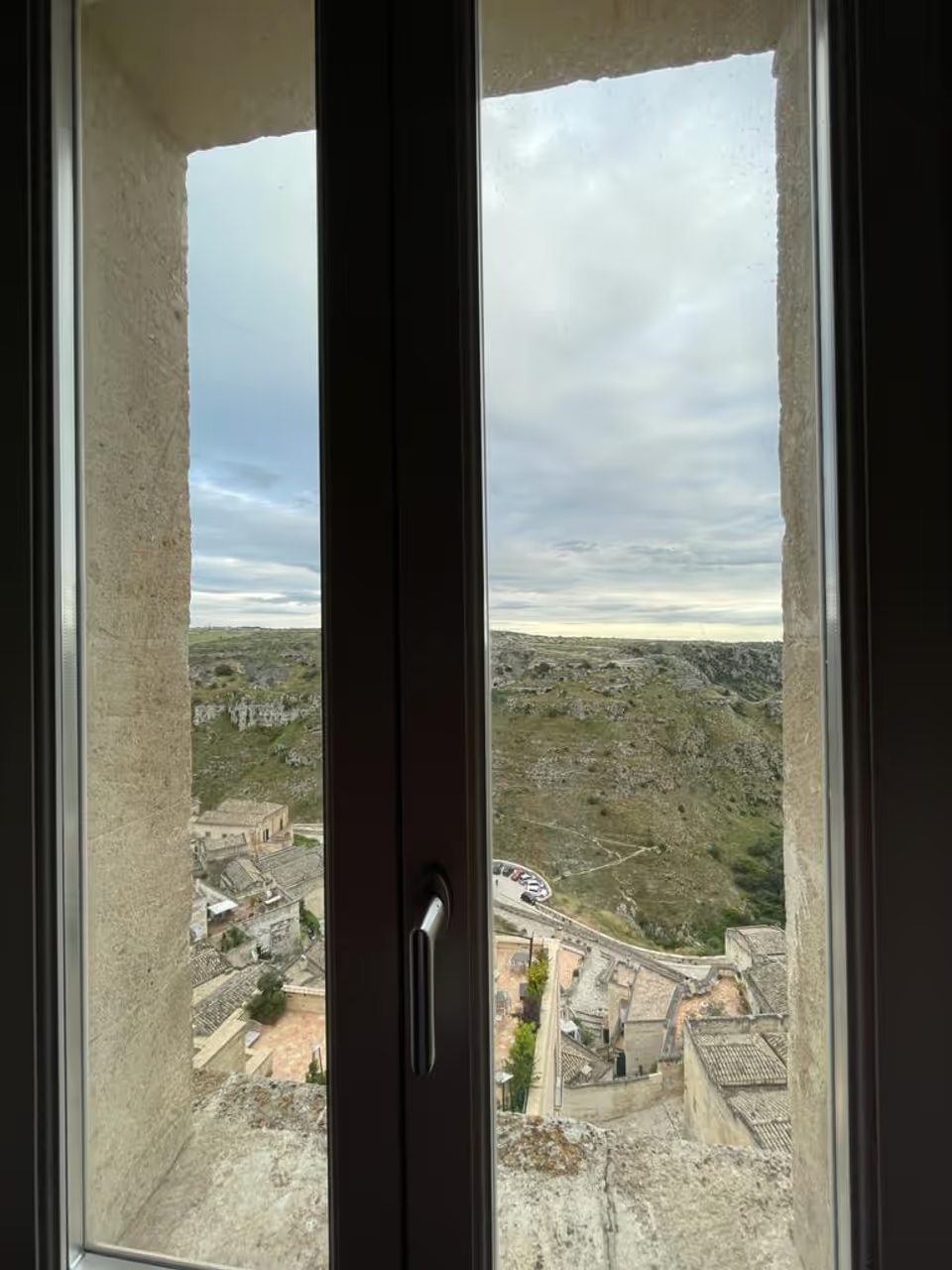 78m
78mMalvinni Malvezzi Palace
Located in the prestigious cathedral square, this palazzo was once the opulent residence of the Dukes of Santa Candida. It is one of the most significant examples of aristocratic residential architecture in the upper town. The exterior is grand and meticulously detailed, reflecting the high status of its former owners. Inside, the noble floor has been beautifully restored, showcasing an array of fine Louis XVI style furnishings and important paintings. The palace frequently hosts prestigious cultural events and exhibitions, allowing visitors to experience the luxurious side of the city's history.
architecture view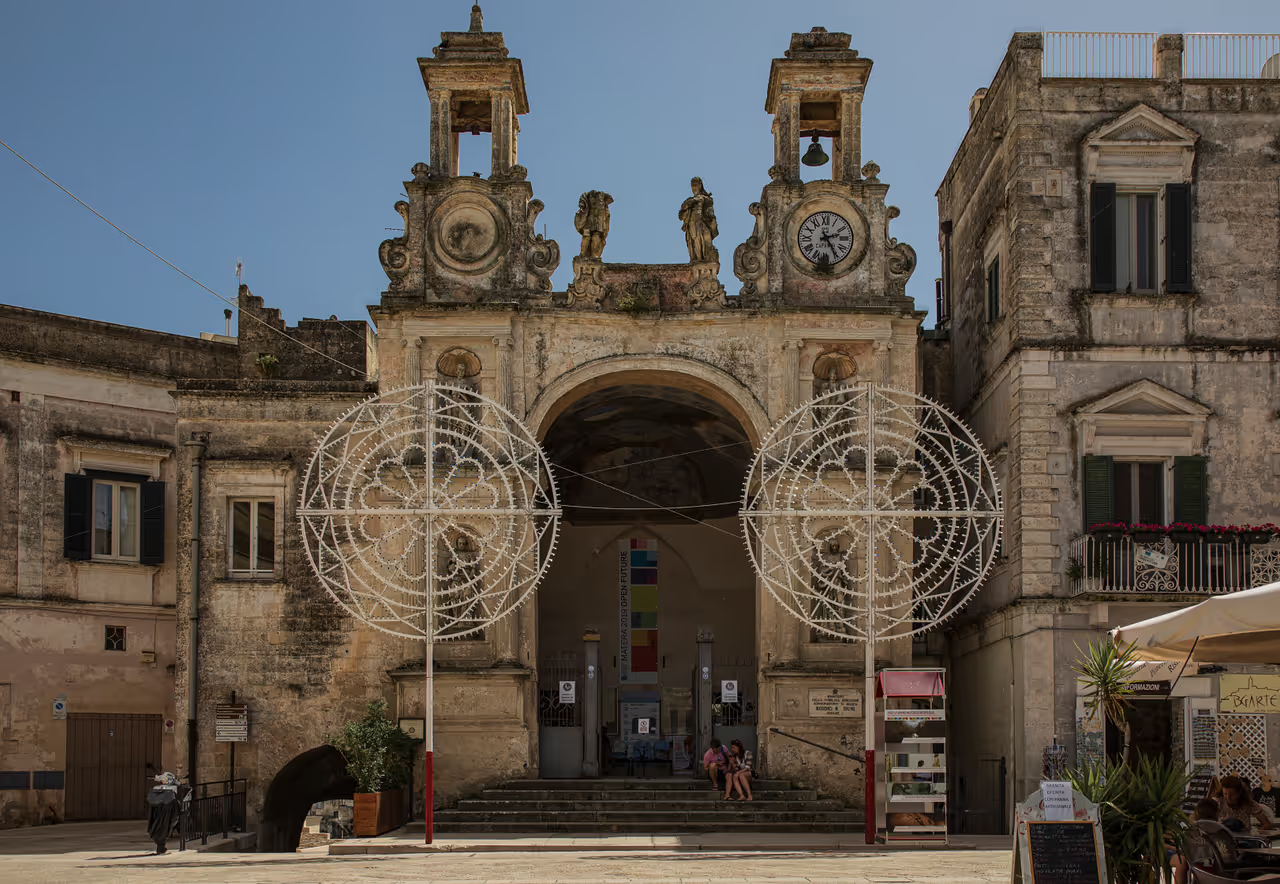 95m
95mSeat Palace
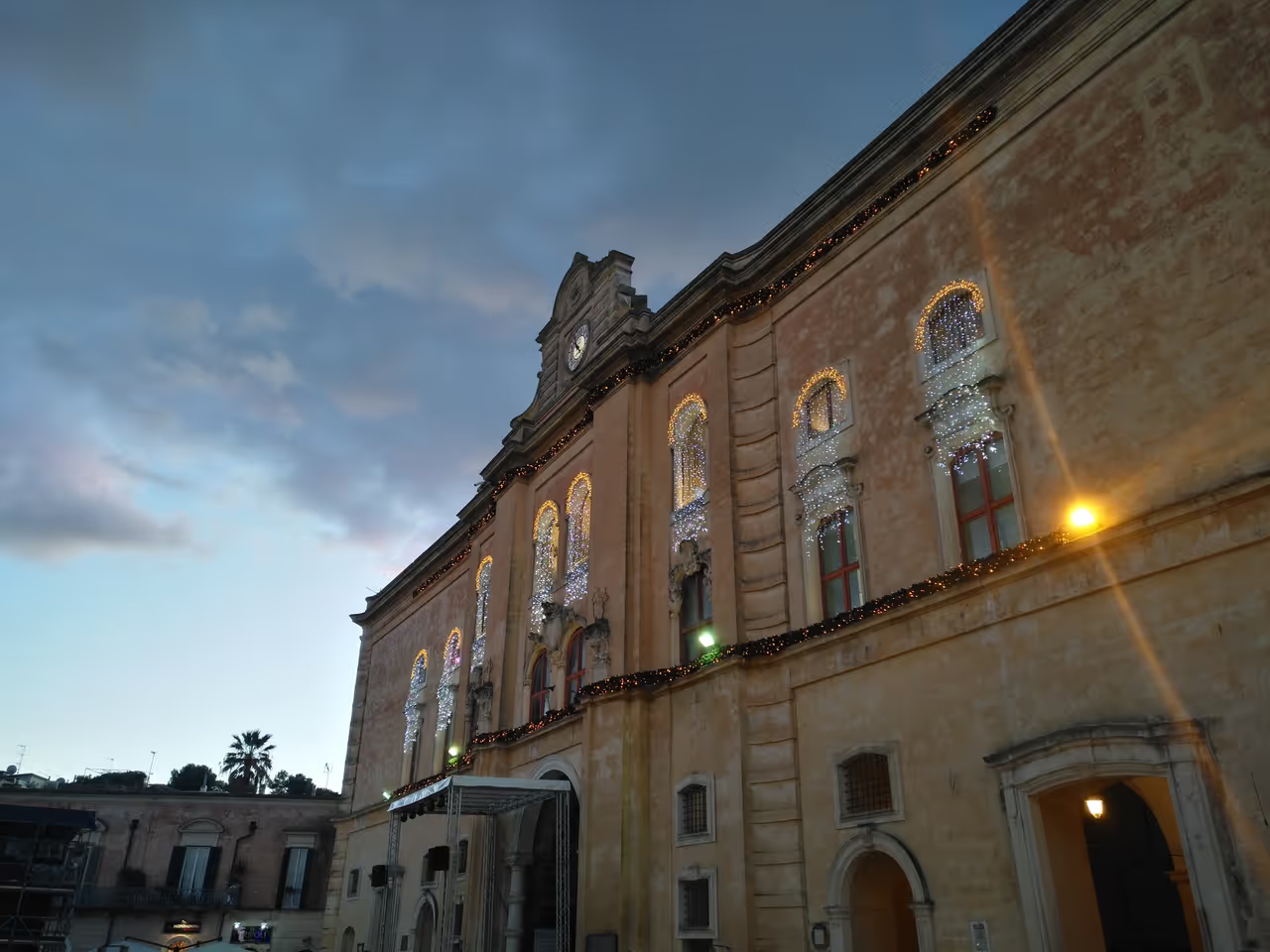
Originally constructed in 1540 and significantly remodelled in the eighteenth century, this palace dominates the charming plaza of the same name. It is instantly recognisable by its striking facade, featuring twin bell towers, a large central arch, and an array of terracotta statues depicting various saints. Historically, it served as the seat of the municipal government and the centre of civic administration. It currently houses a prestigious music conservatory, meaning beautiful classical melodies often drift out from its open windows. It is a splendid example of civic Renaissance architecture adapted over centuries.
architecture view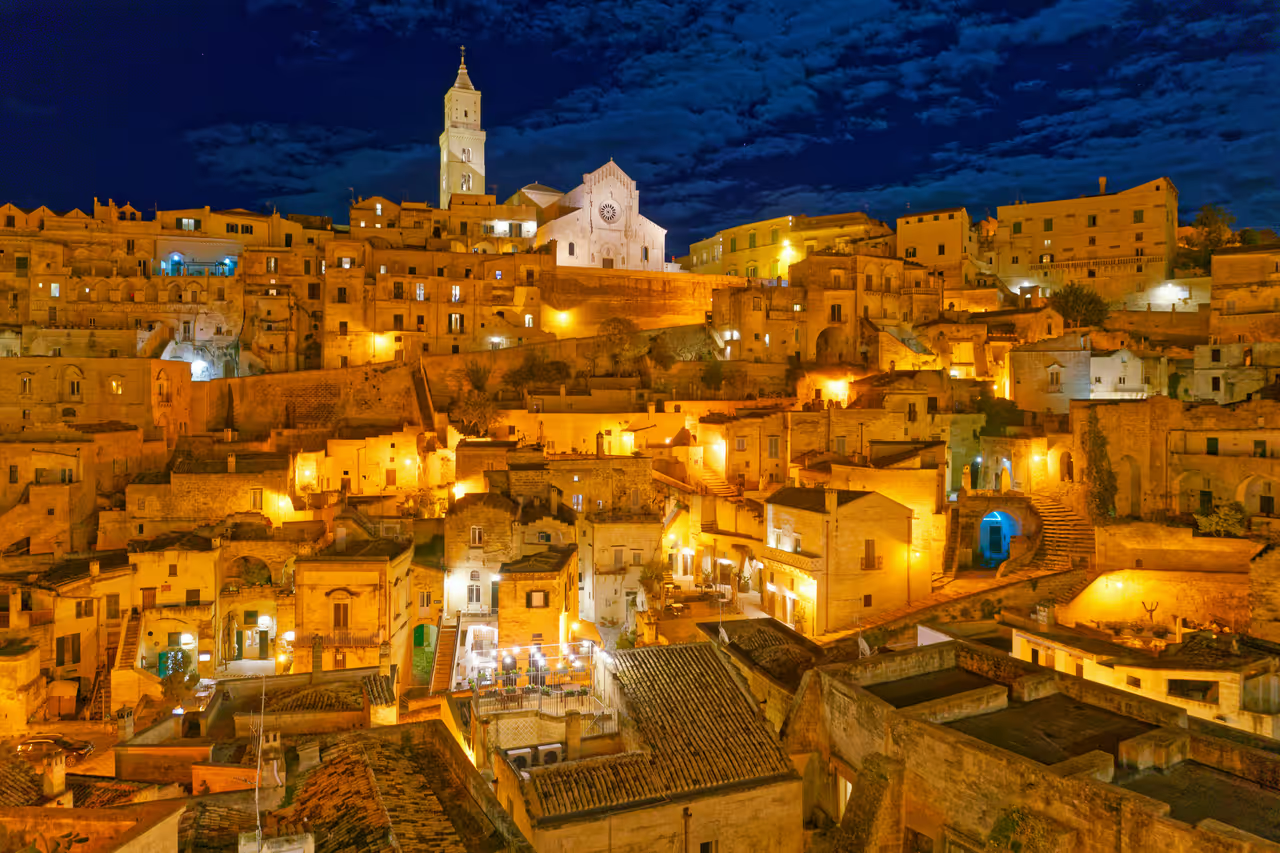 102m
102mMatera Cathedral
Perched on the highest ridge of the city, Matera Cathedral is a breath-taking landmark that bridges the gap between the two famous Sassi districts. While the exterior showcases the elegant simplicity of Apulian Romanesque architecture, stepping inside reveals a dramatic shift to ornate Baroque gold and marble. It is a place where you can feel the weight of centuries, from the 13th-century Byzantine frescoes to the hidden 14th-century Last Judgment scene. Visiting gives you a chance to see the city's spiritual heart while enjoying some of the most spectacular views over the limestone canyons. It is a striking contrast to the rustic cave dwellings nearby, offering a sense of grandeur that defines the resilience of the region. Whether you are a history enthusiast or simply looking for a moment of quiet reflection, this cathedral is an essential stop.
attraction view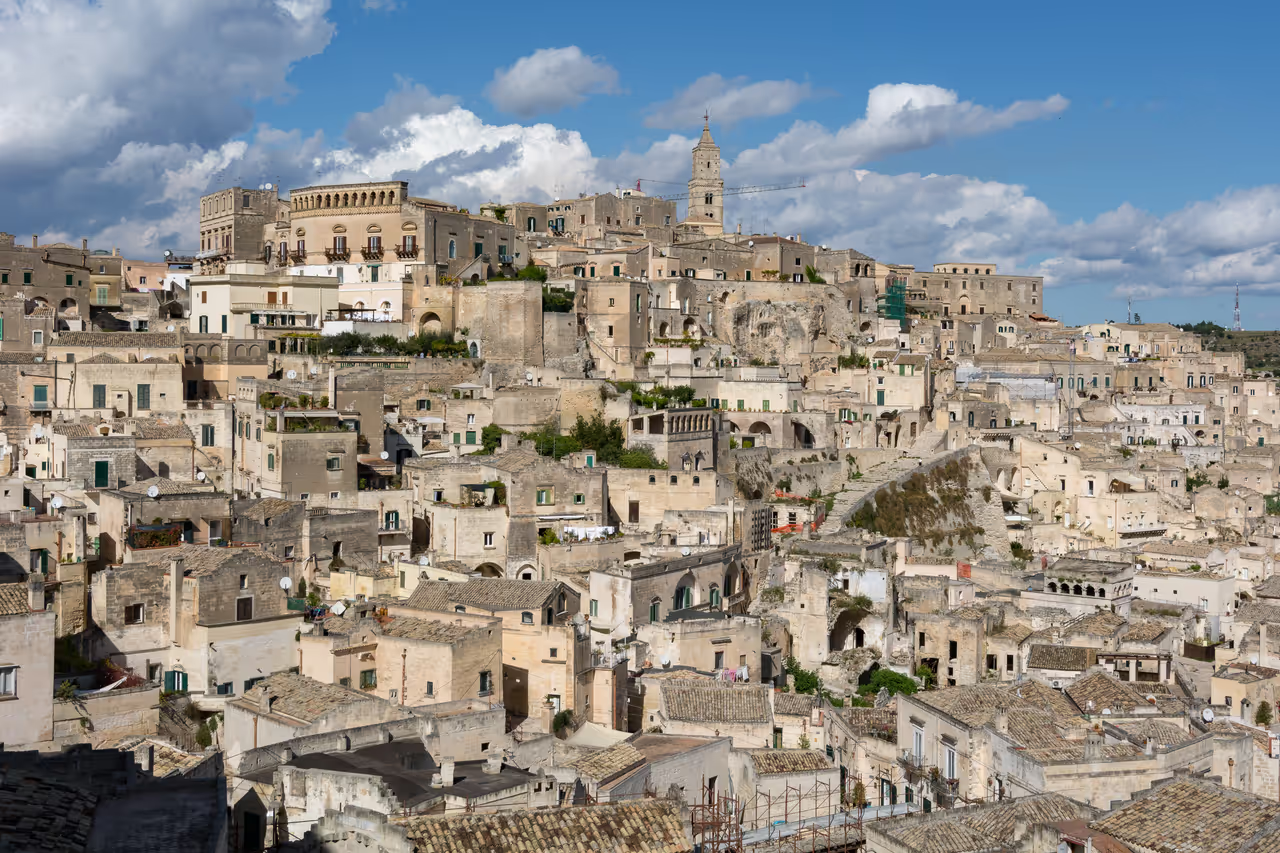 104m
104mBernardini Palace
Dominating the skyline above the southern cave district, this imposing palace stands as a fortress of aristocratic power. Built by a noble family of Roman origins, the building is characterised by its massive, austere stone walls and elegant, elevated balconies. The structure acts as an architectural boundary, physically separating the wealthy upper plateau from the impoverished caves below. The internal courtyards and grand staircases remain exceptionally well preserved. It is a powerful structural reminder of the severe social and economic divides that historically defined the city.
architecture view