Palombaro Lungo
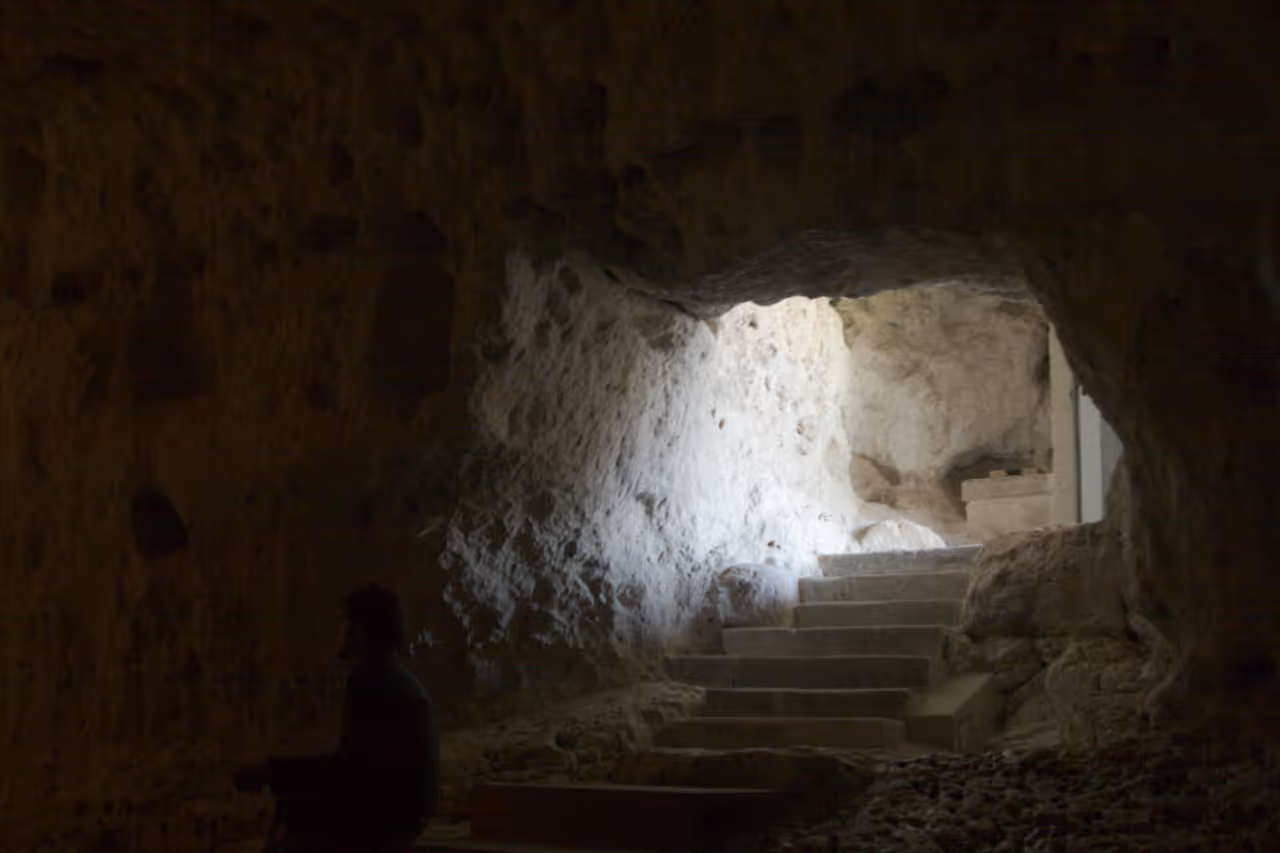
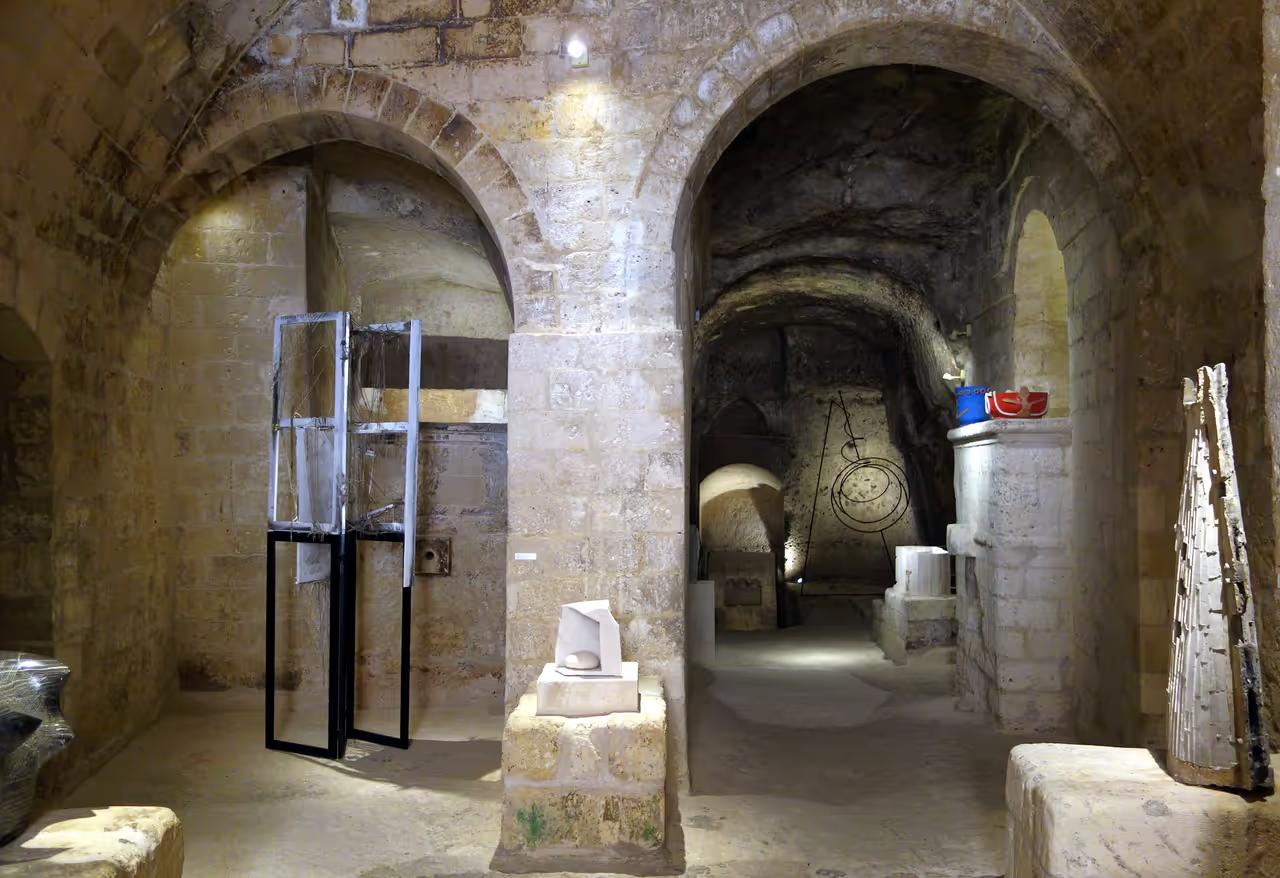
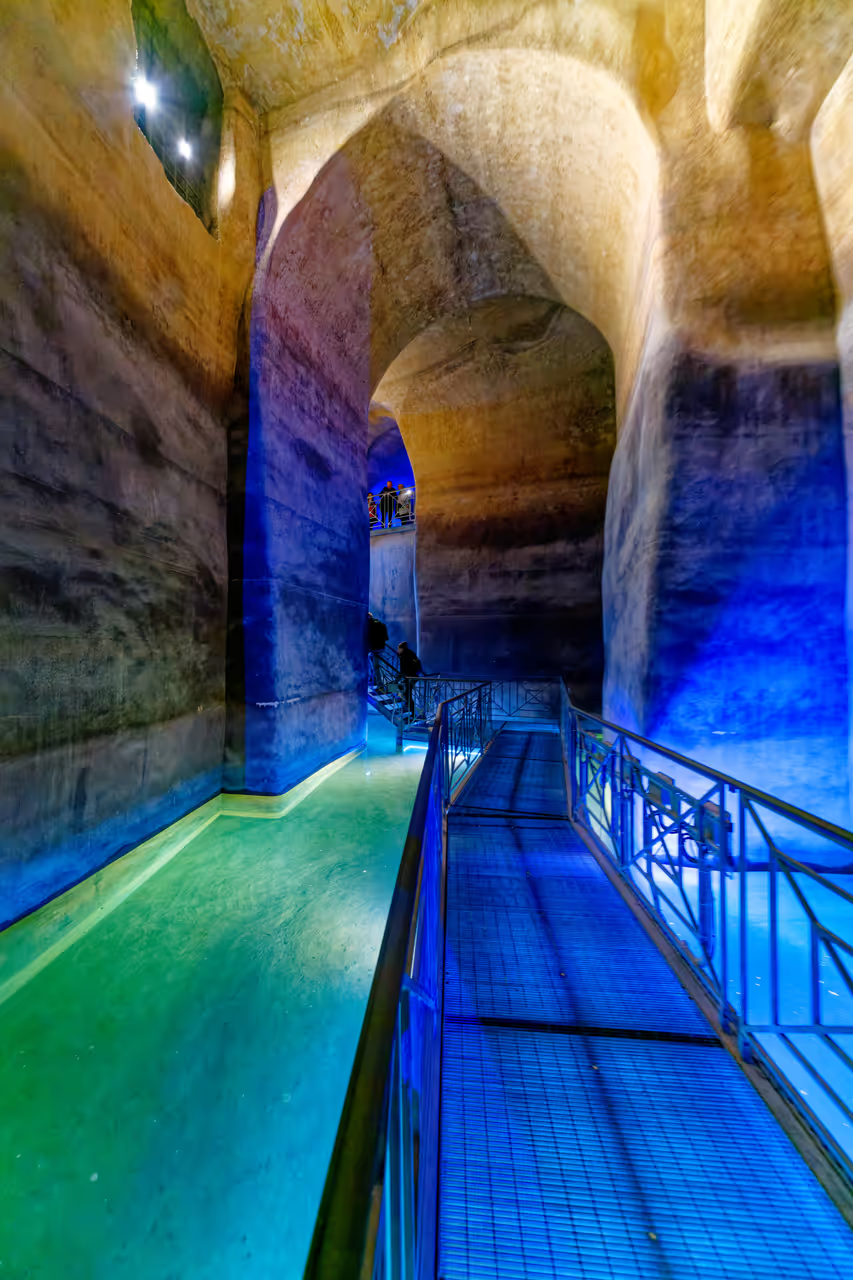
Beneath the stones of Piazza Vittorio Veneto lies an architectural marvel that most visitors walk over without a second thought. This vast underground cistern, often called the Cathedral of Water, is the largest of its kind in Matera and served as a vital lifeline for the city for generations. Stepping inside reveals a cavernous world of soaring arches and shimmering walls coated in ancient waterproof plaster. It is a magnificent testament to the ingenuity of the Materani people who managed to thrive in a landscape where water was once scarcer than gold. Walking along the suspended metal gangways offers a surreal perspective on the city’s subterranean history and its prestigious UNESCO status. Visiting is a truly atmospheric experience that highlights the hidden depths of this ancient settlement.
Videos
History of Palombaro Lungo
The story of the Palombaro Lungo is inextricably linked to the survival of Matera itself. In a region where rain was seasonal and natural springs were rare, the ability to harvest every drop of water was the difference between life and death. For centuries, the people of the Sassi carved their homes and their storage into the soft limestone, but as the city expanded in the 1800s, the existing small tanks were no longer enough. This led to the ambitious project of merging several ancient grottos into one gargantuan reservoir, creating a subterranean lake right beneath the feet of the local nobility and merchants. The engineering required was remarkable for its time. Workers had to ensure the massive weight of the city square above would not collapse into the hollowed out chamber while simultaneously perfecting the waterproof lining of the walls. It served as the city's pulse for decades, with residents lowering buckets through holes in the pavement to fetch their daily supply. This rhythmic connection between the world above and the depths below defined the daily routine of Matera until the early 20th century, when modern technology finally brought running water directly into homes via a new aqueduct. After being sealed off and forgotten for over sixty years, the Palombaro Lungo returned to the spotlight in 1991. The dramatic rediscovery, involving explorers in rubber boats navigating through the dark with torches, captured the world's imagination. It revealed that Matera was not just a city of surface level beauty, but a complex, multi layered masterpiece of human adaptation. Today, it stands as a silent witness to the resilience of the Materani, offering a cool, quiet sanctuary that tells the story of a city that literally drank from the earth.
Events spanning 493 years
Fun Facts
- • Before it was rediscovered in 1991, the existence of this massive space was largely forgotten by the public as the square above was paved over.
- • During its peak usage, the reservoir was the primary source of water for the residents of the Sassi and the newer upper parts of the city.
- • In a small dry section of the cistern nicknamed the Little Beach, visitors can still see old buckets that were lost by residents while drawing water.
- • The cistern has a staggering capacity of five million litres of water, making it one of the largest hand-carved reservoirs in Europe.
- • The cistern was part of a complex city-wide network that collected rainwater and filtered it through a series of smaller tanks and pipes.
- • The name Palombaro is thought to derive from the Greek word coliumbao, which means to dive or submerge.
- • The structure is so vast and its arches so grand that it is frequently compared to a Gothic cathedral hidden beneath the earth.
- • The walls are 18 metres deep and were hand-carved directly into the soft calcarenite rock characteristic of the region.
- • The water level used to be monitored using simple marks on the walls, and the cistern was rarely ever empty until the early 20th century.
- • To make the porous rock water-tight, the ancient builders used a special plaster called cocciopesto, a mix of lime and crushed pottery fragments.
Palombaro Lungo FAQ
While we strive to keep this information accurate and up to date, we recommend verifying any details independently before making decisions based on them.
Palombaro Lungo Map & Neighborhood Explorer
This interactive map is centered on Palombaro Lungo. Zoom in and move the map around to automatically discover Wikipedia photos and summaries of other nearby sights, monuments, and historical points of interest and stories in real-time!
Places near Palombaro Lungo
Make the most of your trip. Check out these top-rated spots located nearby.
- 21m
Duni Festival
Dedicated to the celebrated local composer Egidio Romualdo Duni, this classical music festival focuses on exquisite Baroque performances. The concerts are uniquely staged inside some of the city's most beautiful rupestrian churches and historic palazzos. This creates an intimate acoustic environment that perfectly complements the classical repertoire. It is a highly refined cultural event that appeals strongly to music aficionados and those interested in the city's artistic heritage. The festival gracefully bridges the gap between historical architecture and timeless music.
festival view - 21m
Gezziamoci Jazz Festival
Organised by the Onyx Jazz Club, this vibrant music festival brings the soulful sounds of jazz to the city's historic squares and hidden courtyards. While events are scattered throughout the year, the summer months feature the highest concentration of outdoor concerts. The festival attracts both renowned international artists and emerging local talents. Listening to smooth jazz echoing off the ancient limestone walls under a starlit sky is an unforgettable experience. It adds a sophisticated and lively rhythm to the warm southern nights.
festival view - 21m
Women's Fiction Festival
An internationally recognised literary event that draws authors, editors, and literary agents from across the globe. It celebrates female voices in literature through a series of engaging panel discussions, book presentations, and networking events. The unique setting of the ancient stone districts provides a highly inspiring backdrop for creative minds to gather. The festival is well known for its inclusive atmosphere and for launching the careers of several successful novelists. It offers visitors a chance to mingle with publishing professionals and discover new literary talents.
festival view 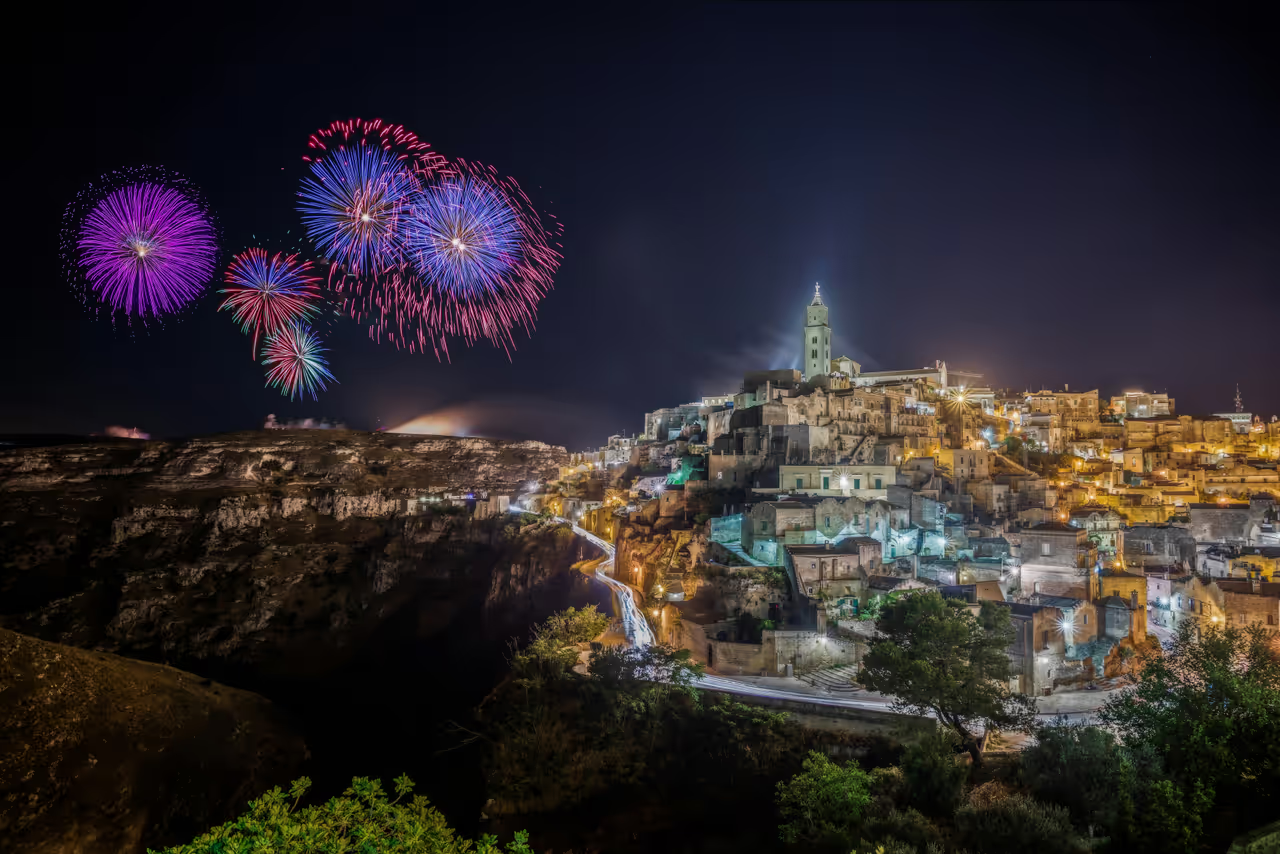 24m
24mFeast of the Madonna della Bruna
This magnificent event is the most important date on the local calendar, boasting a tradition that dates back to 1389. The celebration involves a mixture of deep religious devotion and chaotic pagan rituals dedicated to the patron saint. The absolute highlight occurs in the evening when a beautifully crafted, massive papier mâché chariot is paraded through the streets. Once it reaches the main square, the crowd excitedly attacks and completely destroys the chariot, tearing it apart to take home a piece for good luck. A spectacular fireworks display over the ravine concludes the long day of festivities.
festival view
Featured on These Itineraries and Routes
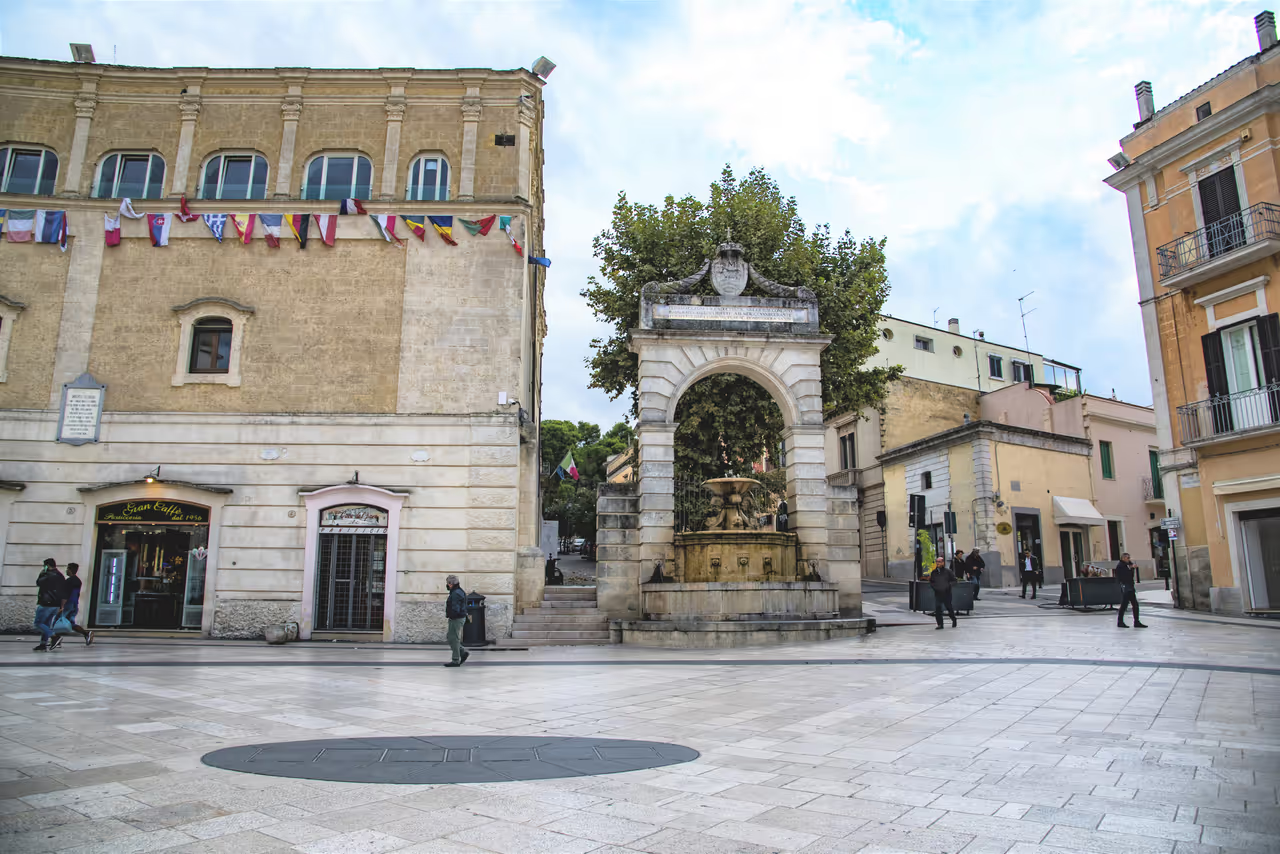
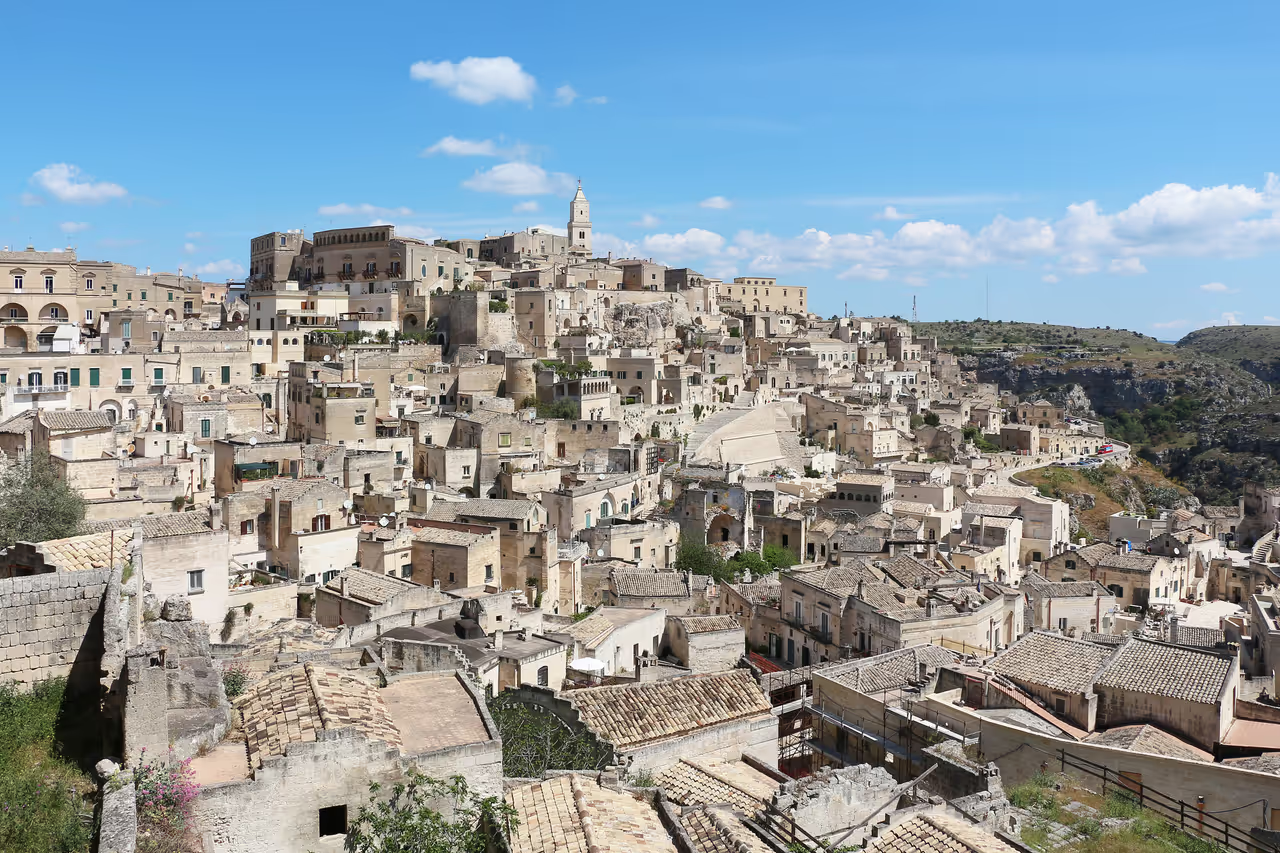
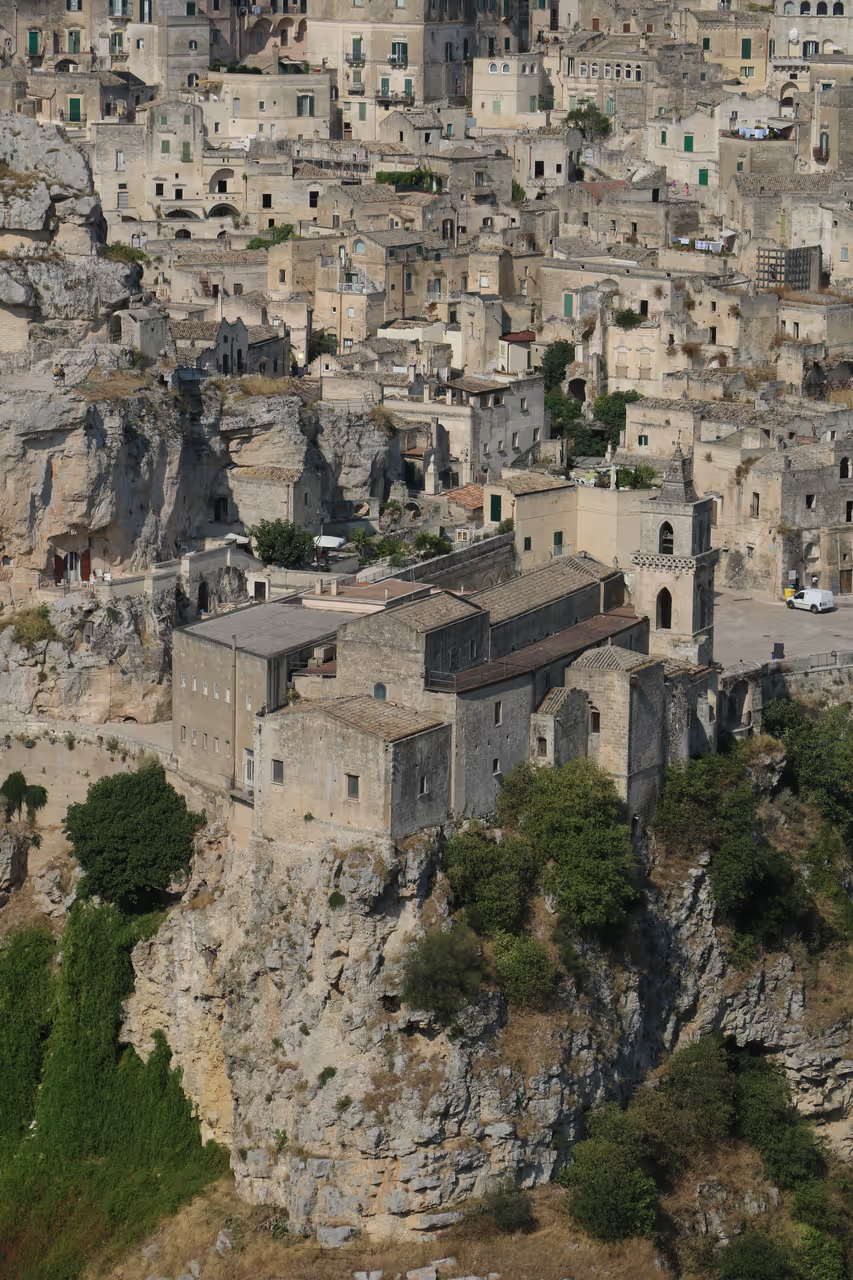
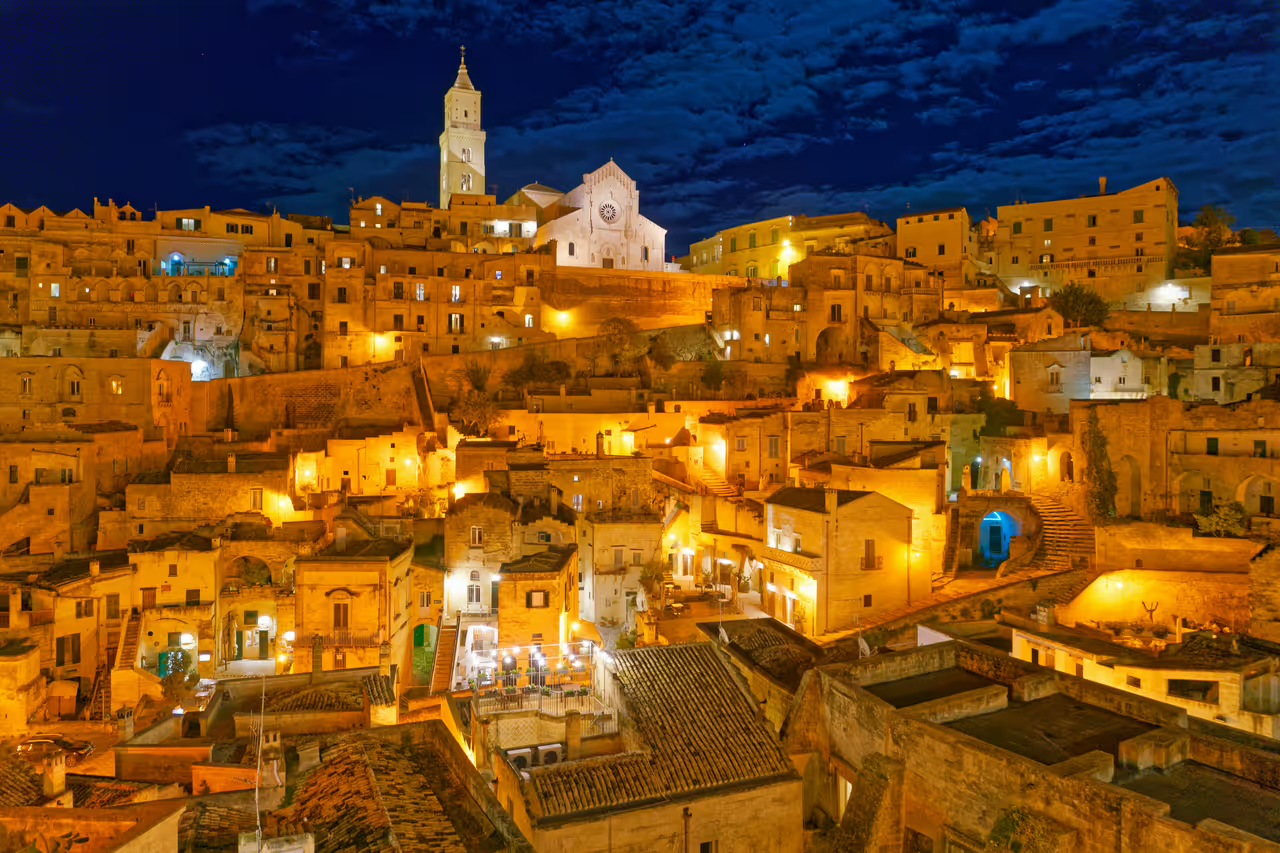
1 Day in Matera: The Heart of the Sassi Itinerary
This tightly packed itinerary is designed for visitors who only have a single day to experience the absolute essence of the city. It focuses entirely on the central historic districts, ensuring you see the most iconic architecture, essential viewpoints, and significant subterranean engineering. The route is highly walkable but involves numerous stairs, so comfortable shoes are a must. It provides a comprehensive, breathtaking introduction to the history and visual drama of the ancient settlement.
view itinerary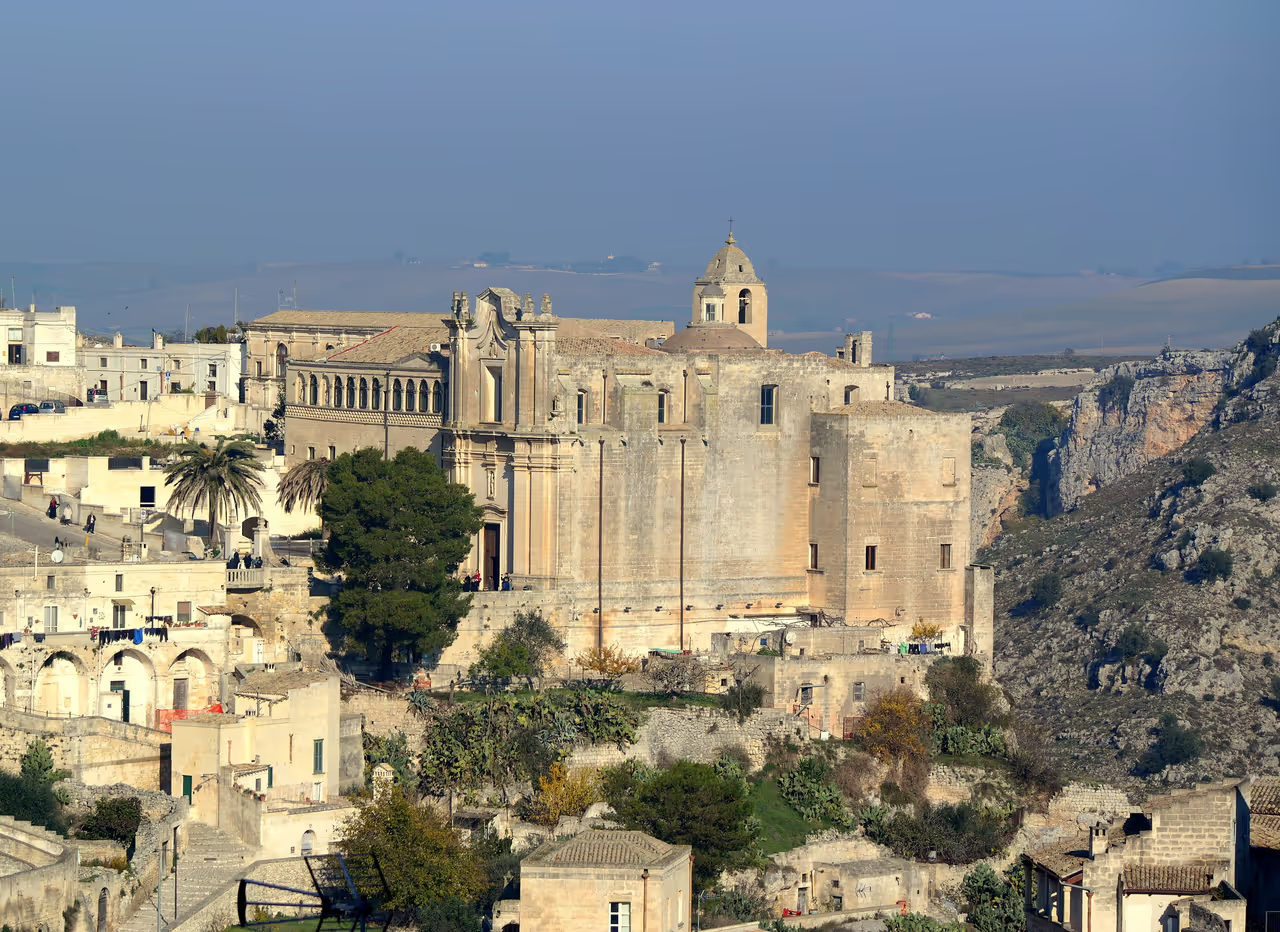
5 Days in Matera: Deep Dive Itinerary
For those who want to truly uncover every layer of this fascinating destination, a five day stay is highly rewarding. This extensive itinerary covers the classic architectural highlights while dedicating ample time to exploring the wider region, including tranquil nature reserves and significant hidden gems. It allows you to slow down, interact with local artisans, and fully appreciate the complex juxtaposition of primitive caves and elegant Baroque palazzos. It is the ultimate, unhurried cultural immersion.
view itinerary
Subterranean Wonders Route
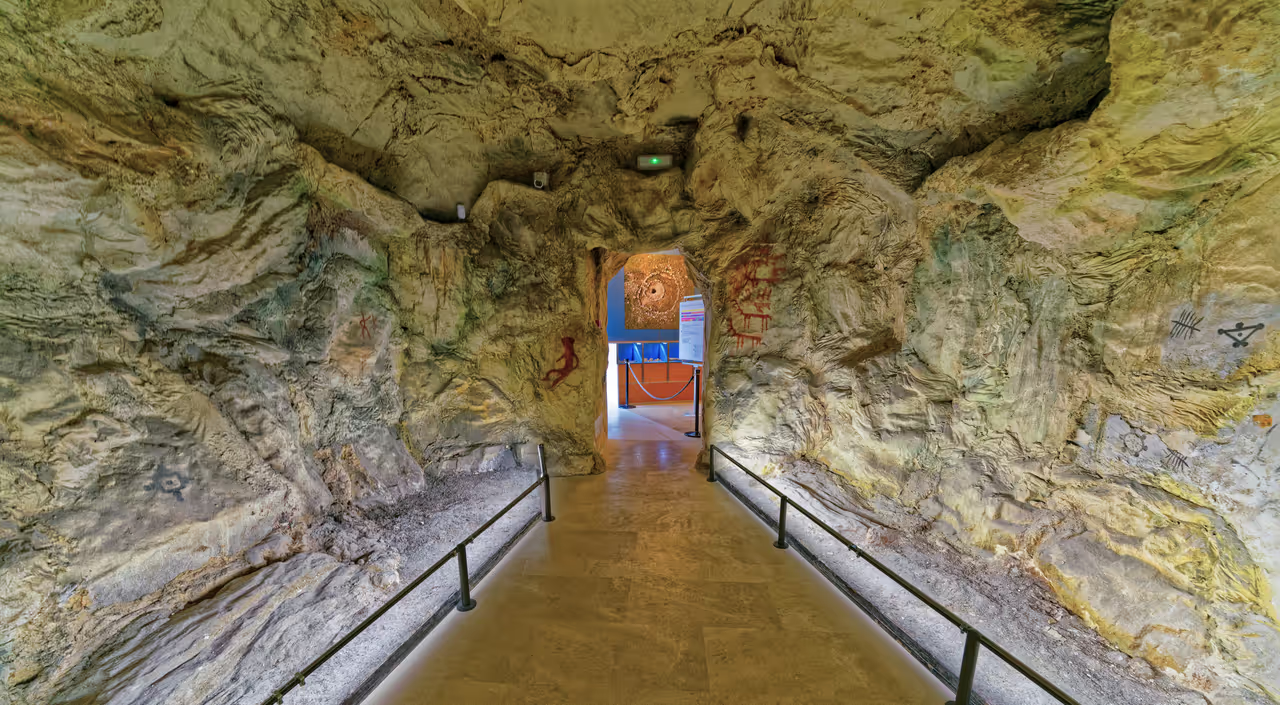
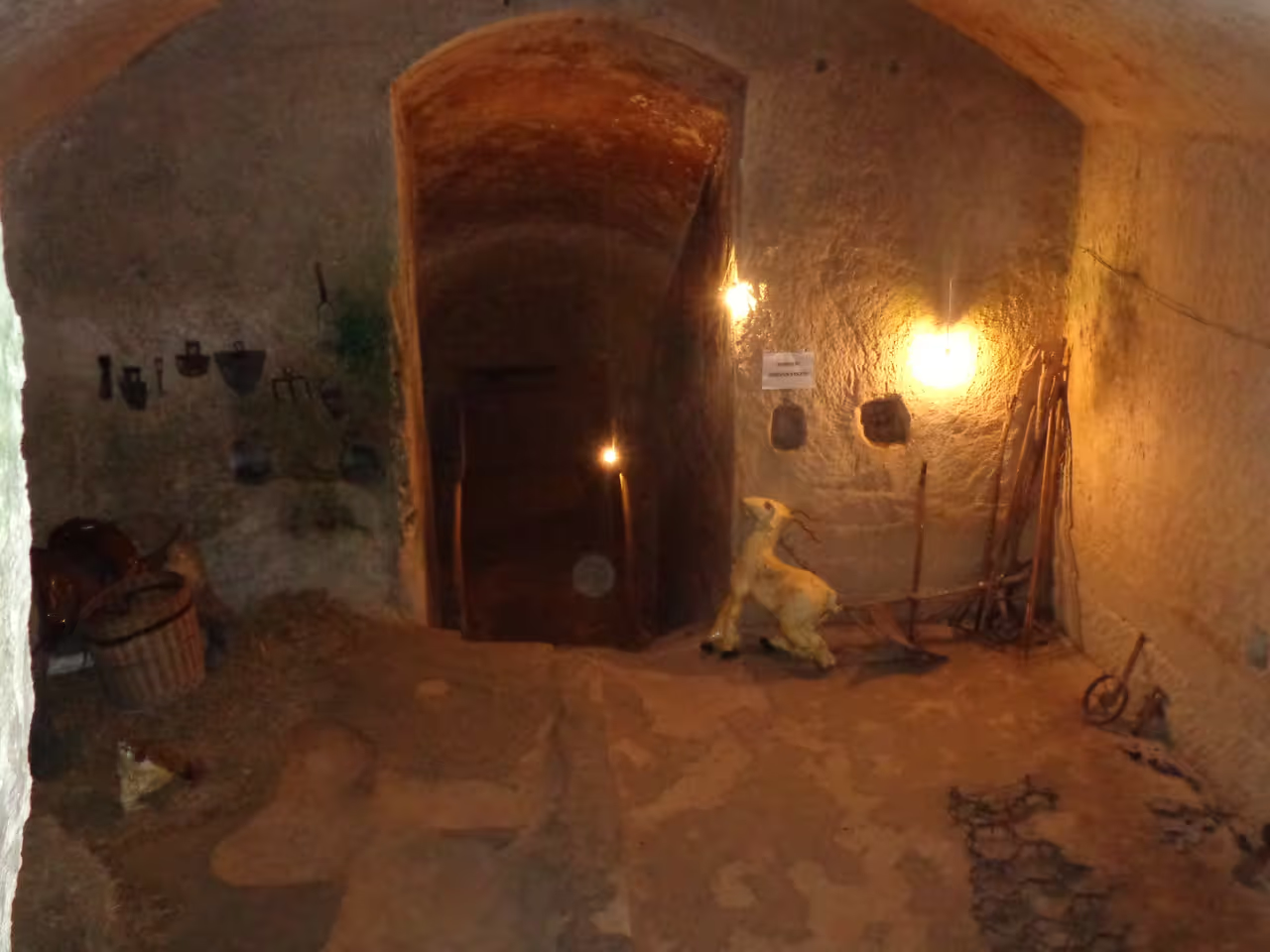
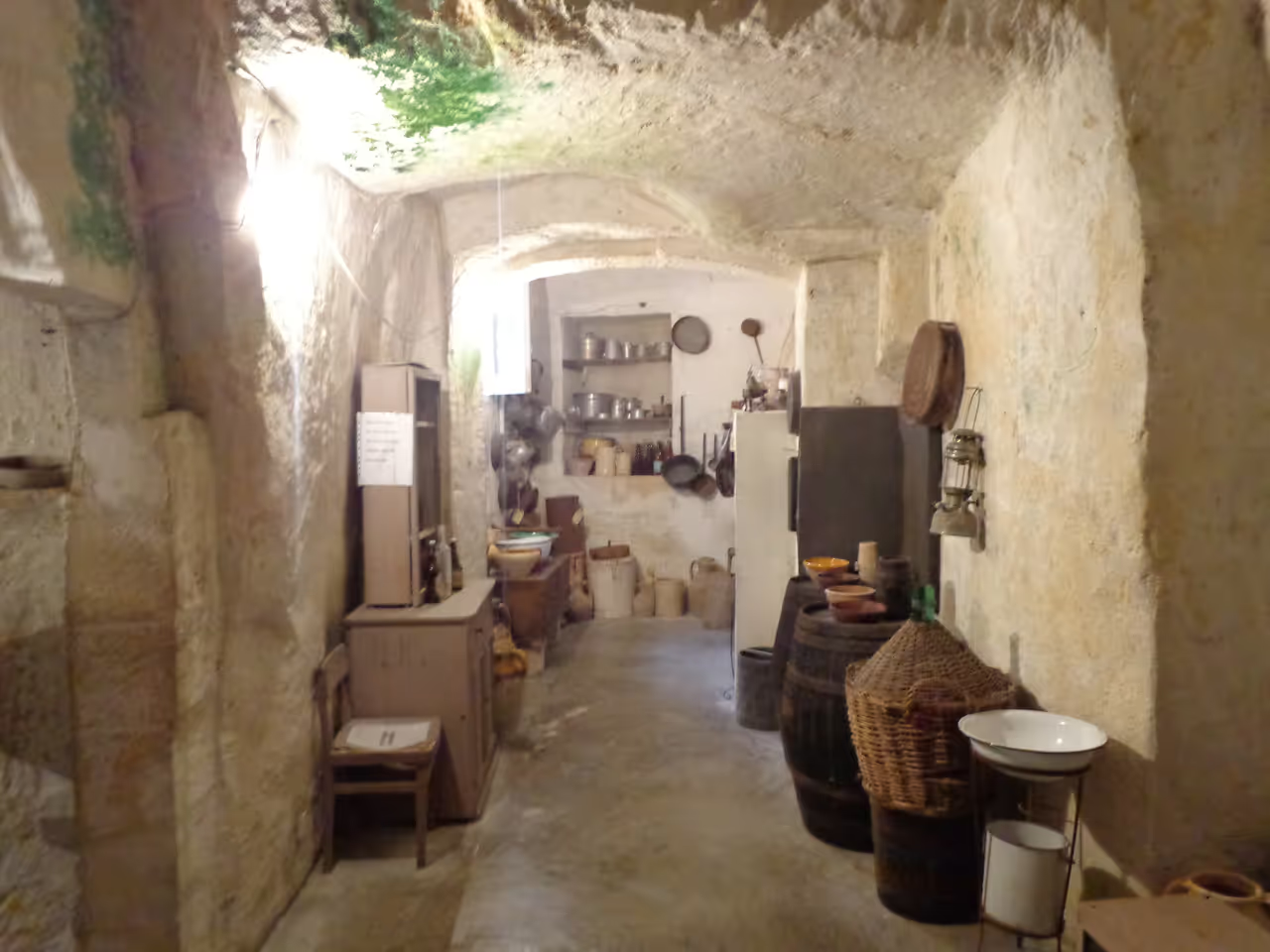
This fascinating journey uncovers the hidden depths of the city, focusing on what lies beneath the cobblestone streets. It explores the incredible engineering and primitive living conditions that defined the subterranean lifestyle. Visitors will discover vast water cisterns, historically accurate cave homes, and mysterious crypts. The tour highlights the ingenuity of ancient inhabitants who mastered survival in a harsh, rocky environment. It is a highly educational exploration of the literal foundations of the settlement.
view self-guided tour
See all attractions in Matera
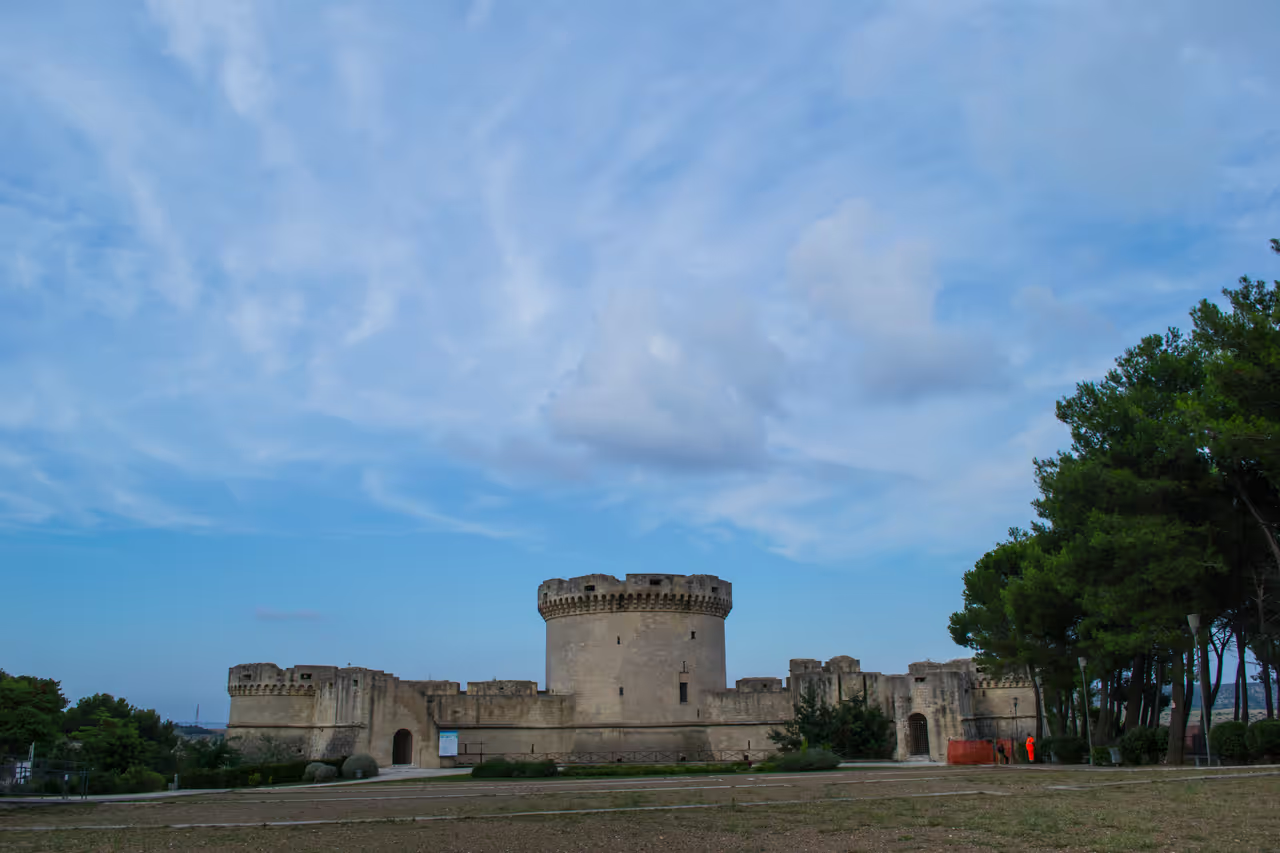
Crypt of the Original Sin, Matera Cathedral, Museum of Contemporary Sculpture Matera (MUSMA), Tramontano Castle...