Torrigiani Garden
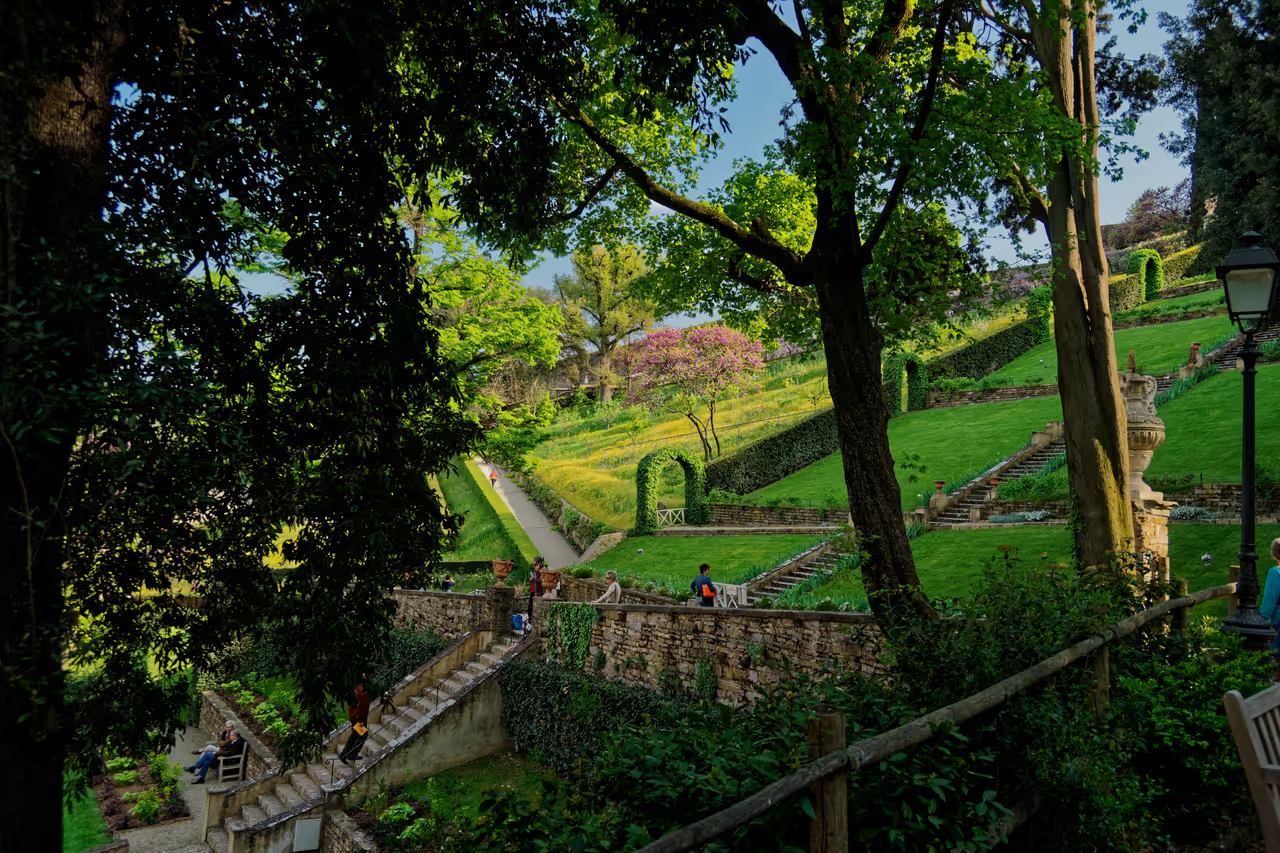
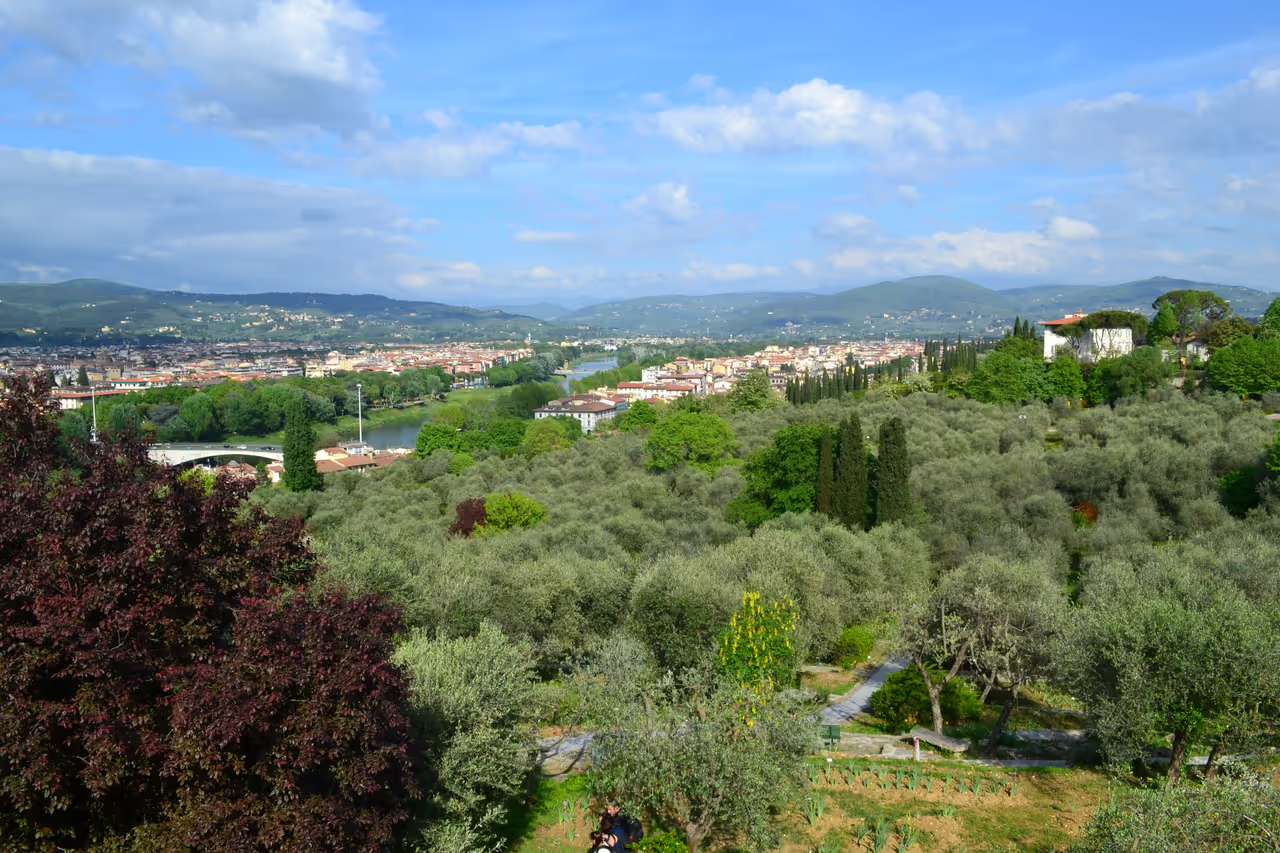
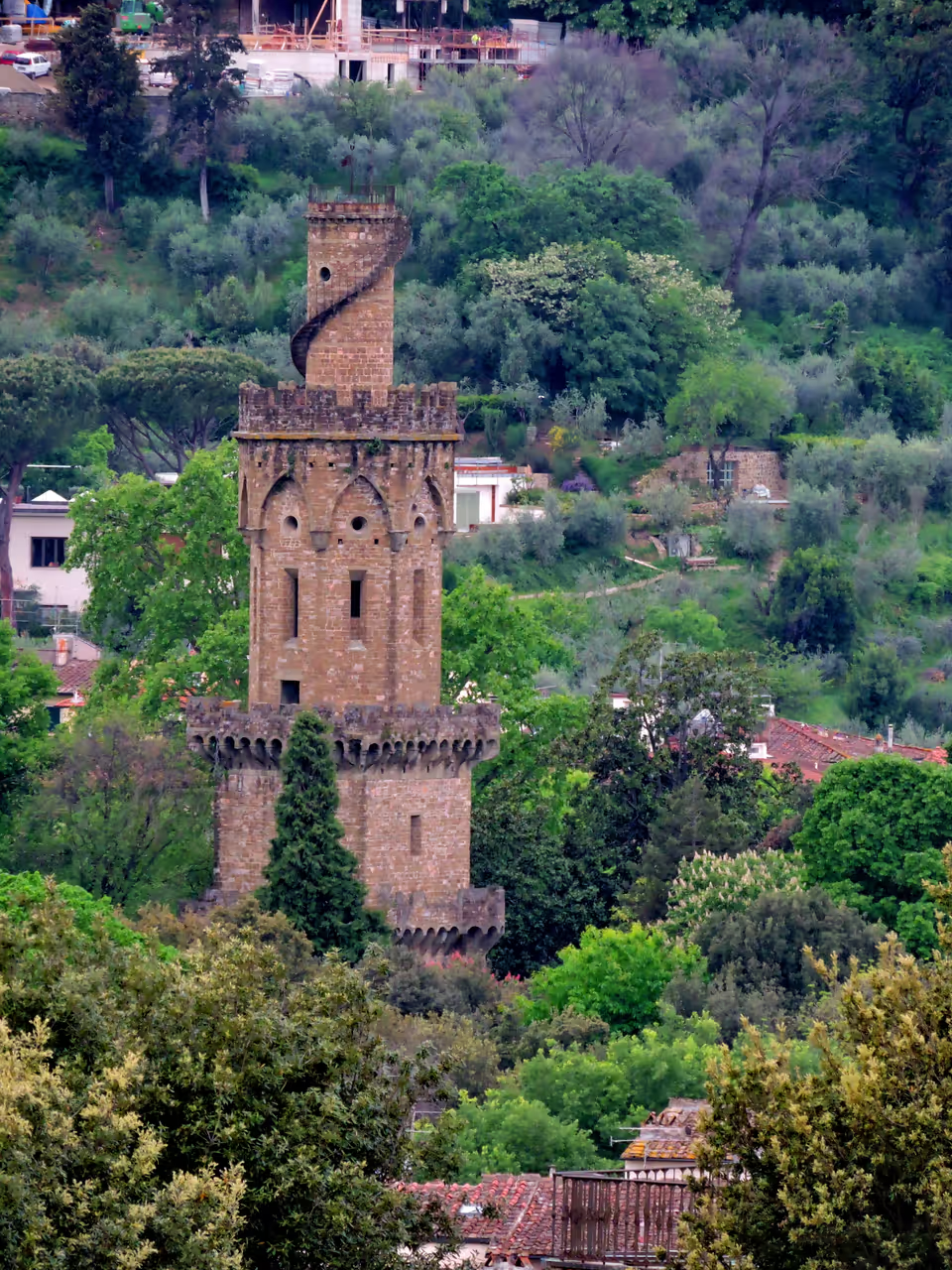
Tucked away in the Oltrarno district, Giardino Torrigiani is a hidden sanctuary that offers a rare glimpse into the grandeur of a private Florentine garden. As one of the largest green spaces in the historic centre, it stands as a masterpiece of the romantic style, blending lush botanical beauty with deep esoteric symbolism. Visitors can wander past its curious statues, ancient trees, and the iconic neogothic tower, which once served as an astronomical observatory. While typically private, the rare opportunities to step inside offer a peaceful escape from the city streets. It is a place where history, mystery, and nature collide, creating an atmosphere that feels untouched by time.
Videos
History of Torrigiani Garden
The roots of Giardino Torrigiani stretch back to the 16th century when the Torrigiani family began purchasing land in the Oltrarno area. What started as humble agricultural plots and orchards gradually transformed as the family's influence grew. By the early 18th century, the site became a hub for scientific inquiry, hosting renowned botanists like Pier Antonio Micheli, who used the fertile soil to test and acclimatise exotic plant species from around the world. The true transformation occurred in the early 19th century under the guidance of the Marquis Pietro Torrigiani. With the help of architect Luigi de Cambray Digny, the garden was completely reimagined as a romantic landscape filled with complex symbolism. Every path, statue, and structure was designed to guide visitors through a narrative steeped in Arcadia, Freemasonry, and esoteric wisdom. The arrival of Gaetano Baccani in 1819 brought the project to its zenith, particularly with the construction of the neogothic tower that remains the garden's most distinctive landmark. Today, the garden remains a private estate, preserving its legacy as one of the most significant green spaces in Florence. Its historical importance goes beyond architecture, having served as a cradle for the early days of football in Italy when members of the local aristocracy and British expatriates gathered here to play the sport. The site continues to enchant visitors with its carefully curated balance of art and nature, functioning as both a botanical treasure and a mysterious map of 19th century intellectual thought.
Events spanning 367 years
Fun Facts
- • A statue of the Egyptian deity Osiris stands at the original entrance to guide visitors and represent agricultural themes.
- • A structure known as the Gymnasium once allowed noble guests to engage in leisure activities like archery, shooting, and ball games.
- • Gaetano Baccani, the architect responsible for much of the garden's layout, added artificial ruins to the walls to enhance the romantic, melancholic atmosphere.
- • Historical records indicate the park once housed a private menagerie where deer and roe deer roamed freely.
- • In the 1700s, the renowned botanist Pier Antonio Micheli used the grounds to test and acclimatise exotic plant species from around the world.
- • It holds the title of the largest private garden within the historic centre of Florence, spanning an impressive ten hectares.
- • The Torrino was not merely a decorative structure but functioned as an astronomical observatory with a terrace for sky watching.
- • The estate served as the birthplace of the Florence Football Club, where aristocrats and British expats played early matches in the late 19th century.
- • The garden contains a large marble group by artist Pio Fedi depicting Seneca with a young Pietro Torrigiani, highlighting the family's intellectual legacy.
- • The garden layout features paths designed to represent a symbolic journey from the profane to the sacred, complete with areas dedicated to day and night.
- • The iconic Torrino tower features three levels that are intentionally designed to represent the stages of Masonic initiation.
Torrigiani Garden FAQ
While we strive to keep this information accurate and up to date, we recommend verifying any details independently before making decisions based on them.
Torrigiani Garden Map & Neighborhood Explorer
This interactive map is centered on Torrigiani Garden. Zoom in and move the map around to automatically discover Wikipedia photos and summaries of other nearby sights, monuments, and historical points of interest and stories in real-time!
Places near Torrigiani Garden
Make the most of your trip. Check out these top-rated spots located nearby.
 392m
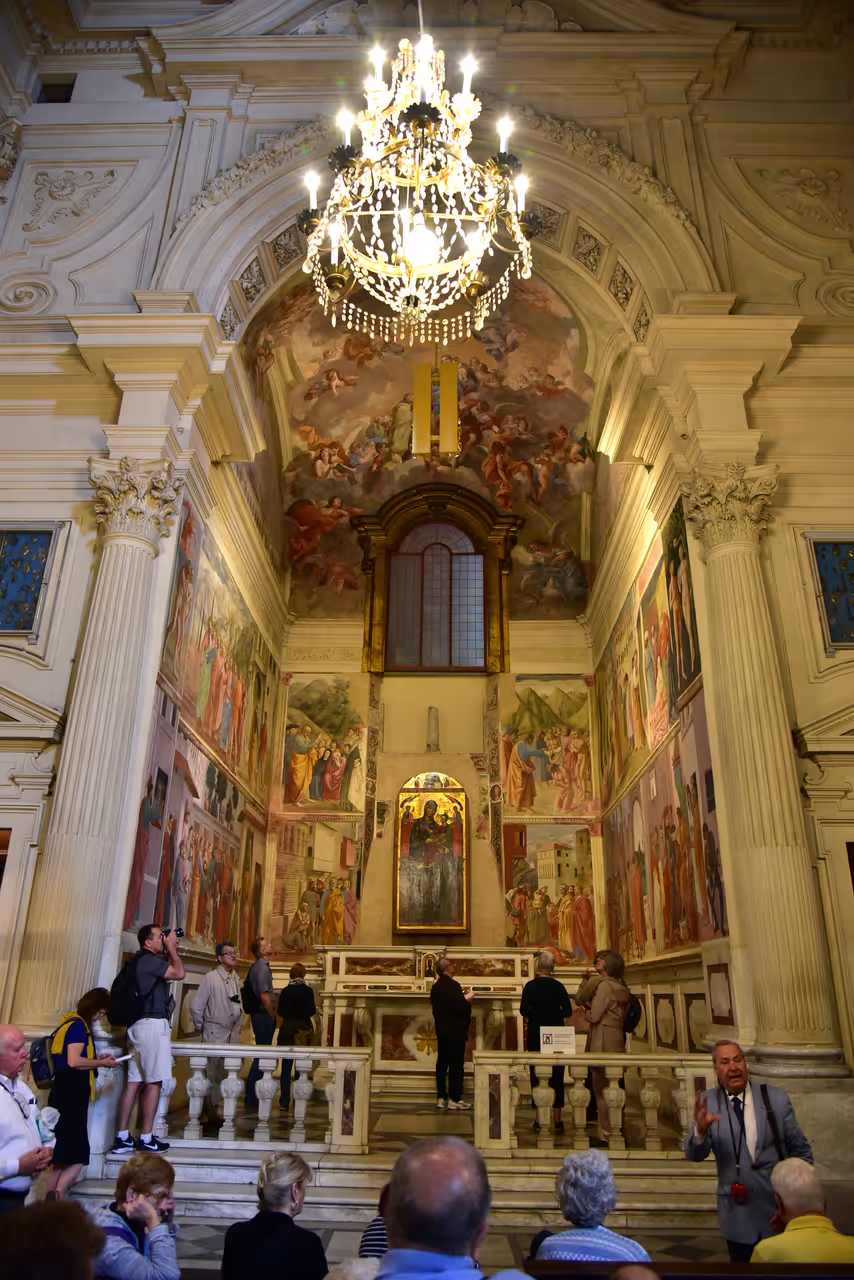
392mBrancacci Chapel
Hidden inside the unassuming Church of Santa Maria del Carmine across the river, this small chapel houses some of the most critically important frescoes in art history. Painted primarily by the young genius Masaccio, the incredibly emotive, shadowy figures represented a total break from flat, medieval traditions. It was here that realistic human emotion, weight, and true architectural perspective were firmly established in painting. Though rarely mobbed by massive crowds, it is considered absolute hallowed ground for art historians.
hidden gem view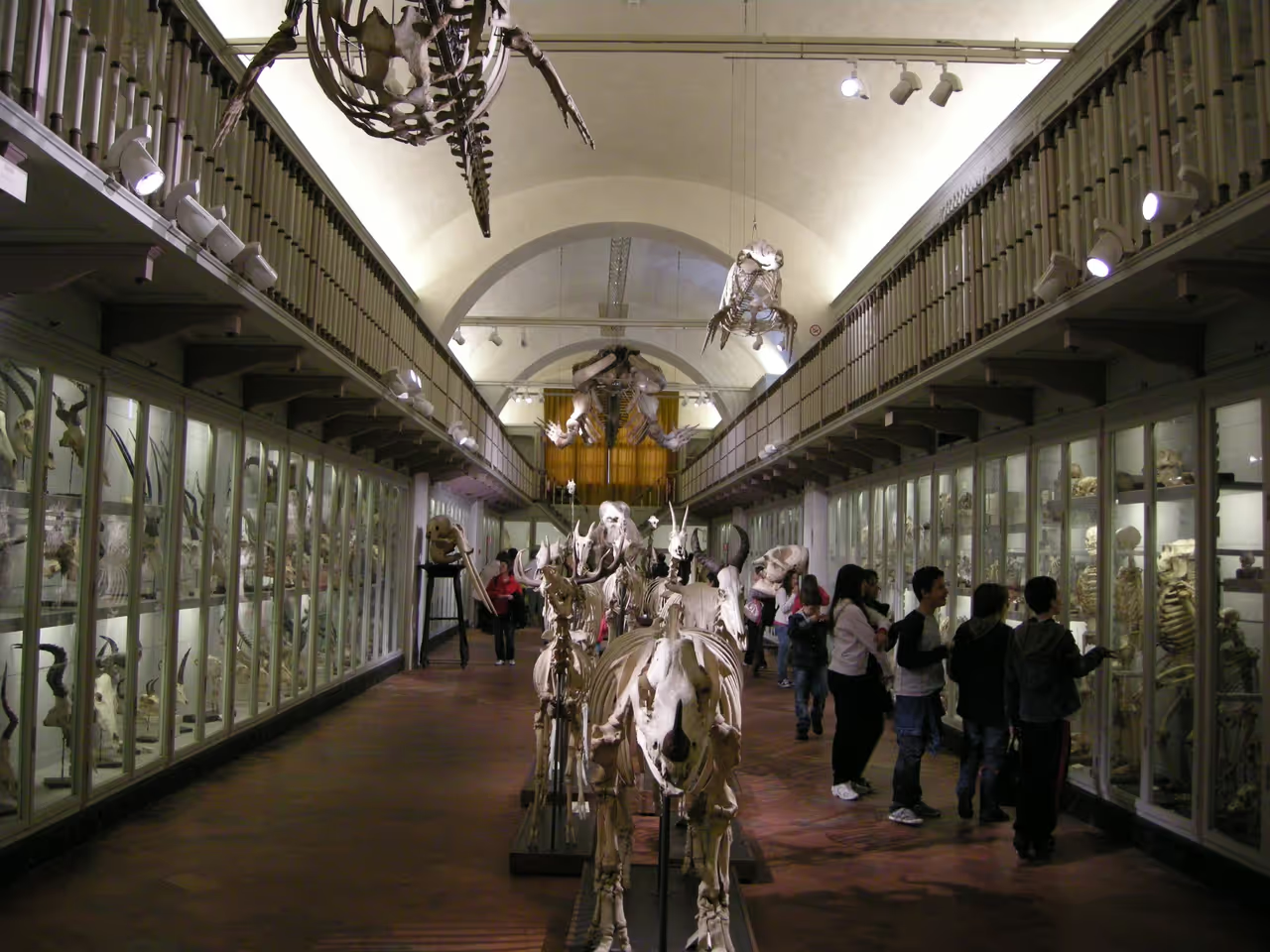 512m
512mObservatory Zoological Museum
Tucked away near the grand Pitti Palace, this quirky and fascinating museum holds a massive collection of taxidermy animals and incredibly realistic anatomical wax models. The anatomical waxes, created in the eighteenth century to teach medical students, are hauntingly detailed and slightly macabre. Walking past thousands of glass cabinets filled with bizarre specimens provides a totally unexpected, scientific contrast to the city's art heritage. It is a wonderfully weird and historically significant cabinet of curiosities.
hidden gem view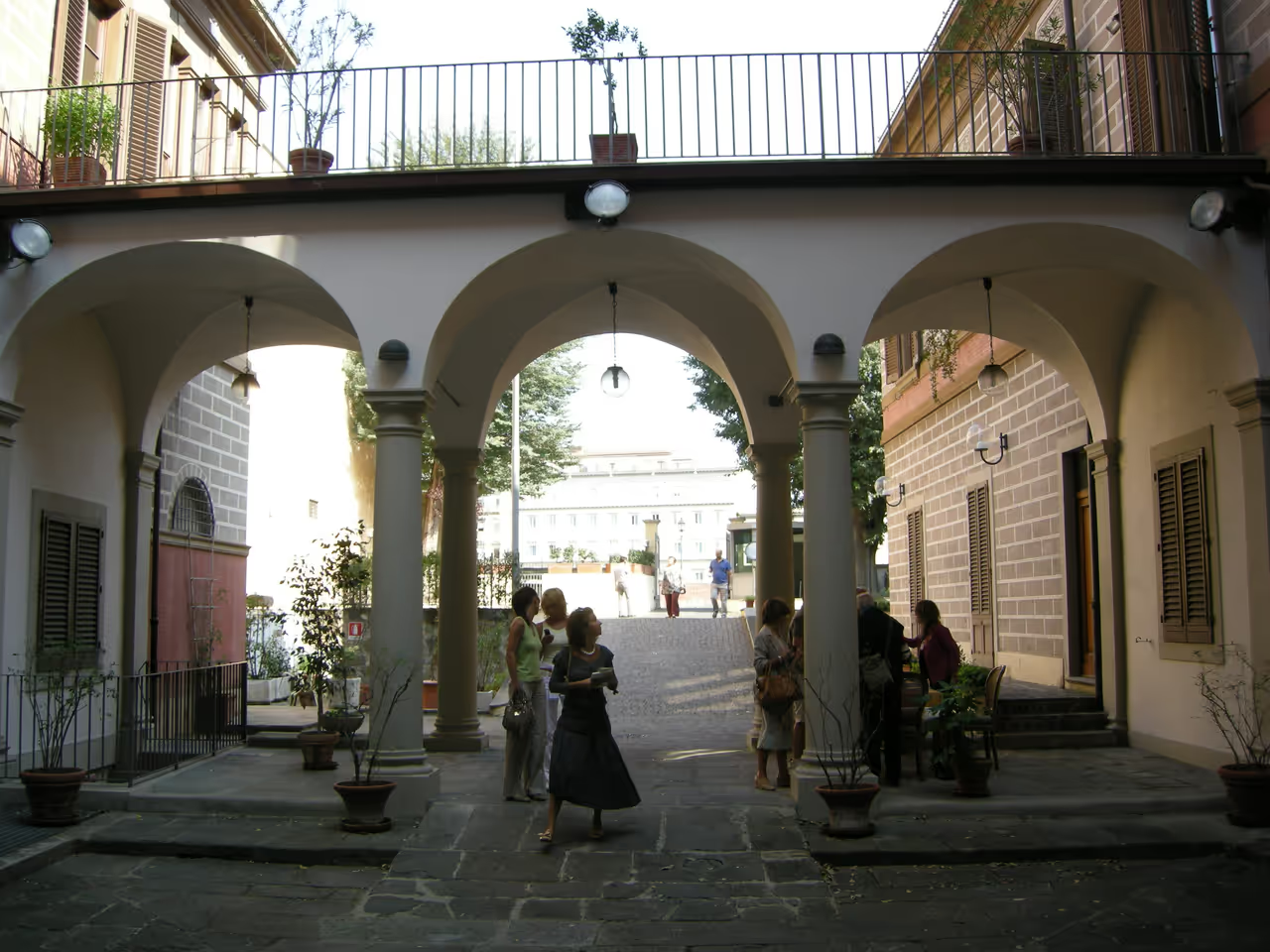 515m
515mSan Frediano District
Recently recognised as one of the coolest neighbourhoods in the world, this area south of the river has seen a surge of incredibly chic drinking spots. It caters to a slightly more mature, style conscious crowd looking for high quality mixology. Hidden behind unassuming doors are some of the most innovative cocktail bars and speakeasies in the region. It is the ideal spot to sip inventive drinks in a sophisticated setting.
nightlife view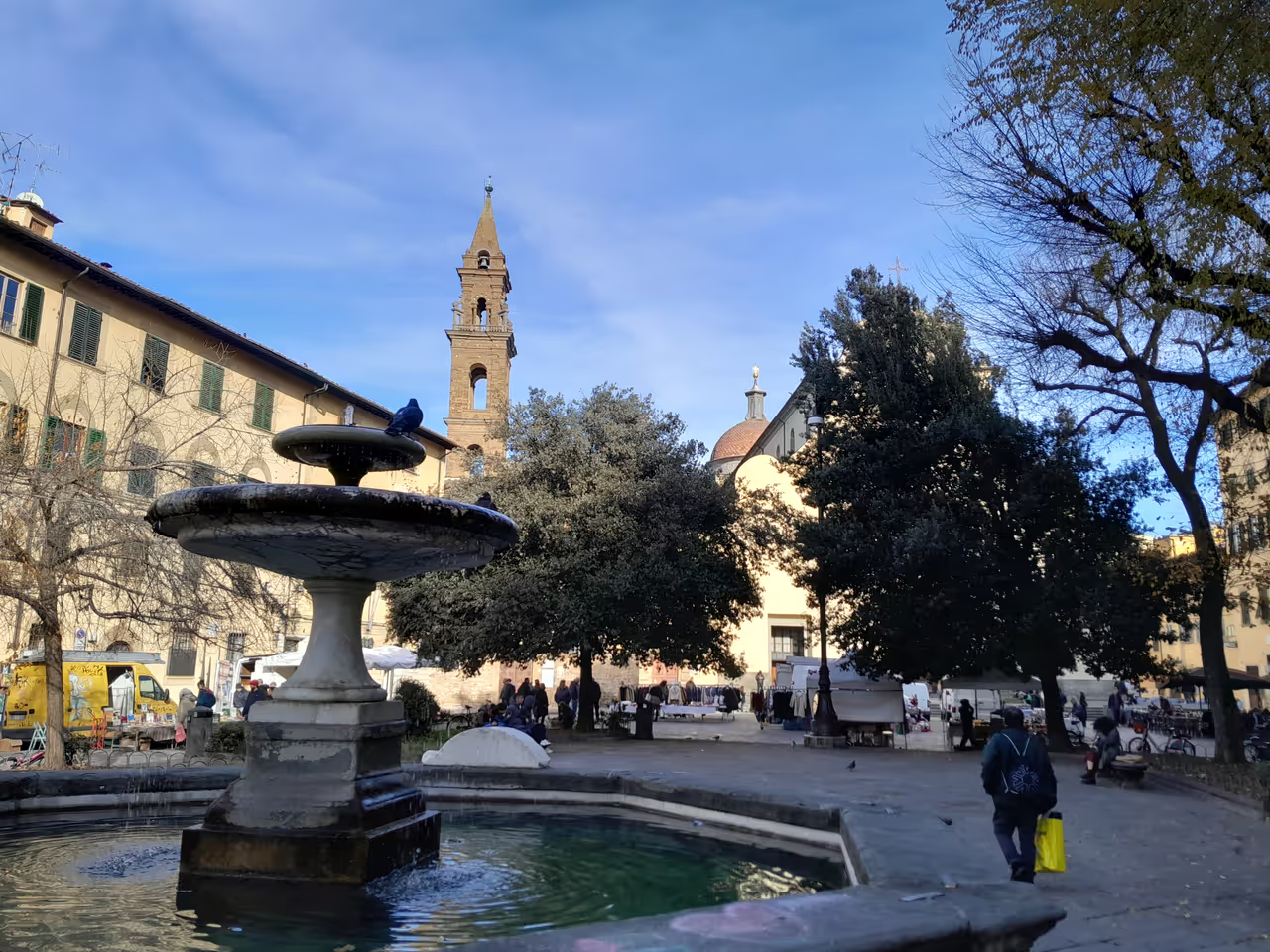 532m
532mSanto Spirito Square
This vibrant square located south of the river transforms into a lively social hub every evening. It acts as the ultimate gathering space for students, artists, and locals looking to unwind on the steps of the church. The perimeter is lined with excellent small bars and casual restaurants pouring affordable wine and mixing great cocktails. It provides an energetic yet deeply authentic neighbourhood experience away from the heavy tourist crowds.
nightlife view
See all nature & parks in Florence
Bardini Gardens, Boboli Gardens, Botanical Garden of Florence, Cascine Park, Iris Garden, Rose Garden...