Ponte Vecchio
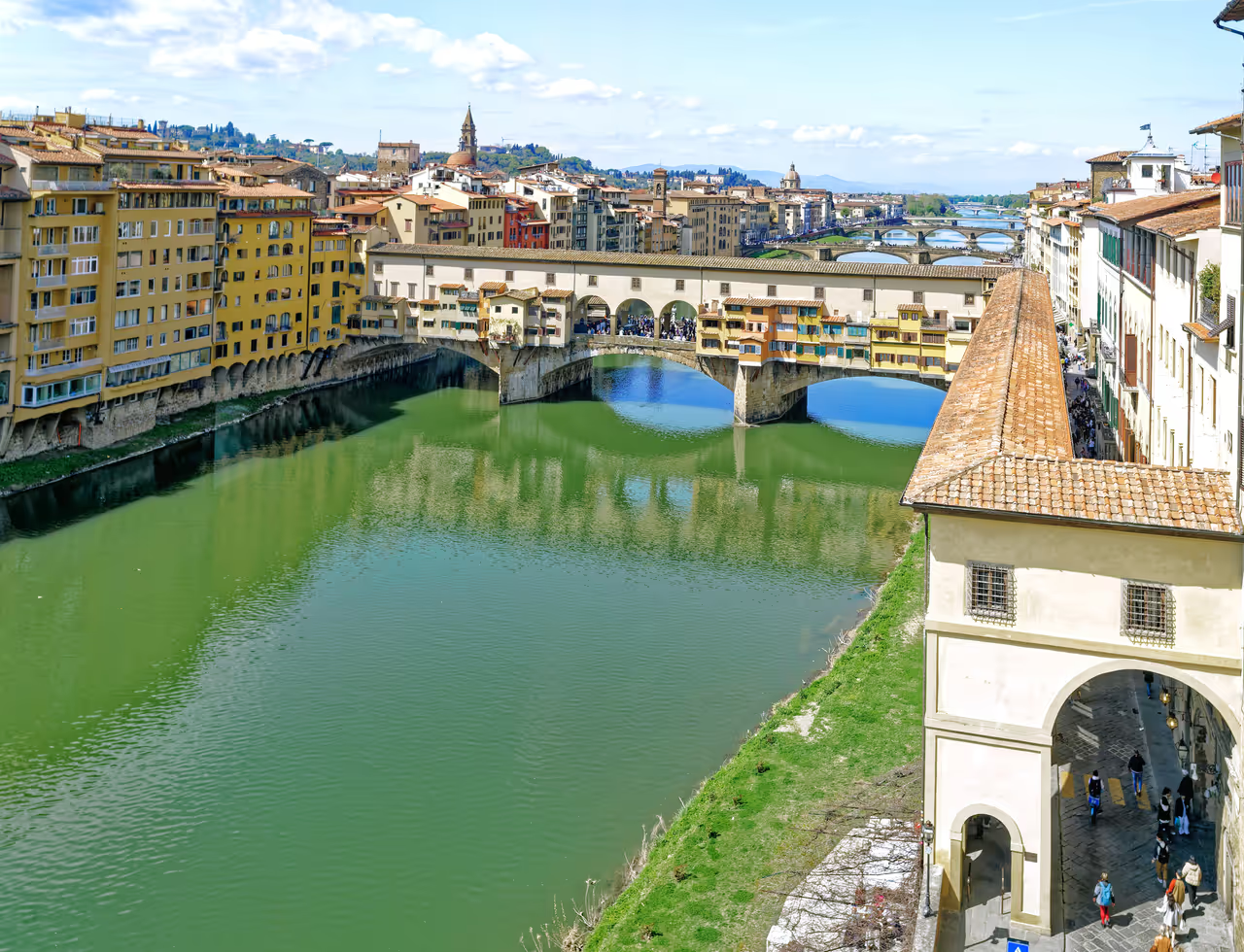
Ponte Vecchio is more than just a bridge; it is the enduring soul of Florence, stretching gracefully across the Arno River with its medieval stone arches. Walking across this historic landmark feels like stepping back in time, surrounded by the shimmering windows of traditional jewellery shops that have occupied this space since the late sixteenth century. Originally built in the fourteenth century, the bridge is famous for the elevated Vasari Corridor, a secret passageway once used by the Medici family. Today, it offers one of the most picturesque spots in the city to catch a sunset or simply admire the reflection of Florentine architecture on the water. It serves as a vital pedestrian artery, connecting the historic centre with the charming artisan workshops of the Oltrarno district. Visiting this architectural marvel is an absolute must to truly capture the essence of Italian heritage.
Videos
History of Ponte Vecchio
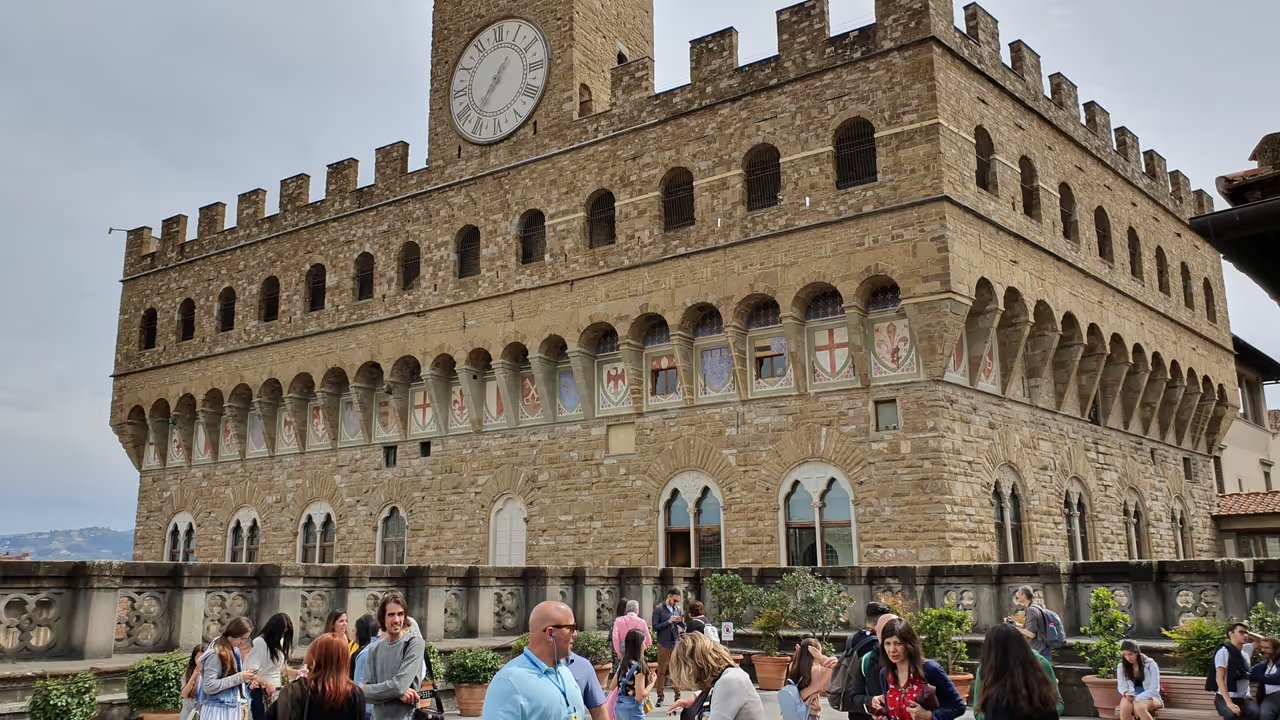
The history of Ponte Vecchio is a tale of resilience against the destructive power of the Arno River. The current structure, completed in 1345, replaced several earlier incarnations that were swept away by frequent floods, including the devastating event of 1333. Architects designed the bridge with unique flattened arches, a revolutionary technique at the time that helped it withstand the force of the water better than the traditional semicircular arches used previously. This innovation allowed the bridge to endure through centuries, surviving everything from medieval chaos to the intense conflicts of the modern era. In 1565, the bridge took on its current appearance with the addition of the Vasari Corridor. Commissioned by Cosimo I de Medici, this enclosed passage allowed the ruling family to move discreetly between Palazzo Vecchio and Palazzo Pitti, passing directly above the heads of the crowds below. By 1594, Ferdinando I ordered that only jewellers and goldsmiths could occupy the shops, replacing the noisy butchers and fishmongers who previously worked there, which immediately transformed the bridge into the elegant, glittering promenade that travellers admire today. Perhaps the most poignant chapter in its survival occurred during the Second World War. As German troops retreated in 1944, they systematically destroyed every other bridge in Florence. Ponte Vecchio was miraculously spared, thanks to an order often attributed to Hitler himself, though some local legends suggest it was due to the secret sabotage of the mines by local residents. Today, the bridge stands not only as an architectural masterpiece but as a powerful symbol of Florence ability to preserve its identity through even the darkest periods of history.
Events spanning 621 years
Fun Facts
- • During the Second World War, the surrounding streets were decimated by mines and bombs, leaving the bridge completely isolated, with the Vasari Corridor acting as the only link between the two halves of the city.
- • It is one of the few bridges in the world that remains inhabited, with shops still actively operating on the structure today.
- • Local legend claims that the bridge survived the 1944 destruction because a local goldsmith named Burgasso supposedly cut the wires to the explosives, though historians generally credit a direct order from the German command.
- • Ponte Vecchio is the oldest stone bridge in Europe built using the segmental arch design, a technical feat that influenced architecture across the continent.
- • The Vasari Corridor, which runs over the shops, contains one of the most important collections of portraits in the world, though access is strictly controlled and limited.
- • The bridge has served as a source of artistic inspiration for centuries, appearing in countless paintings and literary works as the quintessential image of Florence.
- • The bust of Benvenuto Cellini located at the centre of the bridge pays tribute to one of the most celebrated goldsmiths of the Renaissance, reinforcing the bridge identity as a hub for precious metals.
- • The shops lining the bridge were originally occupied by butchers, who were evicted in 1594 because the smell of their trade was offensive to the Medici family as they walked through the Vasari Corridor above.
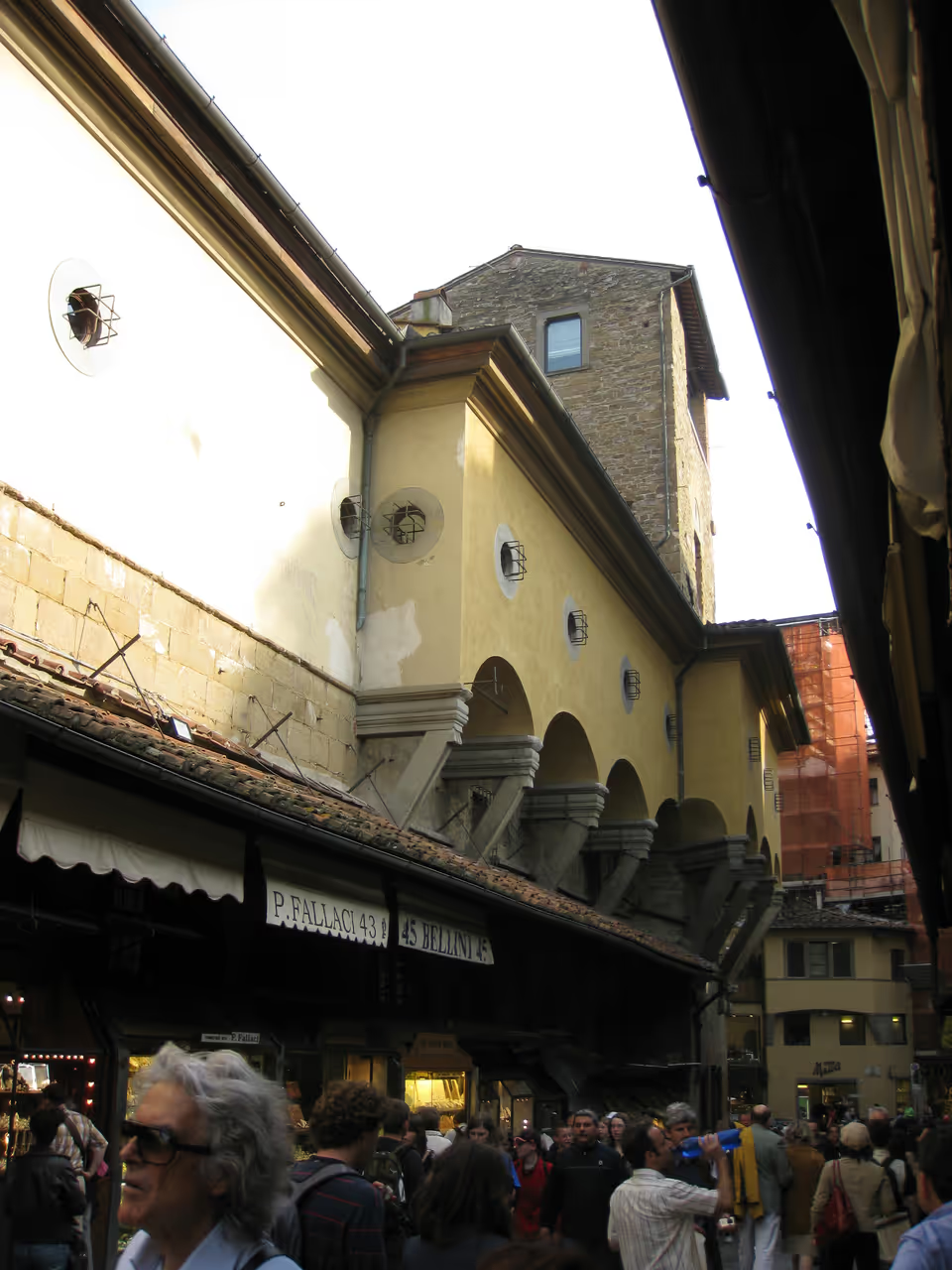
- • The shops on the bridge have a unique architectural feature called sporti or small balconies, which allowed shopkeepers to expand their floor space out over the river.
Ponte Vecchio FAQ
While we strive to keep this information accurate and up to date, we recommend verifying any details independently before making decisions based on them.
Ponte Vecchio Map & Neighborhood Explorer
This interactive map is centered on Ponte Vecchio. Zoom in and move the map around to automatically discover Wikipedia photos and summaries of other nearby sights, monuments, and historical points of interest and stories in real-time!
Places near Ponte Vecchio
Make the most of your trip. Check out these top-rated spots located nearby.
 180m
180mUffizi Gallery
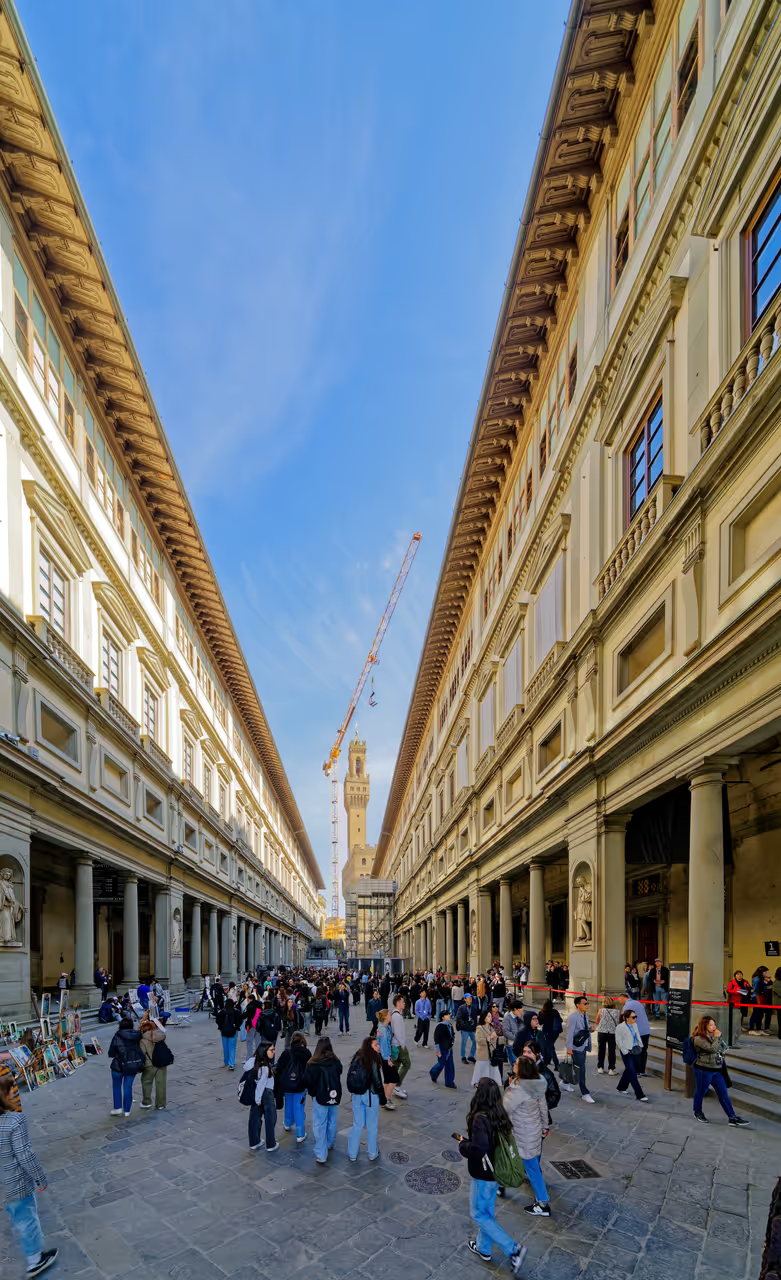
The Uffizi Gallery is the beating heart of the Renaissance, housed within an architectural marvel designed by Giorgio Vasari. Walking through these hallowed halls allows you to trace the evolution of Western art, from the rigid figures of the Middle Ages to the vibrant, emotion-filled masterpieces of the Renaissance. You will stand inches away from Botticelli’s ethereal Birth of Venus and Caravaggio’s intense, haunting canvases, surrounded by the artistic legacy of the Medici family. Beyond the paintings, the building itself, with its sweeping views of the Arno and the corridor connecting to Palazzo Pitti, tells a story of power, intrigue, and artistic patronage. It is a place where history feels tactile, and every corridor holds a new discovery. A visit here is an essential pilgrimage for anyone seeking to understand the soul of Florence.
attraction view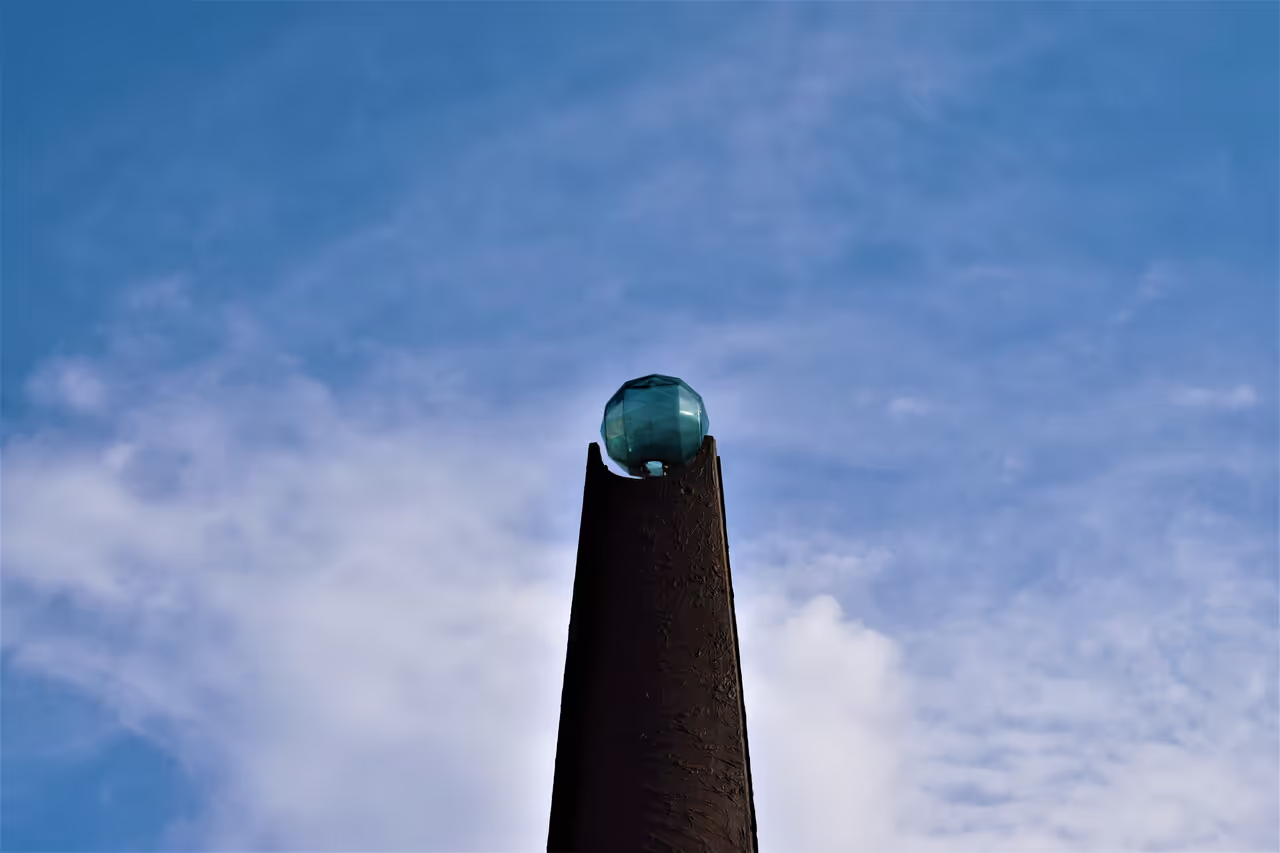 232m
232mGalileo Museum
This phenomenal institution houses one of the most important collections of scientific instruments in the world, proving that the Renaissance was not just about painting. It displays incredibly intricate early telescopes, beautifully painted antique globes, and complex anatomical models. The most famous, and slightly macabre, exhibit is the actual middle finger of Galileo Galilei displayed in a glass jar. It is an incredibly enlightening experience that highlights the brilliant scientific minds of the era.
highlight view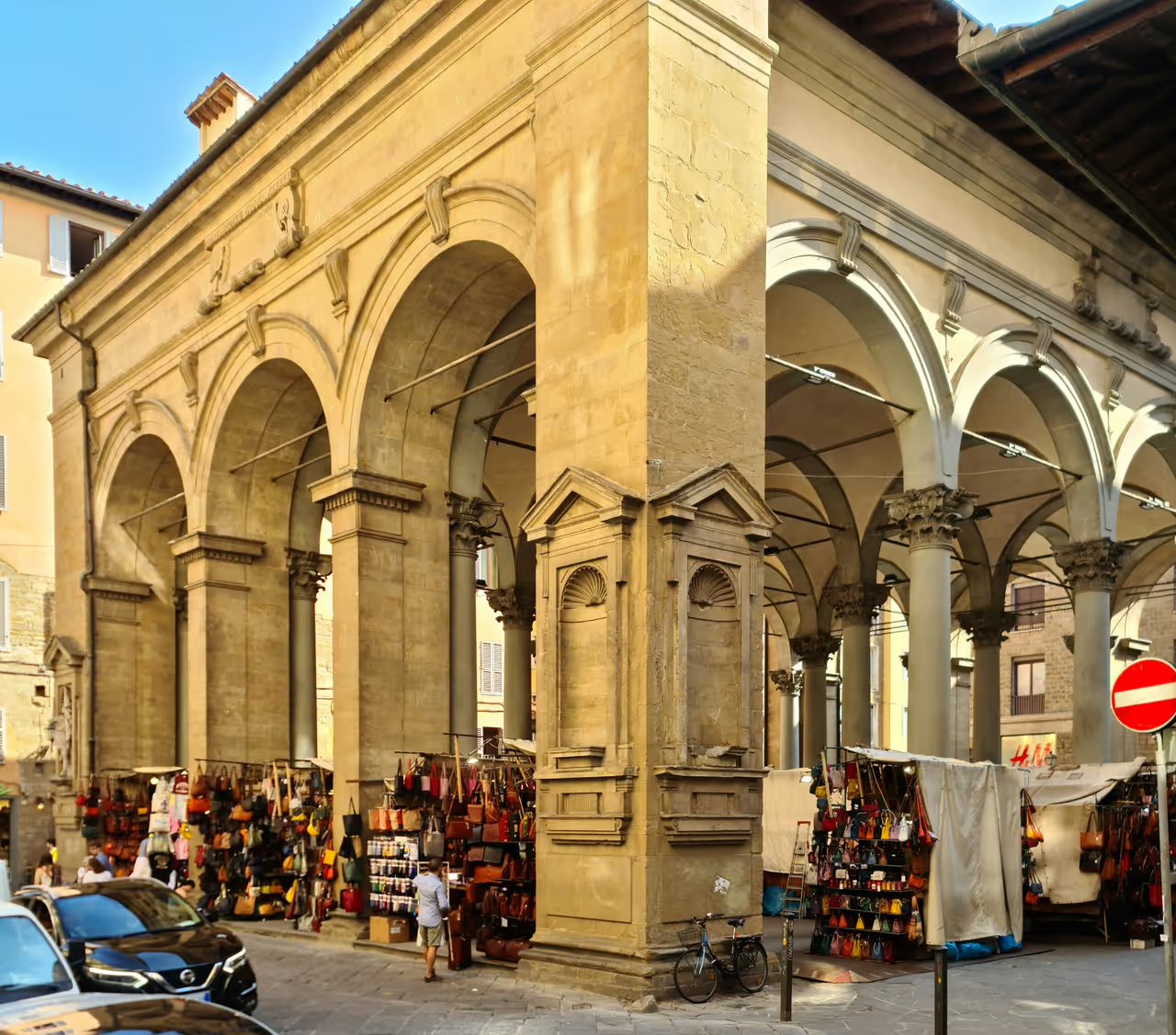 251m
251mNew Market
Situated under an elegant sixteenth century loggia, this market originally specialised in luxurious silk and gold trades. Today, it is primarily filled with vendors selling colourful leather goods, souvenirs, and scarves. The main attraction is the famous bronze boar statue on the side, where visitors rub its snout for good luck and a guaranteed return to the city. Look carefully at the floor in the centre to spot the 'stone of shame', where bankrupt merchants were once publicly humiliated.
market view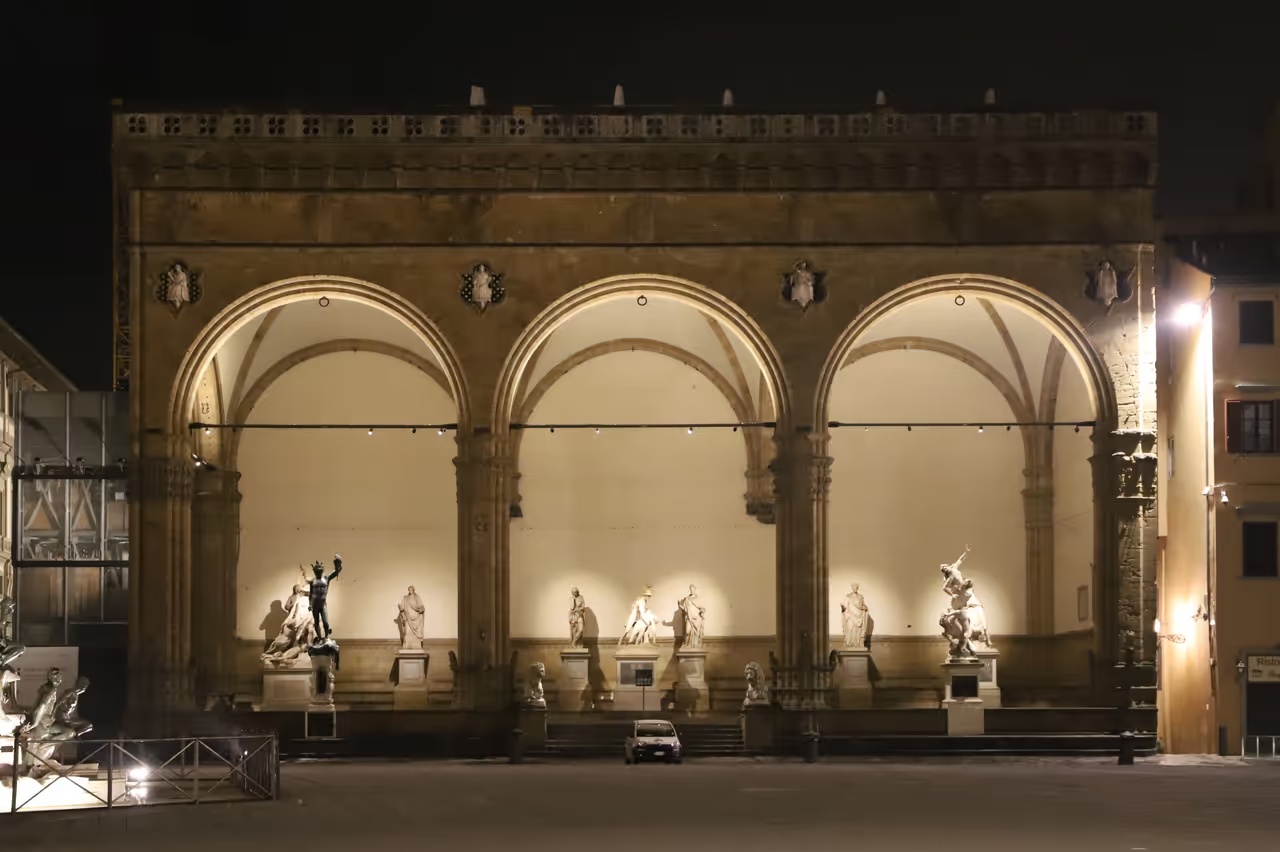 252m
252mLoggia of the Lancers
This open air sculpture gallery situated in the main civic square is filled with dramatic, violent, and beautiful Renaissance masterpieces. Capturing the twisted marble figures against the backdrop of the imposing fortress-like town hall creates incredibly dynamic compositions. Waiting for the evening floodlights to illuminate the statues adds deep, dramatic shadows perfect for moody, artistic shots.
photo spot view
Explore Similar Places in This Collection
Featured on These Itineraries and Routes
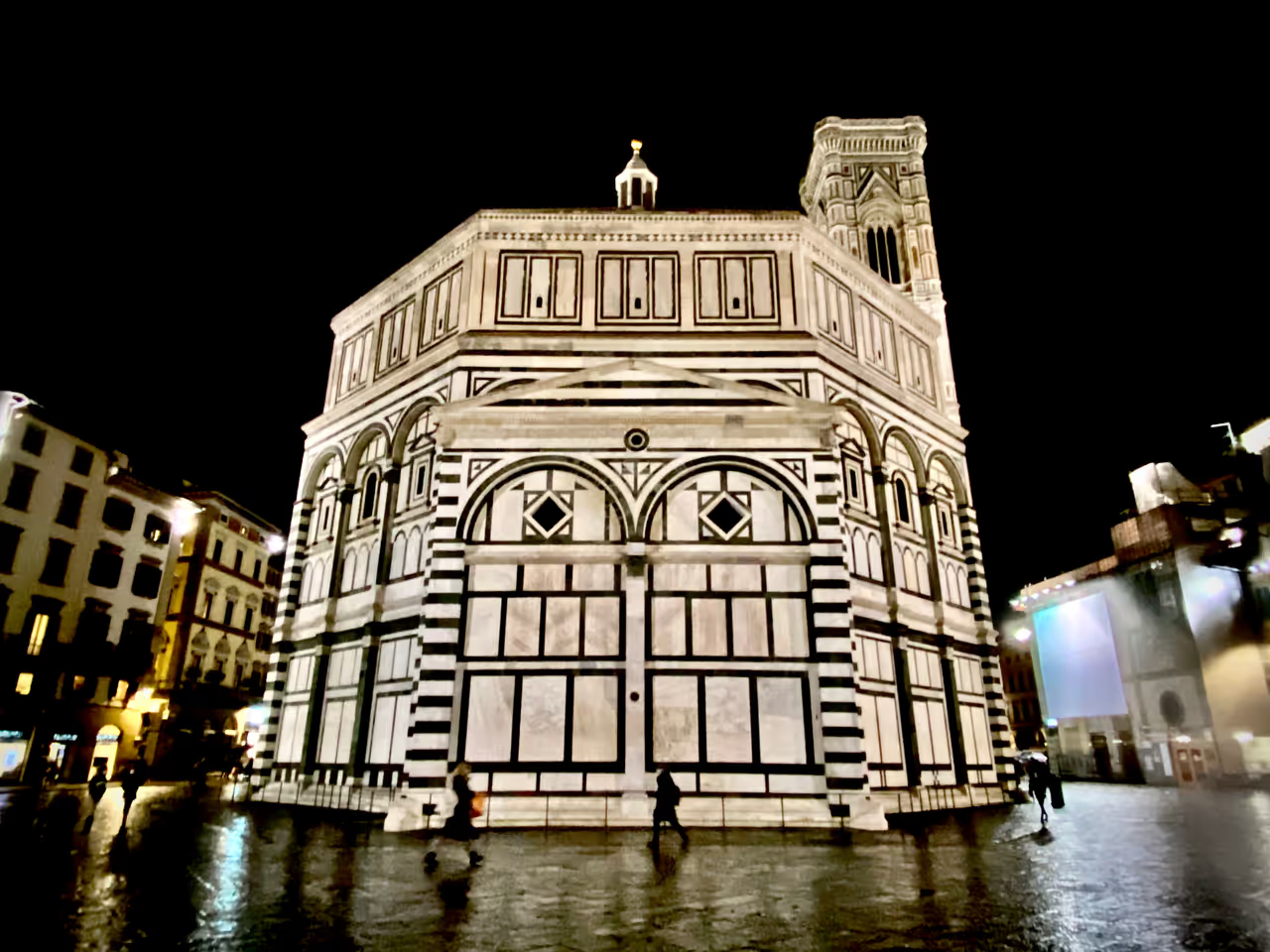
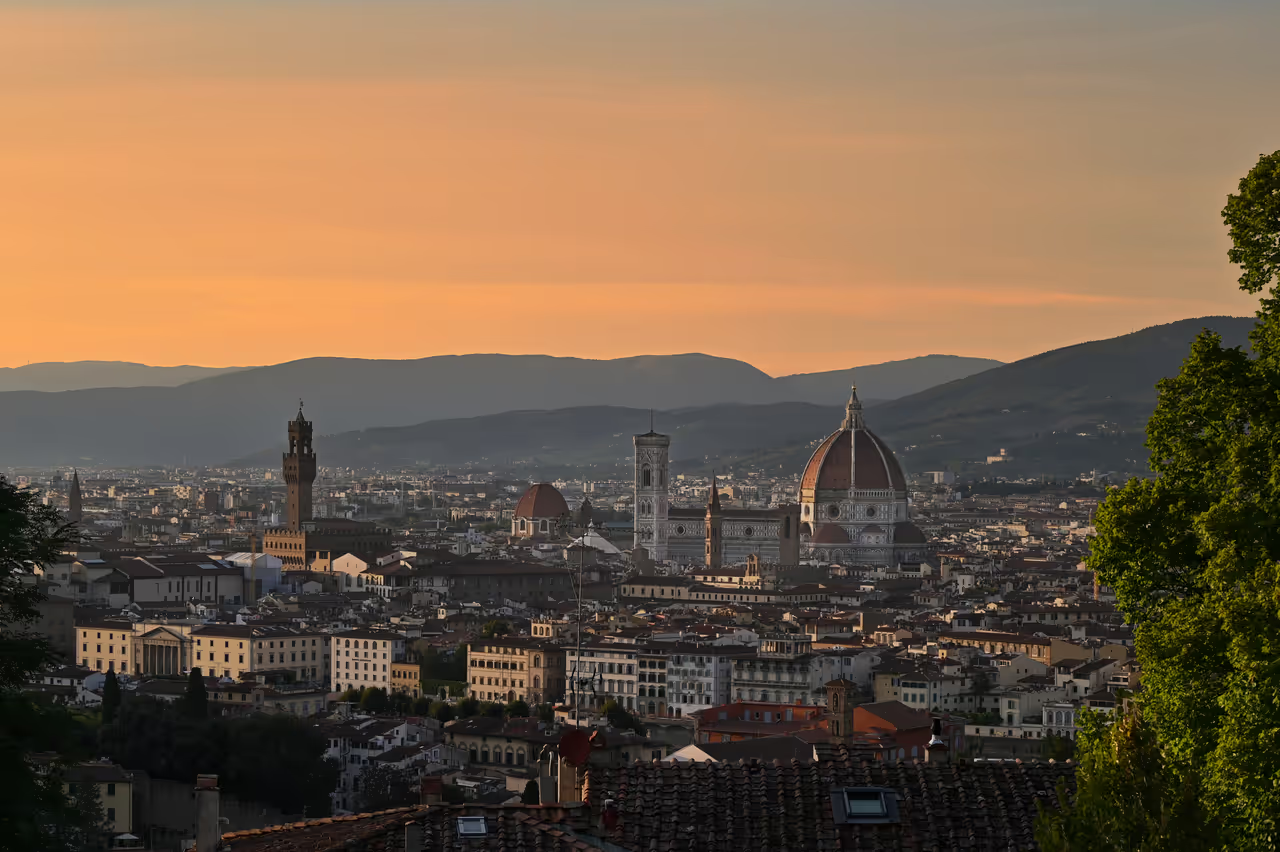
1 Day in Florence: Essential Itinerary
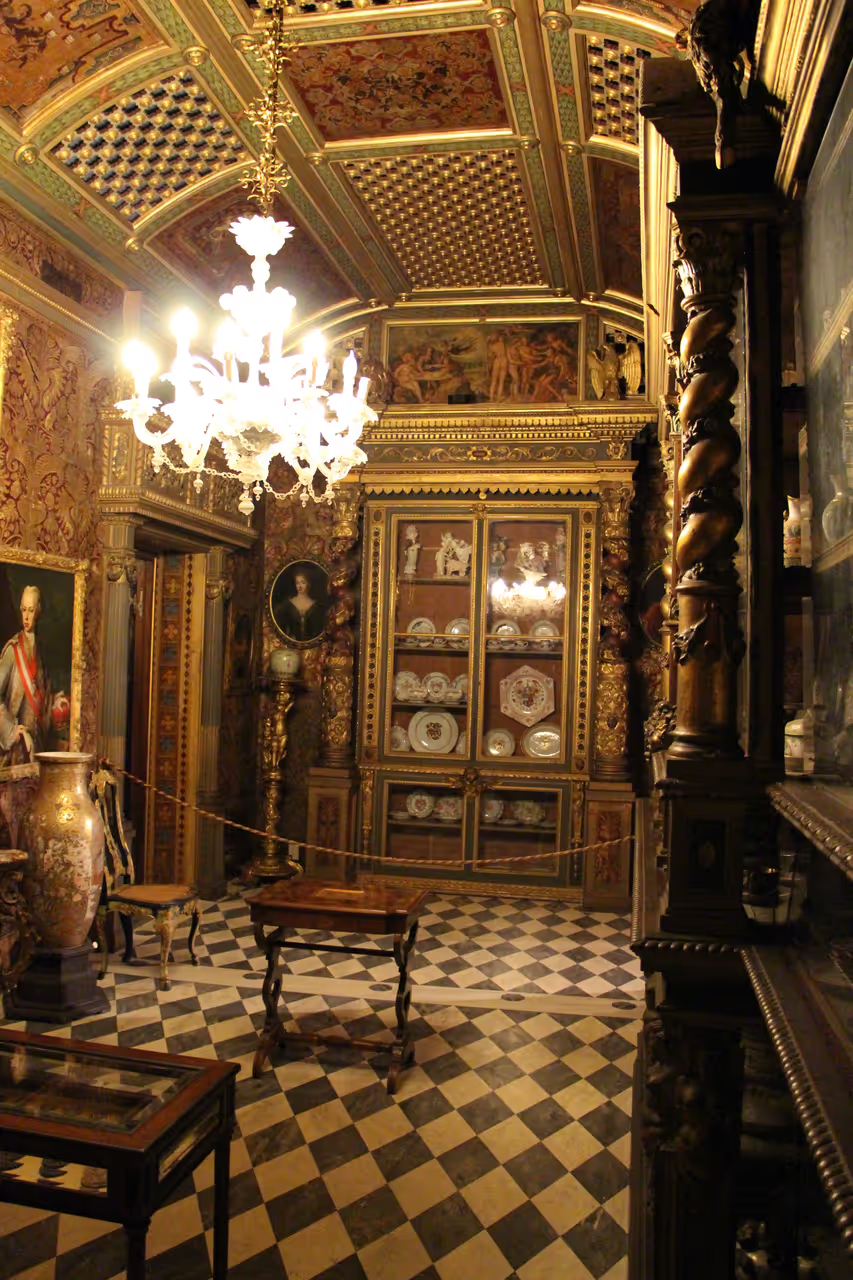
This intense, tightly packed route is designed for travellers who only have a single day to experience the absolute pinnacle of the city's offerings. It rapidly hits the monumental architectural symbols, the most famous art collection, and the iconic river crossing before culminating in a spectacular panoramic sunset. You will cover the heavy hitters of the Renaissance, ensuring you do not miss the universally recognized landmarks. It requires significant energy but guarantees a massively rewarding, unforgettable highlight reel.
view itinerary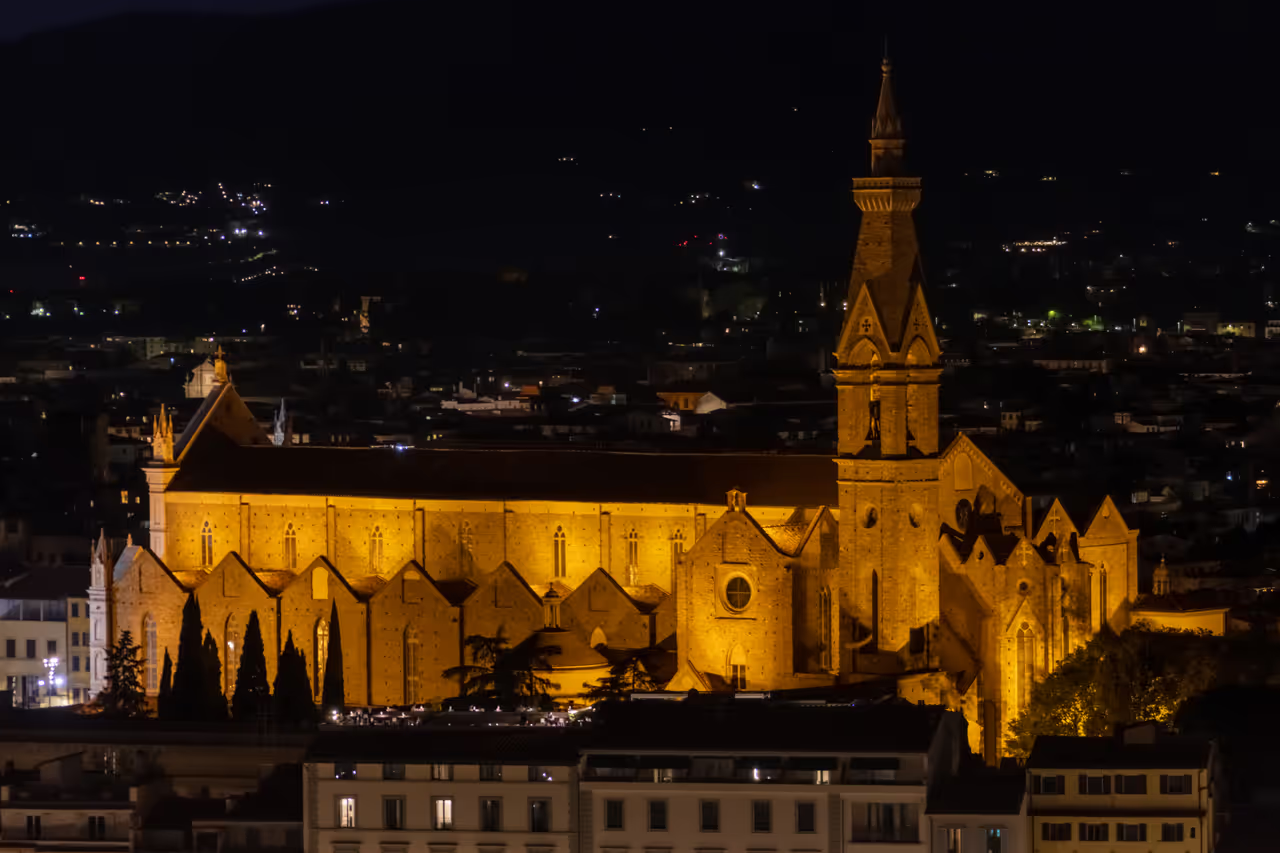
5 Days in Florence: The Ultimate Experience Itinerary
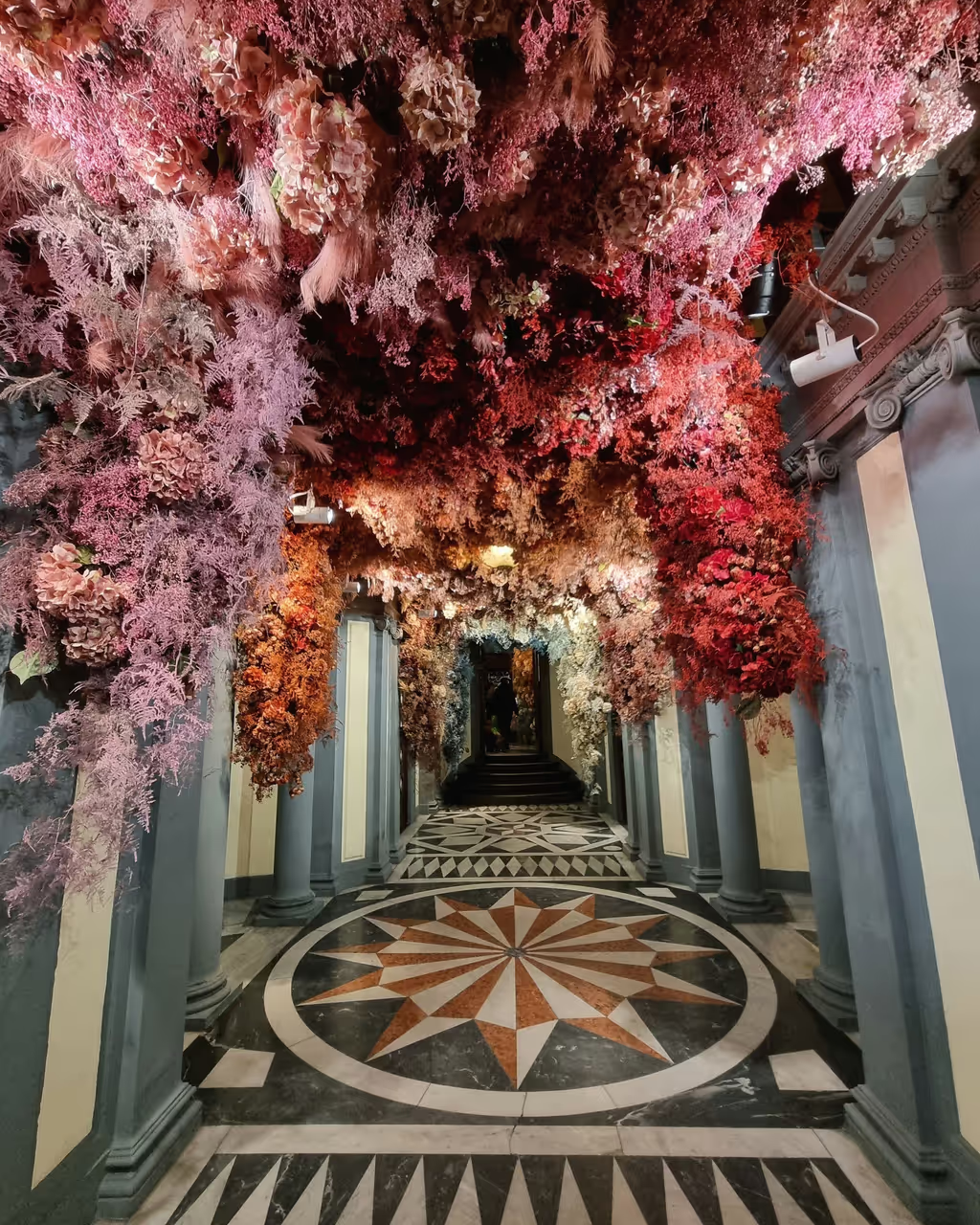
With five days, you can truly absorb the rhythm of the city, moving beyond the central museums to discover eccentric hidden gems and quiet hilltop retreats. You will have time to climb the famous towers, explore bizarre scientific collections, and venture out to the ancient Etruscan ruins in the mountains. This extended stay allows you to appreciate the subtle, romantic atmosphere of the city that is often missed by rushed tourists. It is a highly comprehensive, incredibly satisfying cultural immersion.
view itinerary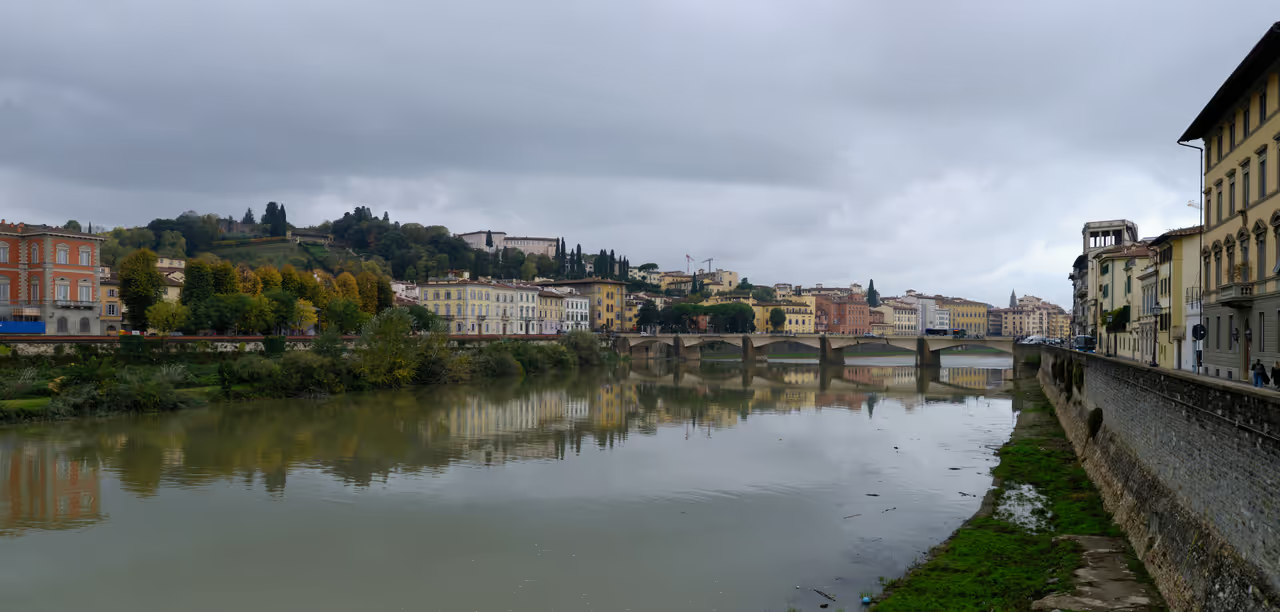
Bridges of the Arno
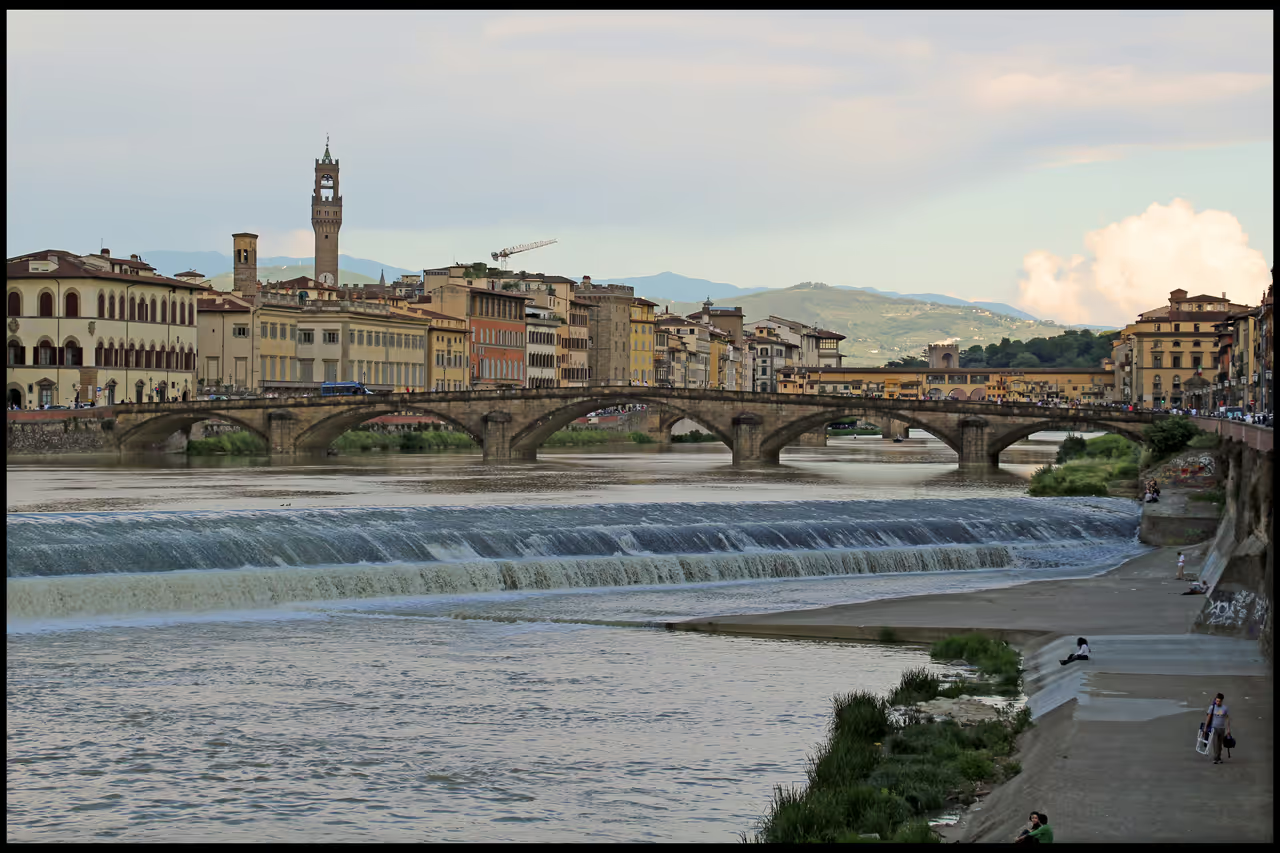
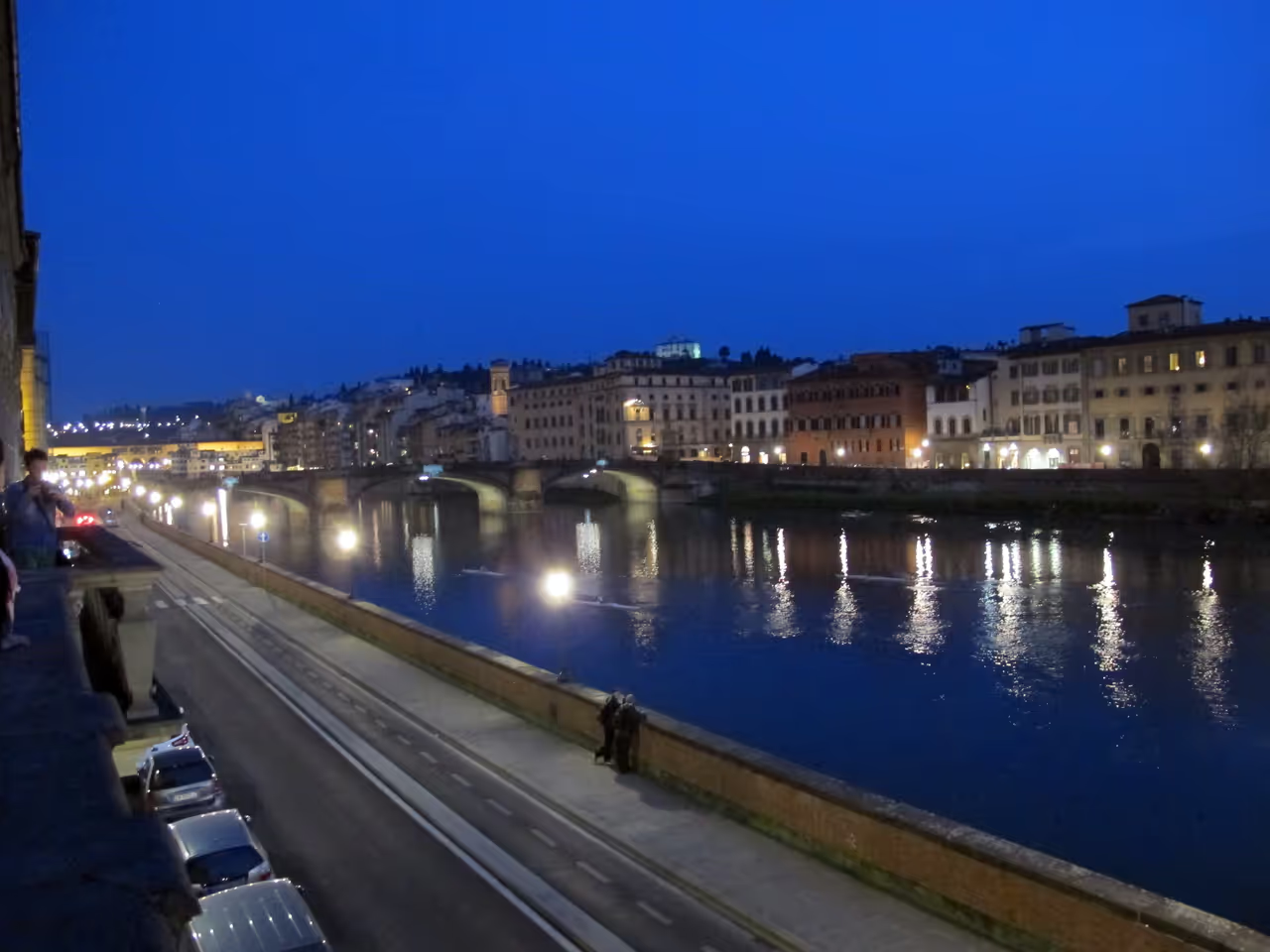
This romantic walk keeps you close to the water, zigzagging across the historic bridges that span the central river. Each bridge possesses its own distinct architectural character and offers a different vantage point of the city skyline. The changing light playing on the water creates a continuously shifting, beautiful atmosphere. It is a wonderfully relaxing way to experience the monumental scale of the riverside palaces.
view walking route
See all attractions in Florence
Accademia Gallery, Baptistery of San Giovanni, Bargello National Museum, Florence Cathedral, Palazzo Pitti, Palazzo Vecchio, Uffizi Gallery...