Archiginnasio of Bologna
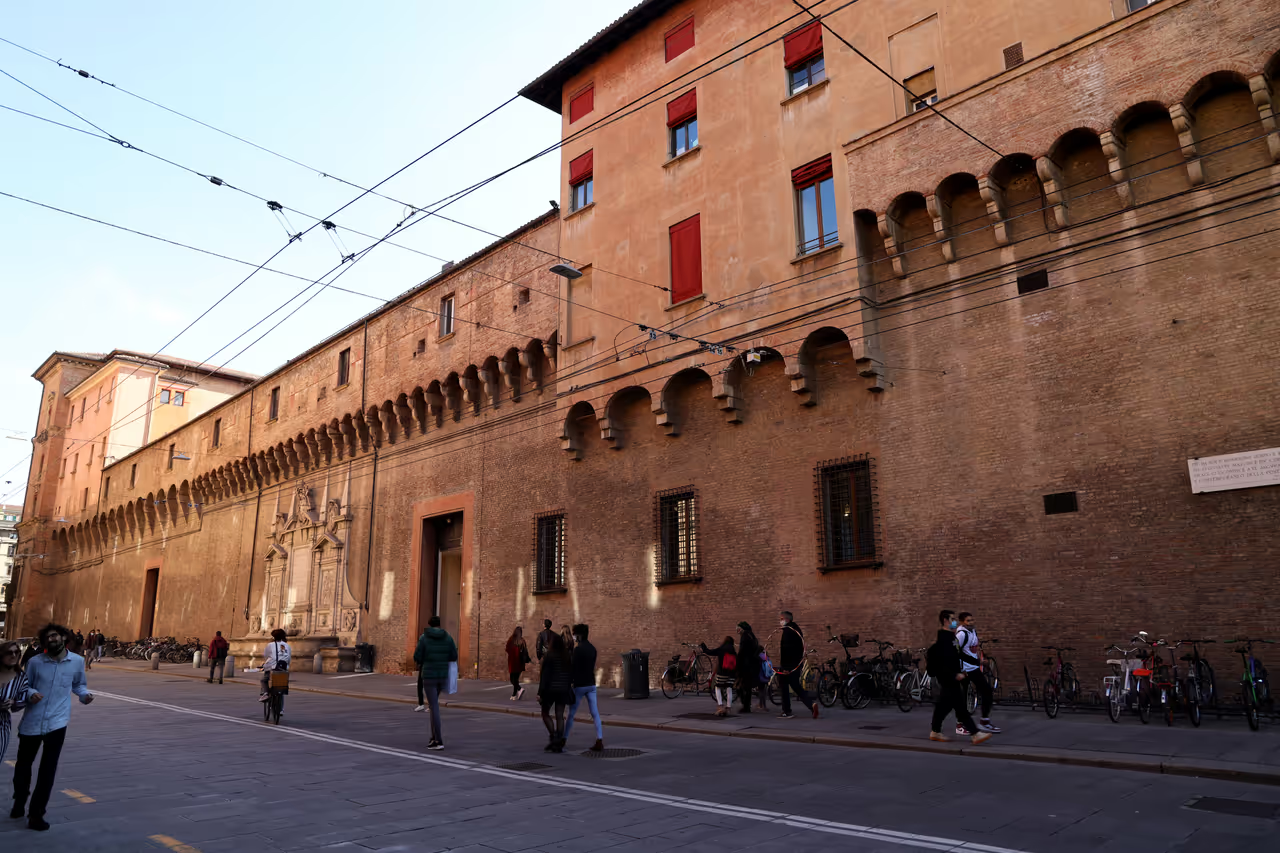
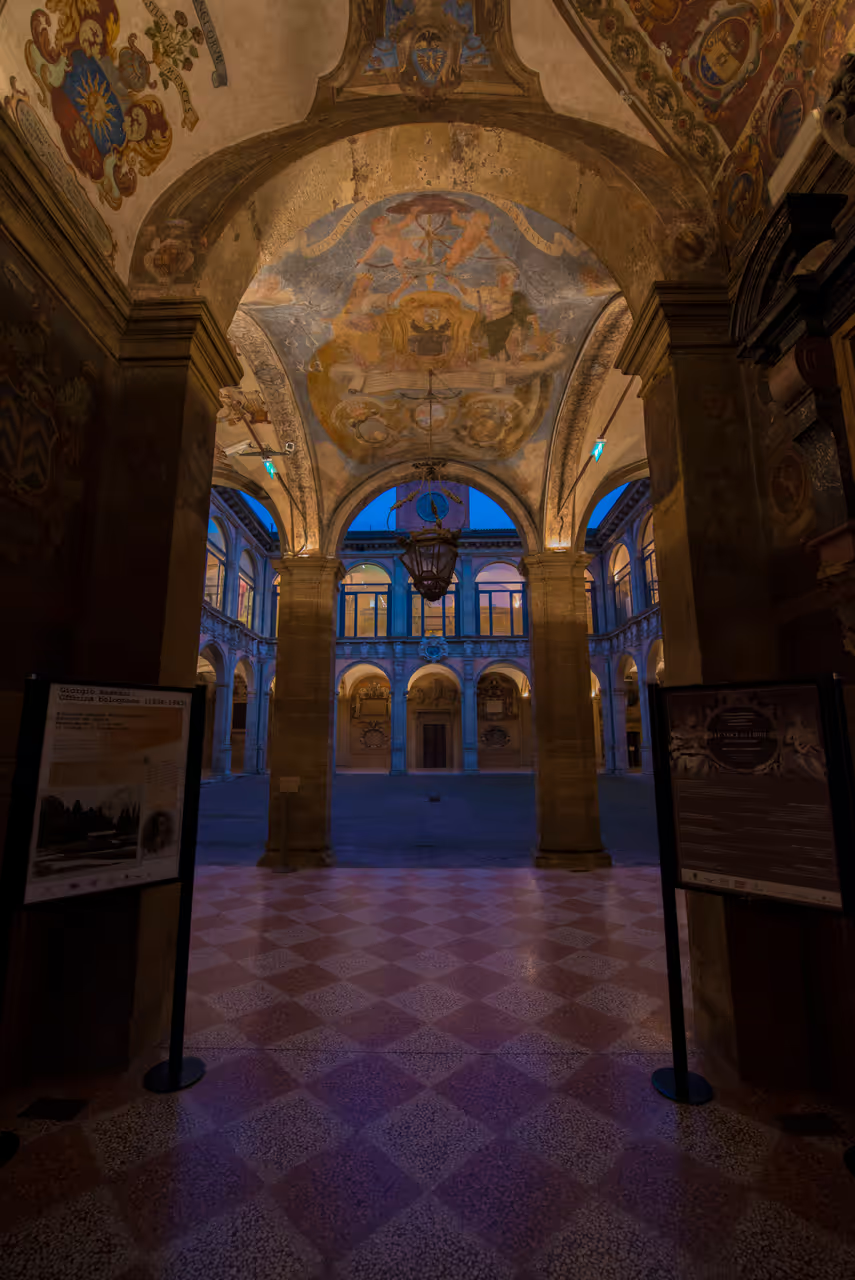
The Archiginnasio of Bologna stands as a powerful testament to the intellectual heritage of one of the world's oldest university cities. Walking through its halls feels like stepping back into the Renaissance, surrounded by thousands of hand painted coats of arms that decorate the walls in a vibrant display of student history. While it once served as the central hub for law and arts students, the building now houses a massive municipal library and the fascinating, slightly eerie Anatomical Theatre. You can admire the stunning inner courtyard or spend time pondering the anatomical studies that shaped modern medicine in the beautifully preserved theatre. It is a place where history feels alive, offering a unique glimpse into the scholarly life of past centuries.
Videos
History of Archiginnasio of Bologna
The Archiginnasio emerged in the 16th century as a grand statement of papal authority and educational ambition in Bologna. Pope Pius IV commissioned the building as the Council of Trent was underway, tasking his legate Charles Borromeo with creating a singular, unified home for the university schools. Designed by the architect Antonio Morandi, who earned the spirited nickname Il Terribilia for his intense work ethic, the structure was completed with remarkable speed. It transformed the city centre, replacing scattered classrooms with a formal palace of learning that brought together students of law, philosophy, and medicine. For centuries, this building was the beating heart of intellectual life in the city. The halls became an immense, colourful mosaic of identity as students from across Europe marked their presence by commissioning elaborate coats of arms. These thousands of emblems, painted upon the walls, provide a rare visual record of the diverse student body that once graced Bologna. While the university eventually outgrew these walls and moved to Palazzo Poggi in the 19th century, the legacy of that era remains etched into the sandstone and plaster of every room. In its modern life, the Archiginnasio serves as the custodian of Bologna's written memory. The municipal library safeguards hundreds of thousands of rare manuscripts and books, ensuring the intellectual treasures of the past remain accessible. The building also hosts the Anatomical Theatre, a sombre reminder of the city's pioneering role in medical history. Despite the scars of wartime bombing in 1944, the site has been meticulously restored, allowing visitors to appreciate both its architectural grandeur and the fascinating, at times unsettling, medical history that unfolded within its walls.
Events spanning 382 years
Fun Facts
- • A statue within the Anatomical Theatre commemorates Gaspare Tagliacozzi, a pioneering surgeon from Bologna known for his early contributions to rhinoplasty.
- • It contains a collection of 2,000 incunabula, which are books printed before the year 1501.
- • Many coats of arms on the walls display papal symbols like the triple crown and St. Peter's keys, highlighting Bologna's historical ties to the Papal States.
- • Students of civil and canon law, the legisti, held their classes in the main hallway as they were considered the most prestigious group.
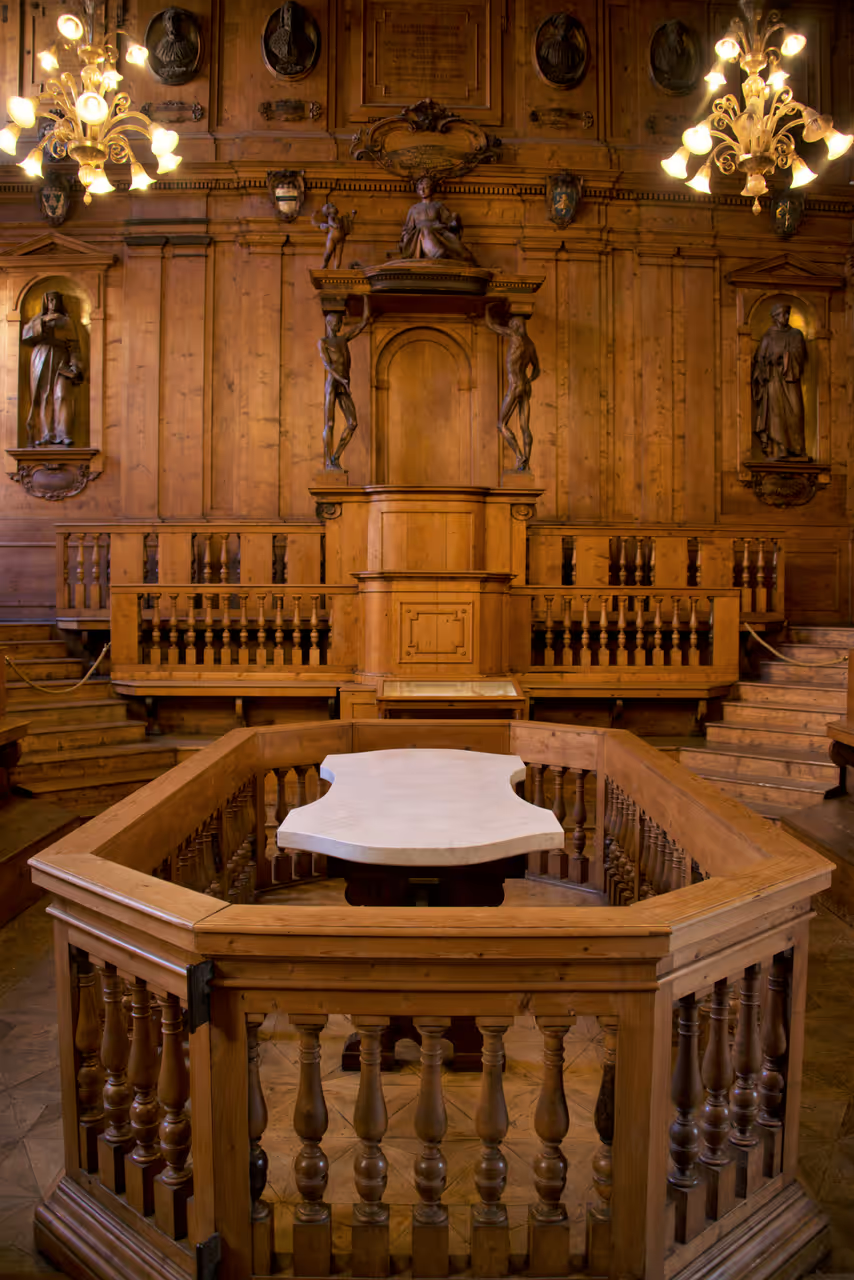
- • The Anatomical Theatre features statues known as gli spellati, which depict two naked and flayed men supporting the professor's chair.
- • The Sala dello Stabat Mater takes its name from the memorable 1842 premiere of the musical piece by Gioachino Rossini.
- • The building is adorned with roughly six thousand coats of arms, representing students who held leadership roles at the university across centuries.
- • The building was designed by Antonio Morandi, a master architect known by the nickname Il Terribilia.
- • The inner courtyard retains the original layout of the church of Santa Maria dei Bulgari, which was integrated into the palace design.
- • The library housed here is the largest in the Emilia Romagna region, containing over 850,000 volumes.
RESOURCES
Official WebsiteArchiginnasio of Bologna FAQ
While we strive to keep this information accurate and up to date, we recommend verifying any details independently before making decisions based on them.
Archiginnasio of Bologna Map & Neighborhood Explorer
This interactive map is centered on Archiginnasio of Bologna. Zoom in and move the map around to automatically discover Wikipedia photos and summaries of other nearby sights, monuments, and historical points of interest and stories in real-time!
Places near Archiginnasio of Bologna
Make the most of your trip. Check out these top-rated spots located nearby.
 37m
37mAnatomical Theatre
Carved entirely out of spruce wood in the seventeenth century, this incredibly atmospheric room was used for public medical dissections. The walls are lined with intricate statues of famous ancient physicians, while a striking canopy supported by skinless wooden figures looms over the teacher's chair. It is a fascinating, slightly macabre glimpse into the pioneering medical history of the local university. You can almost feel the intense concentration of the students who once crowded the benches. It is a truly unique architectural and historical marvel.
highlight view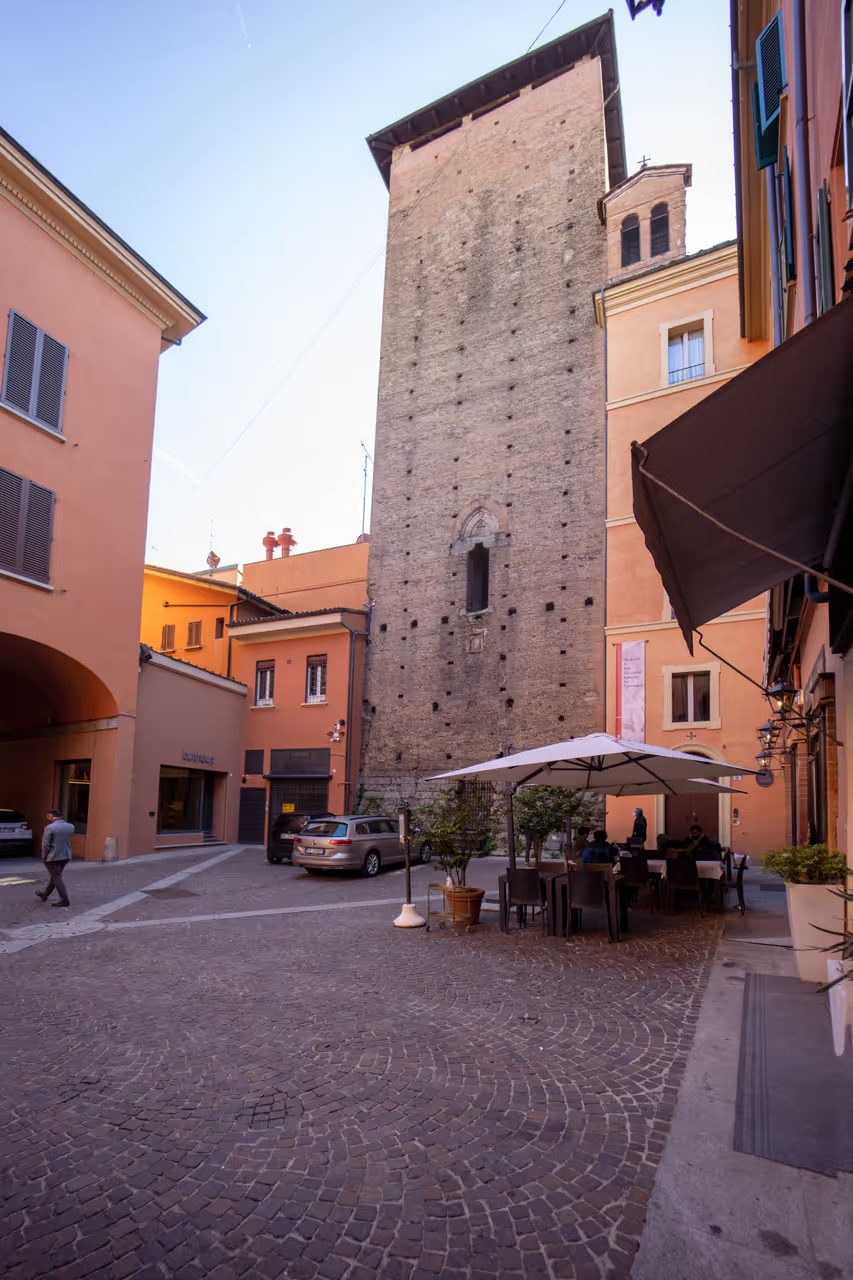 97m
97mGalluzzi Courtyard
Accessible only through an arched vault near the main square, stepping into this small courtyard feels like travelling back to the Middle Ages. The space is completely dominated by the incredibly thick, imposing Galluzzi Tower, built as a defensive stronghold by a powerful faction. The architecture here is raw, heavy, and martial, reflecting the intense and often violent rivalries between noble families. It is incredibly quiet and secluded, offering a stark contrast to the busy shopping streets just outside. It perfectly preserves the fierce, fortified atmosphere of the city's turbulent past.
hidden gem view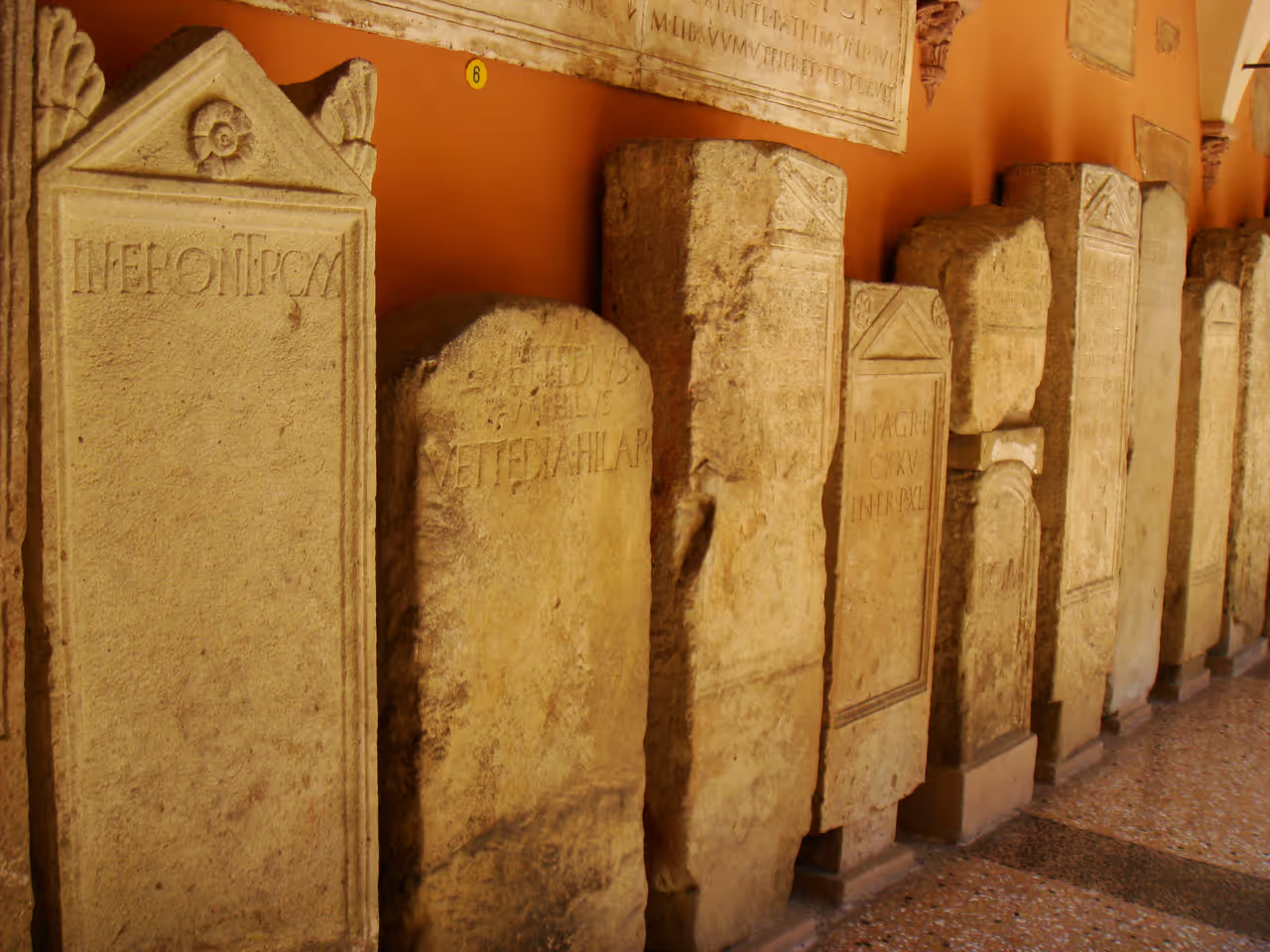 102m
102mCivic Archaeological Museum
Located right off Piazza Maggiore in a former hospital building, this museum holds an astoundingly rich collection of ancient artefacts. It is highly regarded for its Egyptian collection, which includes remarkably well preserved mummies and intricate sarcophagi. Furthermore, it boasts an exceptional array of items from the Etruscan and Roman periods, providing deep insights into the region's ancient origins. Do not miss the famous bronze Certosa jar, which dates back over fifteen hundred years. It is a massive, comprehensive museum that history lovers can easily lose themselves in for hours.
highlight view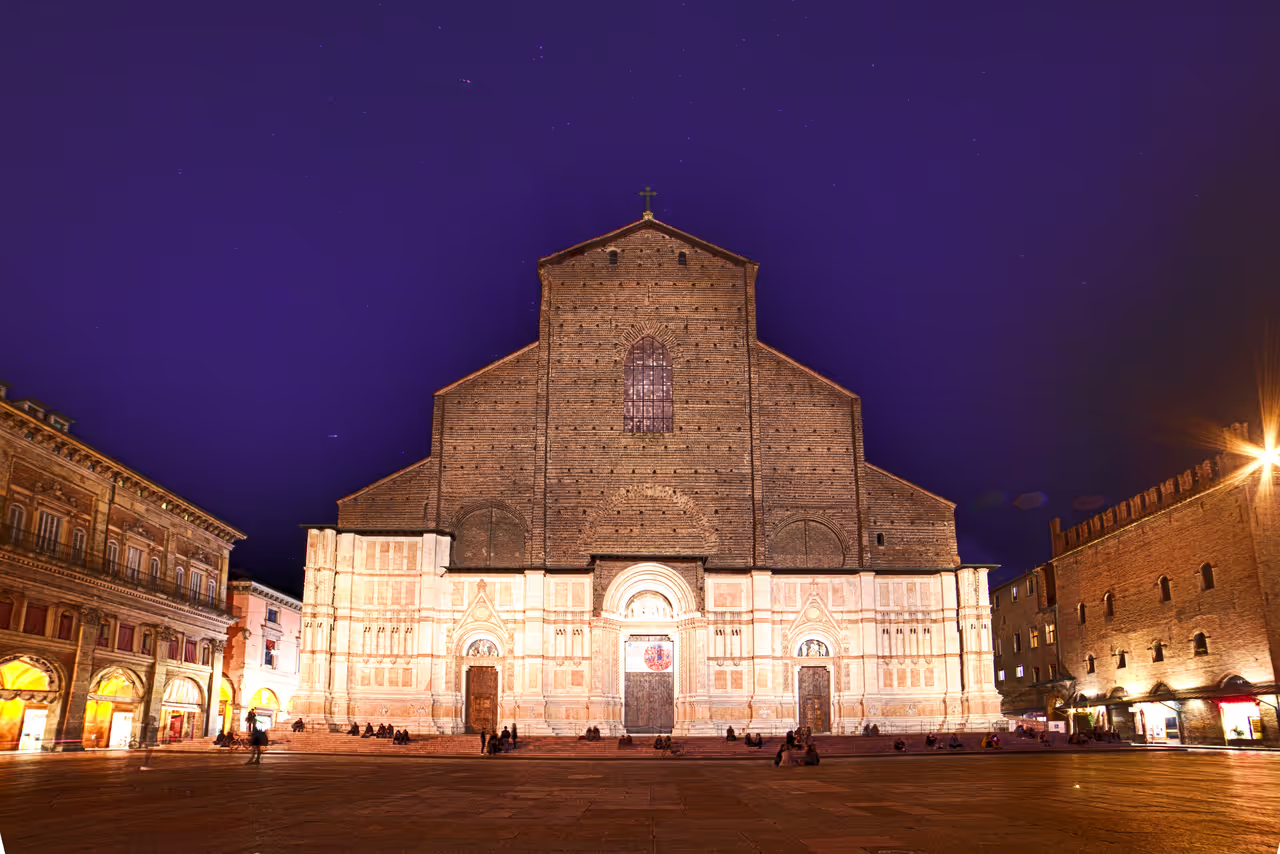 143m
143mBasilica of San Petronio
Dominating Piazza Maggiore, this pink and white marble giant is more than just a place of worship; it is the beating heart of Bologna’s civic pride. As the largest brick Gothic church on the planet, its sheer scale leaves visitors breathless, yet its unfinished facade tells a story of ambition and papal rivalry. Inside, you will find a treasure trove of art, from Renaissance masterpieces to a world record-breaking solar observatory. The atmosphere is one of serene grandeur, where the light filtering through ancient stained glass illuminates centuries of local history. Exploring its vast interior reveals hidden chapels and the longest sundial in the world, making it an indispensable stop for any traveller. It is a monument that perfectly captures the bold spirit of the Bolognese people and the artistic depth of the city.
attraction view
Explore Similar Places in This Collection
Featured on These Itineraries and Routes
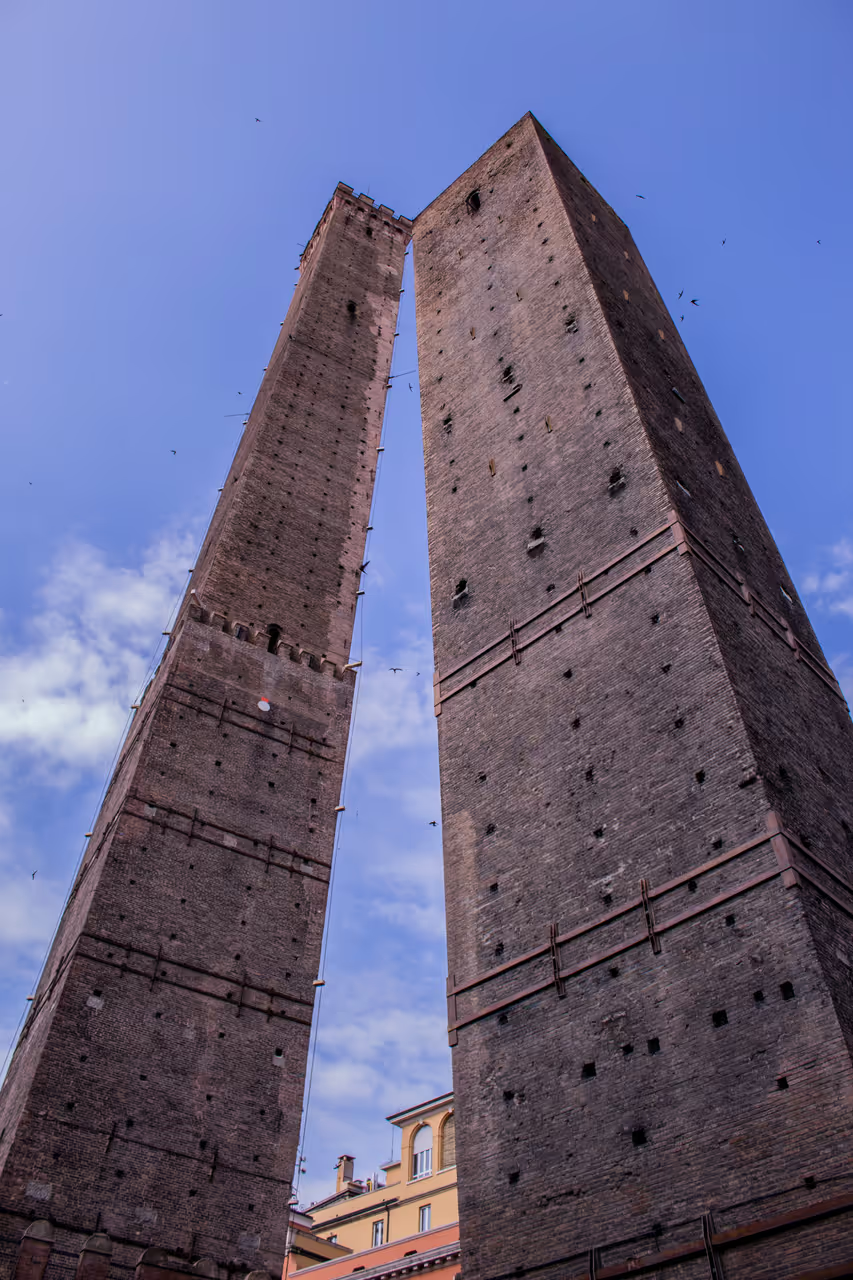
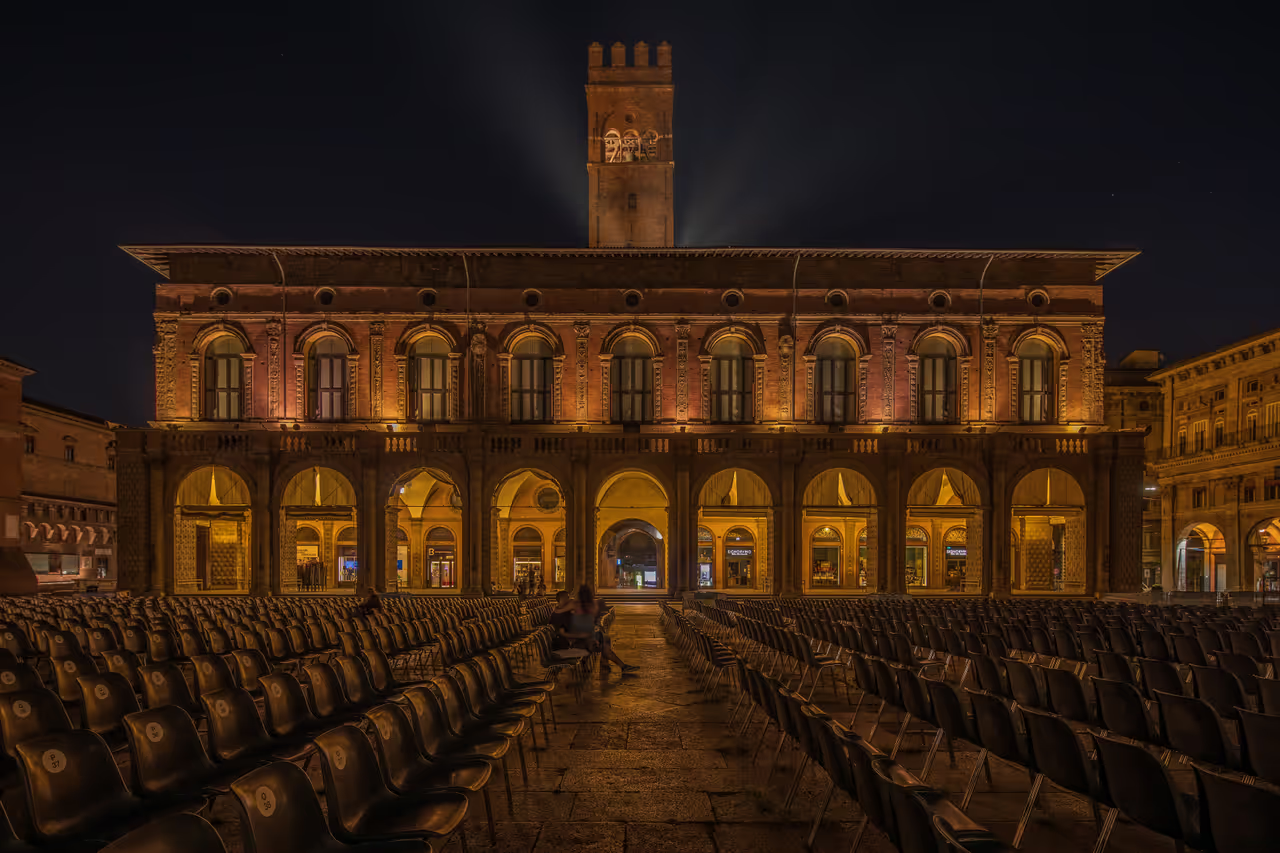
3 Days in Bologna: Porticoes, Piazzas and Panoramas Itinerary
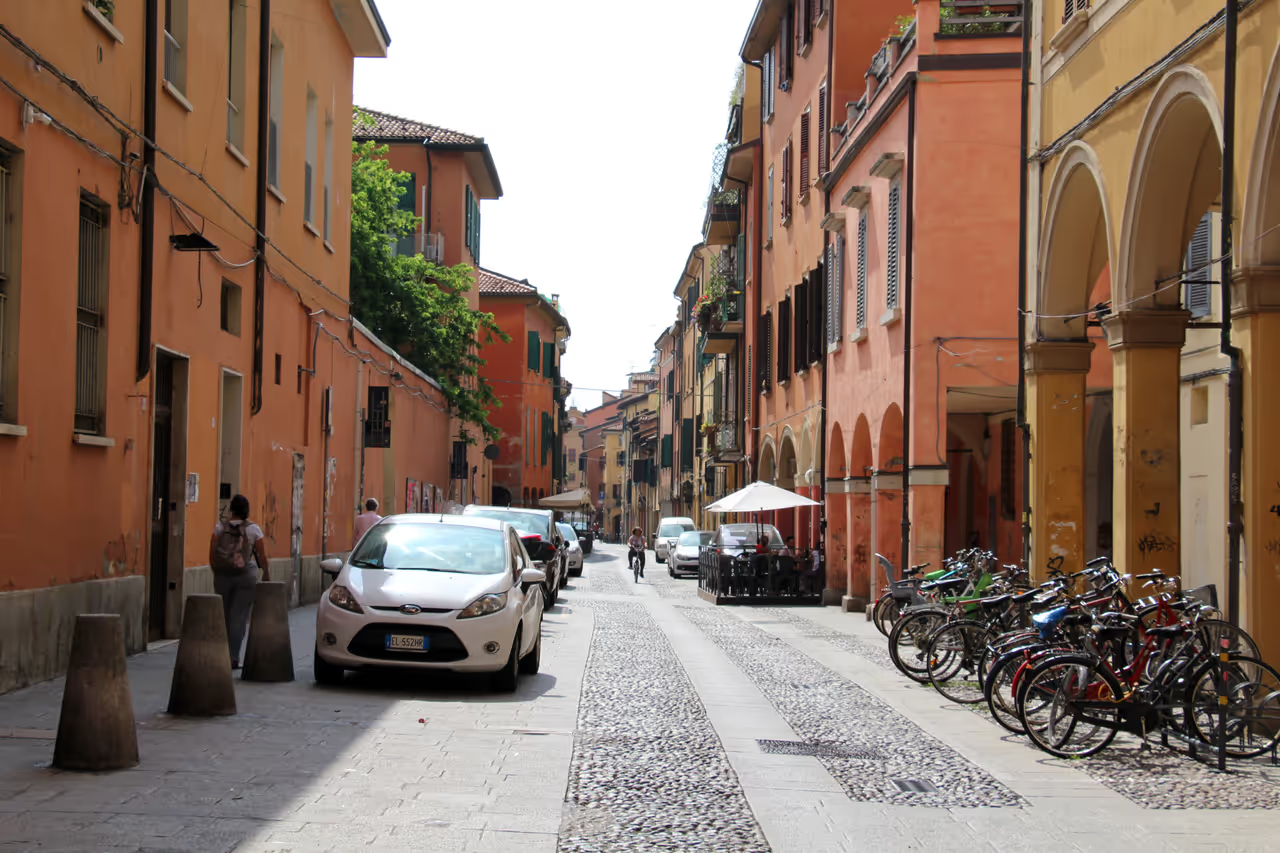
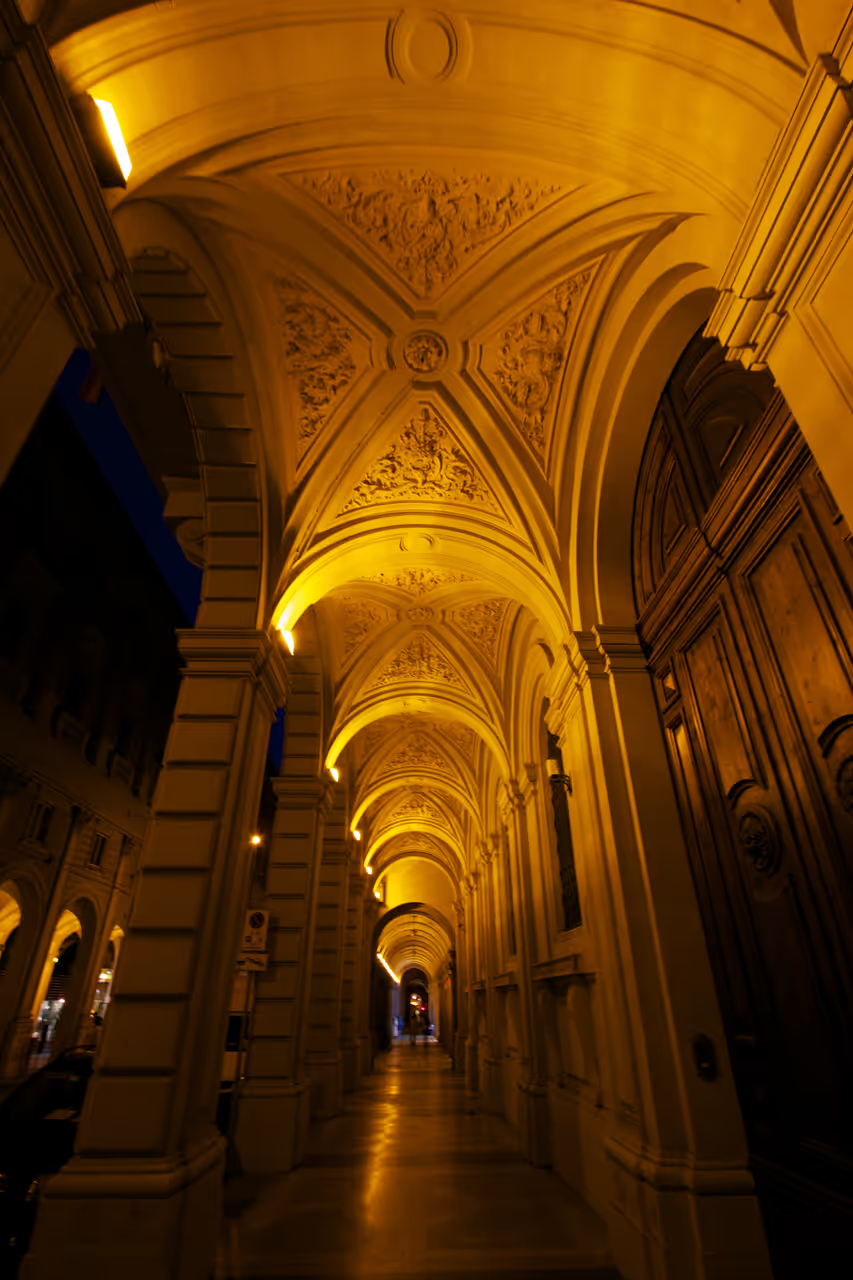
Three days allows for a wonderfully balanced exploration of the city's diverse character. You will have time to thoroughly explore the university's academic legacy, tackle the famous portico walk to the hilltop sanctuary, and indulge in extended food and wine sessions. It mixes the essential historic sights with highly authentic local experiences and lively nightlife. This itinerary perfectly captures the city's blend of intellectual history and joyous culinary indulgence without rushing.
view itinerary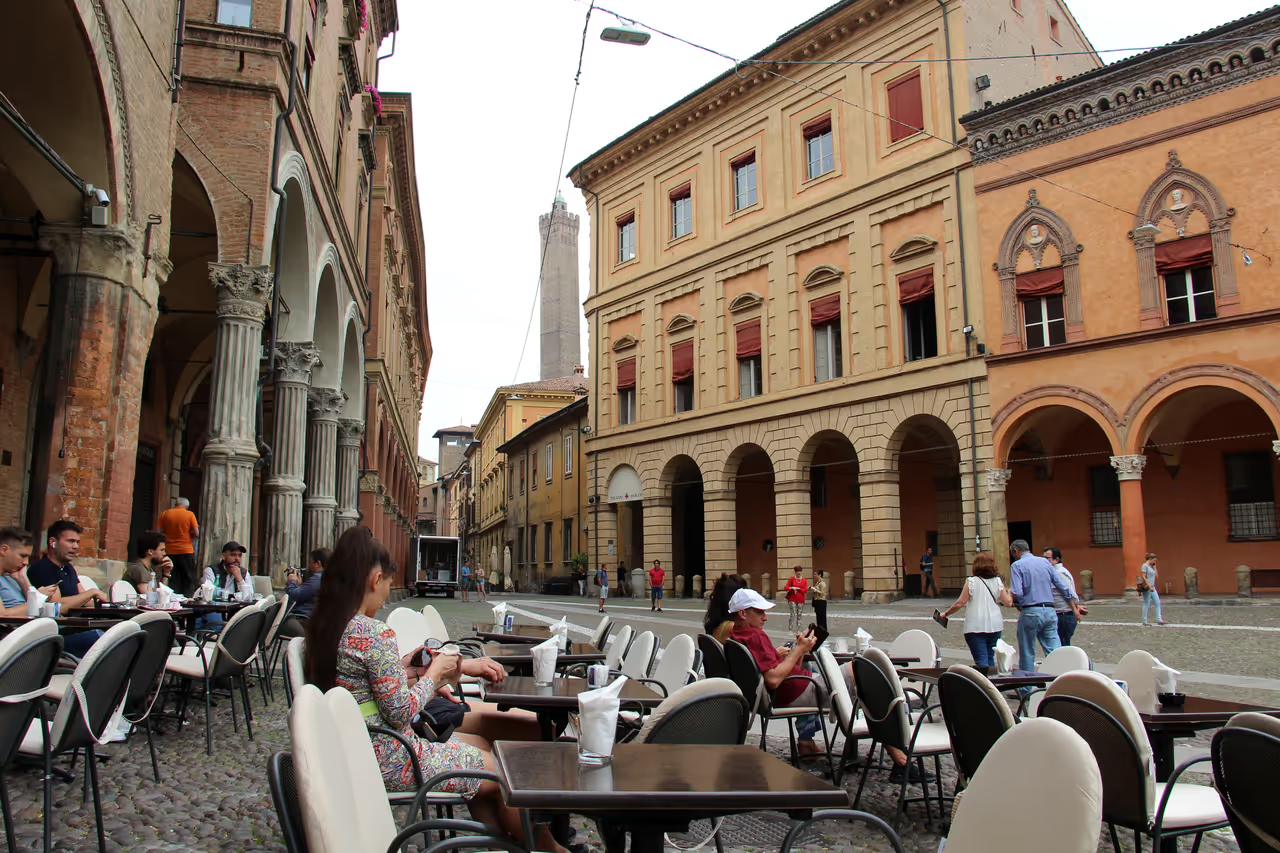
5 Days in Bologna: The Complete Emilian Experience Itinerary
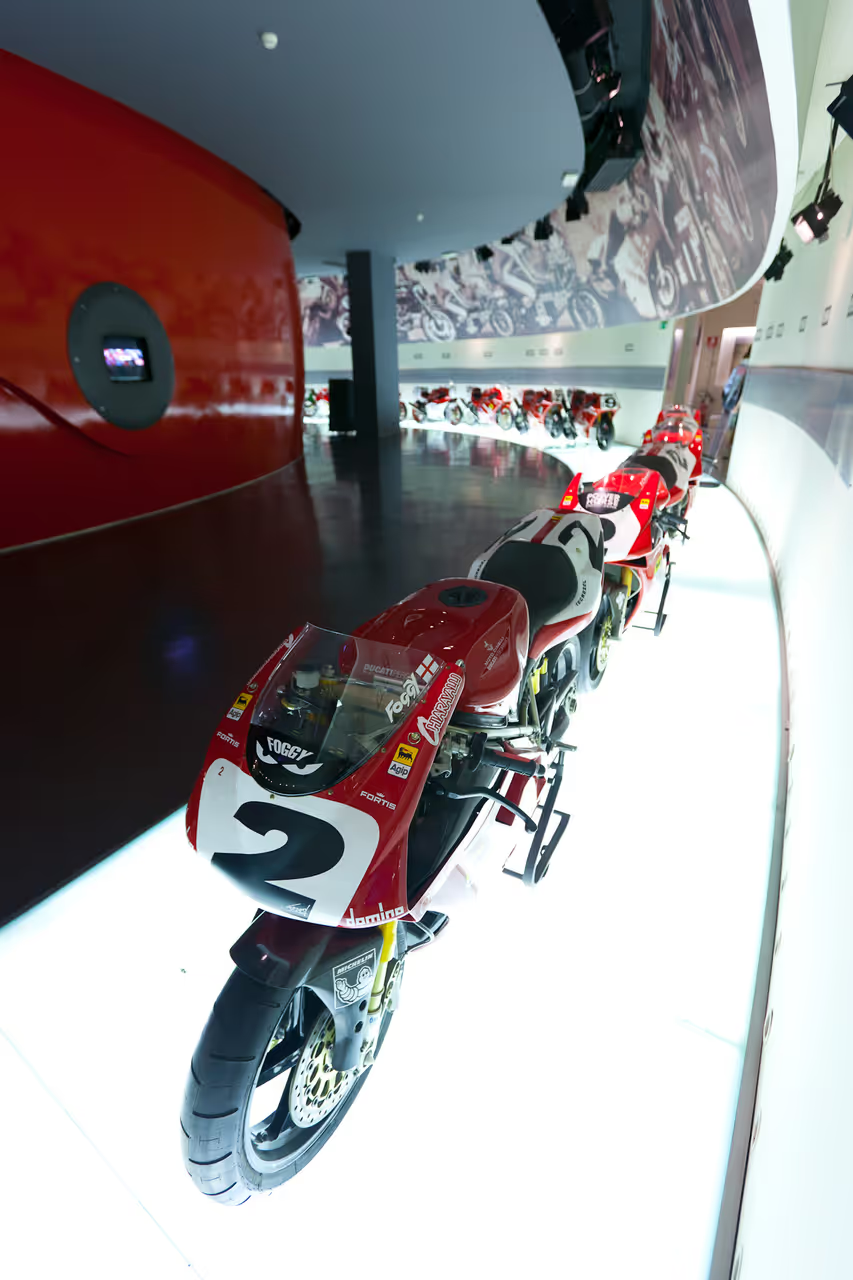
A five day stay transforms a simple visit into a deep immersion into the local lifestyle and regional heritage. You will have ample time to uncover hidden historical gems, explore the surrounding Motor Valley, and enjoy relaxed, extensive gastronomic tours. It allows you to step off the main tourist trails and spend time in tranquil parks and vibrant alternative neighbourhoods. This is the ultimate itinerary for those who want to truly understand and savour everything this remarkable city has to offer.
view itinerary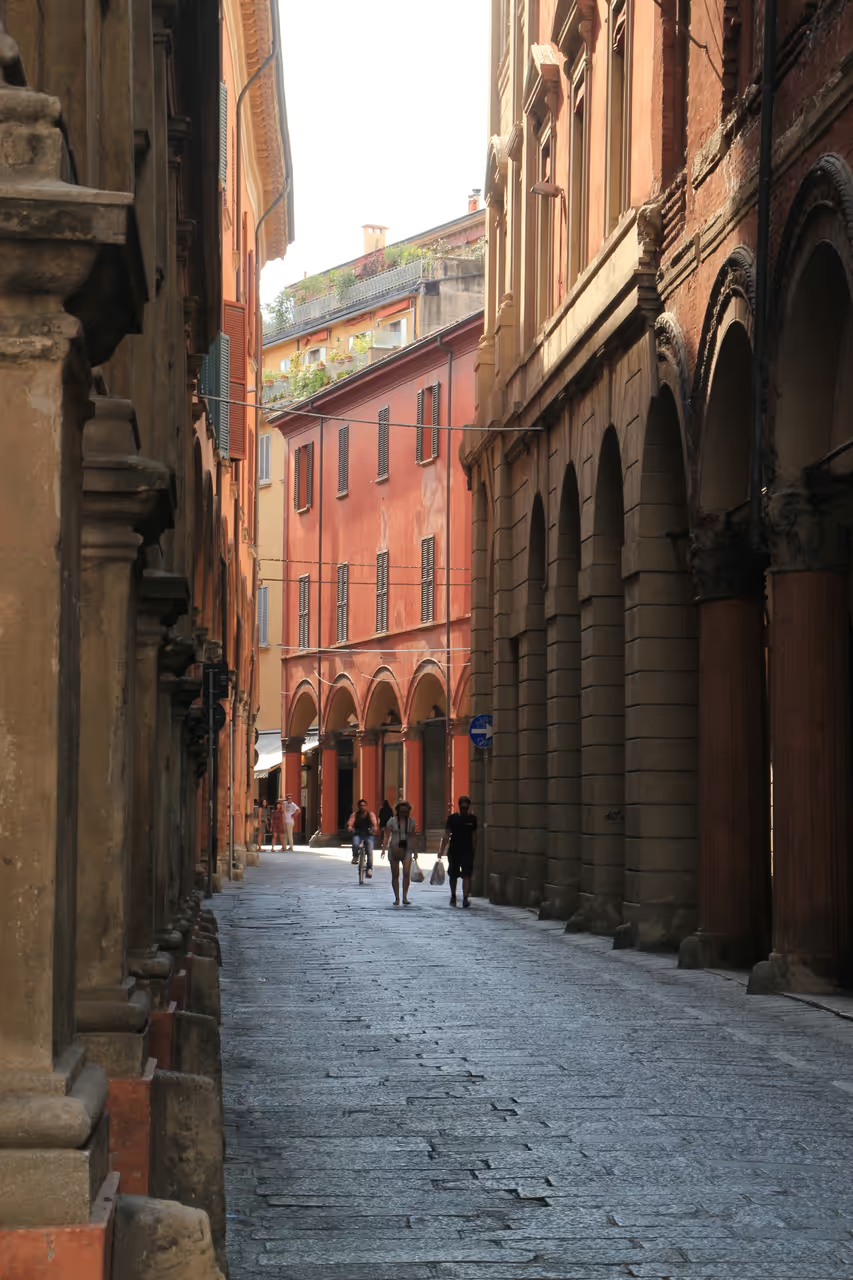
Alma Mater University Walk
Explore the profound legacy of the oldest university in the continuous Western world. This tour connects the magnificent historic halls of early academia with the vibrant, gritty streets of the modern student district. You will see where pioneering scientists, brilliant poets, and the first female professors taught and studied. The journey moves from stunningly frescoed ancient libraries to piazzas covered in political graffiti, showing the evolution of student life. It is an inspiring exploration of a city that has championed knowledge and progressive thought for nearly a millennium.
view self-guided tour
See all attractions in Bologna
Basilica of San Petronio, Fountain of Neptune, Palazzo d'Accursio, Piazza Maggiore, Sanctuary of the Madonna of San Luca, Two Towers...