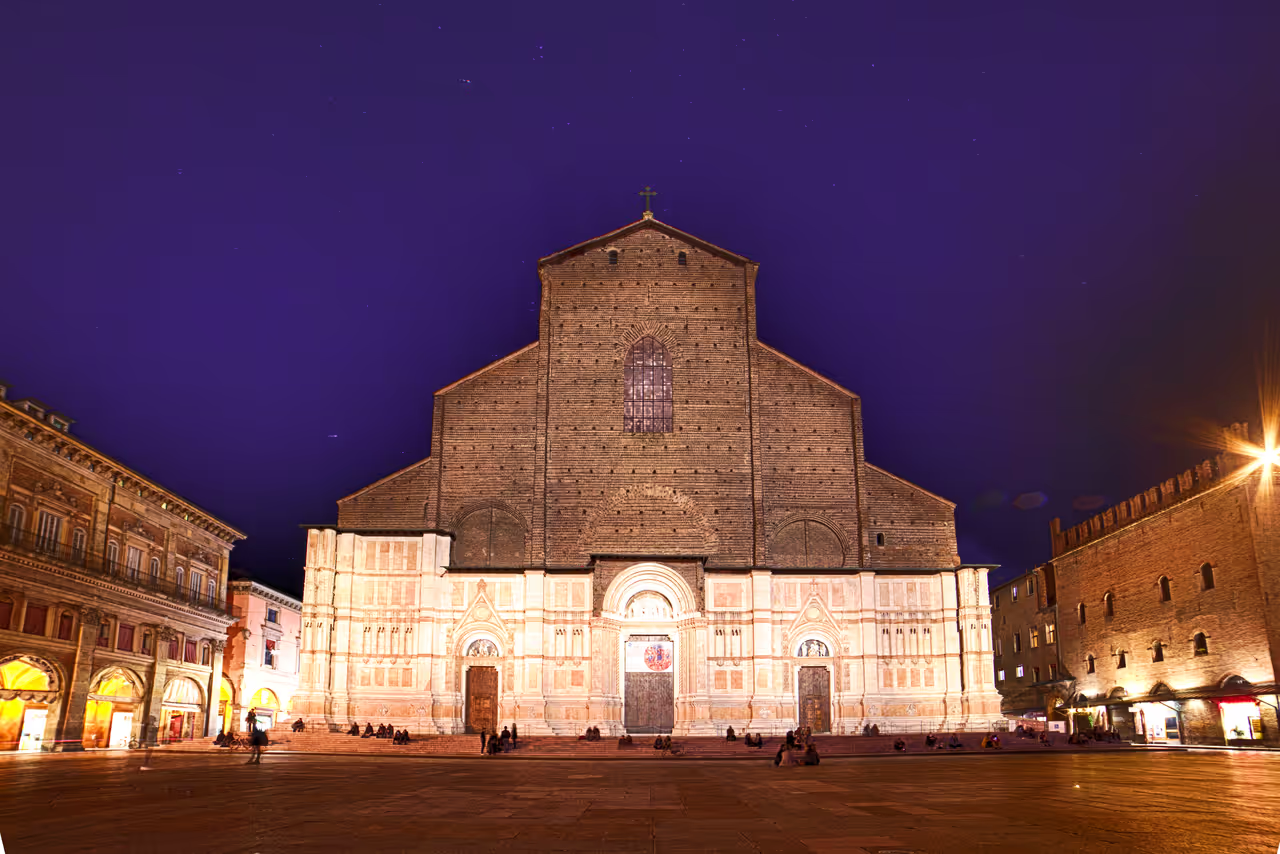
Basilica of San Petronio
Dominating Piazza Maggiore, this pink and white marble giant is more than just a place of worship; it is the beating heart of Bologna’s civic pride. As the largest brick Gothic church on the planet, its sheer scale leaves visitors breathless, yet its unfinished facade tells a story of ambition and papal rivalry. Inside, you will find a treasure trove of art, from Renaissance masterpieces to a world record-breaking solar observatory. The atmosphere is one of serene grandeur, where the light filtering through ancient stained glass illuminates centuries of local history. Exploring its vast interior reveals hidden chapels and the longest sundial in the world, making it an indispensable stop for any traveller. It is a monument that perfectly captures the bold spirit of the Bolognese people and the artistic depth of the city.
Videos
History of Basilica of San Petronio
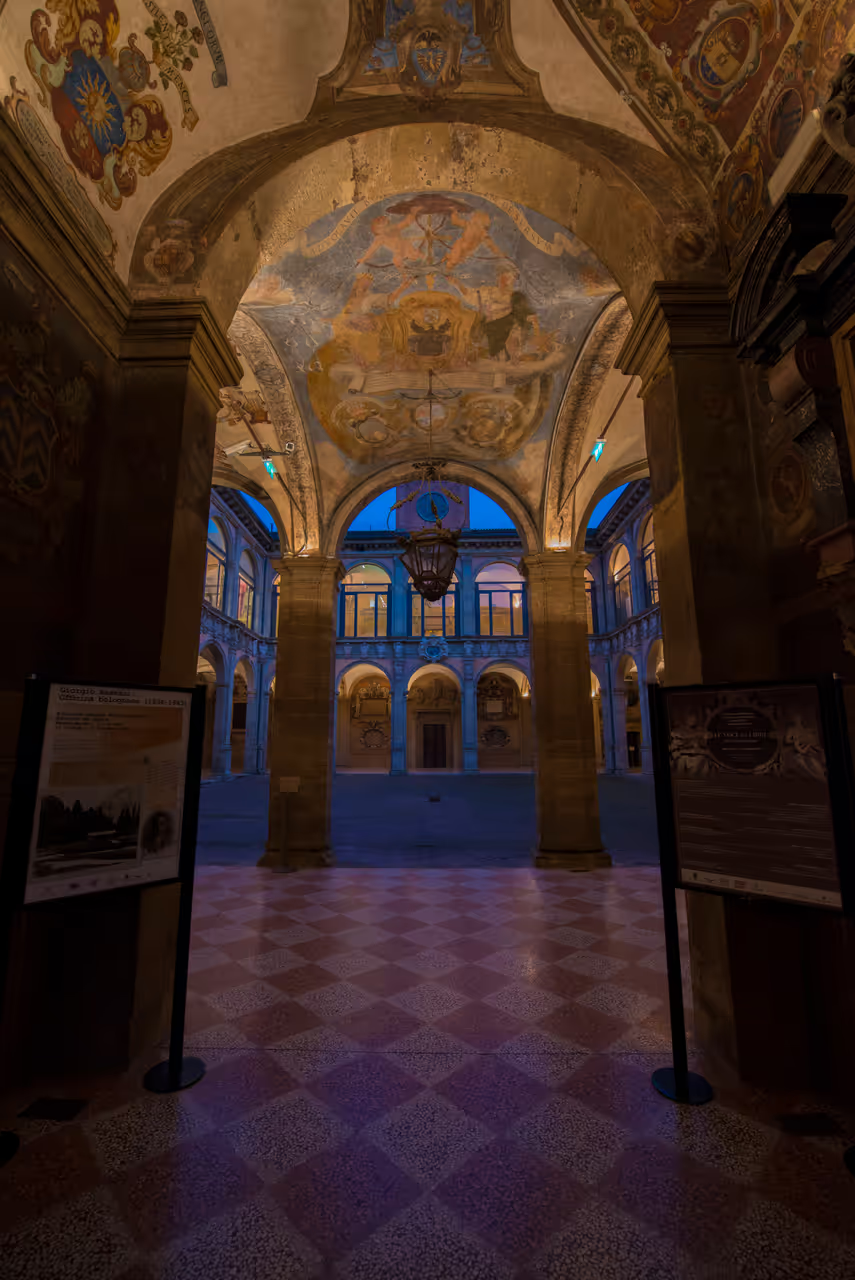
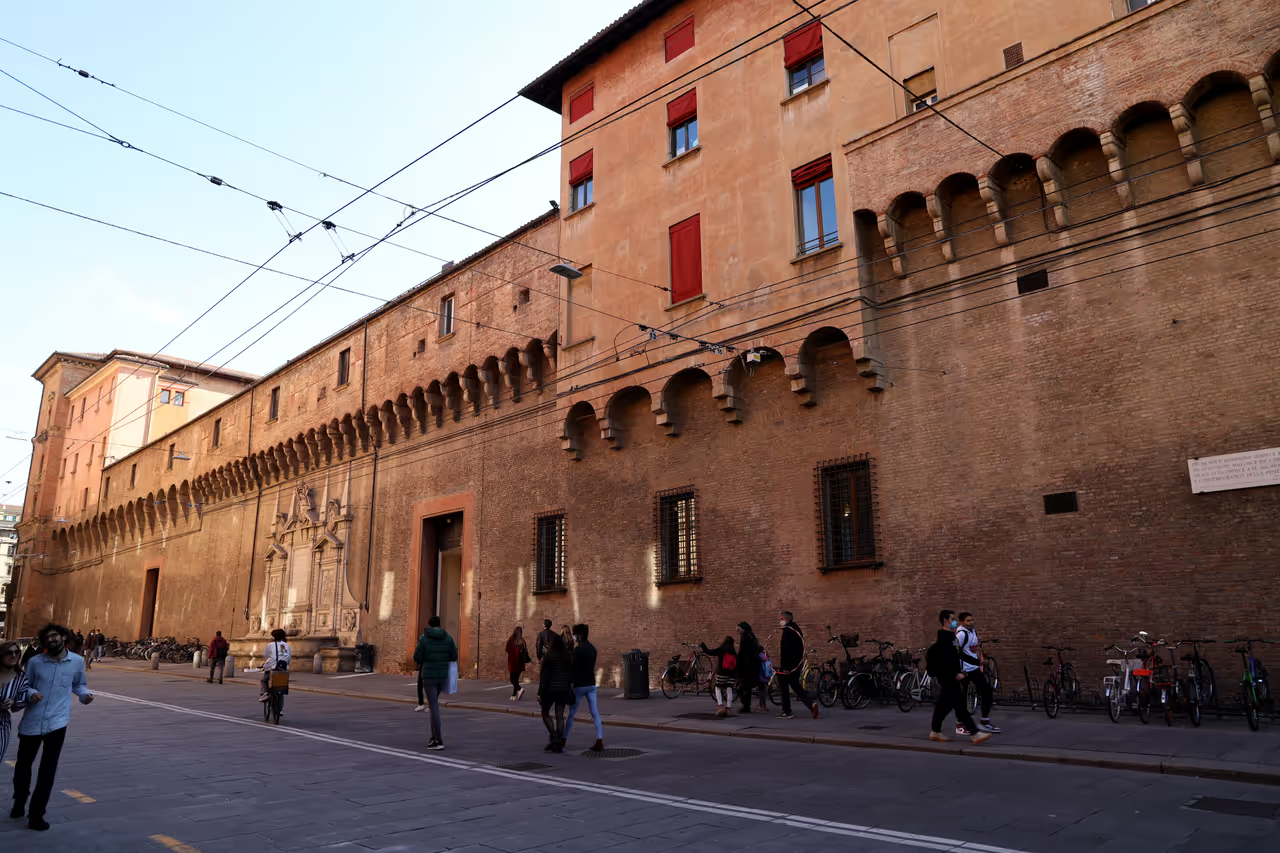
In the late 14th century, the people of Bologna decided to build a monument that would reflect the city's growing power and independence. Unlike most grand European churches, this was not a project of the bishops, but a bold statement of the local commune. Architect Antonio di Vincenzo was tasked with creating a temple so vast it would rival the greatest cathedrals of Florence and Milan. The first stone was laid in 1390, marking the beginning of a long journey that would see the building become a symbol of Bologna's defiance against external control. The original plans for the basilica were so ambitious they threatened to dwarf even Saint Peter’s in Rome. This did not sit well with the Papacy. In a calculated move to halt the expansion, Pope Pius IV ordered the construction of the Archiginnasio university building right next to the church site, effectively blocking the planned transept. This intervention left the basilica permanently unfinished, resulting in the distinctive half clad facade that has become an iconic part of the city skyline. Despite this sabotage, the interior remains a masterpiece of Italian Gothic architecture, filled with light and a sense of infinite space. Beyond its architectural drama, the basilica has witnessed some of history's most pivotal moments, including the imperial coronation of Charles V. It also serves as a sanctuary for science, housing the extraordinary solar observatory created by astronomer Giovanni Domenico Cassini in 1655. Today, it remains a living part of the community, holding the relics of the city’s patron saint, Petronius. Visitors are drawn not only by its religious significance but by the layers of political intrigue, scientific discovery, and artistic brilliance that define its character.
8 Events spanning 564 years
Fun Facts
- • A 1:1 scale plaster cast of the basilica's Porta Magna was made in 1886 and is now a highlight of the Victoria and Albert Museum in London.
- • Cassini’s meridian line inside the church is the longest sundial in the world, measuring exactly 66.8 metres.
- • It is officially the largest brick Gothic church in the world and the fifth largest church in Europe.
- • It was not built by the Church but by the free commune of Bologna as a symbol of municipal power.
- • Jacopo della Quercia’s sculptures on the main portal were so influential that Michelangelo studied them before painting the Sistine Chapel.
- • The 15th century frescoes by Giovanni da Modena in the Bolognini Chapel include a controversial depiction of the afterlife.
- • The basilica contains two of the oldest functioning pipe organs in Italy, dating back to 1471 and 1596.
- • The bronze fragments of Michelangelo's destroyed statue were recycled into a cannon affectionately named 'Giulia' by the Duke of Ferrara.
- • The church interior features 22 different chapels, each owned by various noble families of Bologna throughout history.
- • The original plans intended for the basilica to be even larger than Saint Peter's Basilica in Vatican City.
- • The relics of Saint Petronius were kept in the nearby Santo Stefano complex for centuries before being moved here in 2000.
- • The unfinished facade shows a stark contrast between the intricate marble base and the raw exposed brick above.
RESOURCES
Official WebsiteBasilica of San Petronio FAQ
While we strive to keep this information accurate and up to date, we recommend verifying any details independently before making decisions based on them.
Basilica of San Petronio Map & Neighborhood Explorer
This interactive map is centered on Basilica of San Petronio. Zoom in and move the map around to automatically discover Wikipedia photos and summaries of other nearby sights, monuments, and historical points of interest and stories in real-time!
Places near Basilica of San Petronio
Make the most of your trip. Check out these top-rated spots located nearby.
 11m
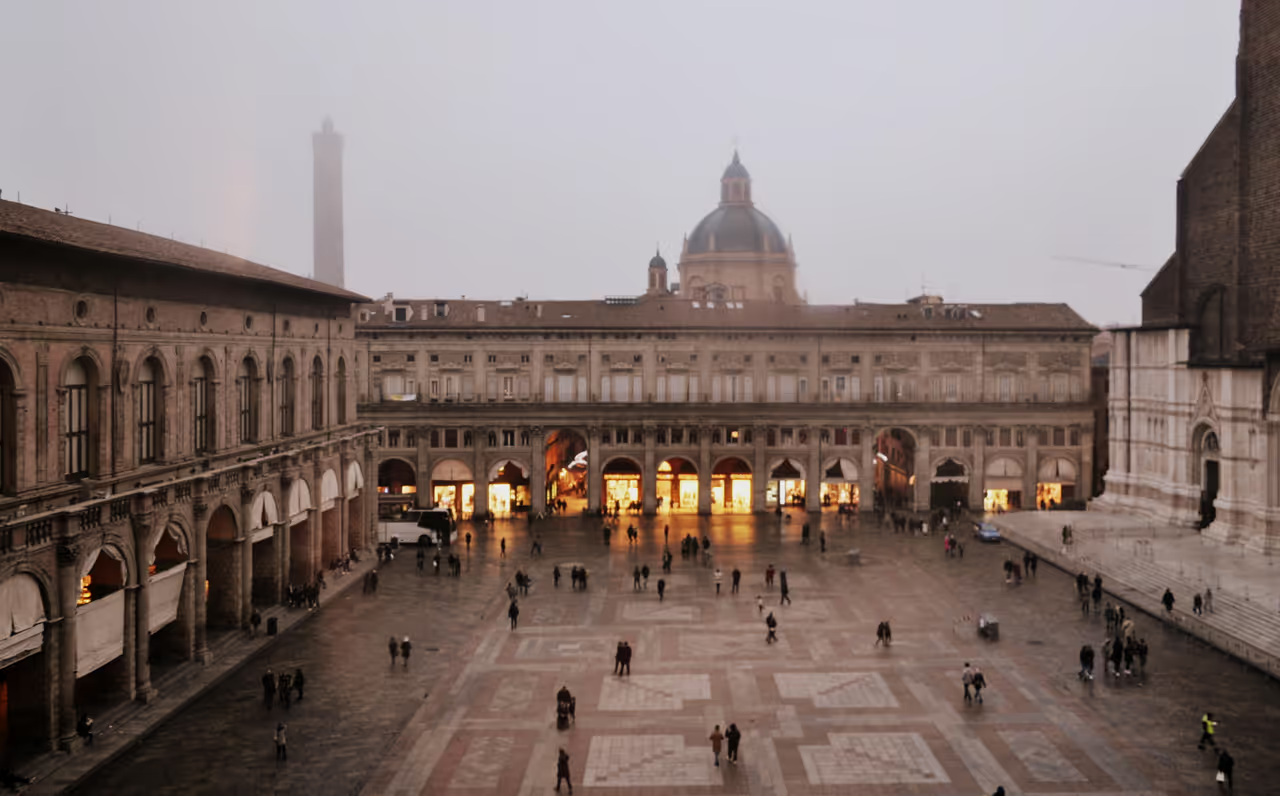
11mPalace of the Banks
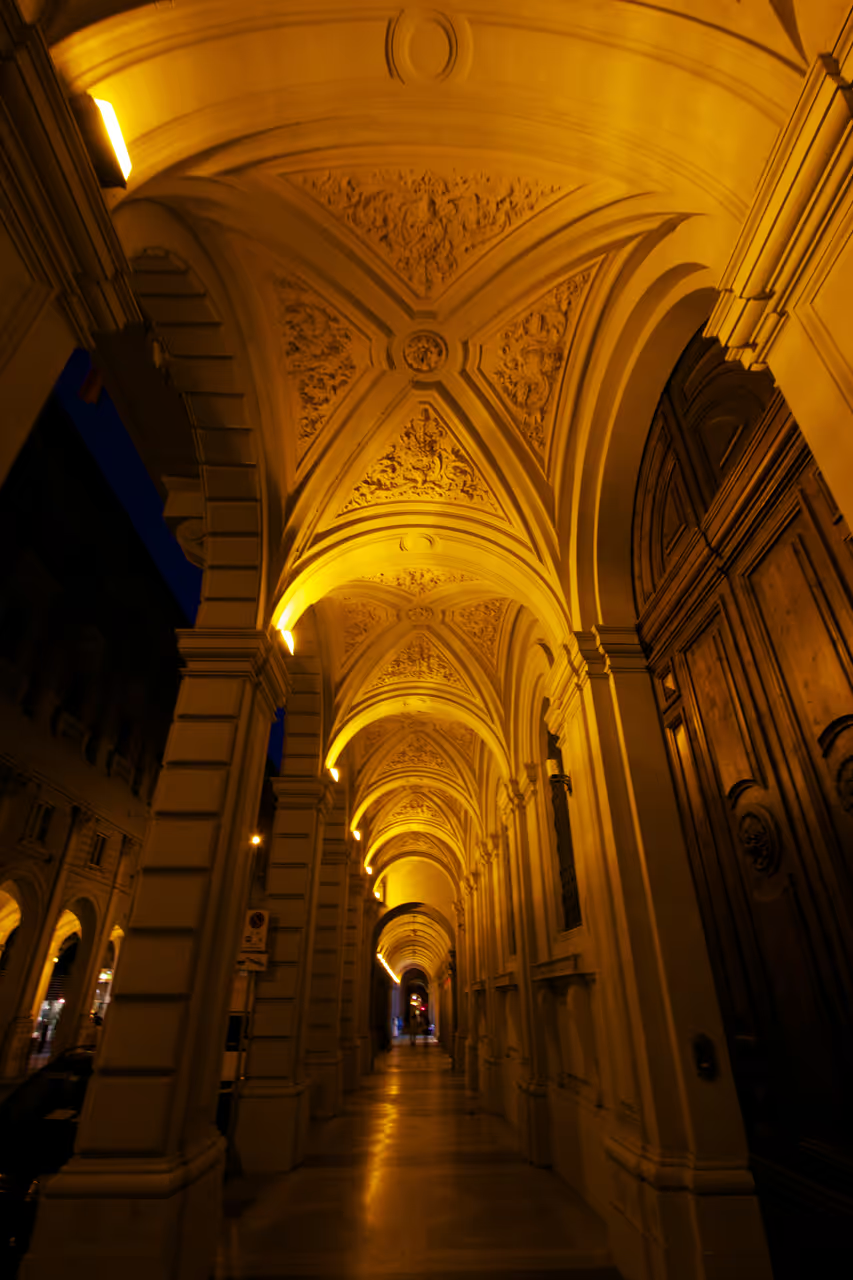
This structure is essentially a magnificent, scenic facade rather than a traditional building, designed by the famous architect Vignola in the sixteenth century. Its primary purpose was to elegantly mask the chaotic, narrow streets of the bustling market that lay directly behind it. The long, continuous portico is perfectly symmetrical, creating a harmonious and theatrical backdrop for the main square. It perfectly illustrates the Renaissance desire for urban order and visual beauty. Walking through its arches seamlessly transitions you from grand civic space to lively market alleys.
architecture view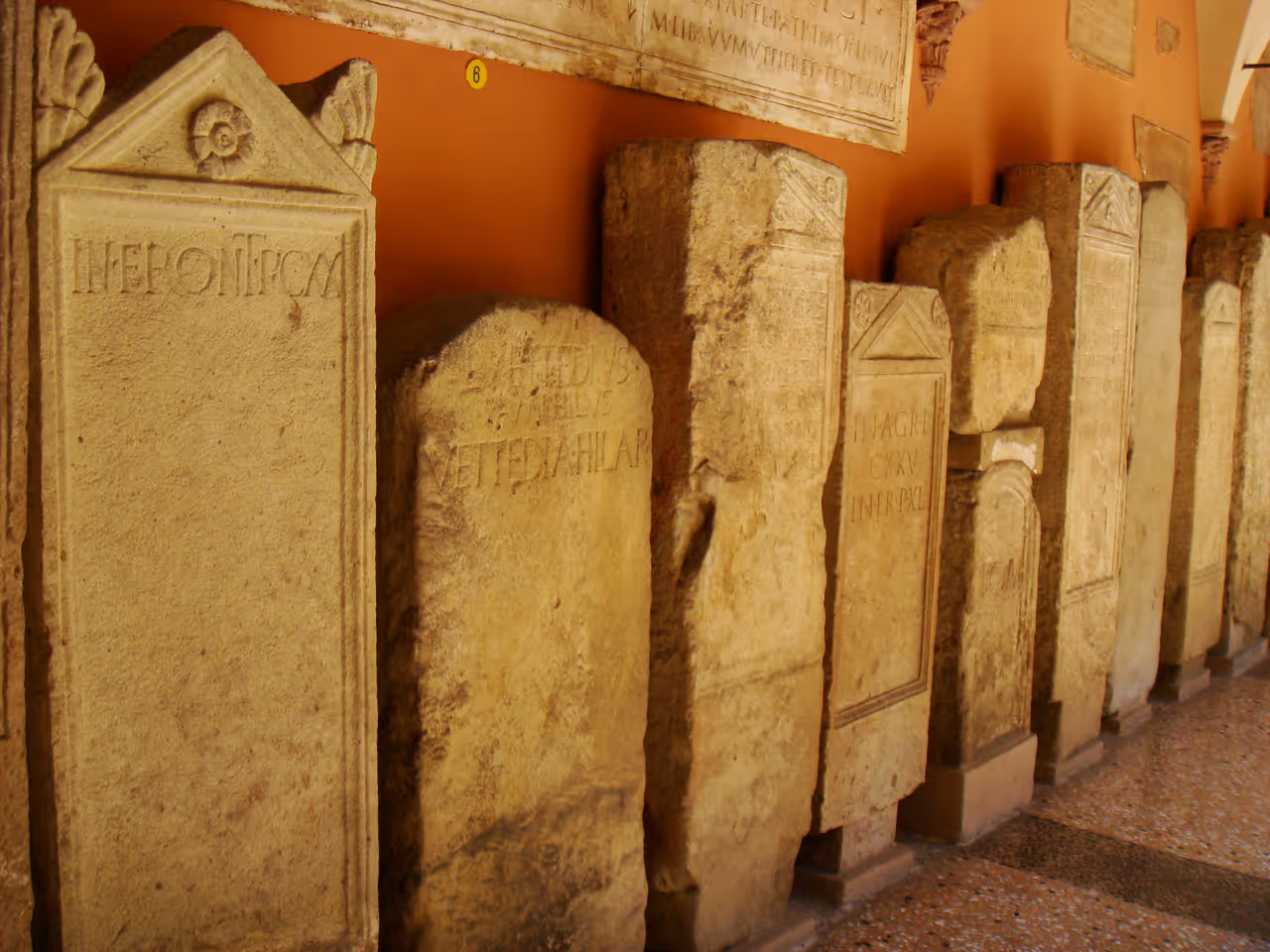 41m
41mCivic Archaeological Museum
Located right off Piazza Maggiore in a former hospital building, this museum holds an astoundingly rich collection of ancient artefacts. It is highly regarded for its Egyptian collection, which includes remarkably well preserved mummies and intricate sarcophagi. Furthermore, it boasts an exceptional array of items from the Etruscan and Roman periods, providing deep insights into the region's ancient origins. Do not miss the famous bronze Certosa jar, which dates back over fifteen hundred years. It is a massive, comprehensive museum that history lovers can easily lose themselves in for hours.
highlight view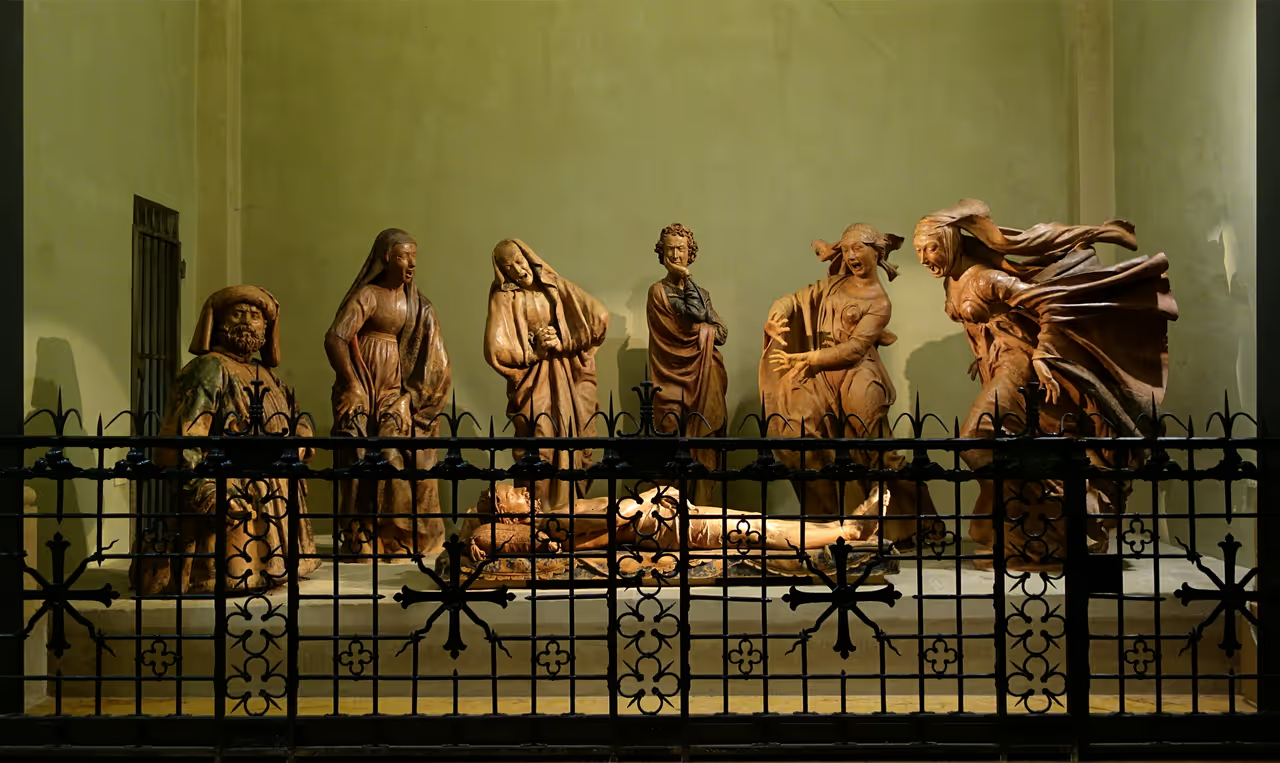 78m
78mLamentation over the Dead Christ
Hidden inside the Sanctuary of Santa Maria della Vita is a Renaissance sculptural masterpiece that will stop you in your tracks. Created by Niccolo dell'Arca in the late fifteenth century, this life sized terracotta group depicts figures mourning over the body of Christ. What makes it truly extraordinary is the shocking, raw emotional intensity captured in the faces and fiercely billowing clothes of the weeping women. It is a display of grief so powerful and dynamic that it feels startlingly modern. It is an often overlooked treasure that provides a deeply moving artistic experience.
hidden gem view- 79m
Tavern of the Sun
Operating continuously since the year 1465, this is arguably the oldest pub in the entire city. It is famously hidden down a tiny alley in the market district, identifiable only by a small, unassuming sign. What makes it truly special is its strict bring your own food policy; they only sell wine and beer. Locals flock to the nearby market stalls to buy fresh mortadella, cheese, and bread, then crowd into the tavern's wooden benches to eat, drink, and socialise. It is loud, incredibly convivial, and offers an absolutely unparalleled, authentic local experience.
hidden gem view
Explore Similar Places in This Collection
Featured on These Itineraries
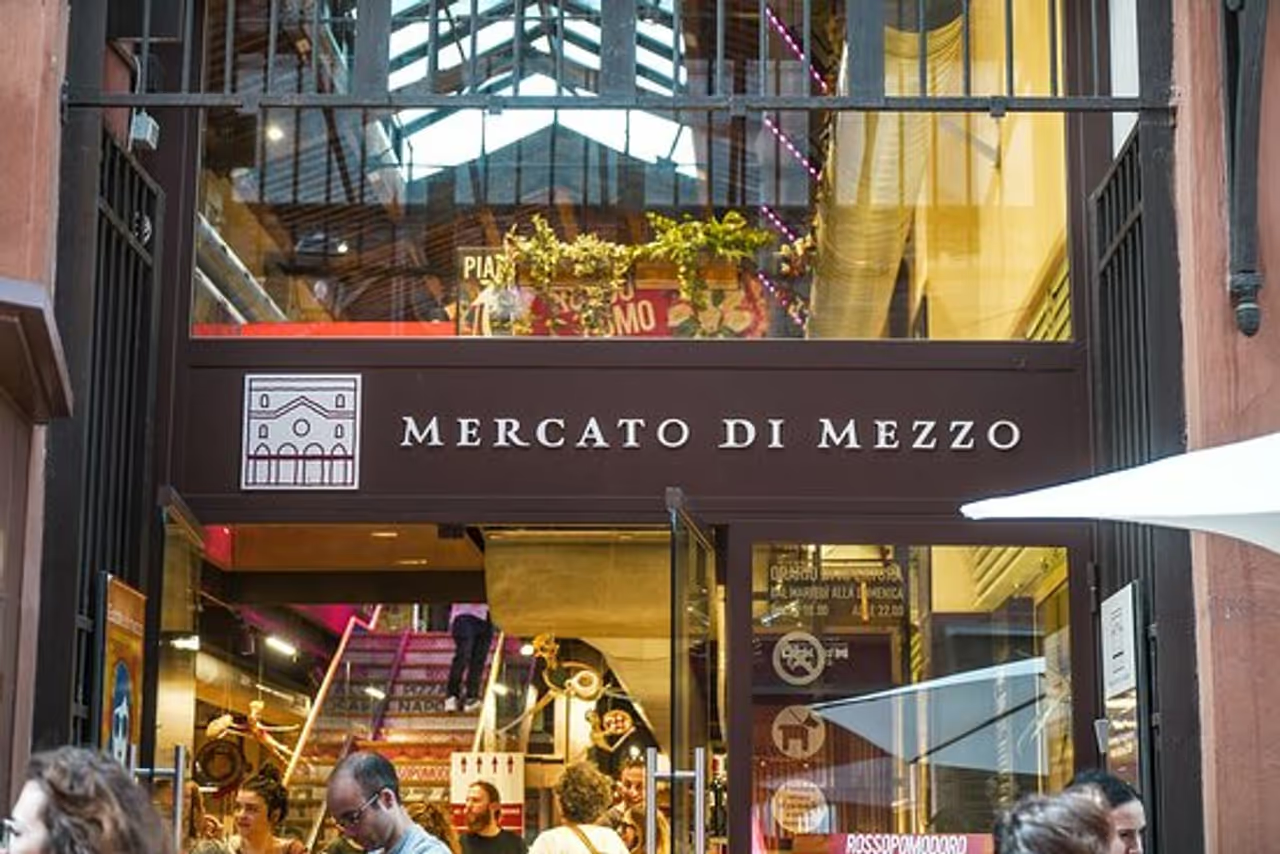
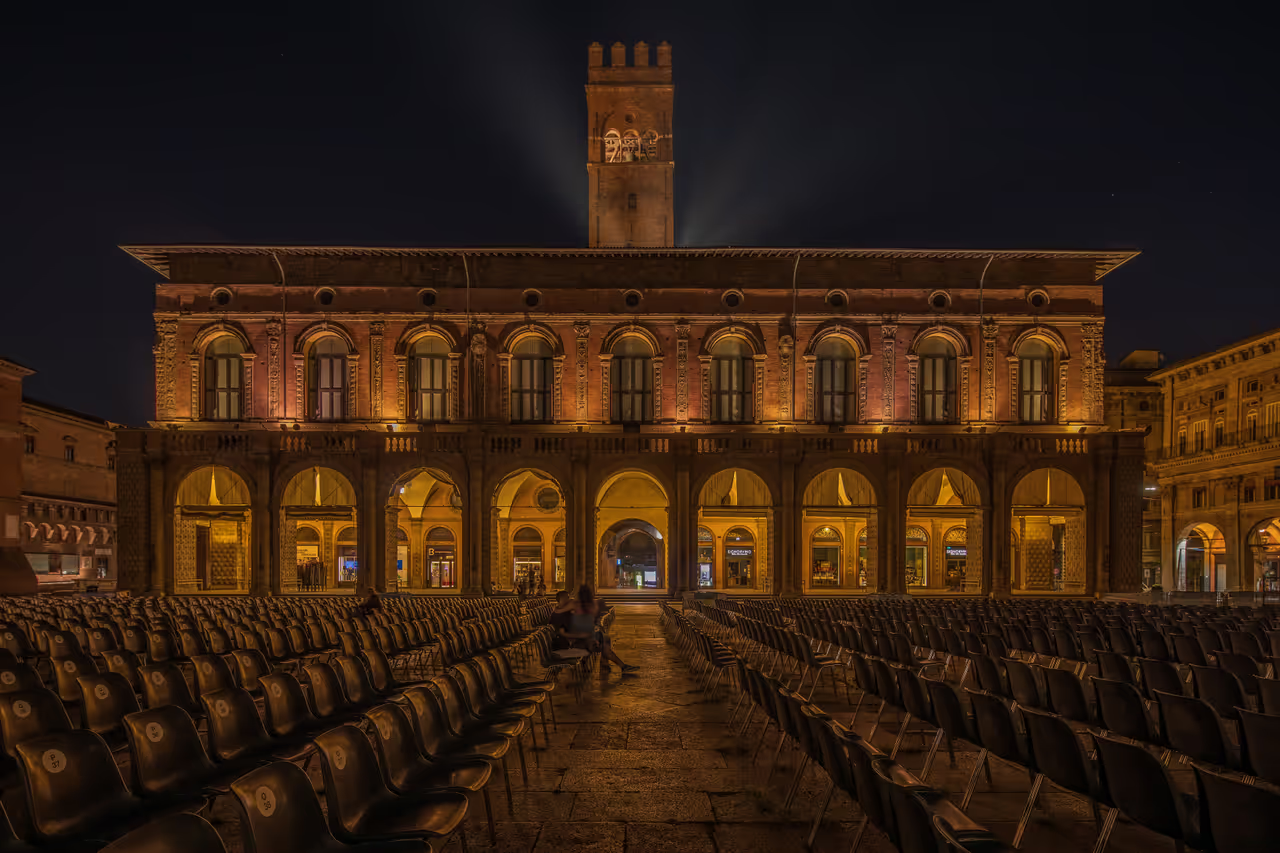
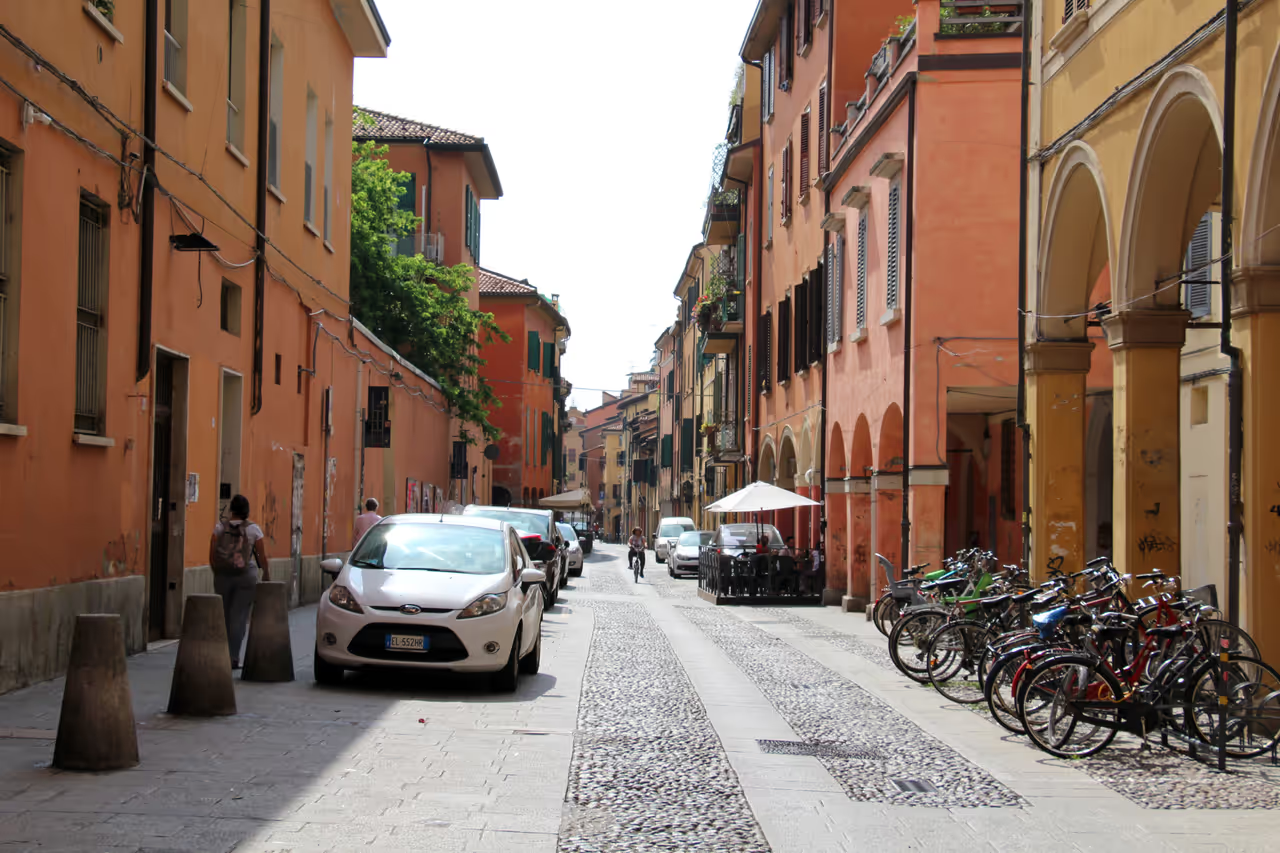
1 Day in Bologna: The Culinary and Historic Core Itinerary
If you only have a single day, this fast paced itinerary hits the absolute essential highlights of the historic centre. You will experience the monumental civic squares, gaze up at the iconic leaning towers, and dive headfirst into the city's famous culinary scene. It is designed to maximize your time, keeping walking distances short while delivering a huge dose of atmosphere. By the time evening falls, you will have a perfect taste of what makes this city so special.
view itinerary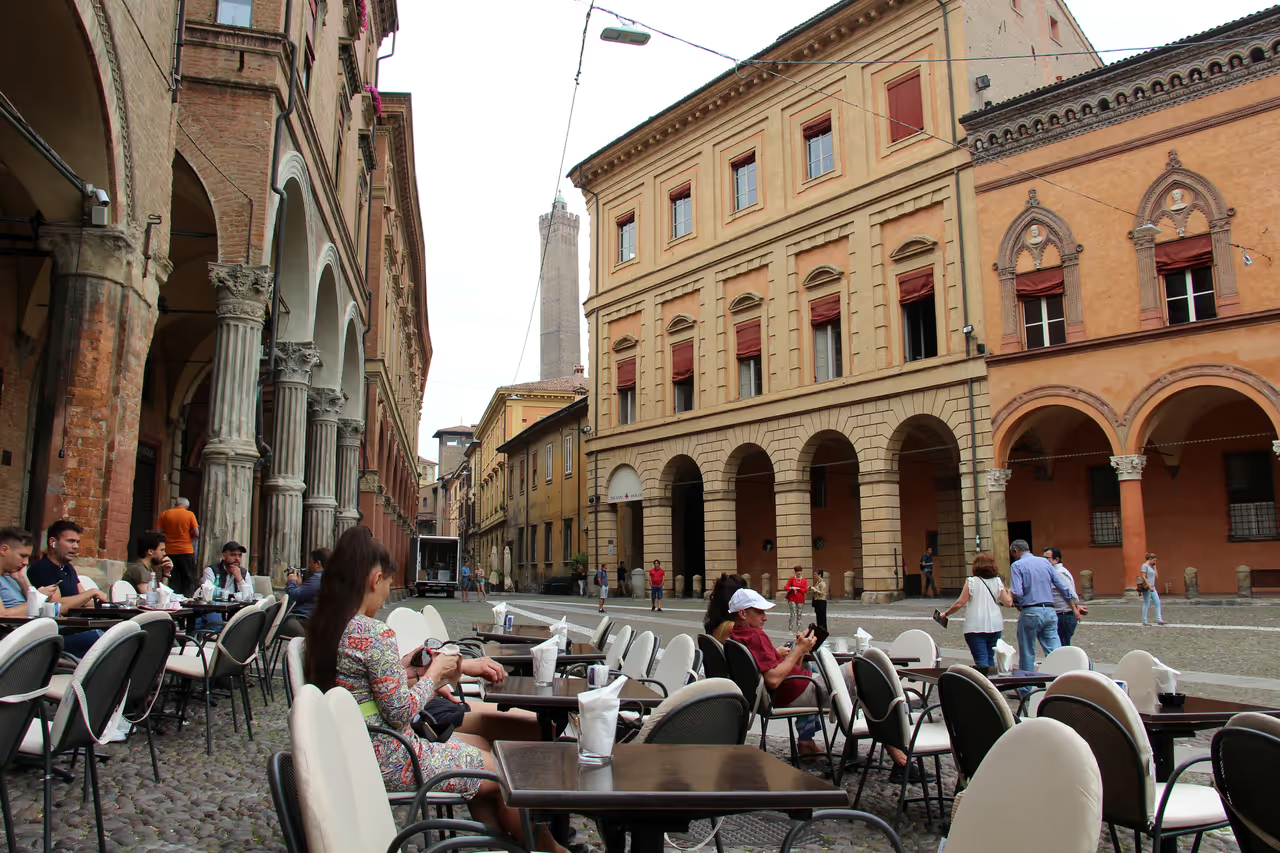
5 Days in Bologna: The Complete Emilian Experience Itinerary
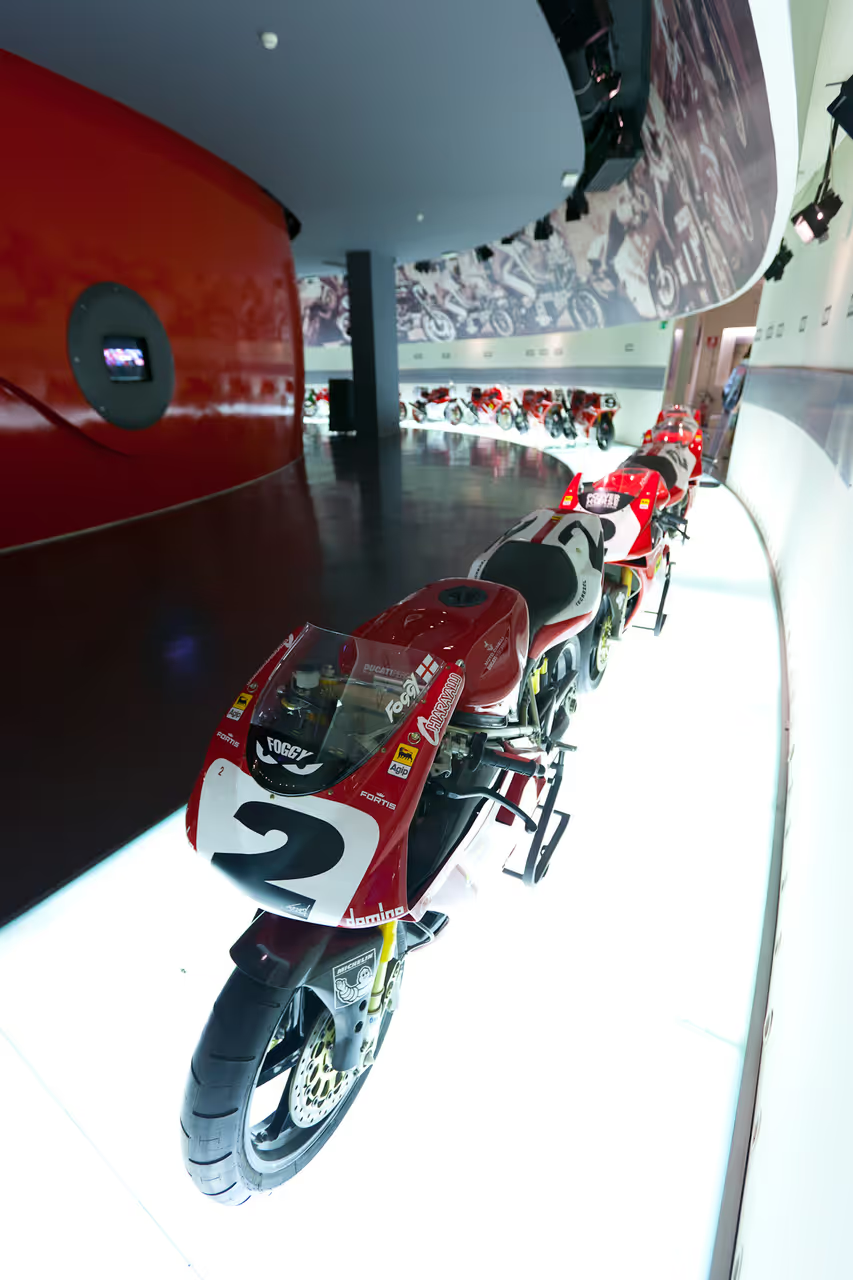
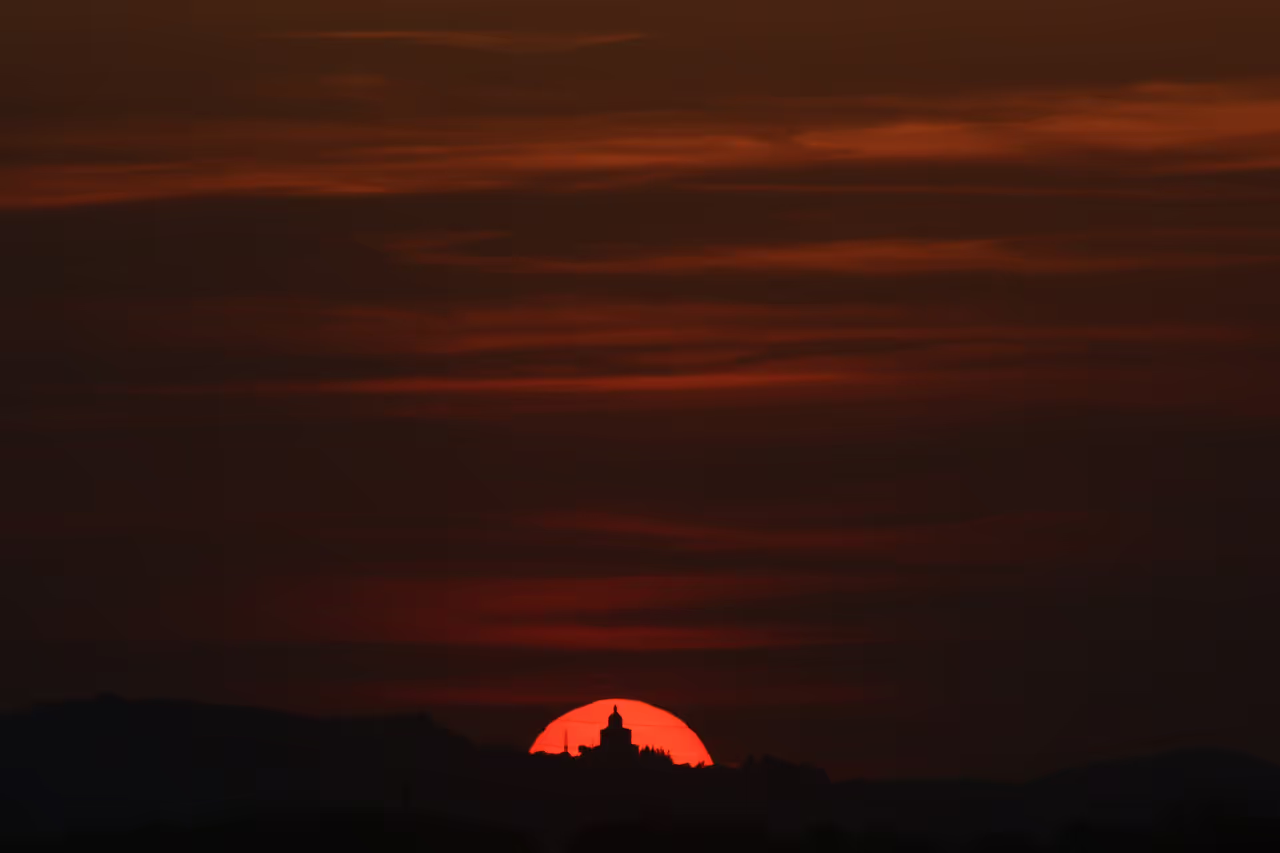
A five day stay transforms a simple visit into a deep immersion into the local lifestyle and regional heritage. You will have ample time to uncover hidden historical gems, explore the surrounding Motor Valley, and enjoy relaxed, extensive gastronomic tours. It allows you to step off the main tourist trails and spend time in tranquil parks and vibrant alternative neighbourhoods. This is the ultimate itinerary for those who want to truly understand and savour everything this remarkable city has to offer.
view itinerary
See all attractions in Bologna
Archiginnasio of Bologna, Fountain of Neptune, Palazzo d'Accursio, Piazza Maggiore, Sanctuary of the Madonna of San Luca, Two Towers...