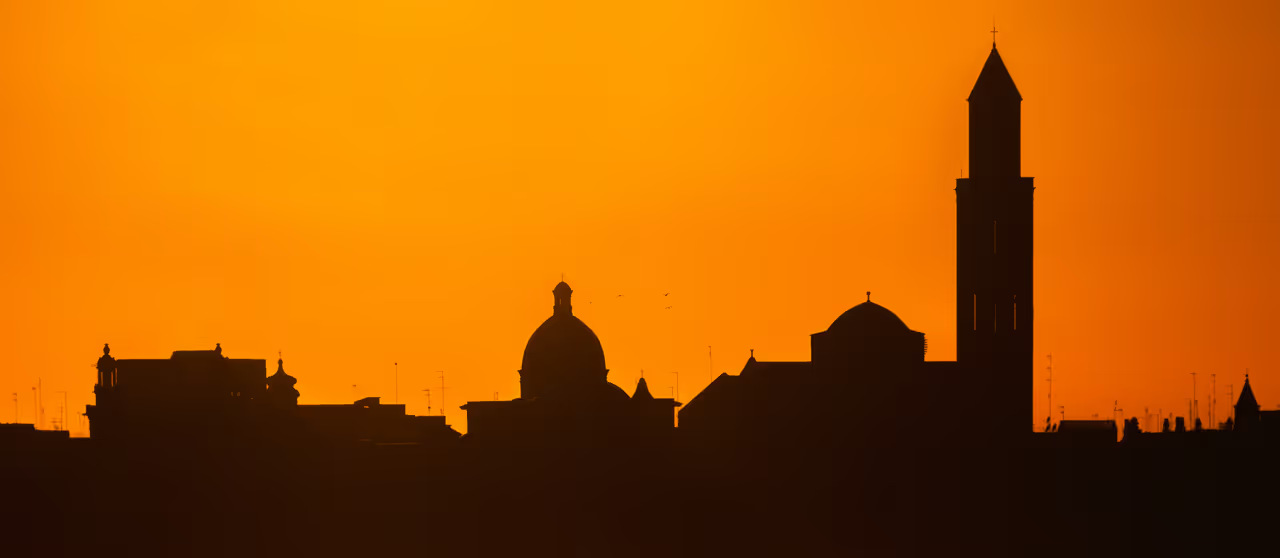
Basilica of Saint Nicholas
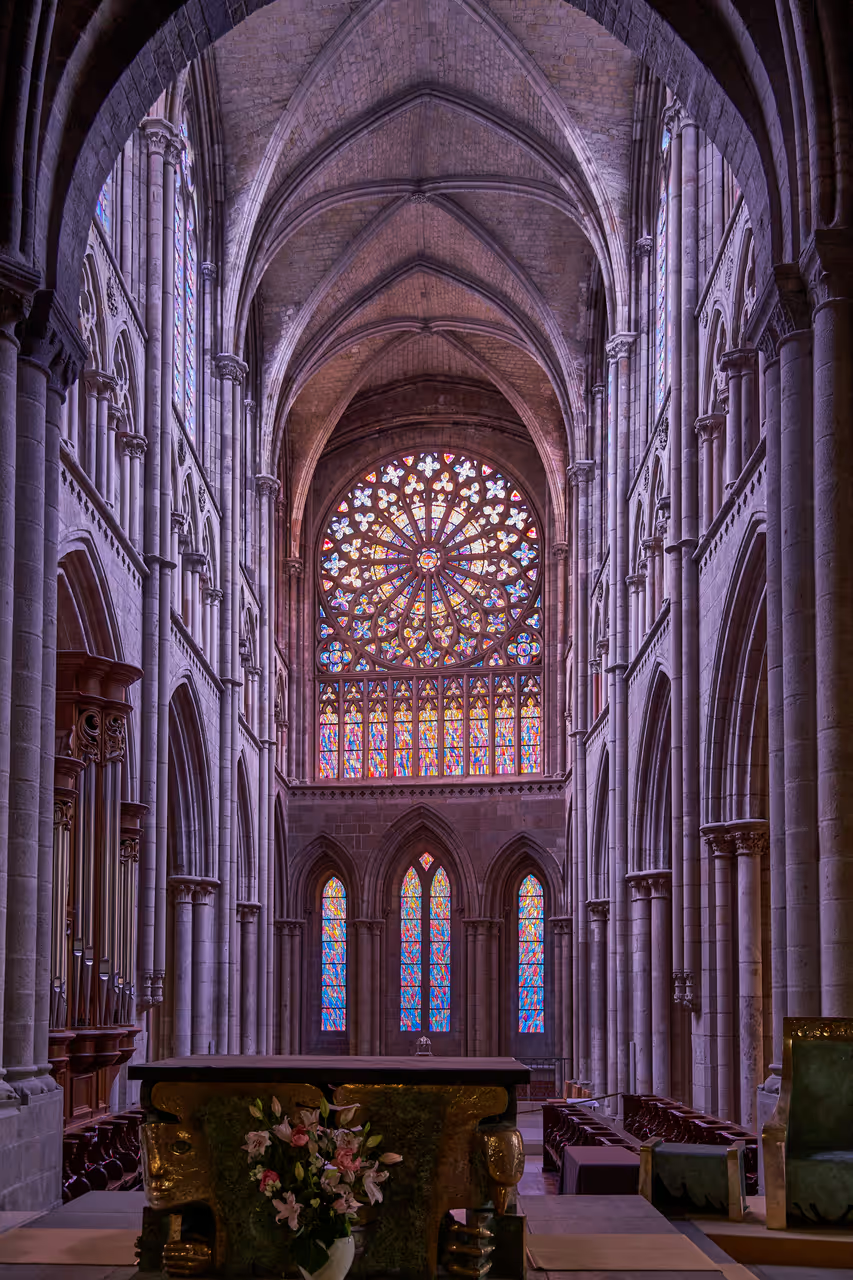
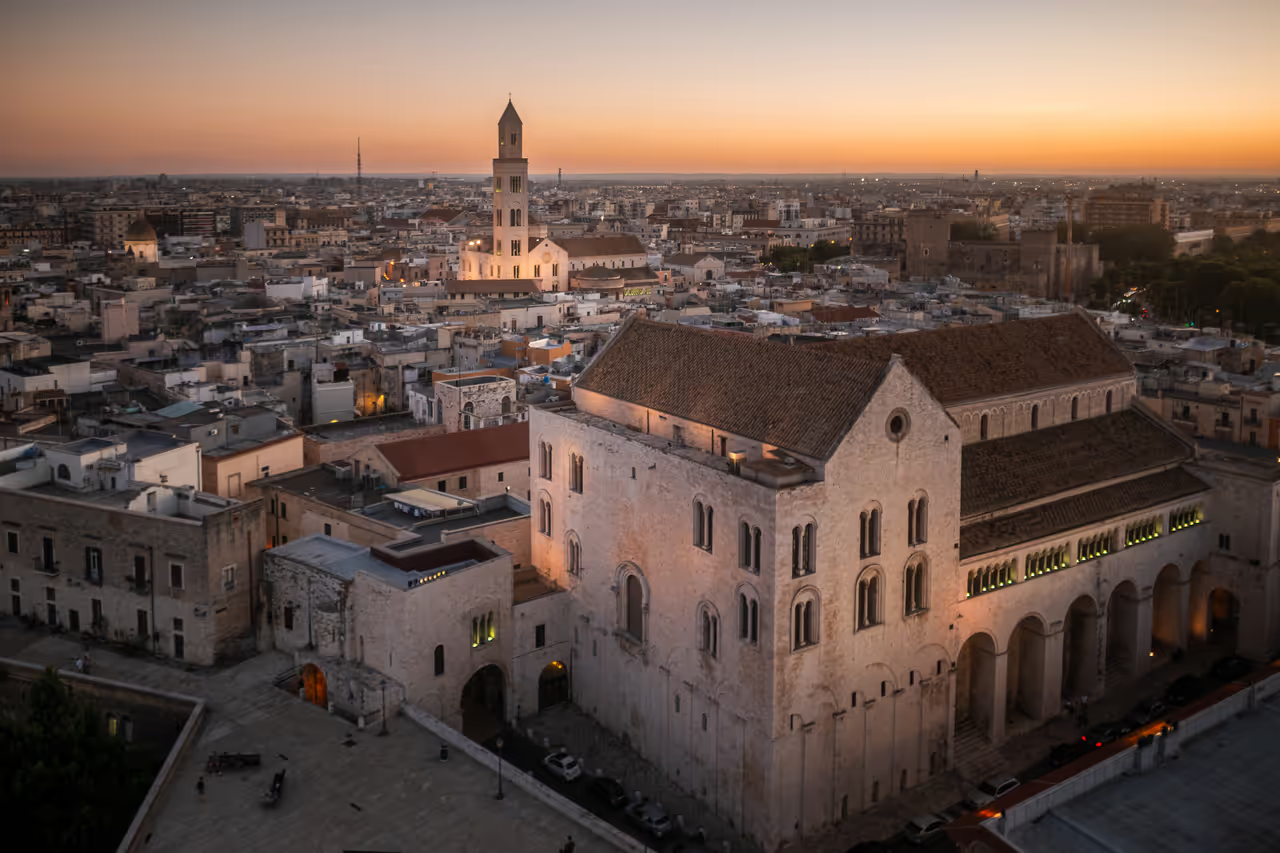
Tucked away in the historic labyrinth of Bari Vecchia, the Basilica of Saint Nicholas is the city's beating heart. This masterpiece of Apulian Romanesque architecture guards the relics of Saint Nicholas, a figure whose legacy draws pilgrims from across the globe, particularly bridging the gap between Catholic and Orthodox faiths. Walking through its heavy stone doors, you step into a space where centuries of maritime history, royal patronage, and deep spiritual devotion converge. Whether you are marvelling at the delicate eleventh century ciborium or descending into the solemn crypt to visit the tomb of the saint, the atmosphere is profoundly moving. It is a place that feels ancient, solid, and undeniably significant, inviting you to pause and reflect on the enduring power of faith and art.
Videos
History of Basilica of Saint Nicholas
The story of the Basilica begins with an act of daring adventure that forever changed the city of Bari. In 1087, sixty brave sailors returned from Myra in present day Turkey, carrying the precious remains of Saint Nicholas. This monumental arrival prompted the immediate construction of a grand basilica on the site of a ruined Byzantine palace, transforming Bari into one of the most important pilgrimage sites in Christendom. The project, blessed by Pope Urban II, was completed by 1197, standing as a triumphant symbol of the Normans' power and religious fervour in Southern Italy. Over the centuries, the Basilica evolved alongside the turbulent history of the region. It served as a royal palatine chapel, enjoying a unique status that exempted it from the direct control of local bishops, effectively functioning as a private sanctuary for kings and queens. During the seventeenth and eighteenth centuries, it underwent significant renovations, adopting the elaborate Baroque aesthetics popular at the time. However, a major restoration project in the twentieth century stripped away these later additions, heroically revealing the austere and majestic Romanesque features that define the building today. Today, the Basilica stands as a profound monument to ecumenism. It is a rare space where the Catholic and Orthodox traditions harmoniously coexist, symbolised by the saint's tomb which draws worshippers from all corners of the world. This enduring legacy is preserved by the Dominican Order, who manage the site with a focus on peace and unity between Eastern and Western churches. Visitors walking through these halls are not just looking at old stones, they are walking through a living testament to faith, trade, and the complex historical tapestry that makes Bari such an unforgettable destination.
Events spanning 930 years
Fun Facts
- • For centuries, the Basilica held immense power as a 'church of the kings' meaning it answered directly to the monarch rather than local bishops.
- • The 'Lion Gate' features intricate stone carvings including a battle scene often interpreted as part of the Arthurian legend cycle, showcasing the influence of medieval stories in the region.
- • The Basilica was constructed on the site of a ruined Byzantine palace that was demolished by the local population during an uprising.
- • The Dominican Order has managed the basilica since the mid twentieth century, maintaining its role as a vital site for dialogue between the Catholic and Orthodox traditions.
- • The church features epigraphs with Arabic script, which may be remnants from the period when Bari was under the control of an Emirate.
- • The church once exerted control over the entire town of Rutigliano, highlighting the significant economic and feudal authority it possessed during the middle ages.
- • The ciborium inside is considered the oldest in Puglia, featuring four ancient marble columns that perfectly demonstrate the Romanesque and Byzantine fusion.
- • The crypt houses a 'miraculous column' that is a major magnet for pilgrims and has been the subject of local folklore and mystery for generations.
- • The floor of the crypt contains a beautiful mosaic with distinct oriental patterns, illustrating the wide range of artistic influences present in Bari at the time.
- • The tomb of Queen Bona Sforza is a masterpiece of late sixteenth century funerary art and remains one of the most important monuments within the basilica.
RESOURCES
Official WebsiteBasilica of Saint Nicholas FAQ
While we strive to keep this information accurate and up to date, we recommend verifying any details independently before making decisions based on them.
Basilica of Saint Nicholas Map & Neighborhood Explorer
This interactive map is centered on Basilica of Saint Nicholas. Zoom in and move the map around to automatically discover Wikipedia photos and summaries of other nearby sights, monuments, and historical points of interest and stories in real-time!
Places near Basilica of Saint Nicholas
Make the most of your trip. Check out these top-rated spots located nearby.
 0m
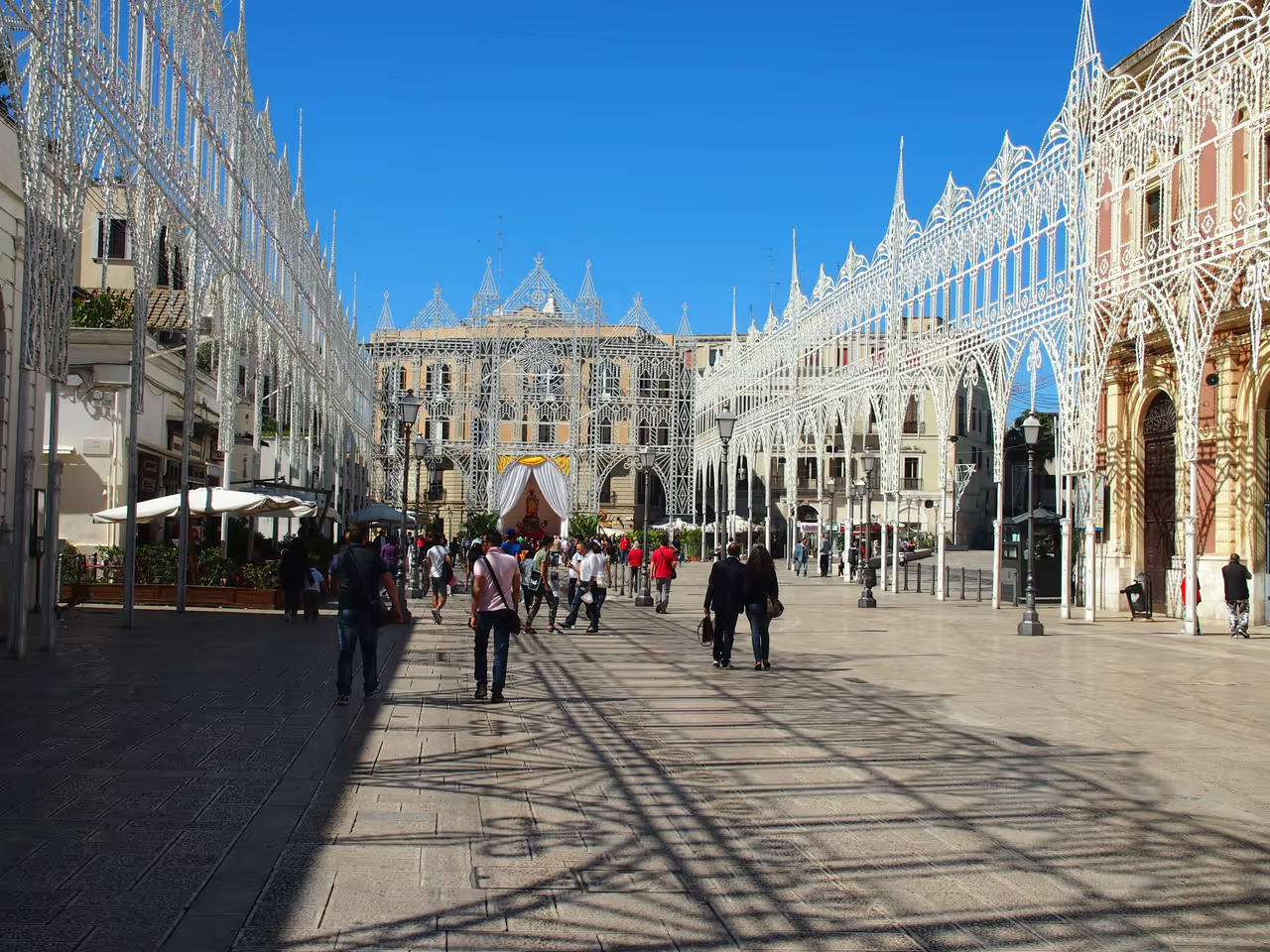
0mFeast of Saint Nicholas
This magnificent celebration honours the patron saint of the city over three incredible days. Thousands of pilgrims arrive from across the globe to witness historical reenactments and religious processions. The highlight includes taking the statue of the saint out to sea on a flotilla of colourful boats. Spectacular fireworks illuminate the coastline late into the night. The entire city stops to celebrate with music, incredible street food, and joyous community gatherings. It is a deeply moving blend of faith and folklore.
festival view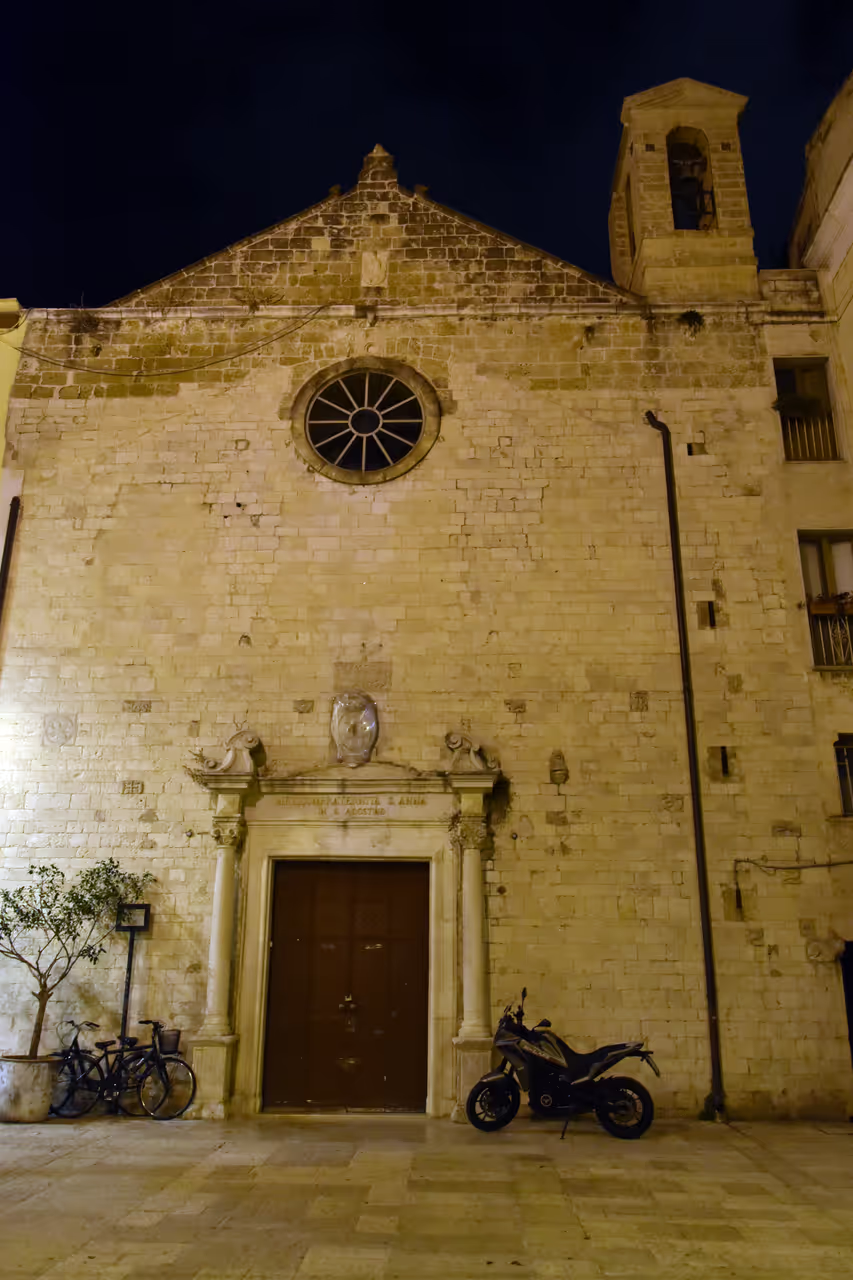 216m
216mChurch of Saint Anna
This incredibly unassuming building holds a surprisingly complex and highly multicultural history within its ancient stone walls. Originally constructed in the thirteenth century, it served as the 'Scola Grande', the primary synagogue for the thriving local Jewish community. Following the brutal expulsion of the Jews under Spanish rule, the building was heavily modified and converted into a Catholic church. Traces of its original purpose are still visible to the careful observer, offering a silent testament to a lost vibrant community. It is a deeply poignant space that physically maps the harsh political shifts of the Middle Ages. The building now occasionally serves as a small, highly fascinating cultural museum.
hidden gem view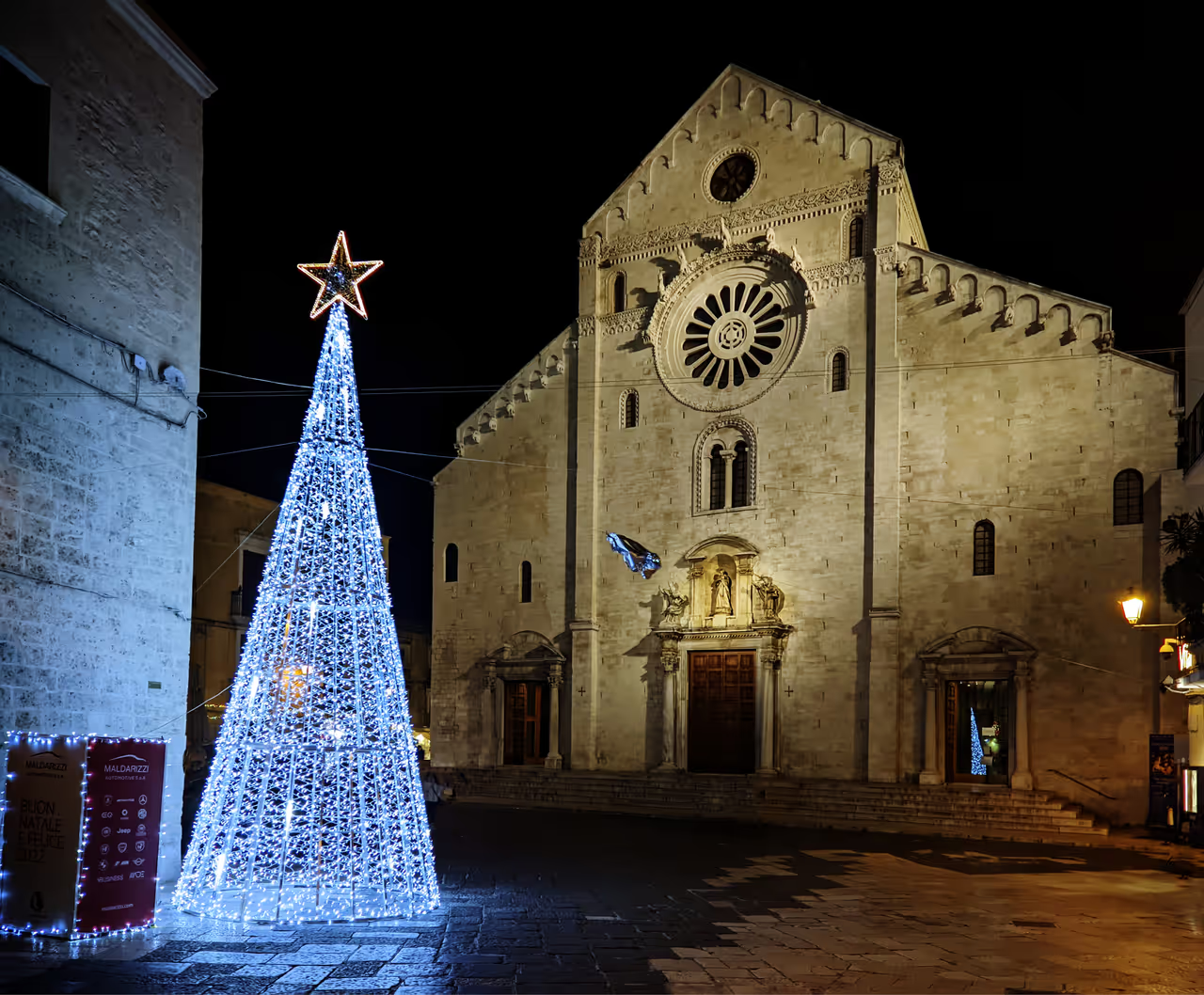 225m
225mBari Cathedral
Step inside the Basilica Cattedrale Metropolitana di San Sabino to witness one of the most stunning examples of Apulian Romanesque architecture. This national monument serves as the historic heart of Bari, housing layers of history that stretch back to the 5th century. Visitors are often captivated by the striking simplicity of its facade and the intricate carvings that adorn its exterior, reflecting centuries of diverse cultural influences. Beneath the current structure lies a fascinating archaeological site where you can walk upon ancient mosaics and explore ruins that predate the cathedral itself. Whether you are marvelling at the light effects on the floor during the summer solstice or admiring the craftsmanship of its interior, the cathedral offers a serene and profound experience. It stands as a testament to the resilience of Bari, having risen from the ashes of medieval destruction to reclaim its rightful place as a beacon of faith and art.
attraction view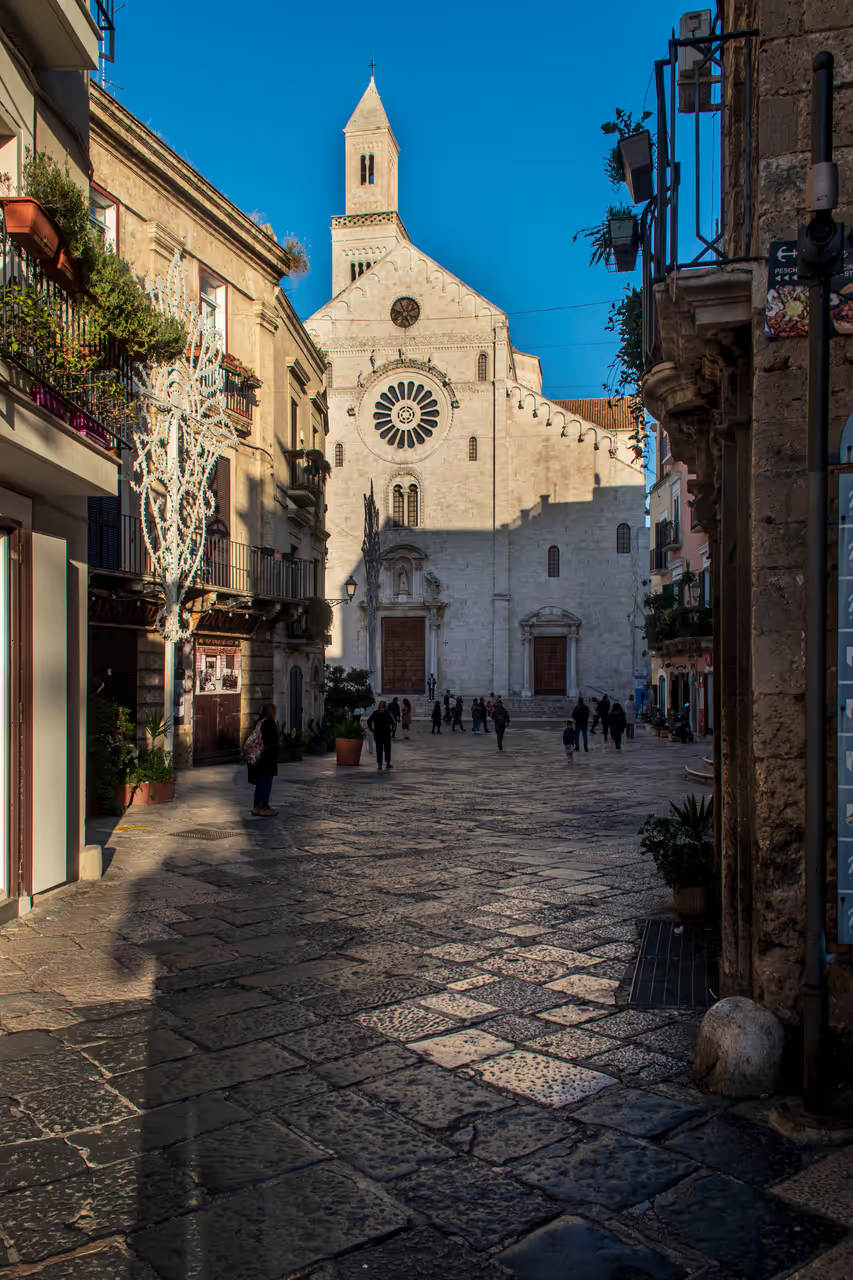 225m
225mFeast of Saint Sabinus
The city pays homage to its original patron saint with beautiful summer festivities. Processions wind their way through the historic streets, carrying the venerated relics to the sea. The community gathers to celebrate their deep maritime roots and religious heritage. Traditional music and local food stalls create a wonderful festive atmosphere late into the warm summer evening. It provides a more intimate and traditional alternative to the massive springtime celebrations. The event beautifully highlights the profound spiritual connection of the locals.
festival view
Explore Similar Places in This Collection
Featured on These Itineraries and Routes
1 Day in Bari: A Perfect Day Itinerary
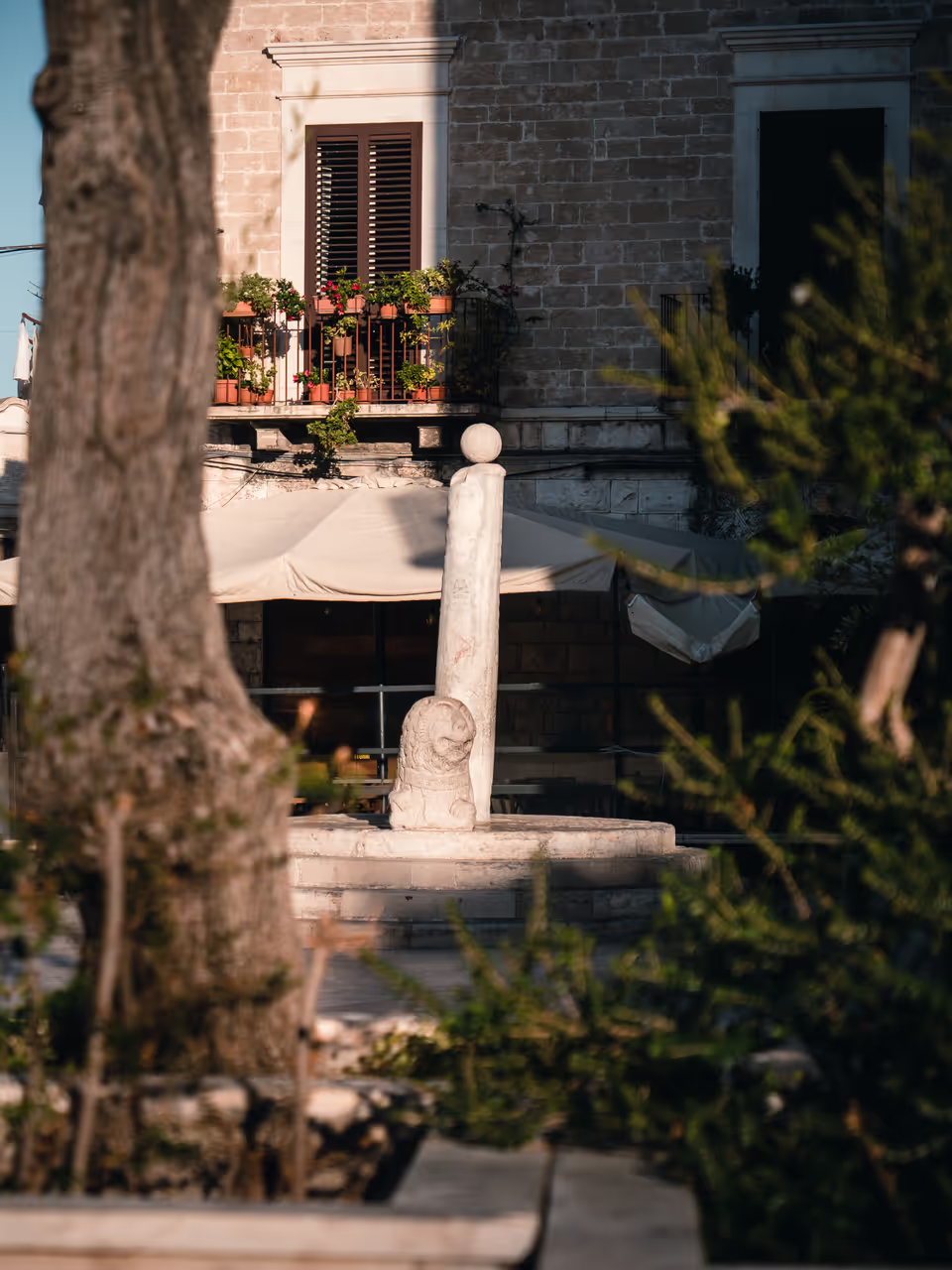
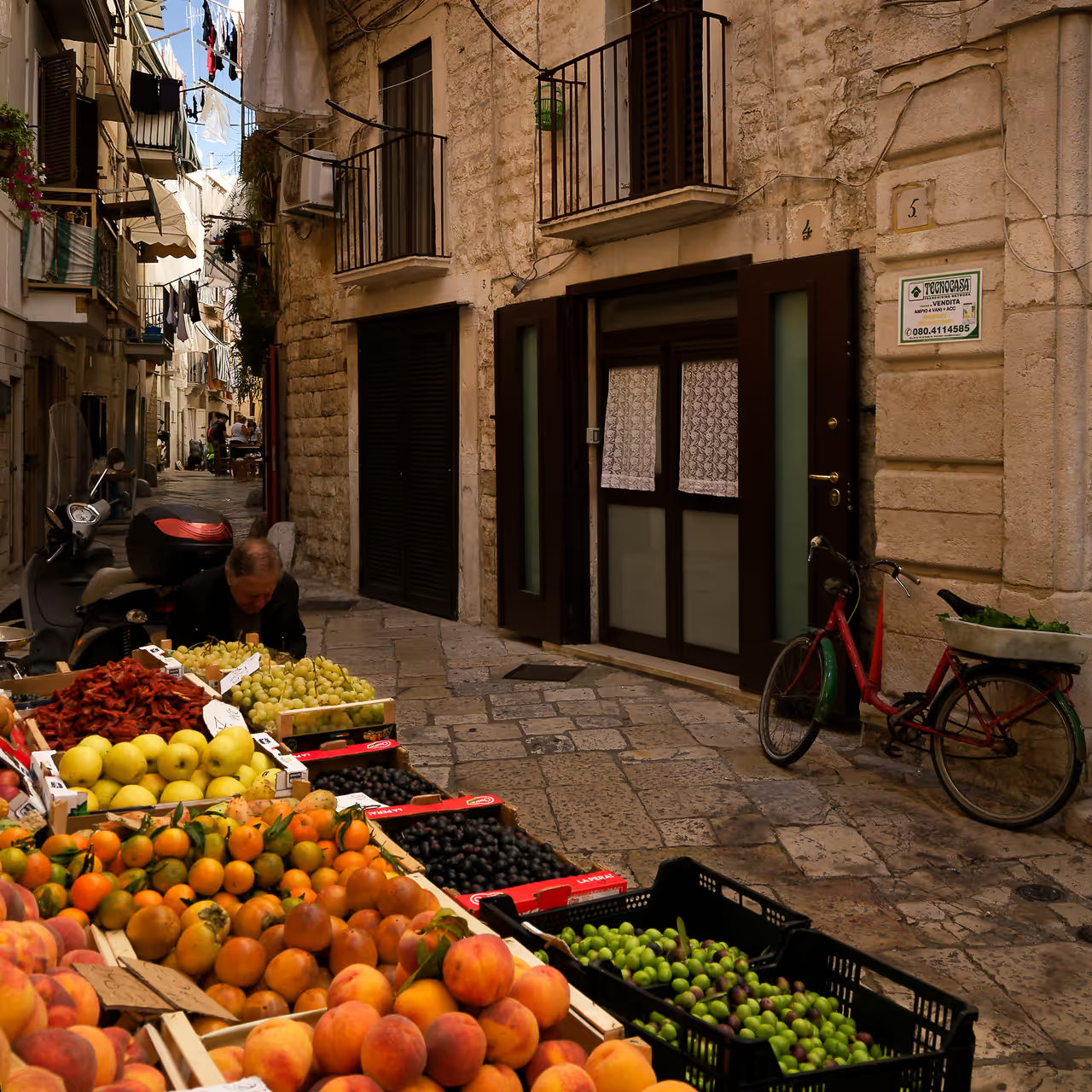
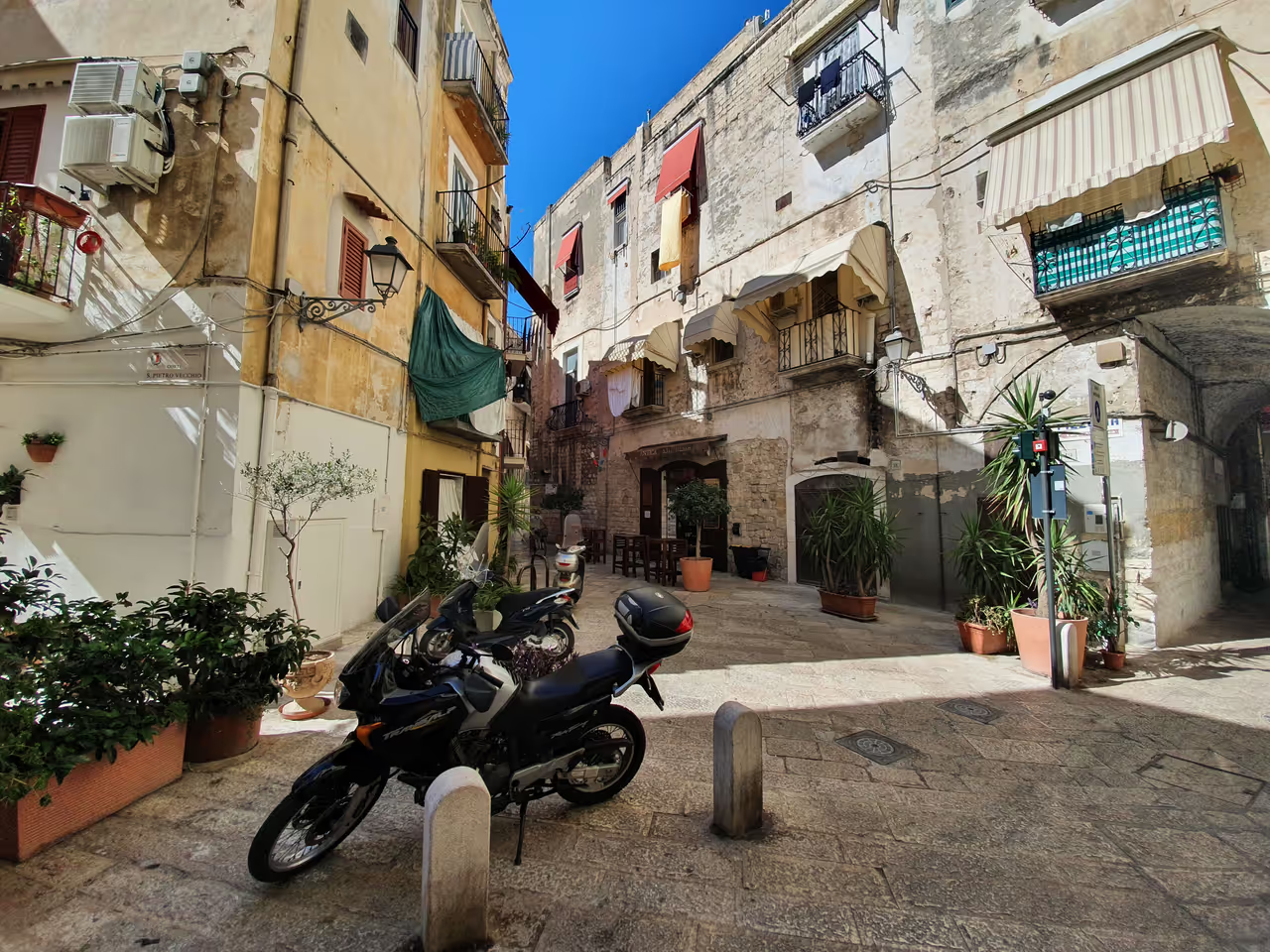
If you only have one day, this highly focused itinerary ensures you experience the absolute core identity of the city. You will dive headfirst into the chaotic beauty of the medieval old town, discovering its most sacred monuments and authentic street life. The route then leads you out to the elegant modern squares to experience the vibrant evening atmosphere. It perfectly balances deep historical exploration with fantastic local food and lively socialising. You will cover the essential landmarks without feeling completely overwhelmed. It provides a brilliant snapshot of the coastal capital.
view itinerary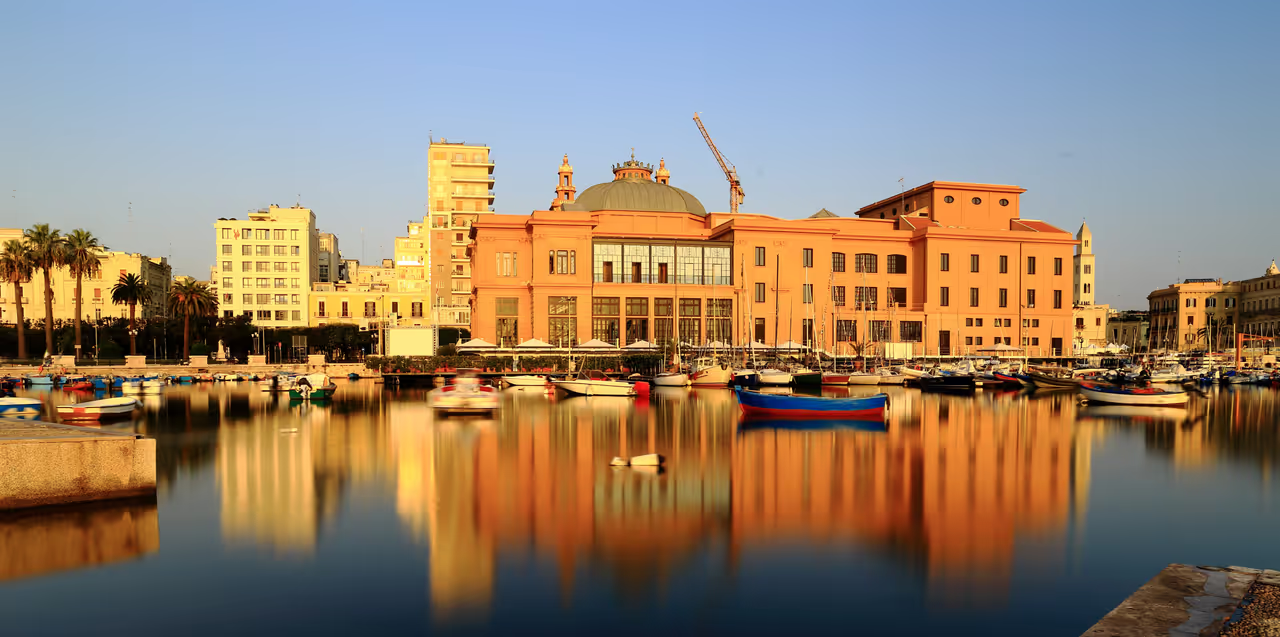
3 Days in Bari Itinerary
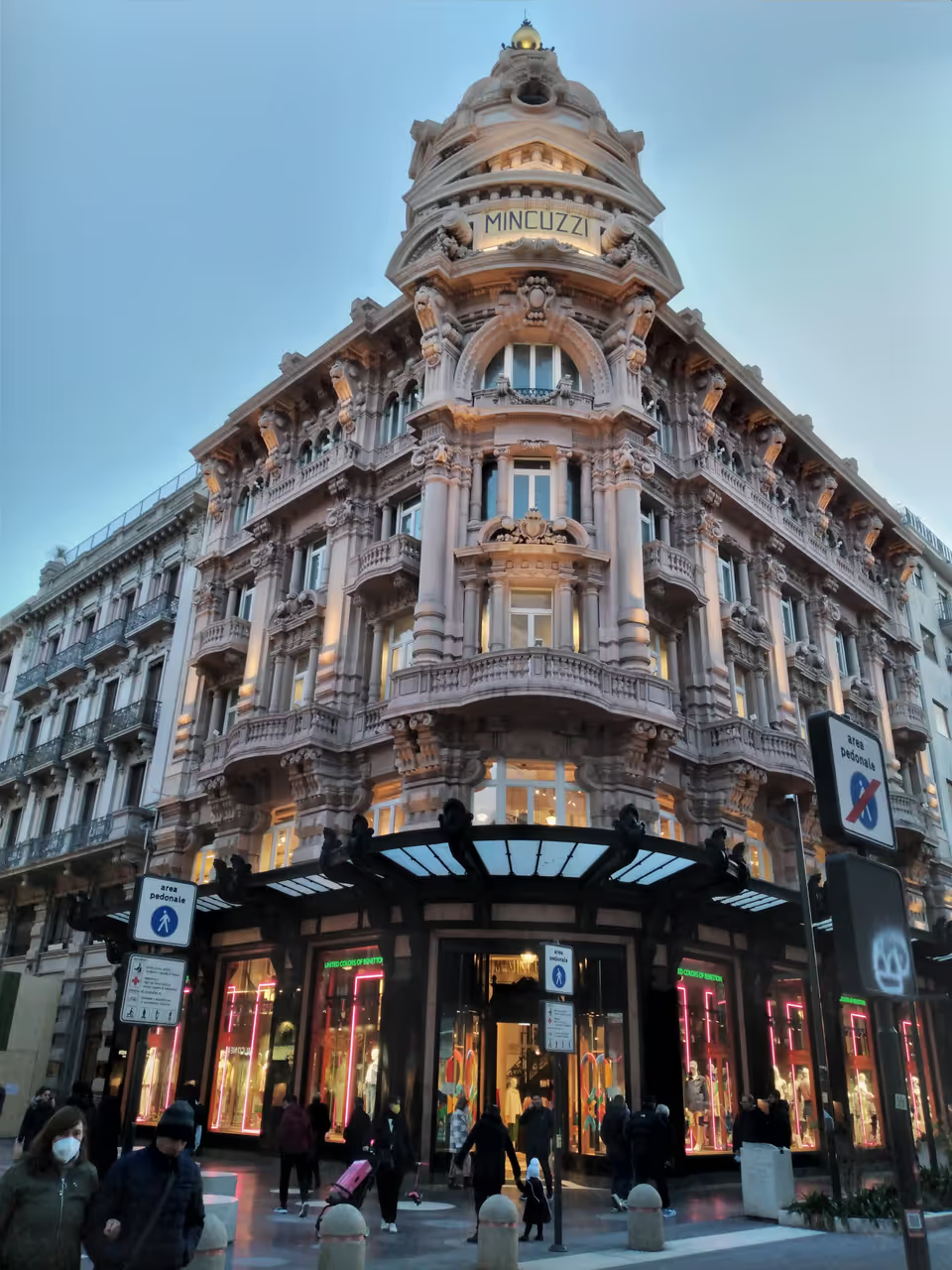
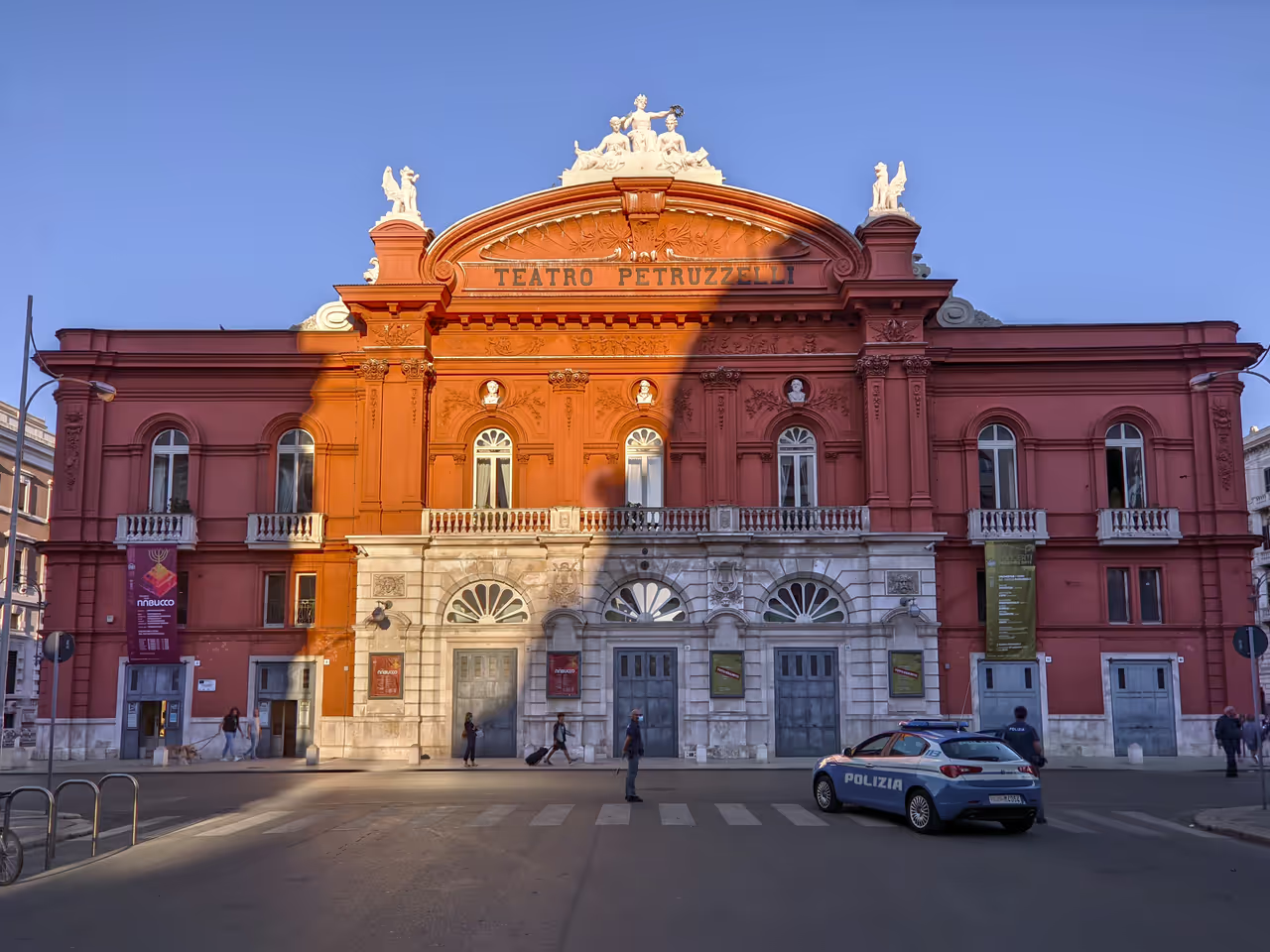
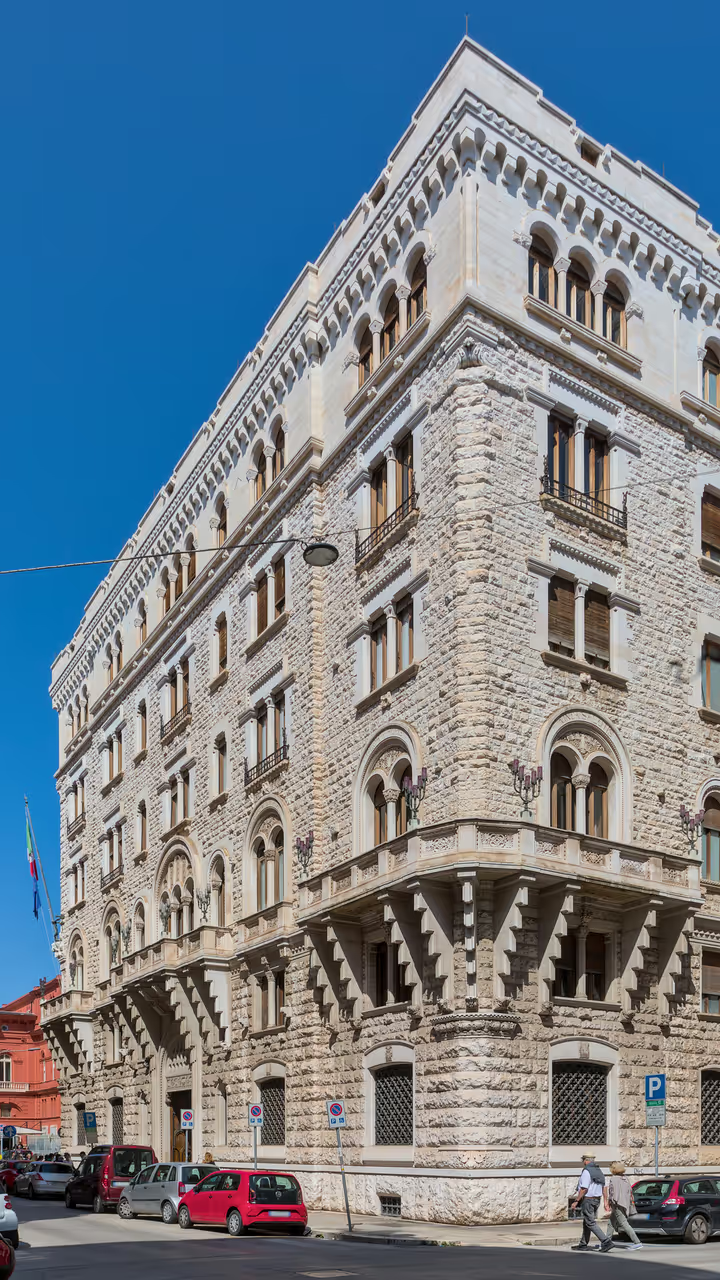
This three day journey allows you to deeply appreciate the stark contrast between the ancient alleys and the modern grid. The first day immerses you in the intense history and culinary traditions of the medieval centre. The second day shifts focus to the wealthy nineteenth century expansion, showcasing grand theatres and elegant shopping boulevards. The third day is dedicated to the spectacular coastline and hidden community squares. It offers a highly balanced and relaxed pace, providing ample time to sample incredible street food. You will leave with a profound understanding of the local culture.
view itinerary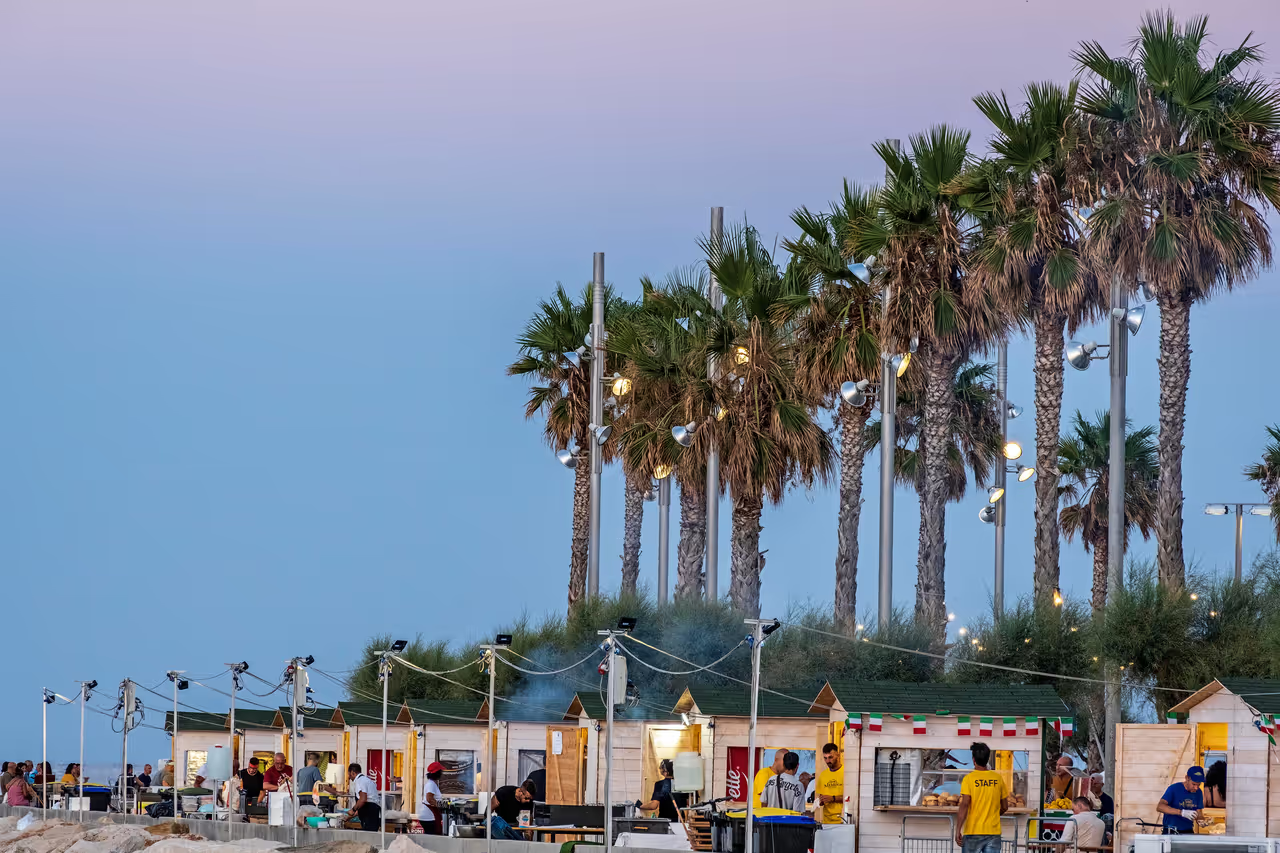
5 Days in Bari: The Deep Dive Exploration Itinerary
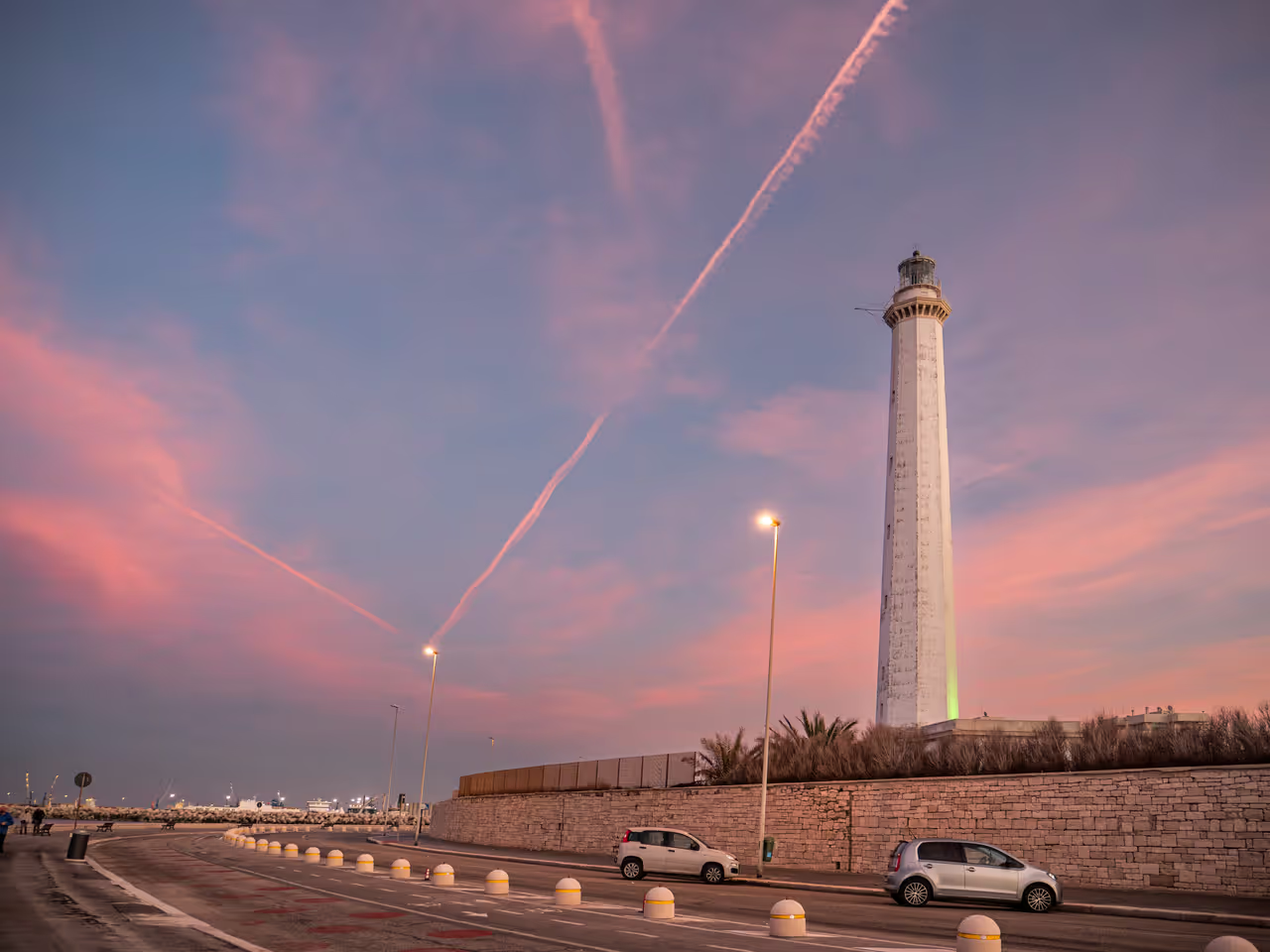
Five days allows for an incredibly thorough and rewarding exploration of both the iconic landmarks and the overlooked gems. After covering the medieval and modern highlights, the itinerary expands to include fascinating residential districts and sobering historical memorials. You will have time to discover the stunning eastern influences of the Russian church and the peaceful green parks. It provides the luxury of slow travel, allowing you to truly soak in the unique coastal atmosphere. This comprehensive plan transforms a simple visit into a profound cultural immersion.
view itinerary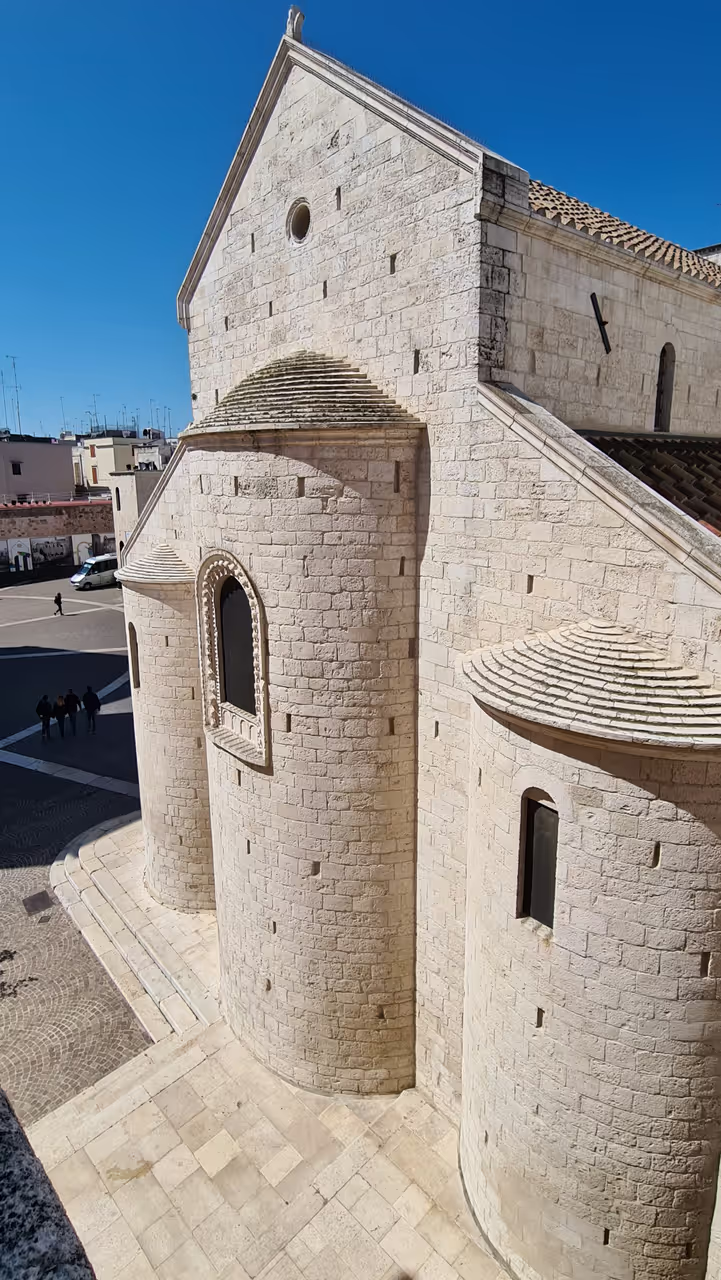
Ancient Churches Trail
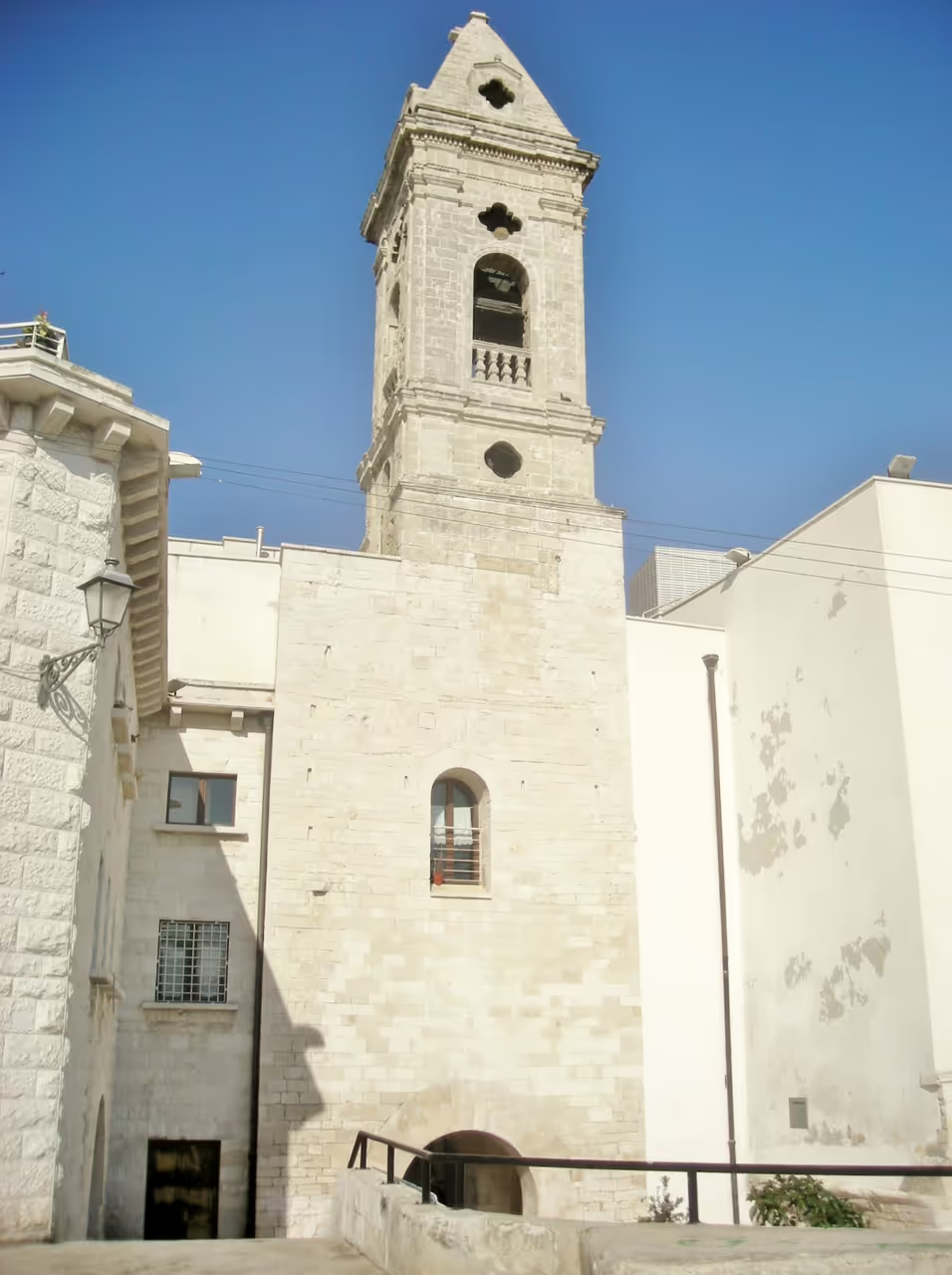
Delve deep into the profound spiritual heritage of the city by tracing its most important religious monuments. The old town houses an astonishing number of churches, each holding unique treasures and centuries of devotion. This journey highlights the defining features of Apulian Romanesque architecture, from stark white facades to deeply mystical crypts. You will discover the fascinating stories of stolen relics and ancient church councils that shaped the religious landscape of Europe. It provides a peaceful and highly contemplative way to navigate the chaotic medieval streets. The massive stone walls of these sanctuaries offer a cool, quiet retreat from the bustling city outside.
view self-guided tour
See all attractions in Bari
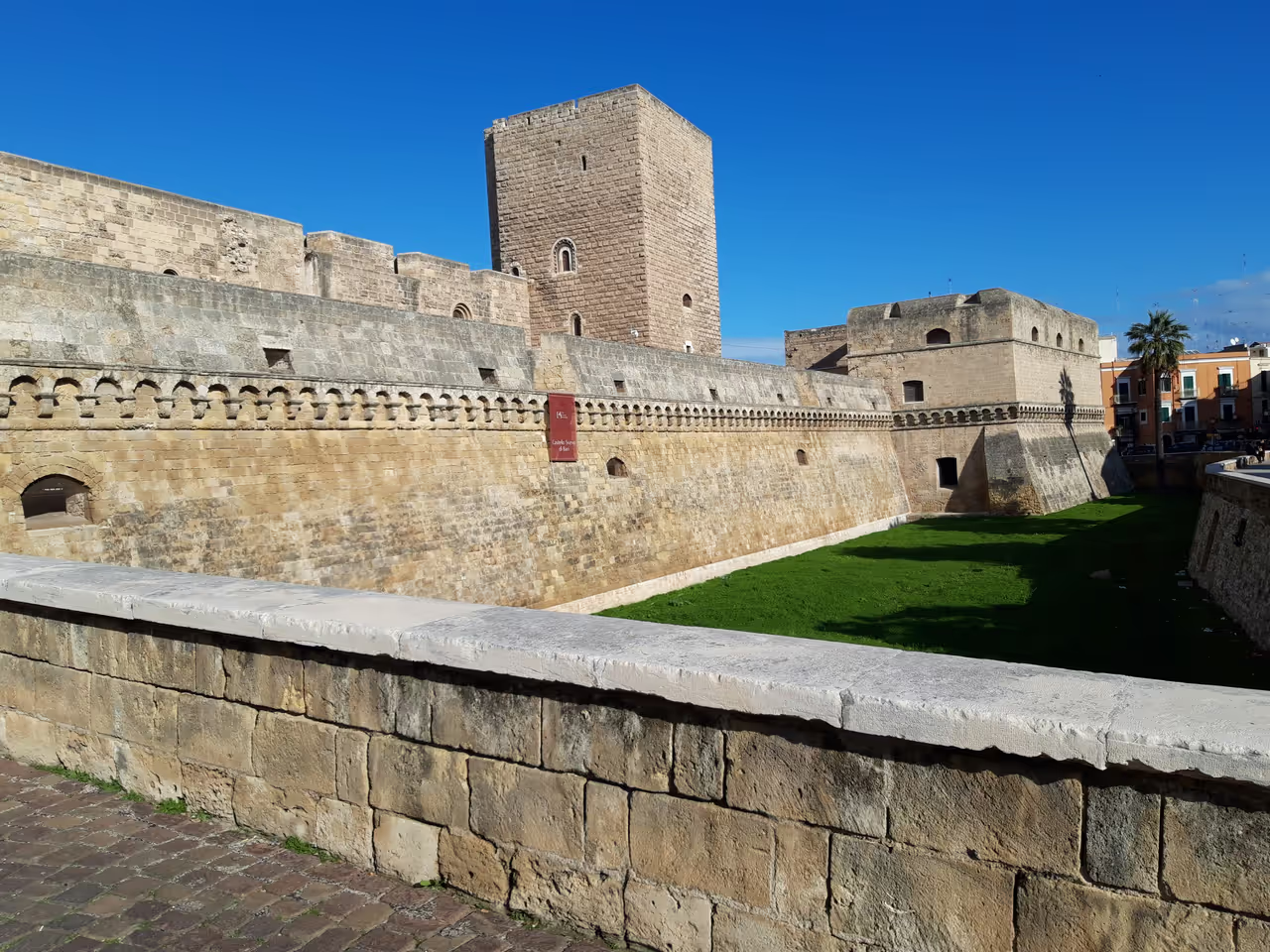
Bari Cathedral, Teatro Petruzzelli, Norman-Swabian Castle of Bari...