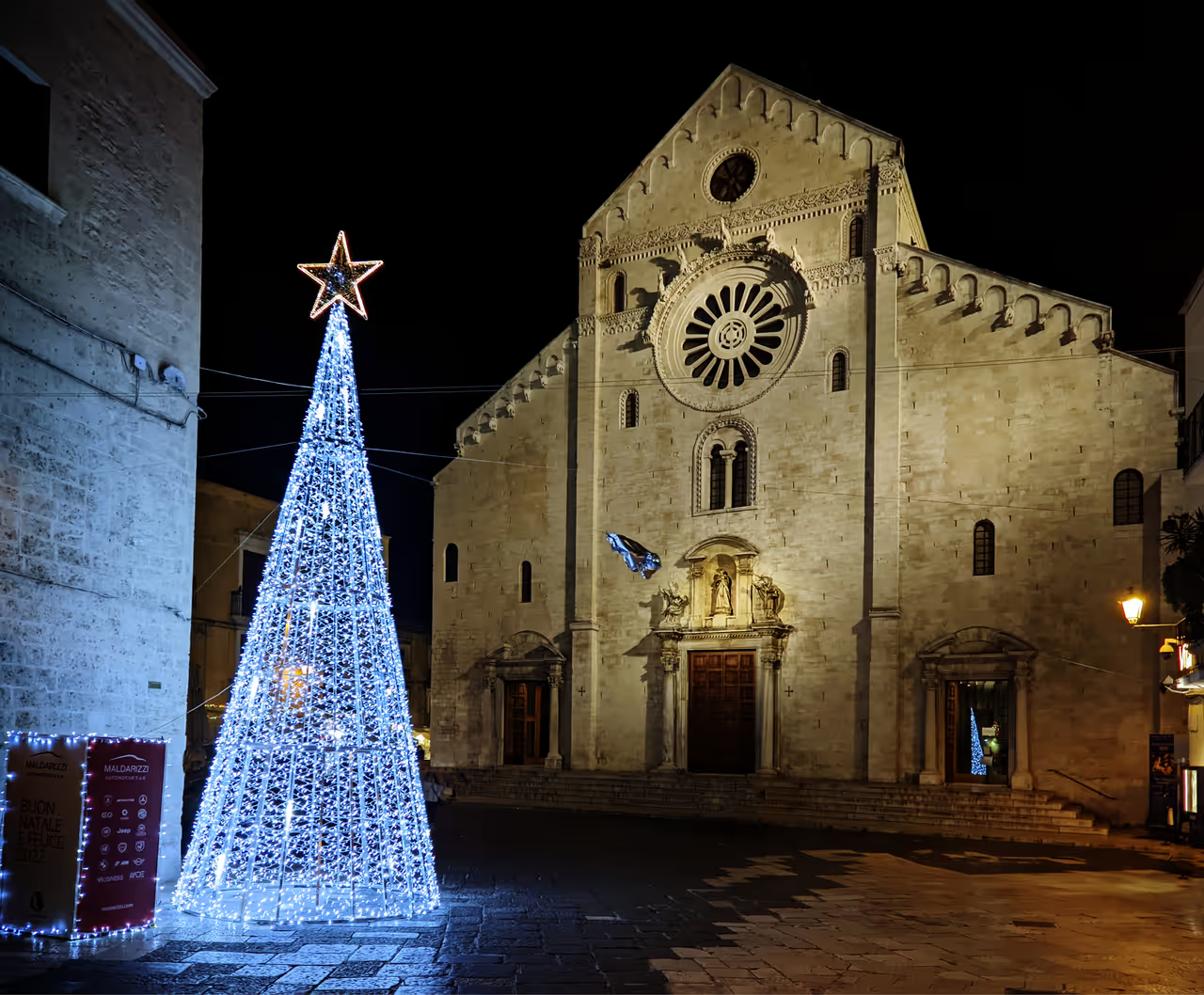
Bari Cathedral
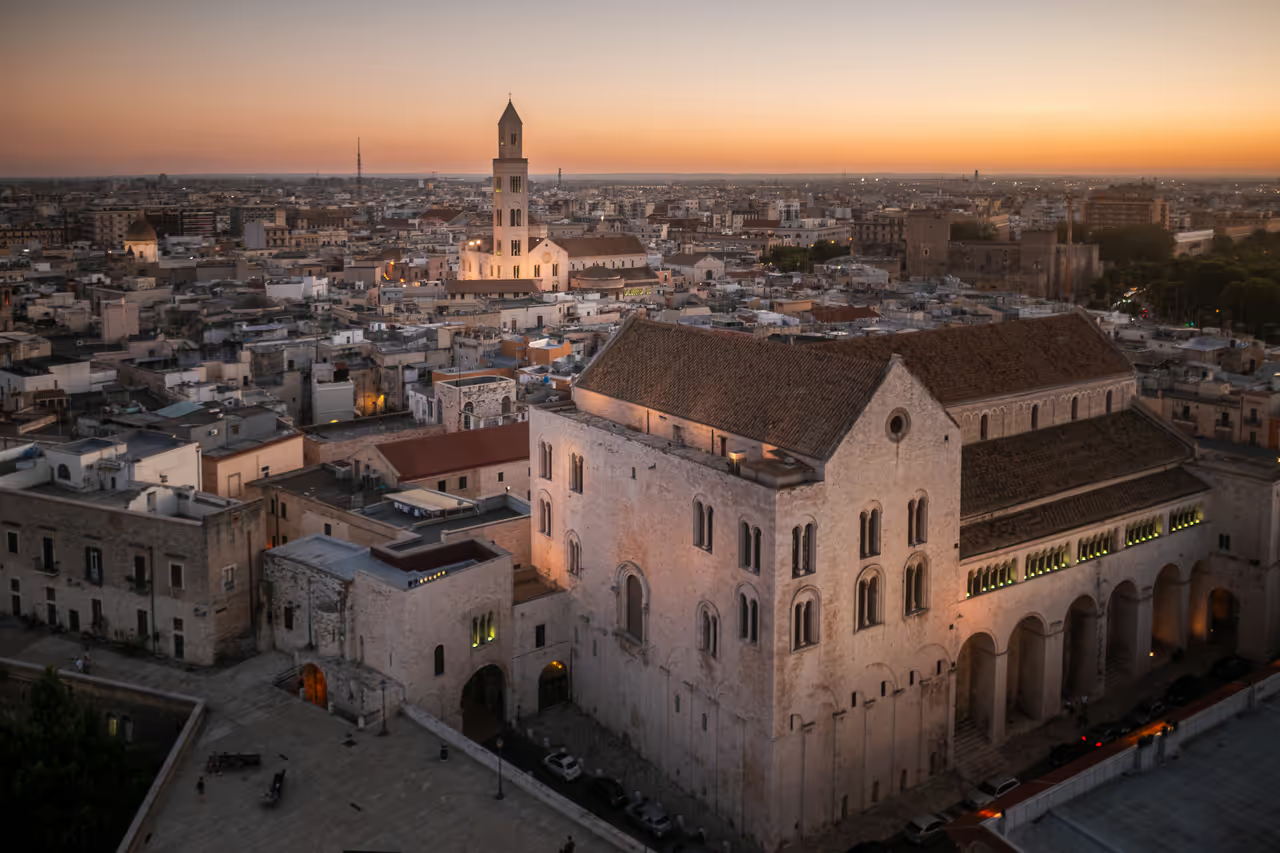
Step inside the Basilica Cattedrale Metropolitana di San Sabino to witness one of the most stunning examples of Apulian Romanesque architecture. This national monument serves as the historic heart of Bari, housing layers of history that stretch back to the 5th century. Visitors are often captivated by the striking simplicity of its facade and the intricate carvings that adorn its exterior, reflecting centuries of diverse cultural influences. Beneath the current structure lies a fascinating archaeological site where you can walk upon ancient mosaics and explore ruins that predate the cathedral itself. Whether you are marvelling at the light effects on the floor during the summer solstice or admiring the craftsmanship of its interior, the cathedral offers a serene and profound experience. It stands as a testament to the resilience of Bari, having risen from the ashes of medieval destruction to reclaim its rightful place as a beacon of faith and art.
Videos
History of Bari Cathedral
The history of the Bari Cathedral is a tale of resilience and architectural transformation. While the site has served as a place of worship since at least the 5th century, the building you see today emerged from the ashes of a catastrophic event. In 1156, King William I of Sicily, known as the Malign, razed Bari to the ground to suppress rebellion, sparing only the Basilica of Saint Nicholas. The cathedral was left in ruins, but the spirit of the city endured. By the late 12th century, the people of Bari began to rebuild. Architects and masons salvaged stone blocks and materials from the debris of the fallen city, weaving the history of the old cathedral directly into the new walls. The structure was completed and consecrated in 1292, rising as a proud symbol of recovery. It was designed in the distinct Apulian Romanesque style, which draws on Byzantine and Oriental influences, reflecting the city's role as a bridge between the East and the West. Over the centuries, the cathedral evolved, eventually acquiring ornate Baroque features that masked its medieval simplicity. However, a major restoration in the 1950s made a bold decision to strip away these later additions. This process returned the interior to its original, stark, and dignified Romanesque state. Today, the cathedral stands as a living palimpsest where ancient Byzantine foundations meet medieval masonry and modern discovery, telling the story of a city that never stops rebuilding itself.
events spanning 1537 years
Fun Facts
10- 01
Beneath the floor lies a rich archaeological area, revealing ancient Roman roads and remnants of two earlier Byzantine churches.
- 02
Every summer solstice, the cathedral hosts a rare celestial event where the sun perfectly aligns with the floor rose window through the main window on the facade.
- 03
In the 1950s, restorers stripped away ornate Baroque decorations, choosing to reveal the original stone masonry instead.
- 04
Sculptures of elephants and sphinxes on the rear facade demonstrate the strong influence of Oriental and Eastern artistic styles on local stonemasons.
- 05
The Trulla, a unique dodecagonal structure near the transept, functioned as a baptistery for centuries before becoming a sacristy.
- 06
The adjacent Diocesan Museum preserves the Exsultet, a Byzantine parchment scroll dating back to before 1050, illuminated with exquisite detail.
- 07
The cathedral houses the Odegitria icon, a Byzantine treasure that local tradition claims arrived from the East in the 8th century.
- 08
The cathedral's bell tower reaches nearly 69 metres in height, serving as one of the most prominent landmarks in the city skyline.
- 09
The crypt holds the relic of Saint Colomba of Sens, but research revealed the body is actually made of papier-mâché and silk.
- 10
The exterior walls contain mysterious inscriptions identifying specific spots; these were once stalls rented by merchants and bankers to conduct business outside the church.
FULL PLACE DETAILS
OVERVIEW & STATS
- Established
- In 1292, making it 734 years old
ARCHITECTURE & HERITAGE
- Architectural Styles
- Romanesque Art In Apulia
Bari Cathedral Map & Neighborhood Explorer
This interactive map is centered on Bari Cathedral. Zoom in and move the map around to automatically discover Wikipedia photos and summaries of other nearby sights, monuments, and historical points of interest and stories in real-time!
Bari Cathedral FAQ
No, visiting the cathedral is generally free for individual tourists, though donations are always appreciated to help maintain the site.
The most famous event is the summer solstice, where light aligns with the floor rose window. While this happens annually, the best time to see it is during the peak of the solstice in June.
The underground area, known as the Succorpo, contains the archaeological remains of the original Byzantine cathedral, ancient Roman roads, and remnants of previous structures.
The markings on the outer walls are not graffiti, but historical inscriptions that indicated the locations of merchant stalls during the Middle Ages.
The Trulla is a distinctive twelve-sided structure located on the north side of the cathedral. It was once a baptistery before its use changed in the 18th century.
A typical visit takes about 2 hours. We recommend planning your schedule accordingly to make the most of your time there.
The closest place to visit near Bari Cathedral is Feast of Saint Sabinus, around 0 m away. Other things to do near Bari Cathedral include Apricot Square (150 m), Norman-Swabian Castle of Bari (197 m) and Orecchiette Street (209 m). All of these are within roughly 209 m of Bari Cathedral, close enough to walk.
It dates back to 1292, making it 734 years old.
Bari Cathedral was built in the Romanesque art in Apulia style.
While we strive to keep this information accurate and up to date, we recommend verifying any details independently before making decisions based on them.
Places near Bari Cathedral
Make the most of your trip. Check out these top-rated spots located nearby.
 0m
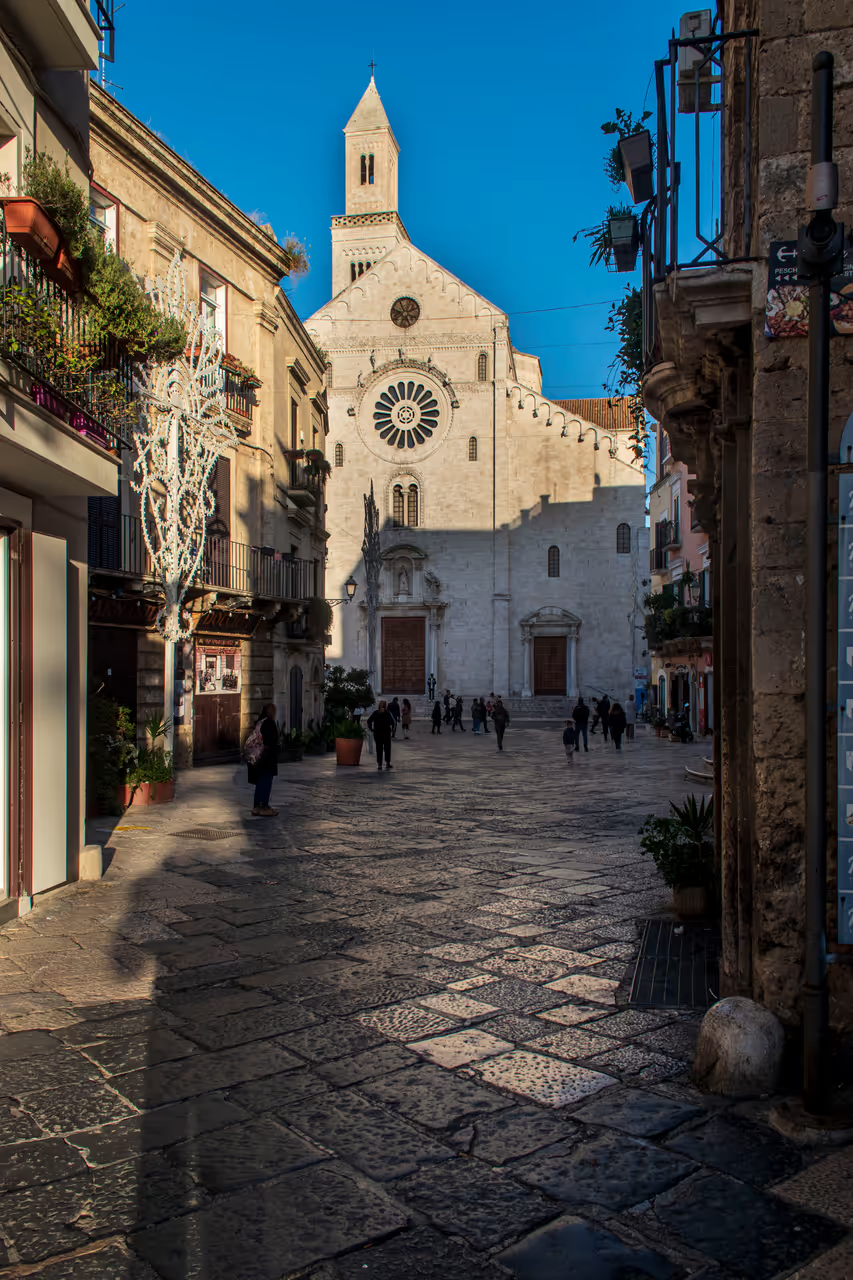
Feast of Saint Sabinus
The city pays homage to its original patron saint with beautiful summer festivities. Processions wind their way through the historic streets, carrying the venerated relics to the sea. The community gathers to celebrate their deep maritime roots and religious heritage. Traditional music and local food stalls create a wonderful festive atmosphere late into the warm summer evening. It provides a more intimate and traditional alternative to the massive springtime celebrations. The event beautifully highlights the profound spiritual connection of the locals.
festival view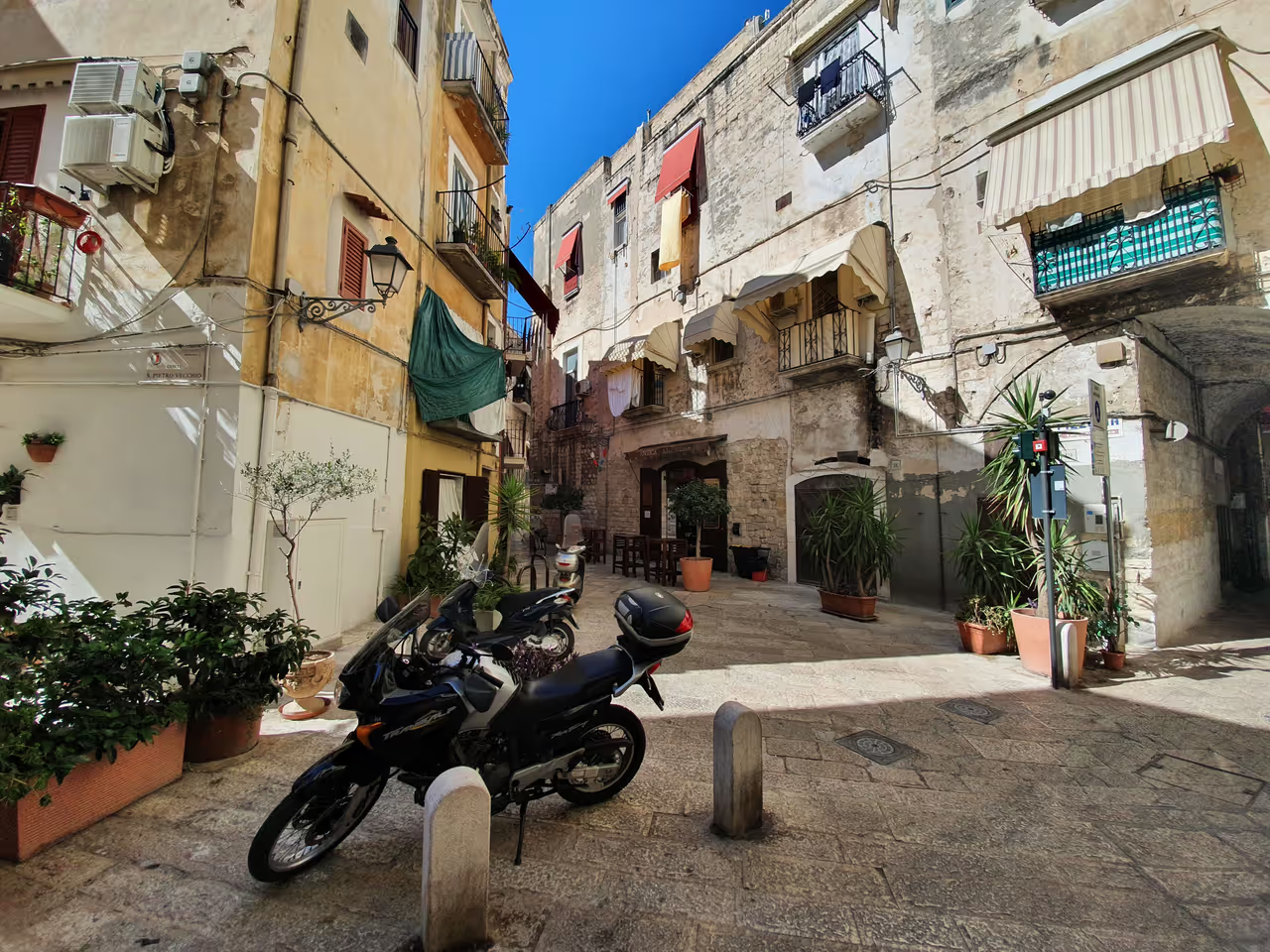 150m
Apricot Square
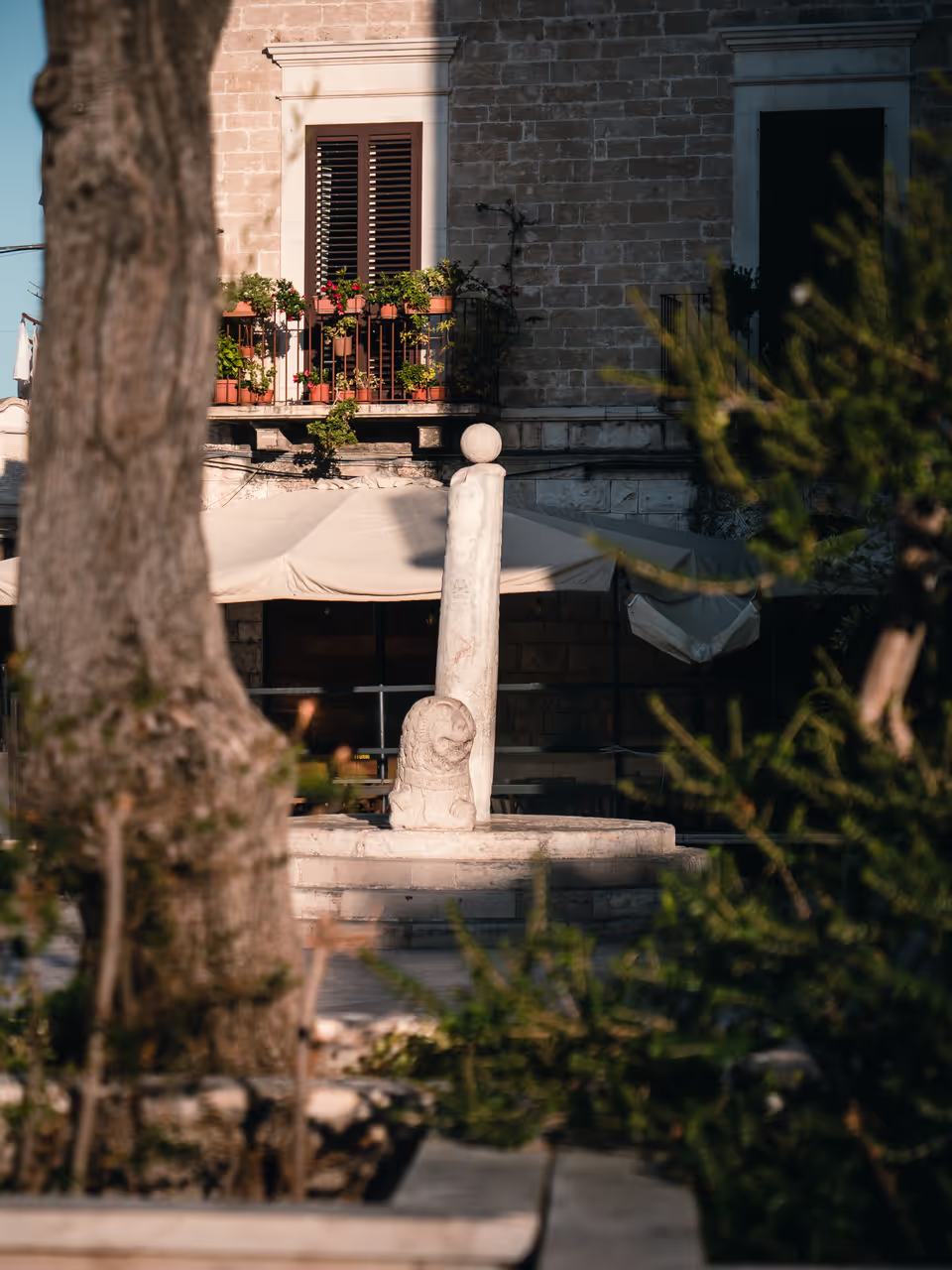
Once a completely neglected and overgrown courtyard hidden deep within the medieval labyrinth, this small square has undergone a truly magical transformation. The local residents banded together to completely reclaim the space, turning it into a vibrant and highly welcoming community hub. They planted beautiful olive trees, added rustic seating, and strung up incredibly charming fairy lights that illuminate the area at night. It now serves as a lively outdoor living room where neighbours gather to share incredible homemade food and loud conversations. Finding it requires happily getting lost in the narrow alleys. It stands as a brilliant and deeply heartwarming example of grassroots urban renewal.
hidden gem view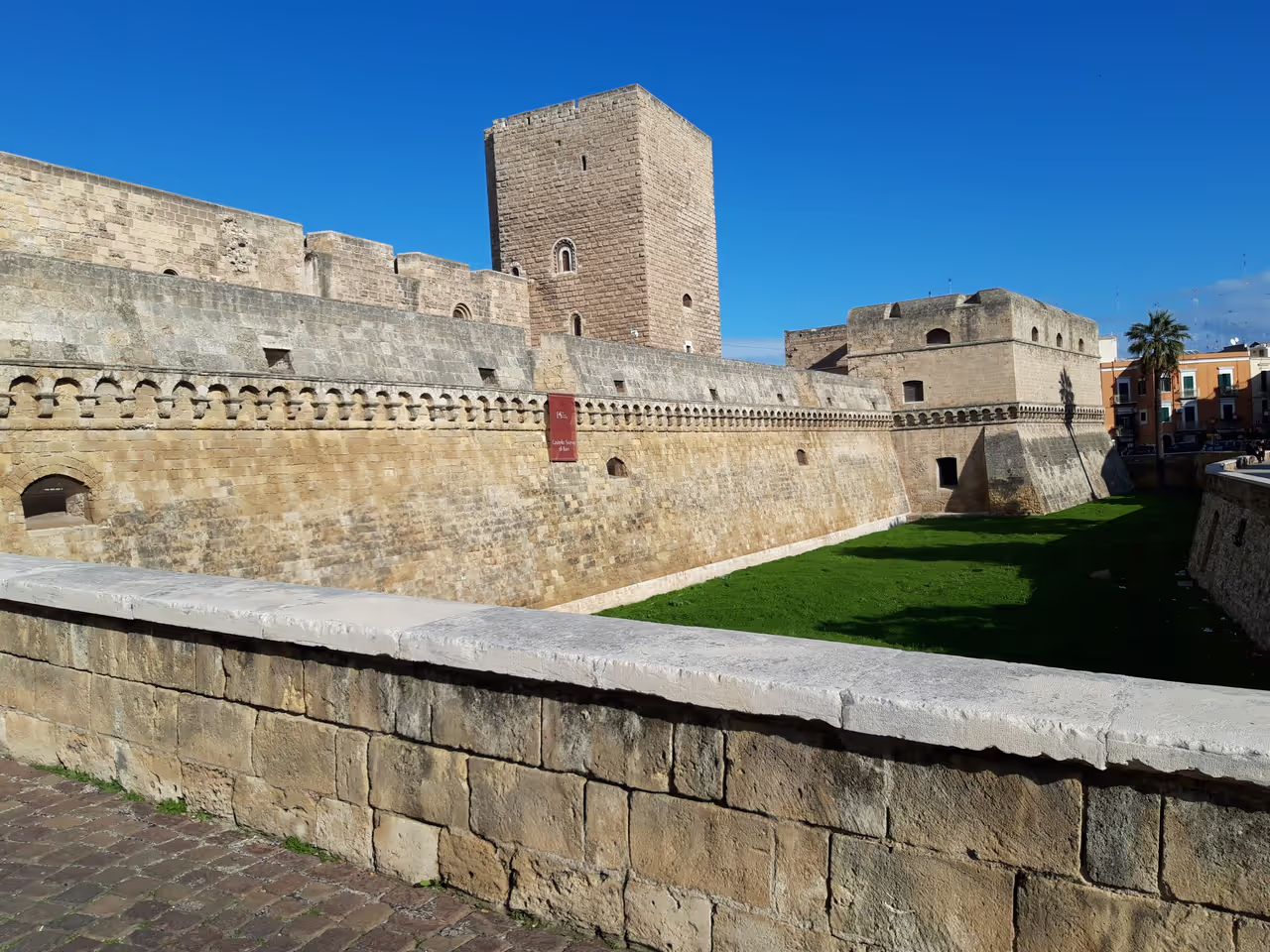 197m
Norman-Swabian Castle of Bari
Standing sentinel over the edge of Bari's old town, this imposing fortress is a testament to the city's complex and layered past. Originally established in the twelfth century, the castle has evolved through Norman, Swabian, and Aragonese influences, transforming from a medieval stronghold into a Renaissance residence. Visitors can wander across the moat, explore the sturdy bastions, and immerse themselves in the history contained within these ancient stone walls. The castle now houses an impressive collection of plaster casts from Puglian churches, offering a unique peek into the region's artistic heritage. It is a perfect spot for history lovers to feel the weight of centuries while enjoying the architecture that has defined Bari for ages.
attraction view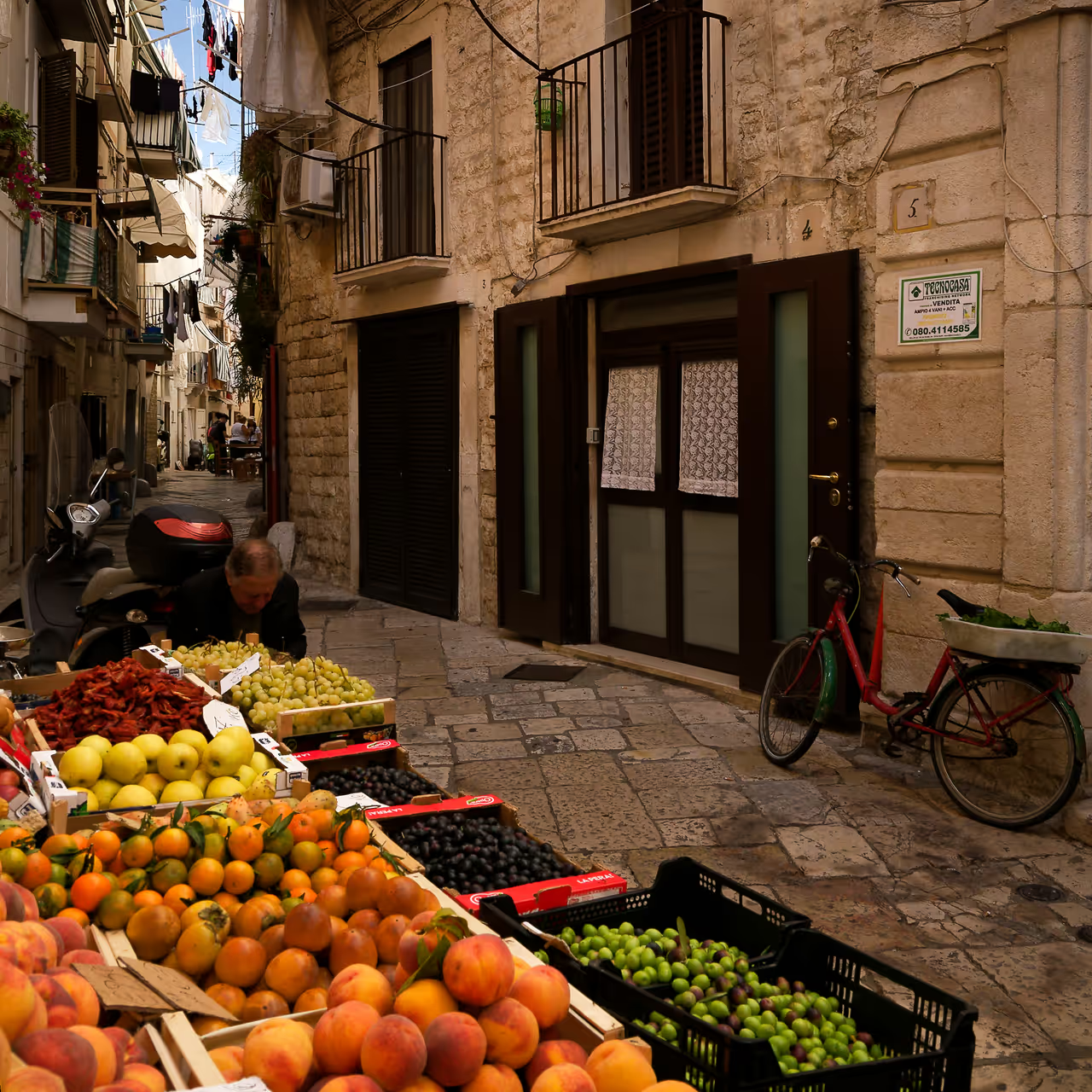 209m
Orecchiette Street
This narrow, unassuming alleyway has become world famous for its incredible display of living culinary tradition. Every day, local grandmothers set up wooden tables outside their front doors to swiftly and expertly hand roll the region's famous ear shaped pasta. Visitors can watch in awe as the women shape the dough with astonishing speed using just a simple knife. Baskets filled with drying pasta of various colours line the sunny walls. You can purchase fresh bags directly from the women who made them. It is a beautifully authentic and highly photogenic slice of deeply rooted local life.
highlight view
Explore Similar Places in This Collection
Featured on These Itineraries and Routes
1 Day in Bari: A Perfect Day Itinerary
If you only have one day, this highly focused itinerary ensures you experience the absolute core identity of the city. You will dive headfirst into the chaotic beauty of the medieval old town, discovering its most sacred monuments and authentic street life. The route then leads you out to the elegant modern squares to experience the vibrant evening atmosphere. It perfectly balances deep historical exploration with fantastic local food and lively socialising. You will cover the essential landmarks without feeling completely overwhelmed. It provides a brilliant snapshot of the coastal capital.
view itinerary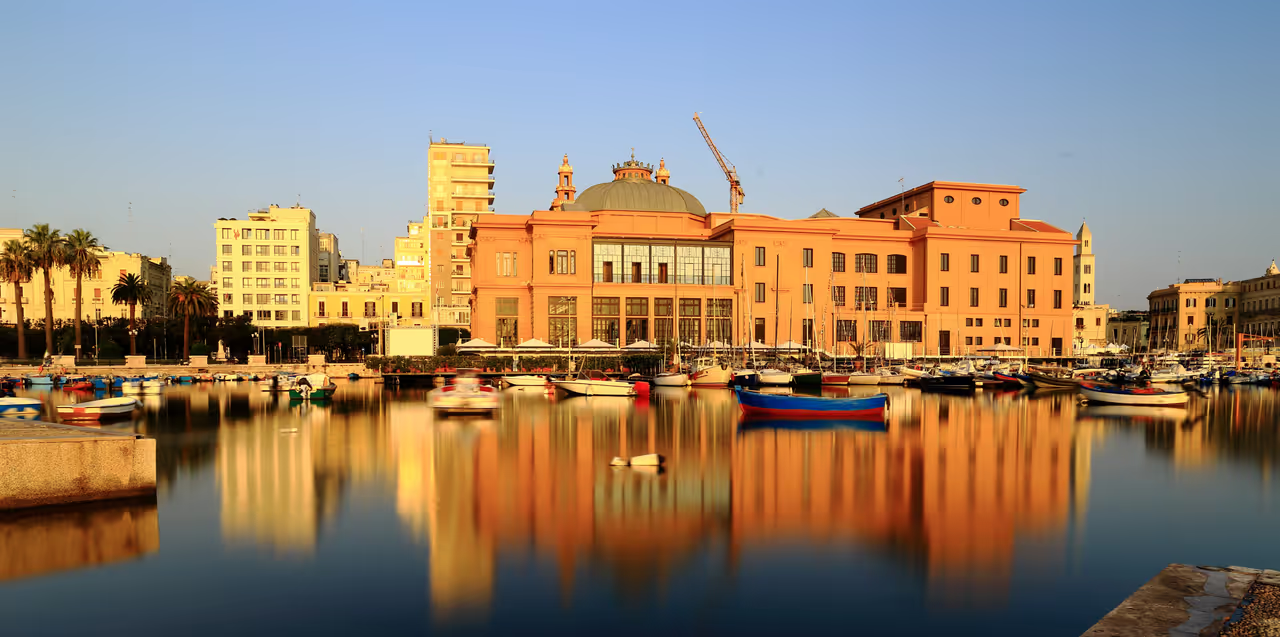
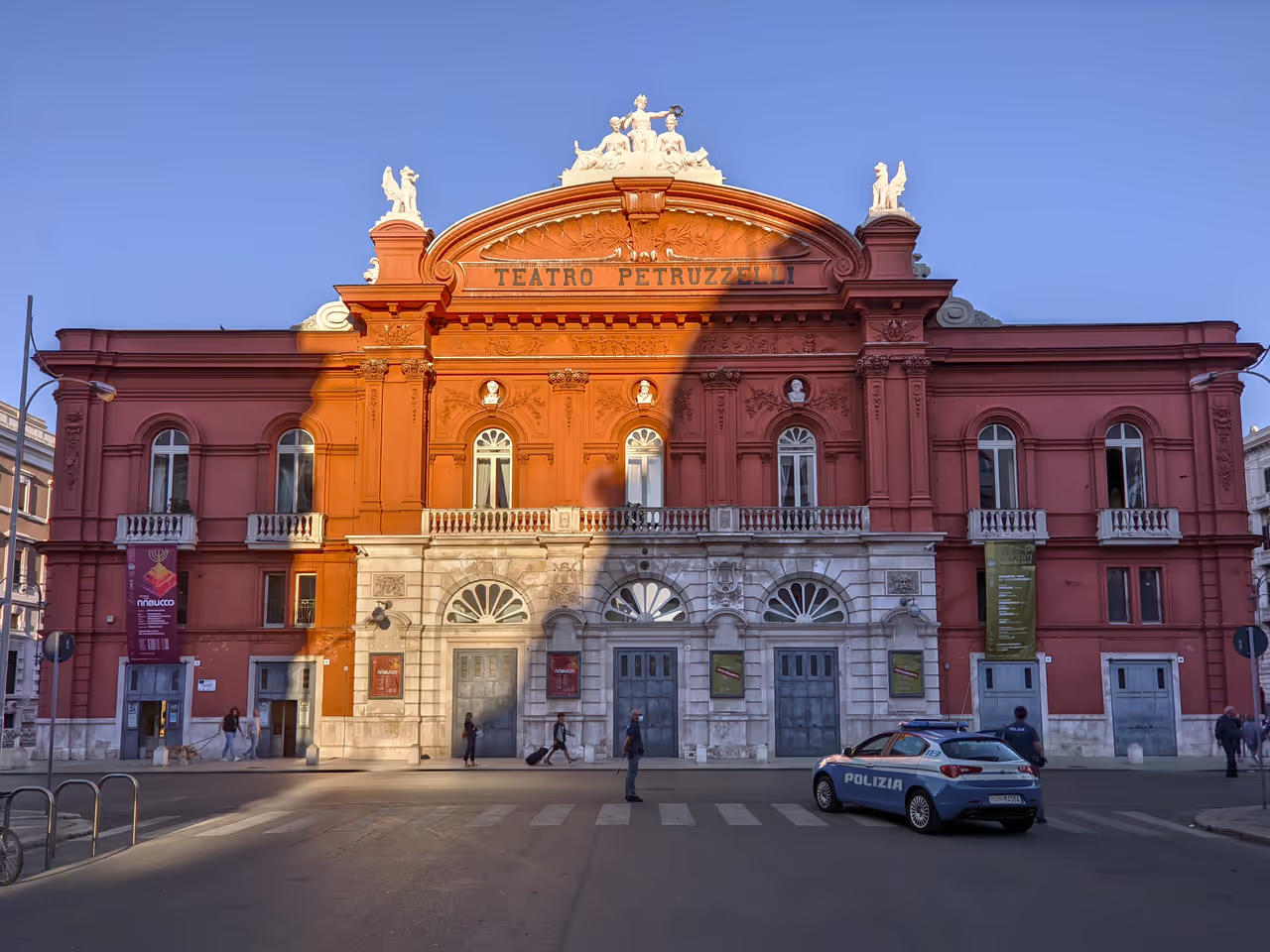
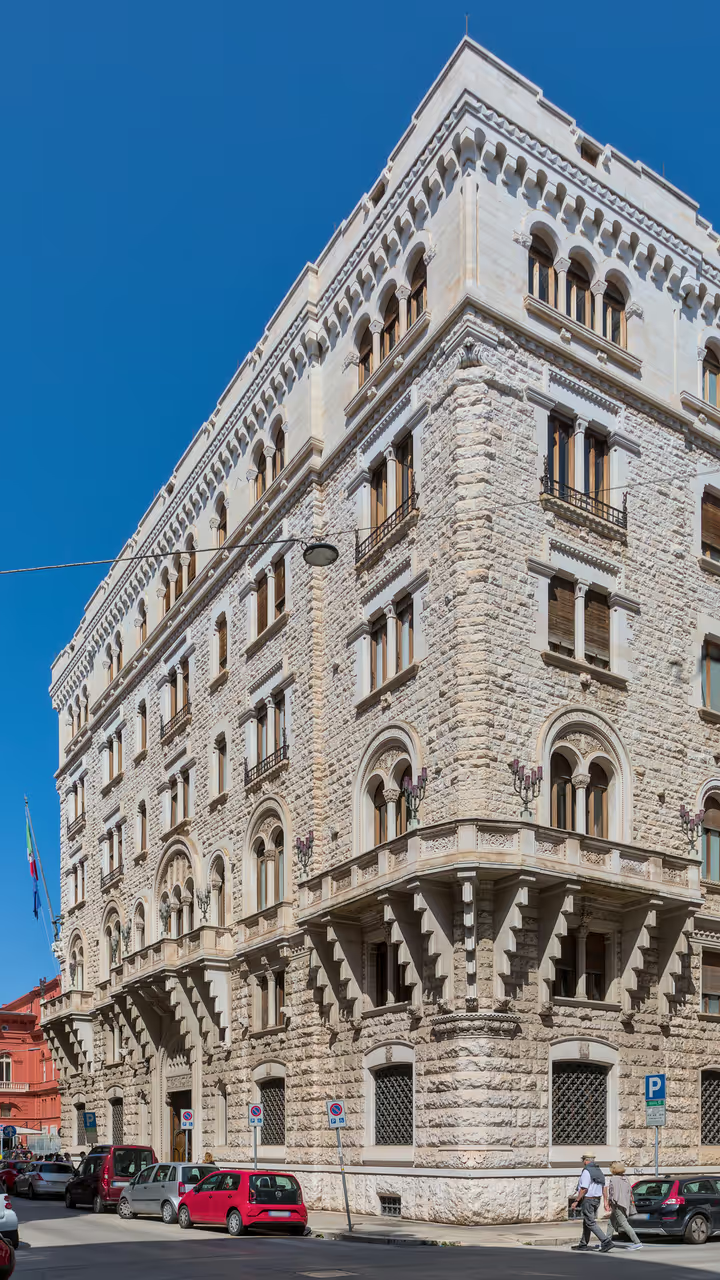
3 Days in Bari Itinerary
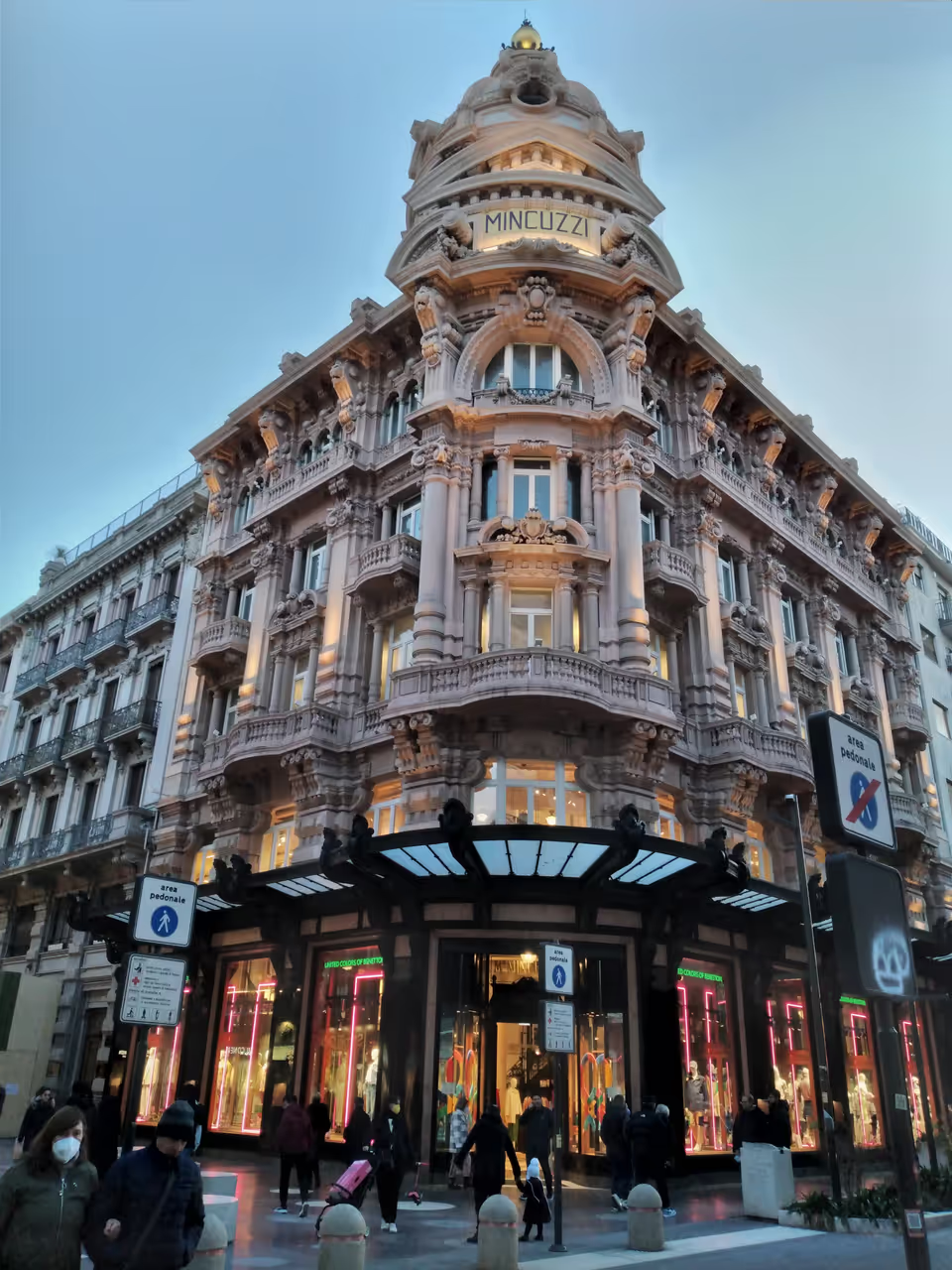
This three day journey allows you to deeply appreciate the stark contrast between the ancient alleys and the modern grid. The first day immerses you in the intense history and culinary traditions of the medieval centre. The second day shifts focus to the wealthy nineteenth century expansion, showcasing grand theatres and elegant shopping boulevards. The third day is dedicated to the spectacular coastline and hidden community squares. It offers a highly balanced and relaxed pace, providing ample time to sample incredible street food. You will leave with a profound understanding of the local culture.
view itinerary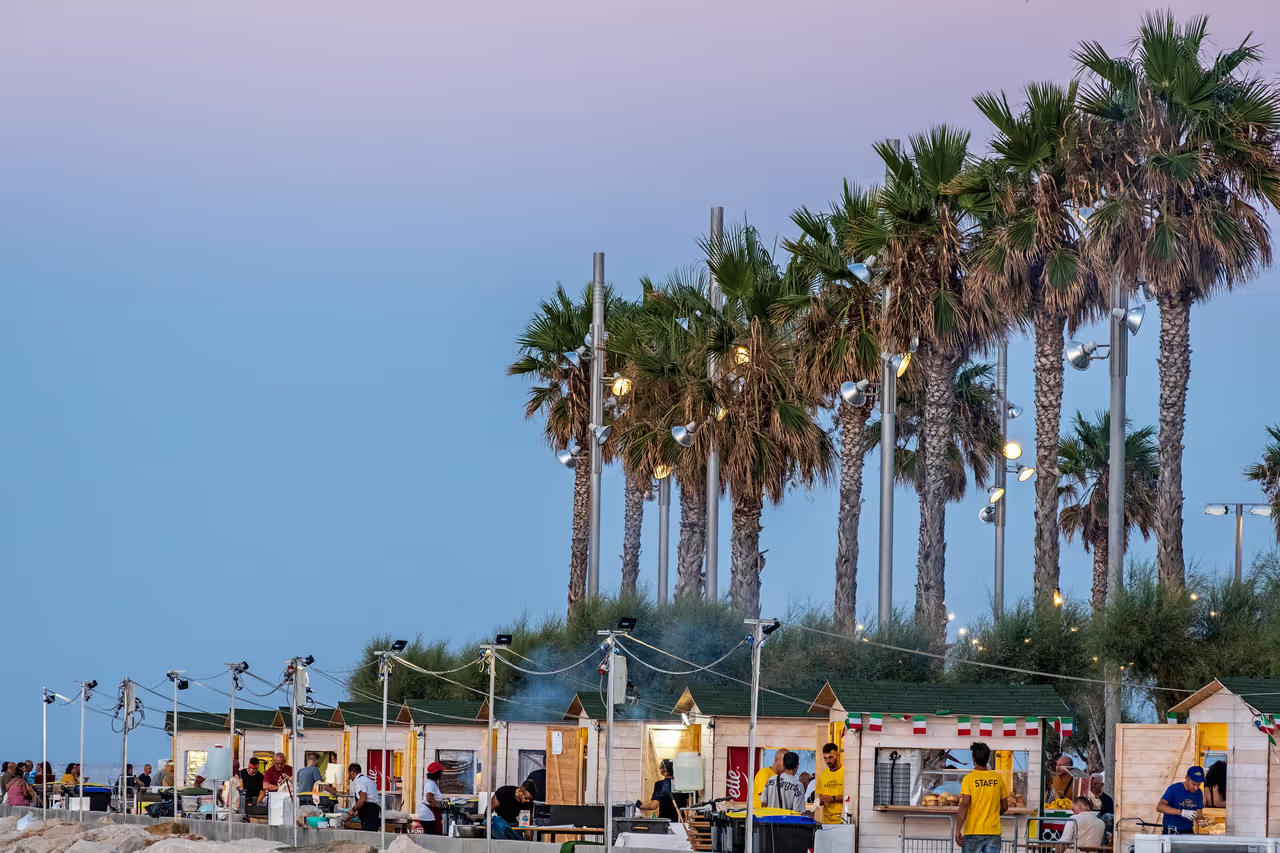
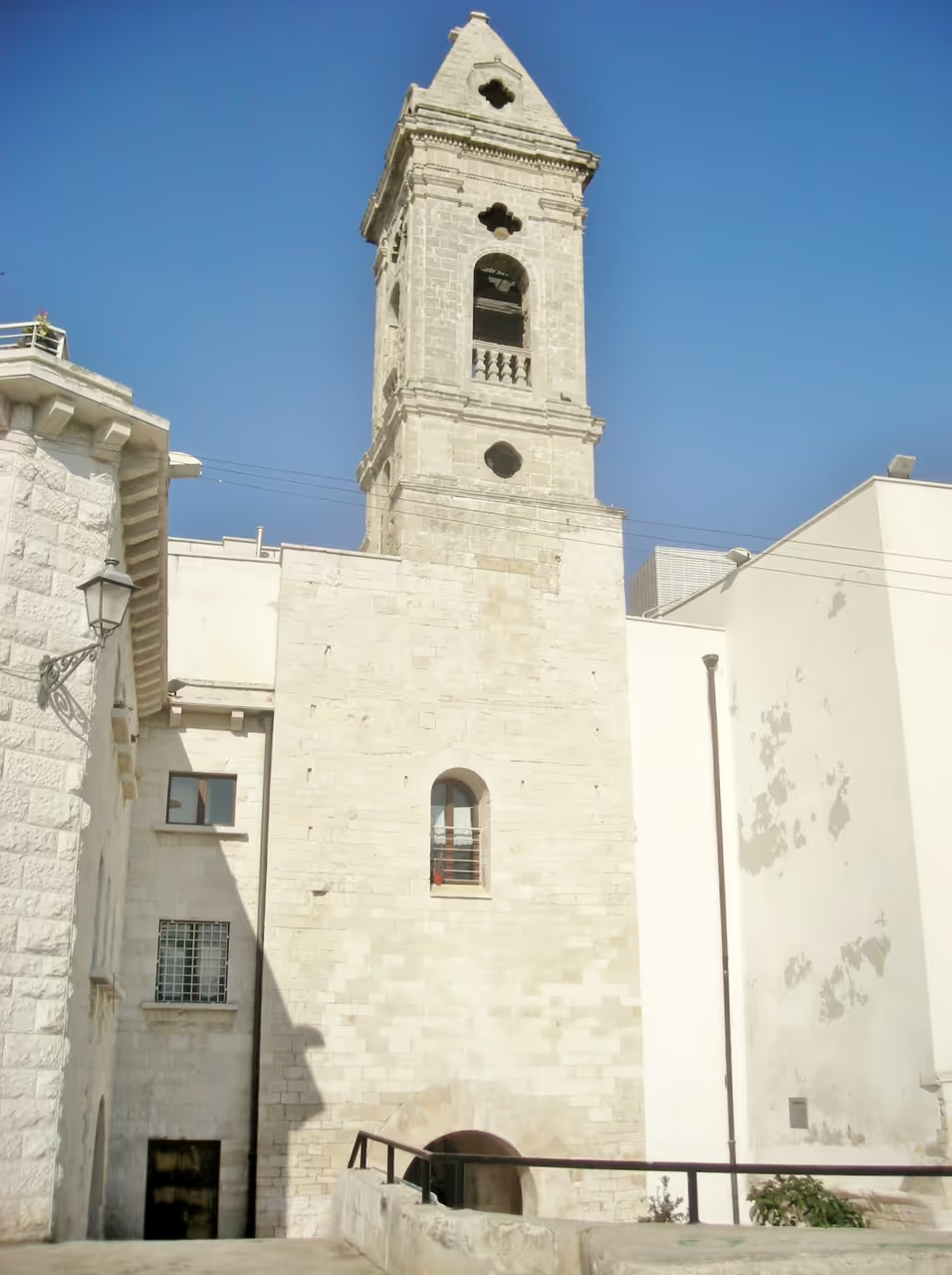
5 Days in Bari: The Deep Dive Exploration Itinerary
Five days allows for an incredibly thorough and rewarding exploration of both the iconic landmarks and the overlooked gems. After covering the medieval and modern highlights, the itinerary expands to include fascinating residential districts and sobering historical memorials. You will have time to discover the stunning eastern influences of the Russian church and the peaceful green parks. It provides the luxury of slow travel, allowing you to truly soak in the unique coastal atmosphere. This comprehensive plan transforms a simple visit into a profound cultural immersion.
view itinerary
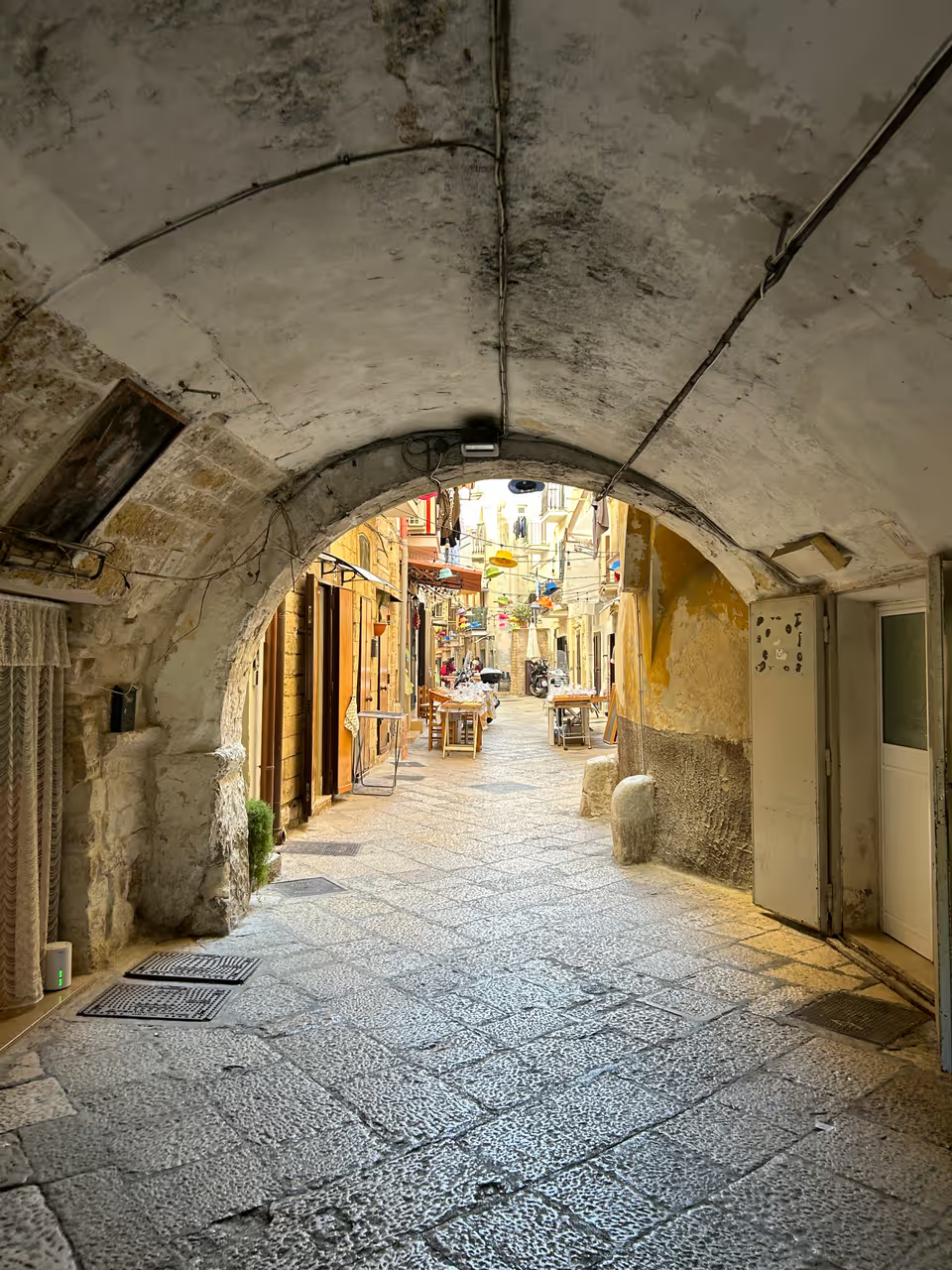
Medieval Labyrinth Stroll
Immerse yourself completely in the chaotic and beautiful charm of the ancient medieval district. The incredibly narrow, winding streets were originally designed to confuse invading armies and block strong coastal winds. Walking here feels like stepping back in time, surrounded by pale limestone buildings and hidden archways. The air is constantly filled with the smell of fresh laundry drying overhead and rich local cooking. You will stumble upon countless tiny shrines, hidden courtyards, and massive Romanesque churches. It is an incredibly sensory experience that captures the true soul of the city.
view walking route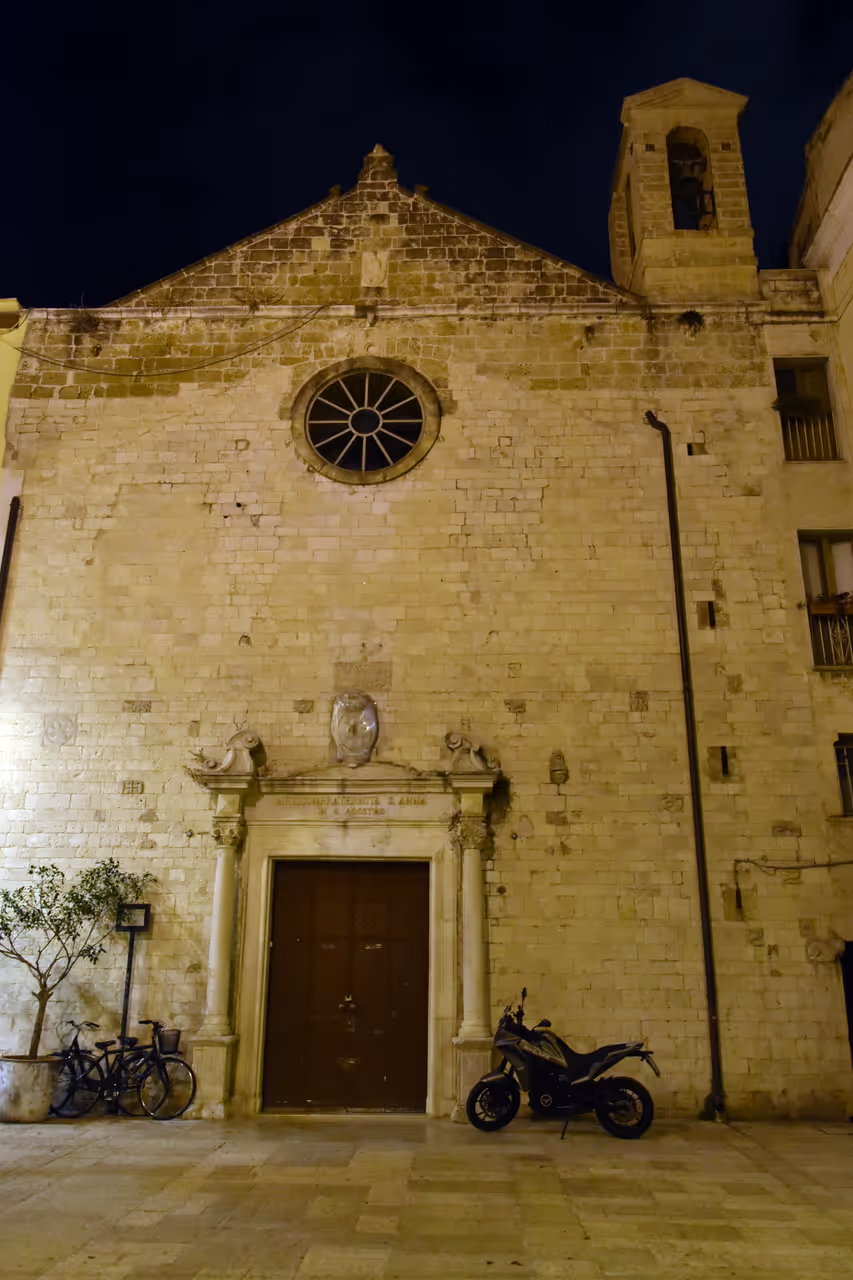
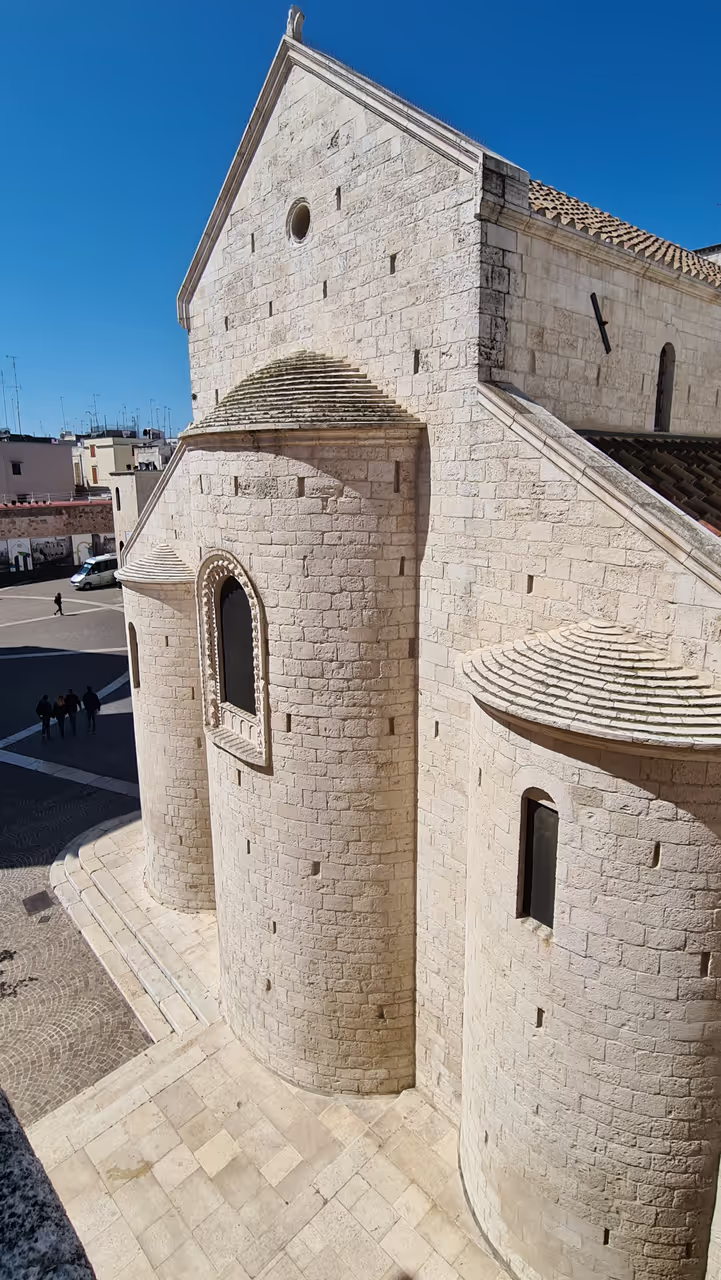
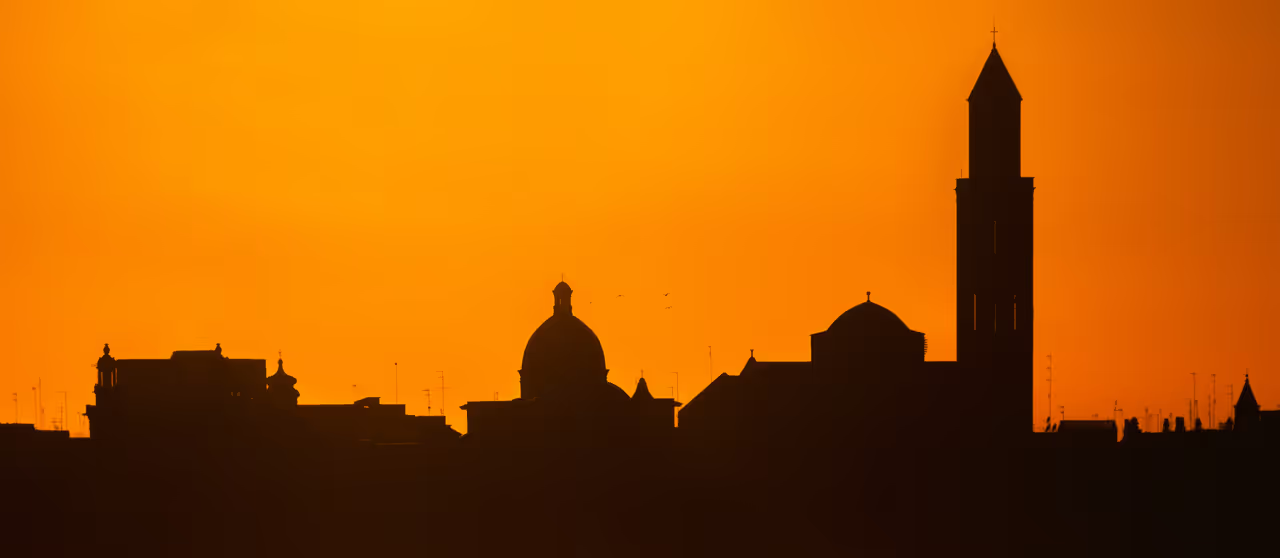
Ancient Churches Trail
Delve deep into the profound spiritual heritage of the city by tracing its most important religious monuments. The old town houses an astonishing number of churches, each holding unique treasures and centuries of devotion. This journey highlights the defining features of Apulian Romanesque architecture, from stark white facades to deeply mystical crypts. You will discover the fascinating stories of stolen relics and ancient church councils that shaped the religious landscape of Europe. It provides a peaceful and highly contemplative way to navigate the chaotic medieval streets. The massive stone walls of these sanctuaries offer a cool, quiet retreat from the bustling city outside.
view self-guided tour
See all attractions in Bari
Including Basilica of Saint Nicholas, Teatro Petruzzelli, Norman-Swabian Castle of Bari