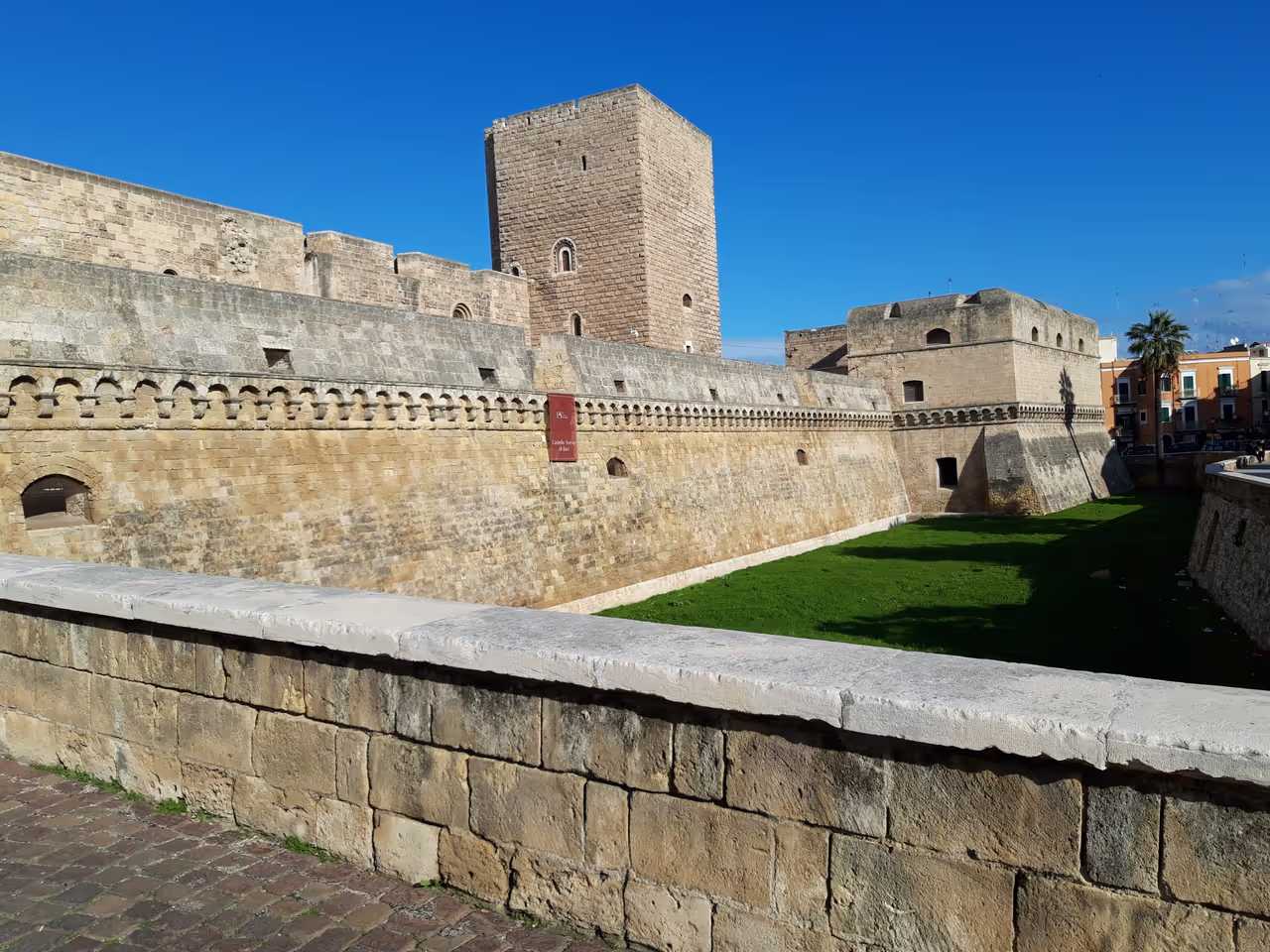
Norman-Swabian Castle of Bari
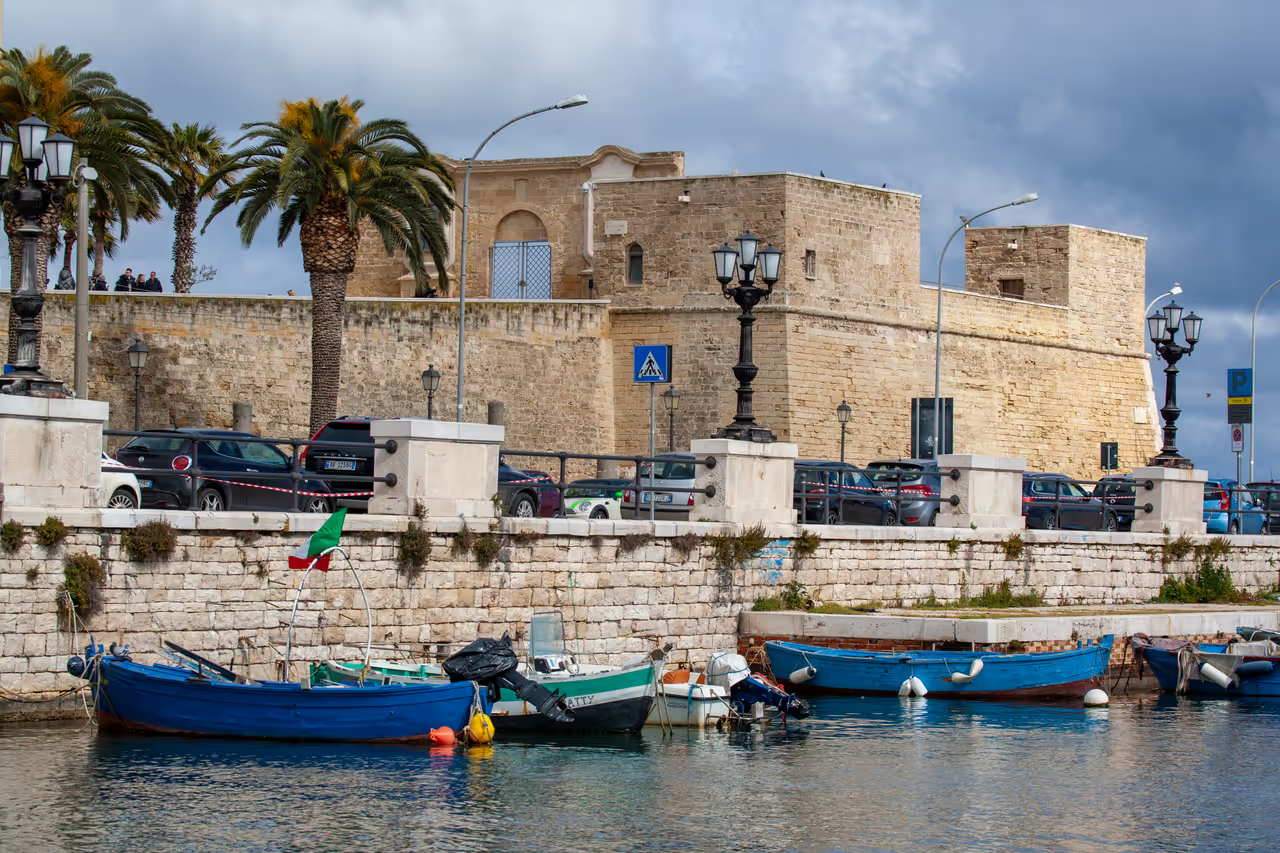
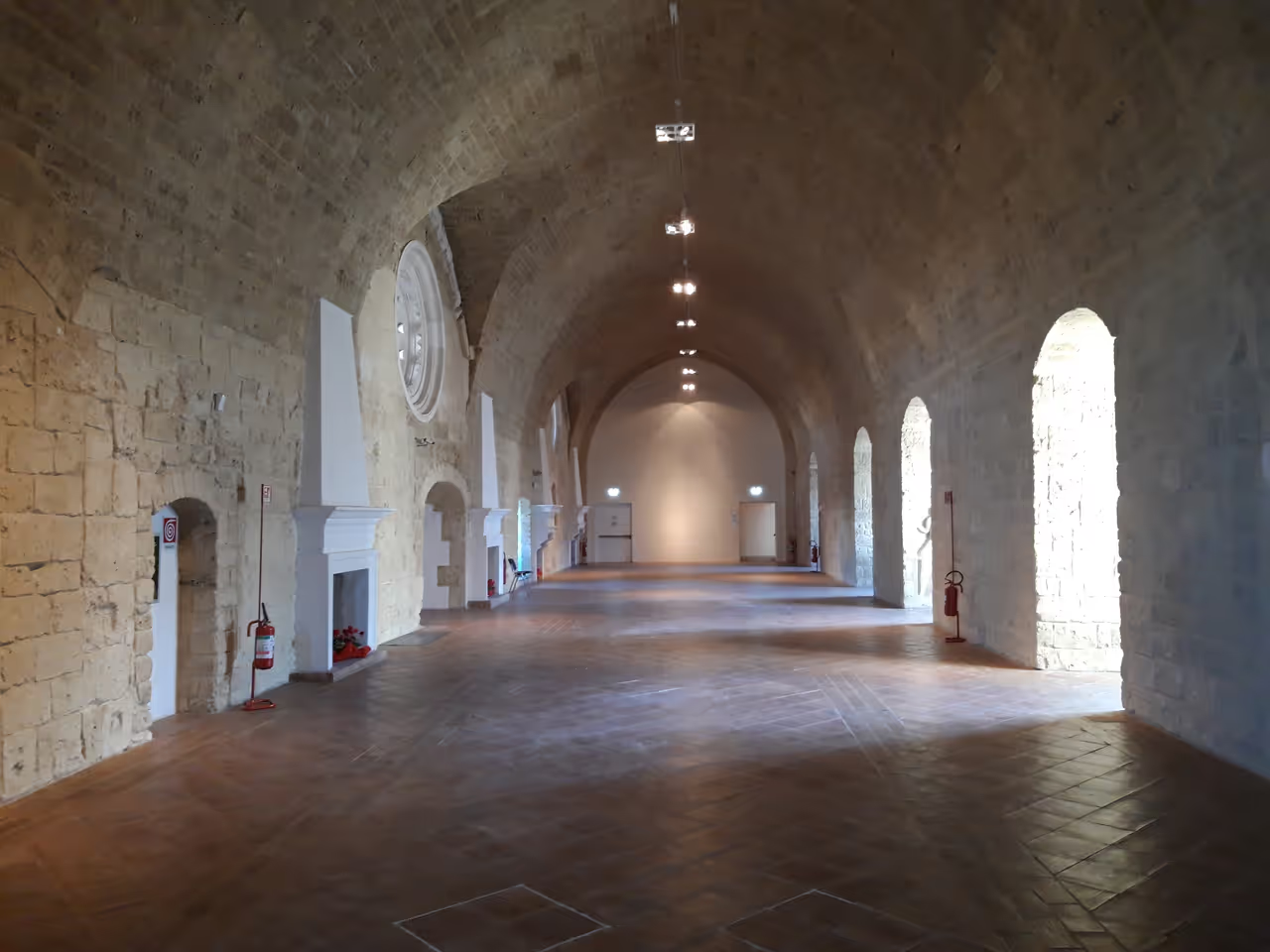
Standing sentinel over the edge of Bari's old town, this imposing fortress is a testament to the city's complex and layered past. Originally established in the twelfth century, the castle has evolved through Norman, Swabian, and Aragonese influences, transforming from a medieval stronghold into a Renaissance residence. Visitors can wander across the moat, explore the sturdy bastions, and immerse themselves in the history contained within these ancient stone walls. The castle now houses an impressive collection of plaster casts from Puglian churches, offering a unique peek into the region's artistic heritage. It is a perfect spot for history lovers to feel the weight of centuries while enjoying the architecture that has defined Bari for ages.
Videos
History of Norman-Swabian Castle of Bari
The history of the castle is deeply intertwined with the turbulent fate of Bari itself. Initially constructed in 1132 by the Norman king Roger II, the site was almost immediately caught in the crossfire of dynastic warfare. Just over twenty years later, in 1156, the city was razed to the ground by William the Malicious, and the fortress was reduced to rubble. Only a few religious buildings were spared, leaving the castle as a mere memory until the tides of power shifted once again. It was the enigmatic Emperor Frederick II who breathed new life into the site in 1233, commissioning a structure that would endure the centuries. Under his direction, the castle became a testament to Swabian power, eventually evolving from a medieval fortification into a residence fit for royalty. By the time it passed to the Sforza family, particularly Isabella d'Aragona, the castle had undergone a sophisticated transformation, integrating modern defensive measures to counter the threat of artillery. Her daughter, Bona Sforza, Queen of Poland, spent her final years here, turning the grim fortress into a centre of cultural refinement before her passing in 1557. The centuries that followed brought trials of fire and stone. In 1696, a stray lightning bolt ignited a cache of gunpowder, causing a massive explosion that scarred the building and the surrounding district. Following this event, the fortress was repurposed into a prison and a military barracks, slowly losing its royal lustre. Today, however, the castle stands as a resilient guardian of the old town, housing a fascinating gipsoteca that showcases the medieval artistry of Puglia. It remains a powerful symbol of Bari, bridging the gap between its ancient, often violent origins and its current identity as a keeper of heritage.
Events spanning 885 years
Fun Facts
- • During the Angevin period, the castle underwent extensive architectural modifications to serve the needs of the ruling dynasty.
- • For a significant period following the 1696 explosion, the structure was downgraded from a royal residence to serve as a prison and military barracks.
- • In its earlier iterations, the northern side of the castle was directly caressed by the sea, serving as a vital maritime defensive point.
- • Isabella d'Aragona, who took possession of the castle, was responsible for modernising its defences to better withstand the emerging threat of gunpowder artillery.
- • It is currently managed by the Regional Museums Directorate of Puglia, ensuring its preservation for future generations.
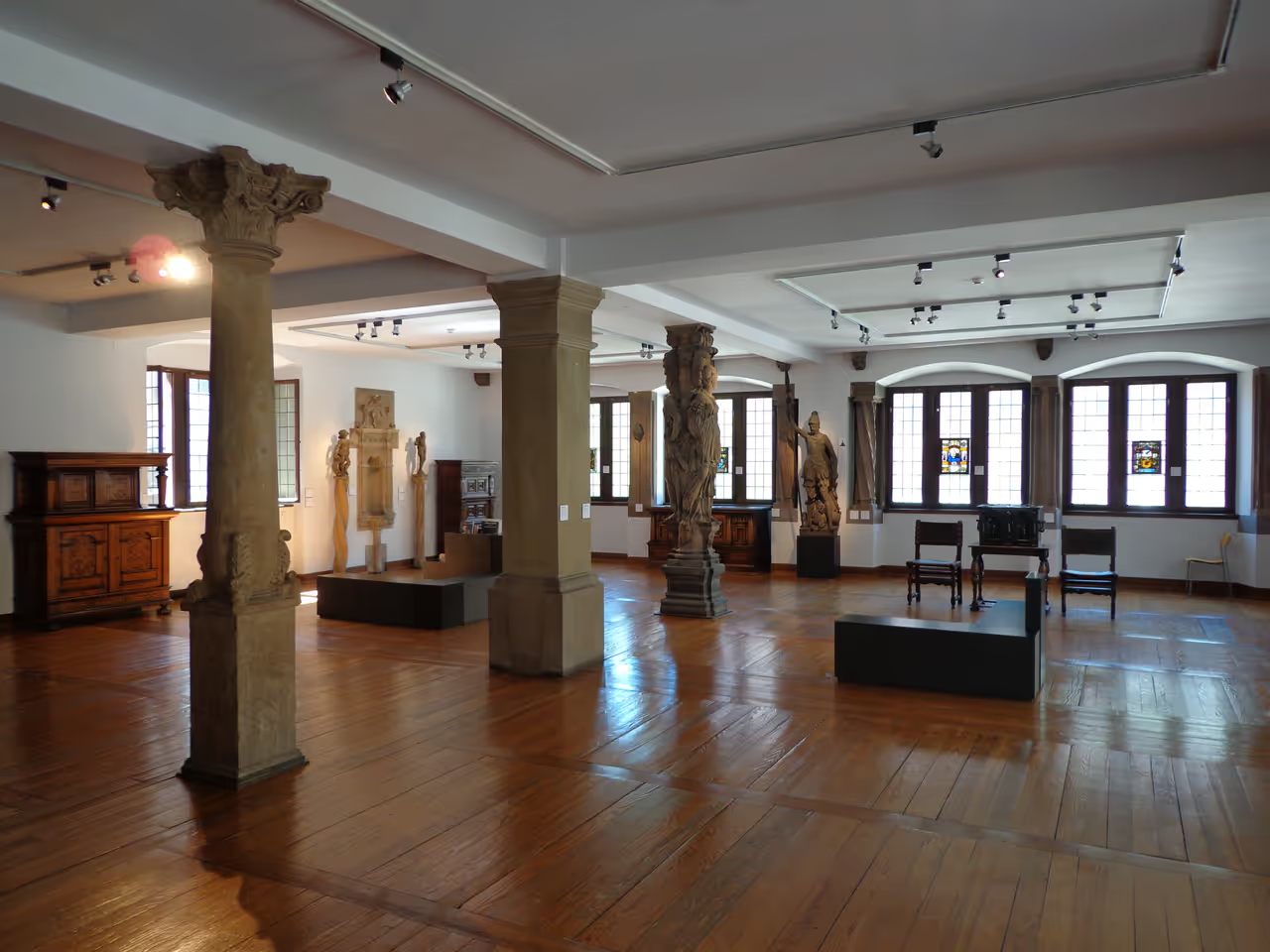
- • The castle features a rare gipsoteca, which preserves detailed plaster casts of friezes and bas-reliefs from various medieval churches throughout Puglia.
- • The castle is known locally in the Barese dialect as u Castídde.
- • The castle was once featured on a 300-lira postage stamp in 1980, as part of a national collection dedicated to Italian castles.
- • The impressive Aragonese defensive perimeter, complete with large, spear-shaped bastions, was added to protect the core from modern weaponry.
- • The site where the castle stands may have been used for defensive purposes as early as ancient Greek and Roman times, with references appearing in the works of Horace and Tacitus.
RESOURCES
Official WebsiteNorman-Swabian Castle of Bari FAQ
While we strive to keep this information accurate and up to date, we recommend verifying any details independently before making decisions based on them.
Norman-Swabian Castle of Bari Map & Neighborhood Explorer
This interactive map is centered on Norman-Swabian Castle of Bari. Zoom in and move the map around to automatically discover Wikipedia photos and summaries of other nearby sights, monuments, and historical points of interest and stories in real-time!
Places near Norman-Swabian Castle of Bari
Make the most of your trip. Check out these top-rated spots located nearby.
 77m
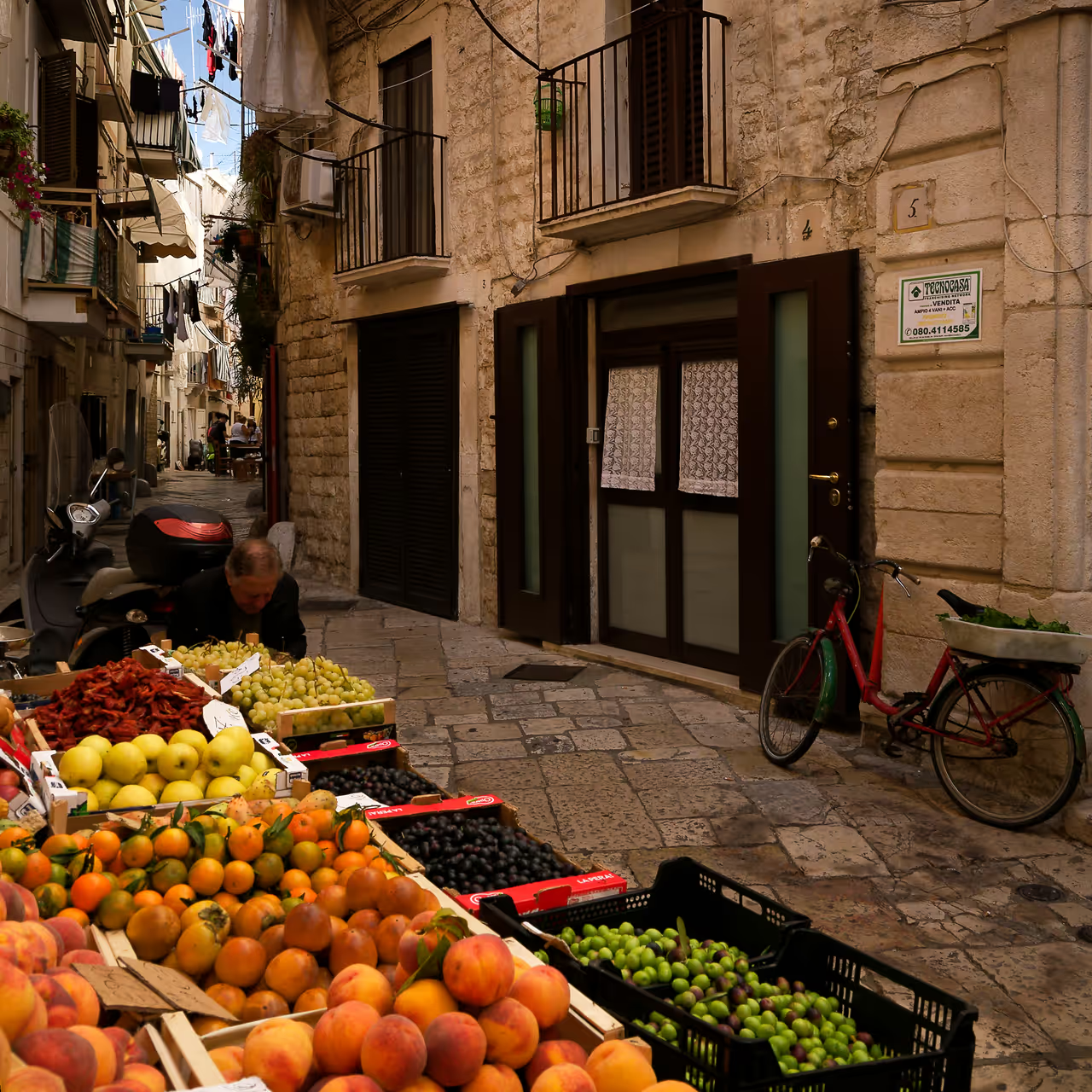
77mOrecchiette Street
This narrow, unassuming alleyway has become world famous for its incredible display of living culinary tradition. Every day, local grandmothers set up wooden tables outside their front doors to swiftly and expertly hand roll the region's famous ear shaped pasta. Visitors can watch in awe as the women shape the dough with astonishing speed using just a simple knife. Baskets filled with drying pasta of various colours line the sunny walls. You can purchase fresh bags directly from the women who made them. It is a beautifully authentic and highly photogenic slice of deeply rooted local life.
highlight view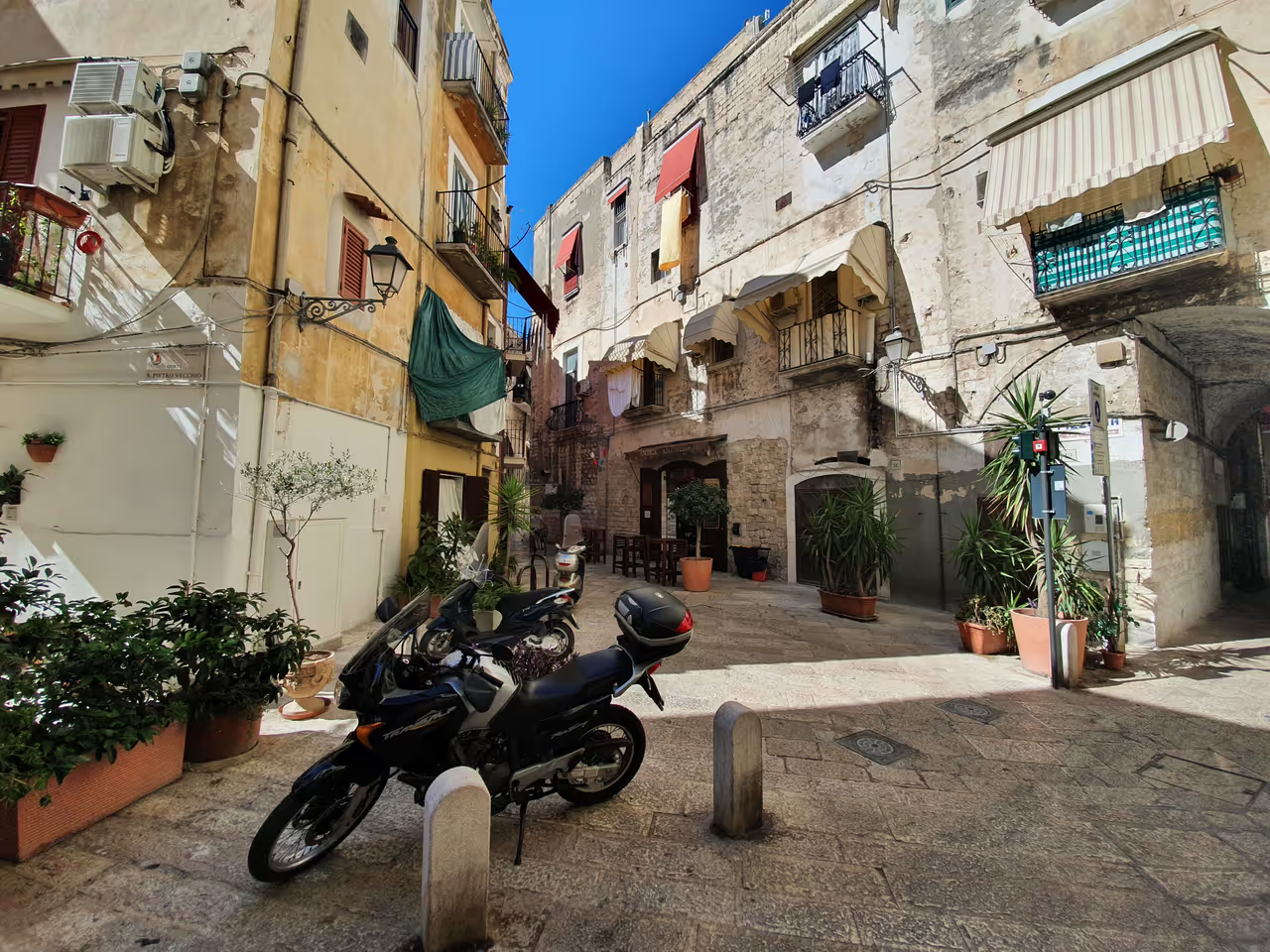 102m
102mApricot Square
Once a completely neglected and overgrown courtyard hidden deep within the medieval labyrinth, this small square has undergone a truly magical transformation. The local residents banded together to completely reclaim the space, turning it into a vibrant and highly welcoming community hub. They planted beautiful olive trees, added rustic seating, and strung up incredibly charming fairy lights that illuminate the area at night. It now serves as a lively outdoor living room where neighbours gather to share incredible homemade food and loud conversations. Finding it requires happily getting lost in the narrow alleys. It stands as a brilliant and deeply heartwarming example of grassroots urban renewal.
hidden gem view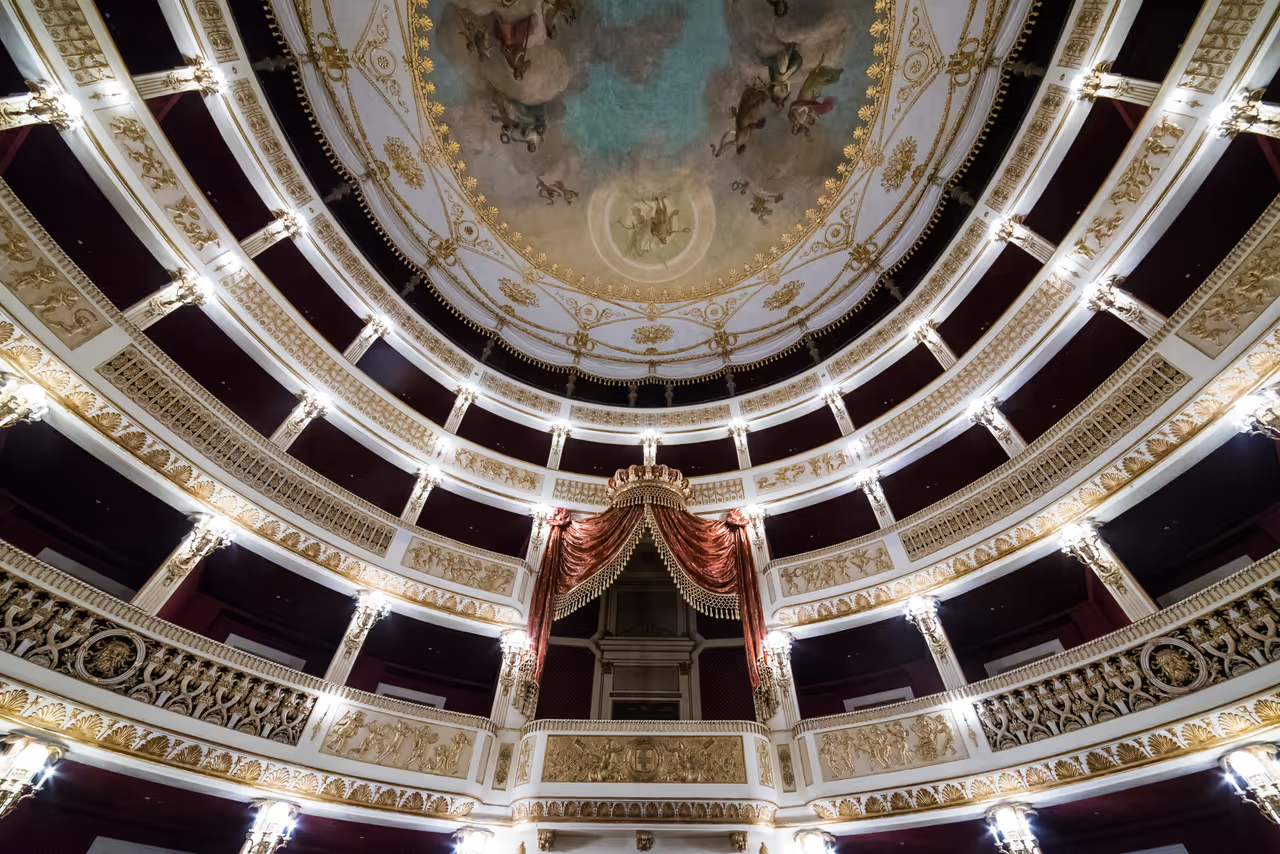 162m
162mPiccinni Theatre
This elegant and highly dignified structure holds the title of the oldest operating theatre in the city. Completed in 1854, the building displays a remarkably balanced and austere neoclassical facade that commands deep respect. The opulent, multi tiered interior is a masterclass in traditional Italian opera house design, featuring incredible acoustics and lavish gold detailing. It was specifically named after a highly celebrated local composer who achieved massive fame in Paris. The building represents the first major cultural investment of the modern city expansion. It remains a deeply prestigious venue for high quality theatrical productions.
architecture view- 167m
Saint Nicholas Winter Feast
This winter celebration marks the anniversary of the death of the beloved patron saint. The historic centre comes alive before dawn as devoted locals gather for early morning mass. The narrow streets fill with the comforting aromas of hot chocolate and traditional fried sweets. A solemn yet joyous procession carries the statue through the crisp winter air. The event holds profound significance for both Catholic and Orthodox worshippers. It perfectly captures the deep, unwavering faith of the local community.
festival view
Explore Similar Places in These Collections
Featured on These Itineraries and Routes
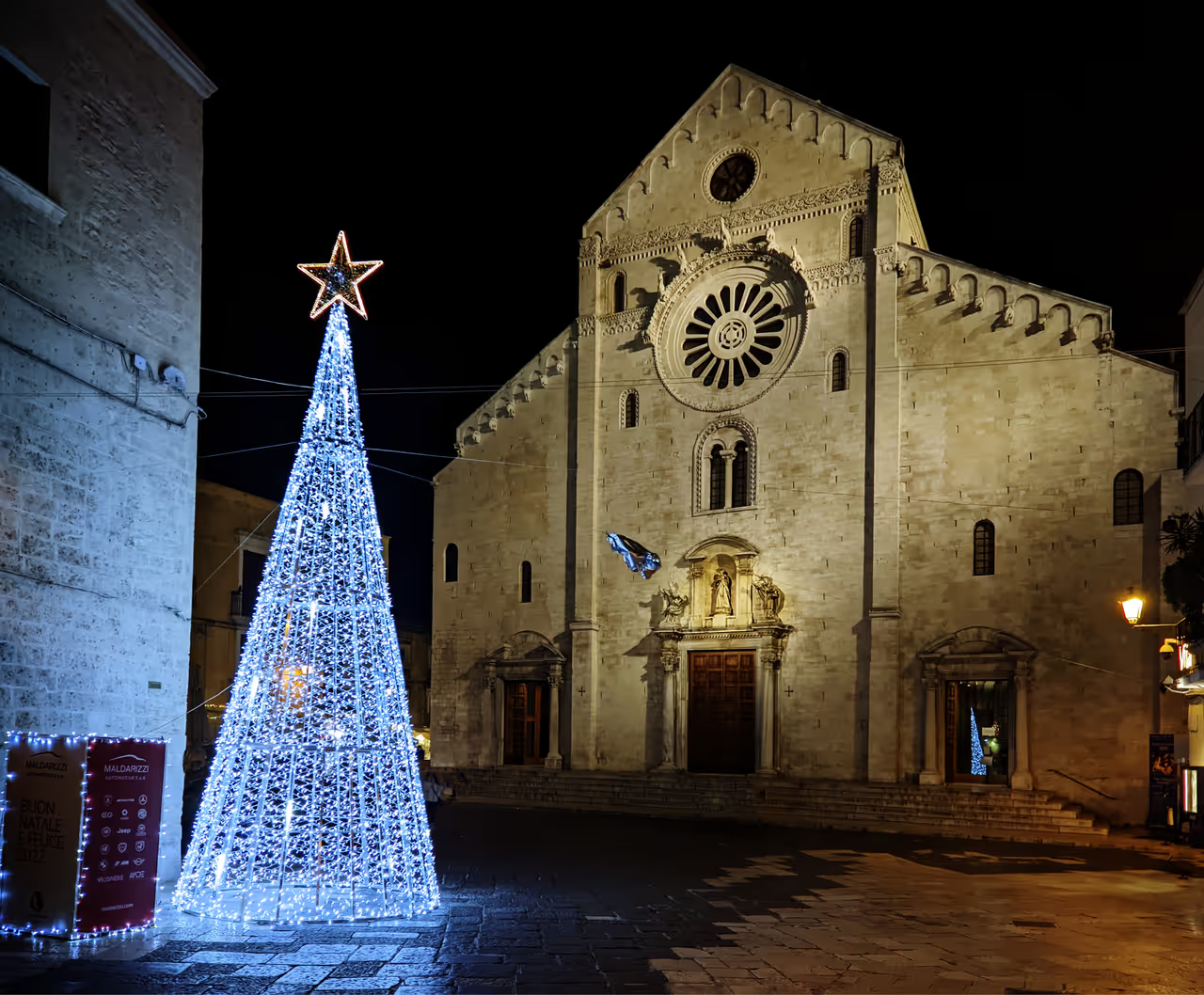
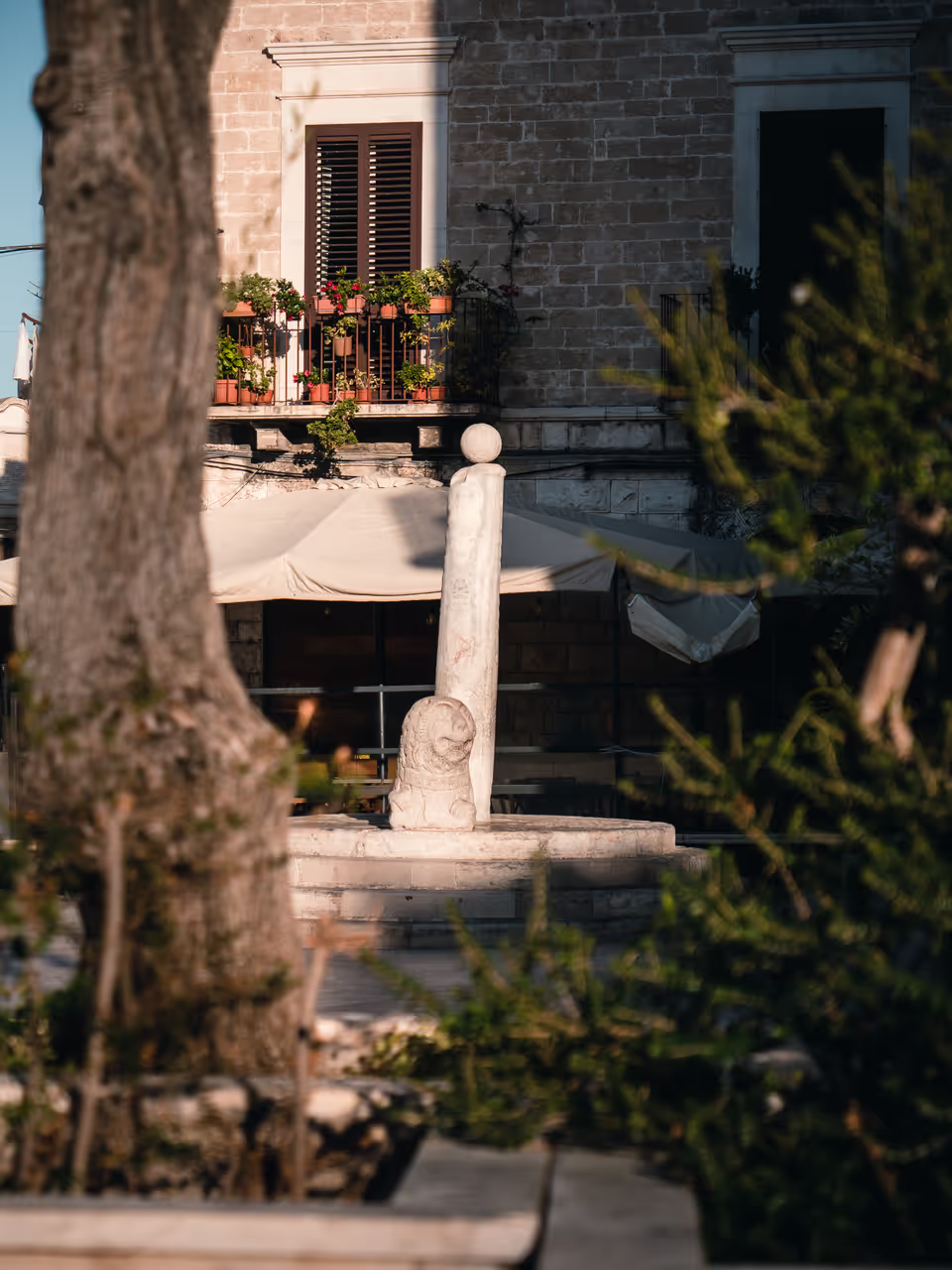
1 Day in Bari: A Perfect Day Itinerary
If you only have one day, this highly focused itinerary ensures you experience the absolute core identity of the city. You will dive headfirst into the chaotic beauty of the medieval old town, discovering its most sacred monuments and authentic street life. The route then leads you out to the elegant modern squares to experience the vibrant evening atmosphere. It perfectly balances deep historical exploration with fantastic local food and lively socialising. You will cover the essential landmarks without feeling completely overwhelmed. It provides a brilliant snapshot of the coastal capital.
view itinerary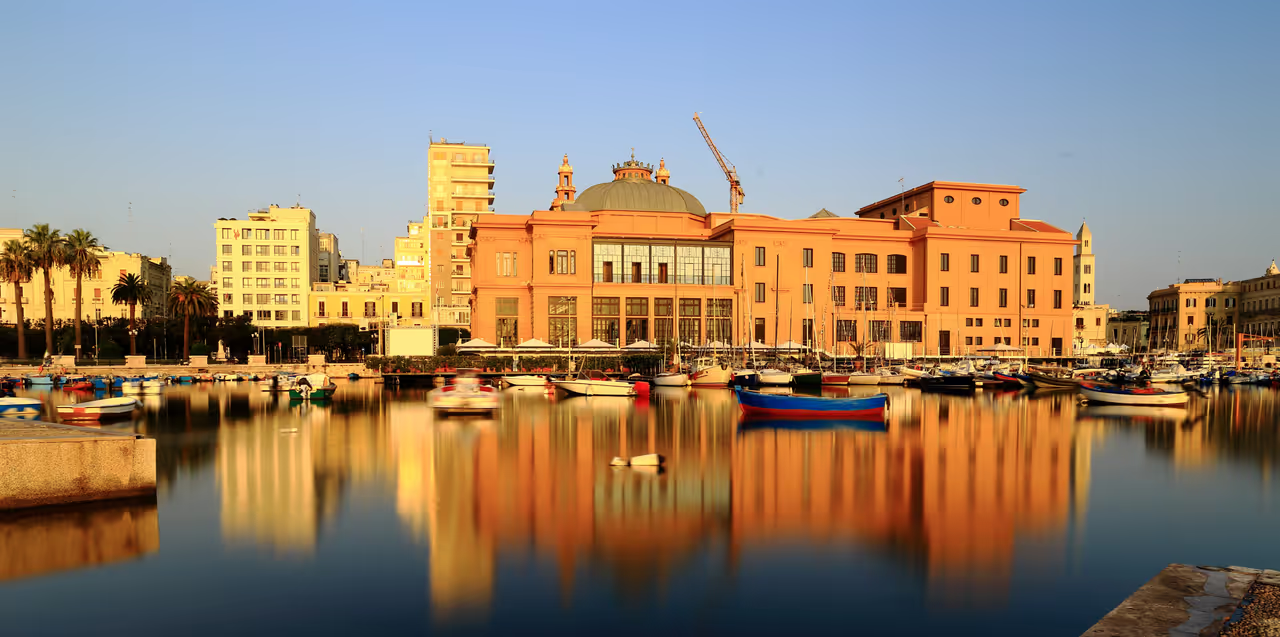
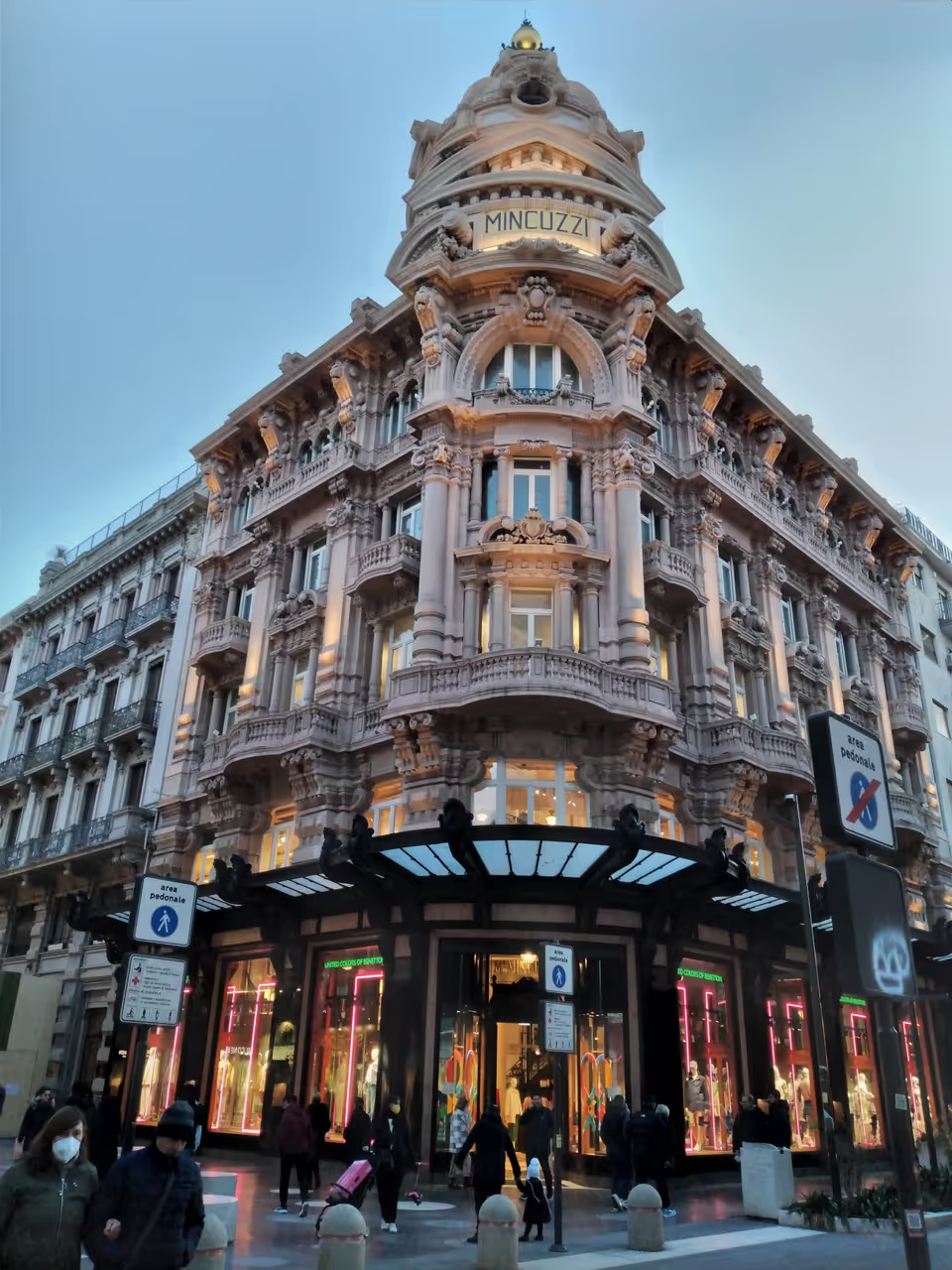
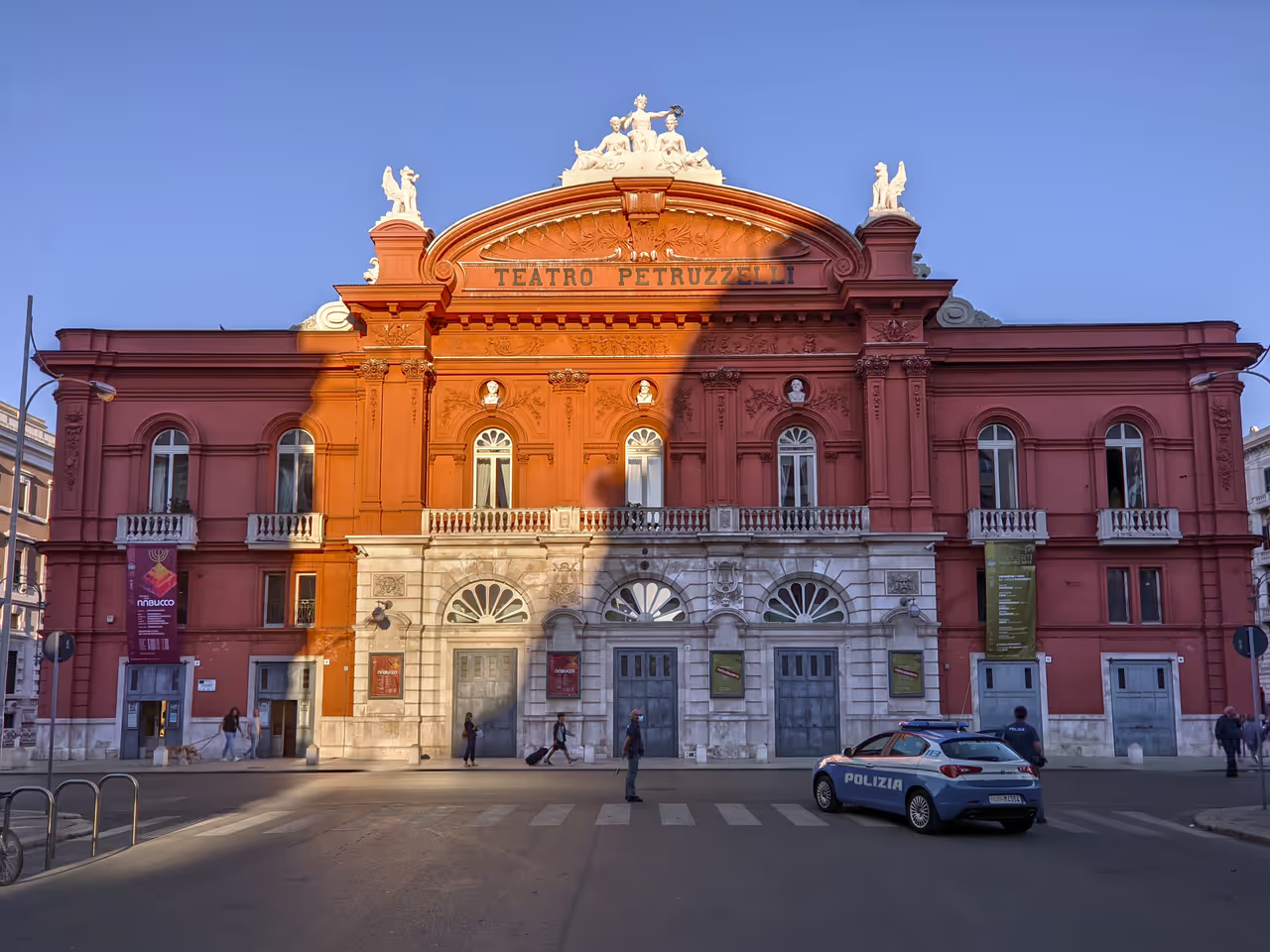

3 Days in Bari Itinerary
This three day journey allows you to deeply appreciate the stark contrast between the ancient alleys and the modern grid. The first day immerses you in the intense history and culinary traditions of the medieval centre. The second day shifts focus to the wealthy nineteenth century expansion, showcasing grand theatres and elegant shopping boulevards. The third day is dedicated to the spectacular coastline and hidden community squares. It offers a highly balanced and relaxed pace, providing ample time to sample incredible street food. You will leave with a profound understanding of the local culture.
view itinerary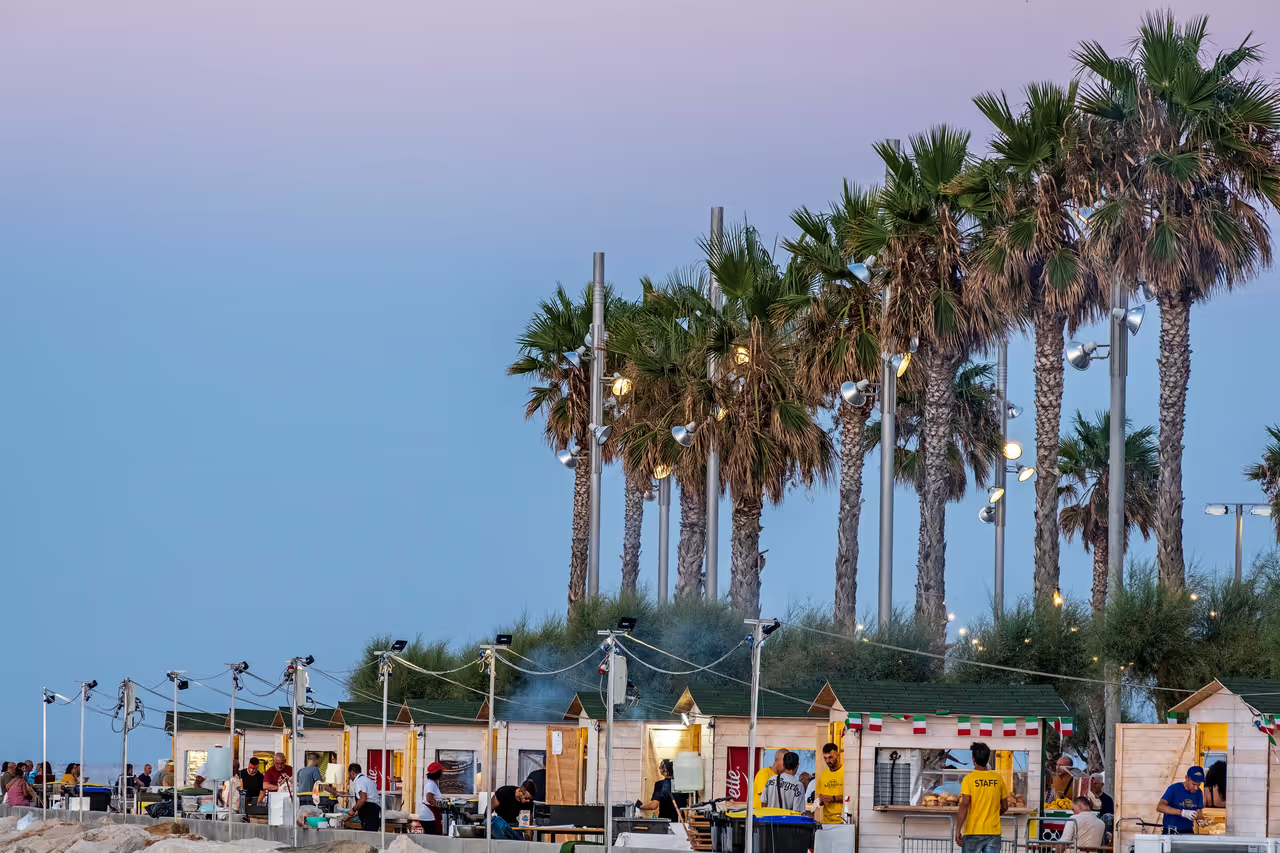
5 Days in Bari: The Deep Dive Exploration Itinerary
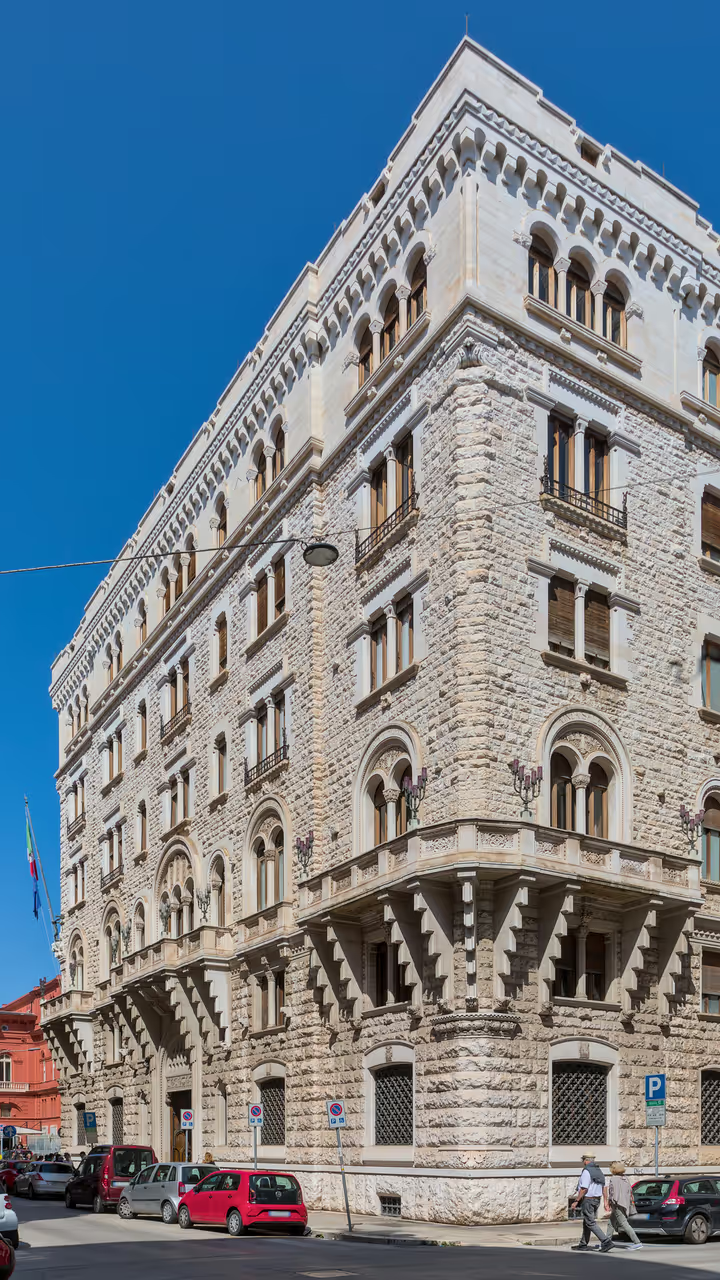
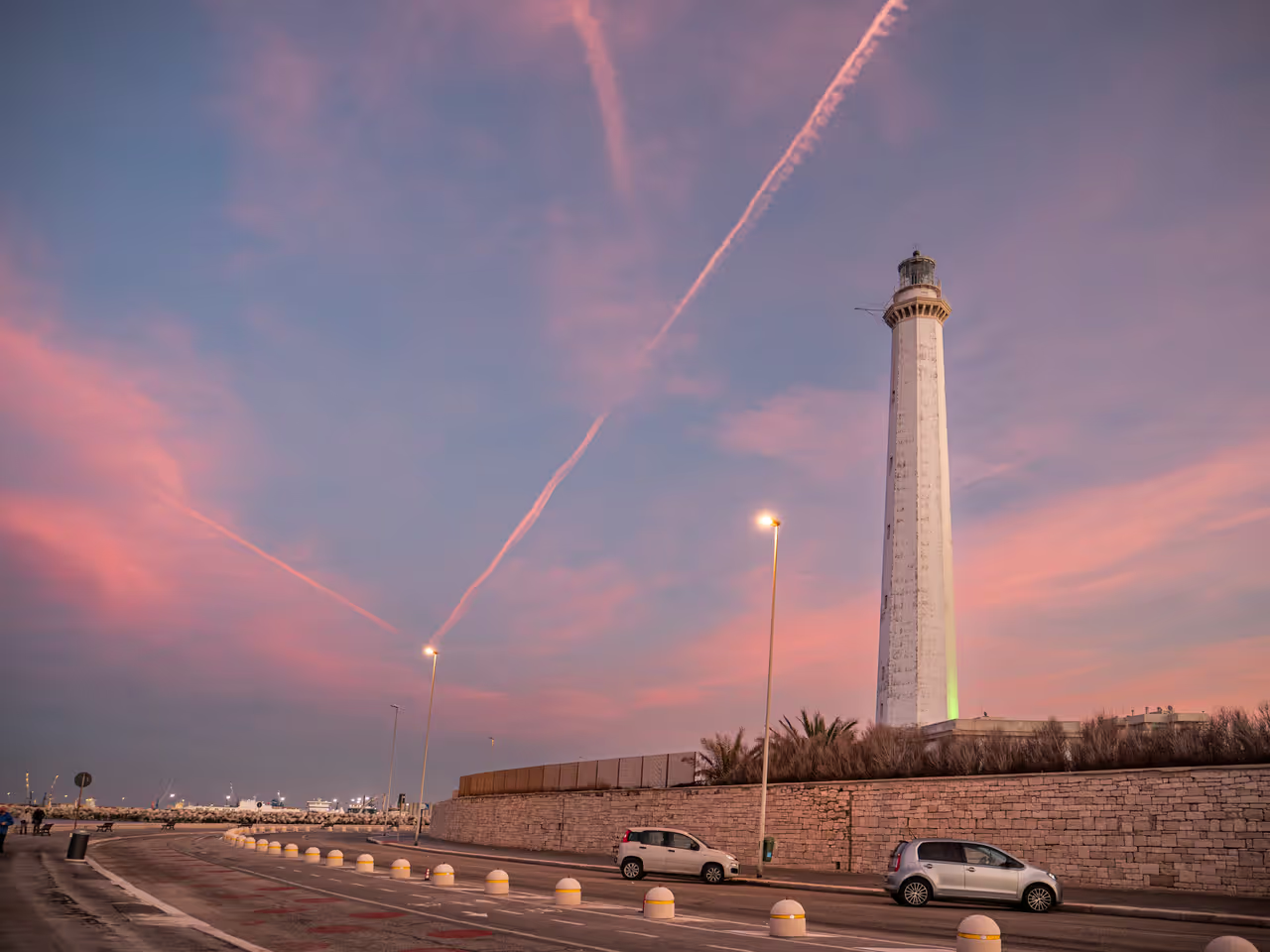
Five days allows for an incredibly thorough and rewarding exploration of both the iconic landmarks and the overlooked gems. After covering the medieval and modern highlights, the itinerary expands to include fascinating residential districts and sobering historical memorials. You will have time to discover the stunning eastern influences of the Russian church and the peaceful green parks. It provides the luxury of slow travel, allowing you to truly soak in the unique coastal atmosphere. This comprehensive plan transforms a simple visit into a profound cultural immersion.
view itinerary
Fortresses and Conquerors
Trace the formidable military and political history left behind by the great conquerors of the Middle Ages. The strategic coastal position made the city a highly coveted prize for empires looking to control the Mediterranean. This tour focuses on the massive fortifications and defensive structures that allowed the city to survive centuries of brutal warfare. You will explore towering castle walls, deep moats, and the remnants of ancient city gates. It offers a fascinating narrative of power, rebellion, and architectural ingenuity. The imposing stone structures serve as powerful reminders of a volatile and violent past.
view self-guided tour
See all attractions in Bari
Bari Cathedral, Basilica of Saint Nicholas, Teatro Petruzzelli...