Parc des Buttes-Chaumont
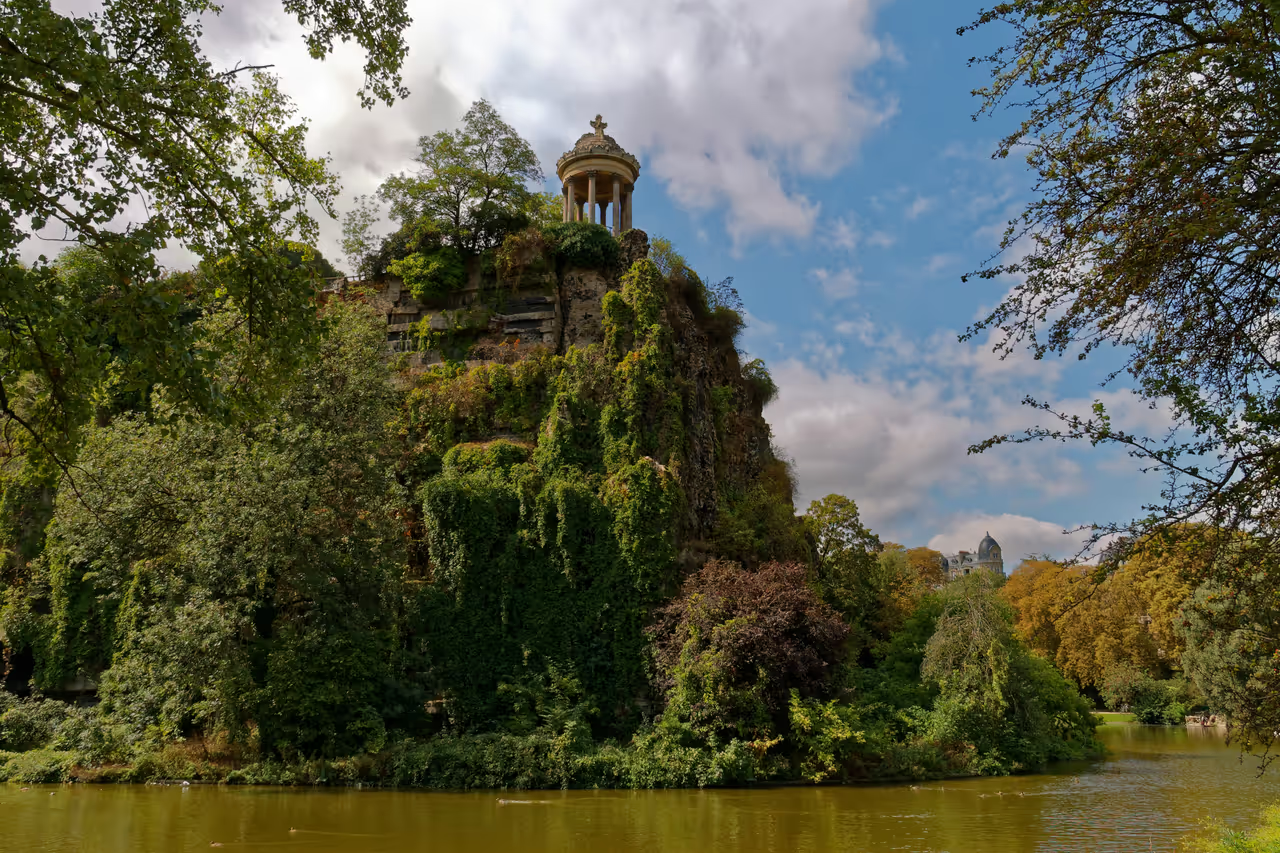
Imagine a slice of dramatic, cliffside nature tucked away in the heart of northern Paris. The Parc des Buttes-Chaumont is unlike any other park in the city, transforming a former quarry into a vertical playground of steep paths, hidden waterfalls, and rocky outcrops. Visitors are drawn here for the sweeping panoramic views, particularly from the iconic Temple of the Sibylle perched high above the central lake. It is a brilliant spot for a picnic, a scenic walk, or simply soaking in the atmosphere of one of Paris’ most distinct landscapes. Whether you are seeking a moment of peace or a touch of adventure, this park offers a unique vantage point over the city.
Videos
History of Parc des Buttes-Chaumont
Long before Parisians enjoyed its winding paths, this site lived a very different life. During the 19th century, the area was a harsh, desolate landscape used as a garbage dump and a stone quarry. Known for its inhospitable gypsum-rich soil, it was a place where vegetation refused to grow, and the scent of its industrial past reportedly drifted across nearby districts. It served as a stark, gritty backdrop for the city, far removed from the manicured beauty of the gardens typically associated with Parisian elegance. The transformation began in the 1860s when Napoleon III and Baron Haussmann embarked on their ambitious mission to remodel the city. They turned to the visionary engineer Jean-Charles Alphand, who performed what could only be described as a feat of landscape engineering. Hundreds of workers, steam engines, and even explosives were deployed to move mountains of earth, shaping the rocky terrain into the dramatic, romantic garden that exists today. It was a bold display of industrial mastery, turning a wasteland into a picturesque public space that even caught the attention of Gustave Eiffel, who designed its graceful suspension bridge. Since its grand opening in 1867, the park has weathered historical storms, serving as a bastion during the Paris Commune and later as a site of daring Resistance activity during the Second World War. Today, the park stands as a testament to the idea that nature can be curated and reclaimed. It remains a beloved fixture for locals, a place where the artificial and the natural blur into one. It continues to inspire with its rugged cliffs and cascading waterfalls, remaining an essential destination for anyone looking to understand the diverse layers of Paris.
Events spanning 147 years
Fun Facts
- • A 32-metre high waterfall feeds the lake, with water specifically pumped from the nearby Canal de l'Ourcq.
- • Before its conversion, the site was a notorious dump, gypsum quarry, and slaughterhouse area known for its unpleasant conditions.
- • In 2007, it became one of the first parks in the city to provide free Wi-Fi for visitors.
- • It remains one of the few places in Paris where visitors are explicitly encouraged to sit on the lawns.
- • The central Temple of the Sibylle is actually a replica of the famous ancient temple located in Tivoli, Italy.
- • The dramatic rocky cliffs of the island were deliberately designed to mirror the limestone coastline of Étretat in Normandy.
- • The park contains a 34-metre tall Oriental Plane tree that has been thriving since it was planted in 1862.
- • The park features a grotto built inside a cavern that remained after limestone and gypsum were extracted.
- • The park is built over a 19th-century railway line, the Petite Ceinture, which ran directly through the area.
- • The suspension bridge crossing the lake was designed by Gustave Eiffel, the same architect behind the famous tower.
RESOURCES
Official WebsiteParc des Buttes-Chaumont FAQ
While we strive to keep this information accurate and up to date, we recommend verifying any details independently before making decisions based on them.
Parc des Buttes-Chaumont Map & Neighborhood Explorer
This interactive map is centered on Parc des Buttes-Chaumont. Zoom in and move the map around to automatically discover Wikipedia photos and summaries of other nearby sights, monuments, and historical points of interest and stories in real-time!
Places near Parc des Buttes-Chaumont
Make the most of your trip. Check out these top-rated spots located nearby.
 1074m
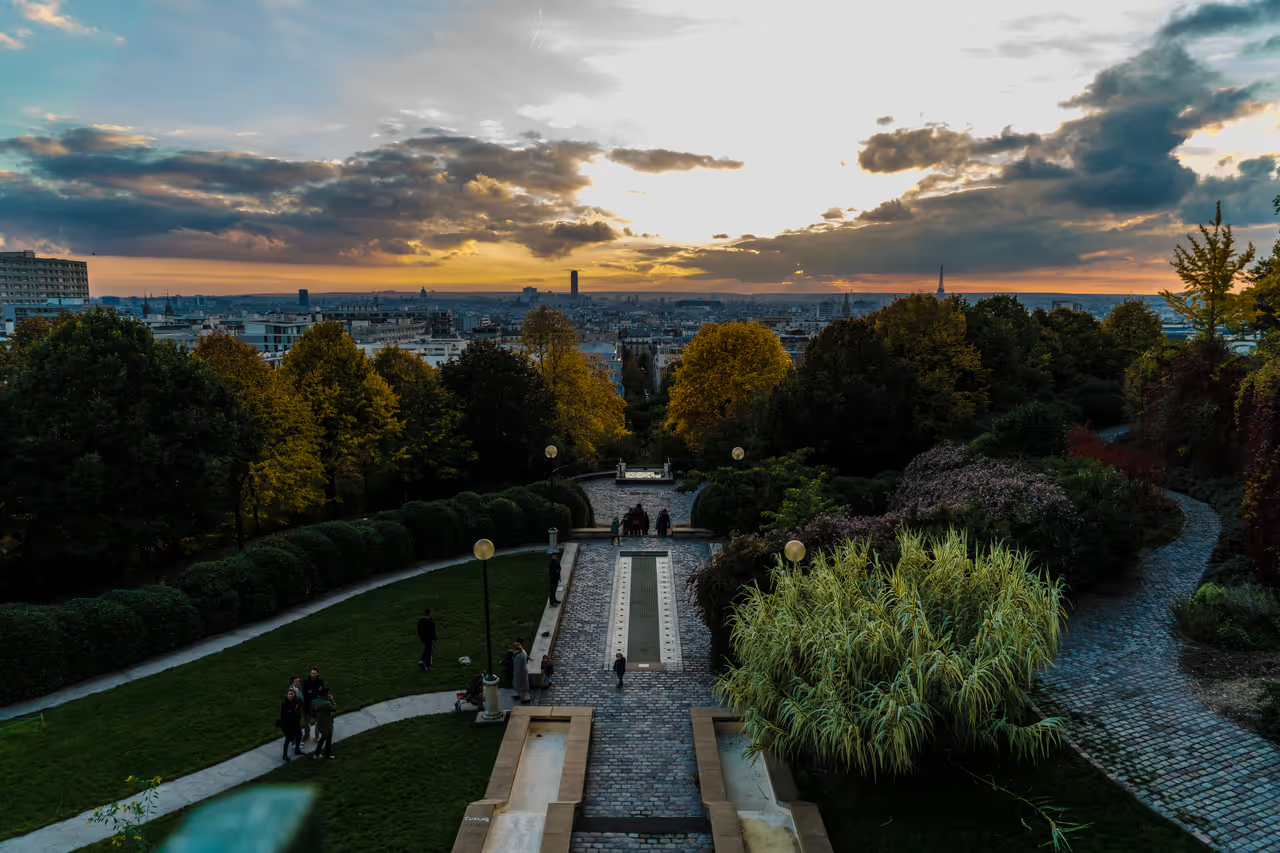
1074mBelleville Park Belvedere
Located in the eastern part of the city, this elevated terrace crowns a steep, modern park situated in a vibrant, working-class neighbourhood. The sweeping vista looks back westward, encompassing a vast, sweeping view of the entire central basin, punctuated by iconic landmarks. The perspective here feels much more local and less polished than the central viewing platforms, showcasing the dense, layered reality of the urban environment. It is a brilliant spot to watch the sun dip below the horizon with a crowd of relaxed locals.
viewpoint view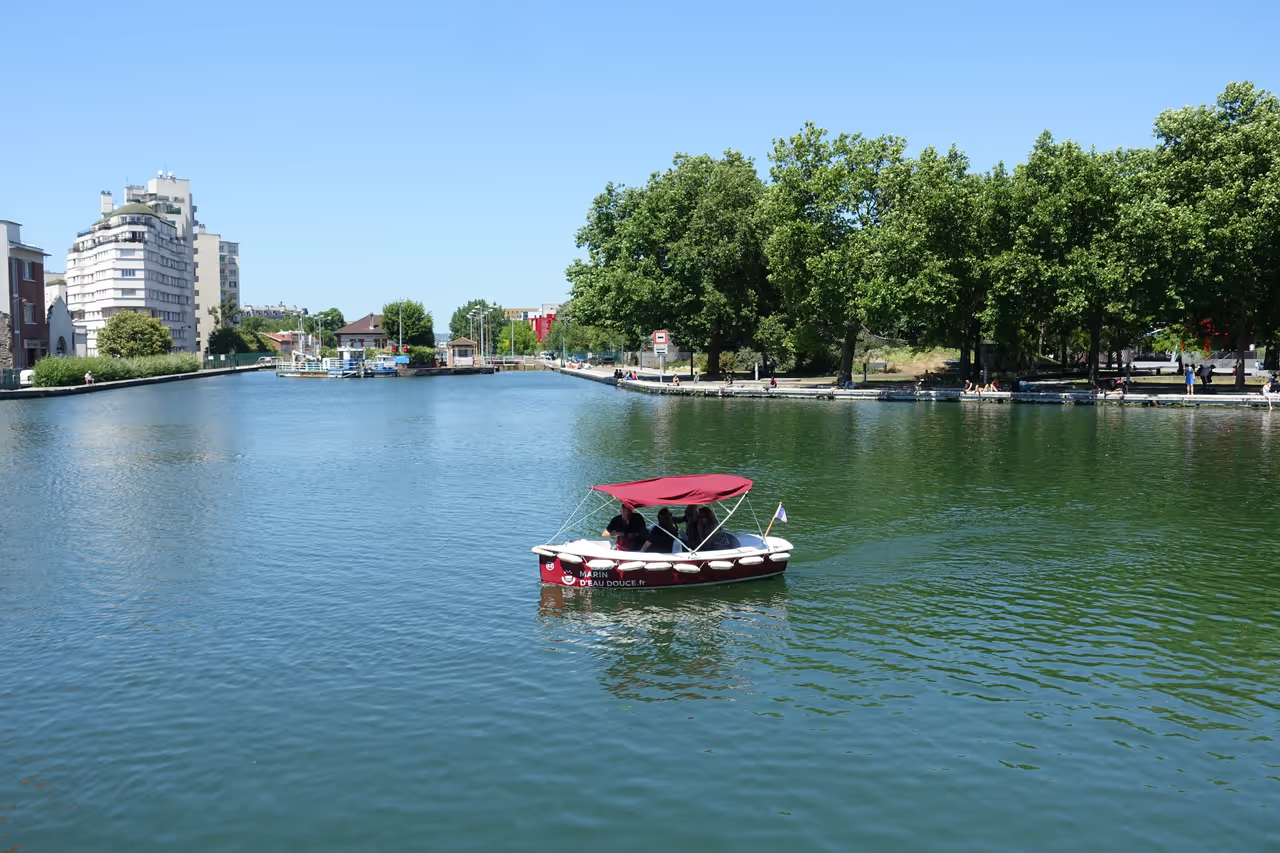 1544m
1544mParc de la Villette
Covering 55 hectares in the 19th arrondissement, this sprawling park reimagines the concept of a public green space within Paris. It transforms a former industrial wasteland into a dynamic landscape where architecture, science, and the arts intersect. You will find yourself drawn to the iconic red structures called folies, which dot the park and serve as both artistic landmarks and functional venues. Visitors can enjoy an array of experiences, from quiet walks along the Canal de l’Ourcq to lively evenings at an open-air cinema or a concert. The atmosphere is undeniably contemporary, reflecting the park's identity as a laboratory for urban culture rather than a traditional, manicured garden. It is a destination that promises something different around every corner, inviting you to explore the modern spirit of the city.
park & nature view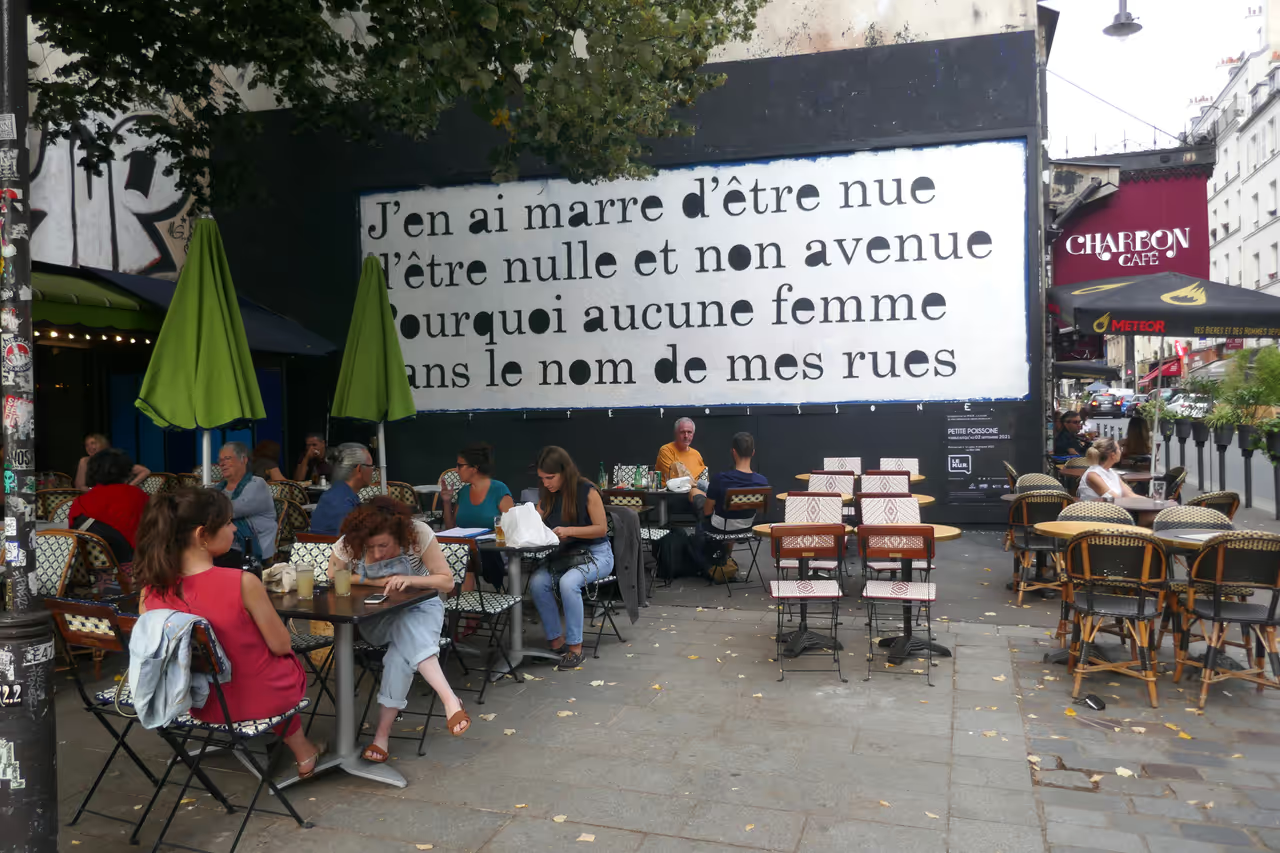 1703m
1703mOberkampf District
Located in the eleventh district, this area underwent a dramatic transformation to become the epicentre of indie and alternative nightlife. The streets are lined with a dense concentration of grungy-chic bars, intimate music venues, and late-night eateries. It draws a young, energetic crowd looking for an unpretentious atmosphere away from the polished tourist centres. The vibrant energy here lasts well into the early hours, offering an authentic slice of modern local culture.
nightlife view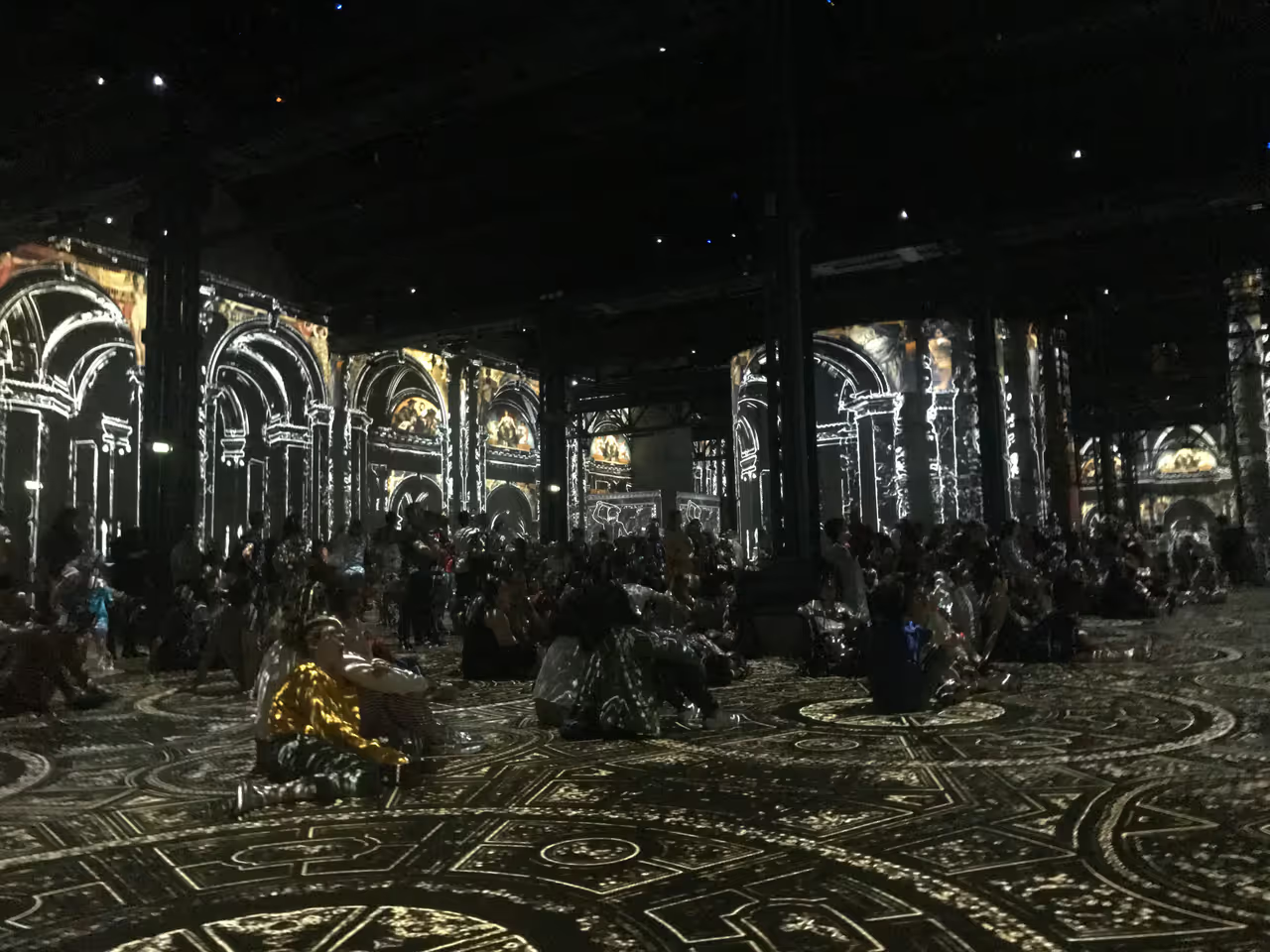 2054m
2054mImmerse Yourself at Atelier des Lumières
Housed in a meticulously restored former iron foundry, this innovative digital art centre offers a completely immersive visual experience. High-definition projectors map animated versions of famous artworks onto the massive bare stone walls and floors, perfectly synchronised with a powerful musical score. The resulting environment surrounds visitors completely, making them feel as if they have stepped inside the paintings. It provides a mesmerising, modern way to engage with classical art without the constraints of traditional museum framing.
highlight view
See all nature & parks in Paris
Bois de Vincennes, Jardin des Plantes, Luxembourg Gardens, Bois de Boulogne, Parc de la Villette, Tuileries Garden...