Parc de la Villette
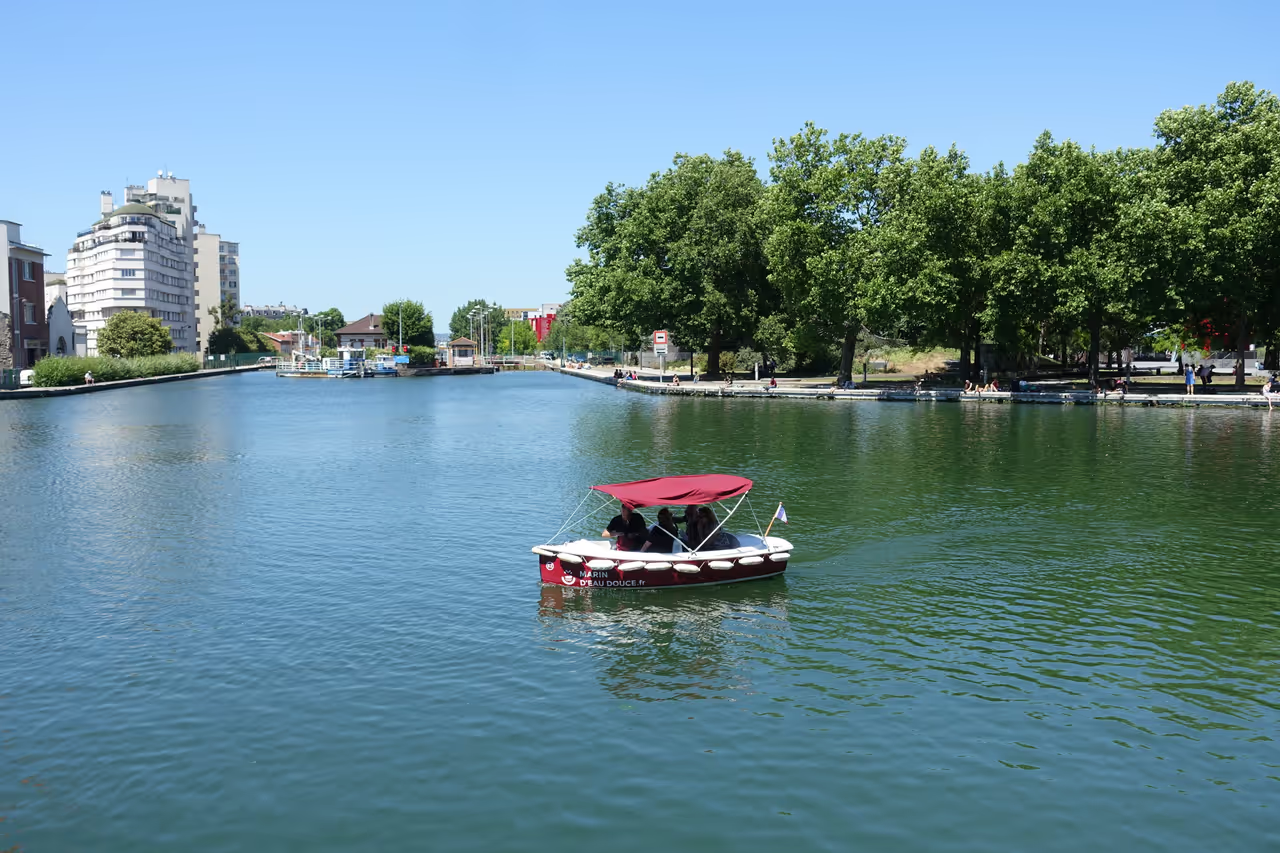
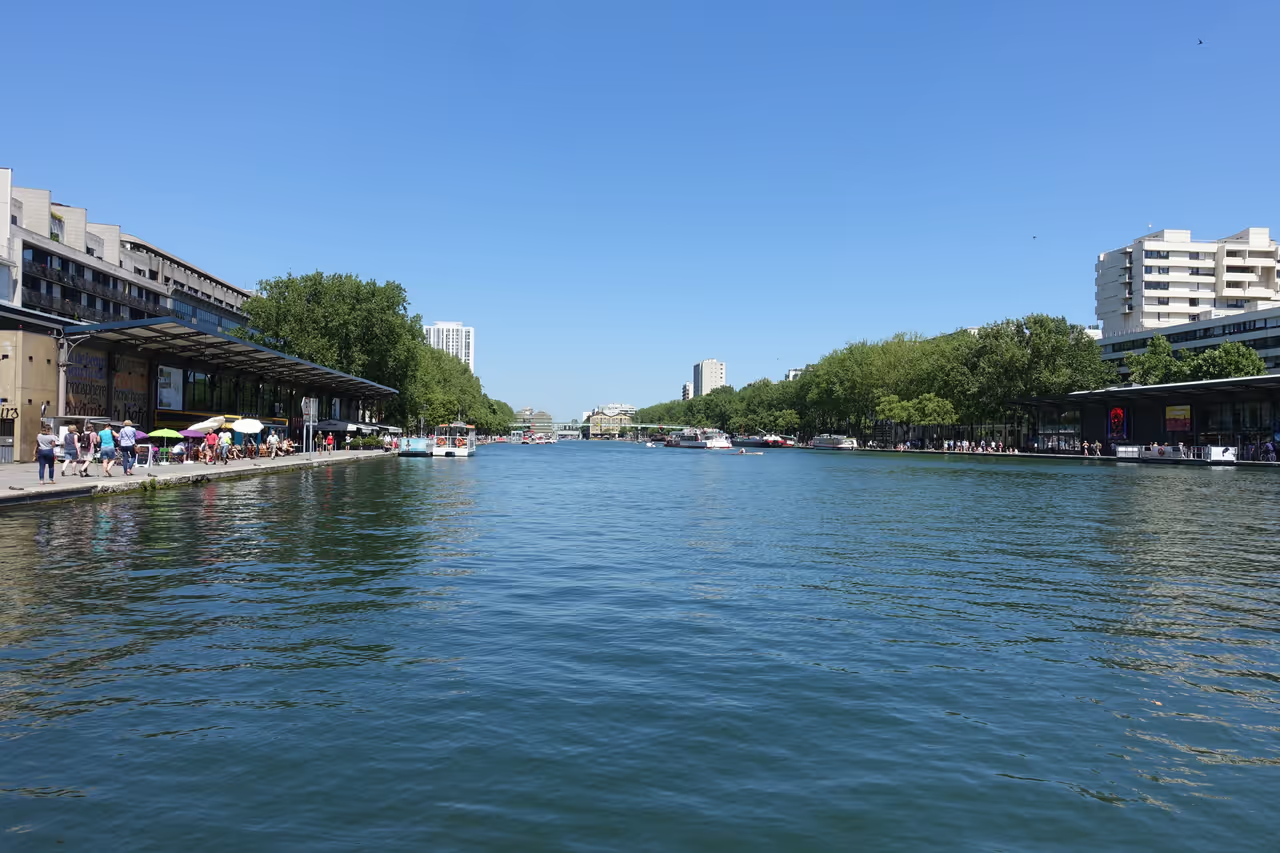
Covering 55 hectares in the 19th arrondissement, this sprawling park reimagines the concept of a public green space within Paris. It transforms a former industrial wasteland into a dynamic landscape where architecture, science, and the arts intersect. You will find yourself drawn to the iconic red structures called folies, which dot the park and serve as both artistic landmarks and functional venues. Visitors can enjoy an array of experiences, from quiet walks along the Canal de l’Ourcq to lively evenings at an open-air cinema or a concert. The atmosphere is undeniably contemporary, reflecting the park's identity as a laboratory for urban culture rather than a traditional, manicured garden. It is a destination that promises something different around every corner, inviting you to explore the modern spirit of the city.
Videos
History of Parc de la Villette
The history of this site begins with blood and industry. From 1867 until 1974, the sprawling grounds served as the primary slaughterhouses and cattle market for Paris, feeding the millions who lived in the city. When the industrial activities finally ceased, the area was left as a massive urban void, creating a challenge for city planners who were unsure how to integrate such a colossal space into the fabric of the capital. Rather than erasing this industrial memory, the subsequent development chose to build upon it, transforming a site of production into a site of consumption for art, science, and leisure. The rebirth of the site began with an ambitious international competition in 1982. Architect Bernard Tschumi won the commission, proposing a radical departure from traditional park design. He moved away from the concept of a garden as a place of stillness, instead viewing the park as an urban laboratory. He introduced the system of the red folies, geometric structures that provide a rhythmic visual anchor across the vast landscape. His approach allowed the park to remain open and permeable, encouraging visitors to wander through various layers of discovery, whether they were seeking the serenity of the canal or the intensity of a cultural performance. Today, the legacy of this transformation is visible in the park's vibrant character. It functions as a cultural powerhouse, housing major institutions like the Philharmonie de Paris and the Zénith. The park has successfully bridged the gap between the 19th arrondissement and the wider world, serving as a hub where local families and international travellers mix seamlessly. By embracing its post industrial roots, the area has crafted a modern identity that celebrates freedom and openness, honouring the Rabelaisian spirit of allowing visitors to do as they please in a vast, open air environment.
Events spanning 157 years
Fun Facts
- • Architect Bernard Tschumi designed the park using a unique grid of 26 bright red buildings known as folies.
- • It is home to the Cité des Sciences et de l'Industrie, the largest science museum in Europe.
- • It occupies the site of the city's primary slaughterhouses which operated for over a century.
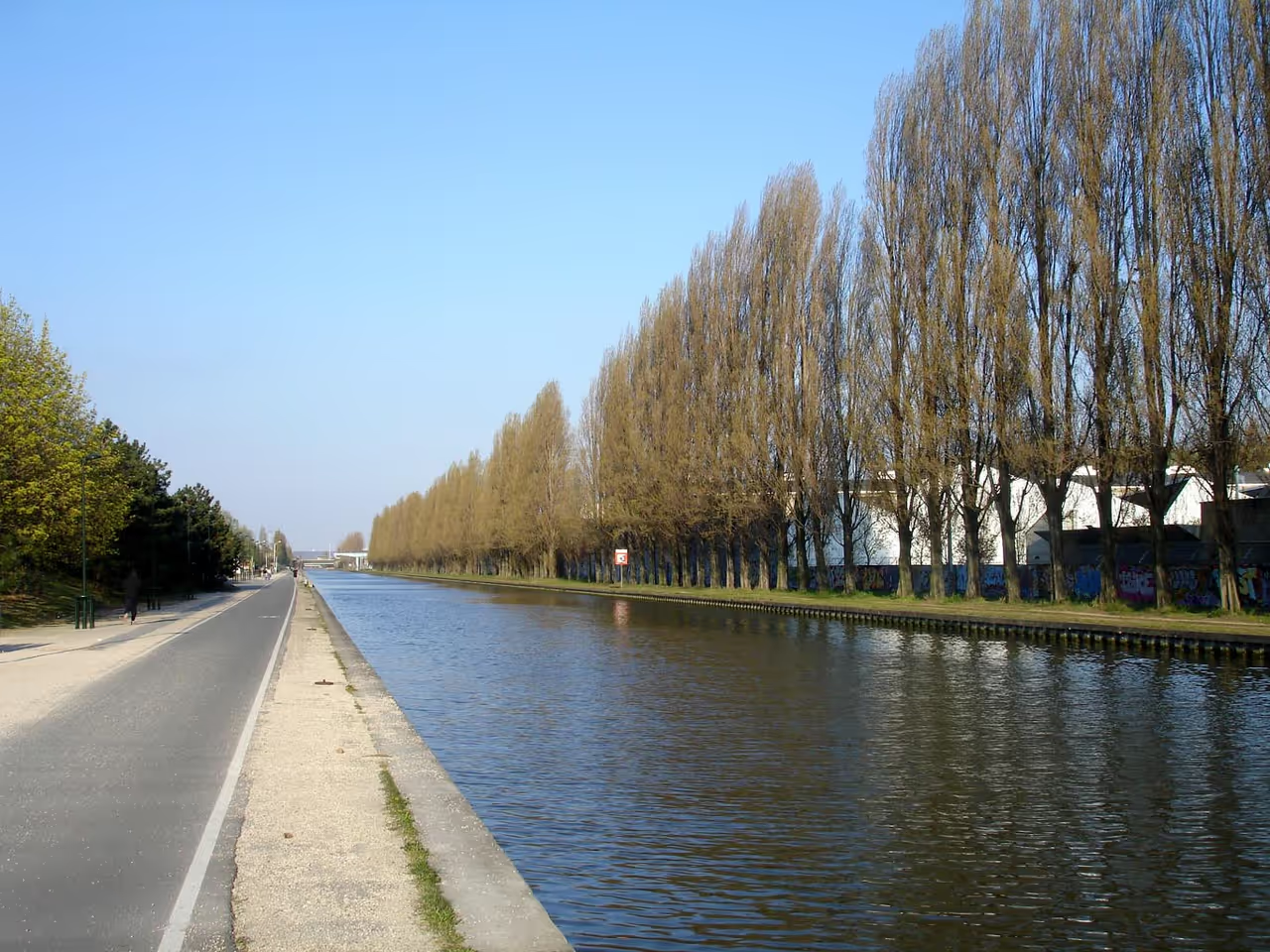
- • The Canal de l’Ourcq runs through the centre, acting as a major artery for pedestrians and cyclists.
- • The park hosts the annual Villette Sonique festival, celebrating eclectic and independent music.
- • The park remains open 24 hours a day, setting it apart from many other historical parks in Paris.
- • The park spans 55 hectares, claiming the title of the largest green space in Paris.
- • The site features dedicated thematic gardens, such as the Garden of Dragons and the Bamboo Garden.
- • Visitors can tour the Argonaute, a real decommissioned submarine that is permanently anchored in the park.
RESOURCES
Official WebsiteParc de la Villette FAQ
While we strive to keep this information accurate and up to date, we recommend verifying any details independently before making decisions based on them.
Parc de la Villette Map & Neighborhood Explorer
This interactive map is centered on Parc de la Villette. Zoom in and move the map around to automatically discover Wikipedia photos and summaries of other nearby sights, monuments, and historical points of interest and stories in real-time!
Places near Parc de la Villette
Make the most of your trip. Check out these top-rated spots located nearby.
 1544m
1544mParc des Buttes-Chaumont
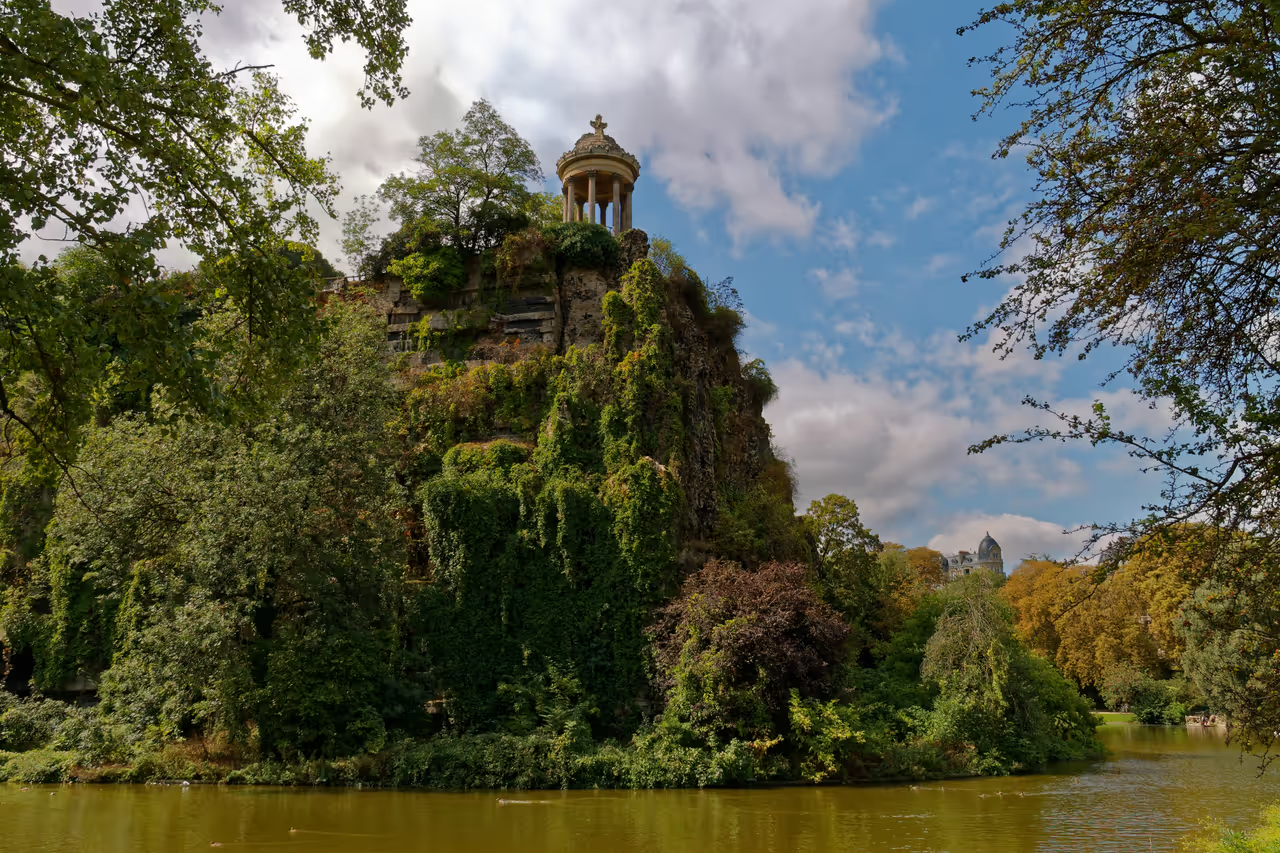
Imagine a slice of dramatic, cliffside nature tucked away in the heart of northern Paris. The Parc des Buttes-Chaumont is unlike any other park in the city, transforming a former quarry into a vertical playground of steep paths, hidden waterfalls, and rocky outcrops. Visitors are drawn here for the sweeping panoramic views, particularly from the iconic Temple of the Sibylle perched high above the central lake. It is a brilliant spot for a picnic, a scenic walk, or simply soaking in the atmosphere of one of Paris’ most distinct landscapes. Whether you are seeking a moment of peace or a touch of adventure, this park offers a unique vantage point over the city.
park & nature view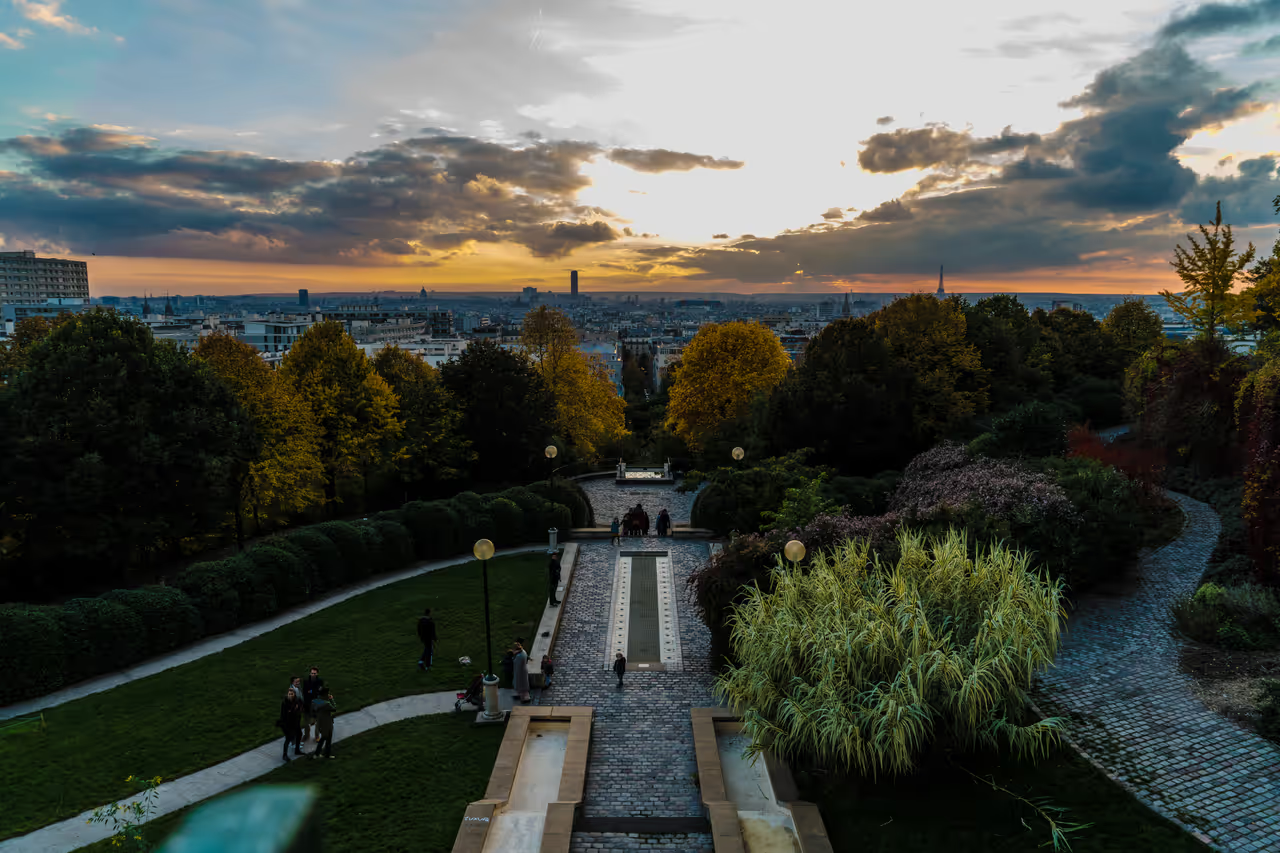 2548m
2548mBelleville Park Belvedere
Located in the eastern part of the city, this elevated terrace crowns a steep, modern park situated in a vibrant, working-class neighbourhood. The sweeping vista looks back westward, encompassing a vast, sweeping view of the entire central basin, punctuated by iconic landmarks. The perspective here feels much more local and less polished than the central viewing platforms, showcasing the dense, layered reality of the urban environment. It is a brilliant spot to watch the sun dip below the horizon with a crowd of relaxed locals.
viewpoint view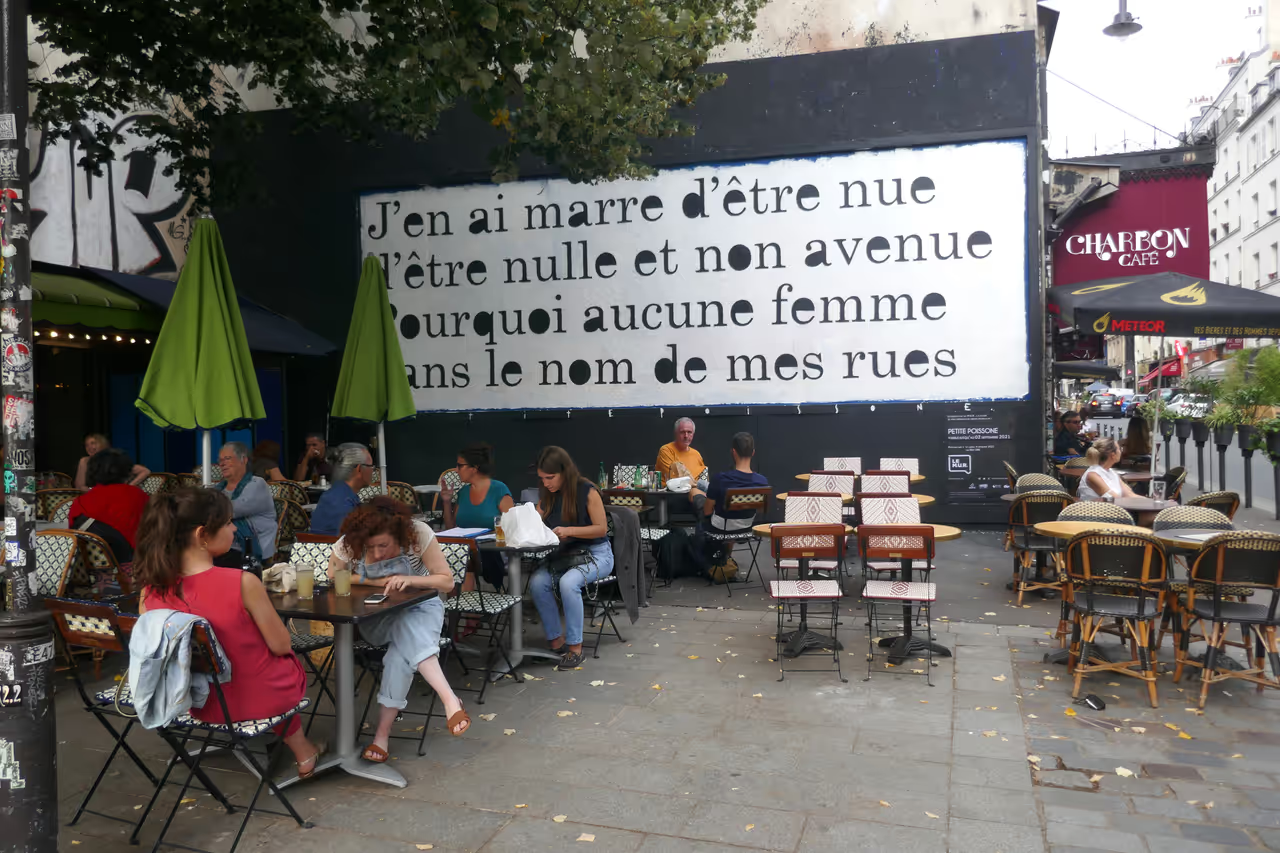 3244m
3244mOberkampf District
Located in the eleventh district, this area underwent a dramatic transformation to become the epicentre of indie and alternative nightlife. The streets are lined with a dense concentration of grungy-chic bars, intimate music venues, and late-night eateries. It draws a young, energetic crowd looking for an unpretentious atmosphere away from the polished tourist centres. The vibrant energy here lasts well into the early hours, offering an authentic slice of modern local culture.
nightlife view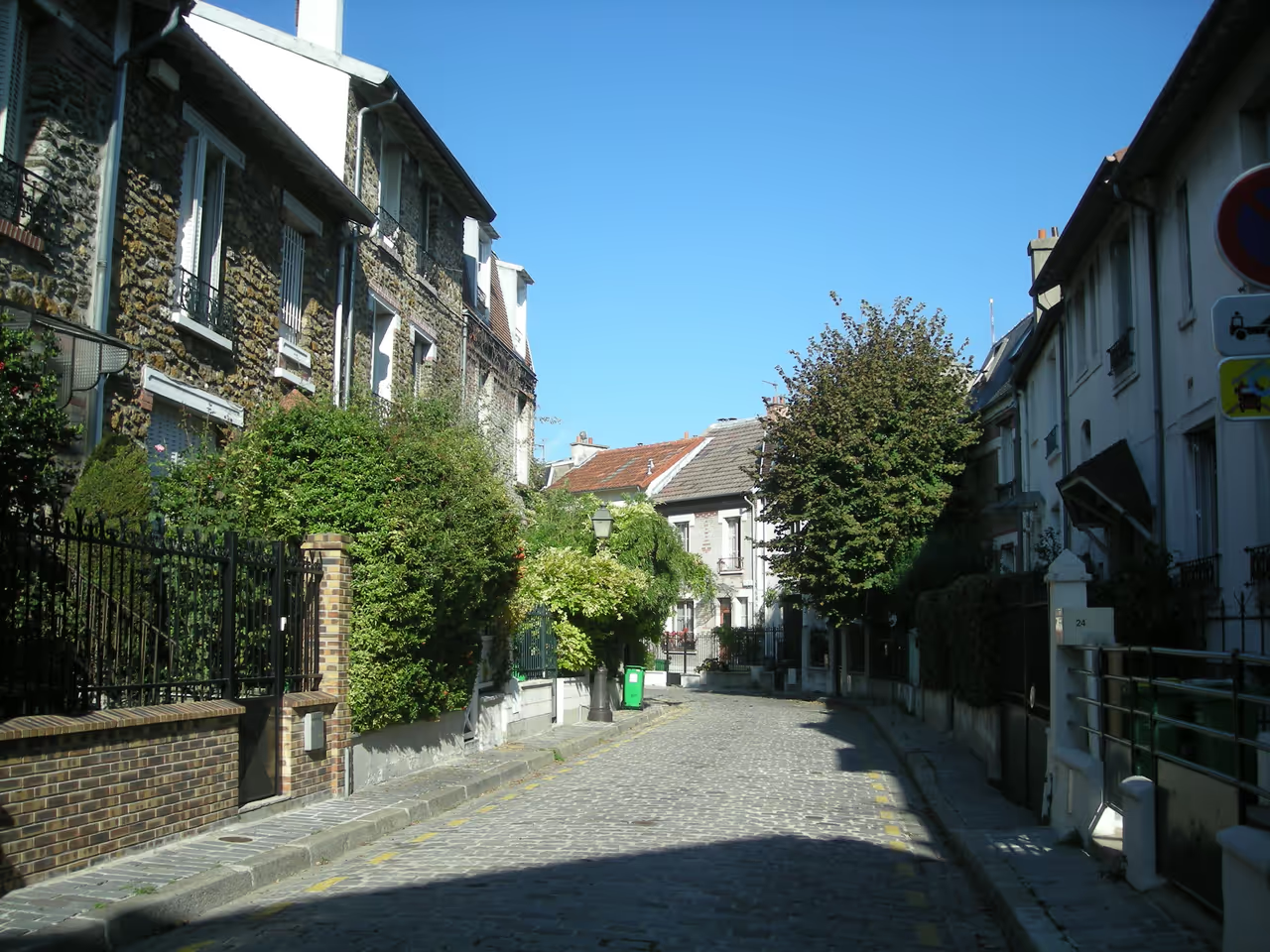 3282m
3282mCountryside in Paris
A remarkably tranquil enclave located on a small hill in the twentieth district, where small brick houses covered in ivy line narrow, cobbled streets. Walking through here feels akin to discovering a peaceful provincial village that has somehow been airlifted into the metropolis. The lack of traffic and the abundance of front gardens overflowing with flowers create an incredibly soothing environment. It is a delightful architectural curiosity that showcases a completely different, idyllic side of urban living.
hidden gem view
Featured on This Route
See all nature & parks in Paris
Bois de Vincennes, Jardin des Plantes, Luxembourg Gardens, Bois de Boulogne, Parc des Buttes-Chaumont, Tuileries Garden...