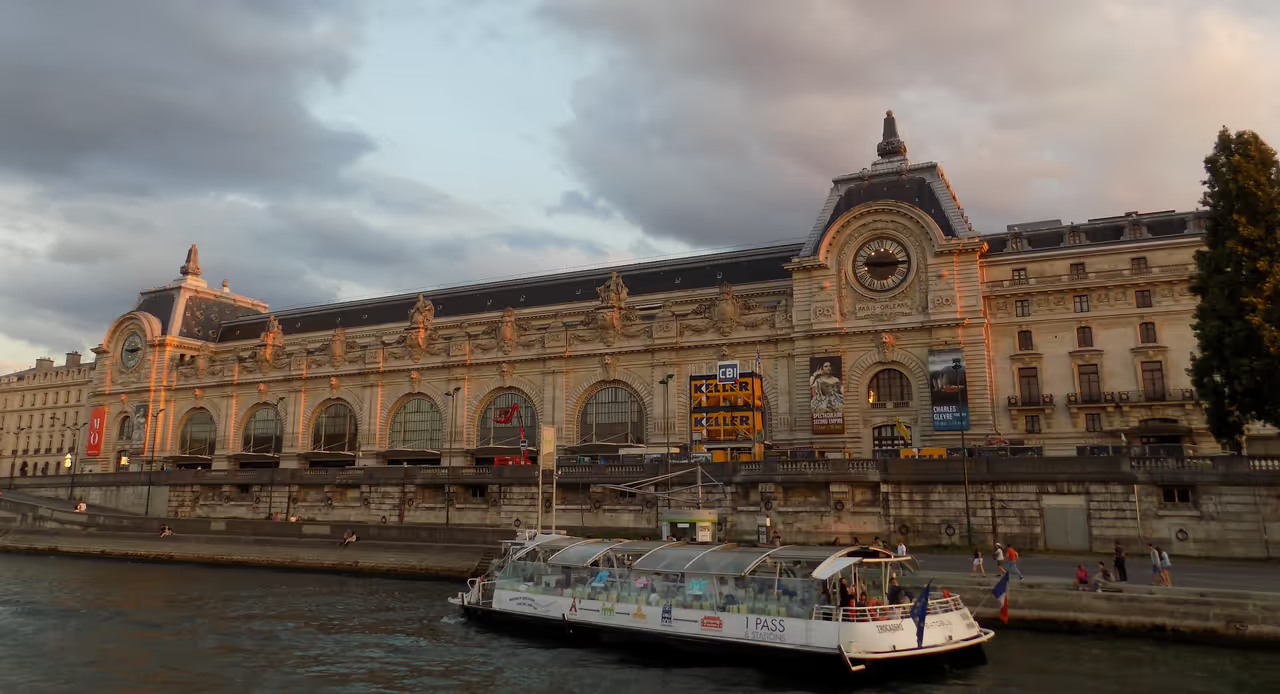
Musée d'Orsay
Standing on the left bank of the Seine, the Musée d'Orsay is housed in a magnificent former railway station that feels as much like a cathedral of light as a museum. This landmark is home to the world's most impressive collection of Impressionist and Post-Impressionist masterpieces, featuring legends like Monet, Van Gogh, and Renoir. Visitors can wander through vast galleries where massive station clocks offer unique framed views of the city across the river. The atmosphere is an incredible blend of industrial history and artistic revolution, making it an essential stop for anyone who loves beauty and heritage. From the grand Beaux Arts facade to the intimate details of the sculptures, every corner tells a story of a Paris in transition. It is truly a worthwhile experience to see such famous works of art in a setting that is a masterpiece in its own right.
Videos
History of Musée d'Orsay
The story of the Musée d'Orsay is one of a spectacular rebirth. In the late 19th century, Paris was preparing for the 1900 Universal Exhibition and needed a railway terminus that reflected the city's status as the capital of the world. Architect Victor Laloux was commissioned to build a station that looked like a palace. He artfully hid the industrial steel and iron structure behind a sophisticated facade of white limestone. For nearly four decades, the Gare d'Orsay was the pride of the French rail network, welcoming travellers into a lobby of unmatched luxury and light. However, technology moved faster than the building could adapt. By 1939, the platforms were too short for the longer trains of the modern era, and the station was relegated to short distance suburban lines. Over the following decades, it served several strange roles, including a film set and a theatre for a local acting company. By the 1970s, it had fallen into such disrepair that it was almost demolished to make way for a modern hotel. It was the intervention of President Valéry Giscard d'Estaing that saved the site, as he championed the idea of turning the transport hub into a home for the arts of the late 19th century. Today, the museum stands as a bridge between the classical treasures of the Louvre and the modern wonders of the Centre Pompidou. The transformation from a busy station to a serene gallery was completed in 1986, preserving the original spirit of the building while providing a perfect backdrop for the works of the Impressionists. Walking through the central nave, visitors are still greeted by the grand clocks and the vaulted glass ceiling, reminding everyone that this temple of art was once a gateway to the rest of France.
Events spanning 88 years
Fun Facts
- • Before it was a museum, the building housed a luxury hotel with 370 rooms where guests enjoyed the height of Belle Époque glamour.
- • During the Second World War, the building was used as a shipping centre for packages destined for soldiers and prisoners.
- • Gustave Courbet's controversial painting, The Origin of the World, is one of the museum's most talked about and protected works.
- • In 1970, an official permit was actually issued to demolish the building and replace it with a modern luxury hotel complex.
- • In 2007, a group of people broke into the museum during a local festival and punched a hole through a priceless Claude Monet painting.
- • The interior renovation was led by the famous Italian architect Gae Aulenti, who converted the train platforms into the central sculpture gallery.
- • The museum building contains about 12,000 tonnes of metal, which is significantly more than the amount used to build the Eiffel Tower.
- • The museum holds the most extensive collection of Impressionist and Post-Impressionist paintings on the planet, including over 1,100 canvases.
- • The museum serves as the bridge for art history, covering the specific period between the Louvre's classics and the Pompidou's modern art.
- • The station was the very first in the world to be designed for electric trains, keeping the interior clean and free from steam and soot.
- • The two giant clocks on the facade are not just decorative but function as windows that provide some of the best views of the Seine.
- • Victor Laloux designed the exterior with heavy limestone blocks specifically to ensure it matched the grand style of the Louvre across the river.
Musée d'Orsay FAQ
While we strive to keep this information accurate and up to date, we recommend verifying any details independently before making decisions based on them.
Musée d'Orsay Map & Neighborhood Explorer
This interactive map is centered on Musée d'Orsay. Zoom in and move the map around to automatically discover Wikipedia photos and summaries of other nearby sights, monuments, and historical points of interest and stories in real-time!
Places near Musée d'Orsay
Make the most of your trip. Check out these top-rated spots located nearby.
 486m
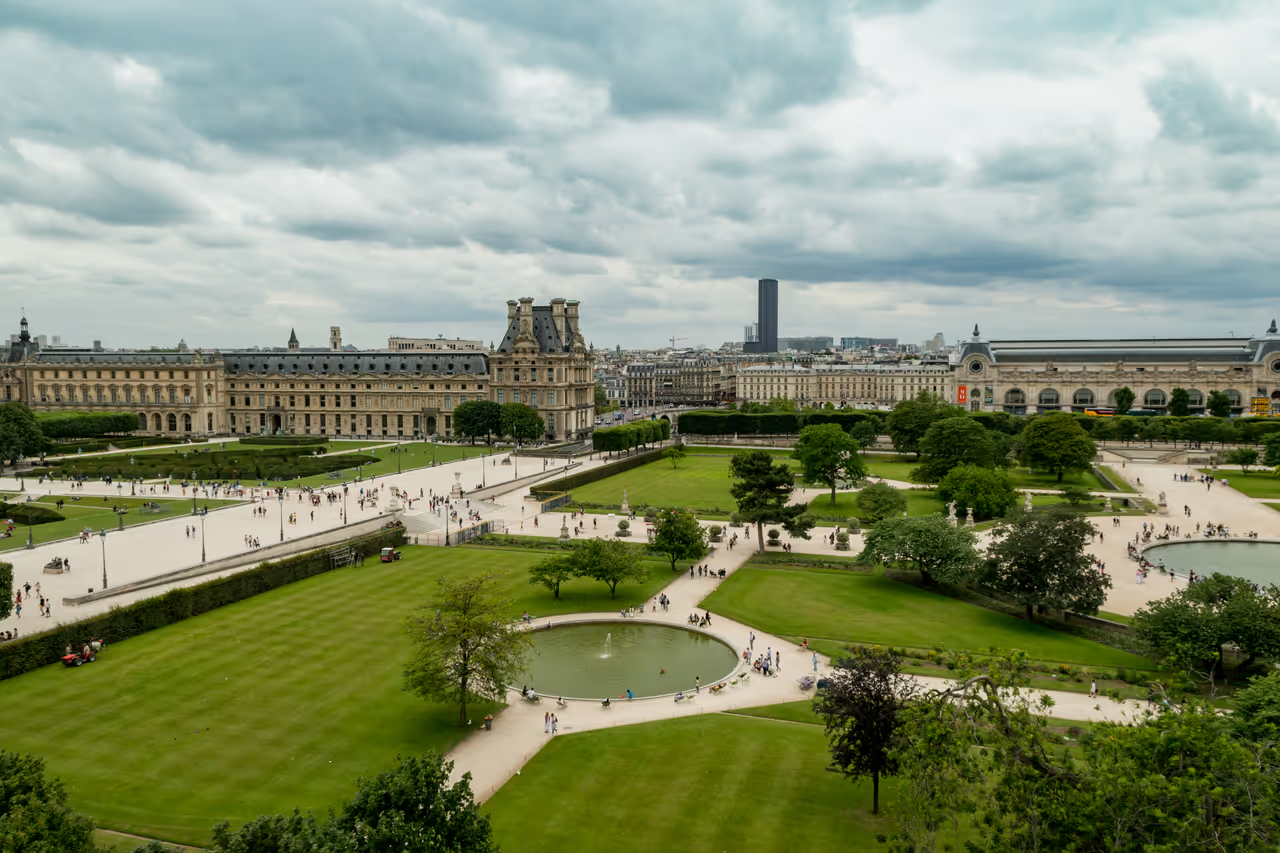
486mTuileries Garden
Nestled between the grandeur of the Louvre and the historic Place de la Concorde, the Tuileries Garden is a masterpiece of landscape design and a beloved oasis in the heart of Paris. Originally commissioned by Catherine de' Medici in the 16th century as a private Italian-style retreat, it has evolved over centuries into a quintessential French formal garden, perfected by the legendary André Le Nôtre. Today, it offers a perfect blend of history, art, and relaxation, where Parisians and visitors alike stroll past manicured hedges, shimmering fountains, and an array of remarkable sculptures. Whether you are exploring the Musée de l'Orangerie's Monet water lilies or simply resting by the octagonal basin with a book, the garden provides a timeless escape from the urban pace. It serves as a living chronicle of French history, from revolutionary upheavals to modern celebrations like the 2024 Olympic cauldron, capturing the spirit of the city. A visit here is an essential experience for anyone wanting to feel the true elegance and vibrancy of Parisian life.
park & nature view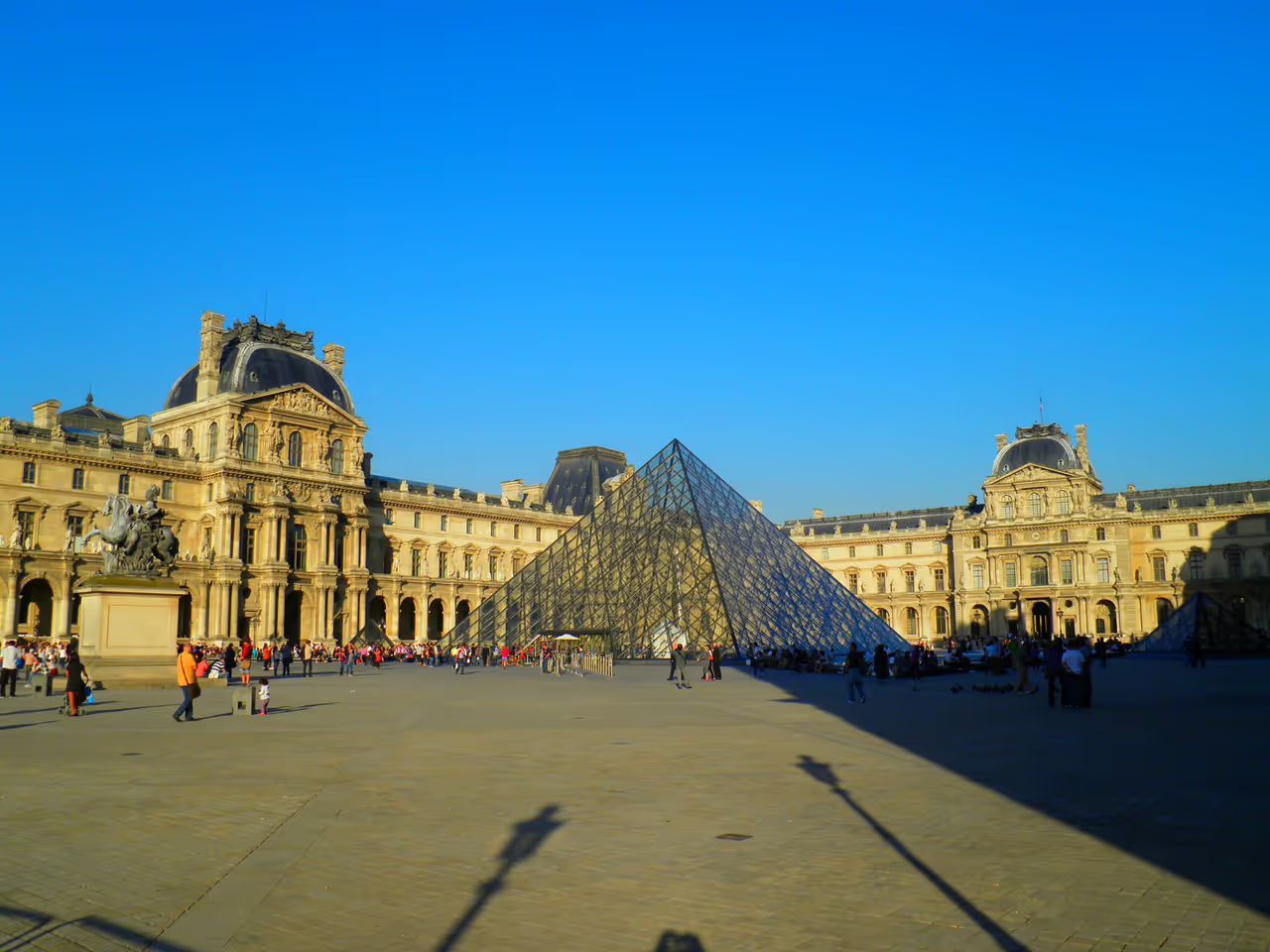 708m
708mLouvre Museum
Standing as the world's largest and most visited art museum, the Louvre is an architectural marvel that has evolved from a medieval fortress into a sprawling royal palace. It is home to an incredible 35,000 masterpieces on display, ranging from mysterious Egyptian antiquities to the unparalleled treasures of the Italian Renaissance. Walking through its grand galleries, you can feel the weight of eight centuries of history within walls that once housed French kings and emperors. The atmosphere is a spectacular blend of classical opulence and bold modern design, best symbolised by the iconic glass Pyramid in the central courtyard. Whether you are searching for the enigmatic smile of the Mona Lisa or exploring the hidden moats of the original castle below ground, a visit here is a journey through the very heart of human creativity. It is truly an essential experience for anyone who wants to witness the cultural pinnacle of Paris.
attraction view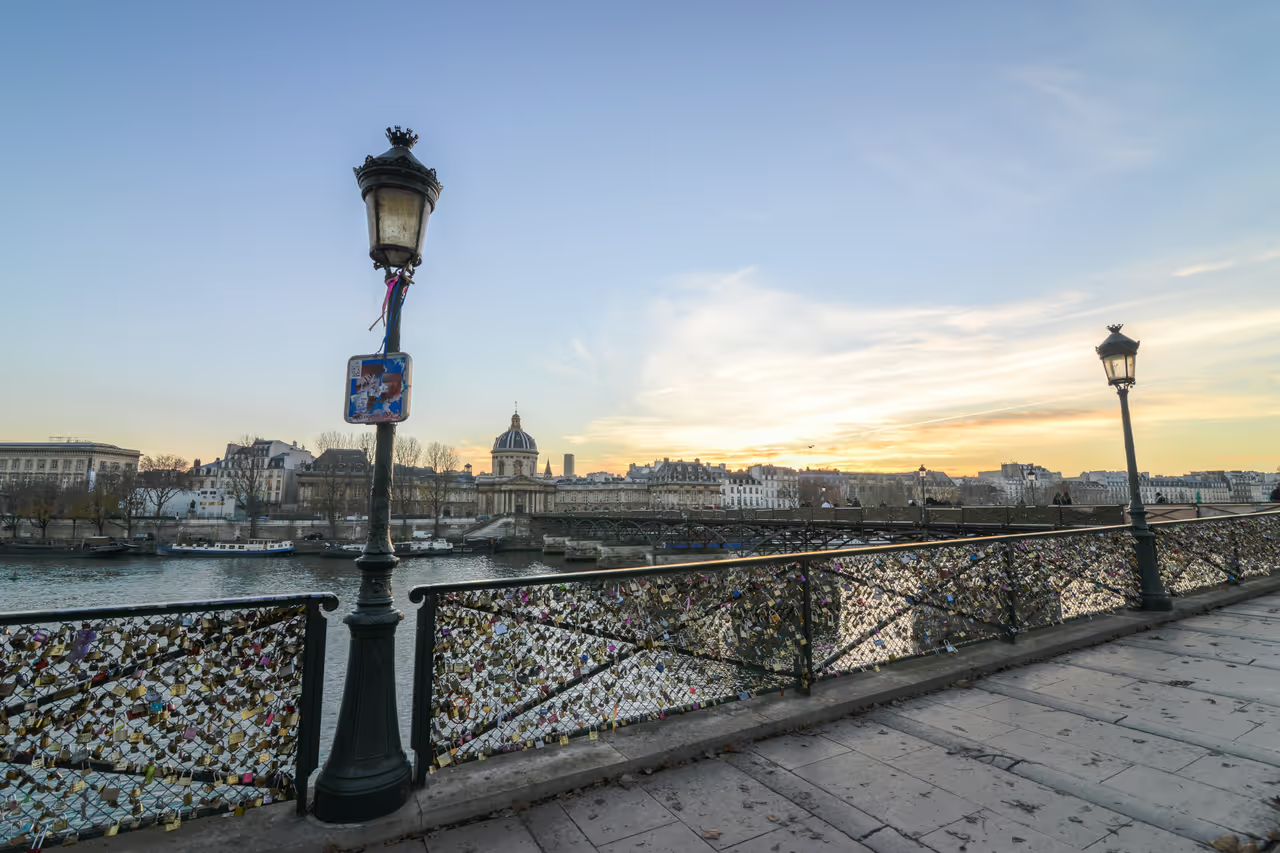 819m
819mBridge of Arts
This pedestrian-only wooden bridge connects the Louvre Museum to the prestigious Institut de France, offering incredibly wide, unimpeded views up and down the river. The perspective encompasses the western tip of the Île de la Cité, providing a flawless, classic view of the oldest parts of the city. While the famous 'love locks' have been removed for safety, the wooden planks and elegant ironwork still offer a highly romantic setting. It is an exceptional spot to photograph the river traffic gliding beneath the historic skyline.
photo spot view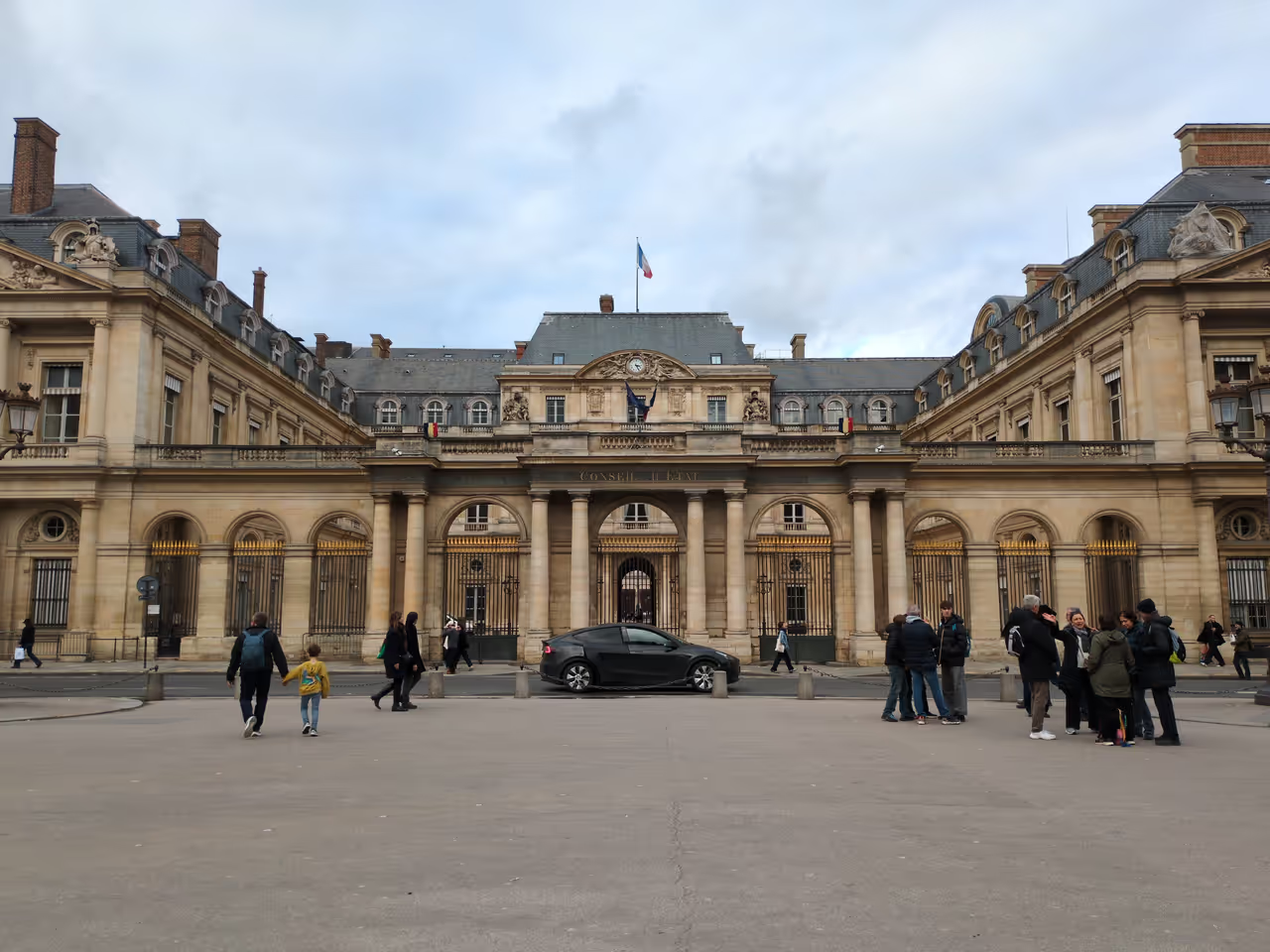 847m
847mRoyal Palace
Originally built for Cardinal Richelieu, this refined complex is a superb example of seventeenth-century classical architecture. The serene central garden is perfectly framed by elegant, uniform arcades that once housed the city's most fashionable boutiques and cafes. The striking contrast between the austere historic stonework and the modern, striped Buren Columns in the main courtyard creates a fascinating visual dialogue. It remains a tranquil, sophisticated oasis shielded from the chaotic traffic nearby.
architecture view
Explore Similar Places in This Collection
Featured on These Itineraries
3 Days in Paris: Culture and History Itinerary
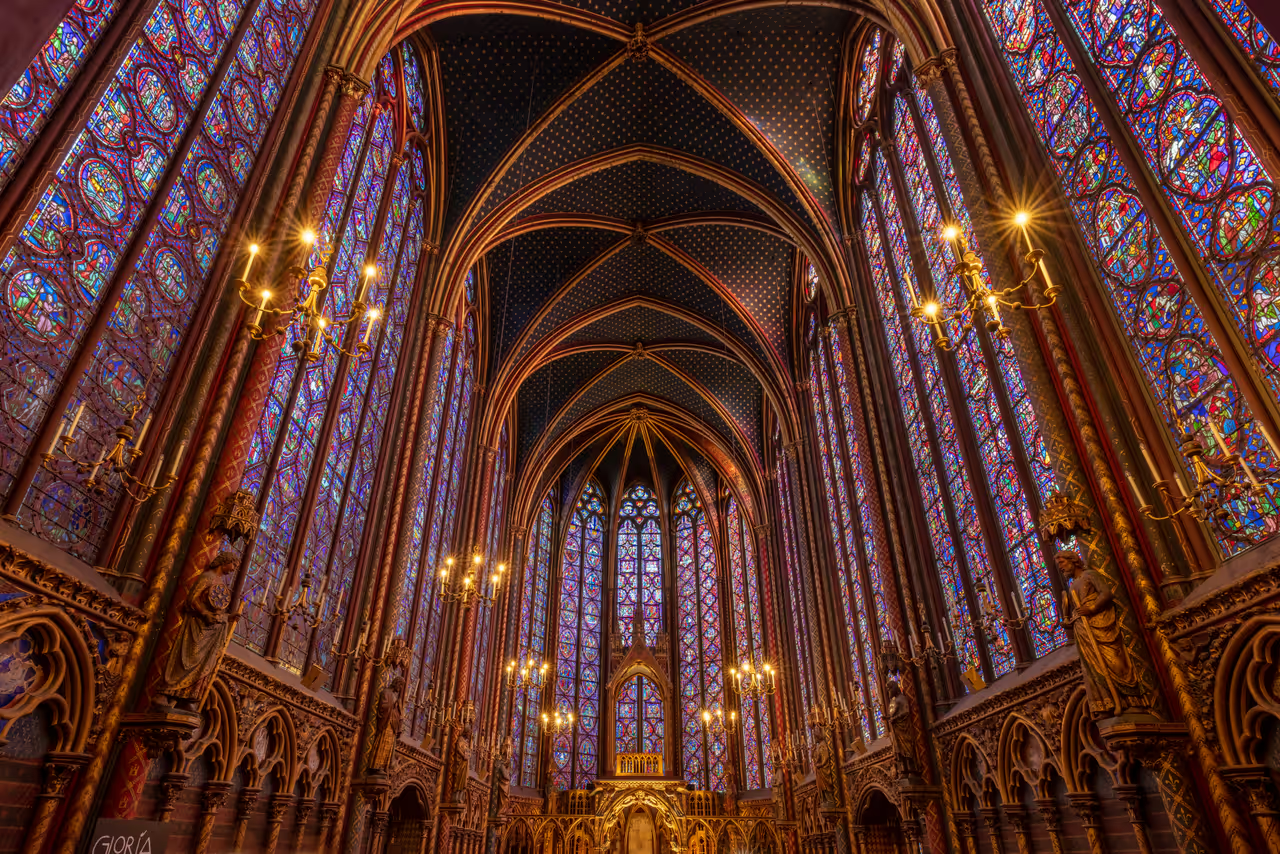
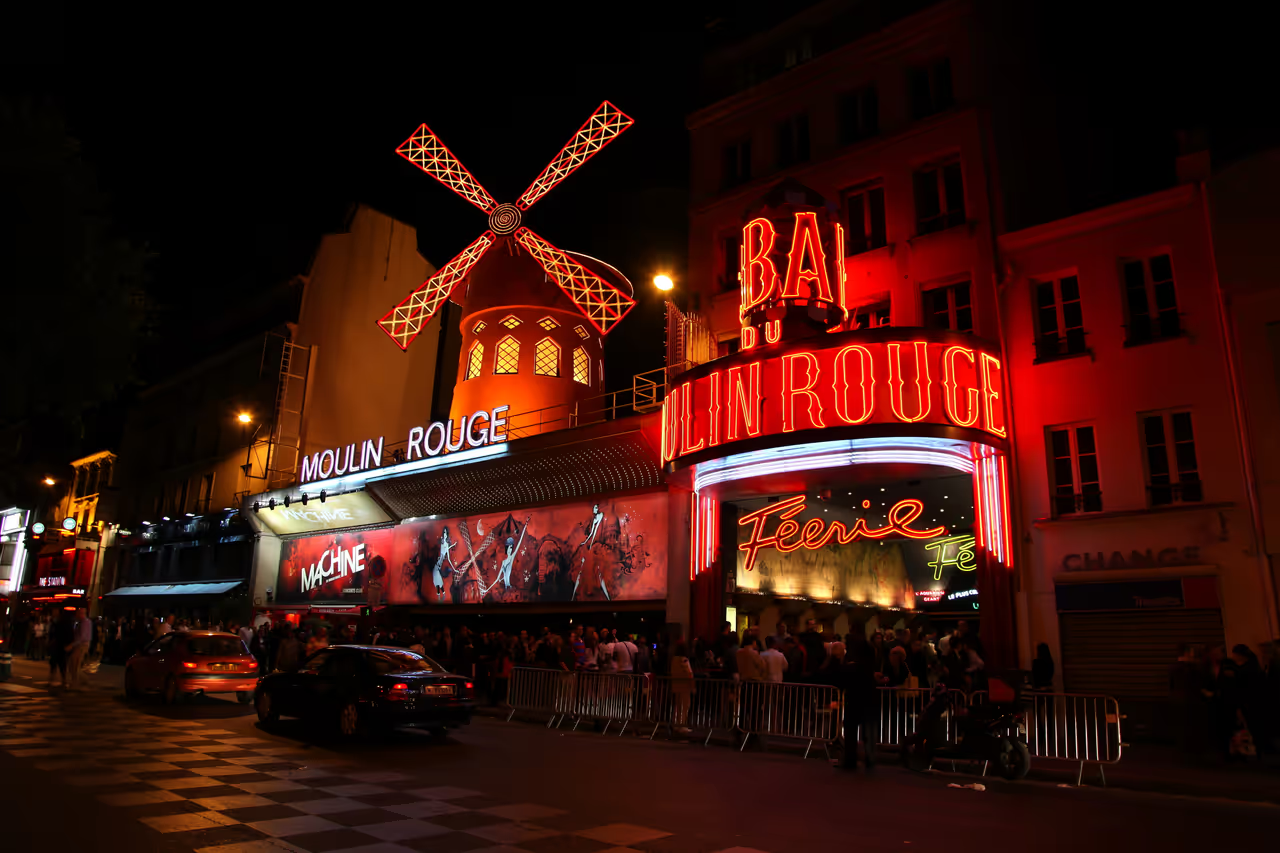
A well-balanced three-day journey that allows for a deeper dive into the rich architectural and artistic legacy of the city. It expands beyond the primary monuments to explore the stunning stained glass of the royal chapel and the bohemian energy of the northern hills. The pacing affords enough time to properly absorb the massive art collections and enjoy leisurely meals in distinct historic districts. This route perfectly captures the diverse aesthetic and intellectual spirit of the metropolis.
view itinerary
5 Days in Paris: Complete Experience Itinerary
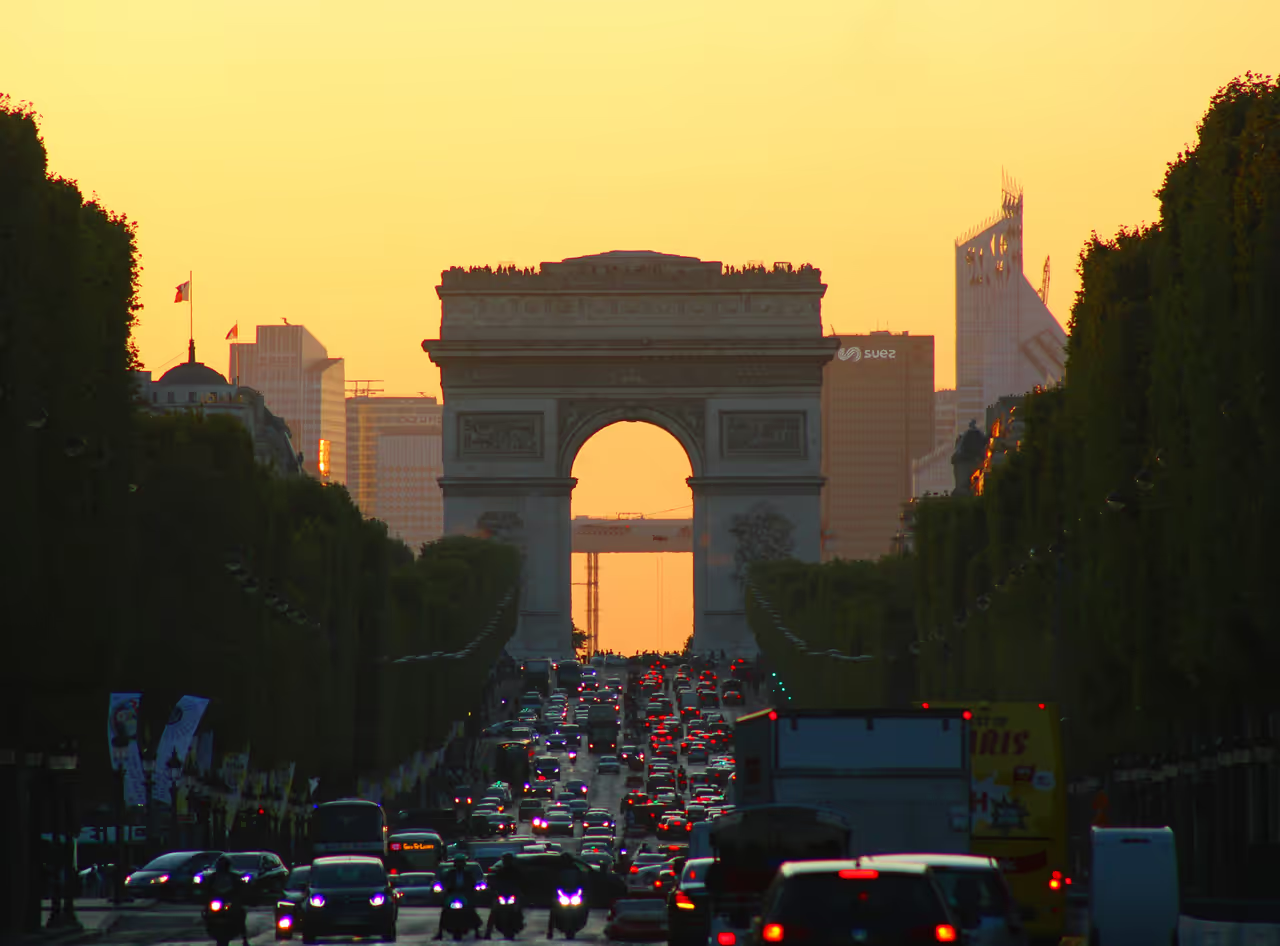
An extensive five-day exploration designed to blend the obligatory monumental sights with authentic local experiences and hidden parks. Visitors will traverse grand boulevards, reflect in historic cemeteries, and relax in elevated green spaces. The generous timeframe allows for the discovery of modern architectural marvels alongside centuries-old churches without succumbing to fatigue. It is the ideal itinerary for fully immersing oneself in the sophisticated, multifaceted lifestyle of the capital.
view itinerary
See all attractions in Paris
Arc de Triomphe, Eiffel Tower, Louvre Museum, Notre-Dame Cathedral, Panthéon, Sacré-Cœur Basilica, Centre Pompidou...