Museum of European and Mediterranean Civilisations
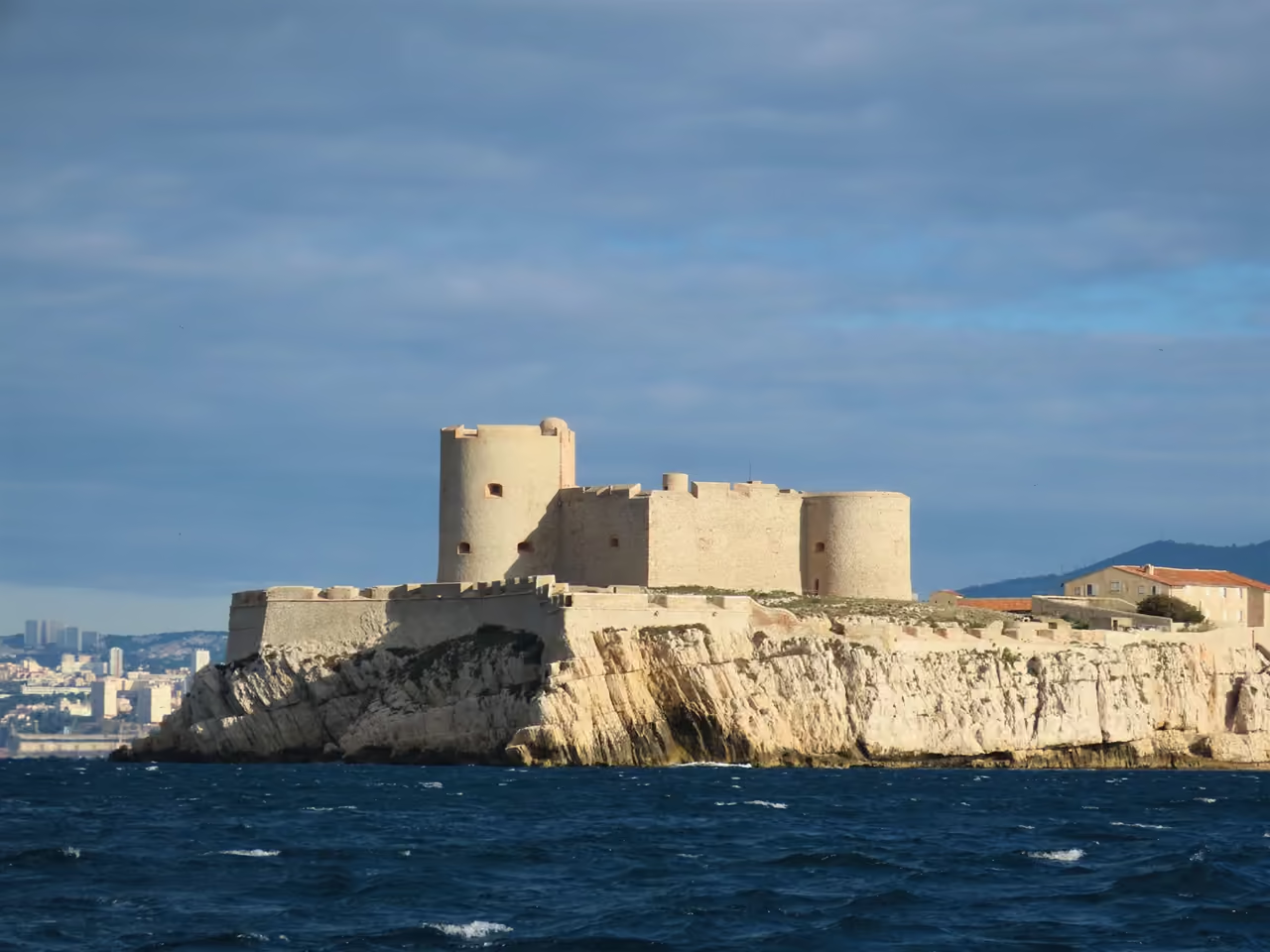
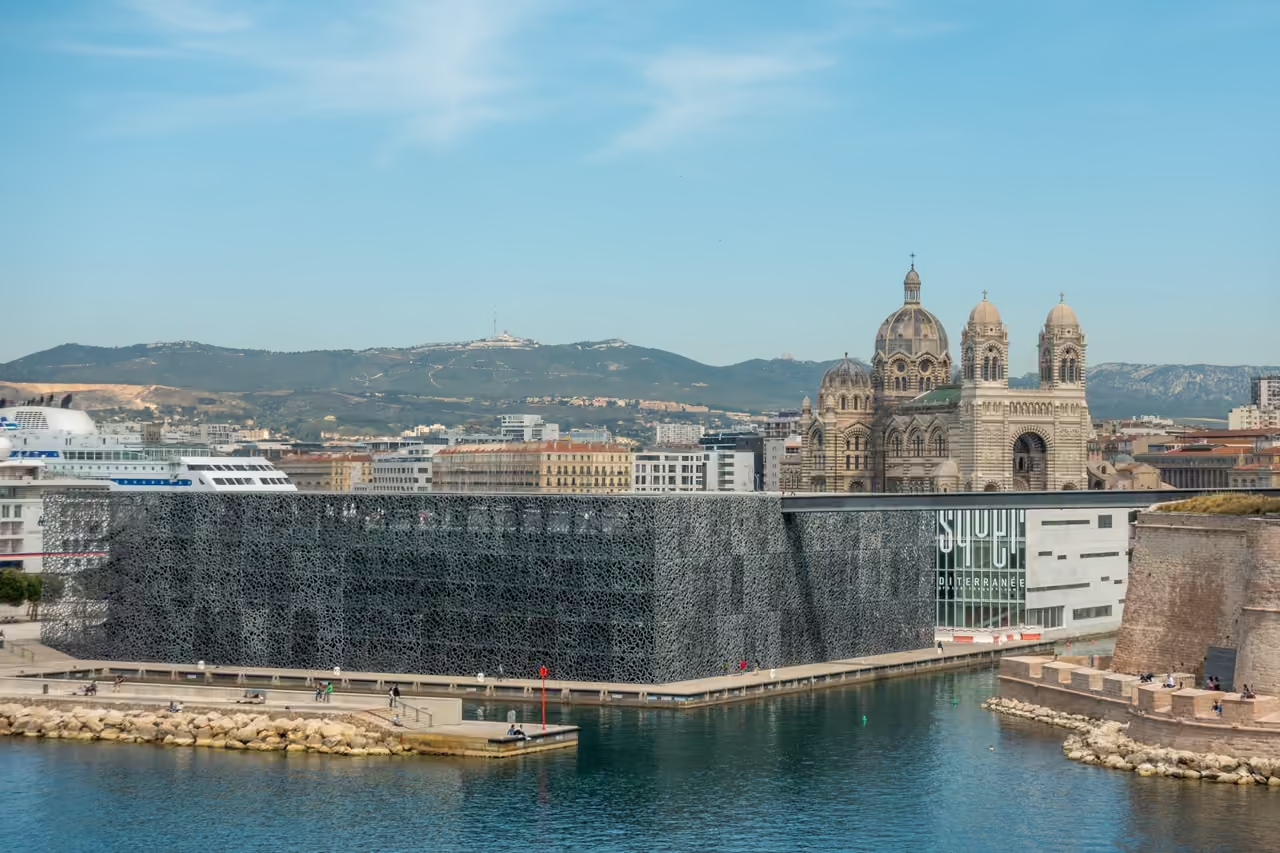
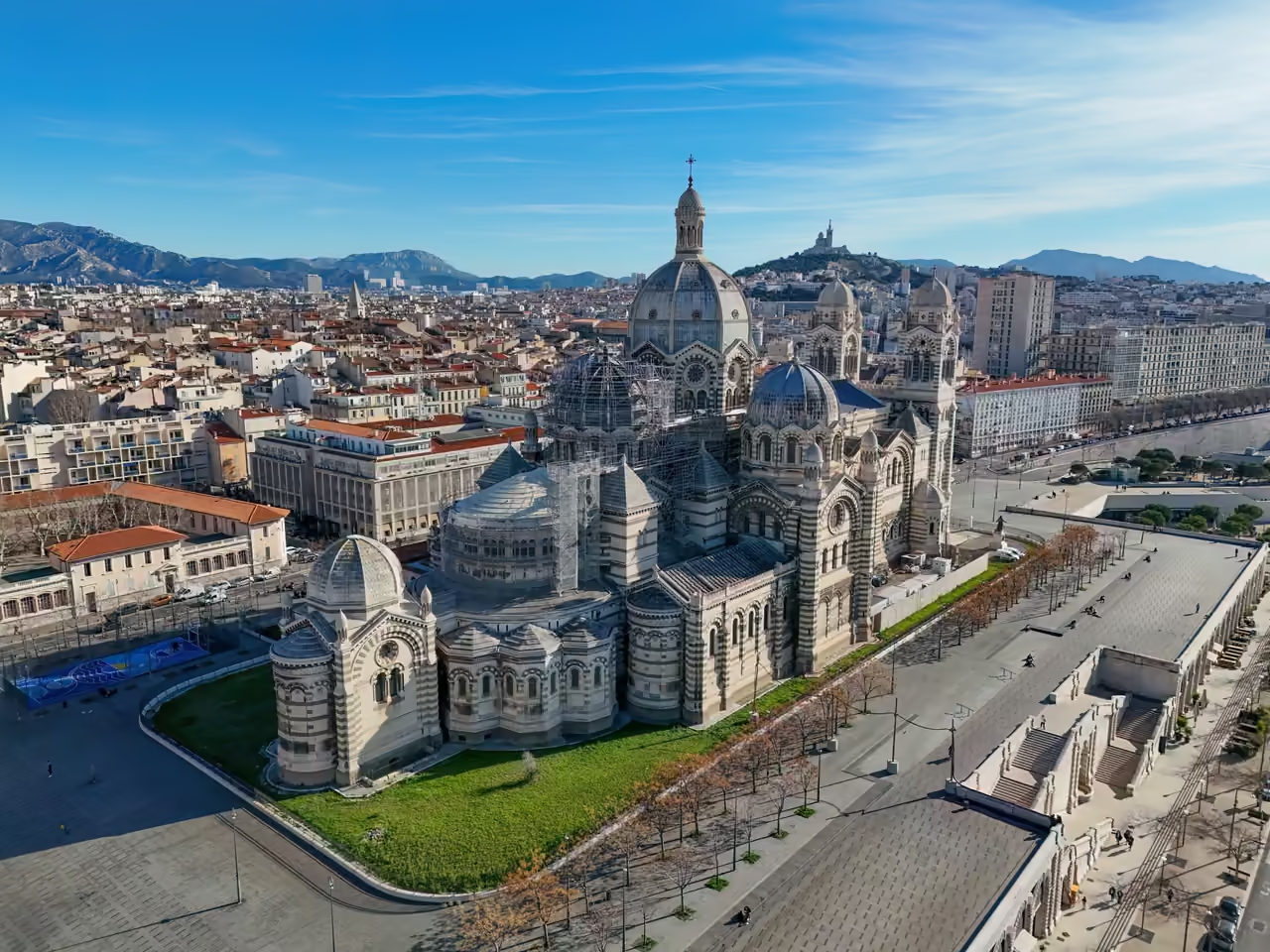
Concrete lace sounds impossible until you spot Mucem on Promenade Robert-Laffont. At the mouth of Marseille's Old Port, Rudy Ricciotti's dark J4 cube wears a perforated outer shell that filters fierce southern glare onto wide ramps spiralling toward a free rooftop plaza and views of the Château d'If. Inside, the Galerie de la Méditerranée places ancient maritime artefacts beside contemporary photography, joined upstairs by two temporary halls and Marseille's independent Maupetit bookshop. From the roof, a slim footbridge leaps 130 metres over the harbour basin straight into Fort Saint-Jean. Keep one hand on your hat when brisk gusts hit that exposed span. Once inside the fort, summer evenings turn the Place d'Armes into an open air cinema, while higher ramparts shelter the Jardin des Migrations, scenting the breeze with wild thyme and fig trees opposite the striped domes of Cathédrale de la Major.
Videos
History of Museum of European and Mediterranean Civilisations
In the twelfth century, knights of the Order of Saint John of Jerusalem claimed the rocky headland guarding Marseille's harbour entrance, raising a commandery and stone chapel as a staging base for Mediterranean voyages. Centuries later, that same promontory became an instrument of royal control when Marseille's merchants defied Parisian taxation. Marching into the city in 1660, King Louis XIV stripped local privileges and ordered Fort Saint-Jean massively expanded with the Tour du Fanal and officer galleries designed to watch over both incoming fleets and rebellious citizens. After serving through later centuries as a military garrison and enduring heavy wartime explosions inside its munitions stores in 1944, the citadel finally left army hands in 1962 when the Ministry of Culture took charge. While soldiers manned those sea walls, a wholly different story began in Paris inside the Palais du Trocadéro. Born as an ethnographic showcase following the 1878 World's Fair, the institution opened a dedicated French hall in 1884 displaying rustic farm equipment and regional dress beside artefacts from distant continents. By 1937, museologist Georges Henri Rivière had carved out a separate Popular Arts and Traditions department at the Musée de l'Homme, gaining full autonomy in 1941. Field teams fanned out across rural provinces to gather hand looms, carnival masks, and folk imagery before rapid modernisation could erase them. Moving into a modernist home in the Bois de Boulogne in 1972 failed to halt a steep slide in attendance. By the 1990s, Paris crowds had drifted elsewhere. Faced with closing the collection or reinventing it outside the capital, French officials gambled in 2000 on bringing the museum south under Euroméditerranée, a sweeping drive to remake Marseille's neglected industrial port. Shutting the Paris doors in 2005 set off years of meticulous conservation work to pack and transport stored collections toward the Mediterranean while broadening acquisitions across North Africa and the Middle East. Builders broke ground on the Marseille docks in 2009, aiming to unveil a national institution anchored on southern shores just as Marseille stepped into the spotlight as European Capital of Culture. When the doors opened in June 2013, curators had to reckon with a split inheritance, balancing archives rich in French rural life against a new mandate spanning Europe and the Mediterranean basin. Rotating exhibitions, collaborations with researchers across Southern Europe and North Africa, and scholarly archives established inland in the Belle de Mai neighbourhood worked steadily to bridge that divide. Joined by an aerial walkway above the water, the medieval Hospitaller headland and the modern waterfront pavilion now greet walkers arriving from Le Panier or sailing past the Château d'If.
13 events spanning 362 years
Fun Facts
14- 01
Architect Rudy Ricciotti treated J4 as a full scale structural laboratory, casting its lacy outer lattice, 309 supporting columns, and both 130 metre footbridges from ultra high performance fibre reinforced concrete, illuminated at dusk by lighting artist Yann Kersalé.
- 02
At launch in 2013, French commentators sparked a lively national debate over where the M for Mediterranean stood, pointing out that most inherited vaults still documented rural mainland France and prompting urgent field collecting across North Africa and the Levant.
- 03
Between 1962 and the museum's construction, Fort Saint-Jean remained shut to ordinary walkers while serving as headquarters for DRASSM, France's national underwater archaeology team excavating sunken Mediterranean shipwrecks until relocating to L'Estaque.
- 04
During the Reign of Terror in 1793, revolutionaries converted Fort Saint-Jean into a state prison holding King Louis XVI's cousin, the Duke of Orléans, known as Philippe Égalité, alongside his two younger sons before returning him to Paris for execution.
- 05
In 2005, the collection expanded abruptly eastward and northward when Paris's Musée de l'Homme deposited more than 30,000 European artefacts gathered from Western, Central, and Eastern Europe.
- 06
Inside Fort Saint-Jean's oldest perimeter stands a twelfth century limestone chapel founded by the Knights of Saint John of Jerusalem, which regularly hosts modern art installations within medieval walls.
- 07
Just two years after opening, the Council of Europe awarded Mucem its 2015 Museum Prize, honouring its model of cross cultural Mediterranean storytelling.
- 08
Long before moving south, Paris curators broke away from rural farm lore between 1992 and 2000 by archiving French rock memorabilia, urban street culture, vintage circus and fairground equipment, and HIV/AIDS campaign posters.
- 09
Most of Mucem's treasures rest miles inland from sea spray inside the Centre de Conservation et de Ressources in the working class Belle de Mai district, a 13,000 square metre archive by Corinne Vezzoni where conservators restore delicate textiles and researchers inspect stored items.
- 10
Now totalling roughly a million items, the holdings combine 250,000 physical objects with 350,000 photographs, 150,000 books and periodicals, 100,000 postcards, 80,000 sound recordings, and 100,000 posters and early folk prints rivalled in France only by the National Library.
- 11
Planners originally budgeted for 300,000 visitors a year, yet 63,910 people flooded the site over its inaugural June 2013 weekend alone, propelling cumulative attendance to 8.5 million by 2016 and 1.3 million visits in 2023.
- 12
Temporary programming confronts sensitive shared history head on, exemplified by a major 2022 exhibition on nineteenth century Algerian leader Emir Abd el-Kader, while Fort Saint-Jean's Mediterranean Institute of Heritage Professions (I2MP) and regional École du Louvre classes held at J4 train new curators and art historians.
- 13
The J4 pavilion sits atop the former Hangar J4, the maritime terminal where generations of passengers boarded ferries sailing between Marseille and Algiers, right beside a flat shoreline nicknamed Les Pierres Plates where locals once swam and picnicked.
- 14
When France picked Marseille over rival bids from Lyon and Lille in 2000, Mucem became the first national museum in French history to leave Paris permanently rather than opening merely as a regional satellite branch.
FULL PLACE DETAILS
Updated
FULL PLACE DETAILS
UpdatedOVERVIEW & STATS
- Established
- In 2013, making it 13 years old
- Annual Visitors
- 806,649 (2021)
ARCHITECTURE & HERITAGE
- Architects
- Rudy Ricciotti
WEB & AMENITIES
Museum of European and Mediterranean Civilisations Map & Neighborhood Explorer
This interactive map is centered on Museum of European and Mediterranean Civilisations. Zoom in and move the map around to automatically discover Wikipedia photos and summaries of other nearby sights, monuments, and historical points of interest and stories in real-time!
Museum of European and Mediterranean Civilisations FAQ
Yes. Walking up the exterior spiralling ramps to the J4 rooftop terrace, crossing both footbridges spanning 130 metres, and exploring the ramparts, courtyards, and Jardin des Migrations inside Fort Saint-Jean are completely free during opening hours. You only need to buy a ticket to enter the indoor exhibition galleries inside J4.
Mucem spans three sites across Marseille. The modern J4 building on Promenade Robert-Laffont holds the main exhibition halls, auditorium, Médinathèque audiovisual space, and bookshops. Right across a harbour footbridge sits Fort Saint-Jean, offering medieval towers, Mediterranean gardens, and open air summer events, while the Centre de Conservation et de Ressources (CCR) inland in Belle de Mai protects the stored collections and welcomes researchers and scheduled archive visits.
From the Vieux-Port metro station on Line M1, it takes about 15 minutes on foot along the flat Quai du Port promenade toward the harbour mouth. Travellers arriving at Joliette on Metro Line M2 or Tramway Lines T2 and T3 walk roughly 10 minutes south past Cathédrale de la Major, while anyone exploring the hillside Le Panier quarter can step straight into Fort Saint-Jean across the Esplanade de la Tourette footbridge.
Covering 1,600 square metres on J4's ground floor, the Galerie de la Méditerranée serves as the museum's long running core showcase and is refreshed every three to five years. Rather than following a strict chronological timeline, it pairs ancient artefacts, anthropological objects, historical documents, and contemporary artwork to examine shared Mediterranean traditions, agriculture, faith, and trade.
Yes, the waterfront complex works well for families and visitors using wheelchairs or pushchairs. Inside J4, younger visitors enjoy L'Île aux trésors, a dedicated children's space, while gentle exterior ramps, internal lifts, and the flat footbridges connect the rooftop directly to Fort Saint-Jean's pedestrian gardens, though a few old stone staircases inside the medieval fortress towers remain stepped.
A typical visit takes about 3 hours. We recommend planning your schedule accordingly to make the most of your time there.
The closest place to visit near Museum of European and Mediterranean Civilisations is Villa Méditerranée, around 69 m away. Other things to do near Museum of European and Mediterranean Civilisations include Cosquer Méditerranée Cave Replica (80 m), Fiesta des Suds (131 m) and Fort Saint-Jean (179 m). All of these are within roughly 179 m of Museum of European and Mediterranean Civilisations, close enough to walk.
It dates back to 2013, making it 13 years old.
Museum of European and Mediterranean Civilisations was designed by Rudy Ricciotti.
According to the latest available data (2021), it received approximately 806,649 visitors that year.
While we strive to keep this information accurate and up to date, we recommend verifying any details independently before making decisions based on them.
Places near Museum of European and Mediterranean Civilisations
Make the most of your trip. Check out these top-rated spots located nearby.
 69m
Villa Méditerranée
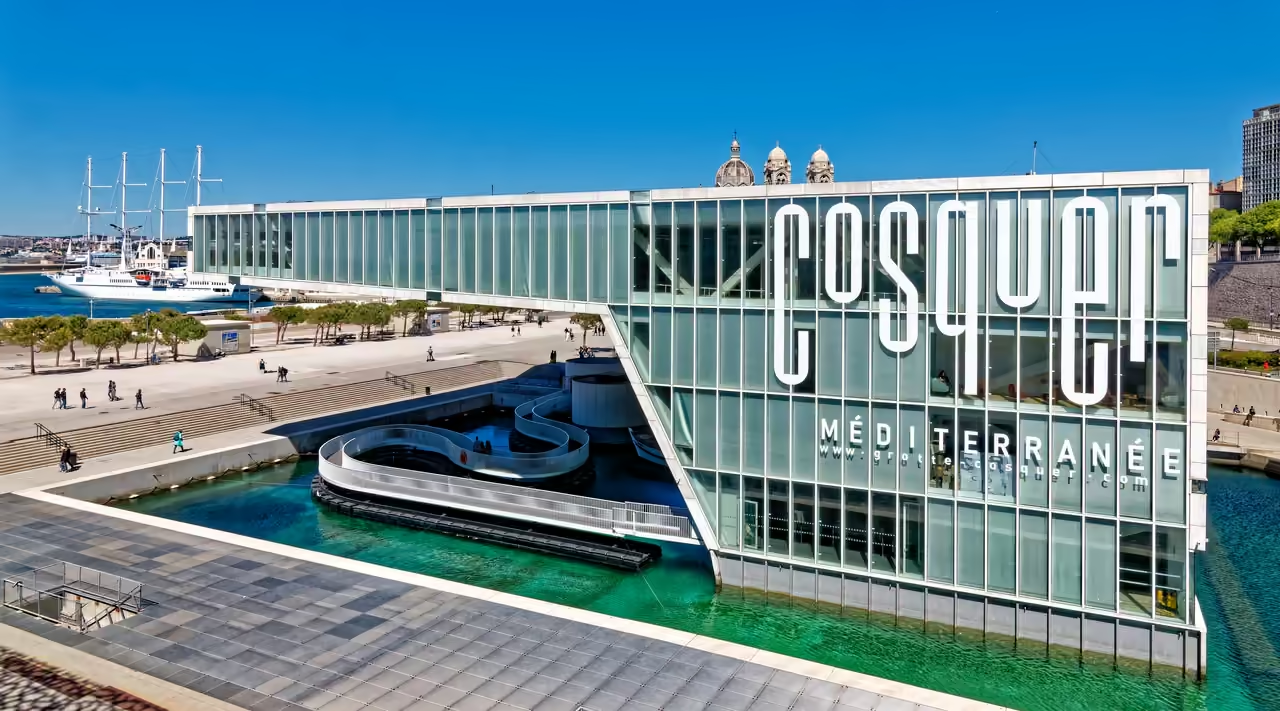
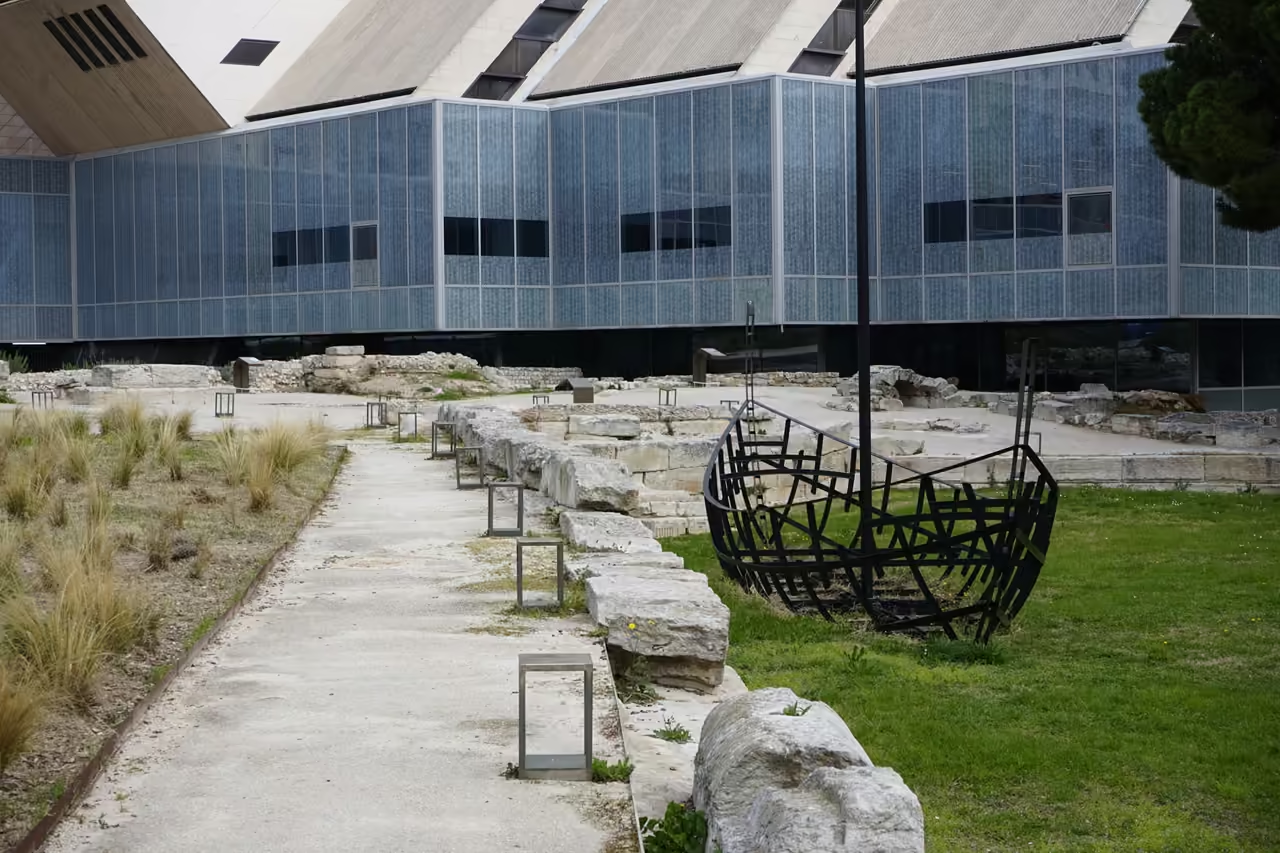
Designed by Italian architect Stefano Boeri beside MuCEM on the J4 pier, this stark white contemporary pavilion launches a dramatic 40-metre horizontal cantilever directly out above a sunken seawater basin. Its sharp minimalist lines mirror Mediterranean sky and water while housing the Cosquer Méditerranée exhibition inside.
architecture view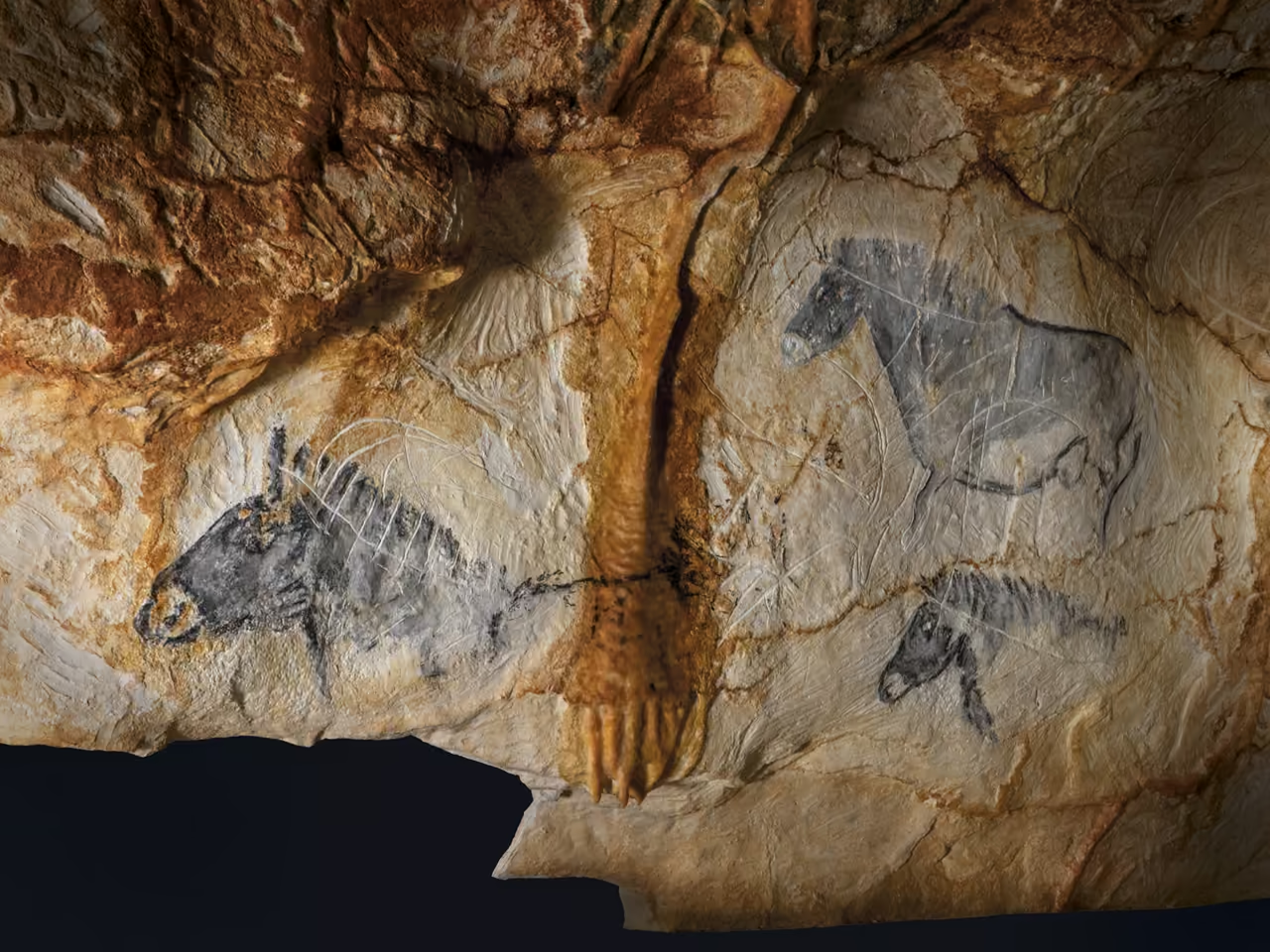 80m
Cosquer Méditerranée Cave Replica
Inside the striking cantilevered Villa Méditerranée beside MuCEM, visitors descend in slow exploration pods through a full-scale replica of the submerged Cosquer Cave. Divers discovered the real Palaeolithic cavern offshore only in 1992, sealed behind a tunnel 37 metres underwater where Ice Age artists painted penguins, bison, horses, and hand stencils. Interactive galleries upstairs explain rising seas and ancient Mediterranean climates.
highlight view- 131m
Fiesta des Suds
Every October, Marseille turns up the global beat for a multiday music gathering born on its industrial docklands. World-music stars, brass bands, electro DJs, and Mediterranean folk groups share open-air stages beneath harbour cranes. Locals pack the waterfront into the mild autumn night with pastis in hand and zero pretension.
festival view 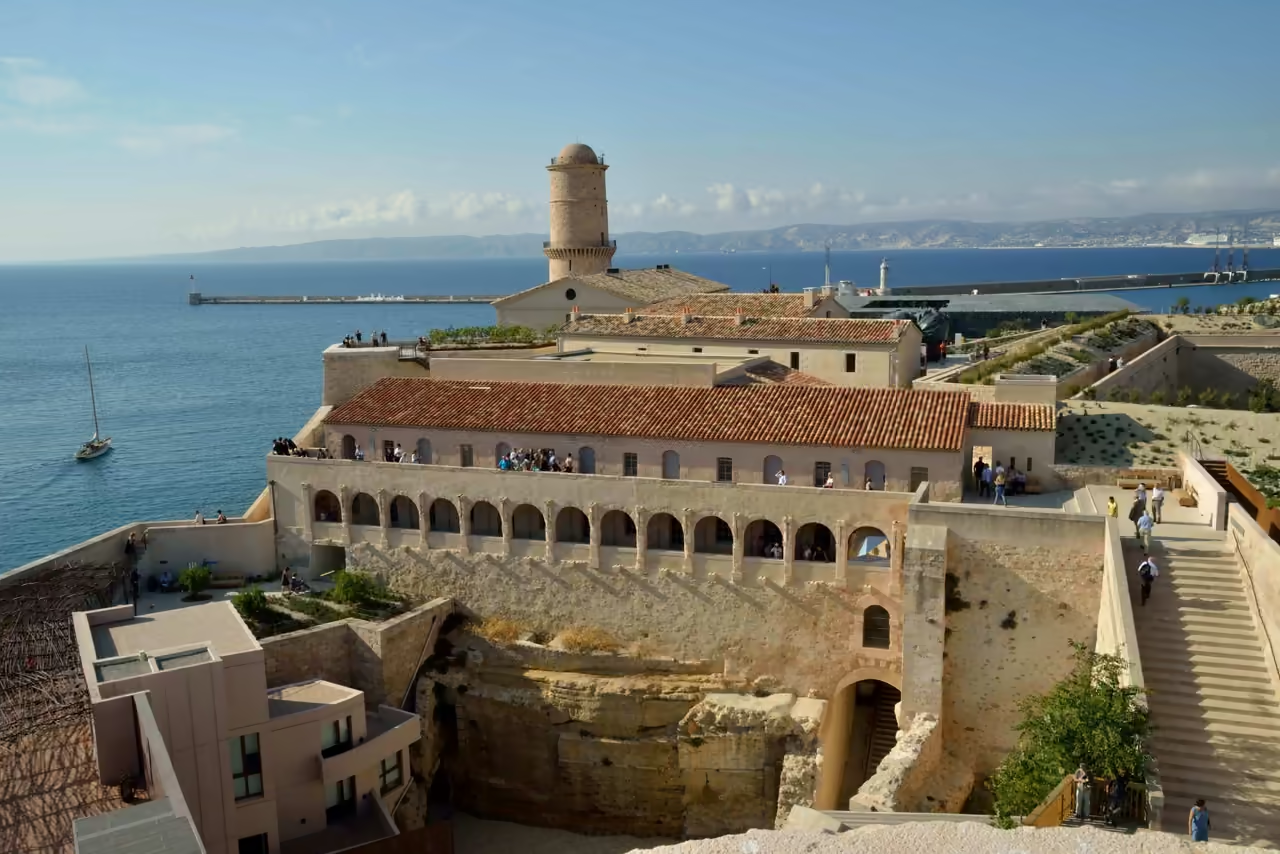 179m
Fort Saint-Jean
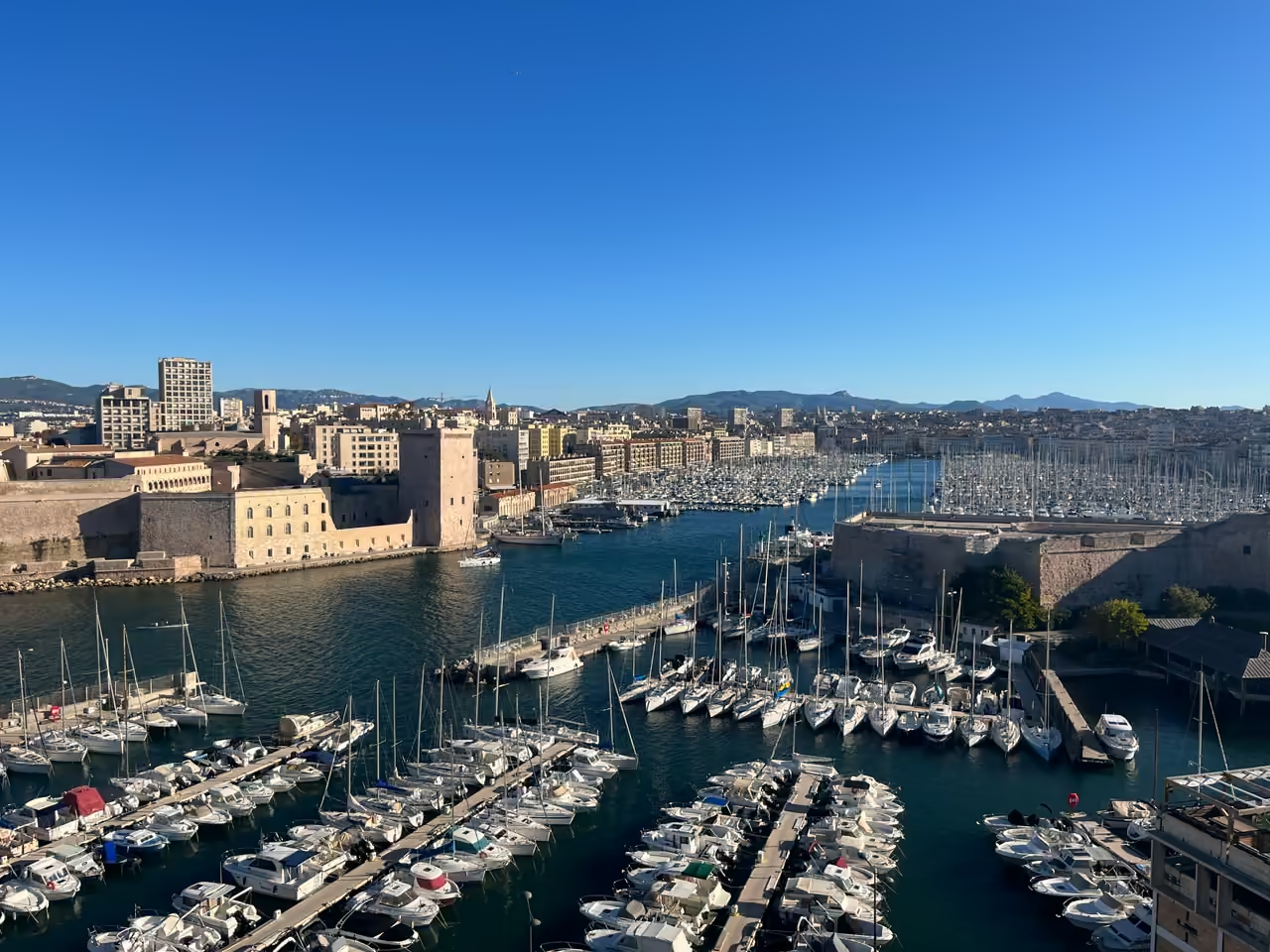
Guarding the northern jaw of the Vieux-Port, Fort Saint-Jean looks straight across a narrow channel at its southern rival, Fort Saint-Nicolas. Skip the uphill climb from the waterfront quays if you fancy an easier arrival. You can walk straight onto the upper ramparts across a pedestrian bridge from the square outside Saint-Laurent Church in Le Panier, or cross 19 metres above the harbour dock along the concrete walkway linking the fort to architect Rudy Ricciotti's MuCEM pavilion. Inside the walls, the cobbled tunnel of the Montée des Canons slopes upward past the Officers' Gallery to the sunlit chemin de ronde, where holm oaks, orange trees, myrtle, and wild herbs scent the salt breeze. Hang onto your sunglasses when the Mistral sweeps off the Gulf of Lion, as the exposed ledges beside the round Tour du Fanal turn brisk on gusty afternoons. Climb the 147 spiral steps inside the square Tour du Roi René, stepping onto its open artillery terrace just as ferries glide past the stonework below.
attraction view
Explore Similar Places in This Collection
Featured on These Itineraries and Routes
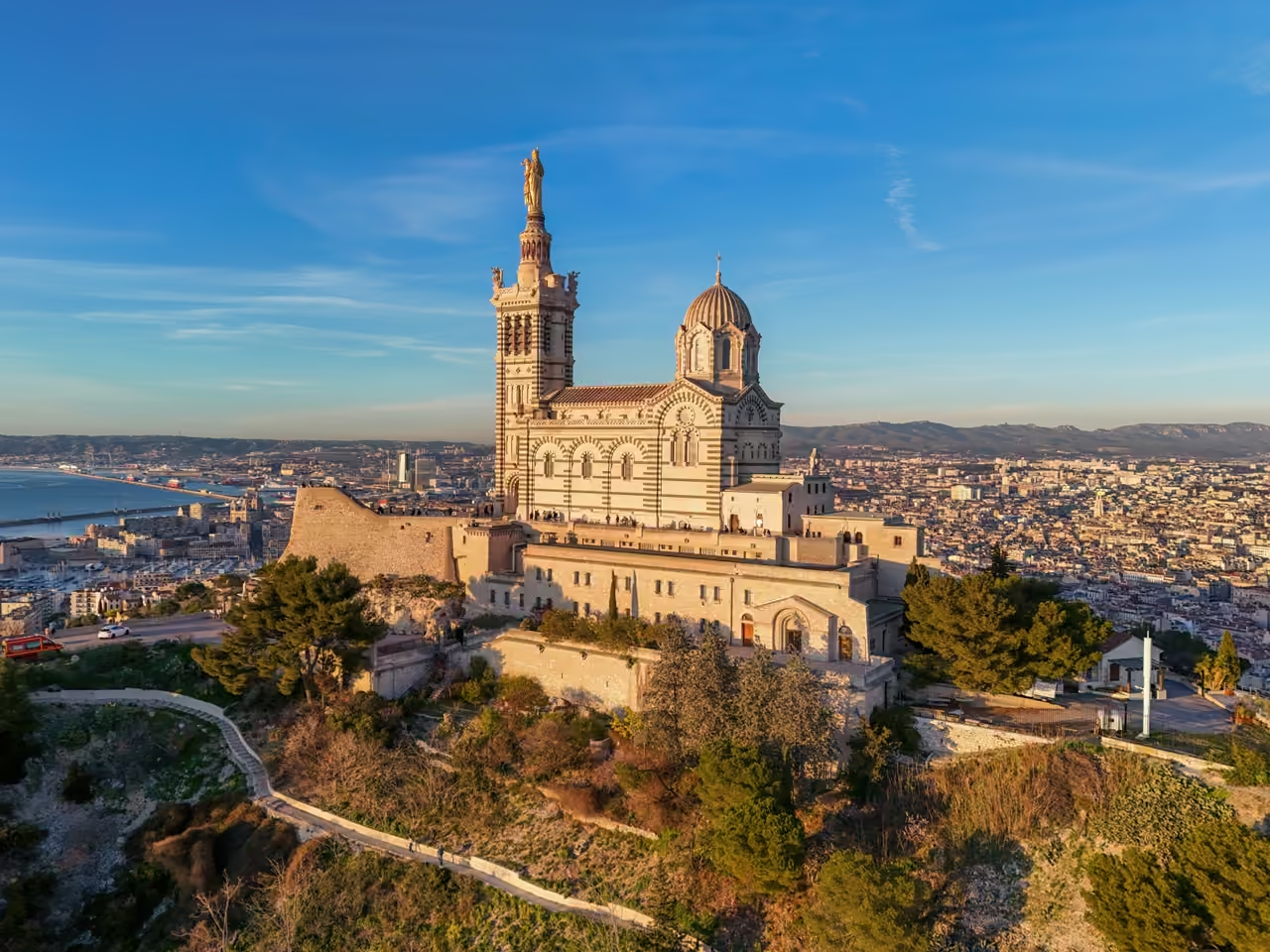
1 Day in Marseille: Essential Loop
Experience Marseille's heartbeat in one crisp, walkable coastal arc linking morning fish auctions, medieval hilltop lanes, waterfront architecture, panoramic basilica heights, and lively harbour terraces.
view itinerary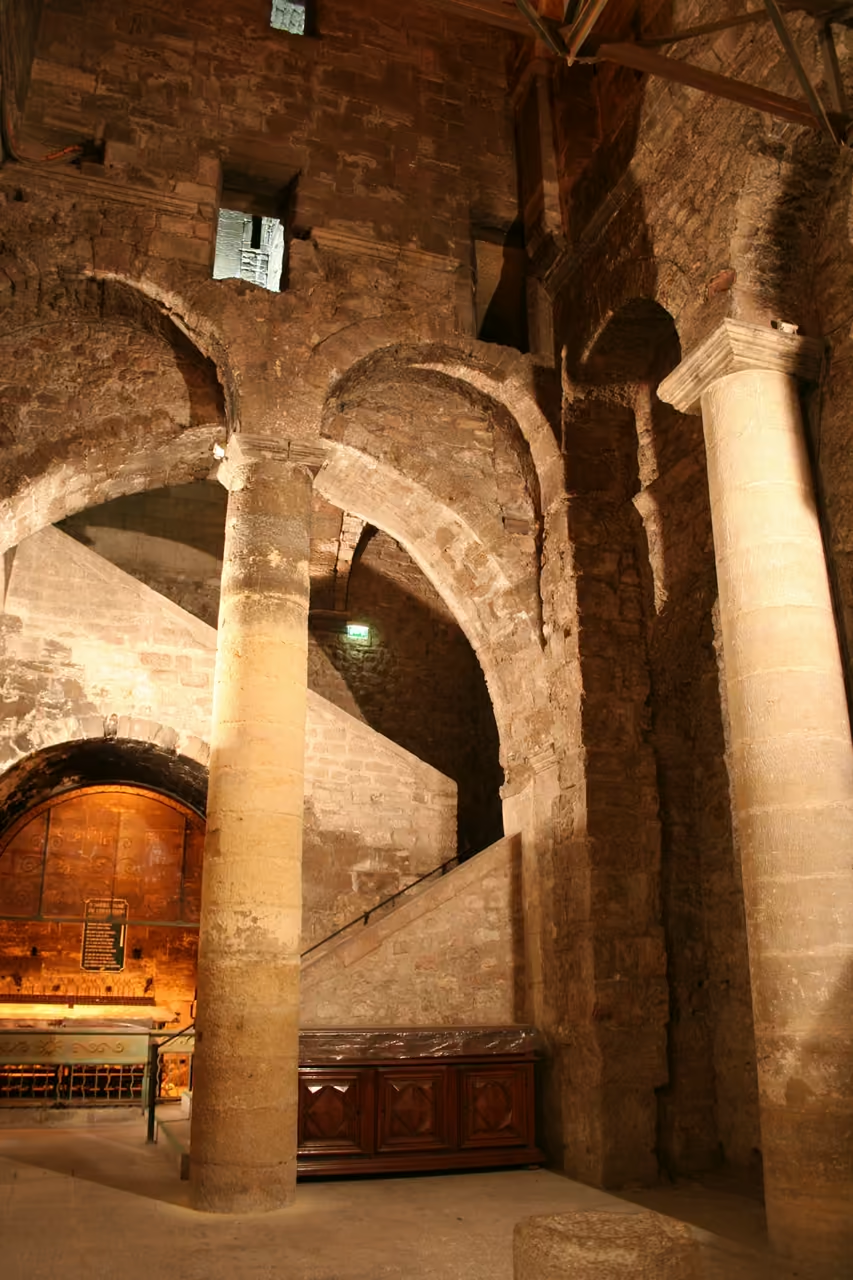
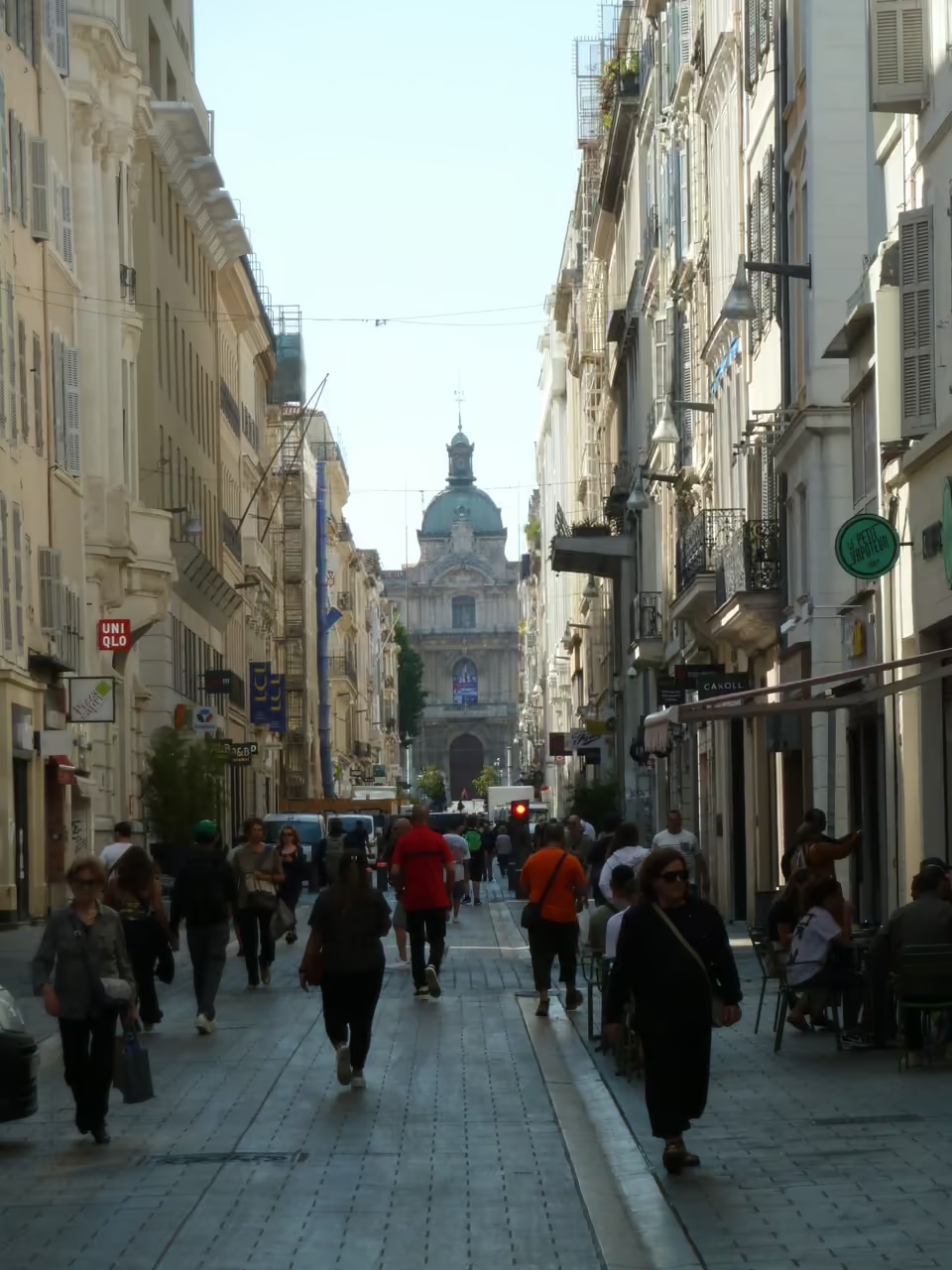
3 Days in Marseille: Sea, Culture & Calanques Break
Pair Marseille's harbour museums and island fortresses with a full coastal exploration of the Calanques National Park, Parc Borély, and bohemian street-art squares.
view itinerary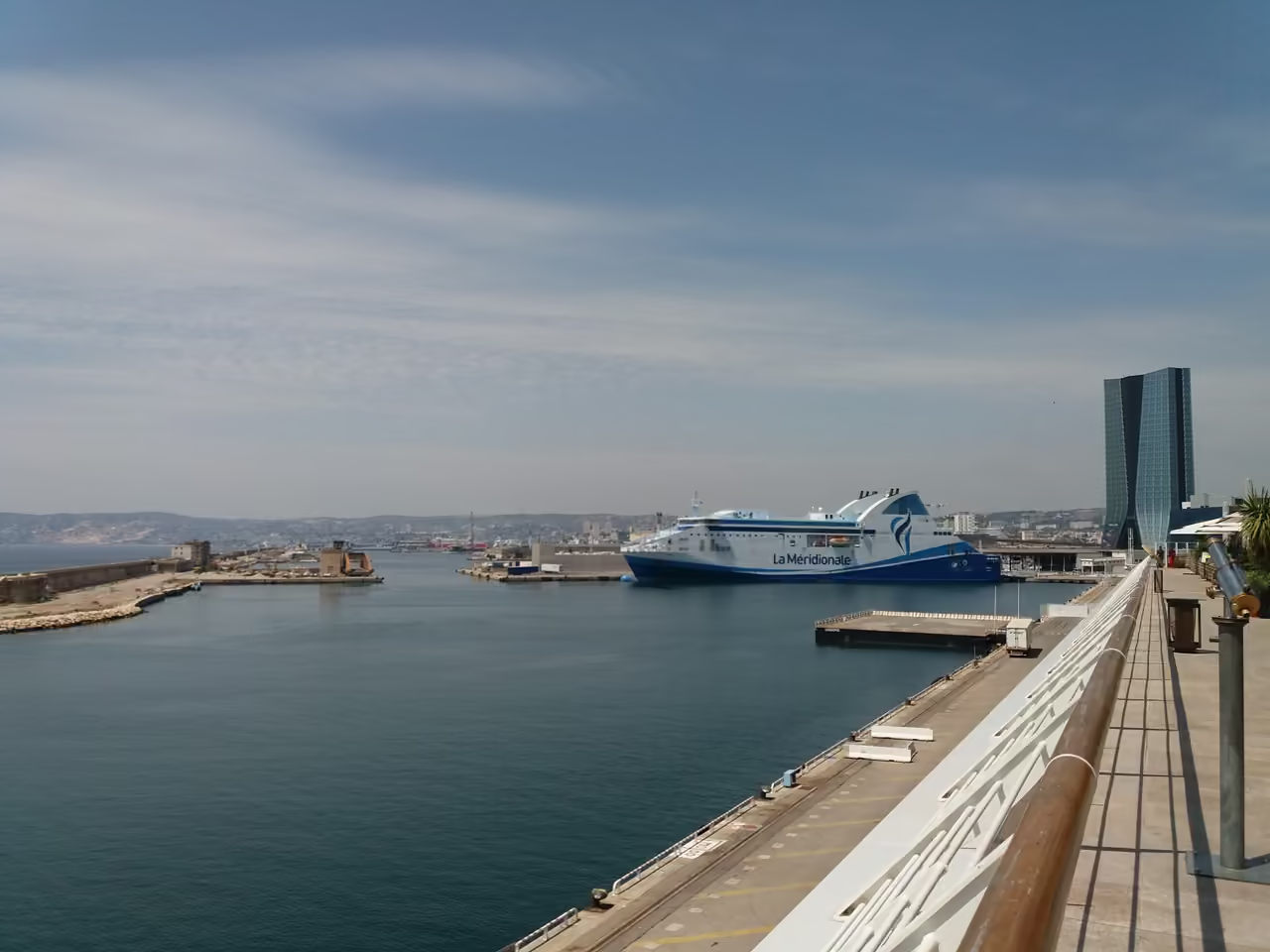
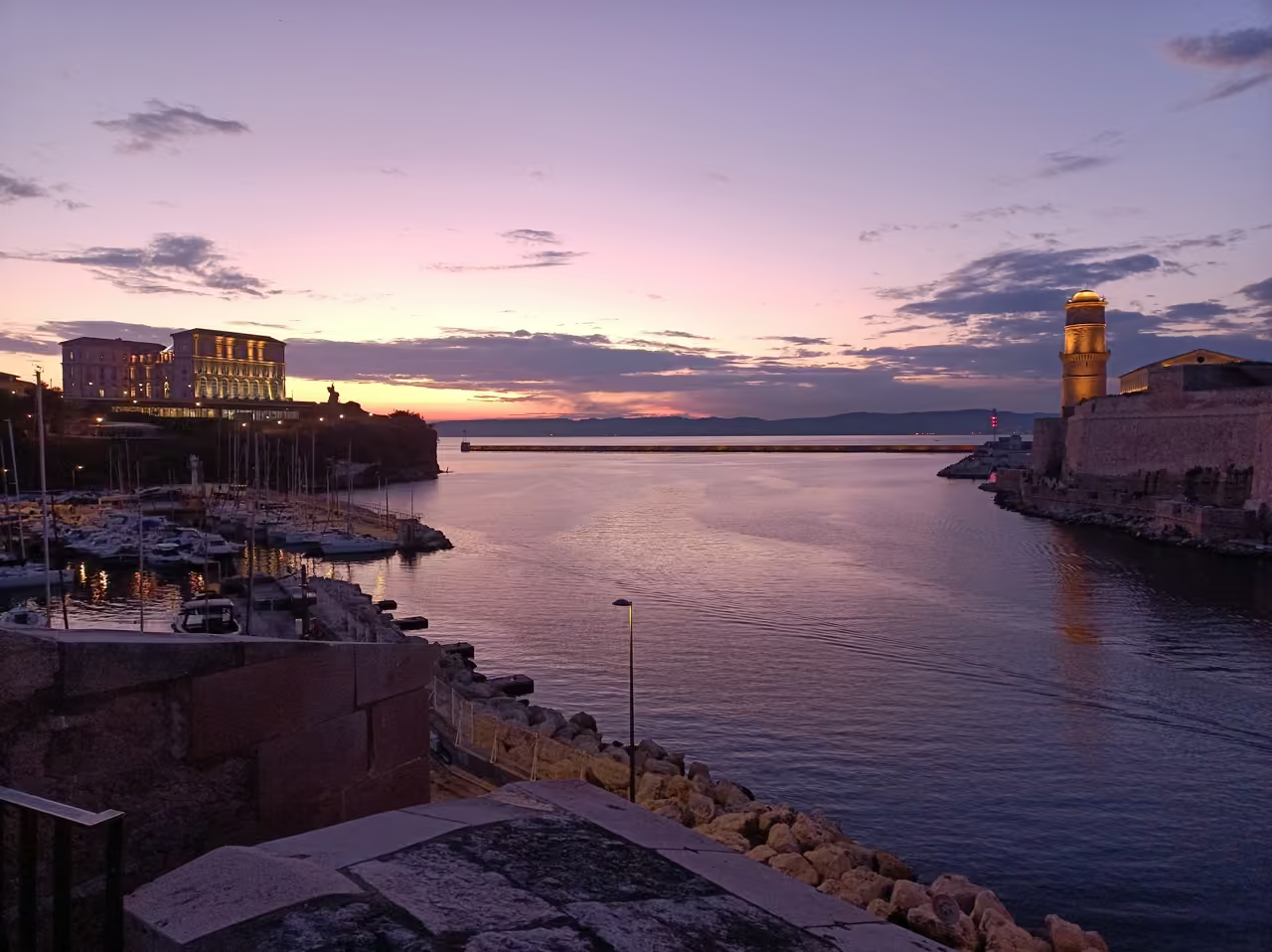
Vieux-Port, MuCEM & La Joliette Docklands Ride
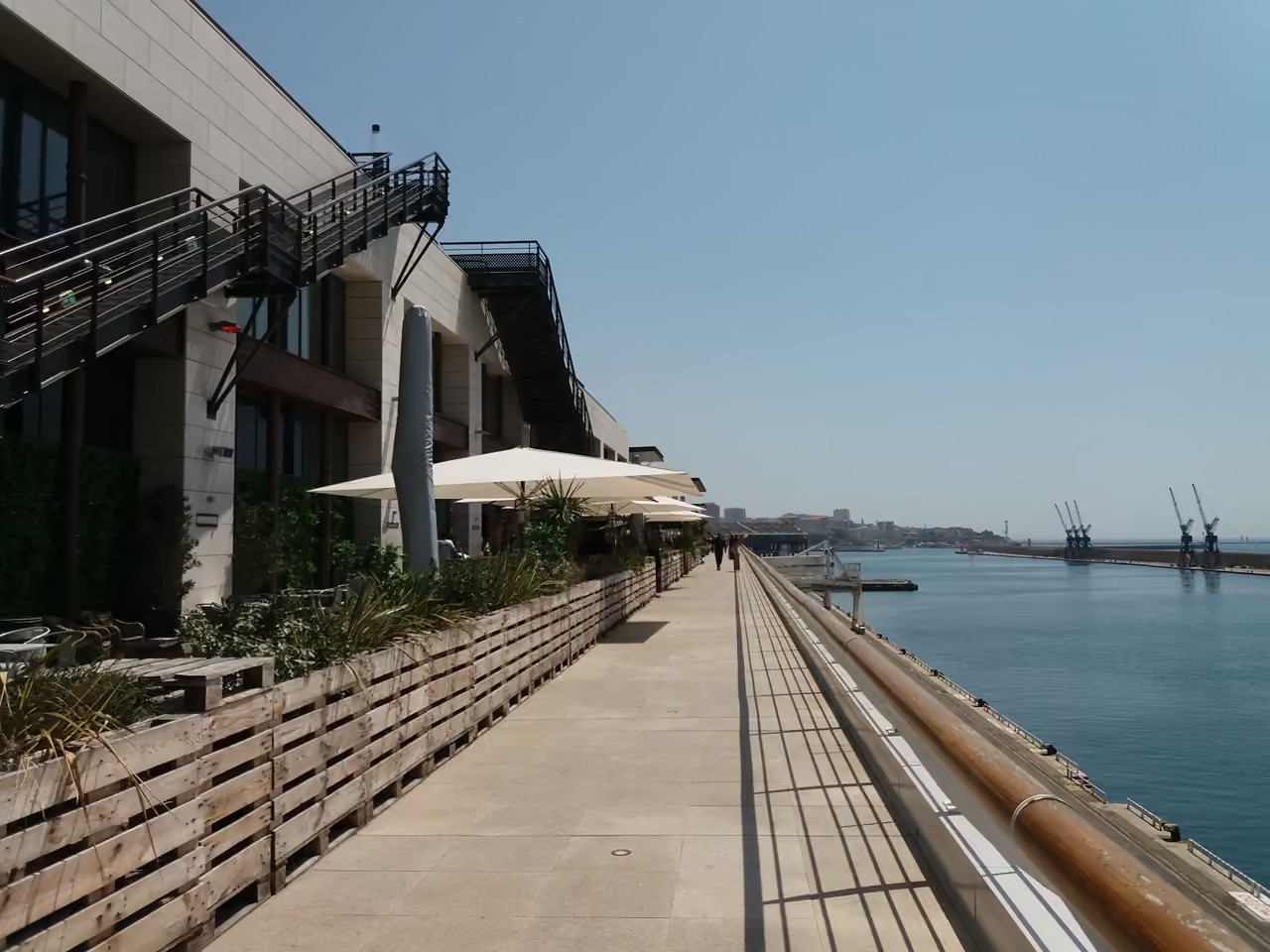
Roll gently along flat pedestrianised harbour quays and broad modern esplanades connecting medieval fortifications, contemporary architecture, and breezy sunset decks.
view cycling route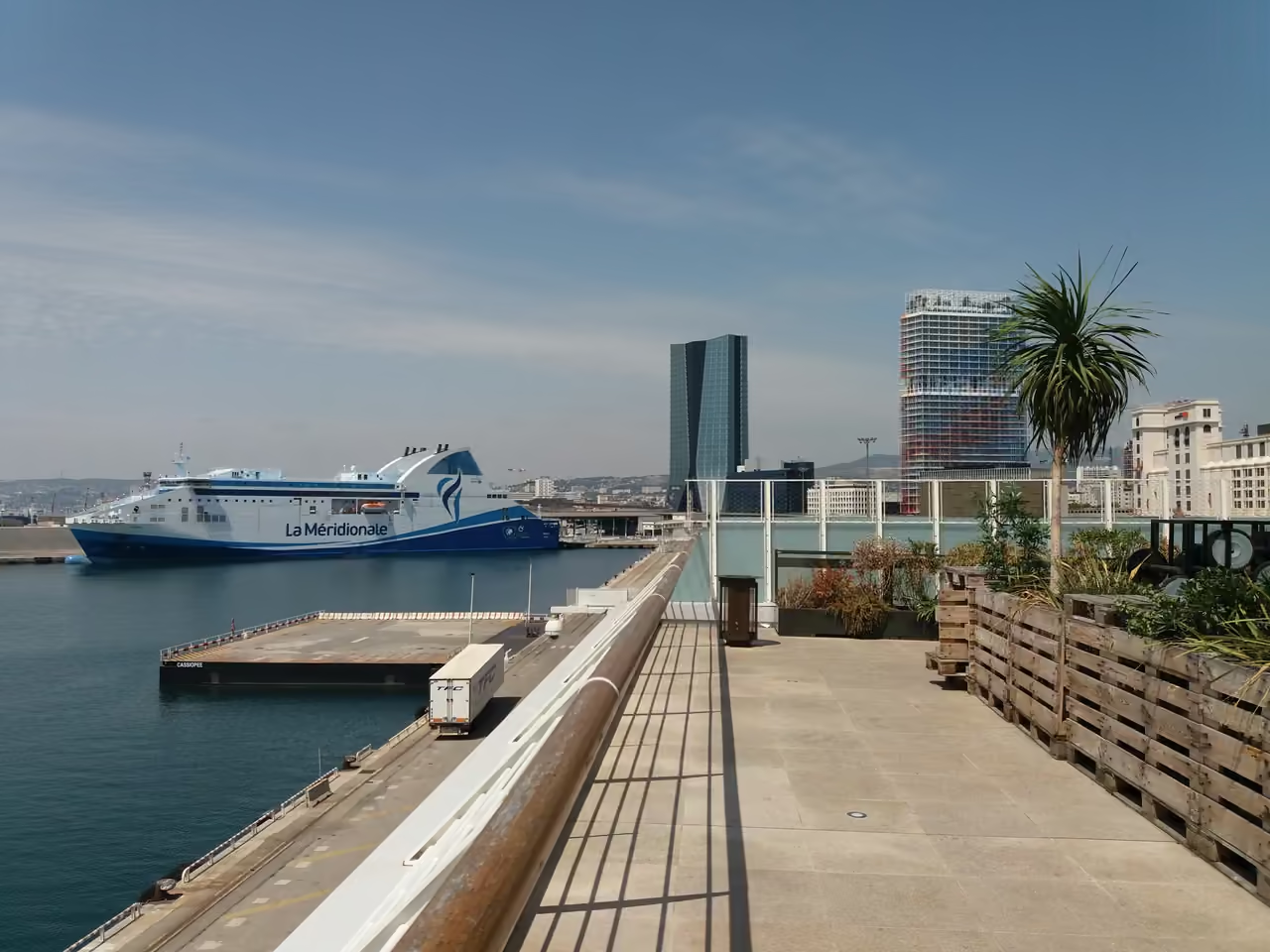
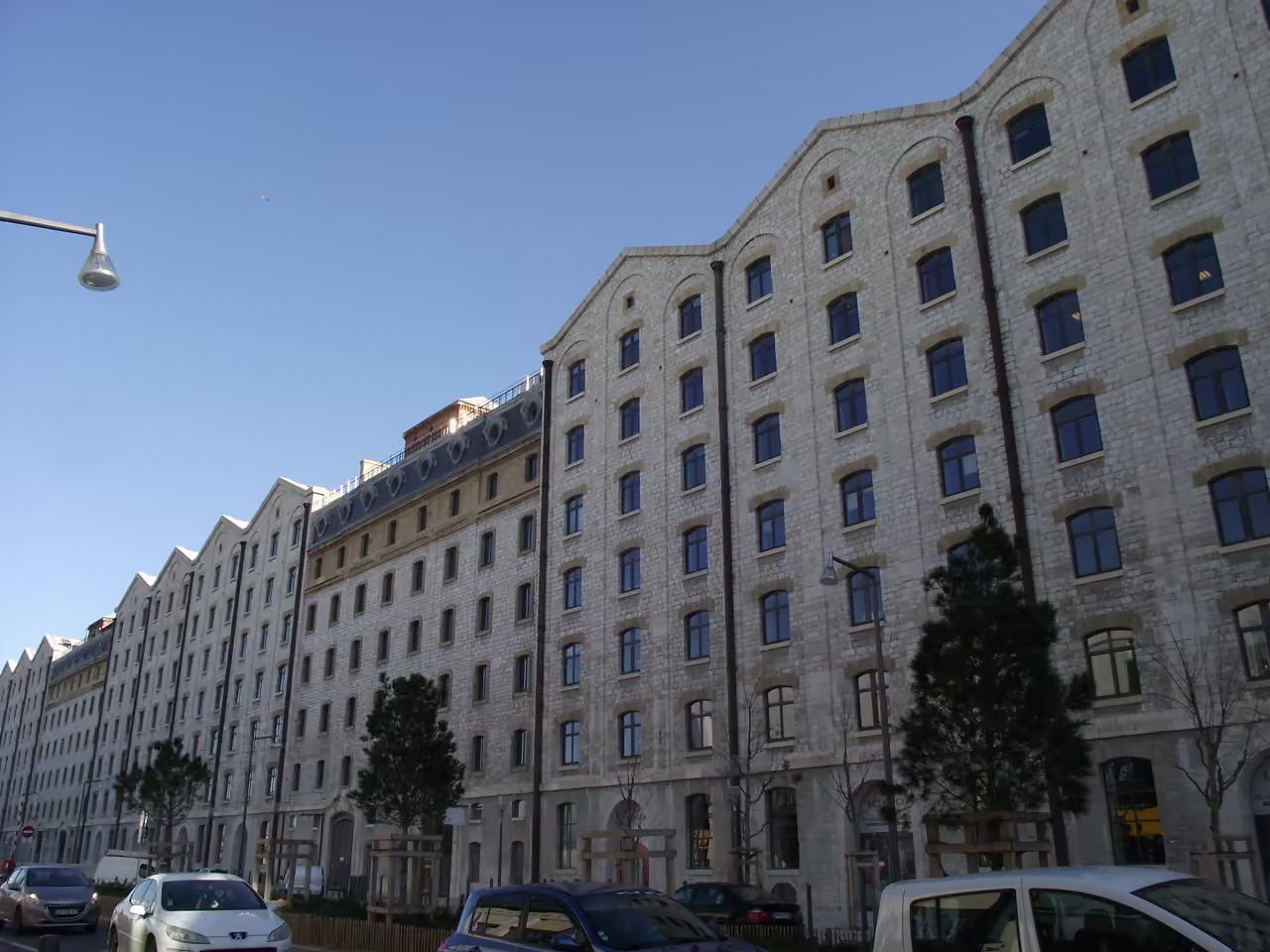
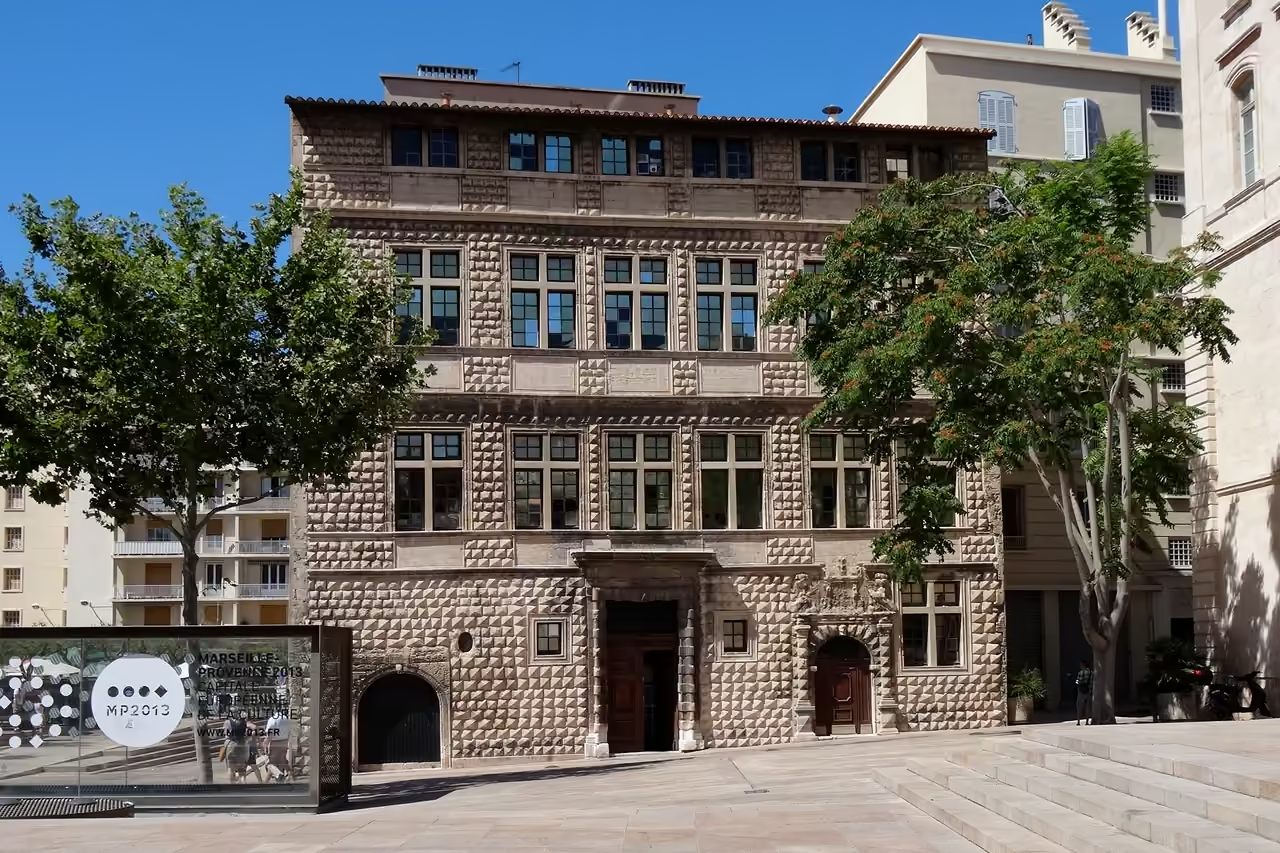
Architectural Spine: Renaissance Stone to Zaha Hadid
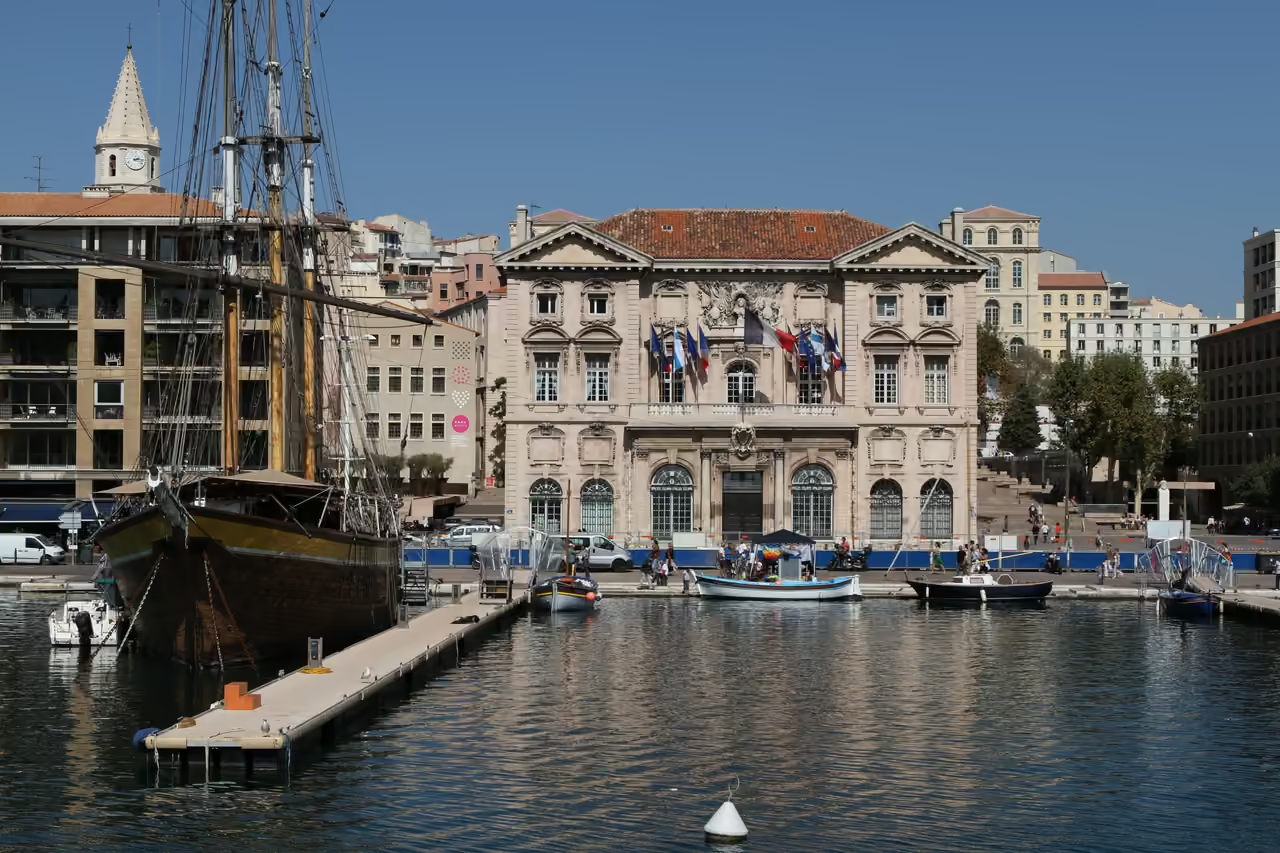
Follow Marseille's skyline evolution along a single walkable waterfront stretch, moving from faceted sixteenth-century masonry and Baroque civic halls to wartime reconstruction and sleek glass towers.
view self-guided tour
See all attractions in Marseille
Including Basilica of Notre-Dame de la Garde, Château d'If, Fort Saint-Jean, and more