Palais Longchamp
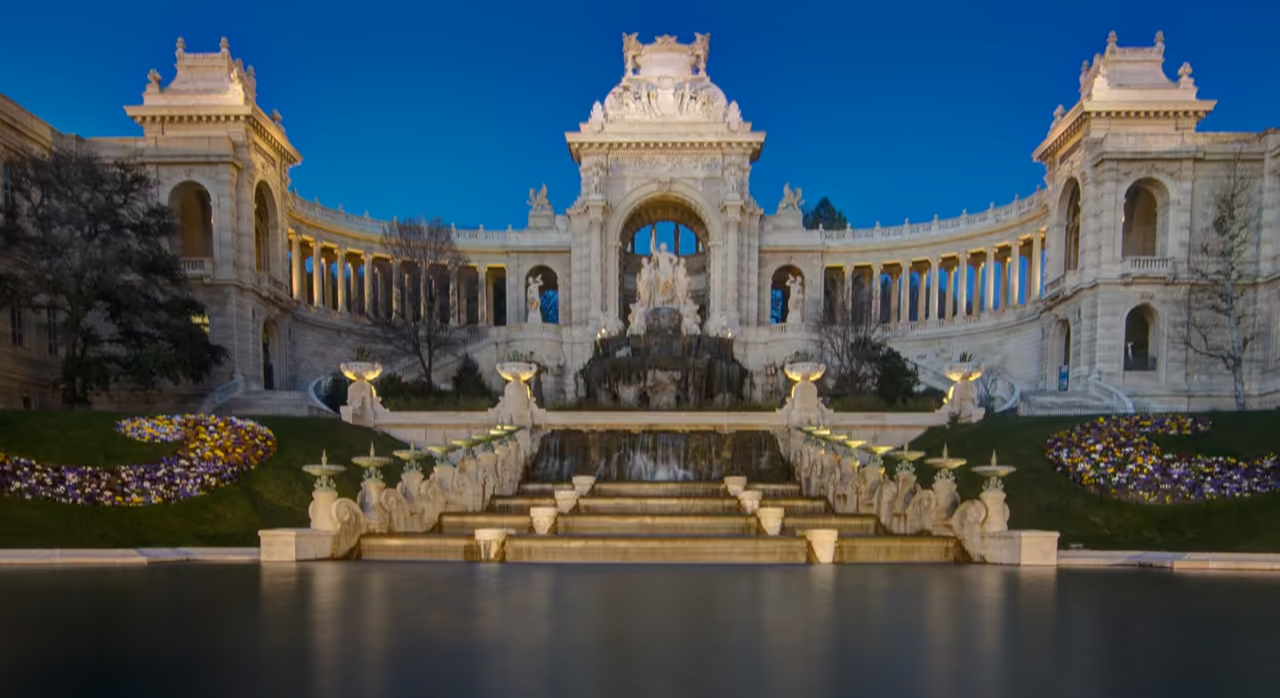
Four stone Camargue bulls surge out of a triumphal arch above Boulevard Longchamp, charging through sheets of foaming water. Palais Longchamp turns civic plumbing into high theatre. Inaugurated under the Second Empire to celebrate fresh mountain water reaching Marseille from the Durance River, this monumental water castle anchors Place Henri Dunant with sweeping stone staircases whose lower steps bulge outward before straightening toward the sky. Down by the entrance gates, Antoine-Louis Barye's sculpted lions and tigers still snarl from their pedestals, even if city pollution and mistral grit have visibly weathered their stone flanks. Climb past them to the main terrace. Here, a graceful semicircular colonnade connects the Musée des Beaux-Arts on the left with the Muséum d'Histoire Naturelle opposite, before giving way behind the arch to Parc Longchamp, where brightly painted fibreglass creatures now peer out from empty stone zoo cages from the nineteenth century below the Marseille Observatory.
Videos
History of Palais Longchamp
Thirst forced Marseille to dream big in the 1830s. Two centuries of rapid urban growth had outpaced the city's modest local springs, leaving neighbourhoods vulnerable whenever rainfall failed. Matters reached breaking point in 1834, when a punishing drought through spring and summer gave way in September to torrential rains that sent the Jarret and Huveaune rivers spilling across low streets. Severe cholera outbreaks struck later that year and again in July 1835, transforming water infrastructure into a matter of civic survival. In July 1838, national legislation authorised Marseille to divert 5.75 cubic metres per second from the Durance River across 85 kilometres of aqueducts, tunnels, and bridges engineered by Jean François Mayor de Montricher. Construction crews had barely started cutting rock for the Canal de Marseille before city leaders resolved to erect a grand monument on the Longchamp plateau celebrating the river's arrival. When the Duke of Orléans returned from North Africa to lay the ceremonial foundation stone on 15 November 1839, he voiced a sharp warning: placing the first stone was simple, whereas setting the last one would test the city. Three decades of hesitation proved him right. Local architect Pascal Coste drafted a combined water tower and natural history museum in 1847, only for the political upheaval of 1848 to freeze municipal funding. Two years later, Jean-Charles Danjoy sketched a triumphal arch honouring the Durance, yet prolonged debates over rising costs and competing visions kept the plateau empty through the 1850s. The stalemate finally broke in August 1861 when Mayor Onfroy appointed Henri Espérandieu, a young architect already busy directing work on Notre Dame de la Garde. Working closely with museum curators, Espérandieu delivered definitive plans on 7 April 1862 for a water palace perched 73 metres above sea level with symmetrical museum wings connected by curved colonnades. Within two months, anxious councillors ordered him to slash the building footprint by a quarter to rein in spending. Espérandieu quietly ignored most of the demand, reducing the layout by only one eleventh. Councillors issued an official reprimand, yet kept him in post because everyone in the chamber recognised a landmark rising before their eyes. When Palais Longchamp opened to the public on 15 August 1869, Marseille struck commemorative medals by Louis Merley to mark the end of its long wait. History continued reshaping the hilltop long after the fountains started flowing. Back in 1854, planners had paired the monument site with a botanical garden and a zoological park, though city officials had to rescue the zoo from financial strain as early as 1863. Chronic deficits eventually overwhelmed the menagerie, forcing its gates shut permanently in 1987. Rather than surrendering the hillside to commercial pressure, preservationists secured full national historic monument classification across 1997 and 1999. That local attachment faced another decisive test in 2008, when neighbourhood associations mobilised to stop developers from excavating Parc Longchamp for an underground car park, keeping the historic stone zoo pavilions and shaded avenues intact above Boulevard Cassini.
16 events spanning 179 years
Fun Facts
12- 01
Along each curved colonnade, eight columns stand on the front arc and eleven along the rear arc, geometrically spaced so that not a single column blocks another from view. Overhead runs a balustrade paired with a frieze of all twelve zodiac signs, six per wing, sculpted by François Gilbert.
- 02
Although the twin wings mirror each other in outline, subtle decorative choices divide fine art from natural science. The Musée des Beaux-Arts wears exuberant French artistic motifs crowned by Jules Cavelier's relief of Minerva spanning 12 metres and medallions of Nicolas Poussin and Pierre Puget, whereas the Muséum d'Histoire Naturelle adopts deliberately restrained stonework with portraits of Georges Cuvier and Aristotle.
- 03
Around 1865, a cash-strapped and unknown Auguste Rodin joined the crew of stonecutters carving Palais Longchamp's cornices, only to get fired for working too slowly. Once famous, Rodin made amends in 1898 by donating a plaster cast of his sculpture The Inner Voice to the palace's Musée des Beaux-Arts.
- 04
Back in the nineteenth century, zoo architects housed exotic creatures inside thematic pavilions inspired by their regions of origin instead of uniform iron cages. Walking through Parc Longchamp today still reveals the ornate Giraffe Pavilion, the former Elephant House, and stone bear and wolf cages from around 1899 beside the cascade staircase Montricher built for ducks and flamingos.
- 05
Carved cartouches along the exterior faces of the triumphal arch turn the masonry into a geographical register of Alpine and Provençal waterways. Eight tributaries feeding the Durance appear in stone: the Buëch, Jabron, Auzon, and Largue on the right flank, matched by the Ubaye, Bléone, Asse, and Verdon on the left.
- 06
During the old zoo's heyday, deceased wildlife stayed inside the civic family rather than leaving the hilltop. Because Marseille owned the animal collection, naturalised remains of elephants, big cats, and exotic birds were transferred directly next door to enrich the Muséum d'Histoire Naturelle and the Faculty of Sciences, where former zoo residents still appear on display.
- 07
Expanding across five hectares and jumping over Boulevard Cassini via a dedicated footbridge, Marseille's nineteenth century menagerie housed roughly 2,450 animals at a time. Alongside around 2,000 birds representing 1,250 species, enclosures sheltered Asian elephants, gorillas, tapirs, cassowaries, brown and polar bears, hippopotamuses, crocodiles, and even a bottlenose dolphin.
- 08
French writer Emmanuelle Bayamack-Tam, publishing under the name Rebecca Lighieri, transformed the monument's grounds after closing into a bleak modern Court of Miracles in her 2020 novel Il est des hommes qui se perdront toujours.
- 09
Henri Espérandieu worked closely with curators while drafting both museums so their wings could absorb decades of future acquisitions. Even with careful planning, donations arrived so rapidly that both buildings ran short of gallery room almost immediately, a space crunch that still restricts how much of the vast holdings curators can exhibit at once.
- 10
Long before shaping the Statue of Liberty for New York, Alsatian sculptor Auguste Bartholdi designed three versions of Palais Longchamp in 1859 at Mayor Jean-François Honnorat's request, only for Parisian architectural authorities Victor Baltard, Henri Labrouste, and Léon Vaudoyer to reject his scheme. Convinced Marseille later copied his curved colonnade, Bartholdi sued the city in 1863, demanded his name be carved onto the finished water tower, and filed a final losing lawsuit in 1901 that ended with the Aix-en-Provence Court of Appeal imposing court costs and a fine.
- 11
Standing 10 metres tall in Calissanne stone, Jules Cavelier's central sculptural group celebrates wheat and grapes through the Roman goddesses Ceres and Pomona flanking the Durance alongside cherubs clutching sheaves and vine clusters. Ironically, the arrival of canal irrigation swiftly drove wheat and vineyards out of Marseille's countryside in favour of more lucrative market gardening and livestock farming.
- 12
Tucked inside the open triumphal arch behind the waterfall sits a nymphaeum grotto framed by two petrified caryatids whose shut eyes symbolise subterranean waters. Marble plaques beside busts carved by André-Joseph Allar and Philippe Poitevin honour Montricher and Mayor Maximin-Dominique Consolat, while Eugène-Louis Lequesne crowned the dome overhead with a stone trireme bearing Marseille's coat of arms flanked by sirens.
FULL PLACE DETAILS
Updated
FULL PLACE DETAILS
UpdatedOVERVIEW & STATS
- Established
- In 1869, making it 157 years old
ARCHITECTURE & HERITAGE
- Heritage Status
- Classified Historical MonumentMonument Historique Inscrit
- Architectural Styles
- Neoclassical
- Architects
- Henri-jacques Espérandieu
Palais Longchamp Map & Neighborhood Explorer
This interactive map is centered on Palais Longchamp. Zoom in and move the map around to automatically discover Wikipedia photos and summaries of other nearby sights, monuments, and historical points of interest and stories in real-time!
Palais Longchamp FAQ
Palais Longchamp is Marseille's monumental nineteenth century water castle and cultural hub, built to celebrate fresh drinking water reaching the city from the Durance River via the Canal de Marseille. The estate combines a central triumphal arch and bull fountain with the Musée des Beaux-Arts, the Muséum d'Histoire Naturelle, and the hillside gardens of Parc Longchamp.
Yes, strolling onto Place Henri Dunant, climbing the sweeping staircases around the cascade, walking along the curved colonnades, and exploring Parc Longchamp behind the arch are free. Admission procedures and opening hours apply separately when entering the galleries of the Musée des Beaux-Arts or the Muséum d'Histoire Naturelle.
Take Marseille Metro Line 1 straight to Cinq Avenues - Longchamp station, or catch Tramway Line 2 to either the Cinq Avenues or Longchamp stop. Both routes leave you right beside Place Henri Dunant at the top of Boulevard Longchamp.
No, Marseille's historic zoological park closed permanently in 1987 after decades of financial deficits. Many of its nineteenth century buildings, including the Giraffe Pavilion, Elephant House, and stone bear enclosures, still stand inside Parc Longchamp and house brightly painted fibreglass animal sculptures installed for Marseille-Provence 2013.
Facing the central waterfall from the terrace, the left wing holds the Musée des Beaux-Arts, featuring historic paintings and sculptures including works linked to Marseille master Pierre Puget and a plaster cast donated by Auguste Rodin. The opposite right wing houses the Muséum d'Histoire Naturelle, preserving extensive zoological and geological collections.
A typical visit takes about 1 hour. We recommend planning your schedule accordingly to make the most of your time there.
The closest place to visit near Palais Longchamp is Marseille Jazz of the Five Continents, around 133 m away. Other things to do near Palais Longchamp include Marseille Observatory at Longchamp (175 m), Boulevard Longchamp Plane-Tree Avenue (468 m) and La Friche la Belle de Mai (772 m). All of these are within roughly 772 m of Palais Longchamp, close enough to walk.
Palais Longchamp holds the following heritage designations: Classified Historical Monument and Monument Historique Inscrit.
It dates back to 1869, making it 157 years old.
Palais Longchamp was designed by Henri-Jacques Espérandieu in the Neoclassical style.
While we strive to keep this information accurate and up to date, we recommend verifying any details independently before making decisions based on them.
Places near Palais Longchamp
Make the most of your trip. Check out these top-rated spots located nearby.
 133m
Marseille Jazz of the Five Continents
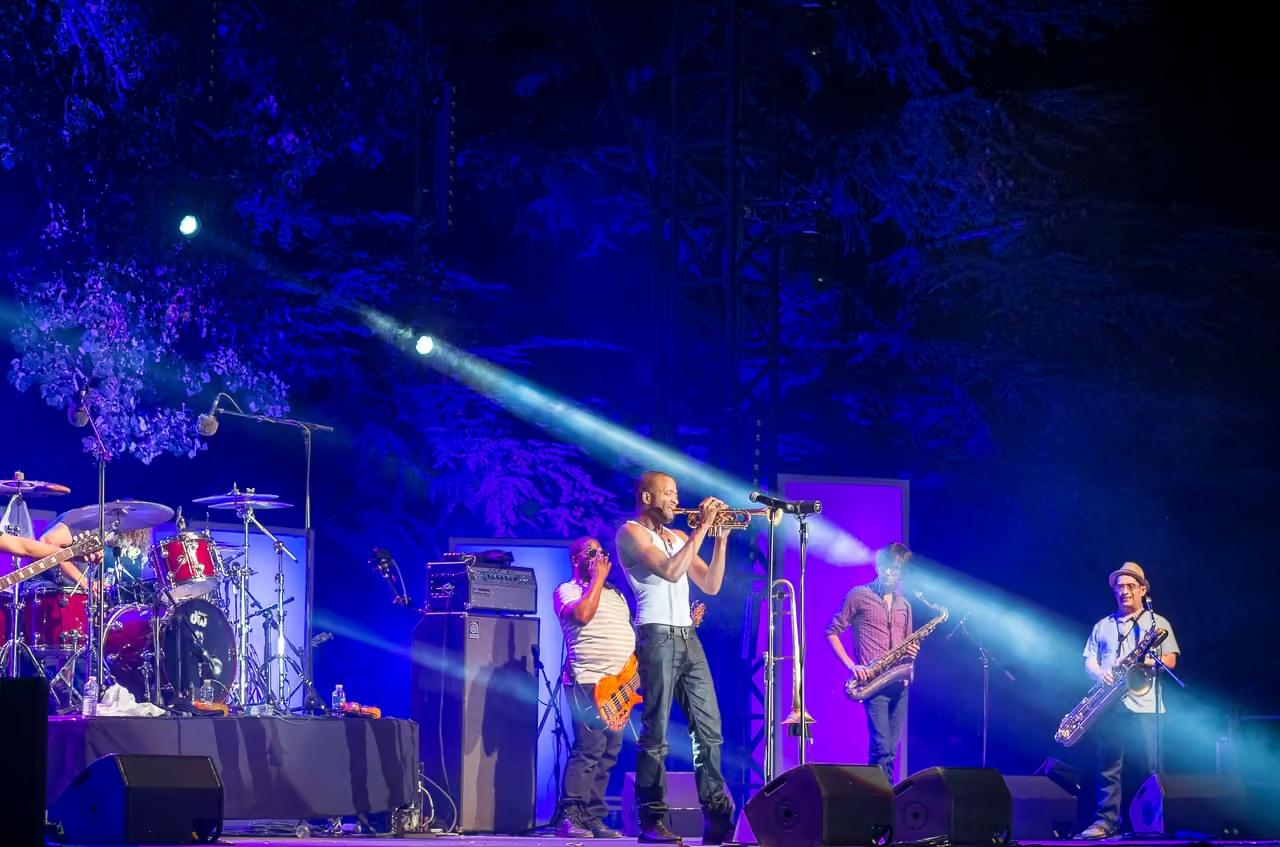
July evenings glow with horns and double bass inside Marseille's finest heritage courtyards, from Palais Longchamp gardens to La Vieille Charité and coastal Théâtre Silvain. International jazz figures and Mediterranean improvisers play open-air sets framed by stone colonnades and lantern-lit trees. Book well ahead for Palais Longchamp evenings.
festival view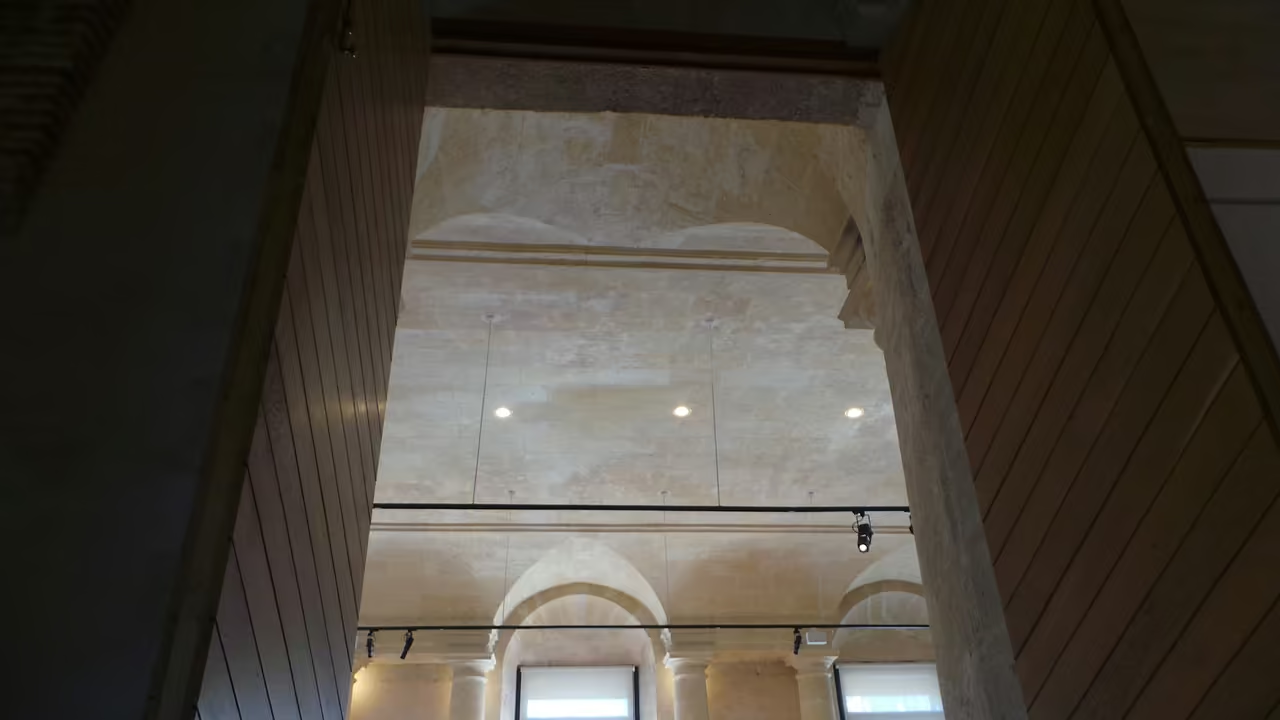 175m
Marseille Observatory at Longchamp
Tucked discreetly behind the monumental cascades of Palais Longchamp, Marseille's historic astronomy campus houses the pioneering 80-centimetre silvered-glass reflector designed by Léon Foucault. Join a public planetarium session or open-dome visit to inspect Victorian brass mechanics that once reshaped deep-sky astronomy.
hidden gem view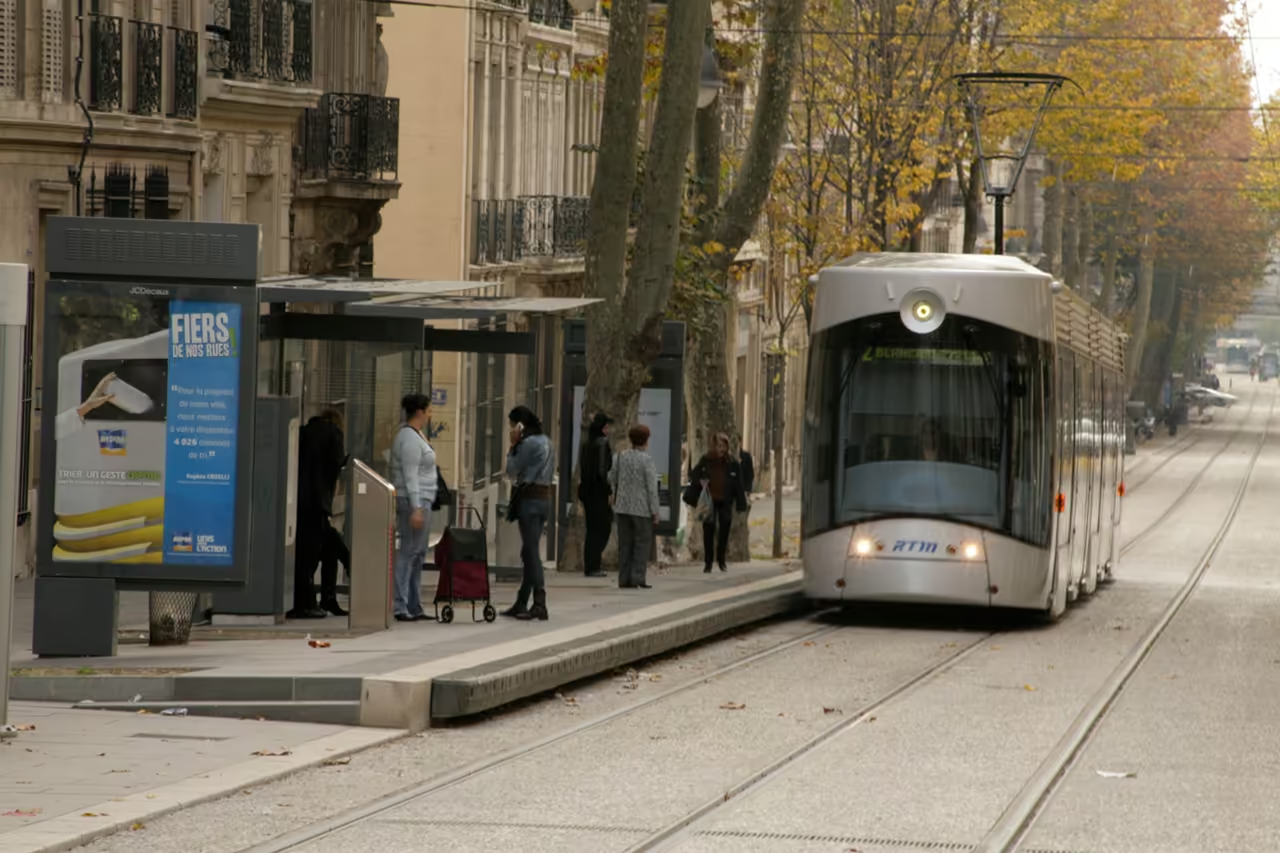 468m
Boulevard Longchamp Plane-Tree Avenue
Running ruler-straight for nearly 600 metres between gleaming nineteenth-century bourgeois apartment blocks, Boulevard Longchamp creates classic Haussmannian leading lines. Position a telephoto lens on the tramway median to frame cream stone balconies converging under dappled plane-tree canopies.
photo spot view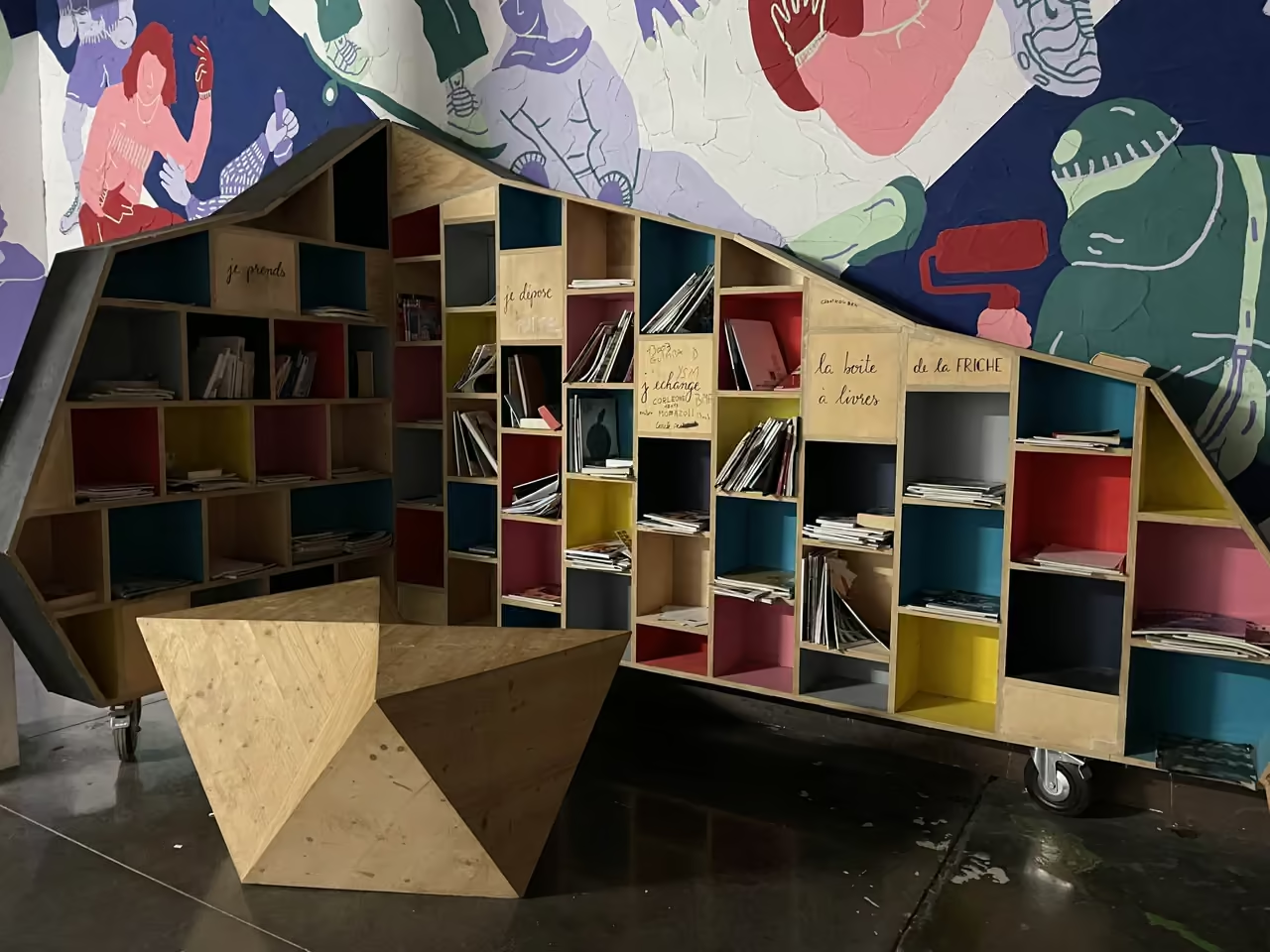 772m
La Friche la Belle de Mai
Occupying an enormous former nineteenth-century tobacco factory north of Gare Saint-Charles, La Friche thrives as one of Europe's boldest grassroots cultural hubs. Exhibition halls, theatre stages, radio studios, a skatepark, organic cafés, and artist workshops spread across cavernous brick yards. On warm summer Friday and Saturday evenings, its sweeping panoramic rooftop hosts free DJ parties.
highlight view
Explore Similar Places in These Collections
Featured on These Itineraries and Routes
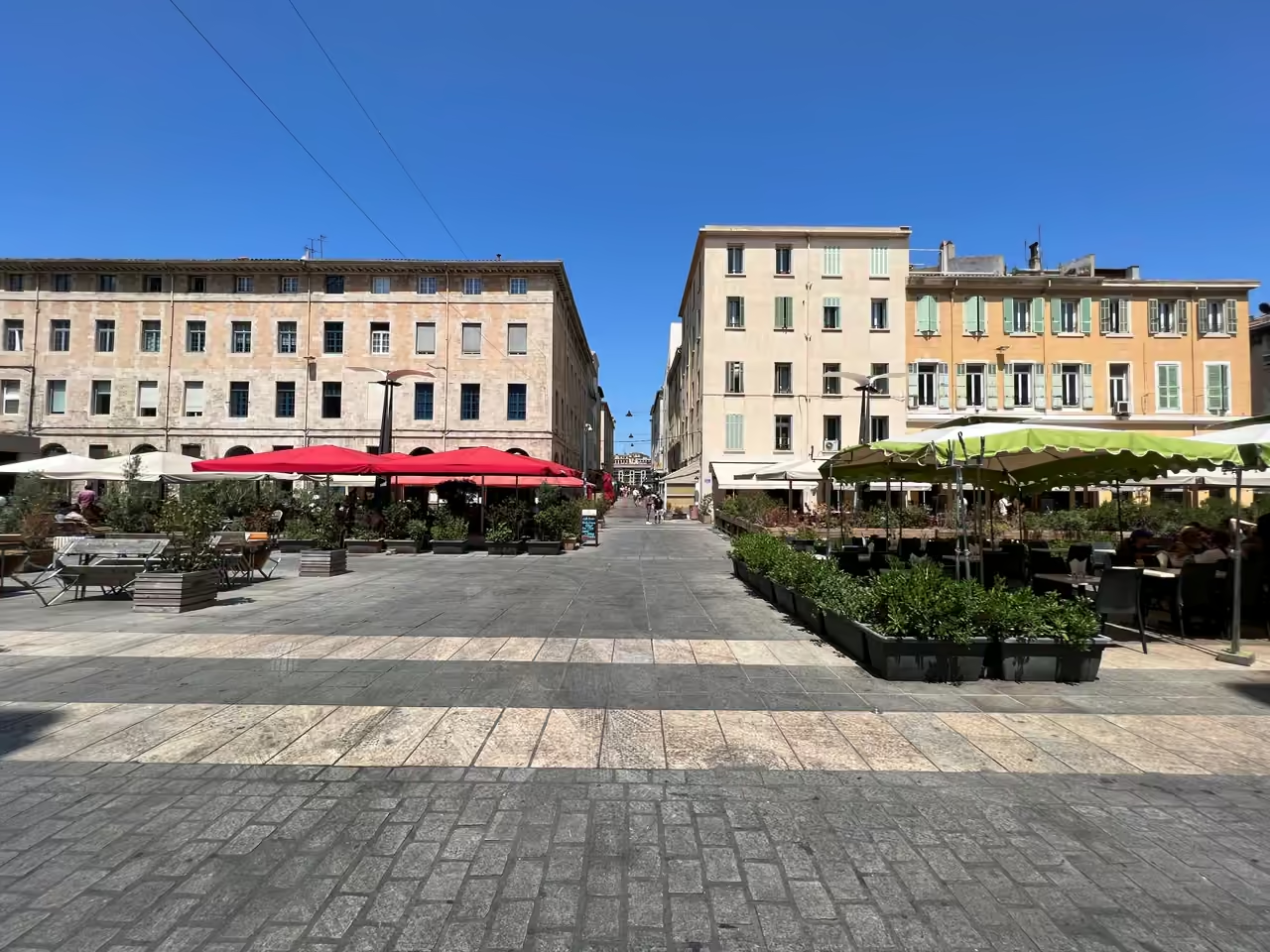
5 Days in Marseille: Villages, Architecture & Street Life Explorer
Dive deep across five full days covering Noailles spice bazaars, Palais Longchamp, Le Corbusier's UNESCO block, Calanques ridge trails, and Cézanne's L'Estaque harbour.
view itinerary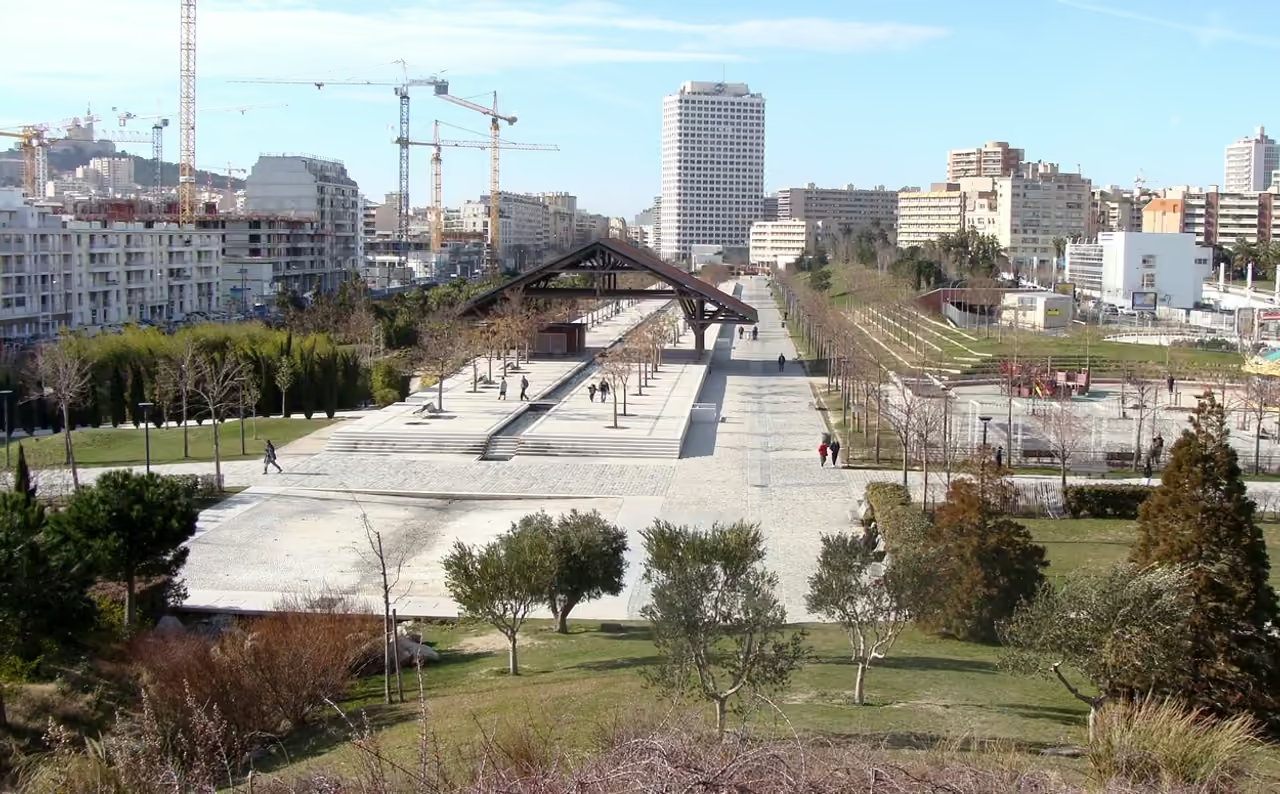
Palais Longchamp, Belle de Mai & Centenary Park Ride
Explore Marseille's inner cultural landmarks, historic science sites, former tobacco-factory arts spaces, and leafy urban parks away from the busy tourist quays.
view cycling route
See all attractions in Marseille
Including Basilica of Notre-Dame de la Garde, Château d'If, Fort Saint-Jean, and more