Saint-Michel Cathedral
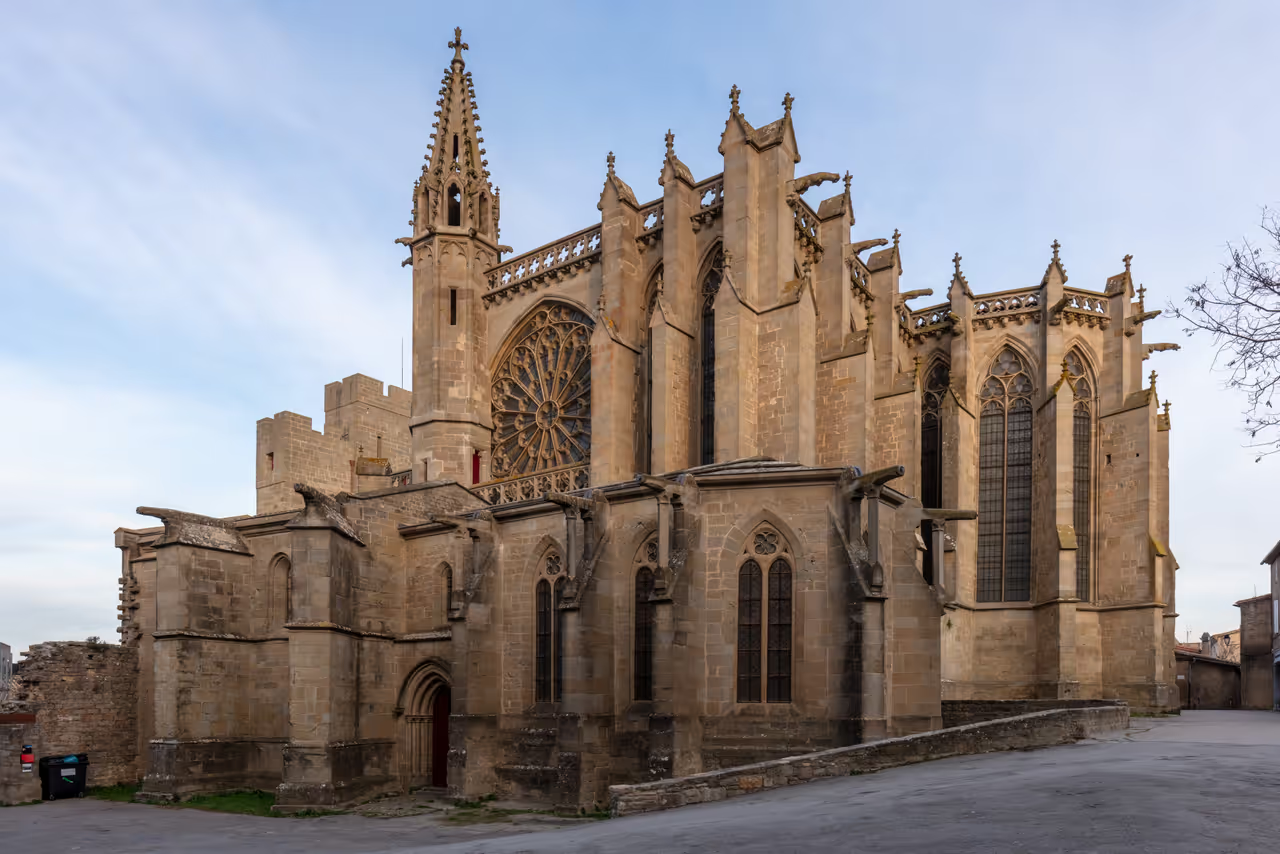
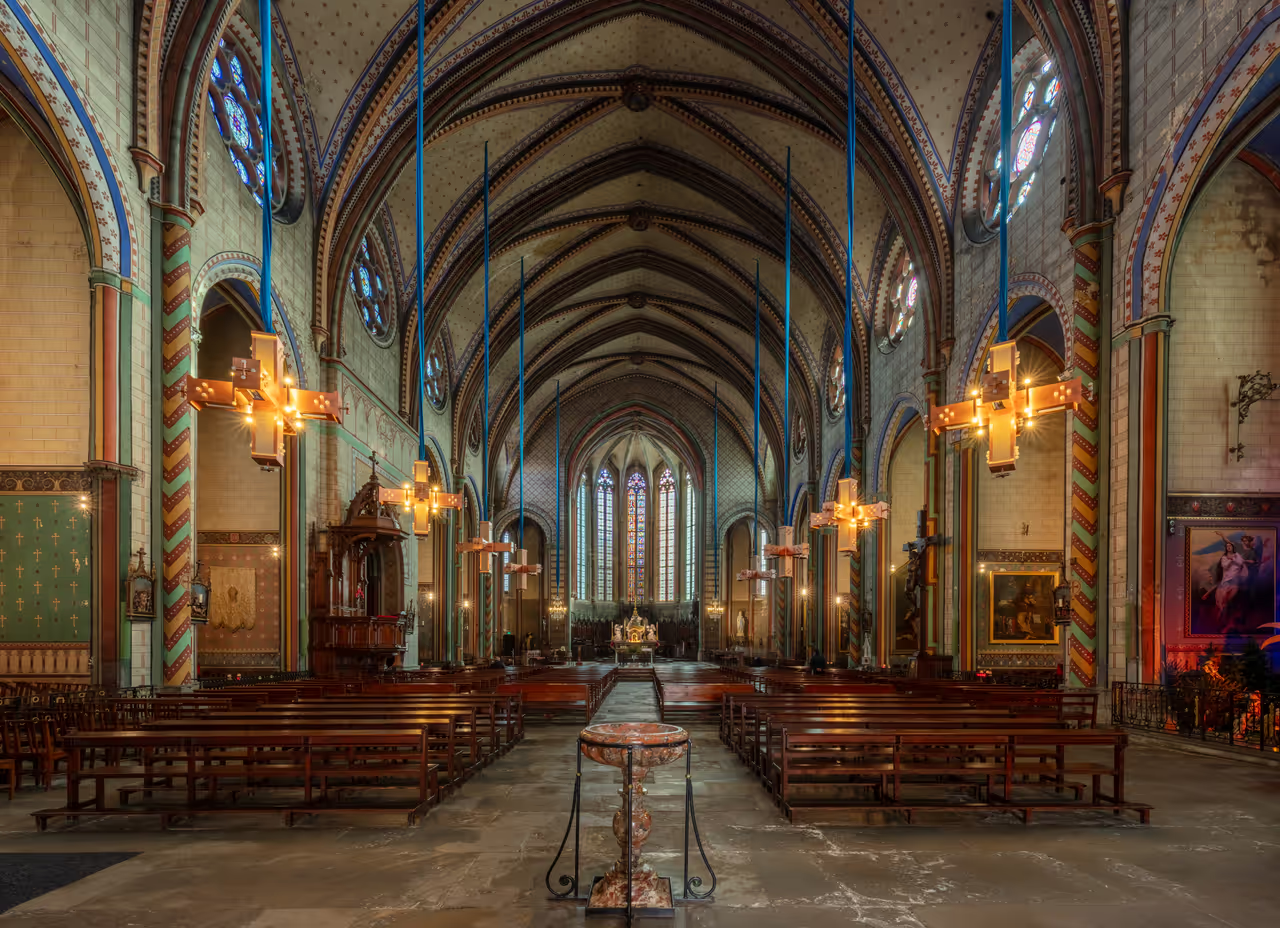
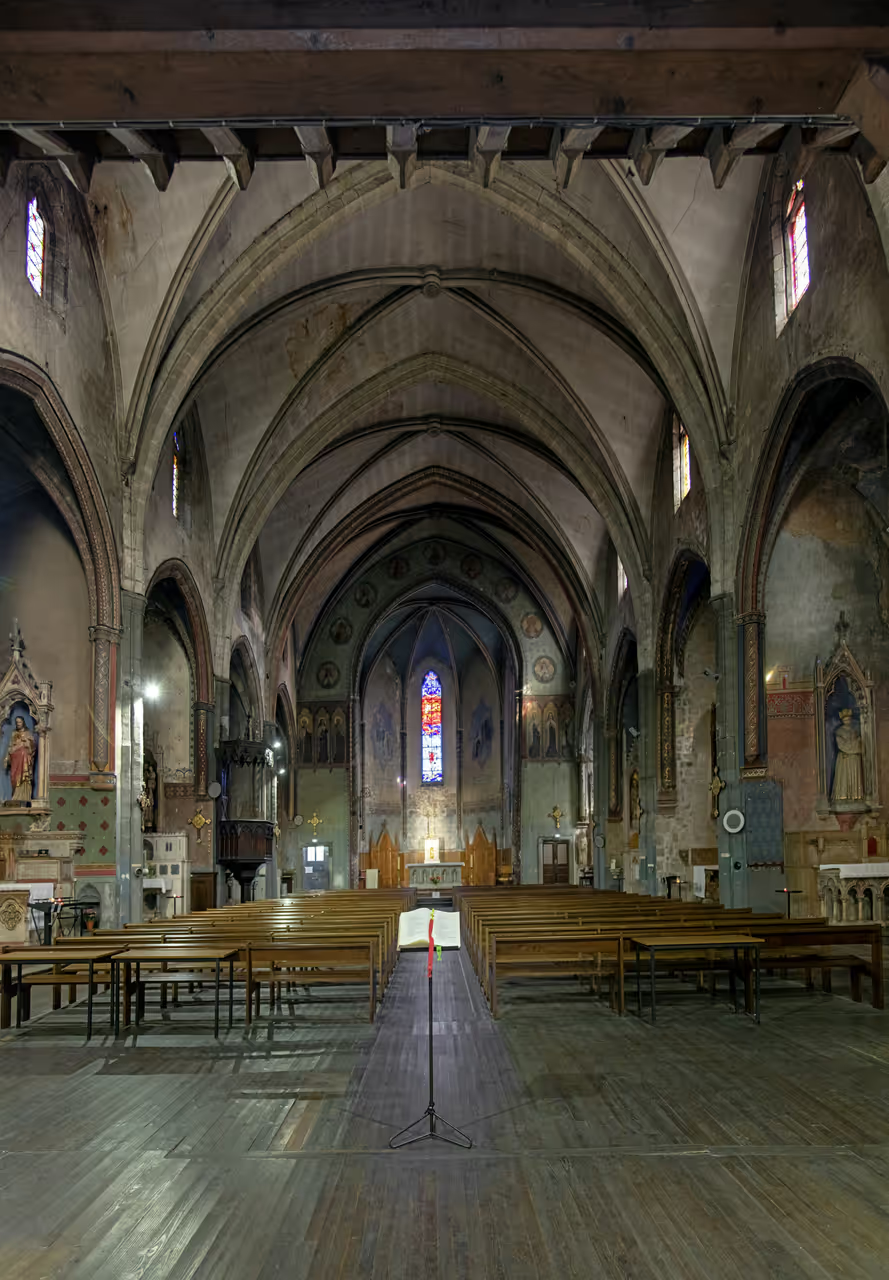
Discover Carcassonne's Saint-Michel Cathedral, a resilient monument of Southern Gothic design standing tall in the Bastide Saint-Louis. Commissioned by King Saint Louis in the 13th century, this cathedral has witnessed centuries of the city's dramatic history, from enduring a devastating siege by the Black Prince to being cleverly integrated into defensive fortifications. Step inside to marvel at its remarkably wide single nave, bathed in light from an impressive eight-metre rose window. The powerful Cavaillé-Coll organ, a masterpiece designed by the celebrated Eugène Viollet-le-Duc, fills the air with its grandeur, reminding visitors of the spiritual and architectural layers that define this extraordinary landmark.
History of Saint-Michel Cathedral
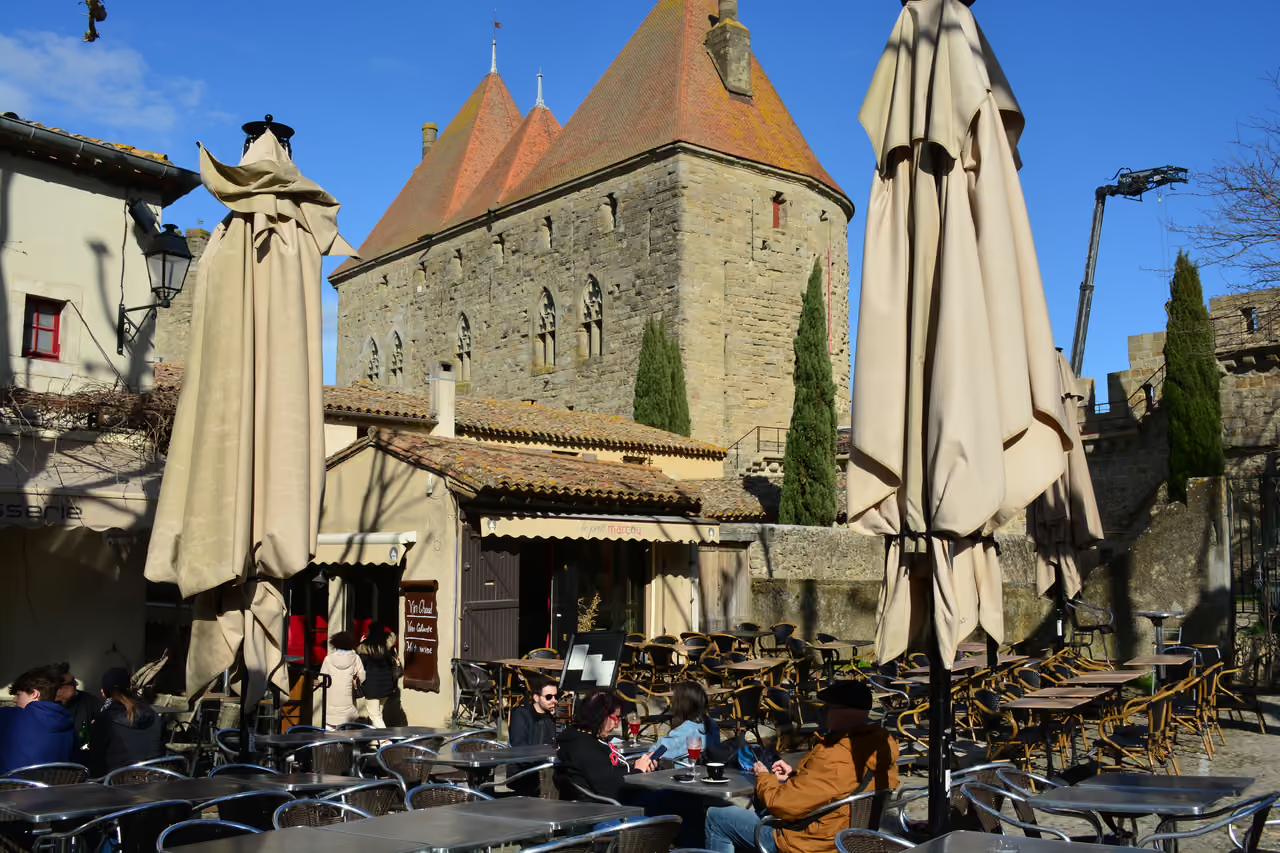
The story of Saint-Michel Cathedral began in 1247, born from the ashes of conflict. King Saint Louis ordered its construction in the newly established lower town, the Bastide Saint-Louis, to replace a previous sanctuary destroyed during a siege led by Raymond II Trencavel. Initially a more modest church, its growing importance led to a significant enlargement in 1283, a testament to the thriving community it served. A defining chapter unfolded during the Hundred Years' War. In 1355, the fearsome Black Prince's troops rampaged through Carcassonne, devastating much of the Bastide. Yet, Saint-Michel Church, though gravely damaged by fire, remarkably remained standing. During the subsequent reconstruction, a unique decision was made: the church was ingeniously incorporated into the city's new fortifications. This strategic adaptation is still visible today, with traces like the military-style cylindrical tower near the apse, giving it an appearance unlike many other cathedrals. The deep moats that once surrounded it, ten metres wide, protected both the sacred space and the city beyond, before being transformed into public promenades in the 19th century. The early 19th century brought a monumental shift in its ecclesiastical role. In 1803, the episcopal seat for Carcassonne was officially transferred from the ancient Saint-Nazaire Cathedral within the fortified Cité to Saint-Michel, elevating it to the mother church of the diocese. This new status prompted extensive adaptation works, which were tragically interrupted by a devastating fire in November 1849. However, this destruction ultimately paved the way for architectural brilliance. From 1857, the renowned architect Eugène Viollet-le-Duc took charge, guiding its comprehensive restoration. This project marked Viollet-le-Duc's first major engagement in Carcassonne, forever linking his influential vision with the cathedral's Gothic splendour. Even today, the cathedral continues to receive significant renovation efforts, ensuring its historical and spiritual legacy endures.
8 events spanning 613 years
Fun Facts
- • A major fire in November 1849 severely damaged the cathedral, interrupting extensive adaptation works and necessitating a full restoration.
- • After the Bastide was burned by the Black Prince's troops in 1355, the church was ingeniously incorporated into the city's new fortifications, a feature still visible today with its military-style cylindrical tower.
- • Founded by King Saint Louis in 1247 to replace a sanctuary destroyed during Raymond II Trencavel's siege of Carcassonne.
- • In 1803, it superseded the older Saint-Nazaire-et-Saint-Celse Basilica as the episcopal seat of Carcassonne, marking a significant change in the city's religious landscape.
- • Its imposing facade is adorned with an 8-metre diameter rose window, a feature shared with other prominent churches in the region like the former cathedral of Saint-Nazaire.
- • The bell tower houses a peal of eight bells, with six cast in 1969 and the two smallest, named André and Pierre, added in 1995.
- • The cathedral's nave is notable for its singular, wide span across eight bays, a characteristic element of Southern Gothic architecture.
- • The main organ, built by the celebrated Aristide Cavaillé-Coll in 1860, features a Neo-Gothic oak buffet designed by Viollet-le-Duc himself.
- • The organ's buffet is uniquely surmounted by thirteen life-sized statues, including Saint-Michel triumphing over the dragon, surrounded by musical angels.
- • The previous 1687 organ buffet, built by Jean de Joyeuse for Saint-Michel, was later reconstructed for the collegiate church of Saint-Hippolyte in Poligny, Jura.
- • The restoration after the 1849 fire became Eugène Viollet-le-Duc's first significant project in Carcassonne, starting in 1857.
Saint-Michel Cathedral FAQ
While we strive to keep this information accurate and up to date, we recommend verifying any details independently before making decisions based on them.
Saint-Michel Cathedral Map & Neighborhood Explorer
This interactive map is centered on Saint-Michel Cathedral. Zoom in and move the map around to automatically discover Wikipedia photos and summaries of other nearby sights, monuments, and historical points of interest and stories in real-time!
Places near Saint-Michel Cathedral
Make the most of your trip. Check out these top-rated spots located nearby.
 105m
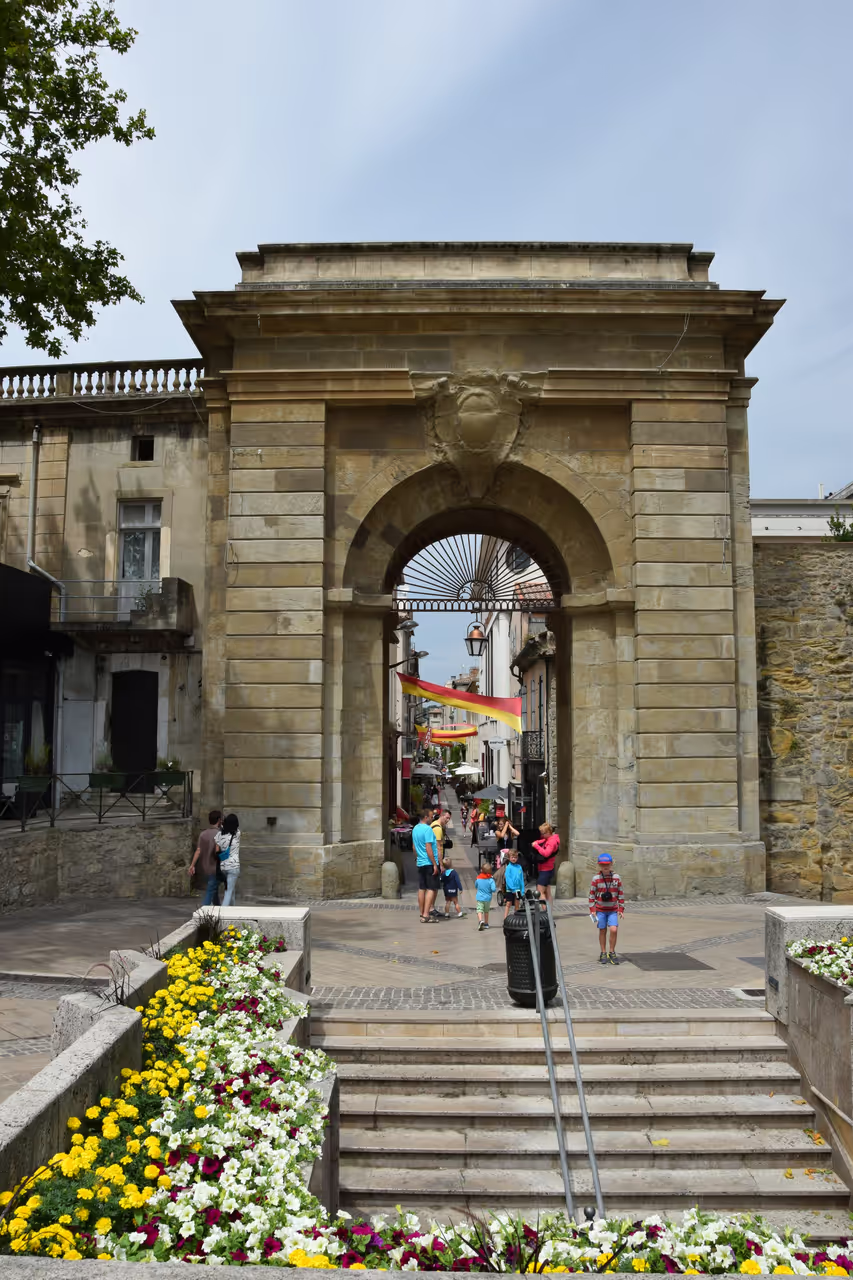
105mJacobins Gate
The final surviving gate from the destroyed defensive walls that once protected the lower town. It stands awkwardly on a busy traffic circle, forcing cars to navigate around its heavy stone arches. The gate looks completely out of place against the modern storefronts and paved roads surrounding it. It serves as a stark reminder that the flat Bastide was once a heavily armed compound.
hidden gem view- 141m
Covered Market
Operating inside a sturdy 18th-century building featuring a complex timber roof structure known as 'Jupiter's Arm'. Butchers, fishmongers, and poultry vendors shout their daily specials over glass counters packed with regional meats and Mediterranean catches. The smells of raw seafood and cured pork mix heavily in the enclosed space. It functions as the serious culinary engine for the town's home cooks.
market view 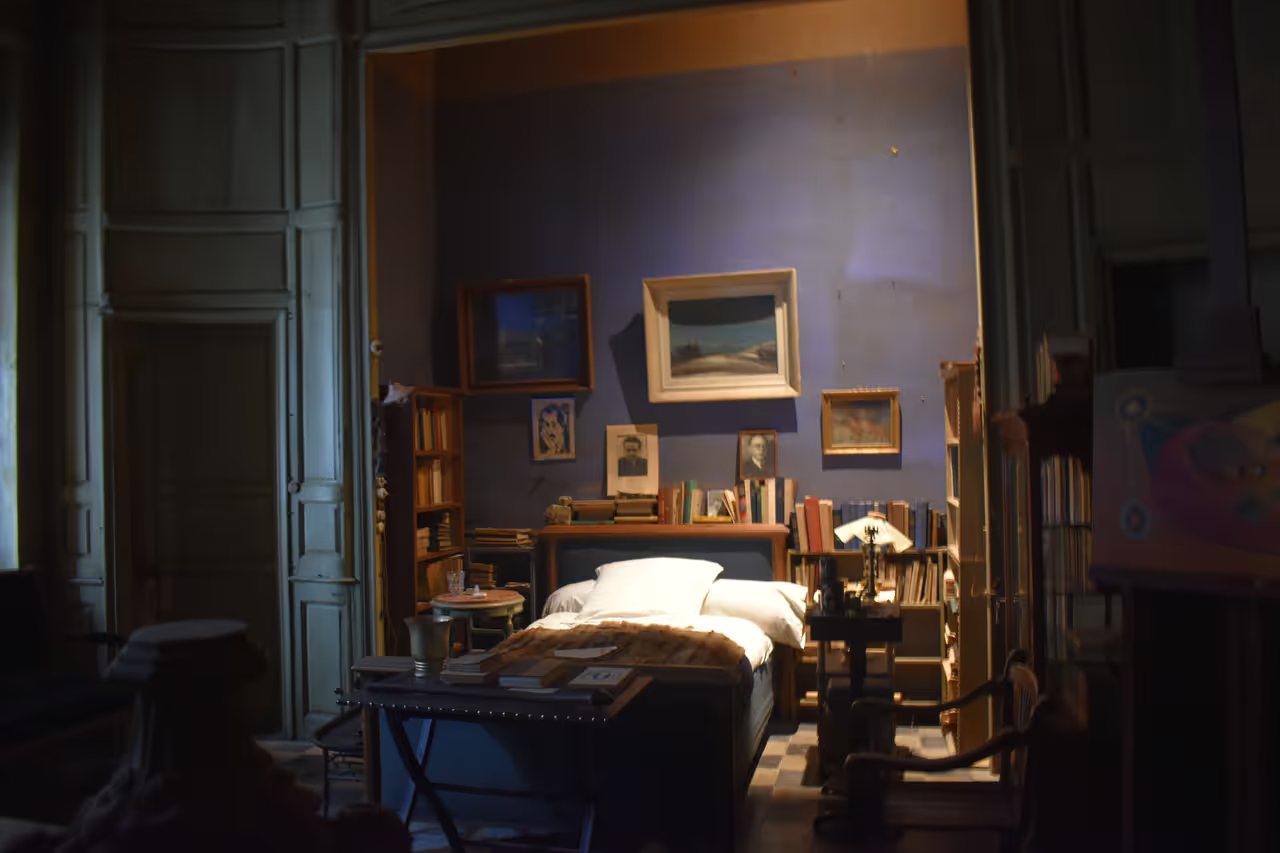 169m
169mJoë Bousquet House
Hidden behind heavy wooden doors on a busy street in the Bastide, this 18th-century mansion preserves the bedroom of the paralysed poet Joë Bousquet. The room remains exactly as he left it, with the wooden shutters nailed permanently closed against the daylight he despised. The air is still and heavily atmospheric, frozen in the mid-20th century. It offers a profound, melancholy look into the mind of a writer who turned a single room into the literary centre of southern France.
hidden gem view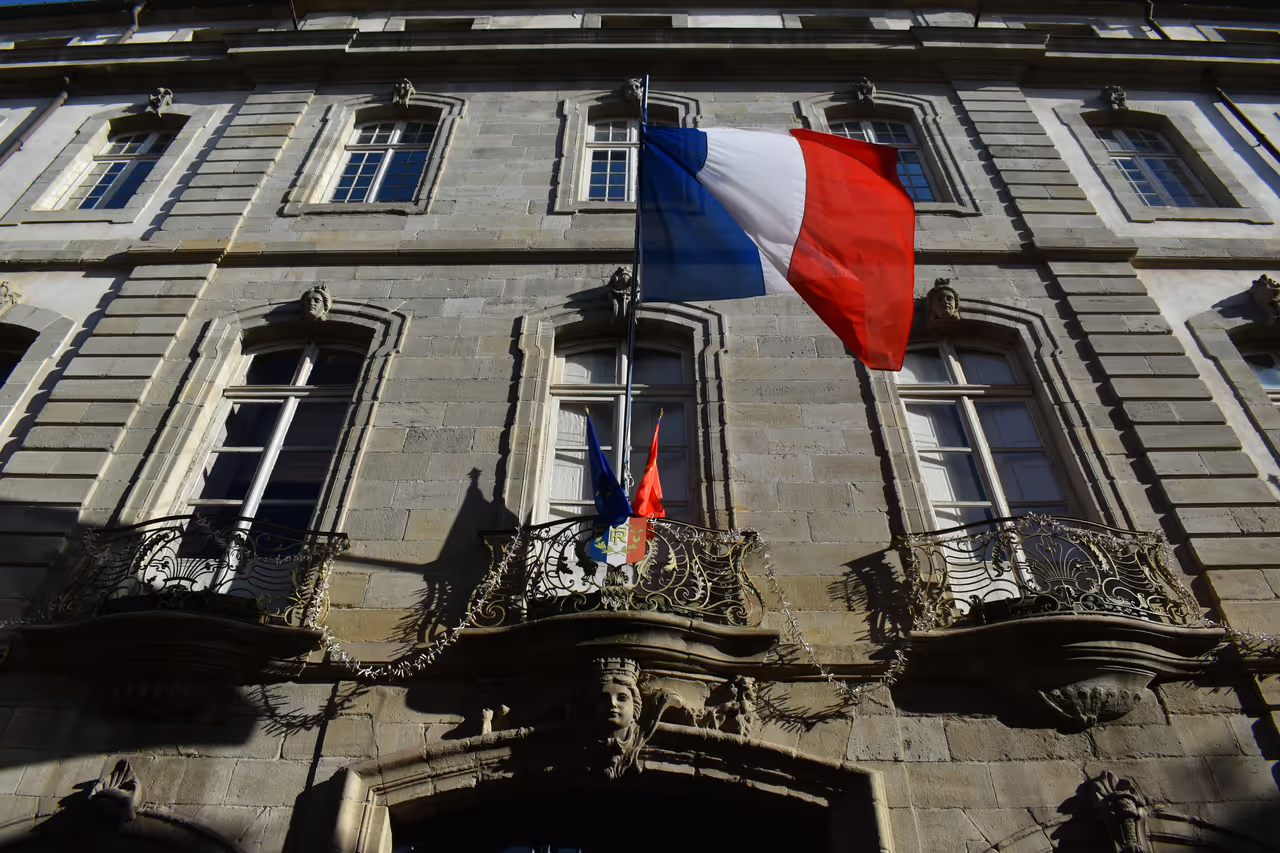 169m
169mRolland Mansion
Serving as the current town hall, this 18th-century structure screams bourgeois dominance. It was built during the peak of the city's textile explosion, featuring a highly symmetrical stone facade and heavy wrought-iron balconies. The massive wooden double doors were designed specifically to allow horse-drawn carriages to pass directly into the inner courtyard. It sits squarely in the Bastide, ignoring the medieval aesthetic of the hill entirely.
architecture view
Explore Similar Places in This Collection
See all attractions in Carcassonne
Including Aude Gate, Basilica of Saint-Nazaire and Saint-Celse, Count's Castle, and more