Old Bridge
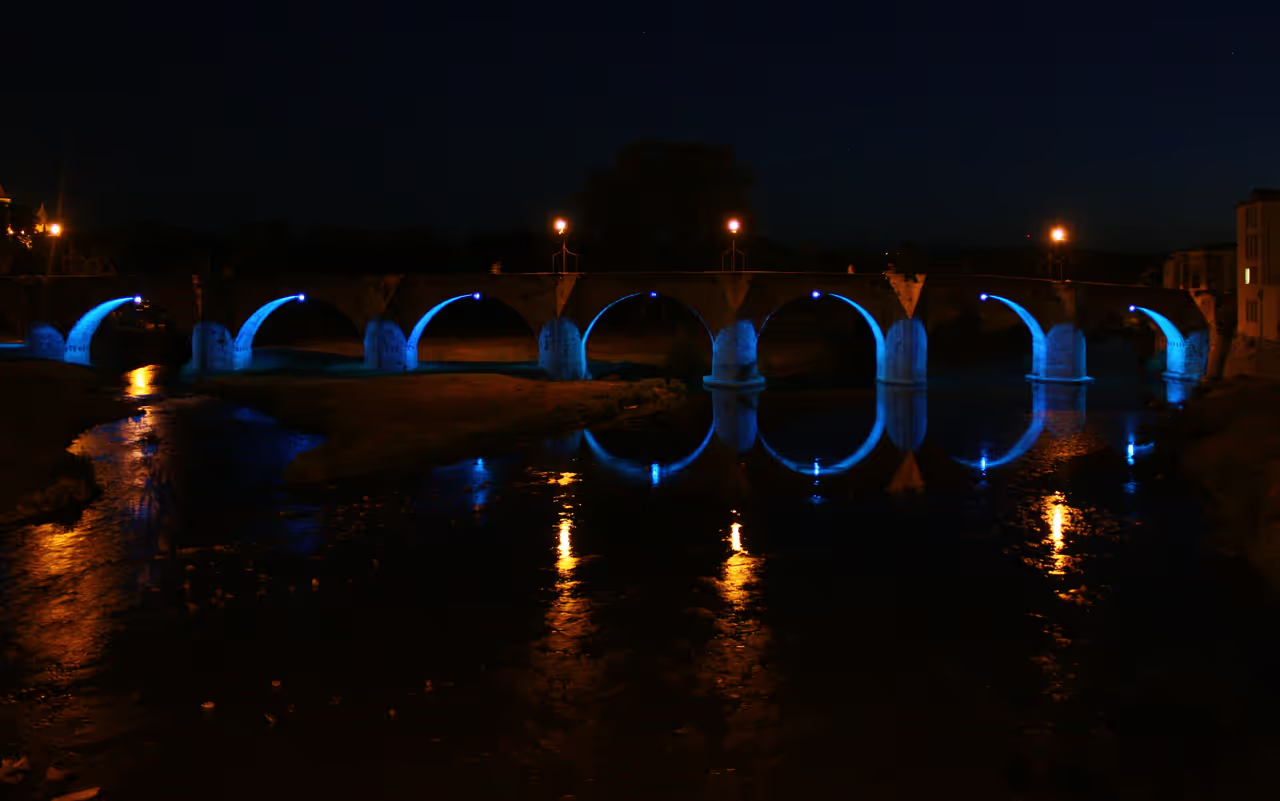
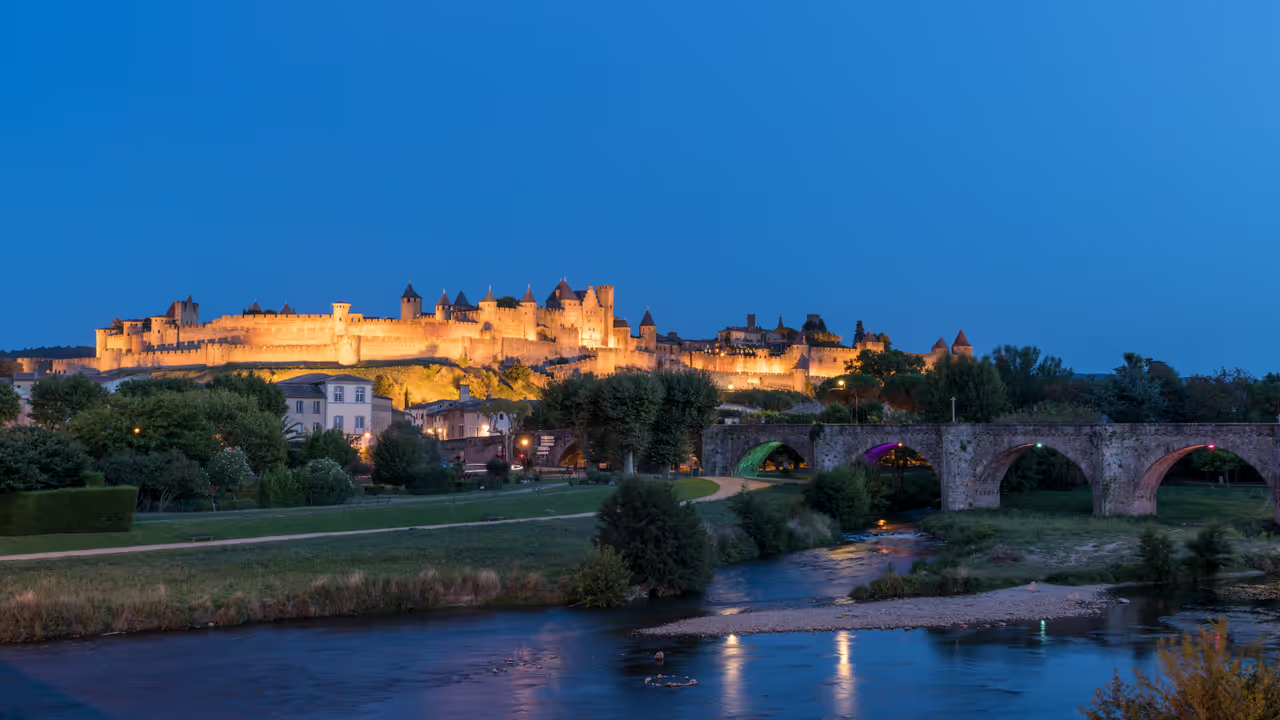
Stroll across Carcassonne's iconic Pont-Vieux, a pedestrian-only stone bridge that served as the sole gateway to the magnificent Cité Médiévale for centuries. Its twelve sturdy arches, each with acute, pointed cutwaters and integrated refuges, whisper tales of medieval life and countless journeys. As you traverse its 225-meter length, you're not just crossing a river; you're stepping back in time, enjoying unparalleled views of the Aude river and the imposing fortifications. The bridge's historic character and the panoramic vistas it affords make it an essential part of the Carcassonne experience, connecting the old and new towns with enduring grace.
Videos
History of Old Bridge
The story of Carcassonne's Pont-Vieux stretches back to a time when its very existence was a symbol of communal effort and royal decree. The earliest records from 1184 speak of Count Roger Trencavel granting the townsfolk permission to erect a new bridge, a vital link across the Aude, albeit one that would incur a toll. This initial structure, likely made of wood, served its purpose until the turbulent era of the Albigensian Crusade. When the exiled inhabitants of Carcassonne eventually returned, facing a redesigned landscape with the lower town taking shape, a new crossing became indispensable. King Louis IX recognised this need, and by the early 14th century, authorisation was given for a more robust, stone bridge. This ambitious undertaking was financed through special levies known as 'droit de barragium et de pavagium', a testament to its civic importance. By 1320, this enduring stone marvel, bearing a resemblance to the Pont-Neuf in nearby Limoux, was likely complete, solidifying its place as the primary artery connecting the emerging lower city with the ancient, fortified Cité. For centuries, it was more than just a passage; it was the sole umbilical cord to the heart of Carcassonne's medieval power. Its long life has not been without incident. In 1456, the bridge suffered a significant blow when two of its arches gave way, necessitating extensive repairs that spoke to the engineering challenges of the age. Later, in 1820, further restoration work was carried out, altering some of its original medieval aspects but ensuring its continued functionality. Designated as a historic monument in 1926, the Pont-Vieux stands today as a pedestrian symbol of continuity, inviting visitors to retrace the steps of generations who once relied on its sturdy stones to navigate the city's unique geography.
events spanning 742 years
Fun Facts
- • Architecturally, its piles feature sharp, pointed cutwaters, known as 'becs', both upstream and downstream, designed to deflect water and ice flow, enhancing its durability.
- • Construction on the current stone bridge was actively underway by 1315, with completion estimated around 1320, making it over 700 years old.
- • For centuries, the Pont-Vieux served as the singular, critical pedestrian and vehicular artery connecting the bustling lower town to the formidable Cité Médiévale.
- • Historically, a specific stone arch on the bridge once delineated the administrative boundary between the King's Cité and the burgeoning lower town, marking a clear division for residents.
- • Integrated into these cutwaters are small, triangular platforms called 'refuges', which once offered safe havens for pedestrians from passing carts or for those simply admiring the river.
- • The bridge spans 225 metres across the Aude river, supported by twelve arches that vary in length, a common feature of medieval bridge engineering adapted to riverbeds.
- • The current stone Pont-Vieux was largely funded by special medieval taxes known as 'droit de barragium et de pavagium', which were tolls for crossing and rights for paving.
- • The decorative fleurs de lys, a symbol of French royalty, visible on the metallic supports for the lighting, were a 20th-century addition during the tenure of Mayor Charles de Fournas-Moussoulens.
- • The earliest historical mention of a bridge at this strategic crossing point dates back to 1184, referring to an earlier wooden structure.
- • Today, the Pont-Vieux is entirely pedestrianised, offering an uninterrupted walking experience and preserving its historic charm for visitors.
- • Two of the bridge's arches suffered a dramatic collapse in 1456, highlighting the structural vulnerabilities of medieval construction and the constant need for repair.
Old Bridge FAQ
While we strive to keep this information accurate and up to date, we recommend verifying any details independently before making decisions based on them.
Old Bridge Map & Neighborhood Explorer
This interactive map is centered on Old Bridge. Zoom in and move the map around to automatically discover Wikipedia photos and summaries of other nearby sights, monuments, and historical points of interest and stories in real-time!
Places near Old Bridge
Make the most of your trip. Check out these top-rated spots located nearby.
 71m
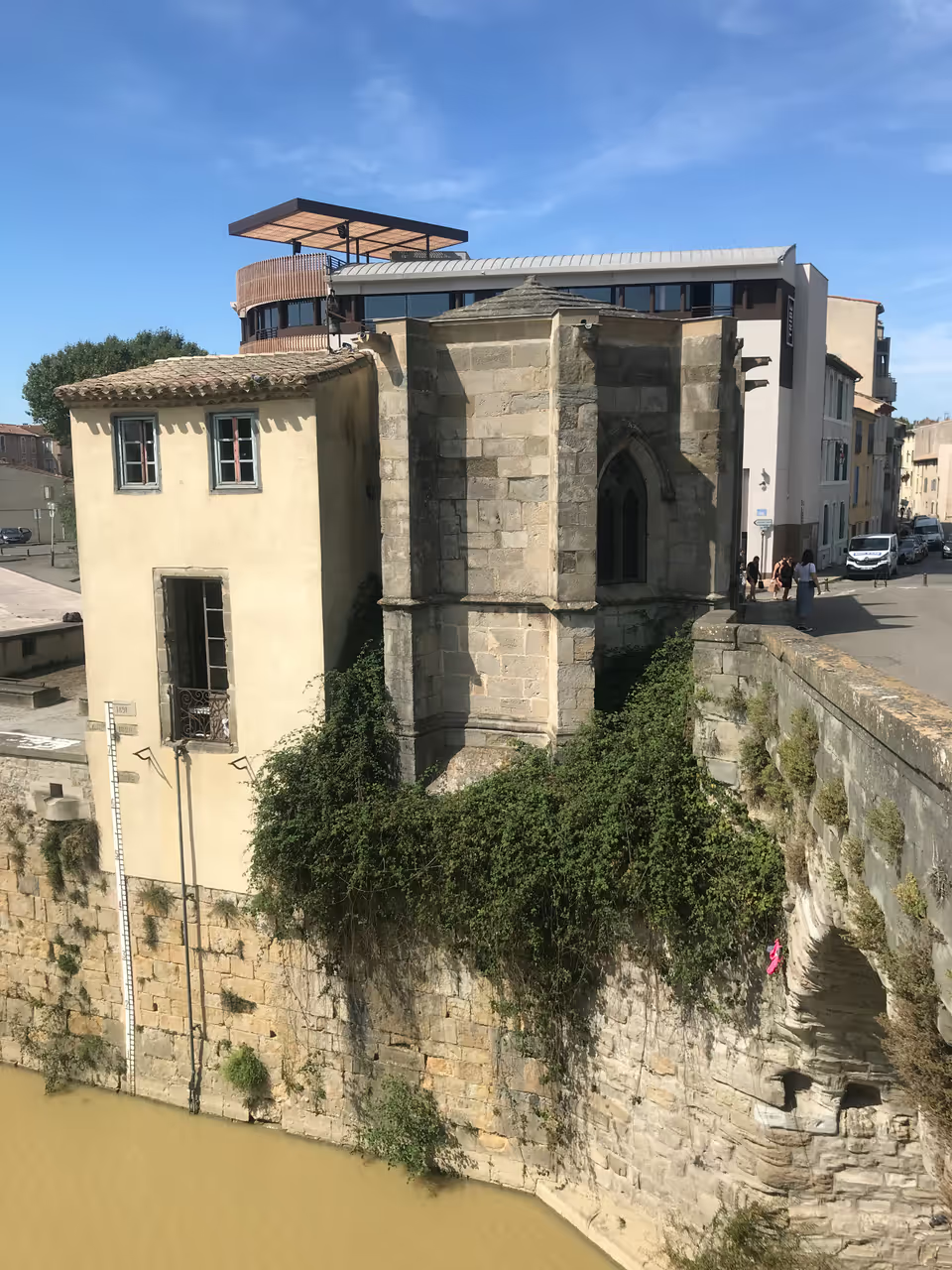
71mChapel of Our Lady of Health
Tucked quietly at the entrance to the Old Bridge, this tiny 16th-century chapel goes entirely unnoticed by the crowds rushing toward the fortress. It originally served as part of a hospital designed to isolate plague victims away from the main population. The interior is stark and dimly lit, offering a sudden, heavy drop in temperature and noise. The rough stone walls feel inherently mournful.
hidden gem view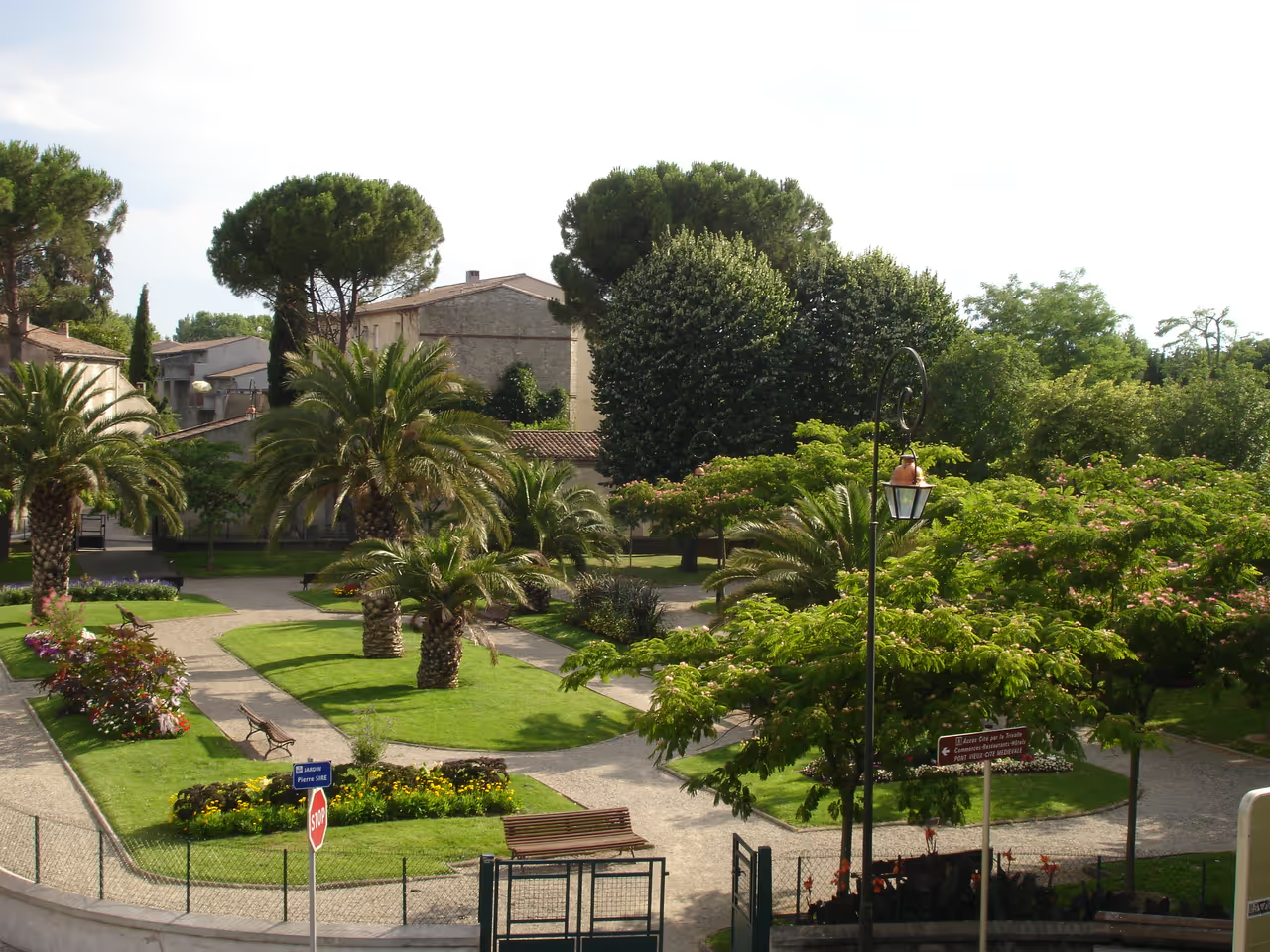 159m
159mMaria and Pierre Sire Garden
Situated quietly at the base of the Pont Vieux in the Trivalle district, this small, manicured green space is completely overlooked by the crowds rushing toward the fortress. It features neat lawns, shade trees, and a stone stele dedicated to two beloved local writers. Sitting on one of the wooden benches provides a peaceful, shaded view of the river and the towering walls of the Cité above. It is a deeply tranquil spot designed for quiet reflection rather than heavy tourism.
hidden gem view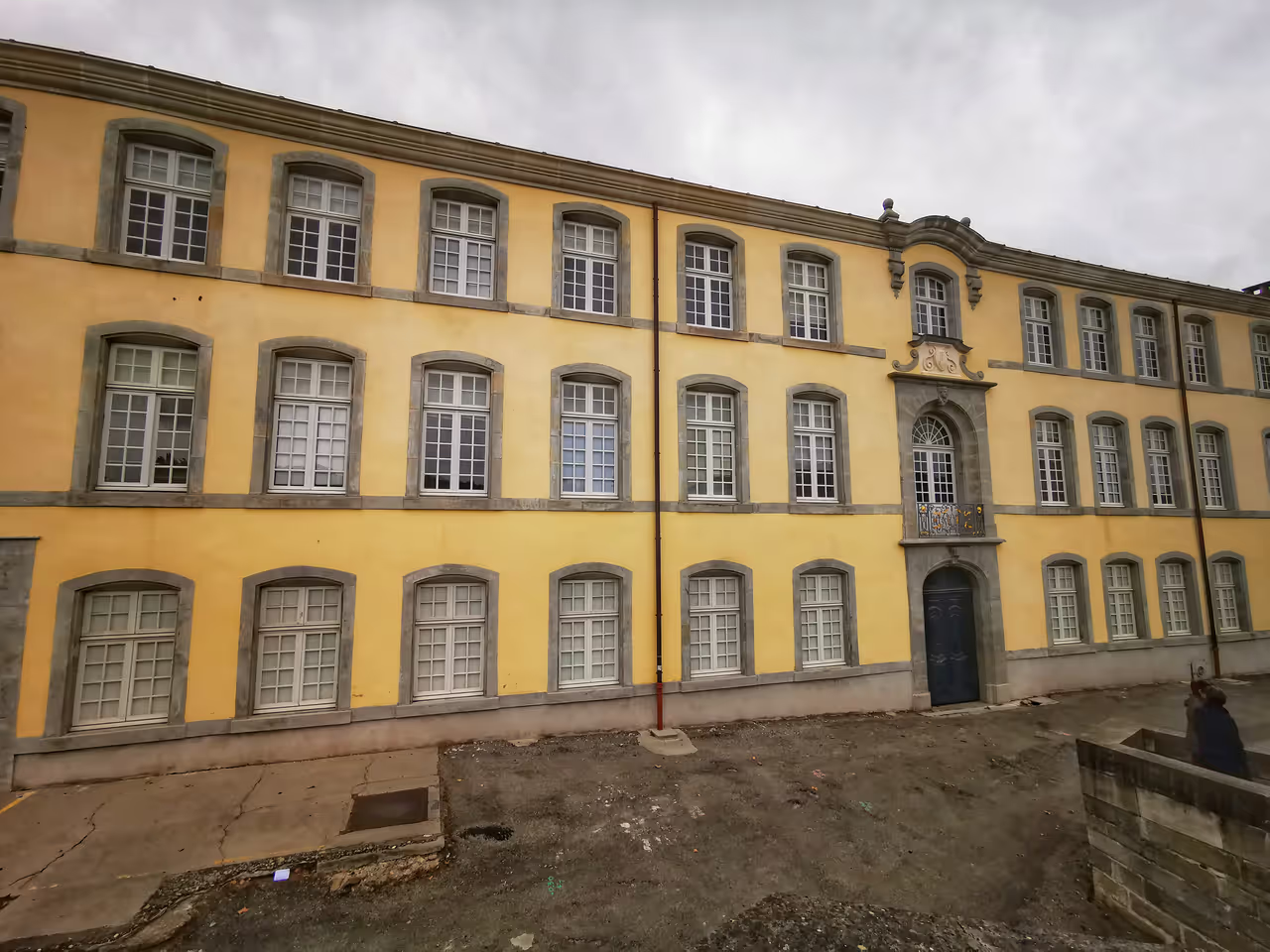 185m
185mRoyal Manufacture of Trivalle
A heavy, industrial stone complex sitting quietly at the foot of the old bridge. It once drove the city's immense textile wealth, producing high-grade broadcloth for export. The facade was meticulously restored in 2013, highlighting the severe, practical architecture required for a massive 17th-century factory. Today it functions as an administrative centre, completely hiding its loud, dirty industrial past.
hidden gem view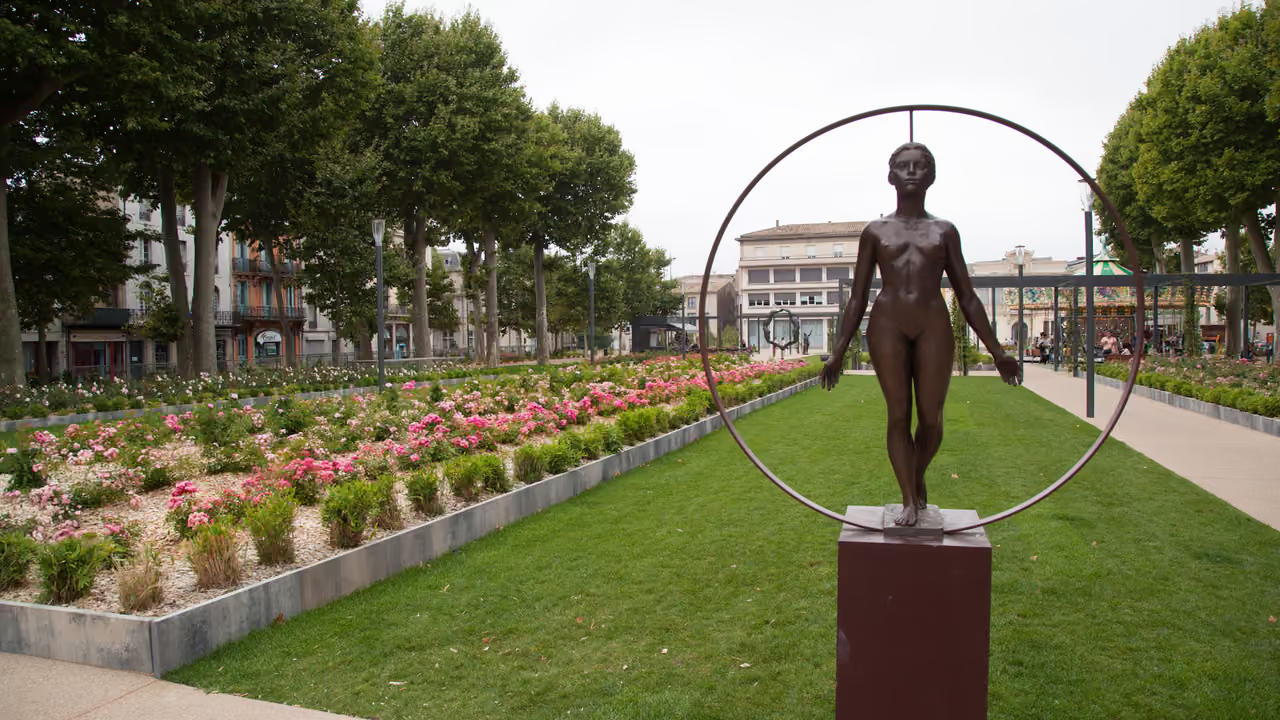 276m
276mGambetta Sculptures
The monumental sculpture 'The Wrestlers' by René Iché sits aggressively in the centre of the green square. The violent, twisting bronze figures contrast sharply with the manicured lawns and neat rows of plane trees. Shooting the dark metal against the bright, open sky of the Bastide creates a stark visual conflict. It provides a brutalist focal point in an otherwise elegant bourgeois park.
photo spot view
Explore Similar Places in This Collection
Featured on These Itineraries and Routes
1 Day in Carcassonne: The Fortress Focus
A highly concentrated, aggressive strike directly at the city's most famous assets. This route ignores the wider region to ensure you thoroughly absorb the terrifying scale of the medieval military architecture. It involves steep climbs, tight crowds, and heavy stone, culminating in a deeply traditional, calorie-dense dinner.
view itinerary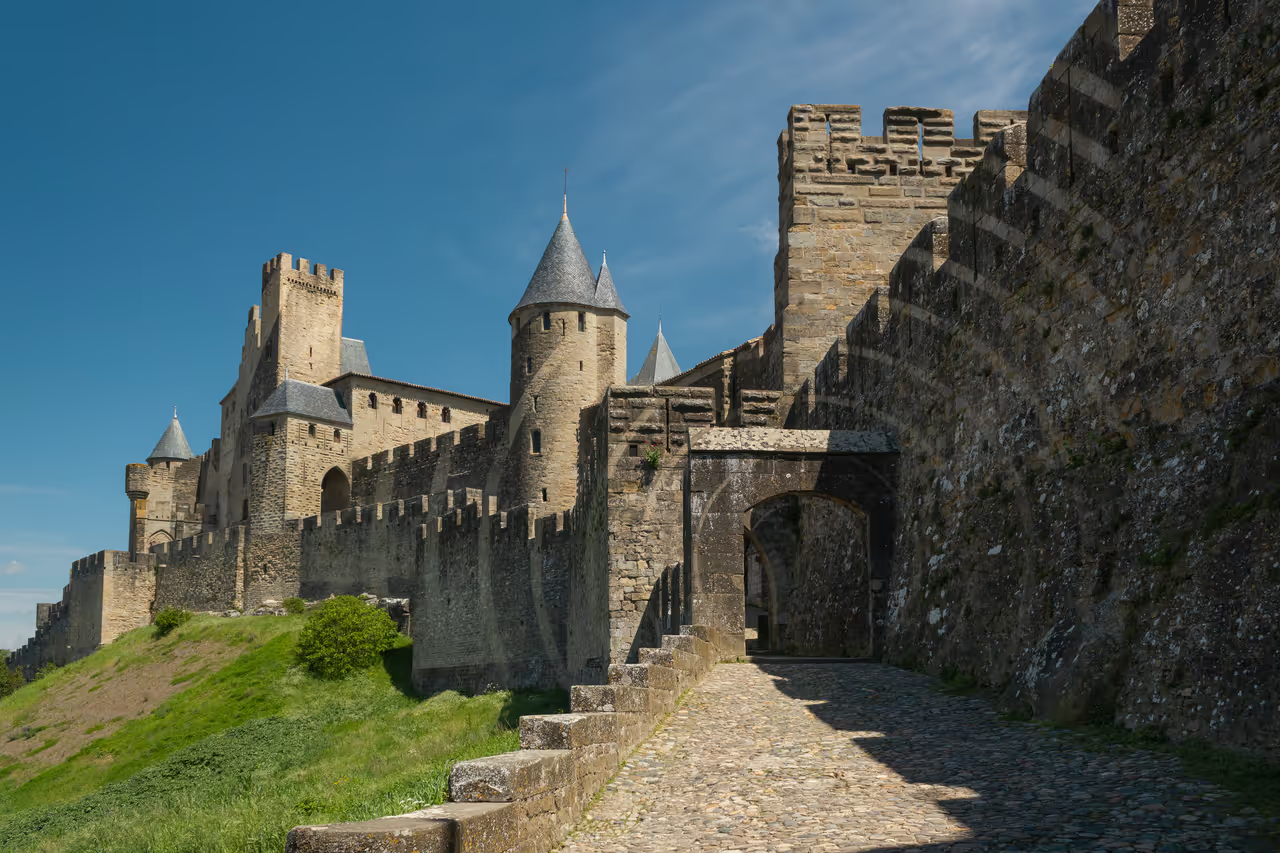

5 Days in Carcassonne: Terroir and Defences
A slow, deliberate extraction of everything the region has to offer. This pacing allows for serious culinary exploration and day trips into the brutal, rocky scrubland of the Corbières. You will spend hours simply sitting in cafes watching the city function, alternating between the manicured wealth of the 18th-century mansions and the raw stone of the ancient outposts.
view itinerary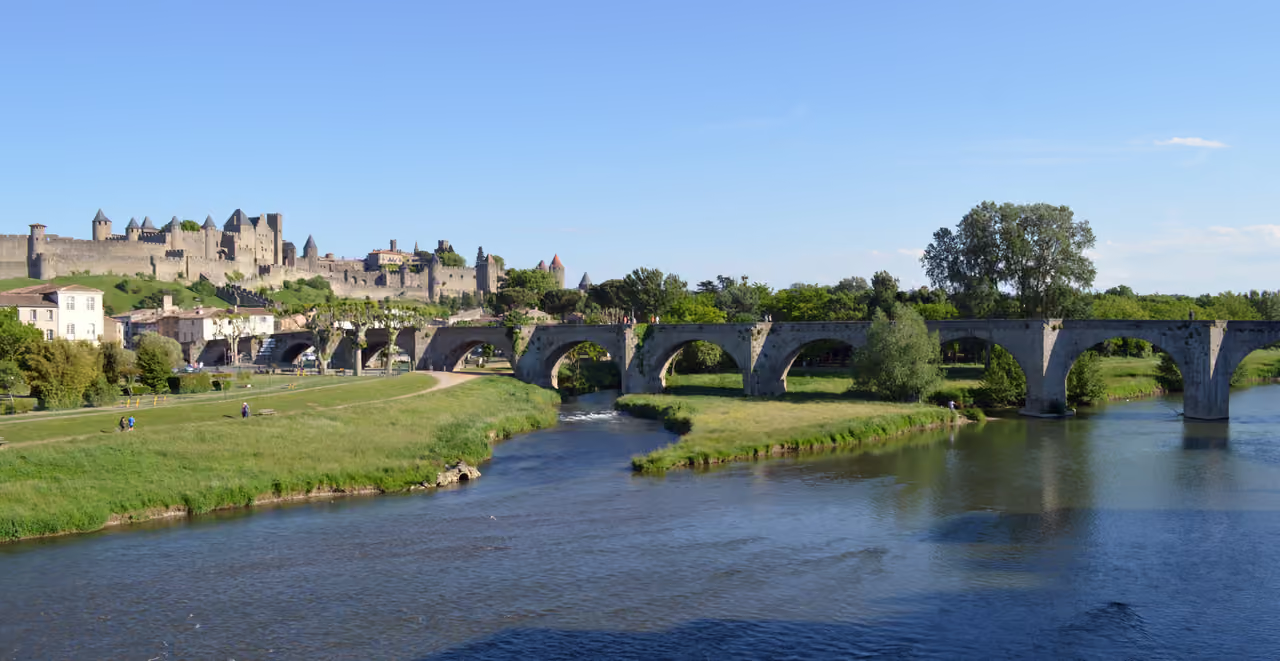
River Aude Loop
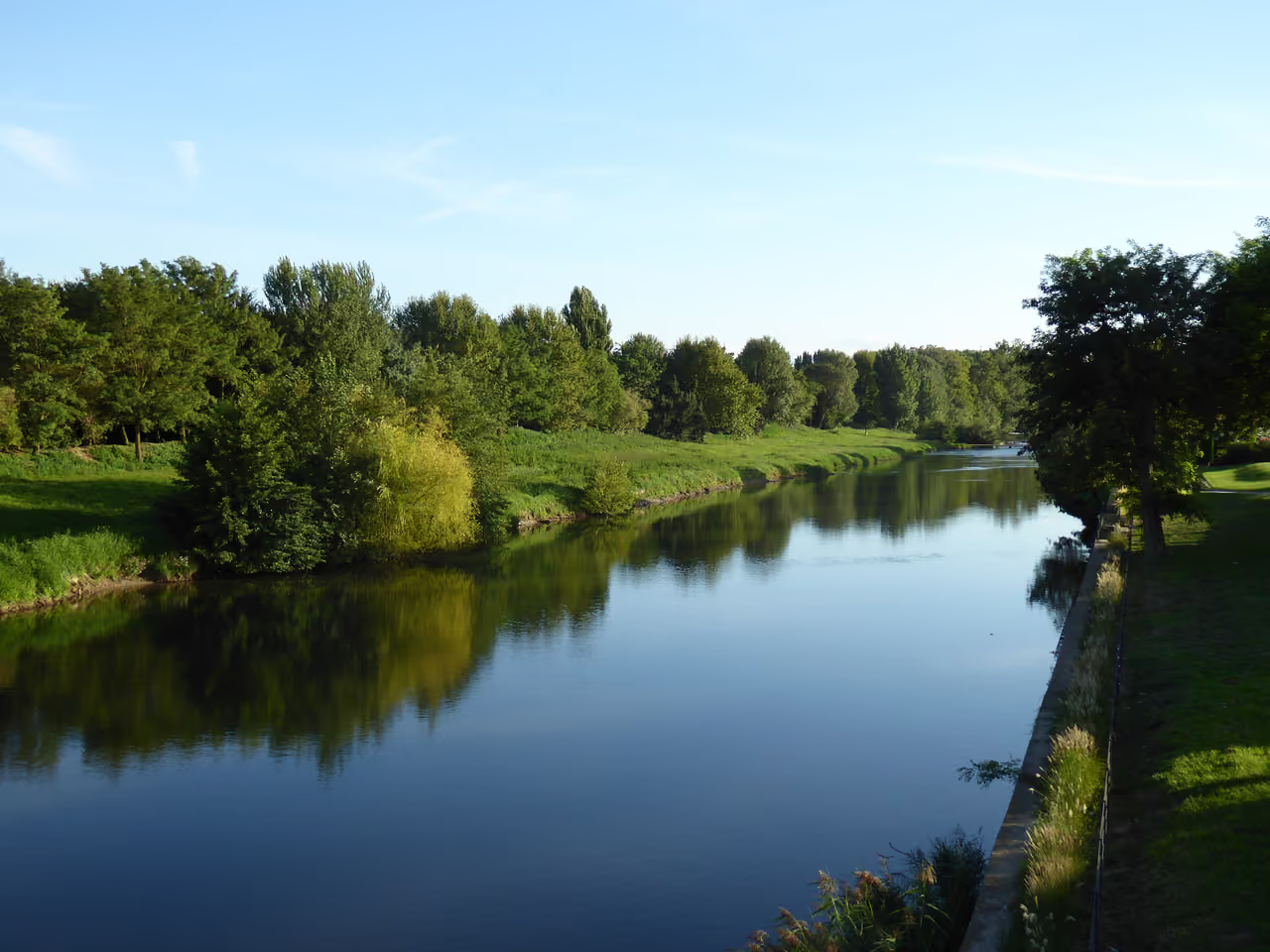
A wide loop tracking the fast-flowing water that physically divides the city. The route shifts constantly between paved urban cycle lanes and packed gravel paths cutting through dense riverside vegetation. The imposing silhouette of the fortress reveals itself from multiple low angles. Herons stand completely still in the shallows, ignoring the passing traffic.
view cycling route
See all attractions in Carcassonne
Including Aude Gate, Basilica of Saint-Nazaire and Saint-Celse, Count's Castle, and more