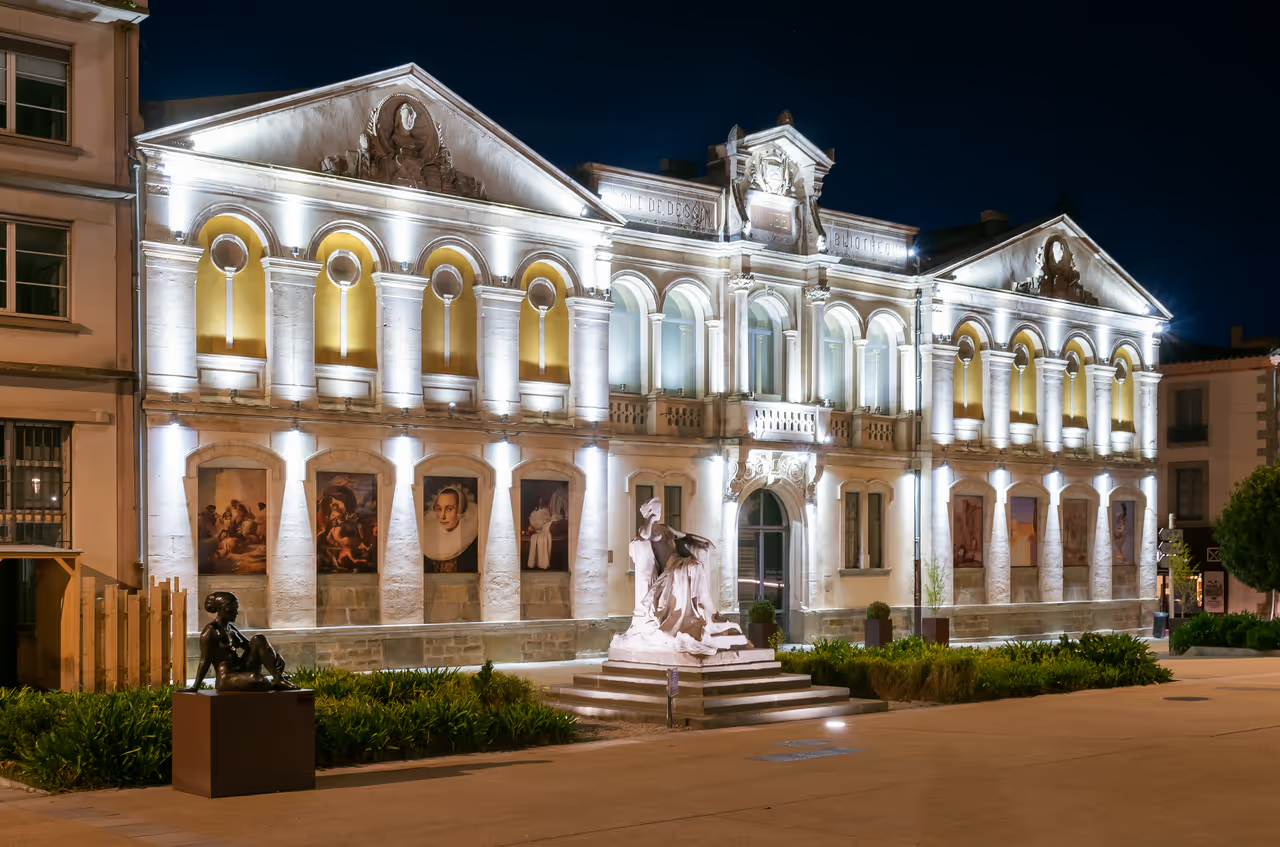
Carcassonne Museum of Fine Arts
Step into the Carcassonne Museum of Fine Arts, an artistic sanctuary nestled within the charming bastide Saint-Louis. This museum offers a captivating journey through European art history, showcasing an impressive collection spanning the 16th to 21st centuries. You will find works from French, Italian, Dutch, and Flemish schools, alongside unique archaeological finds and decorative arts. Beyond the canvases and sculptures, discover truly extraordinary historical artifacts, like a spyglass once belonging to Napoleon I and the dagger that tragically ended General Kléber's life. It is an unexpected treasure trove that blends artistic mastery with compelling tales from the past, inviting you to connect with centuries of creativity and intrigue.
Videos
History of Carcassonne Museum of Fine Arts
The Carcassonne Museum of Fine Arts began its life in 1836, not with a grand royal decree, but with the fervent dedication of local art, history, and archaeology enthusiasts. These passionate individuals saw the need to preserve and share the rich artistic heritage of their region, securing the former 'présidial' building in the bastide Saint-Louis as its home. The collection quickly grew, bolstered by generous state deposits and significant donations, including a hundred paintings from the "Société des arts et sciences de Carcassonne" in 1845 and later, pieces from the illustrious collection of Cardinal Joseph Fesch, Napoleon's uncle. Over the decades, the museum steadily expanded its reach. In 1876, architect Charles Émile Saulnier oversaw a major enlargement, culminating in the elegant facade seen today. The 20th century brought both challenges and unique chapters. After a brief closure during World War II, the museum reopened, becoming a cultural hub once more. From 1951 to 1961, it hosted a distinctive collection of surrealist art belonging to poet Joë Bousquet, temporarily transforming a corner of Carcassonne into a nexus for the avant-garde. This period highlighted the museum's role in embracing diverse artistic expressions. In recent years, the museum has continued to evolve. In 2009, it officially integrated the Carcassonne School Museum, expanding its educational mission. More recently, during the national lockdowns of 2020 and 2021, the museum underwent significant renovations, including the creation of 'Le petit salon,' an intimate new space for temporary exhibitions. These updates ensure that the Museum of Fine Arts remains a vibrant, engaging institution, continually curating new experiences while preserving the centuries of artistry and history within its walls, from 16th-century European masters to compelling local narratives.
events spanning 184 years
Fun Facts
- • A significant portion of the museum's early collection, comprising over a hundred paintings, was a gift from the "Société des arts et sciences de Carcassonne" in 1845.
- • Among its diverse acquisitions, the museum proudly holds pieces from the extensive art collection of Cardinal Joseph Fesch, Napoleon Bonaparte's maternal uncle.
- • From 1951 to 1961, the museum featured a dedicated room for surrealist poet Joë Bousquet, showcasing works from his private collection and linking Carcassonne to this influential art movement.
- • In 2008, the Carcassonne Museum of Fine Arts ranked 77th among 334 French museums in the annual attendance report by 'Le Journal des Arts,' highlighting its popularity and importance.
- • Its archaeological collection includes a 14th-century limestone emblem of Carcassonne's lower city, depicting the Pascal Lamb, a symbol of the city's medieval identity.
- • One of the museum's most chilling artifacts is the very dagger used to assassinate General Jean-Baptiste Kléber in Egypt in 1800.
- • The museum houses Napoleon I's personal spyglass, which he used in 1815 during his return from Elba on the brig 'L'Inconstant' to track his fleet.
- • The museum occupies the city's former 'présidial' building, a historical administrative court, lending a sense of continuity between justice and art.
- • The museum's collection of French faïence includes pieces from renowned centres like Moustiers, Marseille, and Delft, showcasing a spectrum of ceramic artistry.
RESOURCES
Official WebsiteCarcassonne Museum of Fine Arts FAQ
While we strive to keep this information accurate and up to date, we recommend verifying any details independently before making decisions based on them.
Carcassonne Museum of Fine Arts Map & Neighborhood Explorer
This interactive map is centered on Carcassonne Museum of Fine Arts. Zoom in and move the map around to automatically discover Wikipedia photos and summaries of other nearby sights, monuments, and historical points of interest and stories in real-time!
Places near Carcassonne Museum of Fine Arts
Make the most of your trip. Check out these top-rated spots located nearby.
 126m
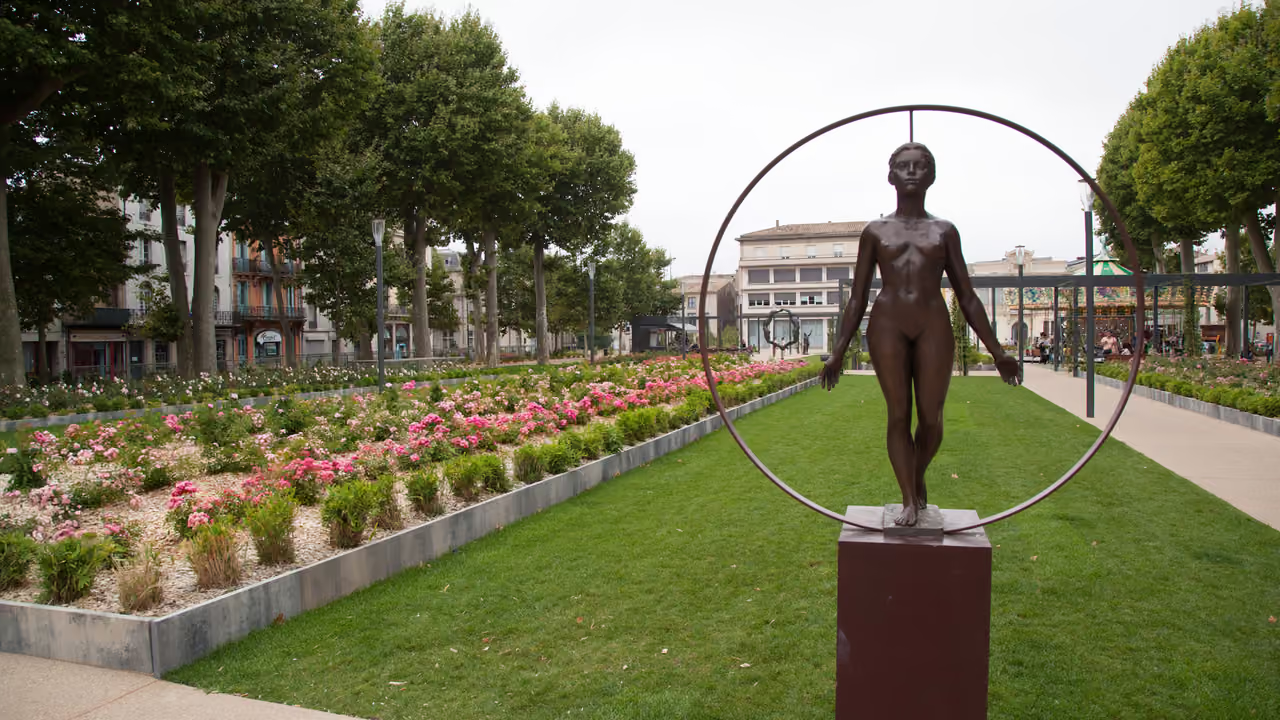
126mGambetta Sculptures
The monumental sculpture 'The Wrestlers' by René Iché sits aggressively in the centre of the green square. The violent, twisting bronze figures contrast sharply with the manicured lawns and neat rows of plane trees. Shooting the dark metal against the bright, open sky of the Bastide creates a stark visual conflict. It provides a brutalist focal point in an otherwise elegant bourgeois park.
photo spot view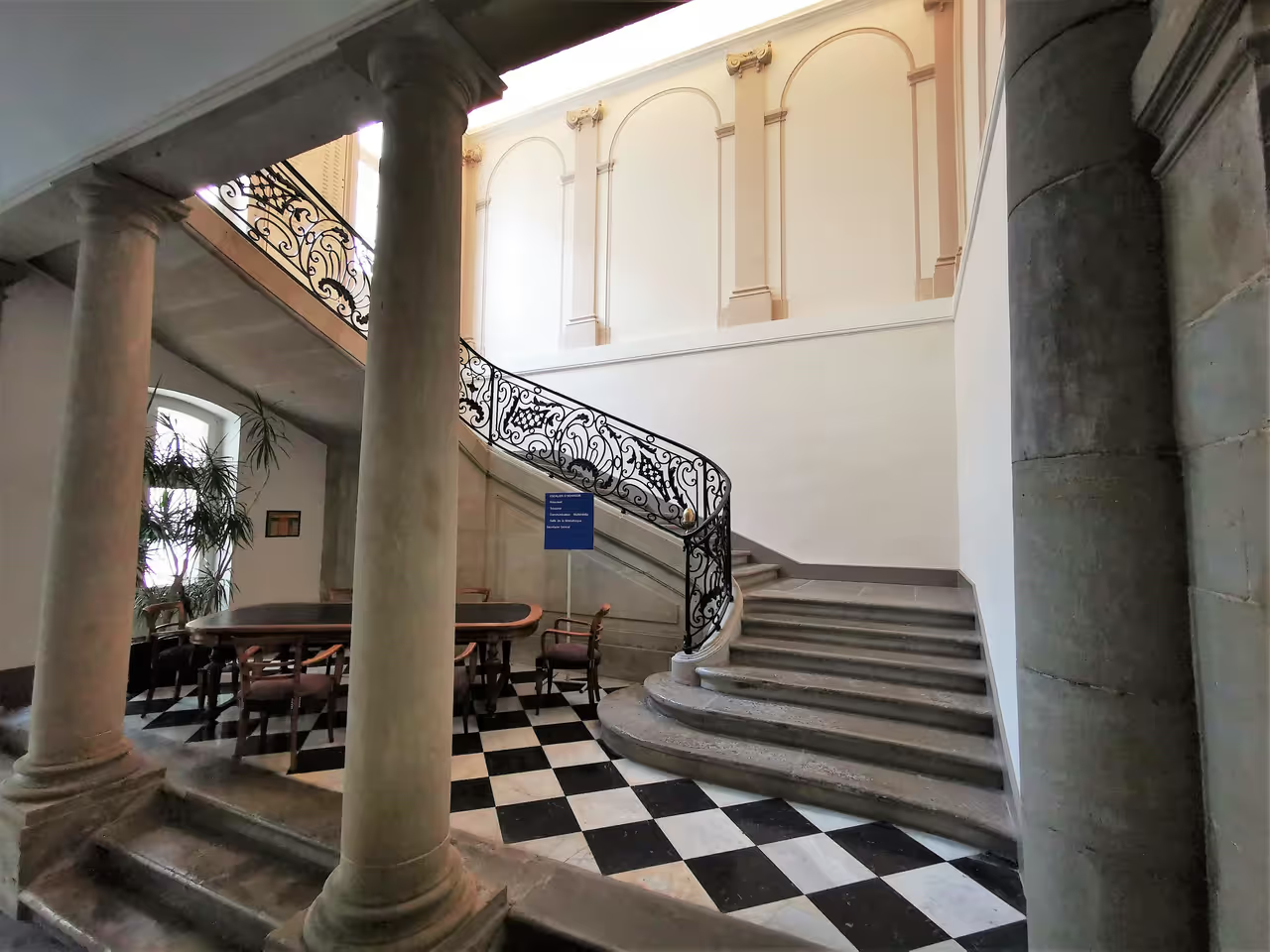 126m
126mMurat Mansion
Now housing the Chamber of Commerce, this building projects absolute financial authority. The stonework is heavily carved around the tall windows, forcing pedestrians to look up at the intricate masonry. An imposing inner courtyard shields the occupants from the noise of the surrounding grid. The building serves as a permanent reminder of the immense wealth generated by the local wool barons.
architecture view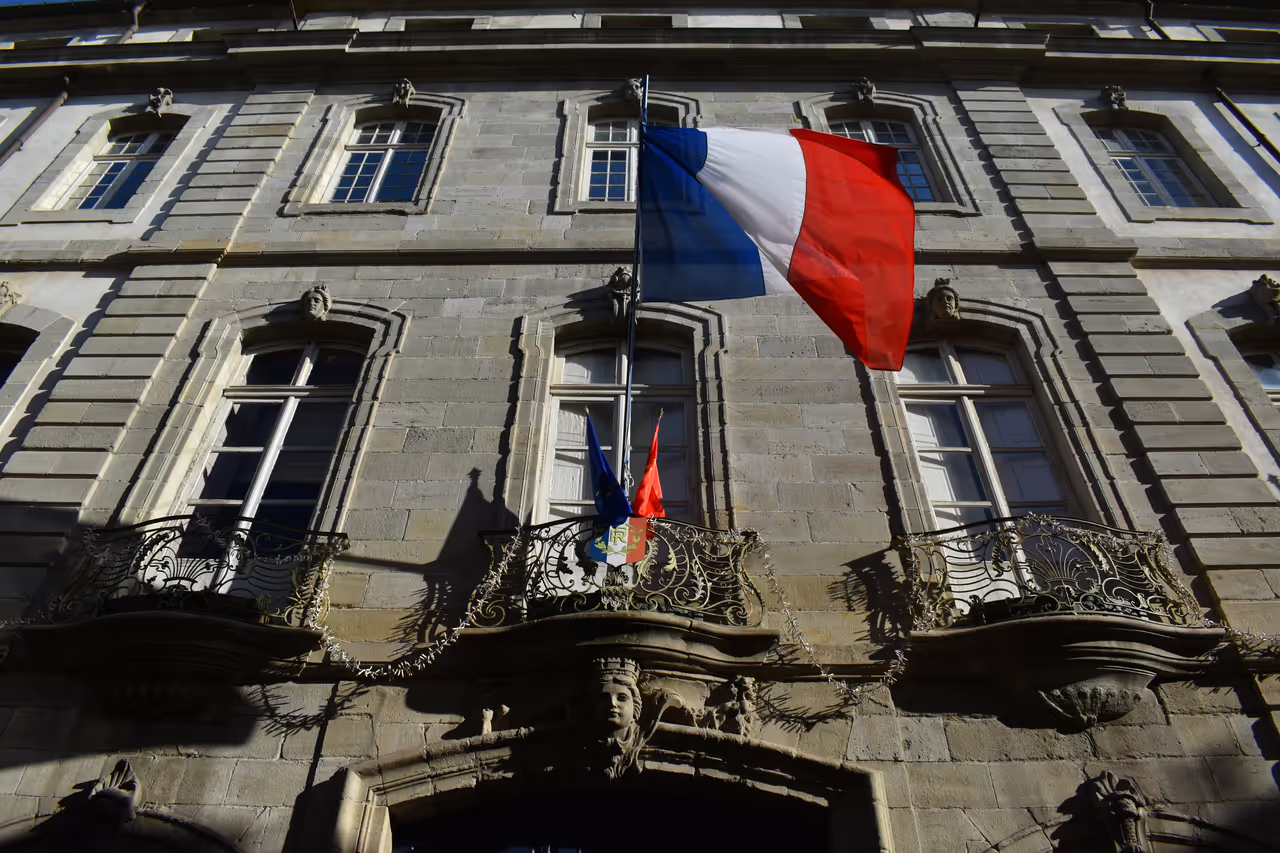 199m
199mRolland Mansion
Serving as the current town hall, this 18th-century structure screams bourgeois dominance. It was built during the peak of the city's textile explosion, featuring a highly symmetrical stone facade and heavy wrought-iron balconies. The massive wooden double doors were designed specifically to allow horse-drawn carriages to pass directly into the inner courtyard. It sits squarely in the Bastide, ignoring the medieval aesthetic of the hill entirely.
architecture view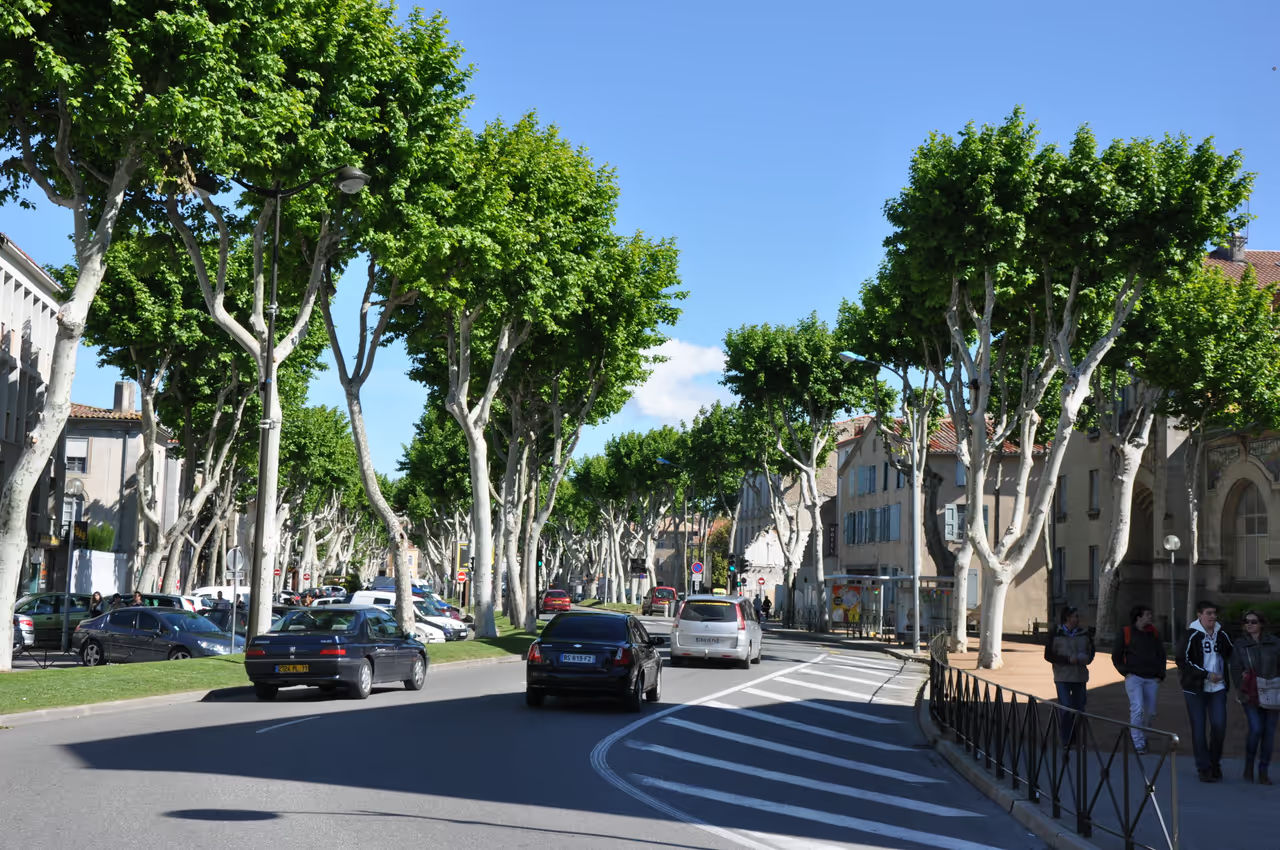 273m
273mJean Jaurès Flea Market
Antiques dealers and amateur sellers spread their wares along the wide, tree-lined boulevards of the Bastide. Stalls feature dusty collections of old French comic books, tarnished brass candlesticks, and heavy vintage linens. Buyers slowly pick through the tables looking for overlooked valuables or cheap decorative items. The mood is highly relaxed, punctuated by the sharp clinking of old glassware.
market view
Explore Similar Places in This Collection
Featured on This Itinerary
See all attractions in Carcassonne
Including Aude Gate, Basilica of Saint-Nazaire and Saint-Celse, Count's Castle, and more